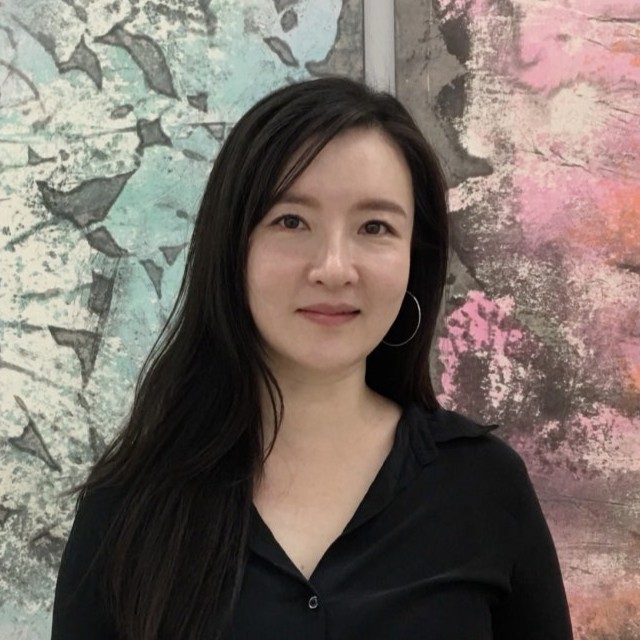
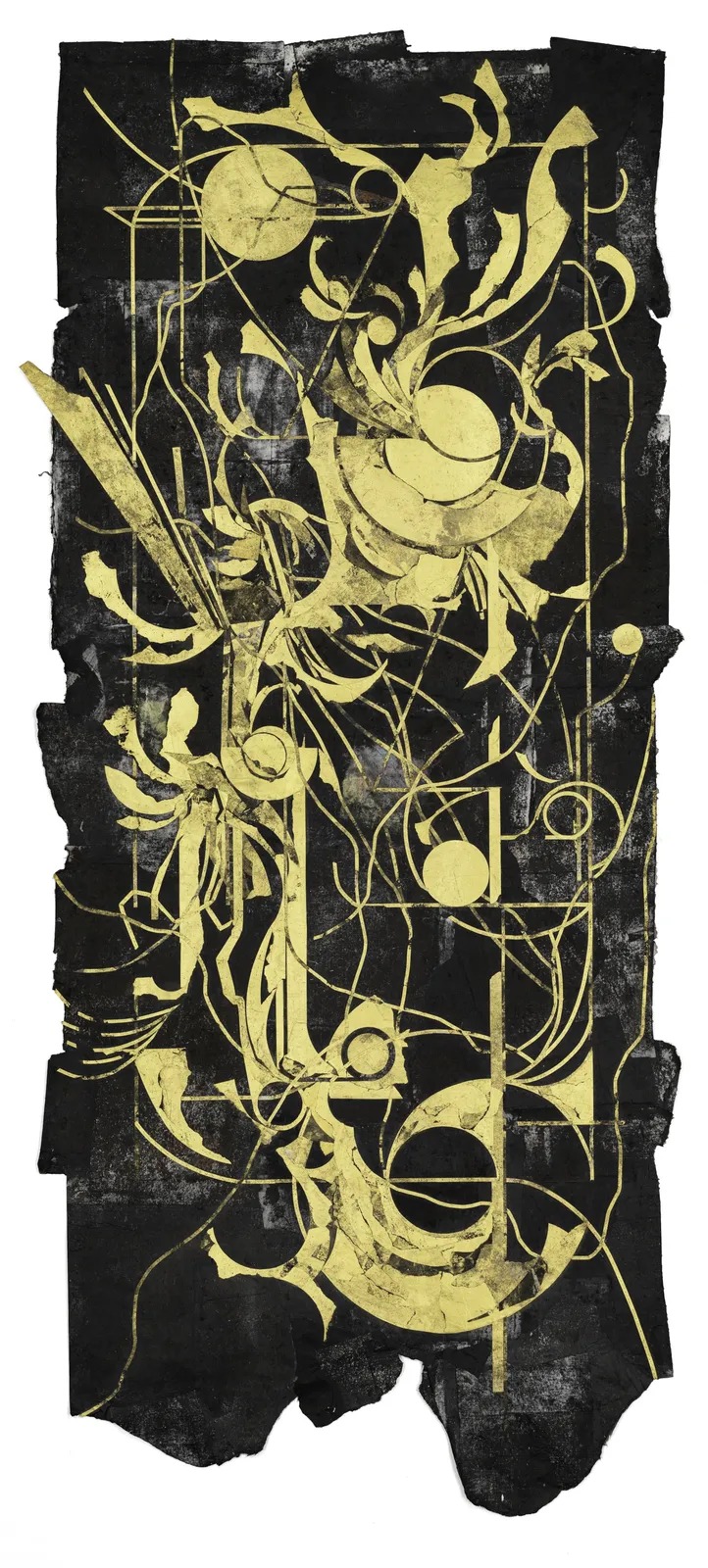
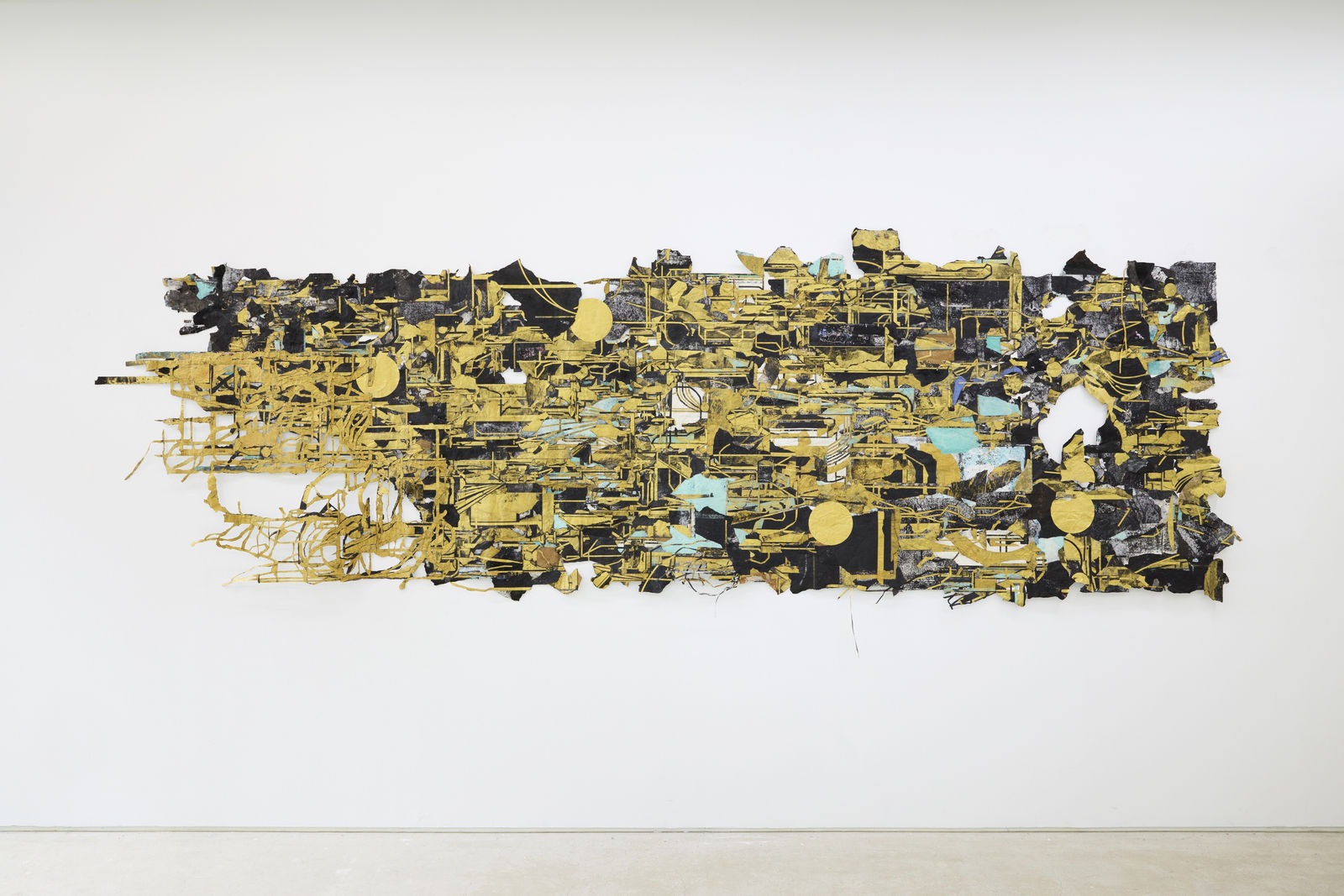
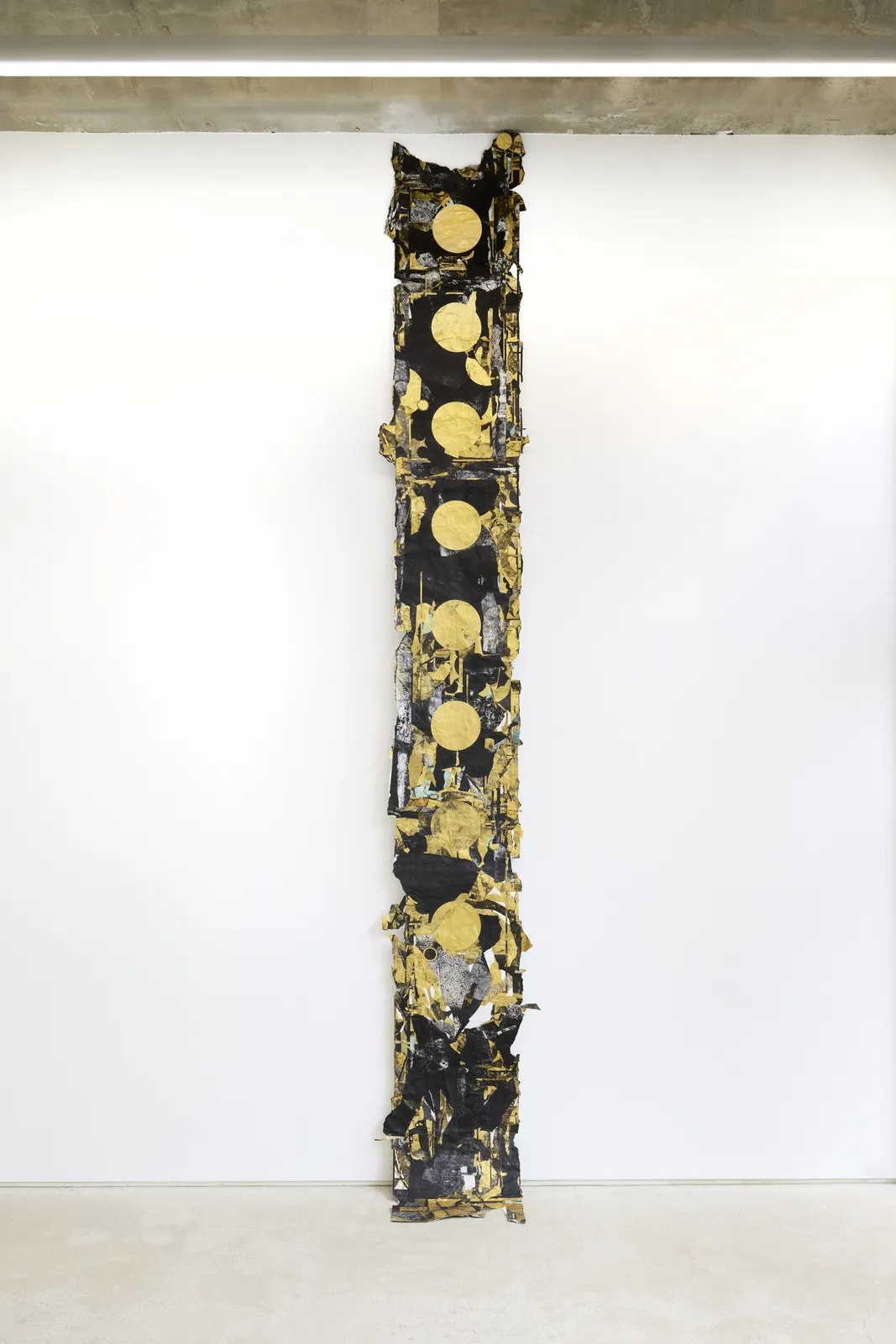
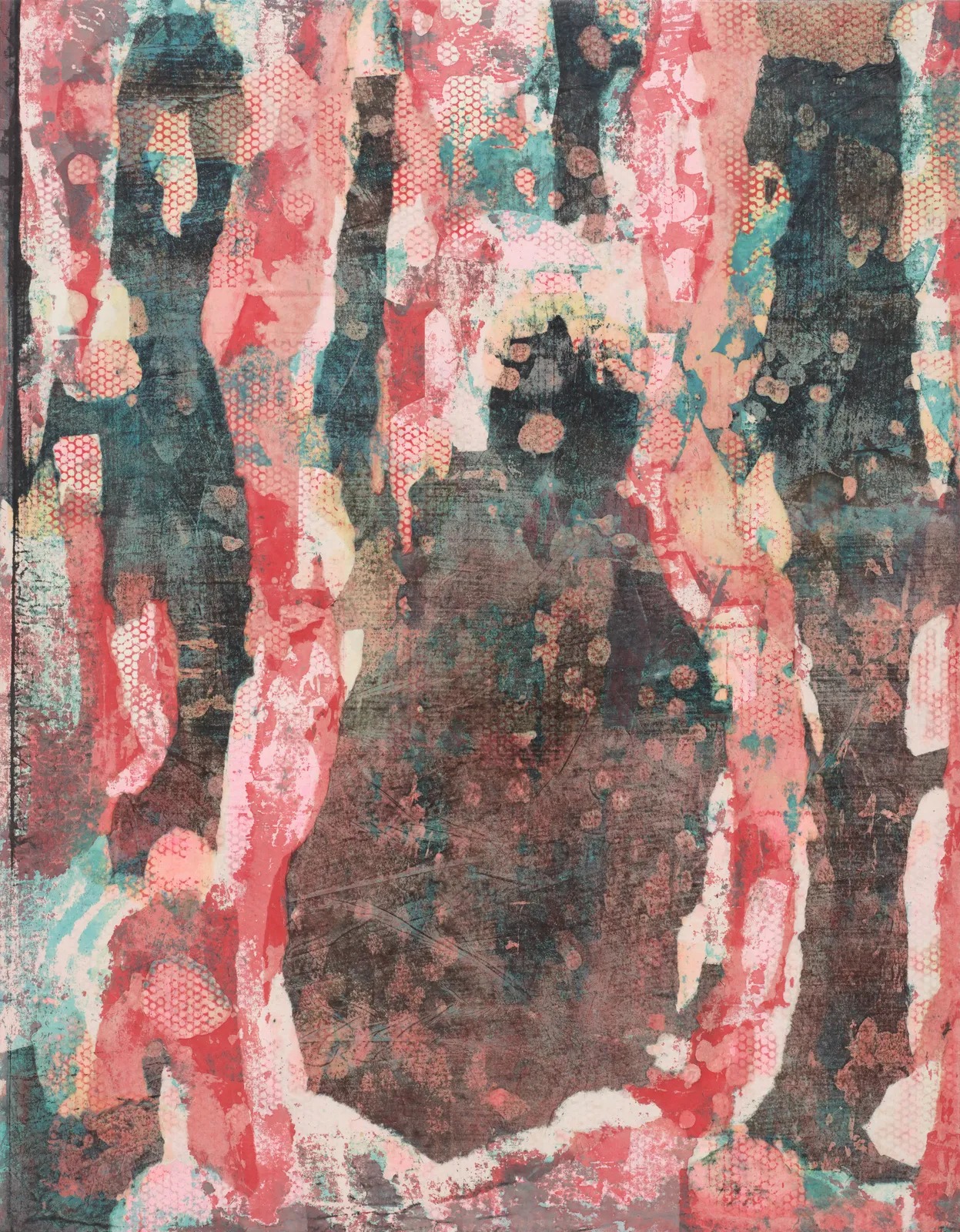
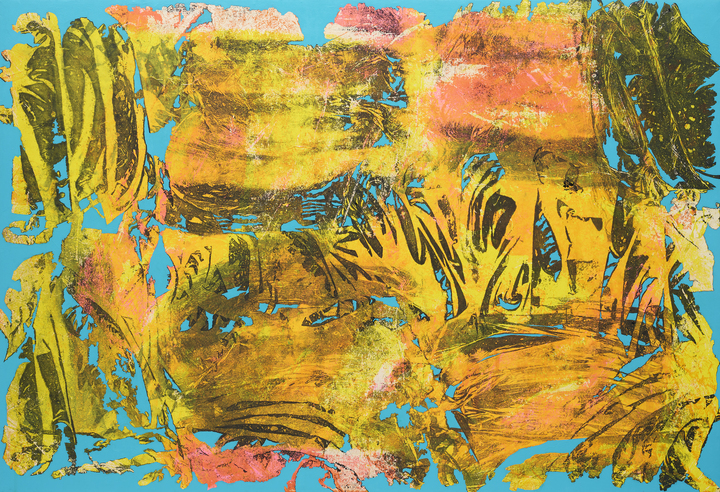
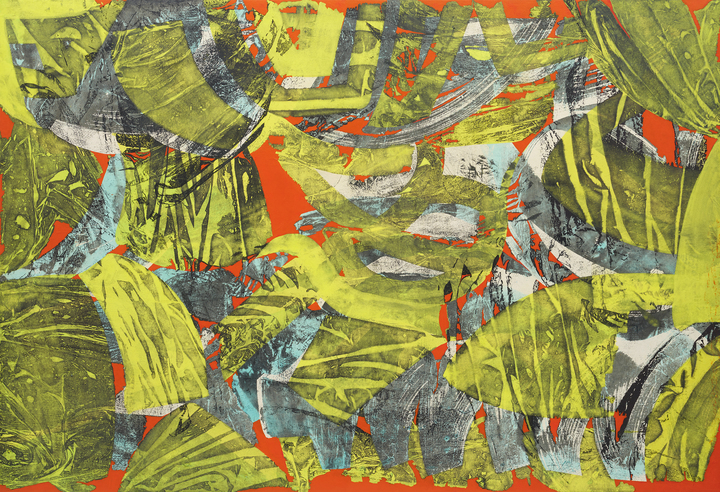
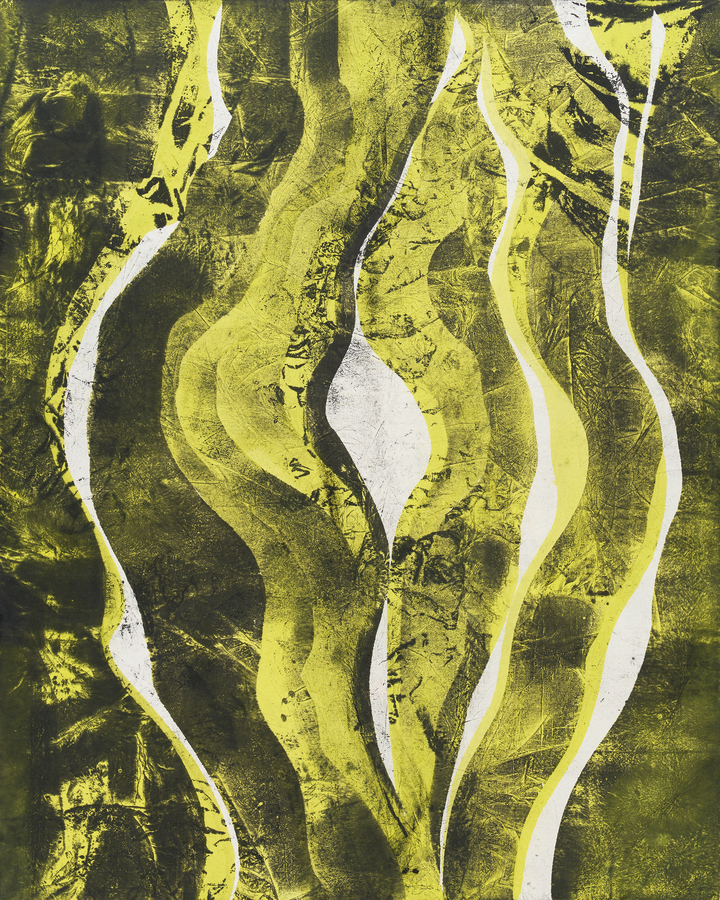
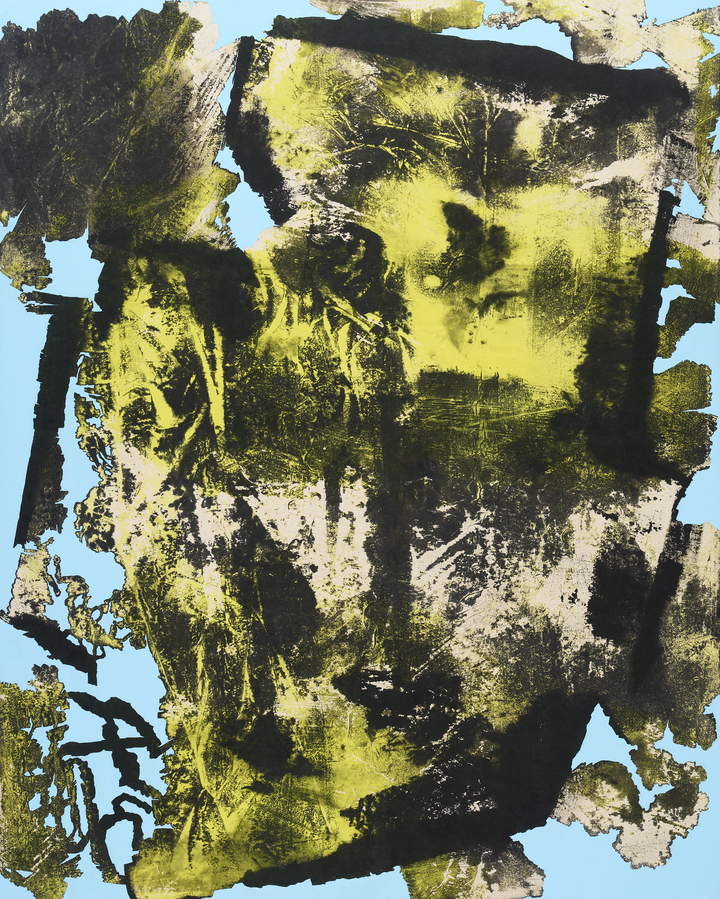
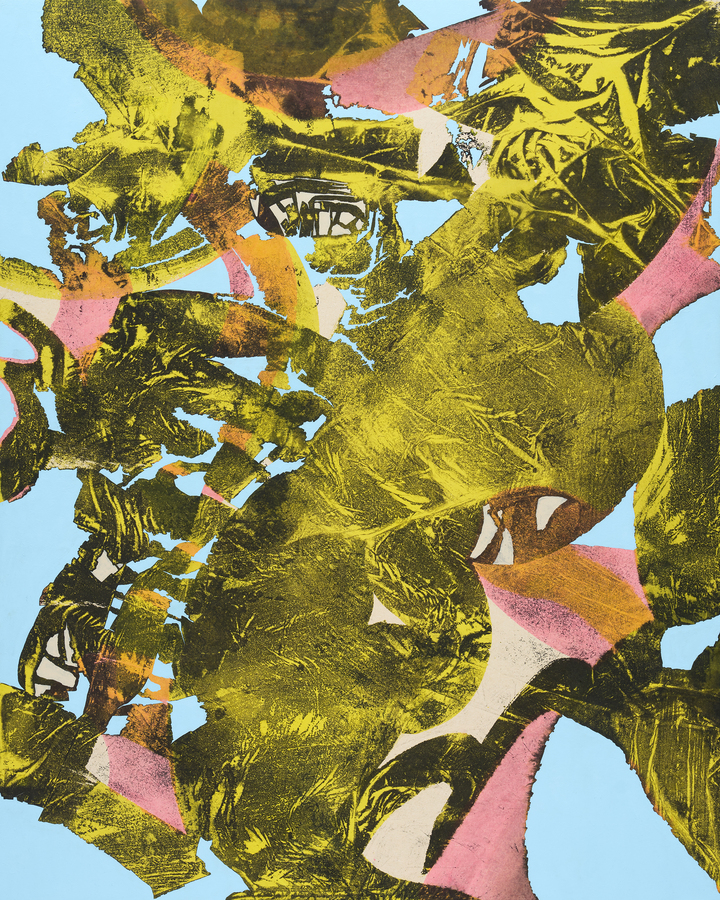
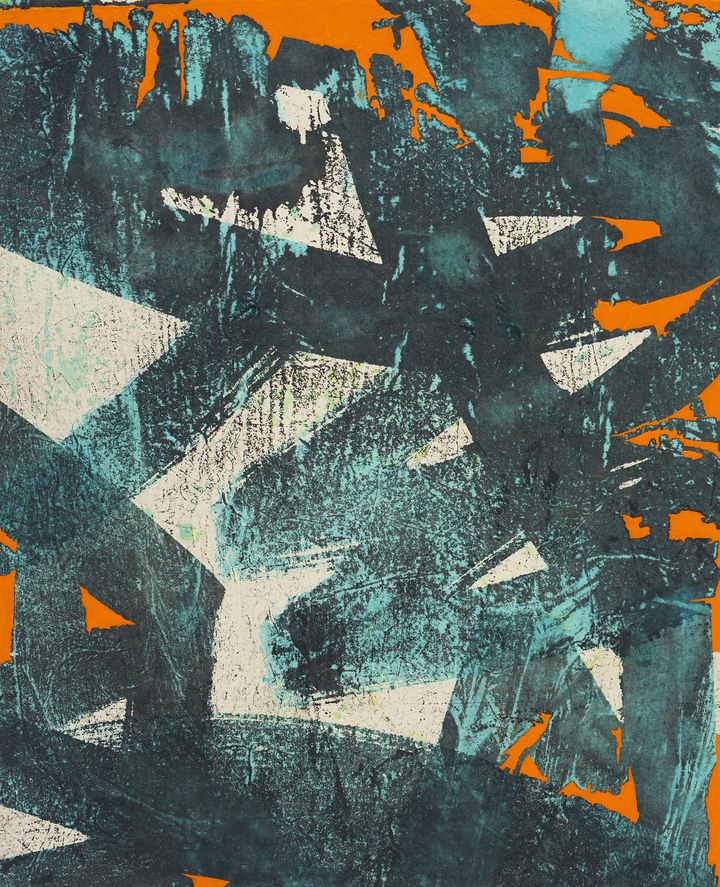
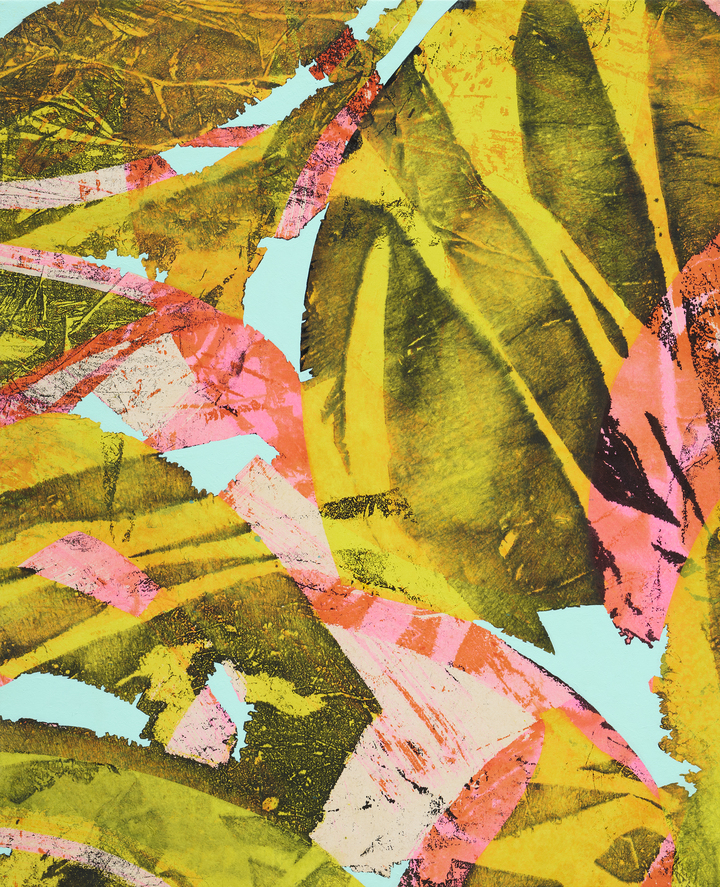
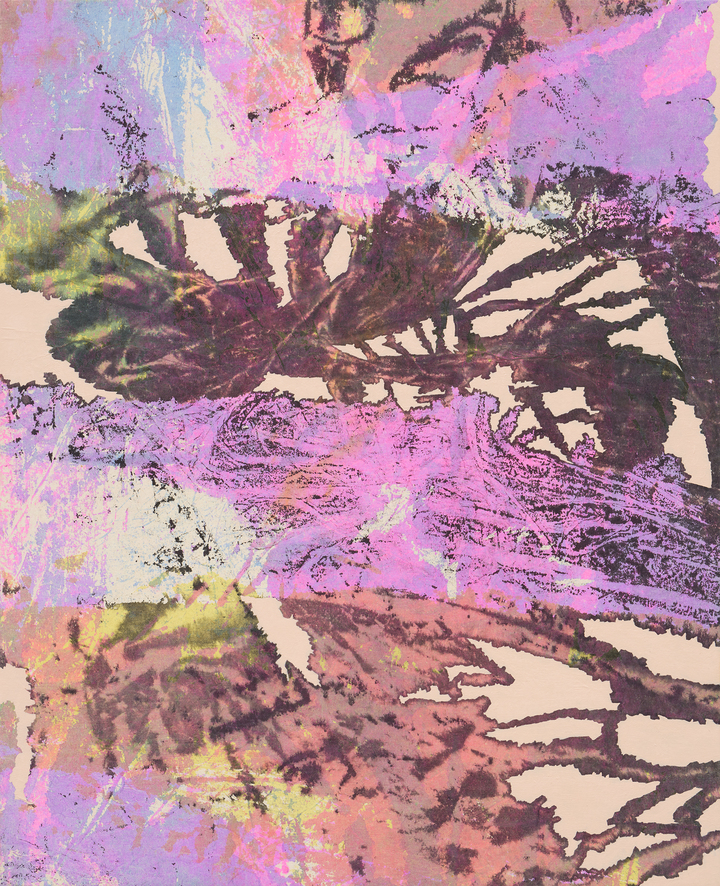
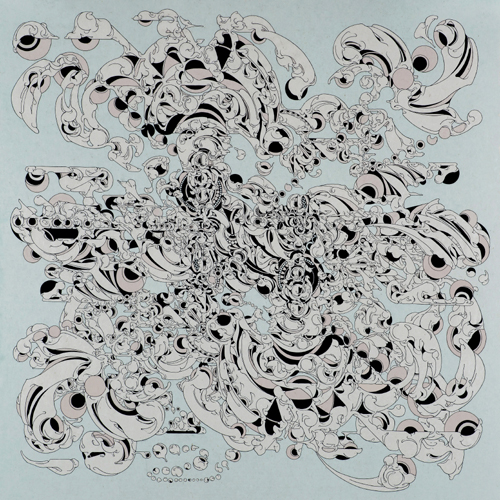
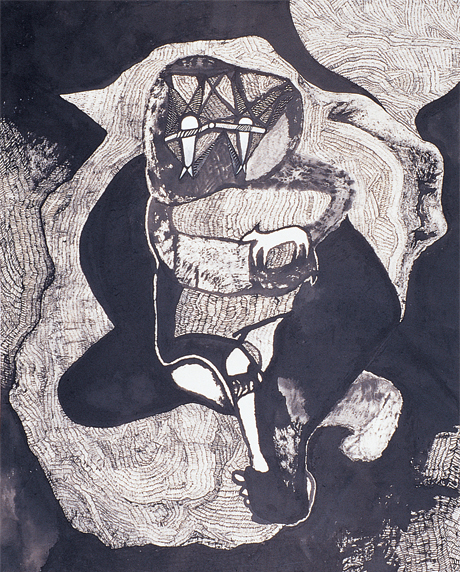
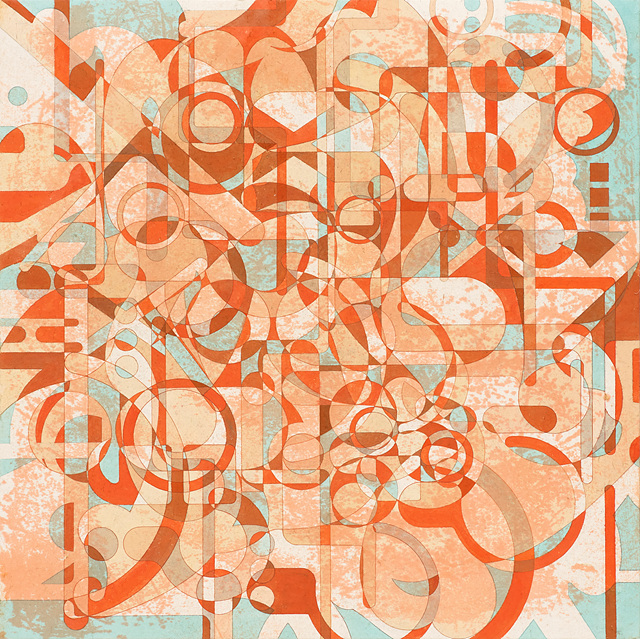
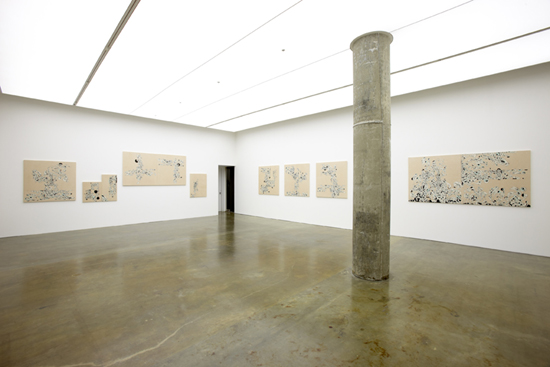
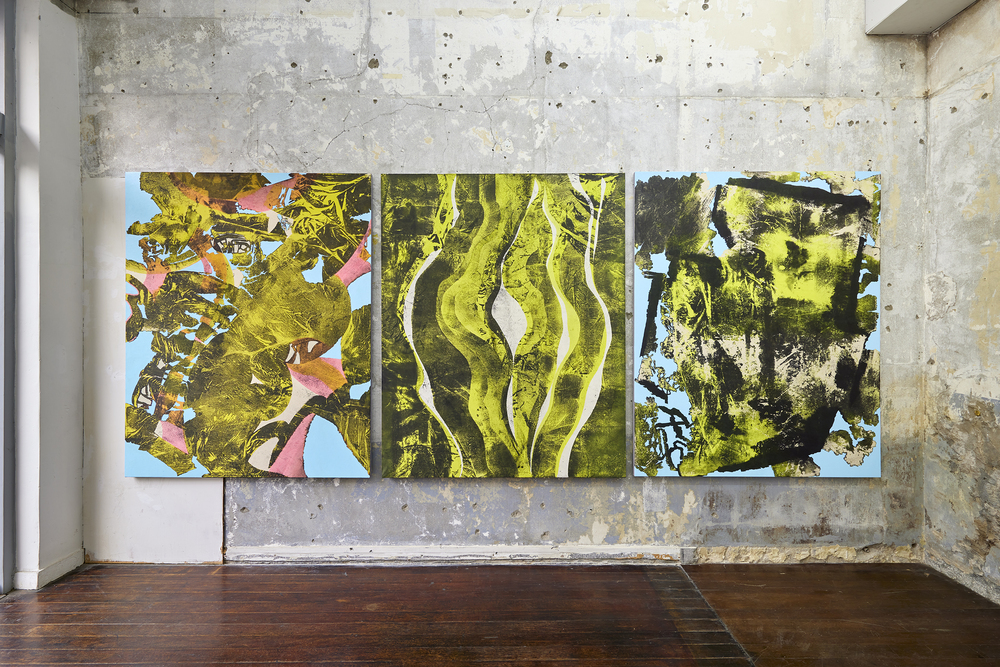
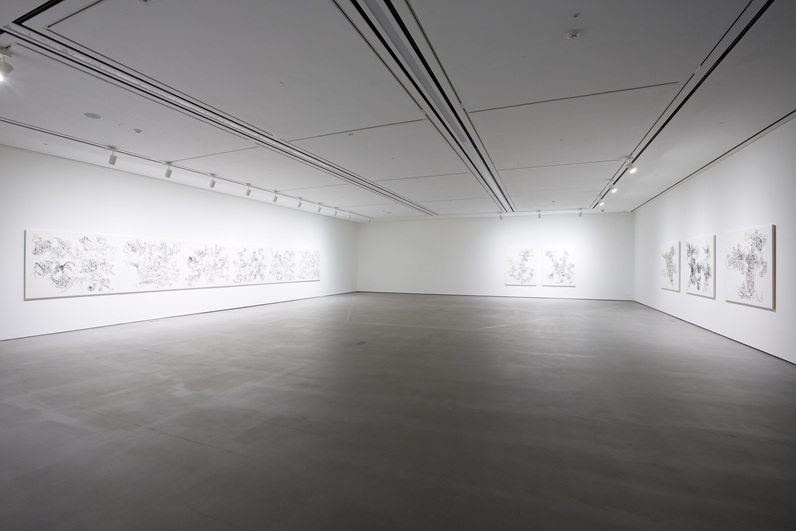
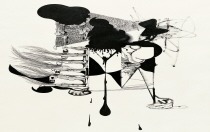
Sojung Lee has developed a body of Korean painting that constructs an abstract pictorial order while depicting an imaginary world inhabited by ever-growing monstrous forms.
Drawing upon deeply personal experiences and desires—including autobiographical reflections on illness, self-harm, castration anxiety, and sexuality—as sources of artistic energy, she devoted a significant period to "self-research" through the development of an idiosyncratic painterly grammar and rhetoric, often employing quotation marks and other linguistic devices.
This phase, however, was relatively brief. She soon transformed her nonverbal visual narratives of bodily fragmentation and recombination from intensely personal stories into quasi-social painterly games.
Lee's distinction as "a Korean painter who creates conceptually coherent paintings" lies in her simultaneously logical and illogical methodology of generating new paintings from existing ones, as well as in her ability to orchestrate exhibitions by placing these works in productive dialogue with one another.
Jury Statement
Over time, things that gradually become compressed and consolidated generally take one of two forms: either heterogeneous elements merge into a complete whole while revealing a new mode of existence, or they fail to overcome their internal divisions and solidify into something strange and distorted.
The three artists selected this year clearly belong to the former category. This is likely because each has patiently endured their own passage of time, continuously dissolving, dismantling, and recombining disparate elements into new unified forms.
In earlier works, Park Joo Yeon explored the relationship between institutions and individuals as well as broader forms of social connectedness. Through condensed and symbolic objects, she visualized the conditions imposed upon individuals standing before the overwhelming structures of society.
Park demonstrates a remarkable ability to articulate absurdity and communication through a wide range of cultural references. Although her works begin with absurdity, they ultimately transcend it, arriving at conclusions that suggest alternative ways of understanding the world.
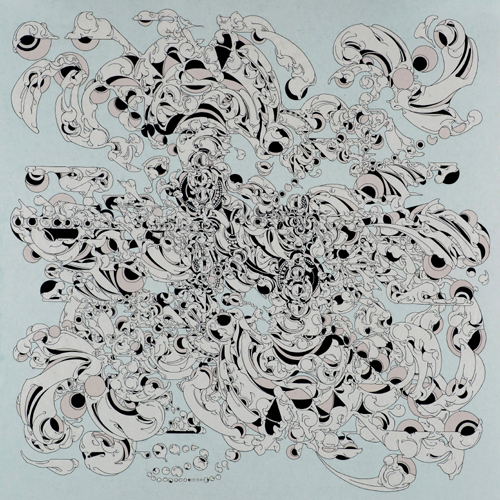
Sojung Lee, by contrast, presents an inverse trajectory. Elements that appear to have once possessed rational reasons for existing gradually transform into irrational and absurd forms. Within her paintings, various shapes emerge and proliferate autonomously, while the recurring signs dispersed throughout the compositions seem to exist in order to regulate them.
This coexistence of autonomy and control closely resembles the dynamics of the world we inhabit. It is precisely through this parallel that Lee's work achieves its persuasive force.
Jaye Rhee's practice, meanwhile, has evolved from transforming heterogeneous and exotic imagery into objects of nostalgia toward a broader expansion of materials and an increasingly fluid movement across artistic genres. She has mastered the ability to absorb every aspect of her own circumstances into her work and understands how to express them through the most appropriate visual means.
By making even herself the subject of her art, she lends authority to the voice of her work while exposing the hidden dimensions of the world around us and reminding viewers of realities that might otherwise remain unnoticed.
The three artists selected this year possess the capacity to broaden the horizons of Korean contemporary art, and indeed they have already begun to do so. What unites them is their ability to integrate heterogeneous elements into coherent new forms of existence and present them to us as complete wholes.
In New York, they will demonstrate both the future possibilities of Korean contemporary art and the strength of Korea's artistic practice within the international art world. I wish all three artists every success.
— Suh Jinsuk
The nine artists and one collective (three members) shortlisted for the visual arts category of the 2nd DOOSAN Yonkang Arts Awards were born between 1971 and 1984. The group ranged from artists who had already established highly self-contained artistic practices to those still actively experimenting with new directions. This differed noticeably from the first edition of the award, in which all nine finalists were contemporaries born between 1971 and 1974.
Consequently, there was a brief discussion as to whether such generational differences should factor into the evaluation. Some also suggested considering whether the opportunity to participate in the Doosan Residency in New York would be particularly beneficial for each artist. Ultimately, however, the selection of the three recipients rested on a single criterion: the excellence of the work itself. The jurors deliberately avoided speculating about secondary variables beyond the artworks.
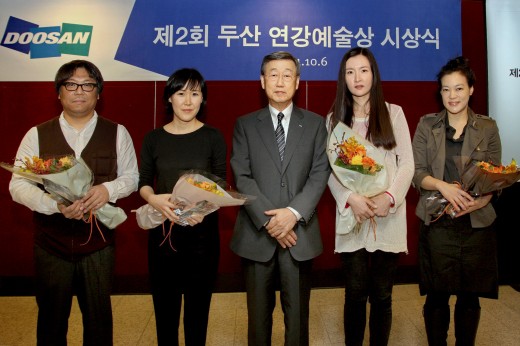
There was broad agreement among the three jurors, and the final recipients were selected without significant difficulty through a series of discussions. The three recipients were Park Joo Yeon (born 1972), Jaye Rhee (born 1973), and Sojung Lee (born 1979)—all women. Considering that the recipients of the inaugural award were also all women, one might even interpret this as reflecting the relative stagnation of male artists during the 2010s.
In Korean age, Park Joo Yeon was forty and Jaye Rhee thirty-nine, placing them in a generation similar to that of the previous year's recipients, whereas Sojung Lee, at thirty-three, represented a distinctly younger generation. Observing the Korean contemporary art scene over time reveals the generational distribution of emerging artists, and it has often seemed that relatively few significant artists were born in the late 1970s and early 1980s.
This year's finalists suggested otherwise: among them were one artist born in 1978, two in 1979, and one each in 1980, 1982, and 1984. Quietly but unmistakably, a generational transition appears to be underway. What this new generation of artists most urgently needs are opportunities to create and exhibit their work.
The DOOSAN Yonkang Arts Awards provides recipients with prize money, a studio in New York accompanied by production support, and opportunities for solo exhibitions. Owing to these substantial forms of support, many have compared the award to the Hermès Foundation Missulsang since its inception. One hopes that it will continue to be administered fairly and consistently, ultimately becoming recognized as one of Korea's leading award programs contributing to the advancement of contemporary Korean art.
Park Joo Yeon's practice follows the postcolonial tradition of investigating the Other, yet distances itself from ethnographic research and the politics of race. Rather than remaining within the familiar framework of revealing what has been concealed, her methodology distinguishes itself by locating specific cultural points of intersection within global contexts and reconfiguring their relationships to construct critical situations.
Her approach avoids artificiality while maintaining a distinctly poetic sensibility. Jaye Rhee has developed performative video works marked by a DIY aesthetic, playfully exploring concepts and forms bracketed from everyday life through deceptively simple formats. Following an era in which many contemporary artists pursued high-definition moving images reminiscent of commercial cinema, the twenty-first century witnessed the emergence of what might be called "Video Povera."
A defining characteristic of this new generation of video artists has been the performative use of their own bodies to expose the primitive dimensions of new media—what some critics have even described as a "YouTube aesthetic."
While Jaye Rhee's work aligns with this broader tendency, it distinguishes itself through its humorous demonstration that established symbolic systems—often rooted in familiar vernacular imagery—contain dimensions of "plastic dark matter" that resist translation into language.
Sojung Lee has developed a body of Korean painting that constructs an abstract pictorial order while depicting an imaginary world inhabited by ever-growing monstrous forms.
Drawing upon deeply personal experiences and desires—including autobiographical reflections on illness, self-harm, castration anxiety, and sexuality—as sources of artistic energy, she devoted a significant period to "self-research" through the development of an idiosyncratic painterly grammar and rhetoric, often employing quotation marks and other linguistic devices.
This phase, however, was relatively brief. She soon transformed her nonverbal visual narratives of bodily fragmentation and recombination from intensely personal stories into quasi-social painterly games. Lee's distinction as "a Korean painter who creates conceptually coherent paintings" lies in her simultaneously logical and illogical methodology of generating new paintings from existing ones, as well as in her ability to construct exhibitions by placing these newly derived works into productive dialogue with one another.
It is hoped that the three recipients of the visual arts category of the 2nd DOOSAN Yonkang Arts Awards will demonstrate exceptional artistic achievements in their commemorative solo exhibitions scheduled for 2013.
— Geun-jun Lim
Now in its second year, the visual arts category of the DOOSAN Yonkang Arts Awards followed the same selection process as the inaugural edition: three recipients were chosen from nine finalists who had been nominated by recommendation committee members and selected through a preliminary review. Upon first encountering the shortlisted artists, three observations immediately came to mind.
First, unlike the previous year, when most finalists had been born in the early 1970s, this year's candidates represented a broader generational range, from those born in 1971 to those born in 1980. Second, the diversity of media had expanded considerably, encompassing oil painting, ink painting, photography, sound, and video. In particular, the noticeable increase in artists working with moving images was especially striking.
Finally, as in the previous year, none of the nominees were unknown emerging artists; even those only recently entering their thirties had already established themselves to some degree through their exhibition histories and professional achievements.
Perhaps because the jury members had already reflected on the purpose and character of the award during its inaugural year, the deliberation process proceeded far more smoothly than before, with relatively little disagreement. Coincidentally, as in the previous year, all three final recipients were women.
Park Joo Yeon has consistently explored social structures of power and marginalization, examining relationships between individuals and institutions, the local and the global, as well as mainstream and peripheral cultures. Beginning with her first solo exhibition featuring a documentary work on Ann Smith, an elderly woman who had lived inside a junked automobile for thirty years, she has continued to develop her practice through works ranging from performances by Irish English teachers temporarily living in Korea to videos portraying the lives of day laborers.
While maintaining remarkable consistency in her central concerns, each new project has demonstrated increasingly profound and sustained development. It is expected that the opportunity to work in New York, awarded through this prize, will prove especially meaningful to her artistic practice.
Whenever I encountered Sojung Lee's distinctive ink paintings, I was struck by her unwavering commitment to a highly individual working method and by the extraordinary energy contained within her work. Intensely visceral and sensory, yet at the same time executed with an almost coldly calculated precision, her paintings possess the potential to transform dramatically when stimulated by new and positive external influences.
Having only recently entered her thirties, I hope that the experience of creating and exhibiting in a new environment will become precisely such a catalyst for her future development.
The greatest strength of Jaye Rhee's work lies in its ability to move viewers through seemingly modest and deceptively simple gestures that reveal the human body itself with remarkable directness.
At the same time, her practice is distinguished by an honest and unforced sense of humor. Combined with its strong artistic foundation and a degree of accessibility to broader audiences, these qualities suggest that her work will continue to develop in compelling new directions. As this award has reached only its second edition, it may be somewhat premature to speculate about its future.
Nevertheless, I cautiously imagine that it will establish itself as an award dedicated to artists in their thirties—from the early to late stages of that decade—who have already developed substantial artistic practices, providing them with opportunities to deepen and expand their work.
Opportunities to exhibit in New York and Seoul are, of course, significant, but perhaps the most valuable aspect of the award is the New York residency program itself. Located in the heart of Chelsea and offering an excellent living and working environment, it represents an exceptionally attractive opportunity. I sincerely hope that the three selected artists will use this experience to listen, observe, exchange ideas, and reflect deeply, ultimately elevating their artistic practices to a new level and using it as a meaningful stepping stone toward the next stage of their careers.
— Yunah Jung