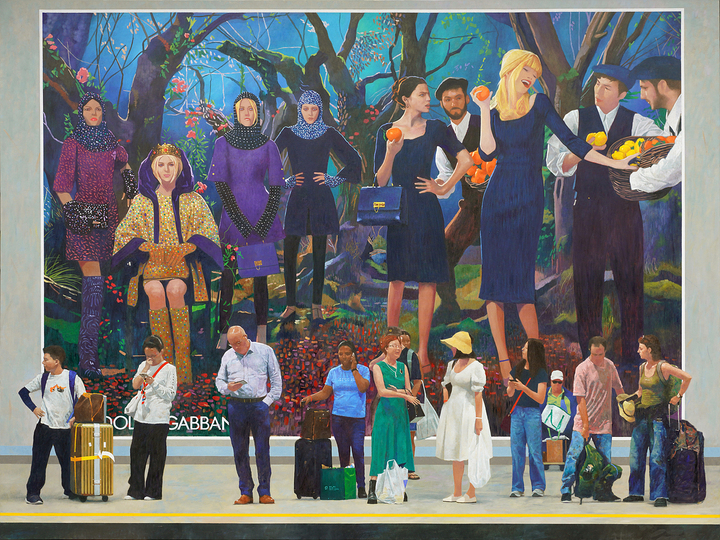
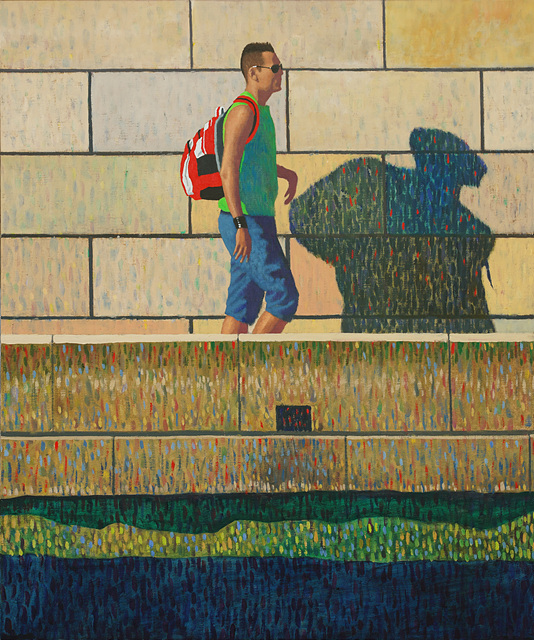
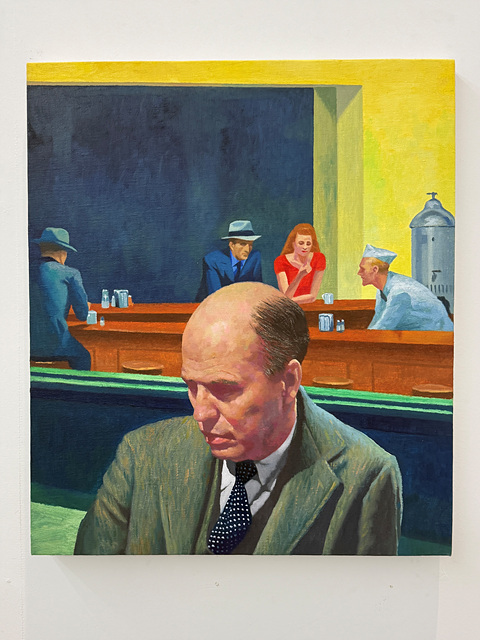
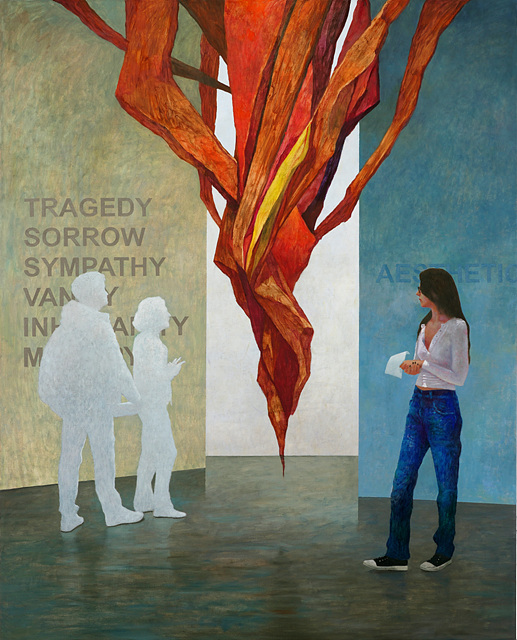
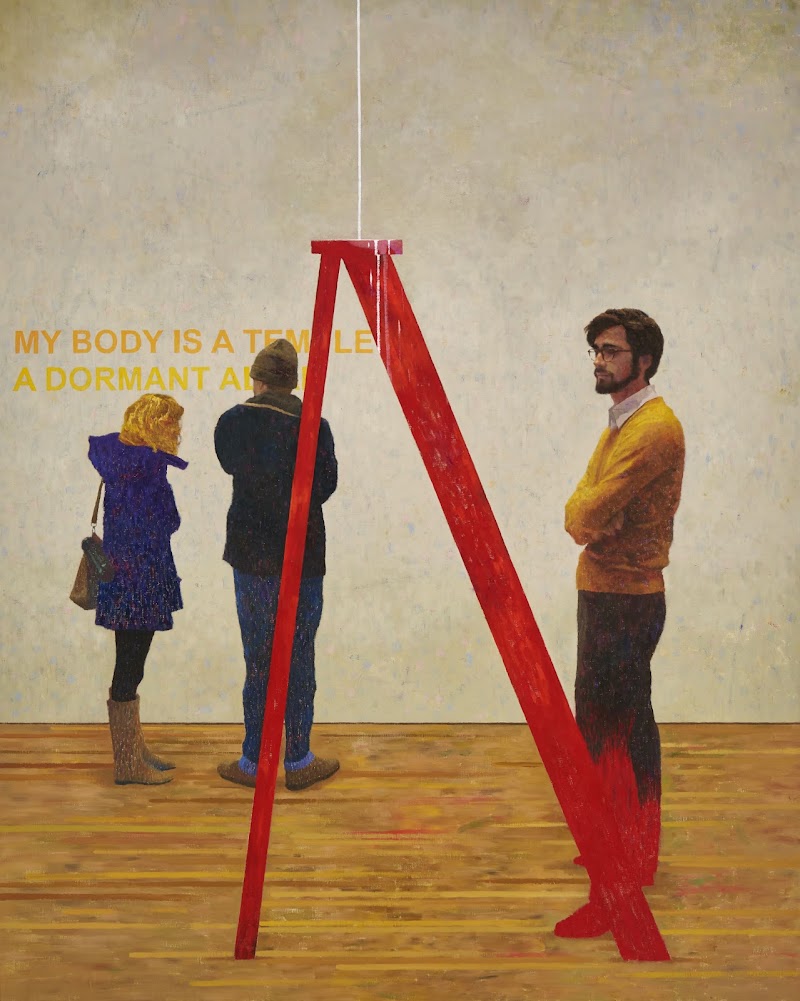
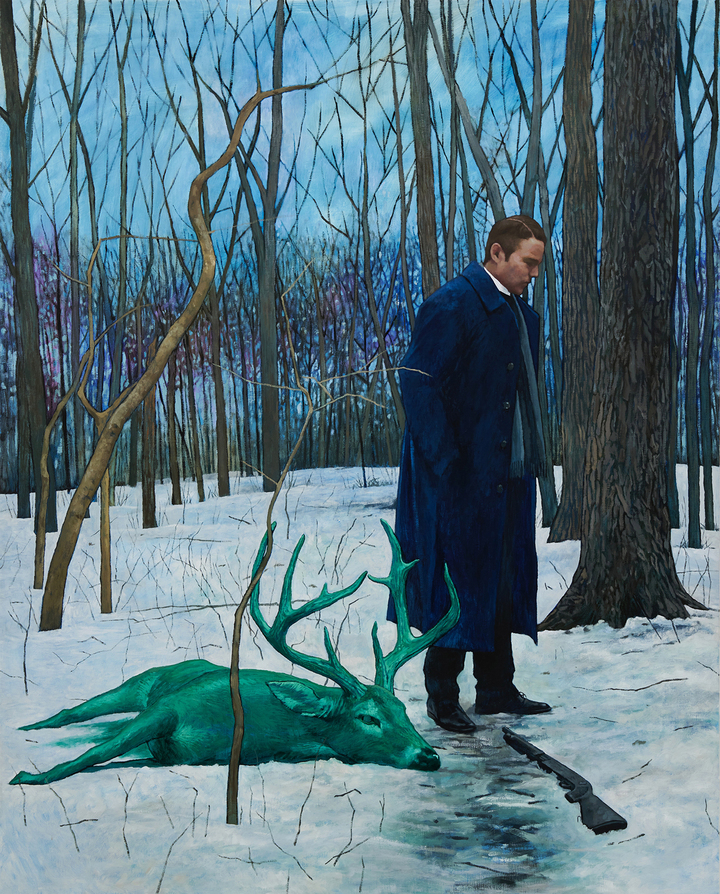
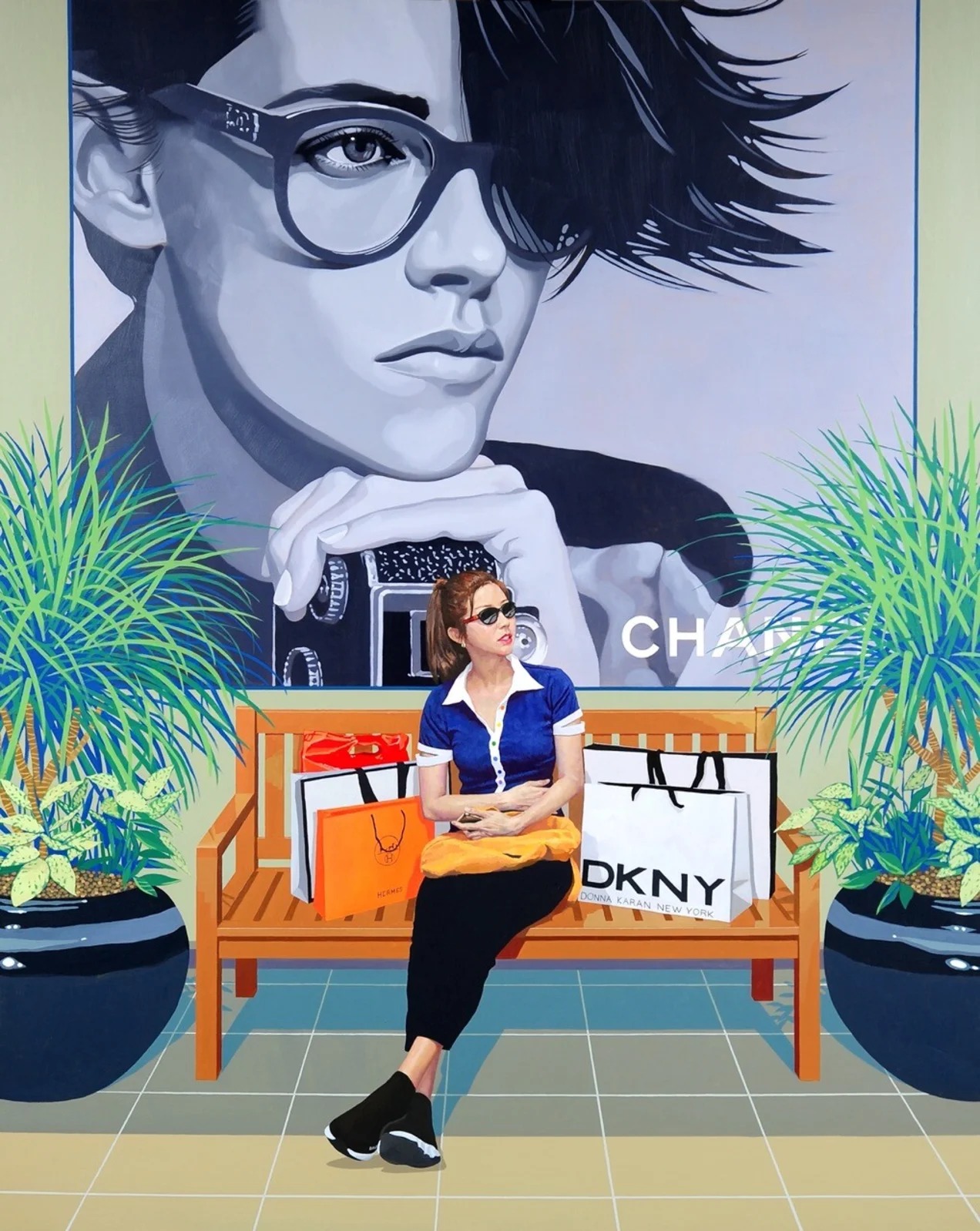
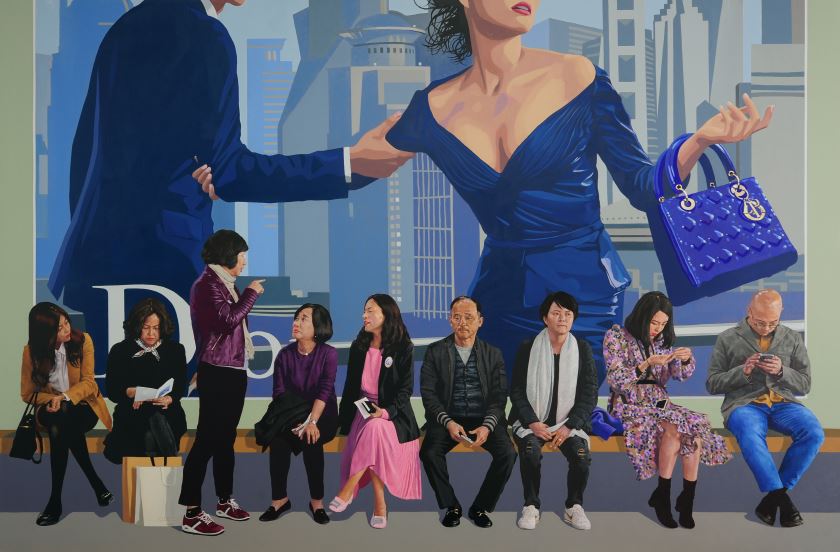
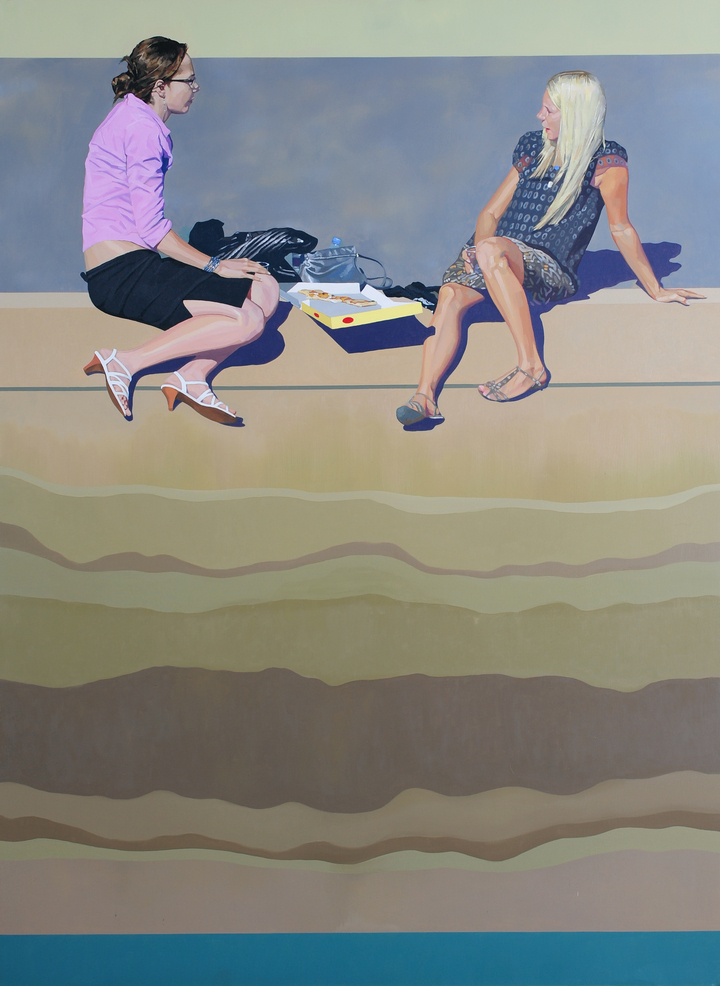
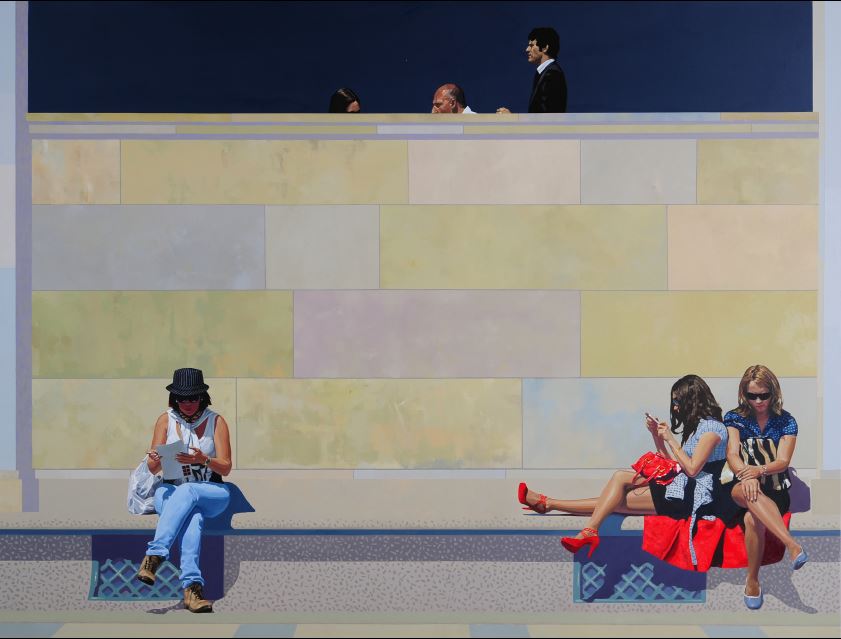
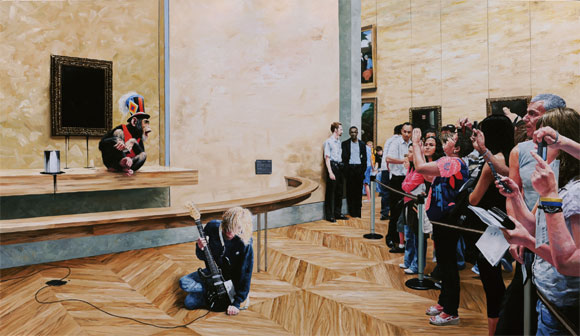
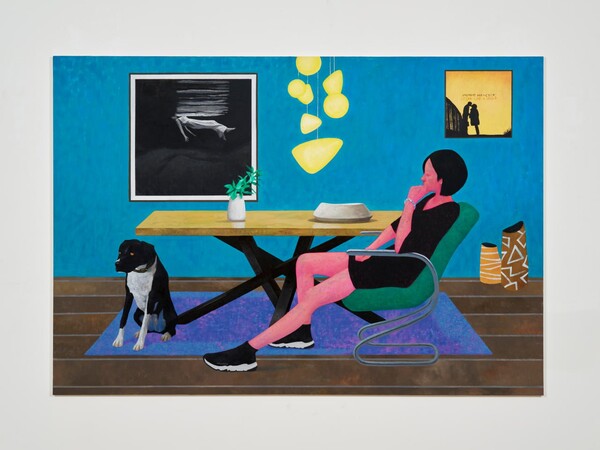
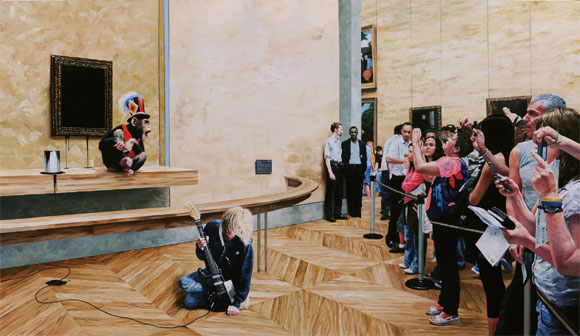
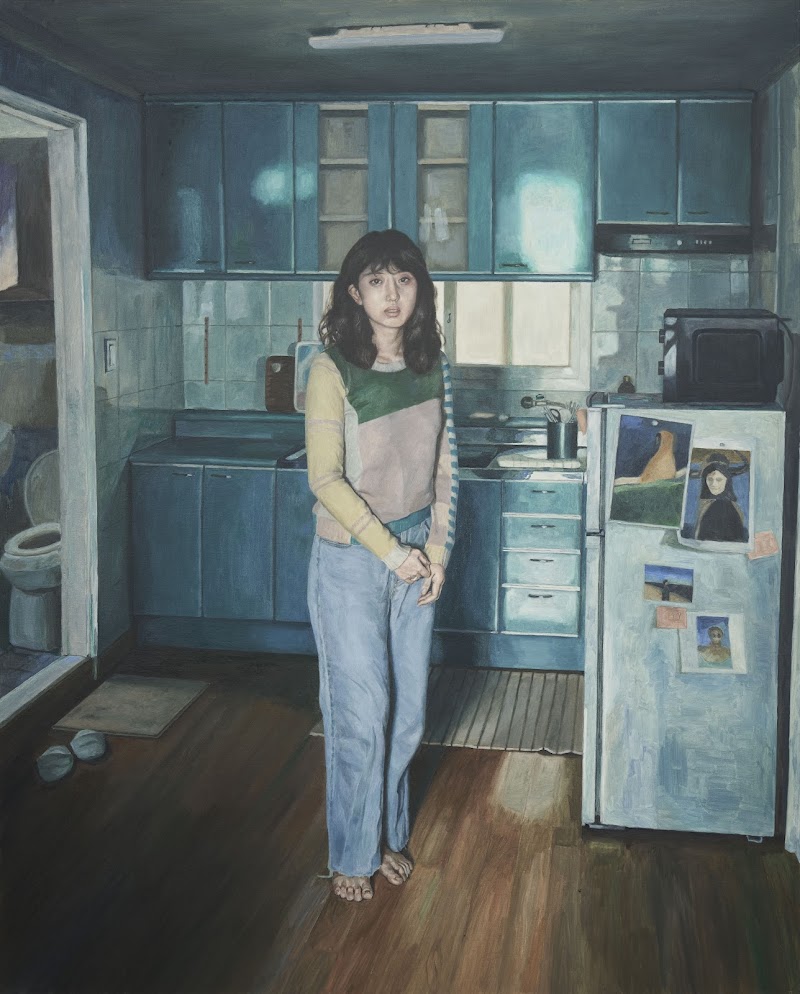
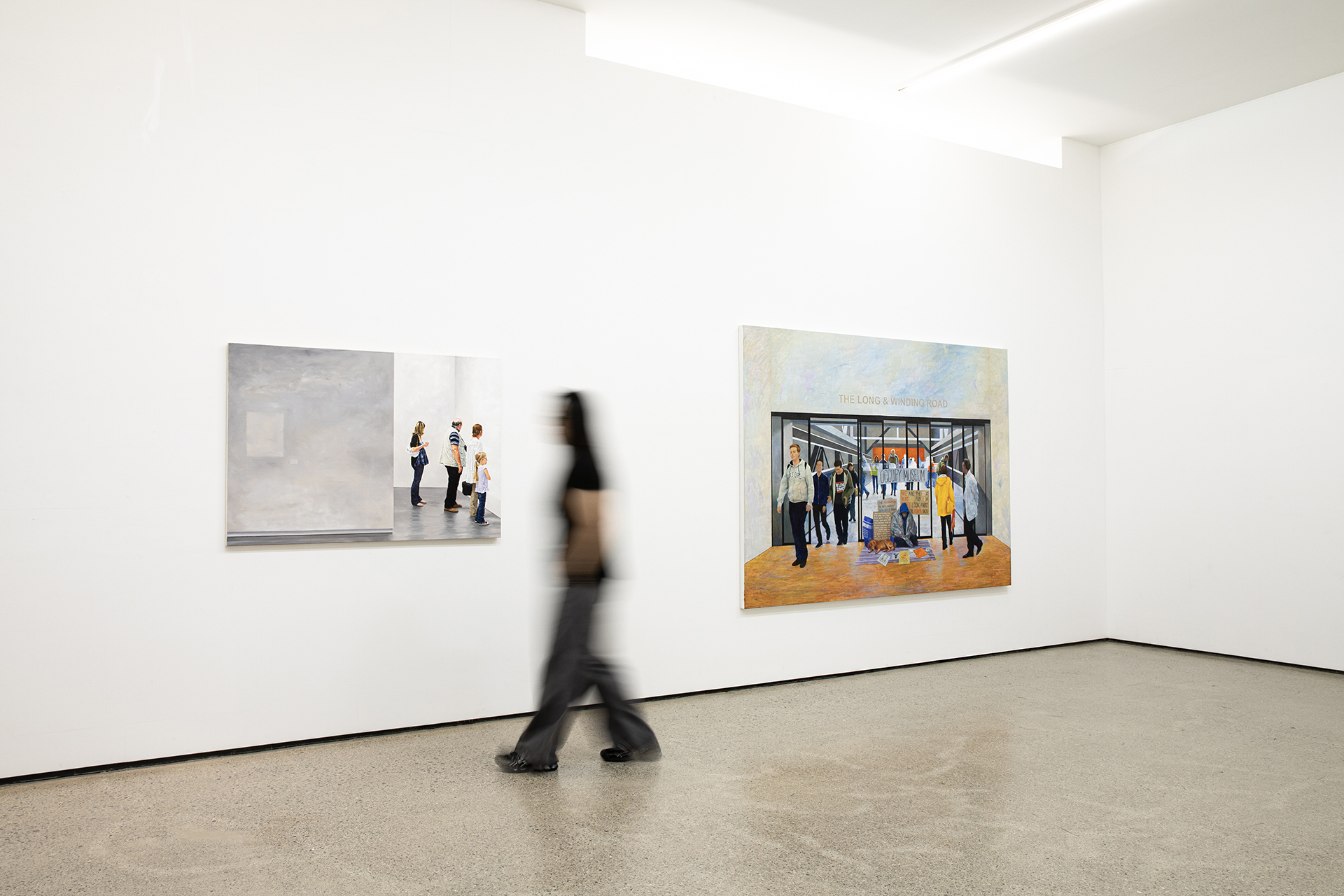
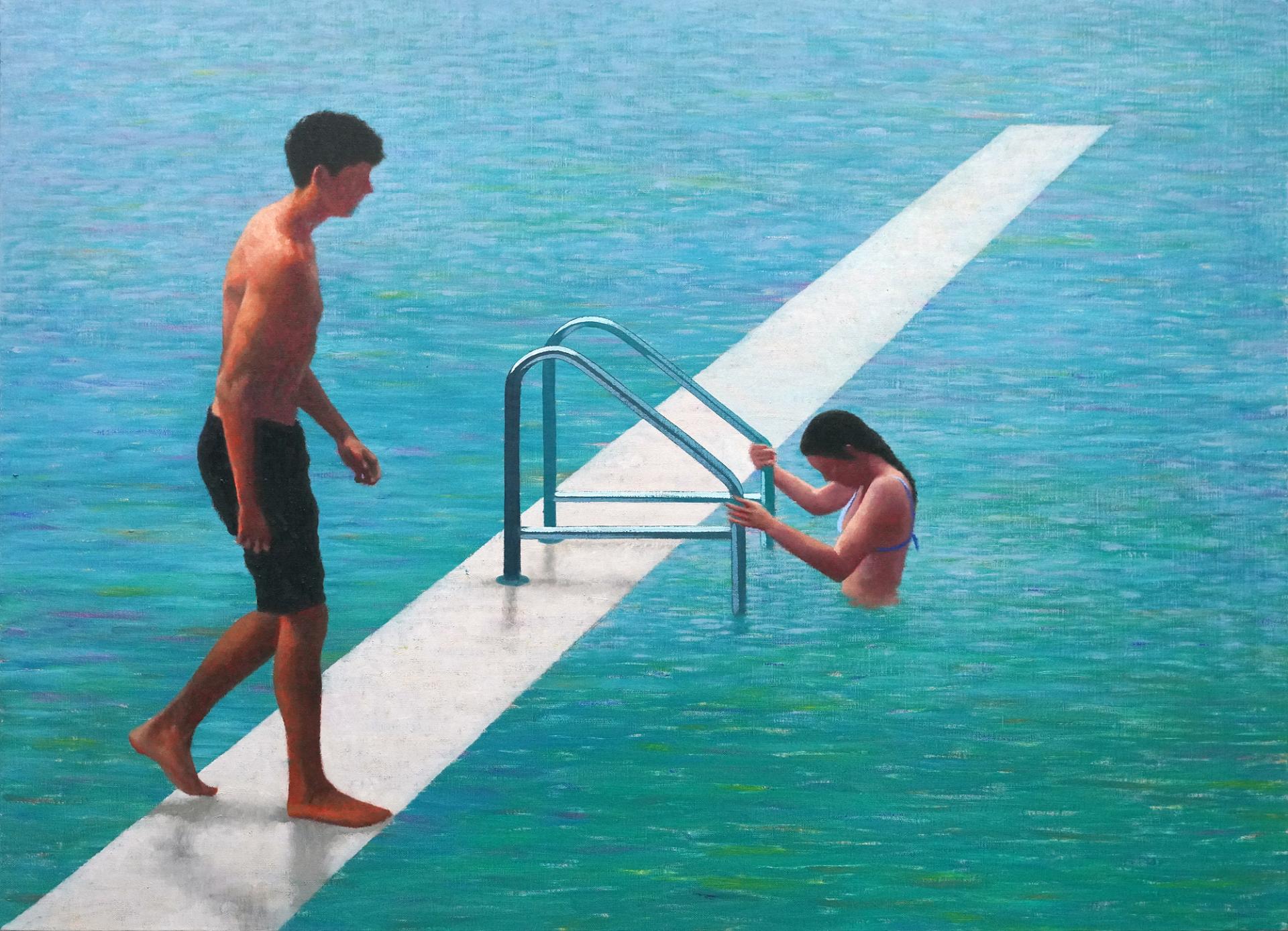
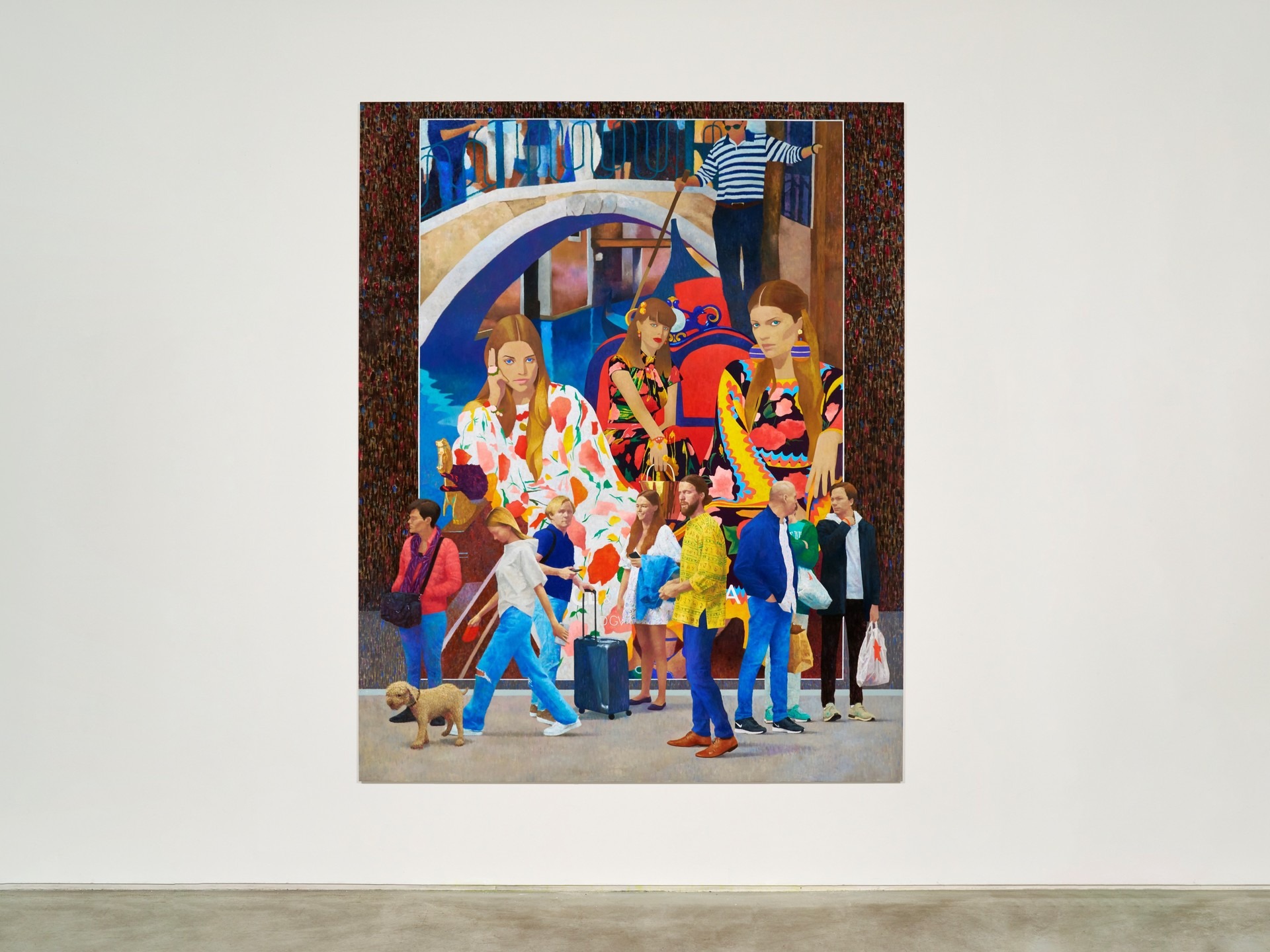
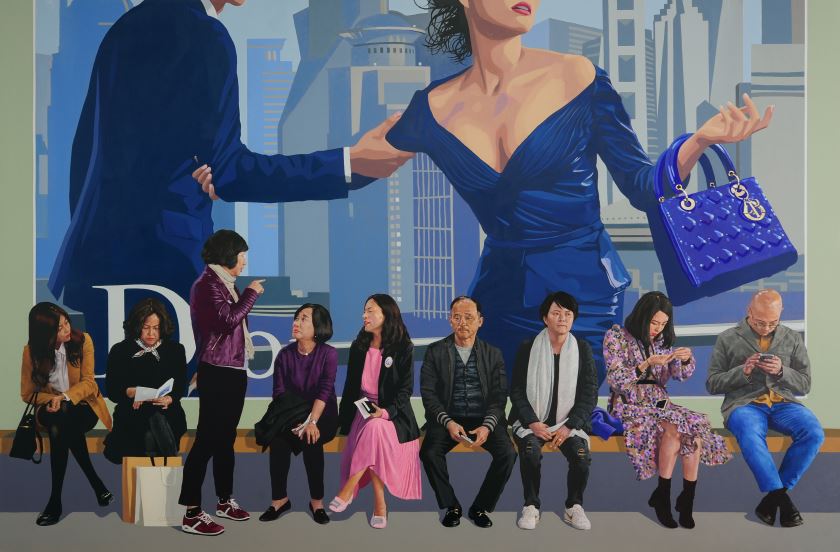
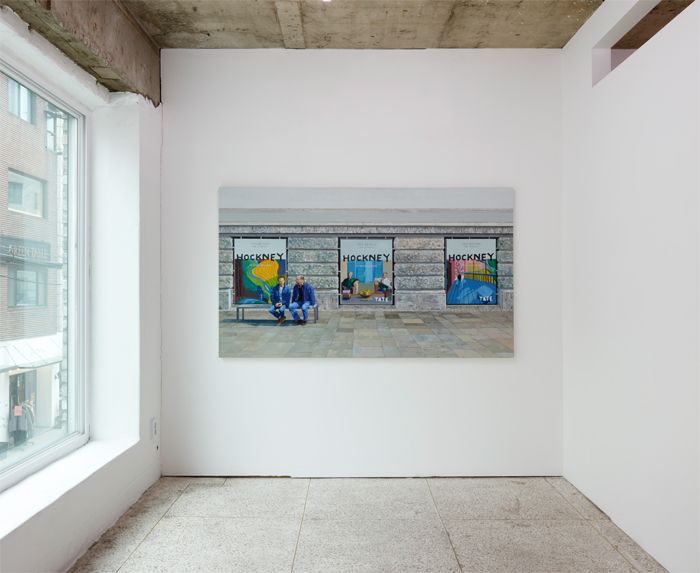
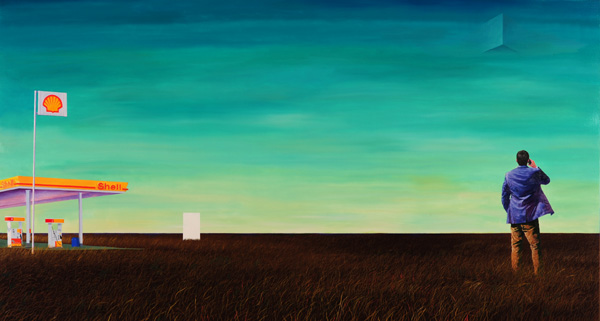
Seo Sangik constructs painterly spaces in which reality and imagination overlap through highly realistic representation. Urban landscapes, domestic interiors, billboards, museums, and images reminiscent of cinematic scenes intersect within a single composition, transforming familiar settings into unfamiliar situations. Rather than functioning independently, these elements generate meaning through their relationships with one another, encouraging viewers to assemble their own narratives.
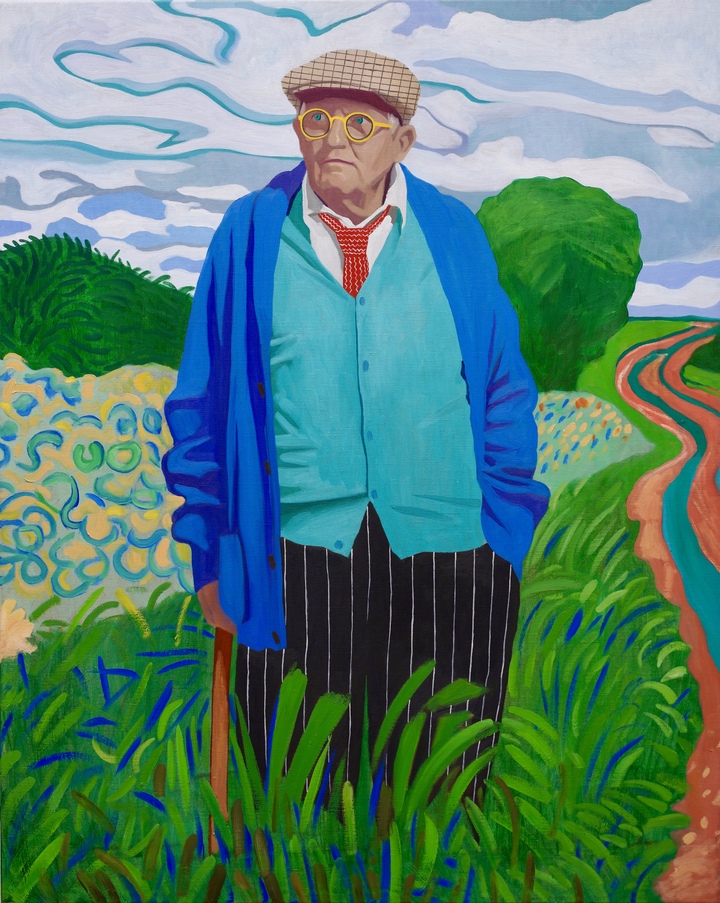
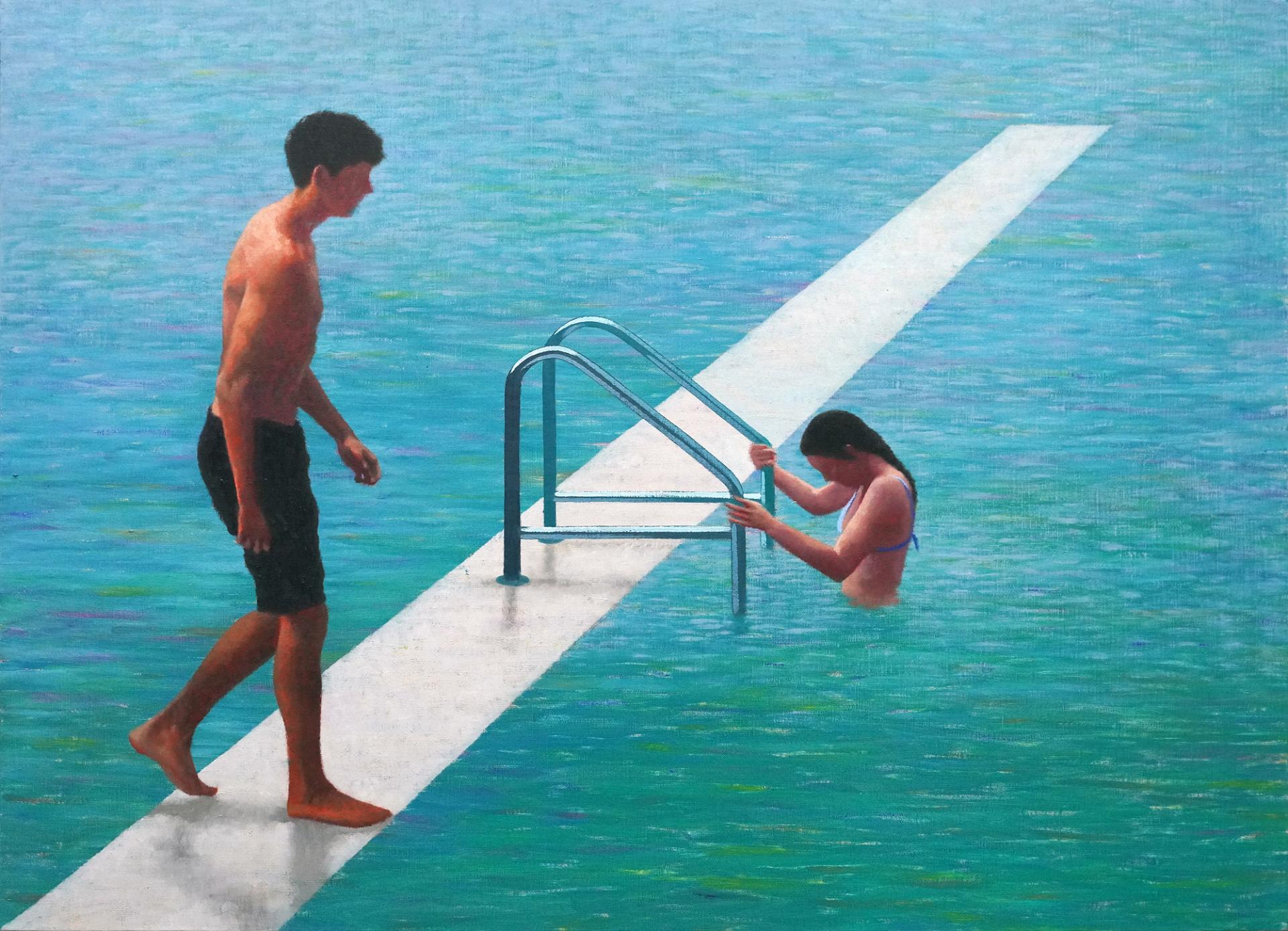
His paintings draw simultaneously upon the documentary quality of photography and the imaginative potential of painting. While spaces and figures retain a convincing sense of reality, different temporalities, memories, and symbolic images coexist seamlessly, producing scenes that could not exist in the physical world. These compositions do not seek surrealism for its own sake; instead, they visualize the psychological layering of memory and everyday experience.
Since the mid-2010s, Seo has increasingly incorporated the mechanisms through which images are produced, displayed, and consumed. Billboards, museums, exhibition spaces, and paintings within paintings operate as secondary frames that both emphasize the flatness of the picture plane and connect multiple visual registers. As a result, physical space, pictorial space, materiality, and illusion coexist within the same composition.
More recent works move beyond the polished surfaces associated with photorealism to foreground the material qualities of paint itself. Using dry-brush techniques and paint with reduced oil content, Seo creates richly textured surfaces that reveal painterly gestures at close range while maintaining spatial depth and narrative coherence from a distance.
Through this balance between representation and painterliness, narrative and materiality, he continues to expand the expressive possibilities of contemporary figurative painting.