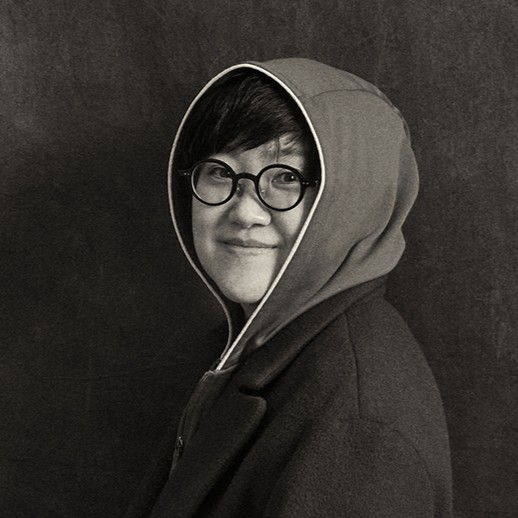
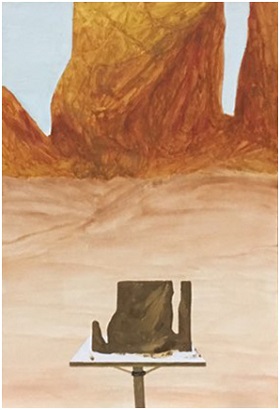
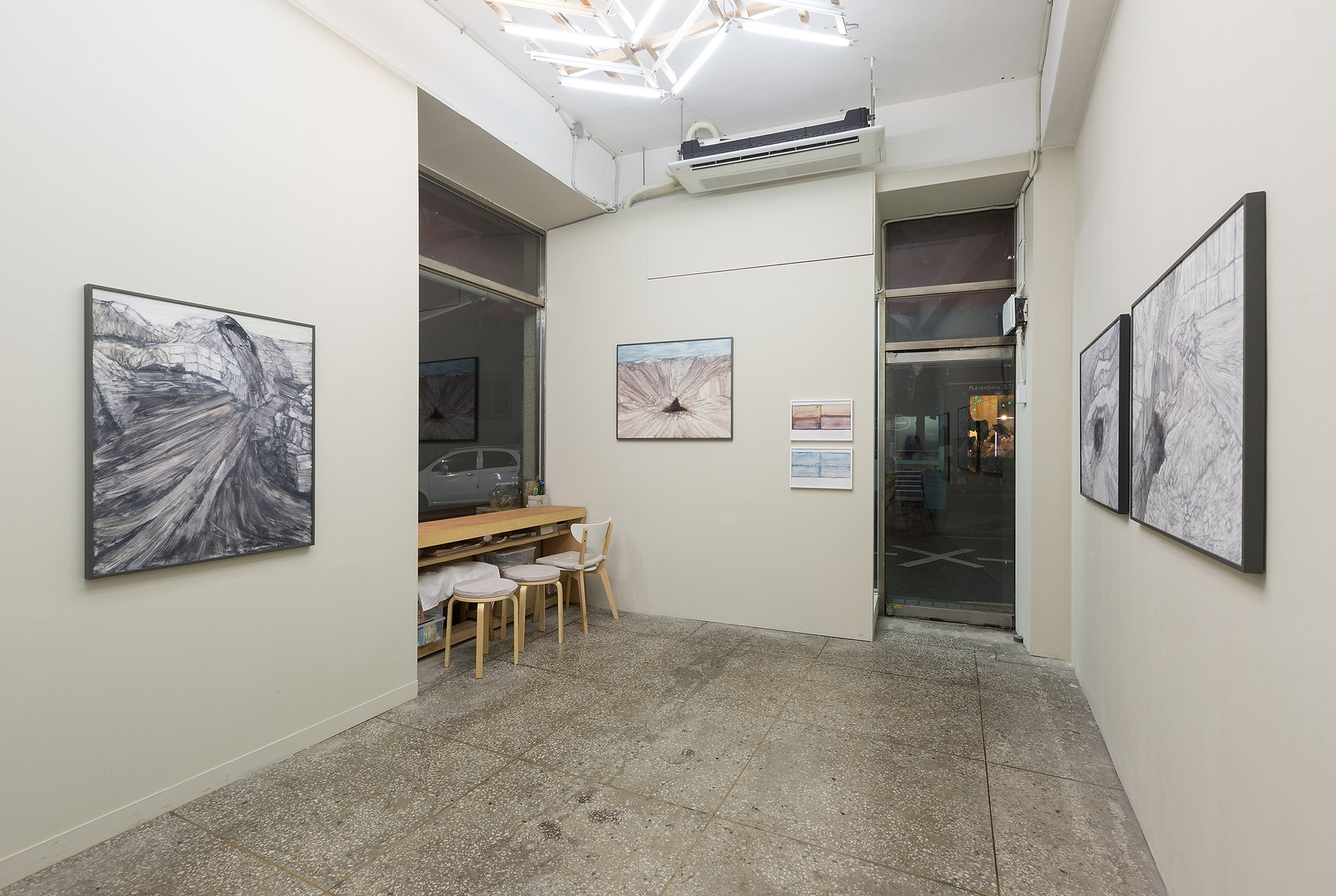
Leehaiminsun’s practice is a painterly inquiry that has long observed the conditions of existence as they waver between city and nature, object and body, life and non-life. Her early “plan-drawings” began with a method of combining architectural plans, blueprints, and signs to view the city as though it were the interior of a living organism.
During this period, the artist explored how individuals and objects are arranged and made dependent within urbanization and capitalist systems, revealing, through the phrase “half-dead things,” the condition of beings that are alive yet difficult to describe as fully living. This awareness continues throughout her later practice, where existence appears not as a complete form but as a state that is barely sustained by leaning on, being bound to, and depending upon others.
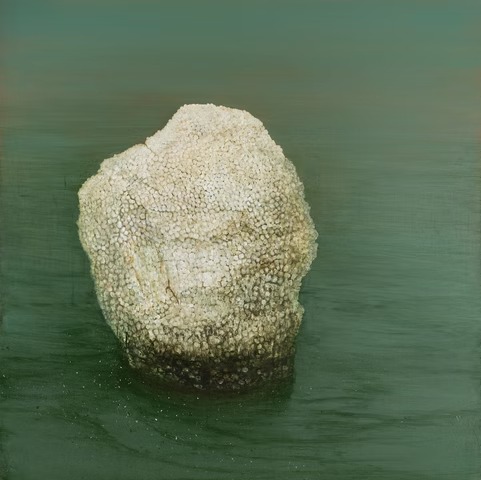
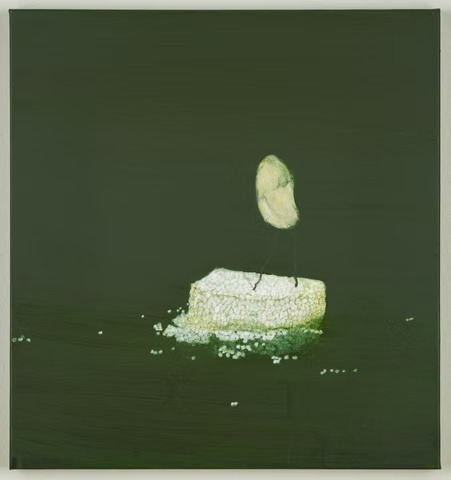
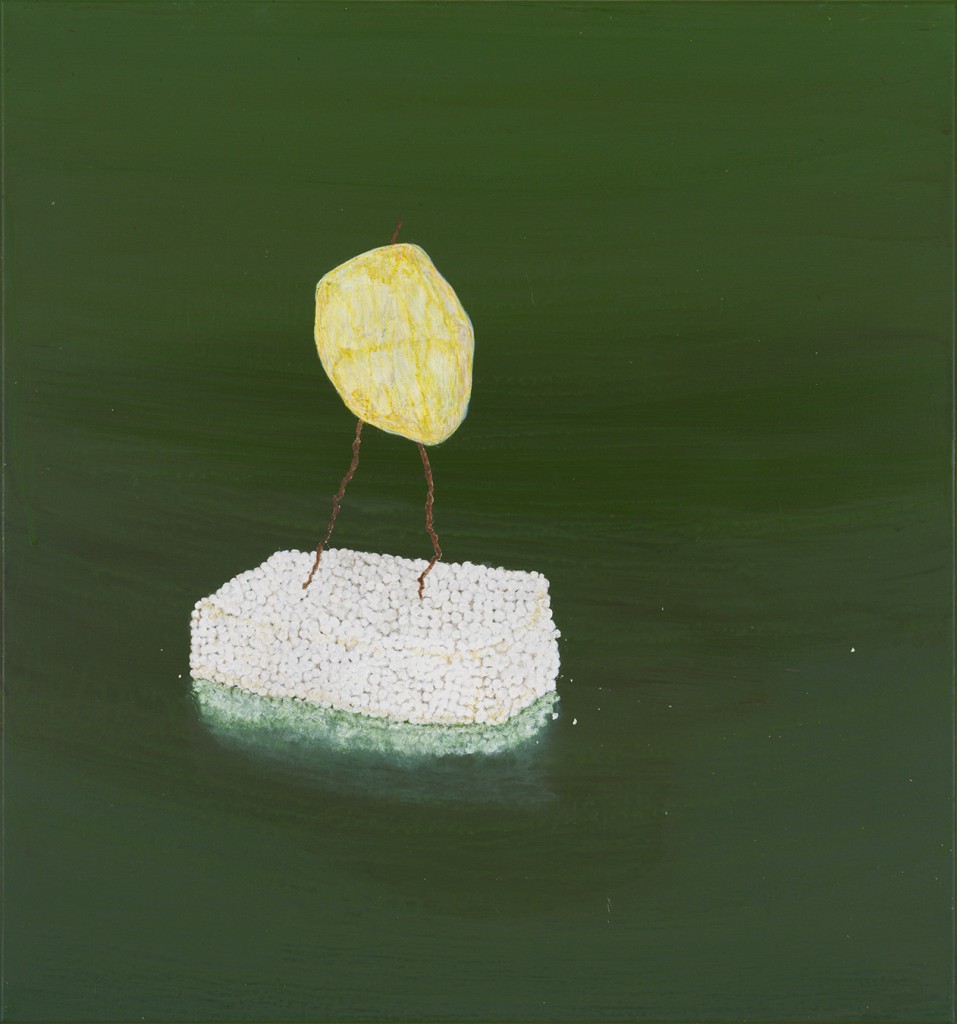
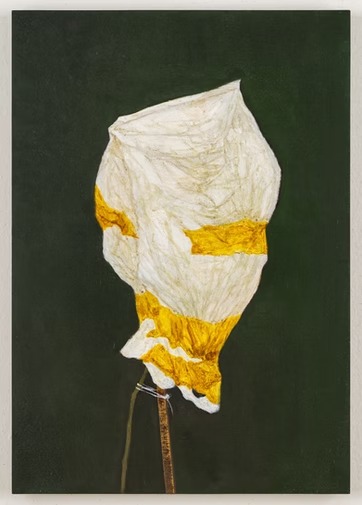
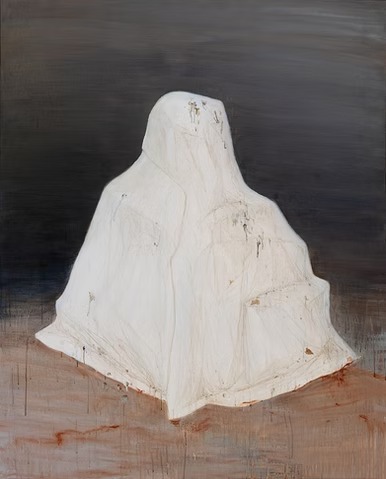
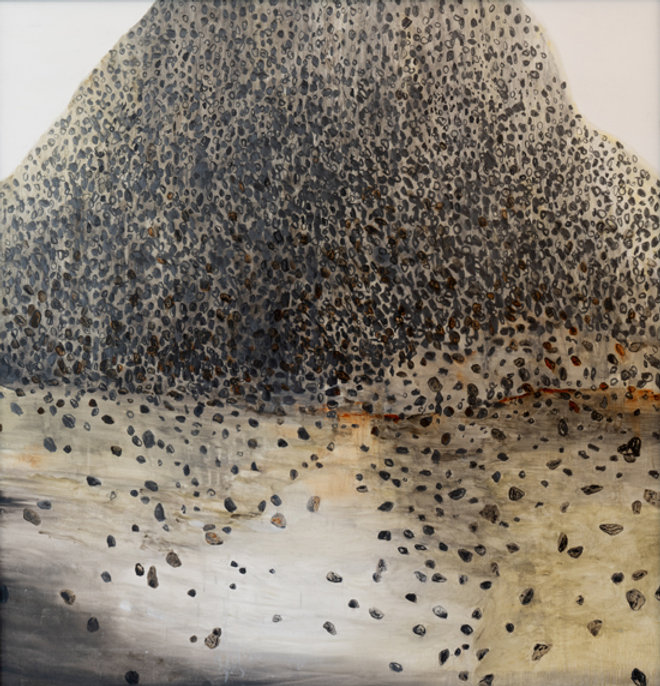
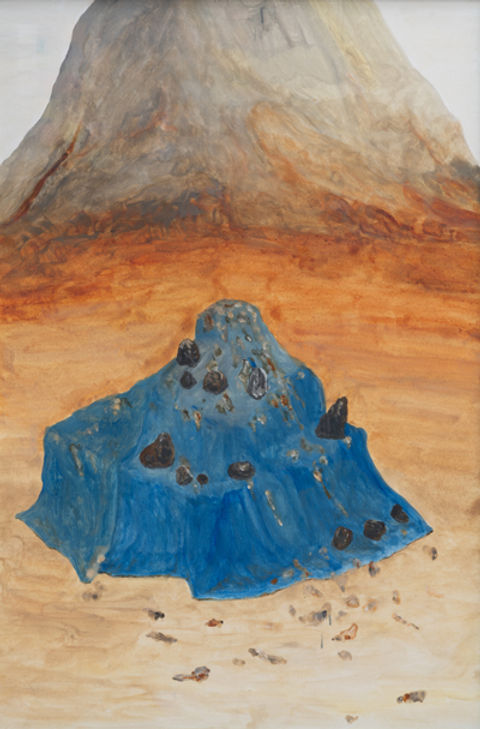
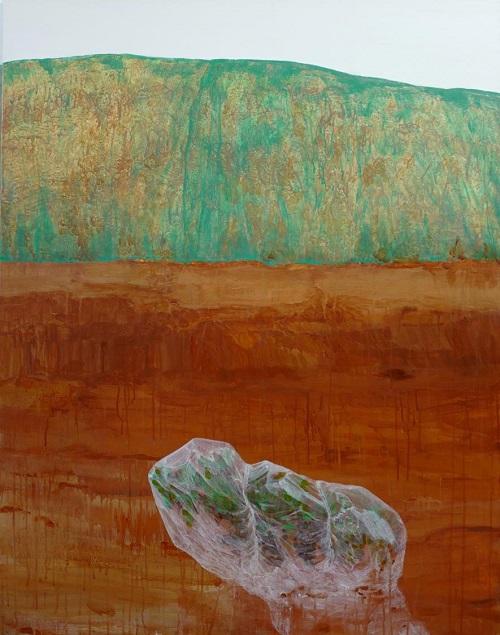
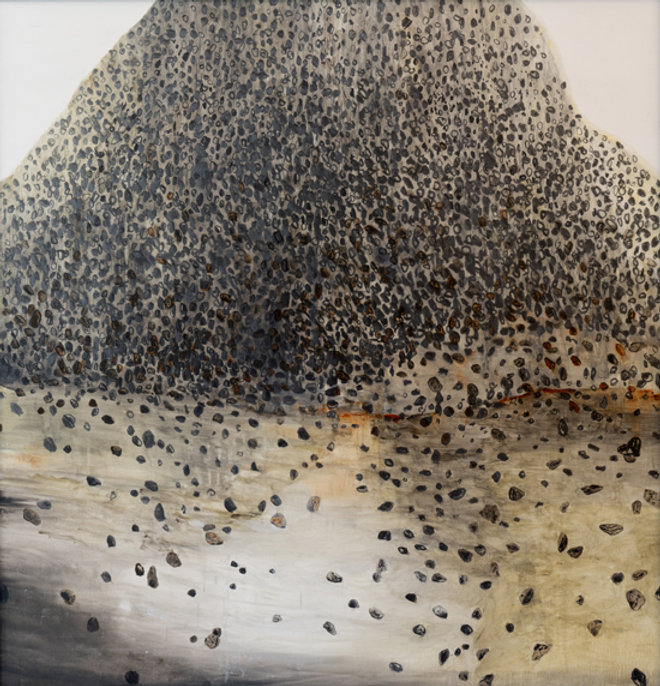
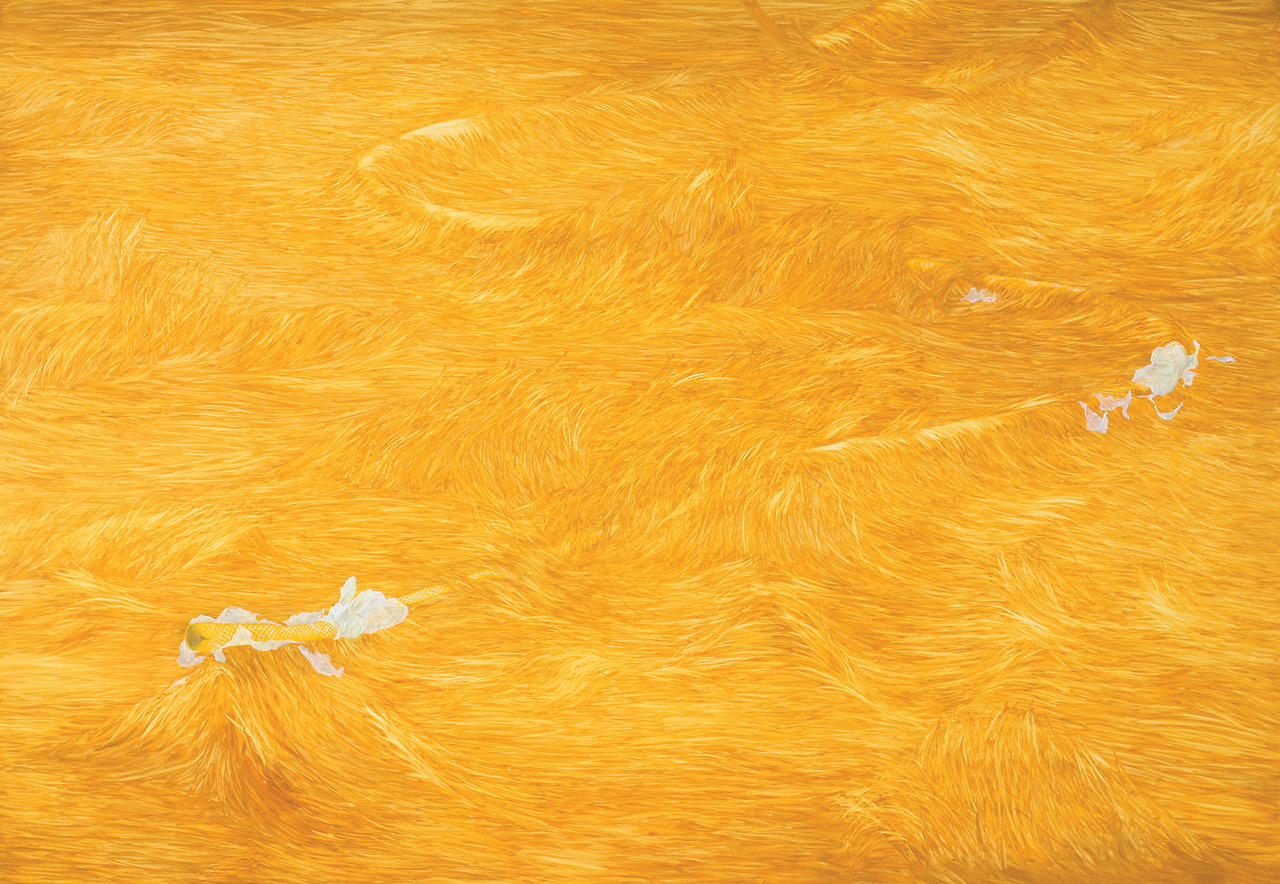
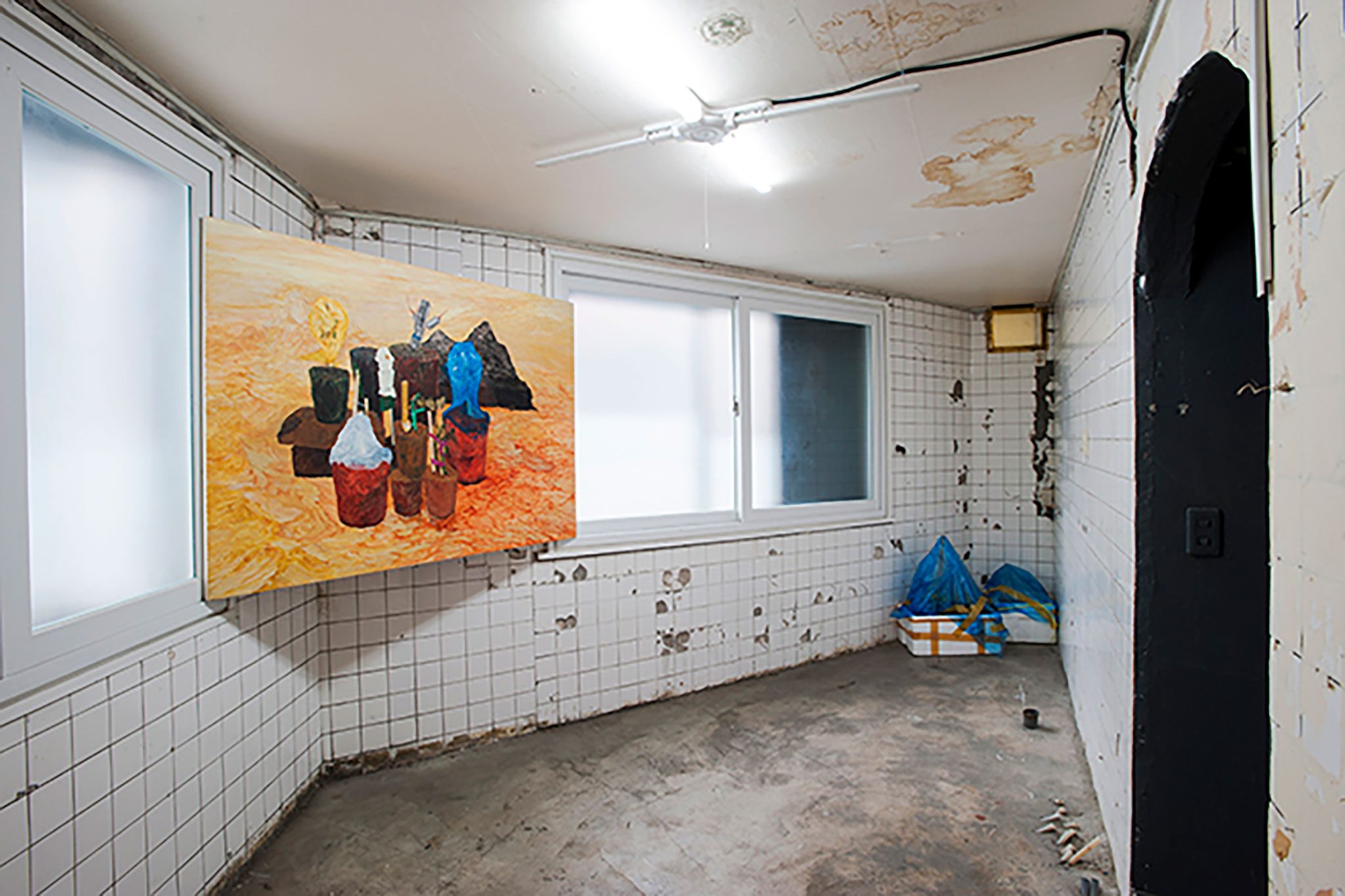
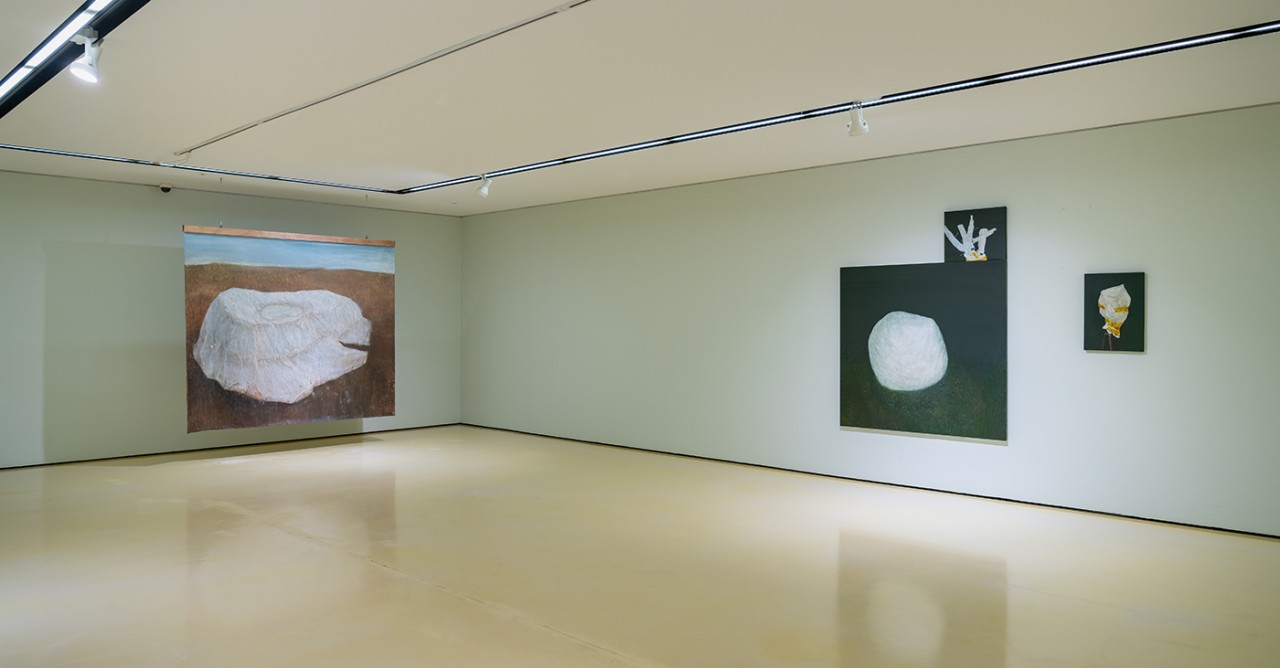
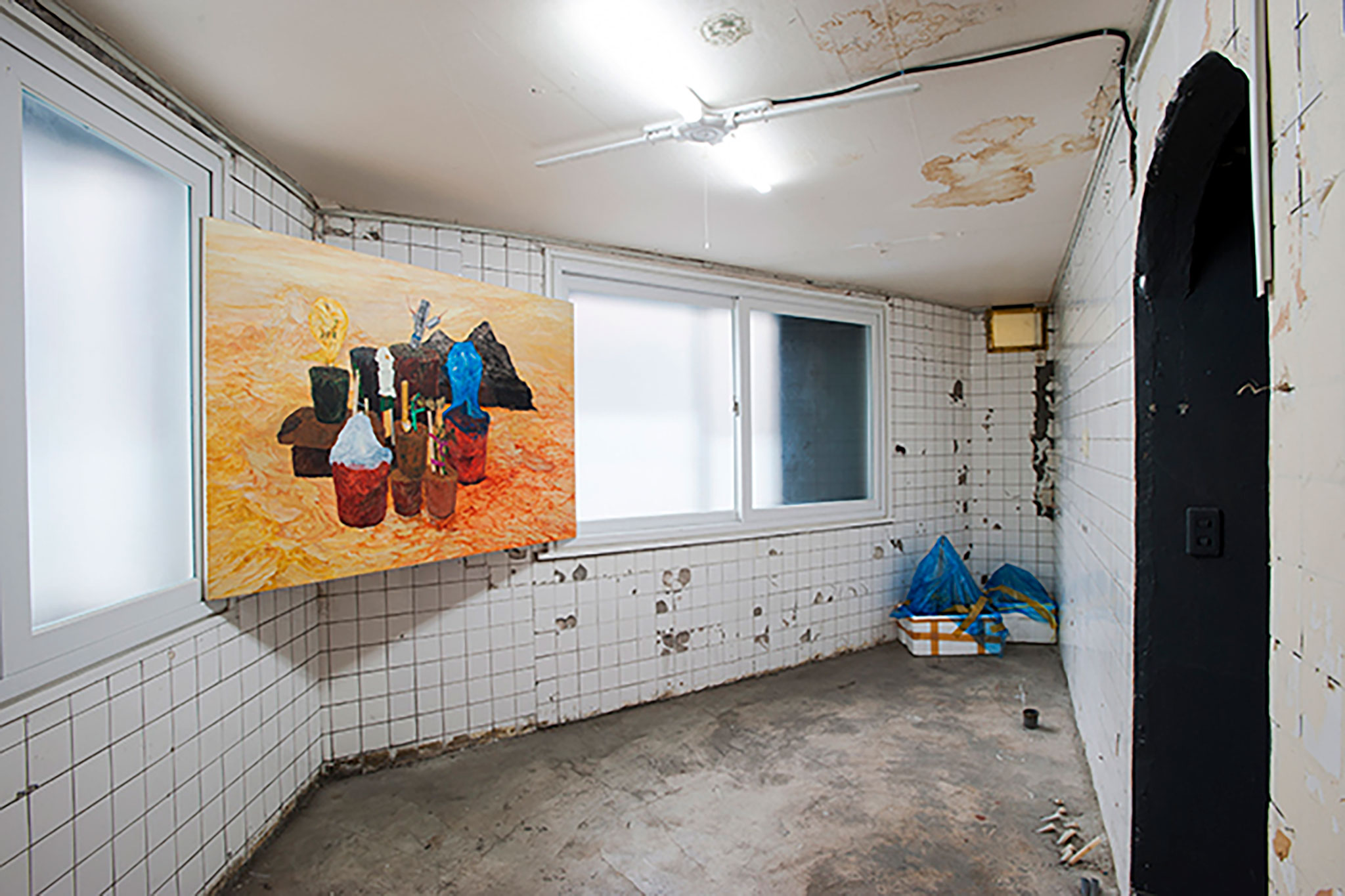
The subjects that draw the artist’s attention are usually those pushed away from the center. Wooden beams, plastic sheets, ropes, Styrofoam, vinyl flooring, mounds of earth, debris from demolition sites, and traces left by flowerpots that had remained in place for a long time all occupy important positions in her work.
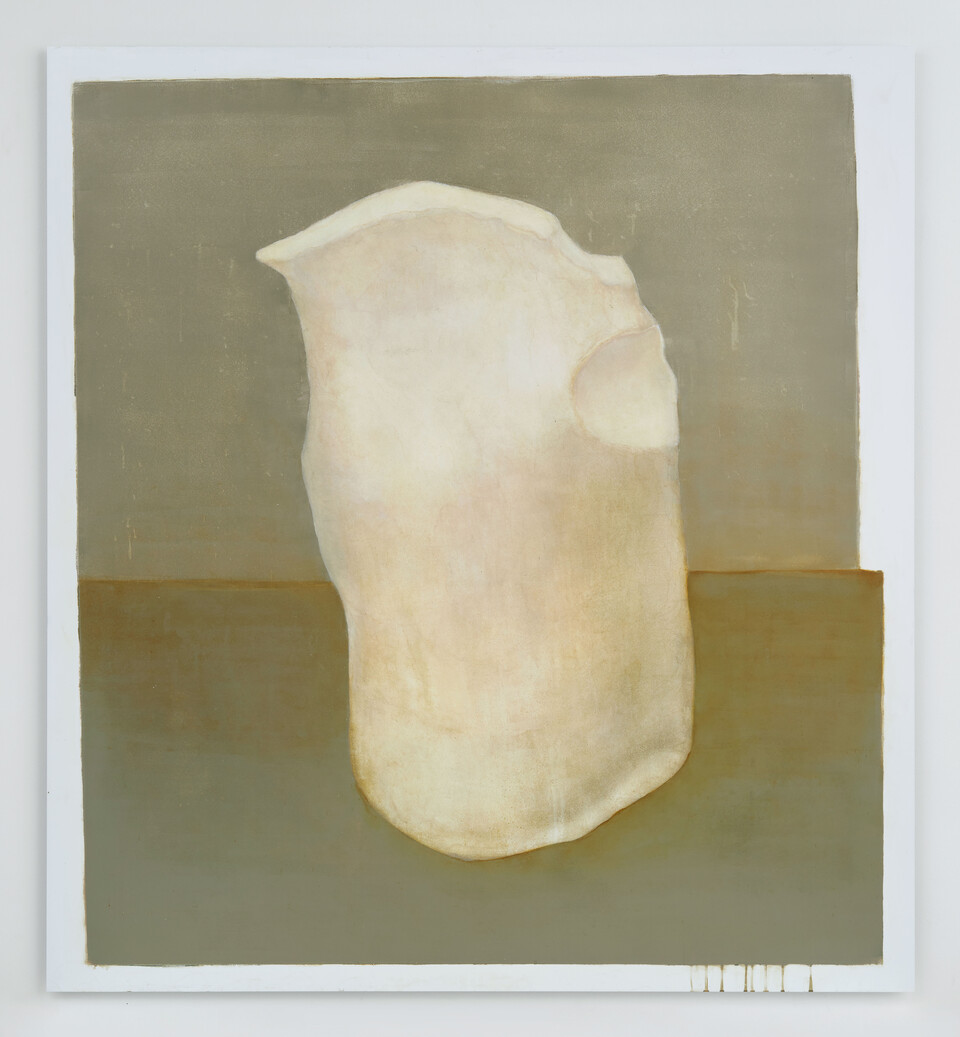
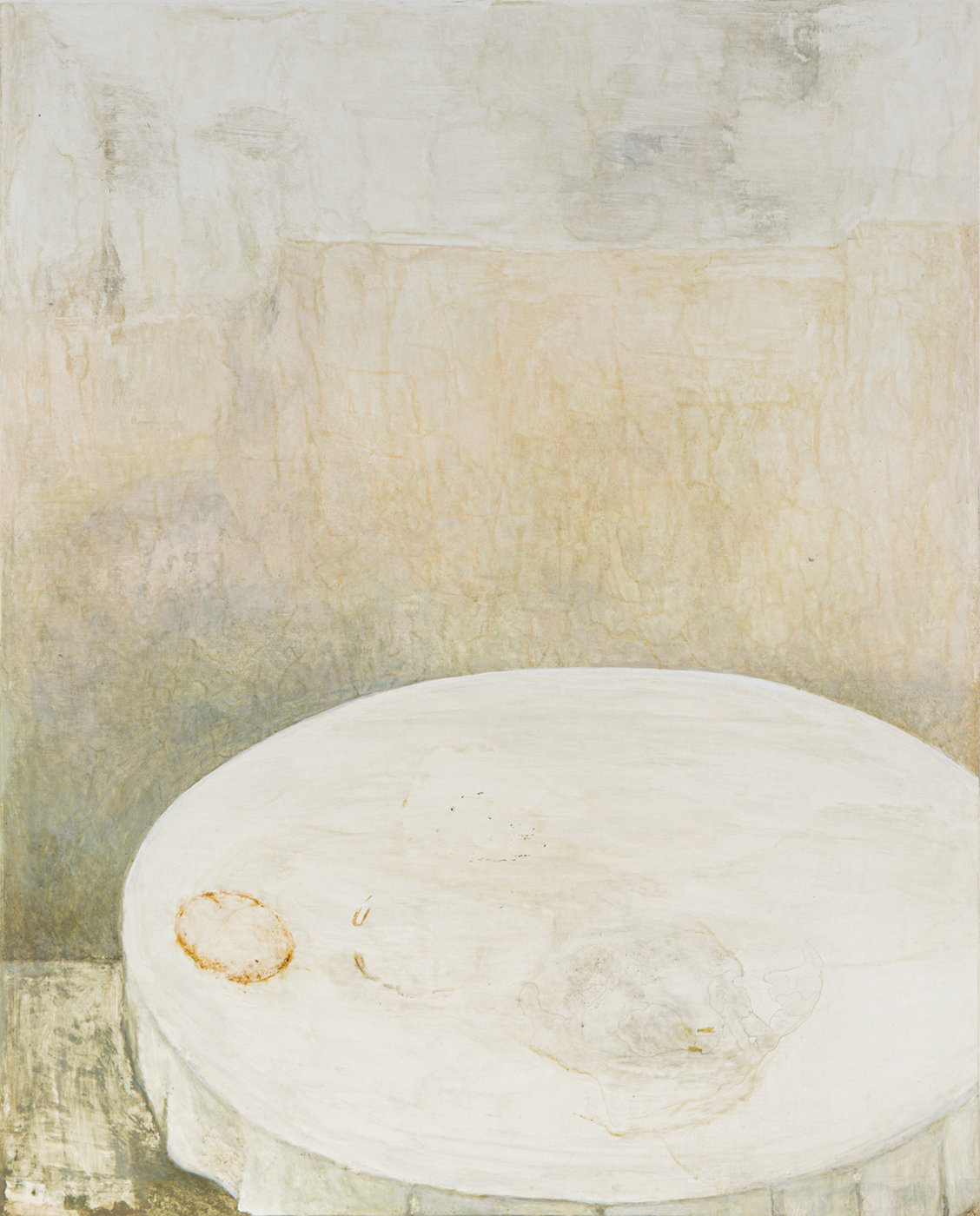
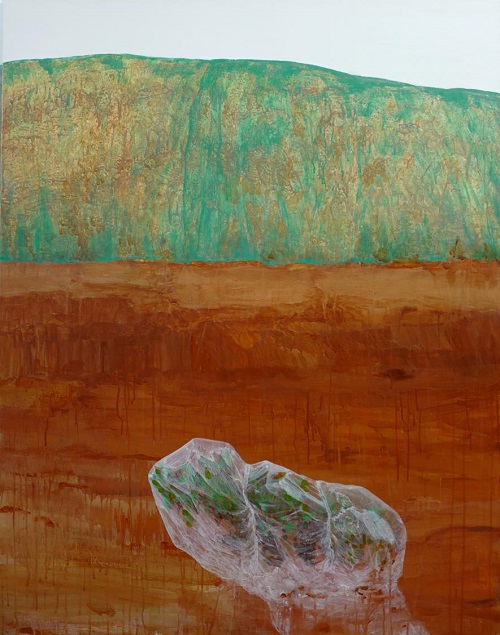
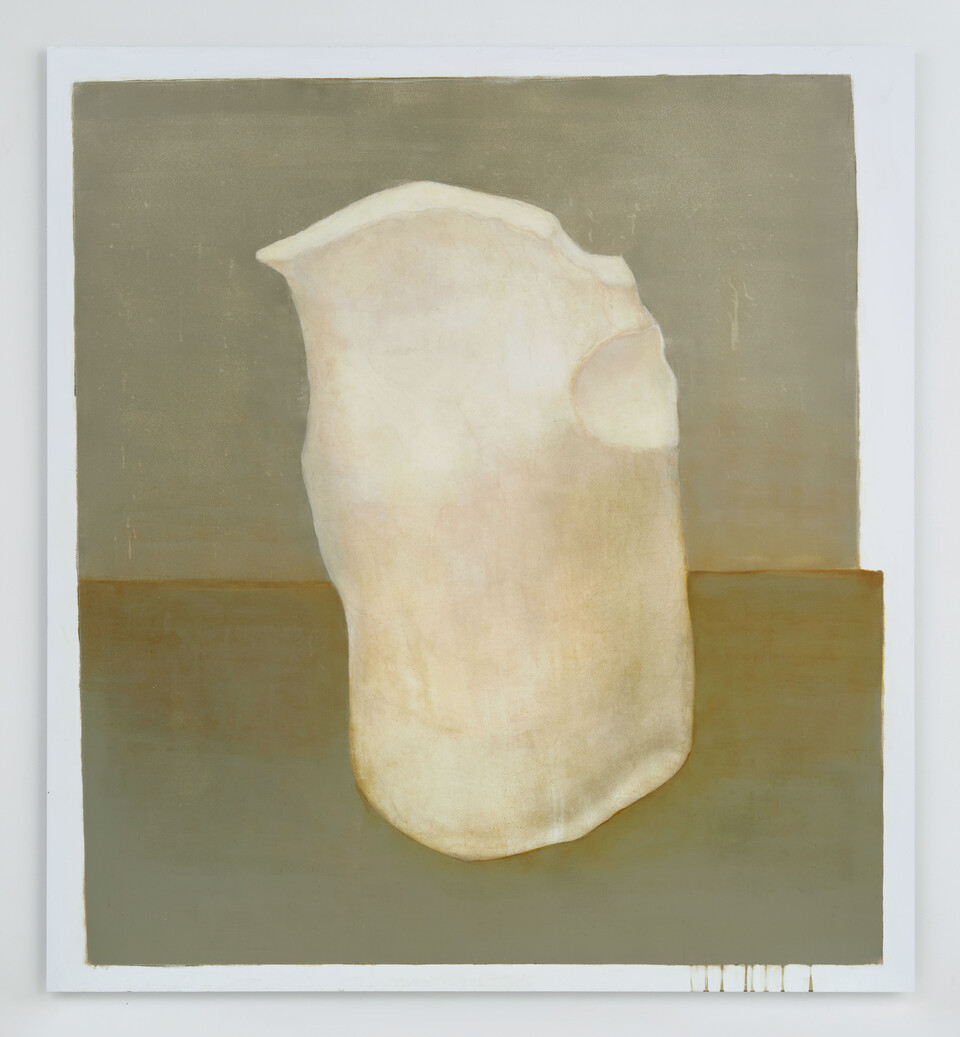
These objects are not collected simply as materials; rather, they are treated as beings that carry processes of time, contact, use, and abandonment. In particular, in Still Life: Deposit, the trace left by a disappeared flowerpot is interpreted not as a sign of absence but as sediment formed by the time of an object. For Leehaiminsun, objects are not residues that have lost their memory, but material testimonies that retain a former warmth, relationships, and the time of transformation.
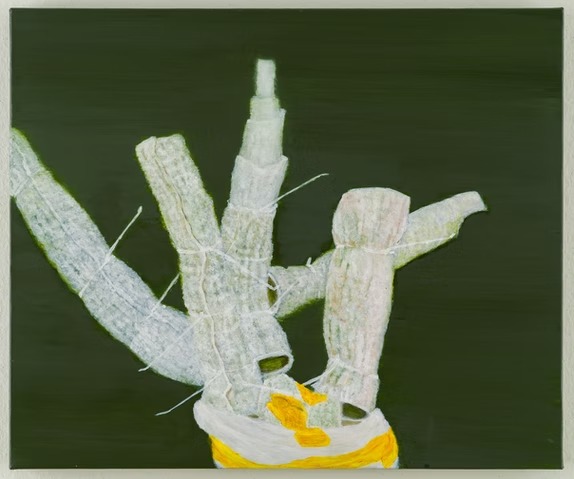
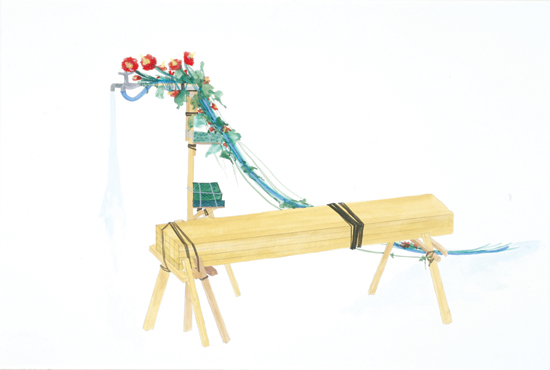
Leehaiminsun’s originality lies in the way she reads the conditions of individual existence through objects. The objects she paints appear to stand on their own, yet at the same time they endure only precariously through ropes, supports, and surrounding conditions. In 'Planta erectus', the forms created by trees, wooden beams, plastic sheets, and ropes leaning on one another show how fragile beings raise their bodies within external conditions. Here, the object does not function merely as a metaphor for human life.
Through scenes in which human and nonhuman, life and object, past and present support one another, it reveals both the instability and the persistence of existence. In what is discarded and worn out, the artist discovers not powerlessness, but the possibility of remaining and being connected again.
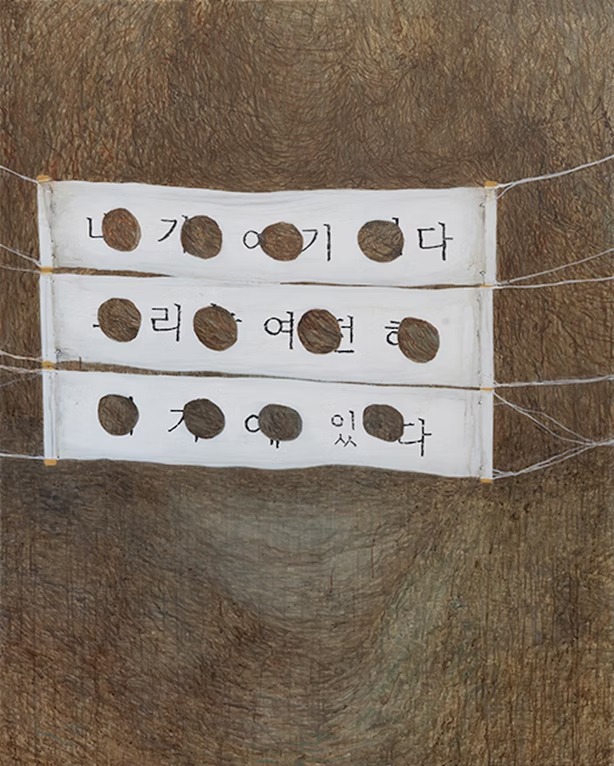
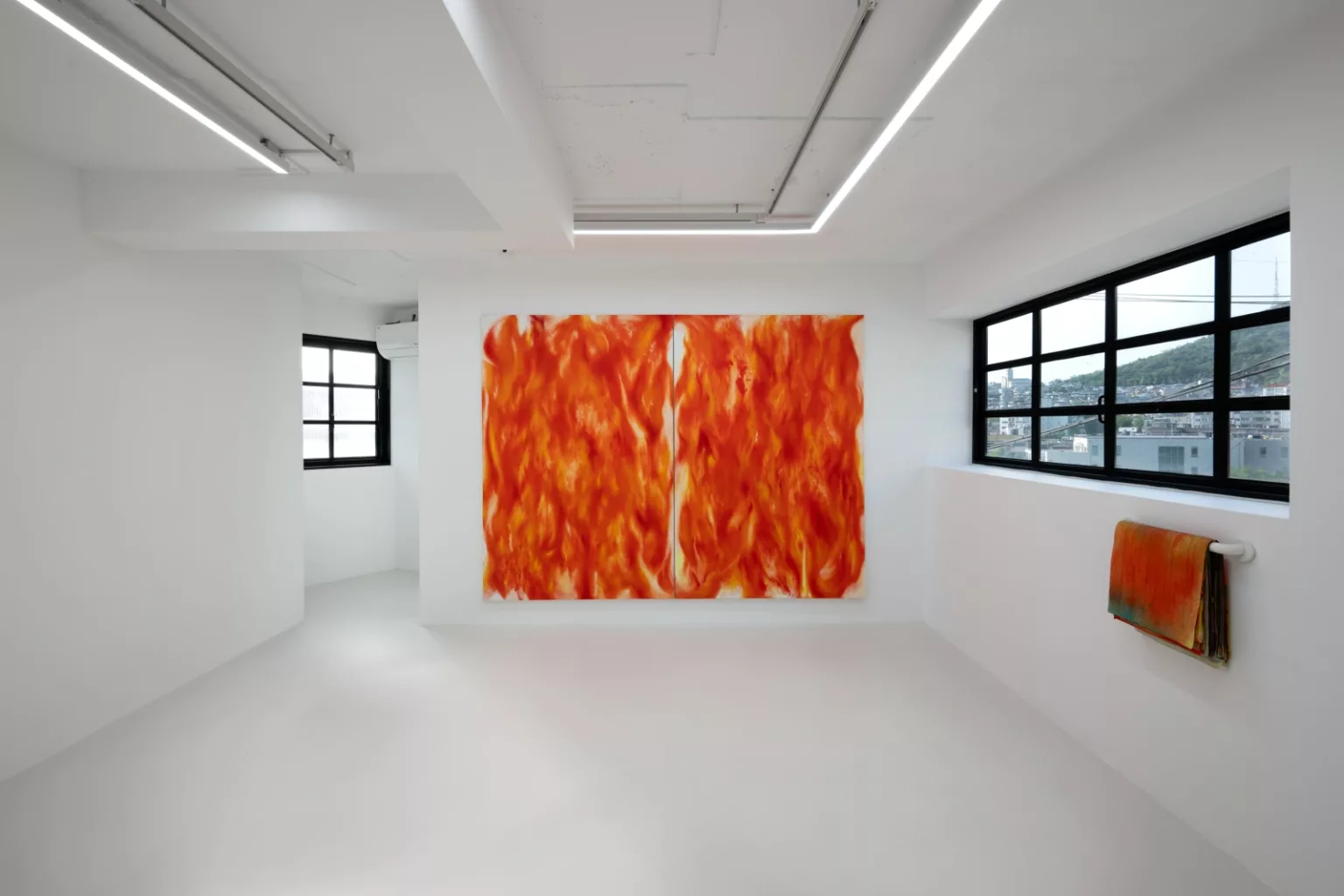
In her recent works, this inquiry extends beyond the surface of objects to the relationship between image and material. Her use of acrylic on photographic paper does not follow a process in which image replaces object; instead, it reveals a state in which image and support resist and collide with one another. Within her sense of “a material world in which everything is equal,” the artist treats materials not as simple means of expression but as objects, bringing the image on the surface back into the question of material existence.
In this way, Leehaiminsun’s work persistently explores how contemporary individuals exist in the world through the vulnerability and continuity of things, through contact and trace, absence and presence. Her paintings capture the moments in which small and fragile beings do not easily disappear, but remain, enduring in their own ways.