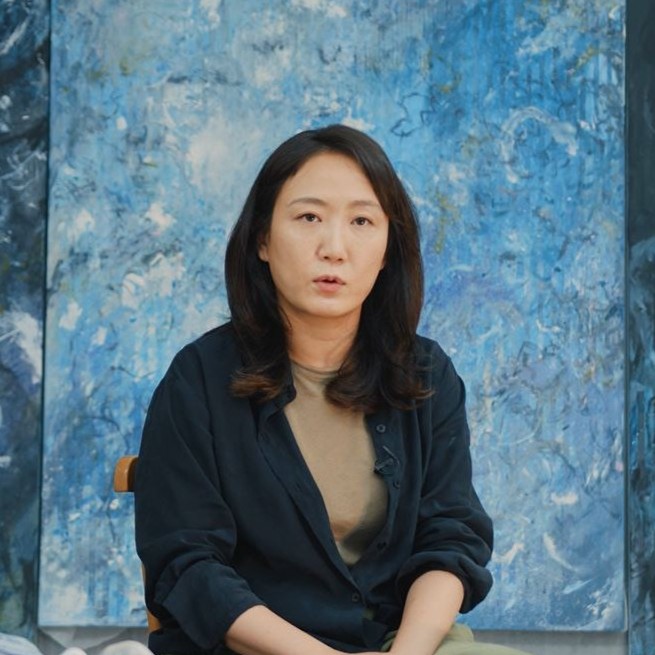
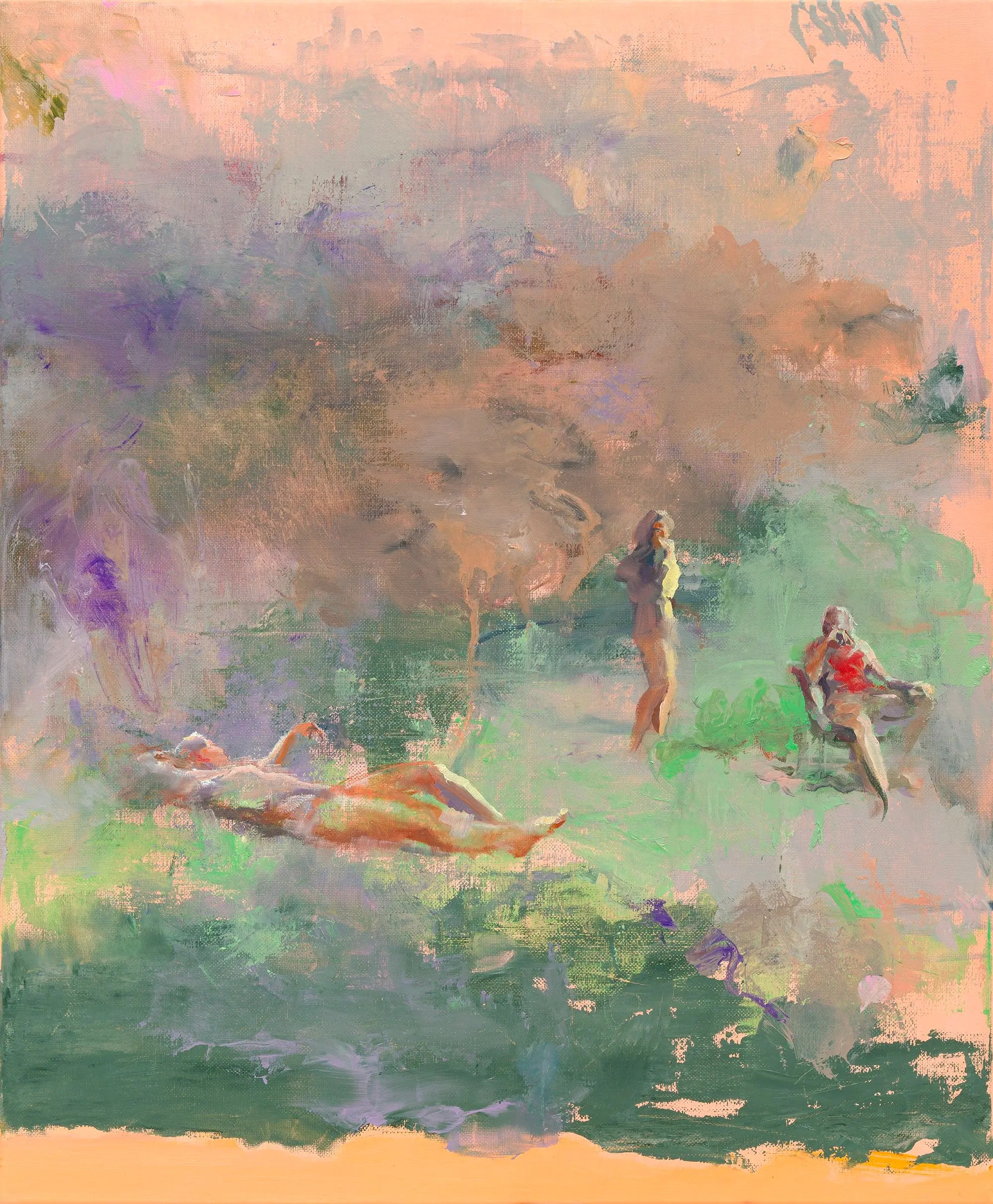
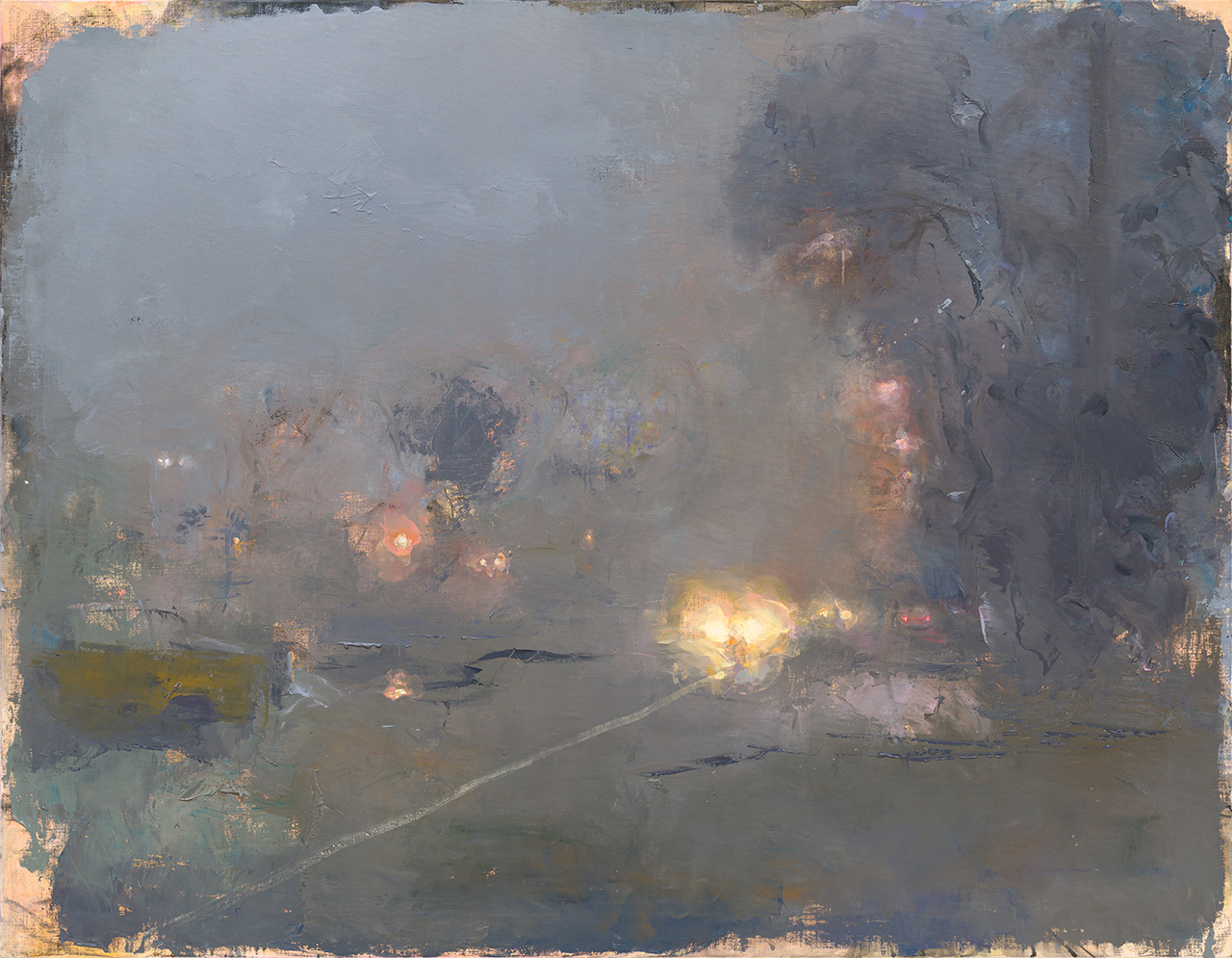
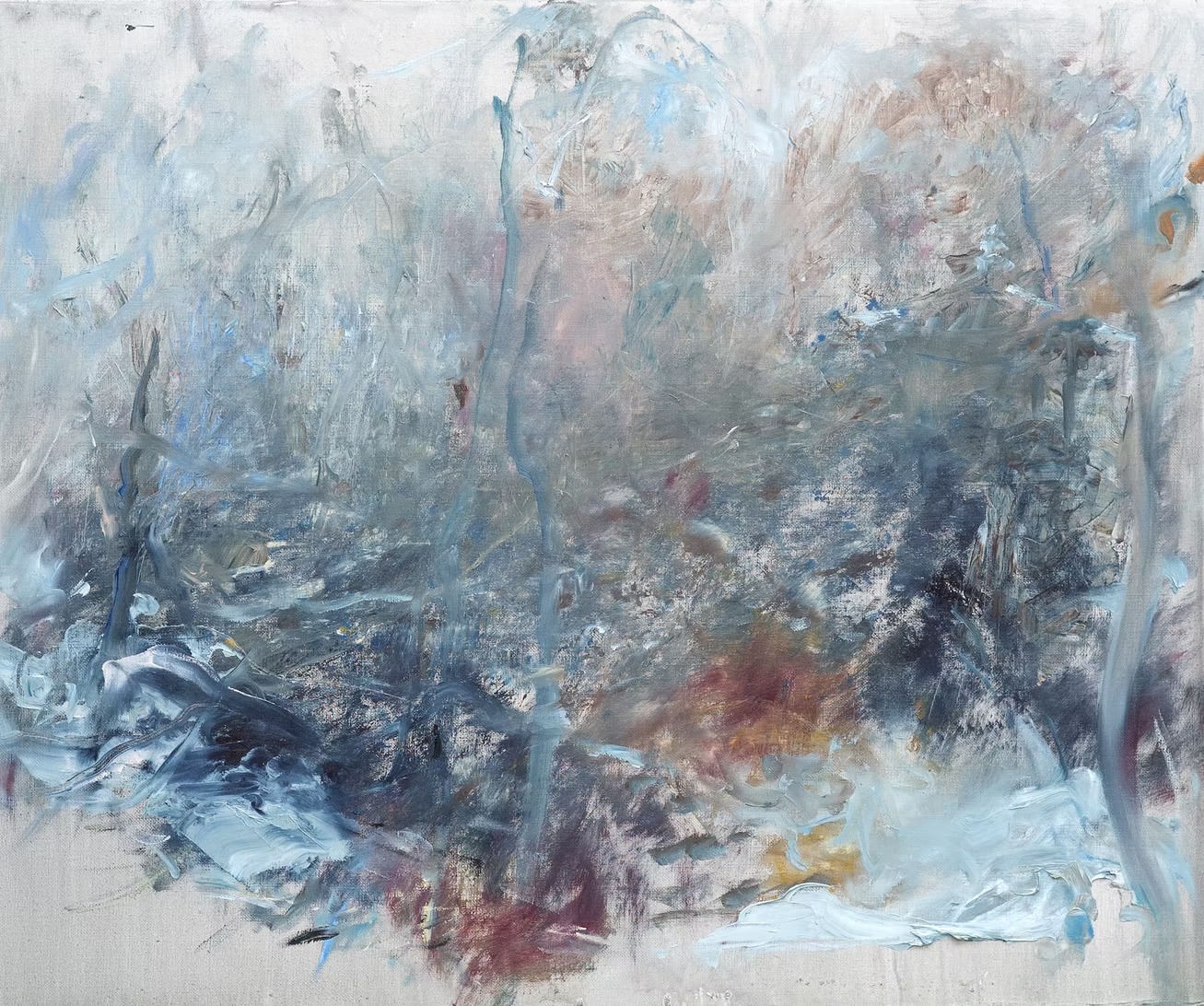
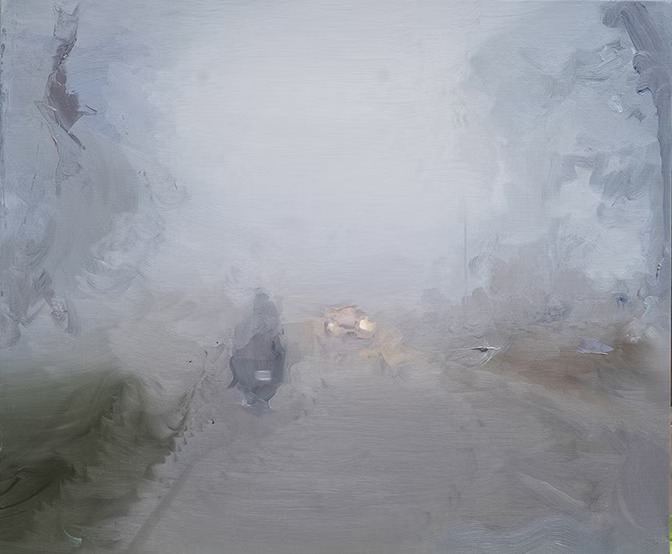
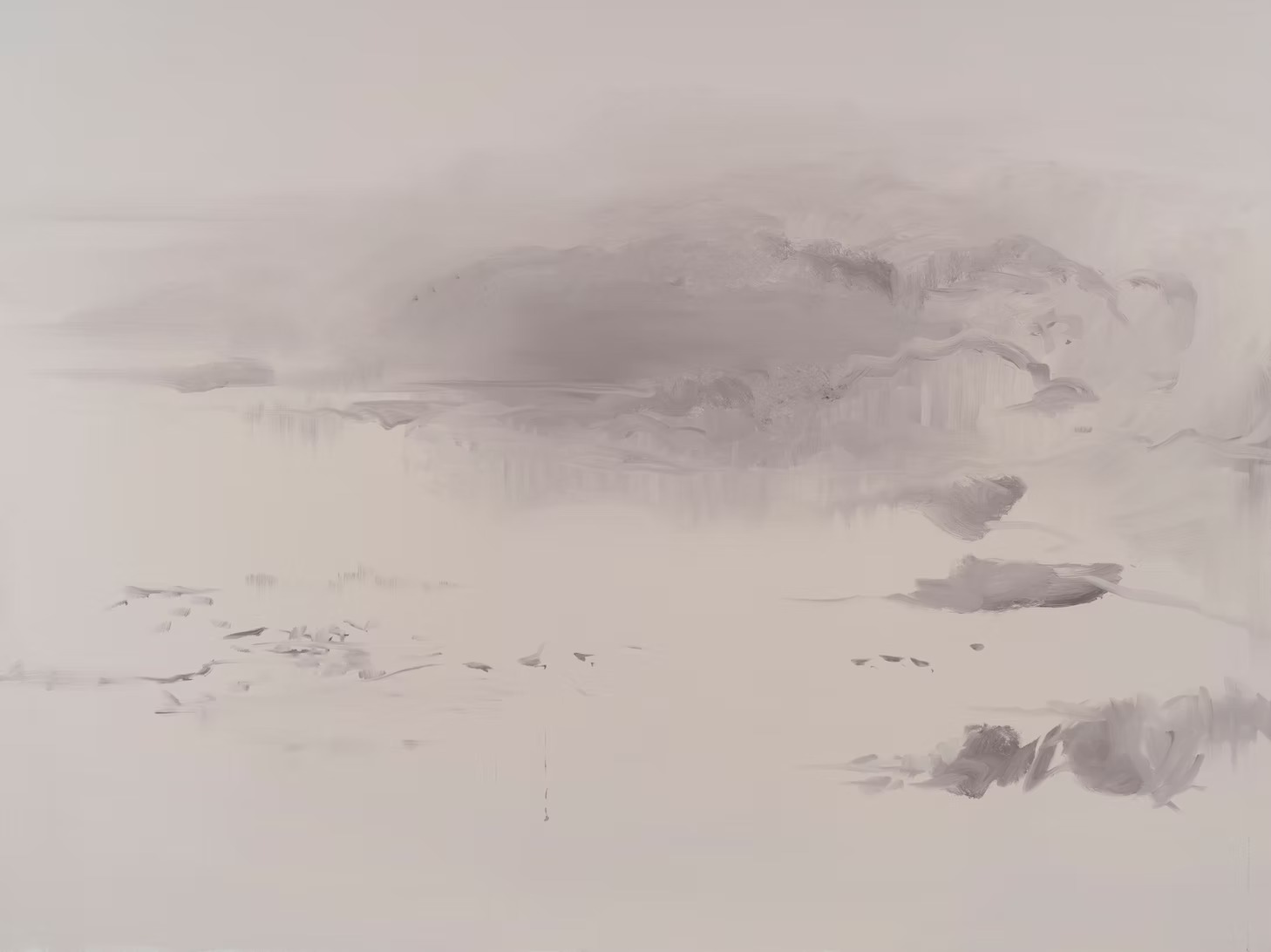
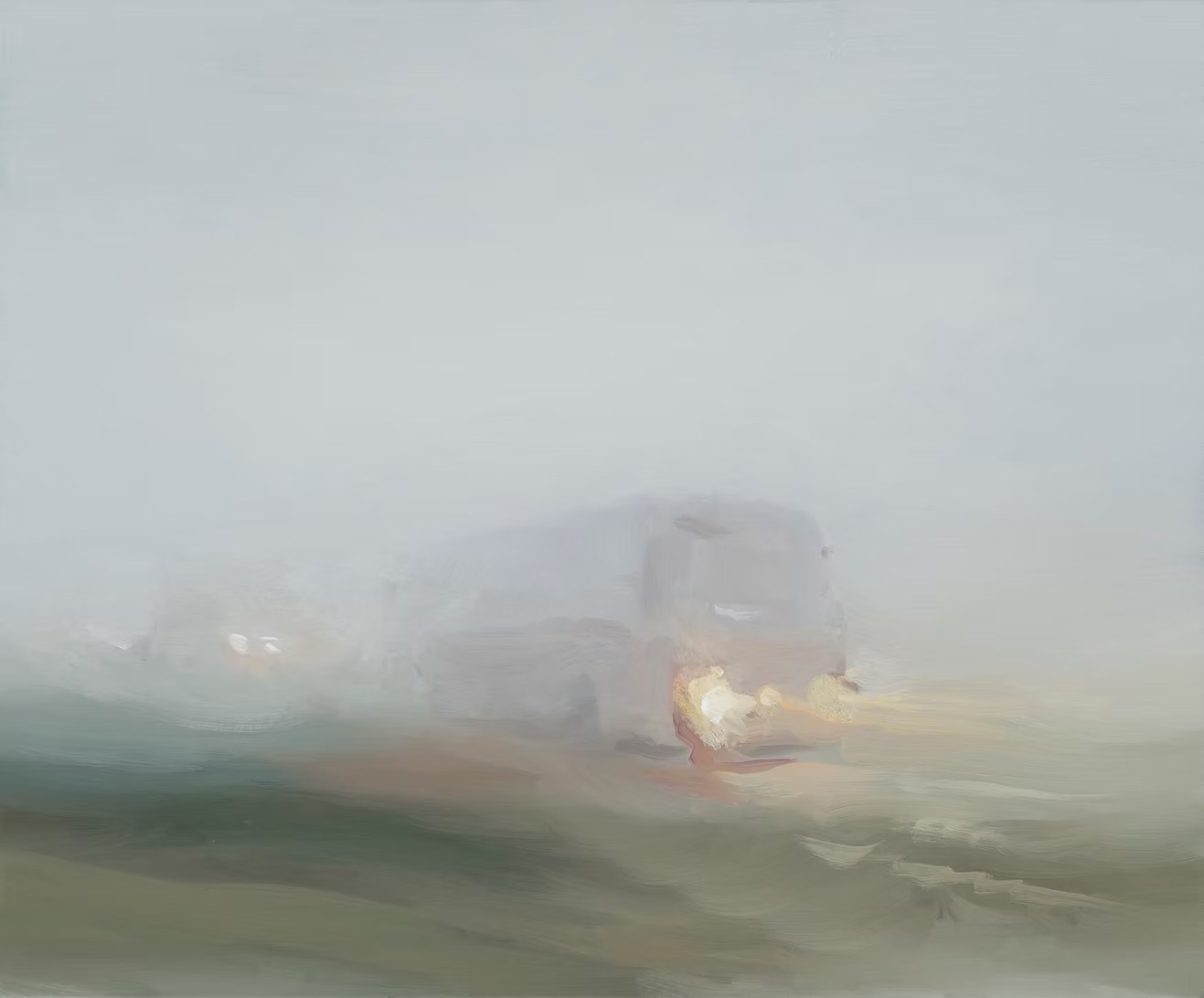
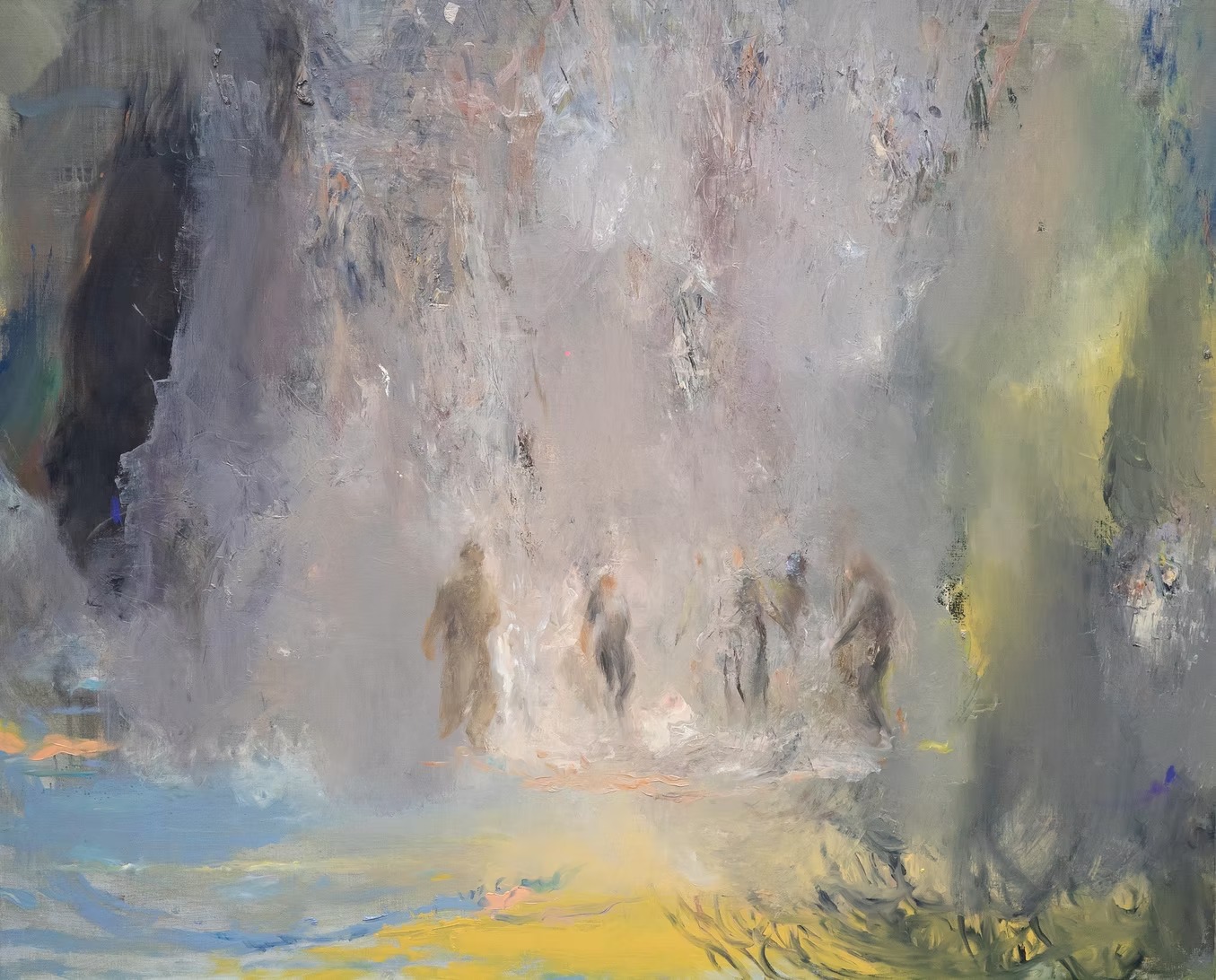
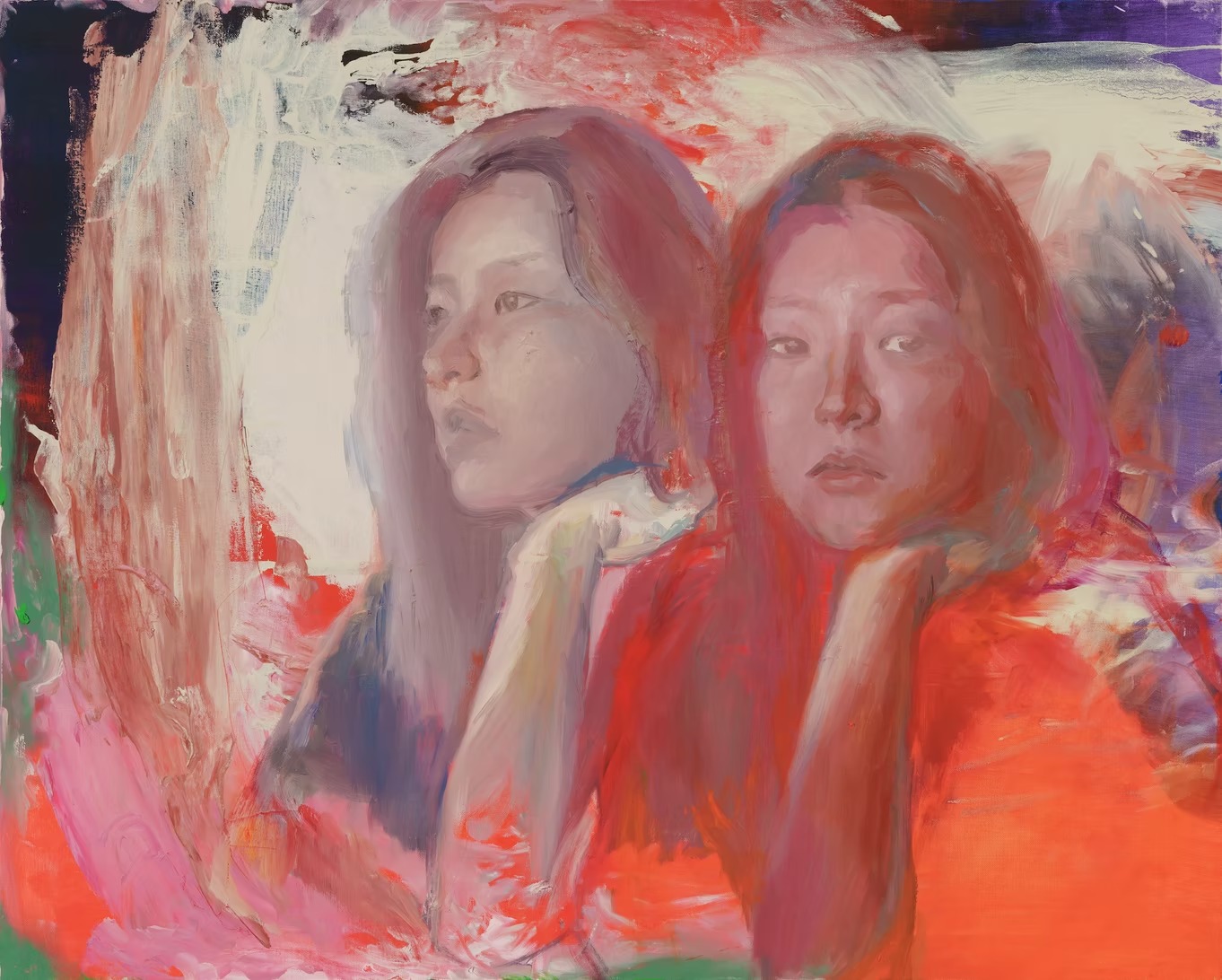
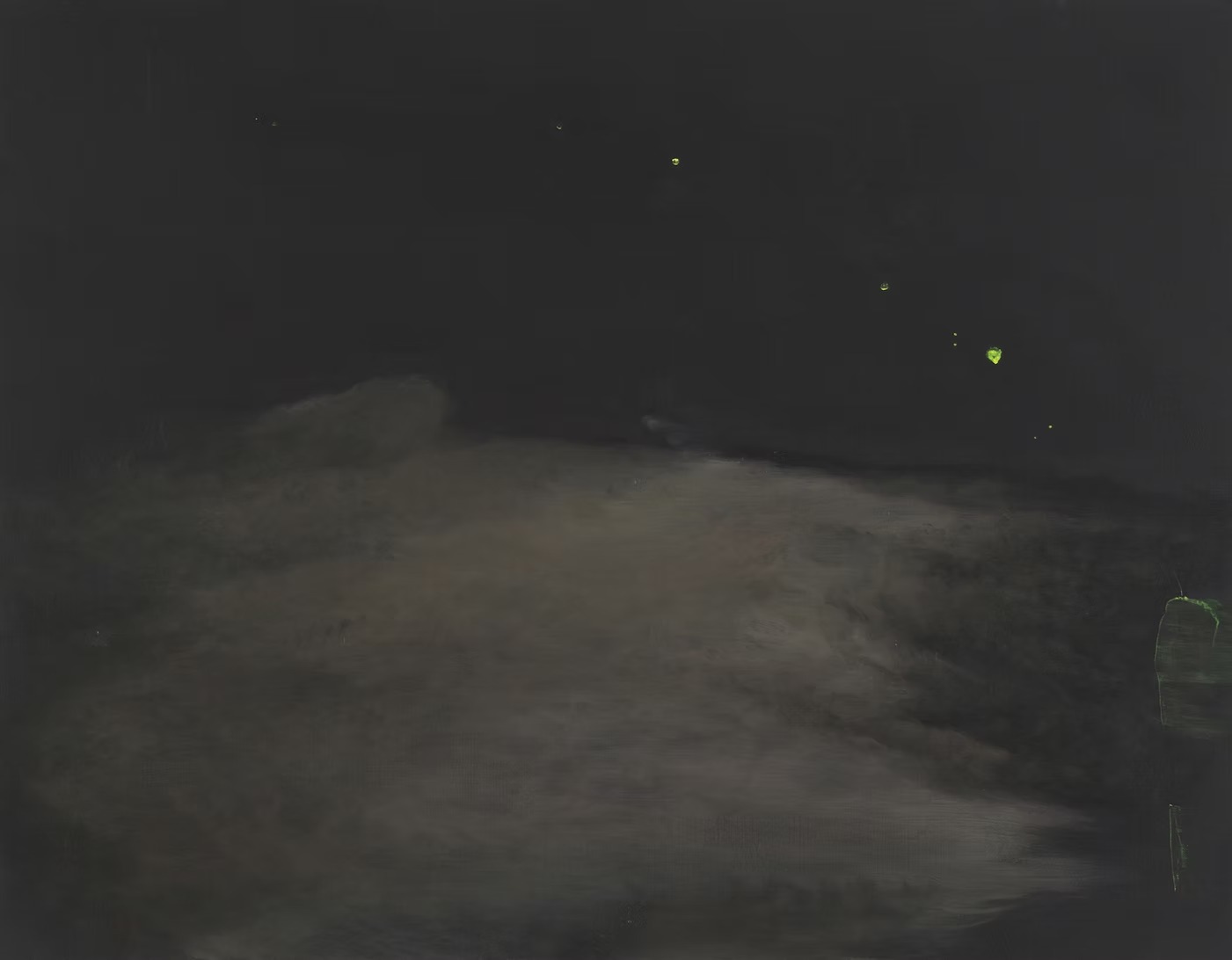
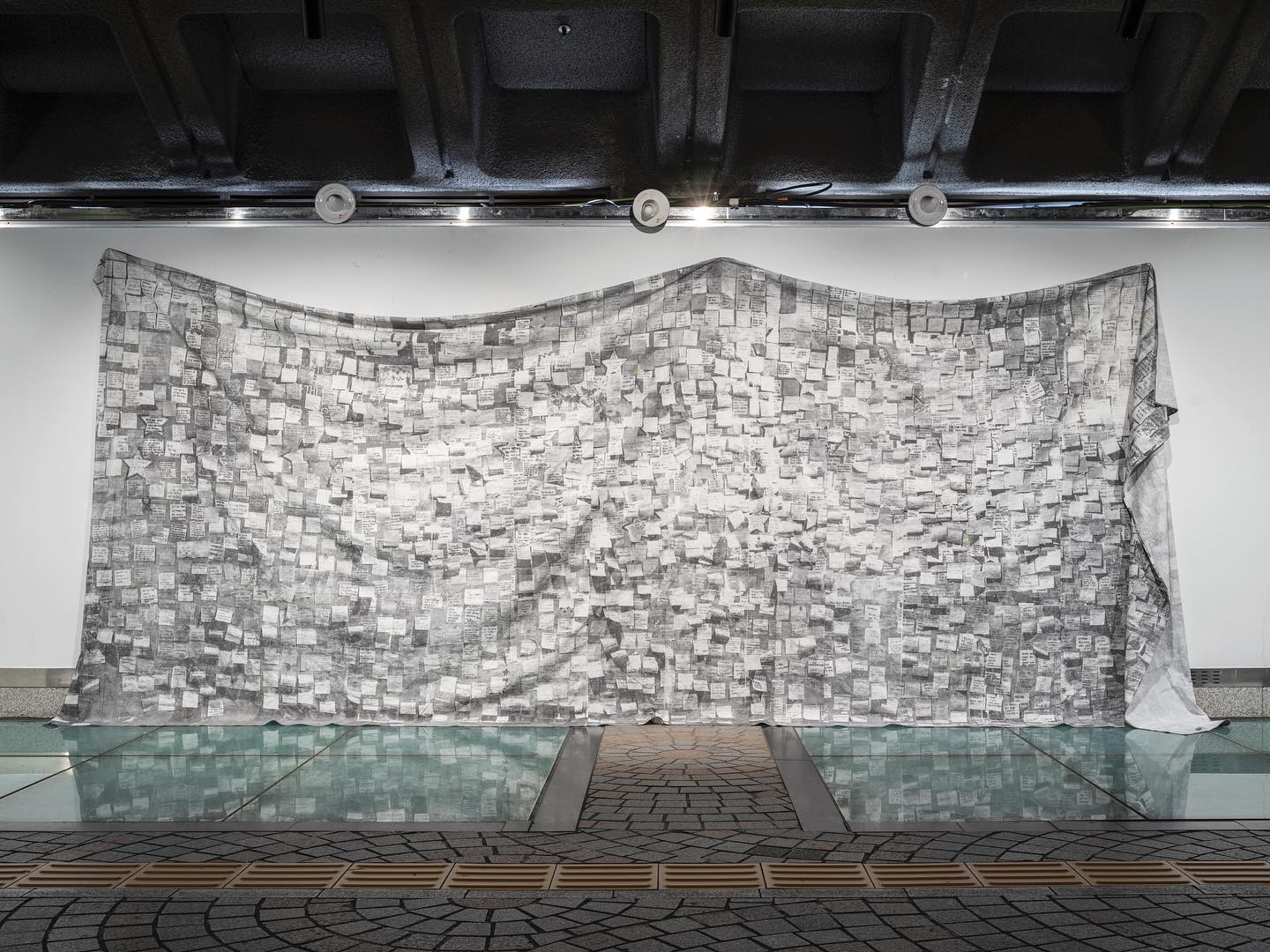
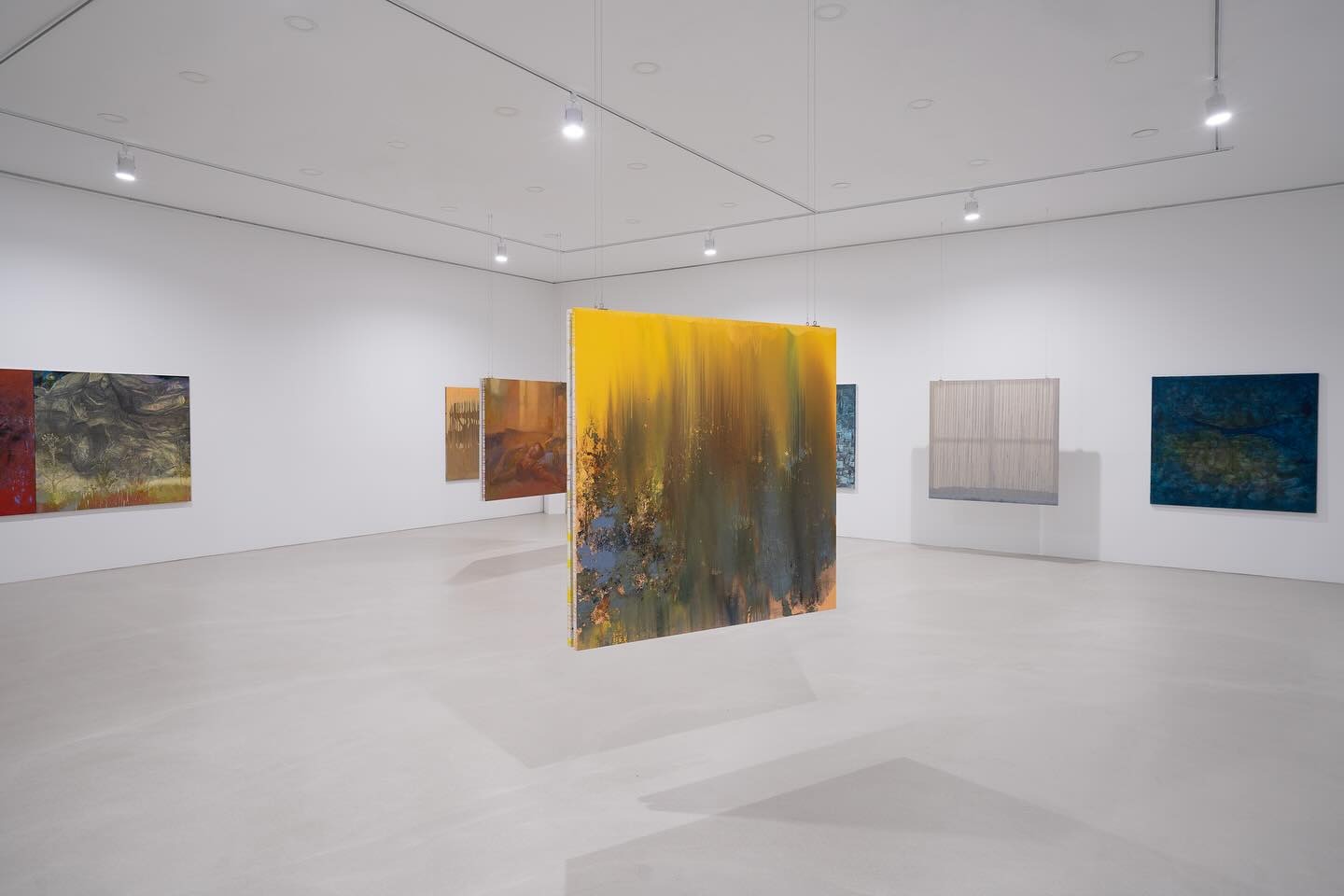
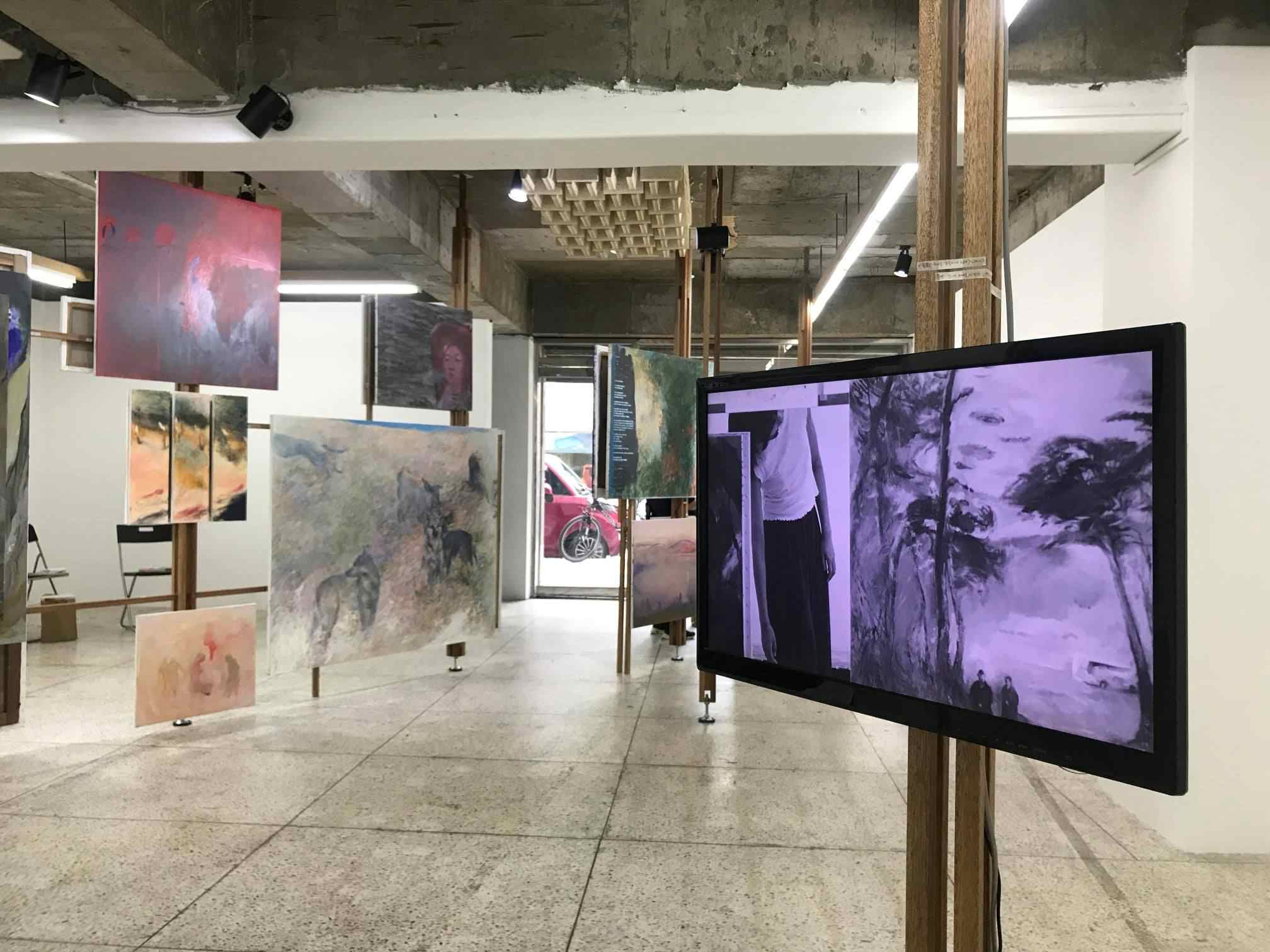
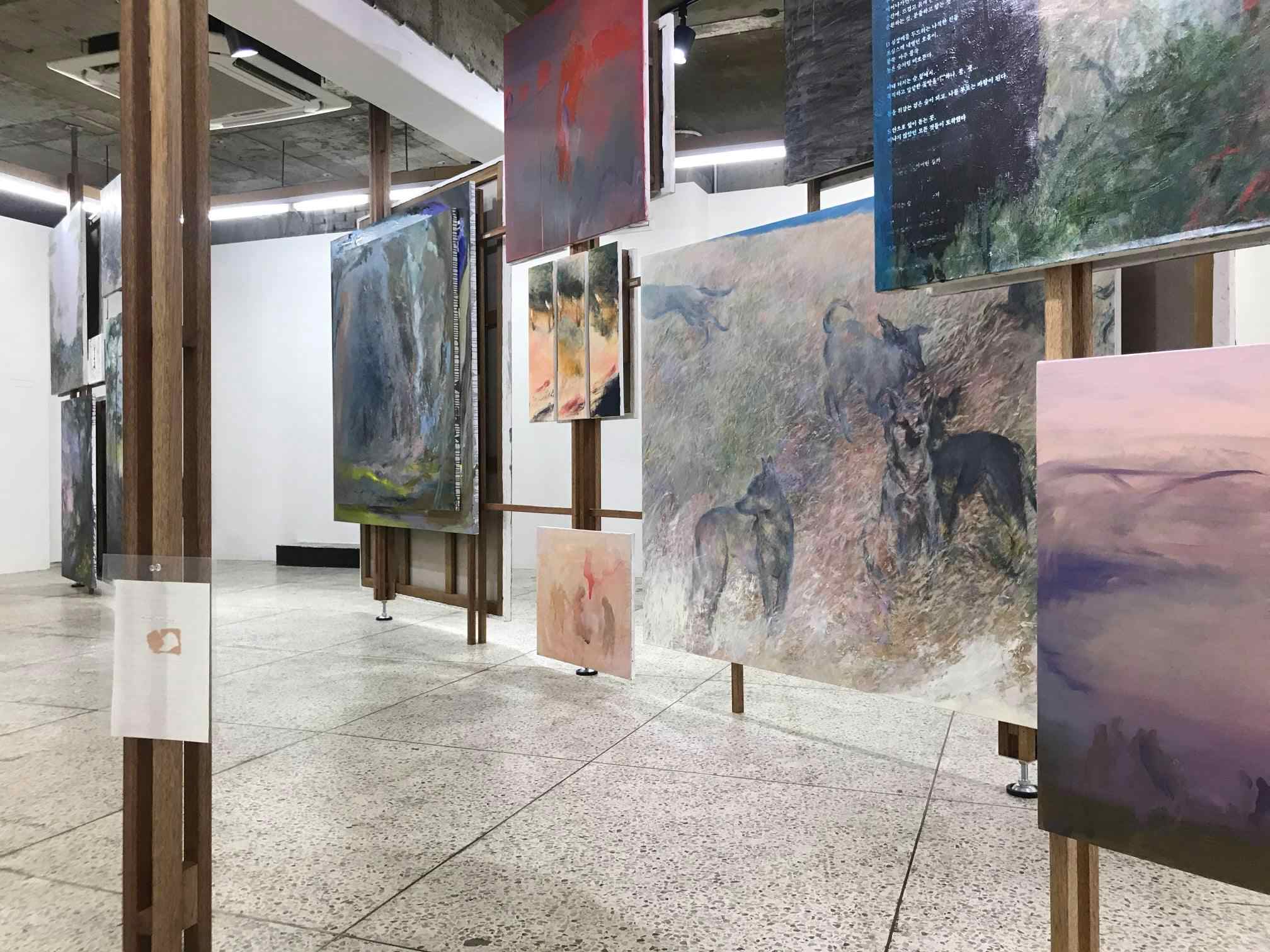
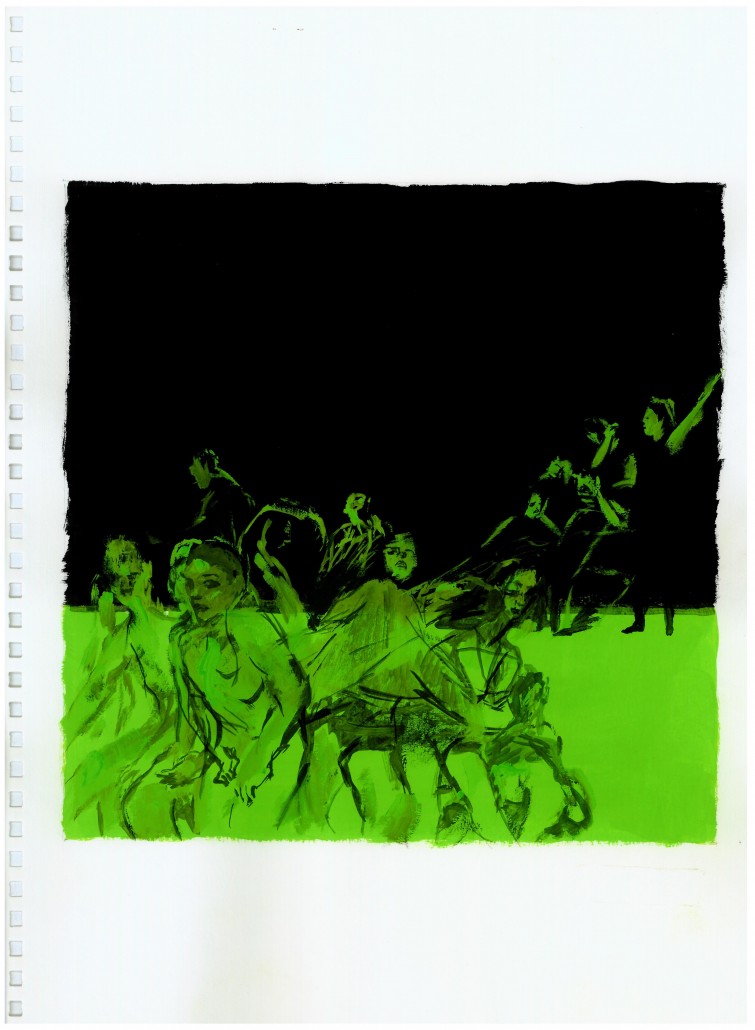
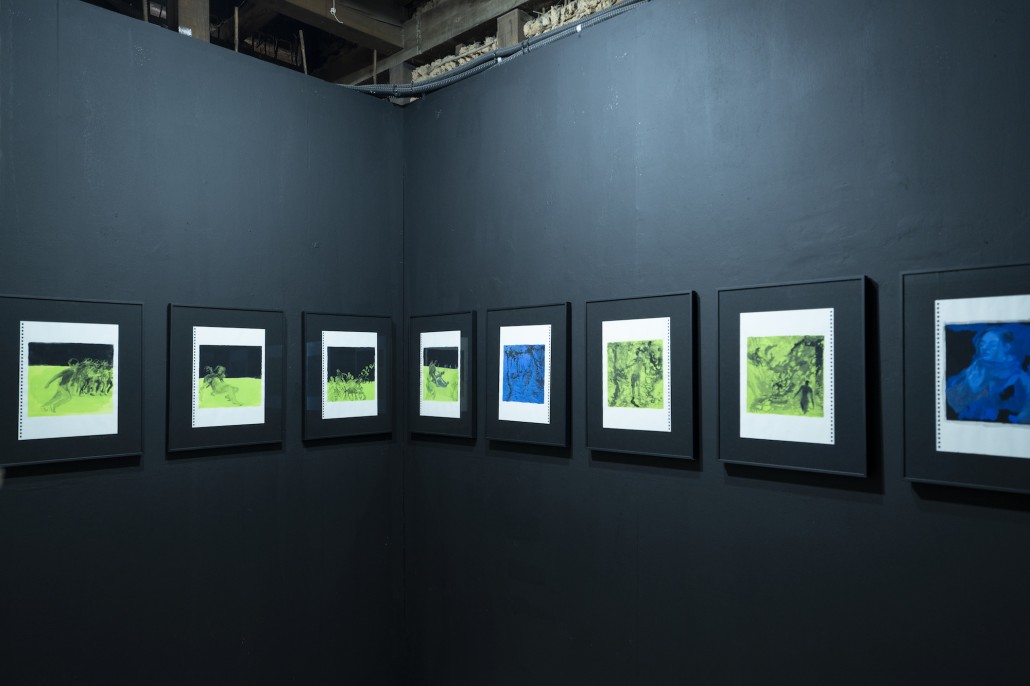
Leeje’s practice can be understood as an ongoing exploration of life that continues in the aftermath of loss through the medium of painting. From urban landscapes disappearing through redevelopment and anonymous laborers to the deaths of those close to her, social disasters, and collective memory, her work consistently attends to the emotions and sensations that remain after disappearance.
Rather than representing specific events or delivering explicit social messages, Leeje examines how traces of memory and experience left upon individual and collective bodies continue to shape present perception through the language of painting. This approach extends beyond documenting loss, proposing mourning as an enduring mode of living.
The body constitutes one of the central concepts in Leeje’s practice. Here, the body signifies far more than the human figure itself. It is understood as a site that accumulates experience through time and society: a body that remembers emotions, labors, cares for others, and forms relationships.
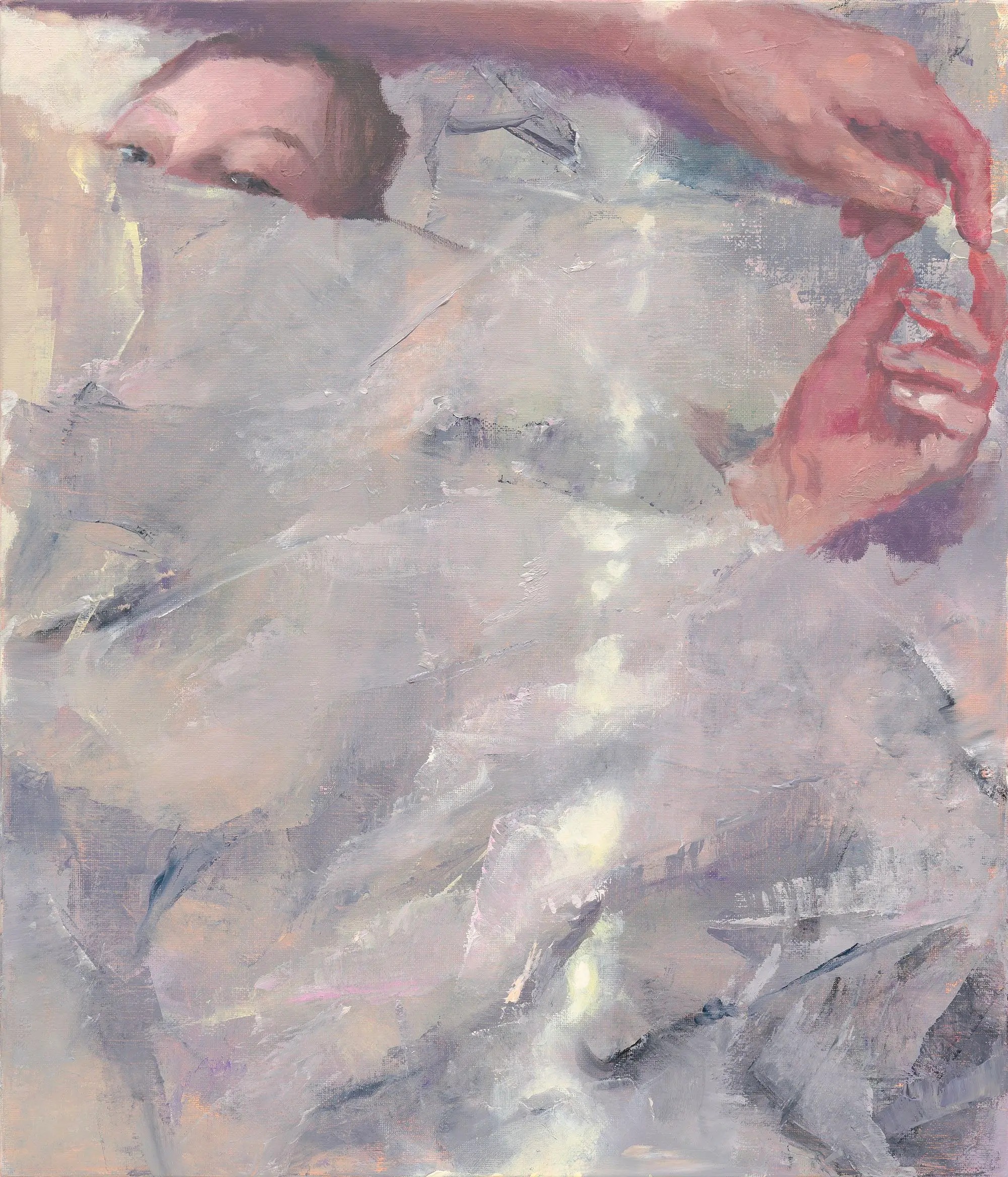
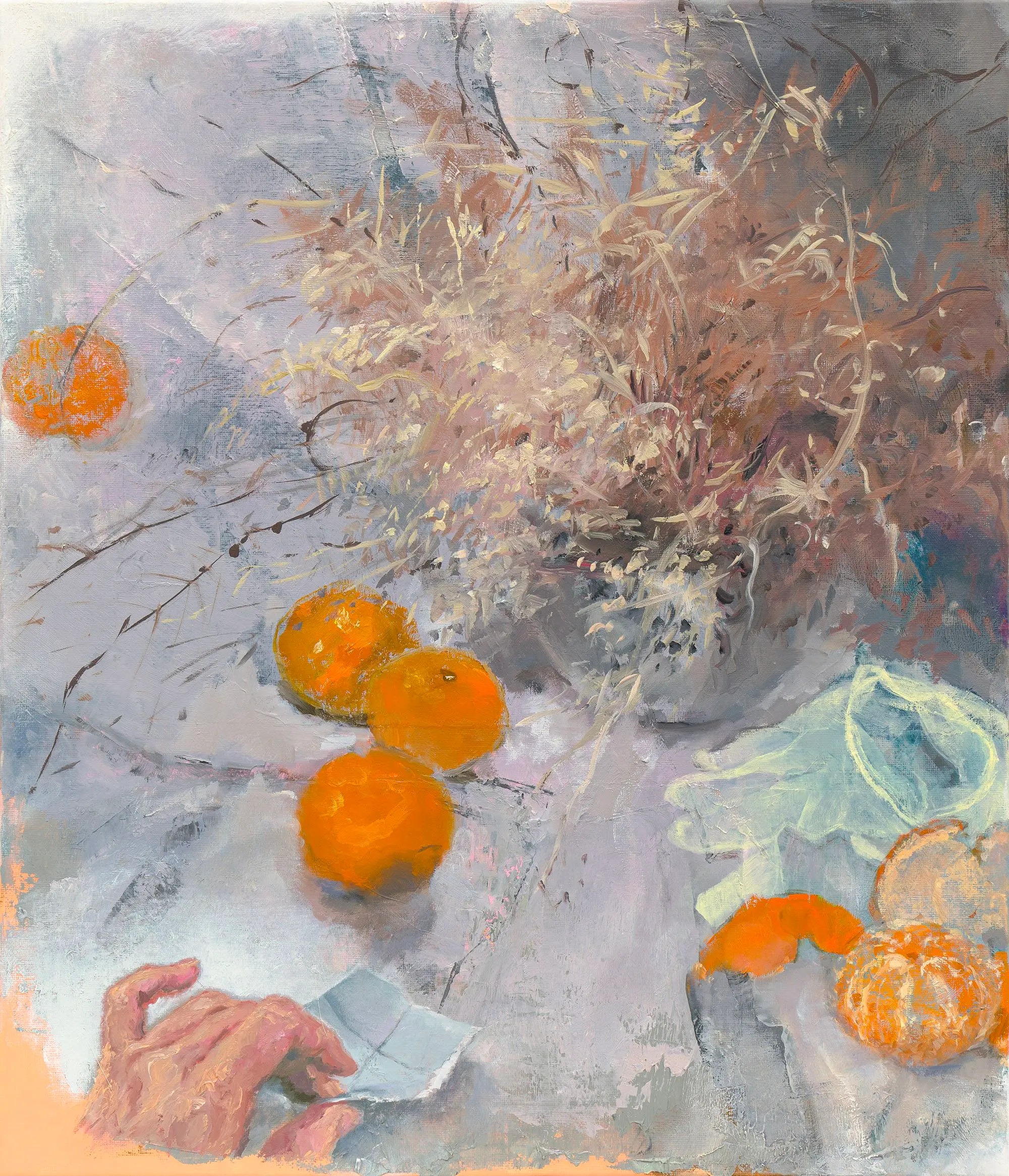
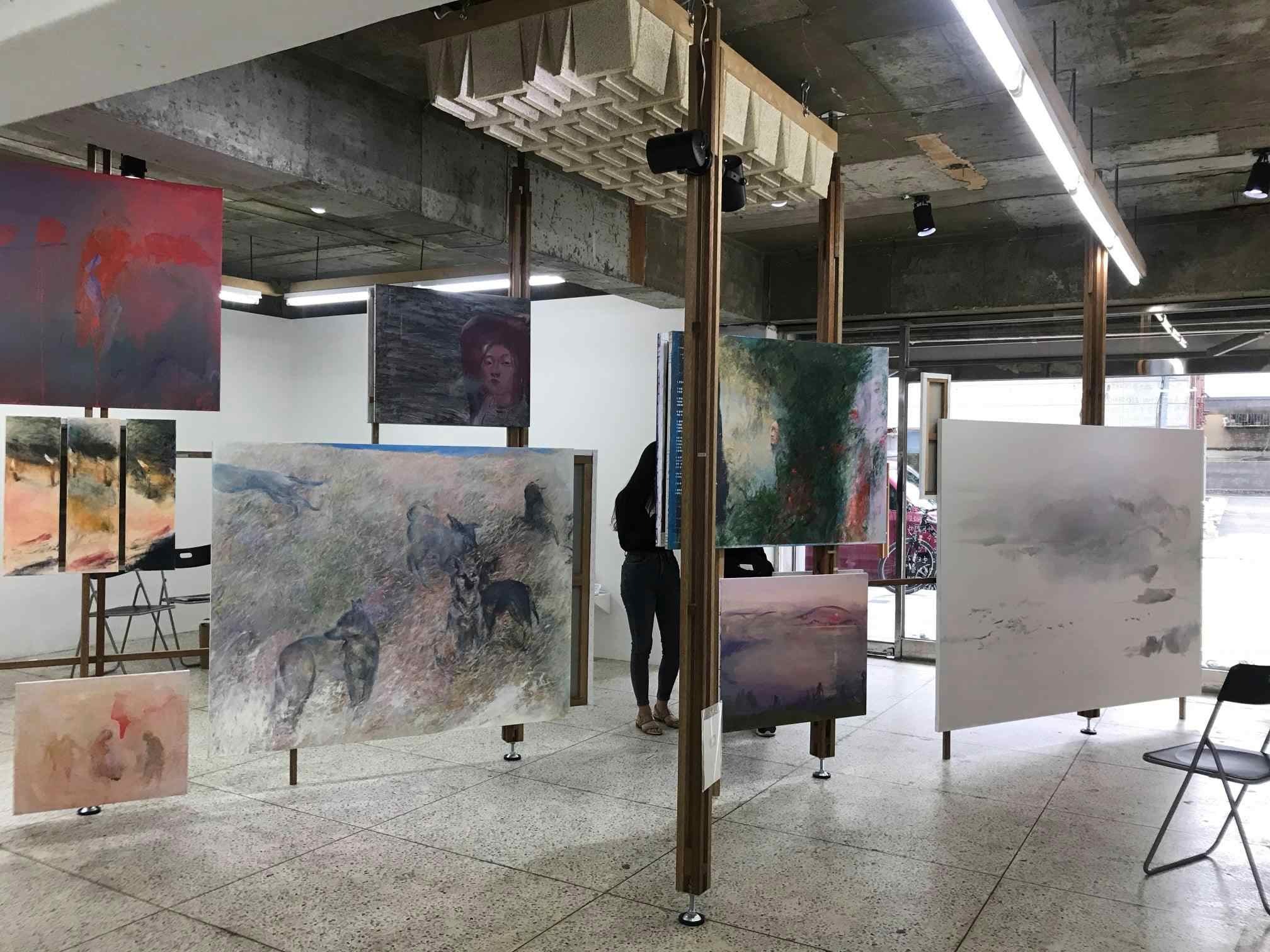
Since 2017, the body has become a major subject in her work, and more recently it has expanded into a site through which social disasters and collective memory are mediated. Figures often appear fragmented, partially concealed, or erased, while objects and landscapes—including automobiles, shoes, rivers, and forests—also function as metaphors for the body, evoking a sensibility in which presence and absence continuously intersect.
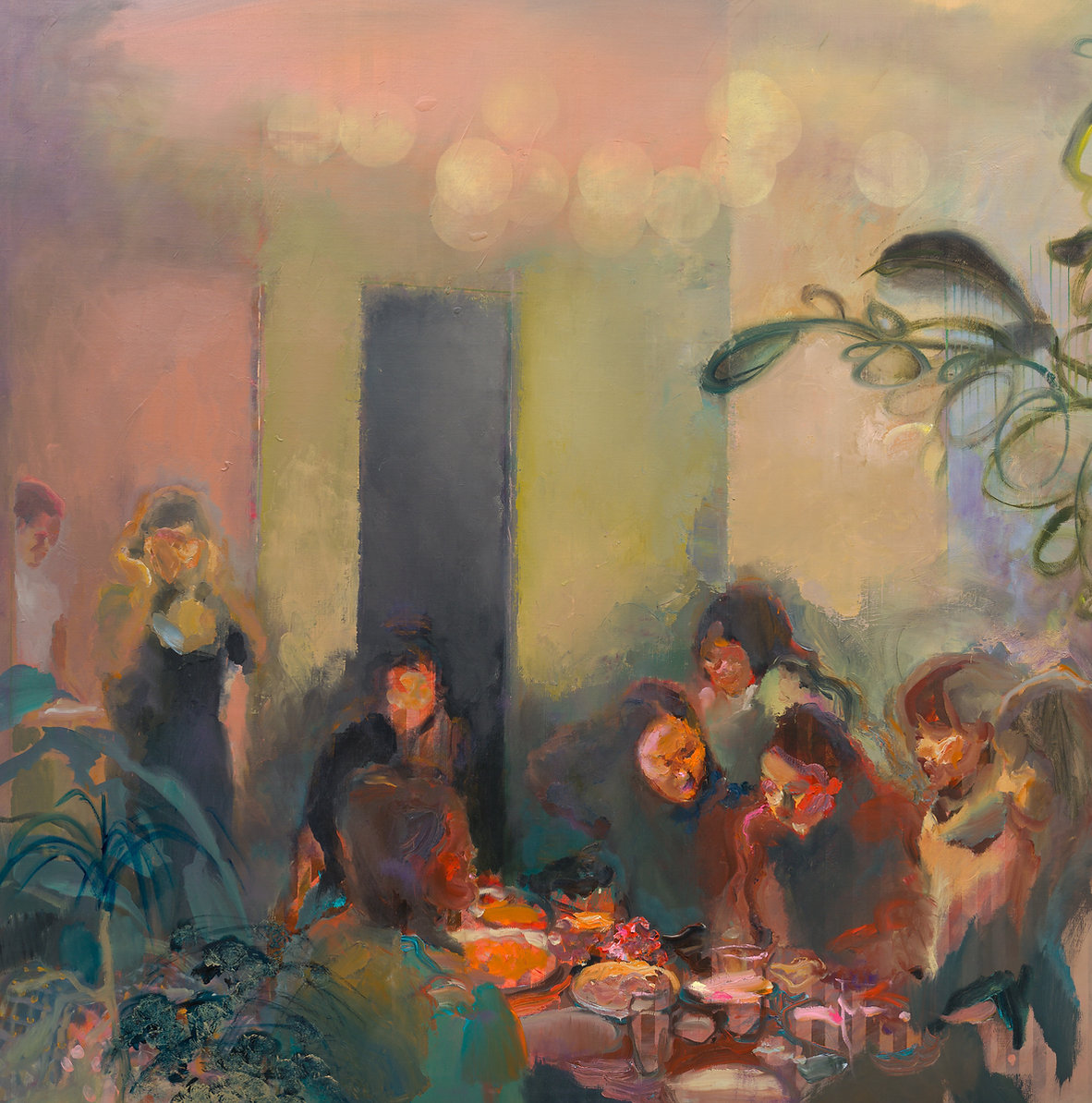
Another defining characteristic of Leeje’s work is its refusal to separate personal memory from collective experience. Family members, friends, people with whom she has shared everyday life, and anonymous figures inhabiting the city all transcend individual portraiture to become vessels through which the sensibilities of those living in the present are shared.
In her work, community refers less to society as an abstract entity than to a network of relationships sustained through shared experiences and memories. While her recent practice has increasingly engaged with social tragedies and public mourning, its primary concern remains not the events themselves but the emotions, silences, and enduring memories that follow them.
Individual experiences become intertwined with collective memory, which in turn returns to the embodied perceptions of each individual, forming a continuous cycle.
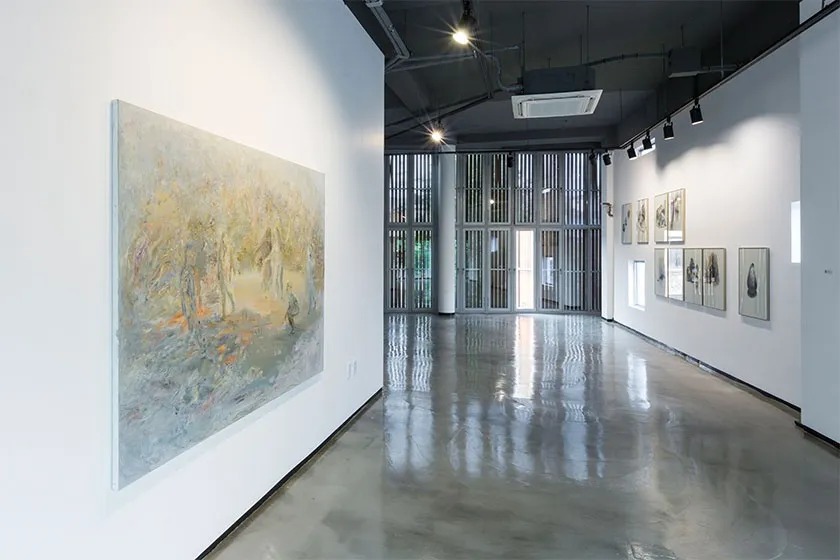
Within this conceptual framework, painting functions not simply as a means of representation but as an act of bringing memory and sensation into the present. Rather than presenting fixed meanings, Leeje leaves space for viewers to enter the work through layered and partially erased images, ambiguous forms, and open-ended visual structures.
Memory is understood not as a fixed record of the past but as a process of continual transformation within the present, and painting likewise operates as a living field that participates in this ongoing process. Ultimately, Leeje’s practice offers painting as a way of reconsidering contemporary life through the shifting relationships between life and death, presence and absence, and the individual and the collective.