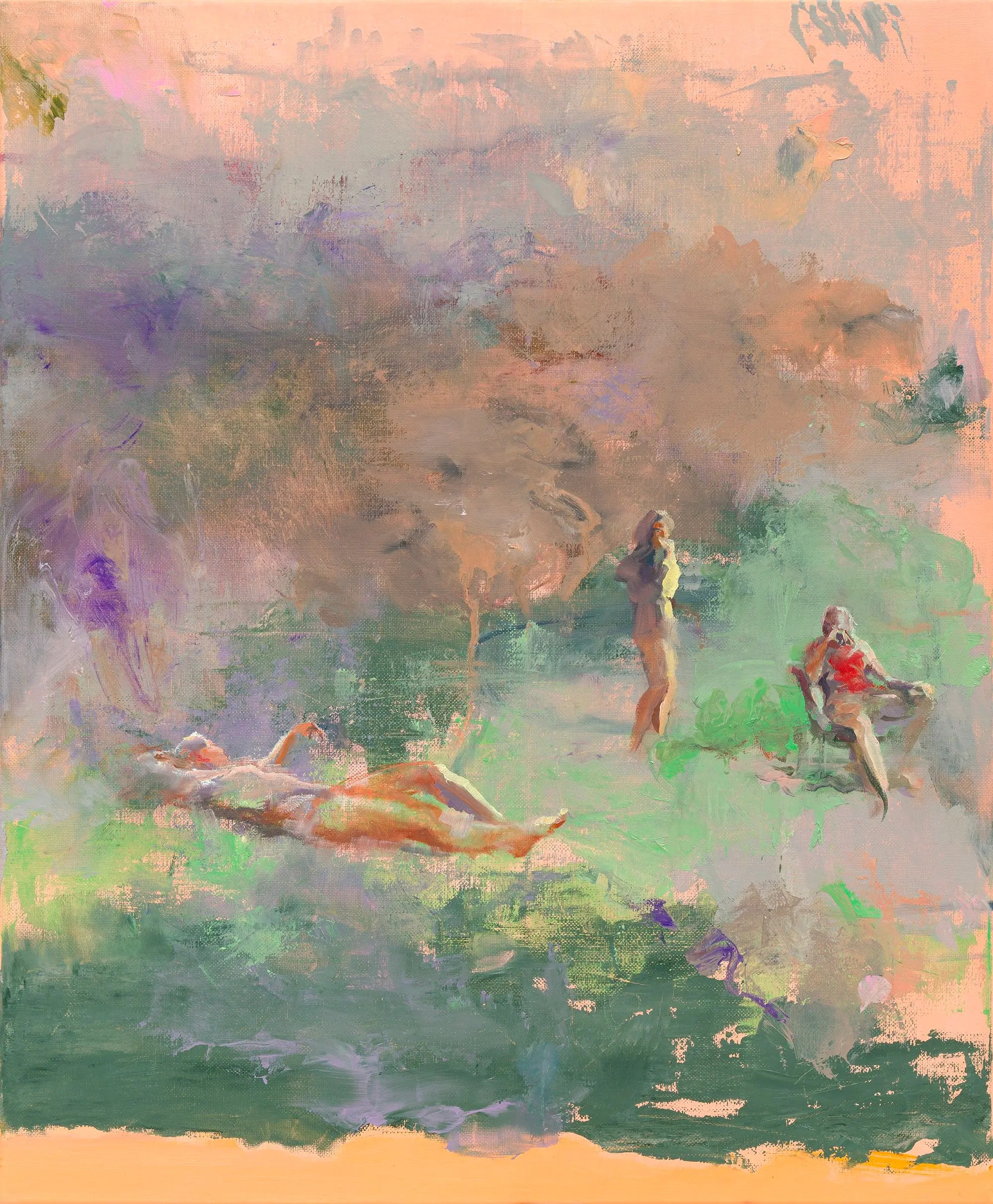
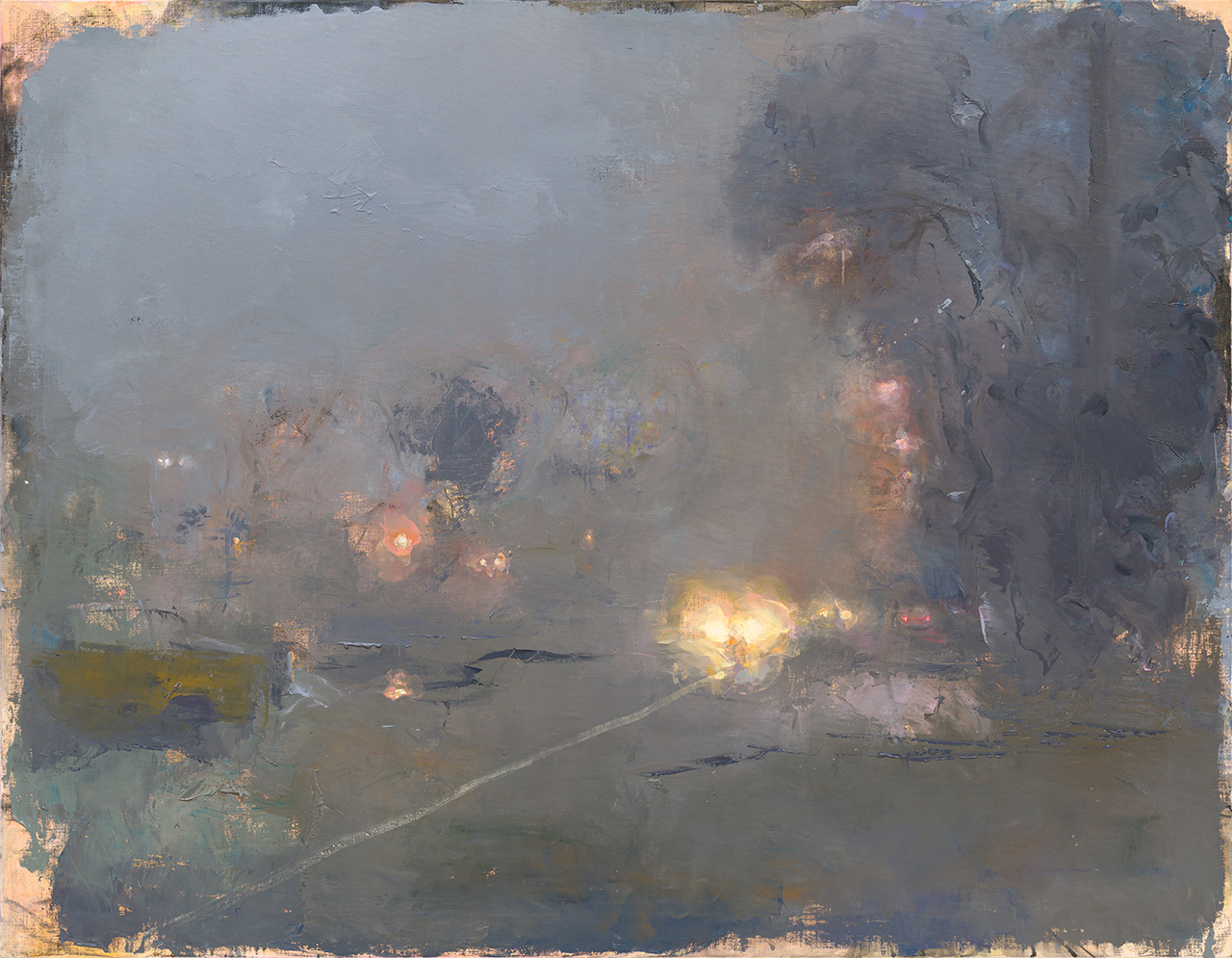
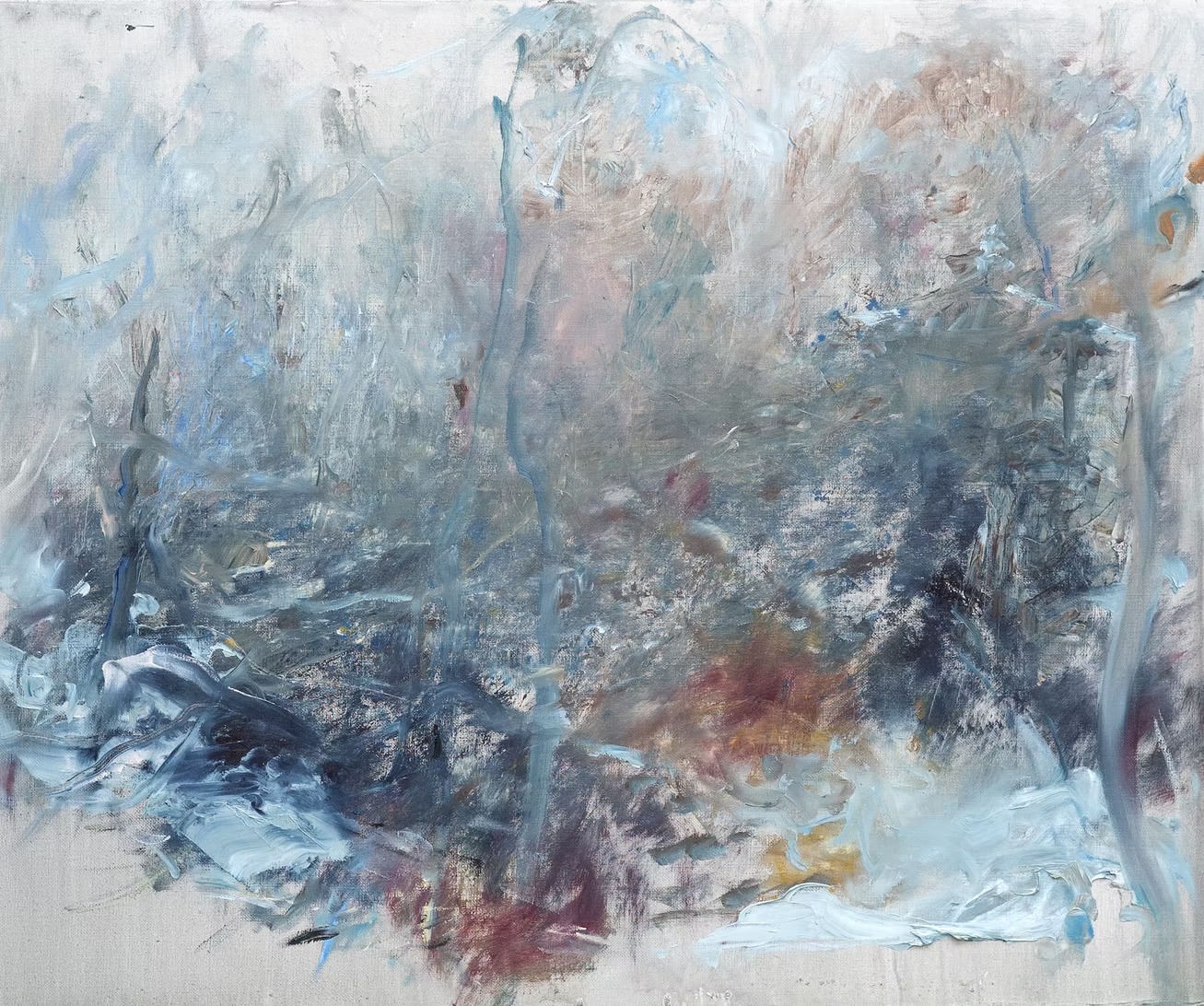
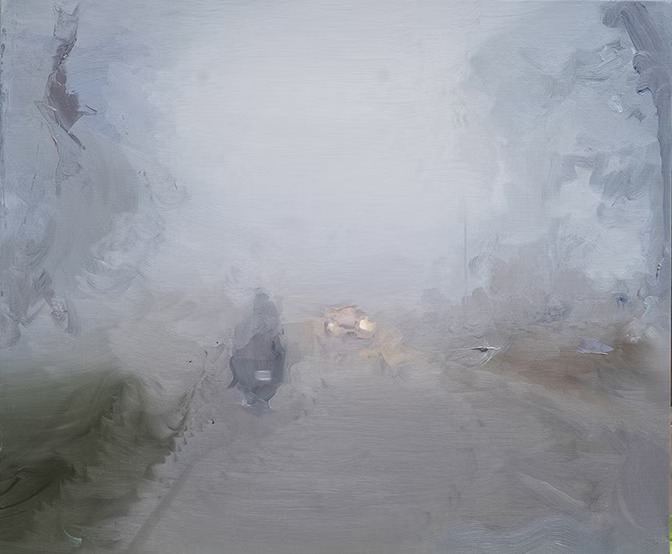
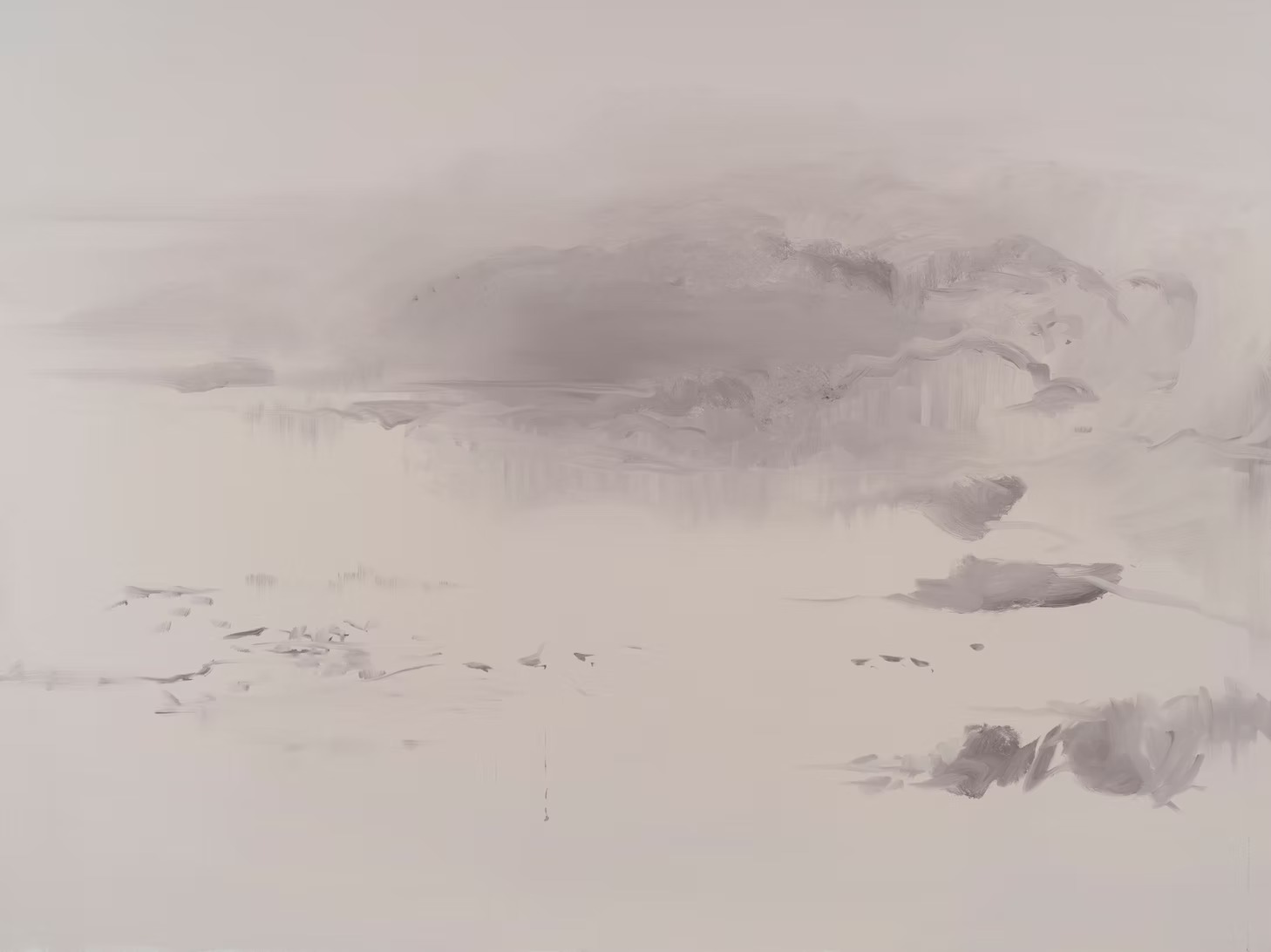
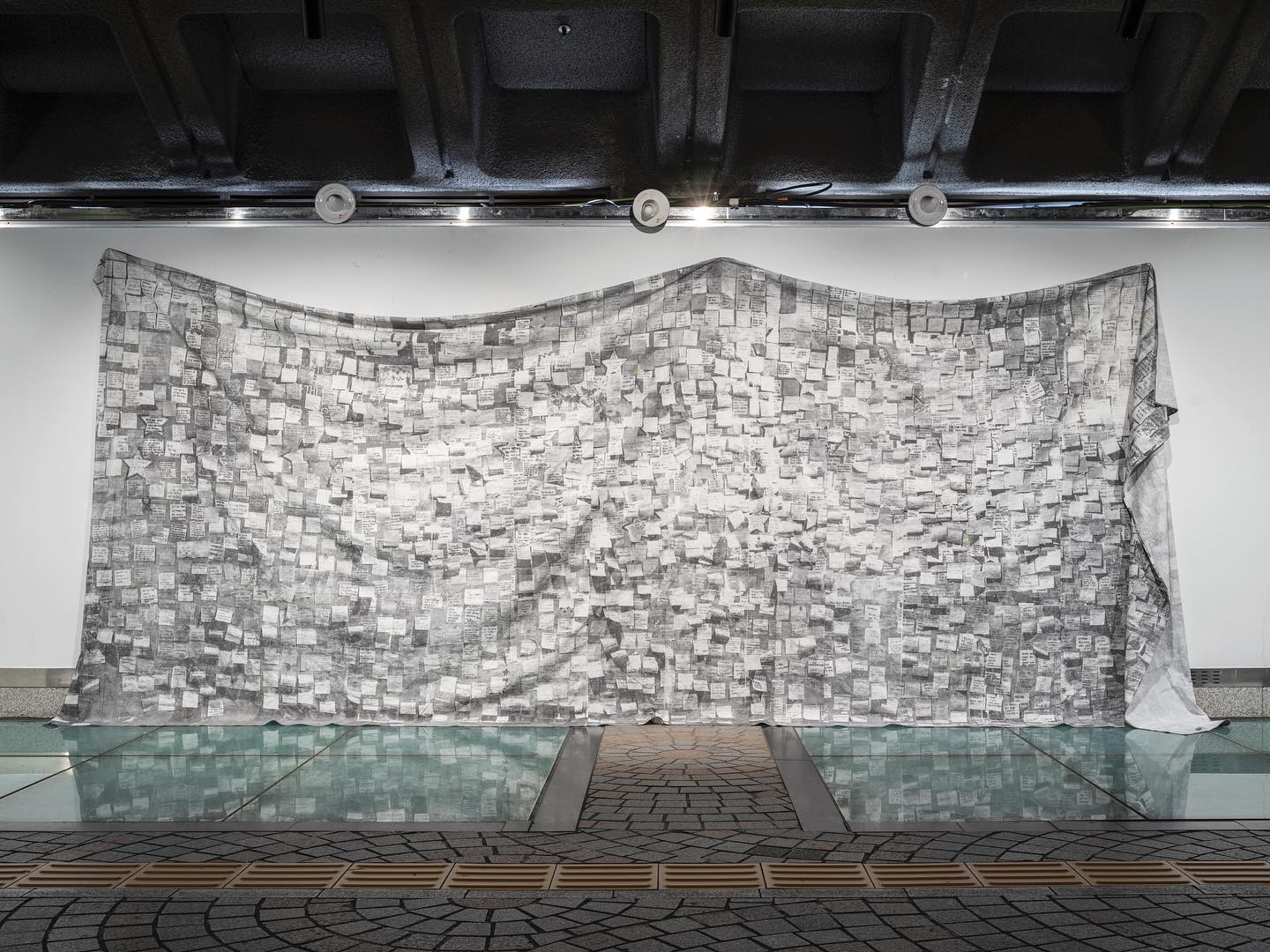
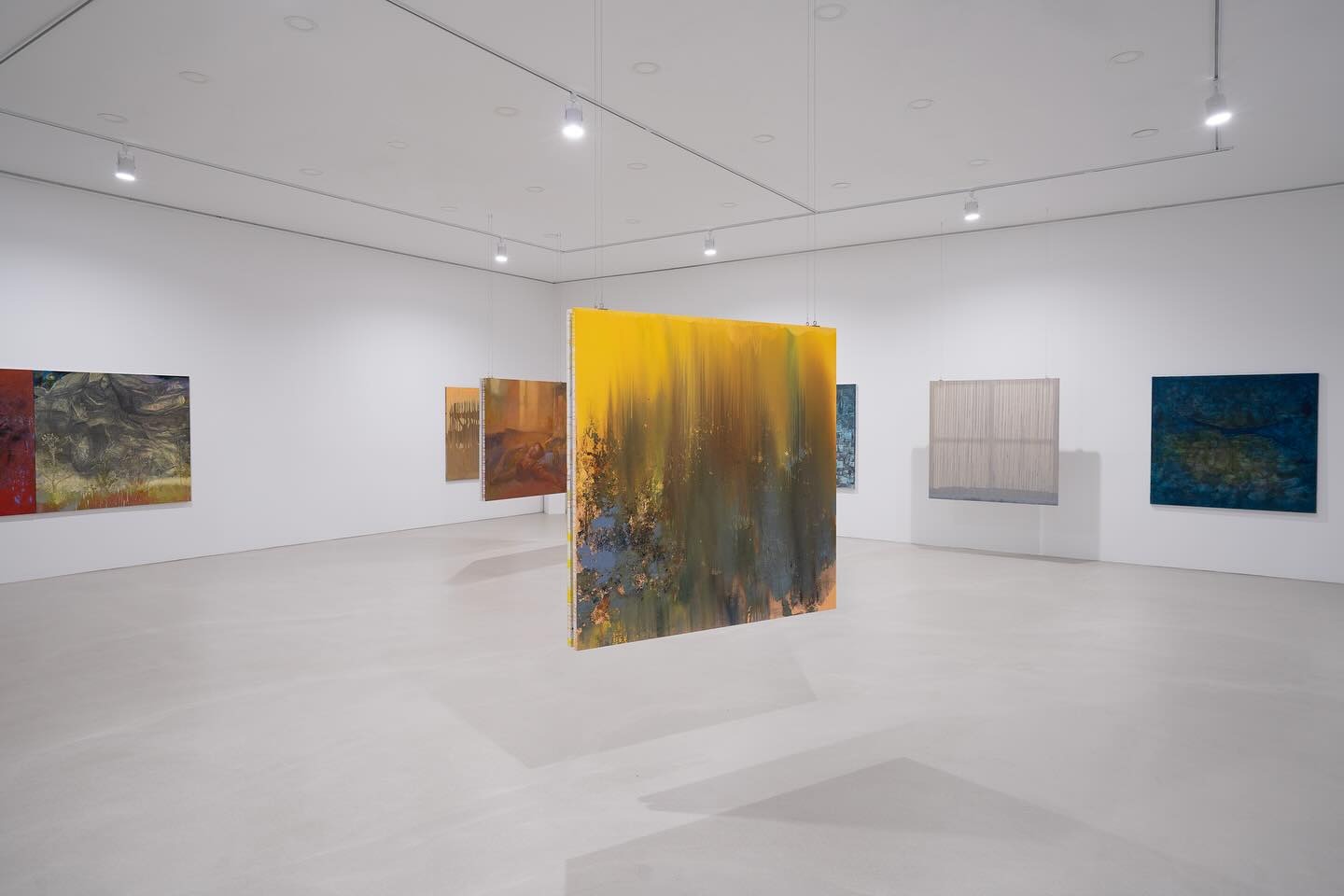
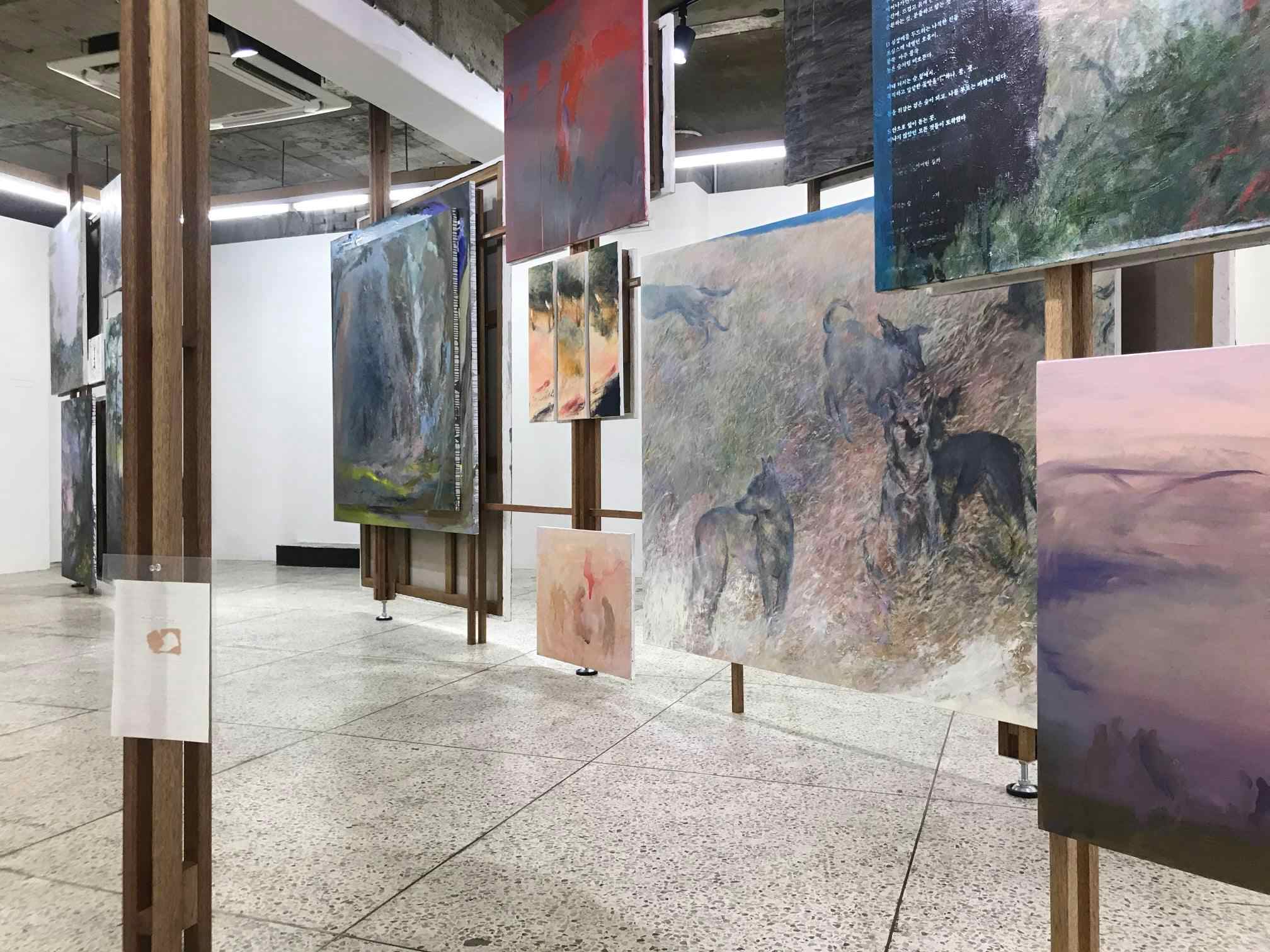
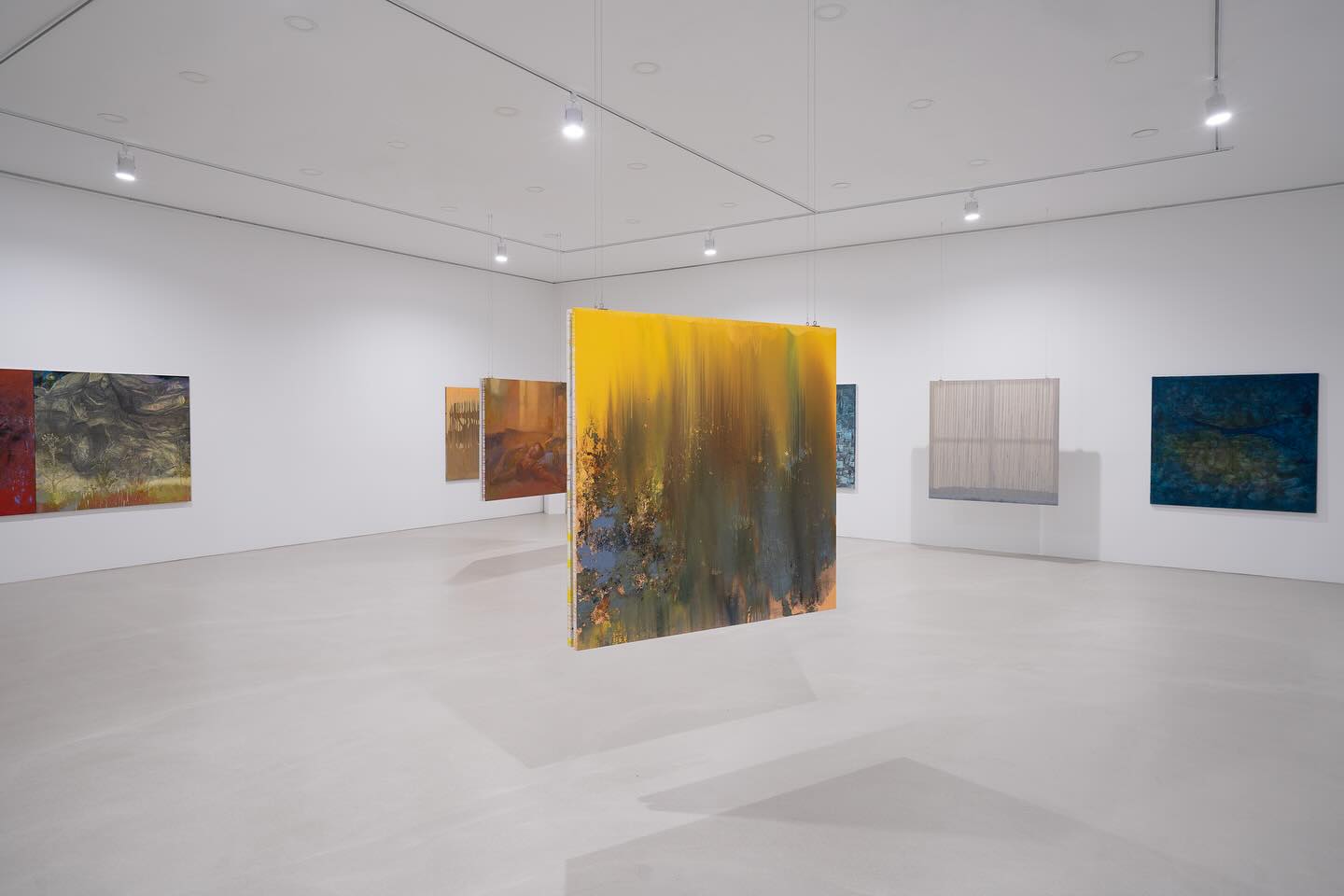
Installation view of 《Still Some Light》 © A-Lounge

I still vividly remember Leeje's paintings from the mid-2000s, which took the urban landscape as their primary motif. Depicting neighborhoods around Geumho-dong, where the artist had lived since childhood and which were on the verge of redevelopment, these works captured disappearing places with a light and delicate brushstroke, almost as if painting scenes from a picnic.

Although they addressed the issue of urban redevelopment, they conveyed not so much a detached social critique as an affectionate gaze toward places the artist cherished but knew would soon disappear. These paintings left an impression that was at once resolute and vulnerable, perhaps because they began precisely where the social issue of redevelopment became entangled with the artist's most personal sensibilities.

Looking back, Leeje has consistently fulfilled the roles demanded by contemporary society in her own thoughtful and sincere way: as a painter, as a member of the “Crawling Landscape” collective, which addressed urban issues, and as the co-operator of an exhibition space. Running through these diverse activities is an attitude that maintains an open gaze toward society while locating her own individual sensibility within its broader social context.

This same attitude is equally evident in her paintings. While her engagement with subjects such as urban redevelopment connects her work to the lineage of post-Minjung art, her paintings simultaneously pursue a distinct pictorial language capable of articulating deeply personal emotions through the aesthetics of painted landscapes.

In solo exhibitions presented since the mid-2000s, including 《Our Dazzling Moments》 (2005) at Shinhan Gallery (formerly Joheung Gallery) and 《Flower Delivery》 (2009) at Gallery King, Leeje depicted neighborhoods awaiting redevelopment, construction sites, and scenes of labor. Rather than making direct statements about social issues, however, these paintings rendered the fragile and transient condition of subjects seemingly on the verge of disappearing through light, restrained brushwork.

In works such as Here (2010) and Your Song_Jihye (2010), presented in the solo exhibition 《Here and Now》 at OCI Museum of Art in 2010, the artist shifted her attention toward the sensory experience of her own presence while witnessing redevelopment sites. In these works, she relies on the embodied perception of the painter as a means of recording external reality.

What makes works such as Pile (2010) and The Possibility of an Island (2010) particularly compelling is not the redevelopment site itself, but rather the accumulated masses and interwoven slippery lines formed through the material traces of oil paint. Resonating with the final vibrations of things being lost to redevelopment, these painterly gestures become enduring traces that register disappearance itself.

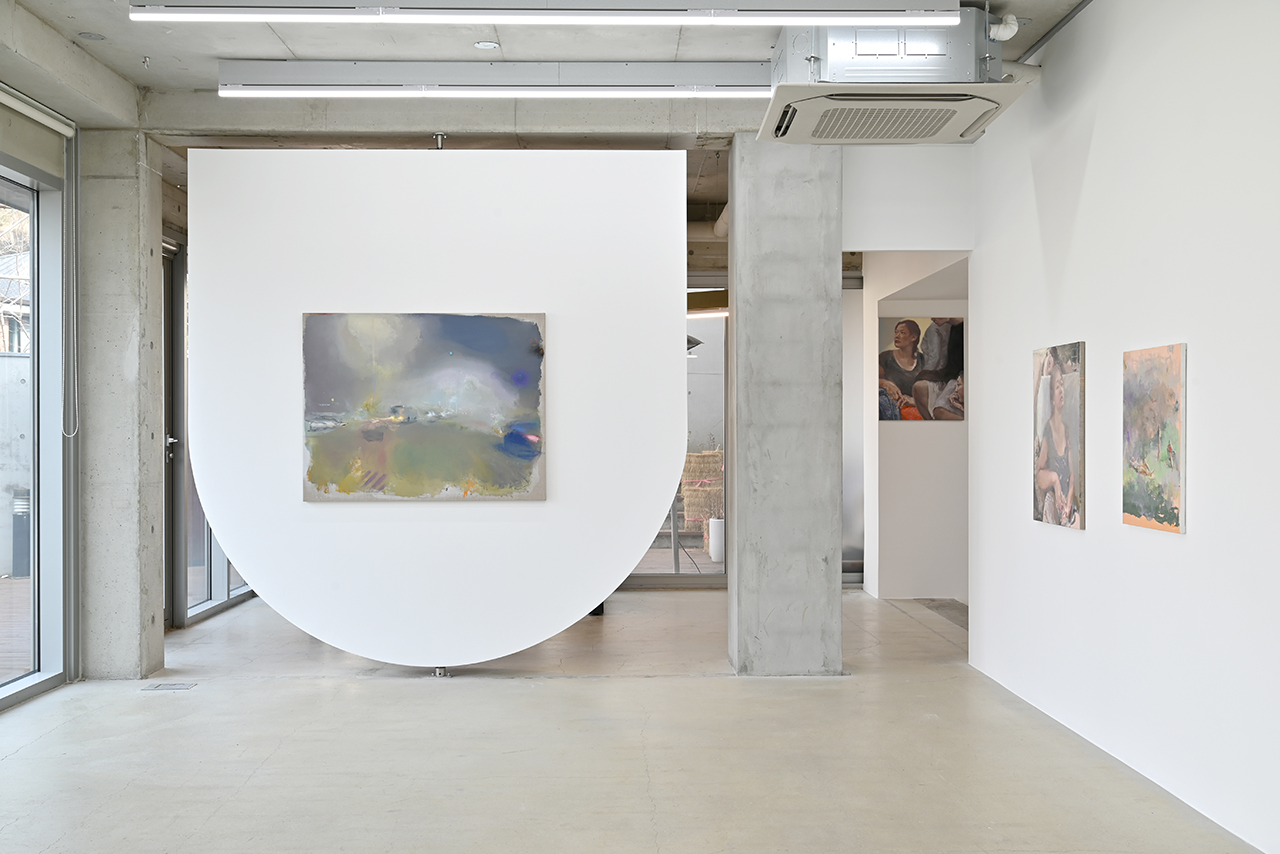
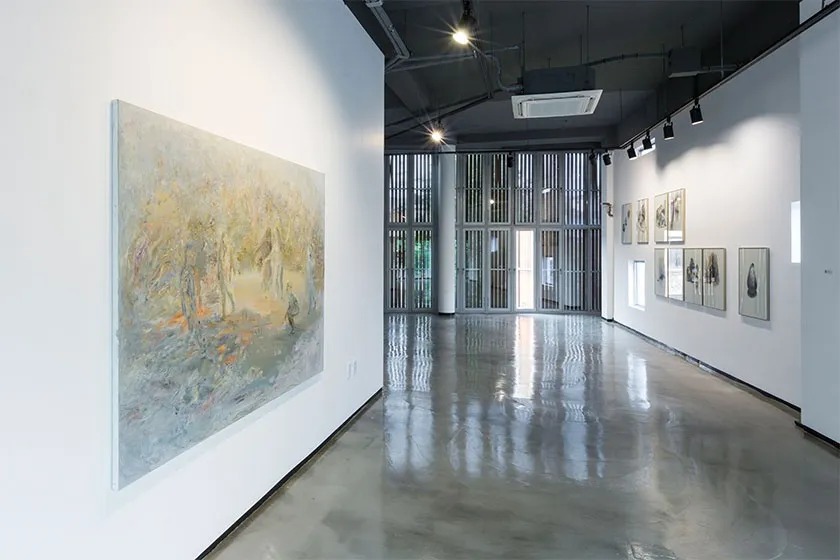
Installation view of 《Still Some Light》 © A-Lounge

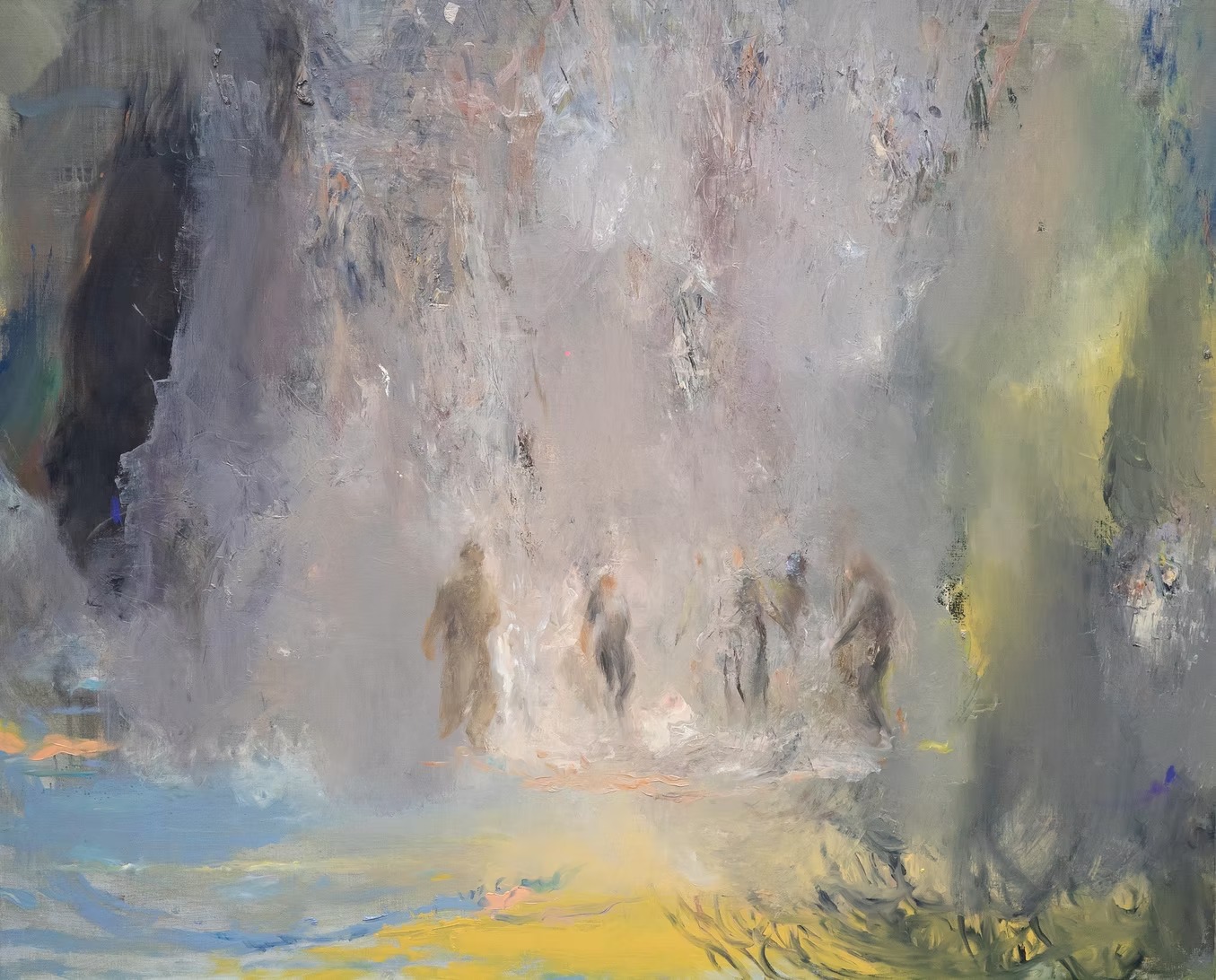
This attitude continues through Leeje's subsequent works, including The Mother Night (2011), in which the texture of night is conveyed through brushwork itself in an increasingly abstract manner; Warmth (2014), which captures the flickering movement and heat of a bonfire; Our Dance Always Comes Unexpectedly (2017), where the movements of figures generate vibrations that merge seamlessly with the surrounding landscape; and Field (2019), whose expressive brushwork evokes the emotions of a wanderer and conveys the vastness of an unanchored landscape, extending into her most recent paintings.

Across these works, Leeje gradually shifts her attention away from depicting the subject itself toward capturing the situation in which the subject exists—that is, the atmosphere she perceives in the surrounding space. The motifs of these paintings are, for the most part, entities that remain ambiguous because they occupy no clearly defined place within society.

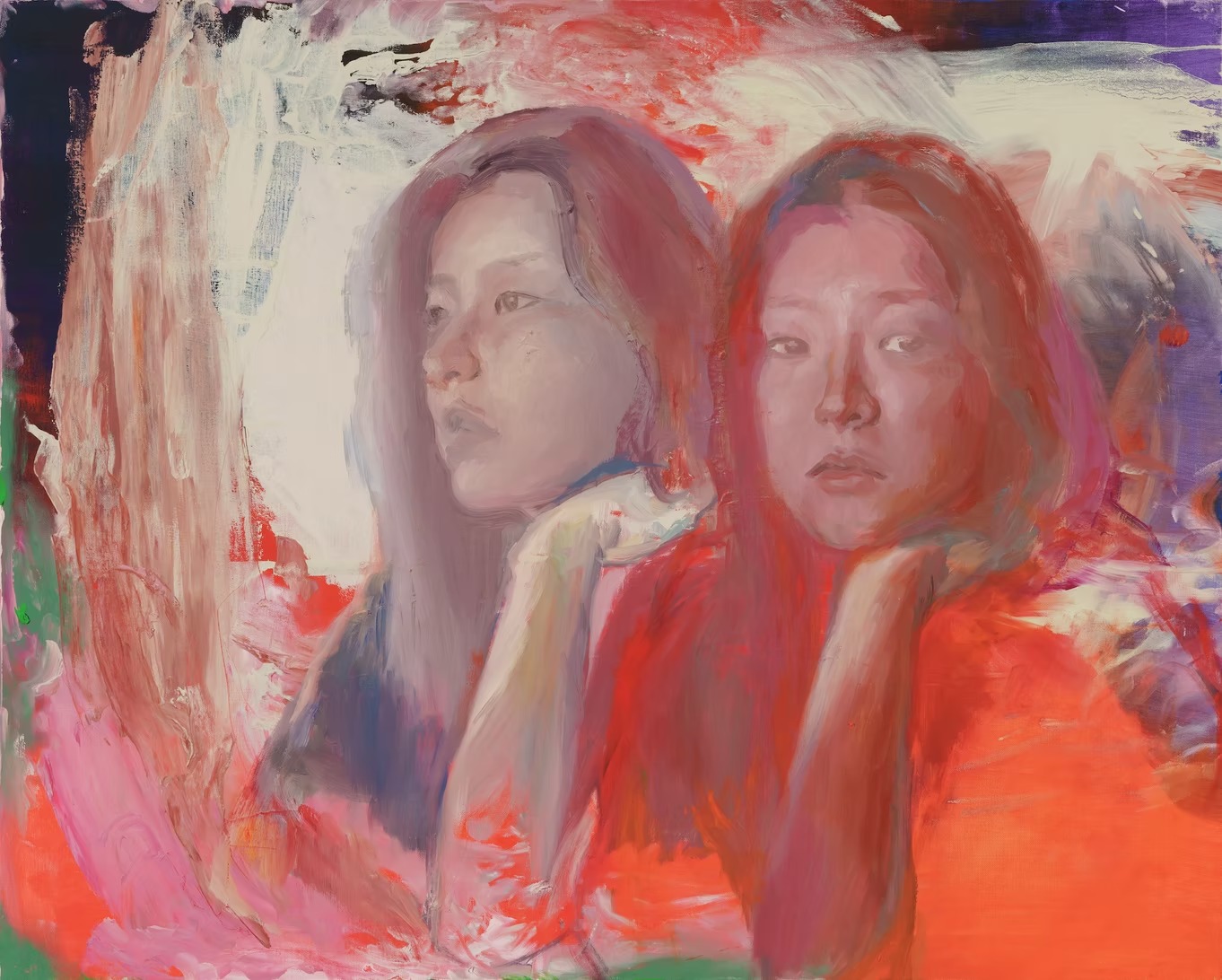
Existing, as it were, beyond the visible horizon, they remain within the realm of possibility, their identities yet to be fully revealed. The recurring appearance of young women from the artist's own circle in her work is closely tied to her fascination with the unknown potential embodied by such fragile beings, who have yet to become fully rooted in society.

Rather than framing this latent vitality within the discourse of feminism, Leeje expresses it through colors and dynamic brushwork that evoke a celebratory atmosphere—never overtly aggressive, yet subtly unsettling.

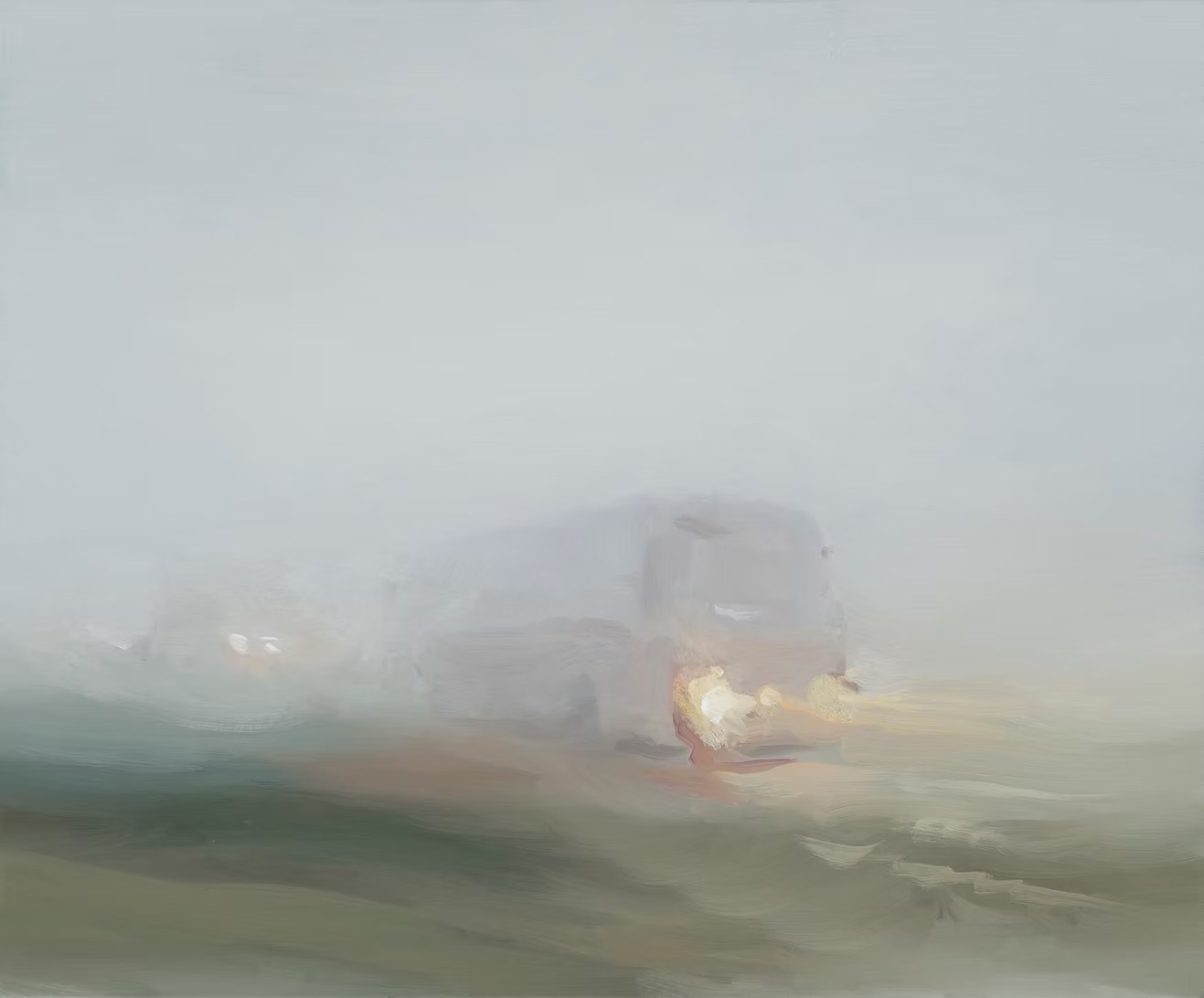
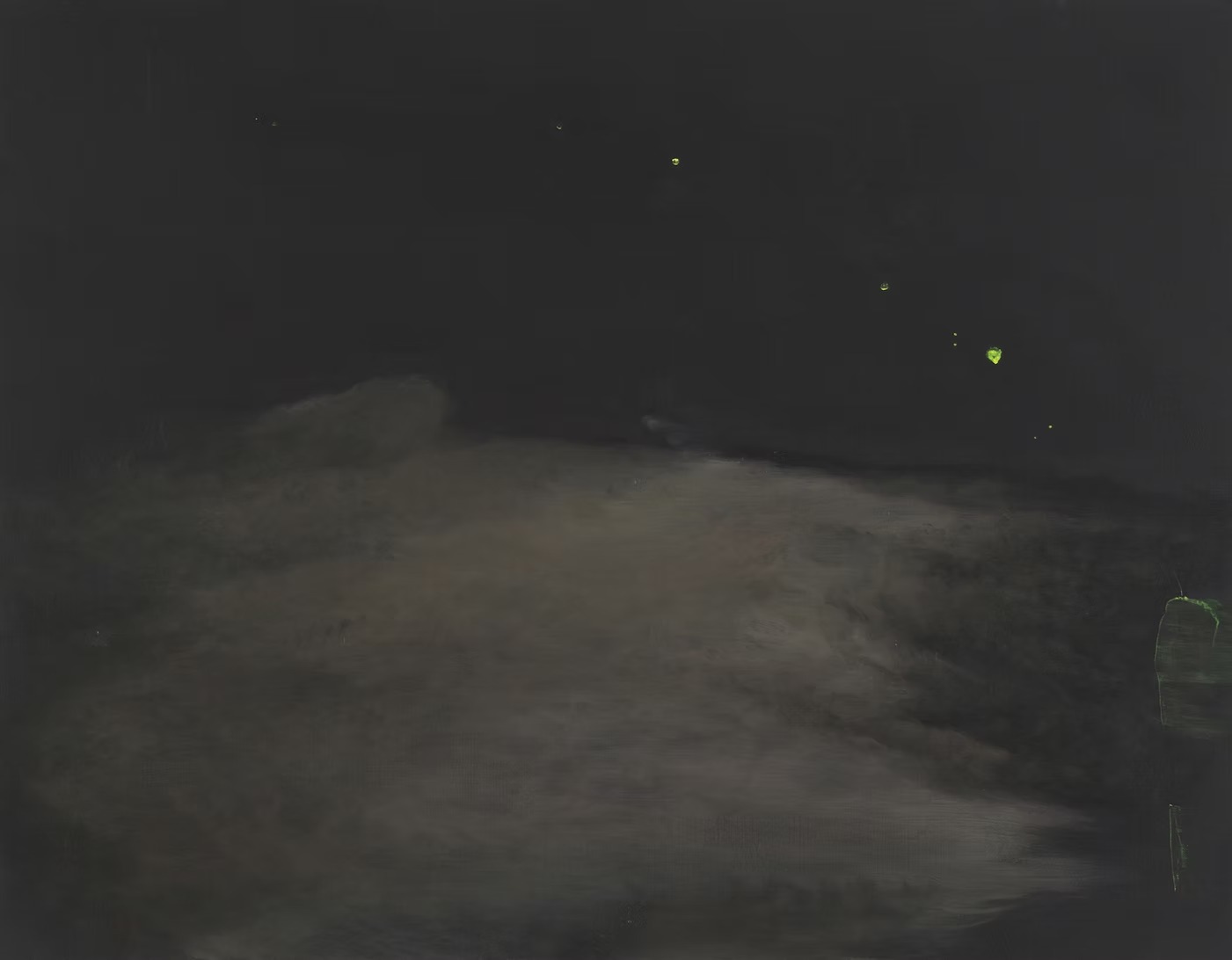
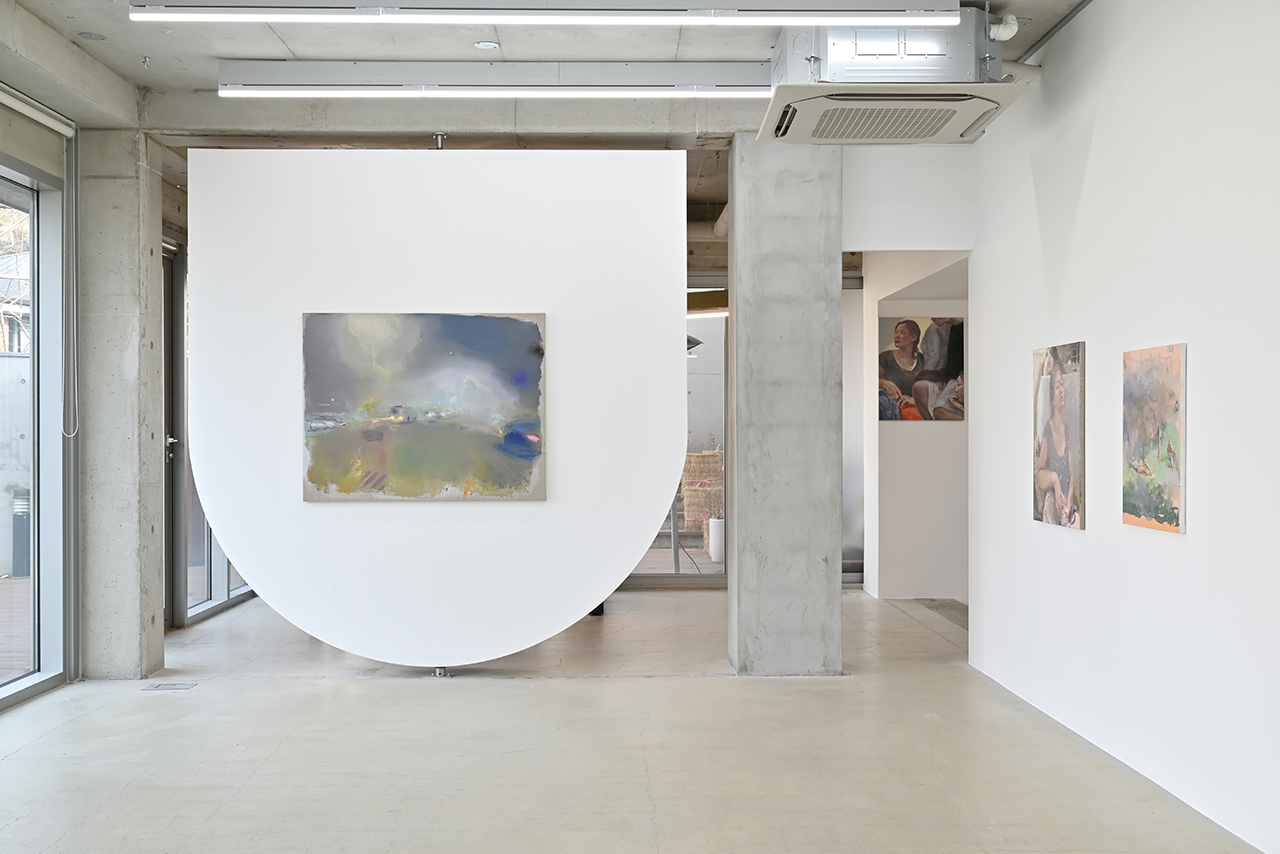
In her solo exhibition at A-Lounge, Leeje presents recent works including Warmth (2023), which continues the bonfire series, alongside Murmuring Nights (2022), an extension of the earlier The Mother Night (2011) that further explores the atmosphere of night; National Highway (2022), recalling the experience of wandering; and Study of a Group (2023), which develops from portraits of people close to the artist.

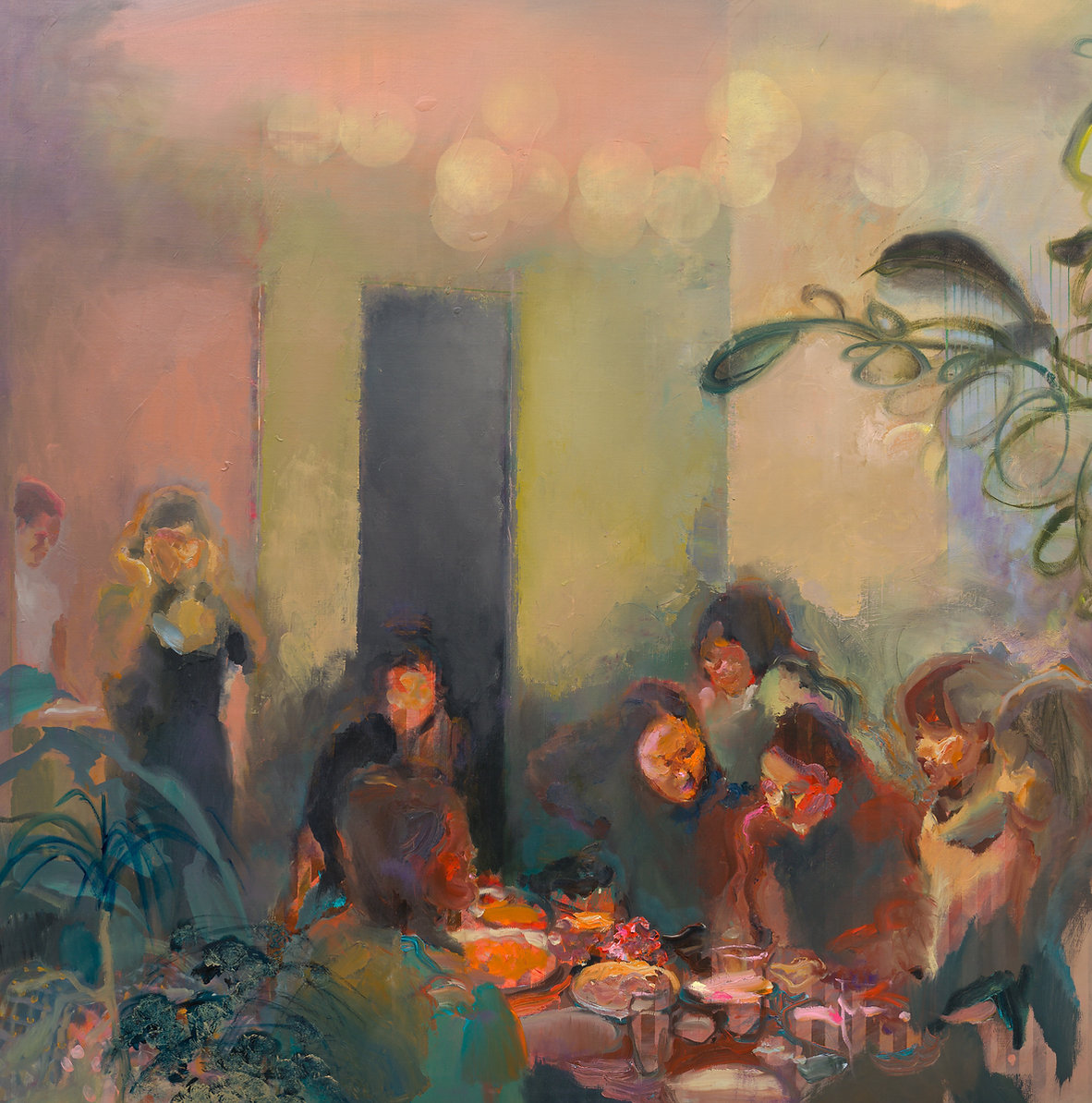
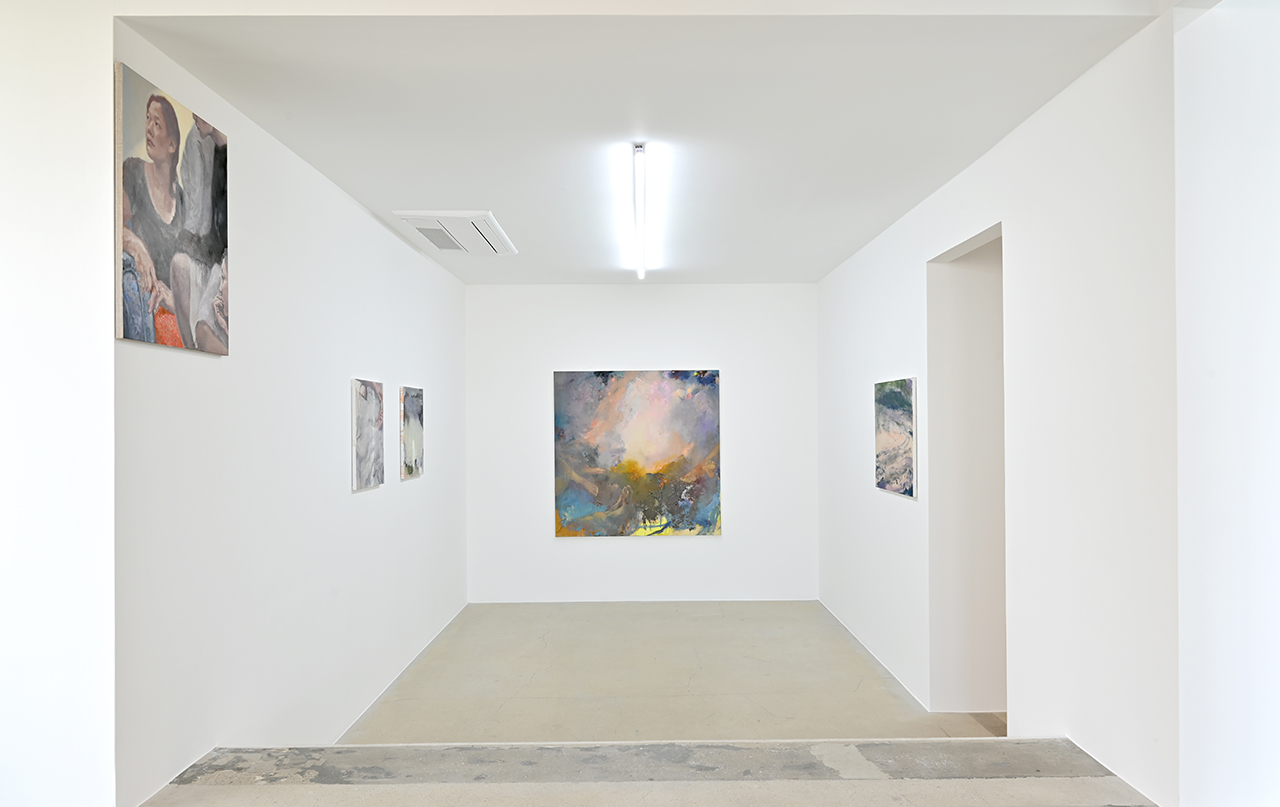
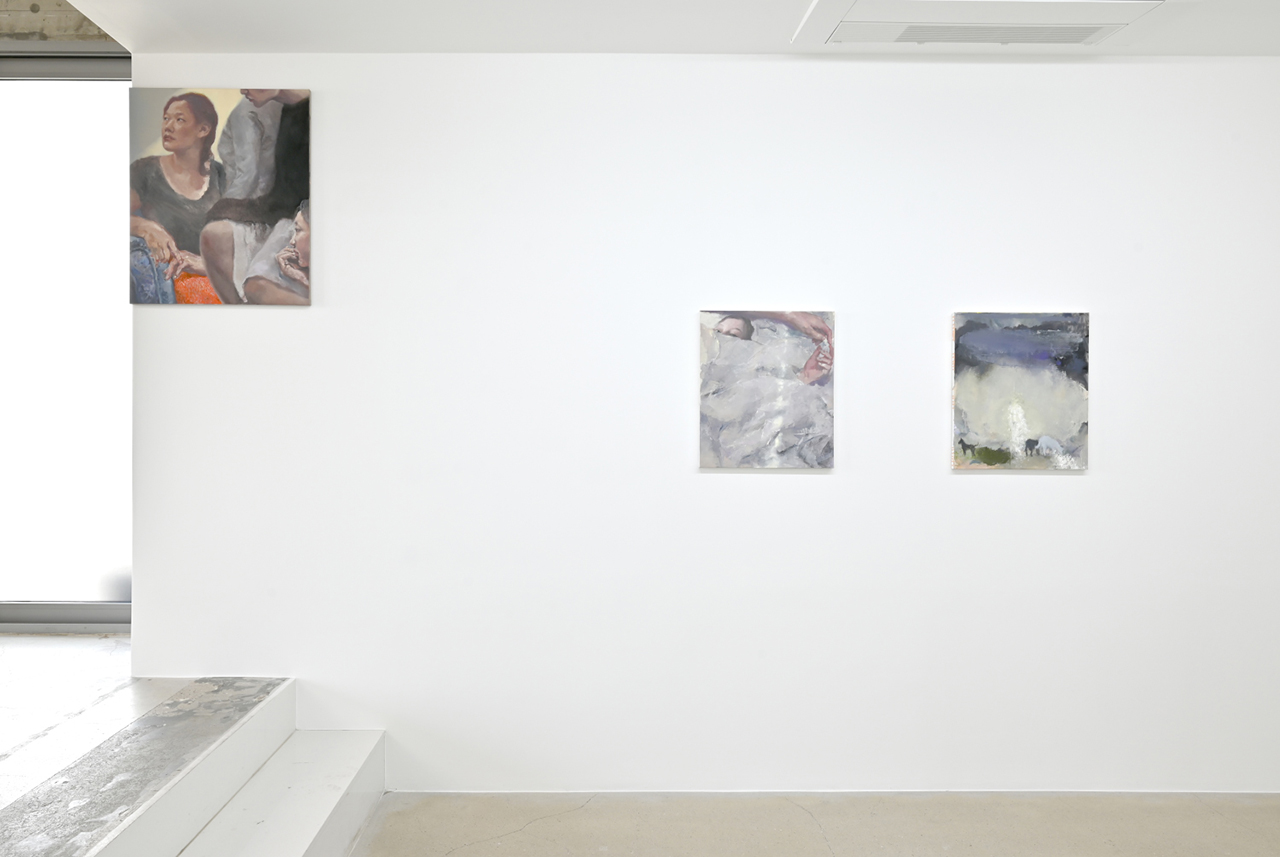
Together, these paintings deepen the themes and pictorial methods that have long defined her practice. Among them, Dinner (2023) stands out as a particularly significant work. Based on a photograph the artist took years ago during a housewarming gathering, the painting is presented in two versions that differ in scale and brushwork.

Most notably, it transforms the recurring groups of women from Leeje's 'Our Dance Always Comes Unexpectedly' series, which she has developed since 2017, into an intimate domestic interior.

Whereas the figures in 'Our Dance Always Comes Unexpectedly' formed clusters within outdoor landscapes, their movements merging into a shared rhythm with the surrounding environment, the figures in Dinner quietly inhabit their places around a table centered on still-life objects. Resonating with one another while remaining still, they seem to generate a quiet warmth directed toward a future that has yet to arrive.
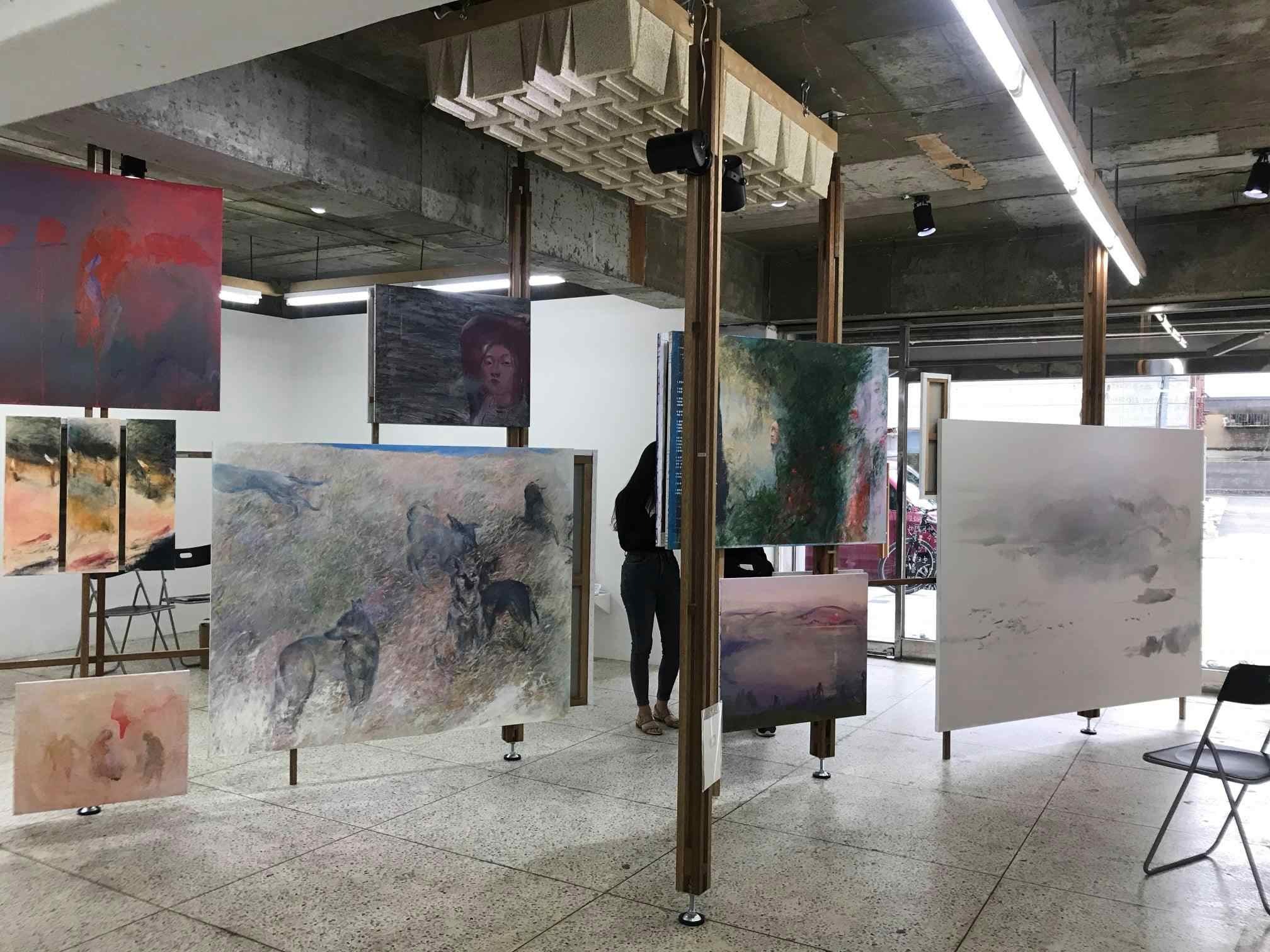
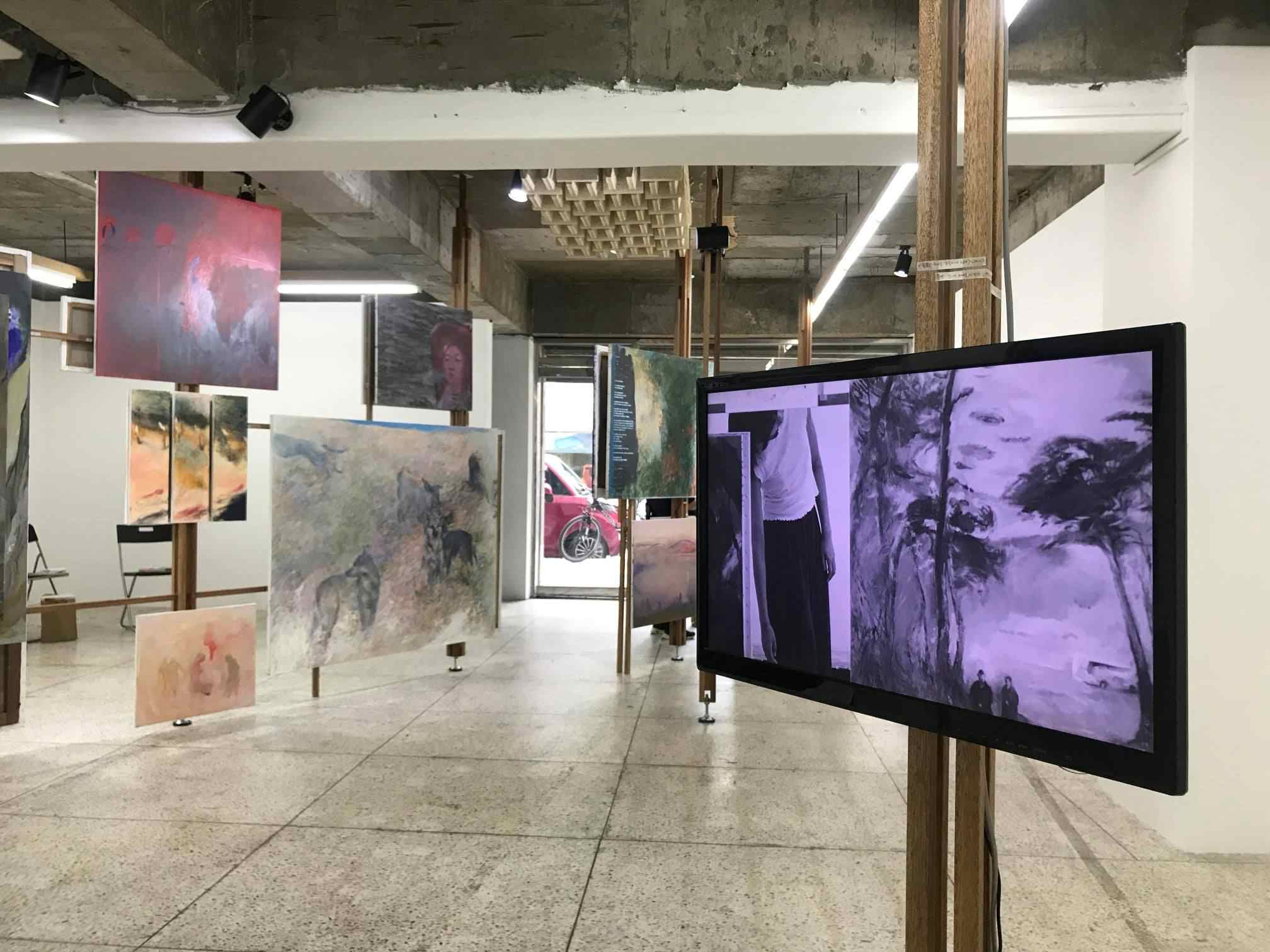
Installation view of 《Still Some Light》 © A-Lounge

These recent works can be understood as the result of Leeje's pursuit of a mode of painting that approaches the spatial situations she has actually experienced, where figures, still lifes, and landscapes merge without clear distinction. At the same time, they give form within pictorial space to the unknown possibilities embedded in the most ordinary aspects of everyday life.
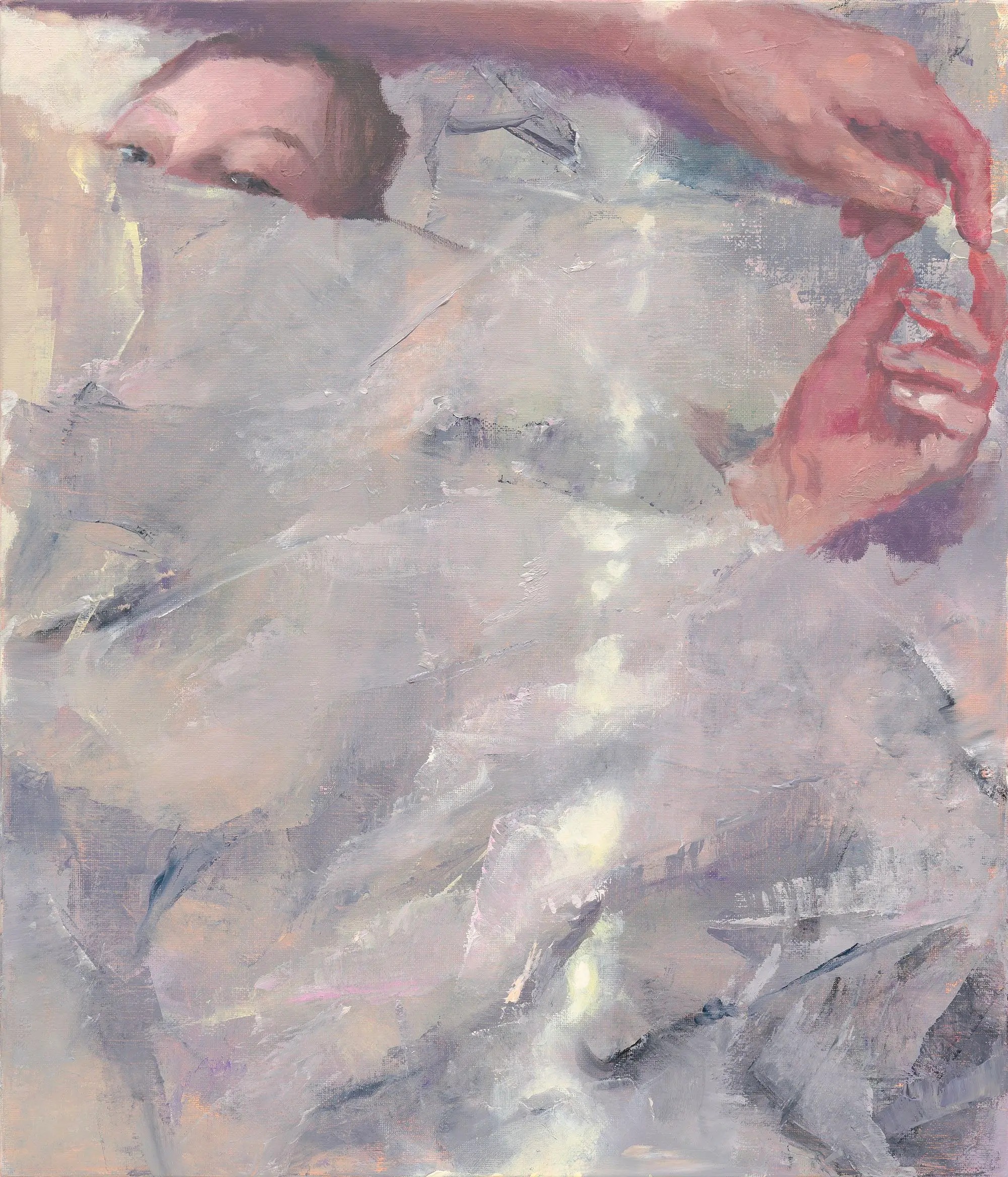
This space of possibility, generated through ambiguity and indeterminacy, is also embodied in Still Some Light (2023), another key work in the exhibition. The composition—showing a woman with only half of her face emerging from beneath a blanket, an unidentified hand reaching toward hers from an unknown source, and a faint beam of light falling across the bedding—evokes not only the quiet afterglow left in the space she inhabits but also an anticipation of the beginning of a new relationship.
Likewise, in National Highway (2022), which depicts an anonymous provincial road that could be found anywhere yet belongs nowhere in particular, the headlights cutting through the darkness reveal the unknown possibilities that still linger within an otherwise familiar world. In Leeje's paintings, the subjects remain deliberately ambiguous, yet all seem to be moving toward a place that has not quite revealed itself.

Together, these works invite reflection on the generative force that emerges when things existing on different levels enter into relationship with one another. Individual entities gather into constellations, while disparate energies collide and harmonize to produce an invisible murmur.

This state, in which unknown forces are quietly taking shape, is inseparable from the very process through which Leeje's paintings come into being—through brushwork, color, and the materiality of paint itself. In pursuit of the moment when the reality she perceives seamlessly connects with the space of the painting, she continues, day after day, to paint as an integral part of her everyday life, just as she always has.

References