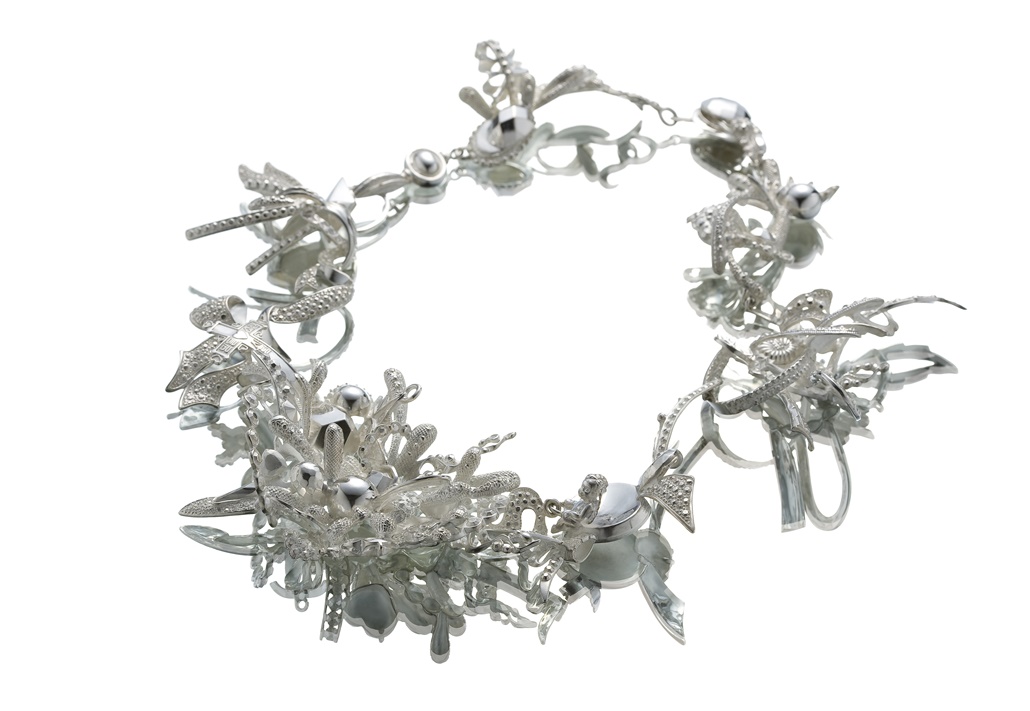
Understanding Serin Oh’s work begins with boldly setting aside affinity and a sense of homogeneity with the world to which she belonged. From the early stages of her practice to her recent works, her creation has placed emphasis on the question of making “differently” rather than making “well,” and on posing uncomfortable questions rather than offering kind answers.
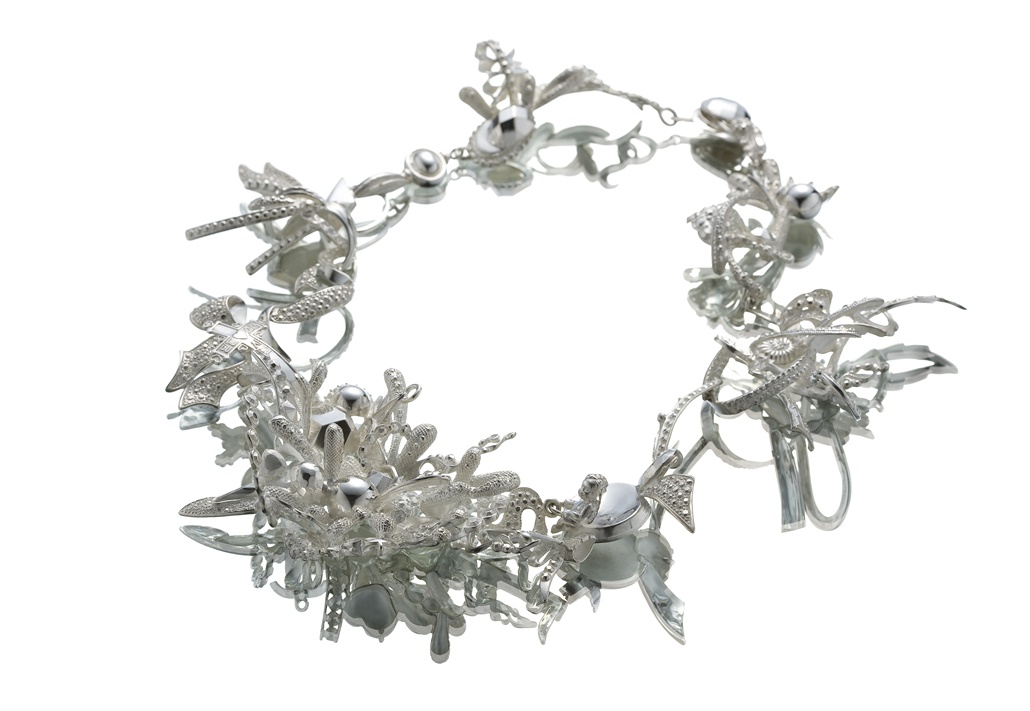
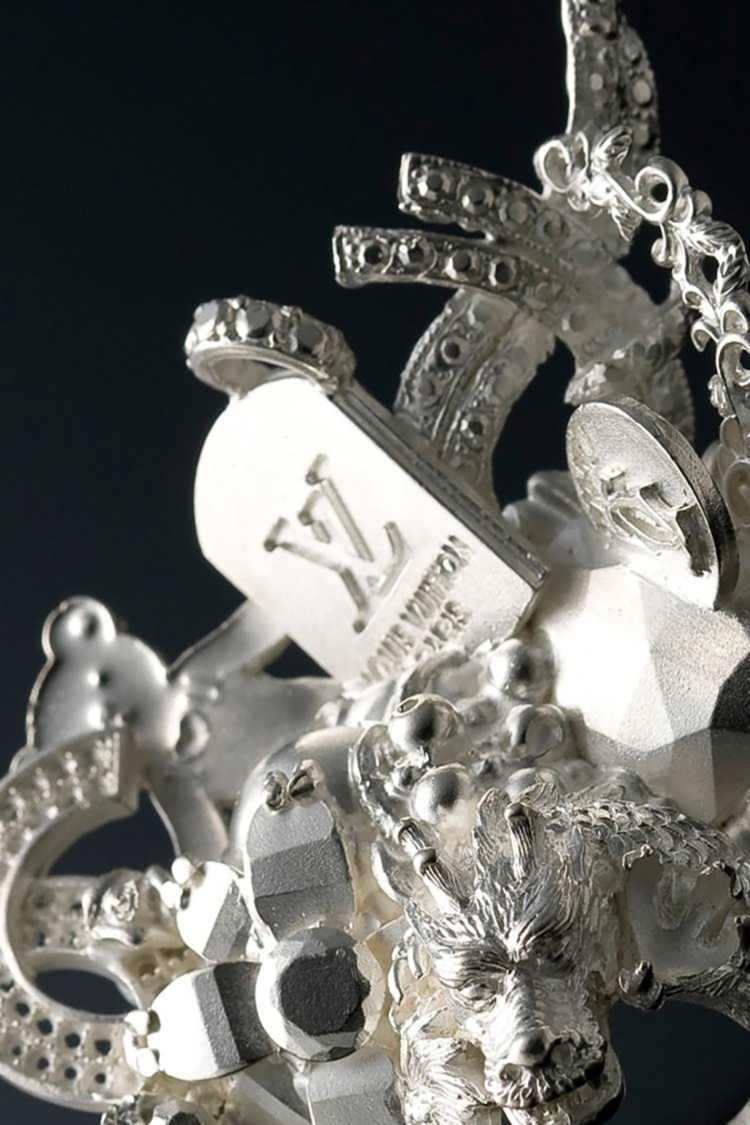
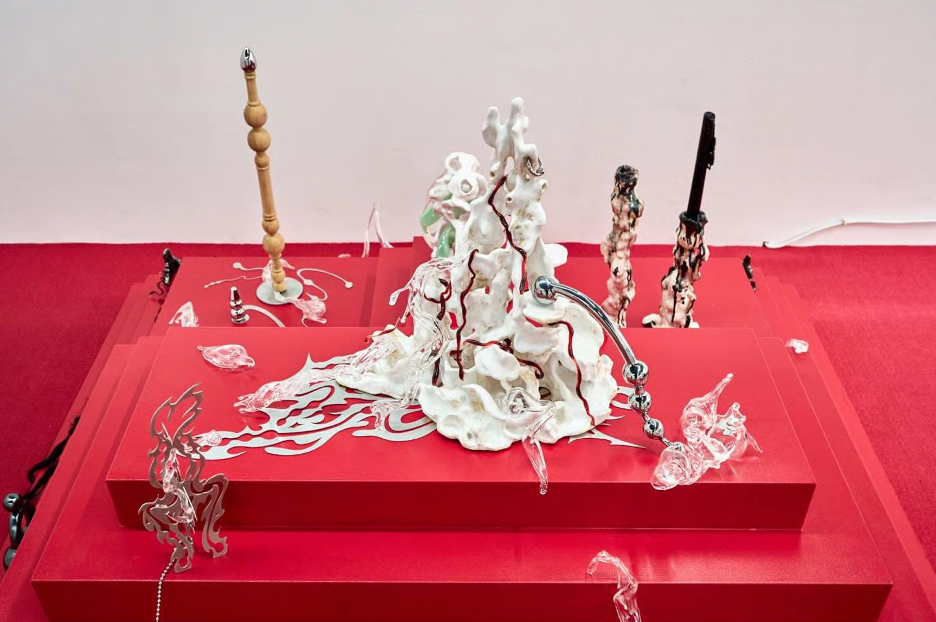
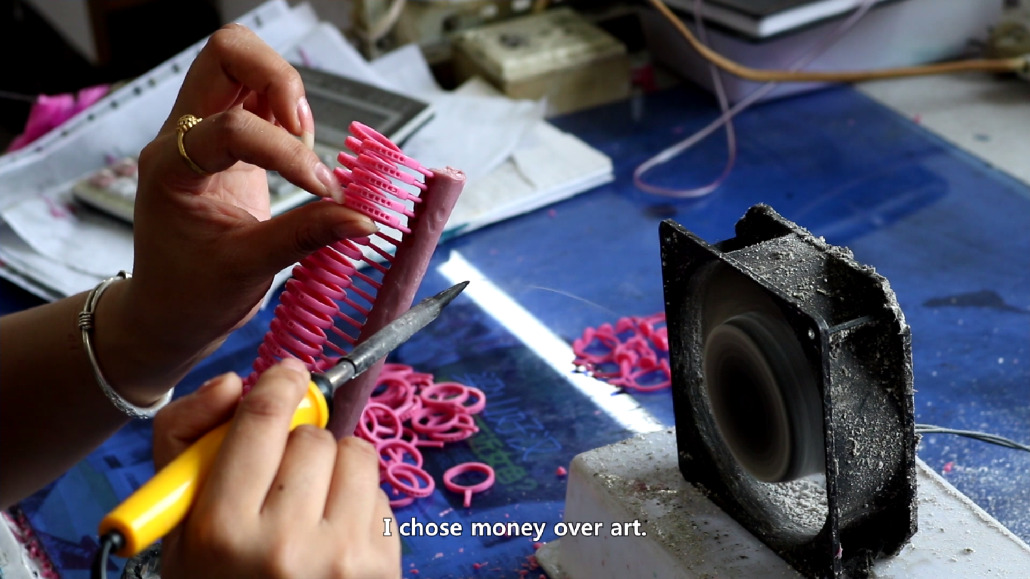
The reason that we cannot easily push the metalwork ‘Imitation & Deception’ series, which may be considered the artist’s representative work, or the various creative attempts derived from it, such as photography, video, and text, into the genre classification systems we know is because of the discursive force of Oh’s work and its clear possibility as conceptual art.
Above all, the foundation of Serin Oh’s work lies in the resonance between concept and form. At times, because of a sensory leaning toward the grotesque splendor of metal forms that seize the viewer’s gaze at once, it can be difficult to perceive the links between the inner and outer dimensions that compose the work.
Yet her works thus far are devices that imply the artist’s rational doubts about the world and the hypotheses she wishes to prove. For instance, using the fake objects that glitter in strange forms before our eyes as a pretext, they make us doubt and mislead us about the inevitability and the order of cause and effect in things we already believe we know well.
What is the world that the artist seeks to split apart through objects presented after diligently moving between regions and continents, investigating sites, collecting things, and researching in all directions? Perhaps it is those things for which the boundaries of before and after, and the hierarchies of above and below, cannot be affirmed, such as the relationships between phenomenon and truth, original text and derivative, spirit and matter, labor and art.
It is extremely interesting to follow the process in which these become entangled with one another, turn into a massed state in which it is difficult to separate self and other (彼我), and the conventional aesthetics that occupy everyday visual culture return as works through refined production techniques.
Therefore, in order to understand the whole story of Serin Oh’s work, it is necessary to broadly examine the artistic events that preexist from various points of view, such as the unique point of conception, the operational approach to phenomena, and the correction of perception that unfolds within the journey of carrying out the work. This is because the works may seem to stimulate the senses, but more than that, they require contextual understanding.
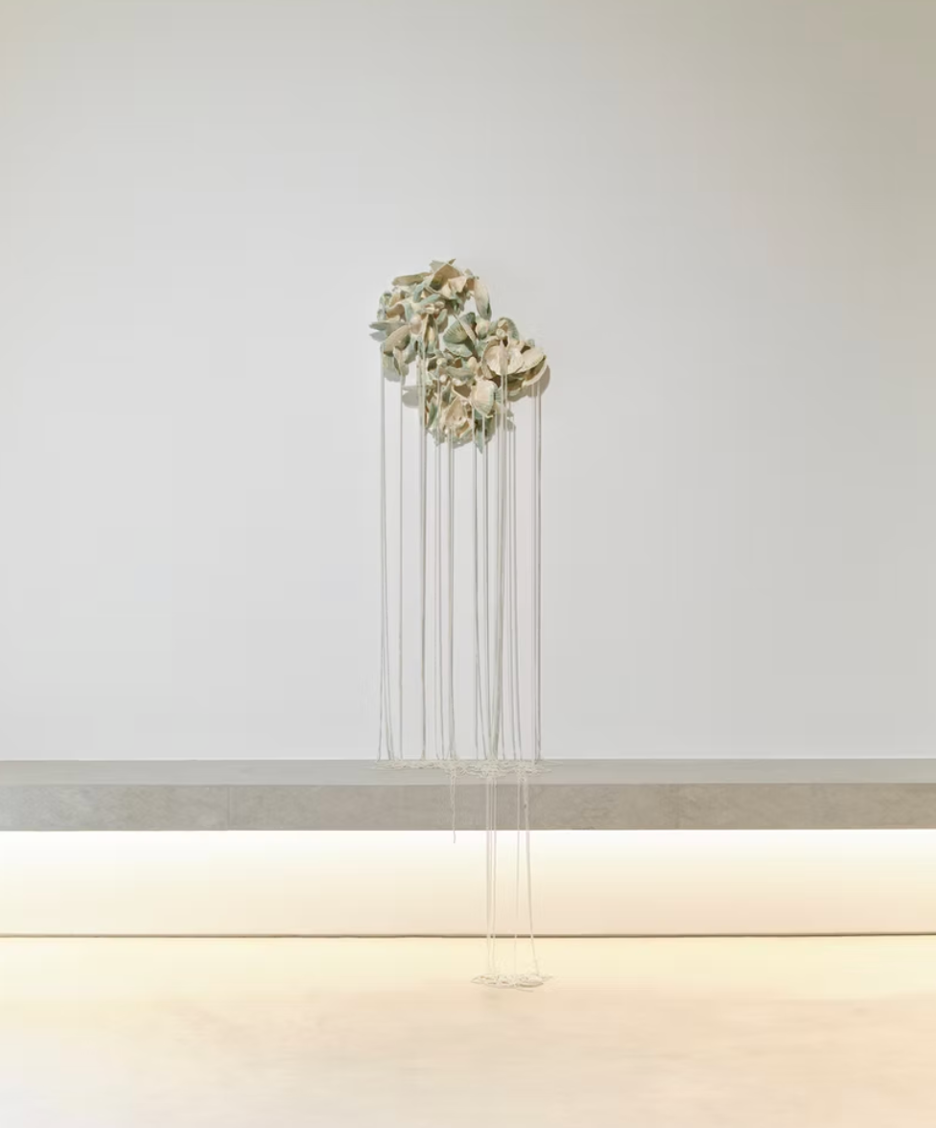
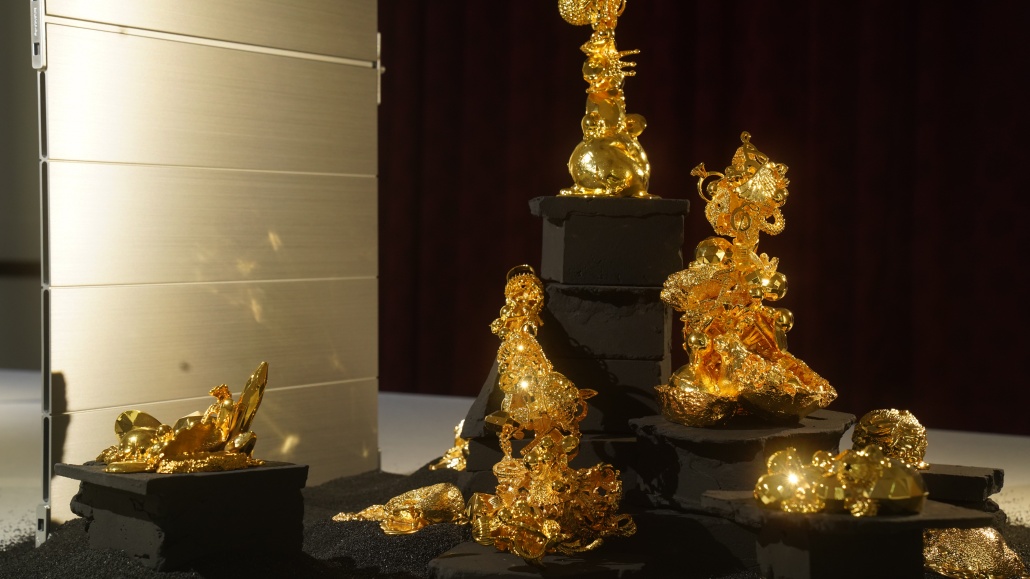
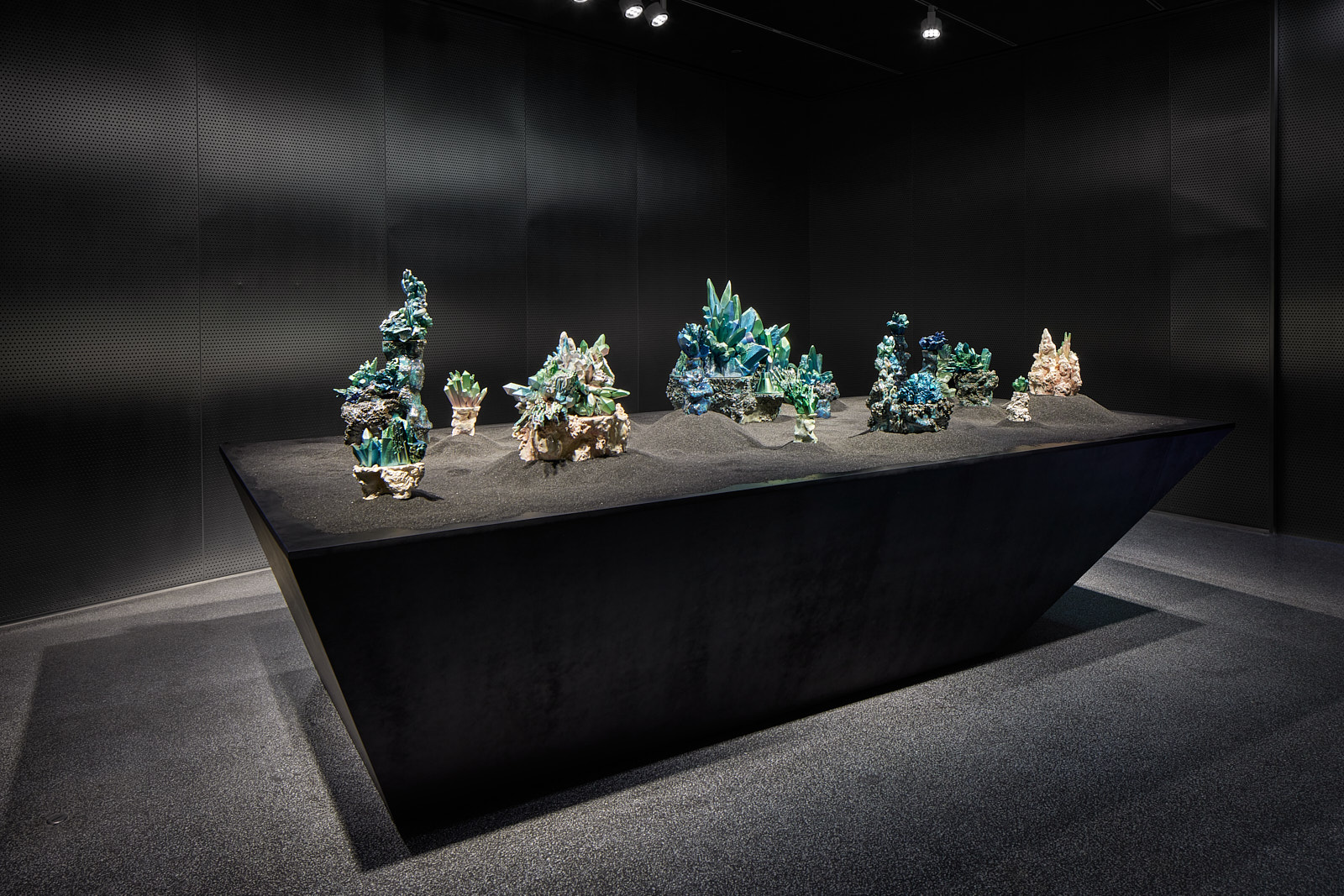
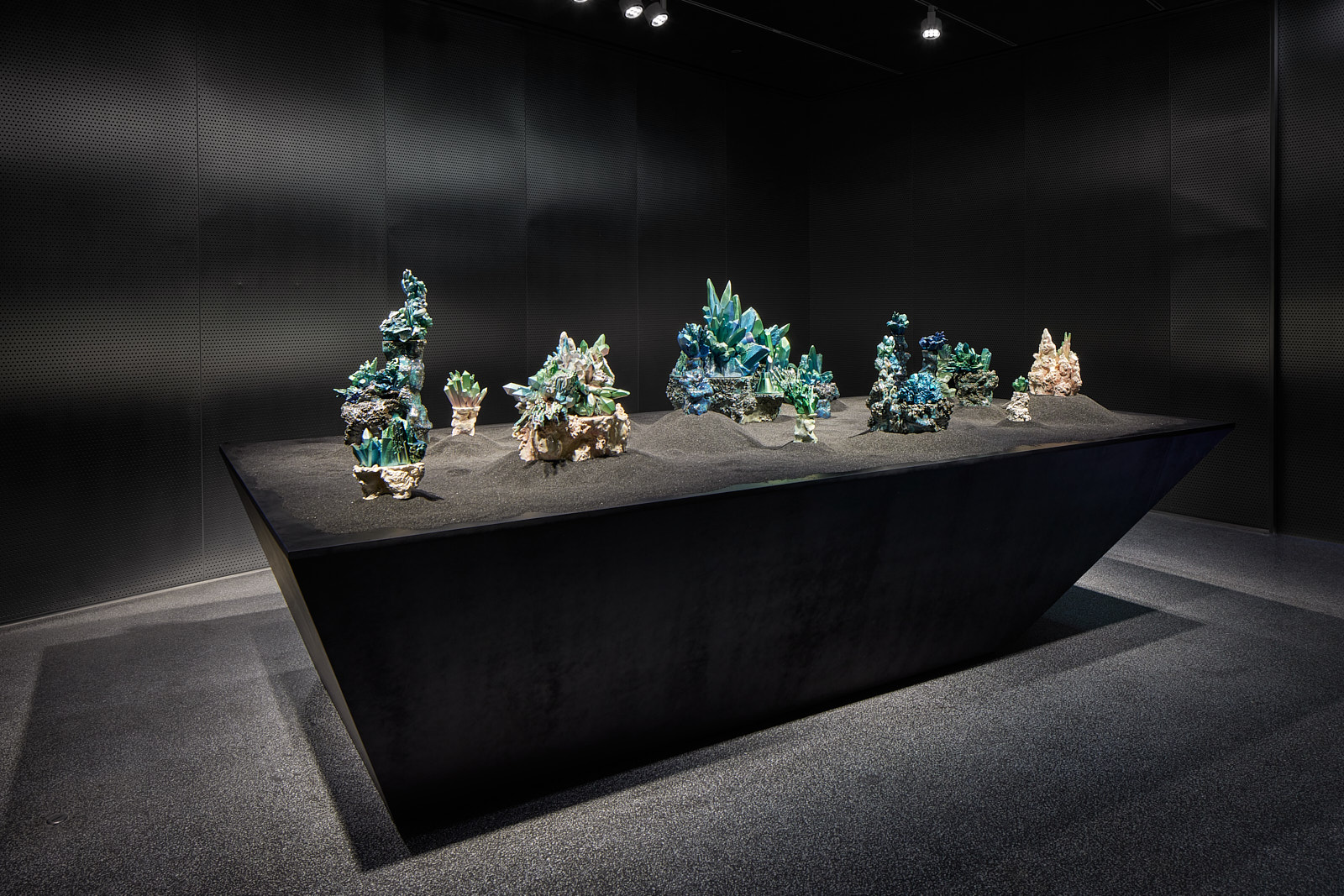
On that premise, the new exhibition 《Forest Temperature Bunker》 gives rise to the expectation that it is an attempt to move into a complex system of a different dimension and status from before.
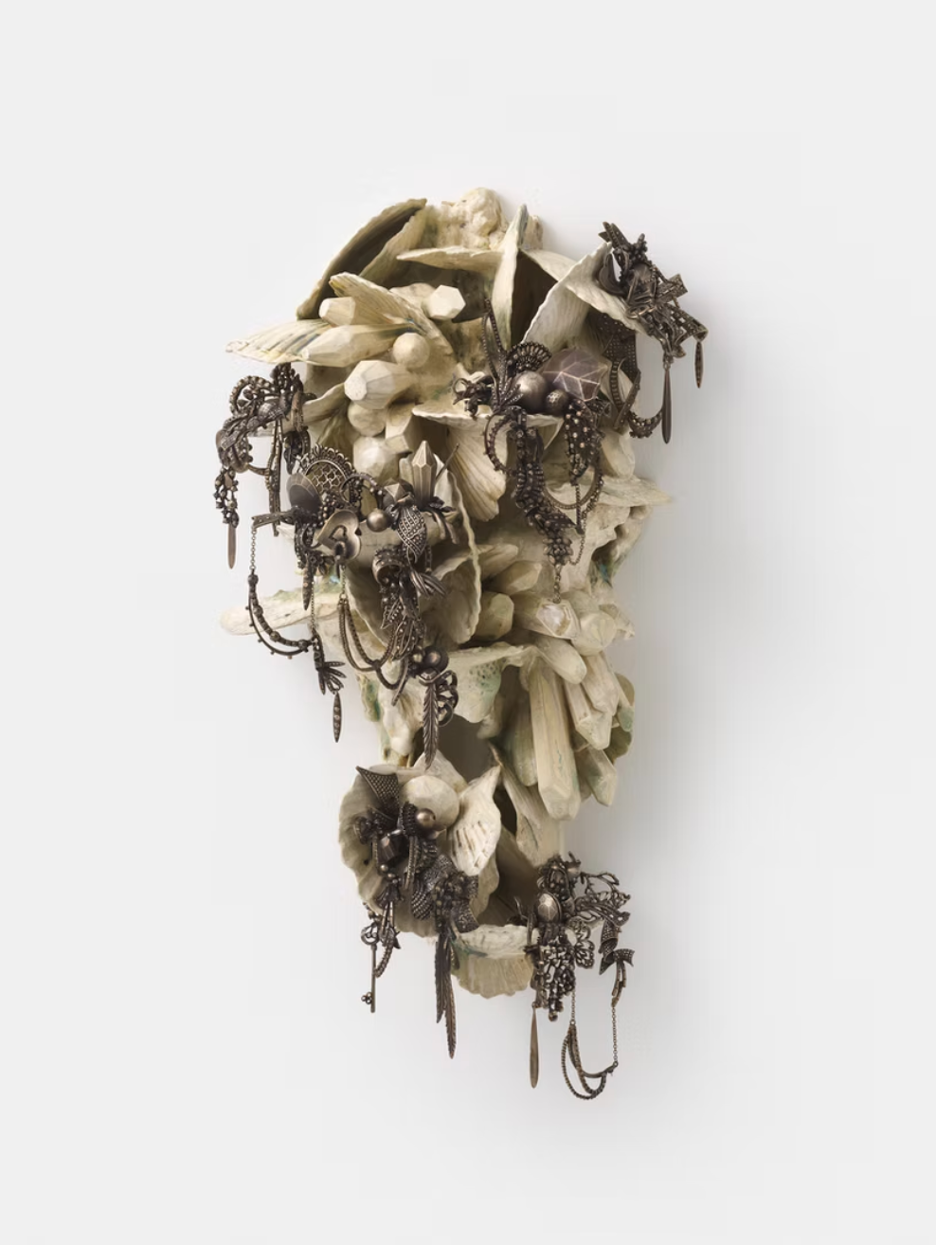
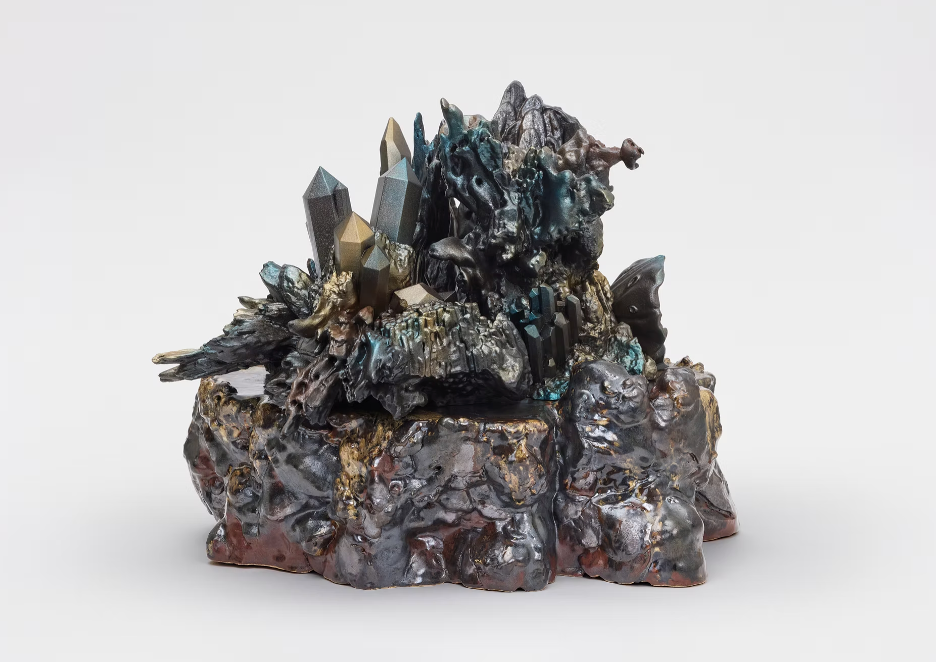
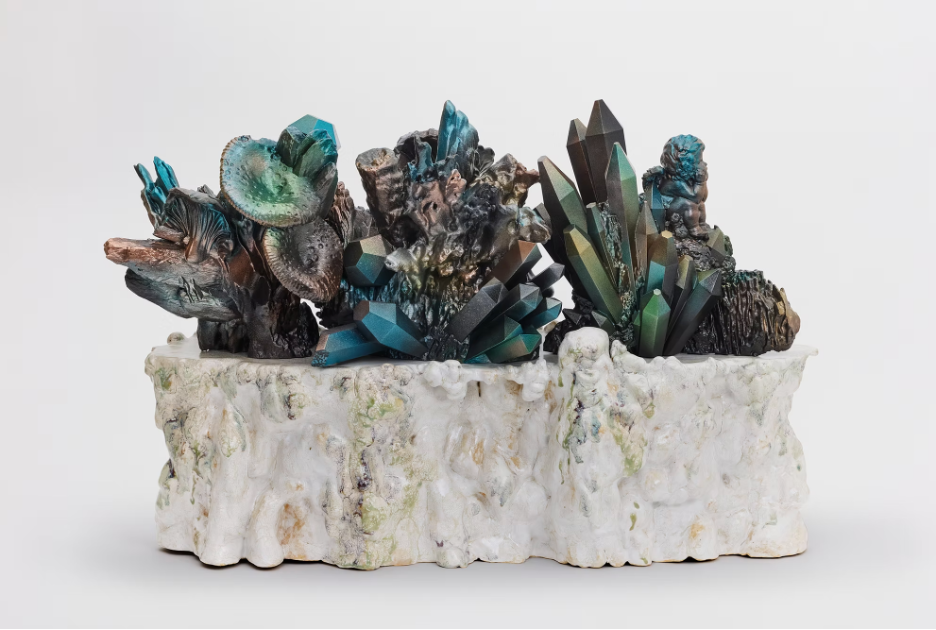
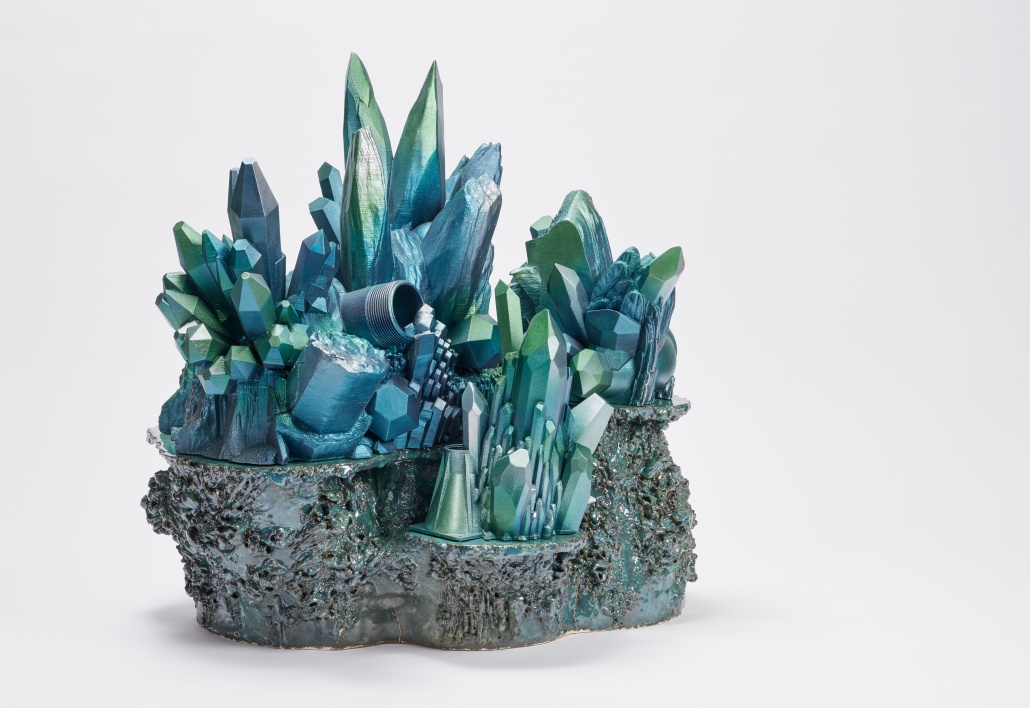
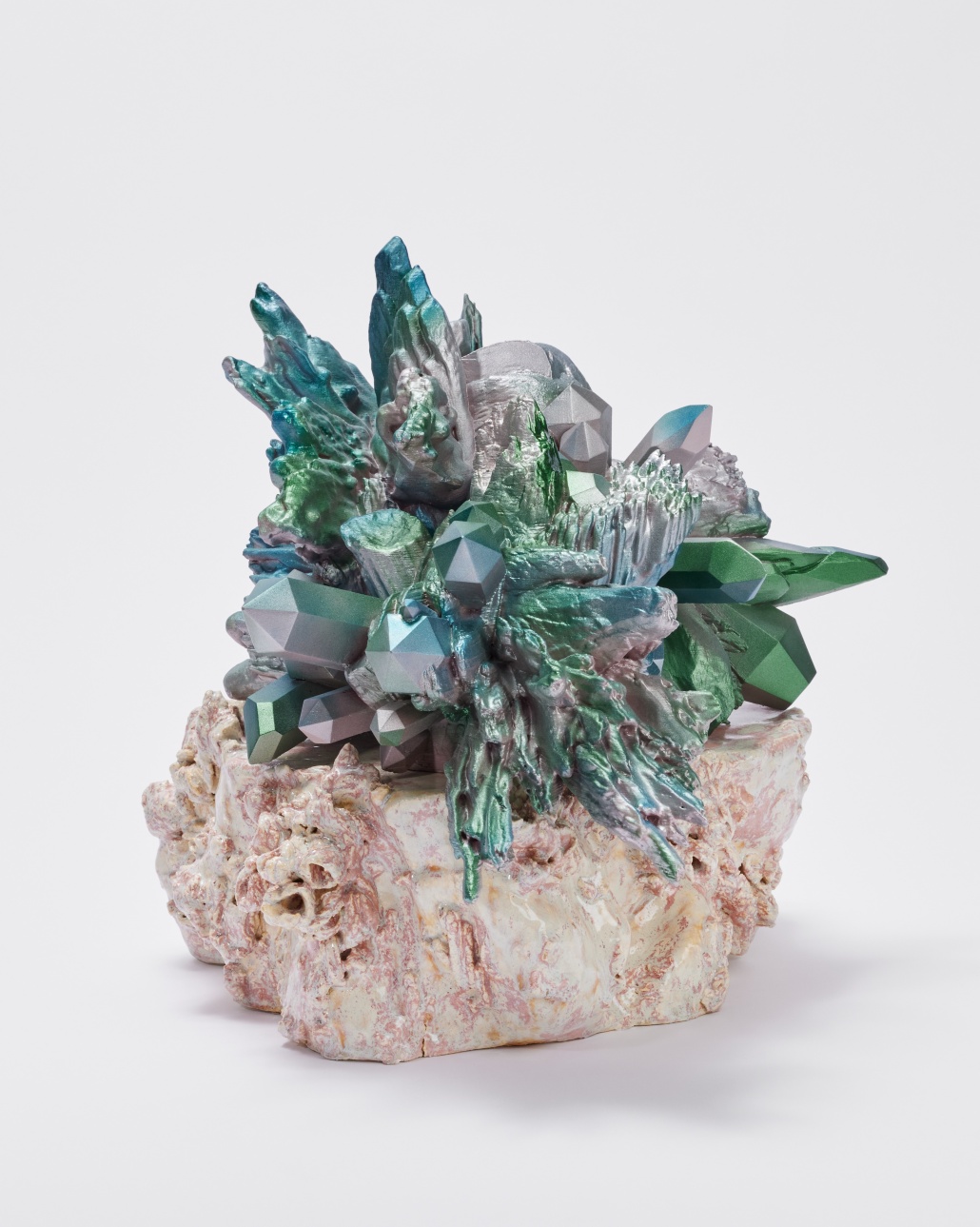
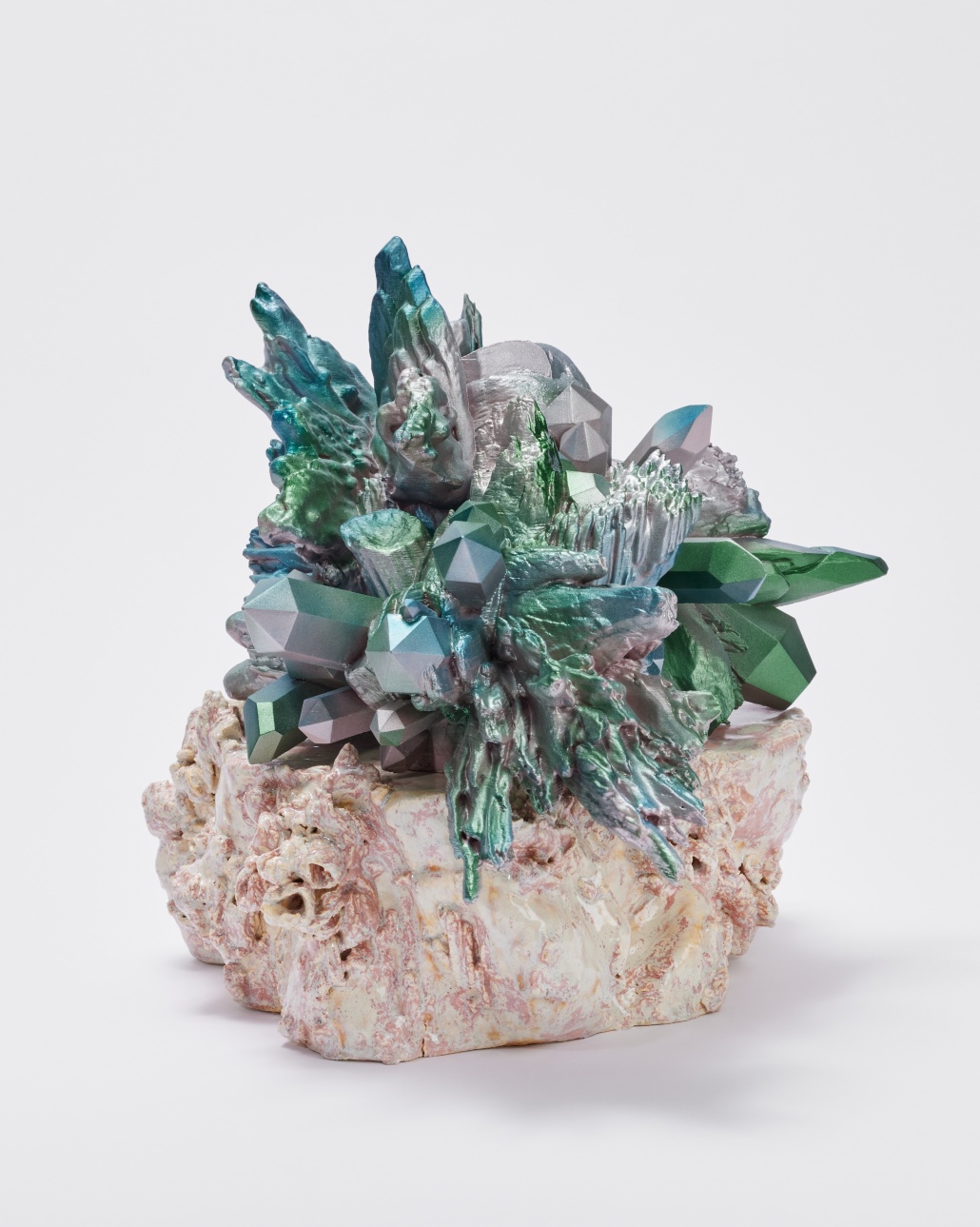
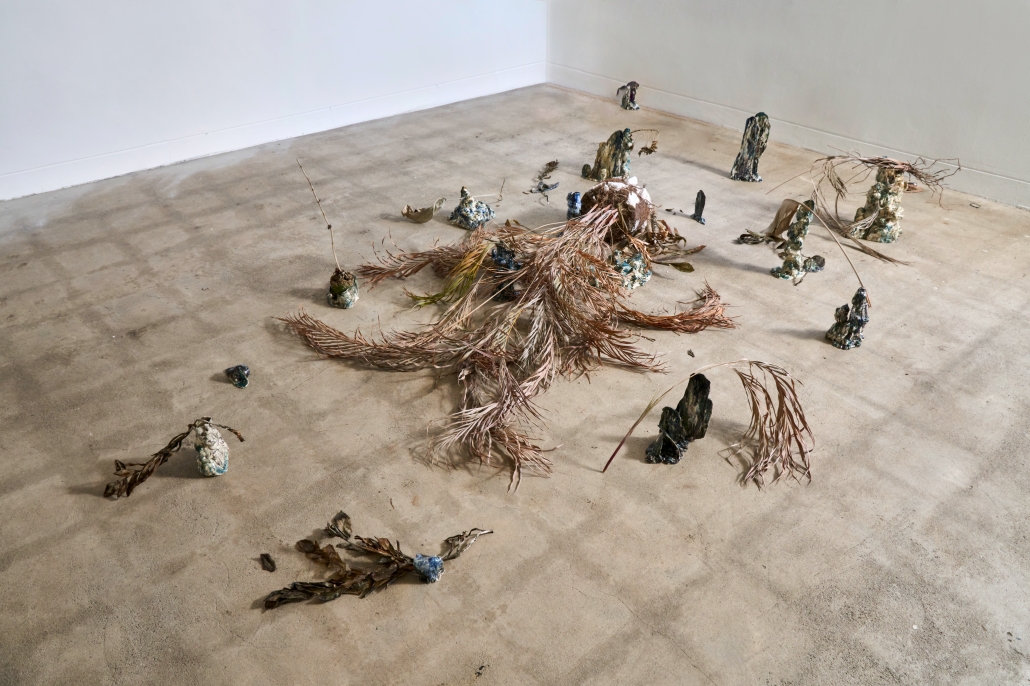
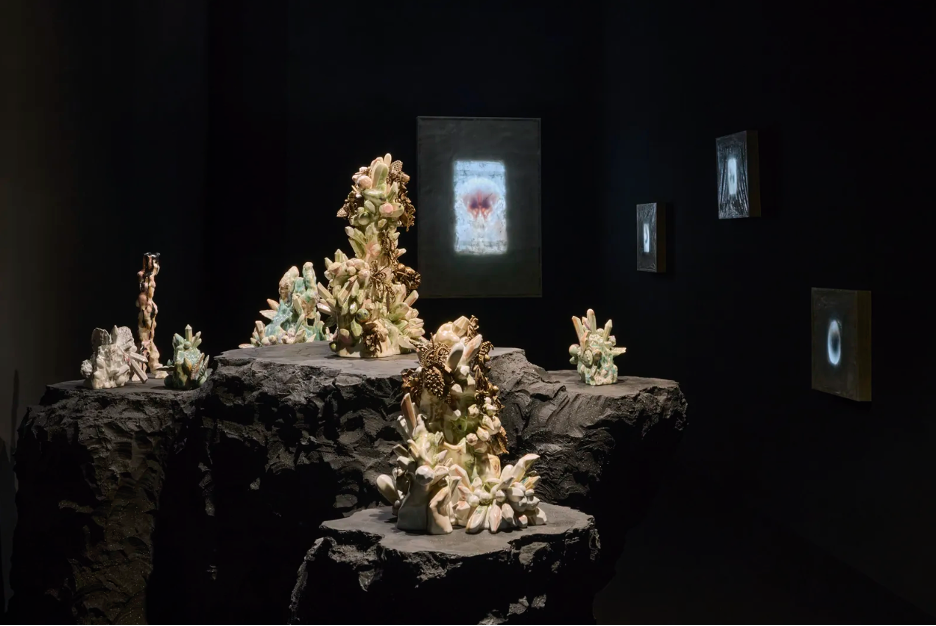
Layered structures such as the combination of the empirical nature of research and speculative narrative, the use of open-source data, the materiality of 3D sculptures made with anti-natural materials, and the formative aesthetic layered over them show the artist’s skillful strategy in moving the reins of chance and control, reality and the virtual; on the other hand, they are also creative attempts that have just been placed on the test bench, before “crystallization.”
The tangled layers of production also resemble the story structure that triggered this exhibition. The fragility of the narrative of the disappearance and return of the Nakdong River lenok, which the artist came to collect through an accidental route, instead became an opportunity to open up the artist’s imagination.
The story behind her research into the history of the Daehyeon-ri valley, which outwardly appears to be a peaceful village with beautiful mountain scenery but had been exposed to pollution for a long period, contains a structure of reversal.
The will and desire of a group that revived individuals already extinct (or presumed to be so) in an environment where first-class water species could hardly survive; the artist’s suspicion regarding the possibility that what they revived may not in fact have been revived by them, but that beings remaining somewhere may have secretly returned; the leap into installation art that will face viewers in an art gallery, today’s most dazzling battlefield of visual culture.
Moving back and forth between the events beyond that occurred in the gaps of a long stretch of time and the present moment, fitting them together, one comes to feel not so much the looseness of truth as the weakness of imagination. Together with the question of when and where today’s work began, and toward where it is moving.
Suddenly, I come to think that the origin of creation and the momentum that turns it into a substantial process may have been launched much earlier than we imagine, and than the artist recognizes, and has only now arrived. And when one examines the detours between timelines, a single long line segment is drawn.
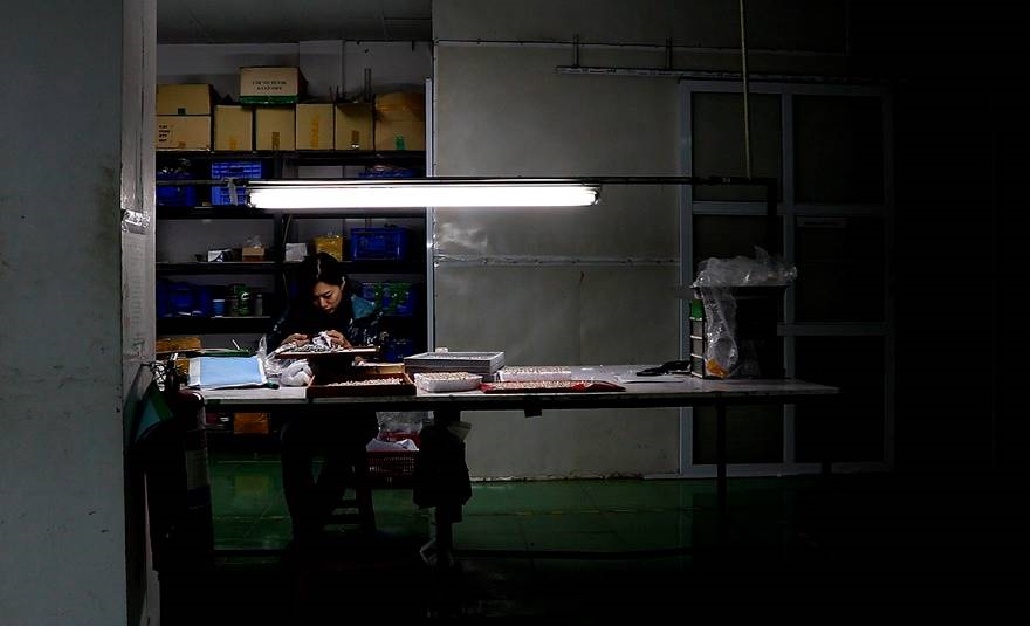
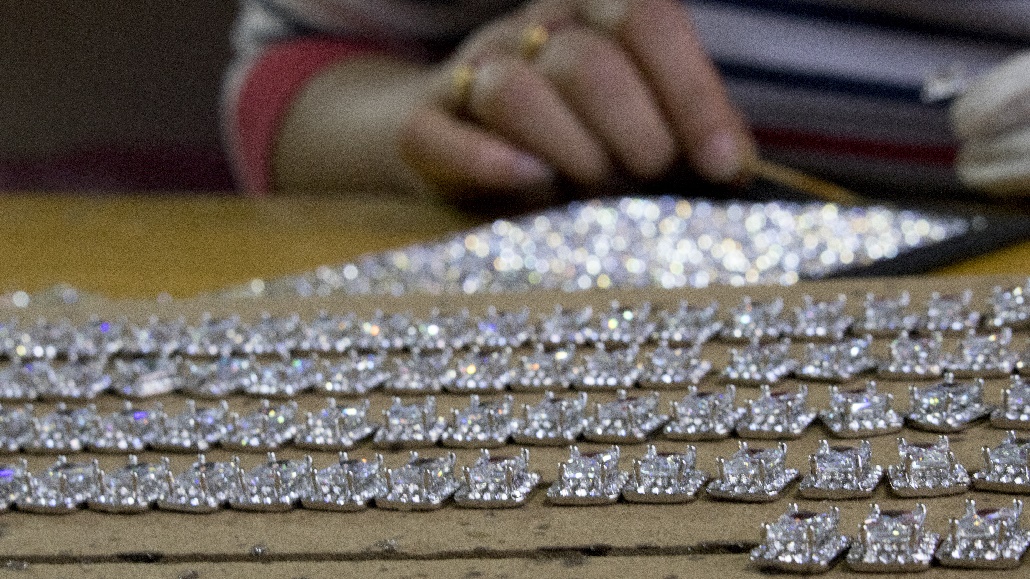
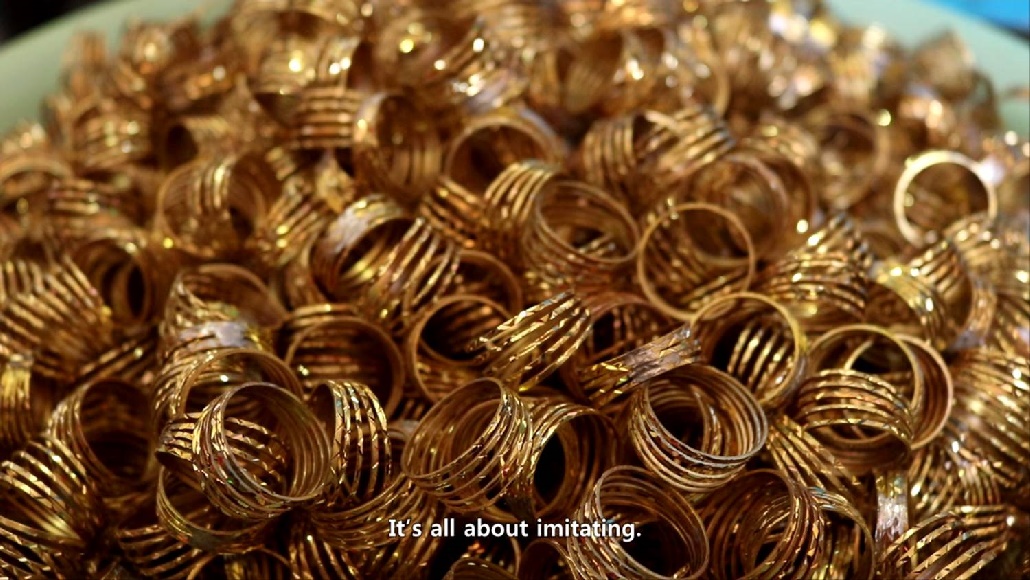
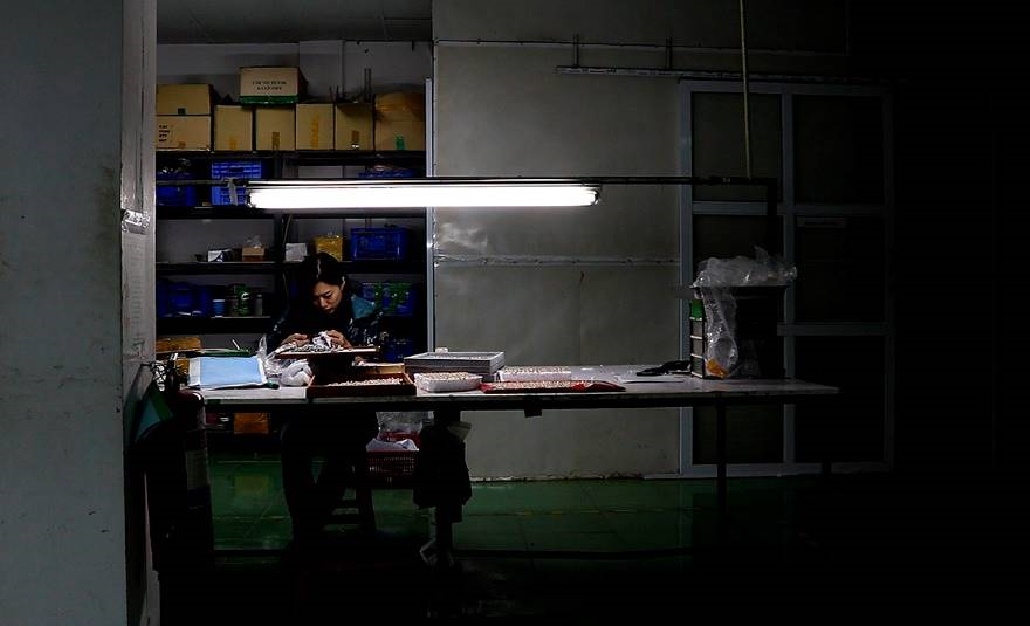
It is a fairly winding story of the work: the research trips to Vietnam and China in search of counterfeit jewelry manufacturing factories had already taken place long ago; in that process, the artist came to understand that the raw materials for the metal had come from Korea; and when she dug into the specific place of origin, she arrived at Bonghwa-gun, Gyeongsangbuk-do.
The international routes of production and consumption crossing from continent to continent narrow into the trade routes of cheap rings costing only a few dollars, and I try to painstakingly recall the artist’s journey tracing that process through her works thus far.
Then, gradually, I imagine the movement of schools of lenok moving from Siberia to the Korean Peninsula, from the deep valleys of Bonghwa to the Nakdong River, and then toward some other comfortable temperature, along with the ecological environment of the place at which they arrive, in a cool temperature and damp texture.
The title of the exhibition, 《Forest Temperature Bunker》, which prompts us to consider ecological discourse, did not lead directly into a work after the first journey. This may have been fortunate. As the story of the lenok slipped out of consciousness for a while and was repeatedly summoned in the unconscious, it was able to acquire both a reason not to flow into a work that conventionally handles environmental destruction or the climate crisis, and the latitude not to represent its object too closely or abstract it too distantly.
In preparing the work, the artist made efforts to approach substantive truth from multiple directions, through several field research trips, literature research, and conversations with ichthyologists. Yet perhaps the place arrived at after such a process was the act of opening someone’s passage of thought by clouding the boundaries between what we know, what we think we know, what we do not know, and what we think we do not know.
Like the ‘Voyages extraordinaires’ series that the nineteenth-century French novelist Jules Verne sought to depict, the story of the work becomes a strange tale and adventure story in which a new world unfolds from mysterious rays, deep holes beneath the sea, and places that have disappeared.
Reading the artist’s note that ends with, “Who knows, even now, somewhere in the gaps of the Nakdong River, a Han River lenok may be finding its way,” I draw up my weak imagination and recall a story from long ago about a race of mermaids said to have gone back and forth between the moon and the earth.
The story of a group of mermaids who swam across space and laid eggs on the moon, and of a tragic love with humans that unfolds due to nuclear contamination on planet Earth. That dim old story thus leads to another thought, to a bold reverie. An imagination in which sperm whales that once cut through the ocean with large tails and lenok that once swam upstream through valleys by the power of their fine scales might find themselves in reversed positions if the land rose and the sea sank.
Perhaps a hard mass of rock that had been submerged inside the Mariana Trench, located as deep under the sea as the Himalayan Mountains are high, would leap up into a low valley in Bonghwa, while a boiling foundry in Vietnam would sink beneath the icy sea of Siberia.
Looking at the masses of colorful artificial matter that seem to have flown in from the planet Krypton a million light-years away, I decide to regard them not as artworks of today, but as natural souvenirs that remember the “wondrous journey” of all beings. That is my response to the artist’s imagination.