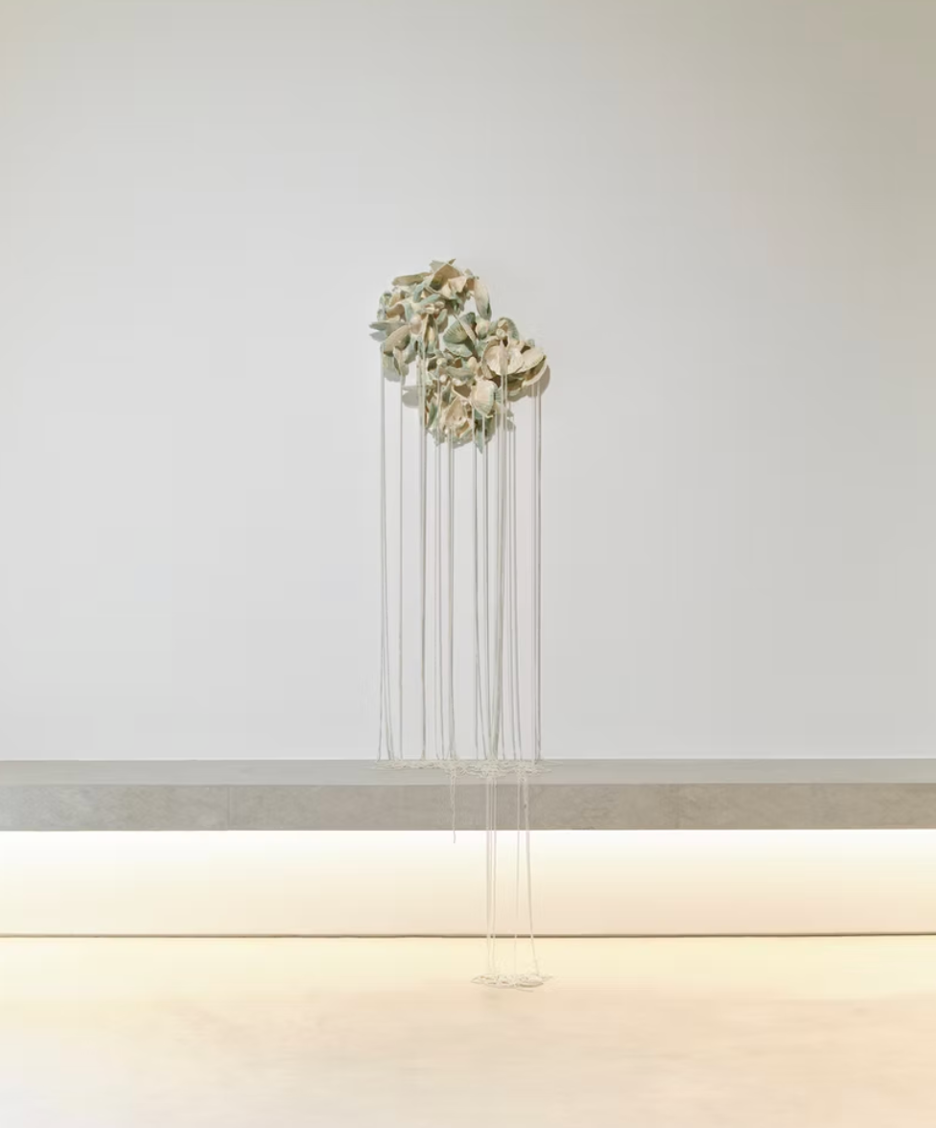
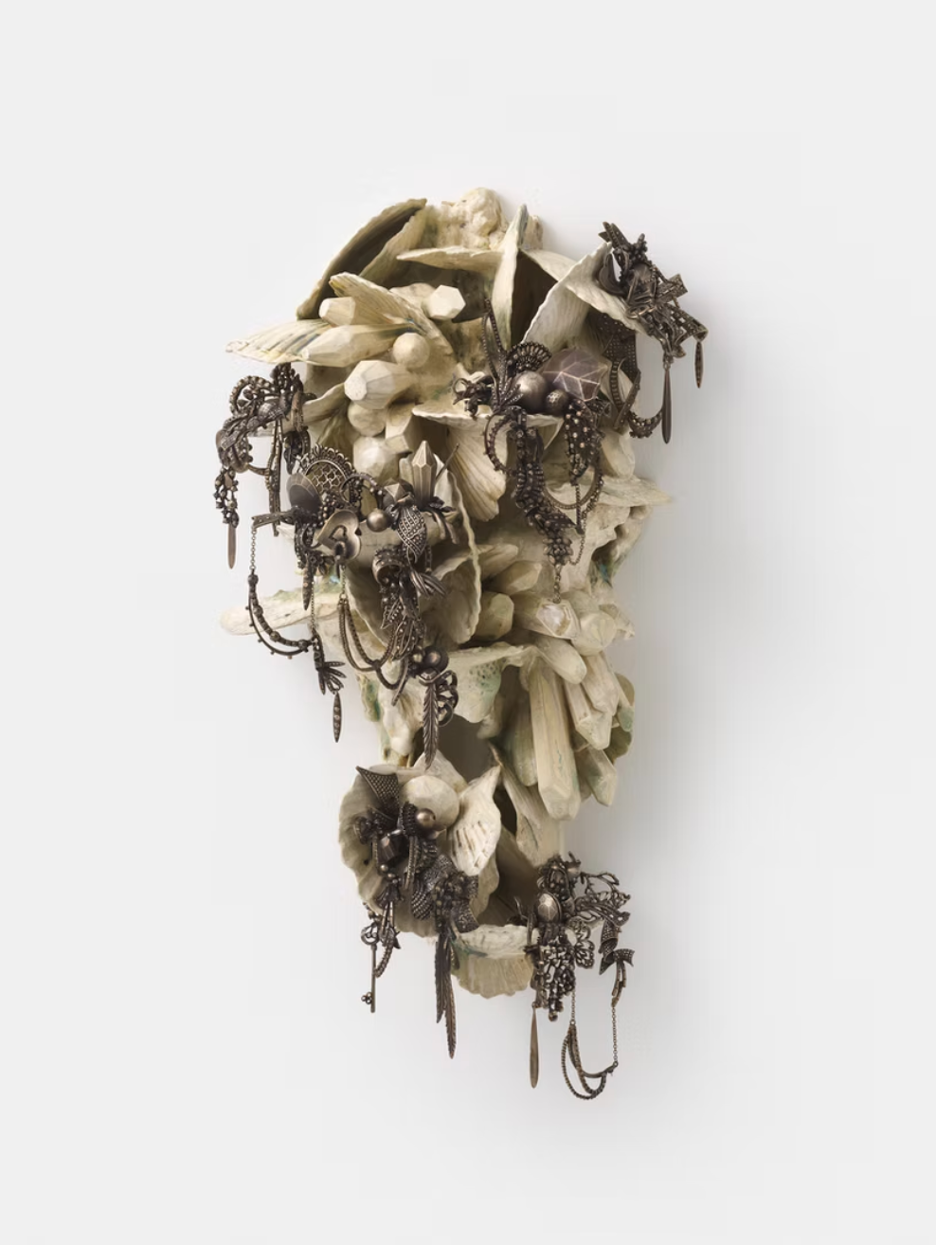
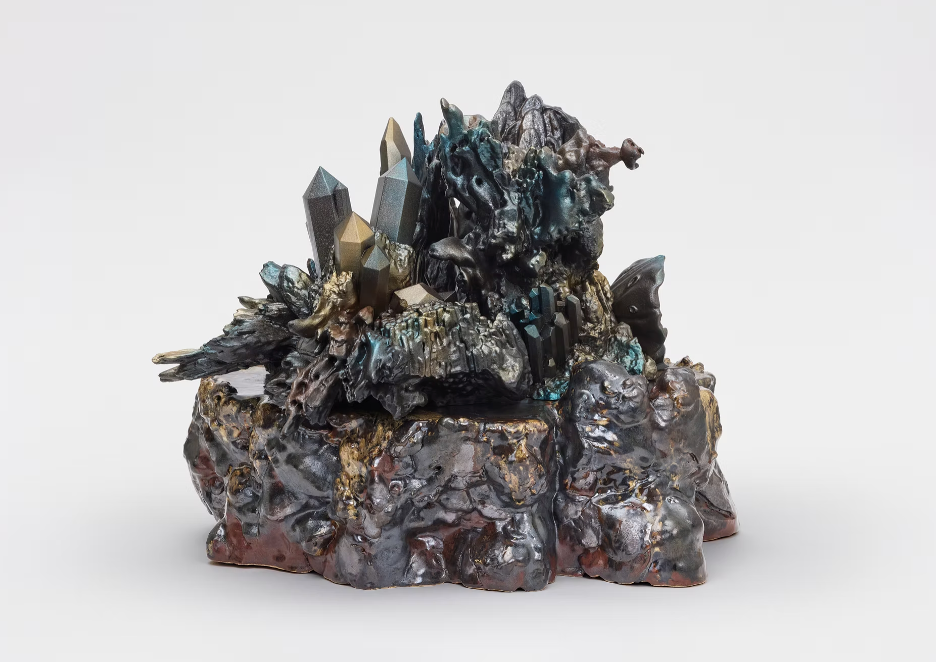
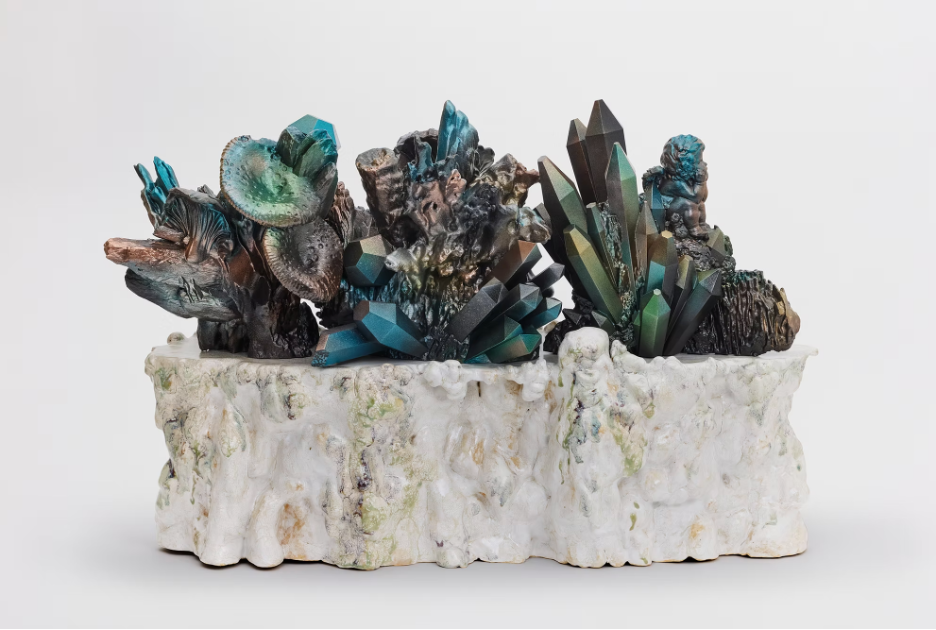
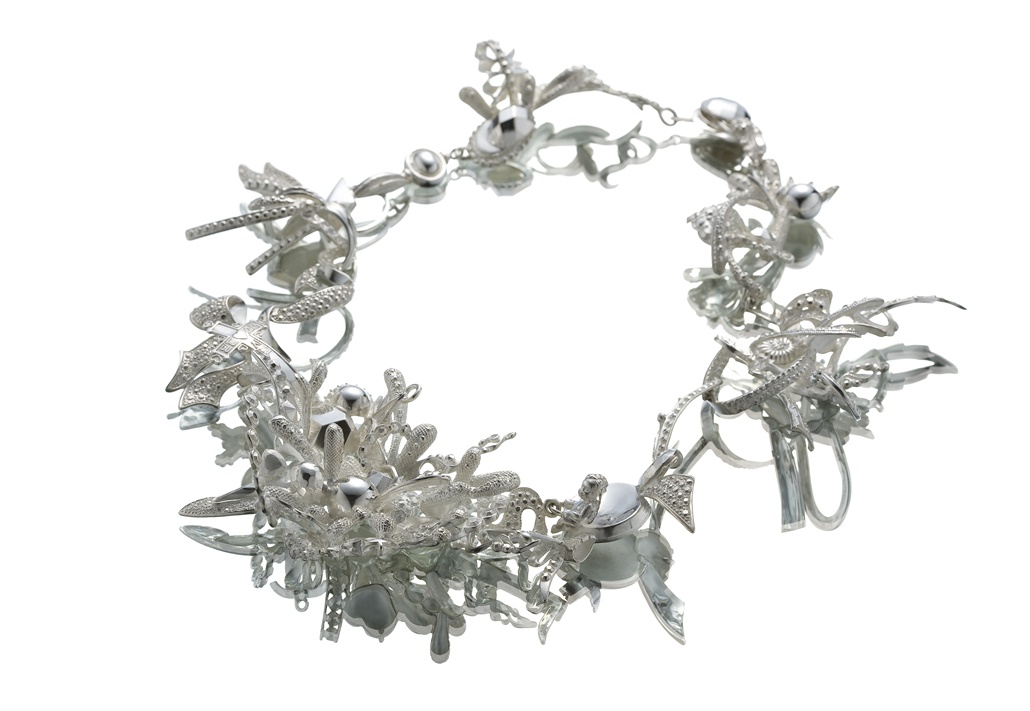
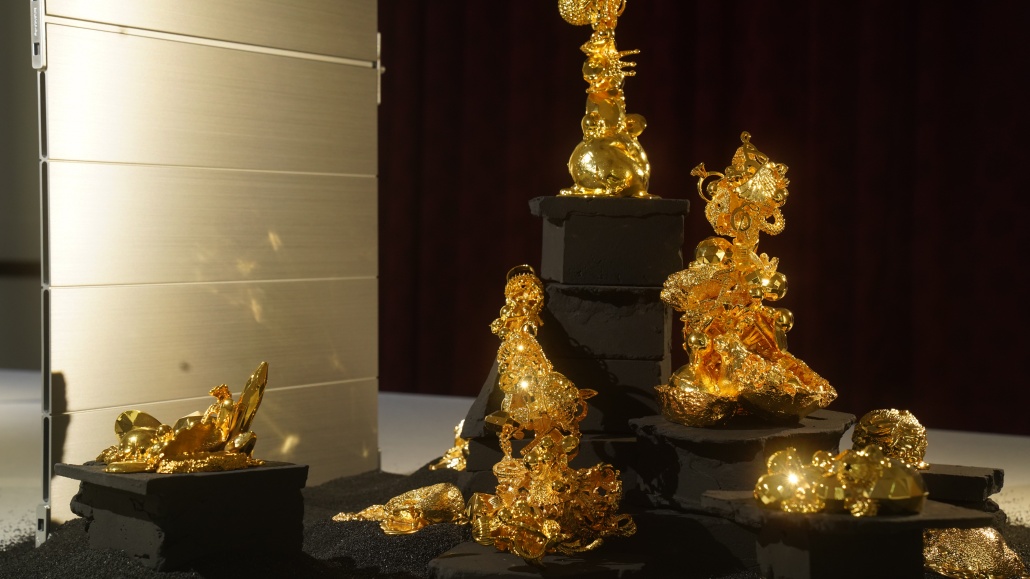
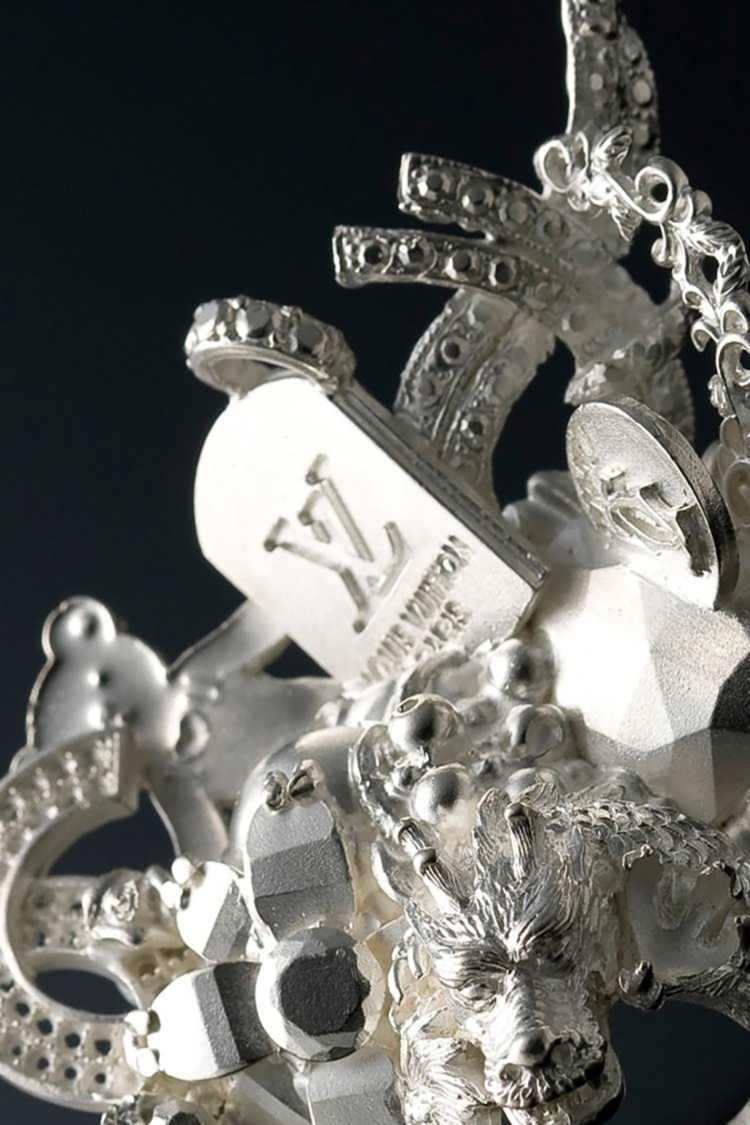
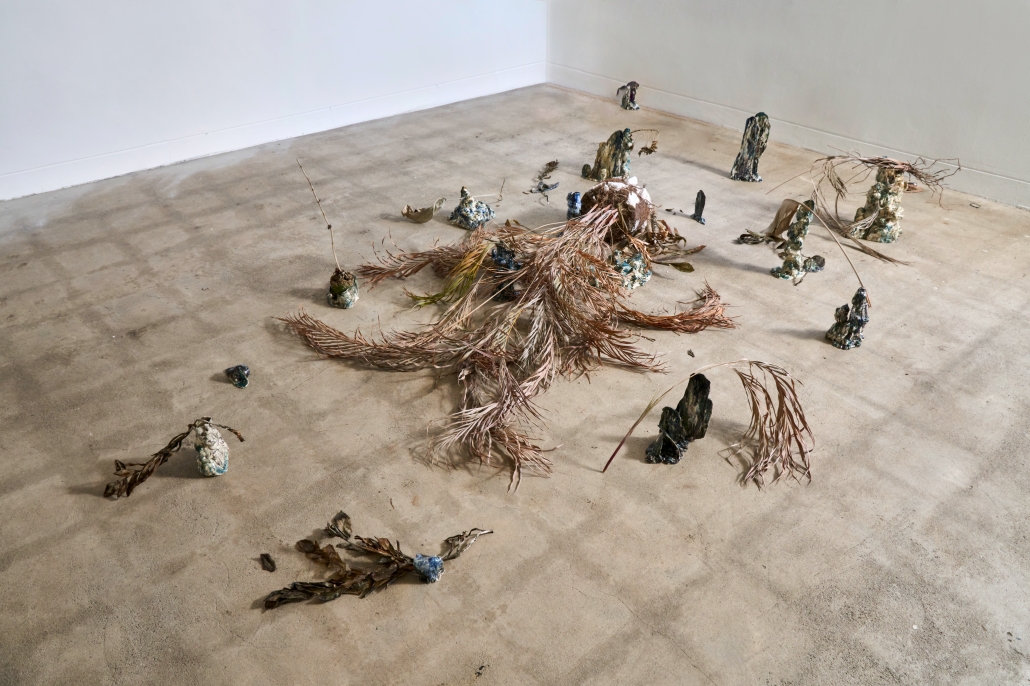
The artist knows well how to bring in a narrative. She experiments precisely at the boundary where her strength and precariousness grow in equal measure.
Serin Oh, who has drawn attention for her unweighted working method moving between craft and object, video and text, and for her skillful interpretations using diverse channels, delicately unsettles the boundary between reality and fantasy in this exhibition, discussing what is visible and what is invisible.
At the boundary between existence and imagination, the boundary between original and copy, and the boundary between the grotesque and the splendid, the works emit energy by walking a tightrope among different things until they are perceived. And they look at the large and sudden explosion of story that had been added in order for the works to fully rise onto the stage.
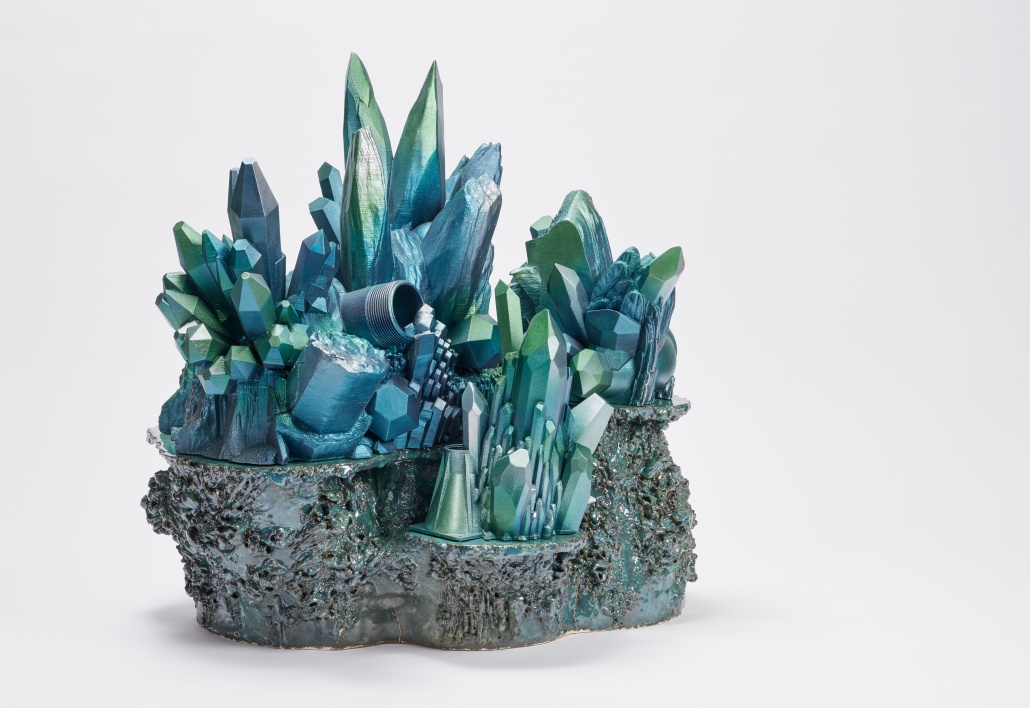
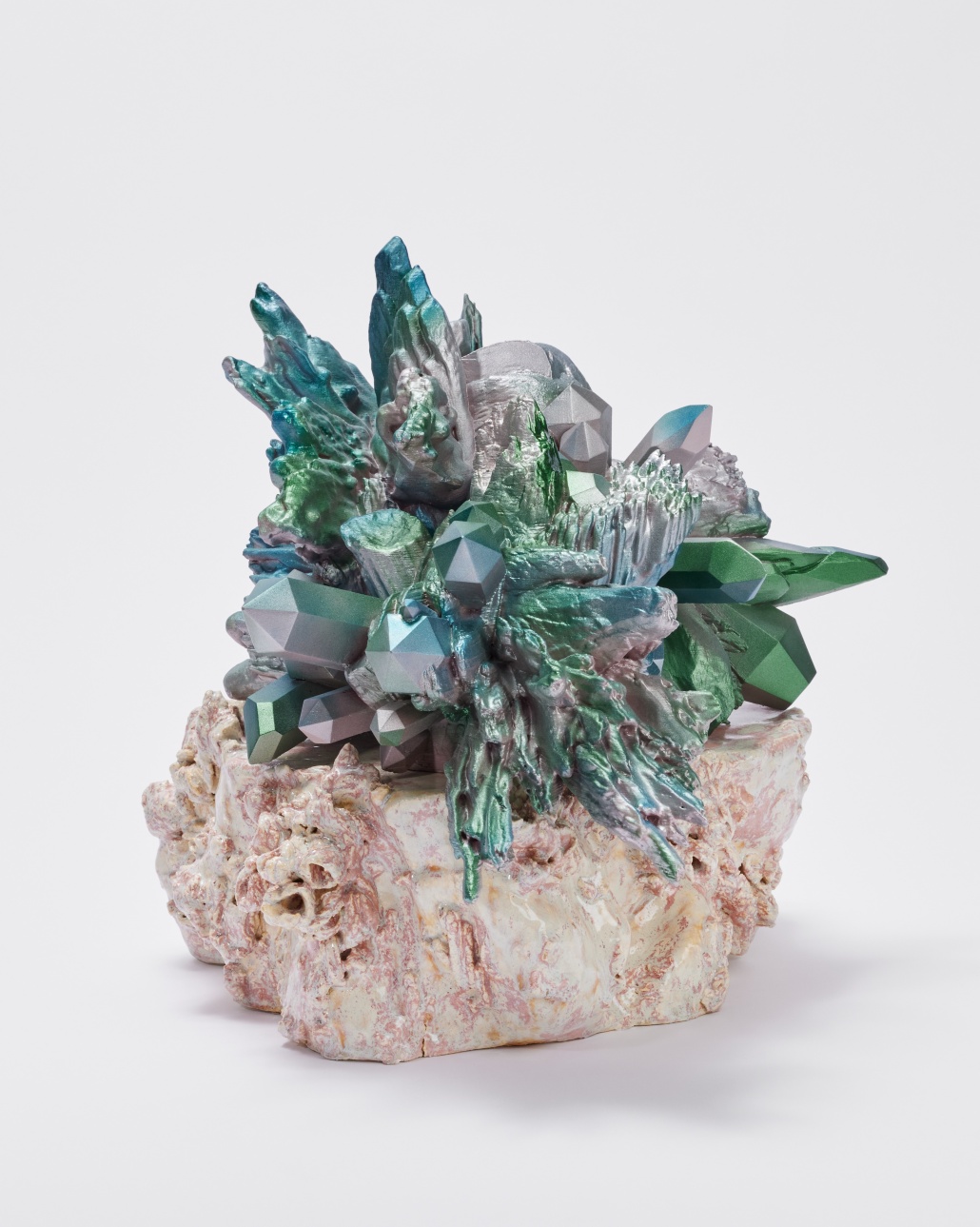
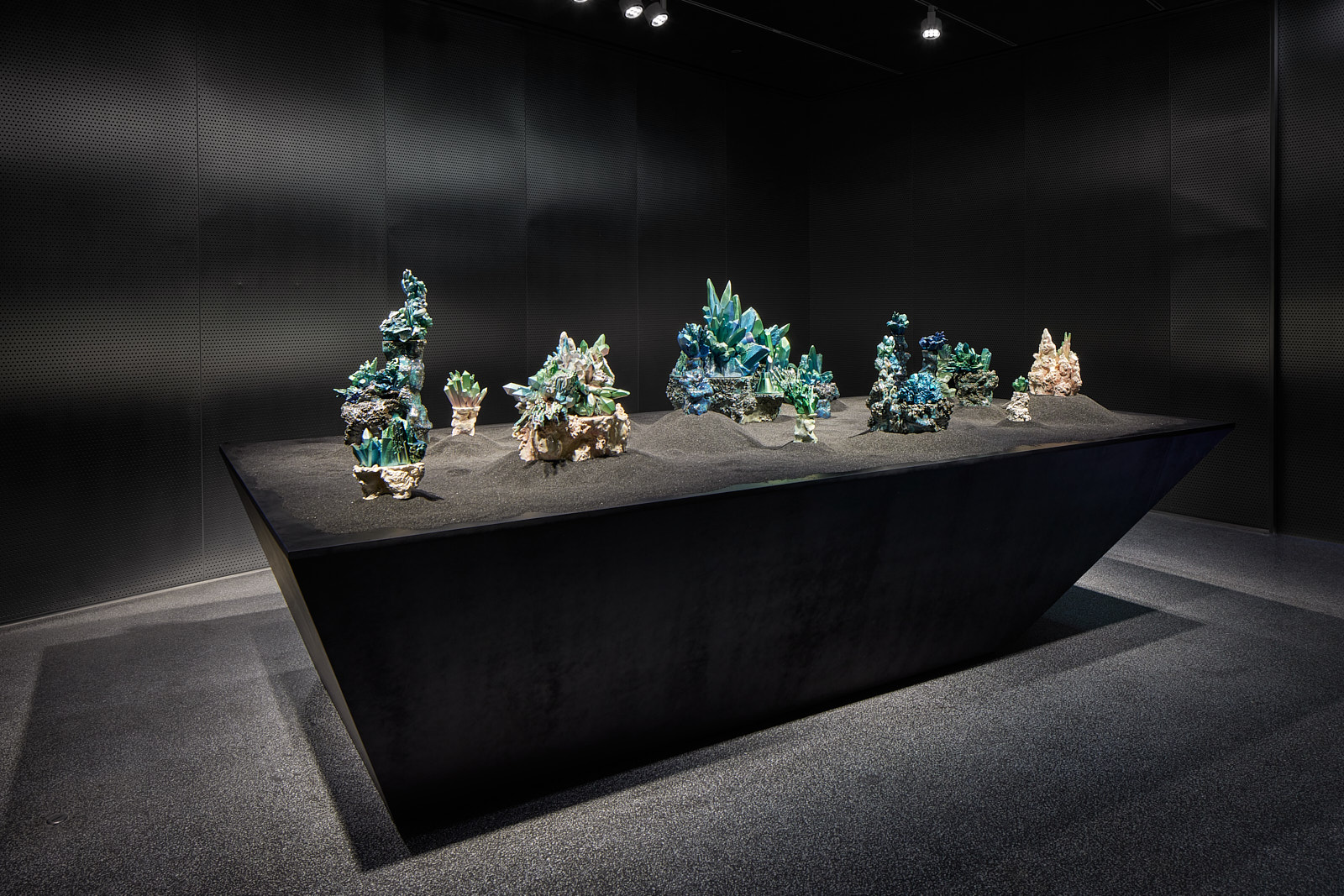
The story of the exhibition 《Forest Temperature Bunker》 goes back to 1937. According to the artist’s note, a Japanese ichthyologist discovered lenok, which had previously been seen only in Siberia, in the upper reaches of the Nakdong River, and accordingly the area around the valley was designated a Natural Monument. However, what was discovered before the lenok was a massive zinc mine.
The Japanese company Mitsubishi was already developing the mine, and in the end, the lenok disappeared. People organized a lenok restoration association, caught lenok from the upper reaches of the Han River, and released them into the Nakdong River.
Over several years, they released several thousand fish, and at the time people believed that the lenok had returned to life in the Nakdong River, with interviews and documentaries about the returned lenok being broadcast.
And now, the artist learned that the lenok caught in the Nakdong River were not Han River lenok but the Nakdong River lenok thought to have gone extinct, and while tracing the whereabouts of the Han River lenok, she encountered a mysterious naturalization. The artist takes hold of the clue for the work at this point.
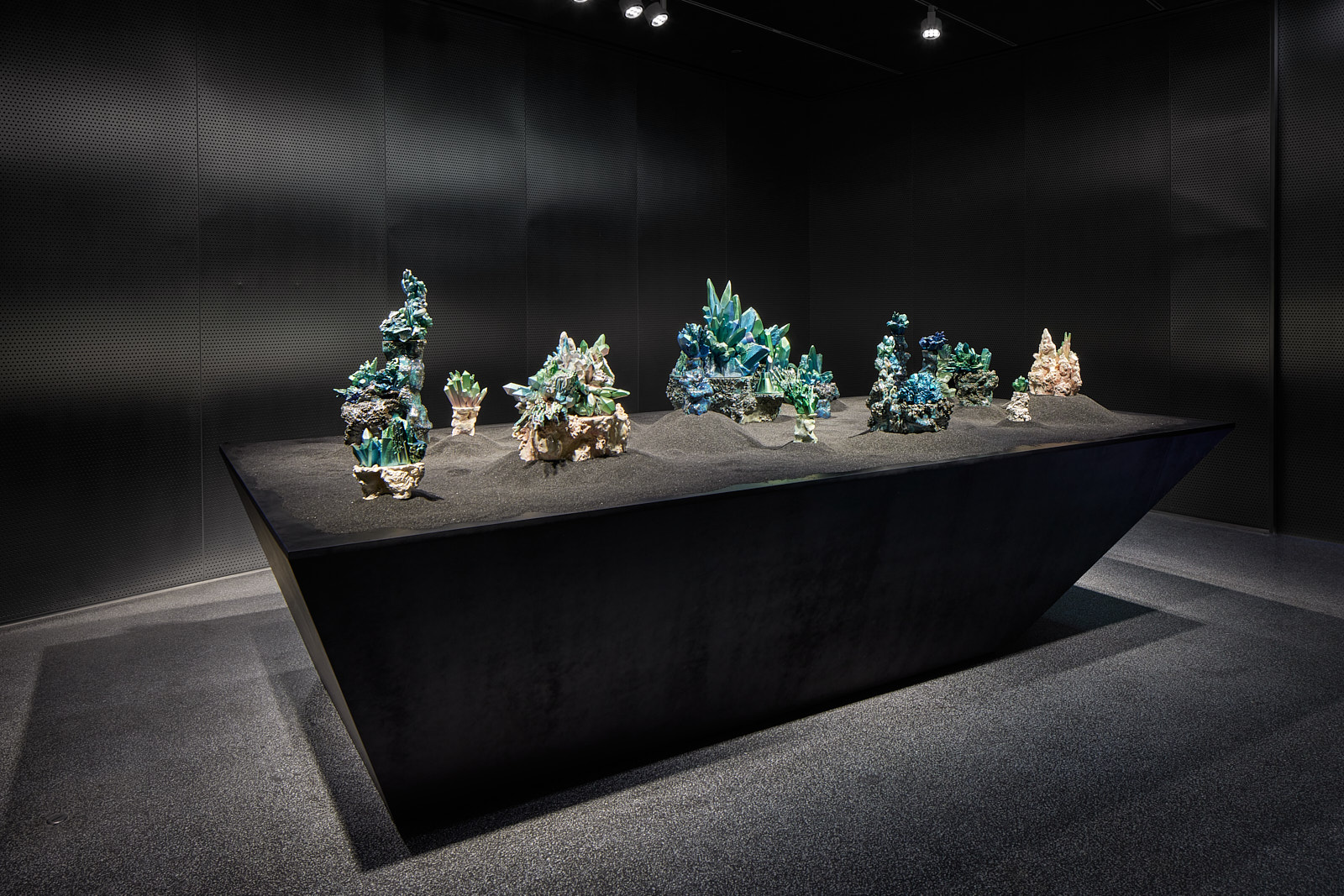
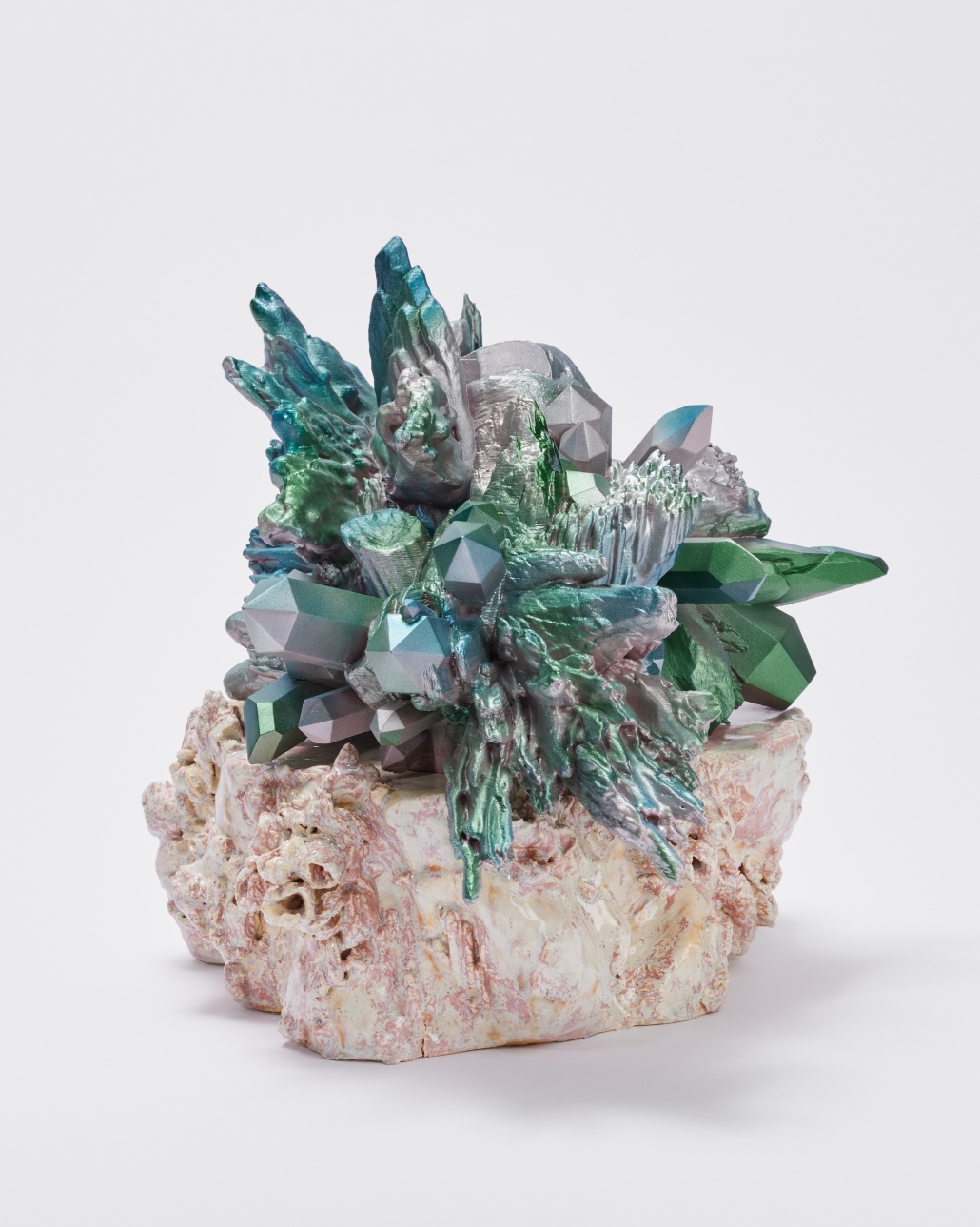
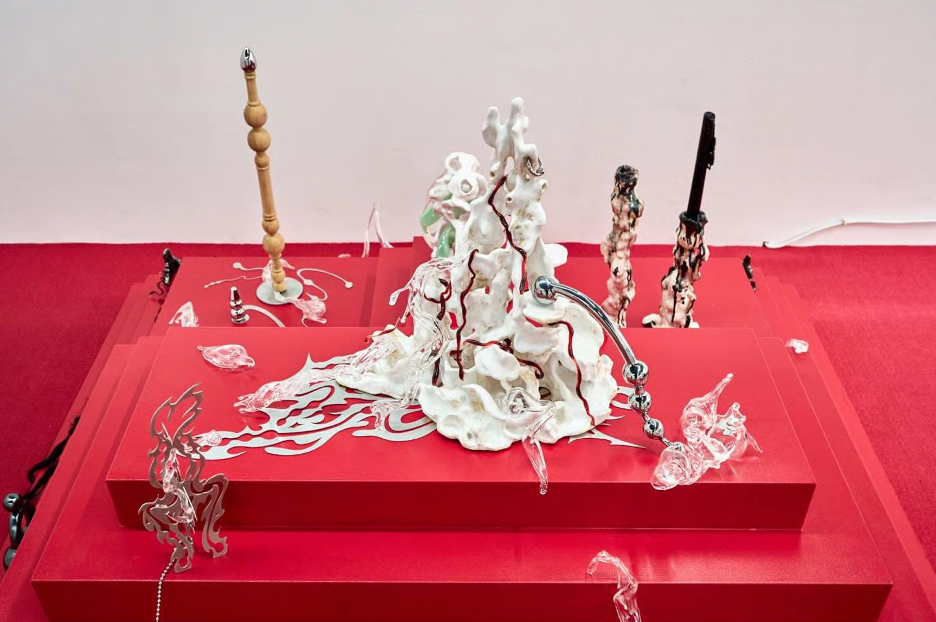
Through the evolution of time, the shapes of the lenok and the zinc mine that the artist focuses on activate the plot as the “somewhere” in between, as a “gap” revealed at the boundary of time that stays and disappears, the historical boundary connecting the Han River and the Nakdong River, and the boundary between natural materials and artificial materials.
It is very familiar to us that artists perceive the grandeur of natural phenomena and transform and express it in the language of exhibition. This proves that artists are deeply conscious of indiscriminate destruction of nature. Such consciousness has nothing to do with the pastoral; on the contrary, it is related to the basic principles of awe and the restriction of violence.
This principle must be applied not only within human society but also in the relationship between humans and nature. It is also important that nature does not function only as the periphery of society. The works, in which the artist’s cross-sectional observations riding on complex rhythms are condensed, have become sites of adventure where the fundamental forces of nature can gather into both small ripples and enormous waves.
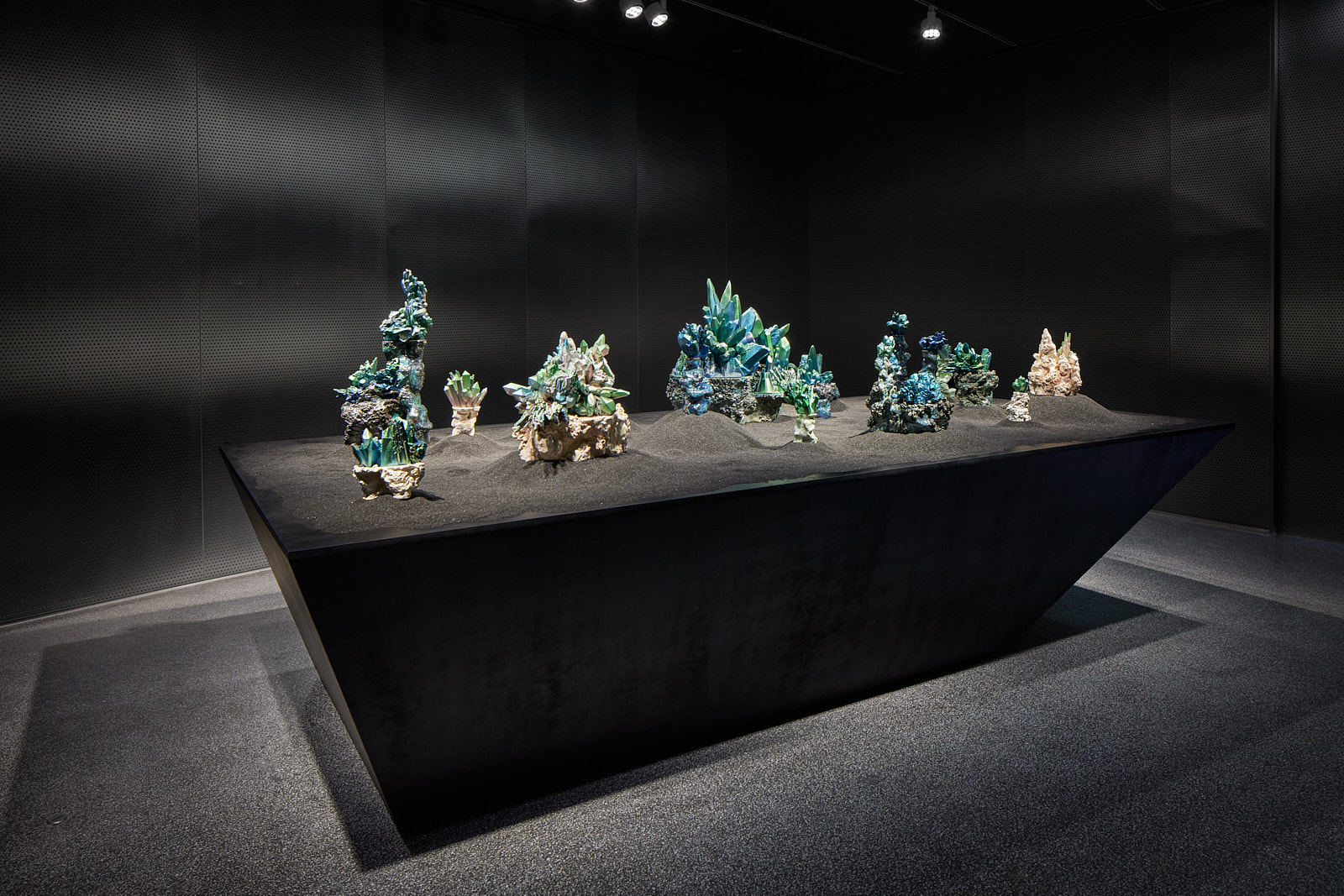
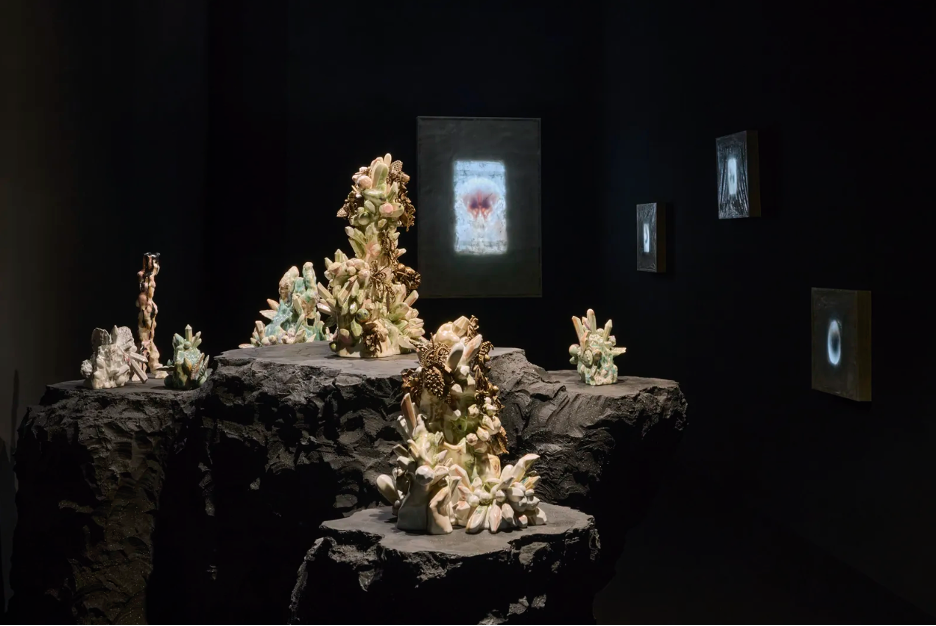
One can read the artist’s consistent message in the installation of the works: she emphasizes the combination of light and shadow and induces viewers to sink into a dim fantasy that is neither complete light nor complete shadow.
In the confrontation that leads into shaded gaps, almost as if light might disappear, and into somewhere within the works, the viewers’ movements and the moments when the exhibition space door opens and closes are embroidered into the space, and their relationships constantly change; the visual space becomes a dimension different from the physical space of the exhibition venue.
Through this exhibition, the artist, once again creating a distinctive world of her own, connects even to the tradition of visual thought through sculptural techniques and images of specific forms, and especially through a temporal composition that penetrates the gaps of boundaries. This requires play rather than the clarity of concrete objects, an intangible landscape, and a dreaming world.
A work of art does not exist alone. It gains form through a countless network of connected communication. In particular, artists who seek to draw infinite possibilities out of what is seen and touched—for example, those who seek to obtain new colors, new structures, new materials, and new temporalities—often receive decisive stimulation from other arts or systems of thought.
In this way, works born openly through intellectual exchange with other fields concentrate themselves within the thought of all the senses. And so, for a moment, the work becomes the center of life. Even if a work cannot change life, I believe that it leads us with a force different from things such as crisis or power.