Oh’s
practice is characterized by its combination of site-based research and
labor-intensive making. The artist visits places where objects are made,
circulated, and discarded, such as factories, markets, industrial complexes,
mines, and ceramic production sites. Yet she does not present the results
simply as documentation.
Instead, she rematerializes them by combining metal
casting, wax casting, slip casting, ceramic firing, 3D printing, video,
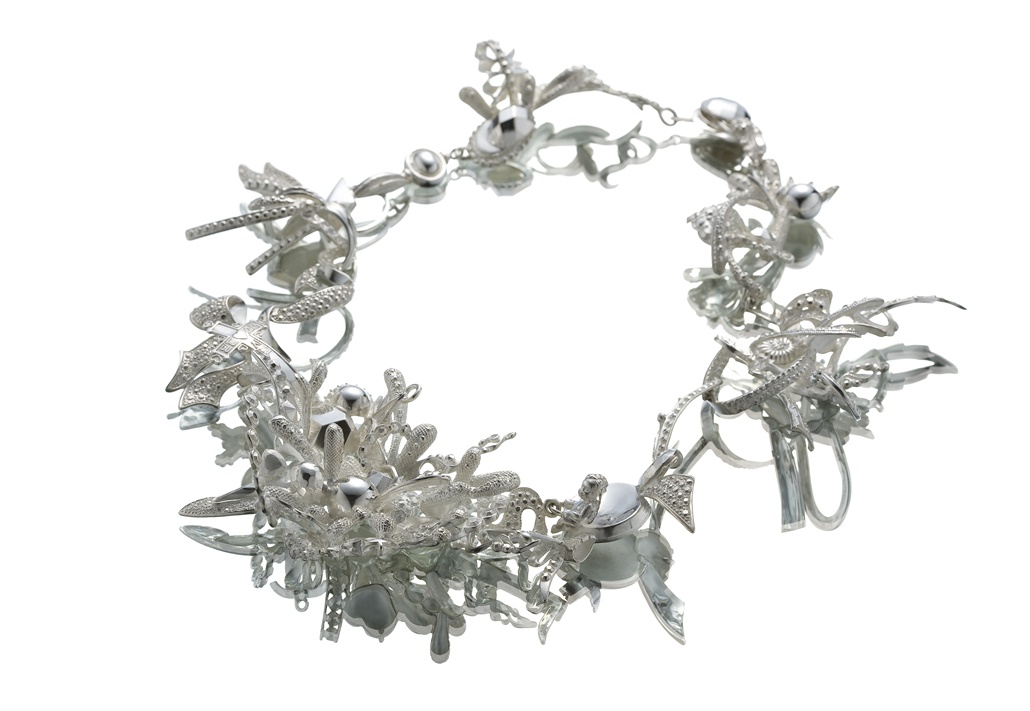
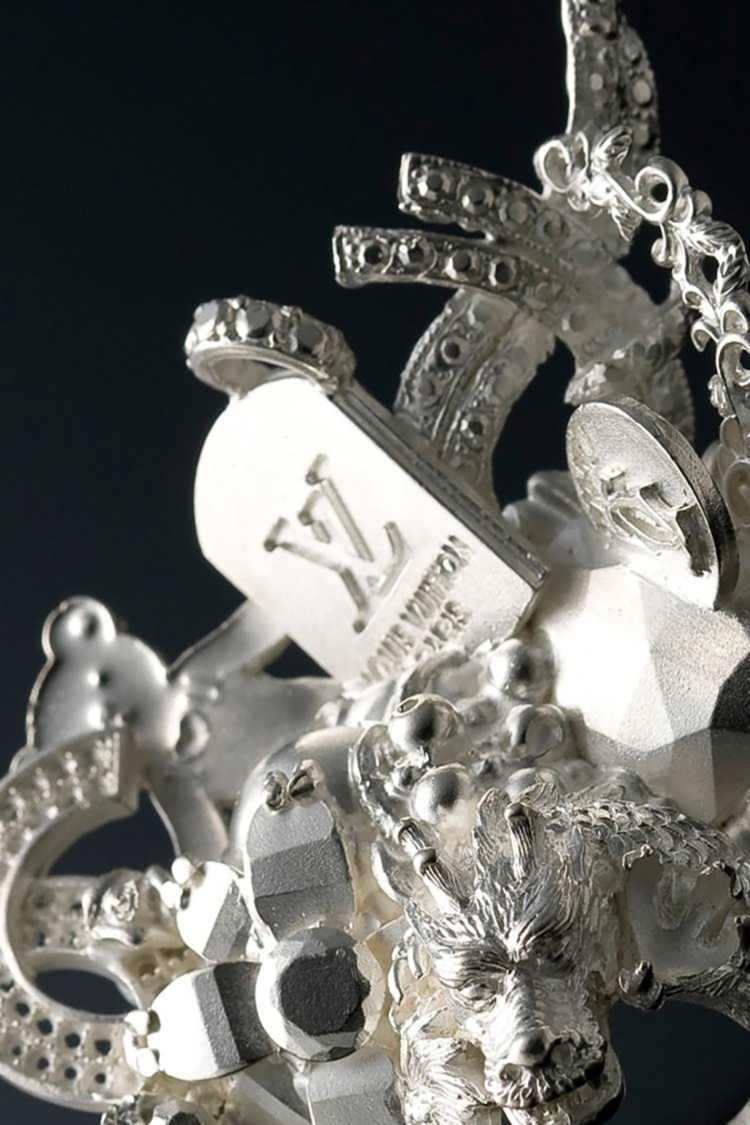
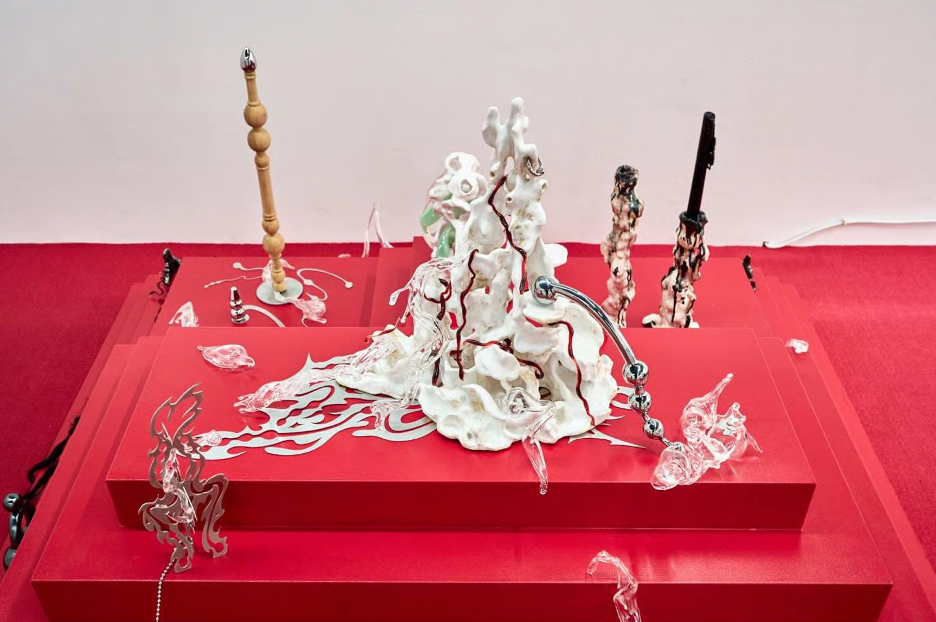
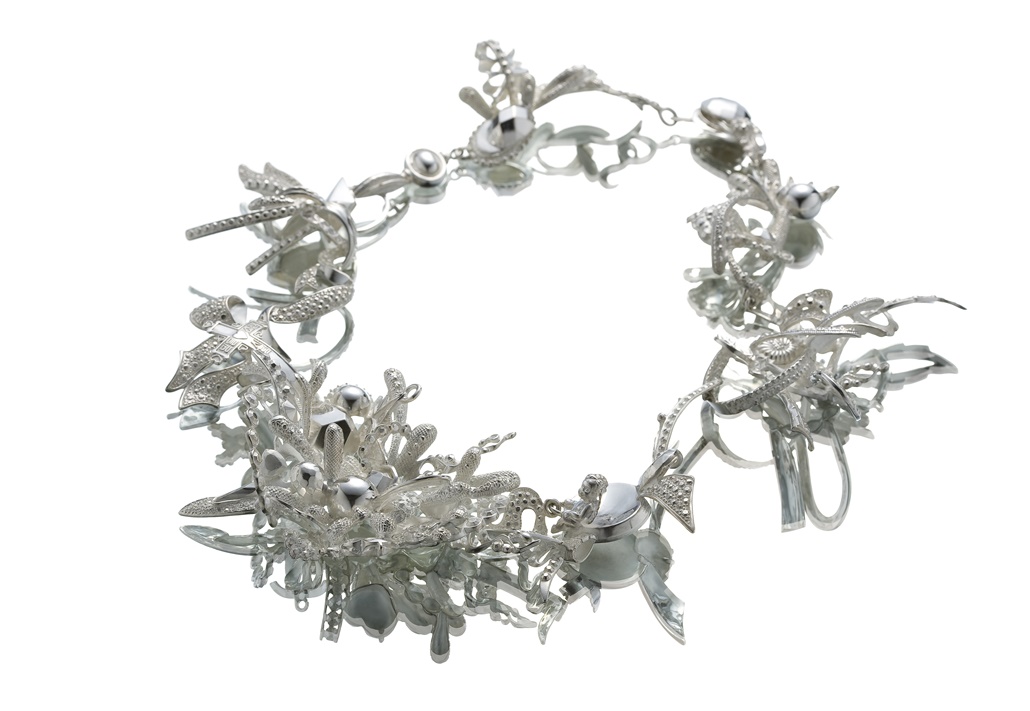
photography, and text. In the ‘Imitation & Deception’ series, she
reproduced collected accessories with silicone molds, recombined the replicated
fragments, and cast them in silver to create objects that are both jewelry and
sculpture. Imitation & Deception No.2011-25 reveals the
structure of desire as a physical mass through the excessive glitter and
complex form of ornament.
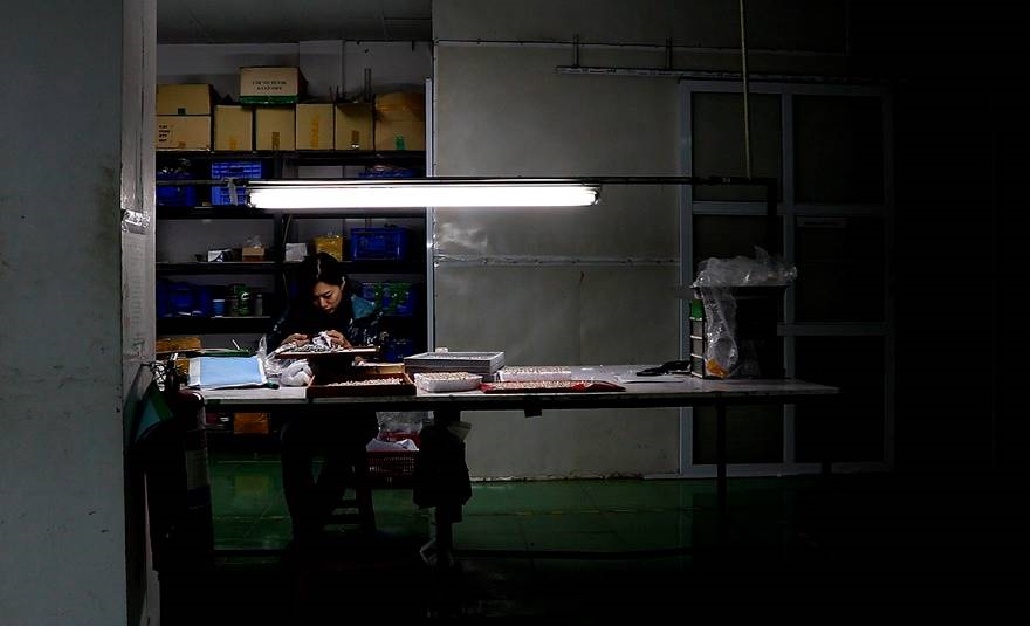
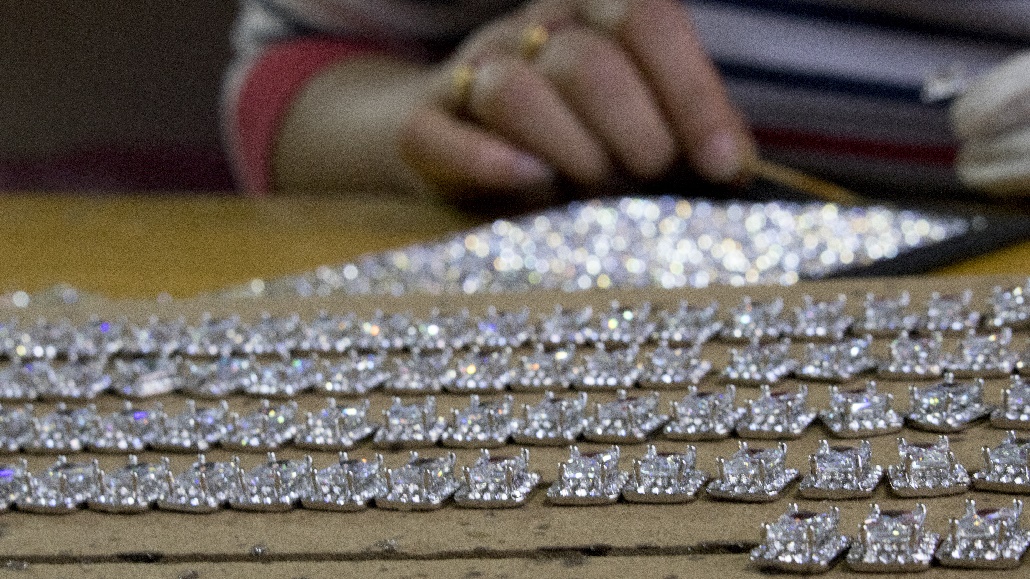
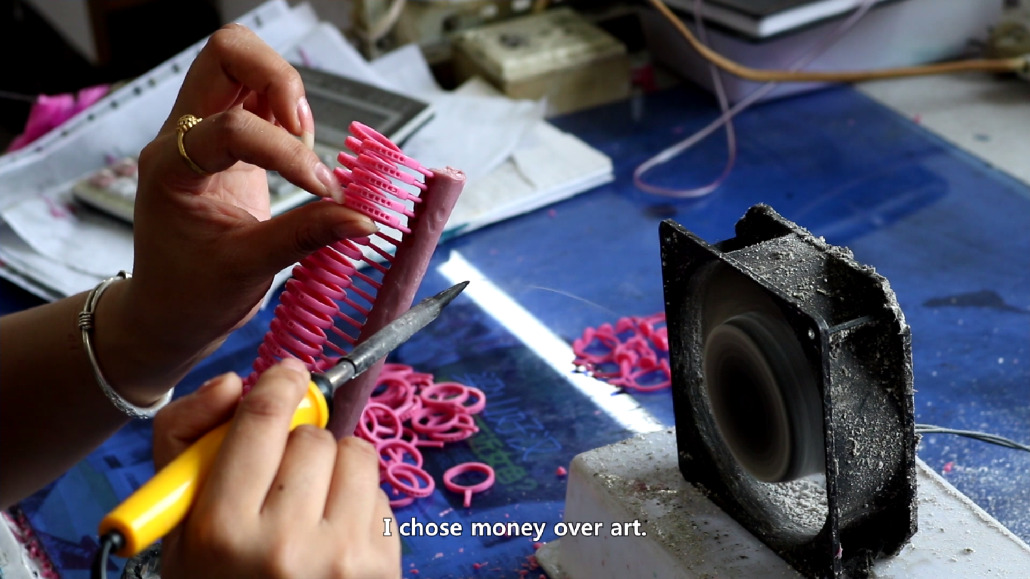
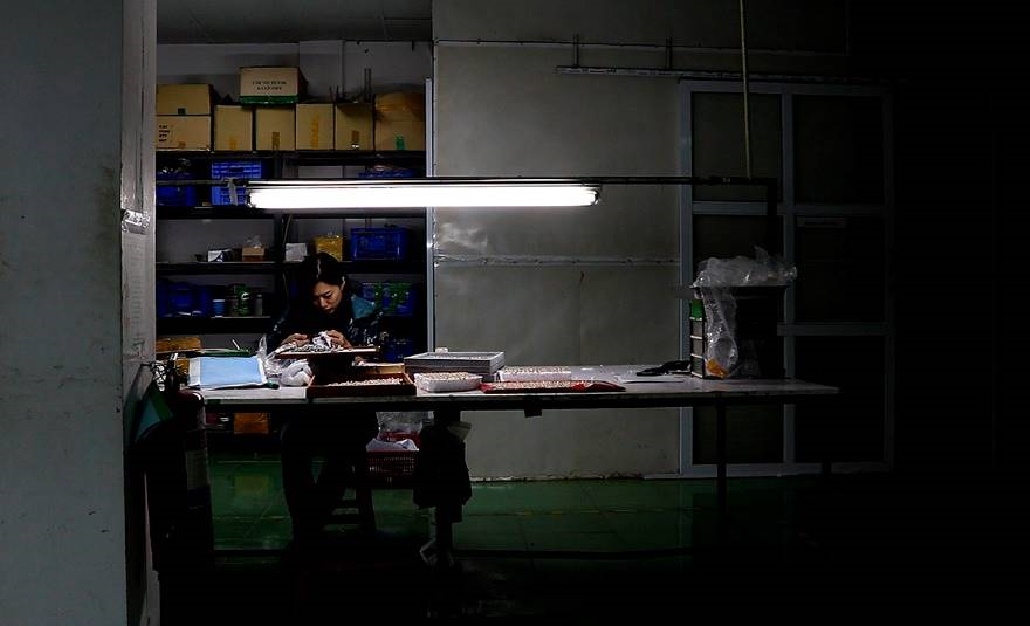
In the
‘Vietnam Project’, the artist’s handmade original and the factory’s
mass-production technology collide within a single work. Diamonds, pearls,
colored gemstones, and 18K gold were used for the original, while the samples
produced in the Vietnamese factory used imitation cubic stones, epoxy, brass,
and zinc.
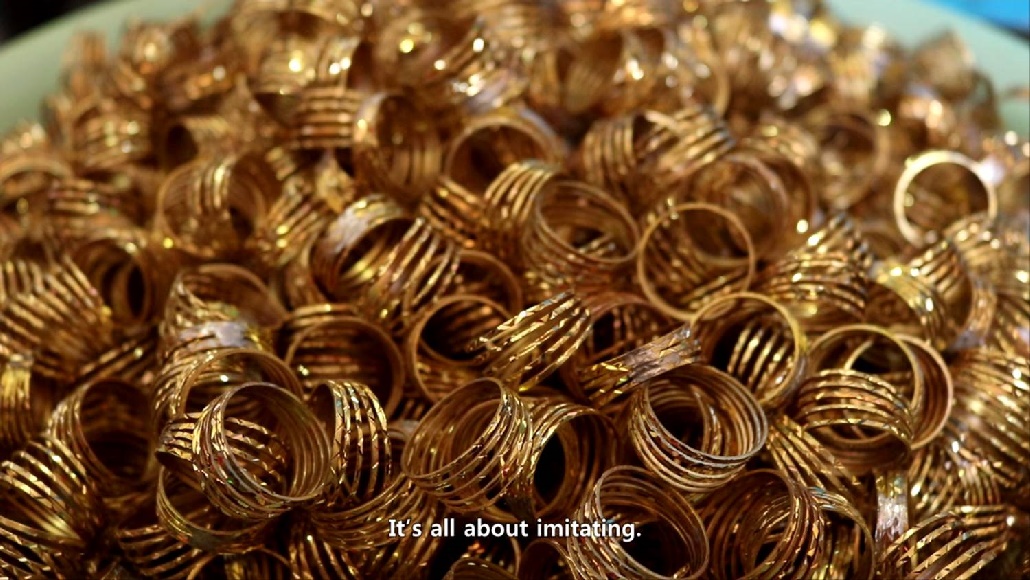
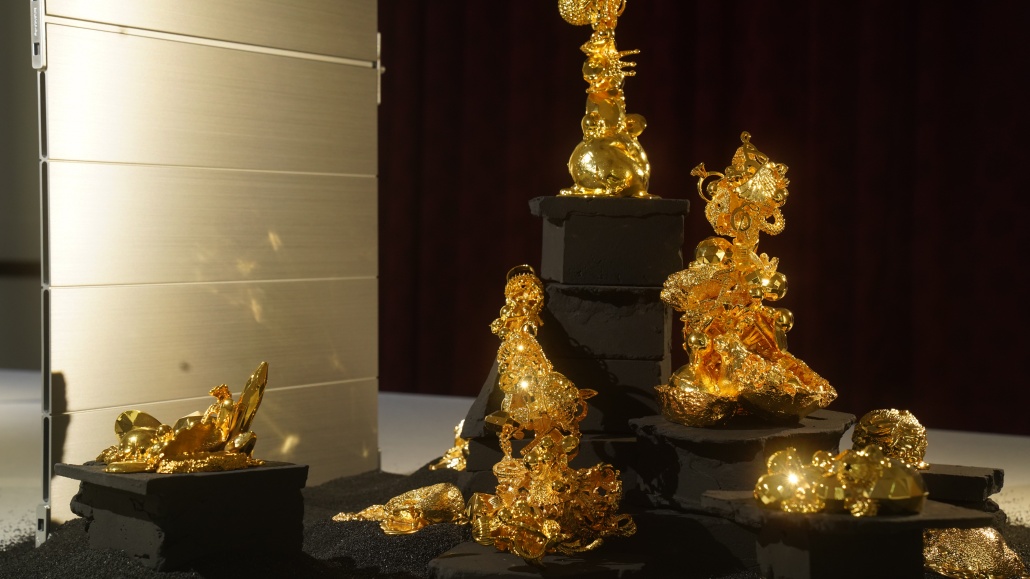
Vietnam Project: Making Film(2018) and
Vietnam Project Made in Vietnam (01-06)(2018) do not conceal
this difference, but instead bring it to the foreground. Through the
interlocking processes of high-end and low-cost materials, handcraft and
factory production, original work and commercial sample, Oh shows that the
“real” is not determined solely by material value or mode of production.
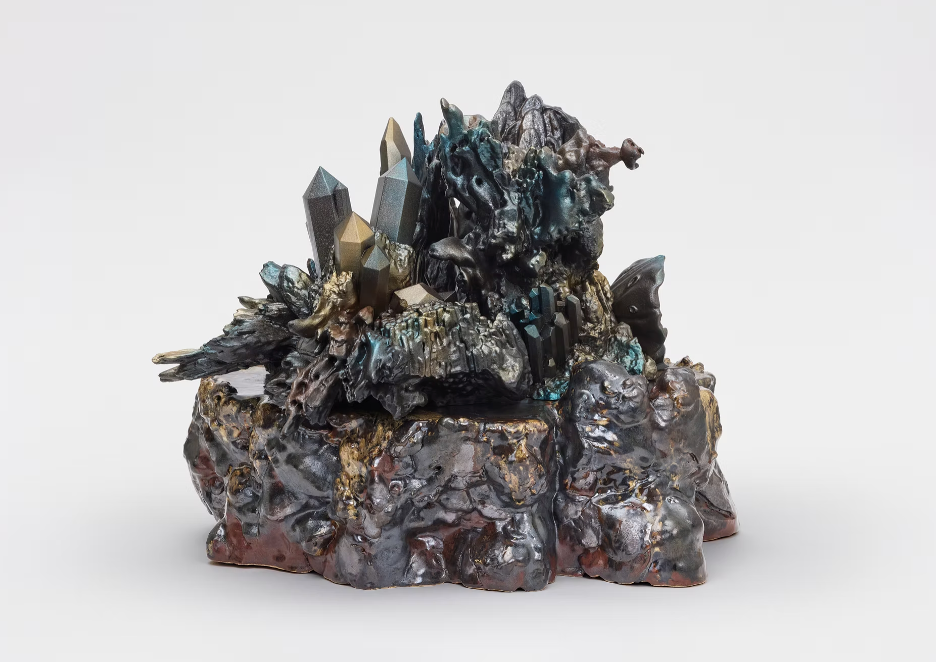
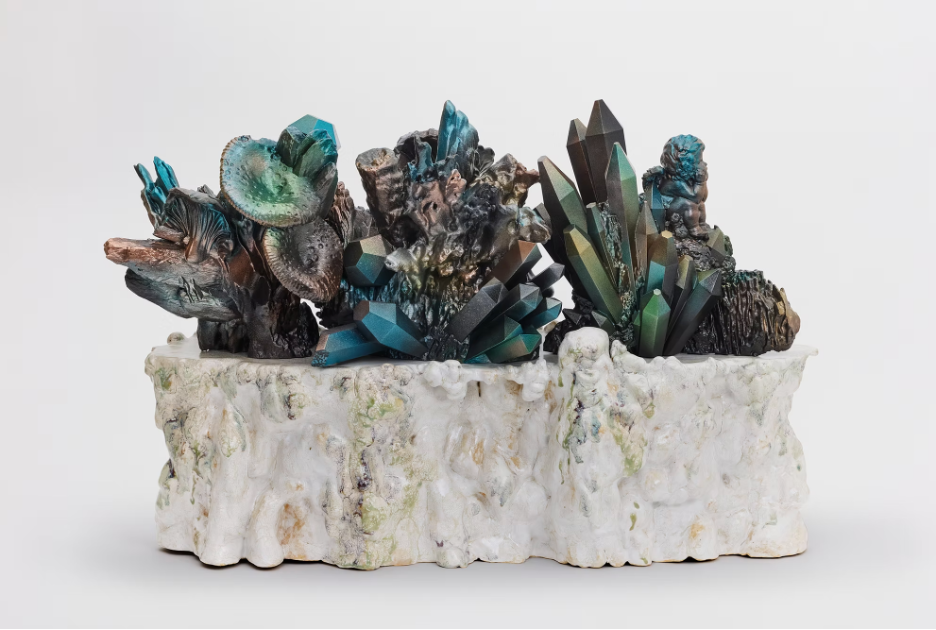
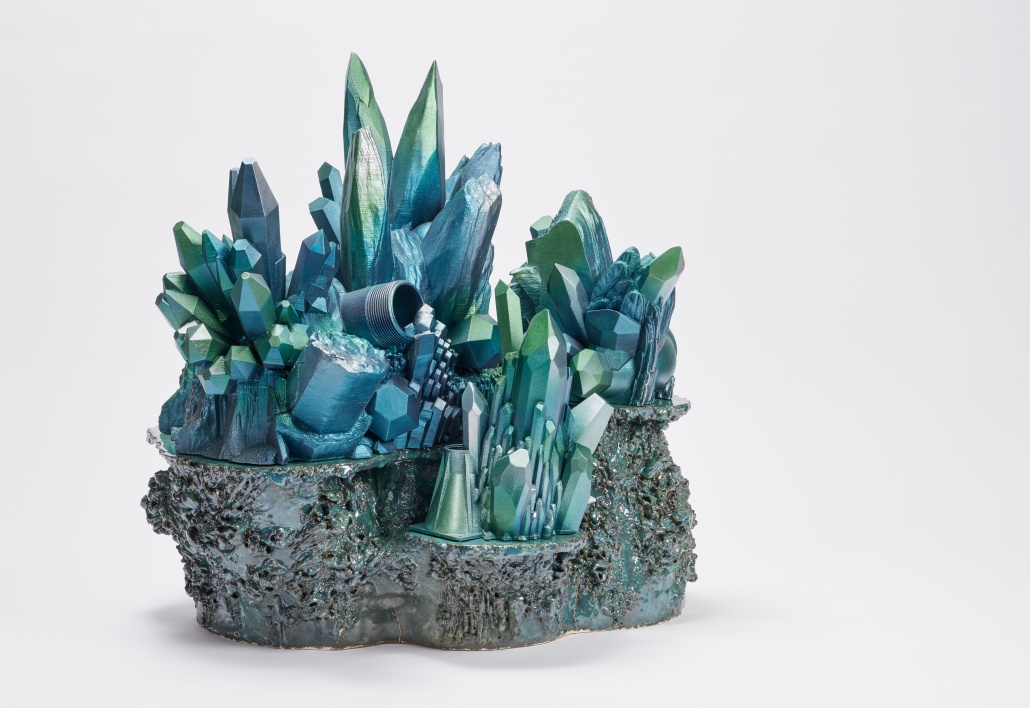
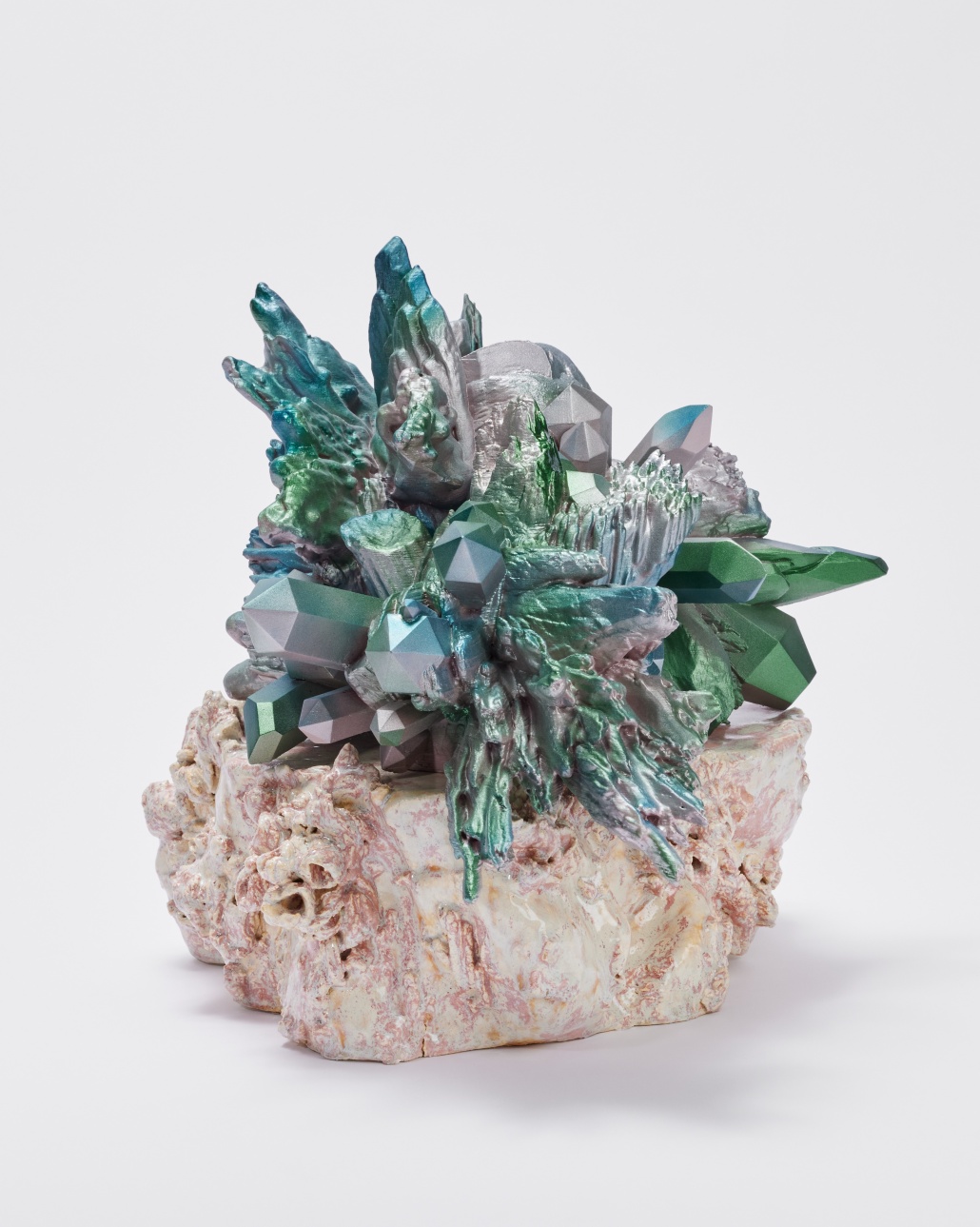
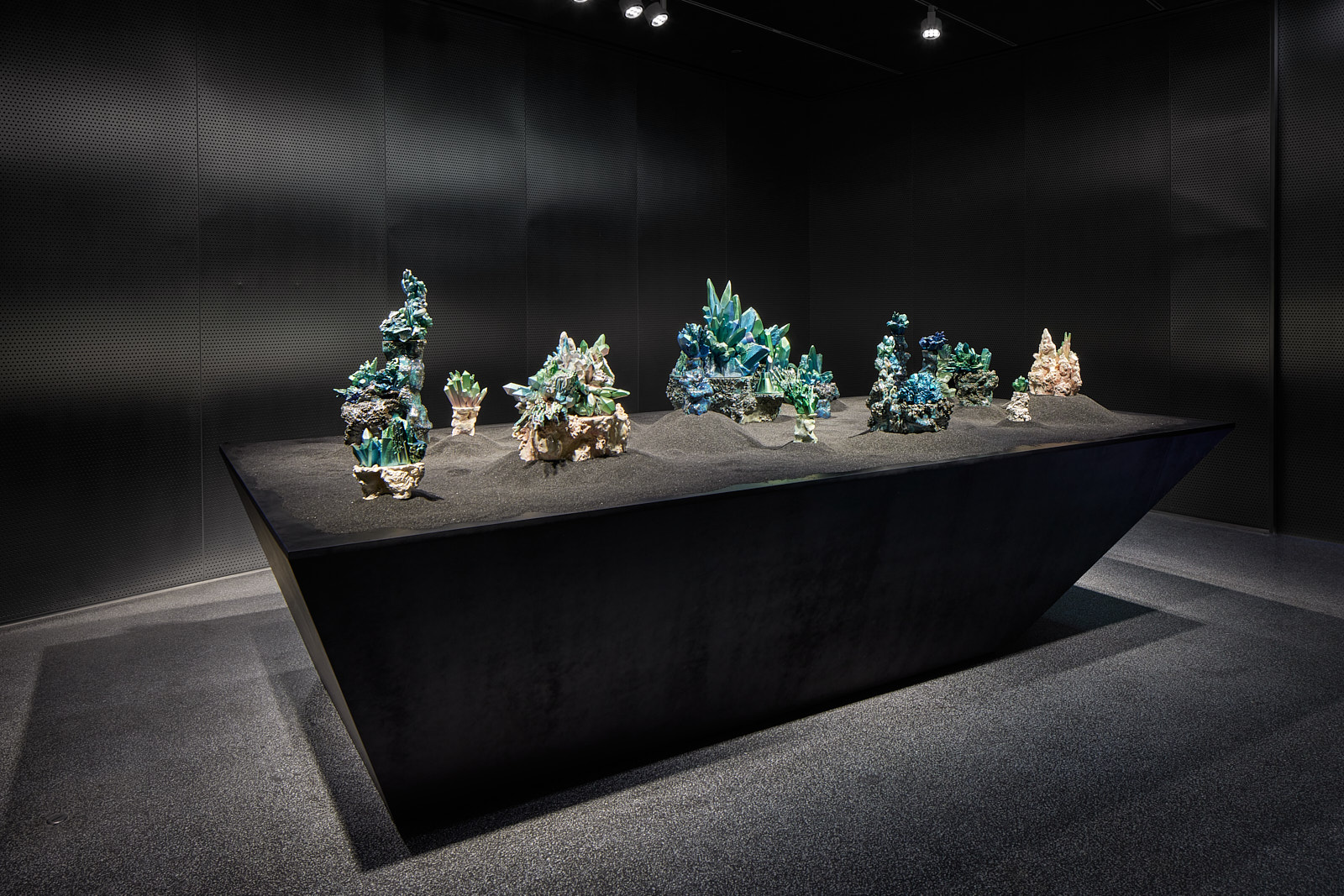
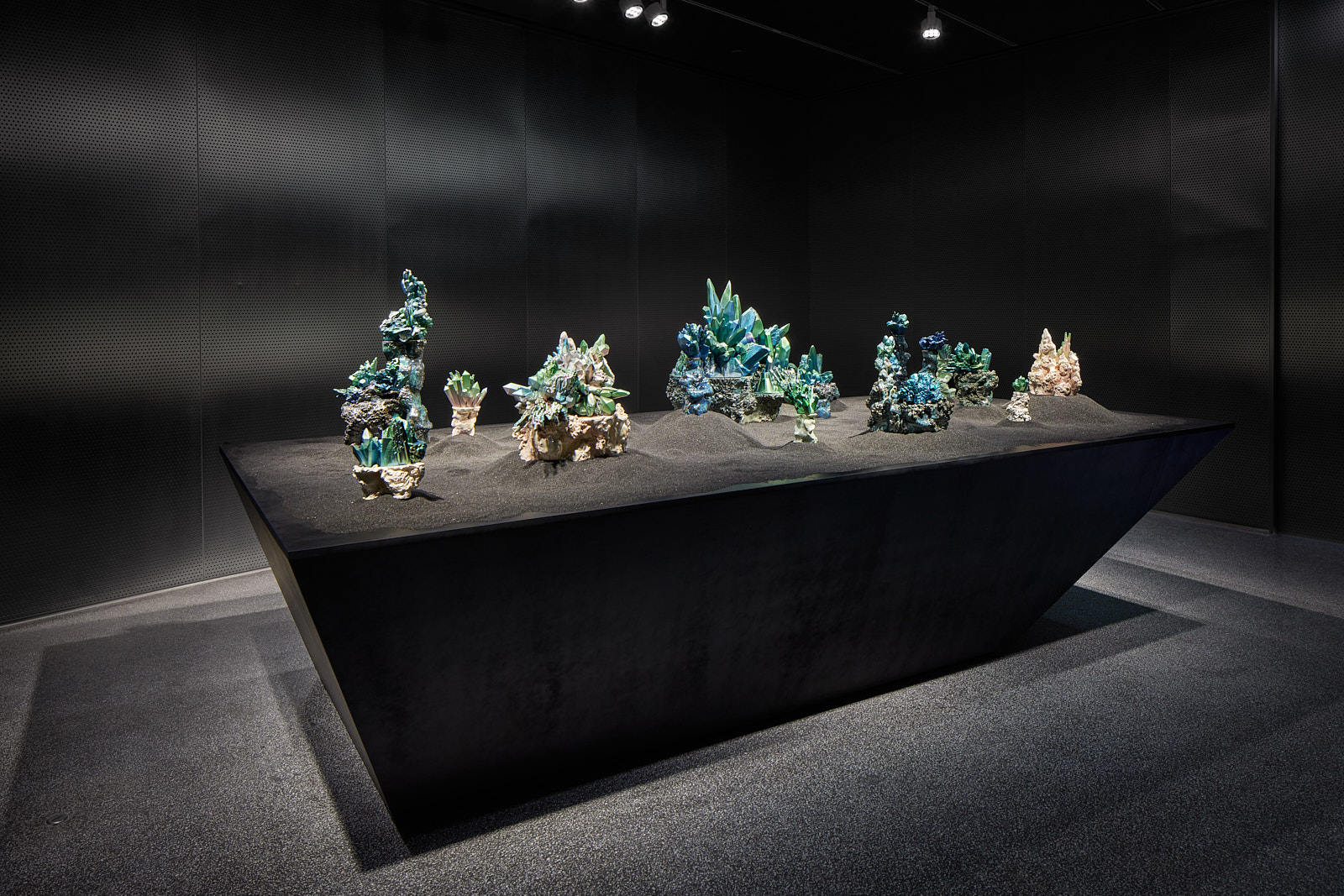
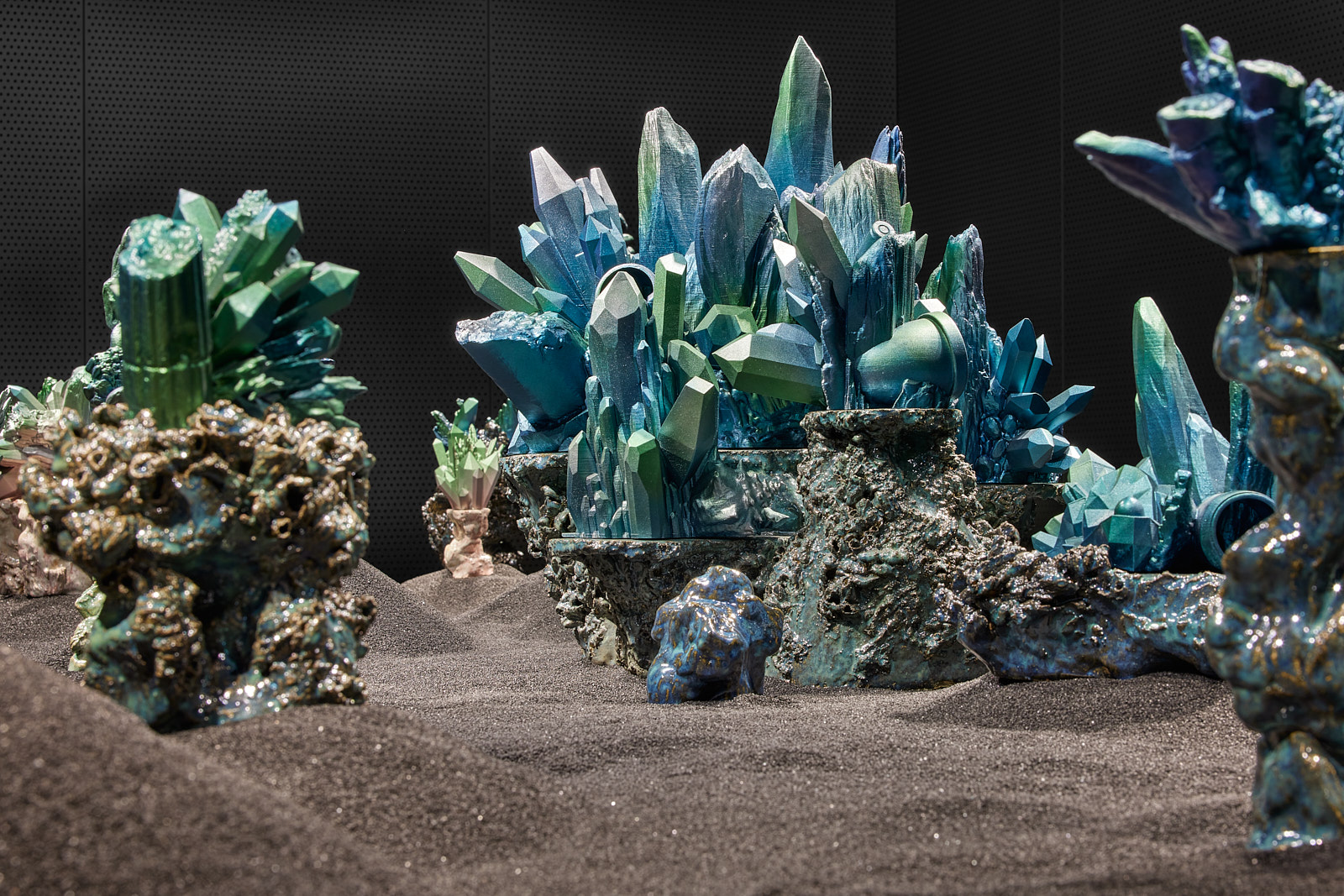
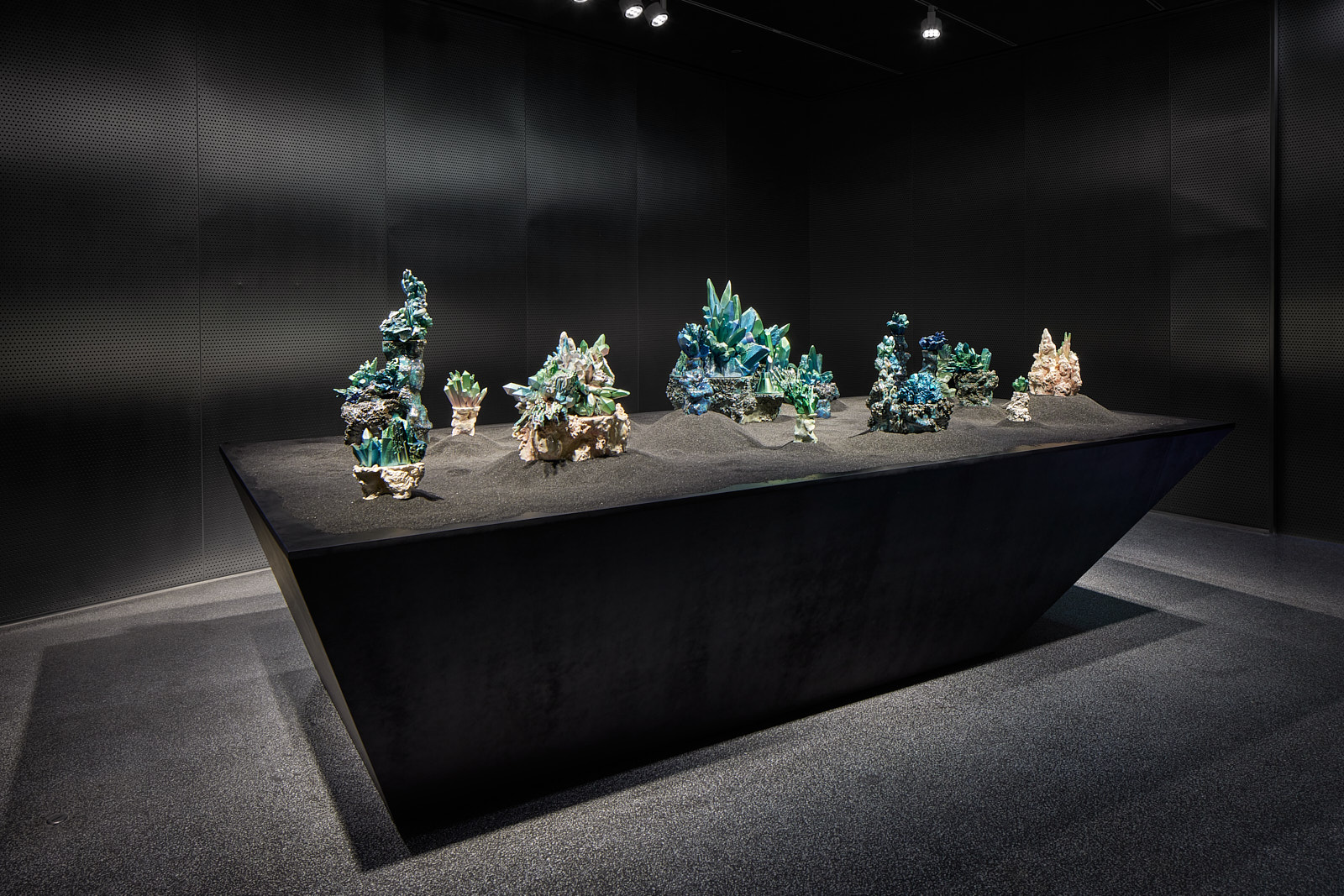
In 《Forest Temperature Bunker》, Oh moves from a
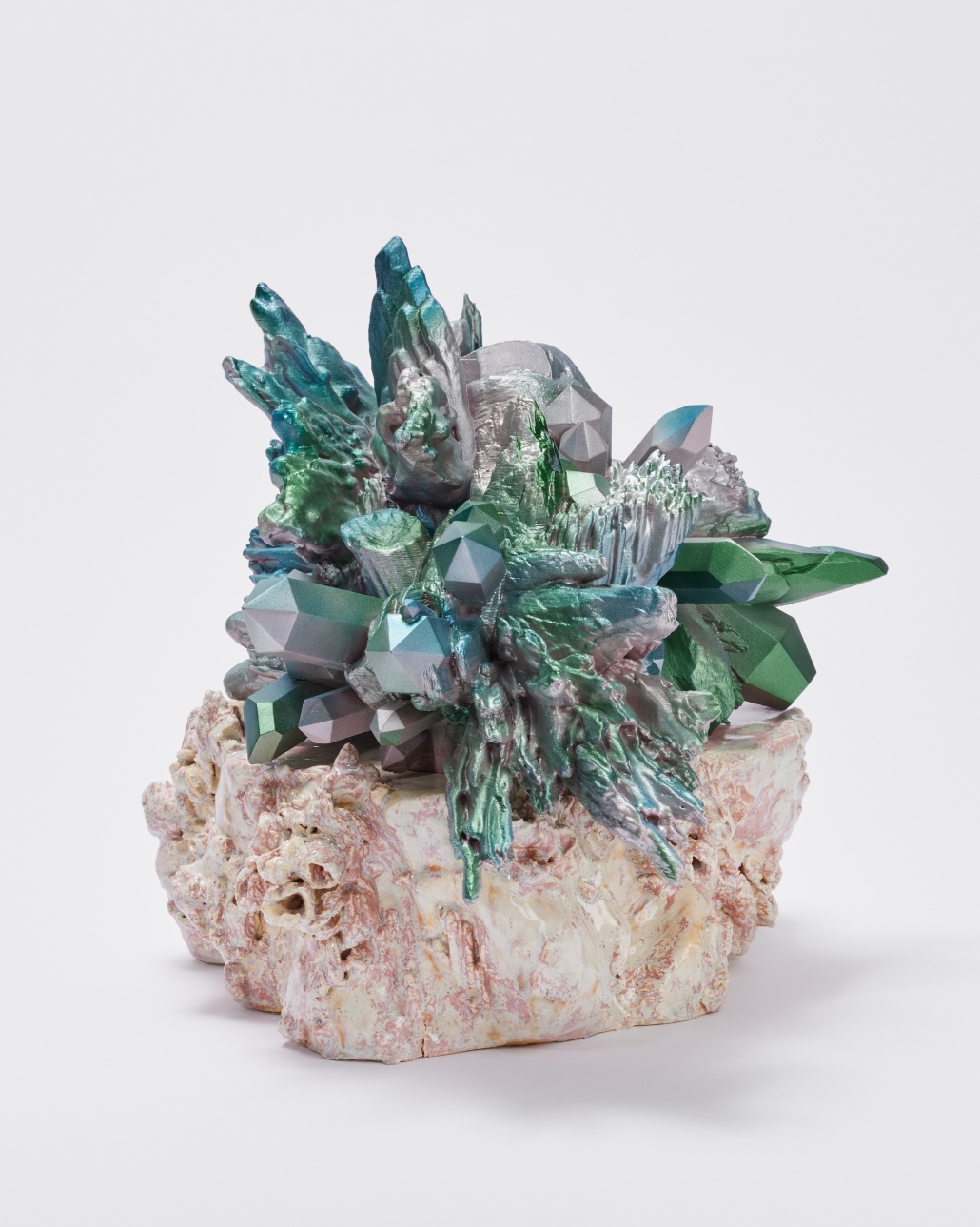
language centered on metal craft toward sculptures that combine ceramics and 3D
printing. The lower parts of the works are made of irregular glazed ceramic,
while the upper parts consist of PLA 3D-printed masses created by altering
open-source spatial modeling data used in games and films.
Natural and
artificial materials, organic forms and linear structures, the smooth gloss of
glaze and the granular texture of acrylic paint resembling automotive coating
collide within a single work. Although Melting Point of the
Mountain and Flowing Forest begin from an actual
ecological event, they ultimately take form not as realistic landscapes, but as
invisible gaps, or imagined habitats that humans can only speculate about.
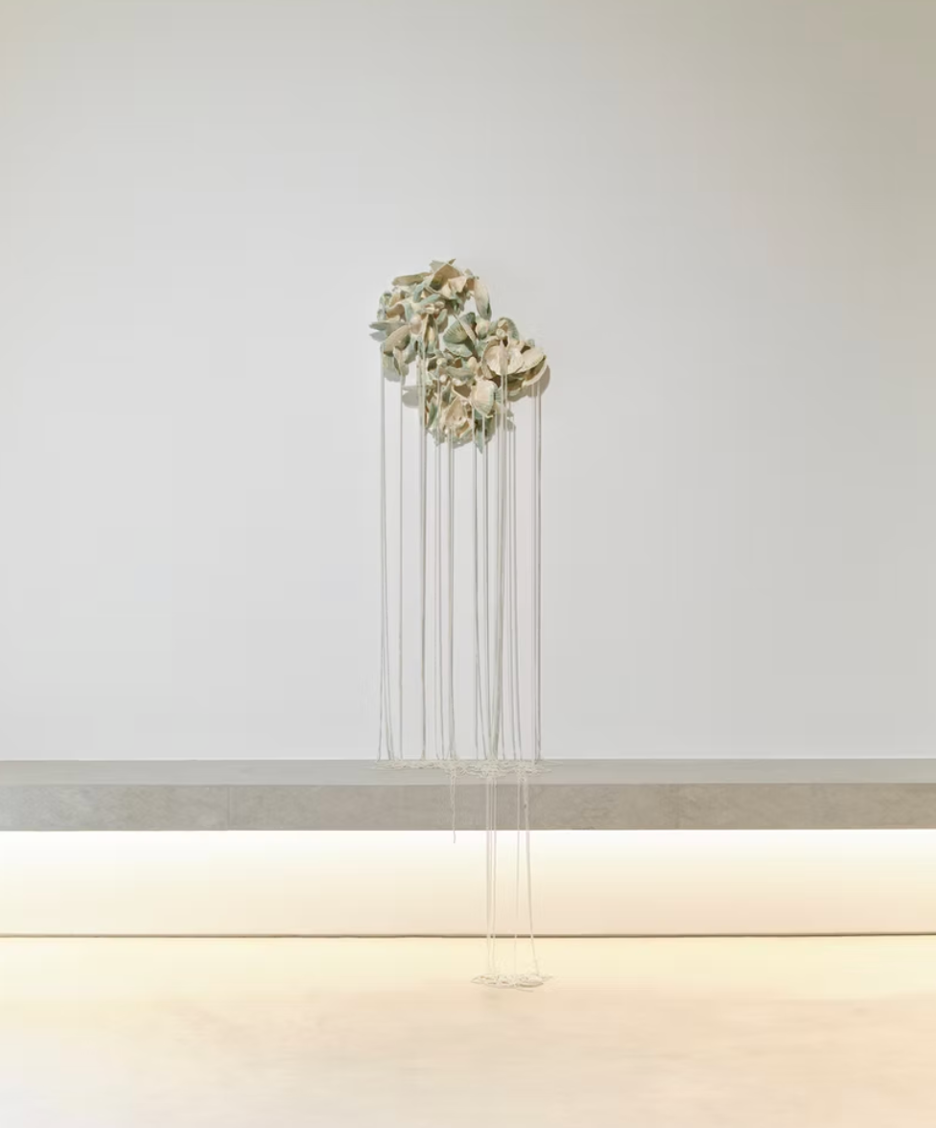
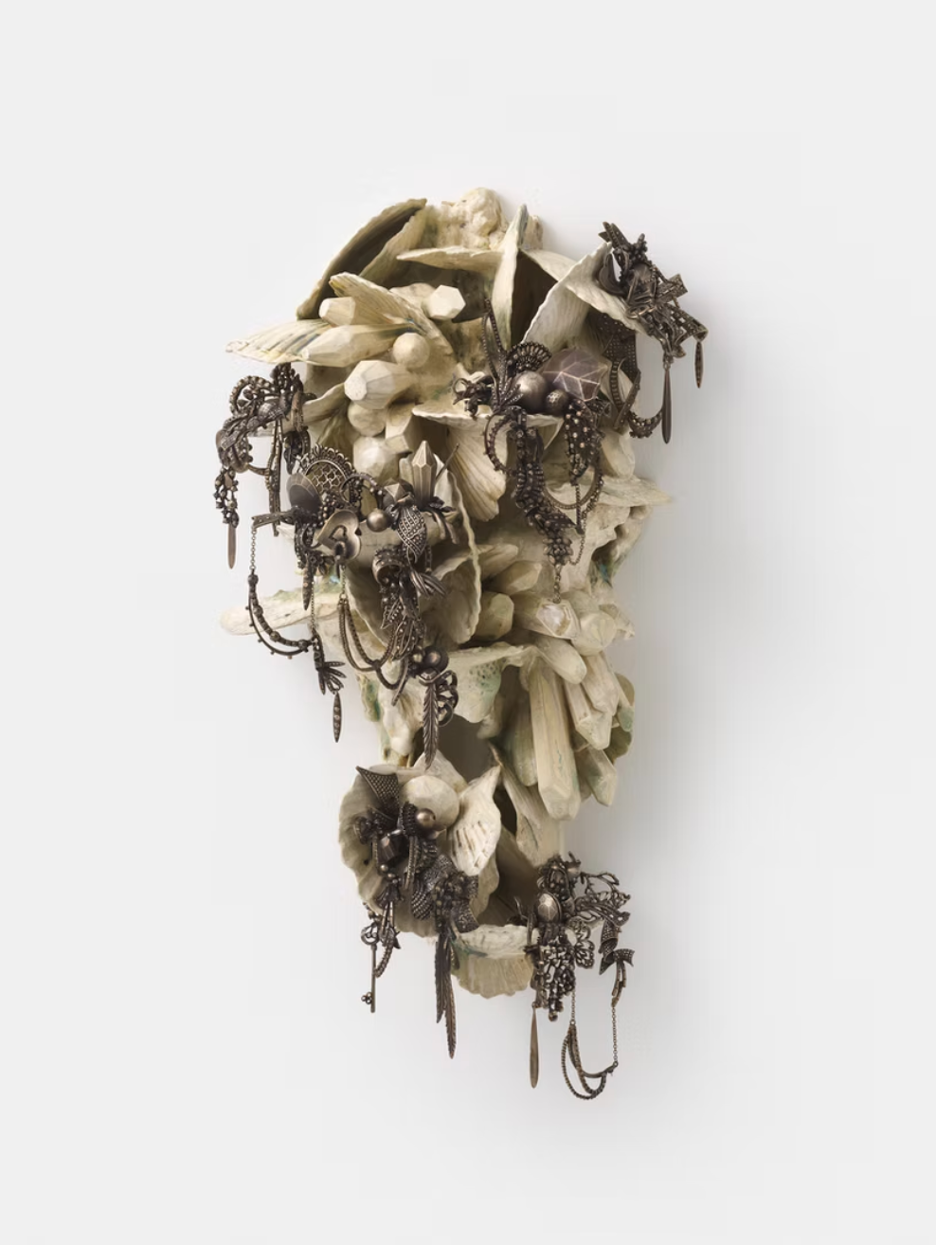
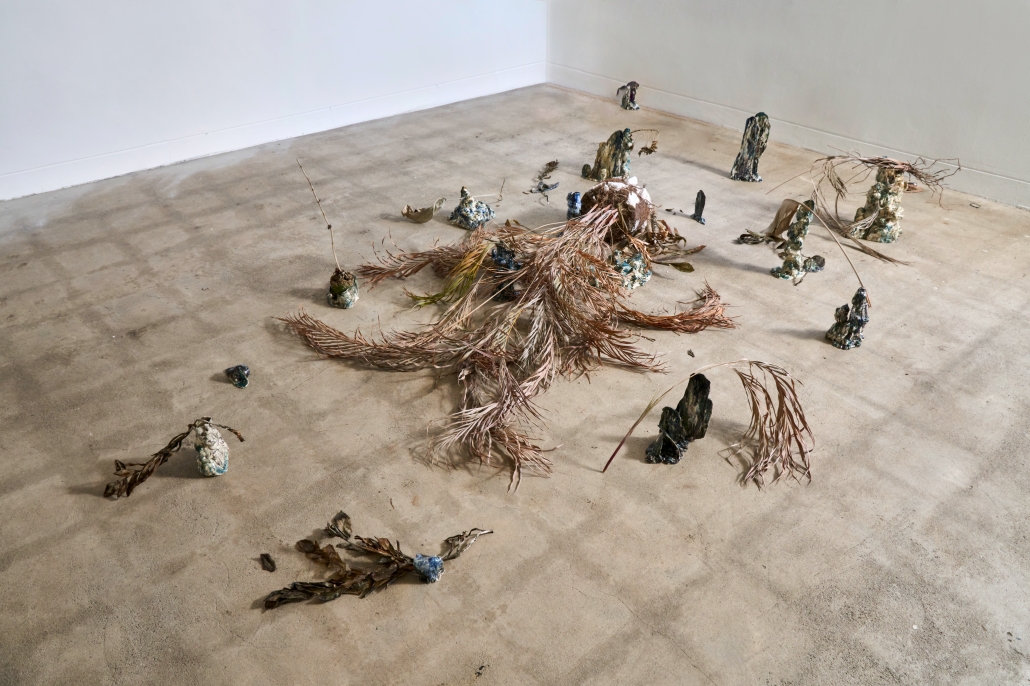
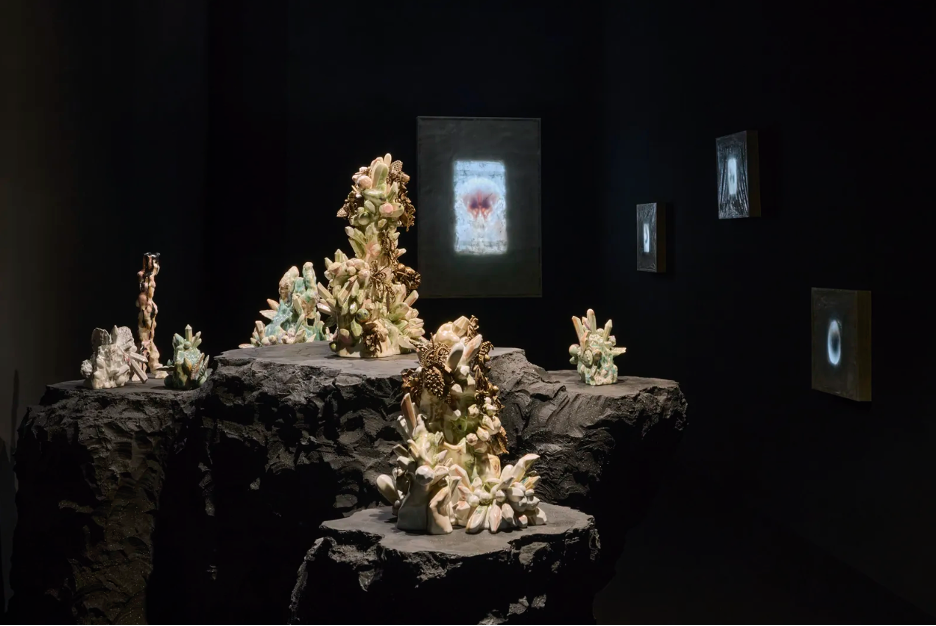
In
the recent Out of the Fire, Oh returns to slip casting and
lost-wax casting, connecting objects rejected by the ceramic industry with the
decorative quality of cheap accessories. What has been discarded gains a new
surface through which it can be perceived again, not as waste that has lost its
function, but through sensation and ornament.