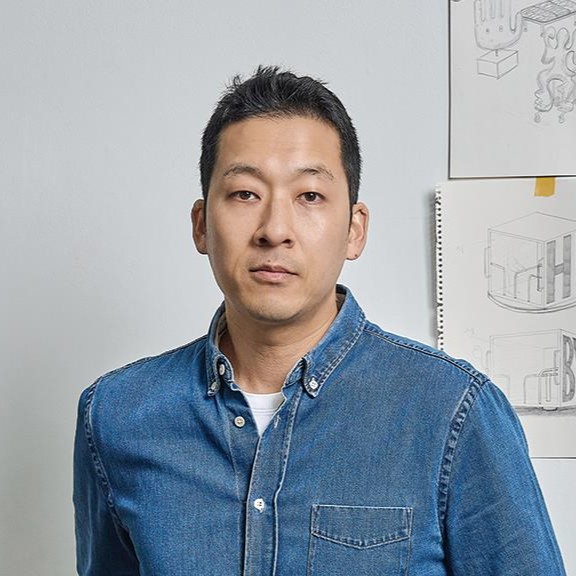
In early September, I received an email from the artist Wonwoo Lee.
As I write this, he is staying at an art institution called Fonderie Darling in Montreal, Canada. It is affiliated with MMCA Residency Goyang, where the artist is in residence this year. It is not exactly common for an artist one is working with to be abroad during the preparation of an exhibition or around the time of an interview, though it does happen from time to time.
The email, which began with a lively “Hello!” and included two attached documents, was quite detailed in content and warm in tone. Yet from certain sentences that touched on his assessment of the current situation and his awareness of the realities of the art world, there came a somewhat bitter feeling, along with a faint sense of resolve transmitted from far away.
At the stage when we were roughly discussing the deadline and direction of the text, I had urged the artist that I was curious less about direct explanations of his work than about the interests he had recently been absorbed in and his plans for the future.
I had skimmed through a collection of reviews written by others for reference, but I did not want to repeat what had already been said, nor did I feel confident enough to put forward an entirely different theory.
In any case, as someone who has watched the artist's growth from a distance for quite some time, what I am curious about lies not at the bright ending of the coming-of-age novel he has written so far, but somewhere around the middle of the development and crisis of a long saga that has only just begun to grow genuinely interesting.
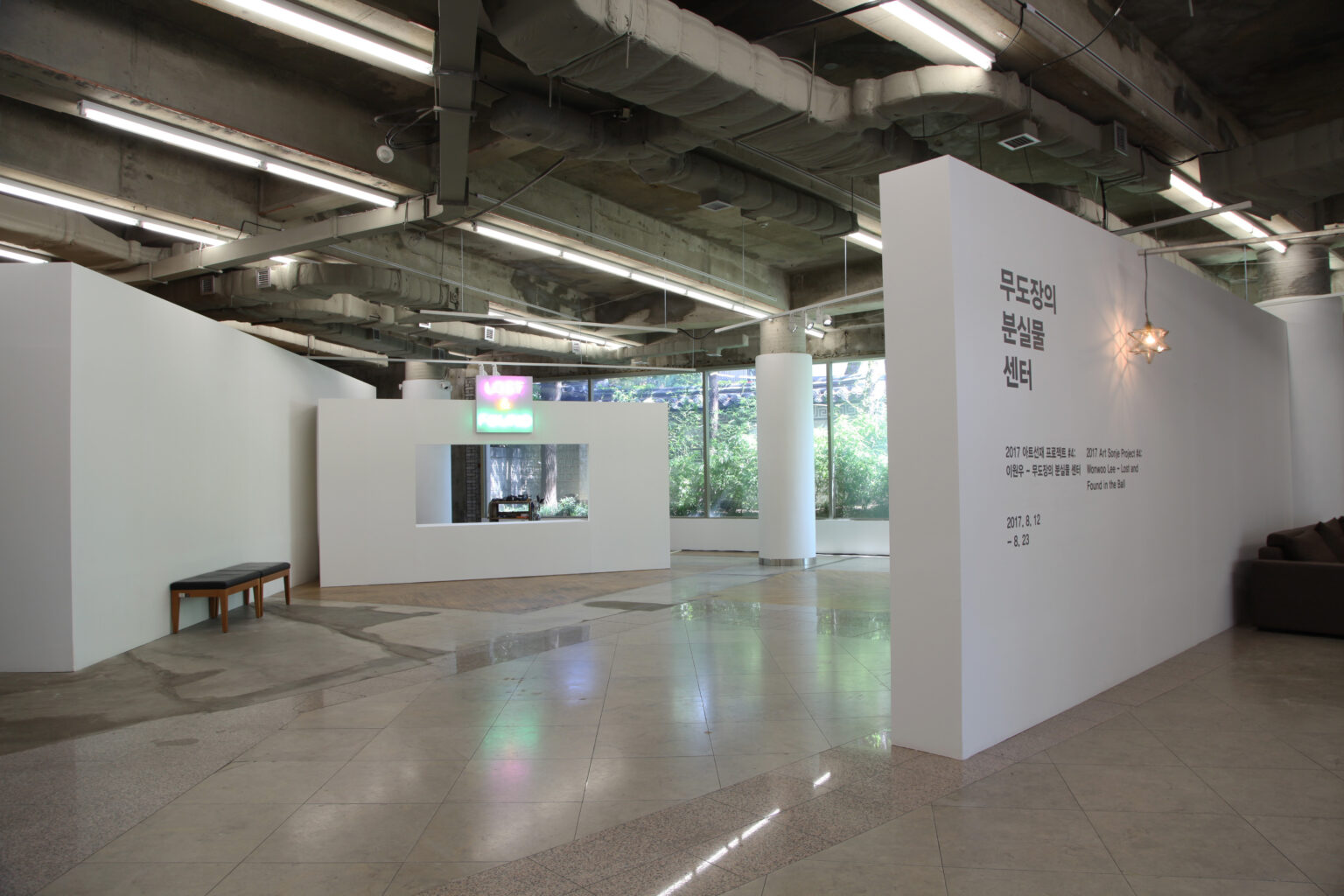
I first met Wonwoo Lee as an artist about twelve years ago, when he was a member of “…Joketta Project,” a kind of collective he had formed with friends. At the time, we had not yet quite moved beyond the positions of student-artist and apprentice-curator, and it was a period when our interests leaned toward multidisciplinary art with a strong sense of site-specificity rather than traditional media.
The reason I have always remembered Lee as a young man is probably because I saw in him the image of youth in which optimism and anxiety were entangled, along with the particular vitality that such people seem to possess.
Since then, as we repeatedly crossed paths and drifted apart at loose intervals of about five years, I have only fragmentarily inferred, from the artist's appearance and the outward form of the works I occasionally encountered, the changes in life he was facing, his inner attitude toward his practice, and the signs of happiness and melancholy lodged within it.
Of course, in the face of the artist's more-than-stable exhibition history and steady rhythm of production, there seems to be little for me to worry about on his behalf. The qualities of Lee's work—pleasant artistic humor that harms no one, a somehow hip appearance that nevertheless does not disturb a stable sense of aesthetics—generate a sense of affinity.
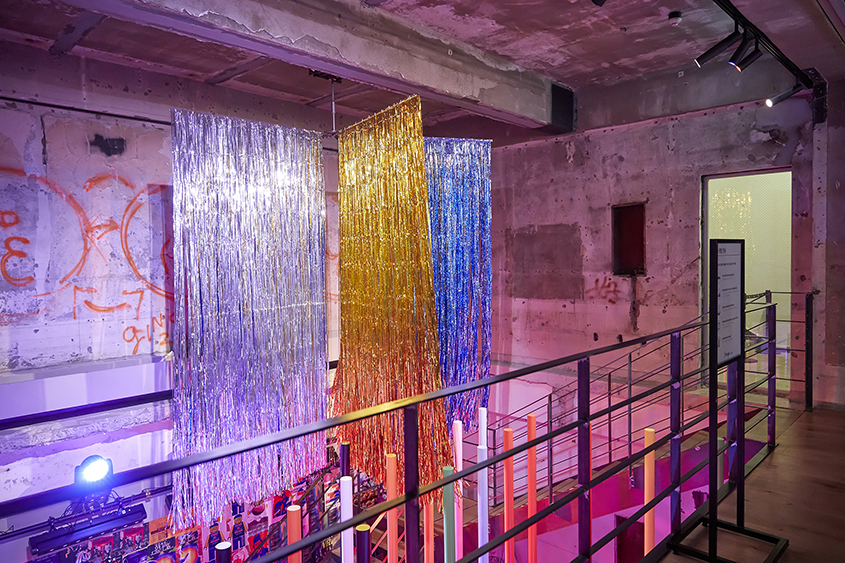
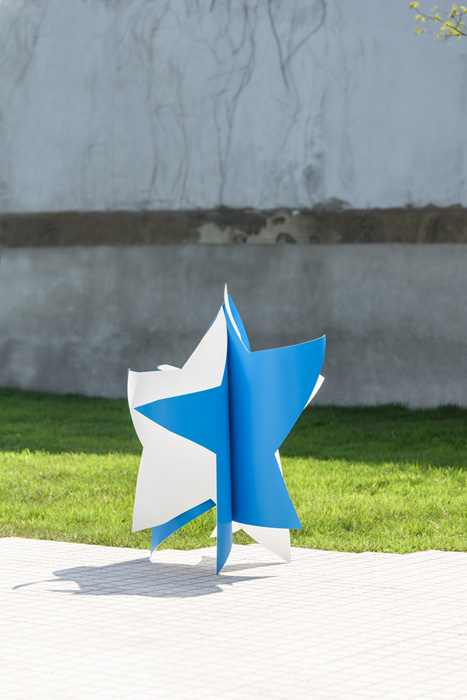
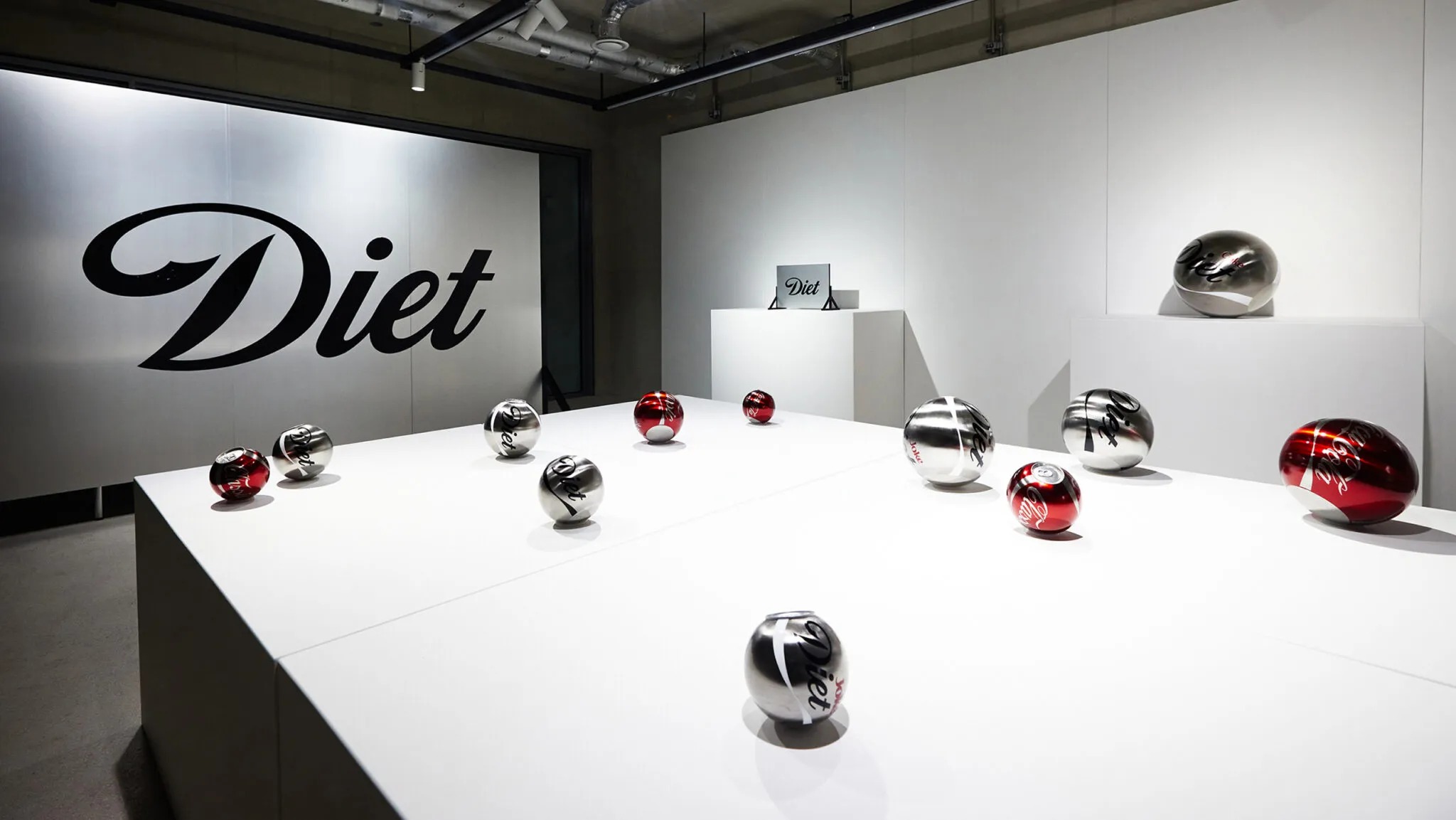
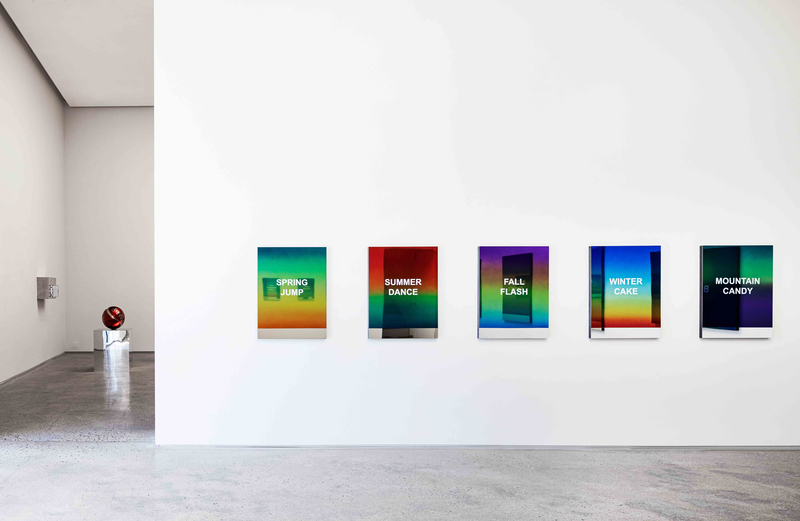
His refusal to be swayed by dominant art discourses or market trends, and the distinctive atmosphere that emerges when his wordplay and mischievous attempts are synthesized and sublimated as conceptual art through sculpture, installation, and performance, mark the singular point at which Lee's practice separates itself from the visuality produced by artists of his generation, as well as sculptors from the generations before and after him.
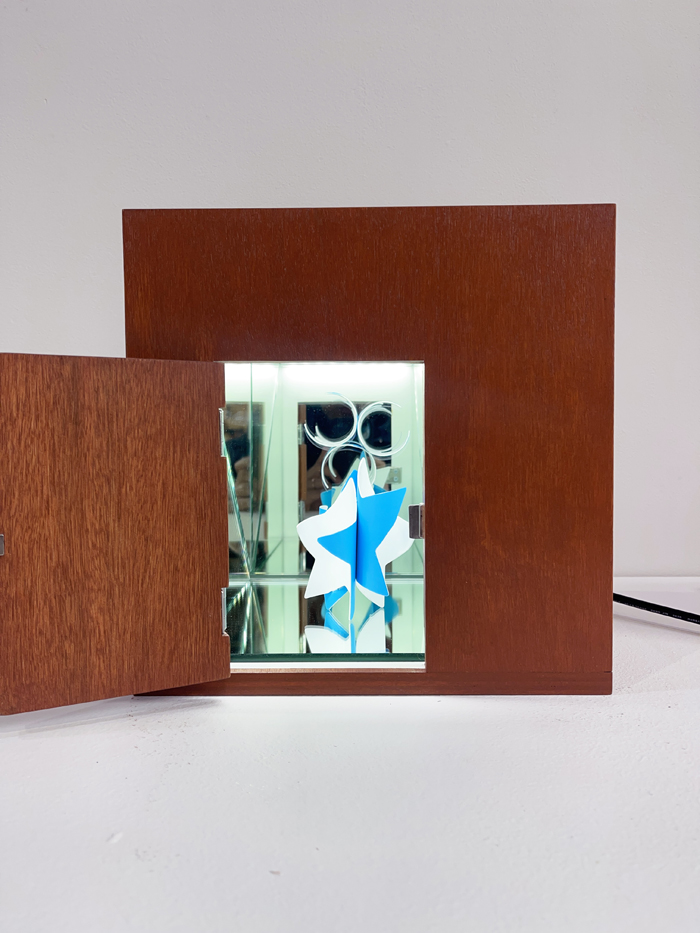
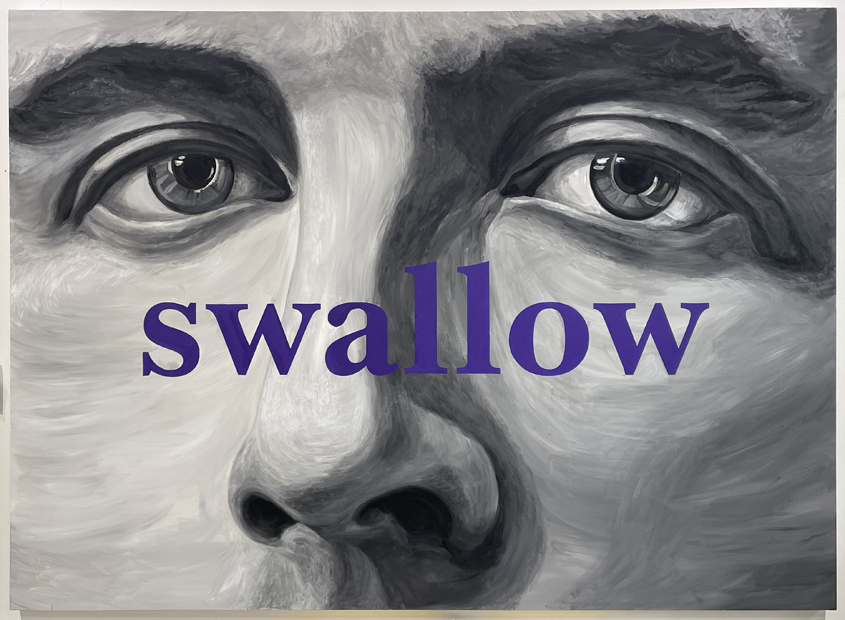
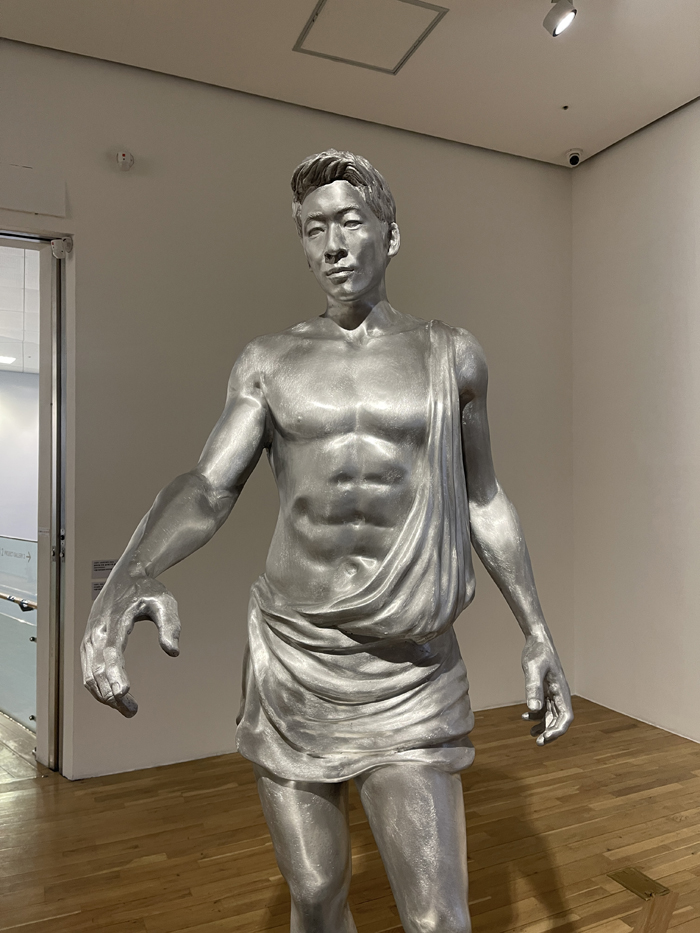
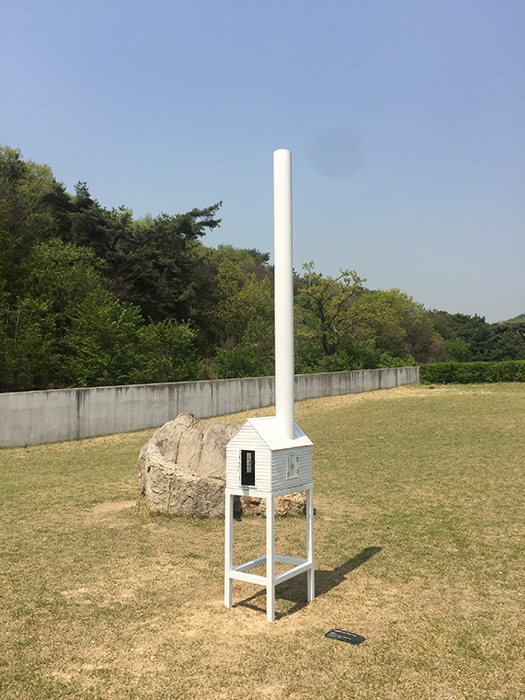
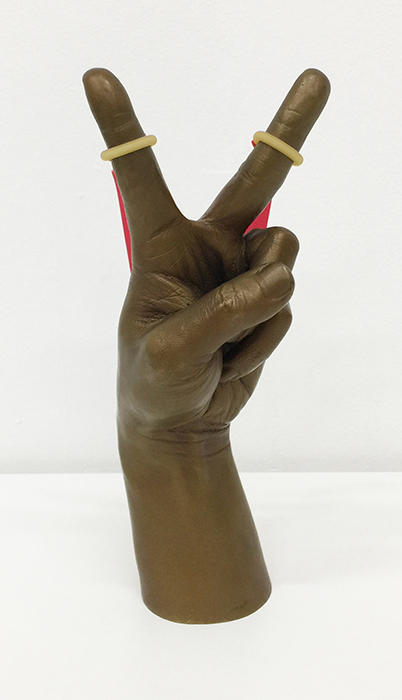
At times, the body of work Lee has produced seemed to emit an aura from which the emotional urgency associated with an excess of intellect and strategic sophistication had been erased. For instance, Lee's works neither seductively represent something nor drag it into ugliness. He does not employ highly specialized materials or deal with unfamiliar subjects.
Nor does he rely on excessively complex production processes, theoretical contextualization, or large-scale technical collaborations to complete his works. Instead, there is a kind of purposeless attitude, akin to a child's art—drawing, painting, and tinkering with one's hands as one pleases—as well as a somewhat intentional amateurism.
His works provoke a quiet chuckle and leave behind a fleeting bitterness. Rather than aggressively arguing about form, concept, circumstance, or the function of art, they gently invite contemplation.
“Wouldn't that be nice!” This is the overall sentiment I have always felt toward his work. Neither “It was nice” nor “It is nice,” the expression “Wouldn't that be nice!” hovers ambiguously between the future progressive and future perfect tenses, cutting across both subject and object. It may mean that the work itself would be nice; that it would be nice if things turned out that way; or that the viewer would be fortunate.
Perhaps the person for whom it would be nicest is the artist himself. His works, which still seem youthful, continue to look enjoyable. If asked what “fun” is, it is difficult to answer, but his particular humor lies in being amusing without pettiness and without seeming to try too hard.
Meanwhile, after weathering together a project that, for practical reasons, he ultimately could not participate in this year, I found myself wanting to look more closely at the small patches of shade and the shadows that lie between a certain crisis he has arrived at, his responses to it, his anxieties, and his solutions. There comes a moment when one begins to examine the opposite of things that had previously been too easily defined.
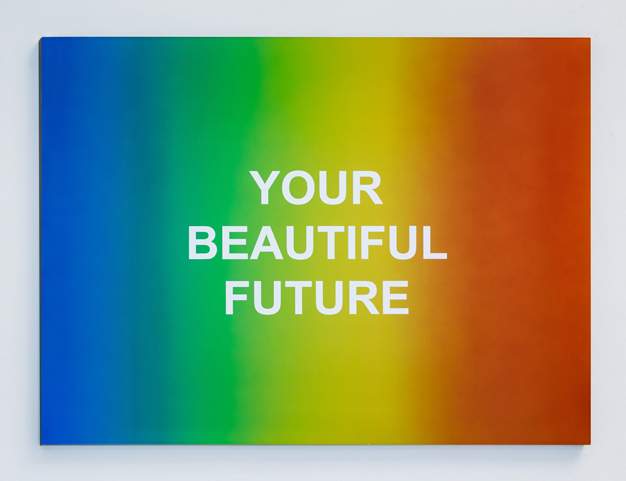
Perhaps that is why the two texts he sent from Montreal, though as sincere as ever, read somewhat differently this time. Their titles were “Recent Interests” and “It Is Not Too Late Yet,” but even before opening the files I had already mistranslated them in my mind as “Recent Interests” = “It Is Still Not Too Late,” and, with this rather biased perspective, began reading about his current situation and new concerns.
“Anxiety.” This, he said, is the concept that has seriously occupied Lee in recent years, as well as a thesis that reflects the realities of his life. Considering the artist's thoughtful temperament—serious enough to organize and share his recent interests and future plans in the form of an essay—and considering the general instability facing contemporary artists, it is a persuasive keyword.
More often than not, it is the affect of anxiety rather than tranquility that drives artists to create new work. Since the moment that an artist needs has arrived, and with it a crisis worthy of response, I try not to be anxious about his anxiety. The texts he sent contain his own methodology for confronting it.
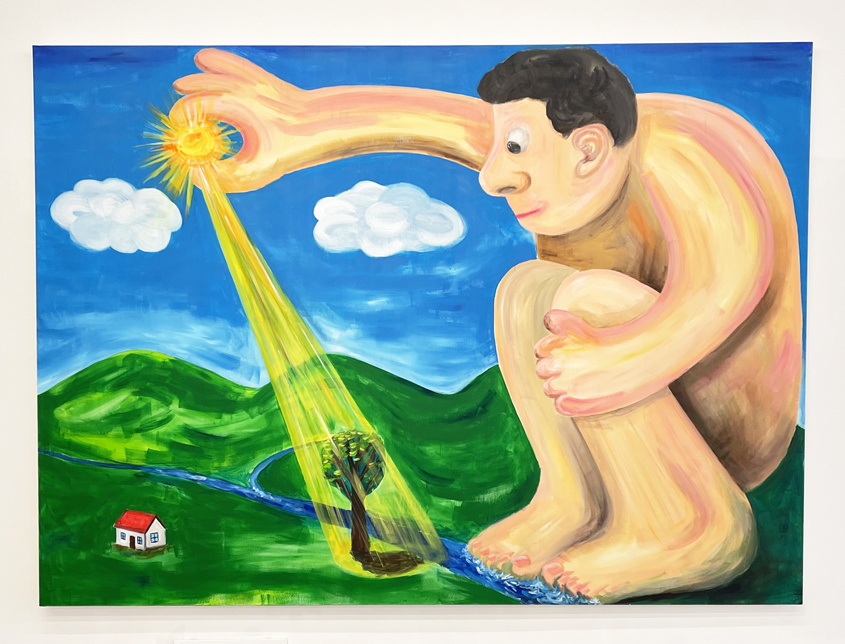
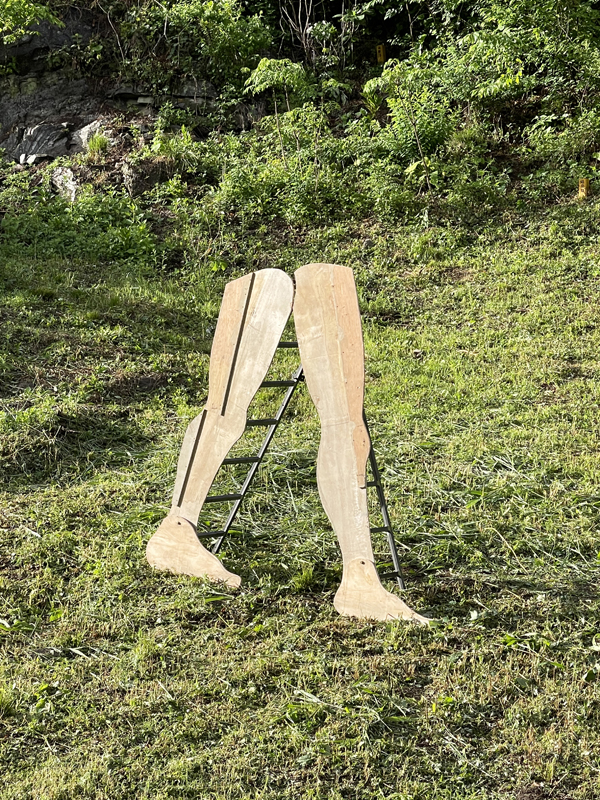
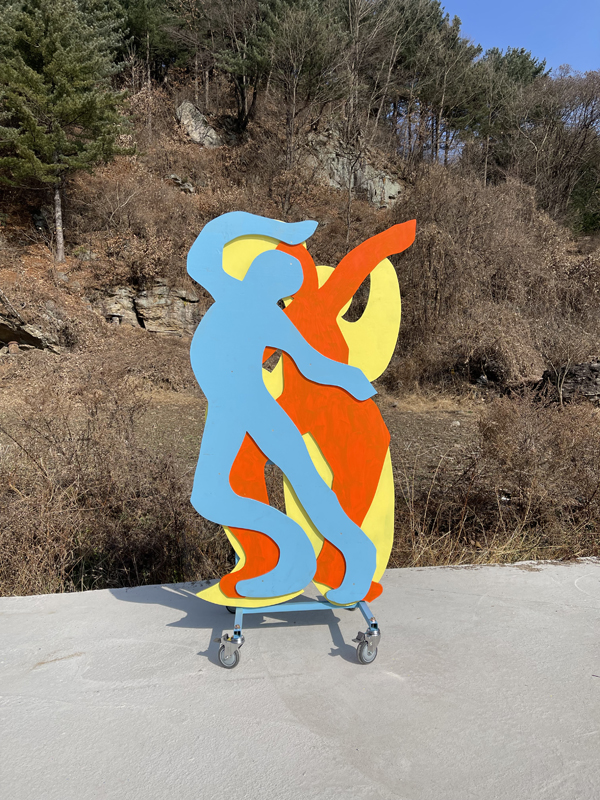
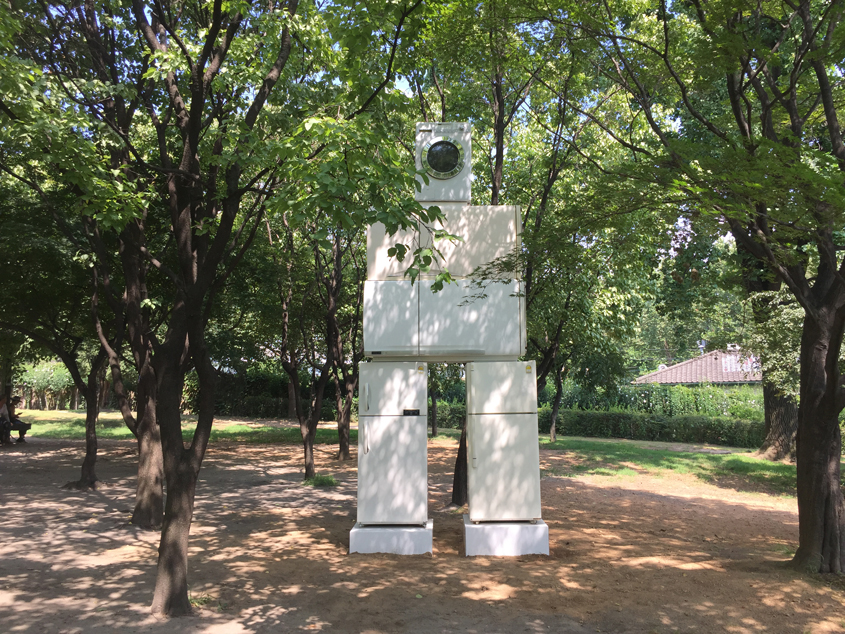
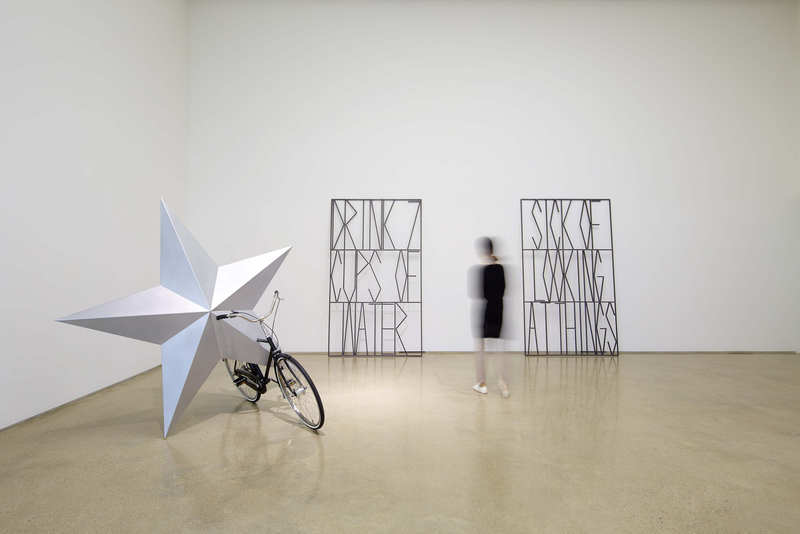
1. Rely on luck. 2. Dance. 3. Become a giant. 4. Travel into the future.
It is an eccentric yet surprisingly lucid manual whose elements are interconnected. I will refrain from offering individual interpretations, but the ways in which each mode of response links to his recent works are remarkably logical and refreshing in many respects.
Among the expressions he puts forward, the terms abstraction and tactility stand out formally, while concepts such as disappearance, lack, and amusement emerge more prominently on the level of content.
"It is never too late to say sorry."
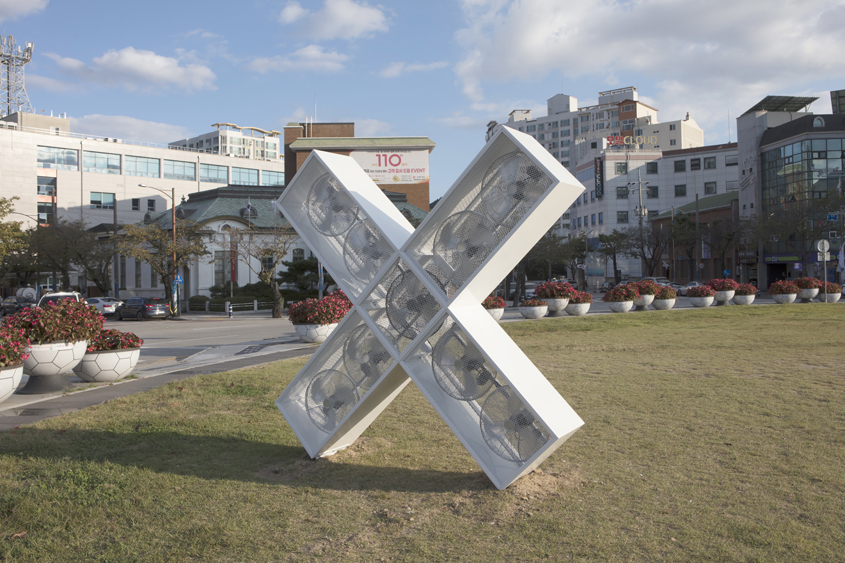
Lee begins his second text with the title of a public artwork by Elmgreen & Dragset. It is a piece of voluntary writing, composed in a tone that seems to have an unspecified reader in mind, yet whose purpose remains ambiguous.
Within it are contained thoughts on contemporary art and the particularities of the Korean art world, the relationship between art and society, and conflicted feelings about public art, suspended between morality and commercialism.
For me, the direction of that apology, much like the original work itself, can be interpreted and imagined on multiple levels. At its most immediate, it is an apologetic message from art to its viewers—or more specifically, from the kind of counterfeit art conceived as ceremonial commodities to the people and spaces of today.
If I were to project a more active meaning onto it, I would like to interpret it as a declaration: I (the artist) will think and act more deeply in order to create an art that need not apologize to people, and as a pledge to laugh off and overcome, in amusing ways, the crises that stand in its way.
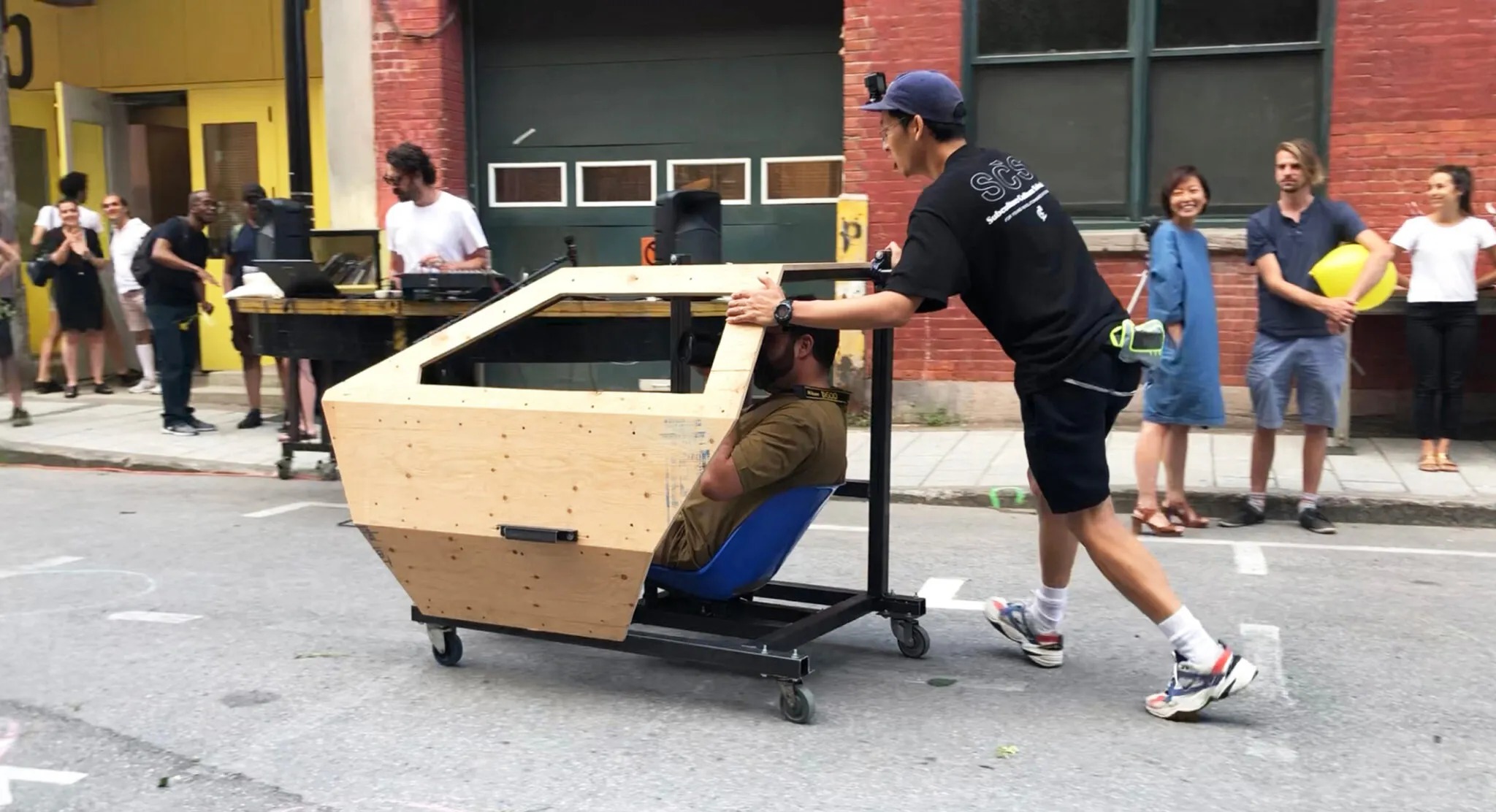
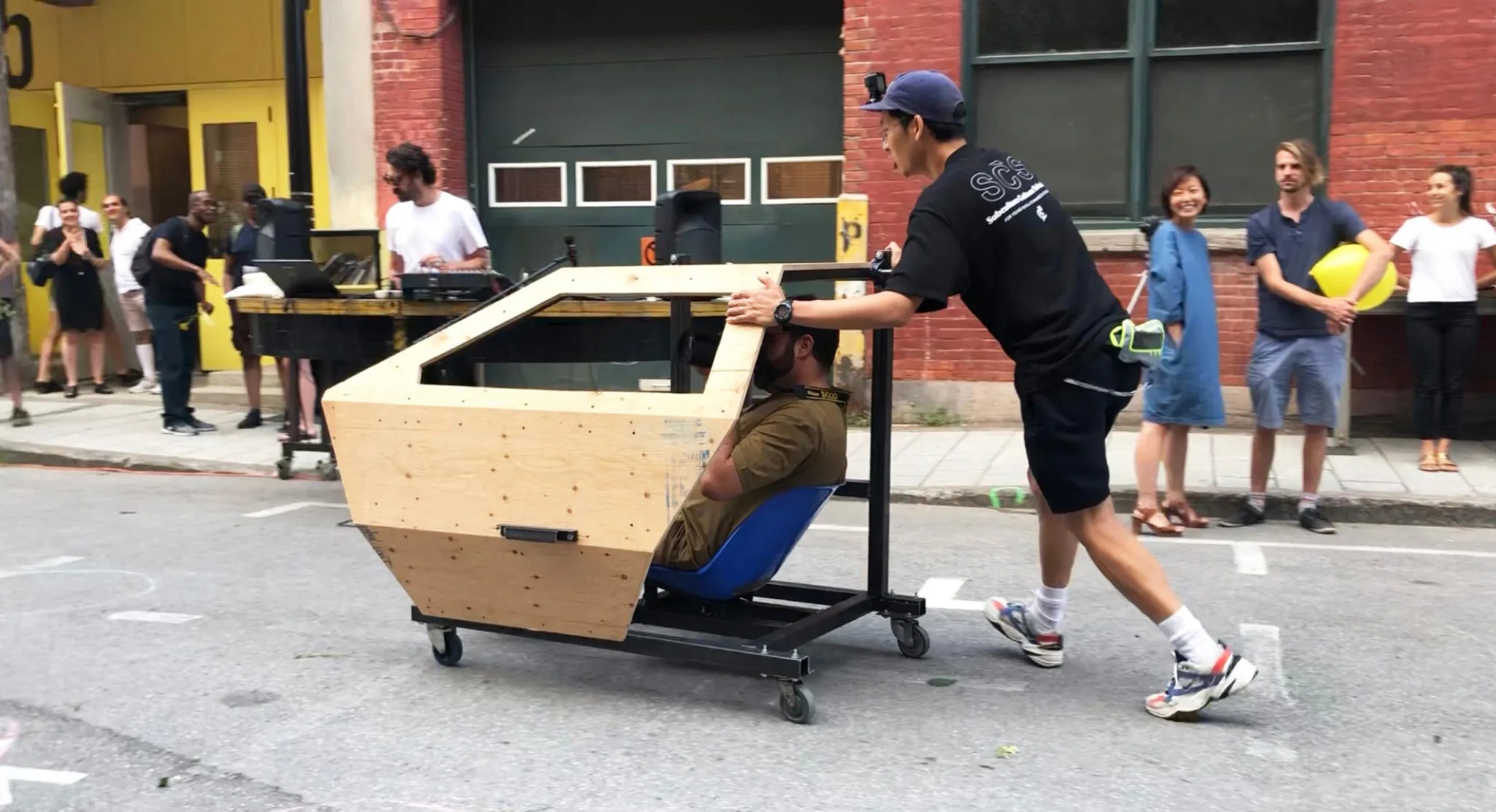
I imagine the artist, having become a giant, relying on luck, carrying various people aboard the makeshift time machine he has fabricated, dancing together as they journey toward the future. In that place where yesterday, today, and tomorrow intermingle, temporal markers such as already, still, yet, and already again are probably useless boundary words.
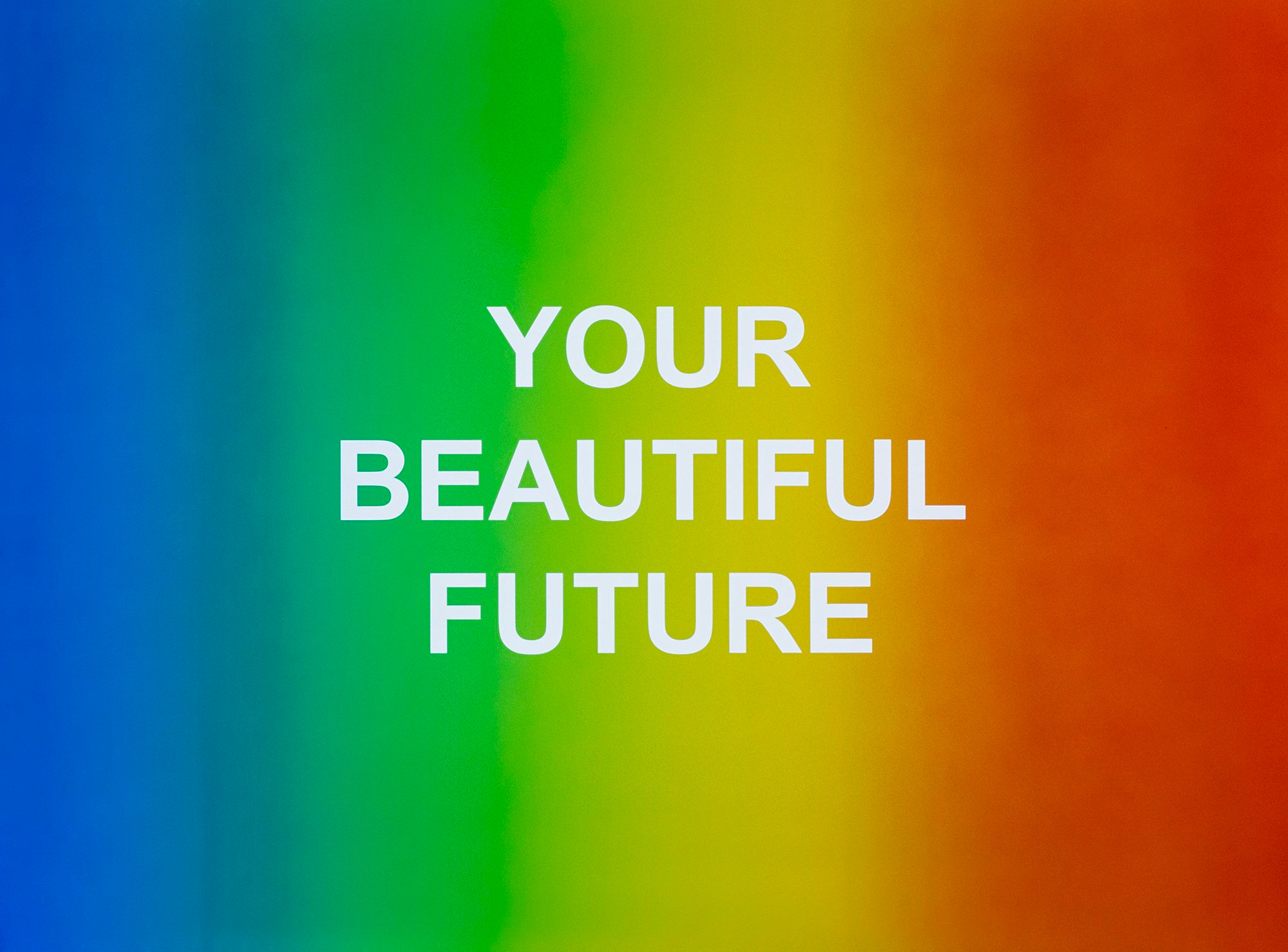
Today, when anxiety has seeped so deeply into our lives, it is strangely awakening to hear someone say, not that it is already too late, but that it is still not too late.
Tonight, I should send a reply filled with gratitude.