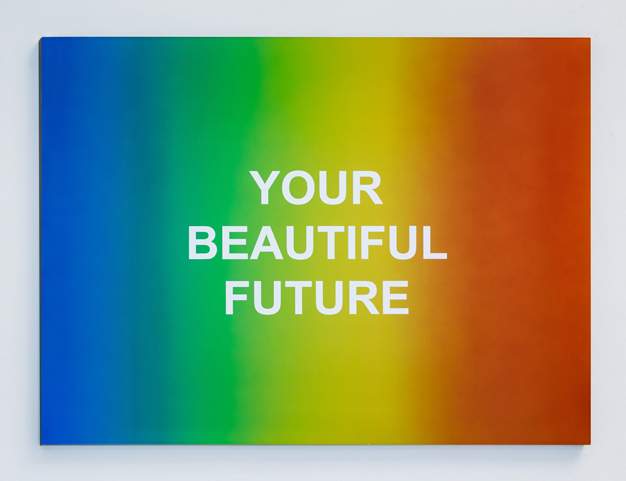
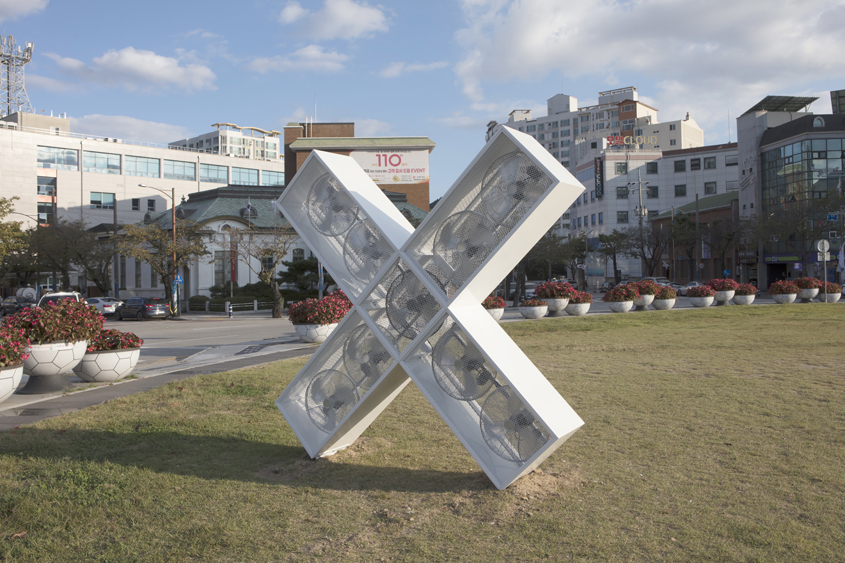
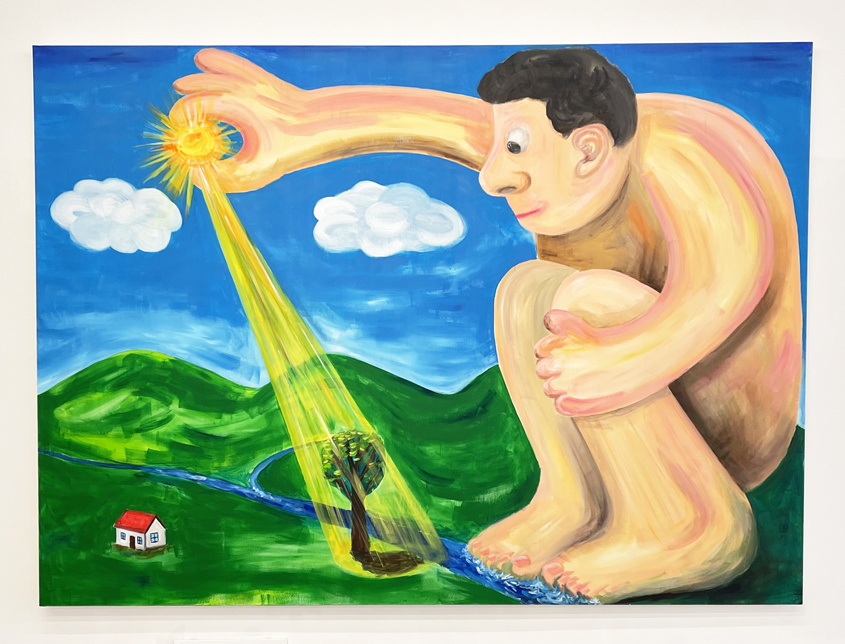
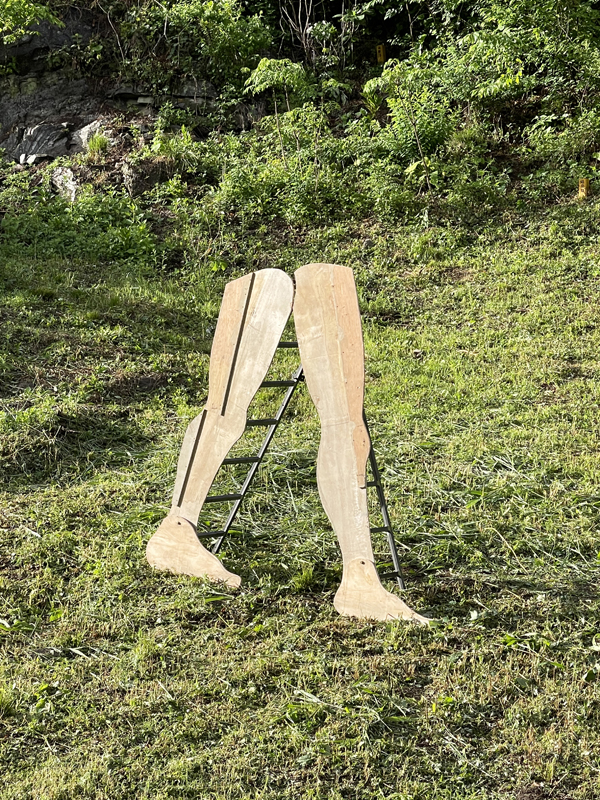
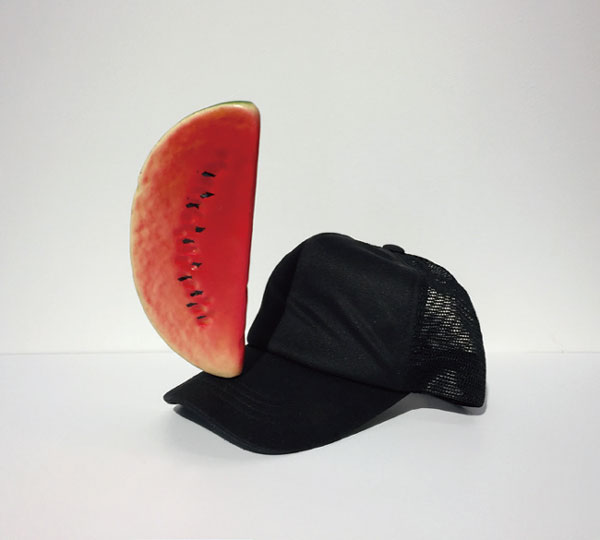
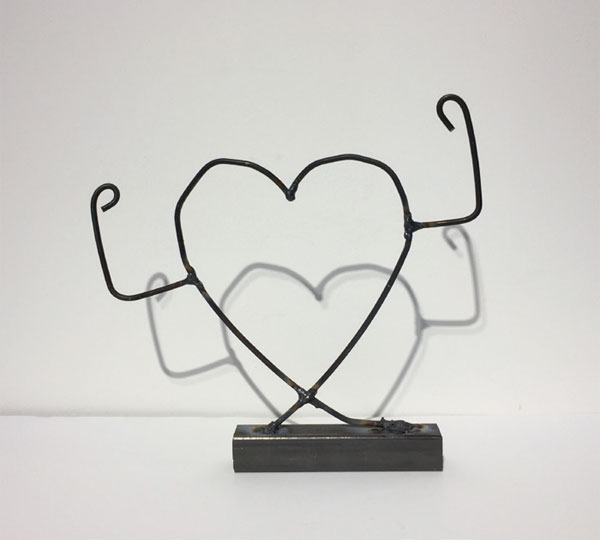
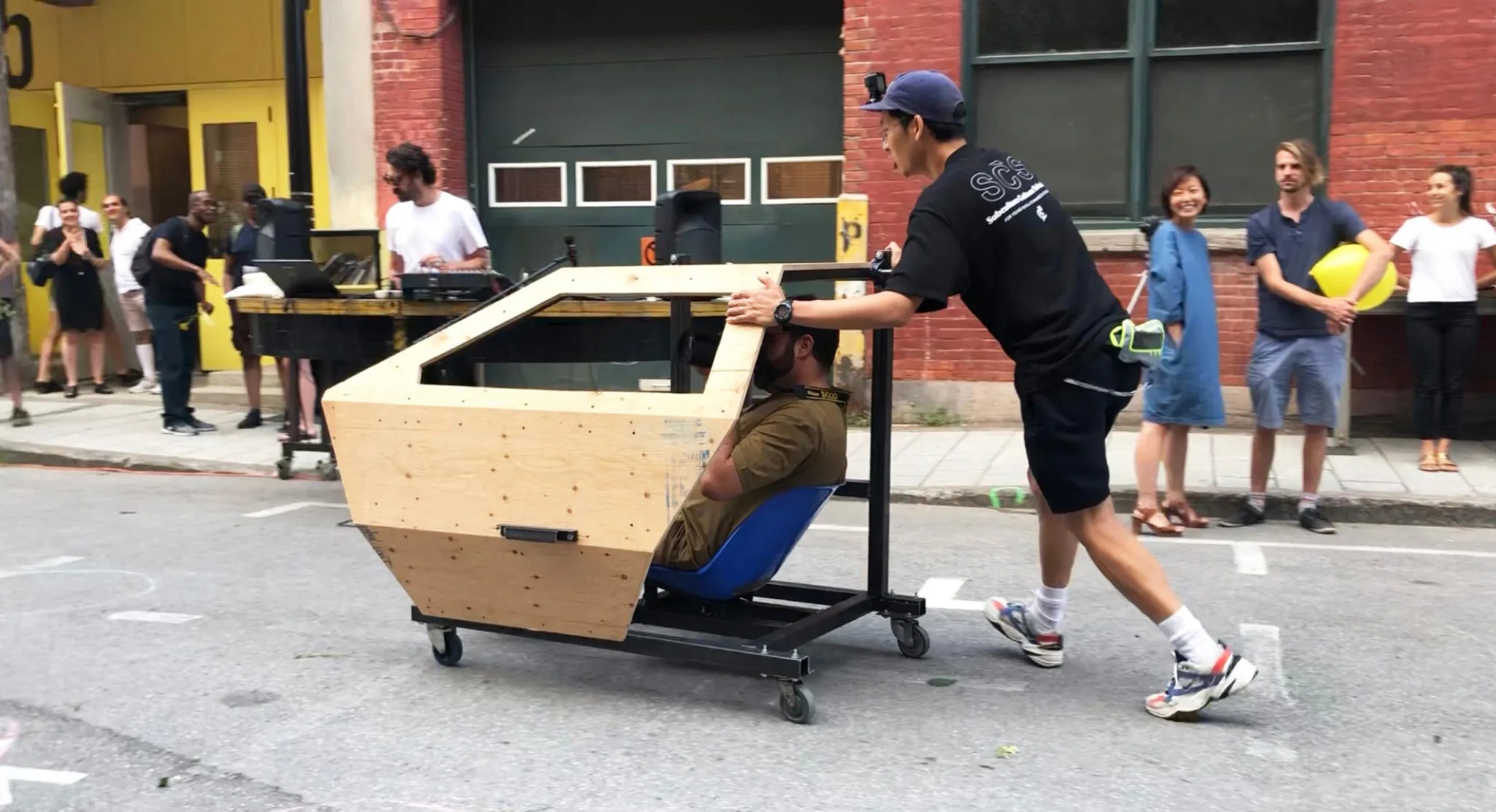
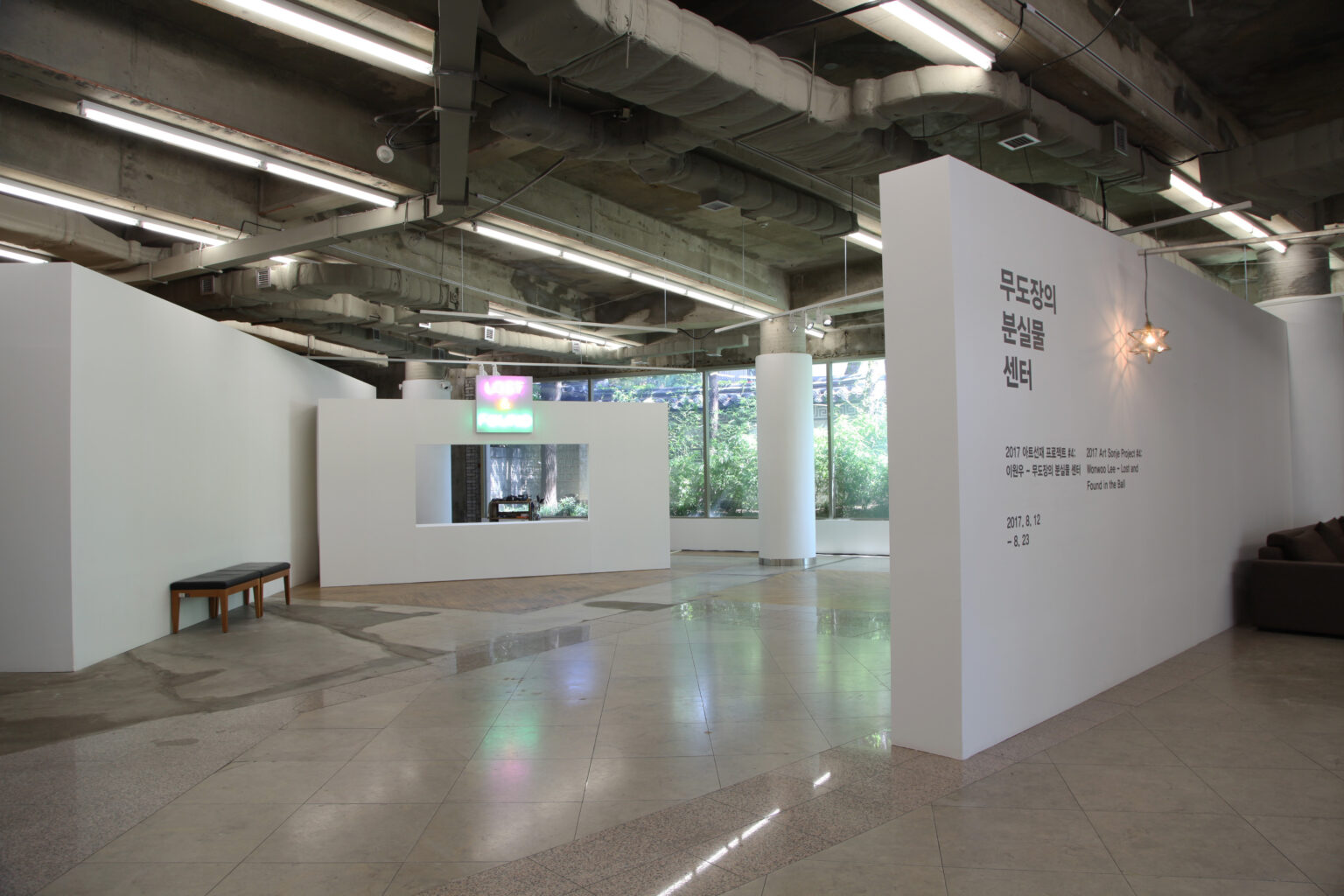
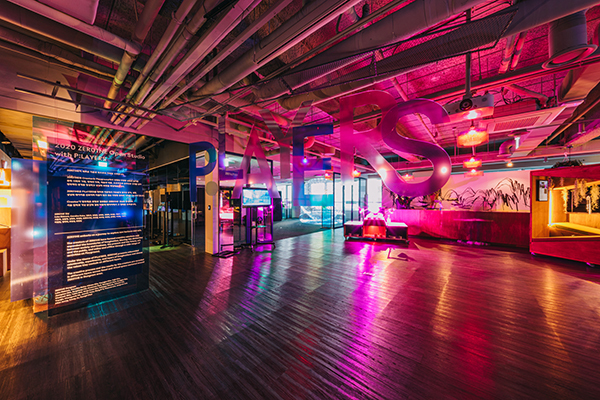
For ten consecutive days, he worked without pause, making artworks from noon until 7 p.m. each day.
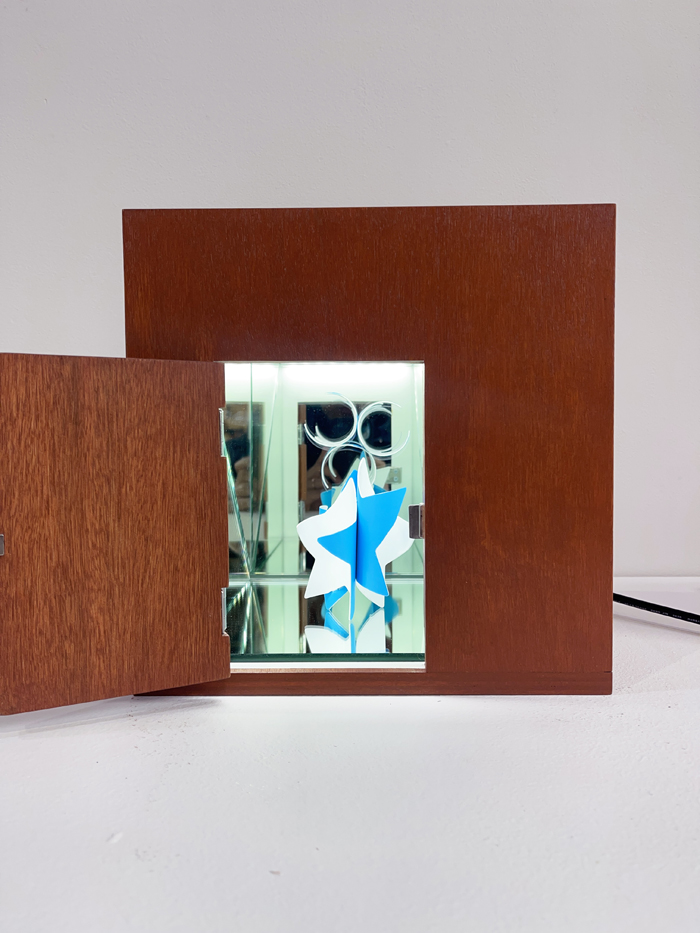
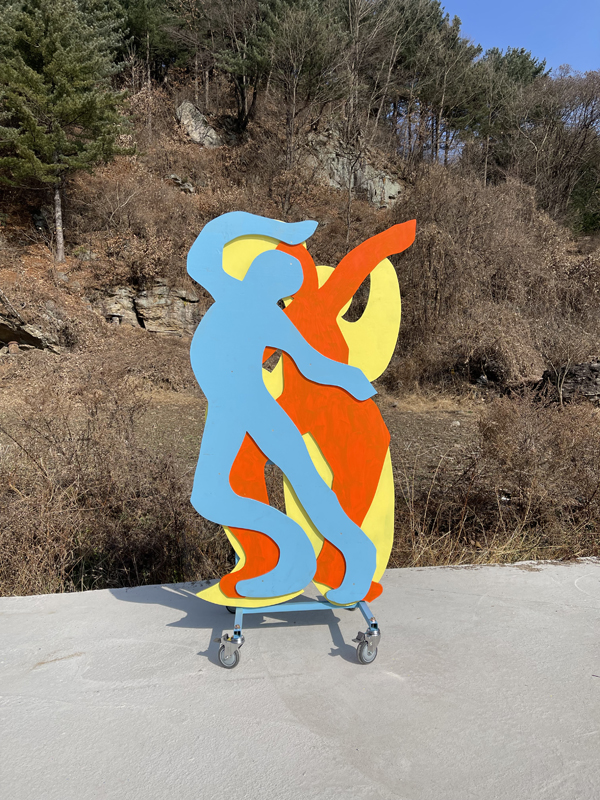
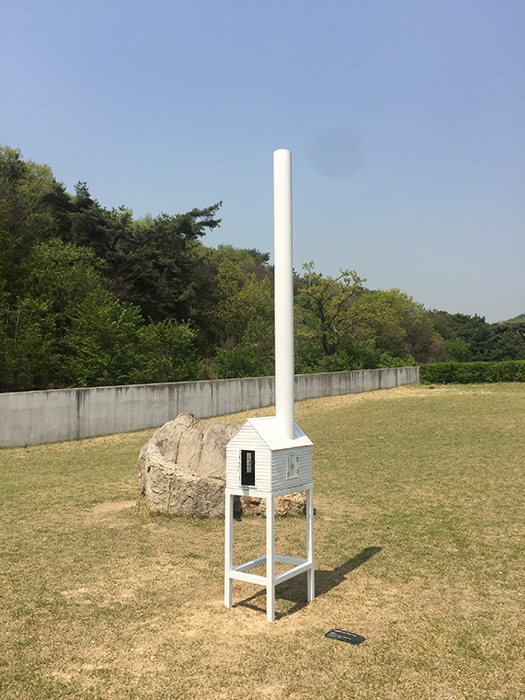
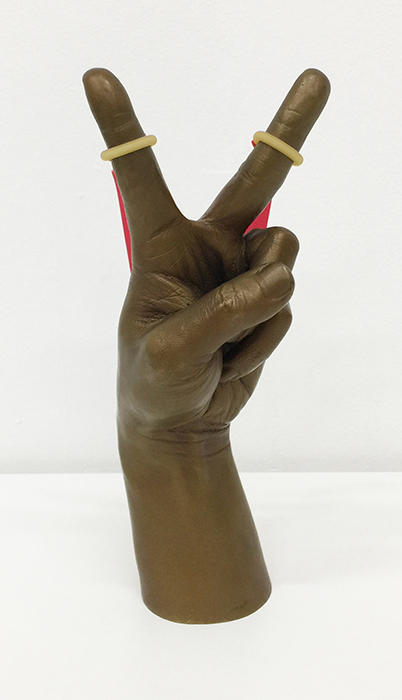
“I created around thirty pieces a day, spending about ten minutes on each person. A remarkably diverse range of visitors came, from six-year-old children to people in their sixties. Listening to their stories, I made sculptural objects using materials I had brought from my studio, such as wire and plywood. Many people said they wanted to recover love, youth, passion, or their original aspirations.
Even a twenty-year-old said he wanted to find his youth, and when I asked why, he replied, ‘I don't want to grow old.’ One day, when it was pouring rain, a man in his fifties rushed in and asked me to help him find his parents, who had passed away thirty years earlier. It was deeply moving. A woman in her twenties with a hearing impairment said she wanted to find sound, and another visitor wanted to recover their ‘love cells.’
Of course, I couldn't literally return these lost things, but the performance was intended to console people for the sadness and emptiness of what they had lost. I believe an artwork is completed only when it triggers a kind of chemical reaction in the viewer's mind, and this time it was fascinating to create customized works mediated by each person's memories.”
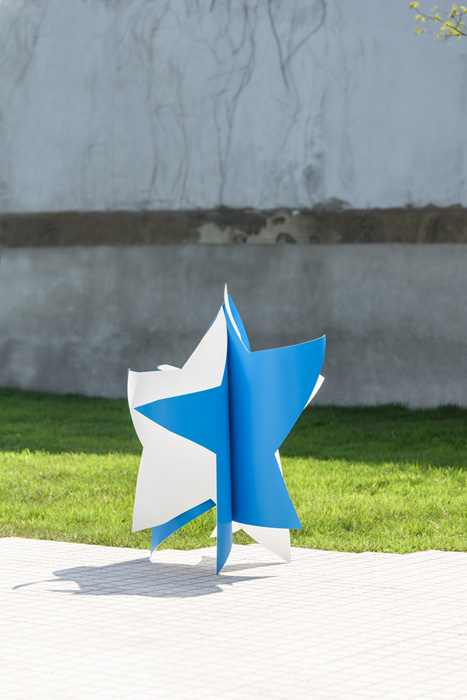
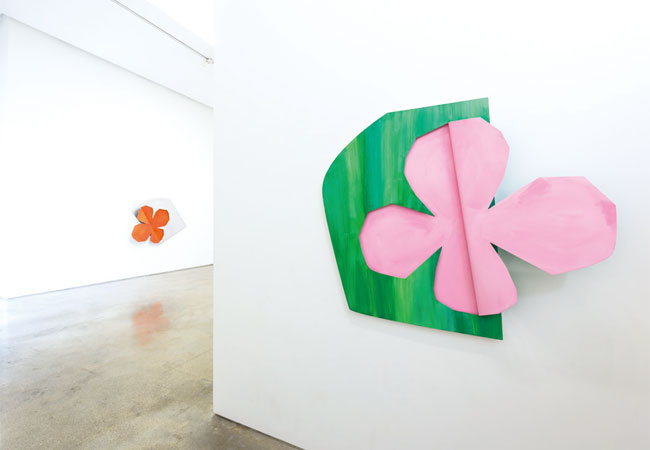
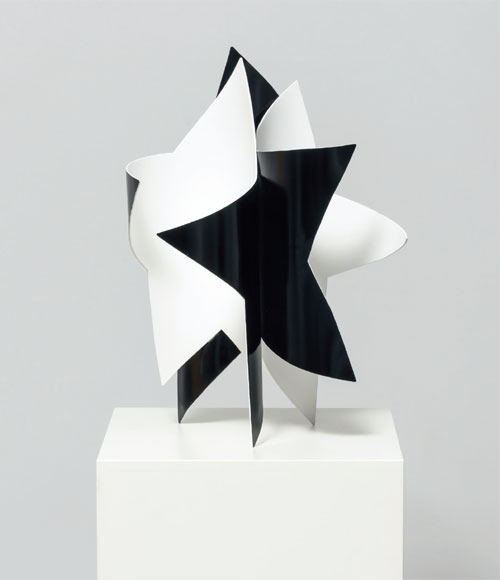
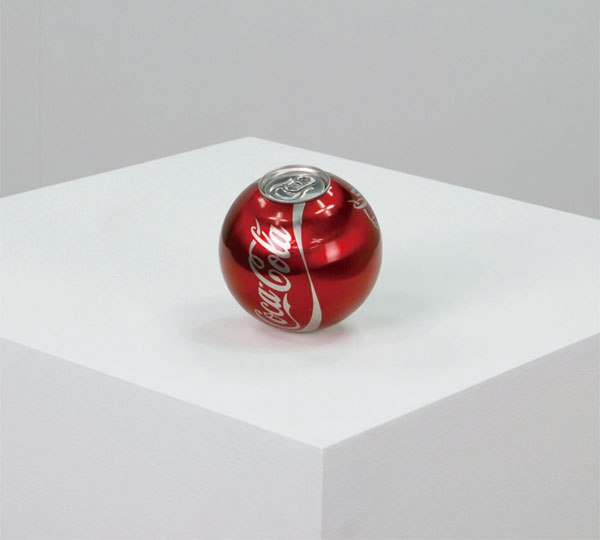
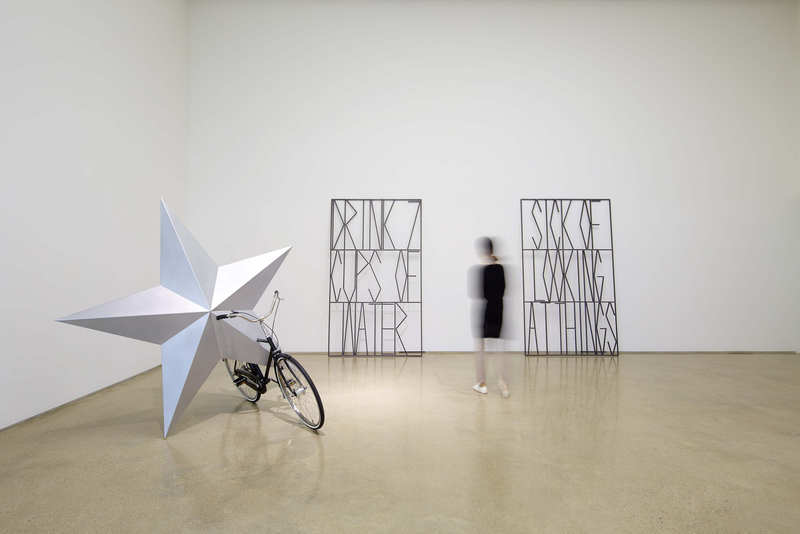
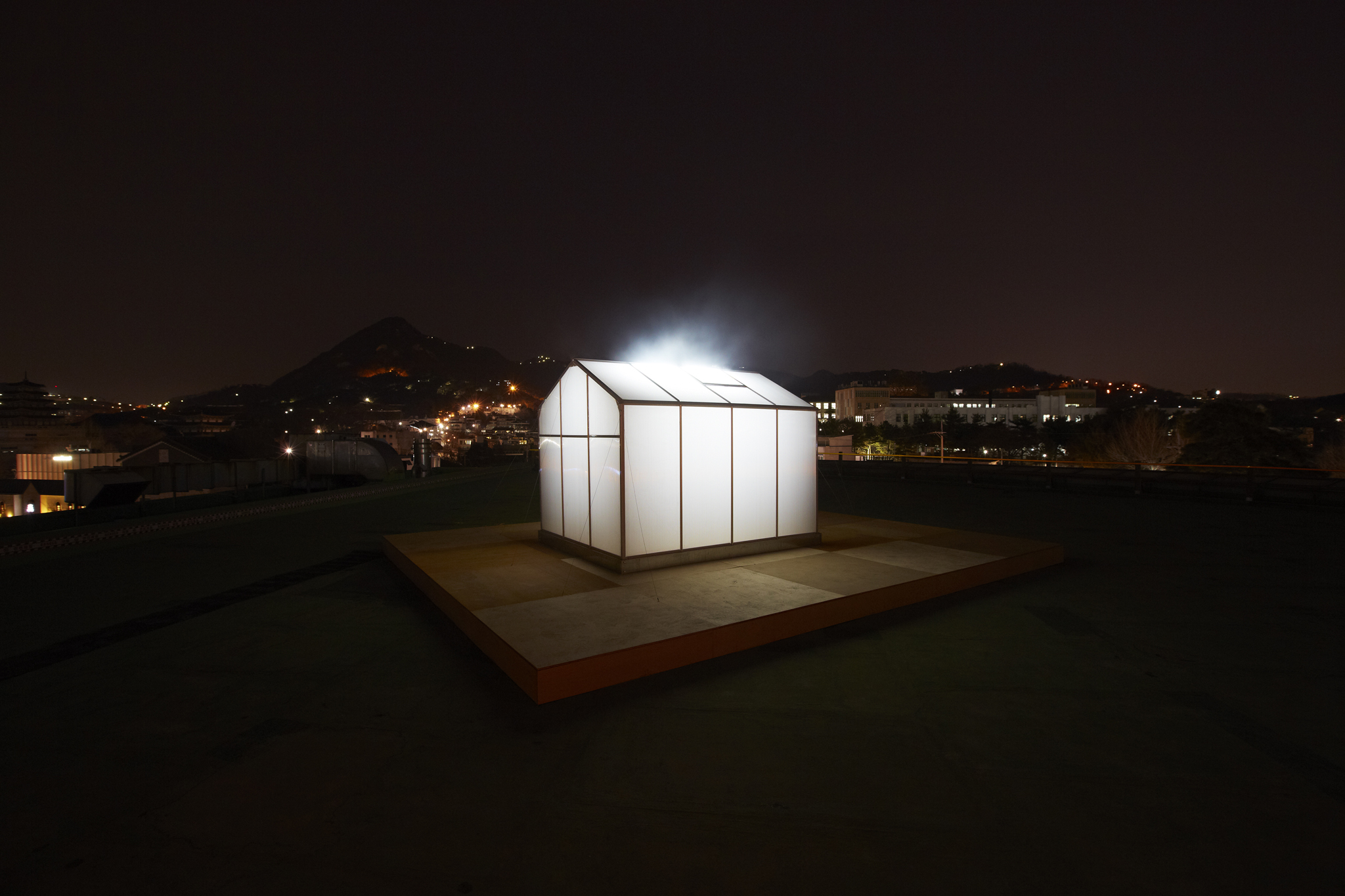
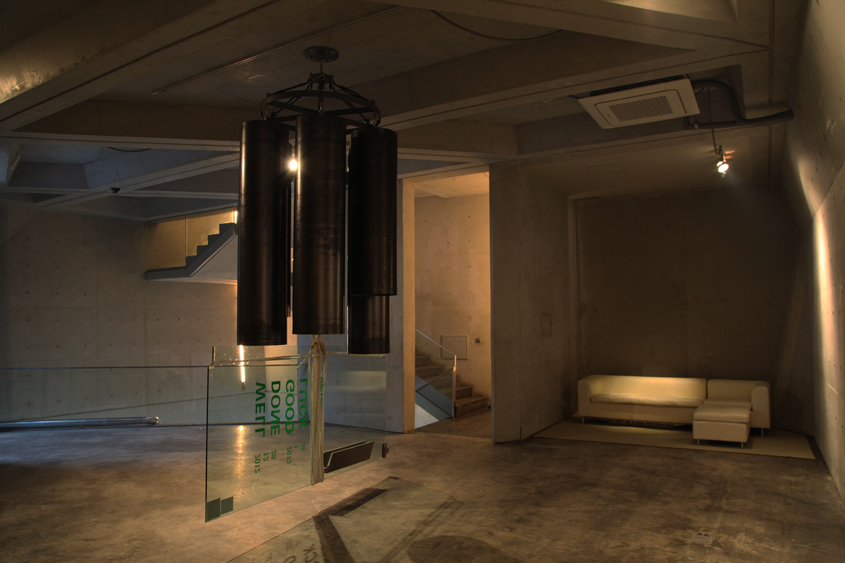
Looking at the sculptural objects the artist documented in photographs, it was astonishing how he had managed to create such original works in so little time. “At first, every time I received a request, I would break into a sweat wondering, ‘How should I make this?’ But then I came to believe that ‘the first idea that comes to mind is the right one,’ and I began making them very quickly.
I think it was possible because I had spent nearly ten years training myself by working in my studio every day.” In fact, it was not merely ten years of training. Like his young daughter today, Lee had enjoyed making things with his hands since childhood. His father, a historian, used to tell him, “Find something you can do while playing for the rest of your life. Do something that brings you joy.”
This advice eventually led him to study sculpture at Hongik University. Having collaborated with friends since his university days through the collective “…Good Project,” he left for the United Kingdom in 2010 to study at the Royal College of Art.
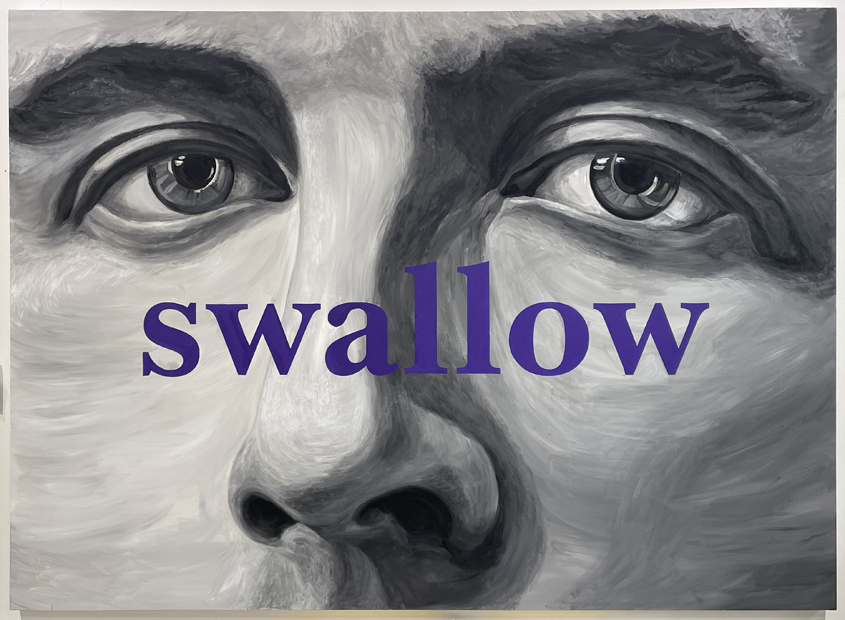
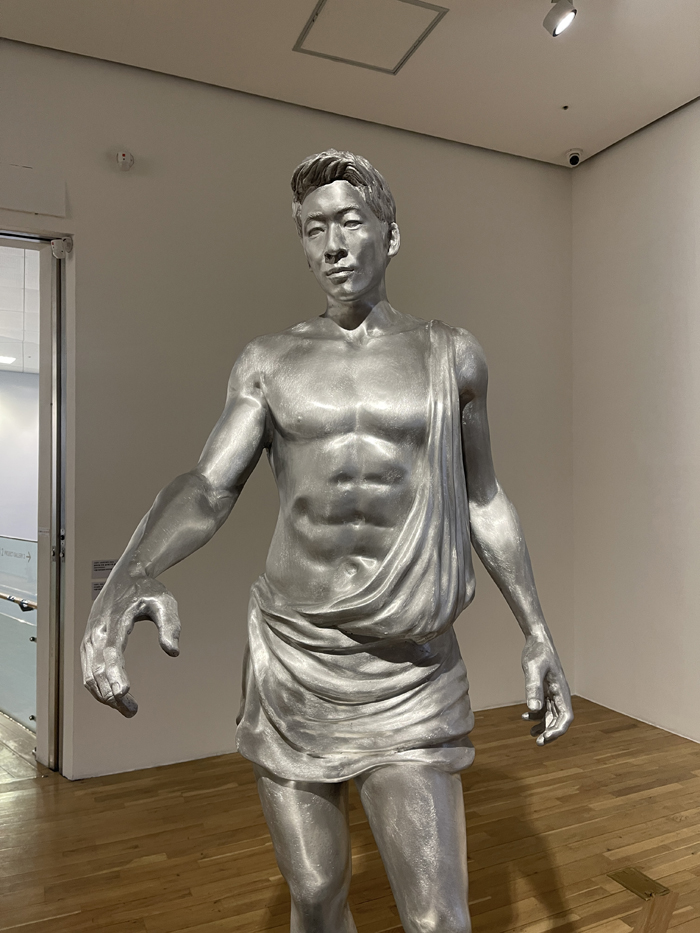
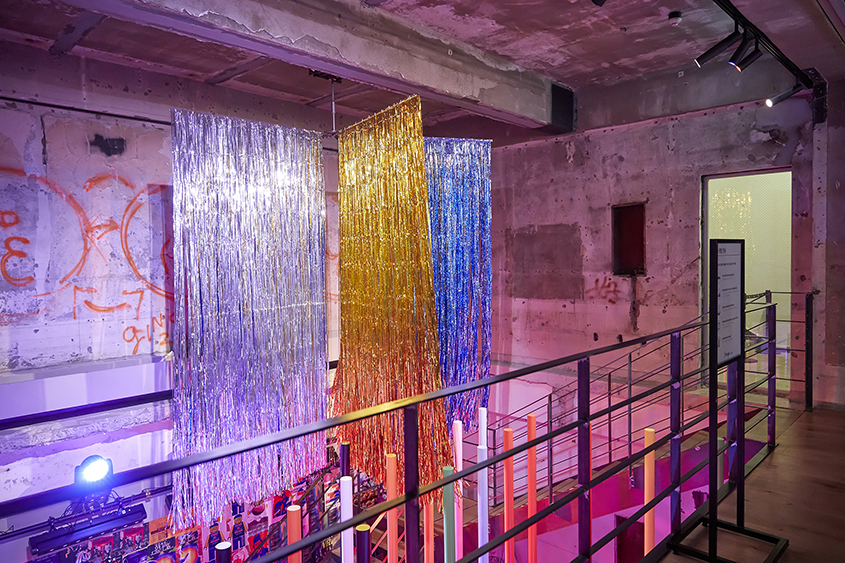
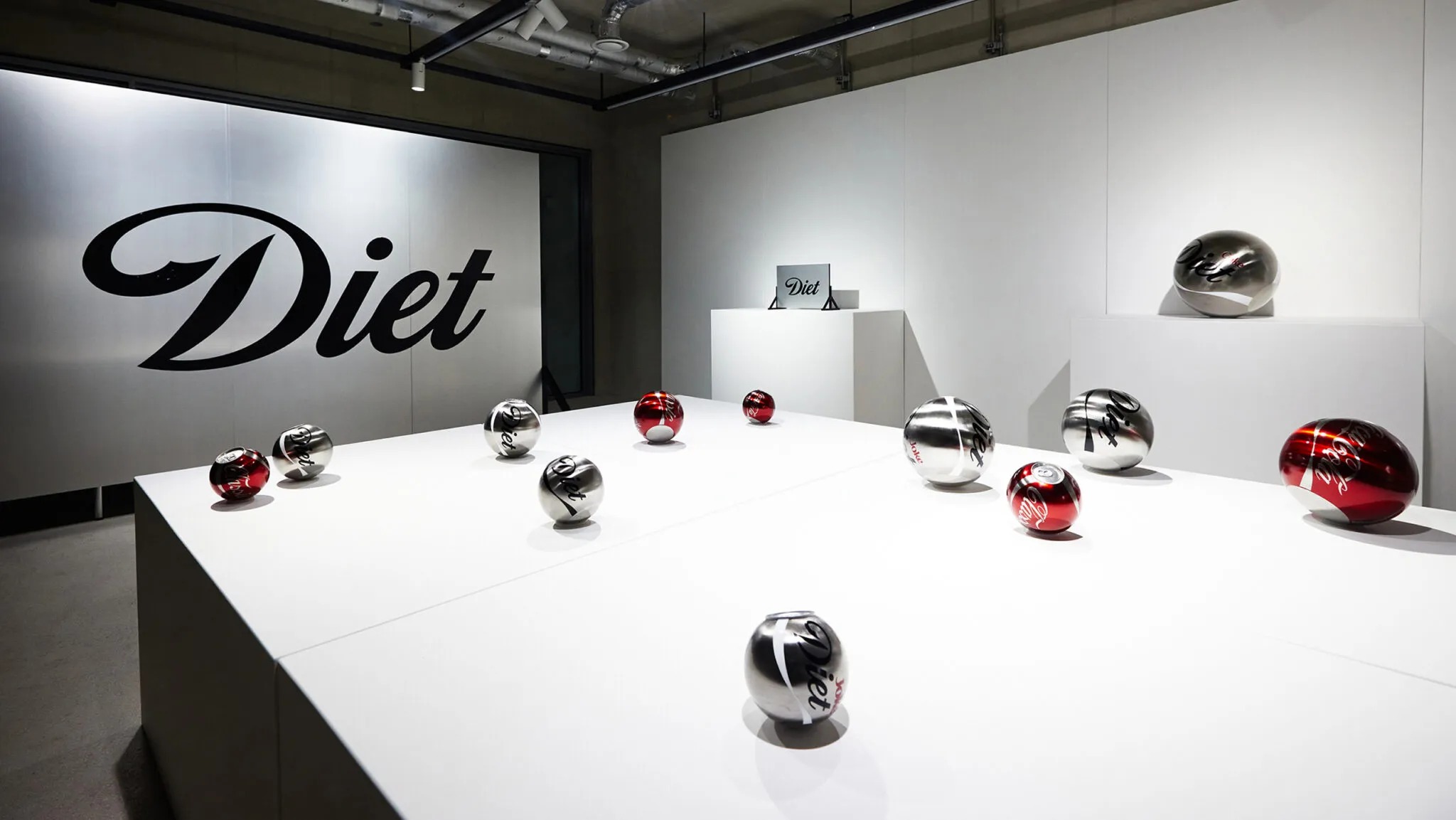
“Since university, I've worked across media, moving between sculpture, installation, performance, video, and painting. Yet I also felt a subtle pressure to ‘find your own medium, your own material.’ In Korea, if you want to establish yourself as an artist, you're expected to distinguish your unique identity as quickly as possible.
Studying in the UK gave me confidence and conviction that I am an artist who works across a broad spectrum through the use of diverse media. Rather than being bound to a single medium, I choose the materials and methods of expression that can best convey what I want to say at a given moment.
Richard Wentworth, the renowned British artist who was the dean when I was studying there, often said, ‘My head is my studio.’ I learned a great deal from his flexible attitude.”