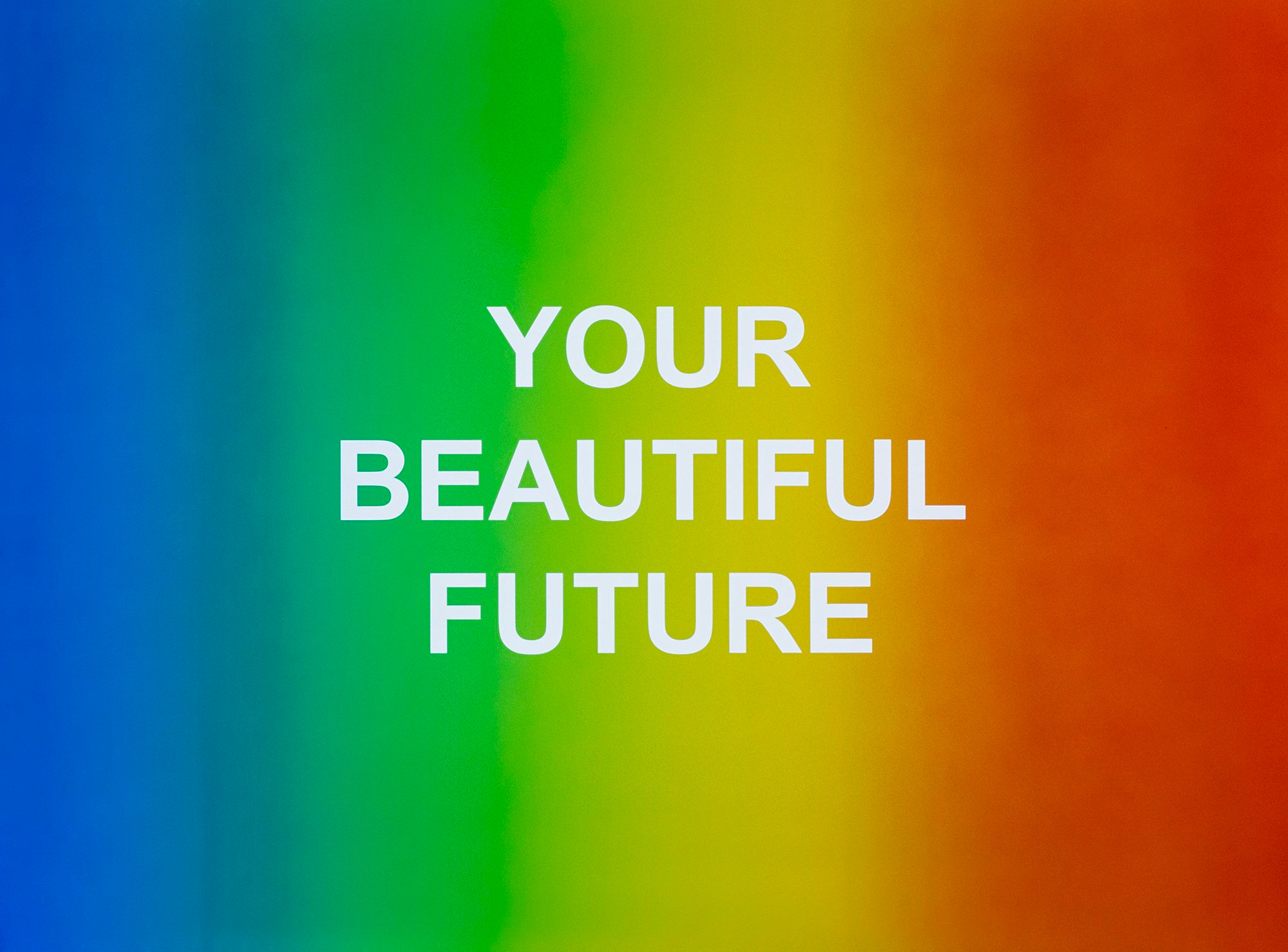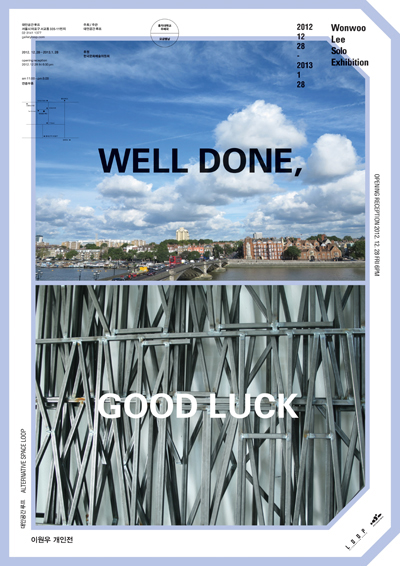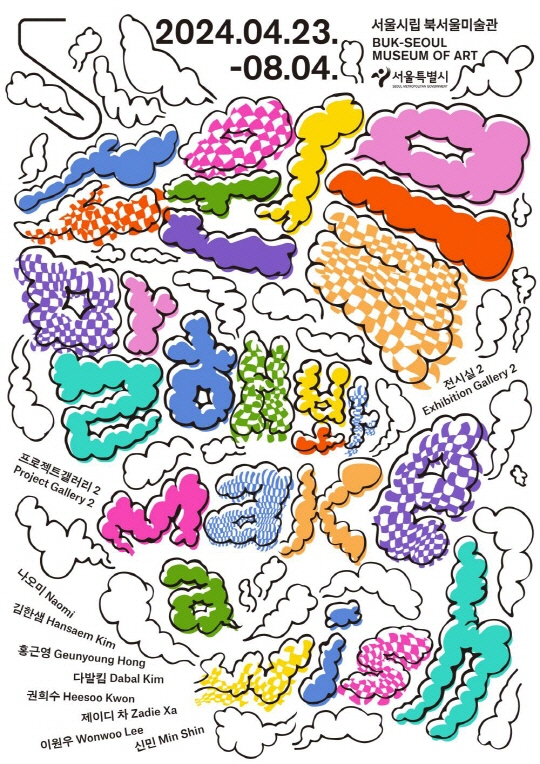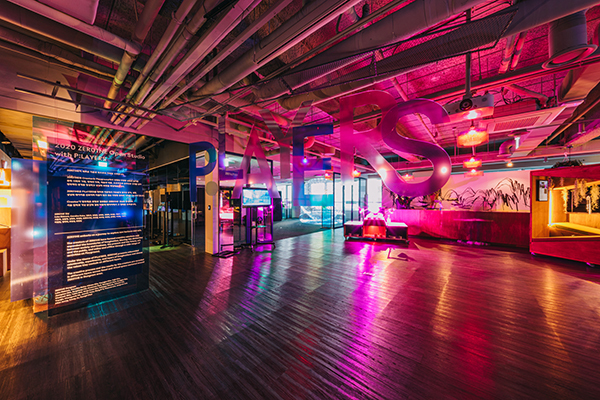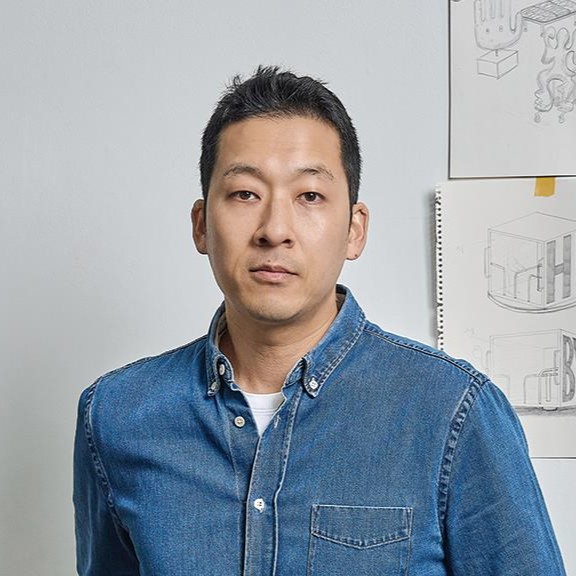


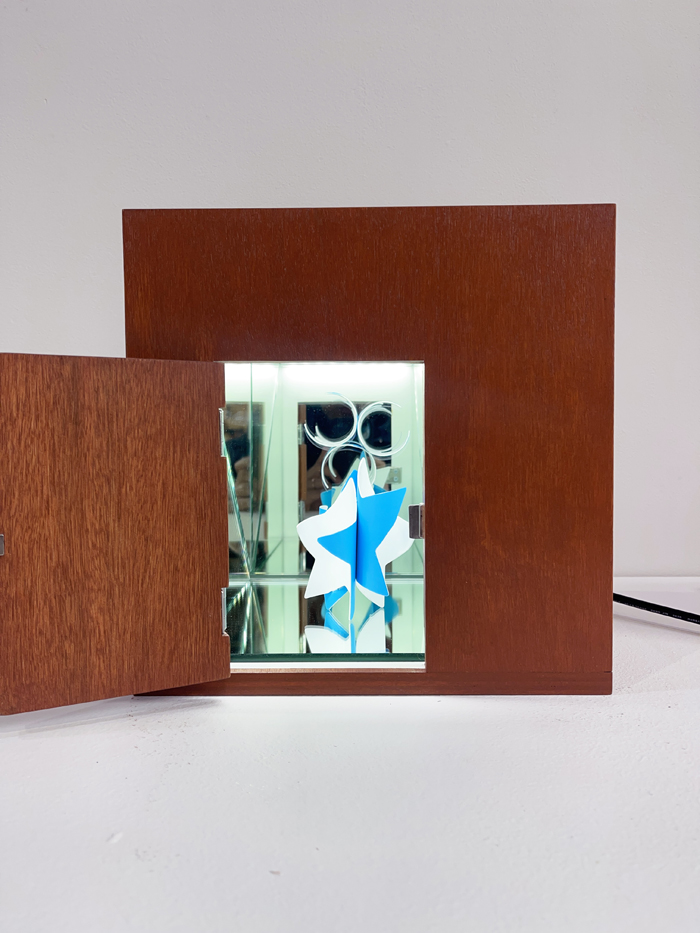
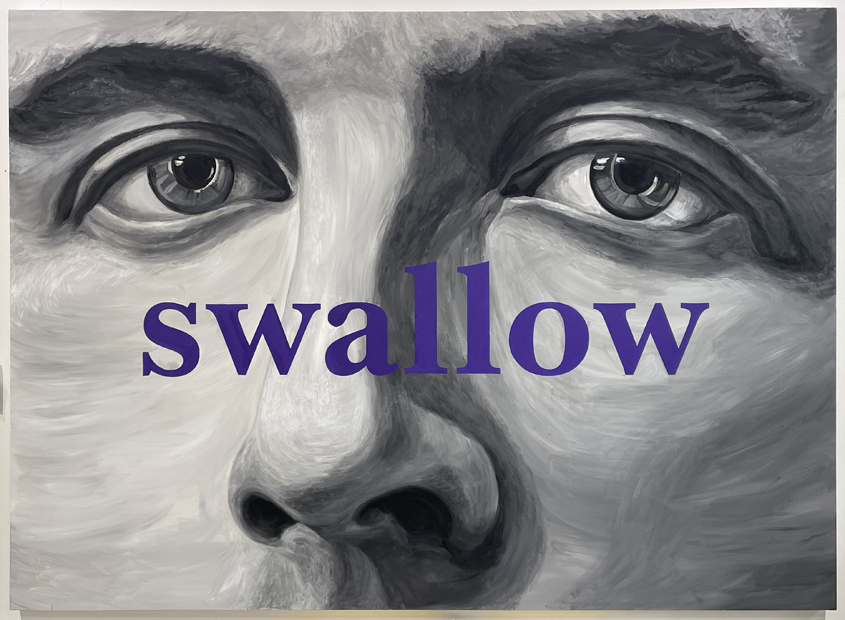
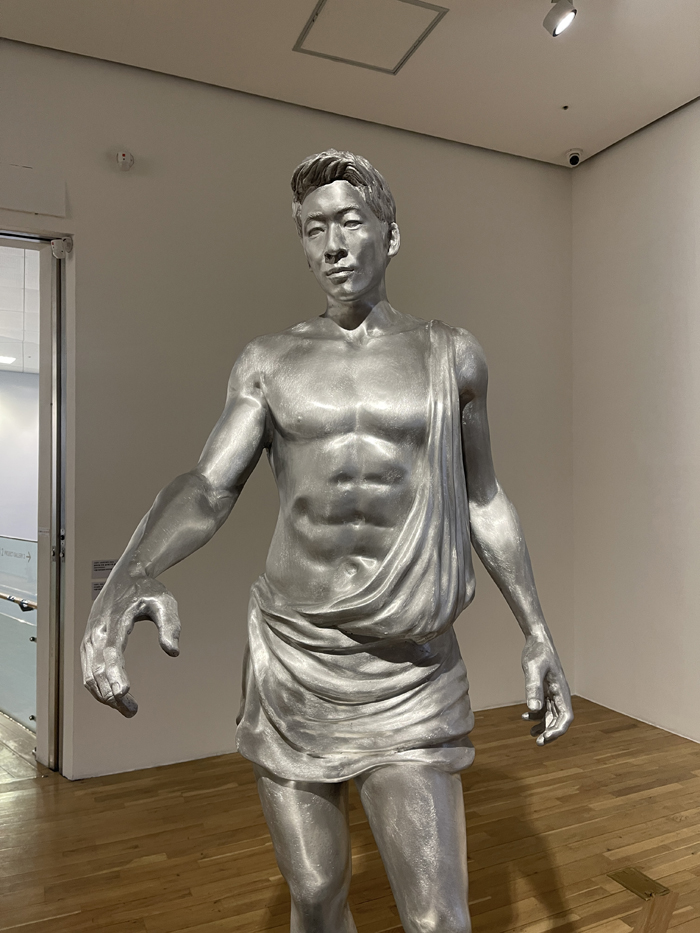
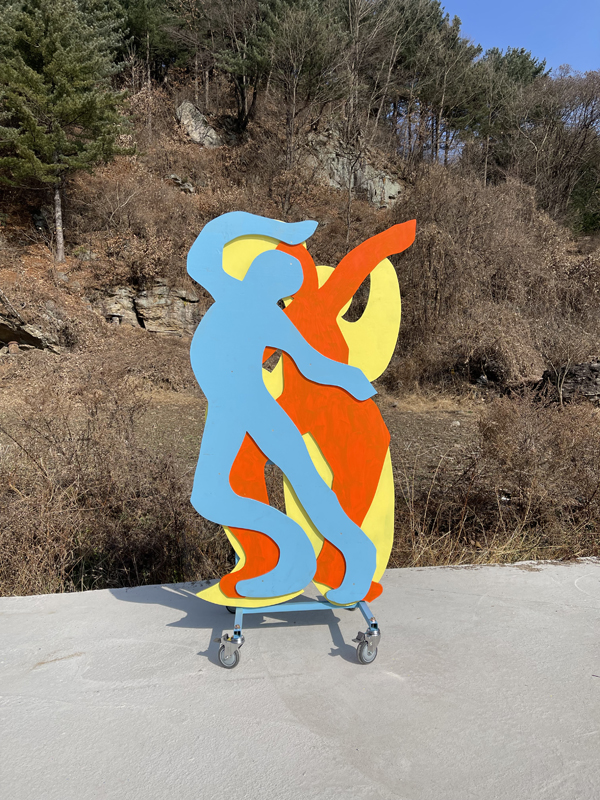
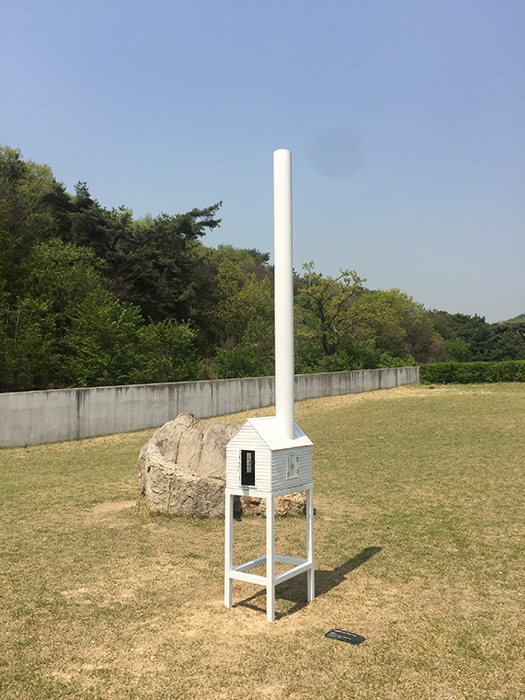
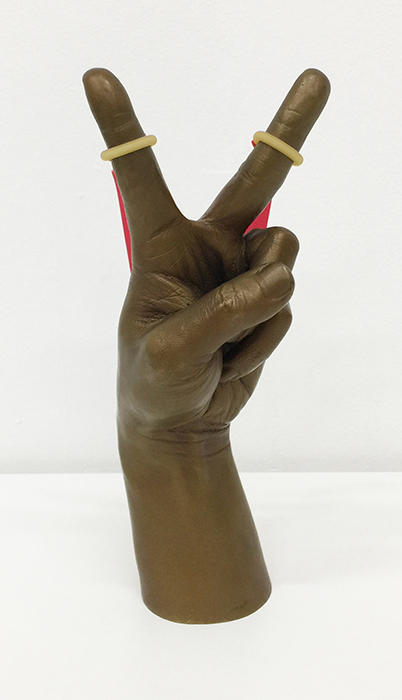
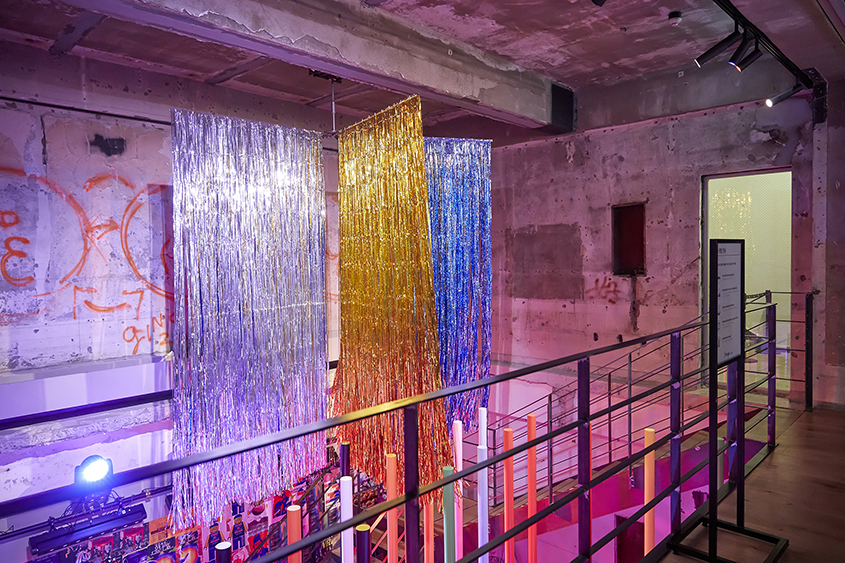
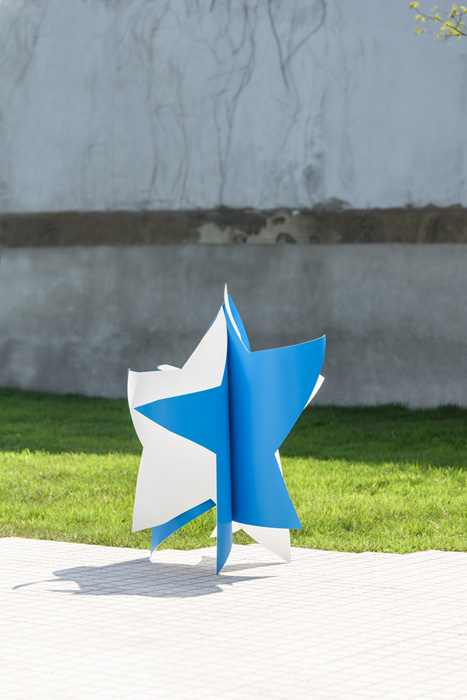
Poster image of 《Well Done, Good Luck》 © Alternative Space LOOP

Wonwoo Lee’s practice begins with the broad proposition of reexamining ordinary life through the external depiction of personal reflection. These reflections flow outward in the form of “humor,” an essence distilled from events encountered in his own life. This humor focuses on activating not only physical space but also the space between the artwork and its audience.

In this sense, the artist’s intention to fill empty space with humor is not an attempt to present a meticulously completed narrative. Rather, by throwing out a witty joke, he embraces the possibility of generating further layers of thought.

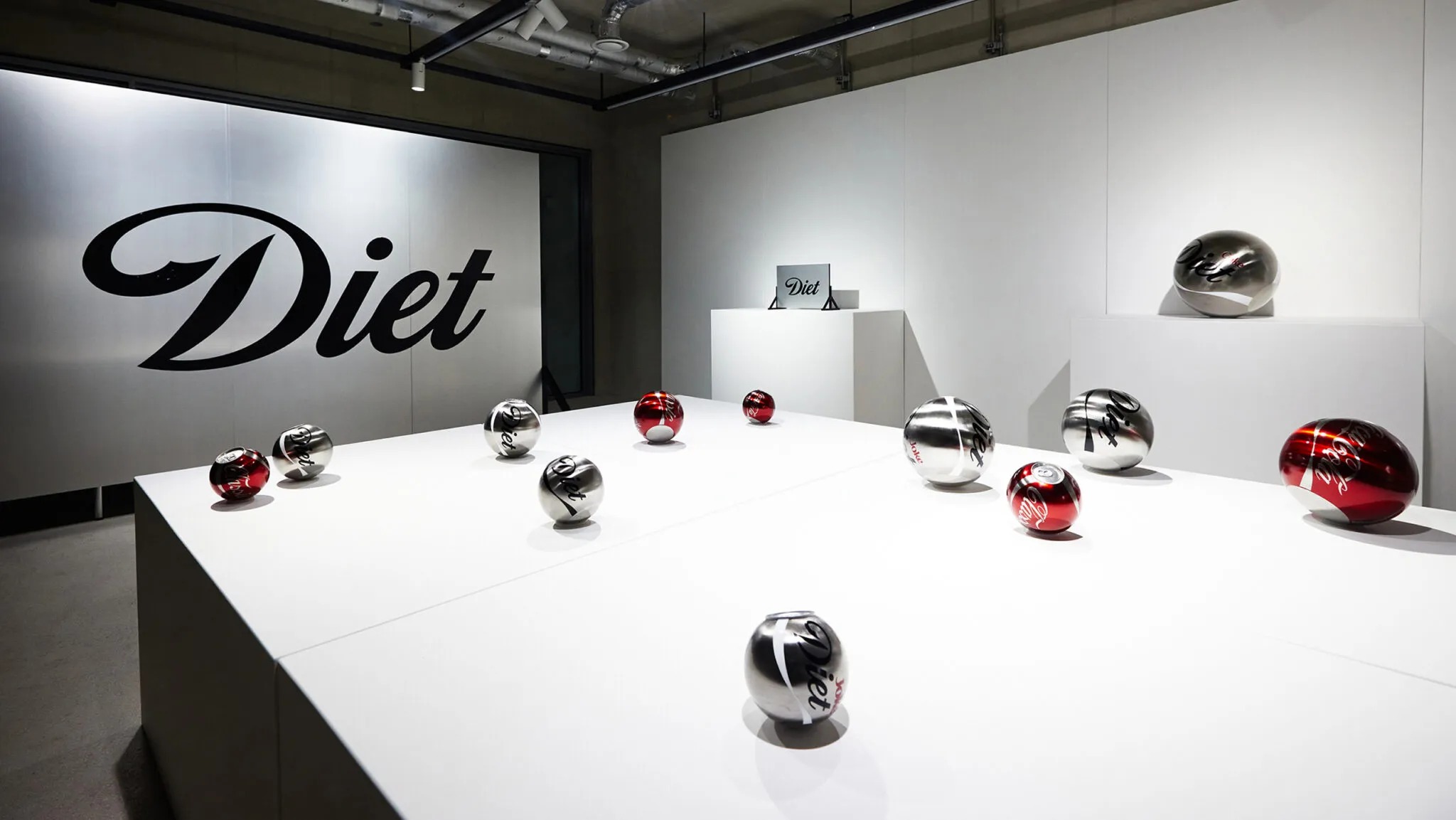
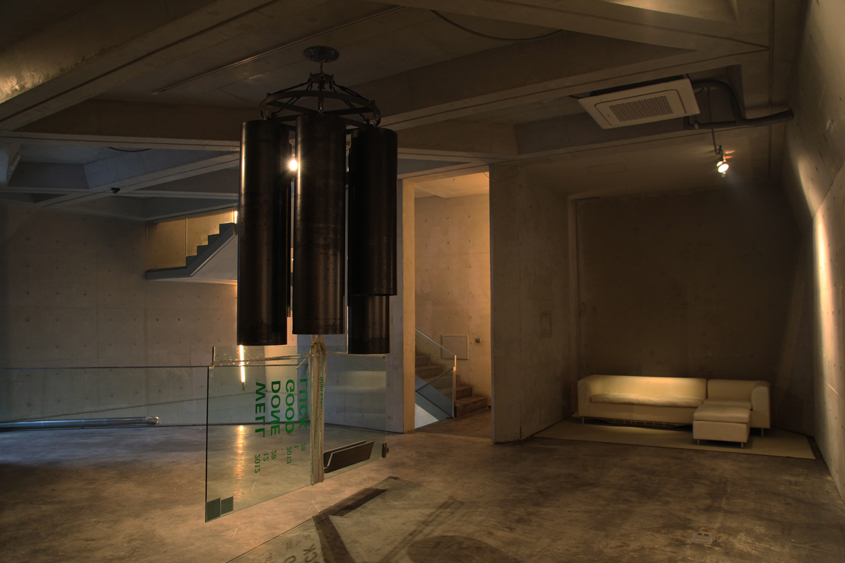
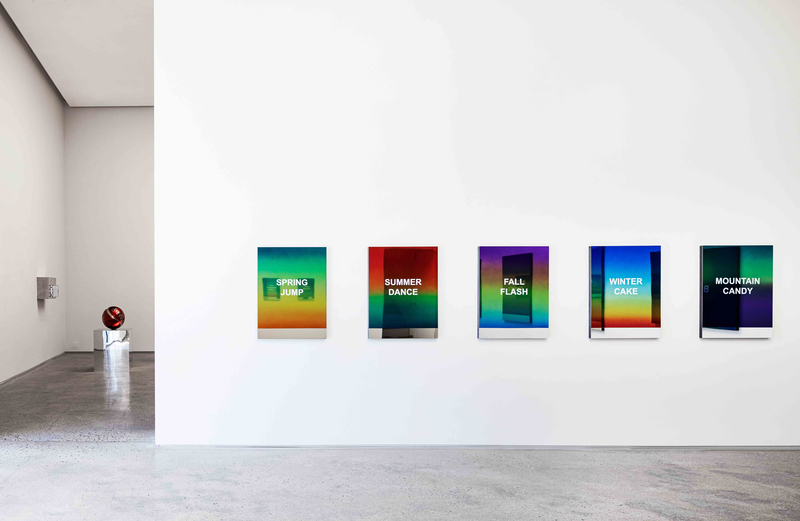
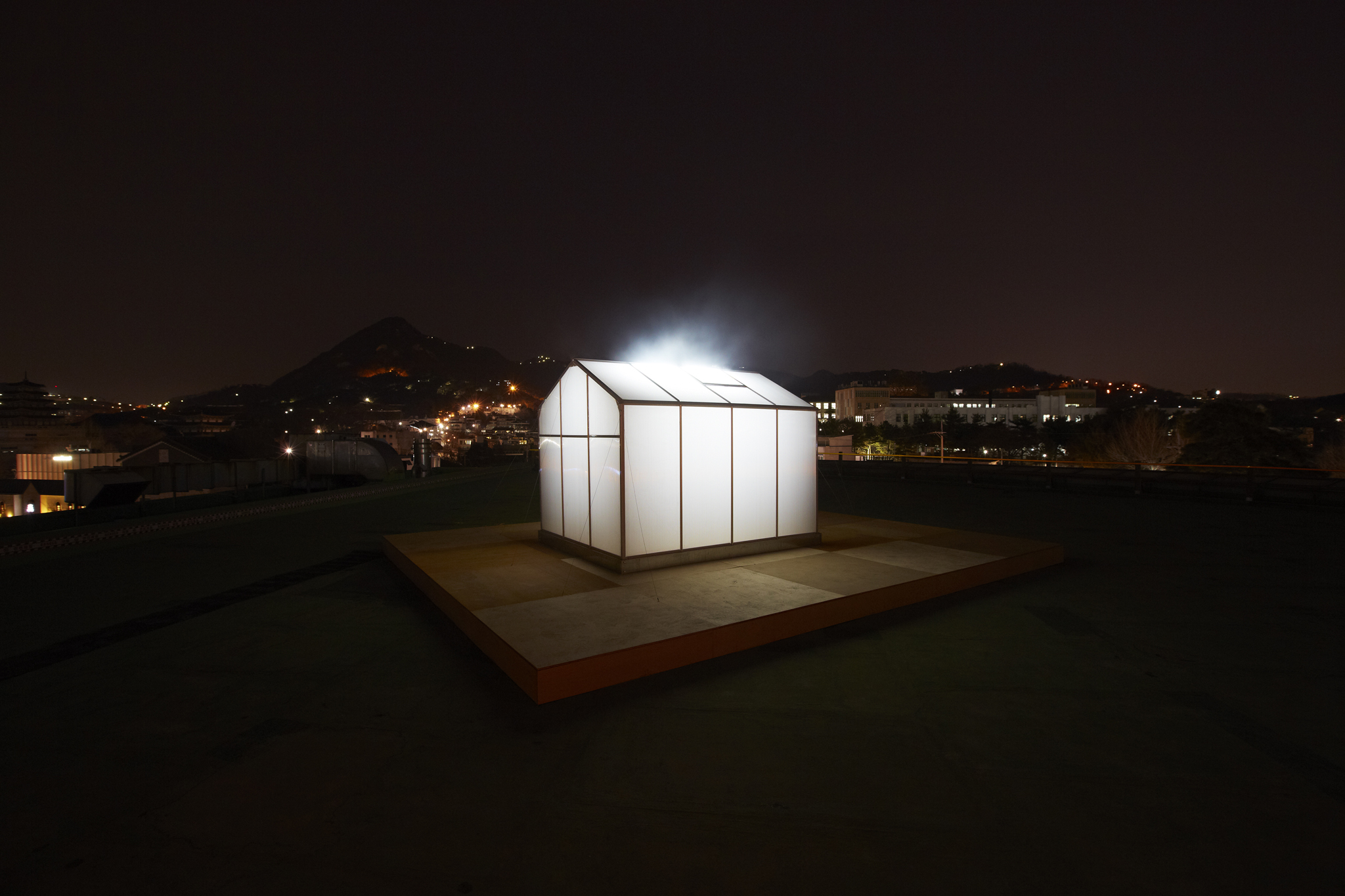
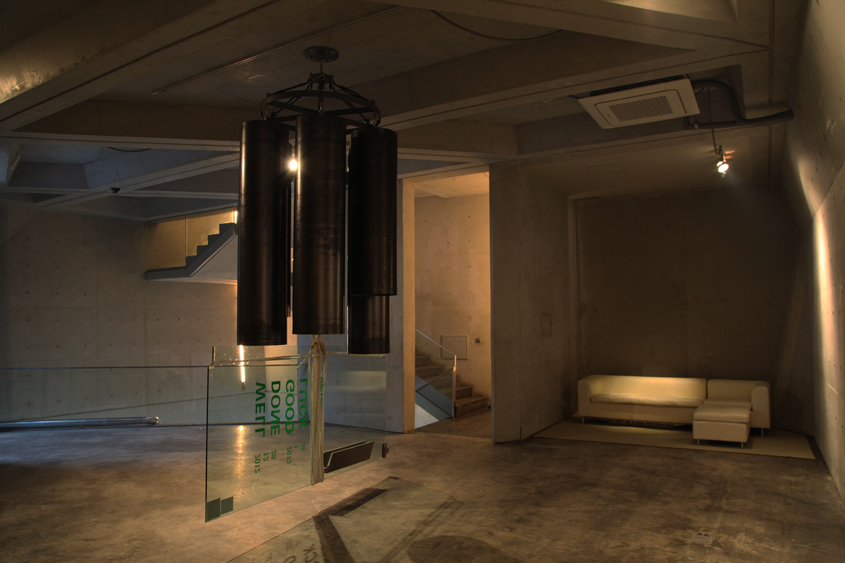
Installation view of 《Well Done, Good Luck》 © Alternative Space LOOP

Humor and wit are ever-present in Lee’s work. Yet the subjects he engages with are often quite weighty. His practice centers on producing this kind of irony, for humor arises when the logic we possess becomes distorted or fails through contradiction. Tone-deaf, a work produced on the basis of this ironic humor, takes the form of an enlarged wind chime.

Through this piece, the artist realizes his attempt to fill the aforementioned empty space. Since ancient Rome, the resonance of wind chimes has been believed to ward off evil spirits and bring good fortune. By ringing this oversized wind chime, the artist seeks to bring great fortune into the space. However, in order to ring this enormous indoor wind chime, the gallery doors must remain open throughout the winter.

In this moment, the space and its viewers endure the irony of the situation and thereby acquire sufficient reason to receive that good fortune. Yet this is not a superficial story about paying a price to obtain something desirable.

Rather, like the gallery doors that have effectively changed professions in order to perform the essential task of inviting good fortune, it is an attempt to entangle the space and everything within it. In other words, the work seeks to complete itself by filling the empty space between artwork, site, and audience with non-visual elements.

On March 5, 1845, after receiving a letter from William Ellery Channing, Henry David Thoreau entered the woods by Walden Pond and began building a cabin for himself. Rejecting the way human beings enslave themselves under the whip of “endless labor,” he retreated into a small refuge and pursued a self-sufficient life in order to prove that a life of restraint could still be a happy one.

This, for Thoreau, was the very image of a free individual. He believed that autonomy could be attained through a mode of “voluntary isolation.” In other words, he sought freedom by achieving the possibility of self-transcendence through acts of self-restraint and self-regulation. Thoreau’s profound contemplation bears a resemblance to the artistic world of Wonwoo Lee.

The artist reflects on free will—the capacity to contain oneself within oneself—and these thoughts are transferred onto the object of the “gate.” A gate separates one space from another when closed, yet when opened it allows the two spaces to communicate and circulate with one another. For the artist, this “gate” becomes an important medium that embodies the possibility of the manifestation of free will.

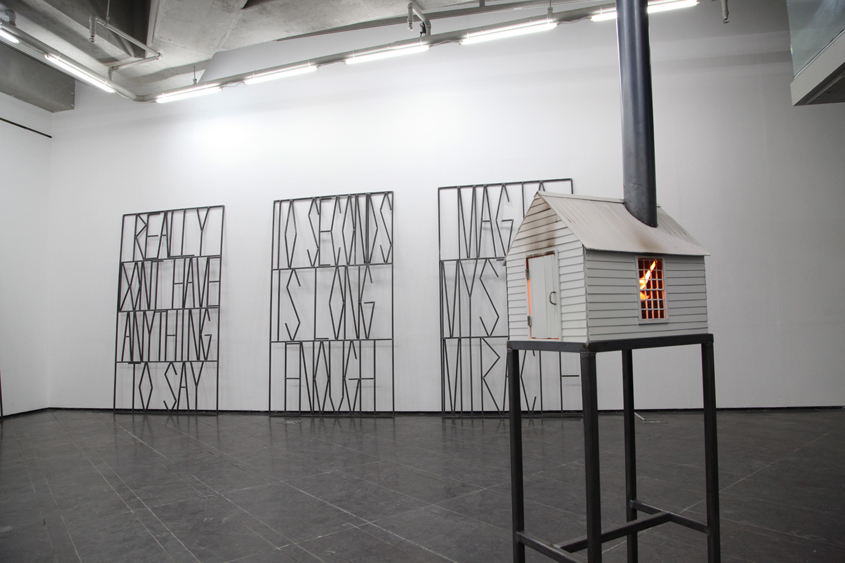
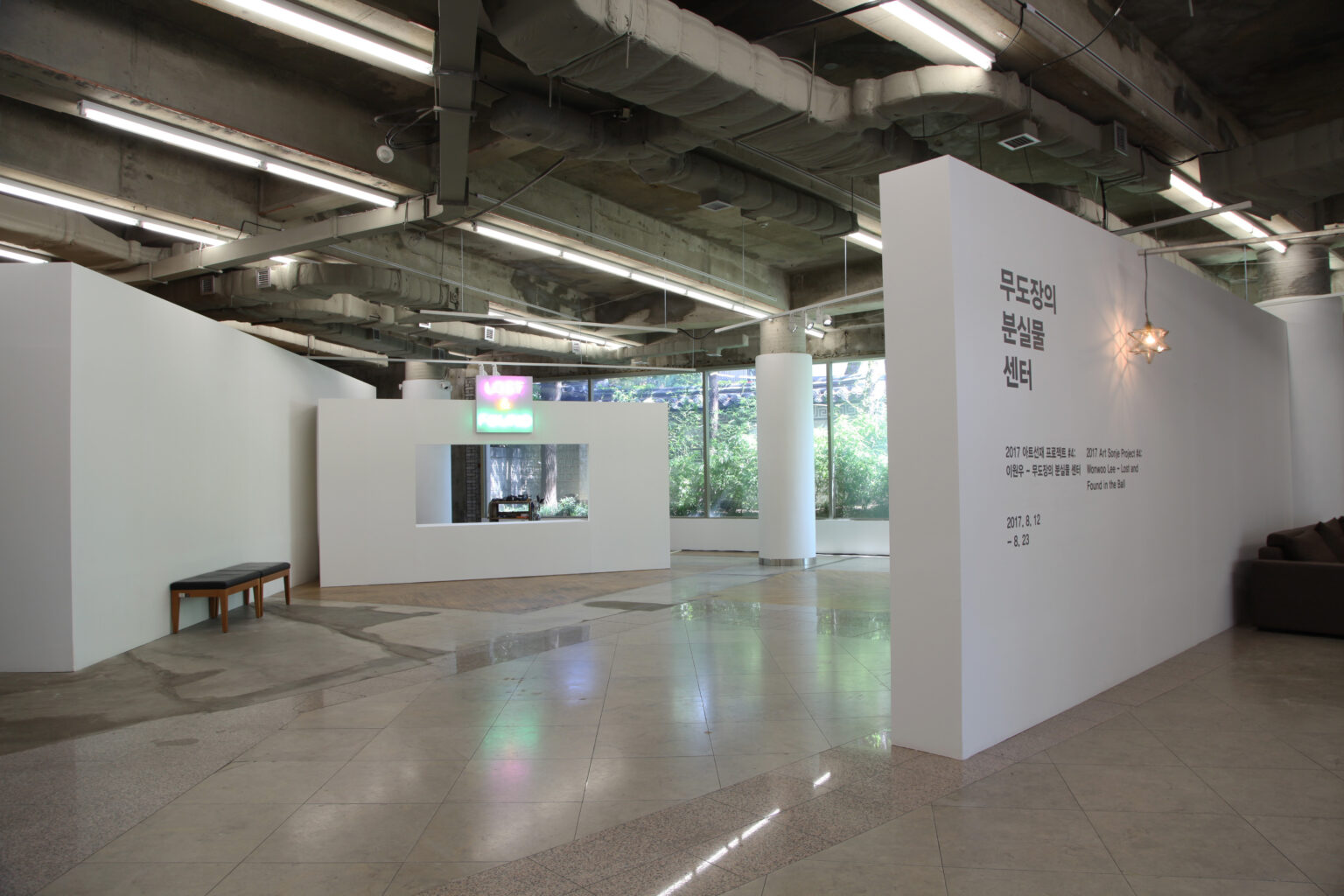
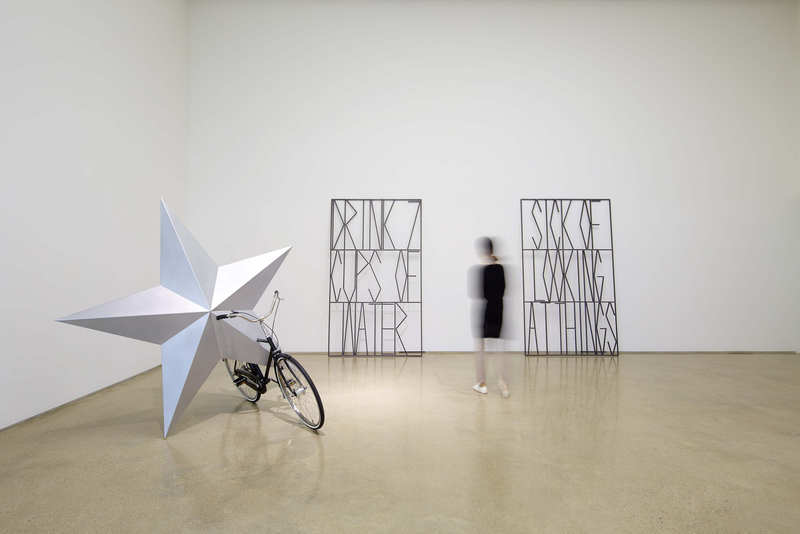
Installation view of 《Well Done, Good Luck》 © Alternative Space LOOP

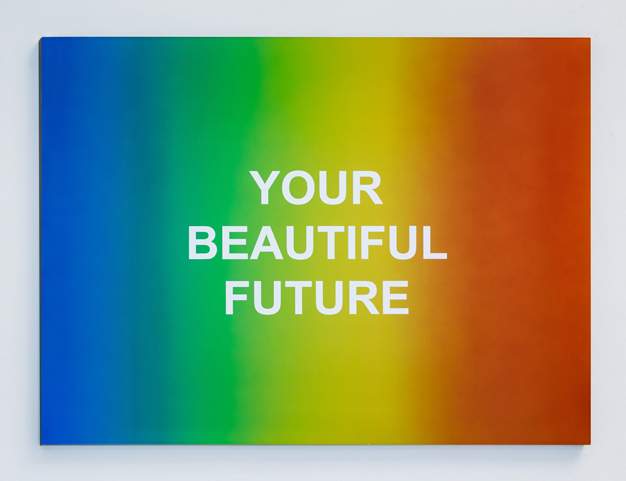
Such ideas are clearly expressed in the series 'Gates of the World'. Begun in 2011, the series takes the form of doors and, in fact, functions as the actual doors of exhibition spaces. Constructed from steel text, these works evoke prison bars, and at first glance their heavy materiality and embedded messages seem to convey a sense of gravity and solemnity.

Yet upon closer inspection, their appearance seems somehow too flimsy to be solid iron bars, and the messages they contain are the kind of thoughts that anyone might have entertained at least once in everyday life. Within the world, we encounter countless fragments that cannot be explained logically. We do not know why they emerge and disappear, nor even where their boundaries lie.

These fragments immediately become invisible walls erected before us. Standing before these walls of ambiguity, we find ourselves unable to arrive at any definitive conclusion. The artist renders these everyday fragments through the form of prison bars. By presenting them as “gates”—objects that weigh heavily upon us yet are ultimately destined to open—he explores the significance of free will through ironic situations.

Confronted with the awkward and humorous situations produced through irony, both the artist and the viewer are prompted to think of something and act upon it almost instinctively. At first glance, this may appear to be an arbitrary game in which artist and audience place themselves in an absolute position and take pleasure in it.

Yet, as mentioned earlier, the artist attempts to capture as a work the very situation in which everything within the space—including himself and the space itself—comes together. It is not a story confined to the level of an individual subject's consciousness. Friedrich Schlegel, who theoretically articulated Romantic irony, argued that contradiction is an indispensable condition of irony and that once contradiction disappears, irony can no longer exist.

He further described this contradiction as a “change of self-creation and self-destruction.” This transformation refers to a condition in which a form directed toward a certain purpose remains, in itself, a state of disharmony and contradiction. In other words, the ironic situations unfolding within the spaces constructed by the artist become the very “unceasing movement” of signifiers that continuously generate creation and destruction.

By embodying jokes drawn from reality, the artist allows the joke to exist within reality itself. And this, in turn, becomes reality once again—a reality that expands with flexibility.

References