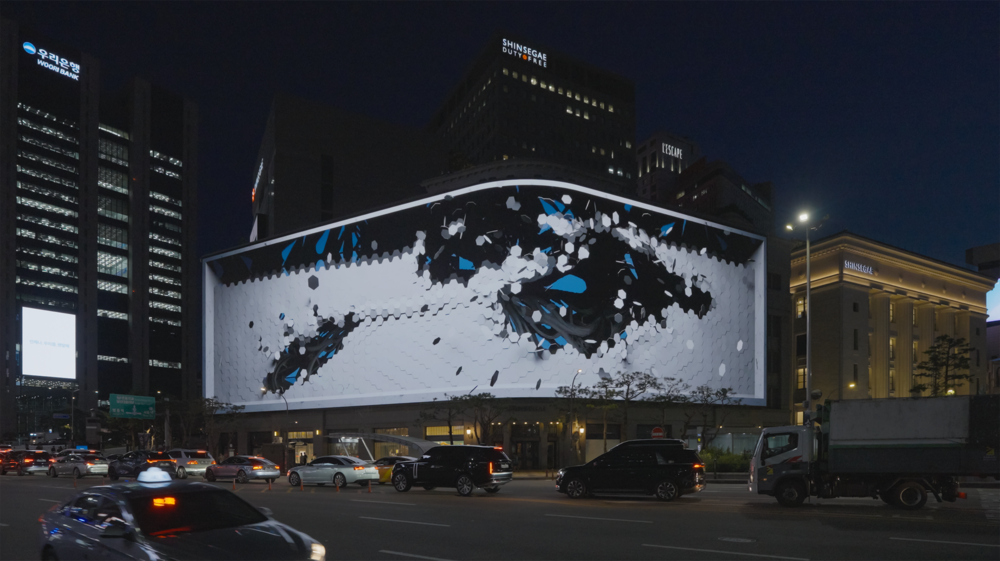
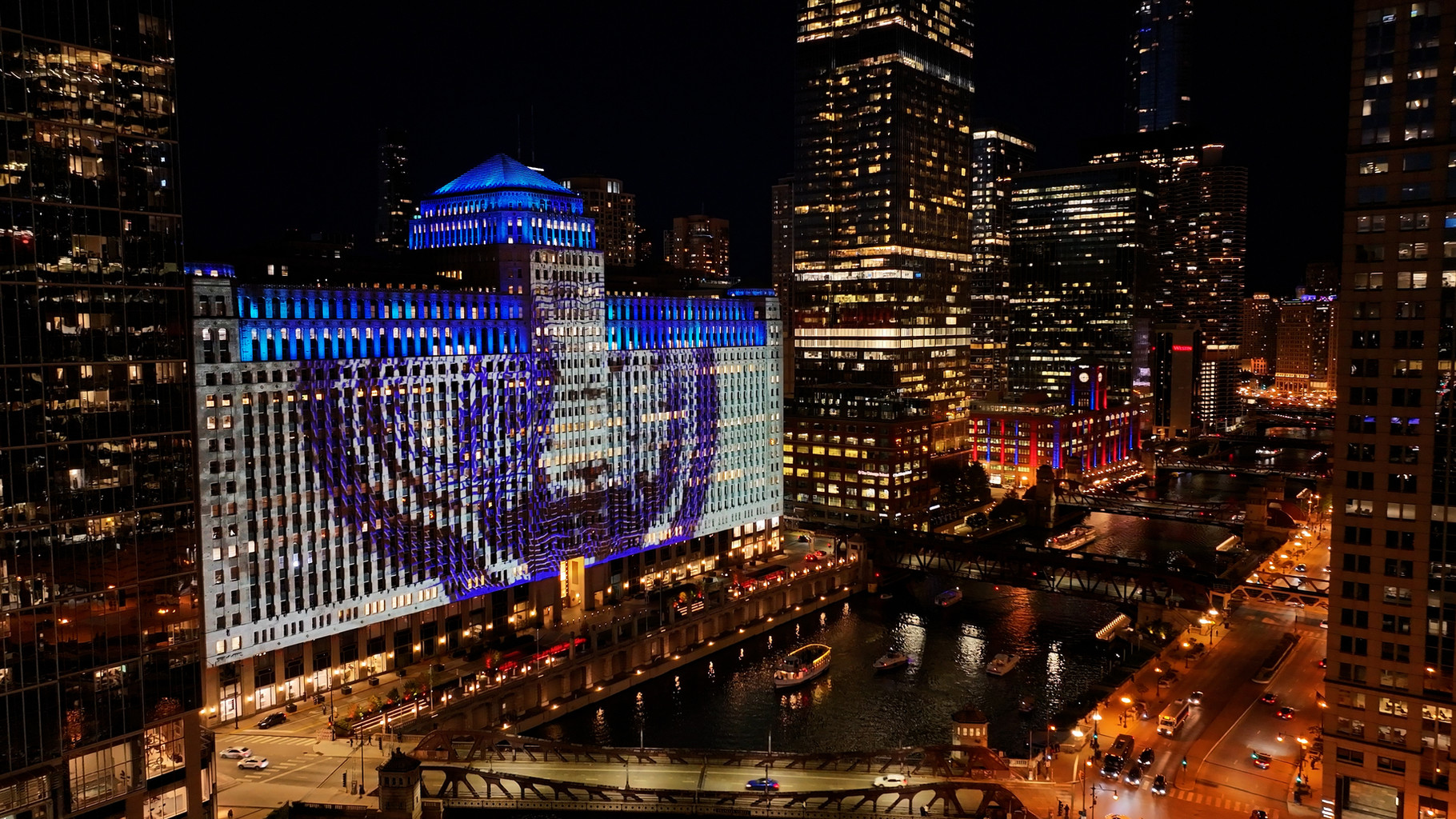
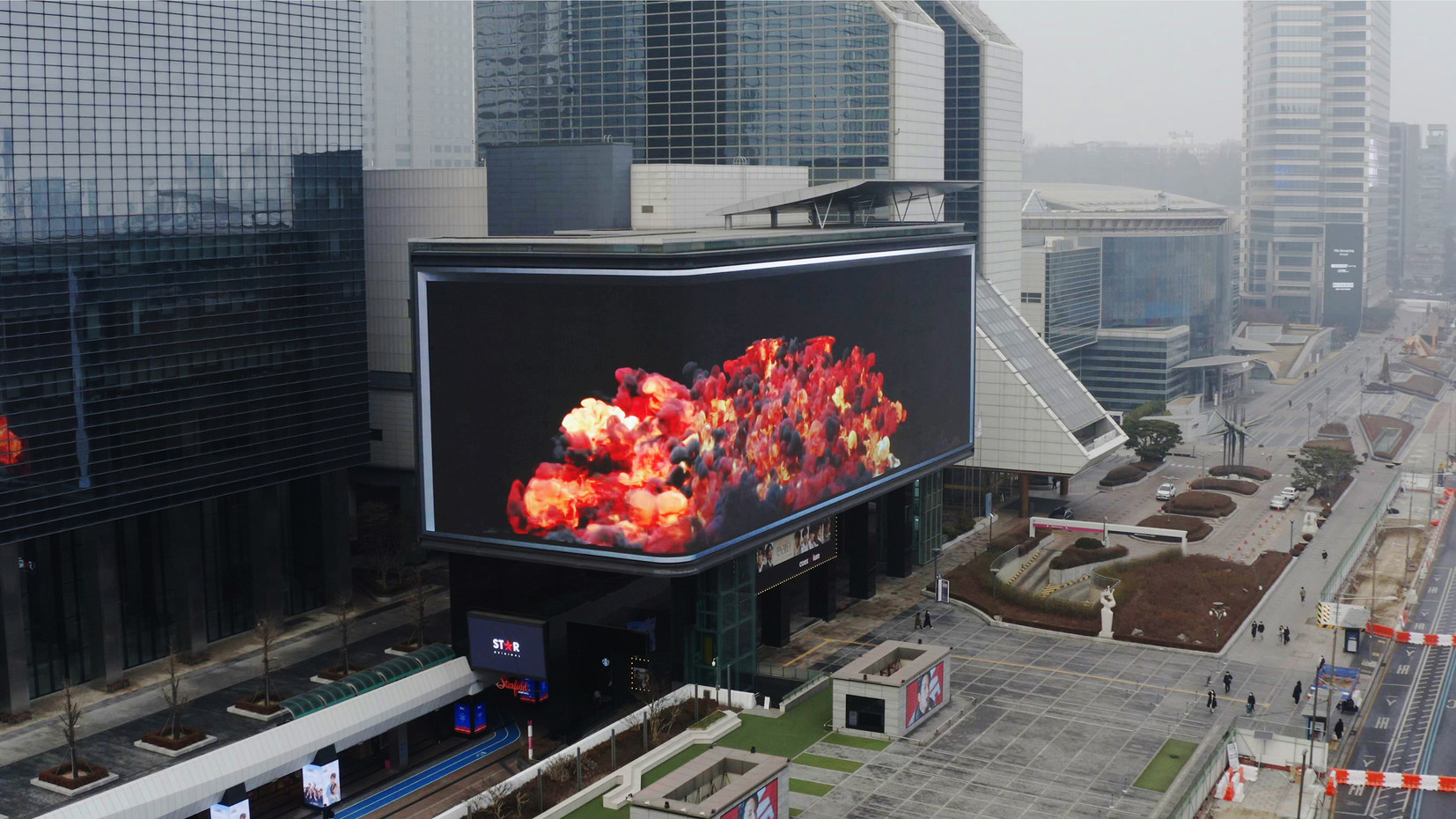
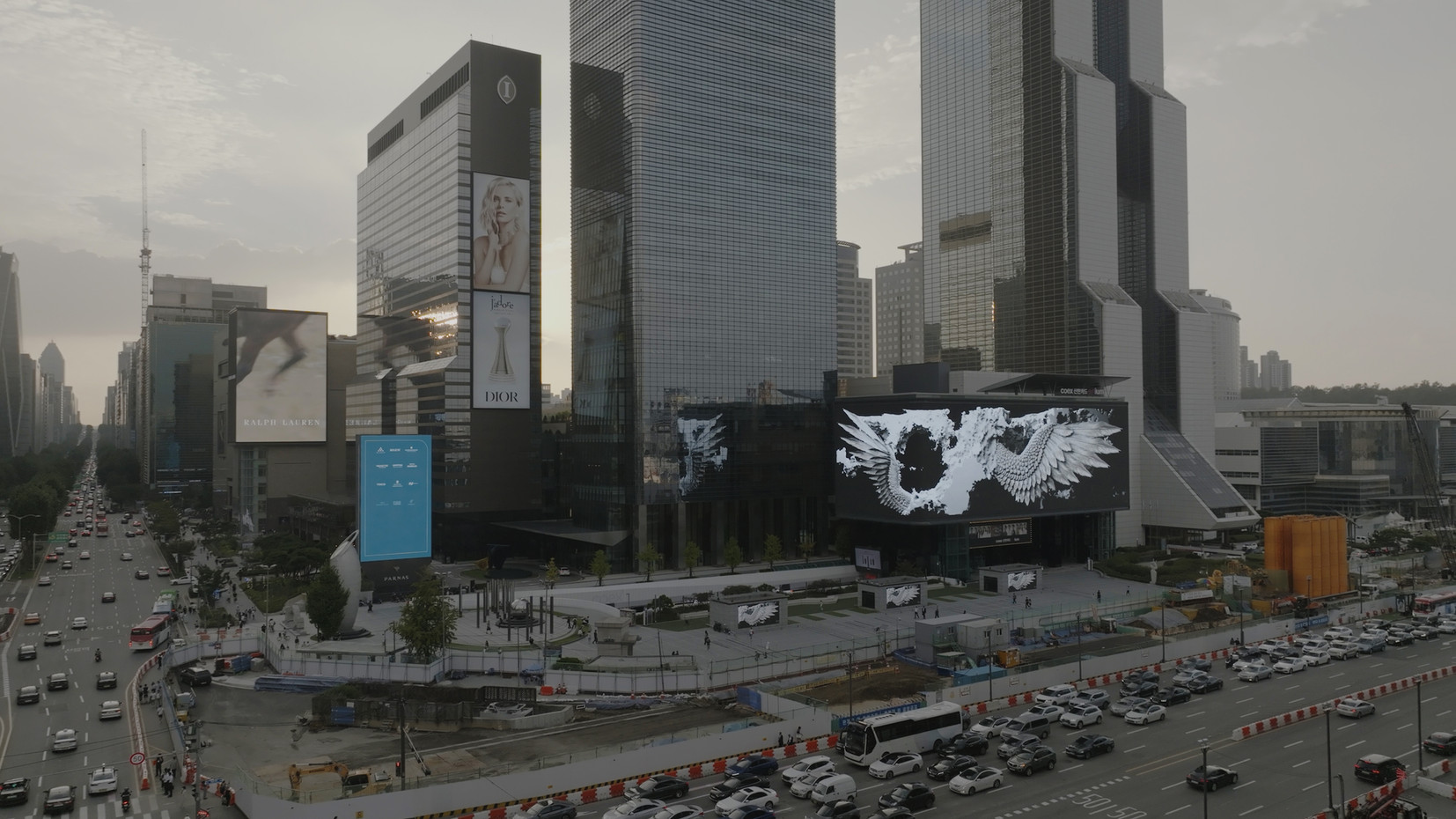
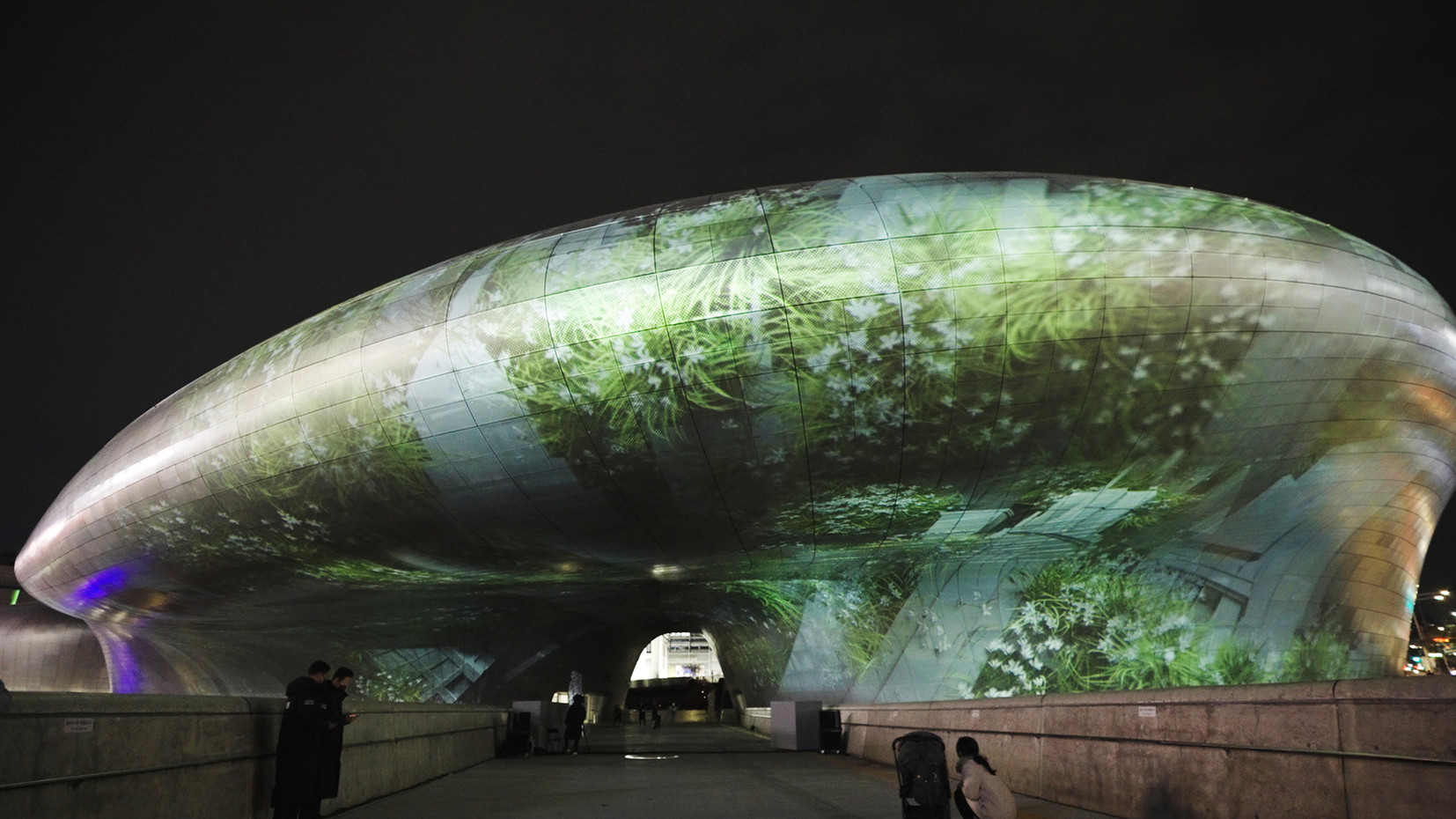
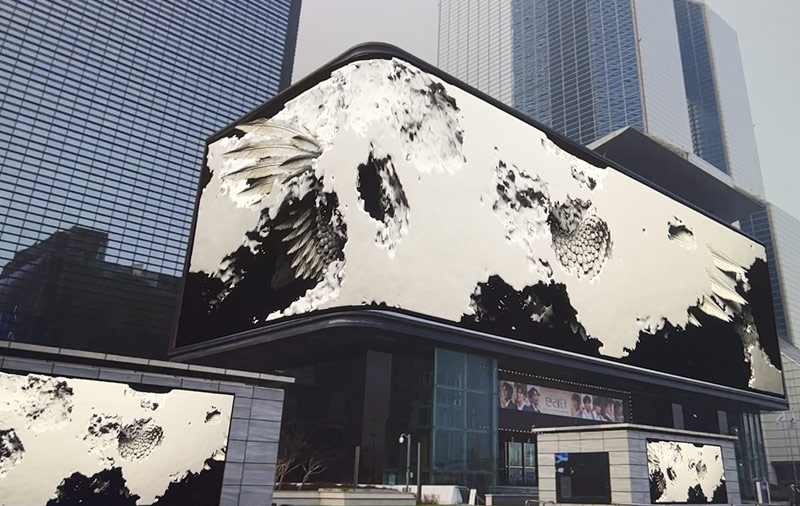
After the era of analog media represented by photography and film, we encountered (new) media art through digital media, and subsequently experienced various media technologies within art, including projection mapping and media façades.
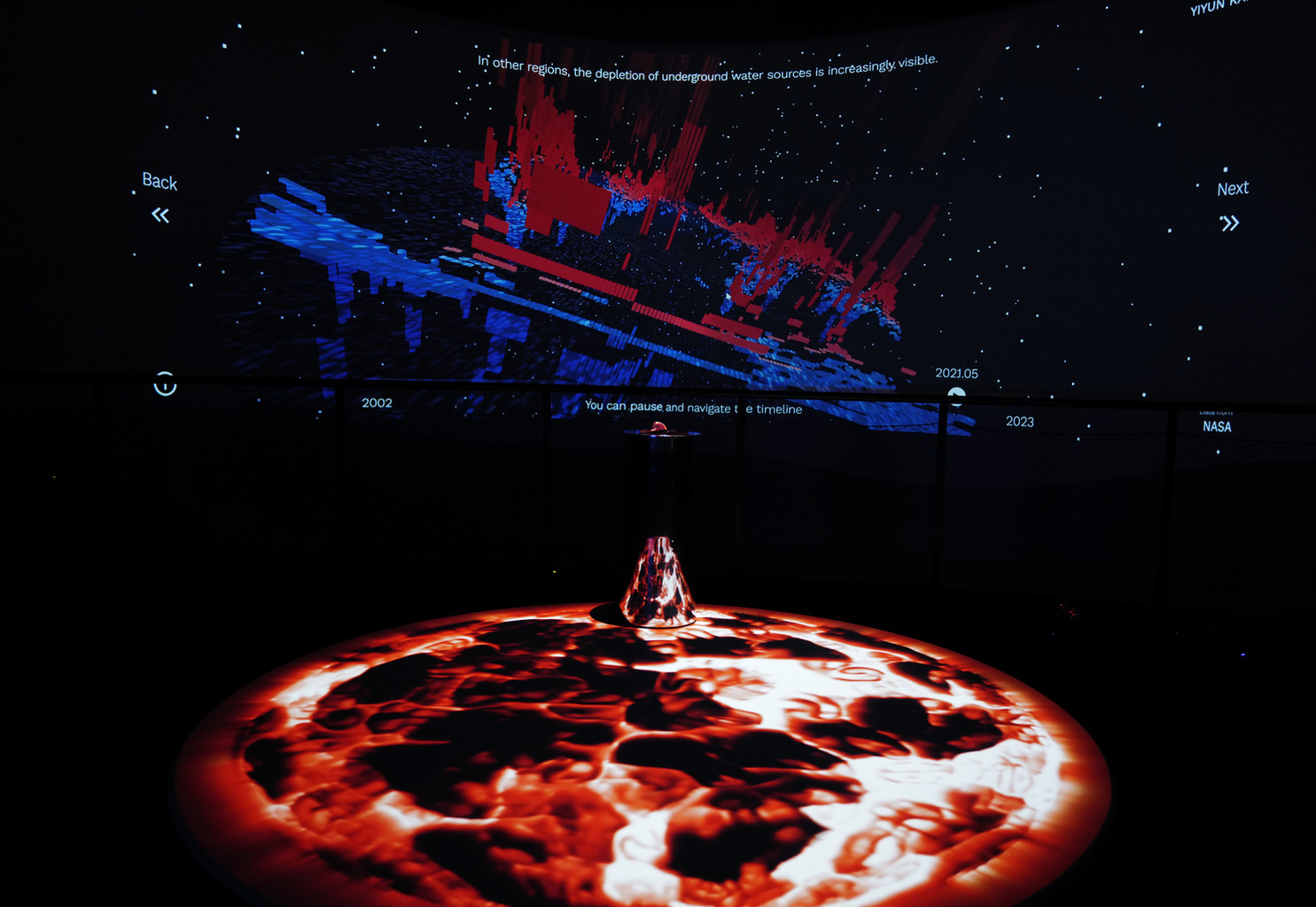
More recently, immersive content exhibited in museums has not only stimulated the viewer's sense of touch but has also enabled experiences of Virtual Reality (VR), Augmented Reality (AR), and Mixed Reality (MR), allowing us to engage with what had previously existed only as the concepts of reality and virtuality through our entire bodies.
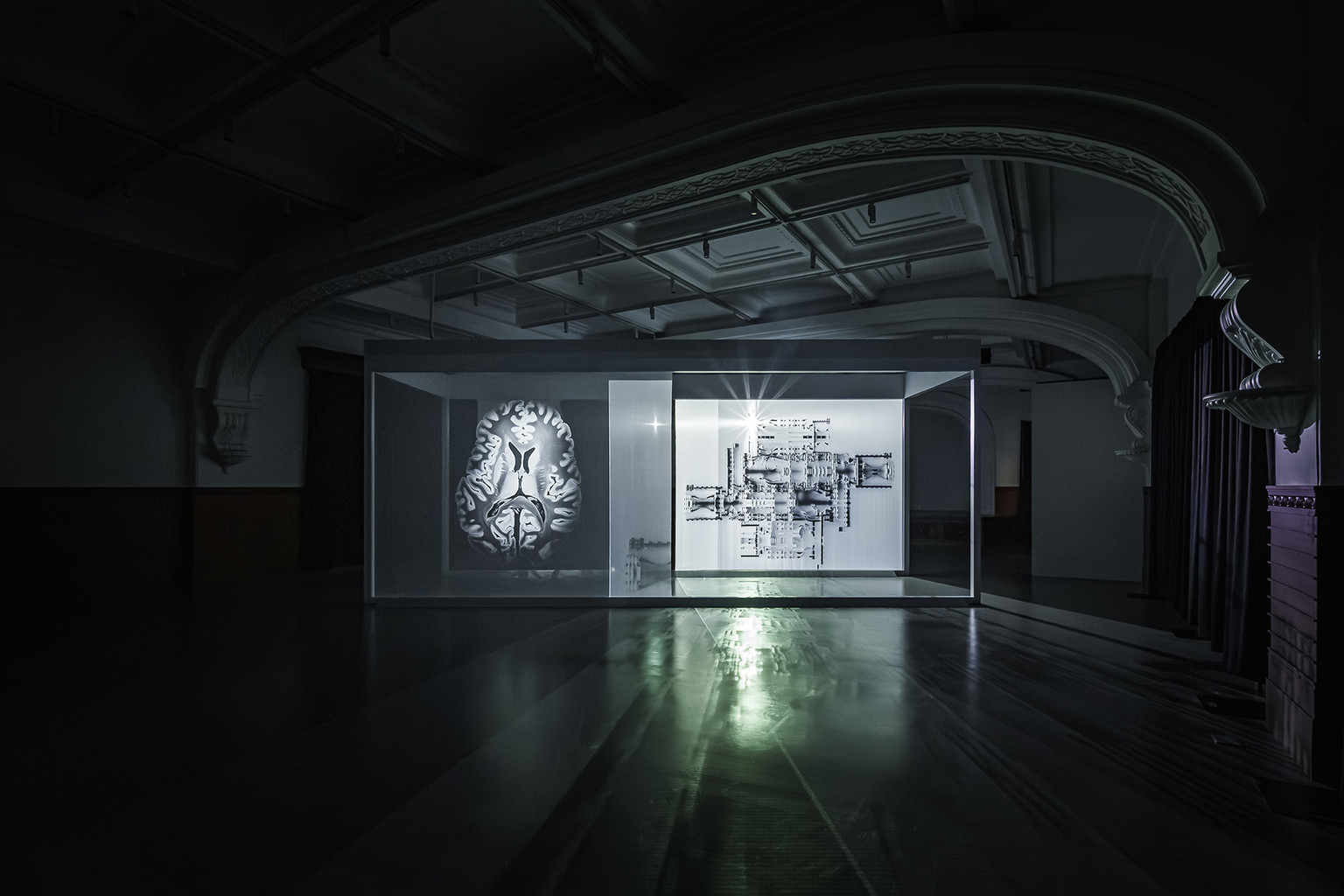
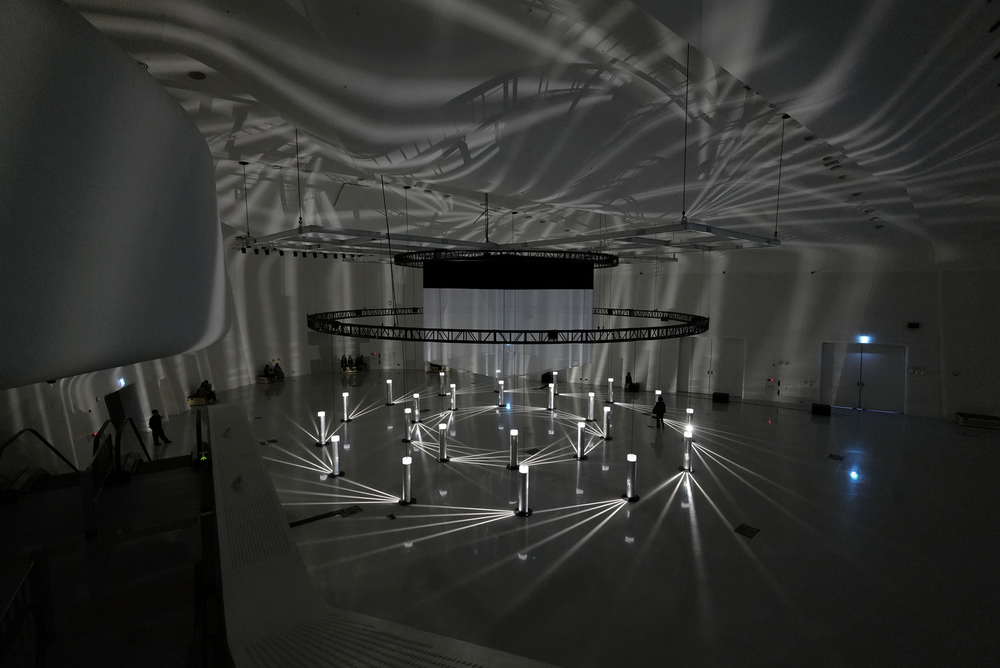
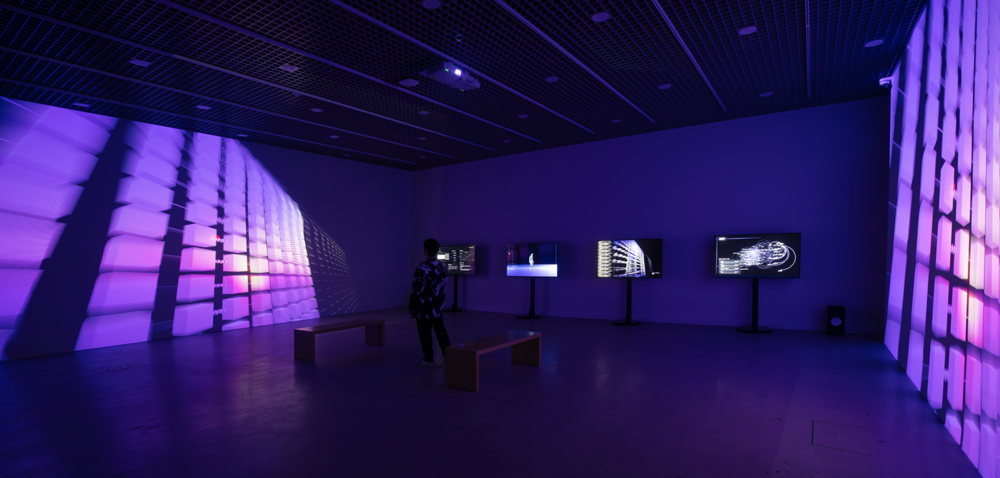
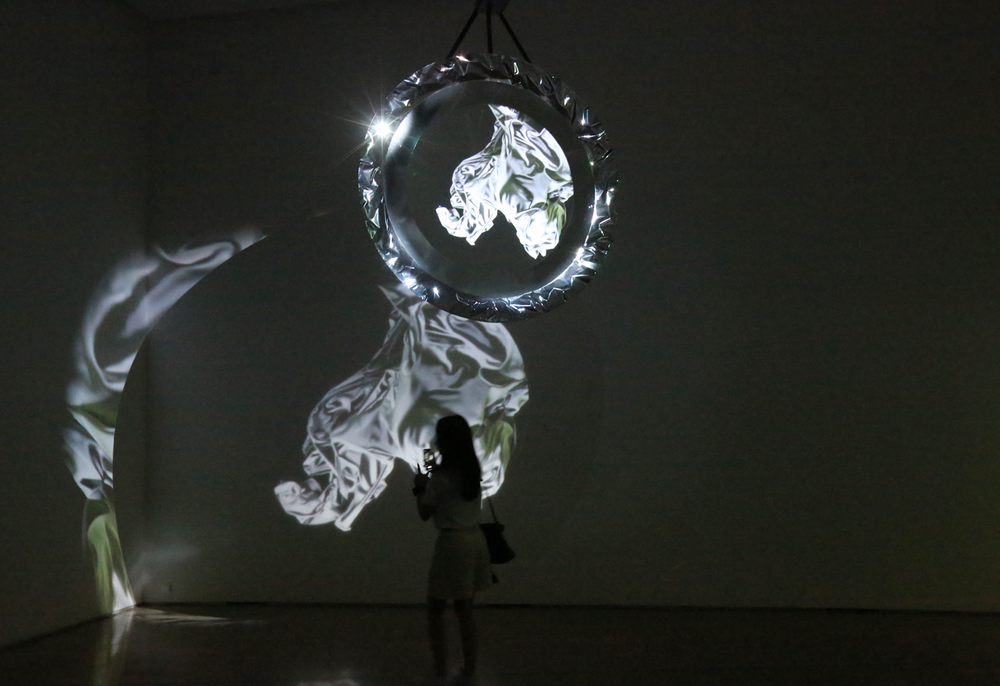
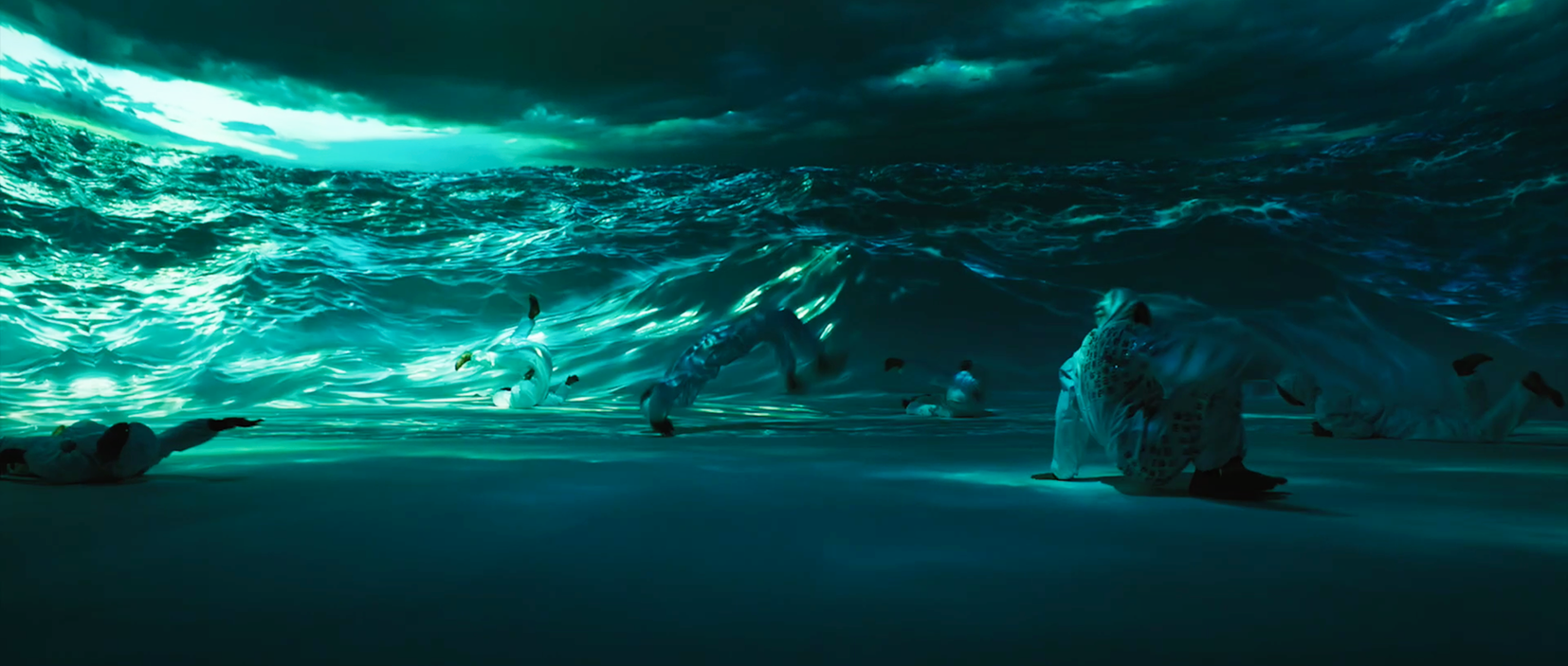
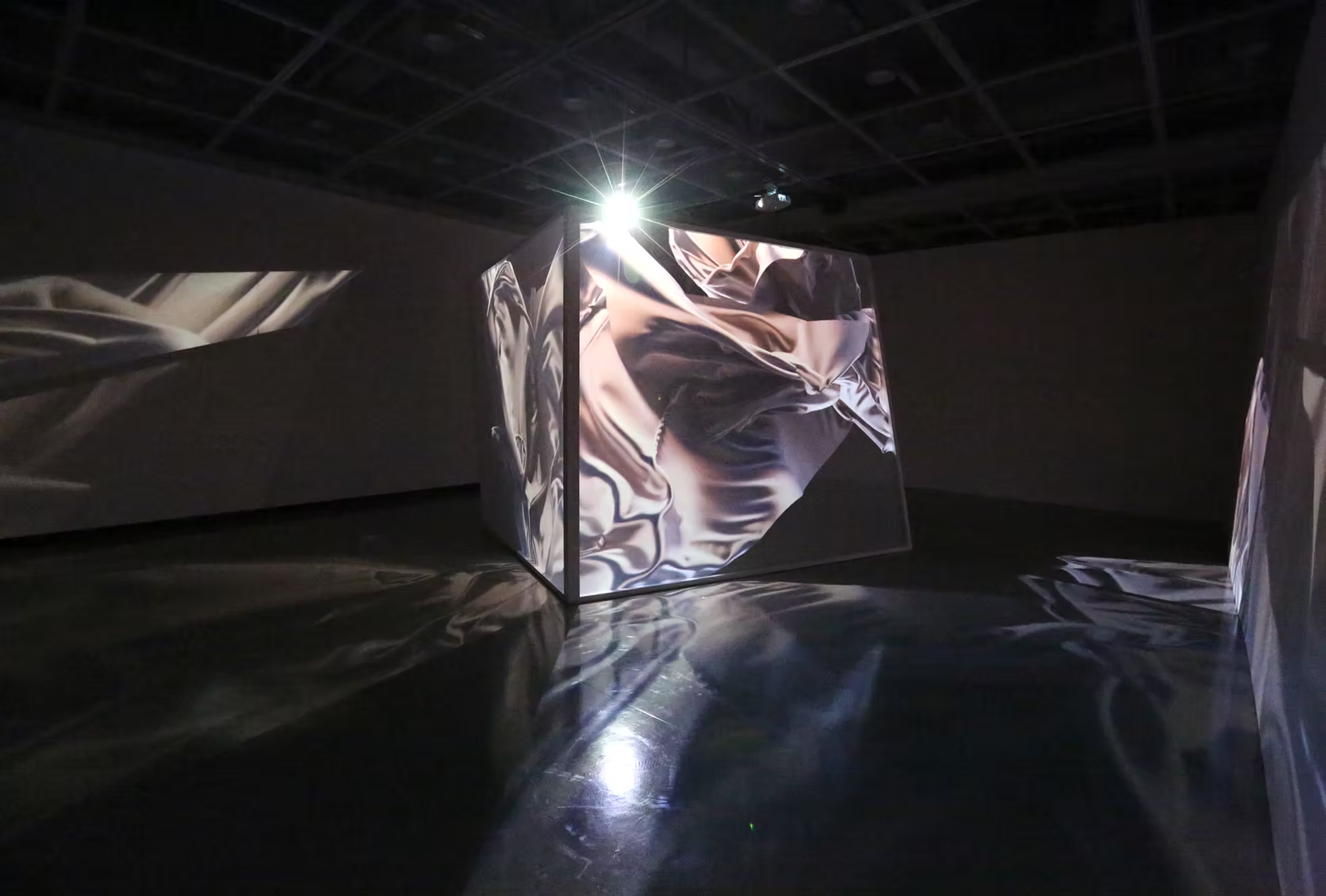
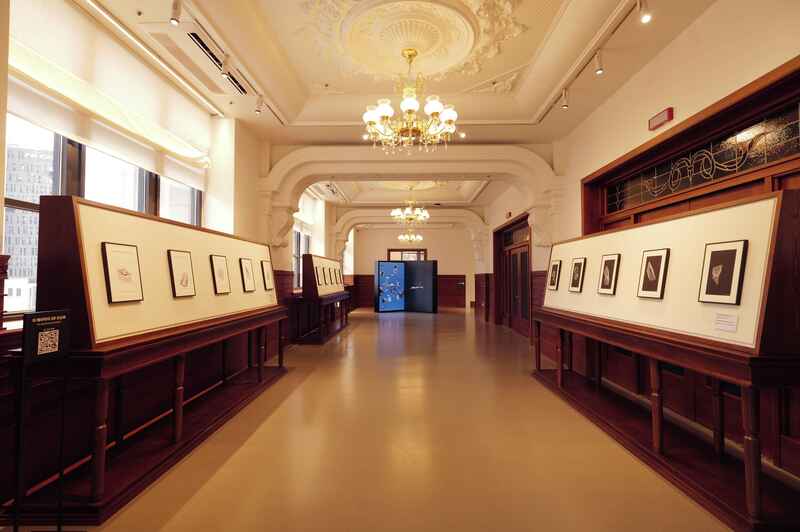
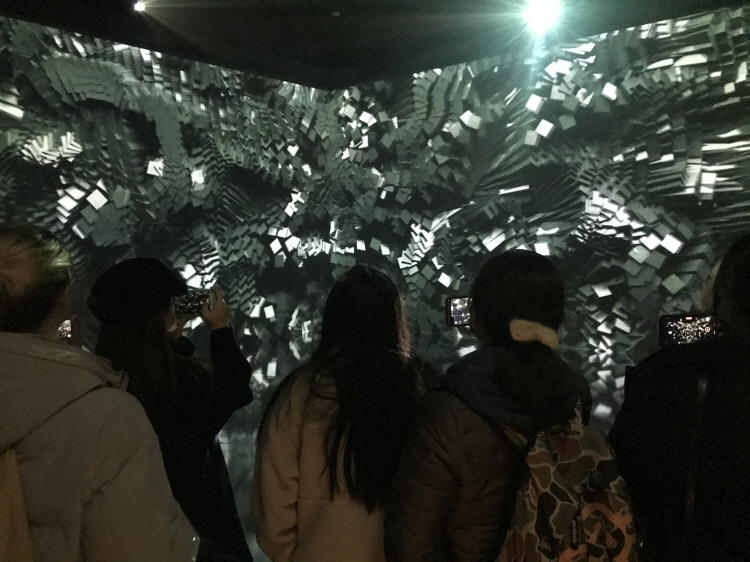
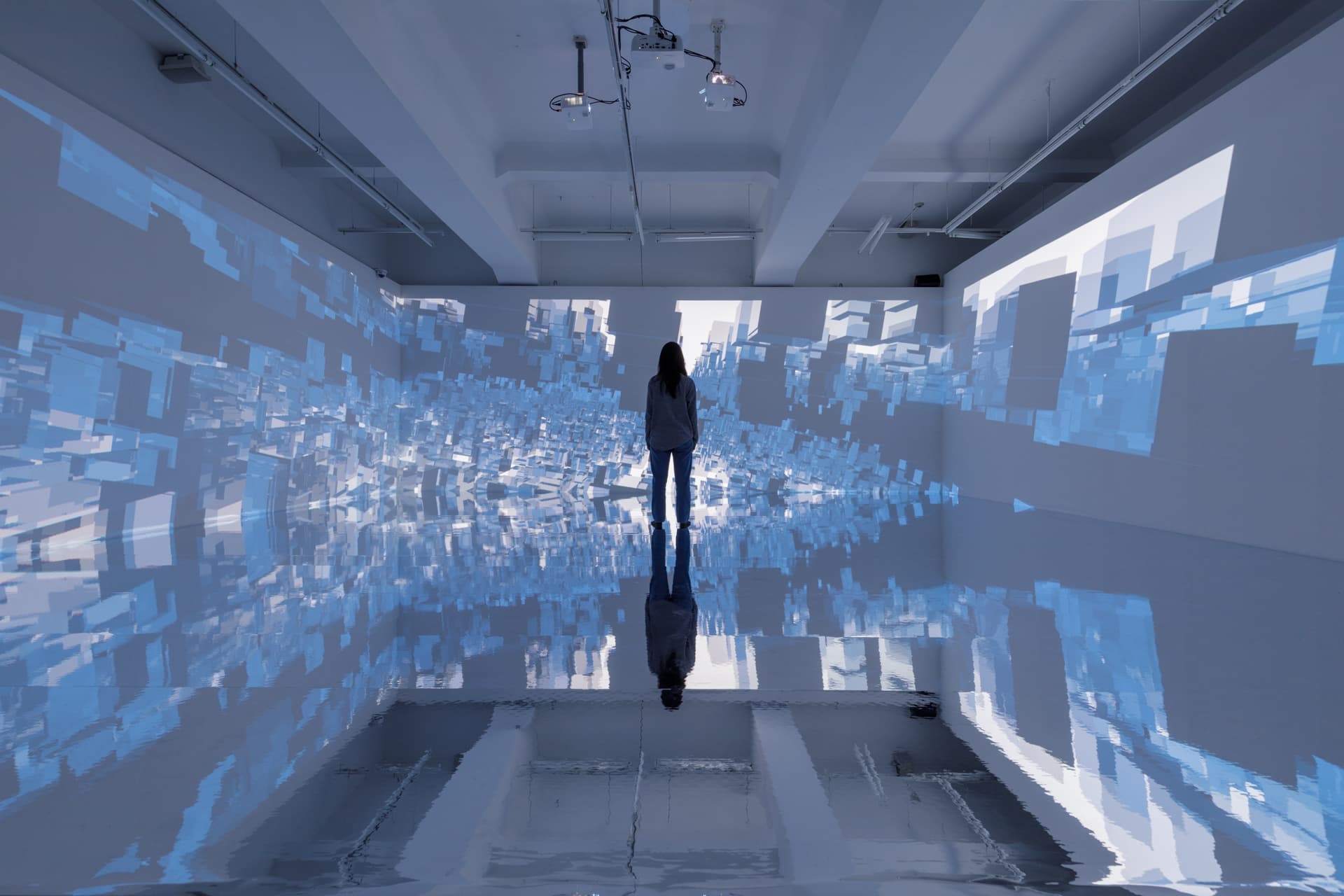
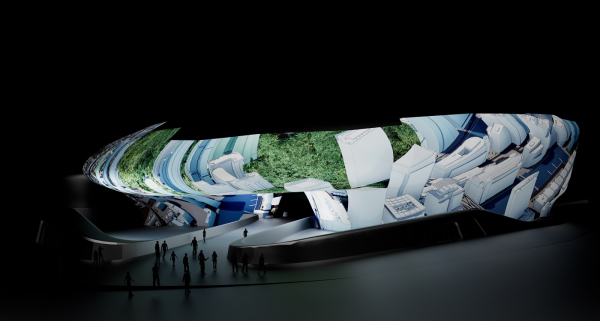
Not long ago, at the exhibition 《The Moment of Gieok (Korean Alphabet ㄱ)》 held at the Seoul Arts Center, I noticed a particularly crowded room where visitors lingered. There, Yiyun Kang's GATES was in operation, and people surrounded the screen-like curtain, attentively observing the four walls, floor, and ceiling while physically experiencing the images moving across their skin.
It was an experience that made me realize once again how tactile the phrase “to experience firsthand” can be, and how profoundly the act of experiencing can stimulate all five senses. Images enveloped my body and then receded from it. My body was transformed through these projected images, and through the repetitive, dynamic images that appeared, remained for a moment, and then disappeared within the space, I became aware of a part of my own physical being.
The moving images soon transformed the space itself. This process drew attention to particular areas within the environment, and in that place where light and darkness intersected, it became possible to experience a space that was simultaneously singular and multiple. Within this space that is both one and many, and through the experience of my own transformation within it, we sense a multi-space, a multiverse composed of multiple layers.
Here, I experienced what it means to be “placed within a space.” This moves beyond questions concerning the specific technologies and formal properties of media and instead demands a different mode of engaging with the work. If so, we must ask how the act of looking at something differs from the experience of being placed within that space itself.
Until now, when we viewed artworks, we stood before them and looked at them. With the advent of (new) media art, we began to experience interaction between ourselves and the work. In this way, the viewer remained separate from the artwork as an object, either observing it or engaging with it.
However, the work of Yiyun Kang mentioned earlier, while taking the form of projection mapping, creates an entirely new space and positions us within that constantly changing environment. This experience calls to mind a passage from François Jullien's (1951–) book Living Off Landscape: Or the Unthought-of in Reason, in which he compares the concepts of “landscape” and “mountains-and-waters” (shanshui) to analyze Eastern and Western systems of thought from a comparative perspective.
Jullien identifies three reasons why European thought came to reflect on landscape. To think about something, he argues, already implies a distinction between the “subject” and the “object.” Furthermore, the interpretation of landscape through the relationship between part and whole, and the notion that landscape arises from visual relations and outward appearances, are also characteristic of Western modes of thinking about landscape.
By contrast, Jullien explains the dissolution of the distinction between subject and object through ancient Chinese attitudes toward landscape. In China, instead of the term “landscape,” one speaks of shanshui (mountains and waters) or shanchuan (mountains and rivers), concepts associated with the fundamental polarities that place the world in a state of tension.
In other words, Jullien's inquiry into thinking about landscape is ultimately a question of how we understand the very concept of subject and object. For this reason, he argues that to speak about landscape already presupposes a mode of thought that divides subject and object, self and world.
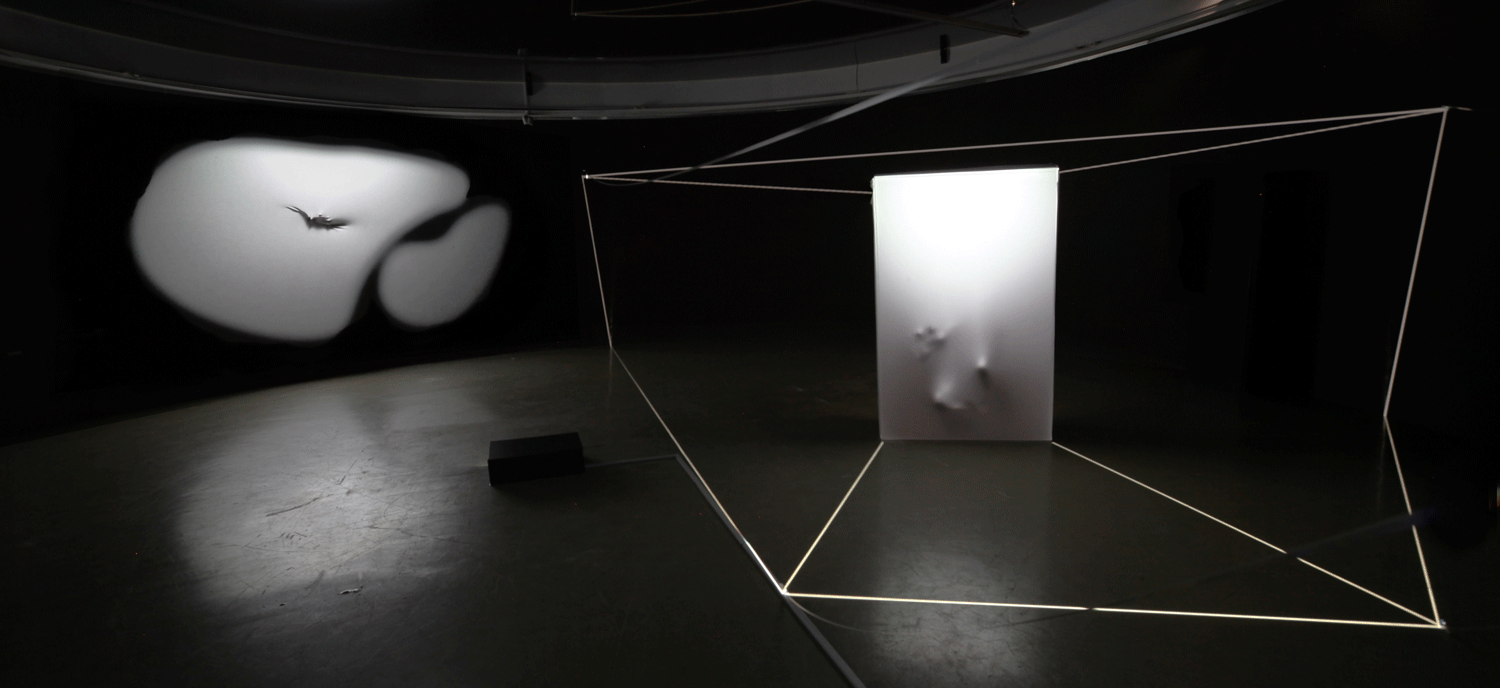
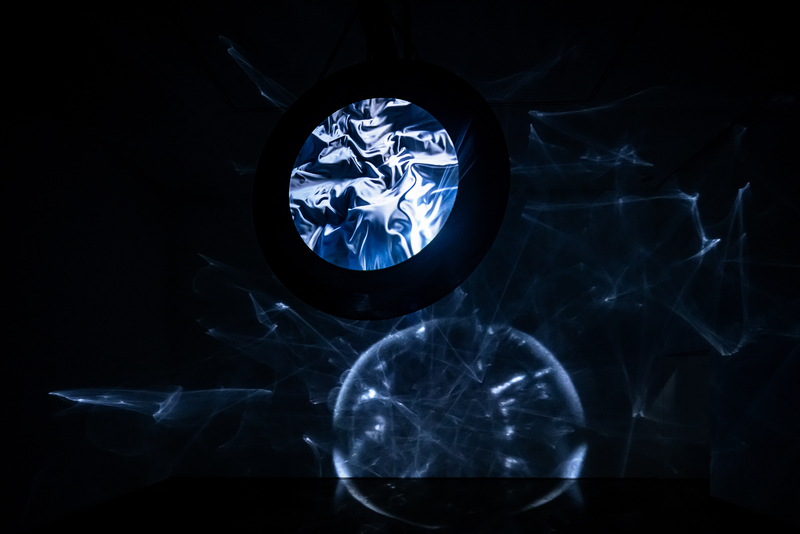
How, then, might the moment in which this dichotomy between vision and thought is dissolved be expressed? It may resemble what occurs in Yiyun Kang's GATES, where images are projected onto a screen-like curtain placed at the center of the exhibition space, filling the environment and transforming immaterial computer data into material presence.
As immateriality and materiality move back and forth, and as these polarities become at once one and two—separating and merging simultaneously—it becomes impossible to clearly distinguish subject from object, or observer from observed. The Western concept of landscape, formed through the binary separation of subject and object, emerged alongside Renaissance painting.
Here, landscapes, divided by the horizon, came to be understood as magnificent and beautiful spectacles to be looked at and admired. In contrast, the Chinese conception of landscape as shanshui does not treat nature as an object to be viewed from a position of separation. Rather, nature is part of oneself, and no boundary exists between the self and the natural world.
As Zhuangzi wrote, “The world and I were born together,” suggesting that the self and the world share a common naturalness and that all beings and the self are fundamentally one. Likewise, Mencius maintained that all beings are intertwined with oneself, and that landscape emerges through an encounter in which the self and the landscape become entangled and reappear together in a state of concord.
Such a view erases the boundary between the human and the non-human, destabilizing our conventional understanding of humanism. Landscape is formed within me, and I, in turn, am formed within the landscape.
The experience of works described as “immersive” resembles concepts such as mul-a yangmang (物我兩忘, the mutual forgetting of self and things) and mul-a ilche (物我一體, the unity of self and things). In these experiences, I am placed within the space while my body simultaneously becomes an extension of the screen-like curtain.
Images move across my body, my body continuously changes, and I no longer look at the work as an external object but instead become part of it. In traditional painting, the space containing the image within the frame constituted the ergon, while everything outside the frame belonged to the parergon.
In GATES, however, the screen-like curtain placed within the exhibition space renders the distinction between front and back ambiguous and dismantles the boundaries of the frame itself. The domains of ergon and parergon continually shift, merge, and dissolve, subtly joining together to generate a new kind of space.
This space is perpetually being remade and invites an immersive experience through all of the senses, particularly through touch. The mode of thought generated through such an experience may be understood as an act that exceeds the very boundaries of thought itself.
One attempts to look at something, yet because one is already inside it, one can no longer look at it from a distance. I have become part of it; I sense its presence, yet I cannot fully know what that presence is, because it continues to transform through me.