



Solo Exhibitions (Brief)
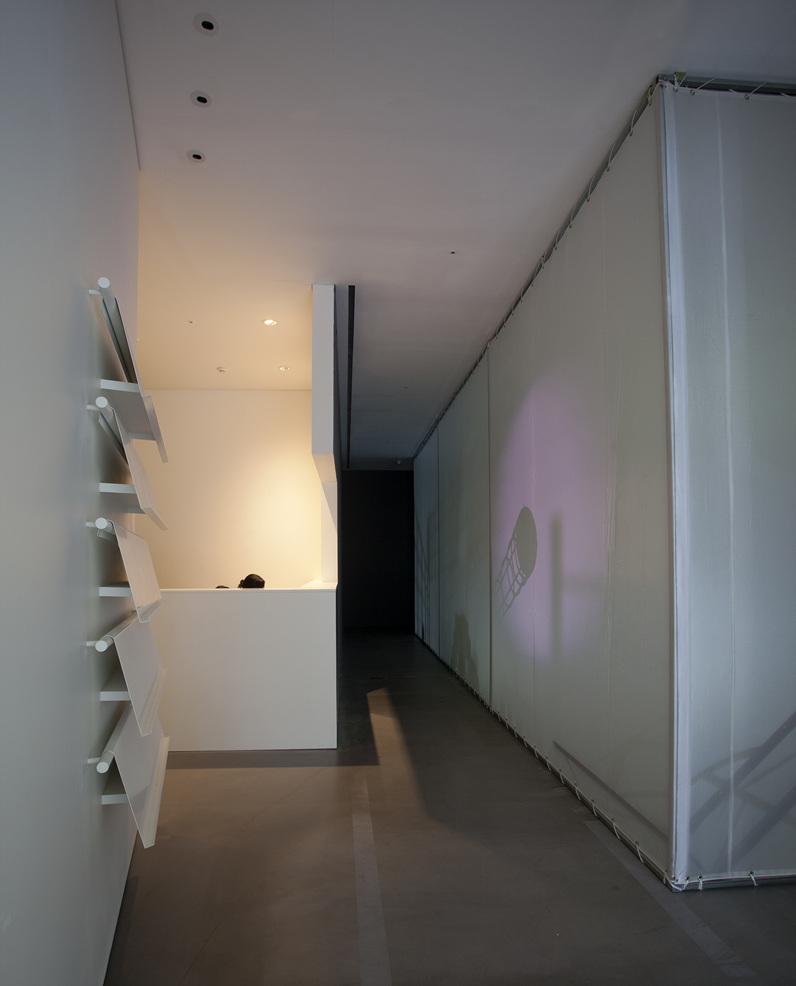
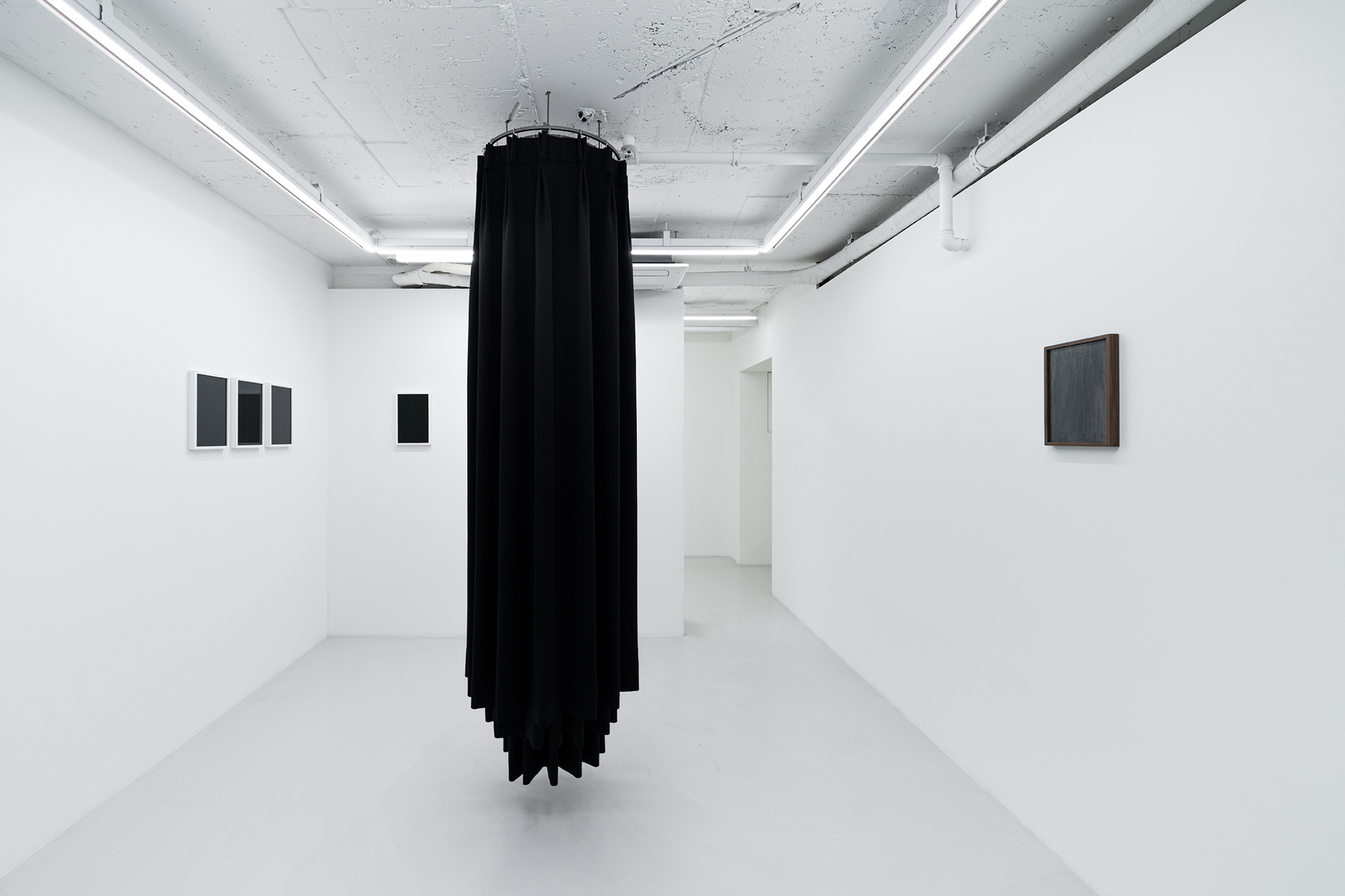
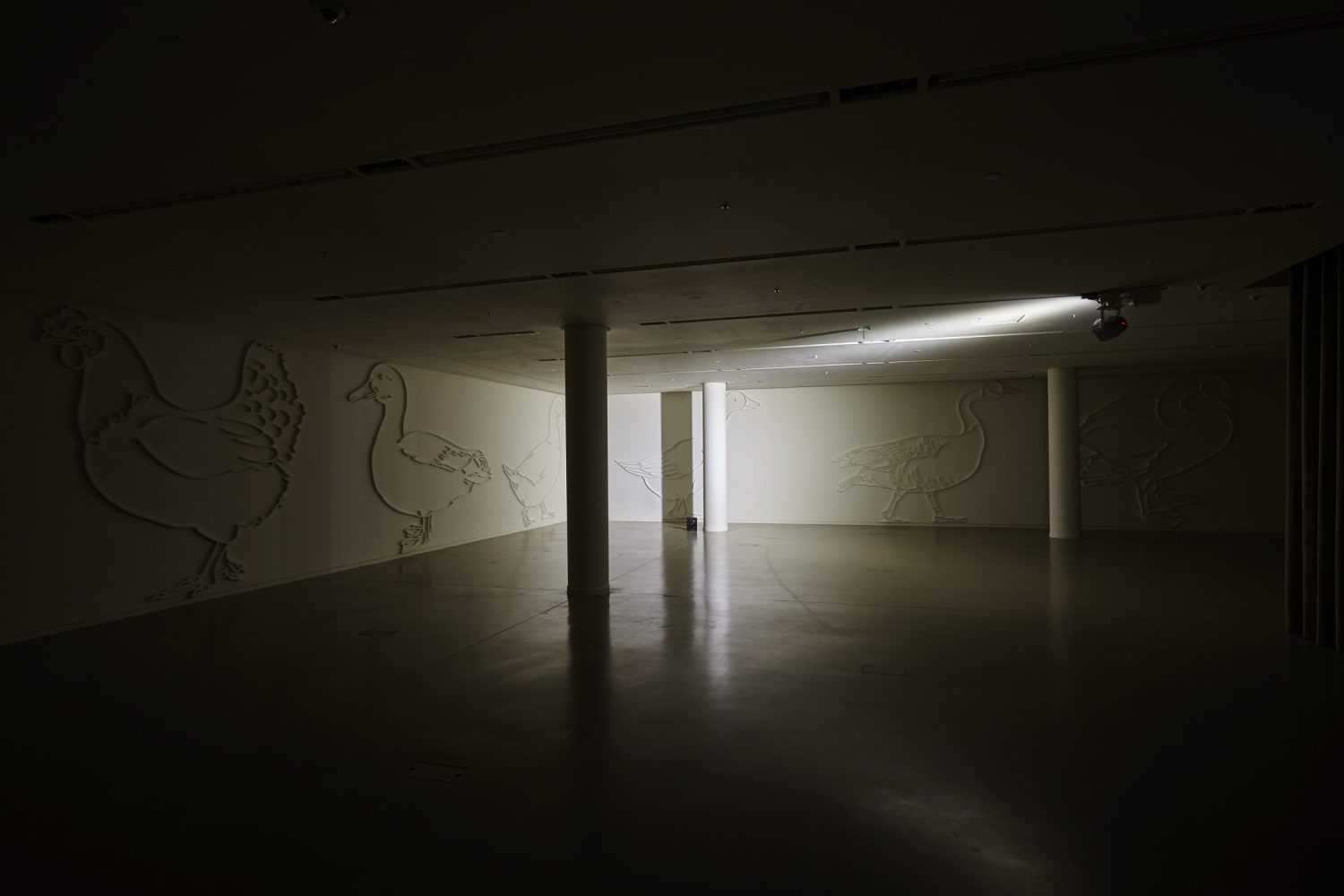
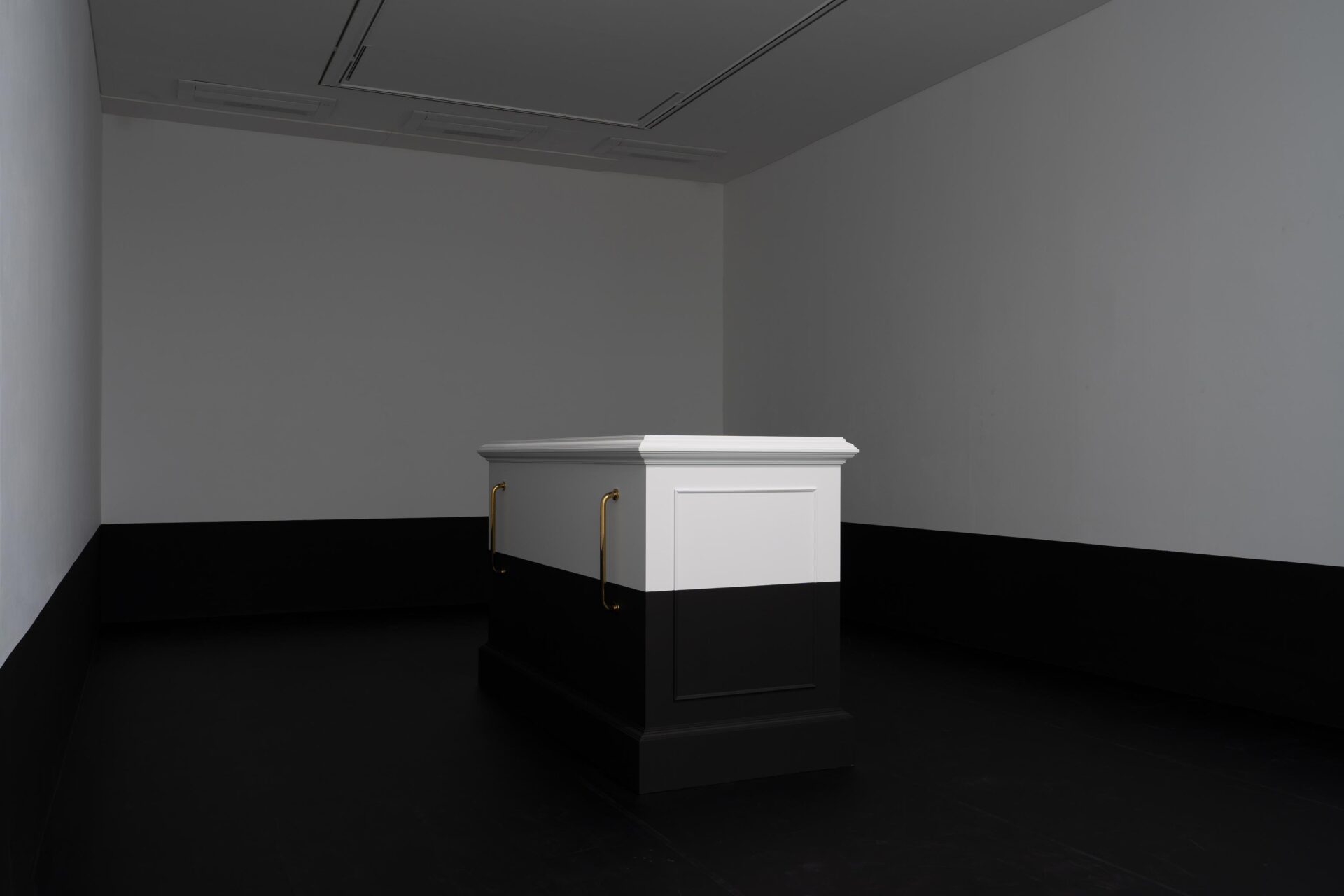
Minae Kim held her first solo exhibition, 《Anonymous Scenes》, at Kwanhoon Gallery in 2008. Since then, she has presented a total of six solo exhibitions, including 《 on Habit》 (2014, HADA Contemporary, London), 《Black, Pink Balls》 (2014, DOOSAN Gallery, Seoul), 《Conditional Drawings》 (2015, DOOSAN Gallery, New York), 《GIROGI》 (2018, Atelier Hermès, Seoul), and 《Giant》 (2023, One and J. Gallery, Seoul).
Group Exhibitions (Brief)
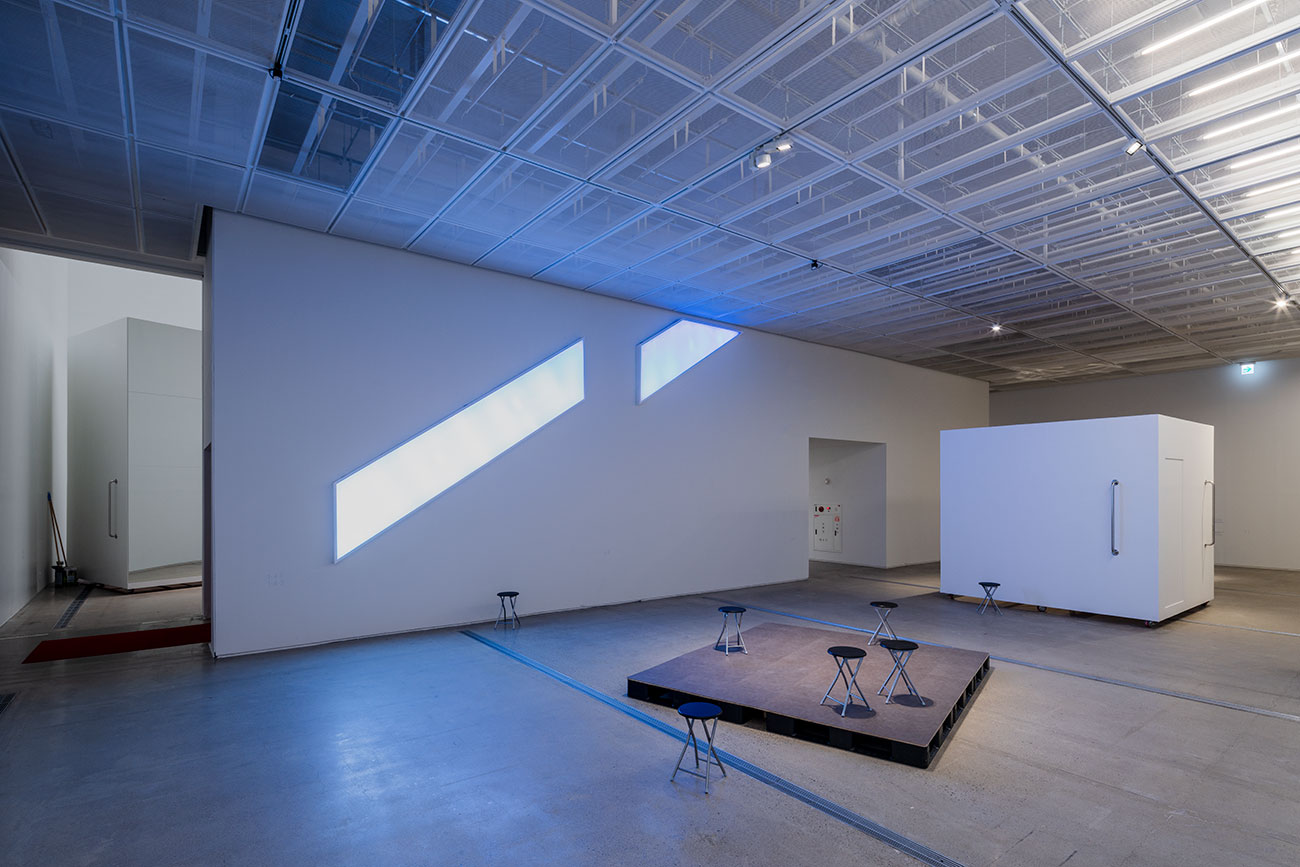
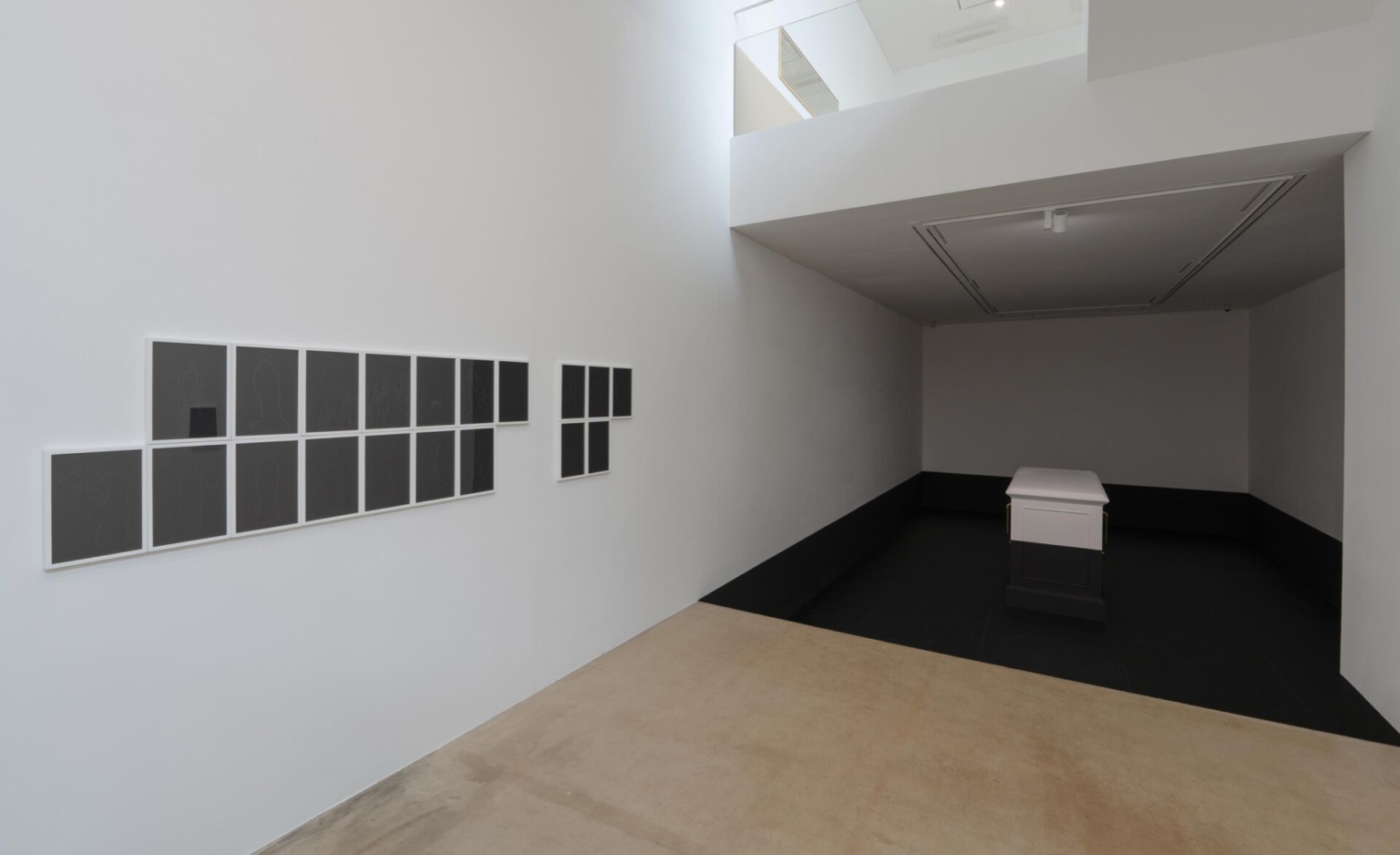
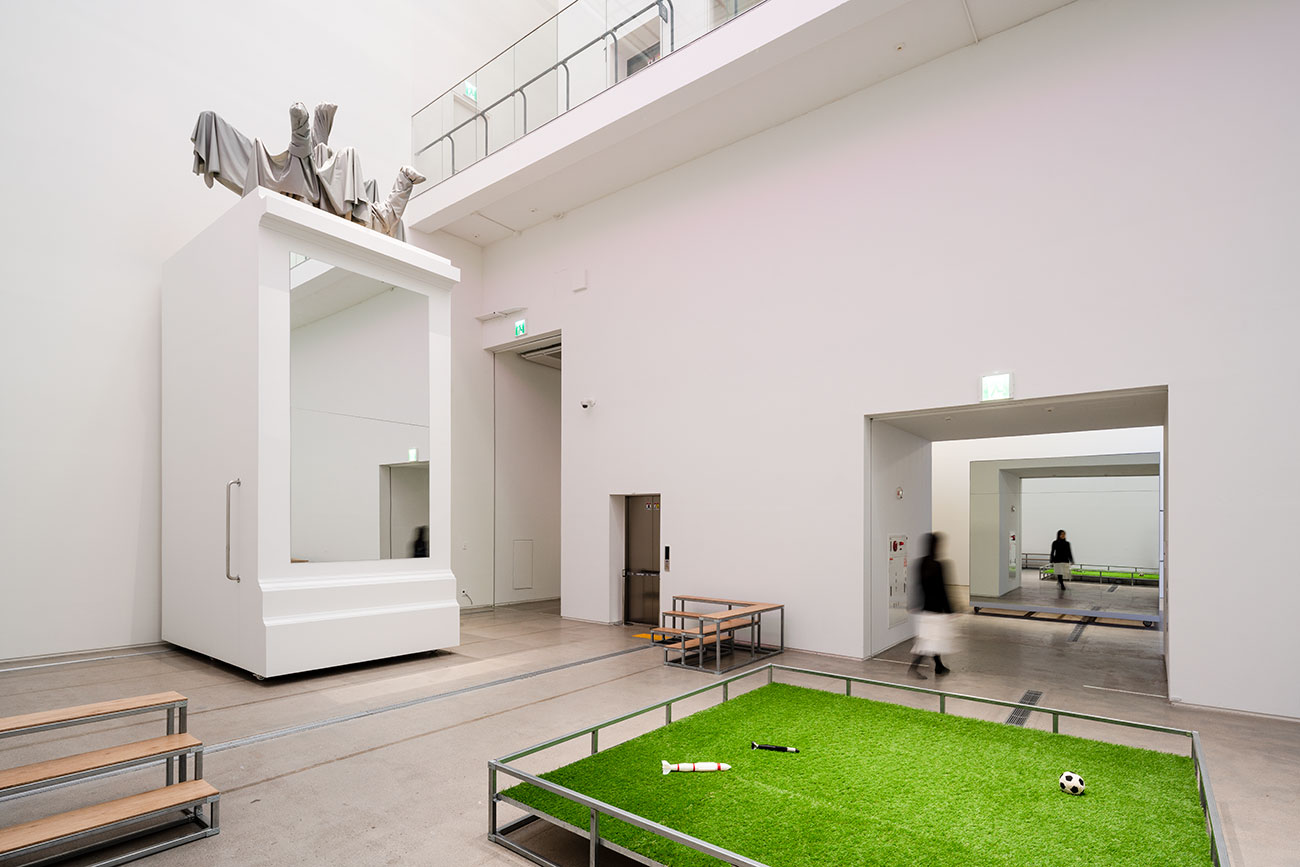
Minae Kim has participated in approximately 60 group exhibitions across South Korea, the United States, the United Kingdom, France, Germany, and Switzerland. Notable group exhibitions include 《Embrace》 (2010, Edinburgh College of Art, Edinburgh), 《The Forces Behind)》 (2012, Doosan Gallery, Seoul & New York), 《ArtSpectrum 2014》 (Leeum Museum of Art, Seoul), 《O philoi, oudeis philos》 (2017, Atelier Hermès, Seoul), 《Point Counter Point》 (2018, Art Sonje Center, Seoul), 《Double Negative: From White Cube to Netflix》 (2018, Arko Art Center, Seoul), and 《Korea Artist Prize 2020》 (National Museum of Modern and Contemporary Art, Seoul). More recently, she presented 《The Purloined Letter》 (2023) at ONE AND J. Gallery.
Awards (Selected)
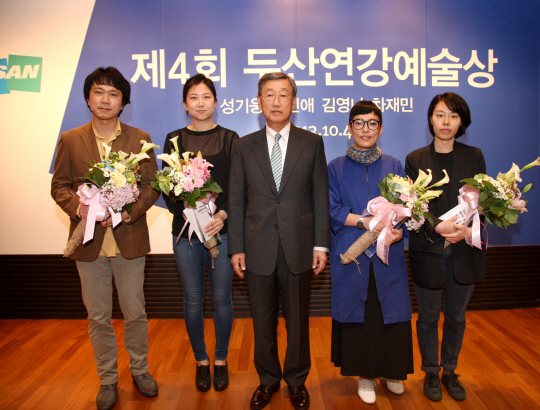
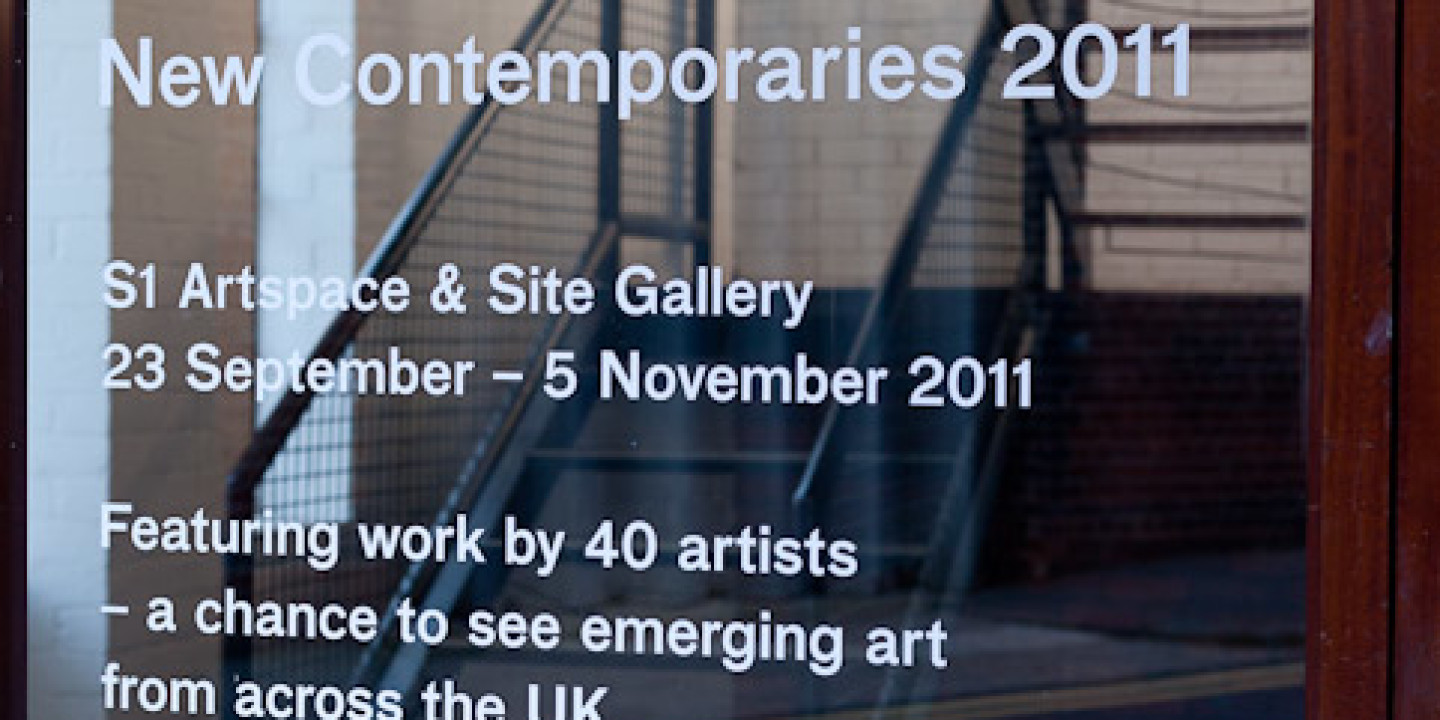
Minae Kim was awarded the 2nd Prize at the 29th JoongAng Fine Arts Prize (2007, Korea) as one of the 25 Artists of the Year. In 2011, she was selected for Bloomberg New Contemporaries (UK). She later received the Doosan Yongang Artist Award (2012, Korea) from the Yongang Art Foundation and the Inger Lawrence Award (2013, University of Oxford, UK). In 2020, she was named a Finalist for the Korea Artist Prize at the National Museum of Modern and Contemporary Art (MMCA).
Collections (Selected)
Minae Kim's works are included in the collections of the National Museum of Modern and Contemporary Art (Korea), Seoul Museum of Art (Korea), Yongang Art Foundation (Korea), MMCA Art Bank (Korea), and CAN Foundation (Korea).