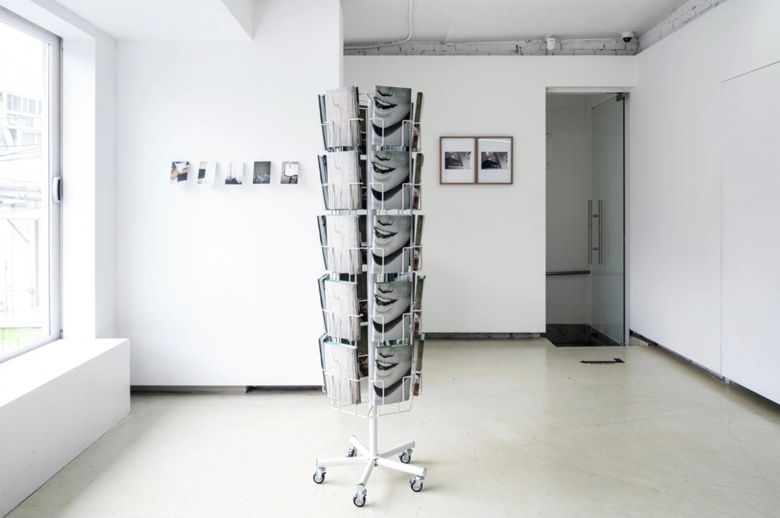
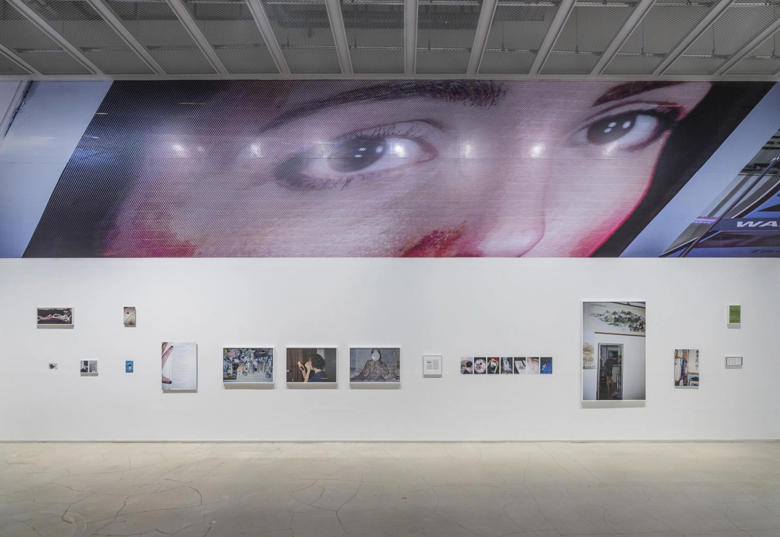
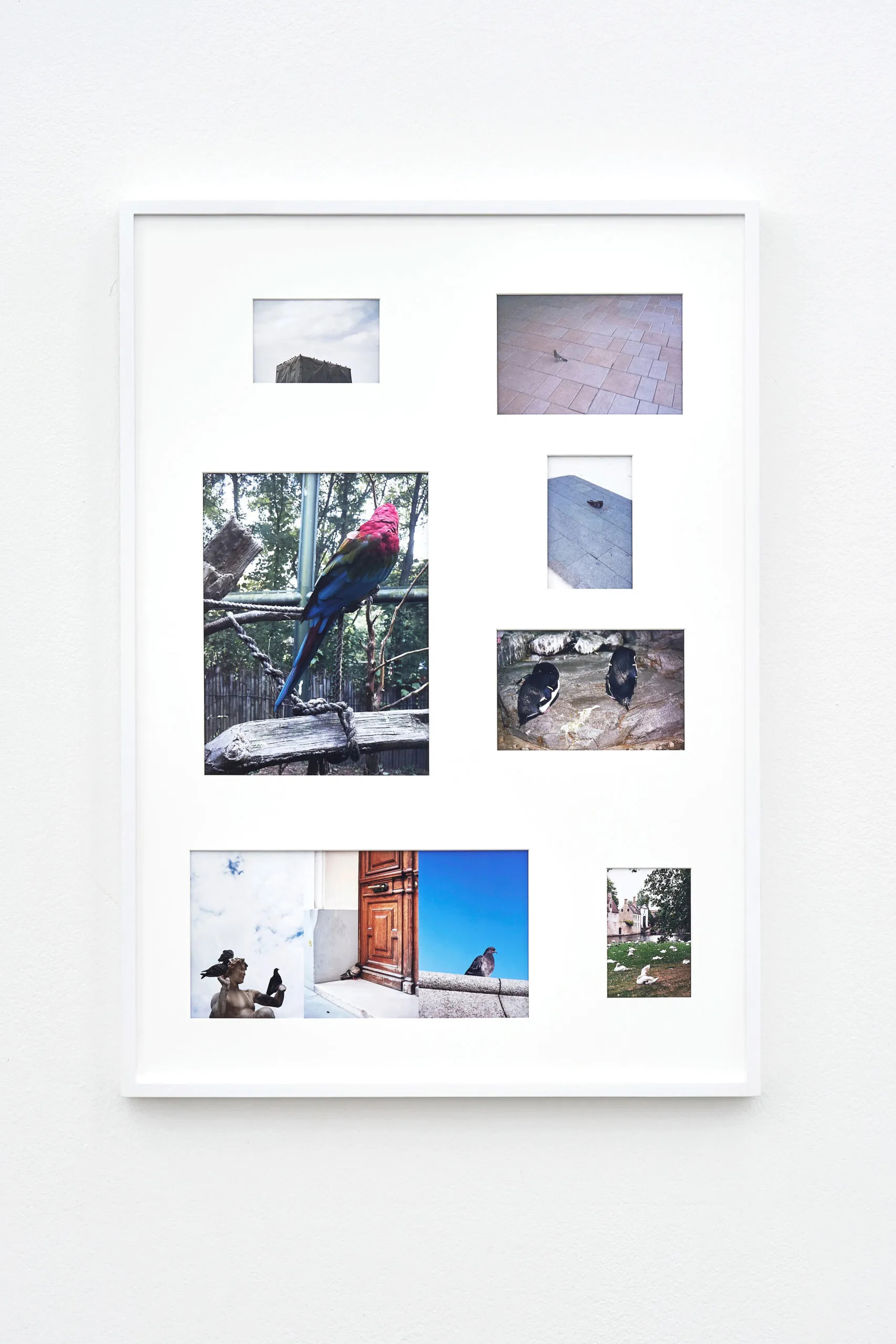
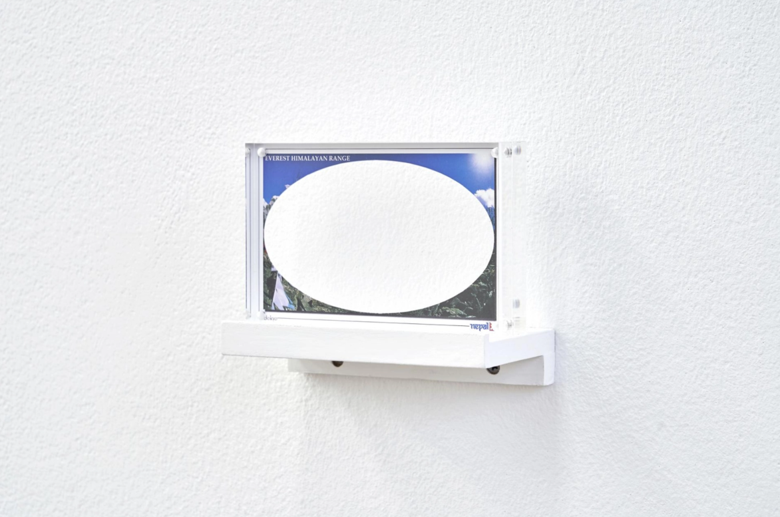
AN Chorong’s photographs are transformed into a more active language of response through sculptural concreteness. On the opposite side of the flat and smooth surface of digital images, and of images treated as the language of skins and shells within consumer culture, she adopts a strategy of materialized images.
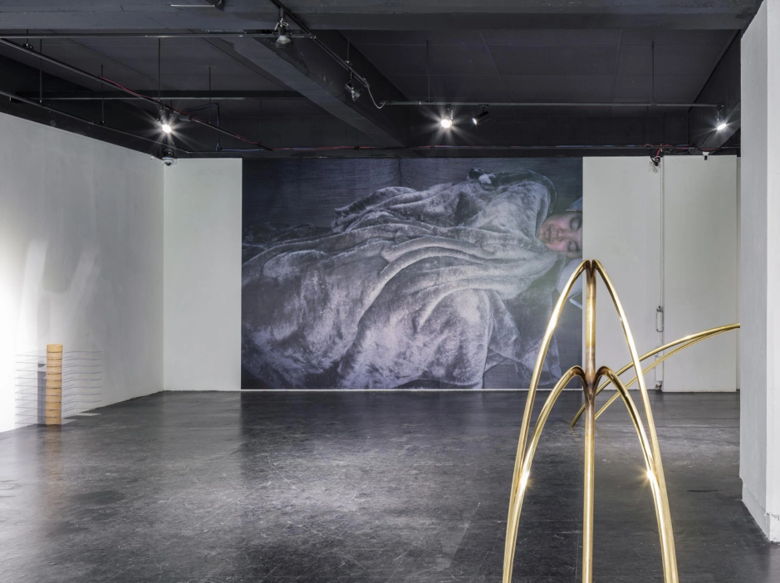
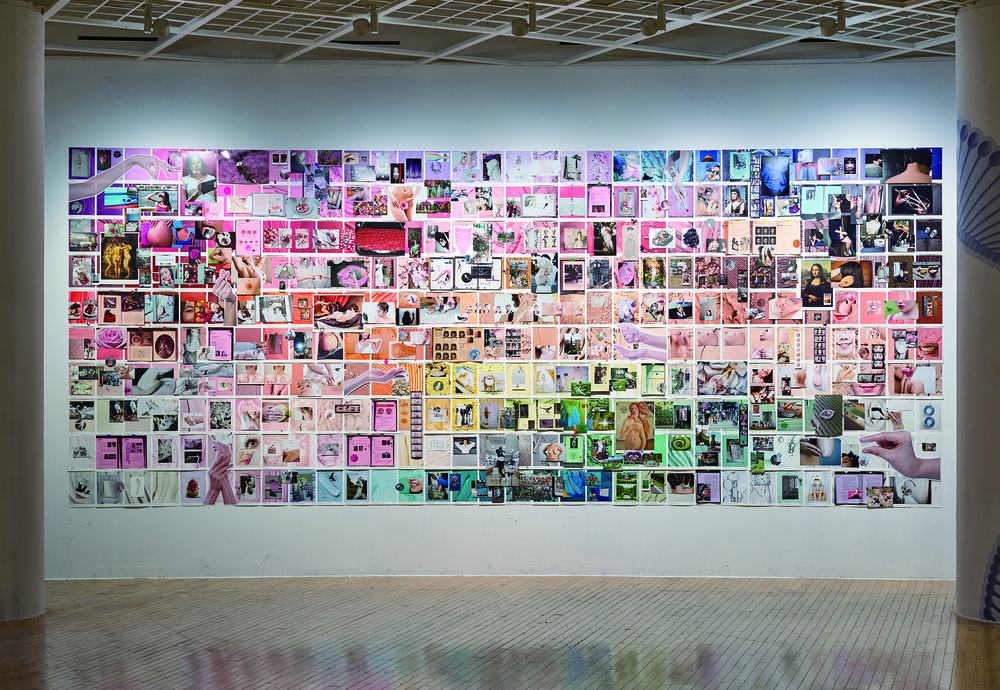
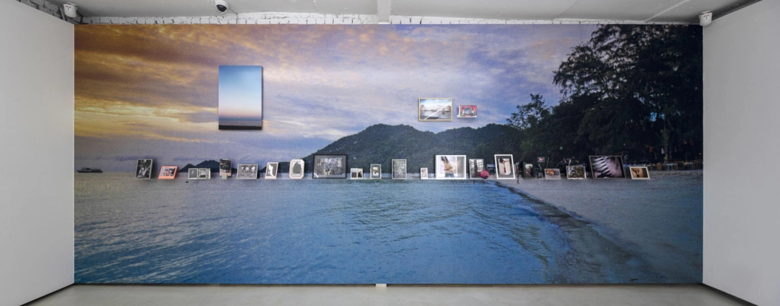
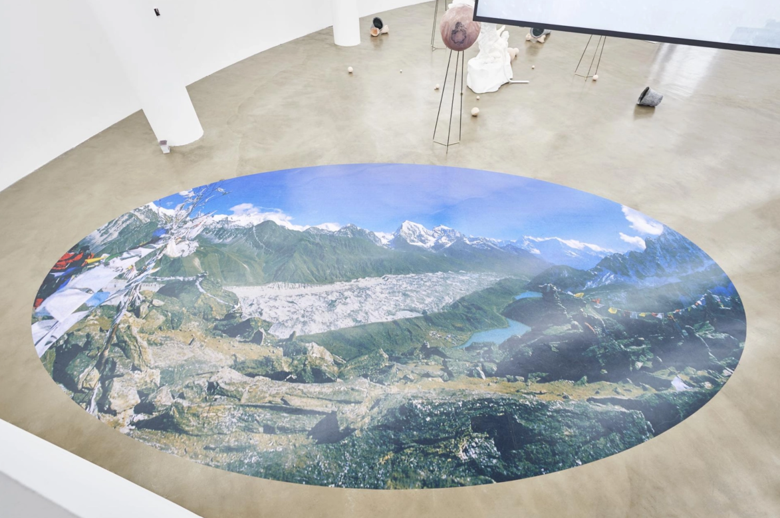
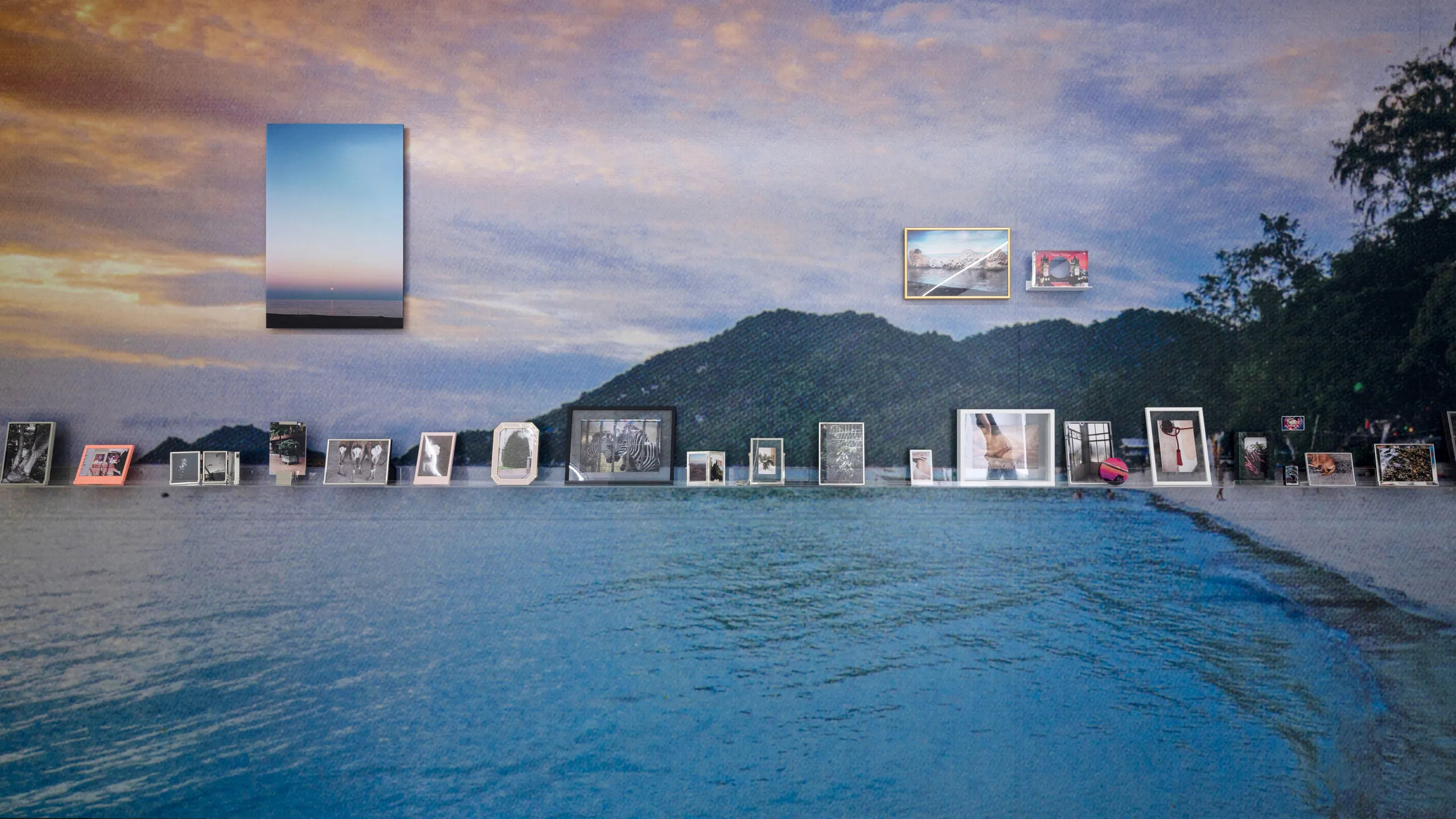
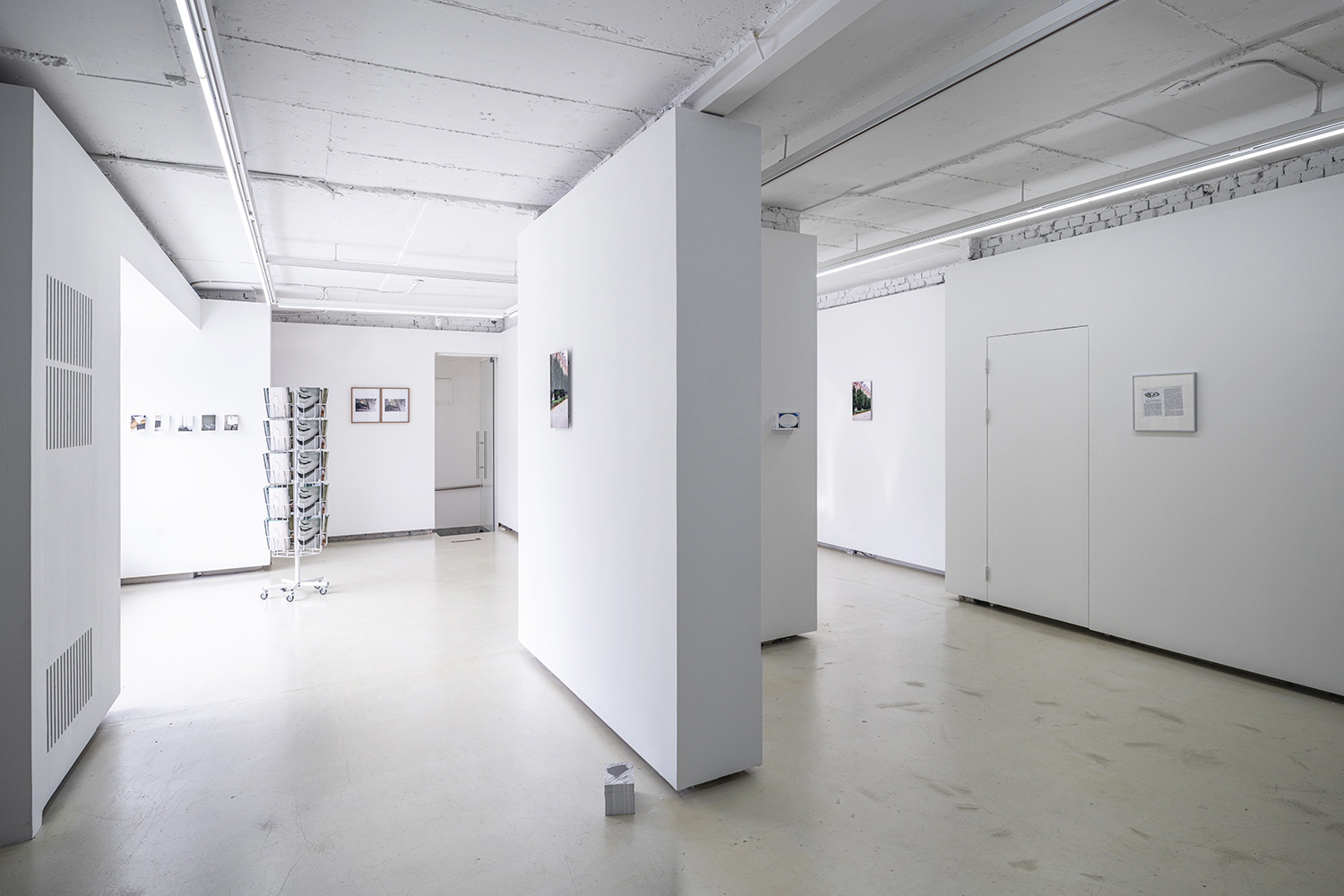
Since photographic art presupposes printing from the outset, this realm of materiality may not seem particularly new, yet the artist refers to and appropriates the support of the image across various dimensions and contexts. At times, by exhibiting together the image of a postcard sent by a friend and an old photograph she took of that friend’s everyday life, she reflects on the present built upon a nonlinear past that has deviated from linear time, as in 《Night Turns to Day》(Art Sonje Center, Seoul, 2019).
At other times, she appropriates a mobile phone case as a frame for photography and considers the way her photographs dwell within another person’s everyday life, as in 《AN CHORONG PLUS》(Dapalm, Seoul, 2023). The photograph that becomes one with a mobile phone accessory even moves beyond the way photography exists in everyday life, causing images to form a chain as “a photograph inserted into a case within a photograph taken together with a selfie.”
In doing so, it prompts us to reconsider the ontological status of images that originate from the act of “taking photographs,” which has become a universal cultural practice. It recalls contemporary reality under the proposition of the democratization of images, in which images once exclusively produced and controlled by a minority can now be photographed, edited, disseminated, and circulated by anyone.
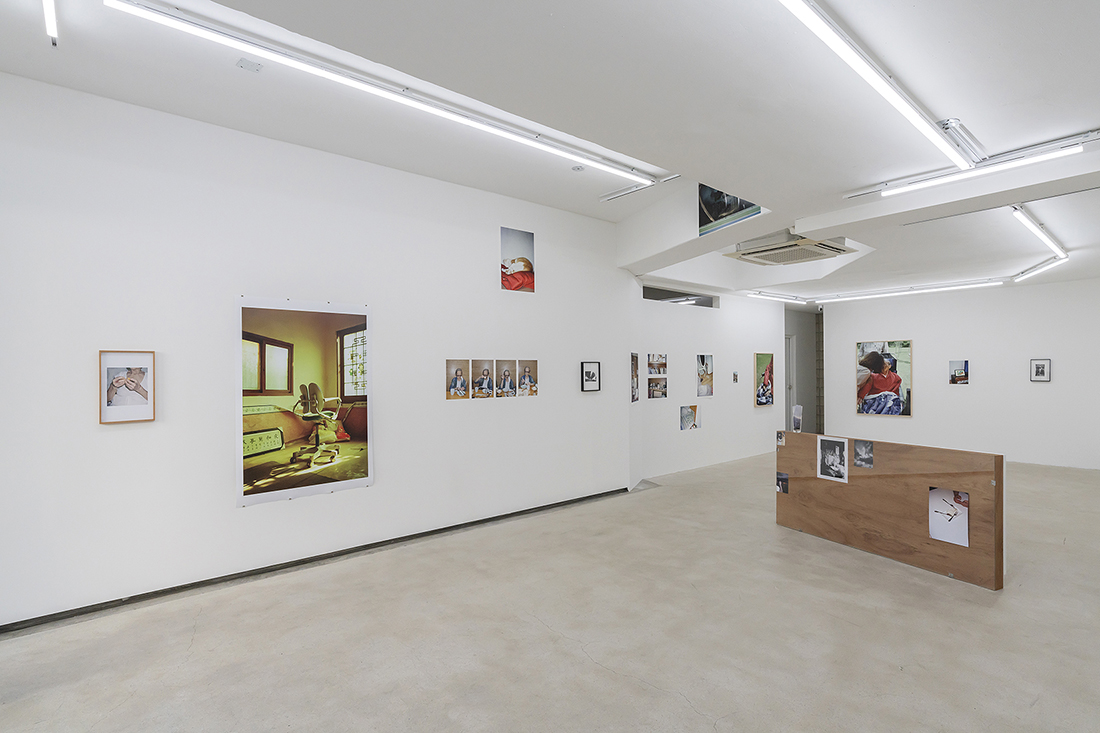
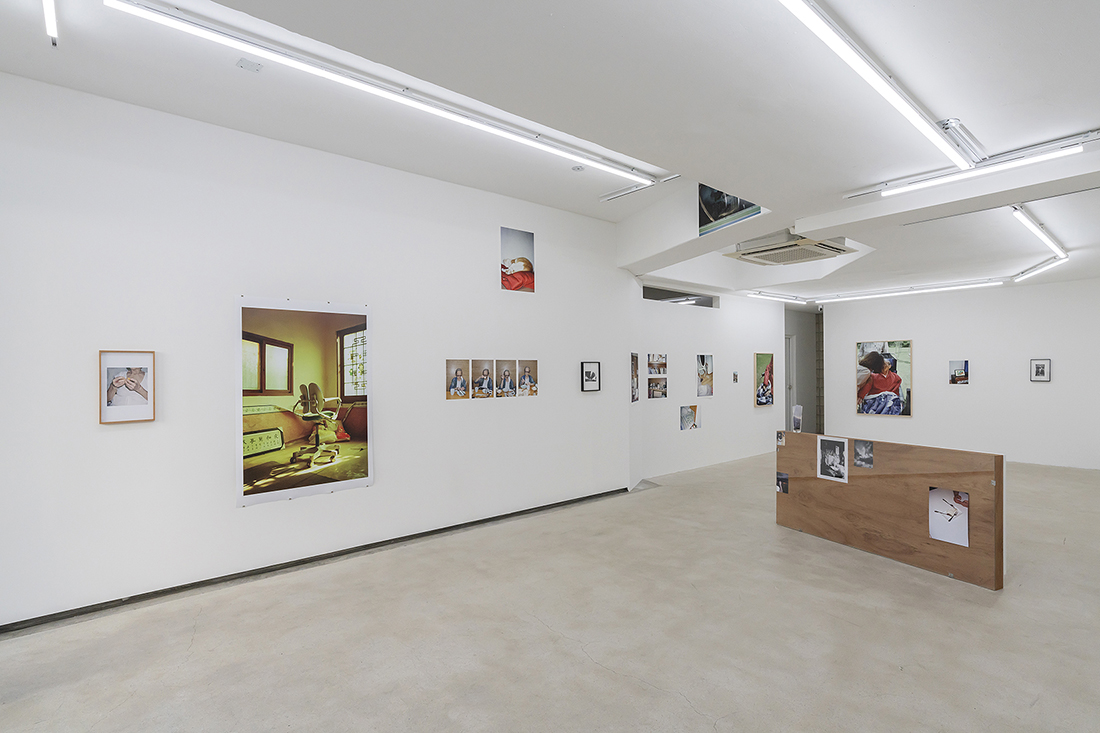
It also brings to mind the reorganization of social, cultural, and political hierarchies surrounding images, as well as an order in which diverse voices and experiences coexist. AN Chorong’s photographic attitude of bringing images into the realm of matter by relying on supports continues in 《Flesh》(Primary Practice, Seoul, 2025).
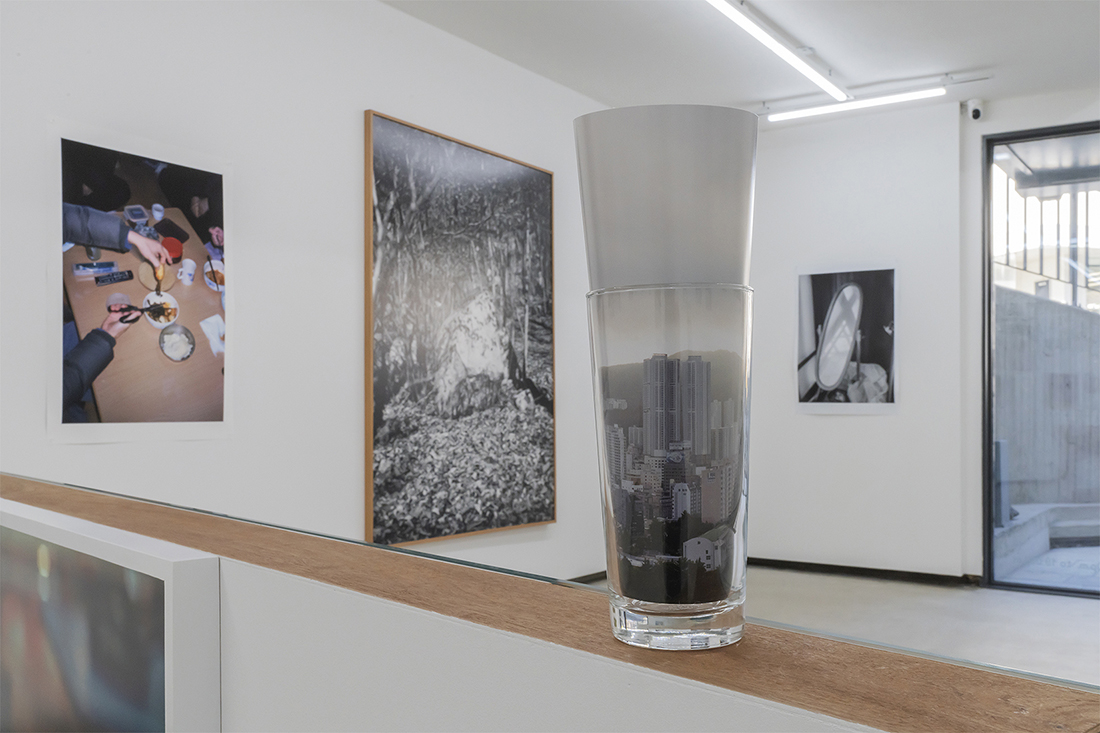
Through photographs placed and inserted into a structure that looks like a four-person table laid on its side, the artist at first glance recalls the way photographic images exist when slipped between the tabletop and glass of a dining table in everyday life. This leads the viewer’s gaze toward a more private dimension in relation to the properties of photography—that is, the attitude of reminiscing about and remembering specific memories and experiences from the past.
The mode of existence of photography, taken from private habits and behaviors, continues in photographs rolled up and placed inside transparent glass cups, as in New Home(2024). Rather than foregrounding the interpretive meaning or aesthetic achievement of the image itself, these works seem to evoke the intimate forms of our lives through the material conditions in which the images exist, and to ask again about the relationship between photographic images and everyday life.
If the attempt to add “flesh” to photographic images lies in settling data-images, through the process of printing, onto various kinds of solid frames and awakening shared everyday sensations by relying on medium-specific characteristics, then the temporal sensation that arises between individual images and between arranged images, along with their narrative potential, may be considered another kind of “flesh.”
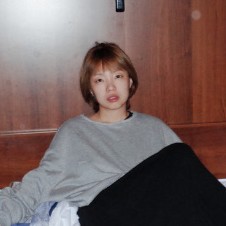
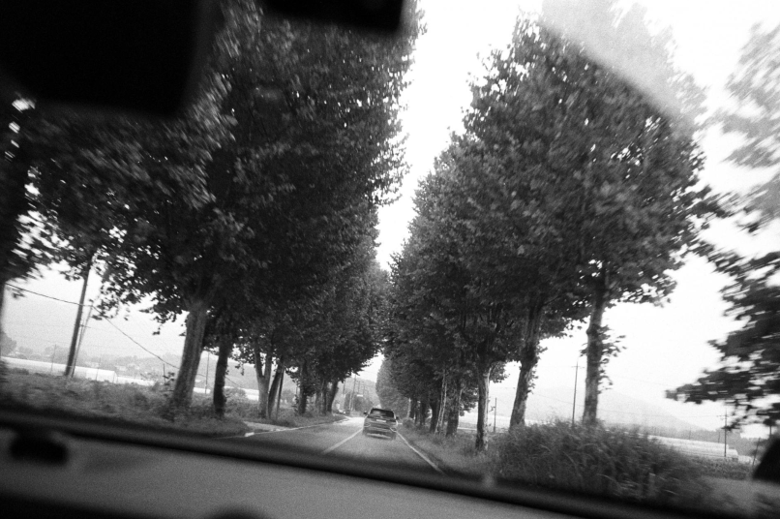
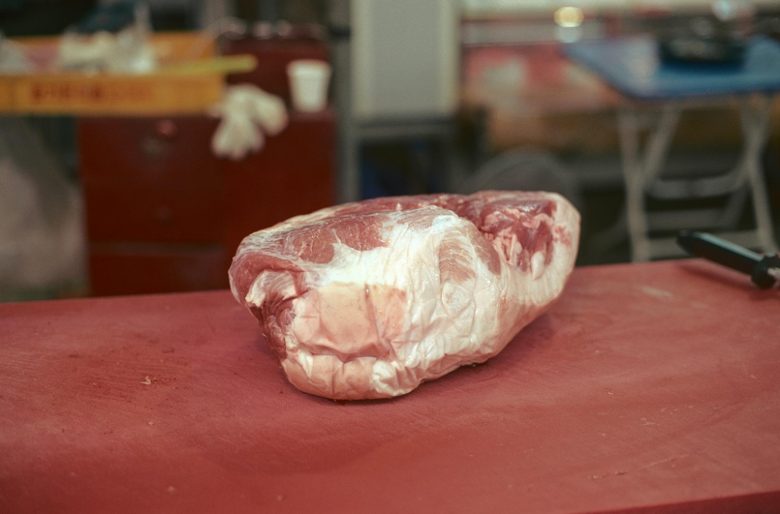
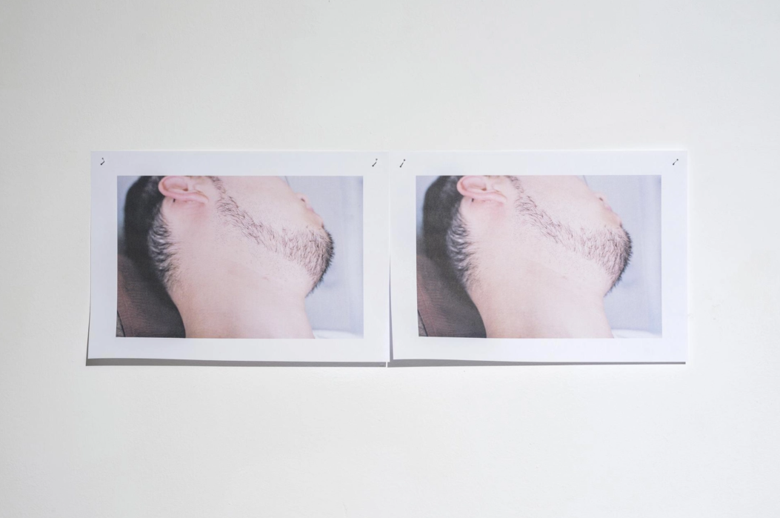
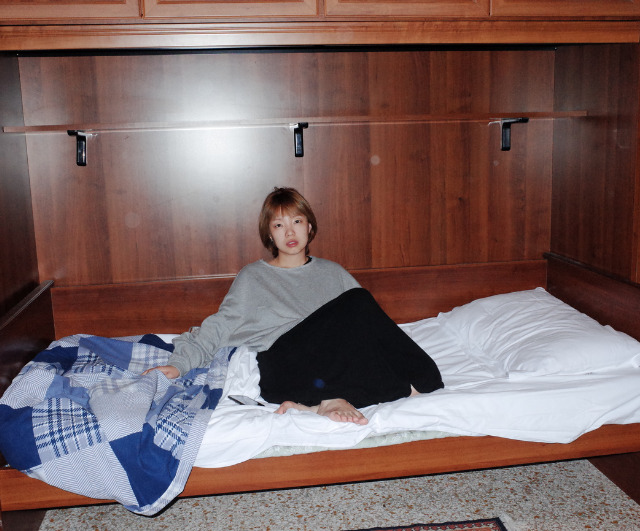
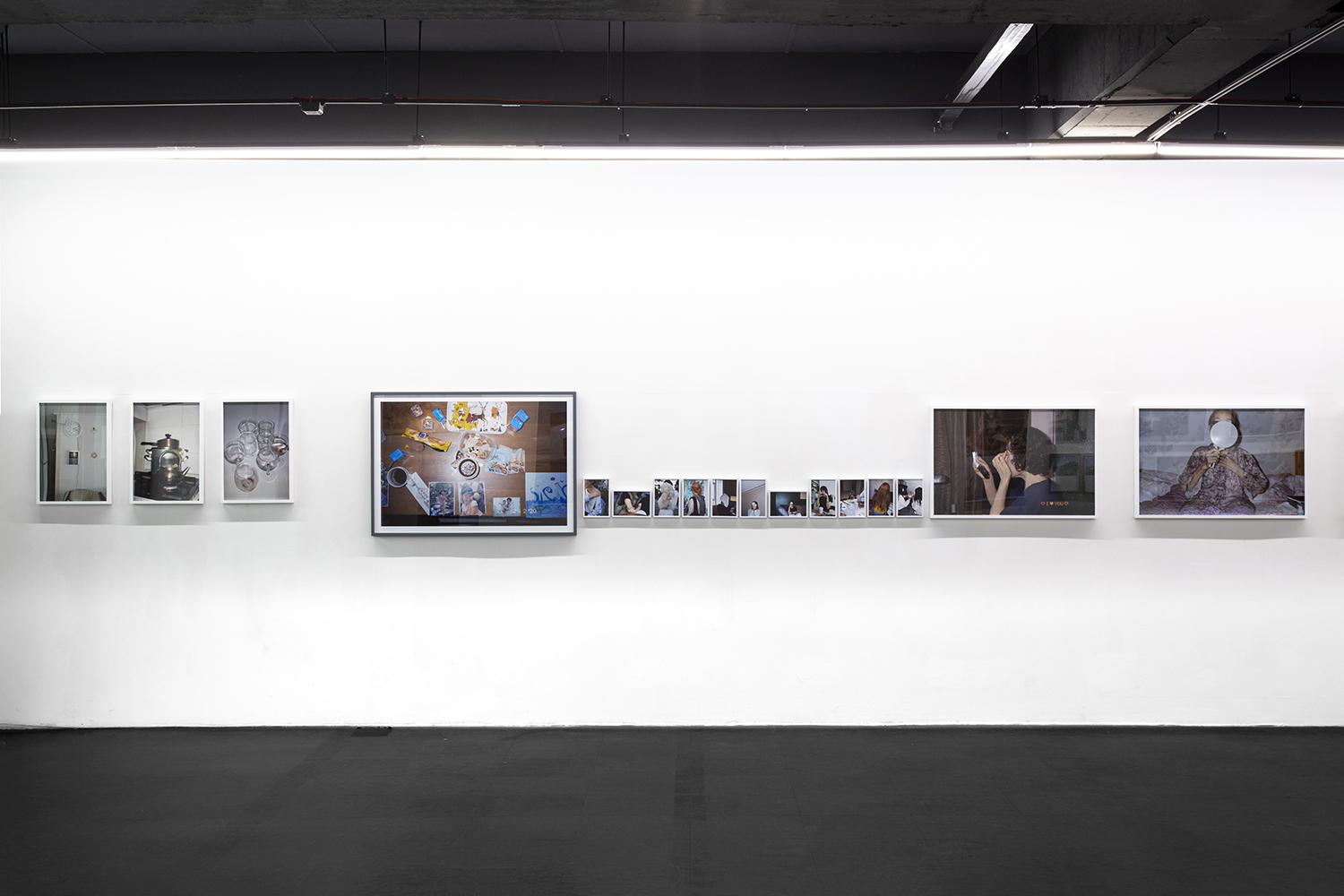
The photographs encountered in the exhibition depict the artist’s family, very close acquaintances, objects, and landscapes. What is interesting here is the principle of image composition that AN Chorong adopts. Rather than picking up the camera to capture decisive moments, she indulges in “scenes” of everyday life that he encounters by chance, but that are above all natural.
She avoids assigning excessive meaning or symbolism to individual subjects, and instead turns her attention to the situation in which they are placed, or to the way objects exist in everyday spaces, as though tracing the mode of existence of a particular individual within the order of things. In her photographs, figures are boldly cropped, and in the scenes she captures, the background draws the gaze almost equally with the objects placed at the center.
Most subjects are not signs meant to prove a special relationship with the artist, but instead share only the emotions that pass through their distinctive abstract situations. They are clearly “records” of everyday life, but their descriptive message or narrative as documentary photographs is ambiguous.
Although they clearly appear to be direct and concrete scenes from the lives surrounding the artist, individual subjects lose their concreteness in photographs that do not identify with the subject through emotional projection, but maintain the gaze of an observer with a distinctive sense of distance.
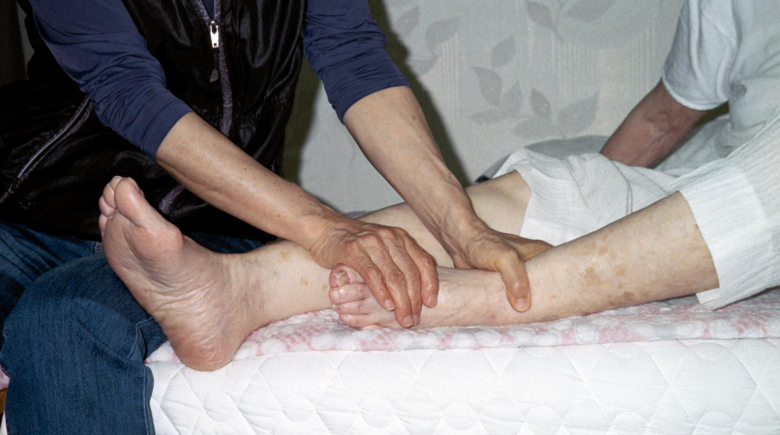
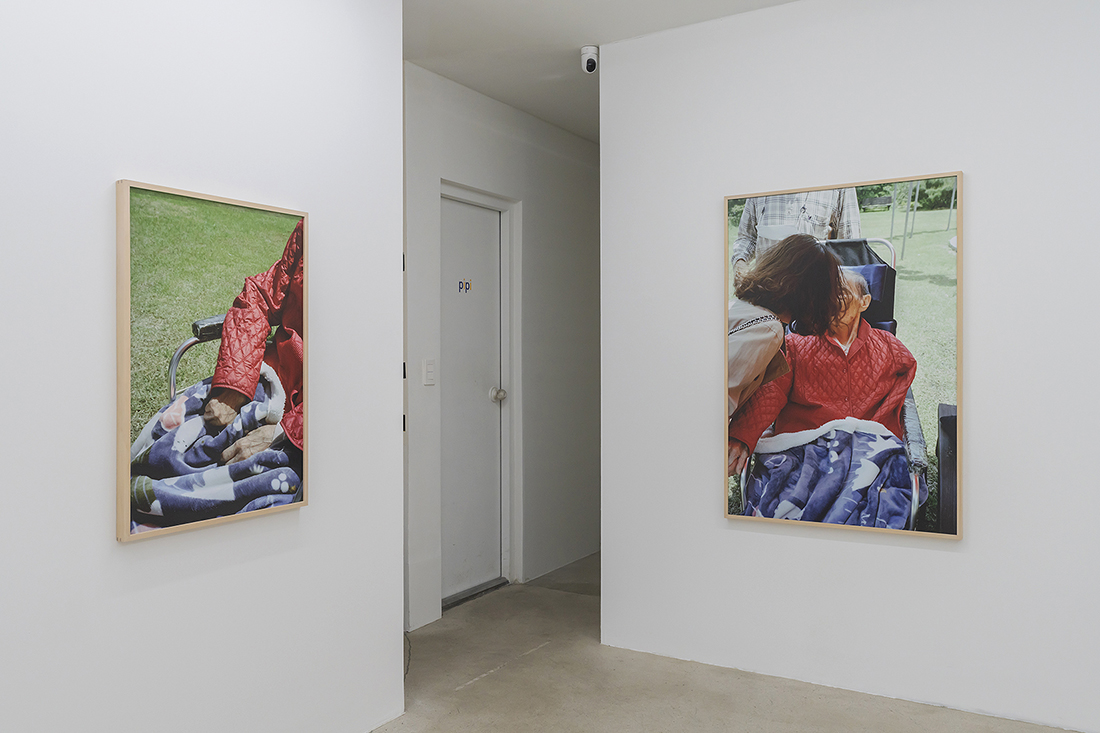
In this way, the wrinkles and visible veins of an elderly woman are translated into the maximized materiality of skin, as in Apricot and Woman(2020), Visiting Hours(2024), and Happy Birthday(2024), while the image of hands massaging an elderly person’s feet and legs in Massage(2020) leads to a heterogeneous material sensation arising from the contact between two bodies that contain time differently.
Meanwhile, personal beliefs, wishes, desires, compulsions, or tastes that can be inferred from images partially extracted from the objects composing someone’s space deviate from their original systems of sign and symbol, and are reduced to the image of the object itself, as in Old House #1(2017), Old House #2(2021), Old House #3(2024), and Wet Money on the Bed(2021).
In addition, scenes in which only parts of the body remain—such as the posture of cutting and sharing food at a table, or hands moving busily in the background of objects—secure a space that can boldly invite some kind of narrative outside the frame, transforming into gestures that serve countless narratives others may project onto them.
Through this somewhat loose principle of relation and composition, which resists being classified into fixed types, the artist’s photographs move away from personal recollection or private sentiment, and instead rapidly close the distance with viewers by demanding psychological, emotional, and narrative responses.
The numbers attached to the titles of the works suggest the time of shooting, proving that these images began as recorded data, and that they acquire the rhythm of life through recontextualization and rearrangement. In this way, in AN Chorong’s photographs and their hierarchy-free scenes, symbols are dismantled, and images are secularized, beginning to live with emotions that are closer than anything to life.