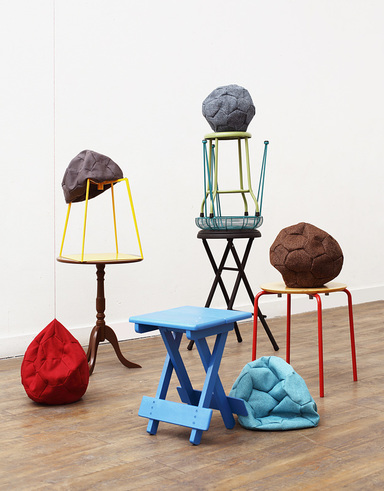
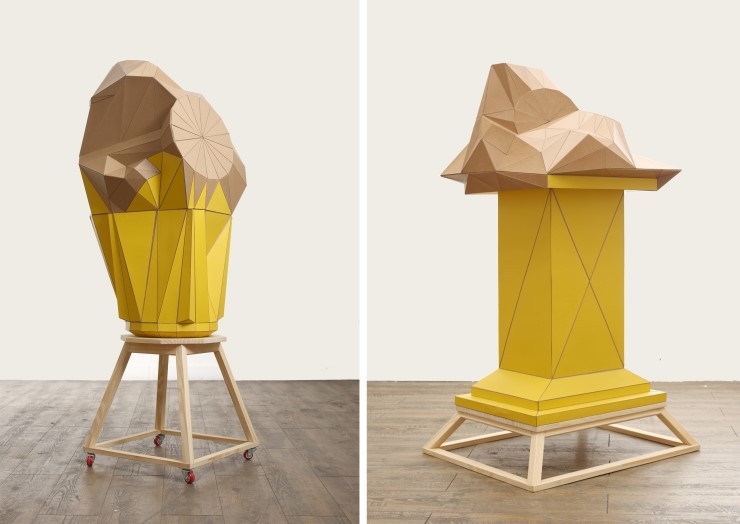
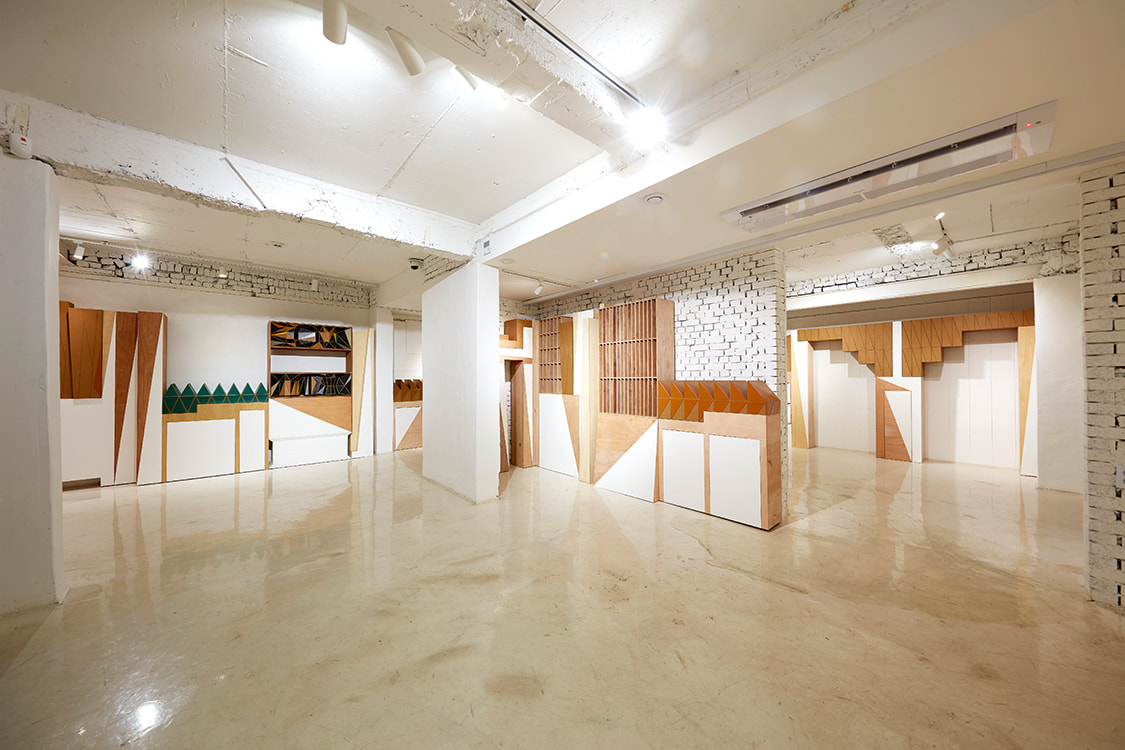
Instead of settling for lucid monotony, pursuing elusive language-concept specters that forever seem just within reach, yet always slip away...
On the evening I first met the artist Jaiyoung Cho, this was all I jotted down in my notebook. It was, in a sense, my brief critical impression of the artist. Perhaps it seems oddly dreamy for someone whose work, while lightweight for sculpture, possesses a distinctly solid and sharp-edged presence.
Yet Cho is undoubtedly more compelling when approached as an installer—or even as a designer—who freely manipulates perception and conception, rather than as an artist confined within the conventional category of sculpture.
Core and shell, figure and ground, surface and depth, essence and representation, permanence and ephemerality, subjectivity and objectivity, knowledge and experience. These are familiar conceptual pairings repeatedly summoned within the discourse of the visual arts—more precisely, within the narratives that structure art itself.
Linguistically, and particularly within the conceptual framework of art, these opposing worlds constantly contend with one another, sliding toward one side before eventually permeating each other. Determining their coordinates is the artist's task. Through individual rules and strategies, artists either displace this tedious symmetry or, at times, dissolve the world altogether by ridiculing the very premise of binary opposition.
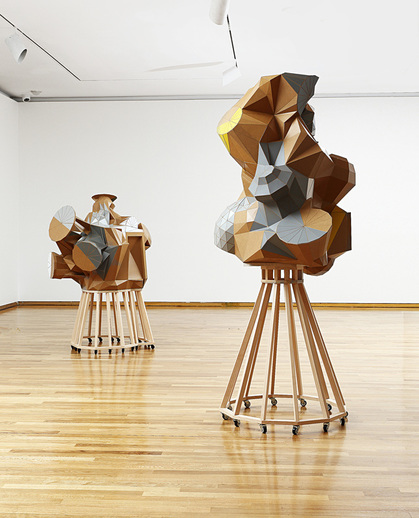
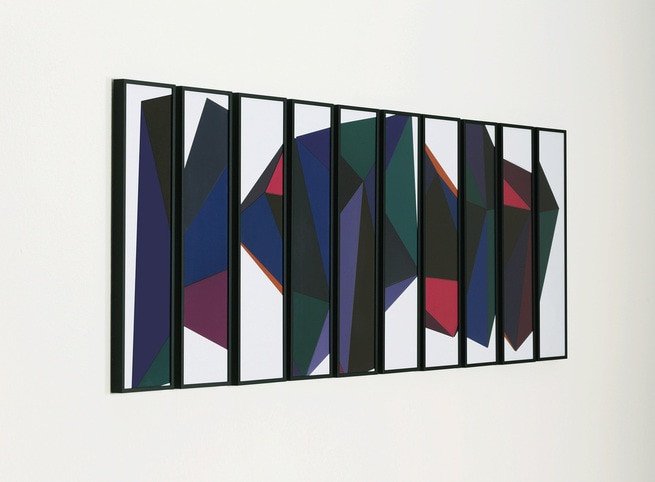
Cho's distinctive positioning seems to lie in a paradoxical creative method: she resolves the opacity of sculptural concepts and the turbulent intellectual struggles within them through sharply defined edges and impeccably finished surfaces.
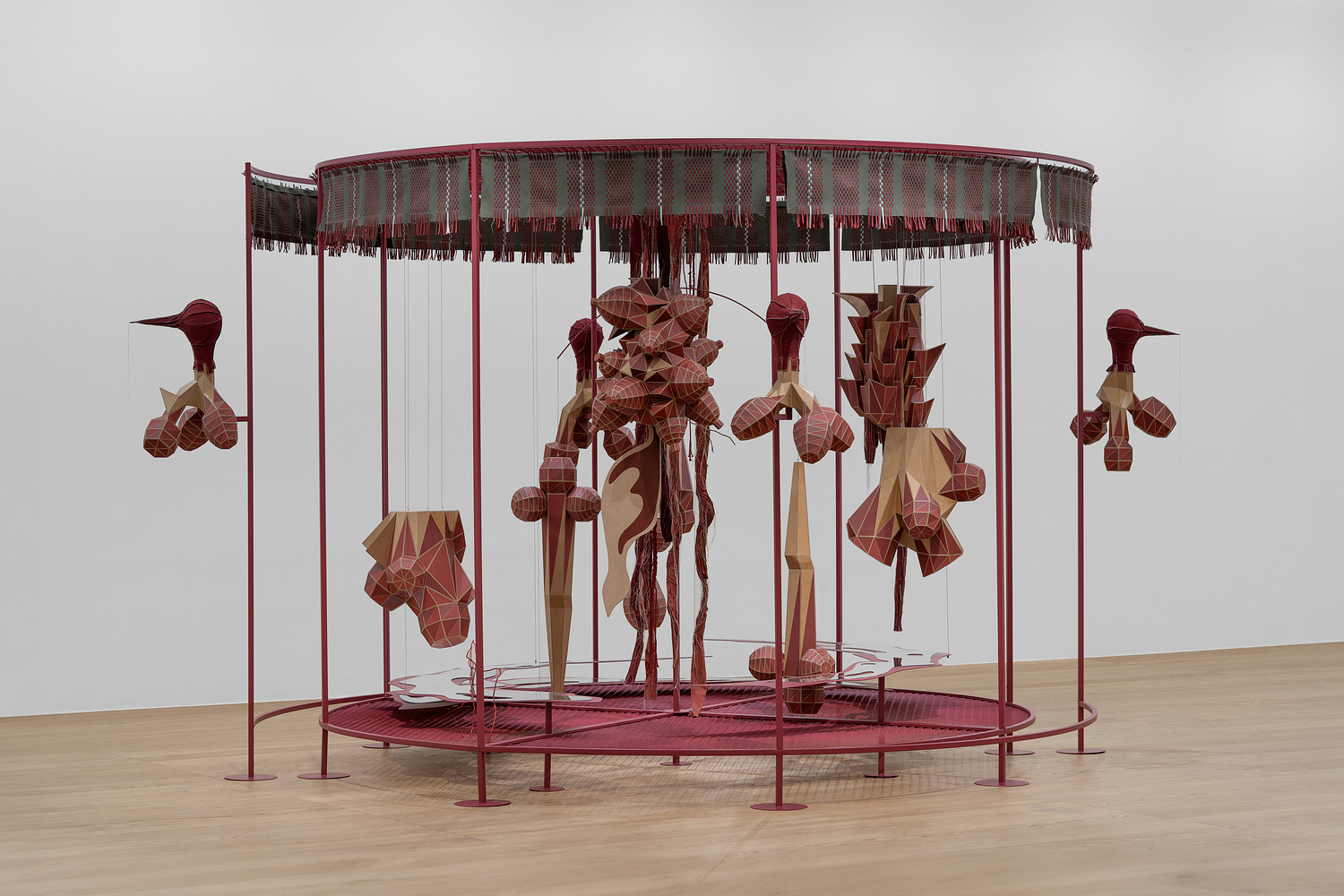
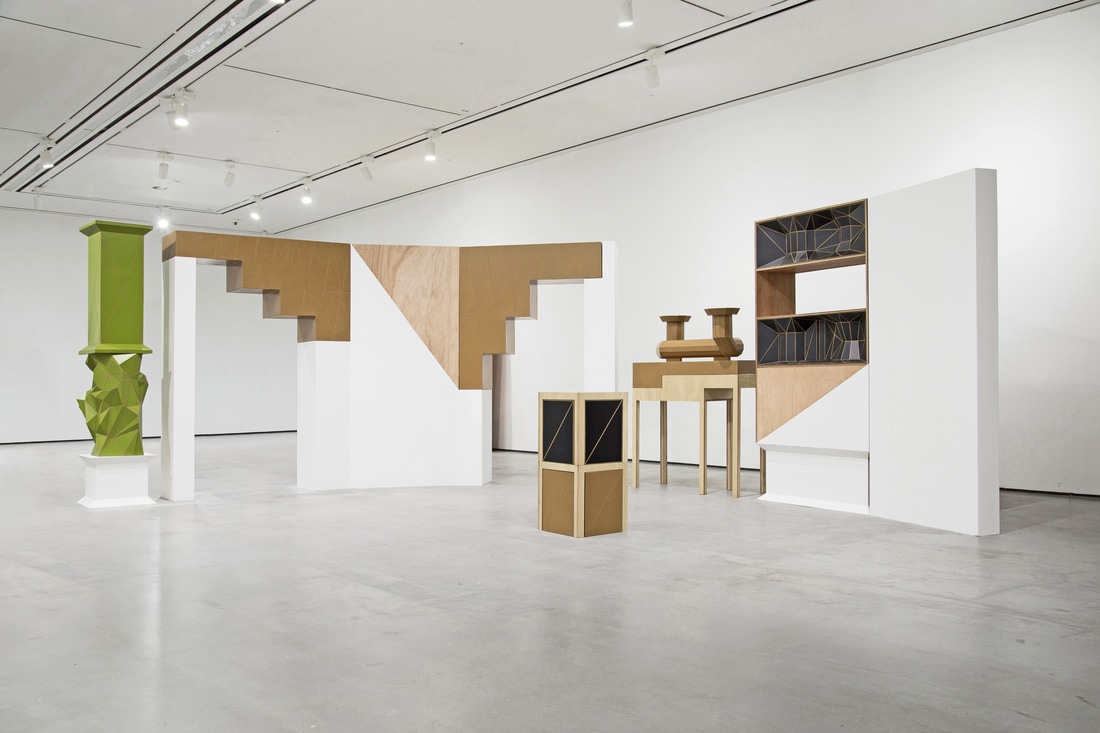
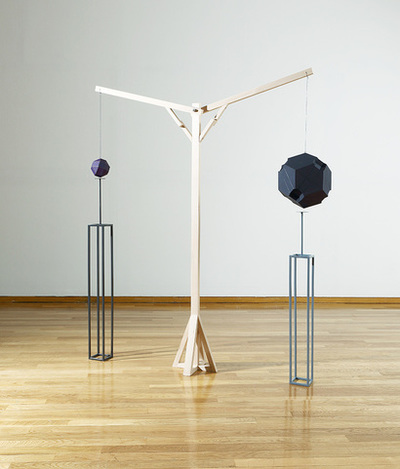
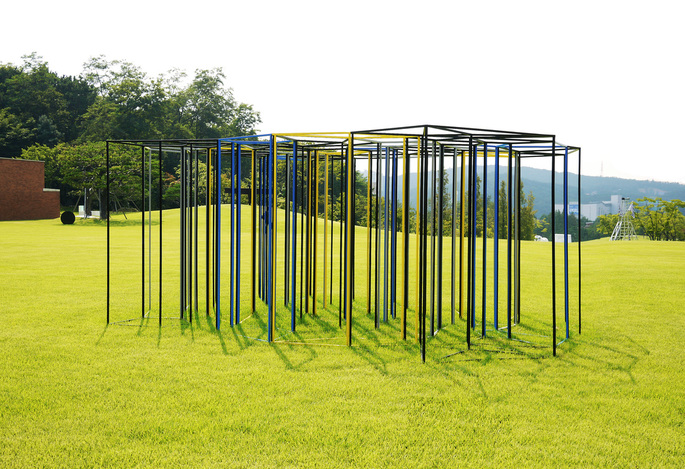
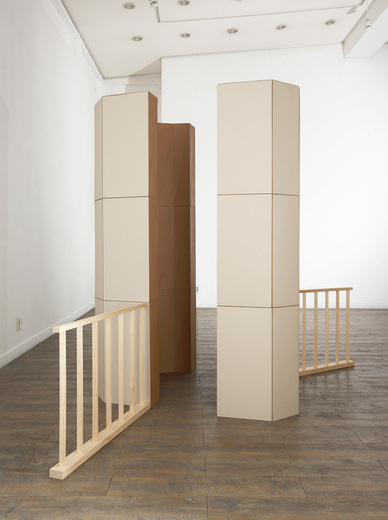
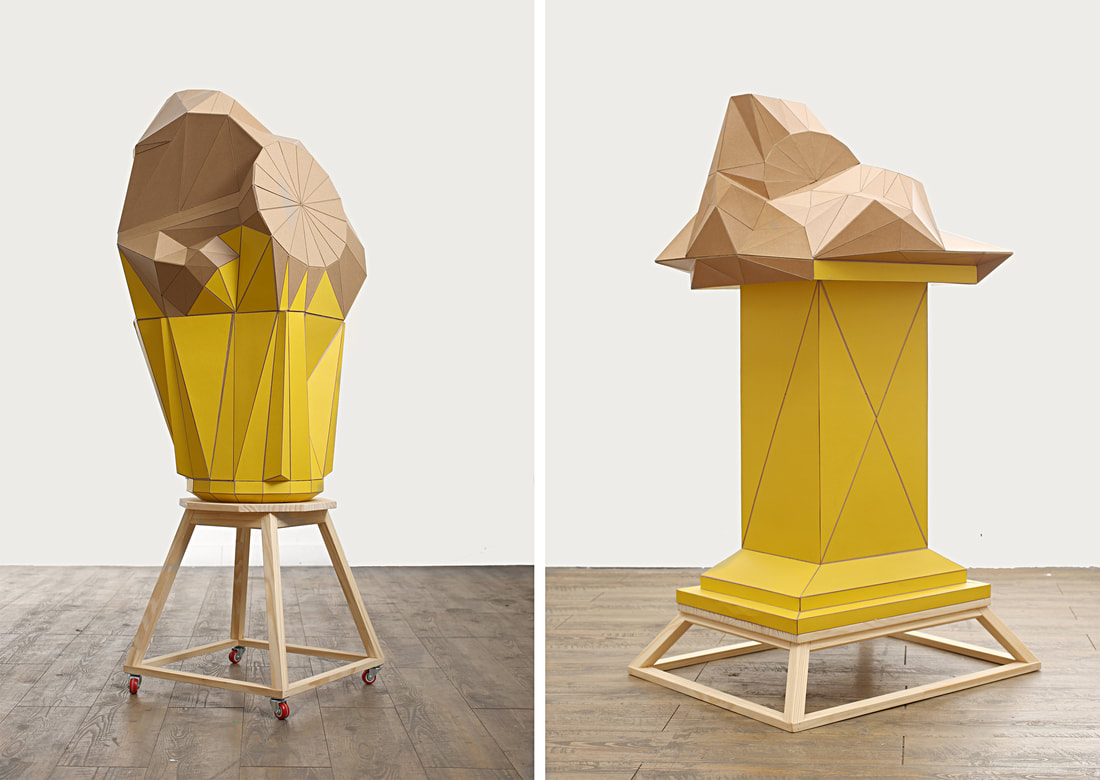
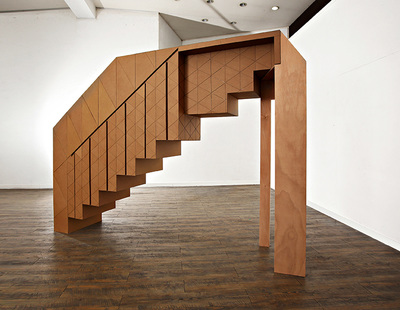
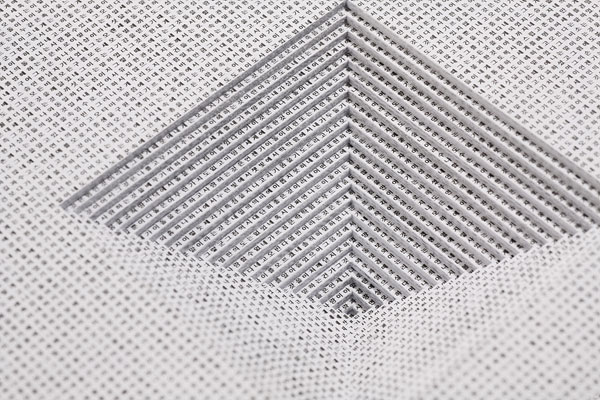
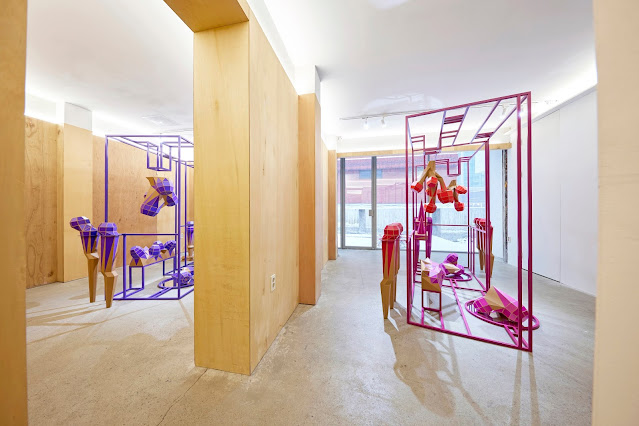
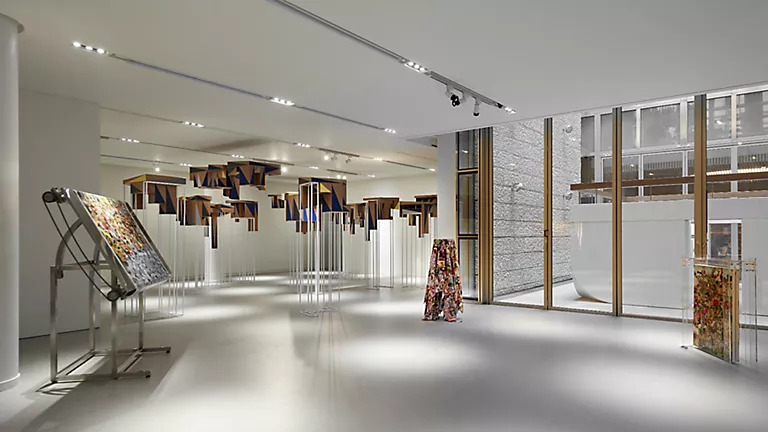
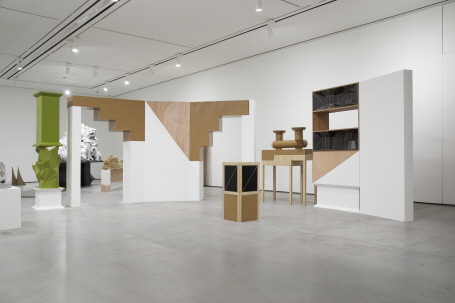
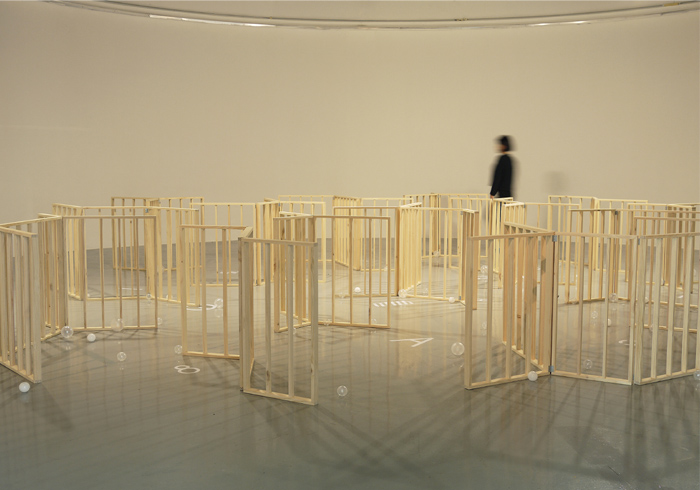
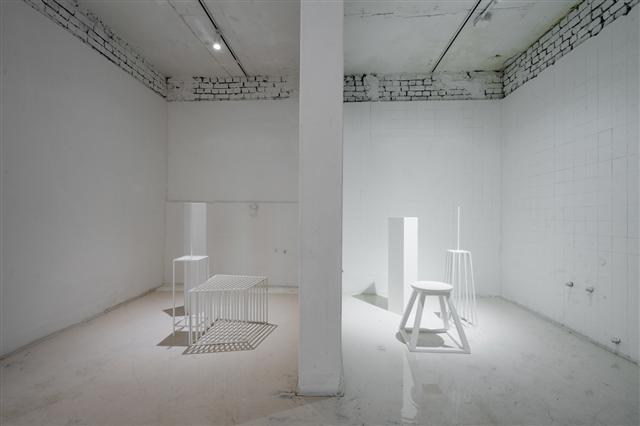
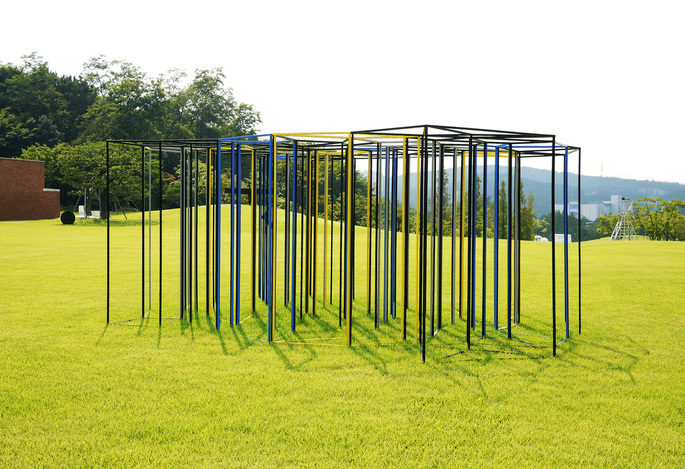
The transparent drafting lines and meticulously joined cut edges across thick cardboard possess both the architectural clarity of construction drawings and the tactile sensibility of craftsmanship, resulting in a visual language that is simultaneously crisp and refined. Unlike the literary resonance suggested by her titles, the works themselves are coolly disciplined and sensitively situated within space.
They contain neither explicit references to the world nor explanatory annotations of particular events. Instead, the artist's role lies entirely in designing a consistent system—reimagining mathematically measured forms before reconnecting, proliferating, and expanding them according to self-imposed principles.
This is an intellectual struggle and productive process of a different order from artistic traditions that carve imprisoned matter into form or, like Pygmalion, breathe life into sculpture.
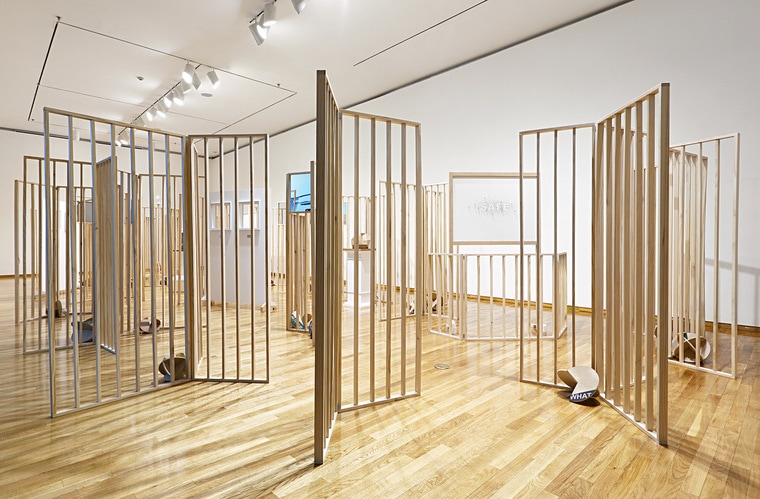
What becomes necessary is to move beyond the assumption that works exist merely to fulfill the site-specific conditions of an agreed artistic space, or to establish logical arrangements between artworks and hierarchical relationships between whole and part. Instead, the artist constructs situations in which yesterday's concepts betray and collide with the bodily experiences of the present.
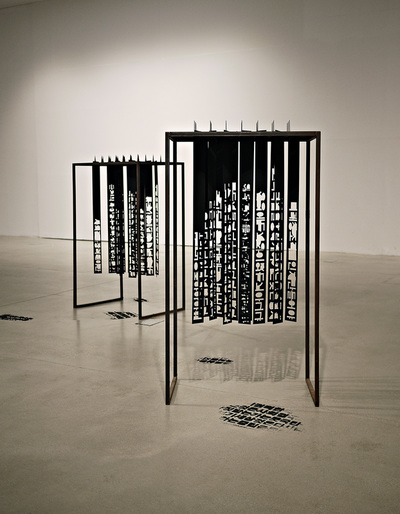
Within the field generated by the world composed of Cho's designed objects, the sum of the parts invariably exceeds the whole; interiors that appear empty are in fact densely layered; and the silhouettes of familiar objects suddenly become unfamiliar.
Concepts and perceptual systems acquire meaning only through constantly shifting relational conditions, while language traces the paths through which these meanings are transmitted and received at the surface. Along these trajectories, the artist's own path remains persistently opaque. Yet the cross-section of creation—the moment in which she carves (or cuts) through a segment of that trajectory—always crystallizes with remarkable clarity before us.
Soon enough, the fragments of objects that Cho has carved from particular situations—at times sculptural objects themselves—are relocated into new places and contexts. Coiling, unfolding, and reassembling in different configurations, they repeatedly lead us into new forms of opacity.