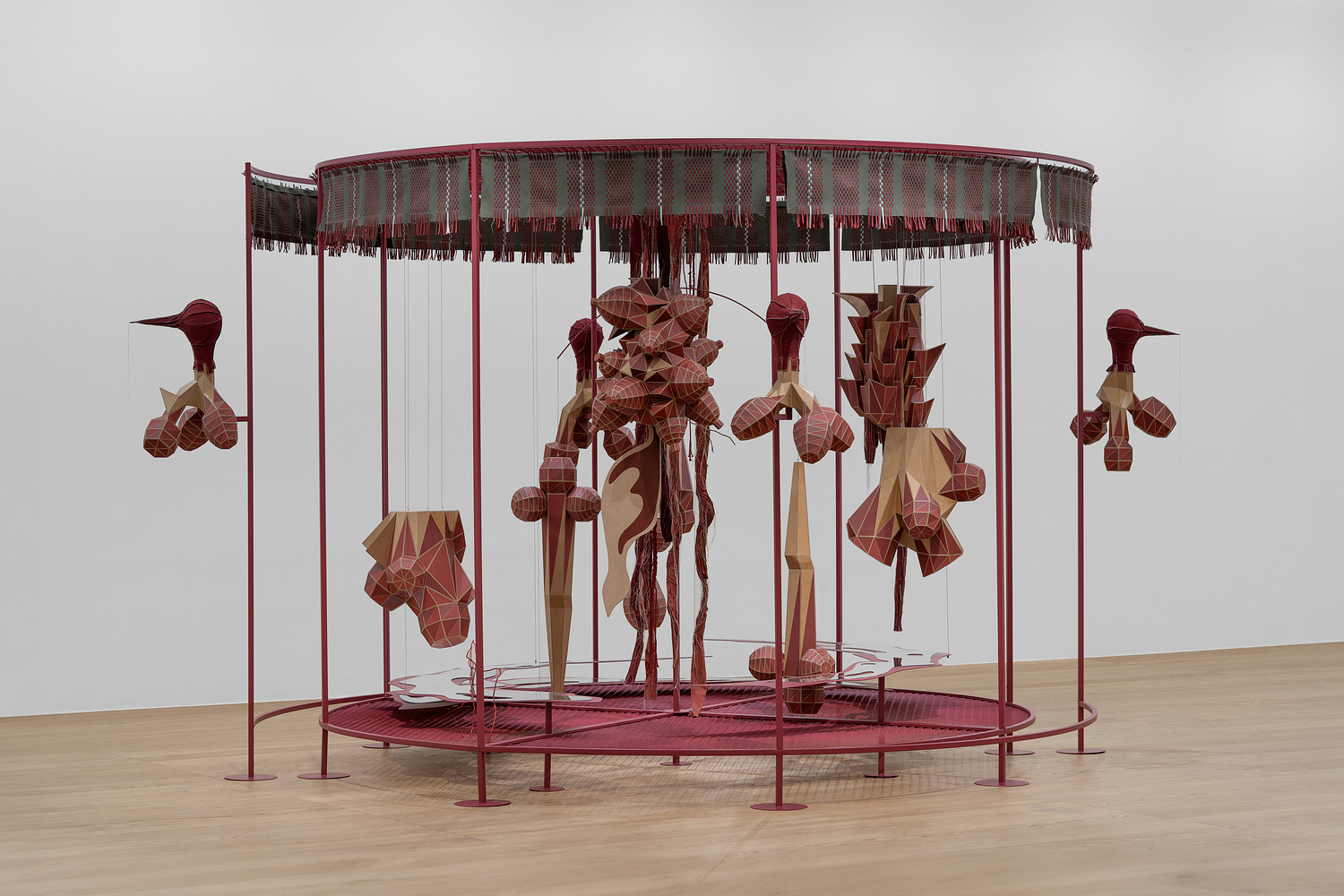
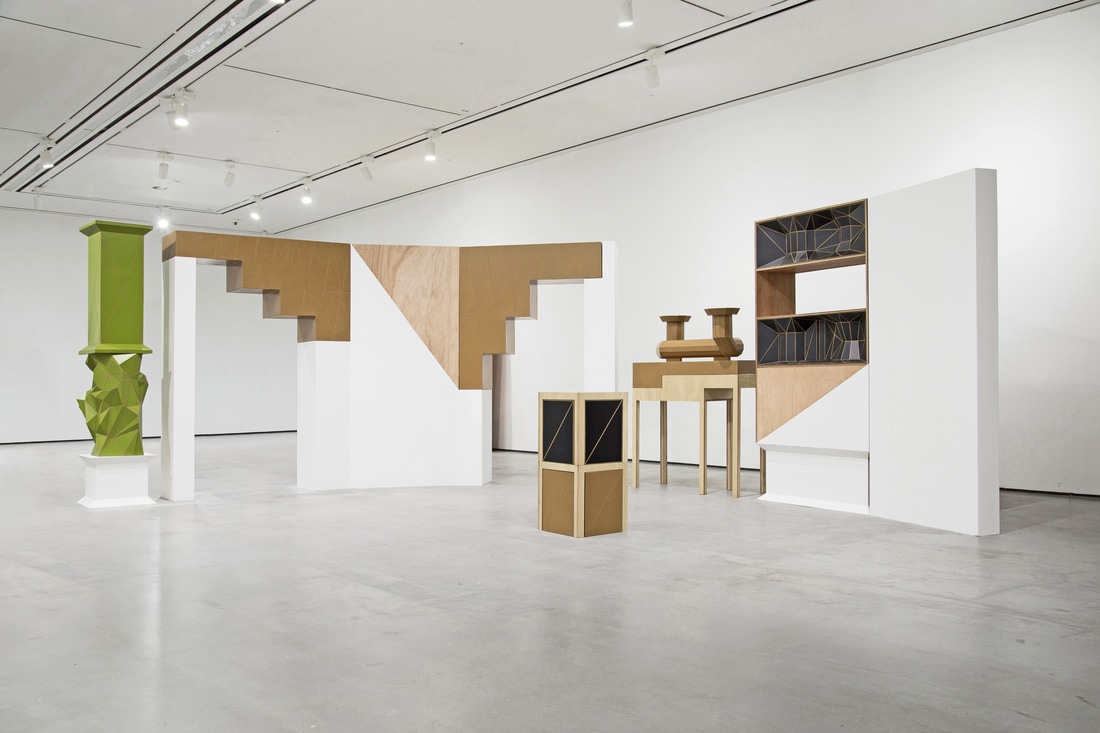
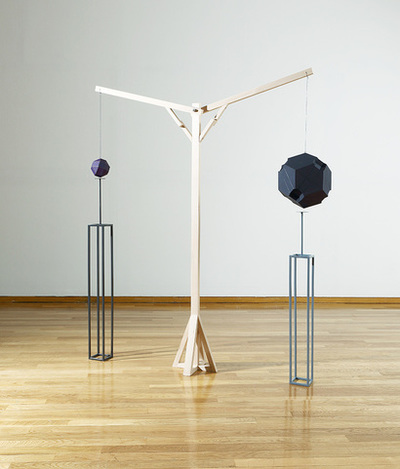
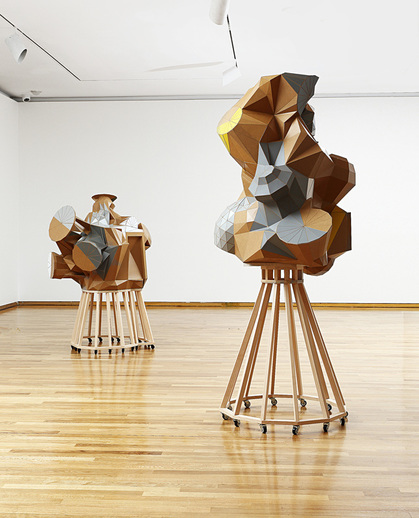
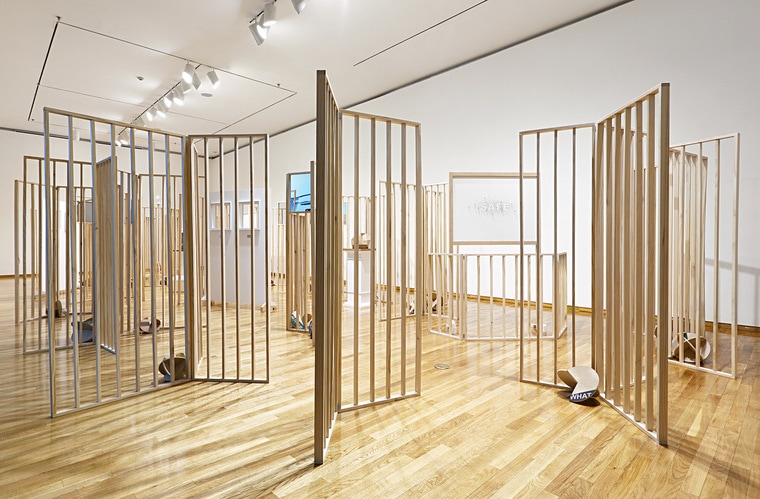
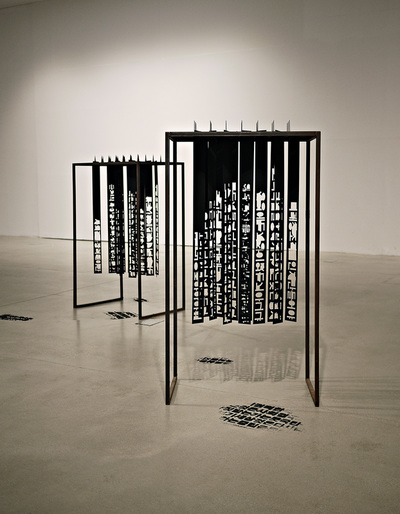
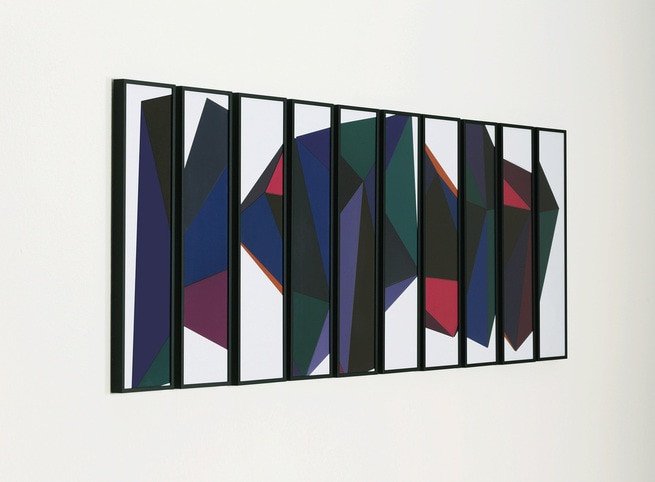
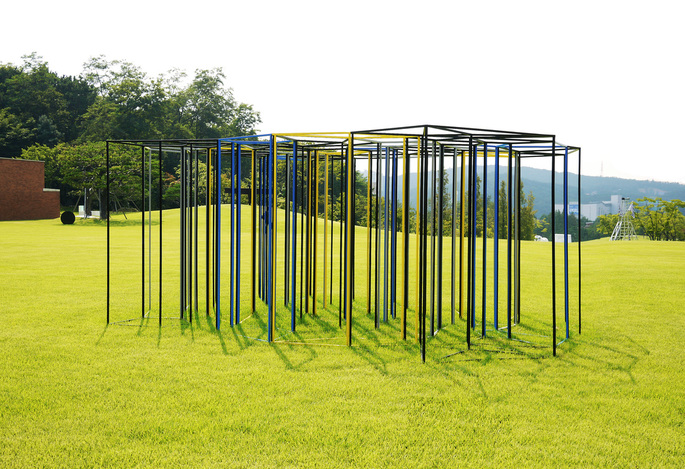
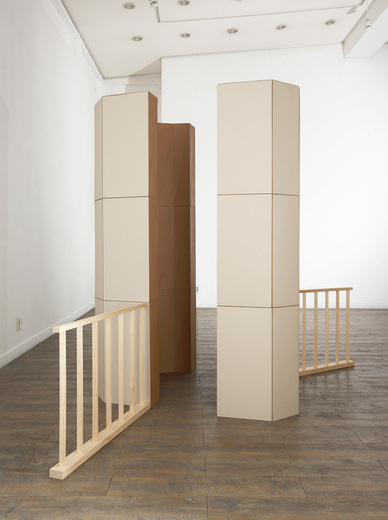
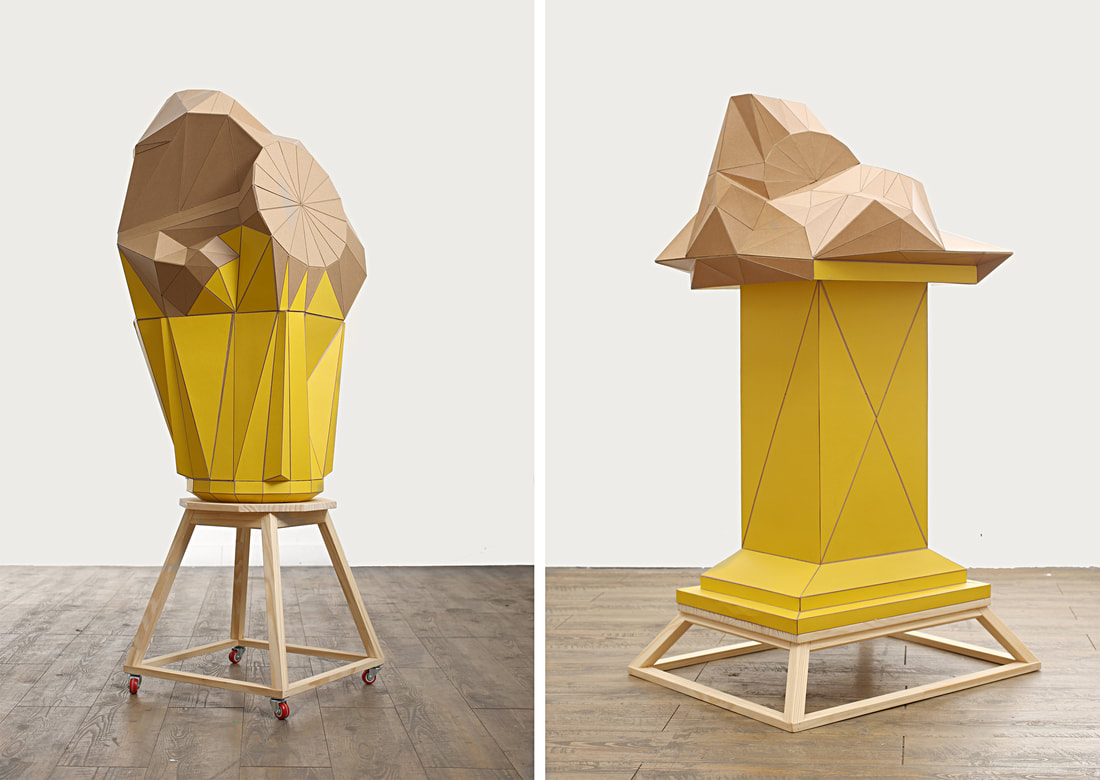
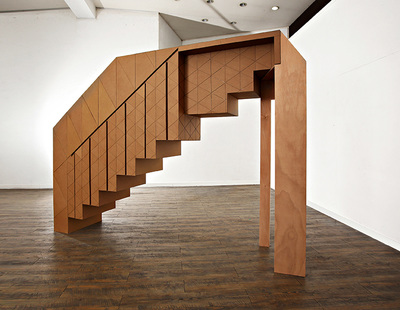
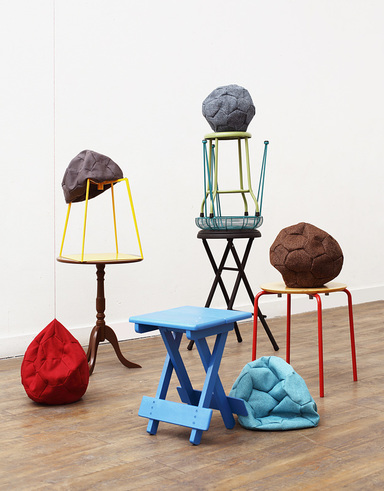
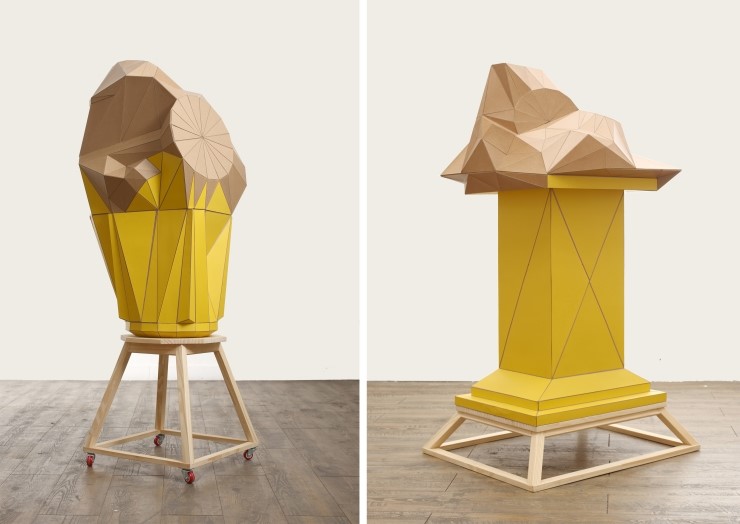
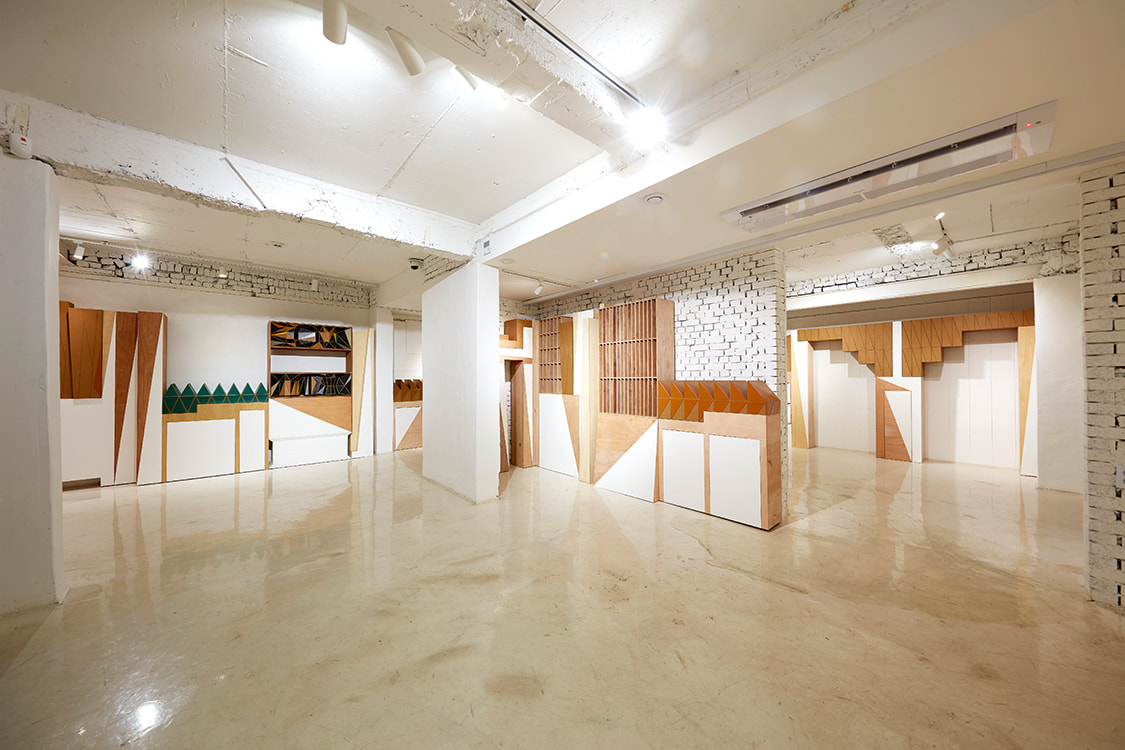
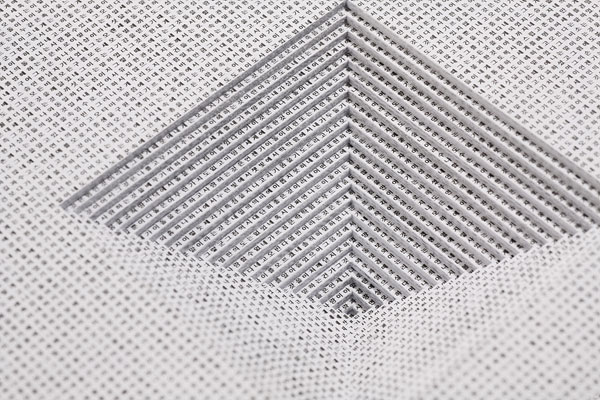
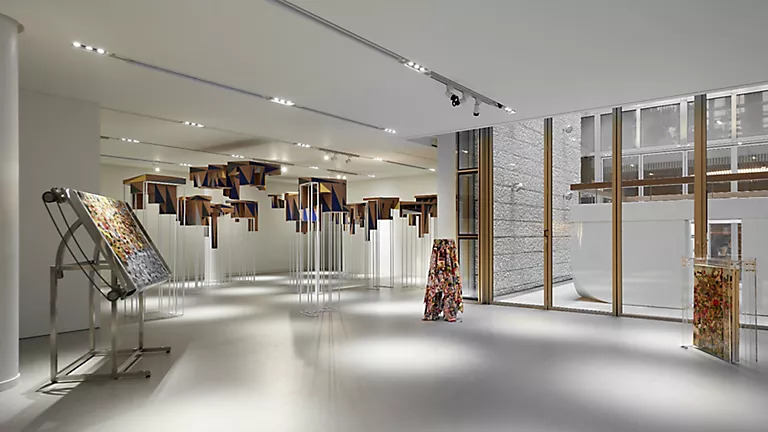
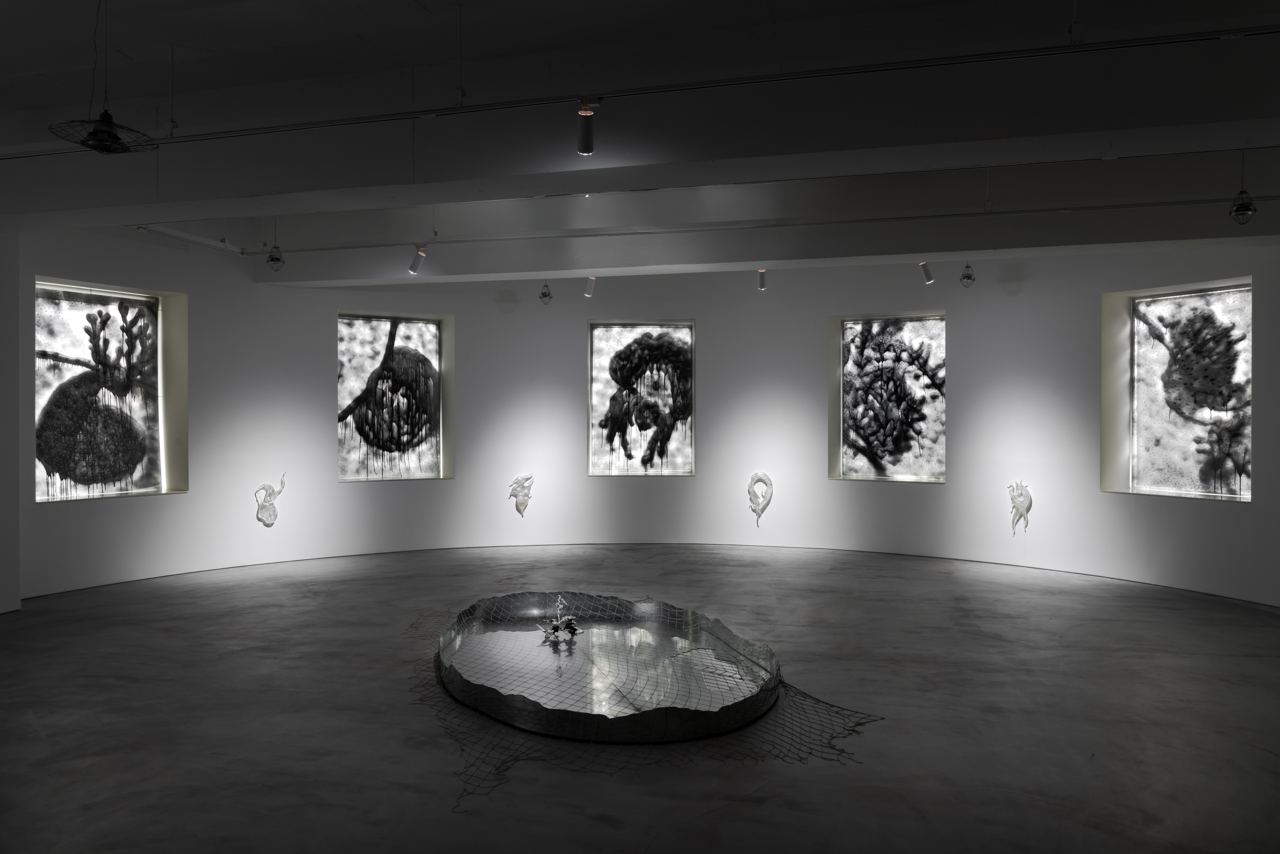
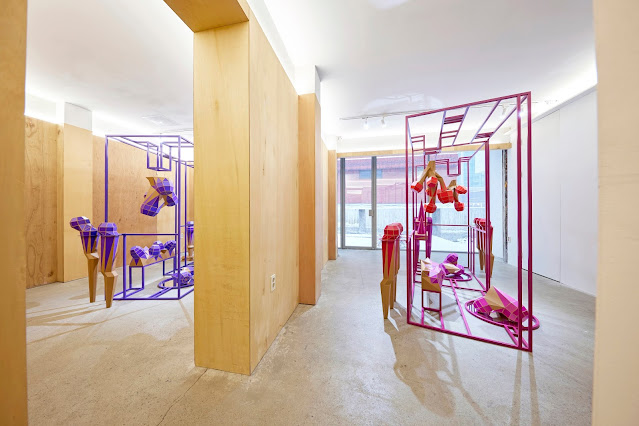
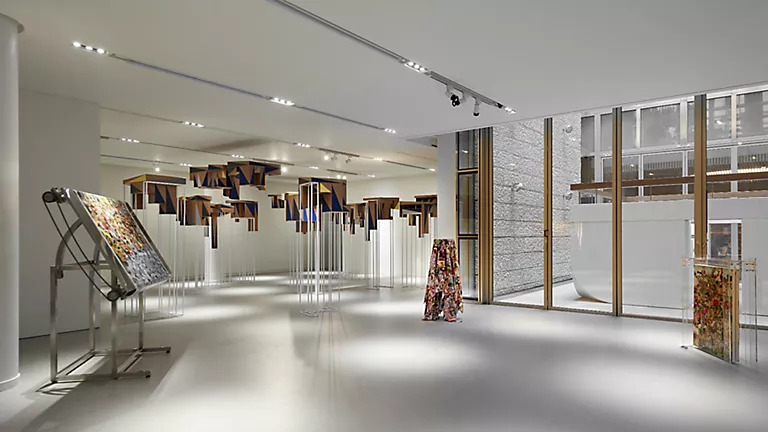
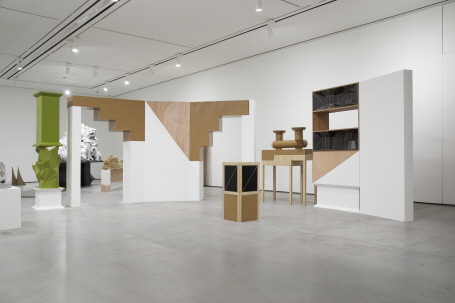
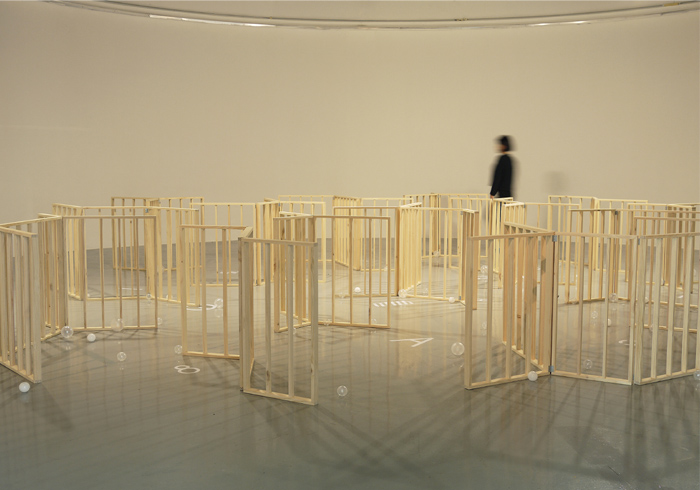
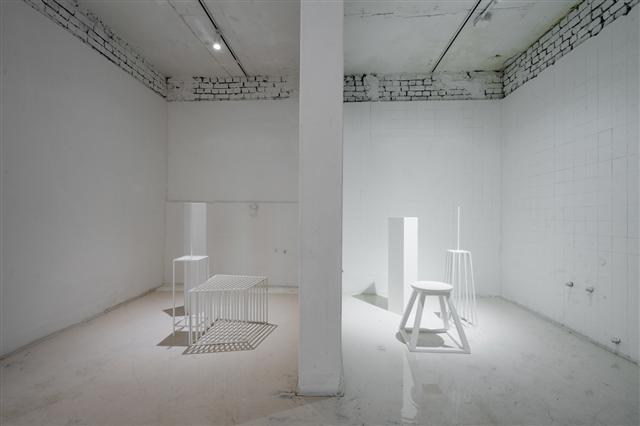
Installation view of 《Elsewhere》 © Atelier Hermès

"Life Is Elsewhere," or "Another Place Within Here"

Is directing one's gaze toward "elsewhere" merely a form of escapism that turns away from the urgency of the struggles unfolding in the "here and now"? Is it nothing more than an imagined vision of a world beyond, disconnected from the realities of this place?

Because reality is so often obstructed by countless barriers and boundaries, history has been filled with heroic narratives, revolutions, and artistic visions seeking ways to transcend it.

Faith in a politics yet to be realized, together with aspirations for happiness and freedom, continually leads us toward vast and unfamiliar "elsewheres." More often than not, these journeys have culminated in utopias conceived as "nowhere"—places that exist outside reality.

Yet contemporary reality is constantly transforming and expanding to such an extent that distinguishing between its inside and outside has become increasingly meaningless. It continually traverses the boundaries of our perception.

Diasporas that cross national borders evoke geographically "other" places that many of us have never visited, places sometimes imagined as distant or even barbaric, while the fractures characteristic of modern society fragment the world itself. We inhabit only one corner of an unpredictable whole, cautiously making our way across a seemingly smooth surface that conceals countless sinkholes beneath it.

At the same time, the new configurations of time and space generated by technological environments have established themselves as parallel realities that continually reconnect with the physical world through channels of "synchronization," further expanding the dimensions of reality itself.


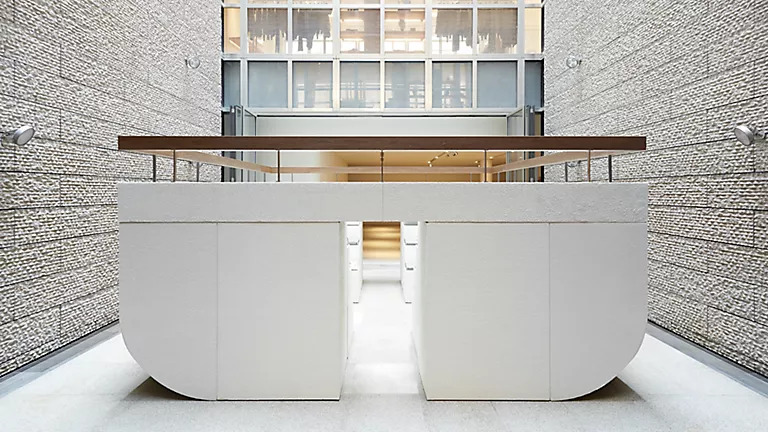
Installation view of 《Elsewhere》 © Atelier Hermès

At a moment when reality itself has become a kind of heterotopia composed of multiple, mutually incompatible spaces existing simultaneously, directing one's gaze toward "elsewhere" paradoxically becomes a way of looking more closely at the "here and now." Much like mystery writer Arisugawa Arisu's strategy of "not escaping reality, but overturning it," such a gaze belongs to the act of penetrating the fissures of reality and revealing what has been concealed within it.

As Nicolas Bourriaud has argued, because what we have called "reality" has in fact been little more than a montage, the challenge of contemporary art lies in "reconstructing that montage." The practice of contemporary art, therefore, must become an ongoing exploration of countless "other places."

The exhibition brings together five contemporary artists who continually explore the possibilities of painting, sculpture, video, and installation. Taking "elsewhere" as a point of departure, the participating artists variously capture singular moments embedded within reality, investigate the realm of the unconscious, traverse reality and history to reflect upon the present tense, and contemplate an uncertain era that must coexist with the pandemic.

Their gaze toward "elsewhere" does not turn away from the "here and now"; rather, it reflects an ongoing effort to question and redefine one's own position within the closed terrain of reality while imagining the possibility of escaping its inescapable circuits.

As individual practitioners, these contemporary artists either become enclosed within private worlds or invent past places, new territories, or even impossible "elsewheres," using them to question the realities they confront and to experiment with the possibility of breaking free from them.

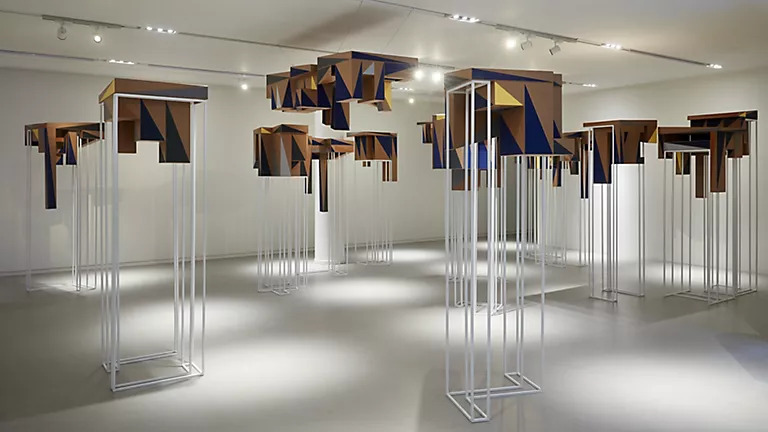
Installation view of 《Elsewhere》 © Atelier Hermès

Kim Donghee (b.1986), whose practice architecturally intervenes in the physical space of the exhibition, analyzes the sequence of interiors, corridors, and courtyard at Atelier Hermès, installing structures that invert interior and exterior in order to produce perceptual disorientation through site-specific interventions.
Kim Heecheon (b.1989), whose work has consistently examined the increasingly blurred boundary between the virtual and the real, appropriates the plot of detective fiction to construct a "locked room" through video and physical space, tracing the "world" presumed to have died in the aftermath of the COVID-19 pandemic.

Observing social media as a site where the desires of others are revealed, Noh Sangho (b.1986) combines the mechanical act of reproducing images through transfer-paper drawing with his distinctive painterly language, leading viewers into an entirely different realm of imagination.

In the documentary video ROCK SCISSORS PAPER, filmmaker Son Kwang-Ju (b.1970) revisits the adult world—and its history—projected onto children's play and learning, while simultaneously imagining a future that might depart from it.

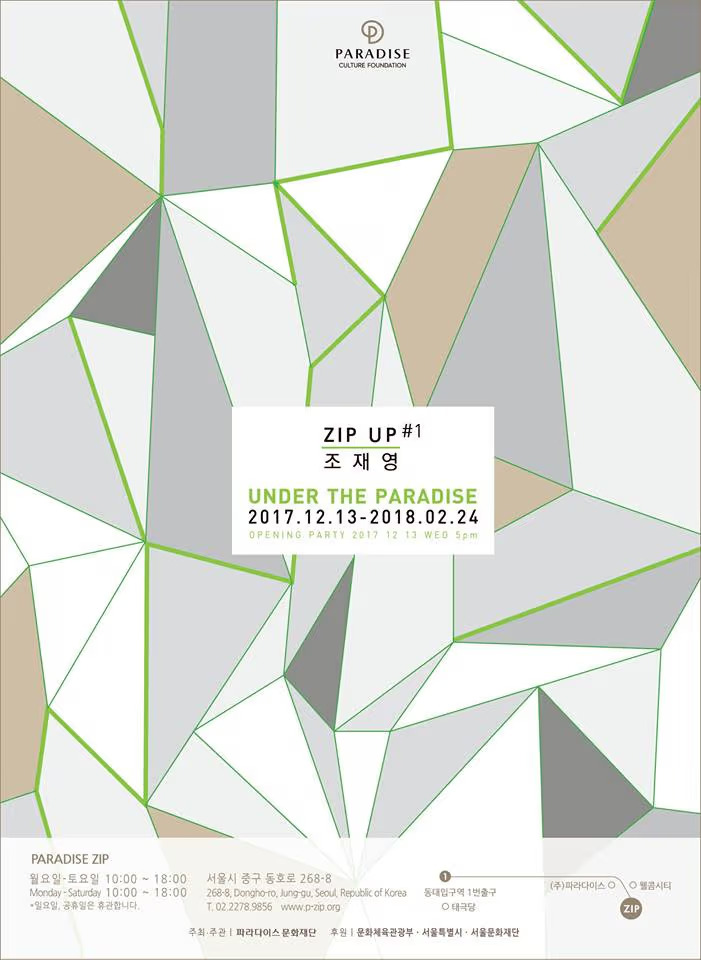
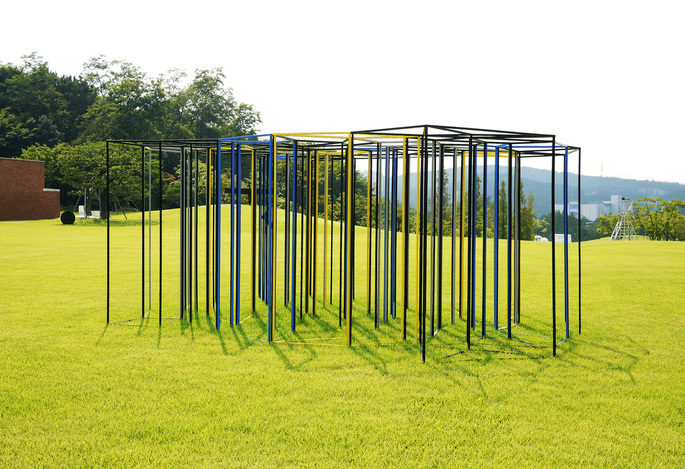
Constructing sculptures by joining together sheets of paper, Jaiyoung Cho (b.1979) overturns urban spaces that silently regulate and control the multitude, presenting an imaginative space of Alice that resists the politics embedded within space itself.

References