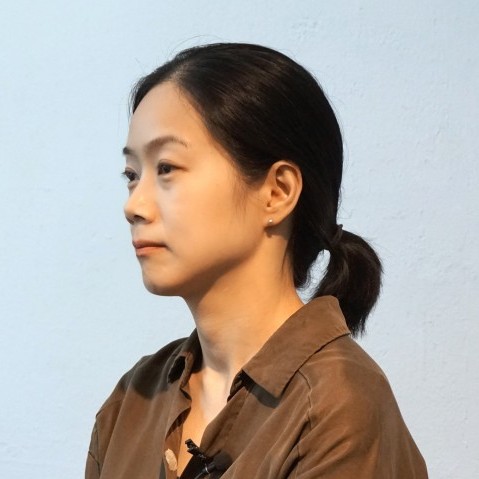
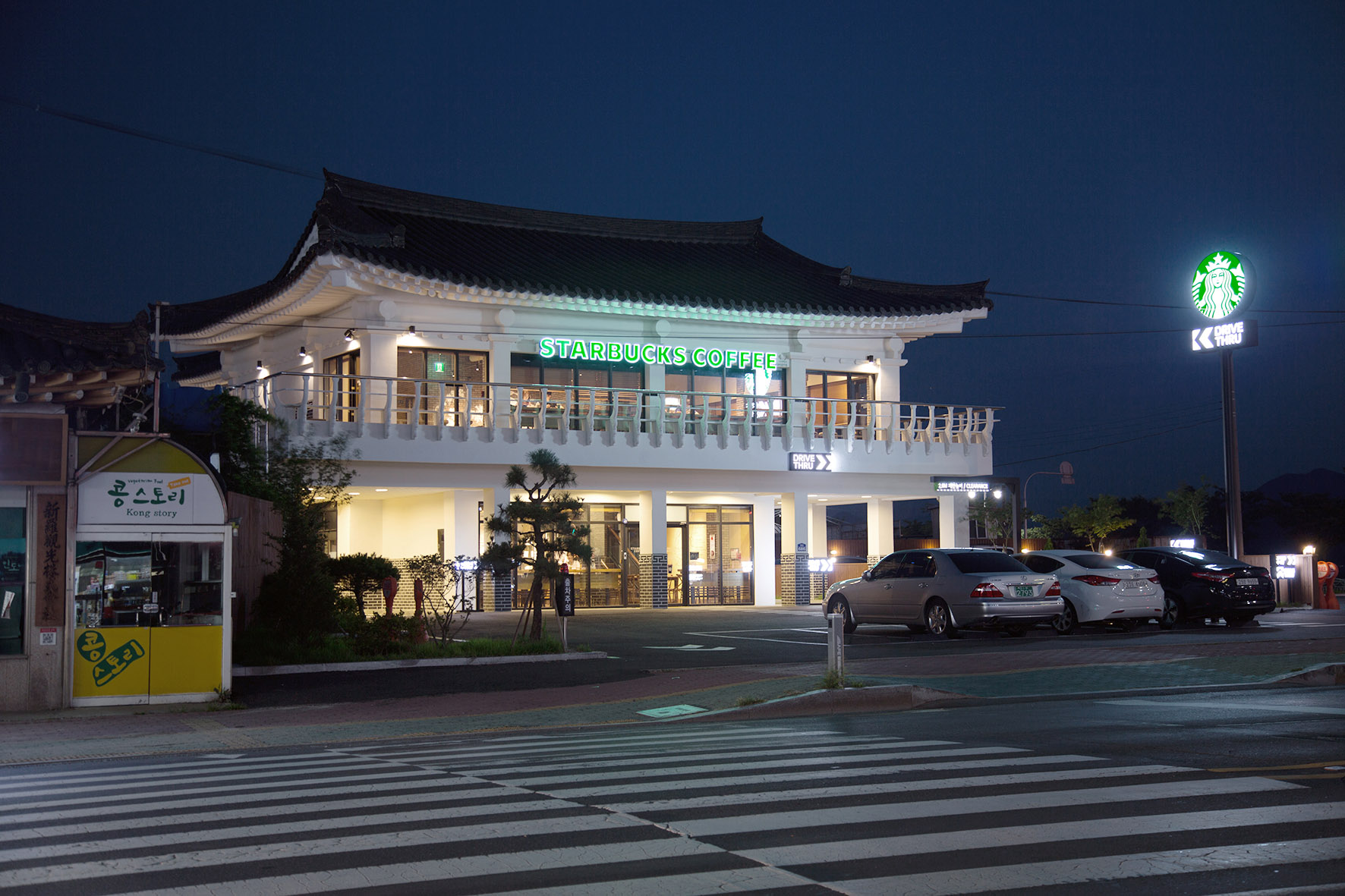
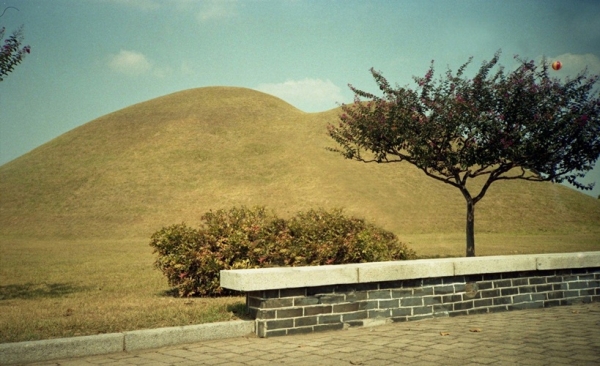
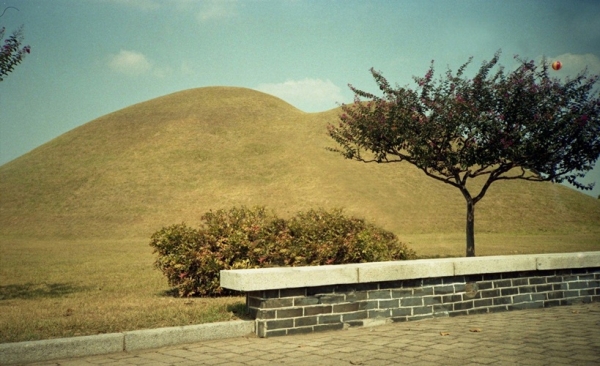
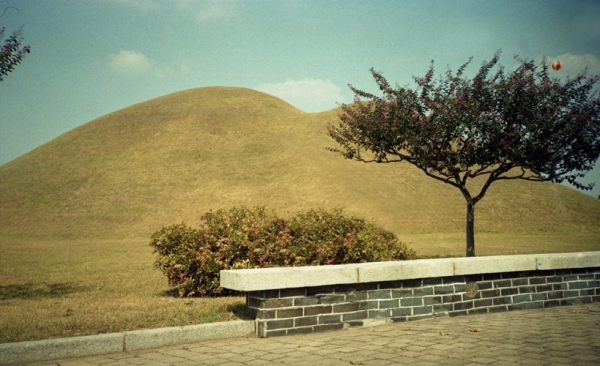
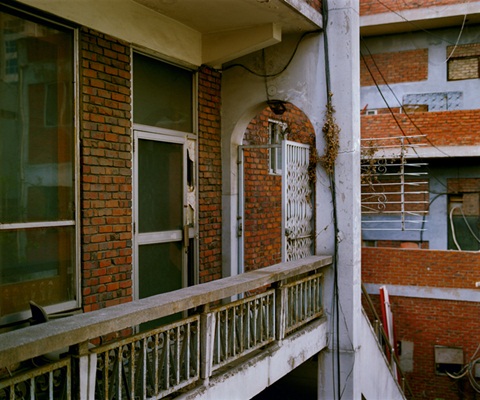
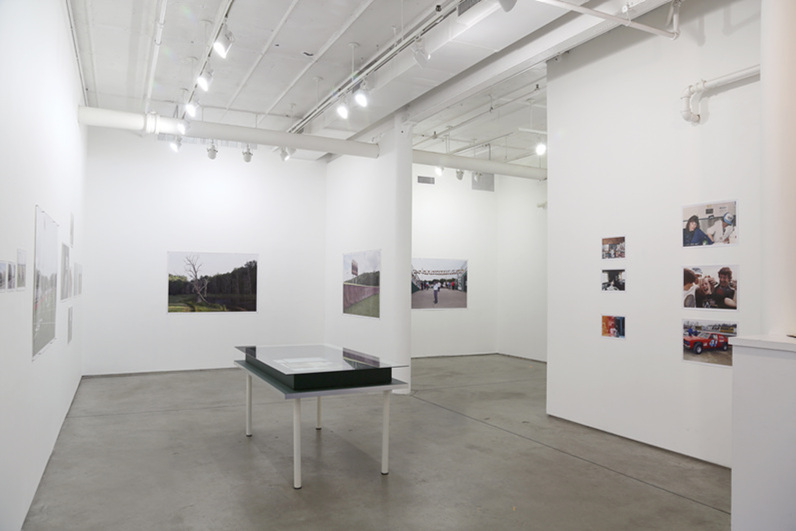
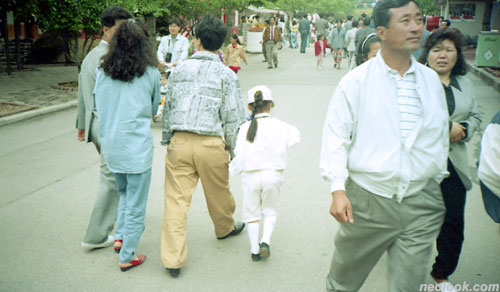
Boyun Jang, Daereungwon 2, March 1988, 2012, Pigment print, 49 x 80 cm © Boyun Jang

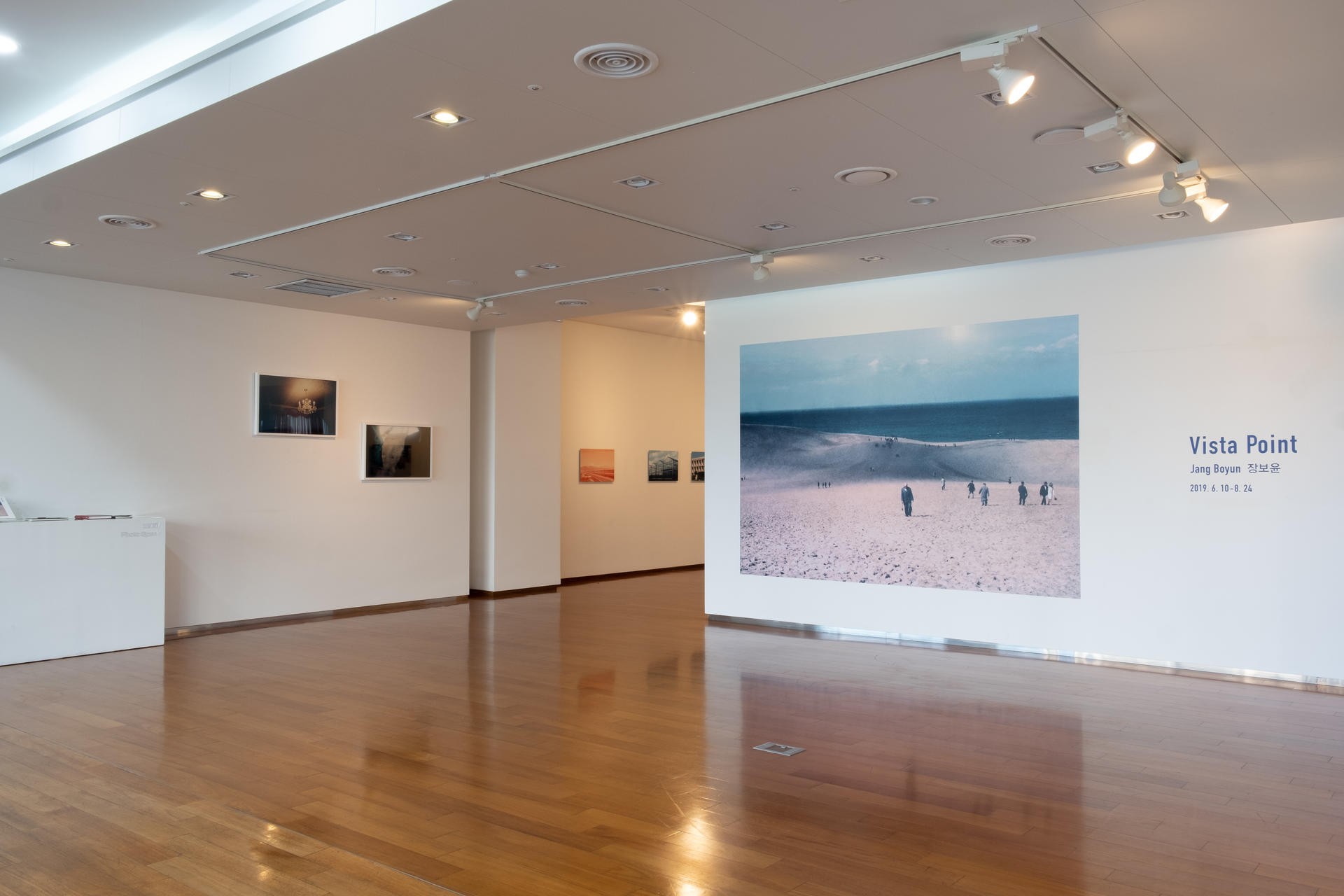
The first time I encountered the work of Boyun Jang was at 《ARTSPECTRUM 2012》 at Leeum Museum of Art. There, she presented A Capital City of Thousand Years, a work based on approximately 350 anonymous photographs she had collected, foregrounding Gyeongju as a place that repeatedly appeared throughout the images.

During the 1970s and 1980s, Gyeongju was an essential destination for school excursions, honeymoons, and family vacations. As we know, that Gyeongju no longer exists—not simply because the city's golden age as a tourist destination has passed, but because photography itself serves as evidence of the absence of what once existed.

This absence causes the viewer to experience an unfamiliar person's past—one never personally lived—as either tender nostalgia or an uncanny premonition. Whatever photography captures, the very instant the shutter is released, it is severed from the "here and now" and becomes a medium that points to a past that is "no longer here."

As is well known, this temporal gap between past and present, inevitably produced by photography, also opens up a space in which the aura of art—democratized since the age of mechanical reproduction—continues to linger. In other words, because of photography's temporal disjunction and materiality, it continually generates a residue or surplus that ultimately resists reduction to the realm of interpretation.

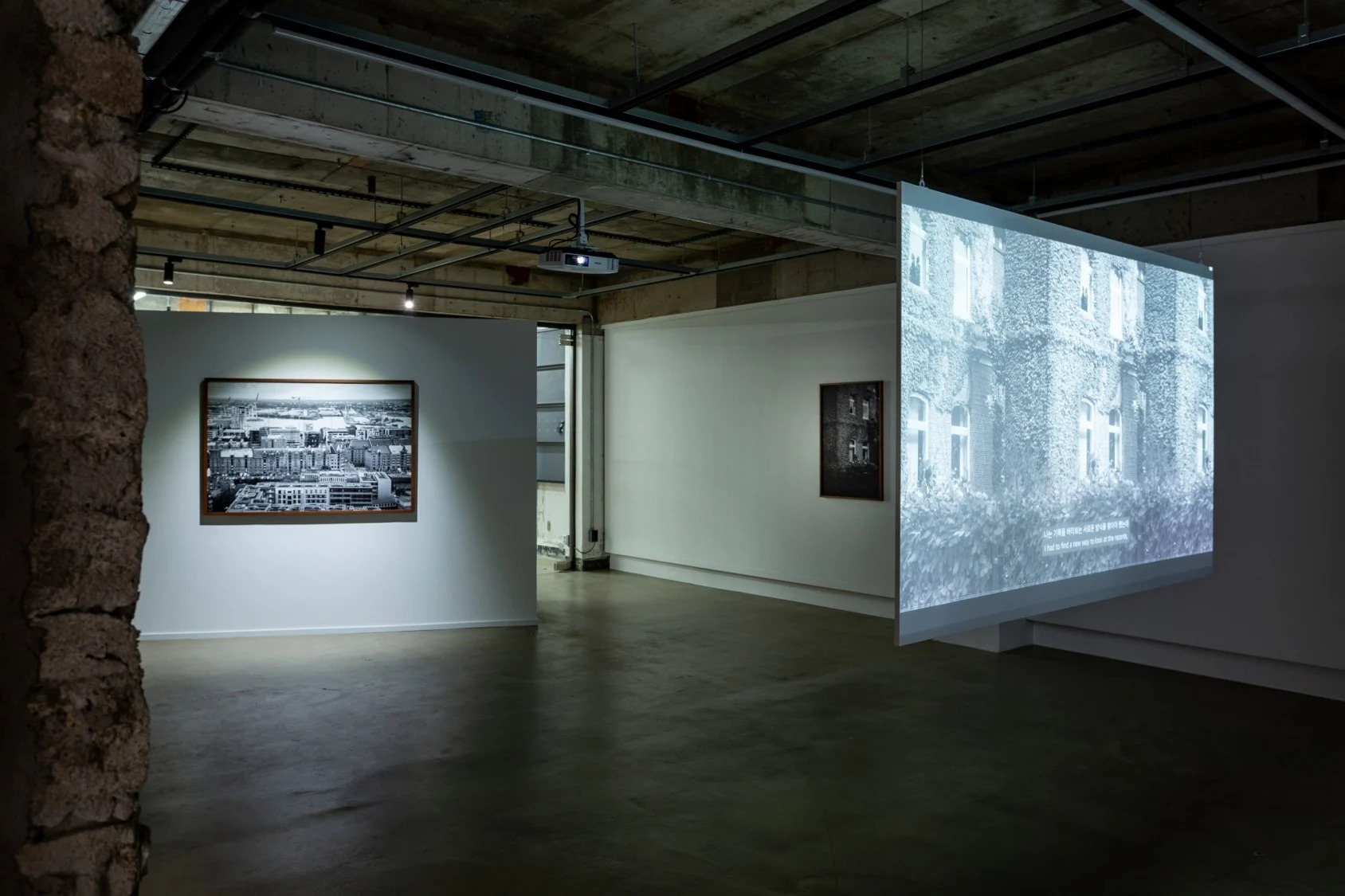
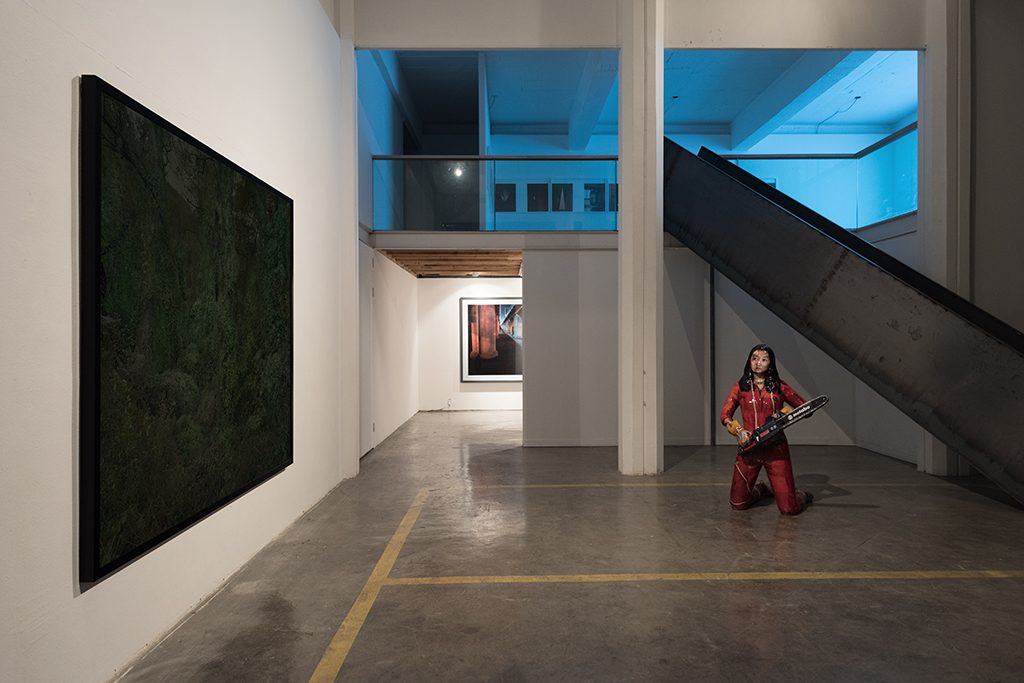
In A Capital City of Thousand Years, Boyun Jang unfolded a "possible world"—a kind of counter-history that may once have existed somewhere between fiction and fact—through fantasies and imaginings surrounding the "ruins" of a past that can never be restored to its original form. The two works she has produced for Geumcheon Art Factory continue this same approach.

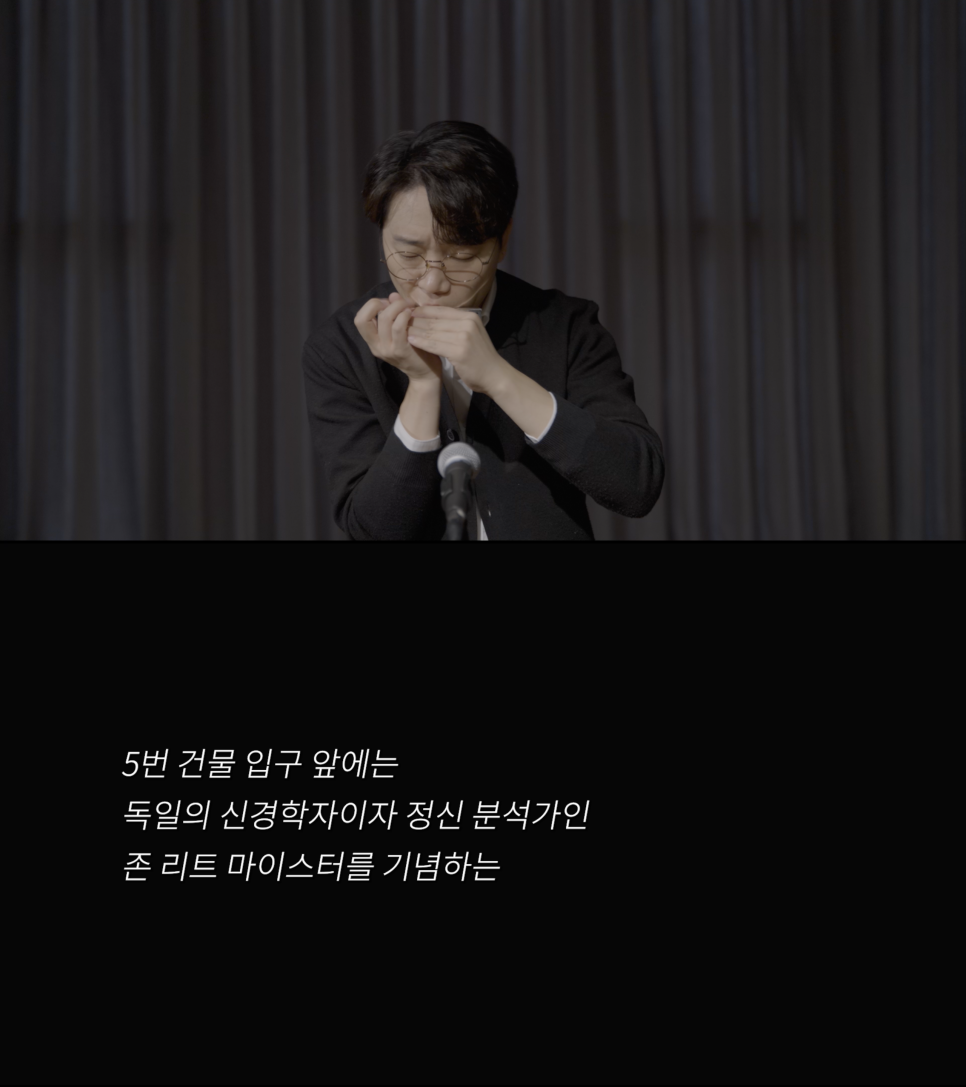
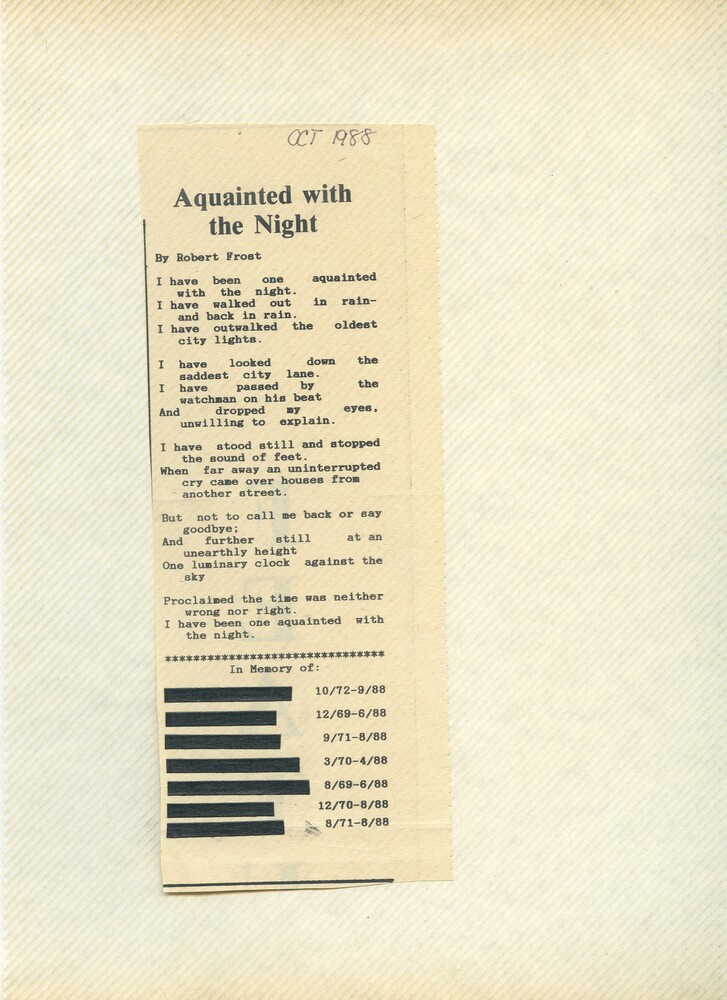
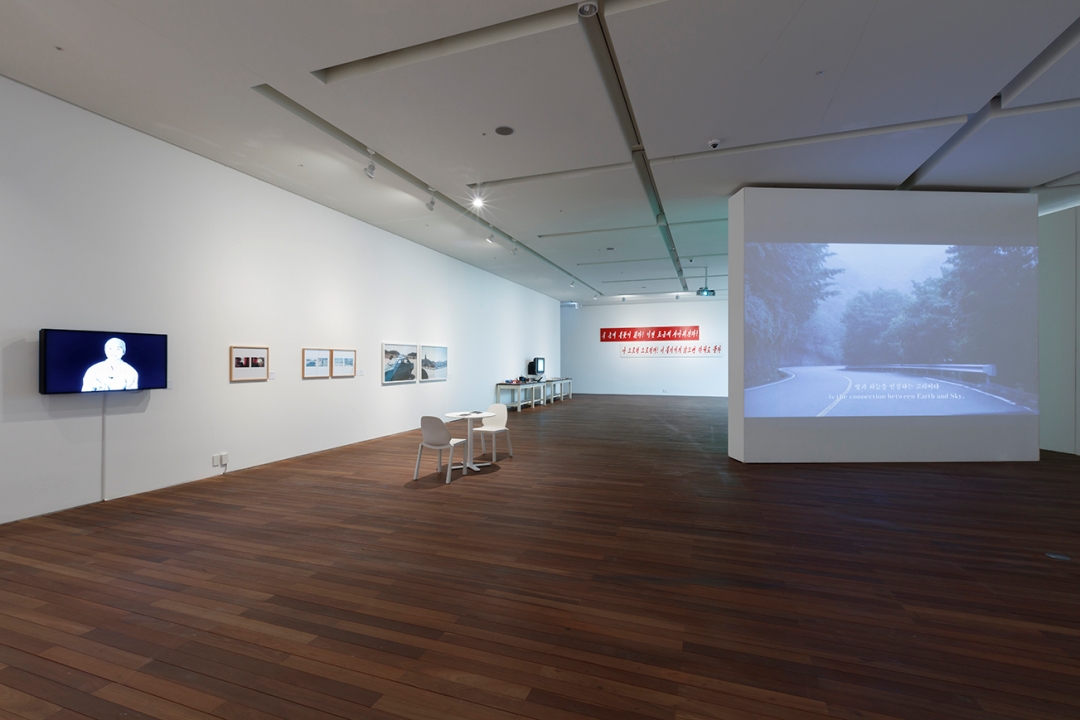
Her ongoing 'Black Veil' series, initiated in 2021, turns its attention to "other stories" that have been discarded and forgotten within the "official narrative" surrounding the lives of Korean nurses dispatched to West Germany.

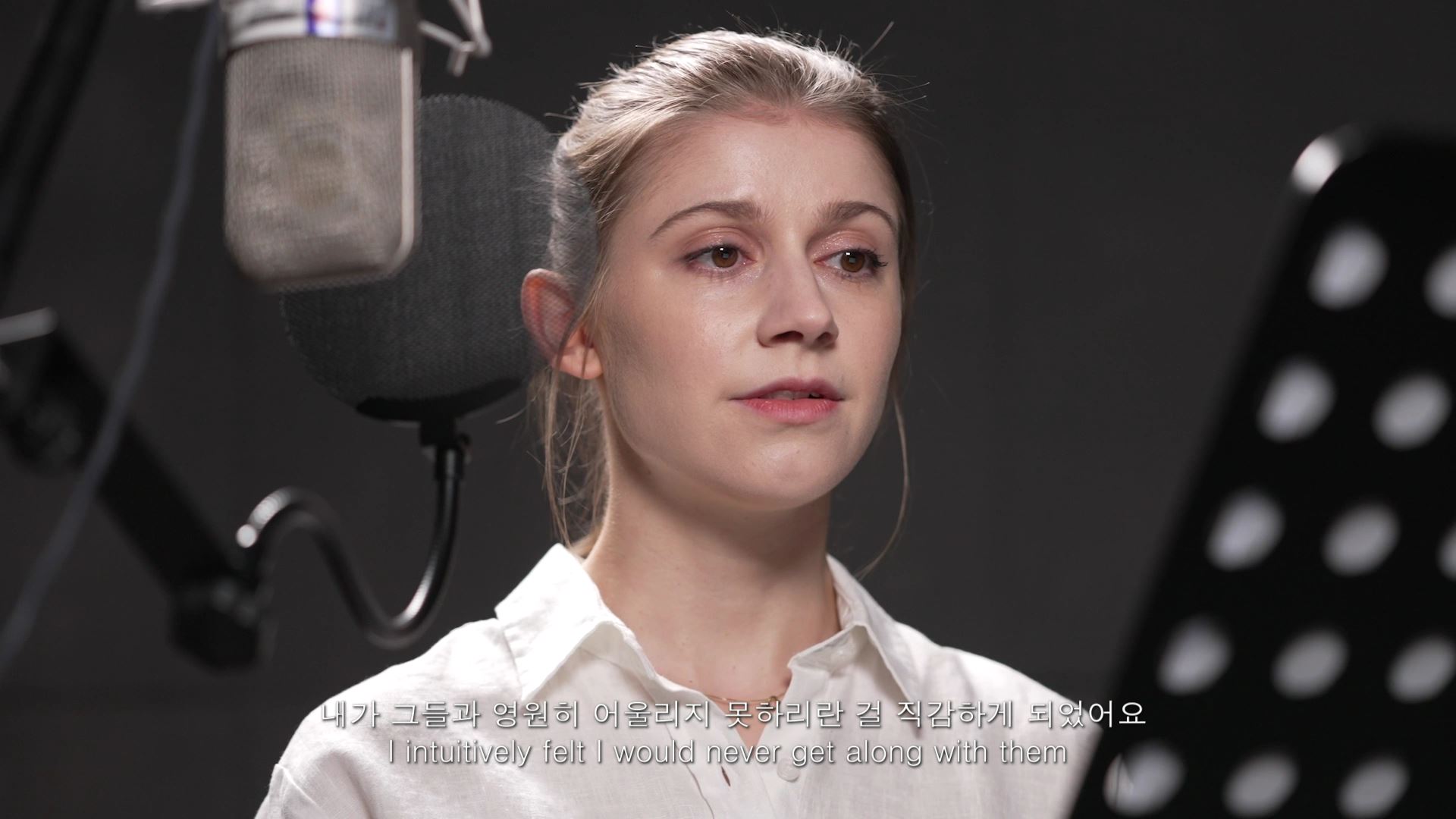
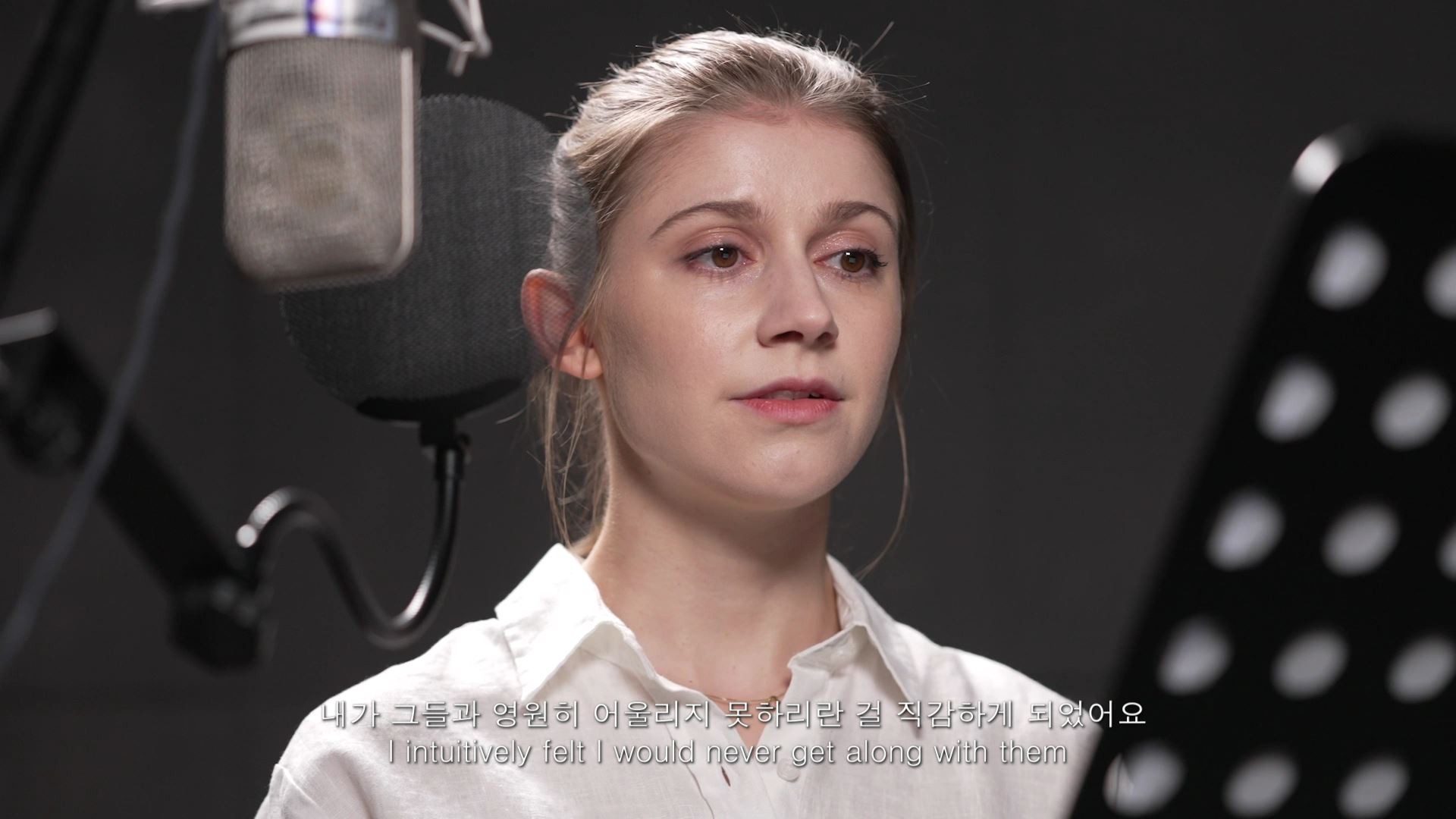
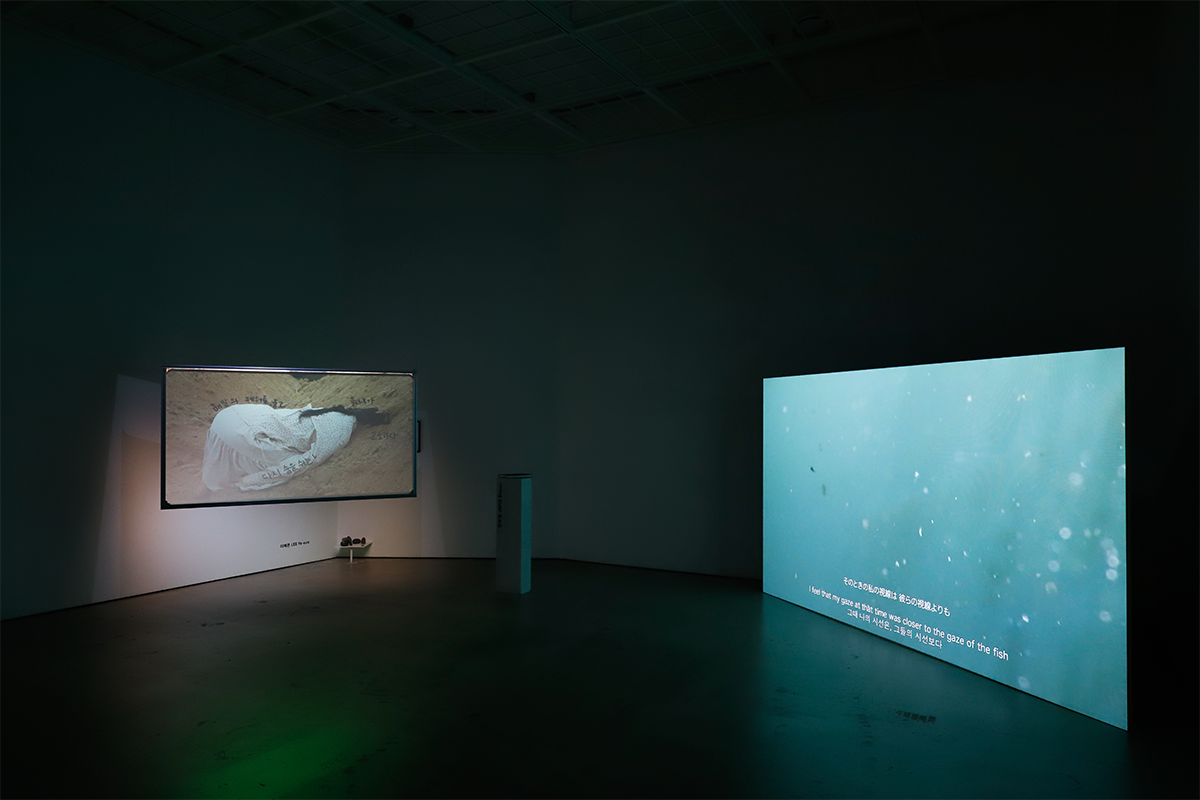
The 'Black Veil' series first takes the form of video works in which scripts written as letters, based on the actual lives of Korean nurses dispatched to West Germany, are read aloud by international student actors living in Korea as though reciting someone else's correspondence. It also appears as a publication composed of fragmented texts that fictionally reconstruct historical records and testimonies concerning these nurses, weaving together multiple forms of writing that move freely between past and present.
Frequently portrayed in the media as key contributors to the "Miracle on the Han River" and, like the Korean miners dispatched to West Germany, remembered primarily as export laborers who earned foreign currency during the 1970s, the lives of these nurses emerge within the 'Black Veil' series as the indistinct figure of "someone" occupying an unbridgeable space—one that lies between history and the individual, record and memory, a gap that can never be completely filled or closed.

This "someone," who possesses neither a name nor a face yet appears through the voices of actors and through the artist's writing, is, in effect, the "shadow" forgotten by History with a capital "H"—a ghostly voice. A ghost has no material substance. As in Jacques Derrida's reading of Hamlet, it asks only that the other assume responsibility for responding to its voice.


Boyun Jang, Black Veil 2, 2021, Single-channel video, 11 min 28 sec © Boyun Jang

For Boyun Jang, this possibility of response is akin to the capacity to empathically engage with a ghostly other at the very limits of what historical documents and testimony can offer as possible truths about the past. Like a medium connecting the worlds of the living and the dead, the artist uses her work to release irretrievable "footage" of the past—material that cannot be subsumed within the language of official or dominant historical narratives—in the form of fictional yet alternative truths.

Her 'Okinawa' series, inspired by Fumiko Kawada's book The House With the Red Roof Tile, extends this approach. The series begins with the life of Bae Bong-gi, who was forcibly mobilized as a Japanese military "comfort woman" on Tokashiki Island in Okinawa Prefecture in 1943. In order to avoid forced deportation from Okinawa, Bae became the first Korean survivor to publicly testify that she had been a victim of the Japanese military "comfort women" system.

Despite the shock and public attention her testimony generated in Japan in 1975, postwar ideological divisions meant that her name remained largely unknown, particularly in South Korea. Feminist scholar Kim Sinhyeon-gyeong has described Bae Bong-gi as a subaltern figure, examining how her life and death became submerged in silence.

Even after her death, her body became the object of competing political appropriations by both Mindan and Chongryon, who instrumentalized her life and death within opposing ideological frameworks, activating what Kim calls a "politics of speaking for." As a result, the possibility of representing her life differently has remained fundamentally foreclosed, perpetuating a cycle in which alternative narratives are continually denied.

What I have in mind here is Saidiya Hartman's concept of "critical fabulation." Hartman proposes that, alongside—and against—the painful legacy of official archives of slavery, we should imagine "what might have happened, what might have been said, or what might have been done."

The 'Okinawa' series functions as an entry point into imagining the ordinary landscapes of Okinawa that Bae Bong-gi herself might once have encountered, beyond her officially sanctioned identity as a "victim" or "survivor" of war, the nation-state, and patriarchal violence.

Jang photographs Okinawa's beautiful landscapes, whose apparent indifference seems almost to insist on silence, along with people occasionally laughing and talking, and plants growing untended. Among these images, the one that particularly caught my attention was a cluster of ripening bananas.

In The House With the Red Roof Tile, Bae Bong-gi recalls being lured to Tokashiki Island by the promise that "there were fruits everywhere in the mountains, and if you simply lay beneath the trees with your mouth open, they would fall directly into it."

Looking at Jang's photograph of the bananas—as though fulfilling Bae's long-deferred wish—I found myself thinking that photography today is not merely a medium that summons the forgotten voices of others into the here and now, but also a medium through which a fictional and ritual space can be created for them. "An ordinary scene that someone might have seen" emerges as a singular moment of suspended judgment within the grand narratives of history.

References