The making of form is not the same as the making of painting. If the making of form concerns the there-ness of what appears before our eyes, then the making of painting concerns the not-yet-there—that which exists only as an image arising in the mind.
Thus, to give visible shape to what is present is to form an image, while to reveal what has not yet appeared is to paint. Both bring something into being, raising it into the form of an image. Whether it emerges visibly before us or rises inwardly from the mind, the act of painting is ultimately an act of enchantment—a complete surrender to the spell cast by the painter's imagination.
Wind That Sets Things Fluttering
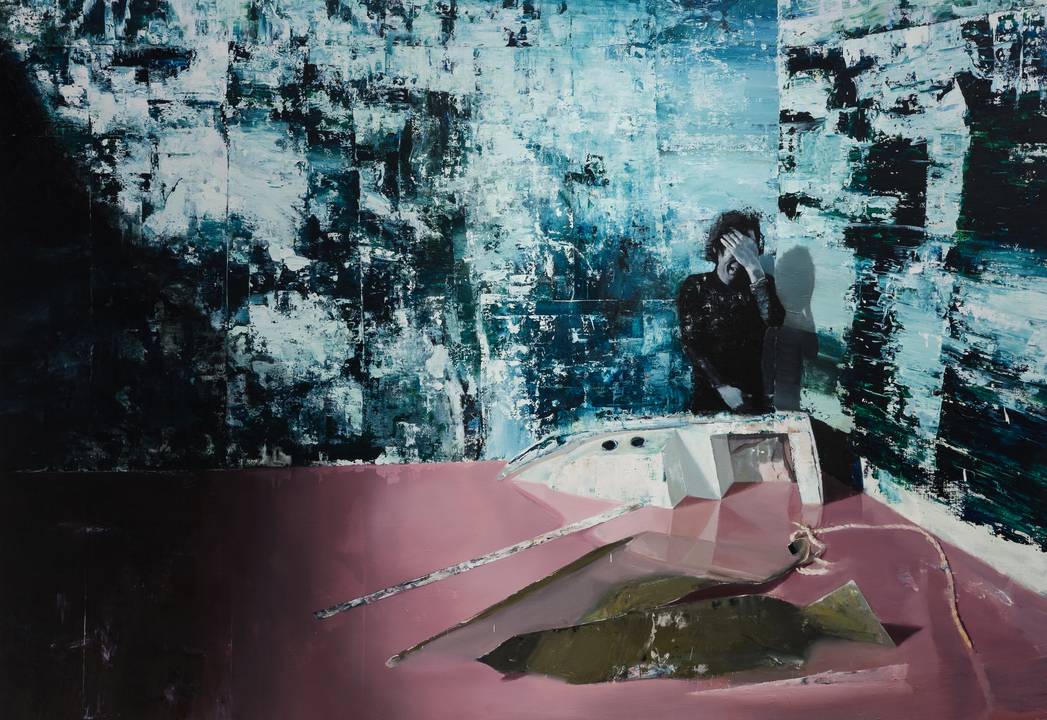
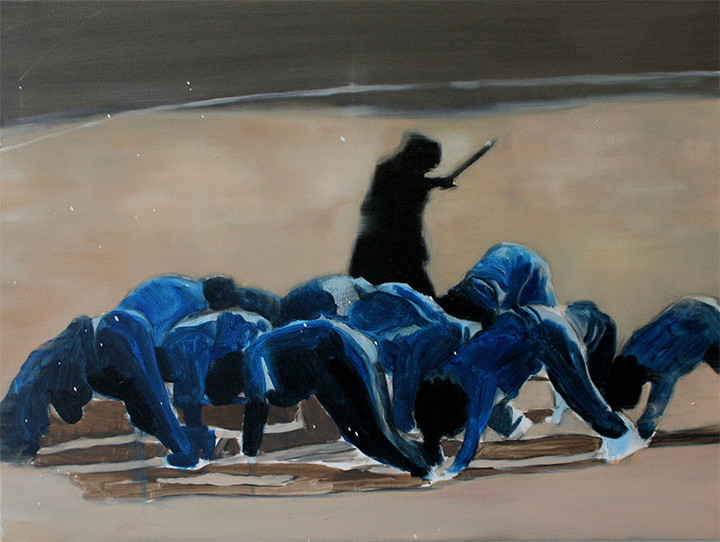
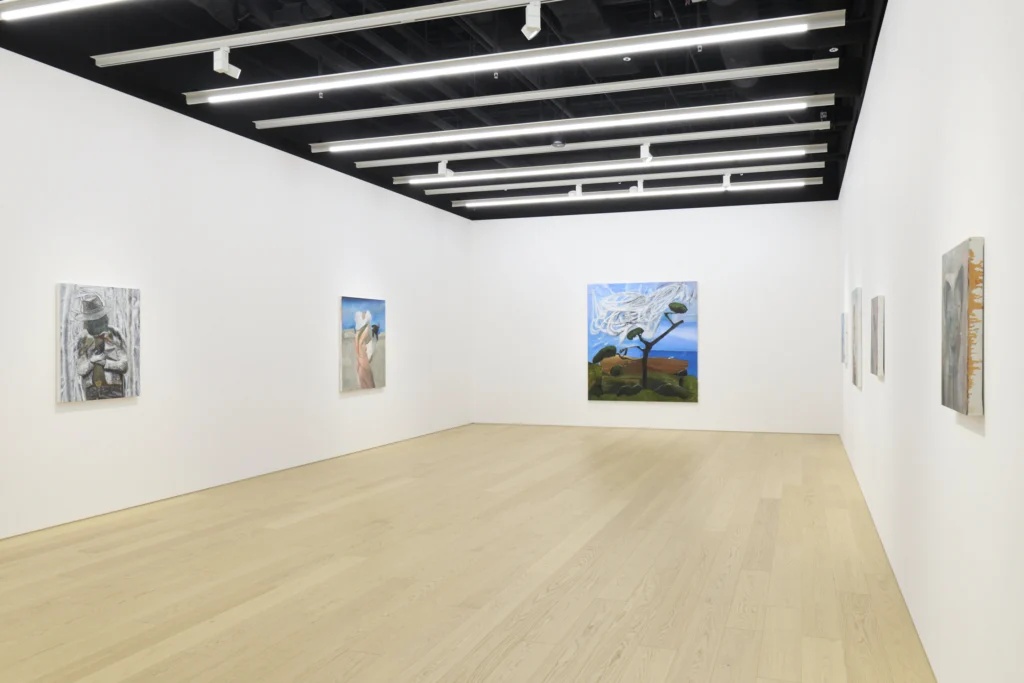
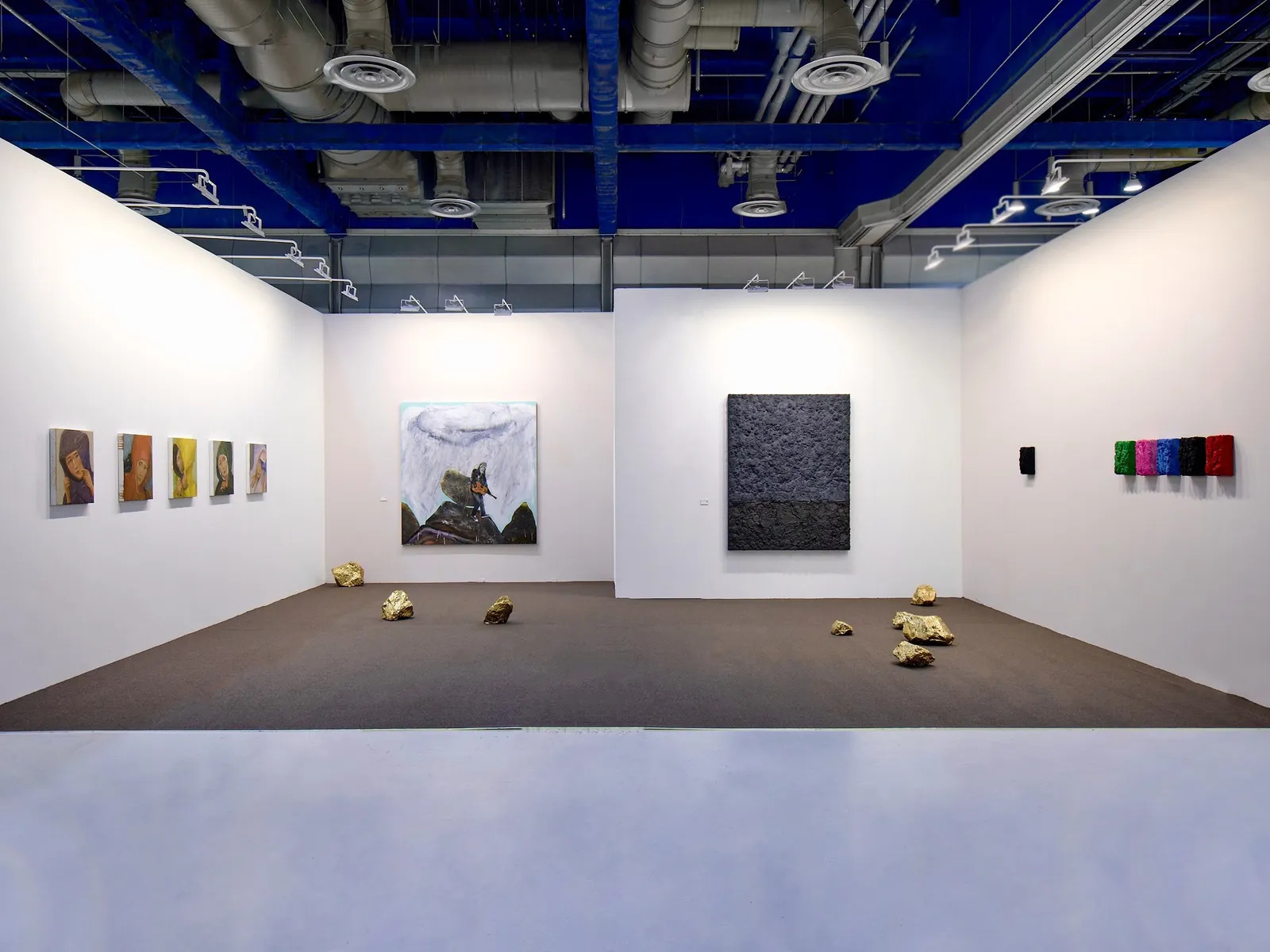
The paintings of Jisan Ahn and Heo ChanMi surge with precisely this enchantment. At first glance, Ahn's paintings appear harsh and unyielding, while Heo's seem to flutter and waver with quiet delicacy. Yet the sensations they evoke are swept into the same vortex of emotional intensity.
If one lingers long enough before Ahn's paintings, one begins to feel gusts of wind coursing through them. If one slowly enters Heo's paintings, the heart first hardens, then suddenly tightens, as though tears are about to rise. What kind of spell is this?
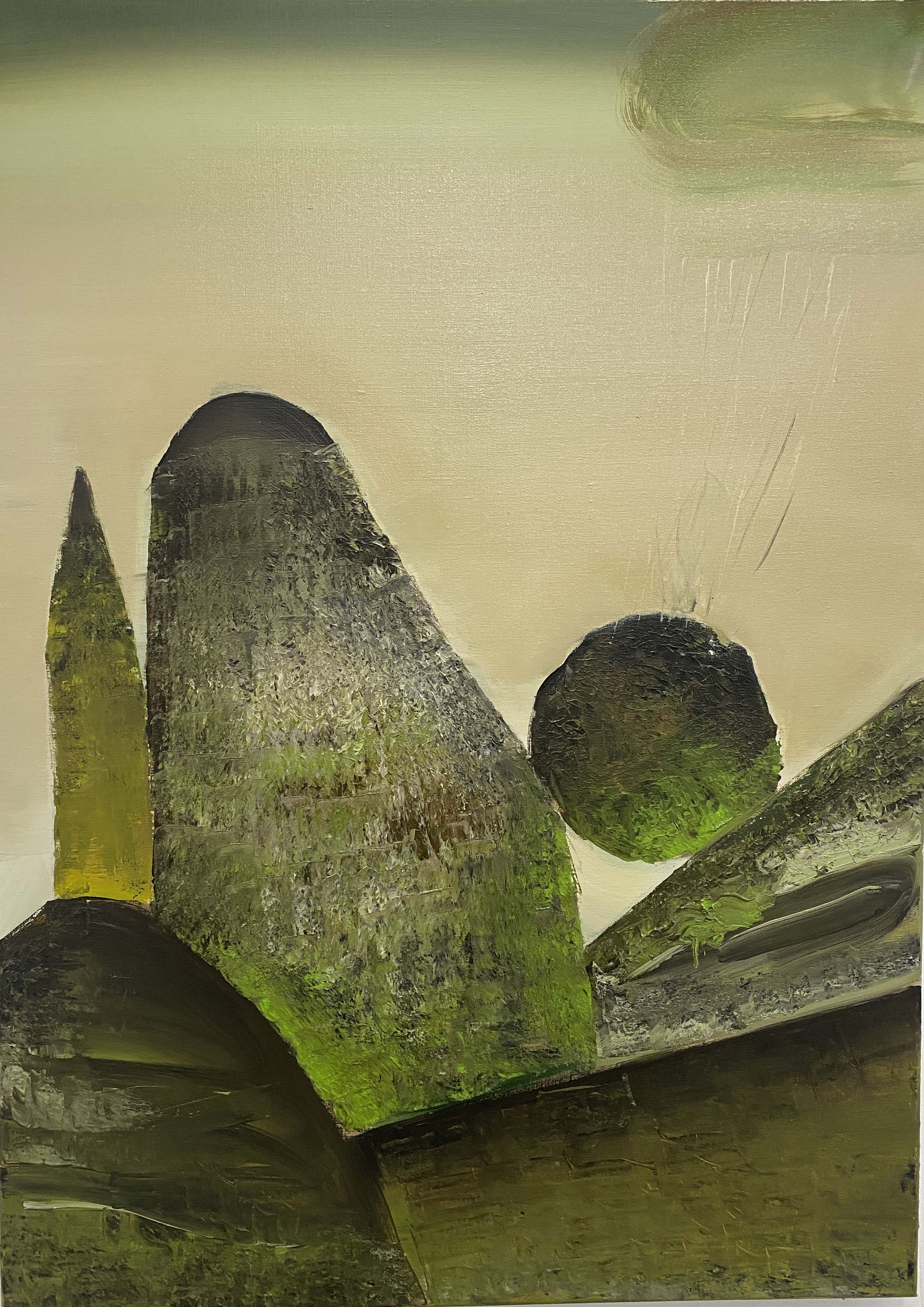
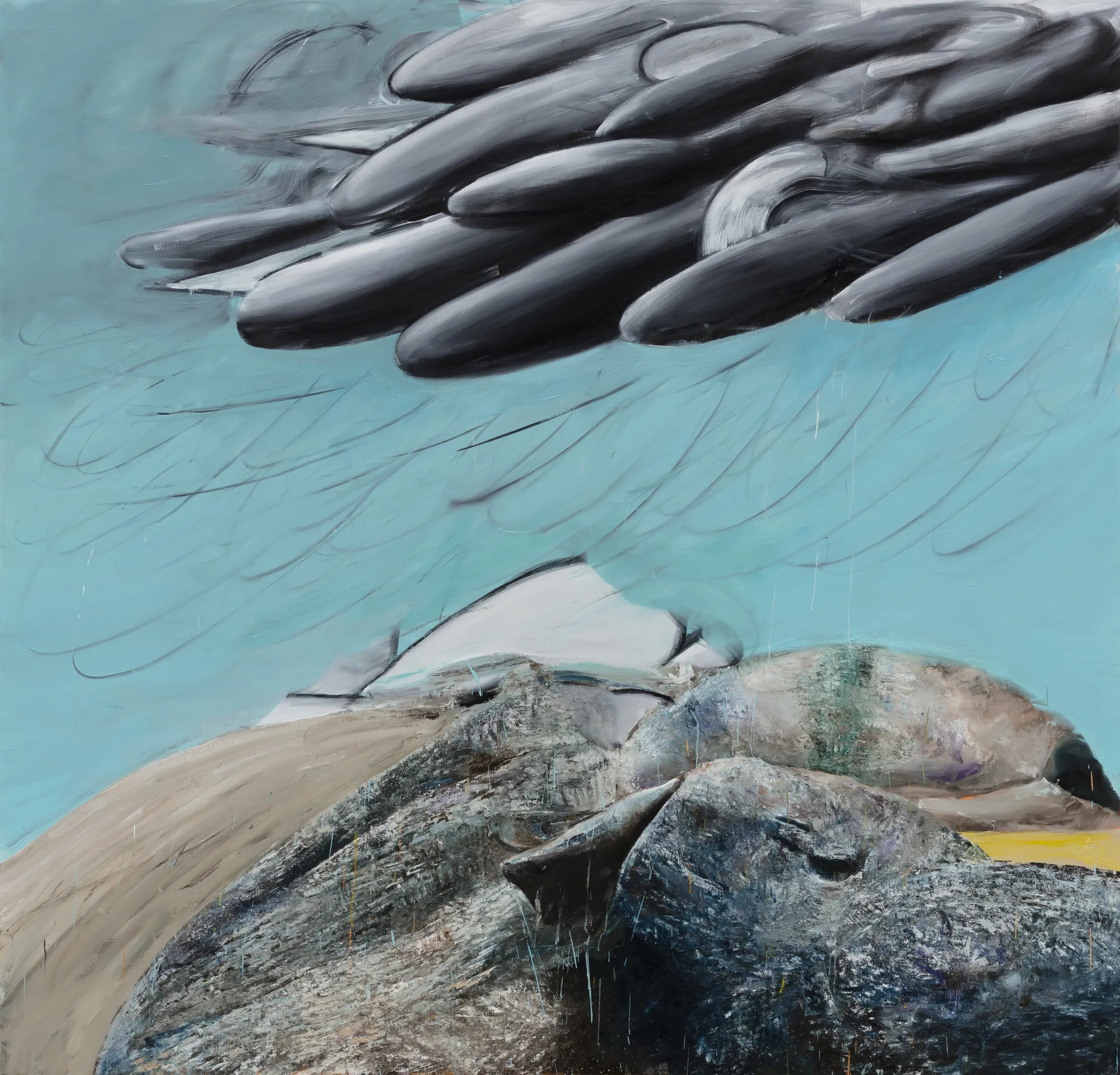
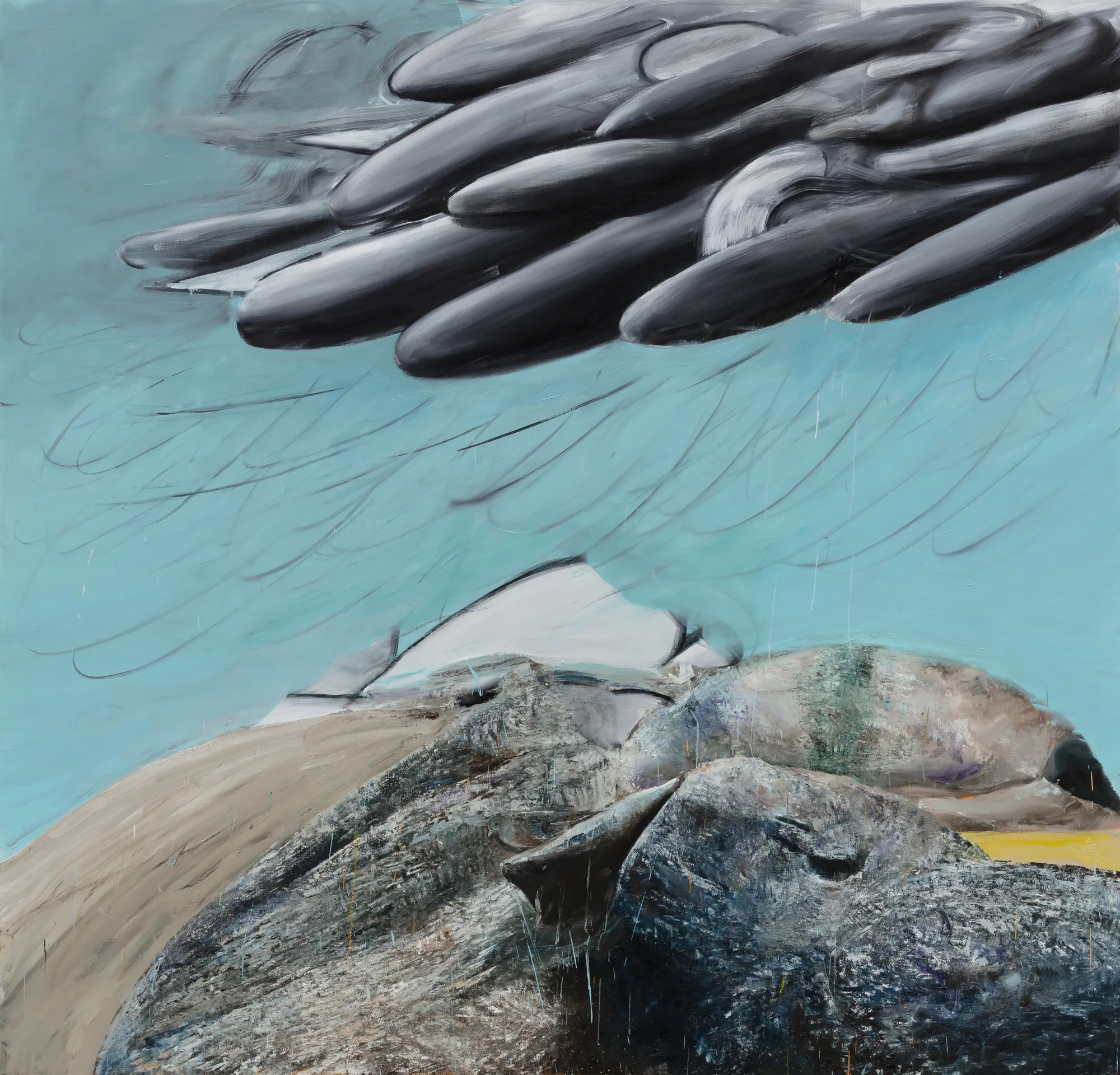
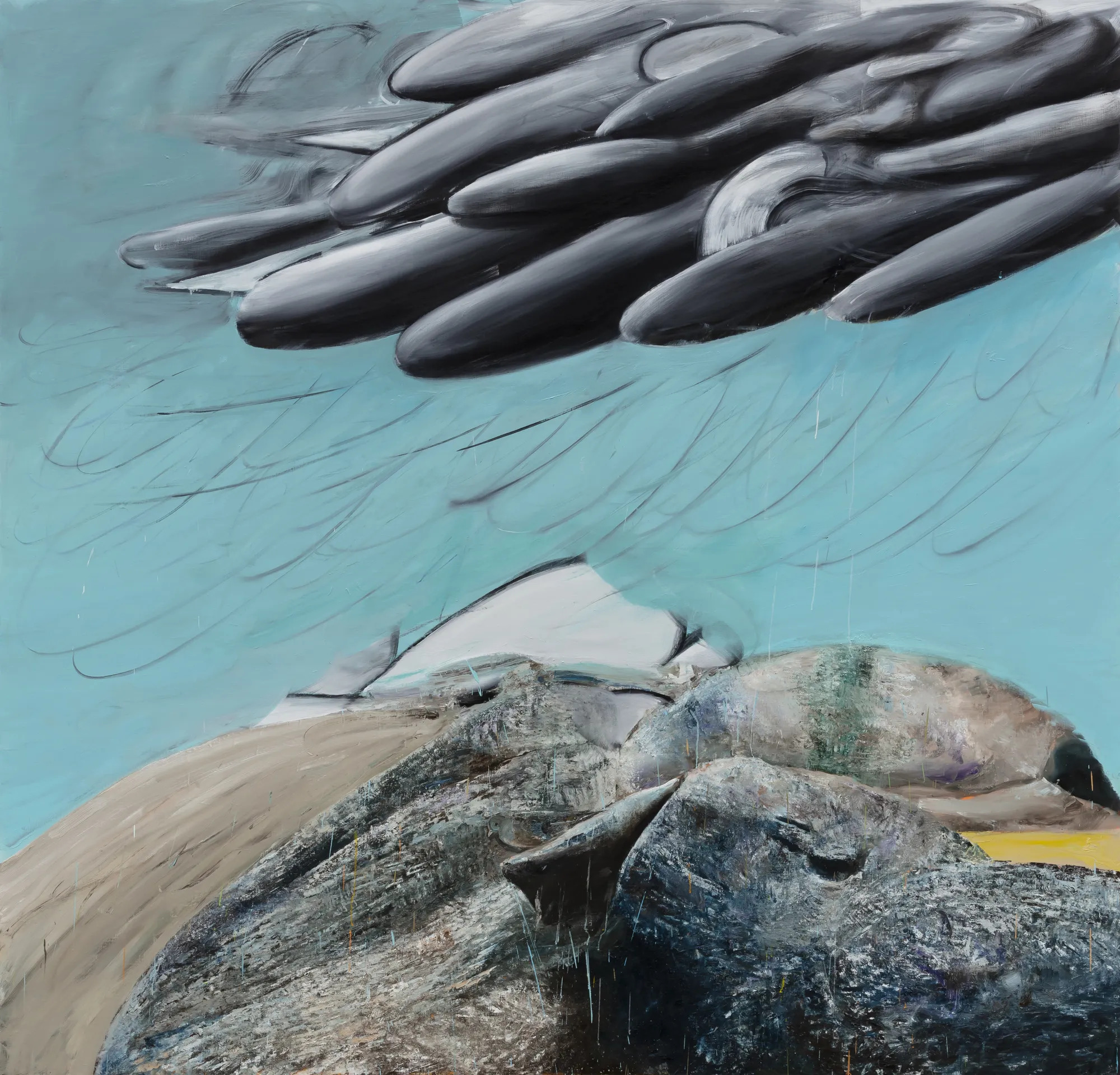
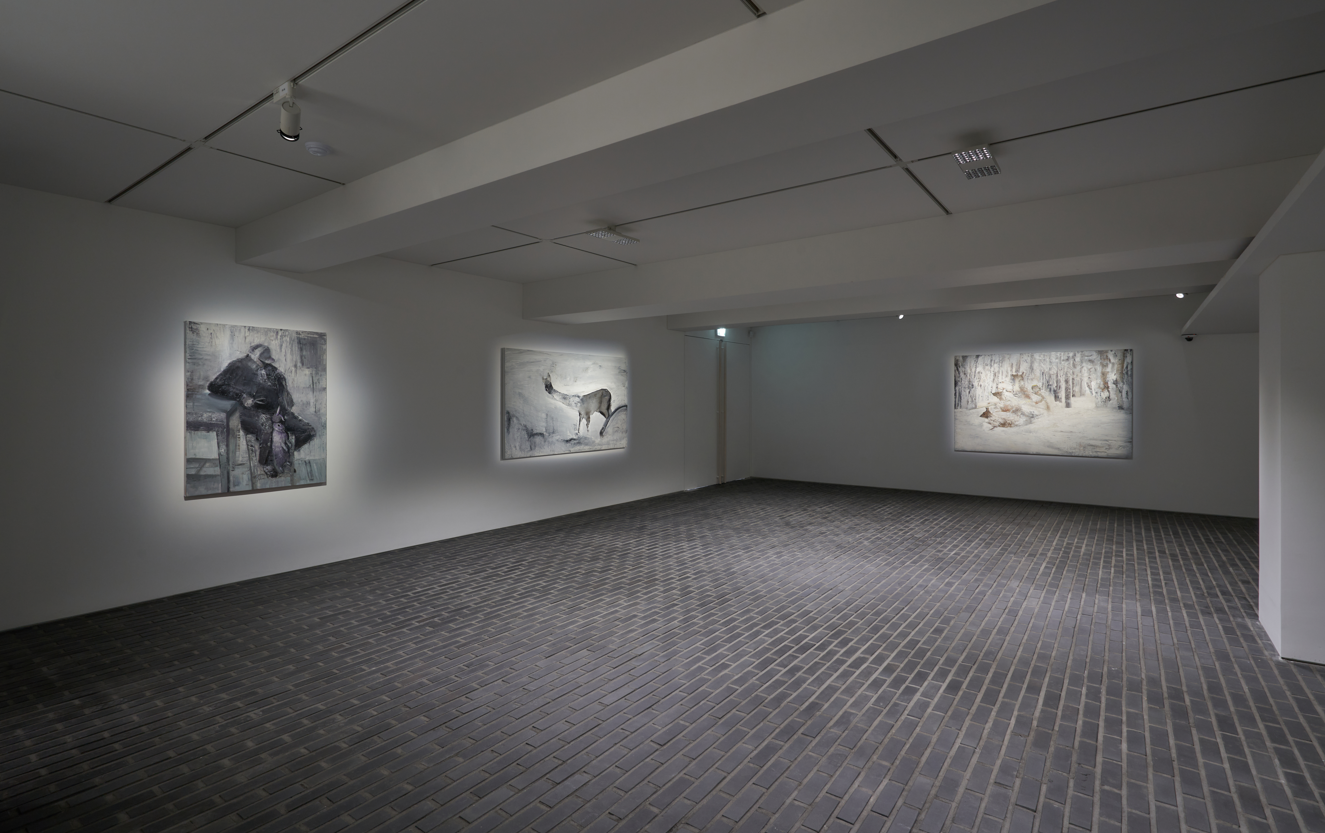
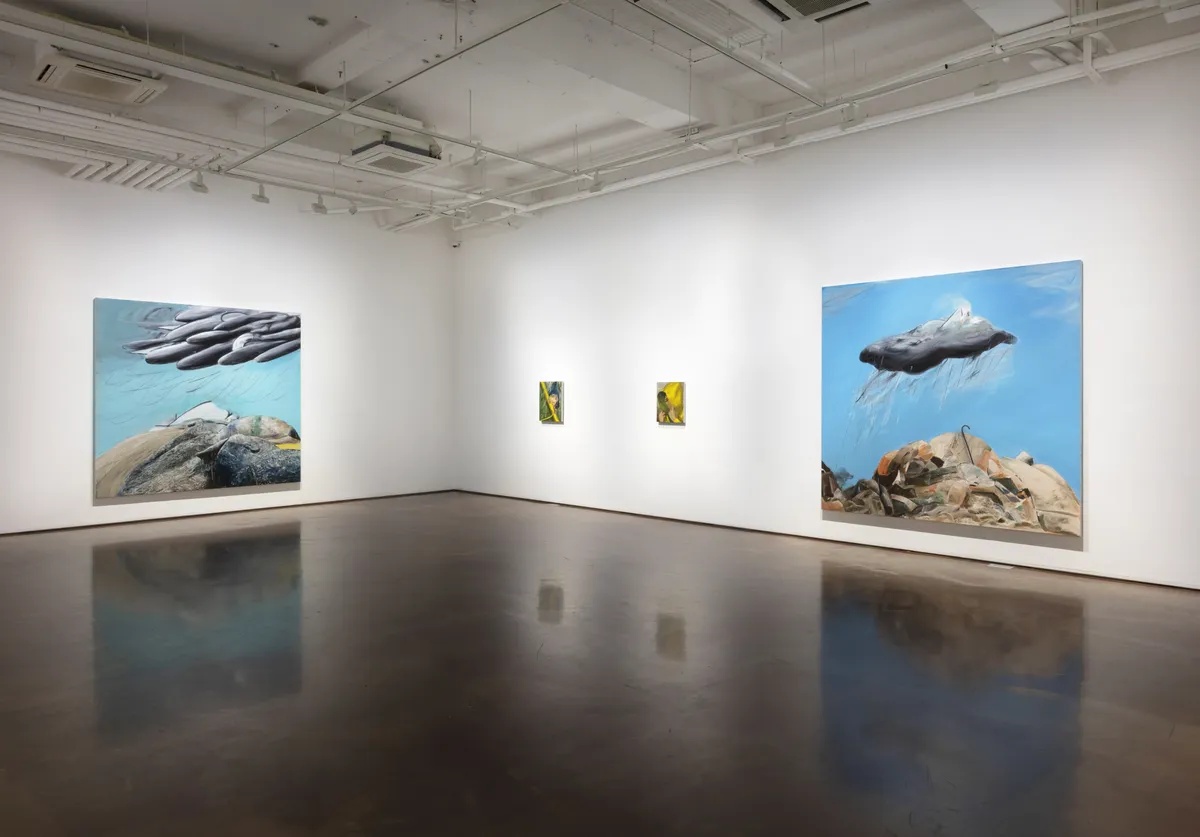
Sky and earth meet, and between them wind and rain gather into a storm. Into the subtle signs hidden within that encounter, Ahn reaches to seize fleeting apparitions before they disappear. His paintings feel almost ethereal. Suddenly, without warning, they rise like a whirlwind, antlers sprouting from one's head. The swirling forms tremble with overwhelming force, leaving the viewer bewildered and suspended between image and sensation.
Form and painting become inseparable, boiling together. A sacred radiance seems to gather above them. Thick clouds appear unexpectedly soft and pliant. Tilting like waves, they shake the sky itself. Such clouds are anything but ordinary. Where, one wonders, did Ahn experience such openness of vision that allowed the sky itself to enter him?
The clouds winding through his paintings seem to brush against mountain ridges with resonant sound, scattering fine rain and carrying gentle winds. The sky shifts between deep blue, pale blue, and misty white. Beneath it stand a shepherd's staff resting against a rocky ledge, the eye of a bird embedded within a stone rendered through feather-like brushstrokes, and birds pressed flat against rocks as dark clouds descend upon them.
The landscape is filled with the premonition that something has already happened—or is just about to happen. Between sky and earth, a white presence rises upon the mountain ridge, its breath faintly visible.
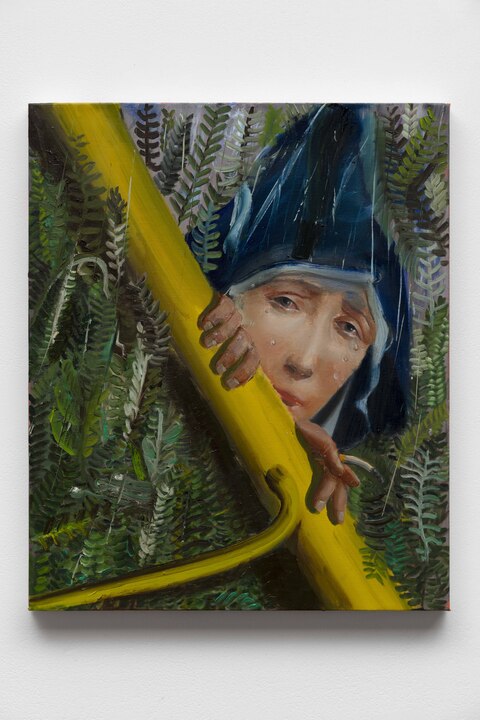
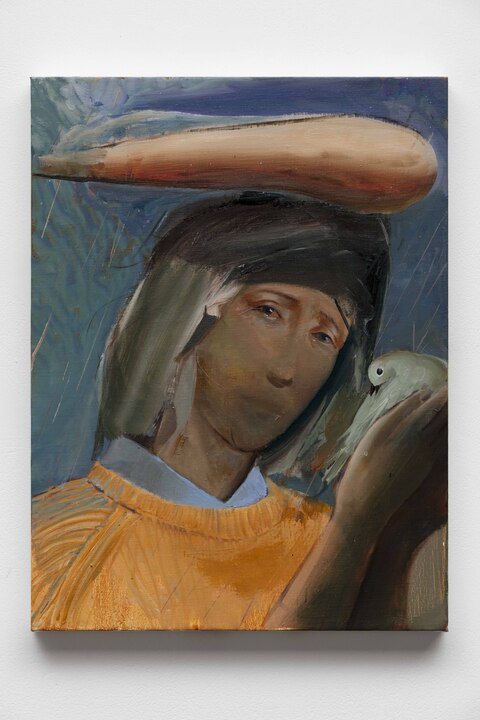
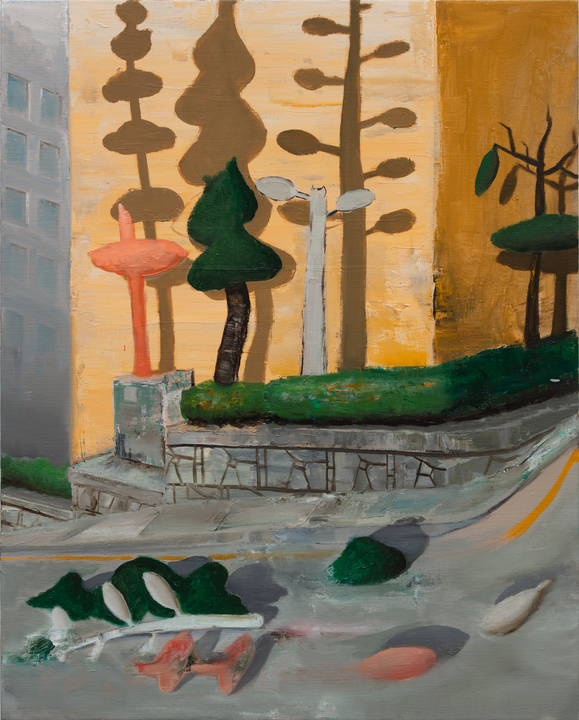
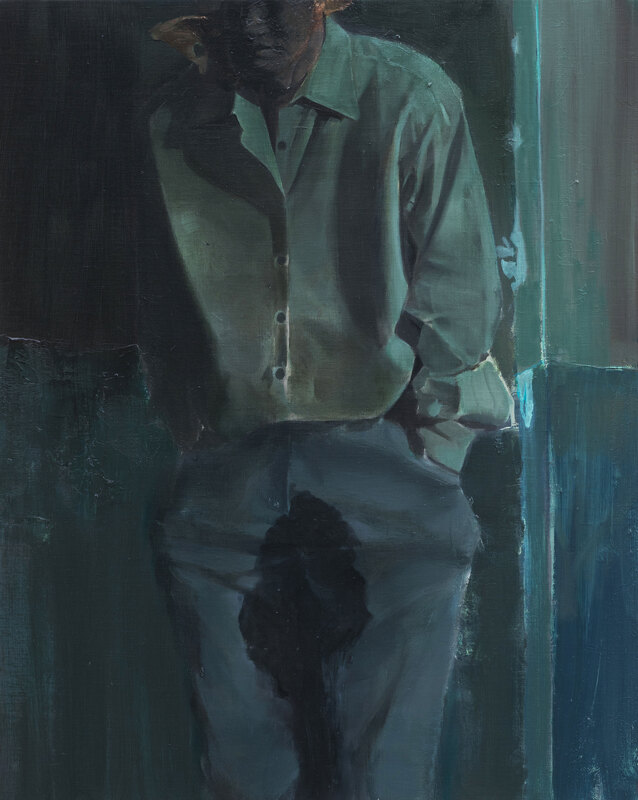
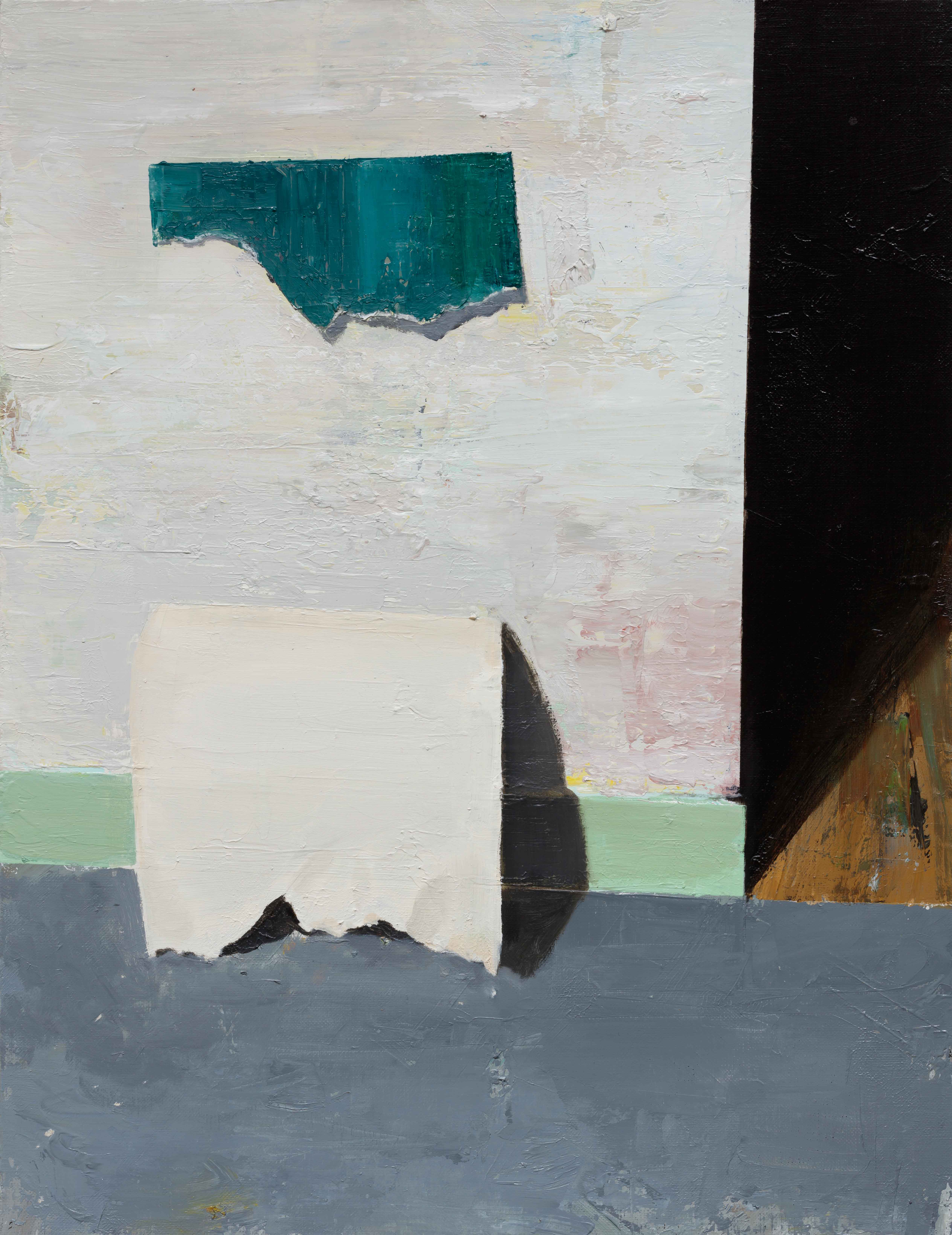
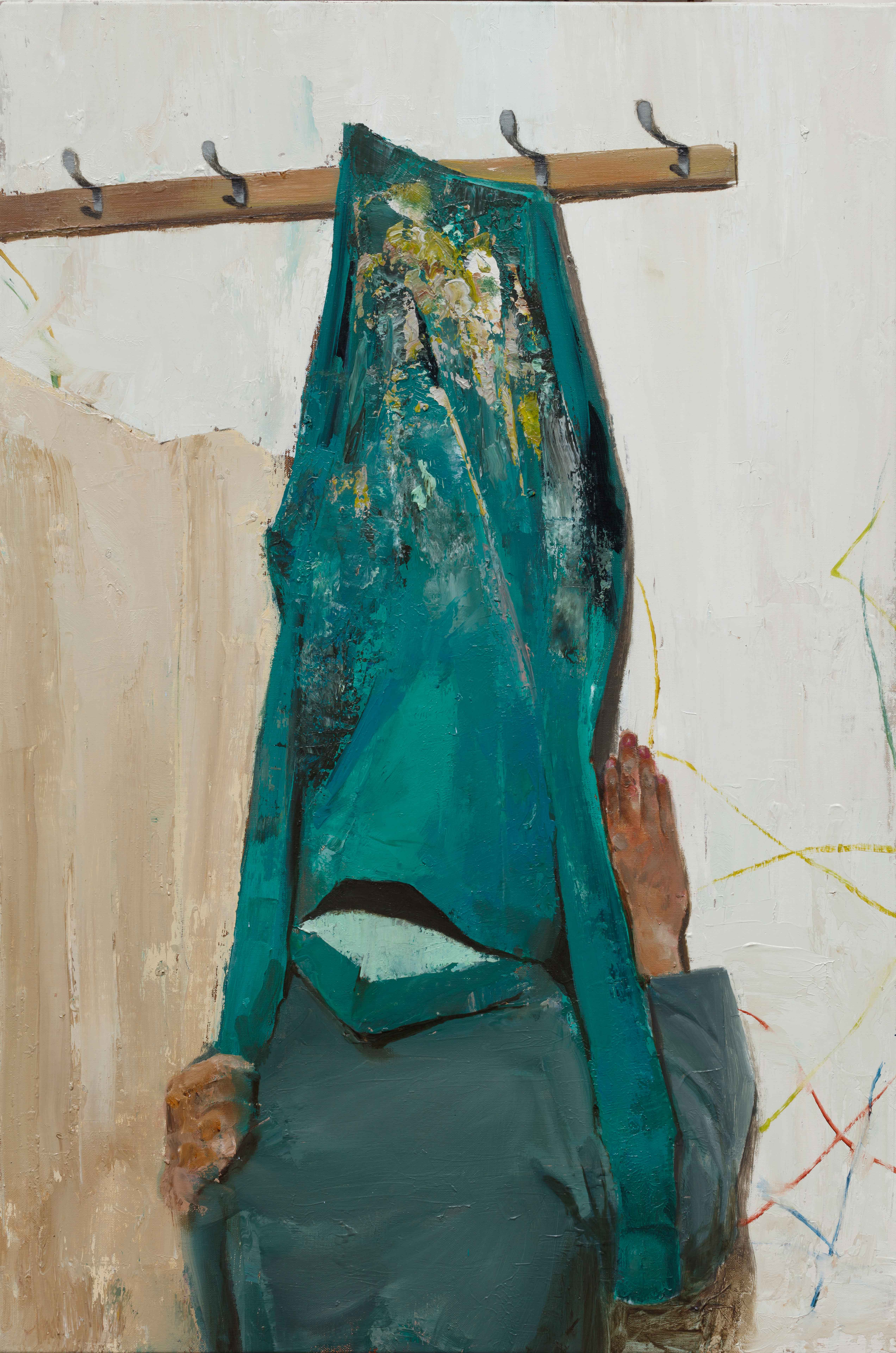
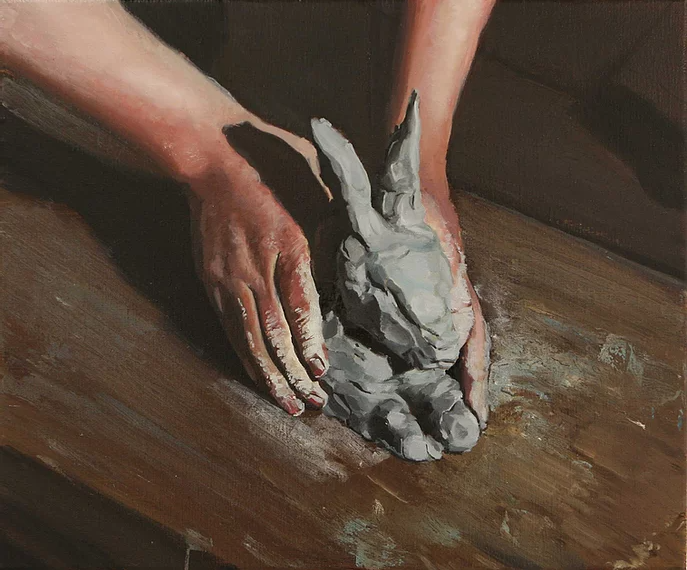
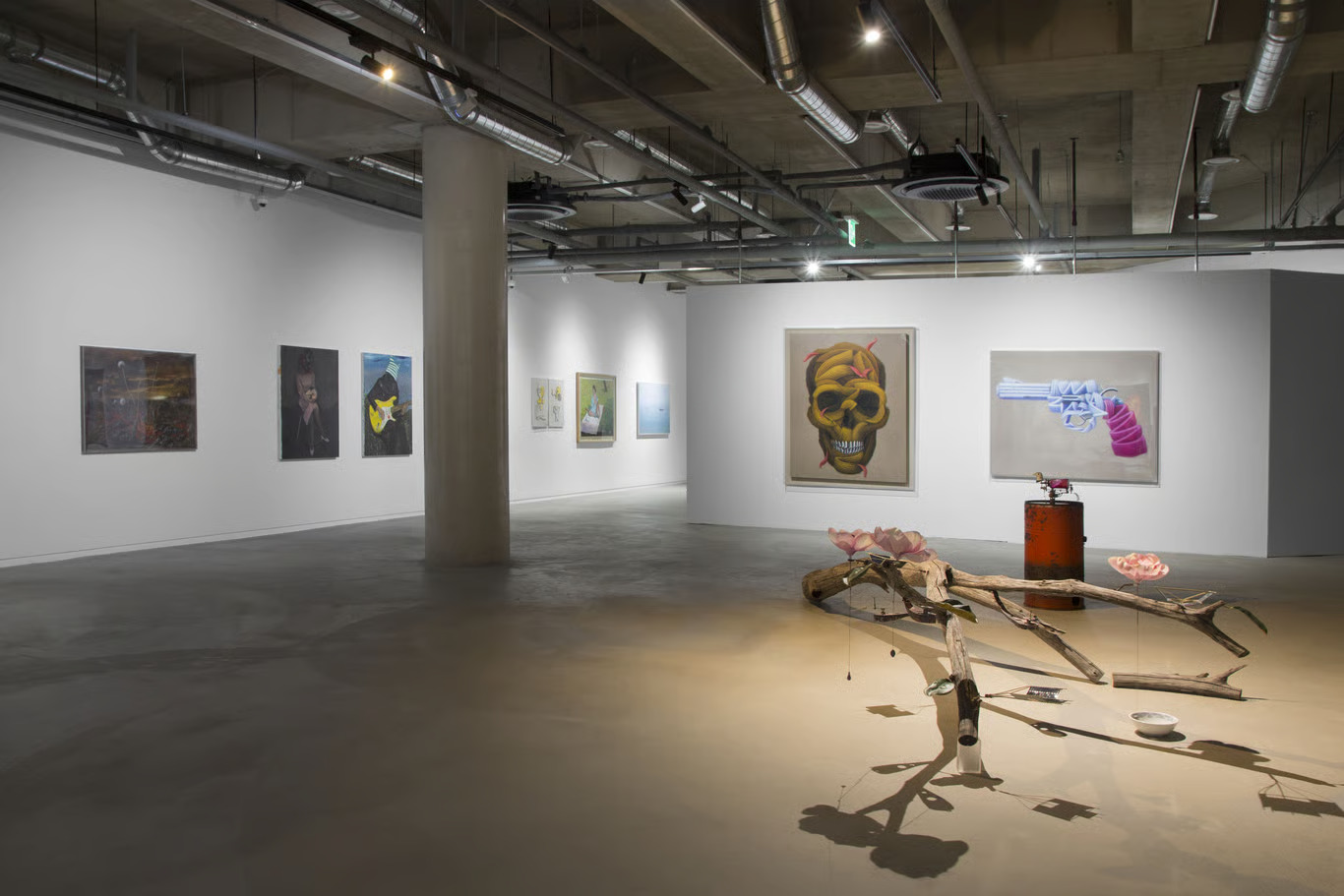
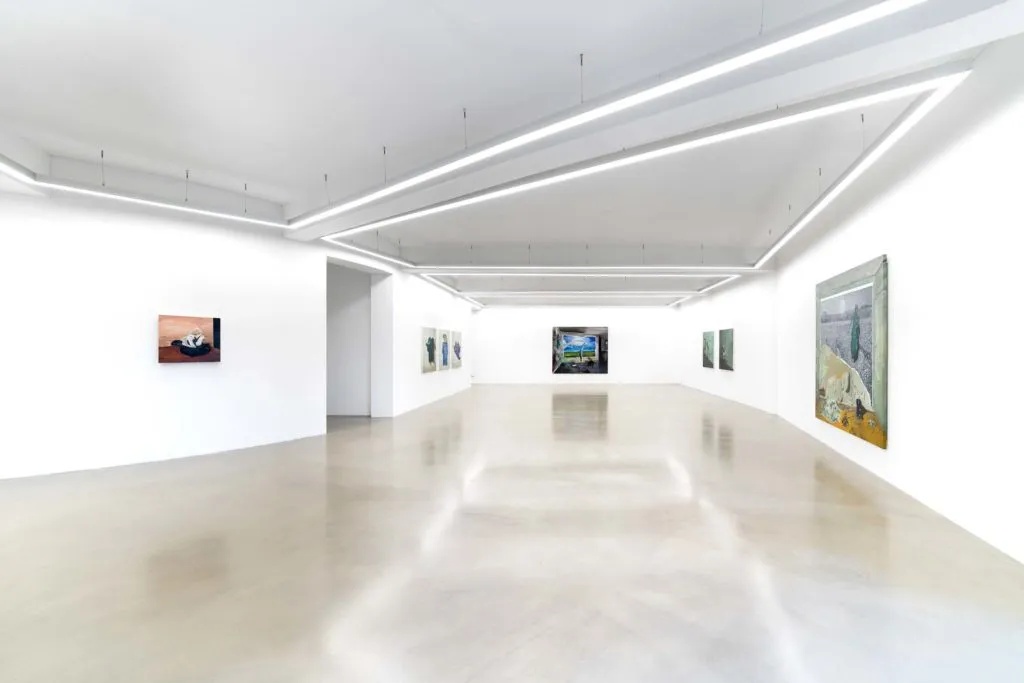
Heo ChanMi's paintings, by contrast, linger quietly upon those things that have endured for a long time at the margins of the landscape. Her gaze lowers toward scattered fragments tucked away in forgotten corners. Yet these paintings remain deliberately unfinished. The objects they depict never fully reveal themselves. They simply flutter. Standing quietly at the edge of the world, they appear both dignified and wounded.
They are humble yet steadfast, though they continually lose their balance. Piles of discarded objects, plastic flowerpots, concrete blocks, a faint bird, drifting shadows, branches of time abruptly severed—these are the things encountered unexpectedly along the roadside, unable to take flight or fully ripen into being. No one notices them; they remain nothing more than fluttering fragments of landscape.
How did Heo come to open both heart and eyes so completely that the earth itself entered her? Had she arrived at those wandering lives that drift without ever finding firm ground? These are not paintings that merely record outward appearances. Stripping away the skin of the landscape, they reveal its vulnerable flesh beneath.
Jisan Ahn's paintings make visible what has not yet appeared. They summon nameless forms rising from the depths of the mind. Perhaps they originate in an experience of standing upon some mountain summit, hearing the resonance of the sky itself. Perhaps it was there that he became enveloped by the words, "The spirit of the valley never dies."
The Spirit of the Valley is the root of heaven and earth, the inexhaustible breath through which all things are continually born, transformed, and fulfilled. Might that living breath be embodied in Mari and the white bird?
Surging Resonance
The Spirit of the Valley is also described as the Mysterious Female (xuánpìn). The Mysterious Female is the sacred womb of life itself, the feminine principle that gives birth to and nurtures all living things. Perhaps, then, Mari and the White Bird, as a pair, gaze upon the tangled disorder of the world with sorrow and compassion.
Intriguingly, Mari and the White Bird recalls the imagery of the Virgin Mary and the dove of the Holy Spirit found in European Christian painting. Compare Mary & White Bird with the twelfth-century Russian Orthodox icon The Virgin of Vladimir. The nameless form summoned into being through Ahn's act of painting thus becomes a kind of revelation—a symbol, even a prophecy.
His paintings are composed of unforeseen events, while the beauty of landscapes, inflamed by forces beyond comprehension, swirls into ecstatic motion. Love within stone, the sky within stone, a gaze hidden in the forest, a well concealed within snow—each is rendered through circling brushstrokes that draw the viewer toward the pulse beneath the event itself.
His paintings therefore embody a sorrowful sublimity, a terrifying sacredness erupting from the inexplicable universe of heaven and earth—the very sanctity of the Spirit of the Valley. It is as though the artist himself had been received into that realm and reborn, opening himself completely to words pouring through him from above and below, painting only after first sensing them with his entire body. What, then, was the language of the premonition he received?
Heo ChanMi's image-making, by contrast, reveals what is already present. She gives form to things displaced and overlooked, yet still yearning to stand firmly as themselves. Form becomes meaning, and her act of painting unfolds and gathers that meaning into images that faithfully engrave the presence of things. Her paintings draw to the center those objects that have receded to the margins of life, almost beyond perception.
They ripple like cloth woven from flower petals. Even when depicting the shadowed underside of reality, she paints these steadfast presences with vigorous, layered brushwork. Their outlines tremble and quiver on the verge of collapse. Though the depicted things themselves appear humble, the paintings possess an inner richness that feels fresh and alive.
The colors, inscribed as though feeling their way across living flesh, and the seemingly unrestrained brushstrokes give rise to a palpable vitality—the texture, scent, and living color of the landscape itself. They breathe directly against the viewer's chest, awakening life again and again, leaving one breathless with quiet exhilaration. Her paintings, clothed in dense accumulations of color, reveal the presence of things with remarkable clarity.
Above all, those vivid greens filling even the darkest corners with life refuse to remain at the edges, instead bringing marginal existence to the center of the world. Perhaps this is why Heo paints. The humble yet resilient things she depicts are less fragile than they first appear; they possess an unmistakable dignity.
They seem to have emerged casually from anywhere, yet remain upright, generous, and enduring. Even when they appear too weary to withstand the weight of existence, they continue to hum insistently with life. From where, one wonders, does such steadfastness arise?
Jisan Ahn's gaze inclines toward stillness—toward a pause through which he seeks to reach beyond the visible landscape. Only by stopping can one see what lies beyond. The movement of form is interrupted. At the moment that movement ceases, he suddenly encounters an unfamiliar heaven and earth emptied of all certainty.
The subtle resonance of lingering sound wraps itself around the emptiness within the heart, stripping away the outer shell of form. There, a single breath of painting comes into being. Perhaps it is through that single, sustained breath that he creates paintings in which every expression is patiently inscribed.
Heo ChanMi's gaze, meanwhile, leans toward the sideways glance—a way of reaching the landscape of the present moment. Labor piled beside the roadside, the loneliness of concrete pillars, blocks lodged like hardened residue within the heart, the murmurs of birds inhabiting gray shadows, the eyes of torn walls, leaves driven by wandering winds, sharp sorrow, cautious awareness, gusts of color swept across the surface.
Her paintings are joyful cries born from forms that have blossomed into being. They willingly grant shape and presence to things that have long remained unnamed.
Painting is an act of making, bringing forth, and inscribing. Before anything can be made, however, one must first fall under a spell. Without first becoming enchanted, no painting can ever enchant another. Only by surrendering to that spell can the painter draw the viewer into the act of painting itself. Jisan Ahn's enchanted paintings invite us to listen quietly—to hear the resonant messages carried by sound, messages already sensed before they were heard.
Only by listening and seeing does a form arrive within the heart. Heo ChanMi's enchanted paintings urge us instead to open our eyes suddenly to the dazzling presence of things. They seem to insist that only by seeing and hearing can forms arise from within us.
It is when these arriving and emerging forms surge violently inside us that we truly begin to resonate with painting. And indeed, that is exactly what happened. Captivated by their paintings, I found myself standing there, utterly unable to move.