I wish I could see what my eyes see.
— Vanilla Fudge
The twenty-first century is often described as the age of pluralism. The notions of the people and the masses have undergone processes of decollectivization and declassification, giving way to the concept of the multitude, while art has been deterritorialized, moving from the domain of the artist to that of the “art-human” (Joe Jeong Hwan, The Birth of Homo Artis, 2015). Ultimately, we have entered an era that advocates an aesthetics of life, one that discovers beauty within human action itself.
Art and beauty are paired concepts. Aesthetic experience is mediated through the objects of artworks, yet in the age of pluralism the object of art has moved beyond physical media and material subjects, becoming increasingly abstracted and image-based. Moreover, contemporary art often assumes the character of a mixed medium, as seen in performance art and other practices that foreground processes of emergence through contingency and chance.
We already know, through works such as Marcel Duchamp’s Fountain and Andy Warhol’s Brillo Boxes, that the object of an artwork need not be inherently creative. Just as definitions of art have proliferated, diverse attitudes toward art have expanded discussions of plurality and led to a redefinition of the vagueness inherent in the meanings artworks possess.
For this reason, it is necessary to reconsider the significance of art as a sign of possibility. With the emergence of the art-human as a multitude, artistic value has increasingly come to be understood as a relative, exchangeable, or symbolic value, resulting in a condition in which “everything is art and nothing is art.” Such ambiguity has placed the positive value of creativity under threat.
To overcome this condition, it is essential to cultivate an attitude and interest toward artworks that attend to both “technique” and the “perceptual event”—the medial and rhetorical dimensions that make aesthetic experience possible.
While deterritorialization has allowed art to express the diversity of its ideal values and regain its vitality, pluralistic attitudes toward art have also renewed awareness of the need for aesthetic judgment capable of discerning genuine beauty.
Although the evolution of art may be explained through diversity, the relativistic attitude inherent in pluralism tends to weaken the sublime emotions, sensibilities, and recognition of artistic value that emerge from aesthetic encounters with transcendent qualities and beings.
Art critic Arthur Danto and philosopher Nelson Goodman offer different vectors for approaching the question of what art is. Danto responds by asking “What art is?”, while Goodman asks “When is art?” The former understands art as an “embodiment of experience,” whereas the latter considers it a symbolic system connected to science and logic.
Questions such as “What is art?” or “What is beauty?” begin to find answers at the moment a viewer encounters an artwork—that is, through an artistic event. Art is an encounter that invites us into an experimental moment within the present world and calls forth our response. When a viewer perceives art through an aesthetic experience, they become spatially connected to the consciousness of the artist as creator, giving rise to an artistic event—Hyeongan (玄間).
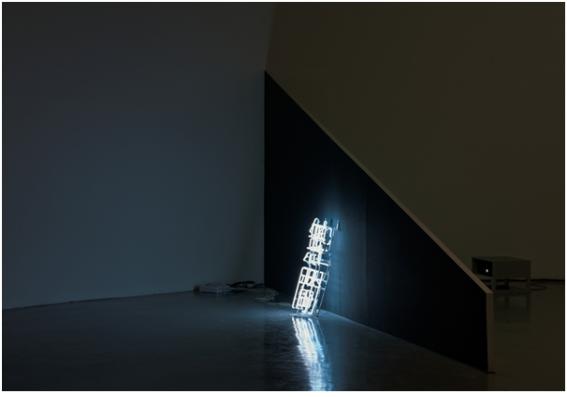
At that moment, through Mugan (無間, “no interval”), the consciousness of the artist and that of the viewer merge into one. In the instant of this fusion, the characters “玄間” emerge through the darkness upon a black ground of Gonggan (空間, space), cutting across the void and triggering the event of Hyeongan, through which the viewer comes into encounter with art.
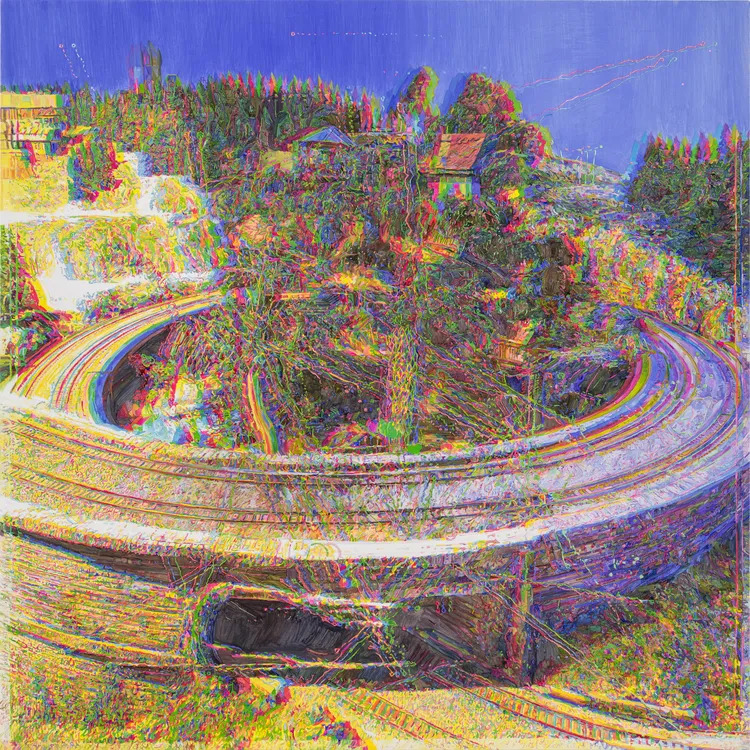
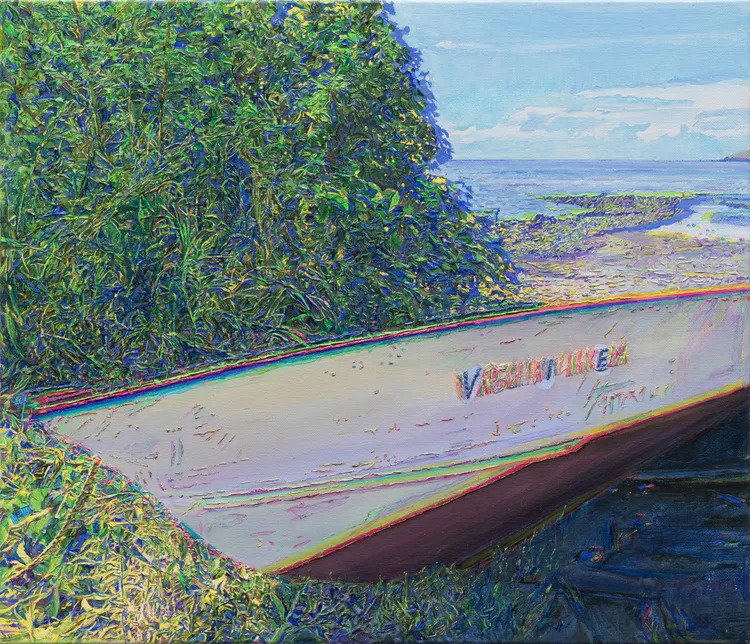
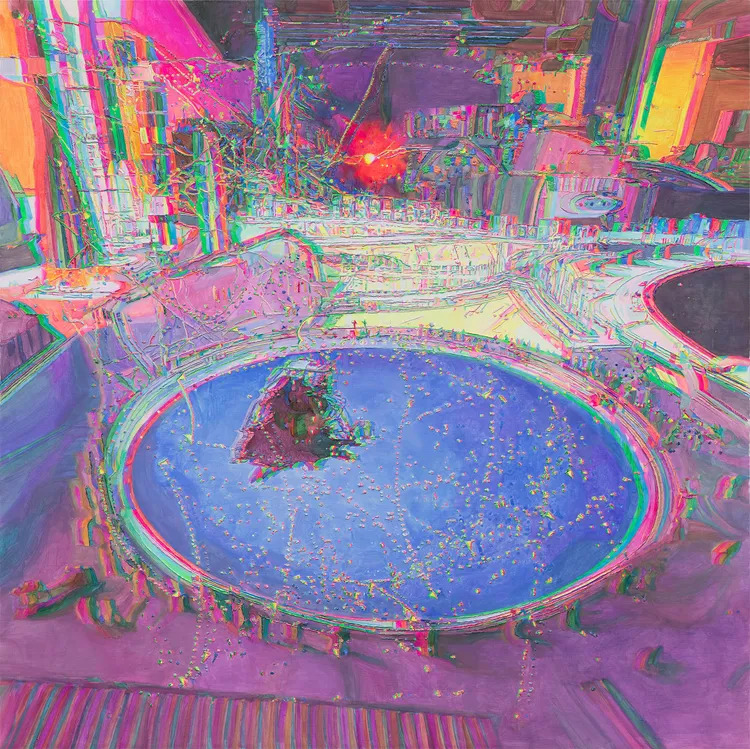
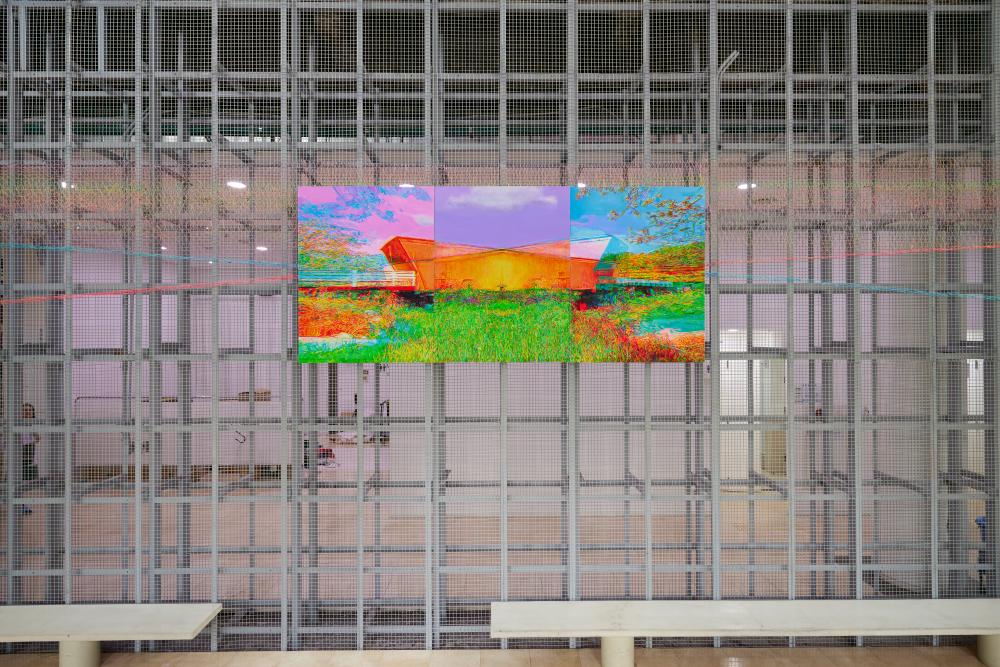
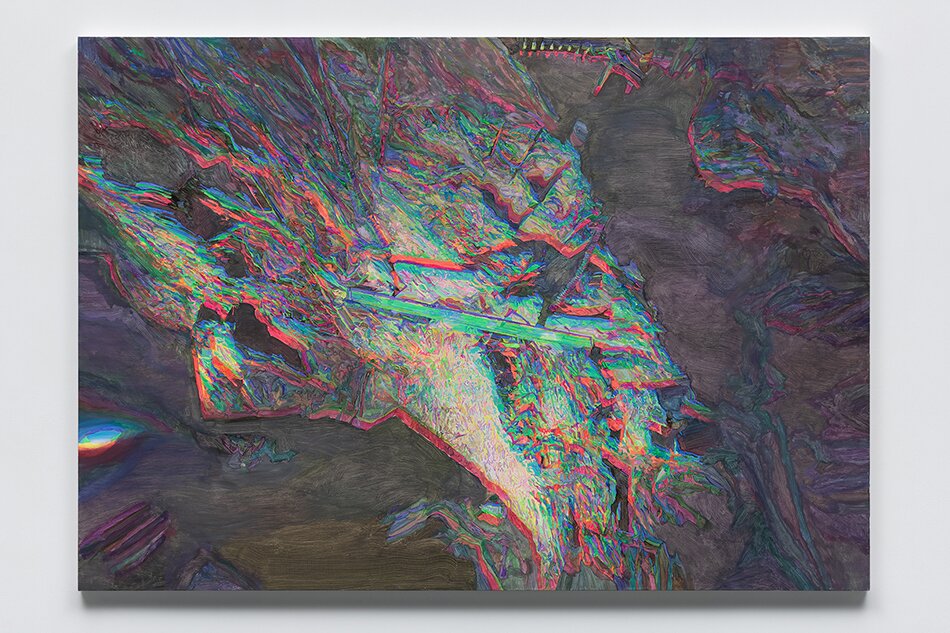
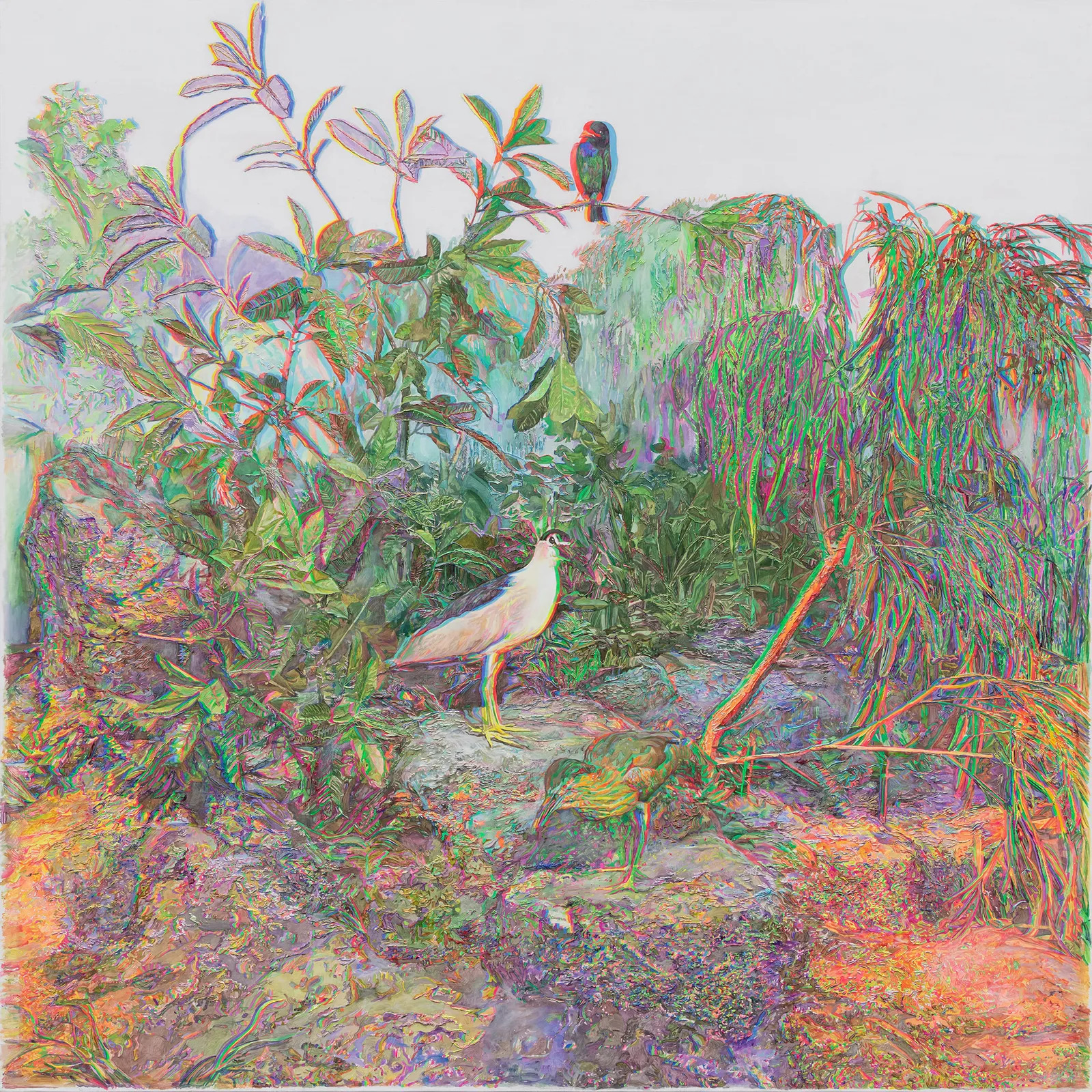
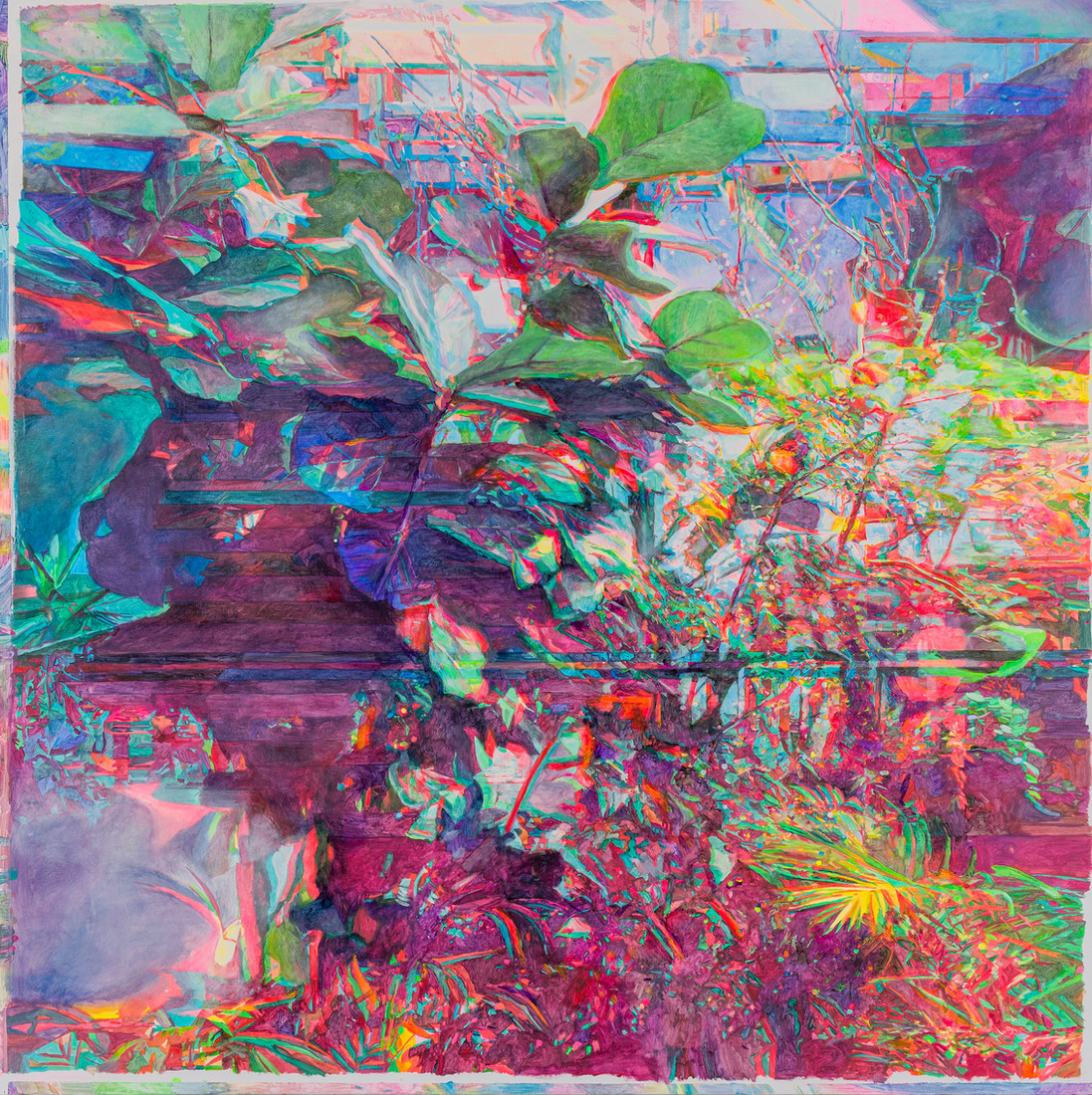
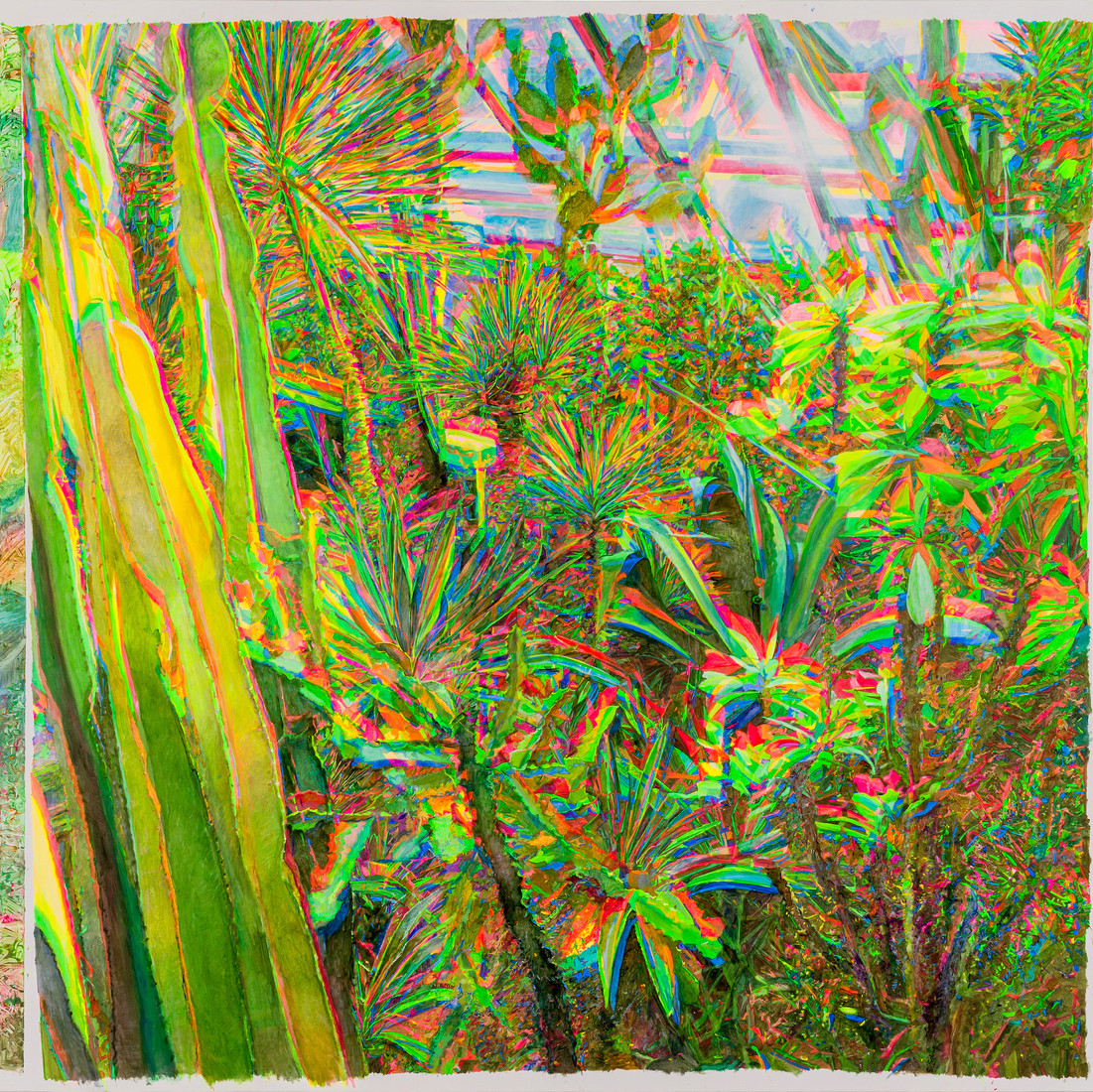
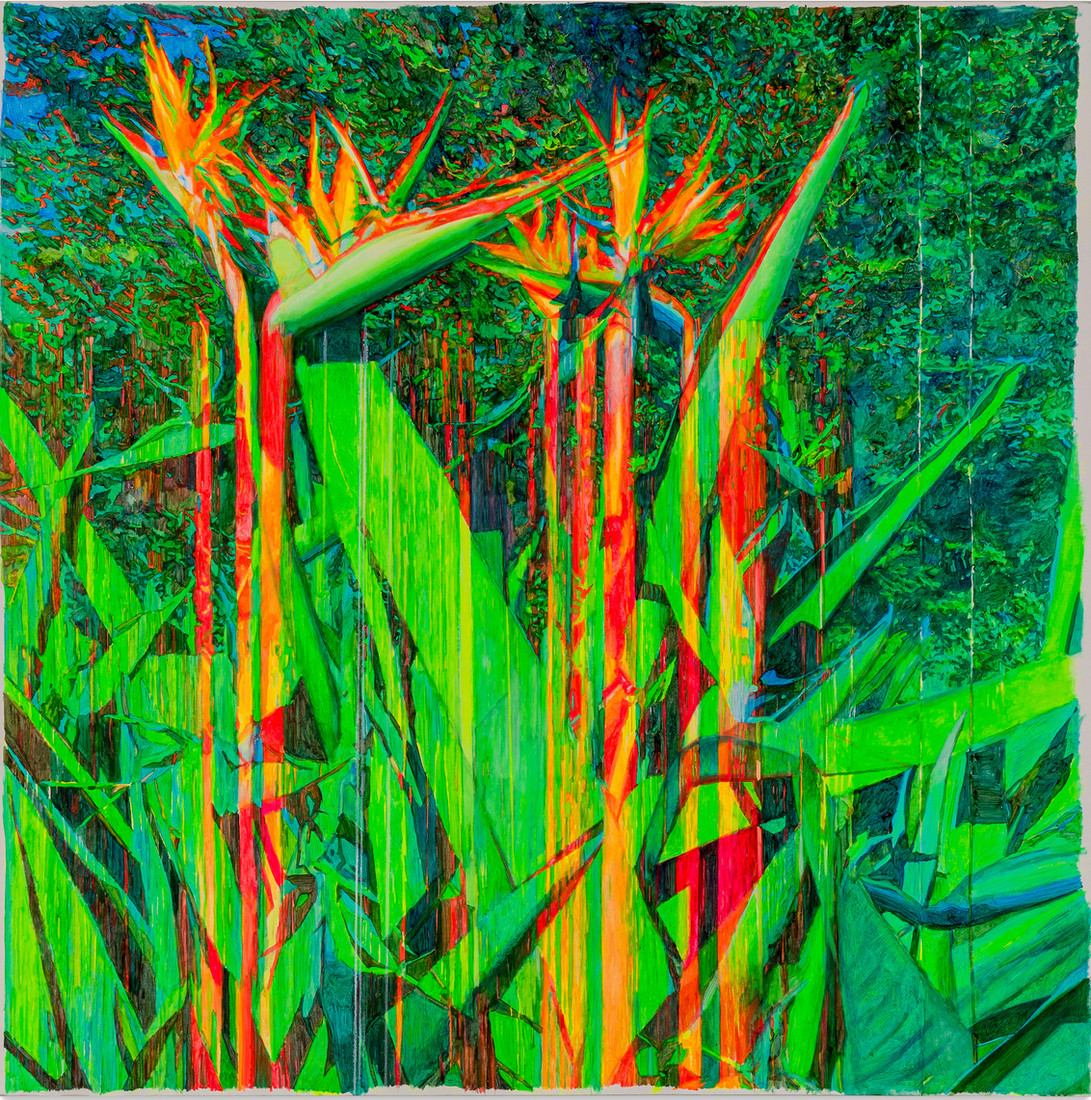
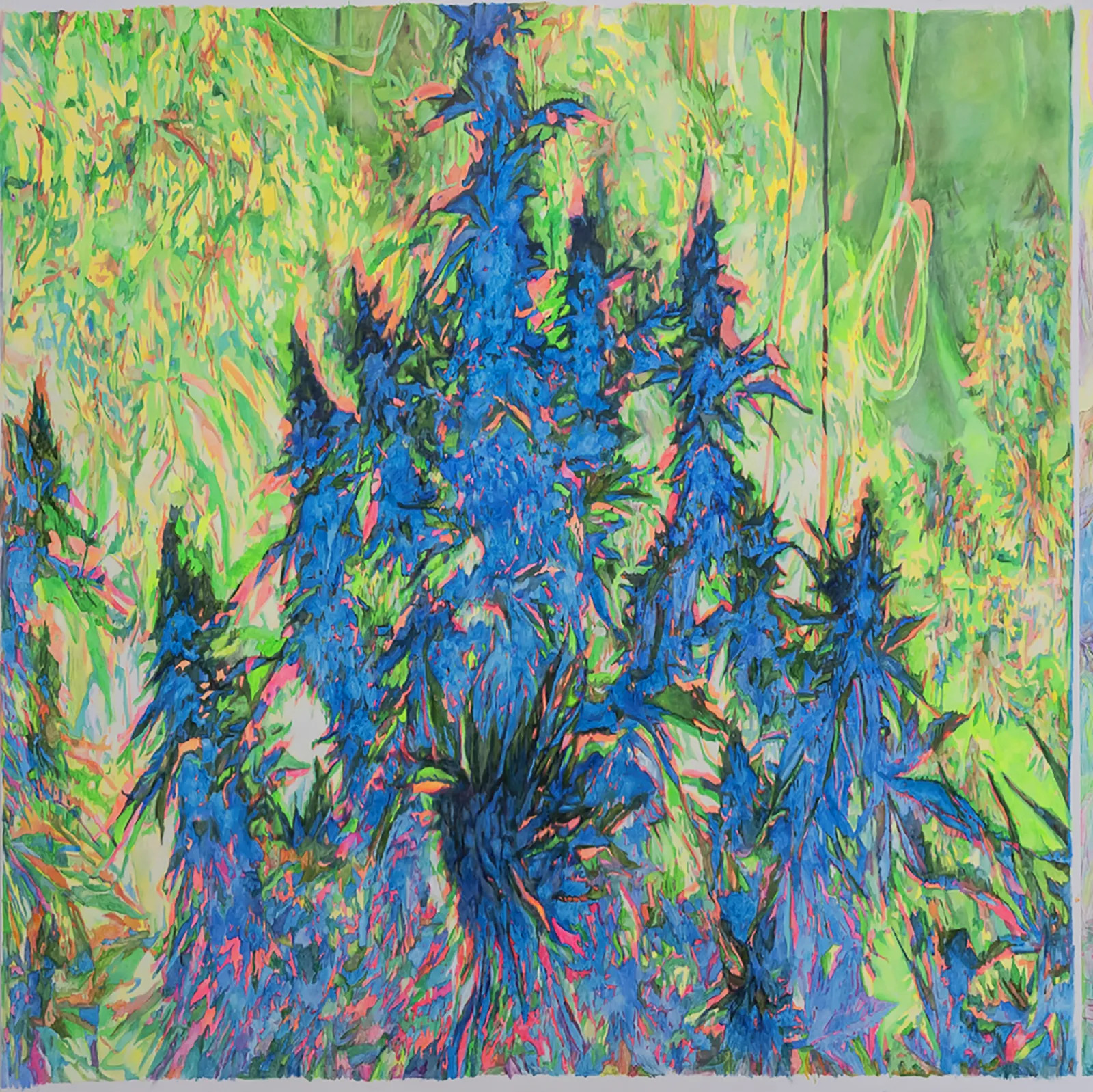
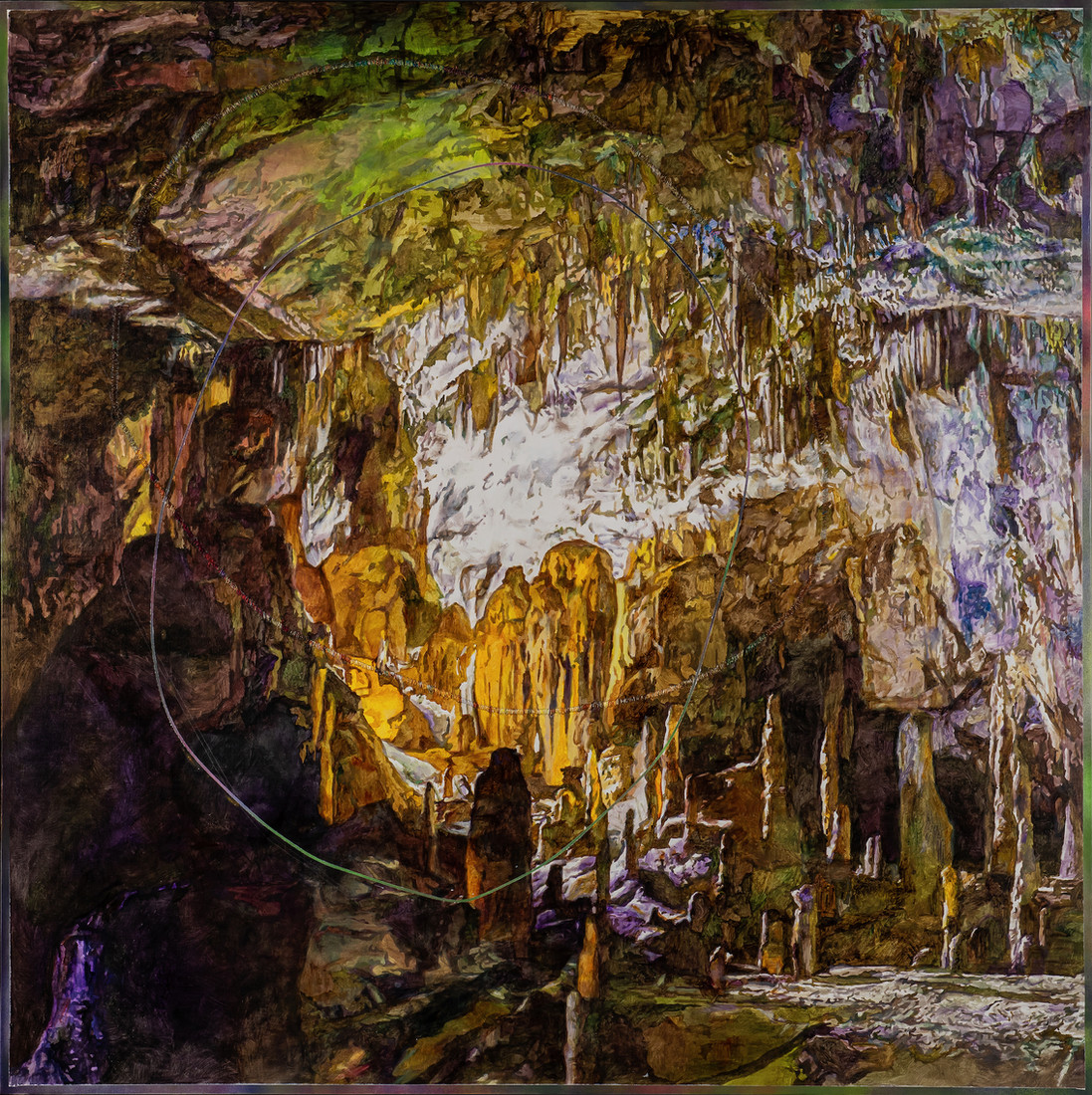
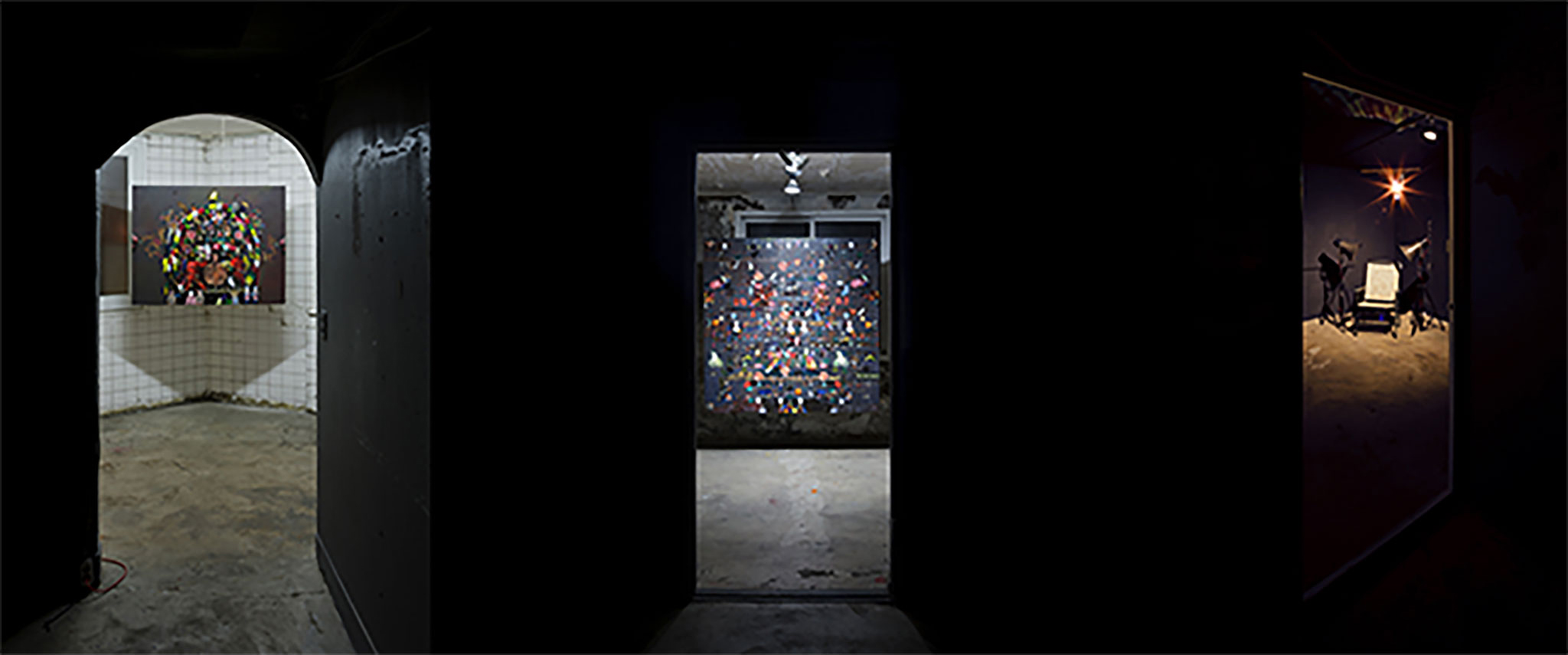
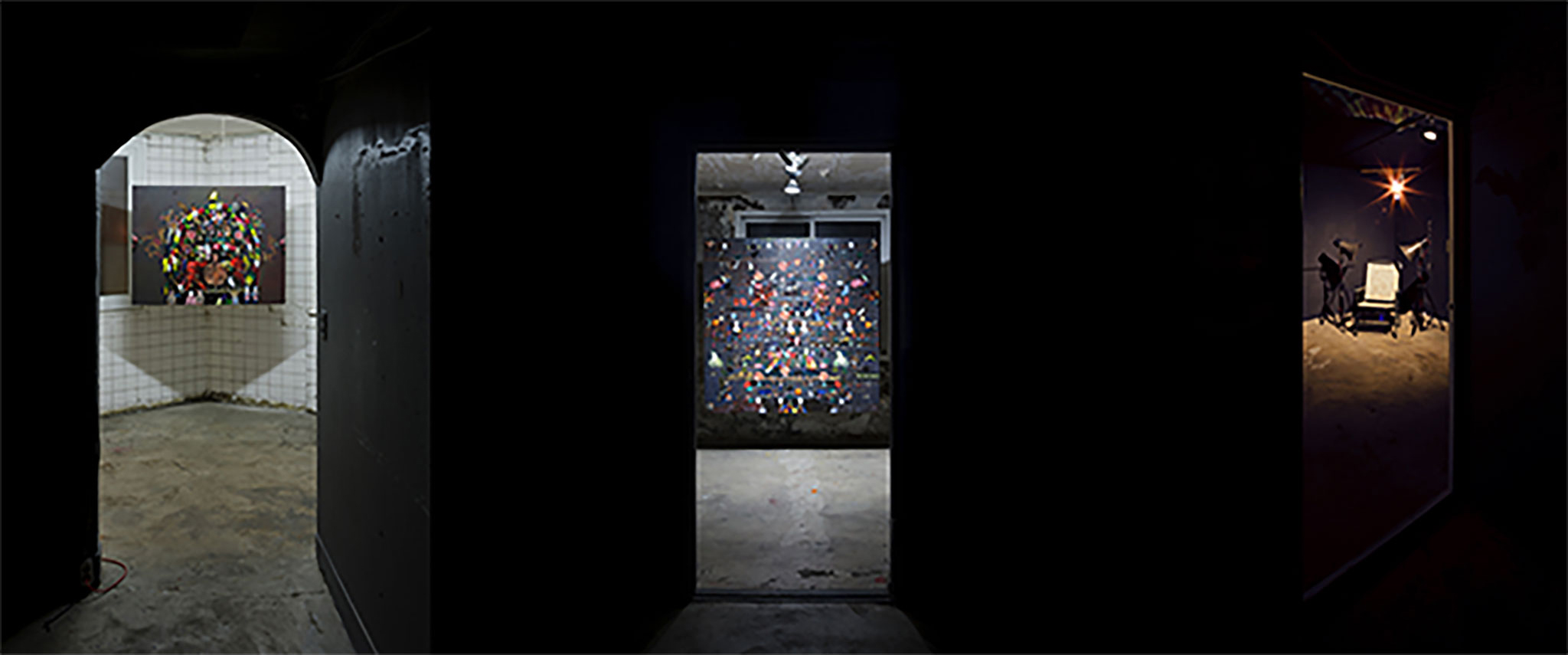
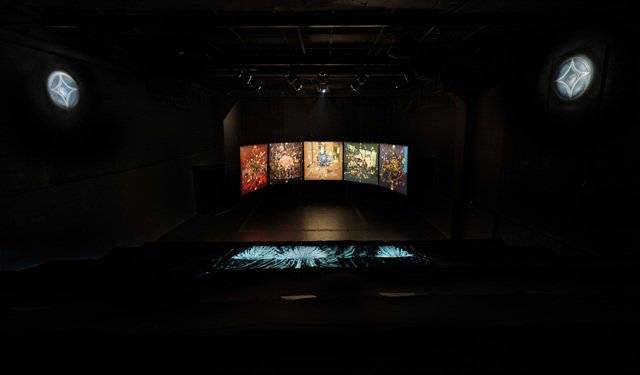
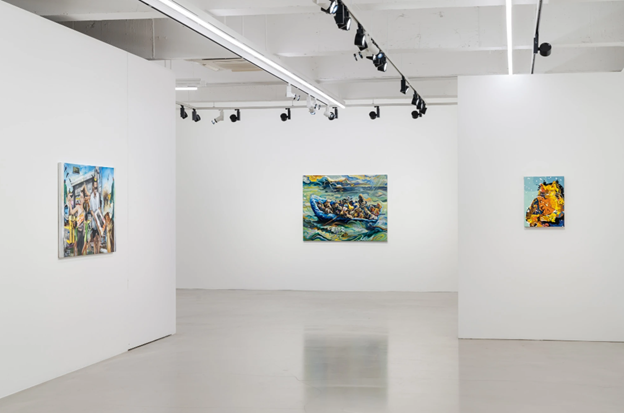
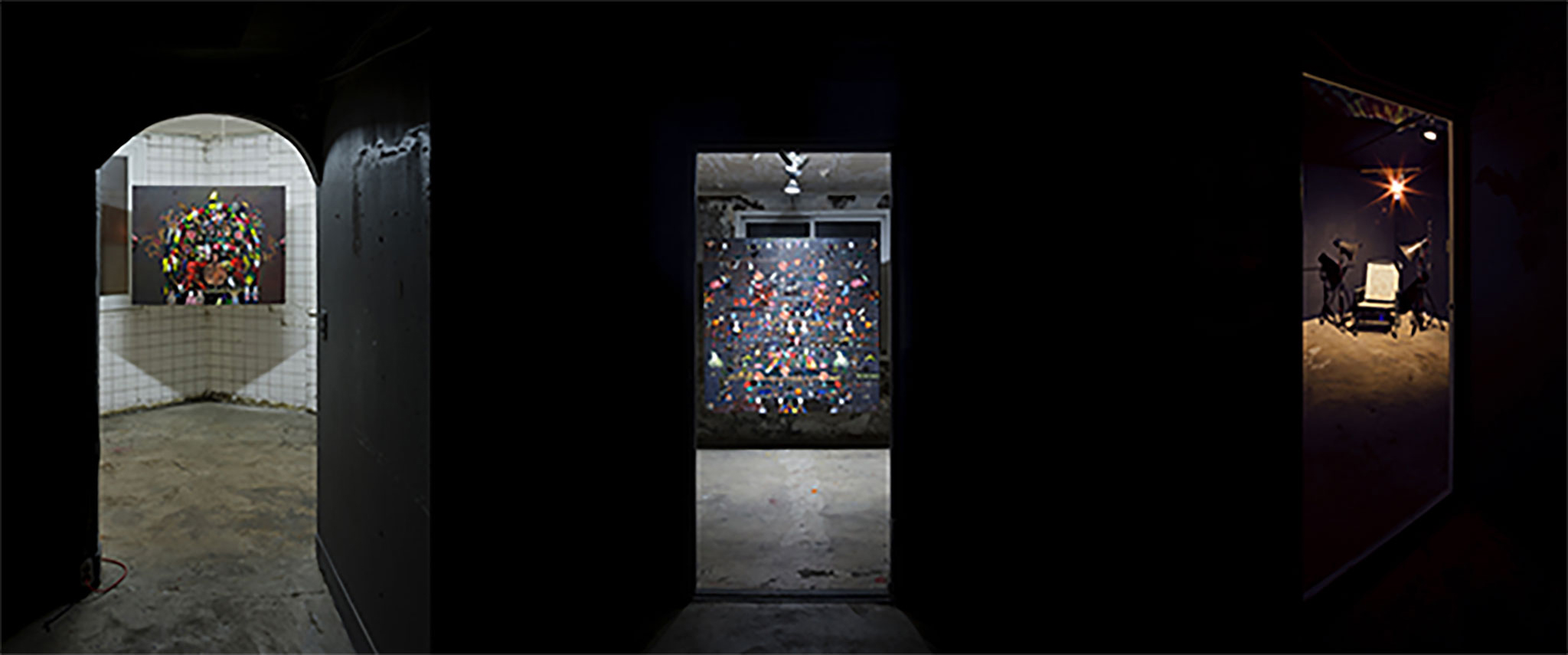
Choi Soo Jung’s artistic practice is an attempt to express artistic space as an aesthetics of relationality, conceiving art as both an event and a sign of possibility. Through a continual dual modulation between the familiarity, intimacy, and fullness associated with Mugan (無間, “no interval”) and the sense of distance, estrangement, unfamiliarity, and anxiety generated by the dark obstacle of Hyeongan (玄間) that stands between, the viewer’s consciousness is drawn toward the work.
In some instances, endless repetition and familiarity induce dizziness and nausea; in others, they awaken a desire for Mugan—a longing to become one by imagining the other who exists beyond the dark rock situated between you and me, or between the self and the object.
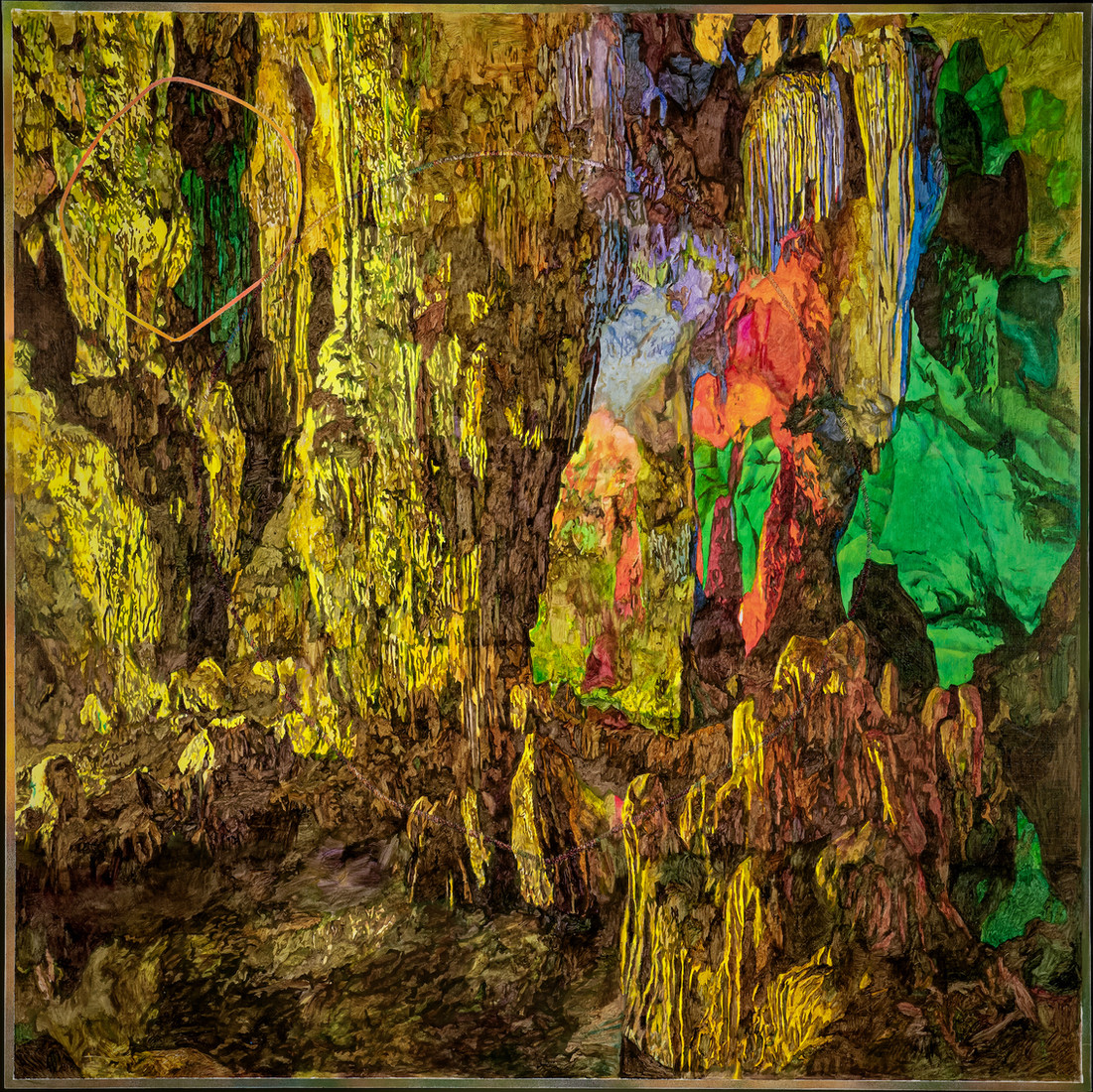
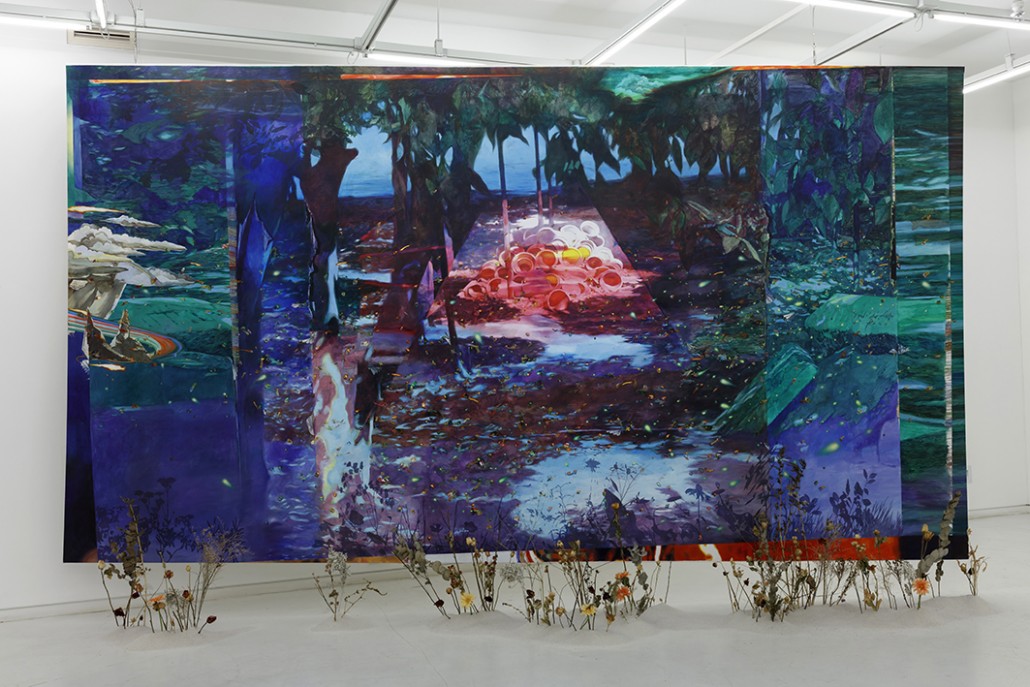
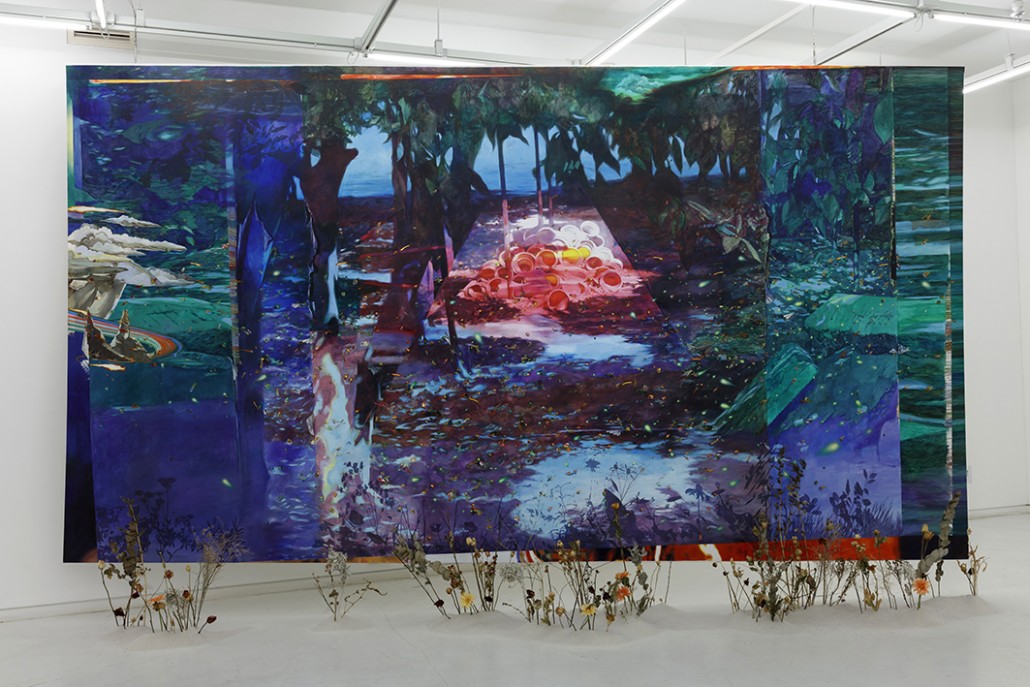
This tension of dual consciousness guides us into an experiential realm of thought that makes us human. Through the passion and autumnal qualities embodied in flowers withering beneath electric light, through the coexistence of order and chaos, hope and darkness, freedom and constraint, reality and fiction, hell and heaven within painted imagery, and through the contrast between the materiality of color and language as primordial substances and the realm of mental images revealed through light and sound, viewers are invited into—and compelled to respond to—the world of signs of possibility.
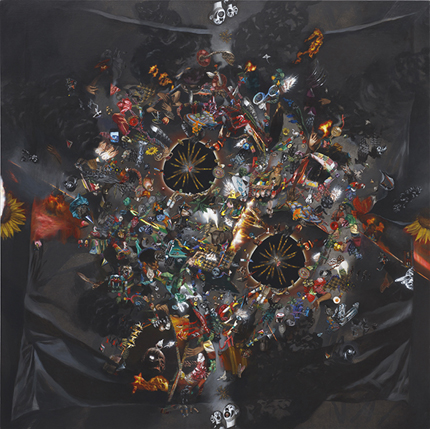
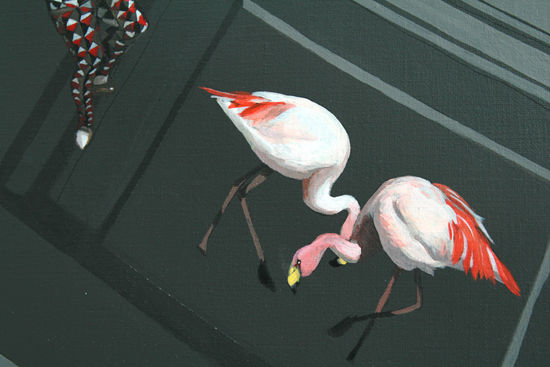
The various fragmentary images represented within the pictorial space constitute events of Hyeongan (玄間), in which each object emerges while occupying its own position within space. The simultaneity generated by the coexistence of numerous heterogeneous beings and things is illogical and chaotically interwoven. Yet through its overlap with the pictorial imagery of Pieter Bruegel and its capacity to evoke analogous images beyond the text, the work generates the effect of intervisuality, layering and intertwining the concepts of Gonggan (空間, space), Hyeongan (玄間), and Mugan (無間).
The effect of moving images produced through the combination and repetition of light and sound is abstract; yet precisely because of this abstraction, it foregrounds the unfamiliar materiality of raw substances and the qualities of phenomena themselves, leading viewers into a world of creative imagination.
As a result, the viewer develops the sensibility of a creative self—one that must generate new meanings of sound within a pure and fulfilled realm of unity, rather than relying upon imagination derived from memory or fact. The viewer is thus called upon to become an artist, creating a genuine language of art through light and sound.
The eyes that intermittently yet repeatedly appear within the images seem to address the viewer directly. As the Sphinx in Emerson’s poem declares: “I am thy spirit, yoke-fellow of thine; to thine eye I am eye-beam.” Such images, combining light and sound, make possible a transcendent and manifest experience through the artistic event of Hyeongan.
The flowers withering beneath electric light upon a table represent, within a real space, the life of the “art-human”—including both artist and viewer—who desires Mugan (無間) through the tension and imagery of suffering embodied in Hyeongan (玄間). The images of flowers and electric light become artistic images that represent processes of generation and destruction; images that represent life through death; images that reveal how endings are already contained within beginnings. In this sense, they are concrete and real.
The event unfolding before our eyes is one whose conclusion can be easily anticipated: the heat of the electric light will eventually kill the flower. Yet the dried and withered flower is both an index and a trace of time. Remaining in its place, it comes to represent something else through the traces it leaves behind. The withered flower simultaneously represents a future that has already become past and an “old future”—an old future understood as a sign of possibility.
Human beings cannot know the absolute beginning or origin of things; we can only remember and infer amid the tensions and sufferings of the present. Just as a weather vane turns while inscribing traces of the wind’s direction upon its body, yet never knows where the wind came from, where it goes, or what shape it takes, instead sensing and experiencing it through its own movement, so too does the artist reveal traces of the spirit of such a wind through the artwork, the artist’s own creation.
The viewer may now observe these traces of the body with attentive care and affection. When, through the desire for Mugan (無間), the viewer encounters the consciousness of the artist, they may experience the happiness of a genuine aesthetic encounter. The artist willingly reveals such a body through Hyeongan (玄間), and through the body longs for Mugan (無間), hoping that the traces each of us leaves behind may become part of a connected consciousness mediated through the artwork.
The artist perceives within darkness, Hyeongan (玄間), hell, suffering, heat, and death the presence of life, light, freedom, energy, and Mugan (無間), as well as the faces of sound and light that exist beyond the work itself. The image of Hyeongan (玄間), which represents the tensions and sufferings of thisness, already embraces both future and past through the concepts of space and time. To experience Hyeongan (玄間) as an artistic event of encounter, all that is required of us is an attitude of attentiveness and love.