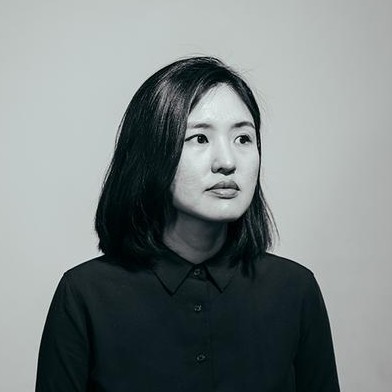
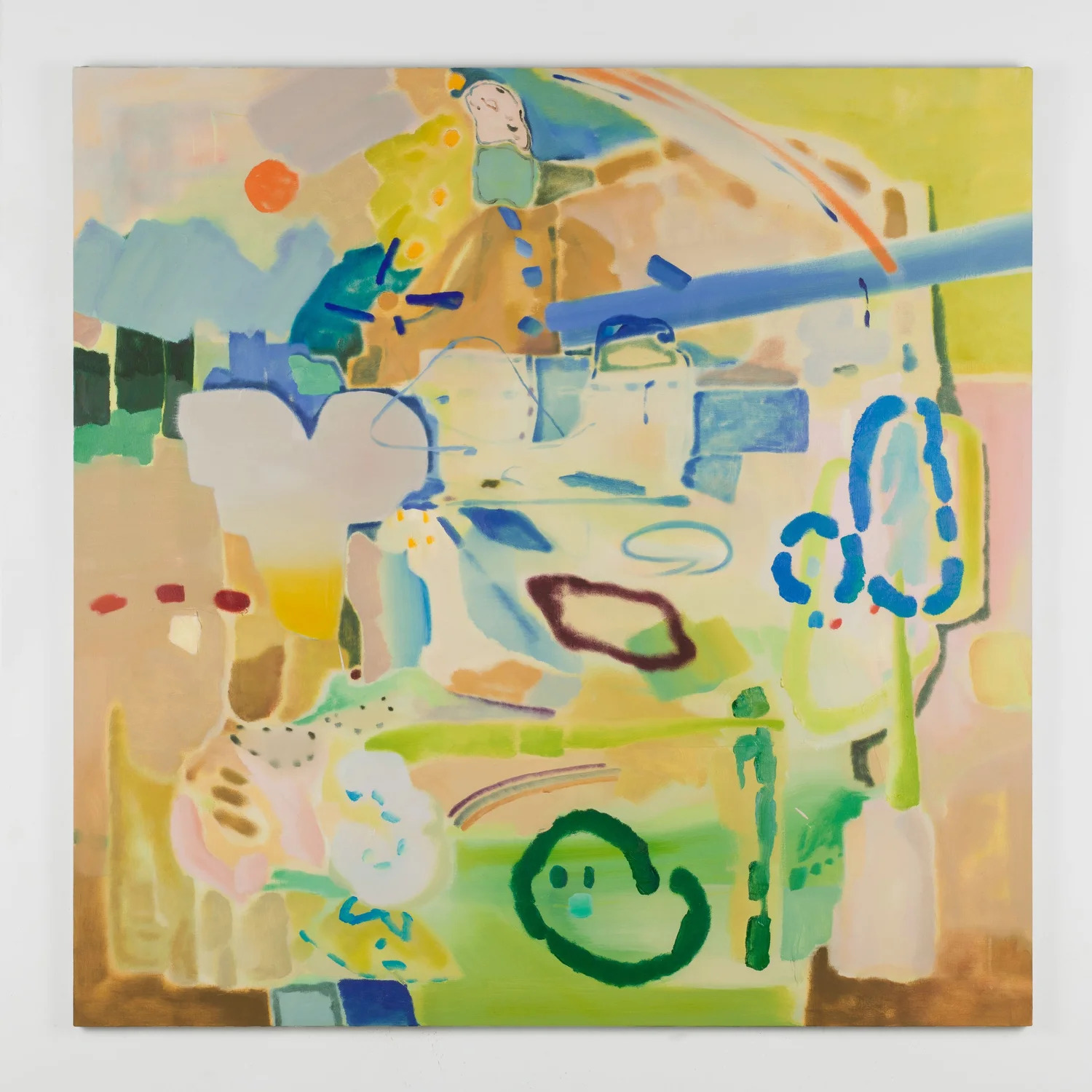
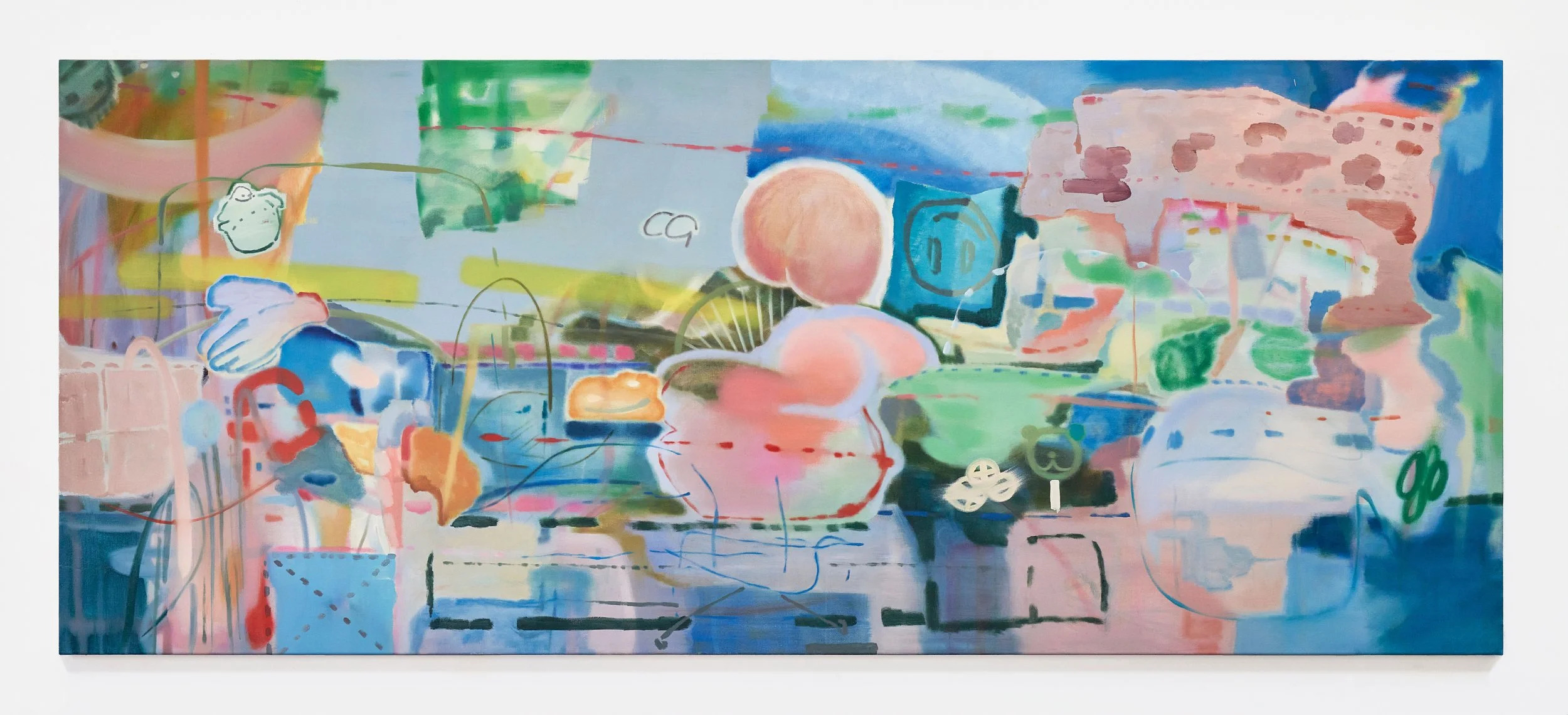
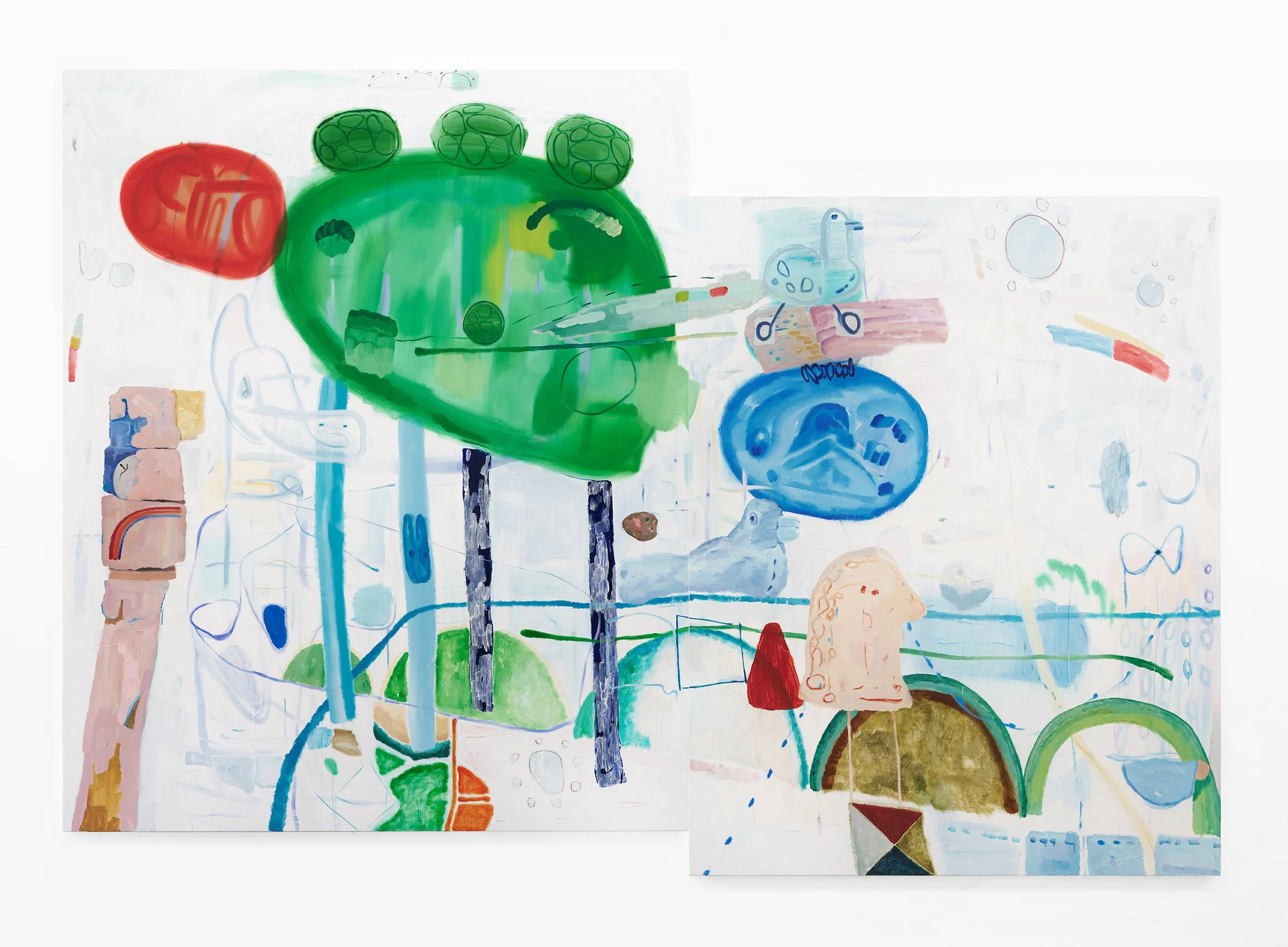
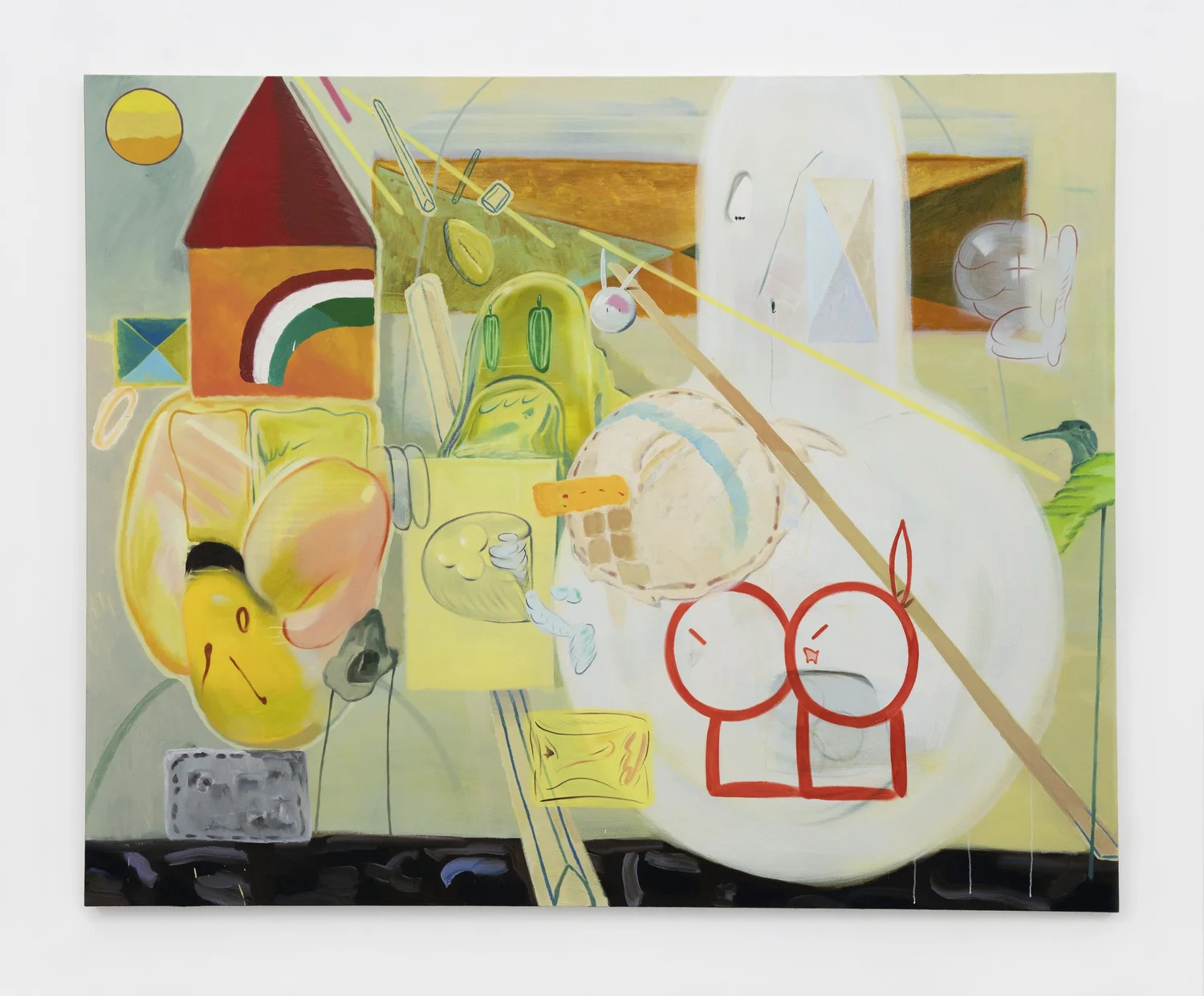
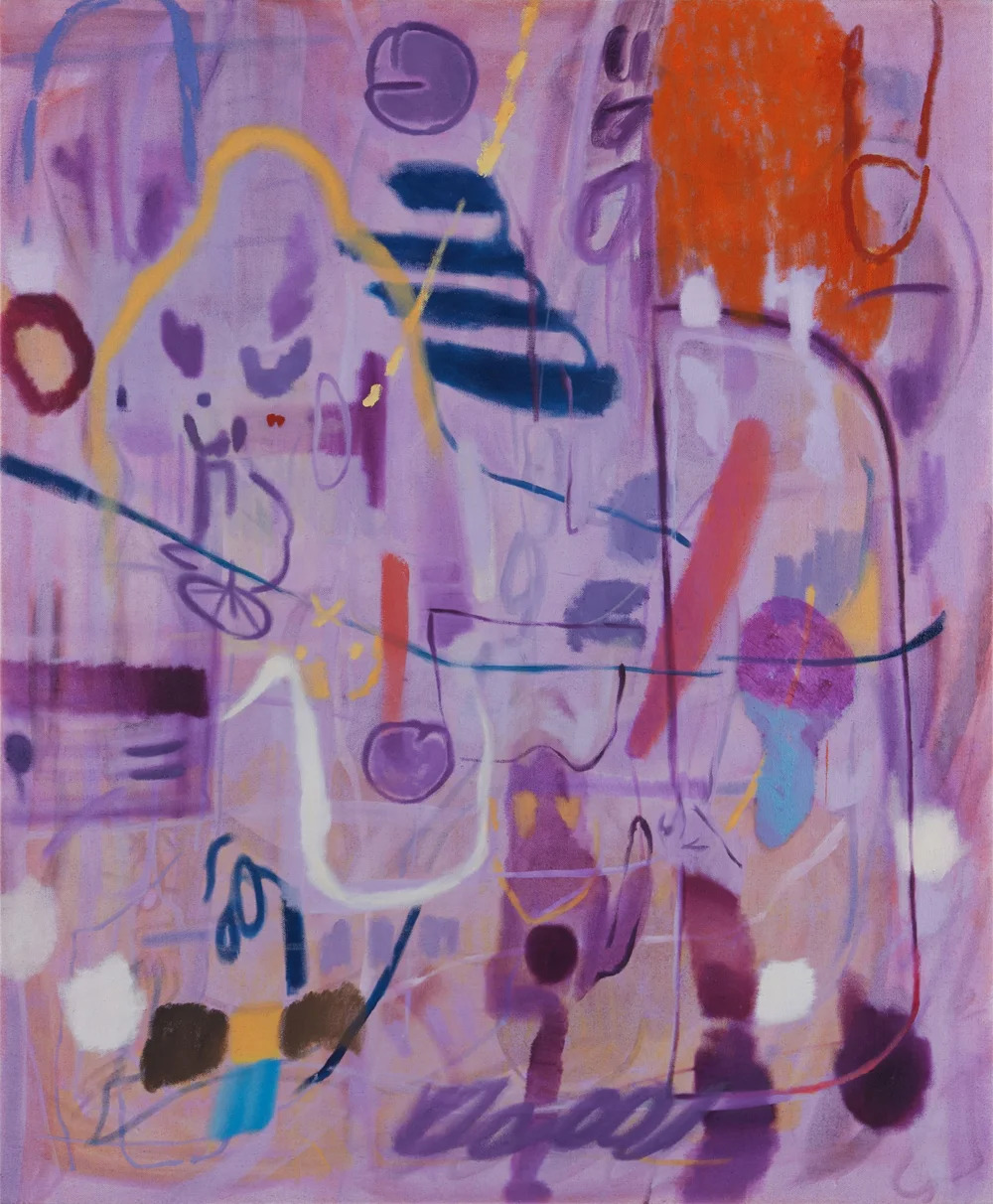
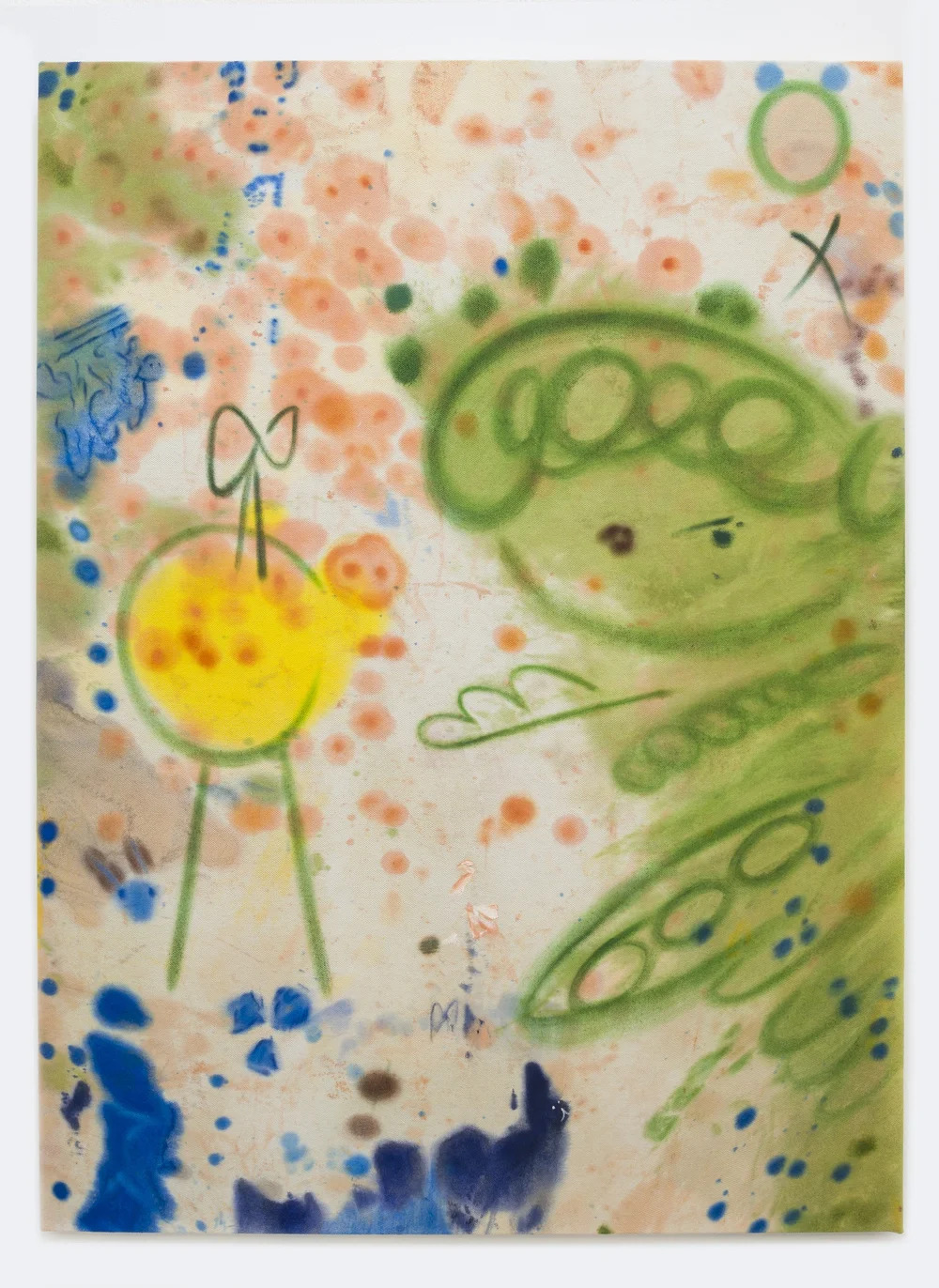
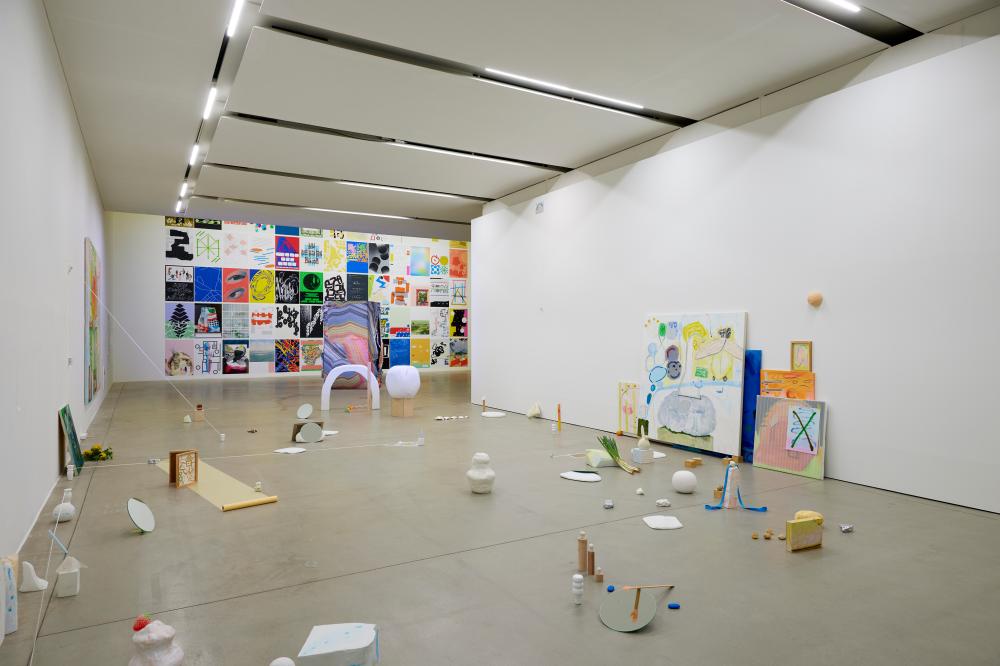
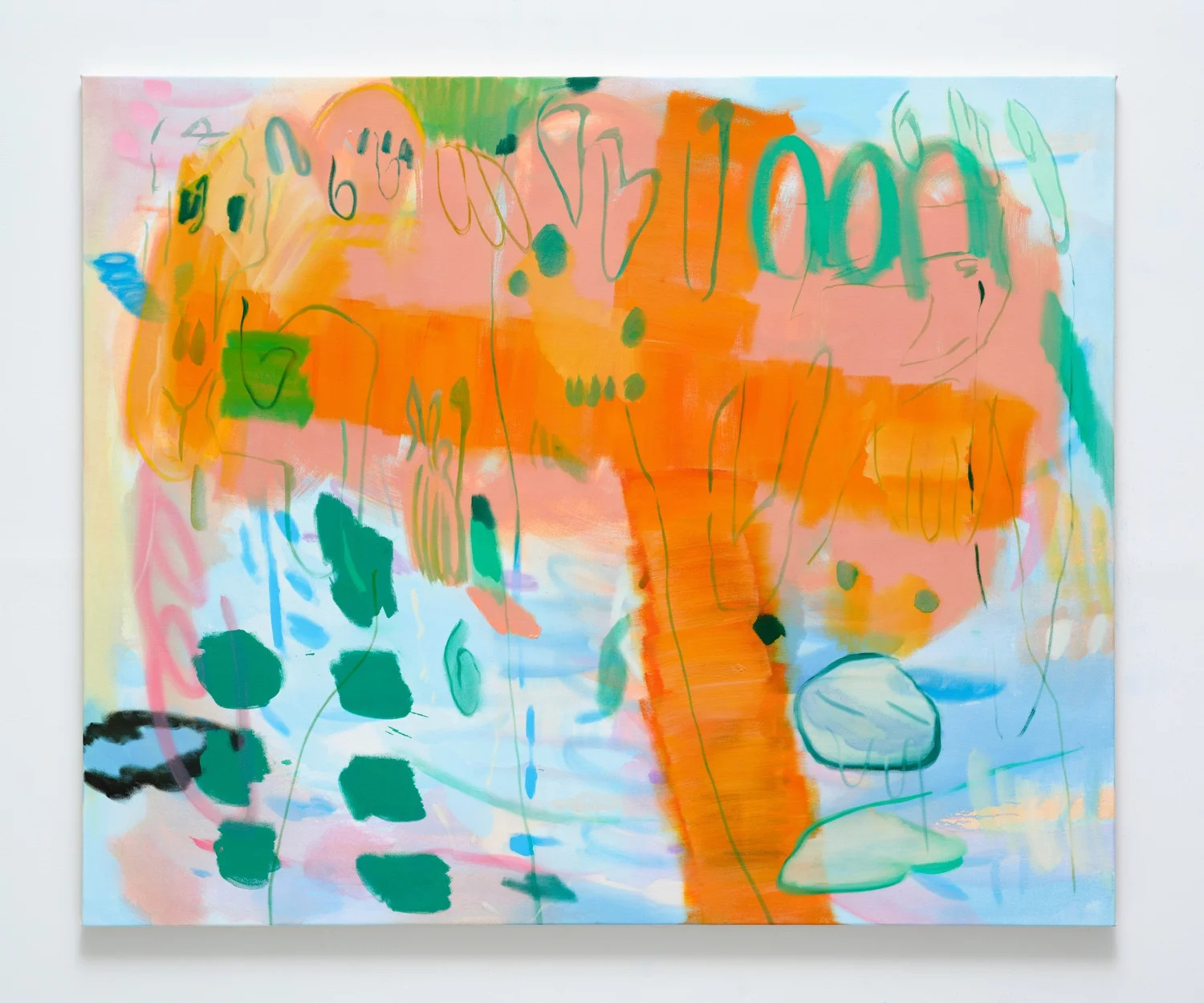
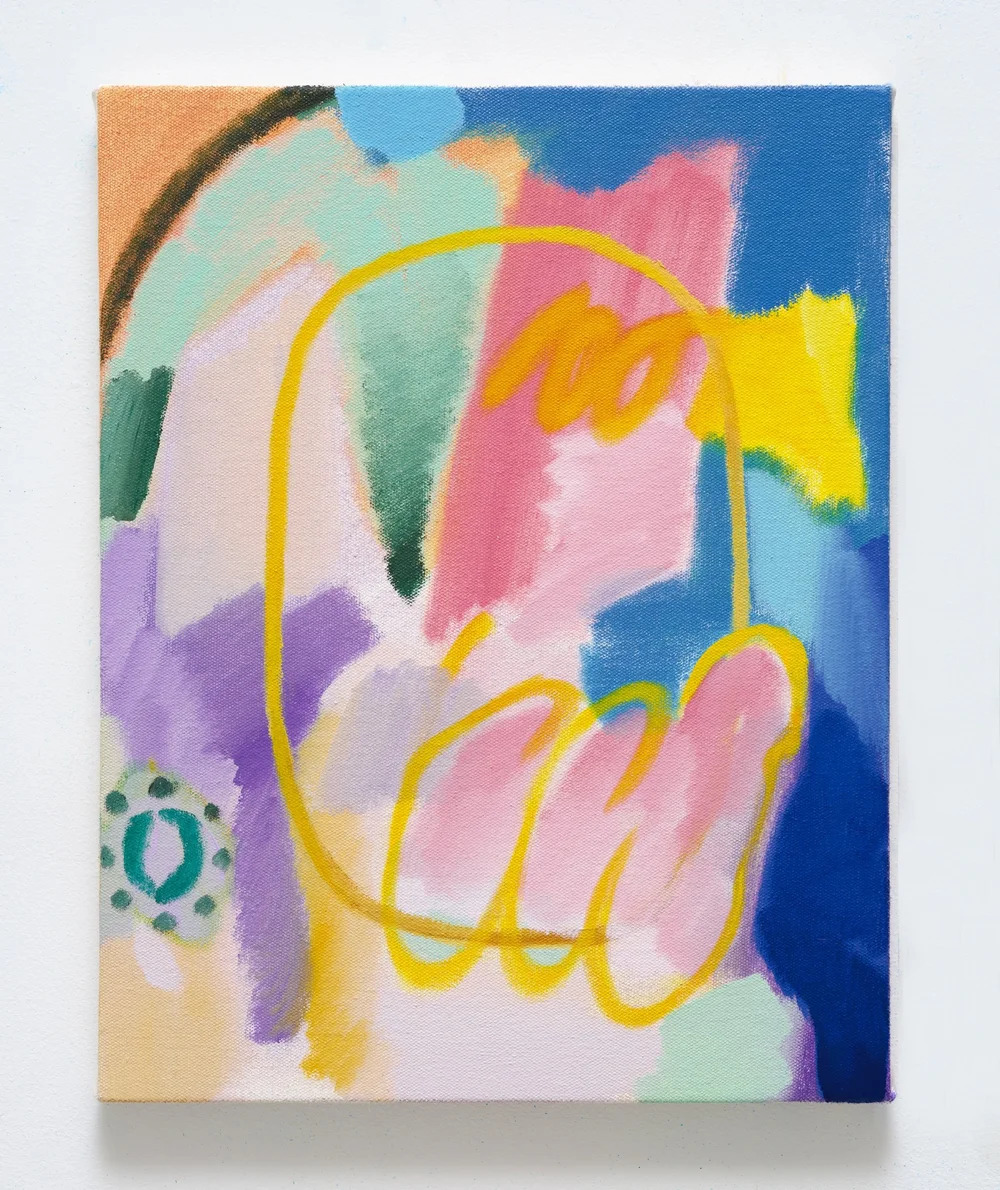
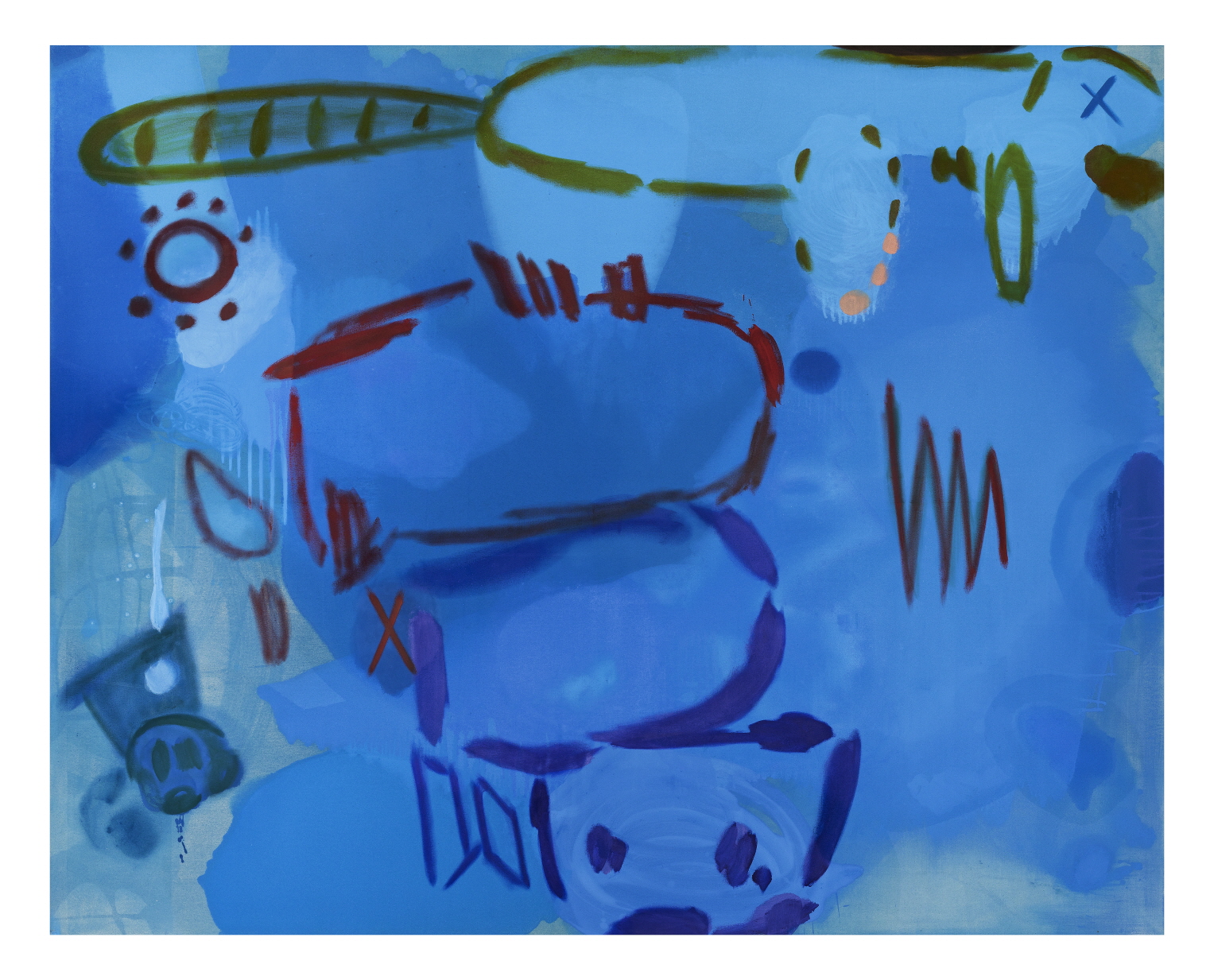
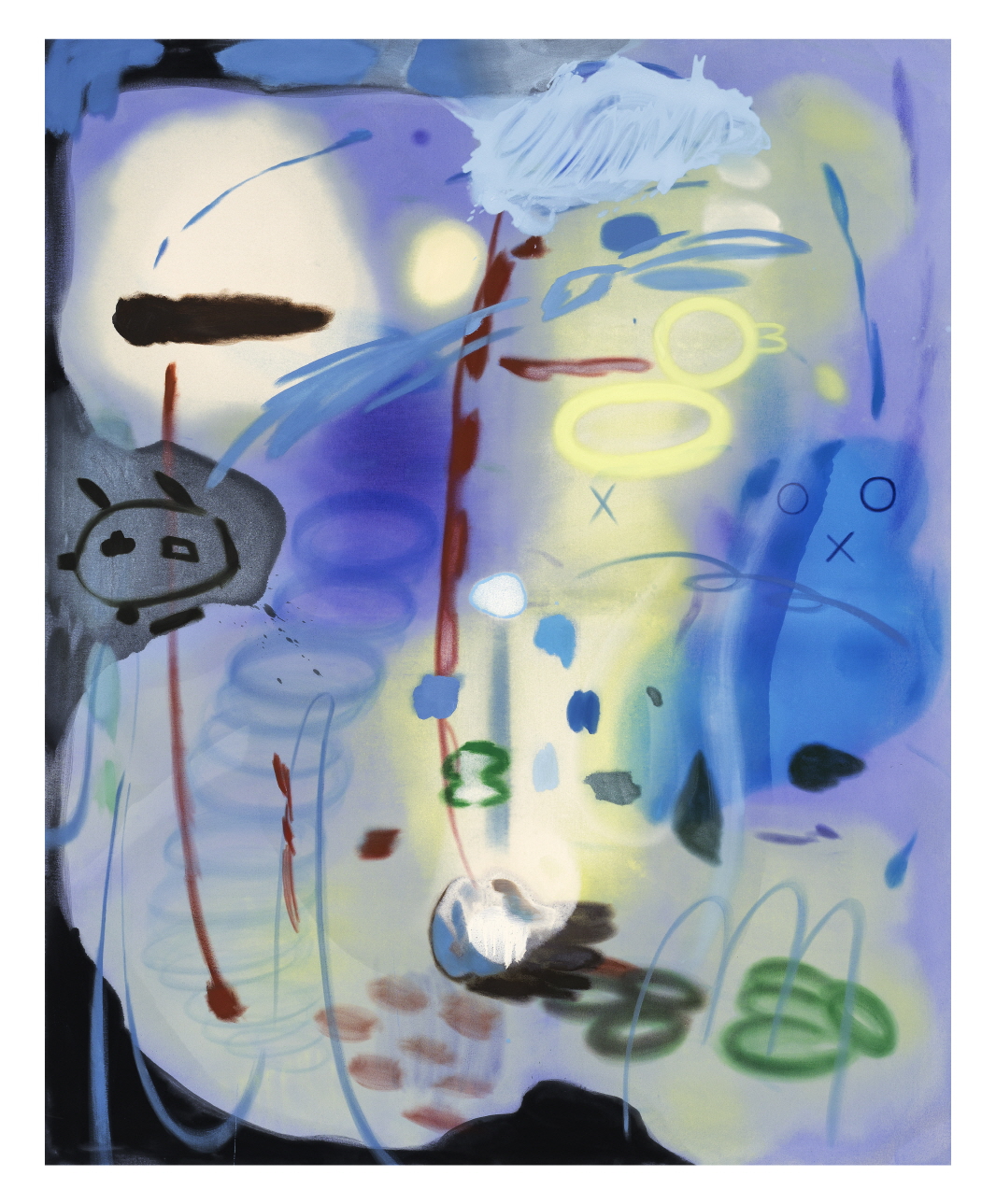
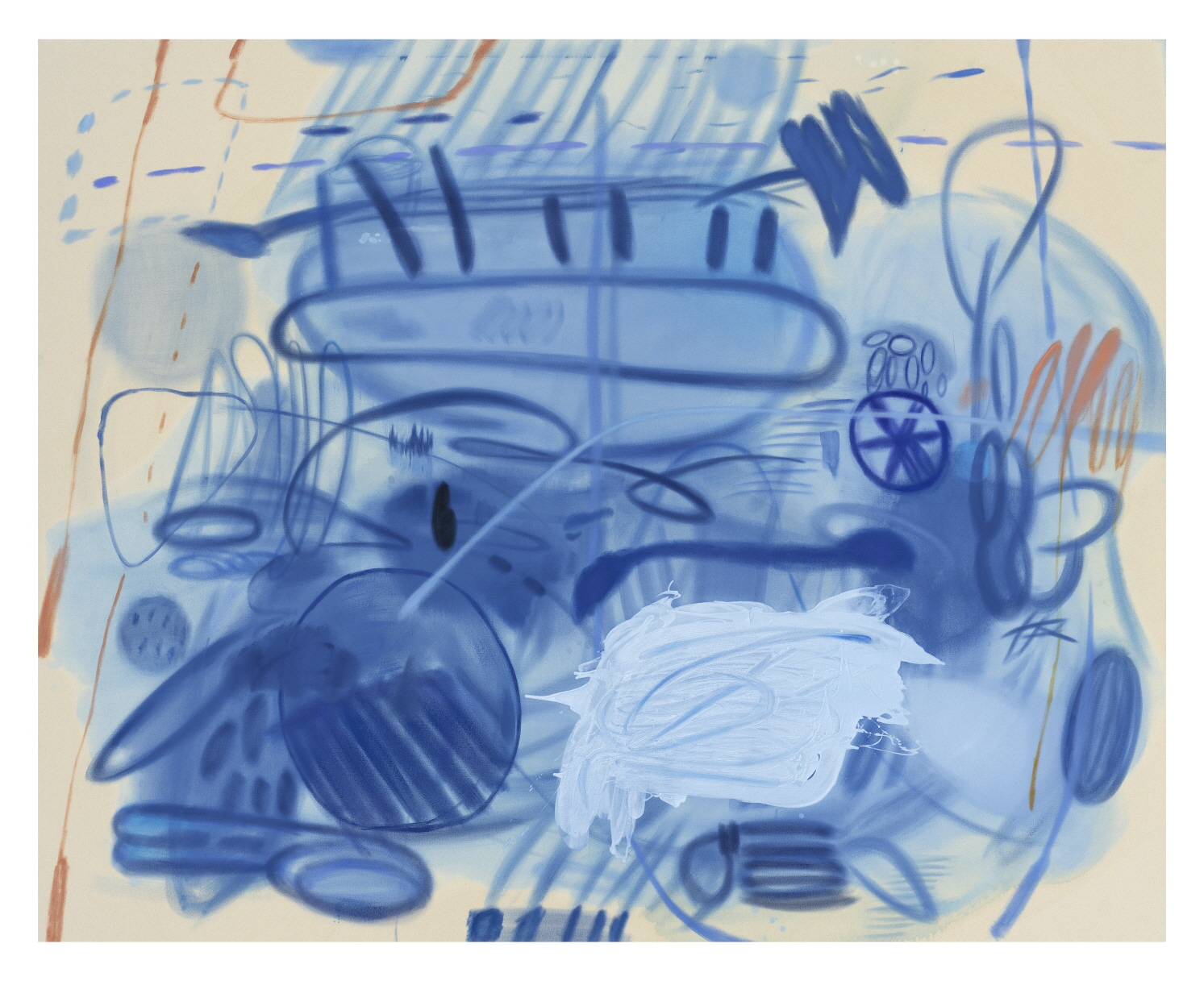
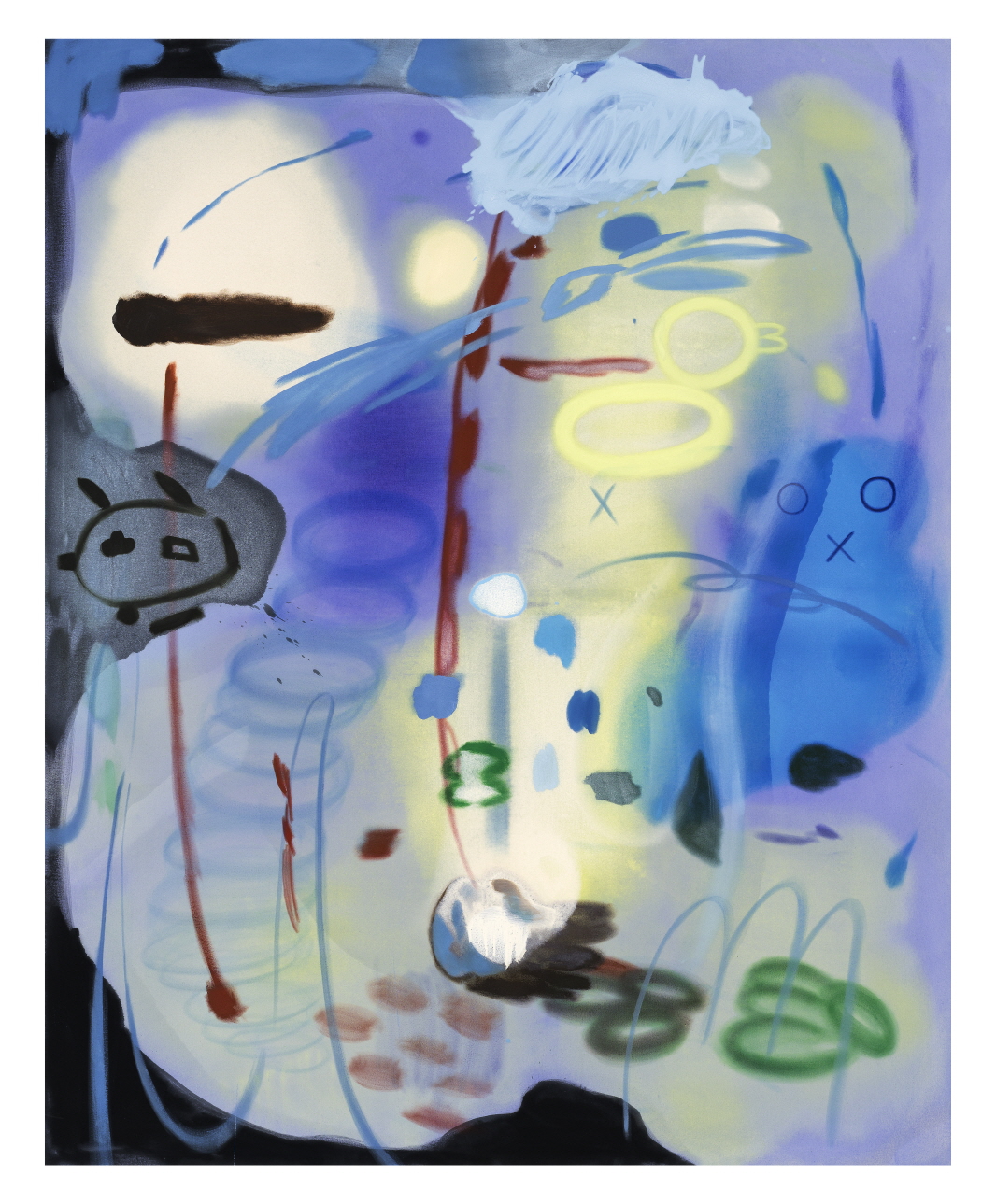
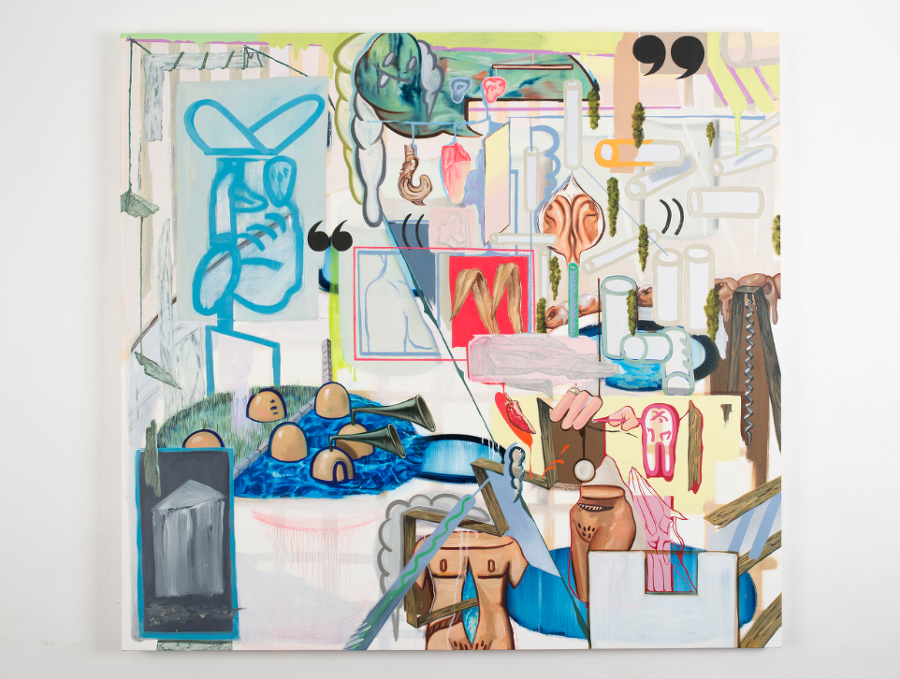
Gyeonggi Cultural Foundation (CEO Yoo Jung-ju) has announced Juree Kim, Park Kyung Ryul, and Choulgue Jung as the three artists selected for the 2025 edition of the “Gyeonggi Spotlight on Visual Arts” program.
Since 2021, the Foundation’s Arts Division and Gyeonggi Museum of Modern Art have jointly organized the initiative, which supports the creation of new work by mid-career visual artists in Gyeonggi Province while combining exhibition and research components to provide an in-depth examination of each artist’s practice.
Each year, the Foundation selects mid-career artists whose accumulated achievements within the contemporary art field demonstrate the potential for further expansion. The program provides stable conditions for production while introducing the formal languages and critical inquiries that the artists have developed through exhibitions and research.
In doing so, it seeks to highlight the roles and accomplishments of mid-career artists within the regional art ecosystem and to broaden points of engagement between audiences and contemporary art discourse.
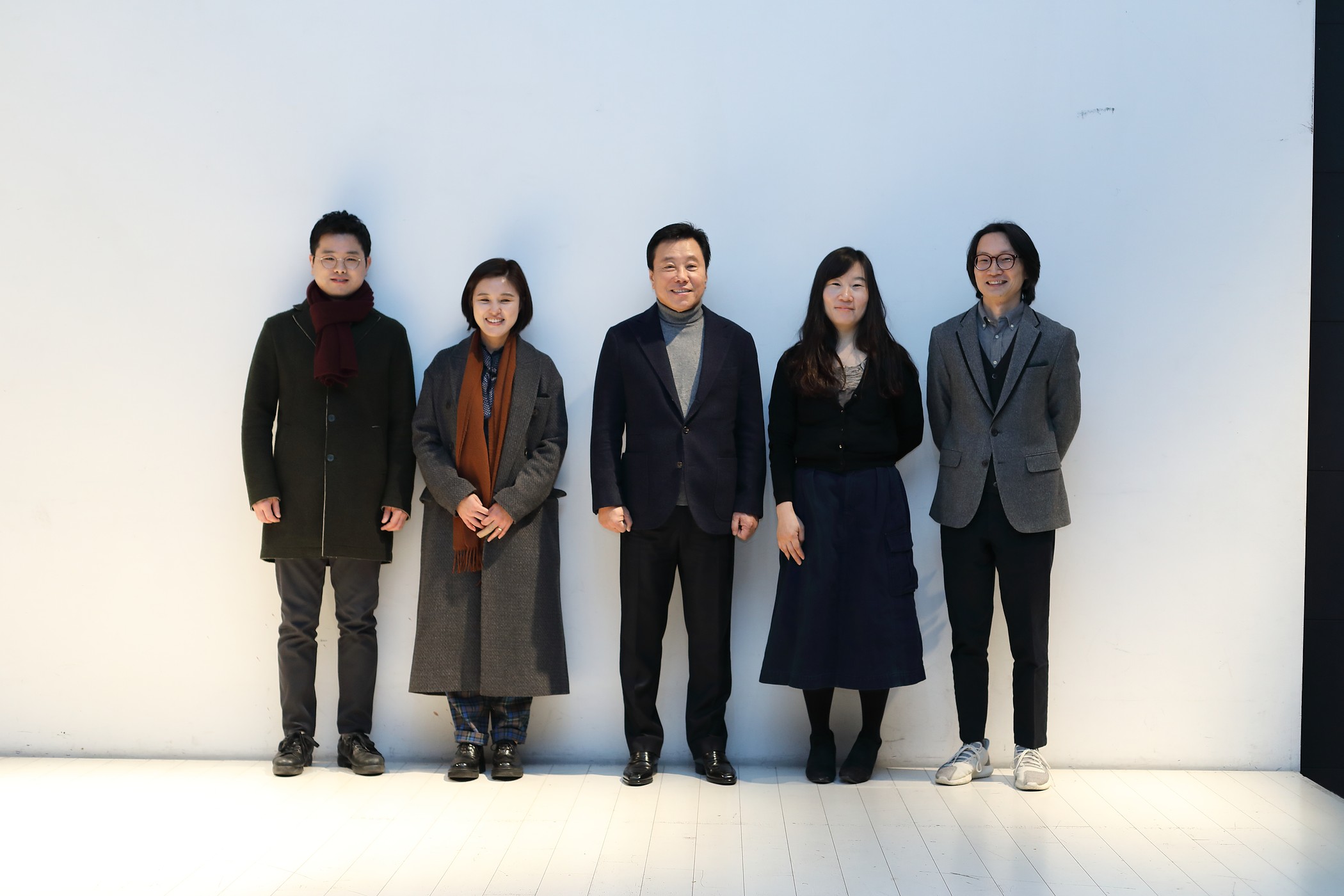
This year, ten mid-career artists recommended by the nomination committee (Kim No Am, Kim Bo-hyun, Hyunju Kim, Nathalie Boseul Shin, and Heeseung Choi) were reviewed by a jury consisting of Kim Seon-hyoung, Kim Inseon, Kiyoung Peik, Oh Sewon, and Moonjung Lee.
The panel evaluated artistic excellence and capability, the continuity and potential expansion of each practice, and contributions to both the Gyeonggi regional art scene and the broader contemporary art landscape before selecting the final three artists.
The jury particularly emphasized the artists’ commitment to deepening and refining their practices through clearly defined thematic concerns, as well as their achievements as mid-career artists and their contributions to contemporary art.
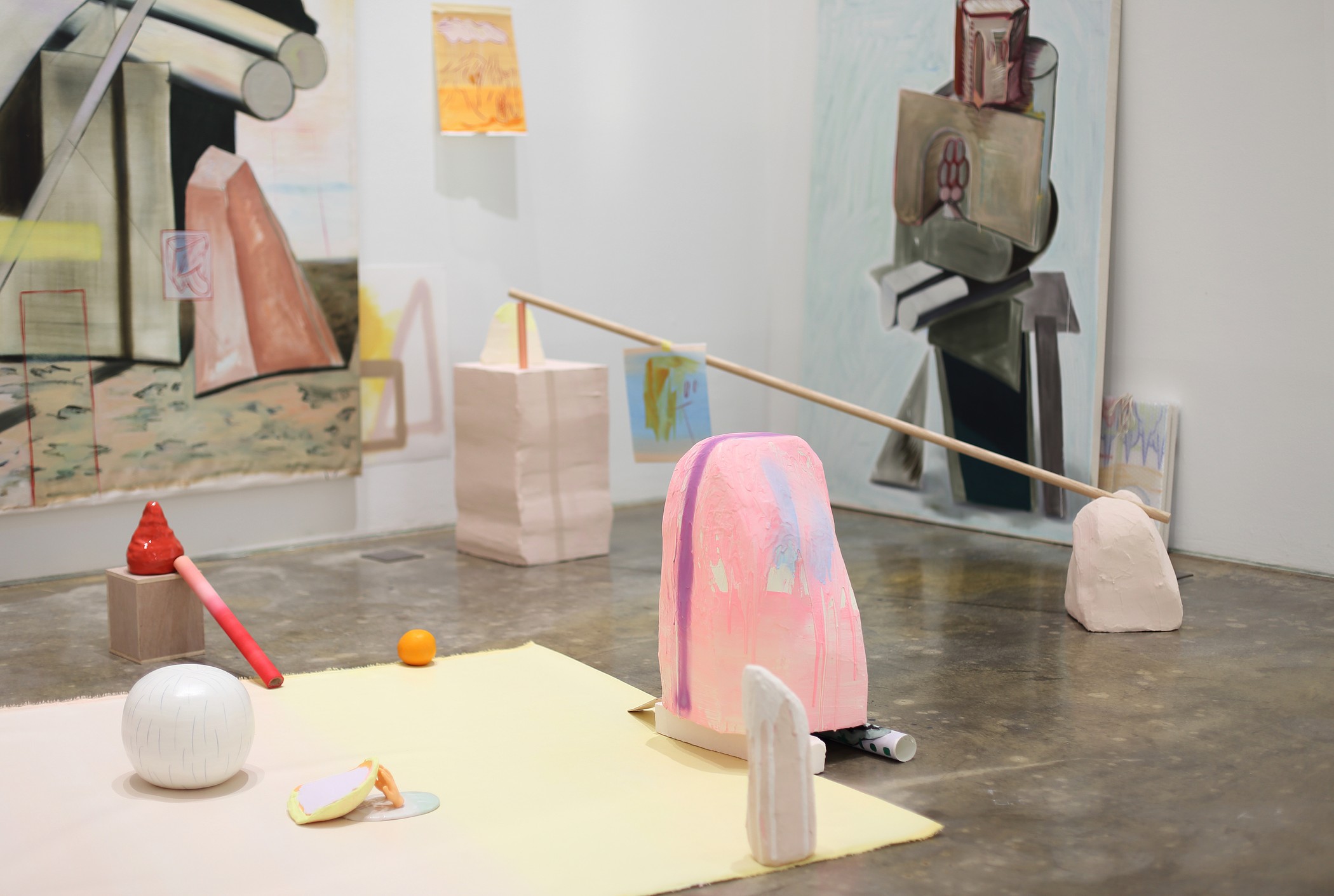
Juree Kim has explored sculpture, three-dimensional forms, and installation through an interest in clay, water, and the cycles generated through the interaction of these materials. While these primordial materials can be solidly constructed, they simultaneously reveal processes of erosion, weathering, dissolution, and disintegration.
Her approach transforms material from a mere medium into an autonomous agent. By visualizing the tension between creation and disappearance, her work examines how the structures of civilization ultimately dissolve within the cycles of nature.
Through this process, Kim redefines sculpture as an open structure shaped by time and environment, expanding it beyond a fixed medium into a vehicle for contemplating the philosophy of life and death.
Recently, she has been developing the long-term project Weathering-Wolsan in Dapnae-ri, Hwado-eup, Namyangju, documenting the gradual erosion and sedimentation of outdoor clay sculptures through the effects of rain, wind, and vegetation, while exploring the co-evolutionary relationship between humans, civilization, and nature.
Her works are held in the collections of Gyeonggi Museum of Modern Art, the Victoria and Albert Museum, and the SongEun Art and Cultural Foundation, among others. She has also participated in more than seventy exhibitions in Korea and abroad, including group exhibitions at the Philadelphia Museum of Art and the Minneapolis Institute of Art, as well as the India Ceramic Triennale and the Central Biennale of China.