


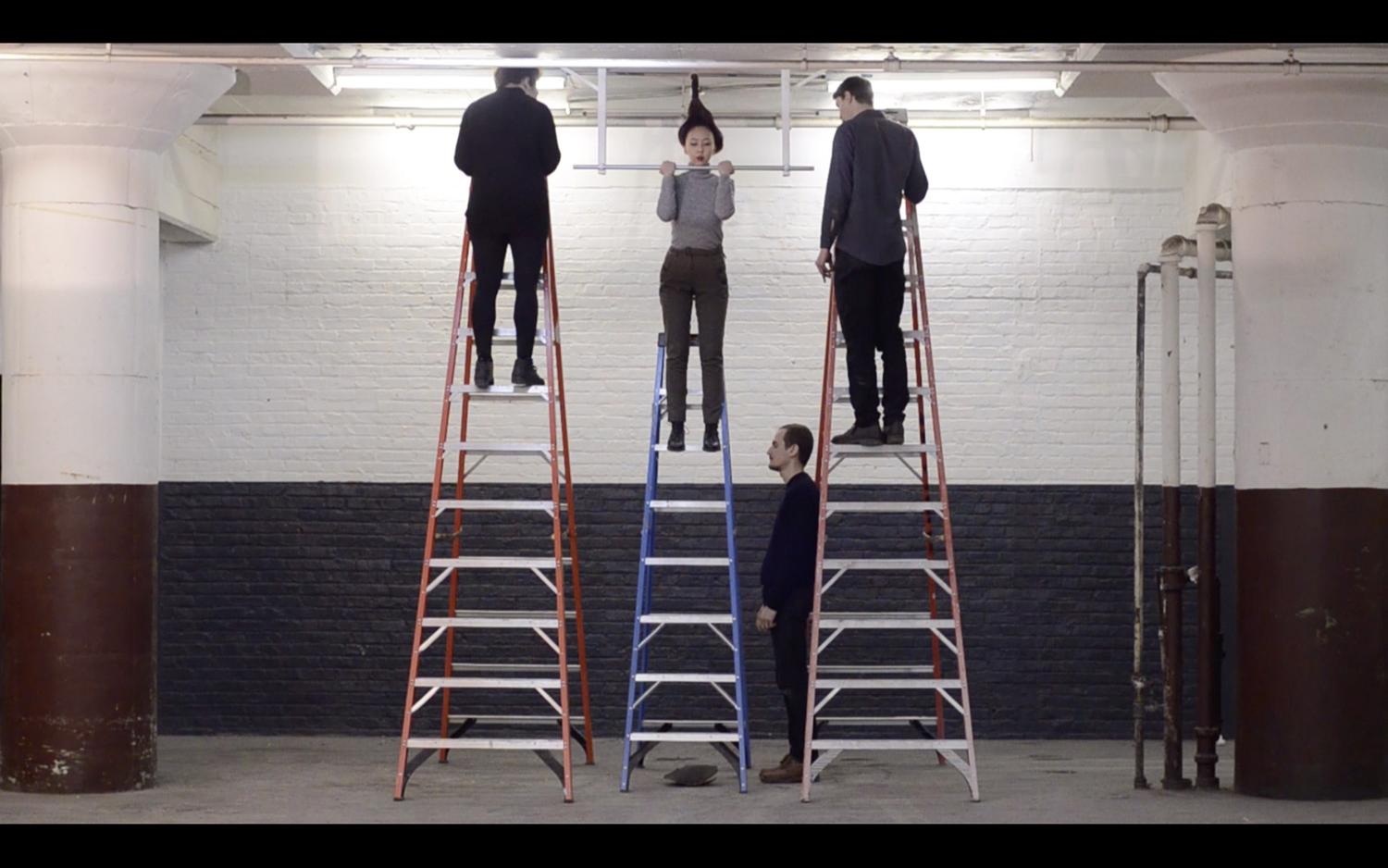
Solo Exhibitions (Brief)
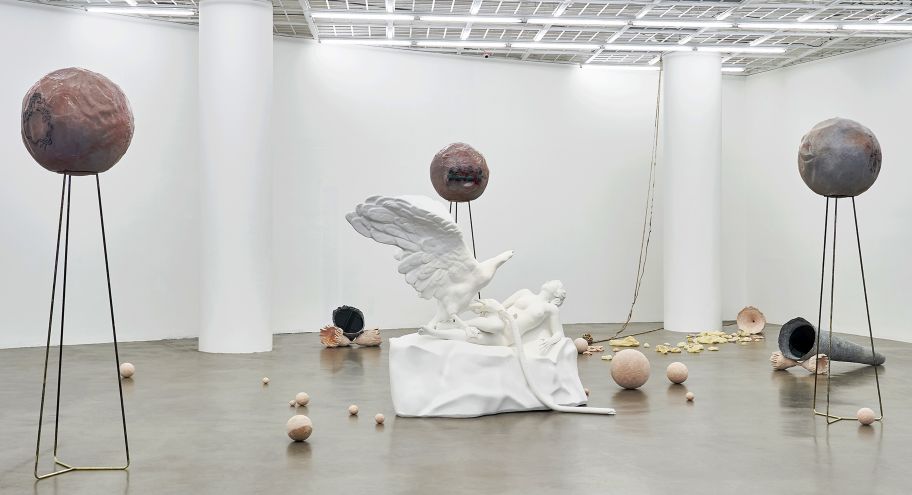
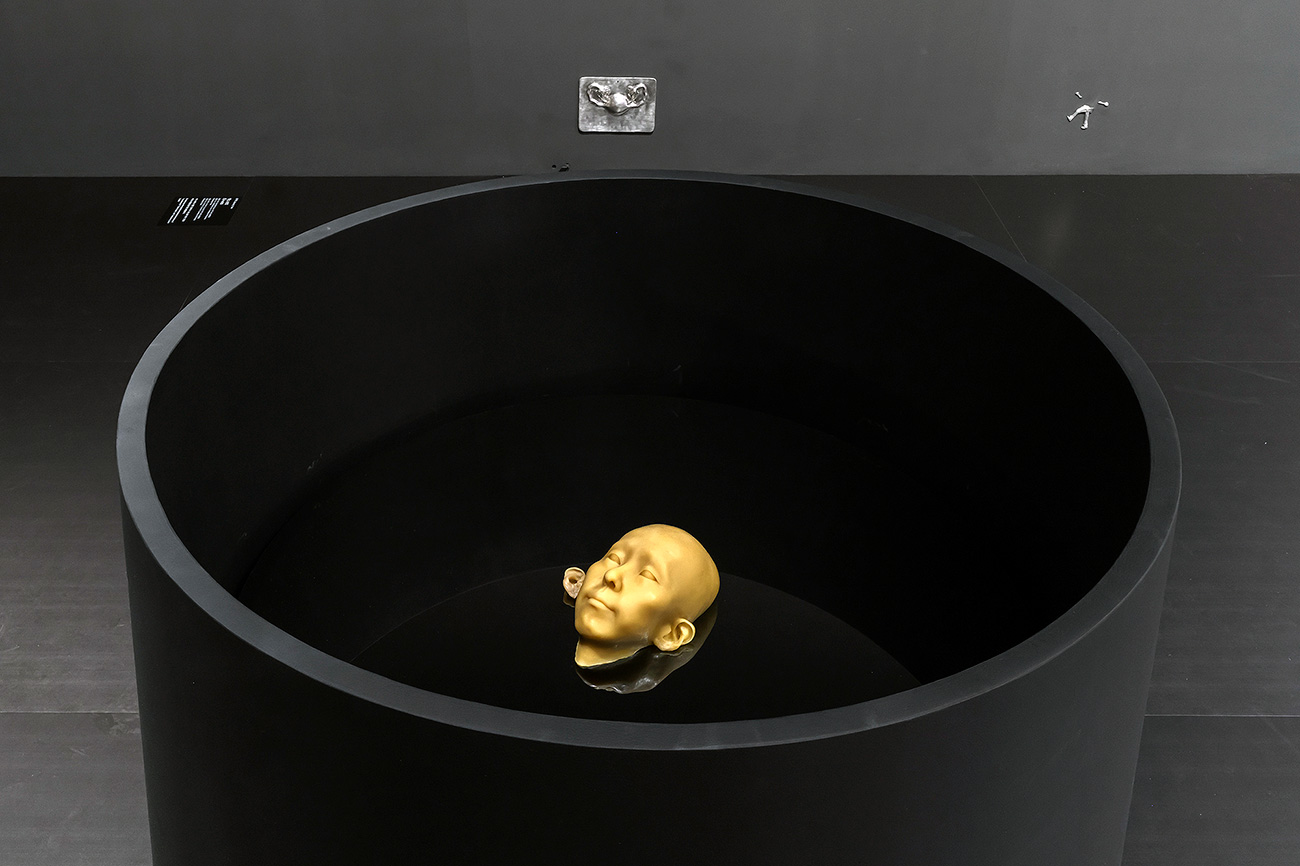
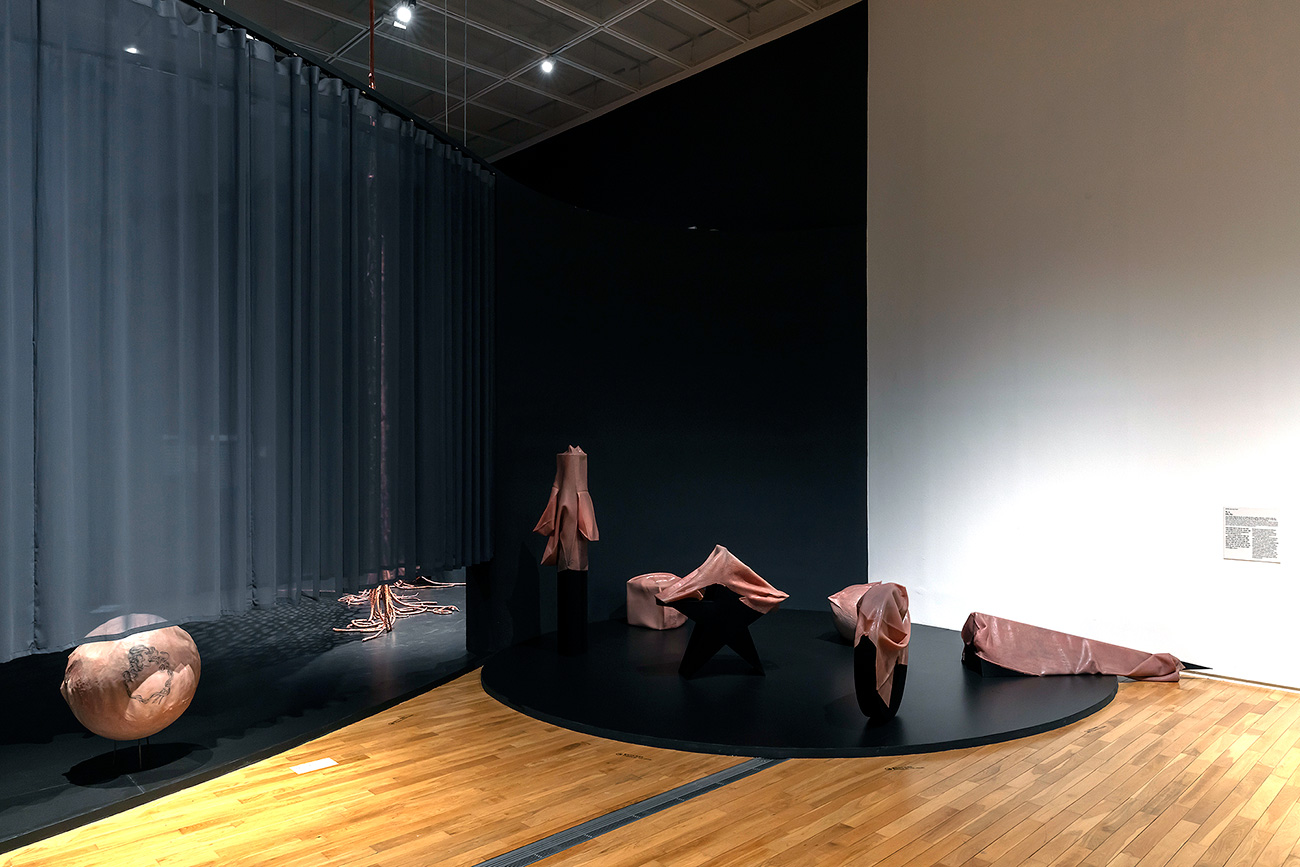
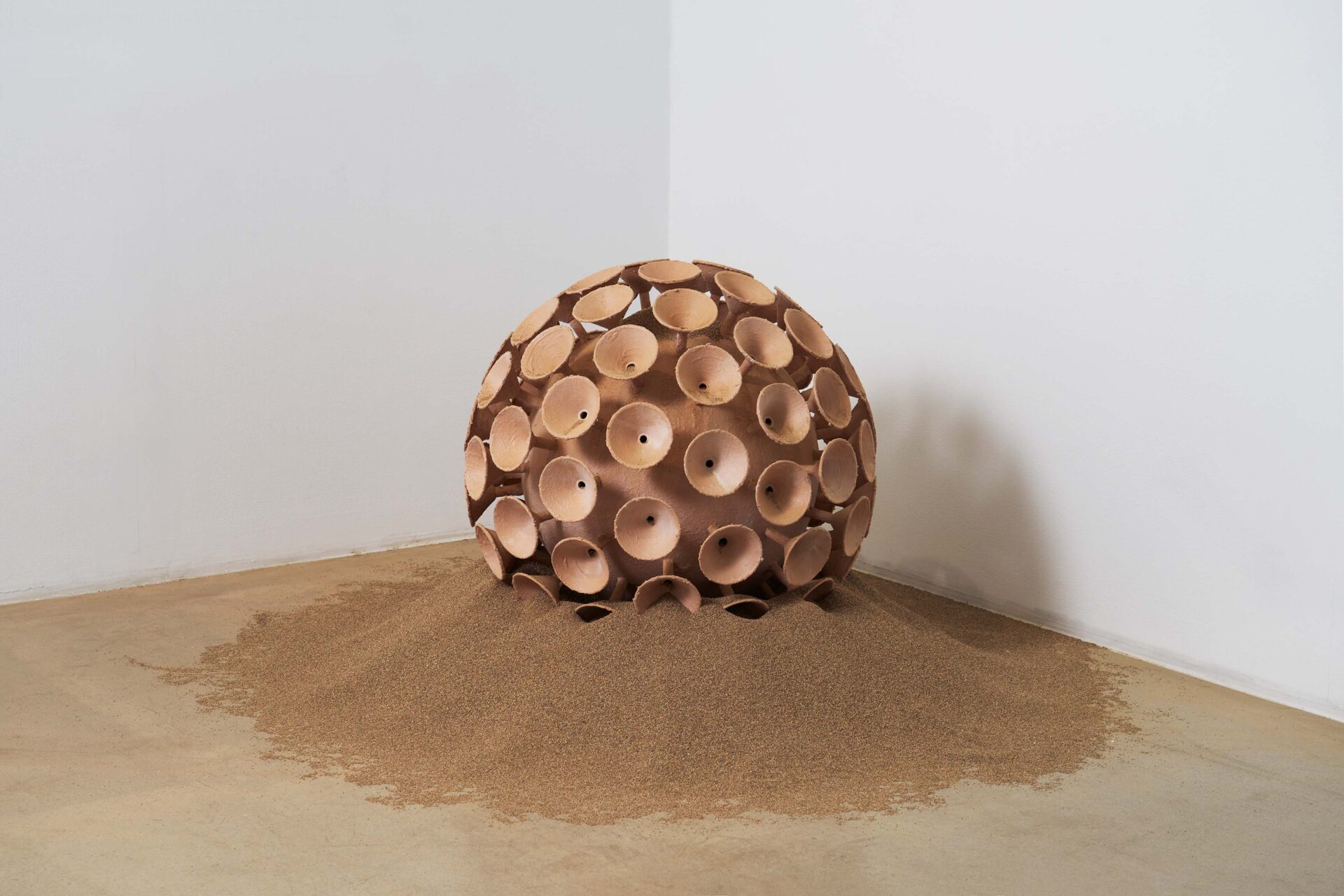
Since 2014, Jiyoung Yoon has held three solo
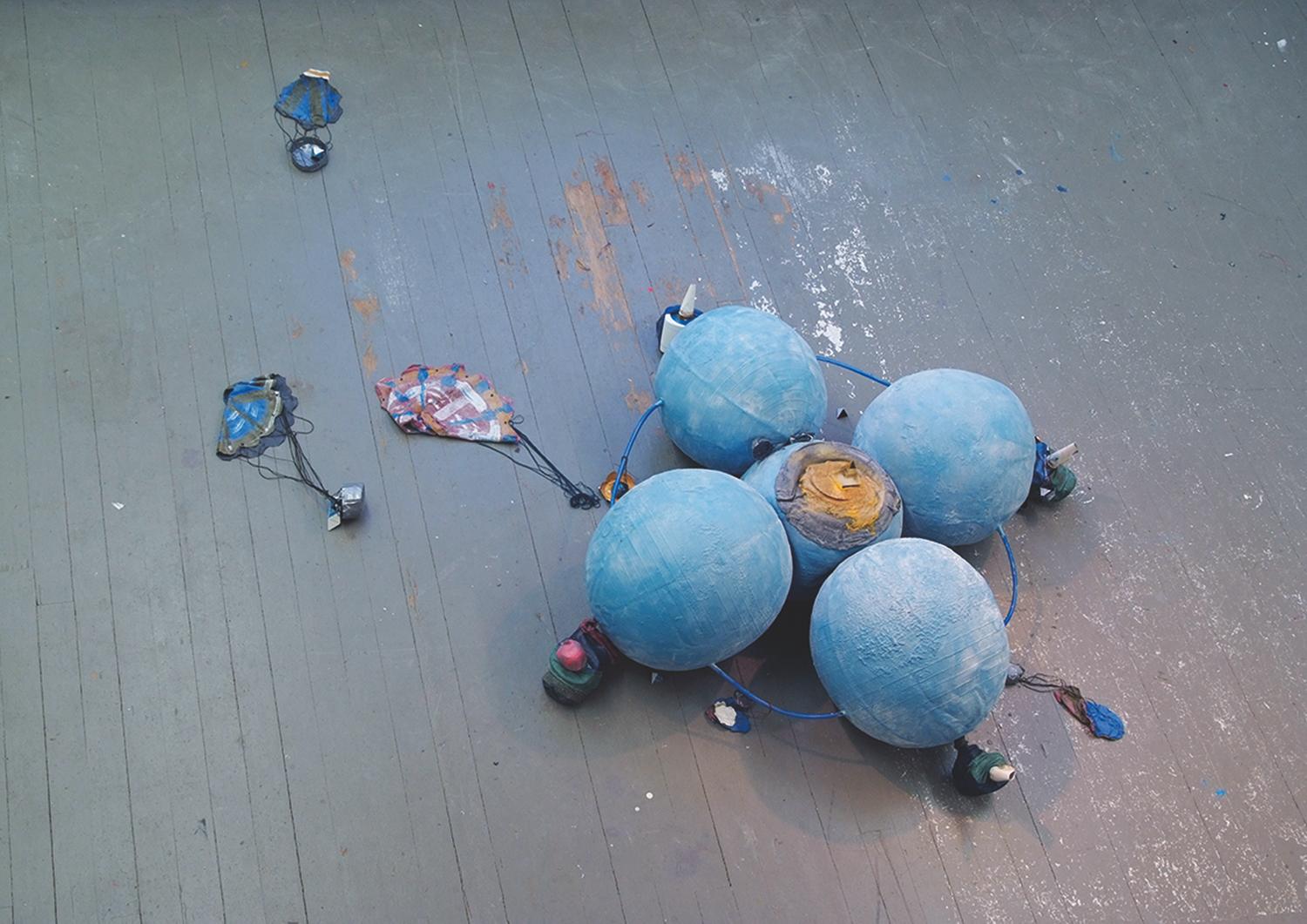
exhibitions in South Korea and the United States. Her first solo exhibition, 《Glorious
Magnificent》 (2014, Mana Contemporary Chicago, Chicago,
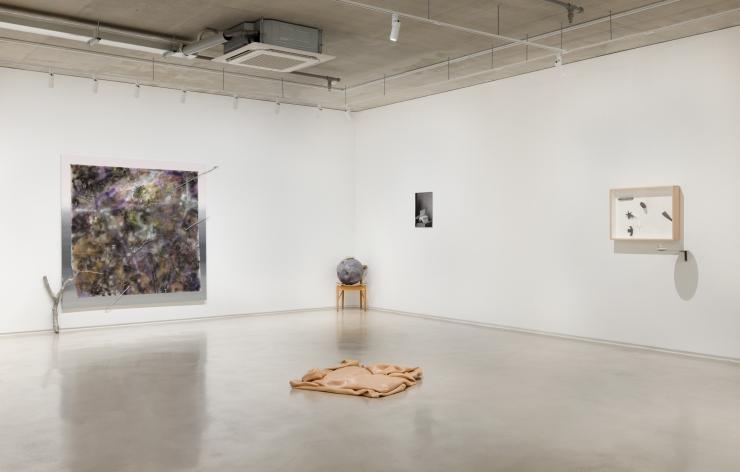
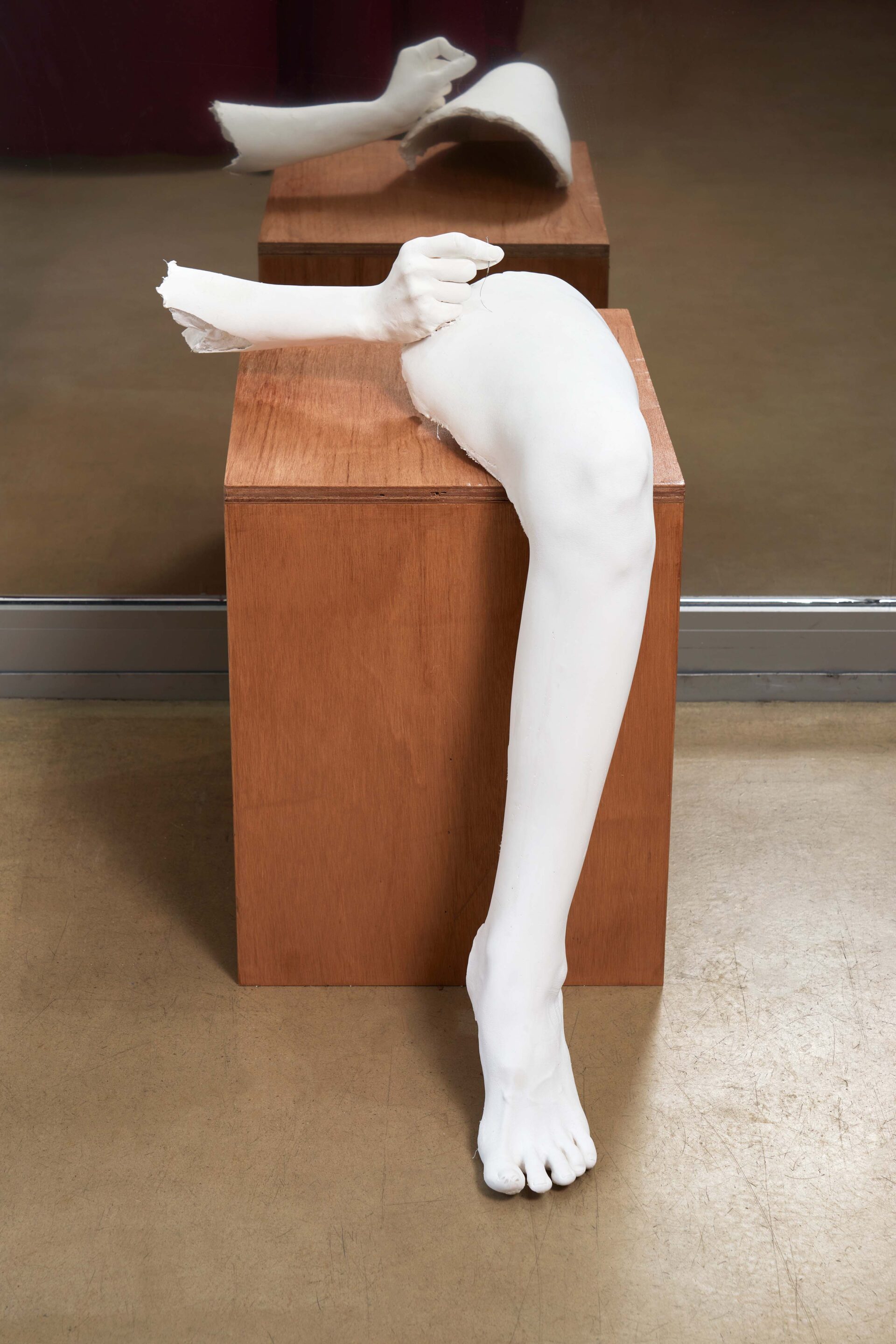
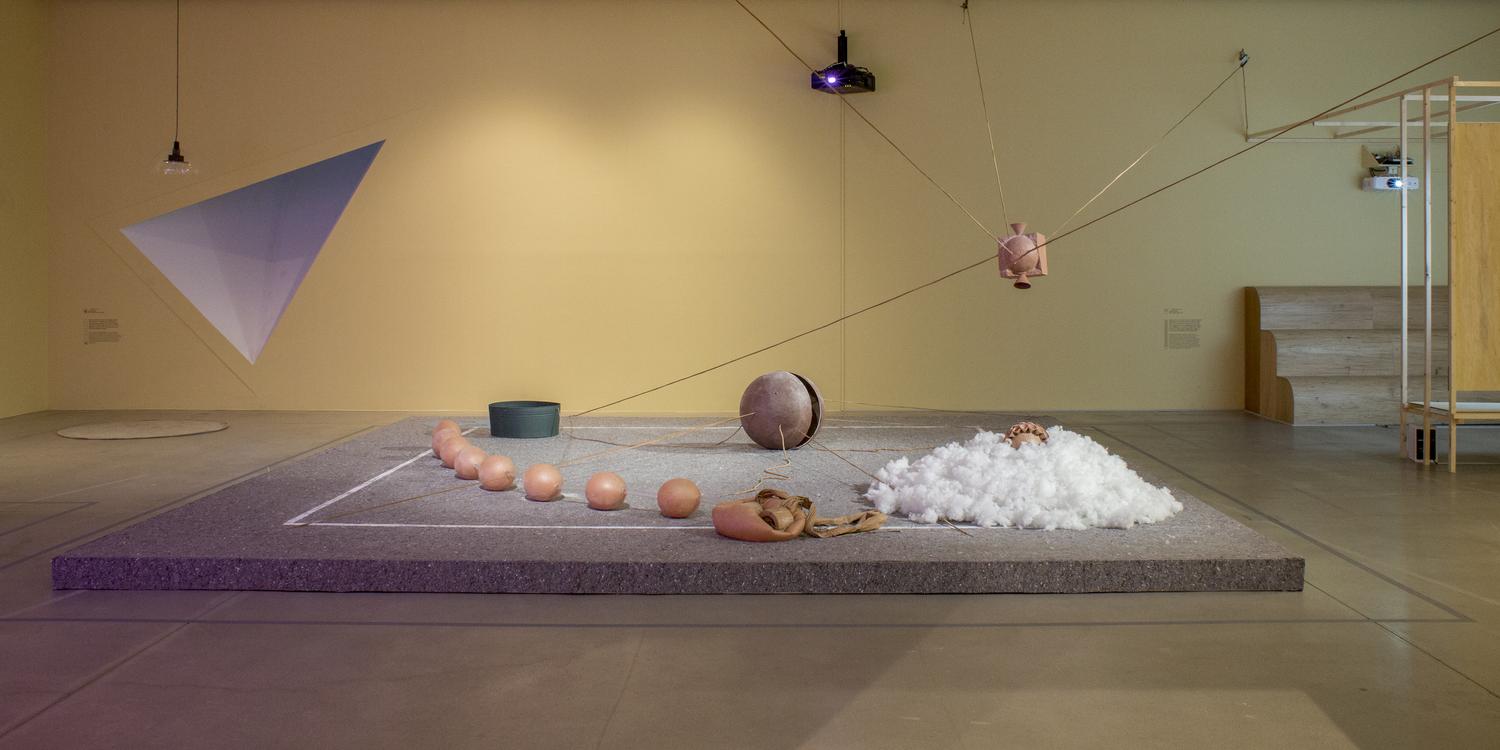
USA), was followed by 《A Single leg of Moderate Speed》 (2015, Being & Thing Archive, Seoul) and 《Yellow Blues_》 (2021, ONE AND J. Gallery,
Seoul), where she presented a diverse range of works.
Group Exhibitions (Brief)
Jiyoung Yoon began her career as
an emerging sculptor with 《2010 NEW ARTISTS》 (Kim
Chong Yung Museum, Seoul). From 2012 to 2016, she actively participated in
approximately ten group exhibitions in New York and Chicago, expanding her
presence in the international art scene.
Returning to South Korea, she presented her evolving artistic practice to
domestic audiences through exhibitions such as 《Discrete
Use of Reality》 (2016, DOOSAN Gallery, Seoul), 《No Longer Objects》 (2016, Seoul Museum of
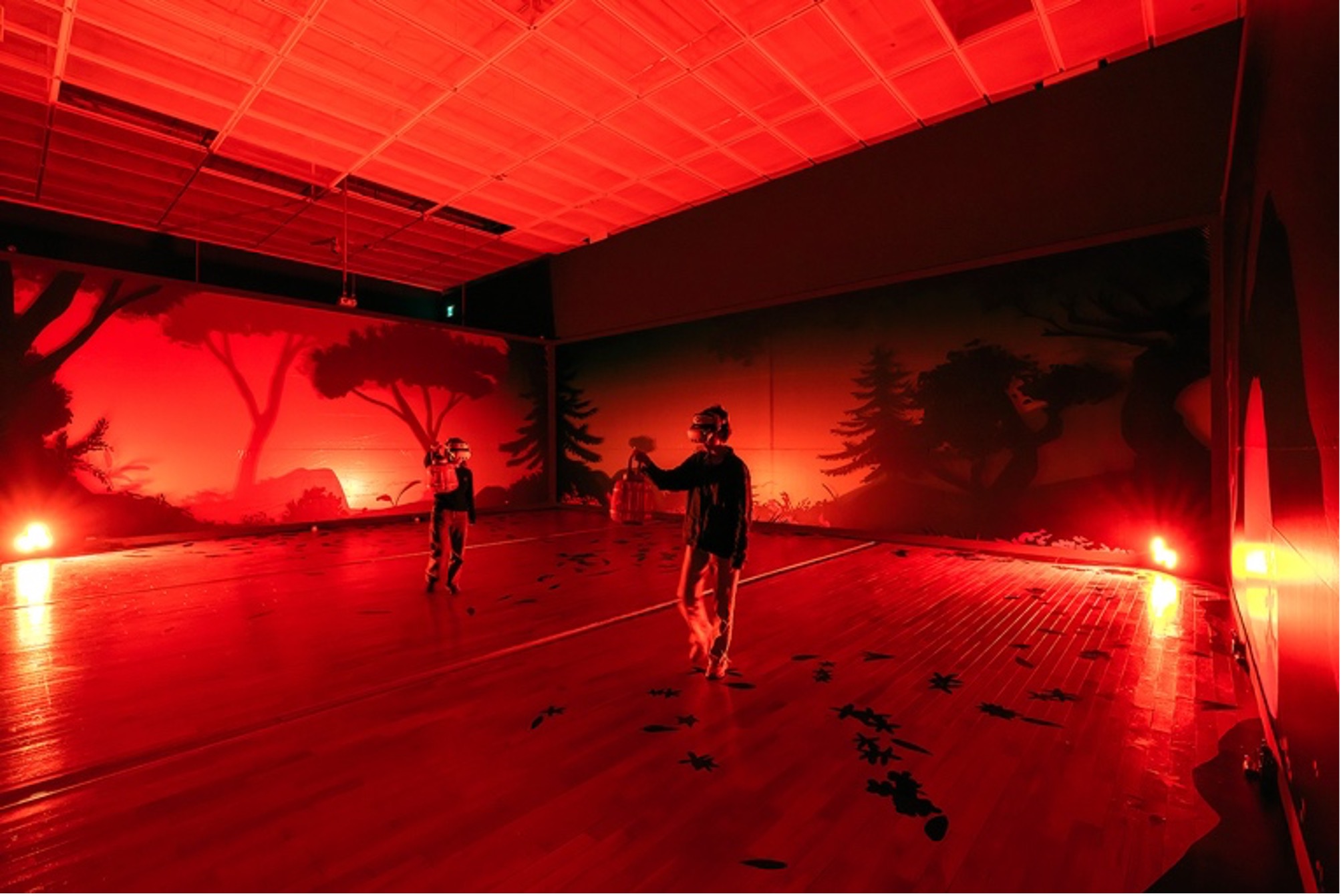
Art, Seoul), 《Ecological Sense》
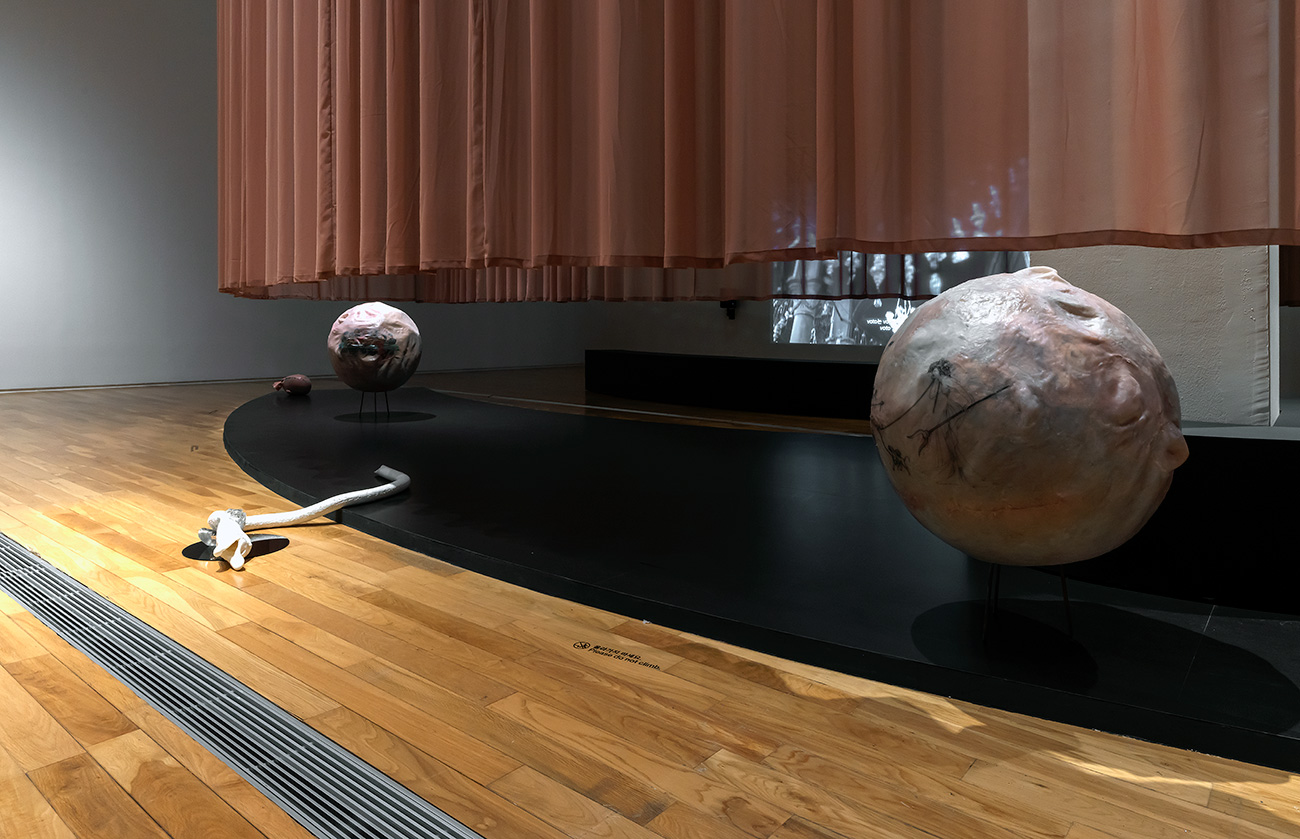
(2019, Nam June Paik Art Center, Yongin), 《This Event》 (2020, Seoul Museum of Art, Seoul), and 《Young
Korean Artis 2021》 (2021, National Museum of Modern and
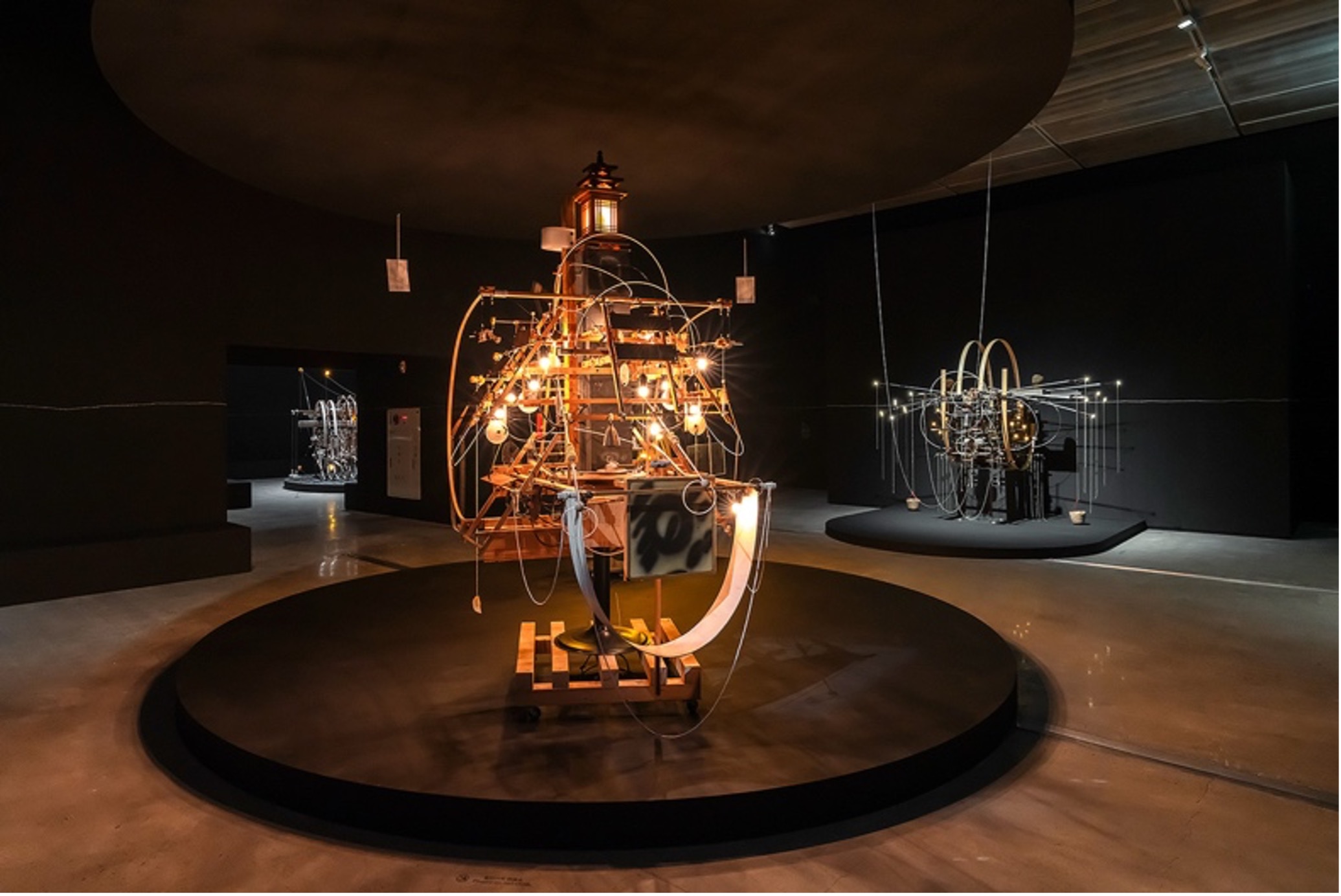
Contemporary Art, Gwacheon). Recently, she was selected as a finalist for 《Korea Artist Prize 2024》 (2024, National
Museum of Modern and Contemporary Art, Seoul), solidifying her position as a
leading contemporary artist in South Korea.
Awards (Selected)
In 2023, Jiyoung Yoon was selected for the
Artist-in-Berlin Program by DAAD. In 2024, she was named a finalist for 《Korea Artist
Prize》 at the National Museum of Modern and
Contemporary Art, South Korea.
Collections (Selected)
Jiyoung Yoon's works are part of the
collections of Seoul Museum of Art (South Korea) and Suwon Museum of Art (South
Korea).