1
In his seminal work L'Évolution créatrice (Creative Evolution), Henry Bergson argued that the extraordinary force of life is what makes creation, survival, and continuity in nature possible. He called this force élan vital, or the vital impetus. Yet this force was not, in fact, a discovery unique to Bergson.
Throughout the history of Western thought, similar ideas had long been articulated under different names, continually generating new meanings through reinterpretation. Bergson’s concept may be understood as a reconfiguration of earlier philosophical ideas such as Spinoza’s Conatus and Nietzsche’s Will to Power.
2
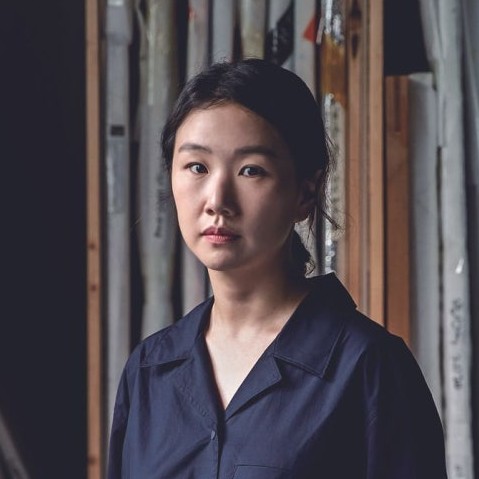
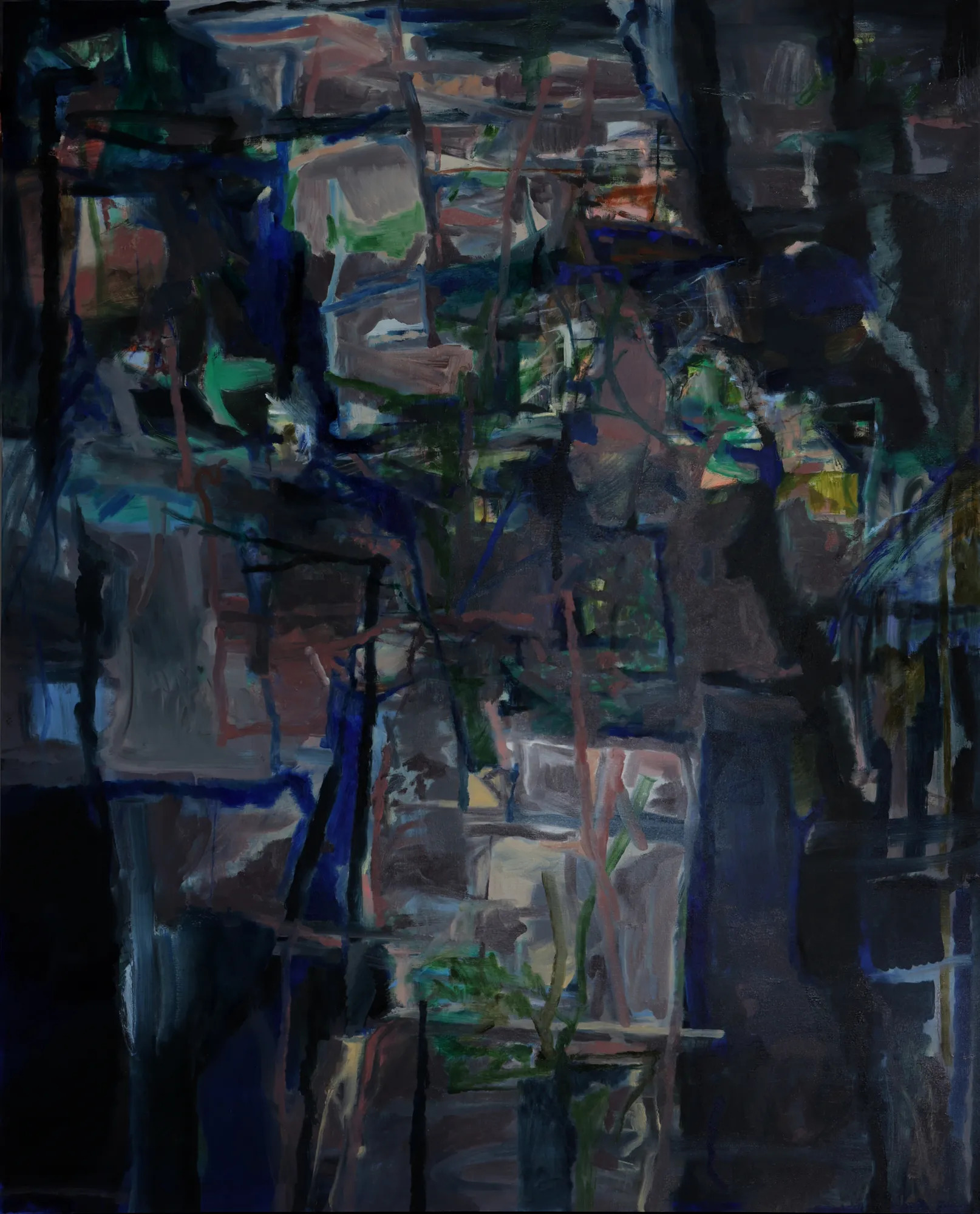
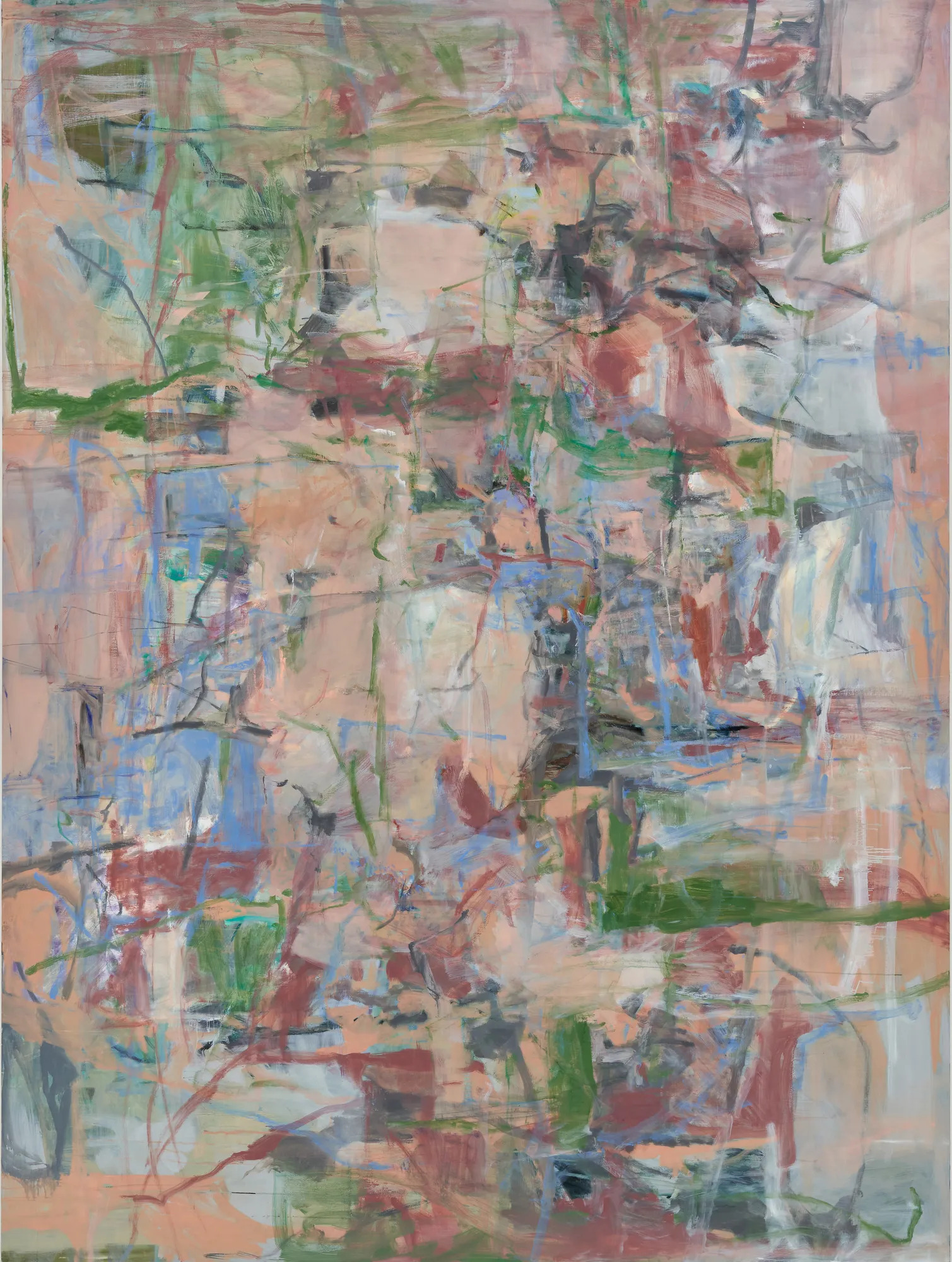
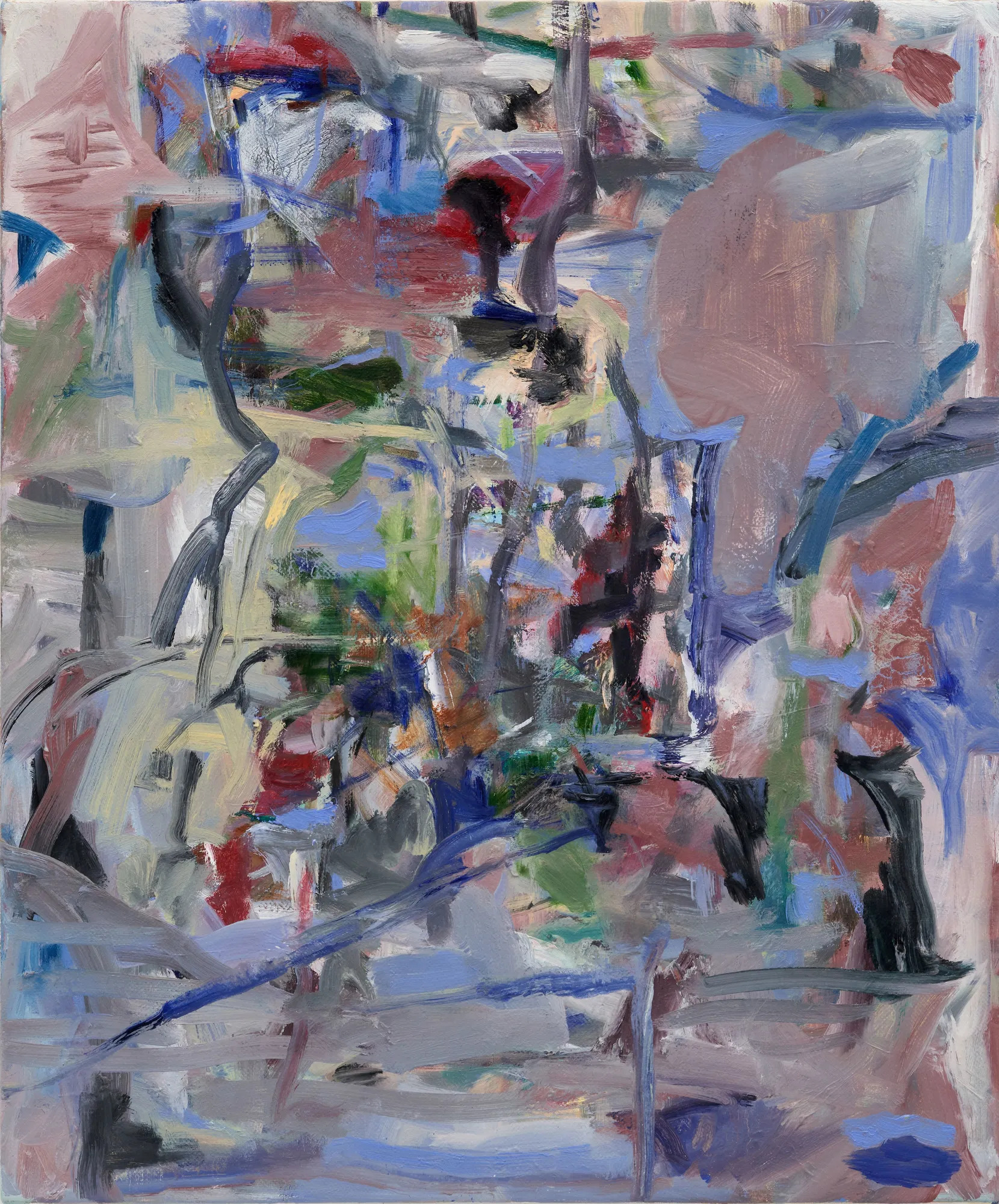
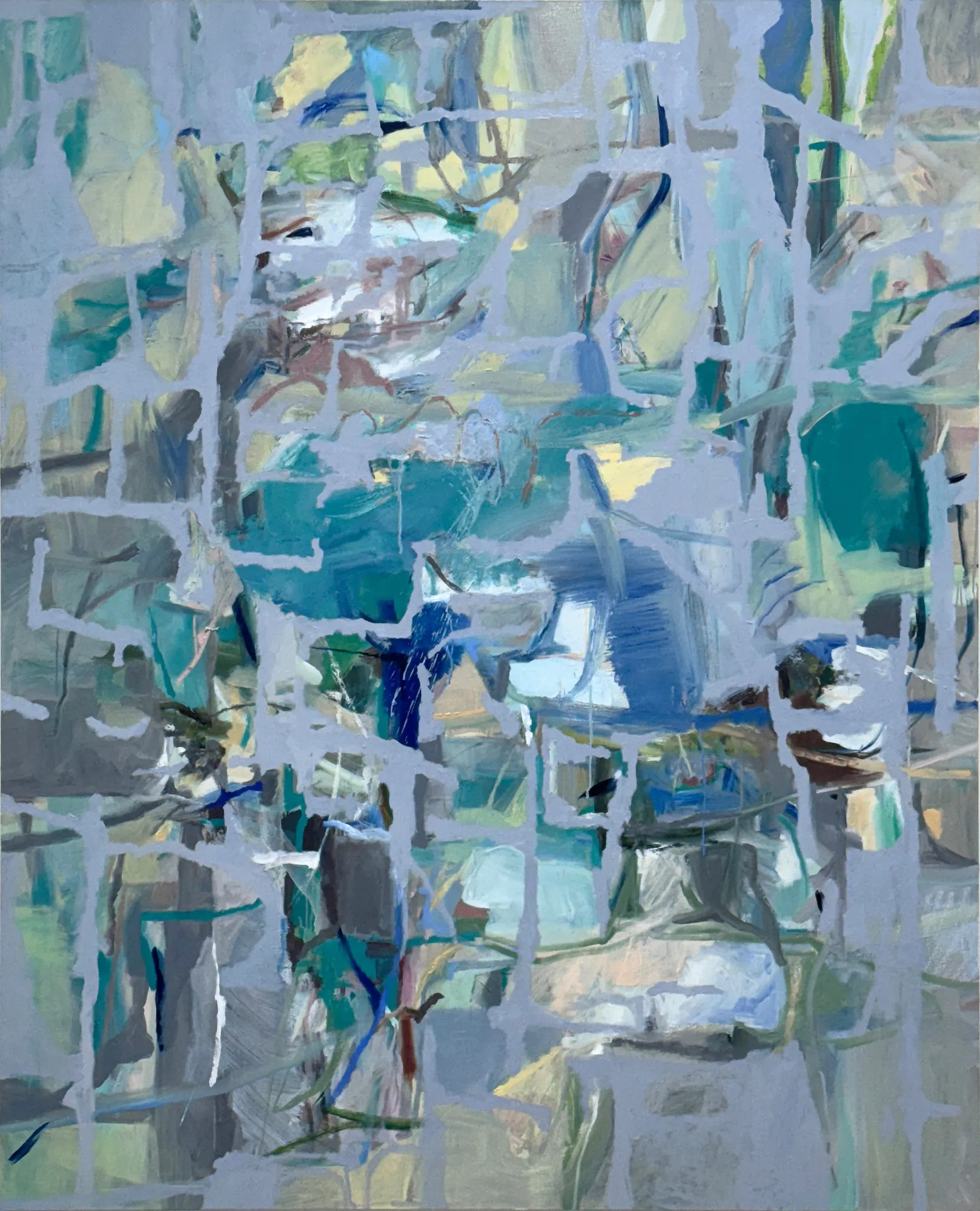
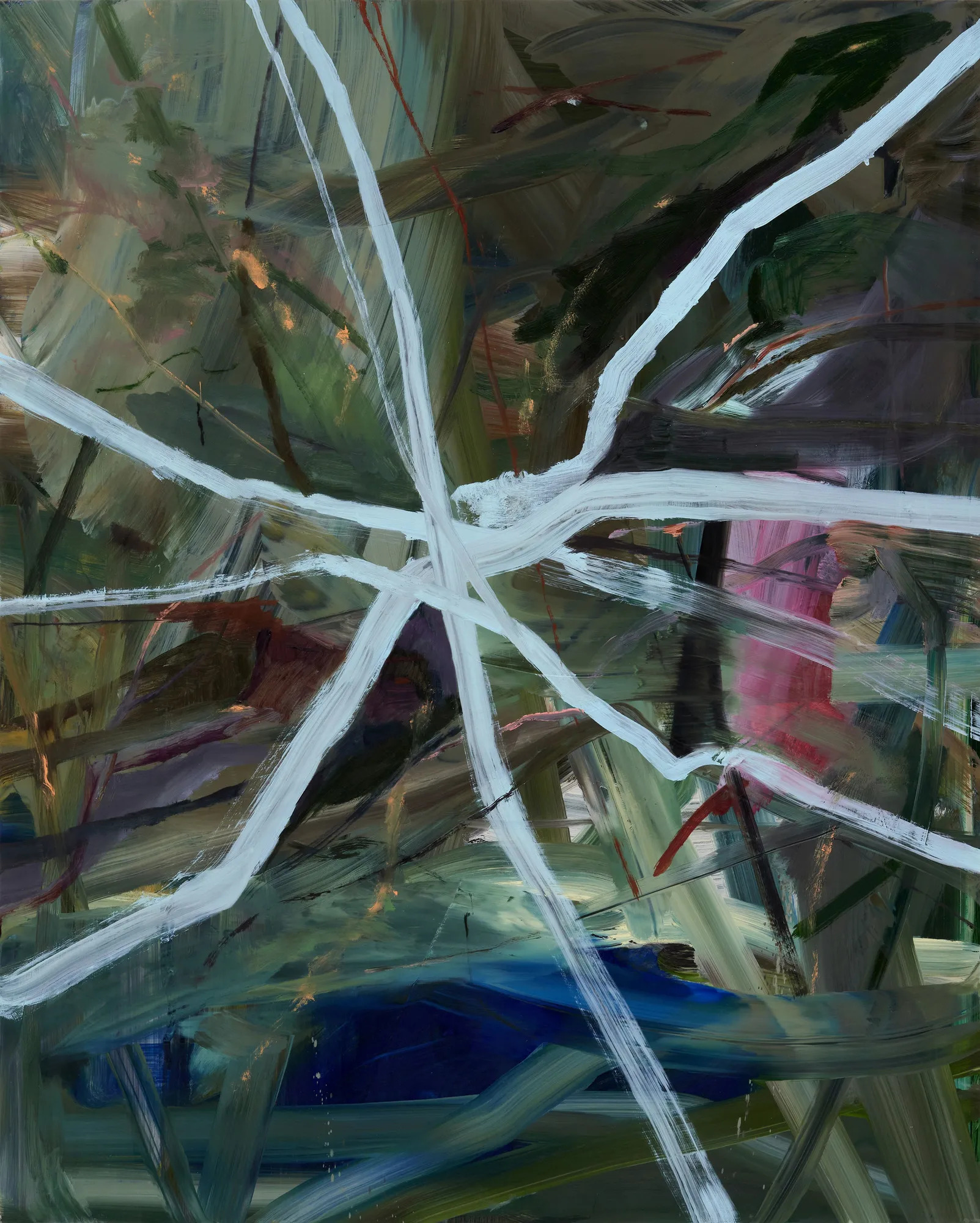
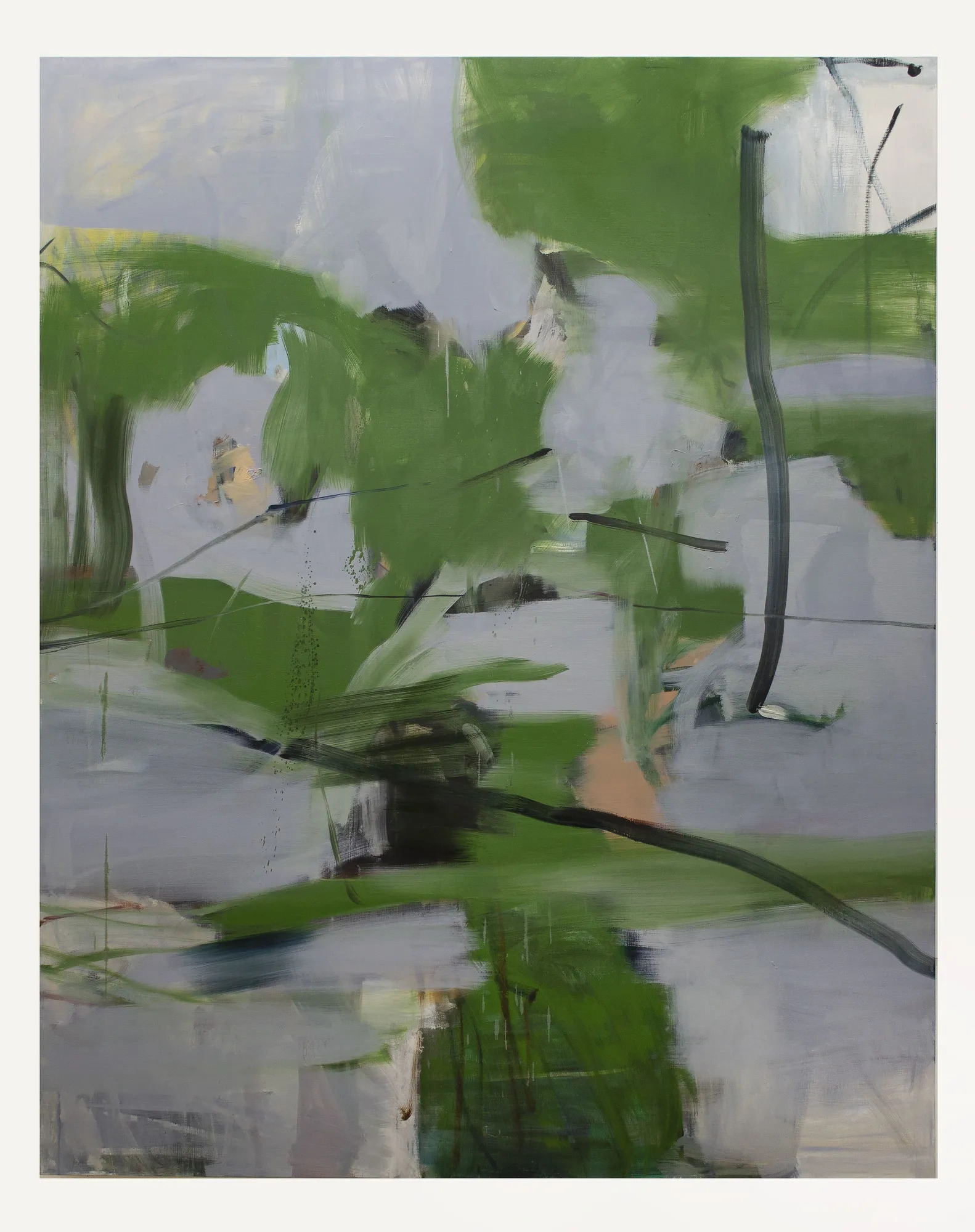
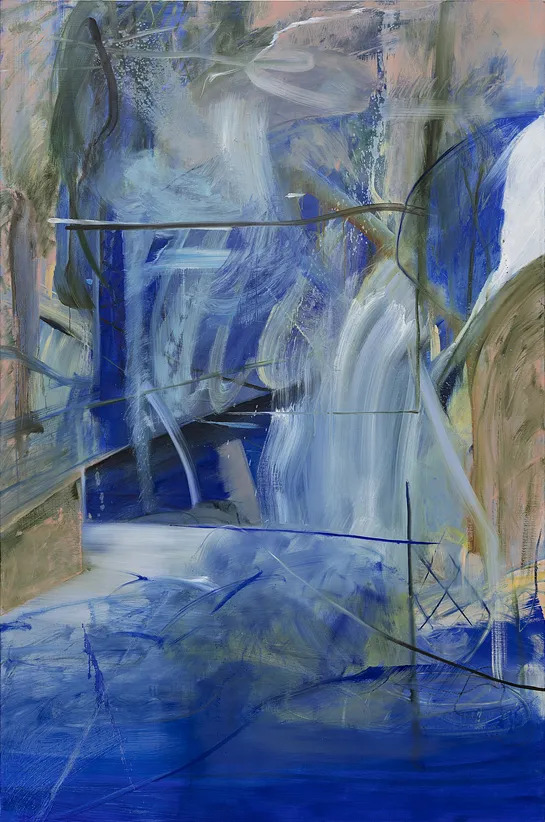
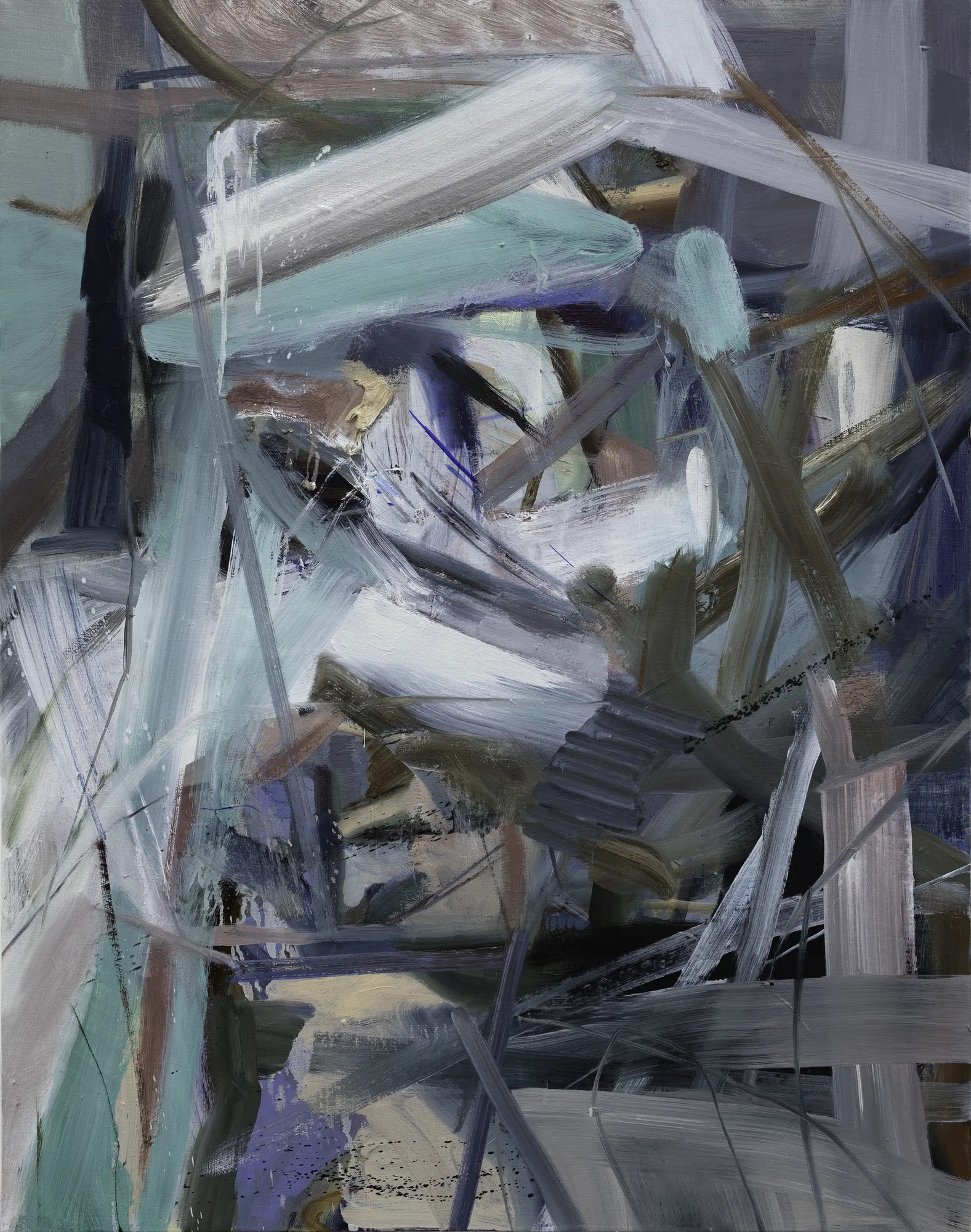
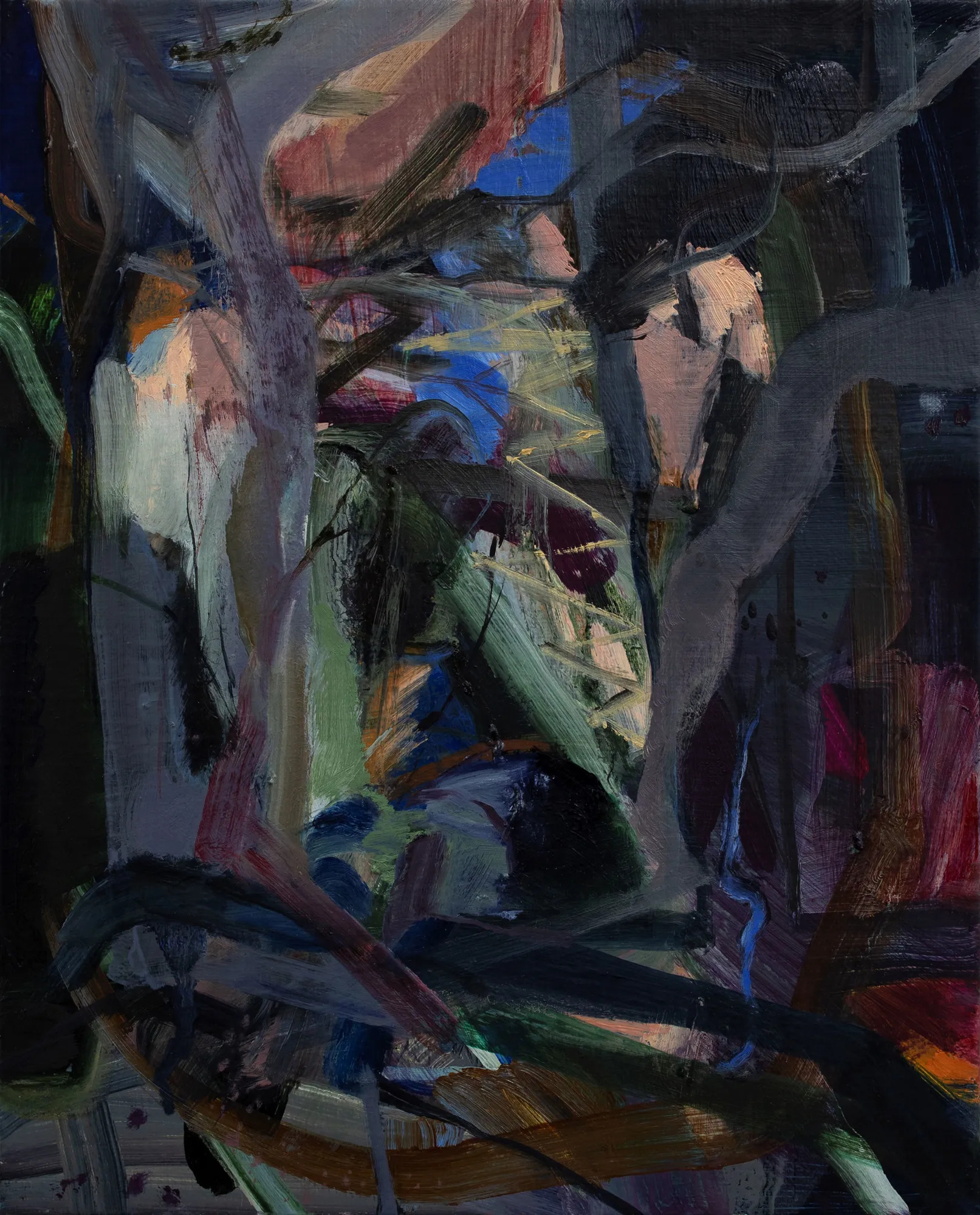
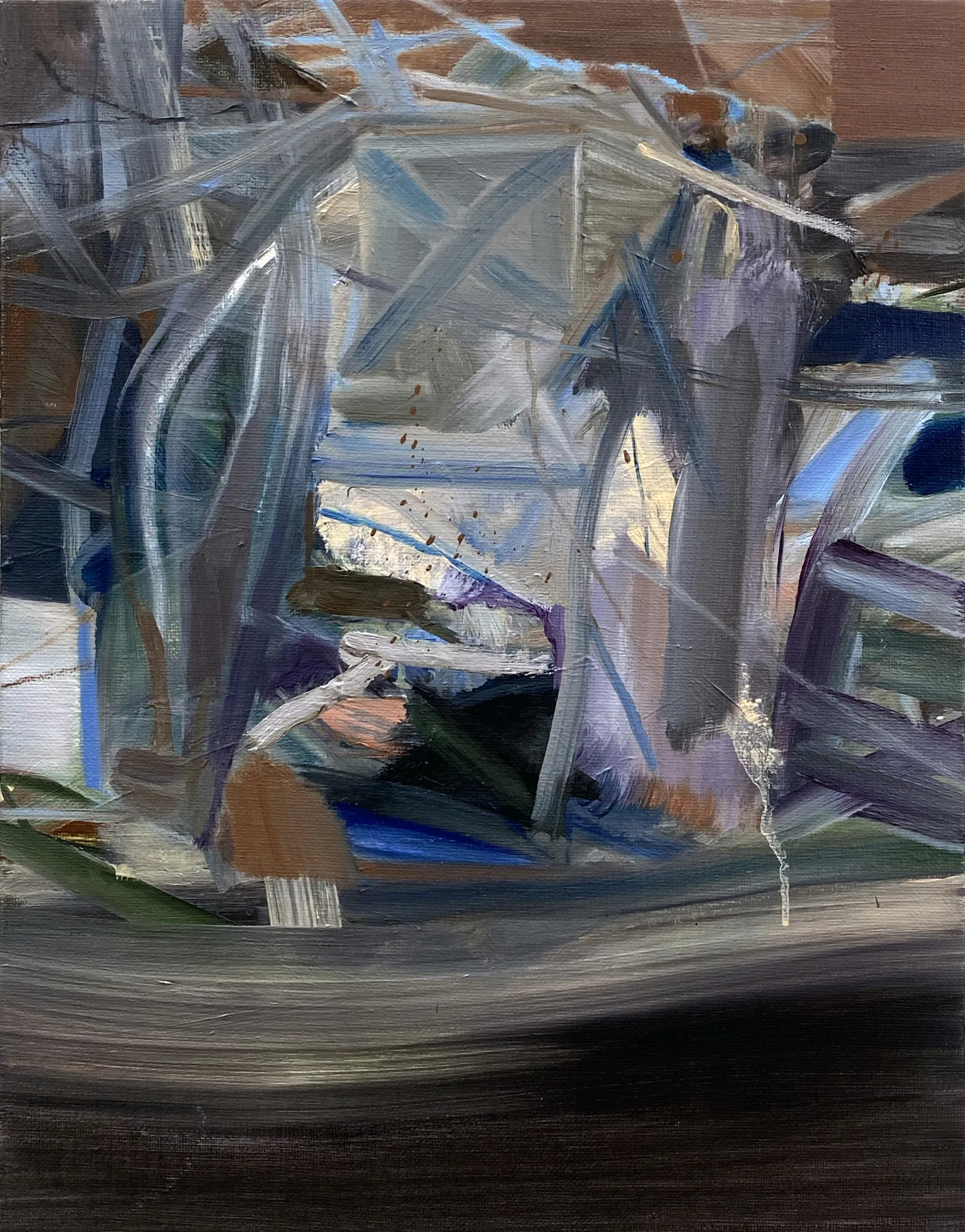
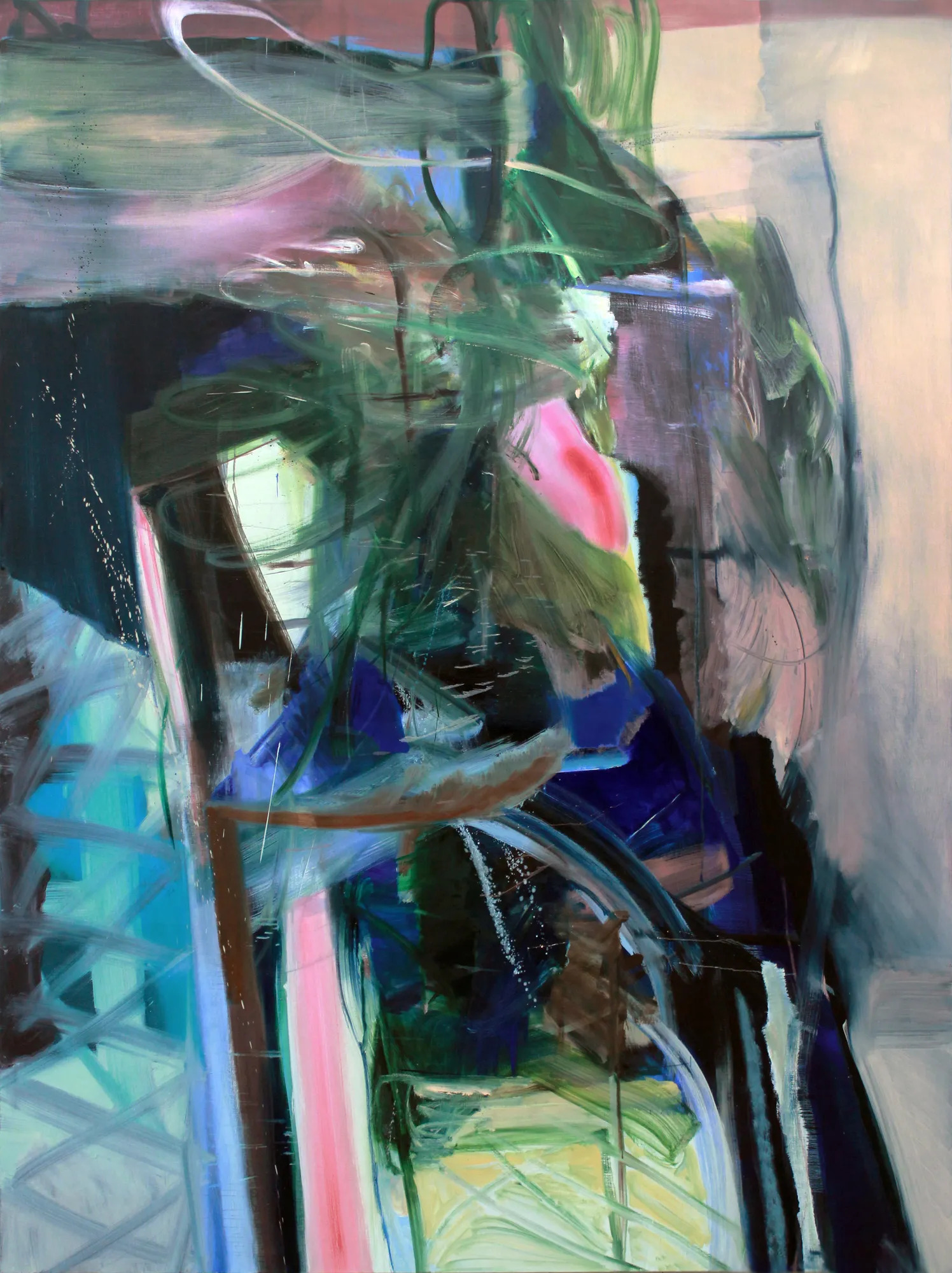
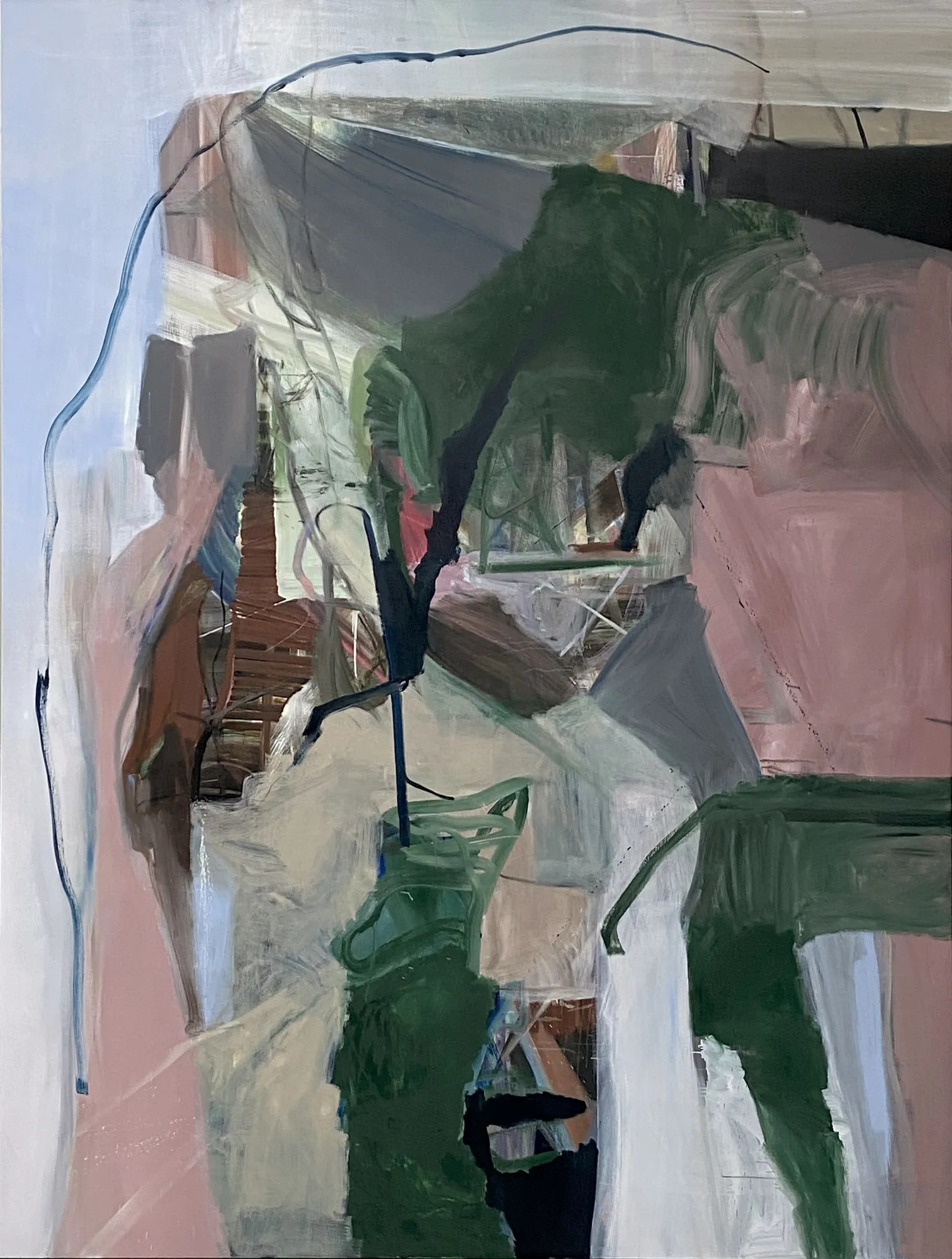
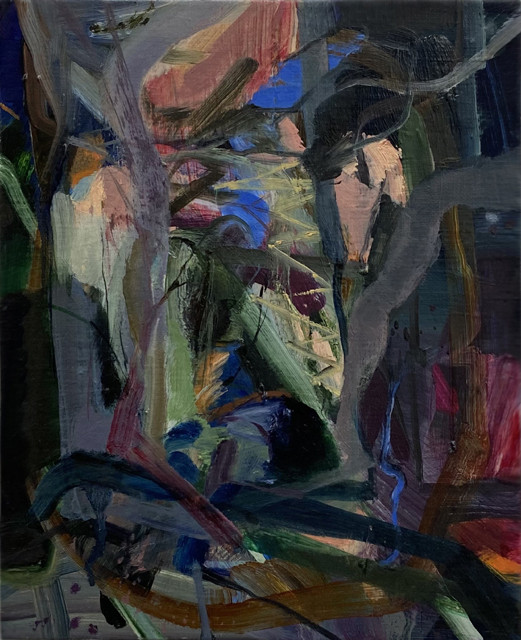
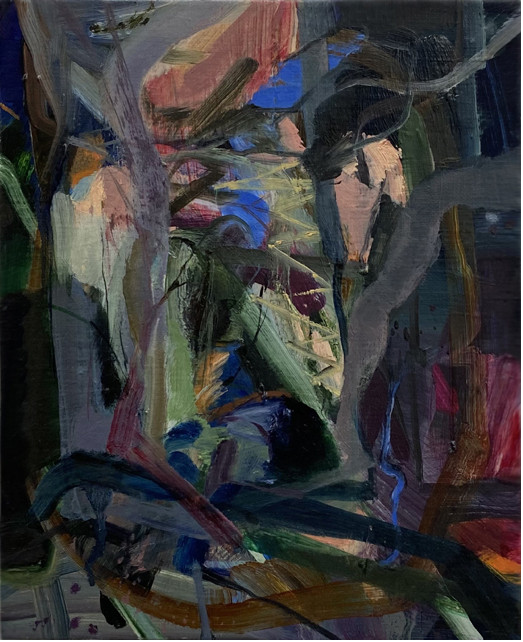
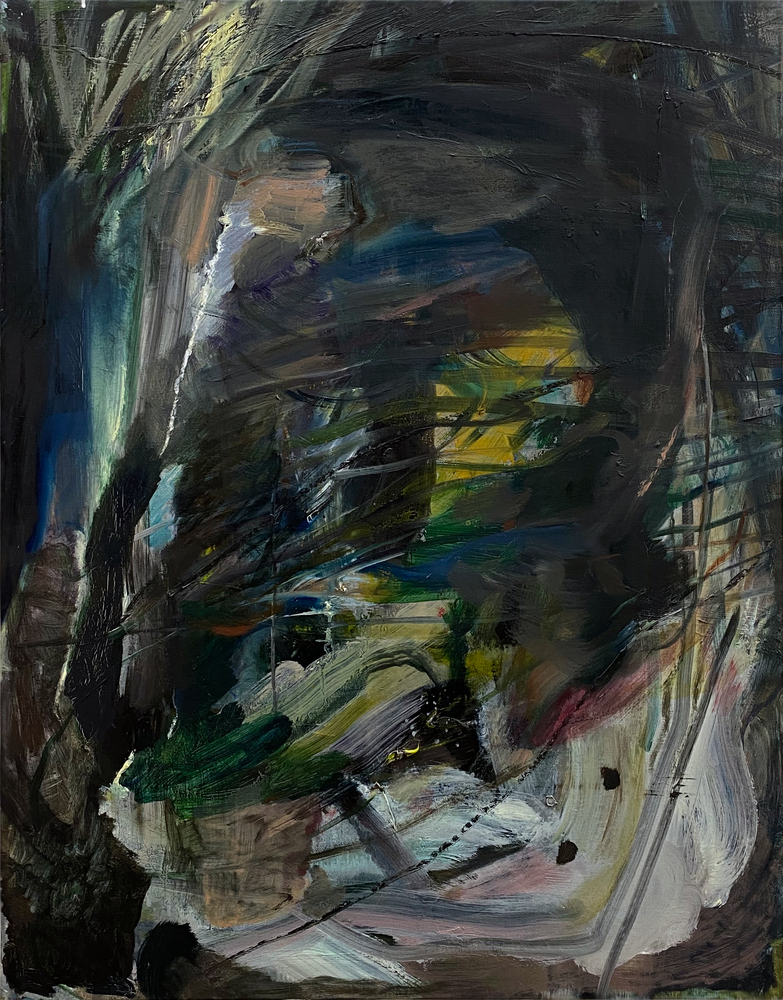
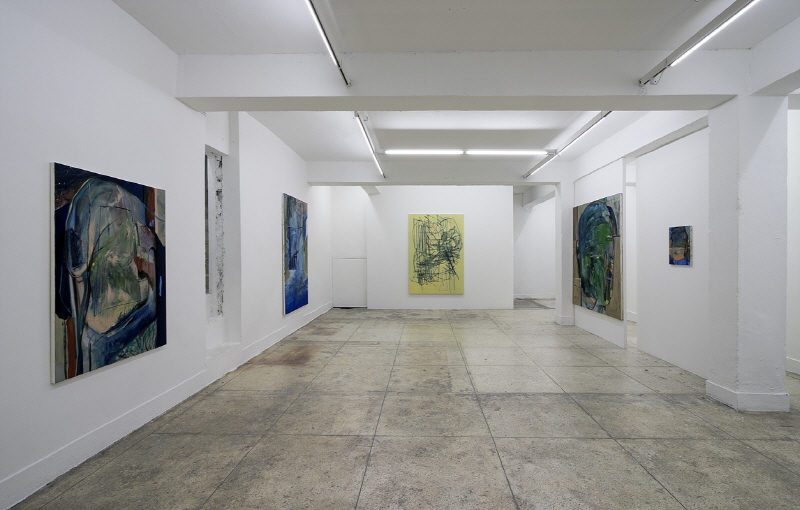
The pulsating imagery found in Koo Jiyoon’s work ultimately appears to follow the flow of élan vital, a force that dissolves the boundary between organic and inorganic matter. At the same time, her work prompts a fundamental question: if we perceive a life force or vital energy emanating from inanimate objects, should we dismiss that perception simply because it appears unscientific?
This question invites us to reconsider the parallel relationship between the development of modern science and the domain of art.
3
Keeping this question in mind, we may begin with a more basic inquiry: what distinguishes living beings from nonliving things? Although this has long been a subject of philosophical debate, science generally defines the difference in terms of metabolism. Living organisms engage in metabolic processes essential to life, whereas nonliving things cannot perform such processes on their own and require external forces or conditions in order to change.
This scientific explanation is grounded in the laws of nature—specifically, the physical and chemical principles that govern the world. Art and philosophy, however, often attempt to move beyond such explanations through metaphysical reflection and creative imagination, venturing quite literally beyond physics itself. It is precisely at this point that Koo Jiyoon’s insight emerges as a form of artistic expression.
4
Fire is a phenomenon that vividly reveals the organic qualities of inorganic matter. Although fire itself is not alive, it appears to possess a form of vitality. Scientifically speaking, fire is merely a chemical process produced through the combustion of oxygen and combustible materials. Yet within it, one senses a mysterious flow of life and energy that seems to exceed purely scientific explanation.
For this reason, fire has long been regarded as one of the fundamental elements of nature and life in both Eastern and Western traditions. In East Asian thought, fire constitutes one of the Five Elements—wood, fire, earth, metal, and water—while in Western philosophy, thinkers such as Heraclitus identified fire as the primary principle underlying life and existence.
5
According to a Kantian theory of aesthetics, art may be understood as a critical—or reflective—interpretation of nature and objects. From such a perspective, what matters is not simply how Koo Jiyoon paints a bonfire, but rather how she interprets the bonfire as an object of reflection. This reflective interpretation emerges through a process of intersubjective dialogue between the artist and the external world.
When such interpretive activity becomes expressed through a distinctive visual language, it solidifies into an artist’s unique style. Koo incorporates not only living beings but even inanimate and inorganic matter into the flow of vitality and life force. This is not the result of irrational sentiment or fanciful imagination, but rather of her discovery of the dynamic interconnectedness of objects and environments.
Such an approach may be understood as an attempt to perceive a universal structure that exists beyond the limits of individual and concrete phenomena. From this perspective, a bonfire is not merely the physical result of oxygen meeting combustible material; it may instead be understood as something alive within the activity of universal cosmic laws. A philosopher who articulated a similar view was Spinoza, who, in his Ethics, identified these universal and cosmic laws of nature with God itself.
6
The metaphysical tendencies present in Koo Jiyoon’s work ultimately dissolve rigid distinctions between living and nonliving beings, organic and inorganic matter, phenomena and ideas, abstraction and representation. Her paintings occupy a space that is simultaneously grounded in observable reality and directed toward transcendent principles beyond it.
They may be understood as the artist’s sustained act of self-reflection and her ongoing inquiry into a fundamental question: what universal principle exists beyond appearances? Whether or not Koo has directly engaged with Kant’s writings is impossible to know.
Nevertheless, her work suggests an intuitive awareness of the universal aesthetic framework proposed by Kant’s reflective aesthetics. At the same time, it demonstrates how that framework continues to function as a means of artistic interpretation even today.
7
The emergence of artificial intelligence in the present moment suggests that systems capable of sustaining forms of life-like activity may be realized not only through metabolism or externally applied forces, but also through mechanical and structural algorithms driven by self-replicating learning processes and continual expansion.
Are machines living beings or nonliving things? If intelligence is constructed through computational programs that perform functions resembling those of living organisms, should such systems be understood as organic or inorganic? In confronting these questions, the philosophical concept of élan vital once again demands reconsideration.
Historically, such judgments have often emerged through the intuitive insight and reflective capacity of artists—individuals whose work frequently embodies a form of foresight, an ability to glimpse the future through the conditions of the present. By engaging with the aesthetic challenges posed by artists, we are once again invited to contemplate the mysterious energy embodied by fire.