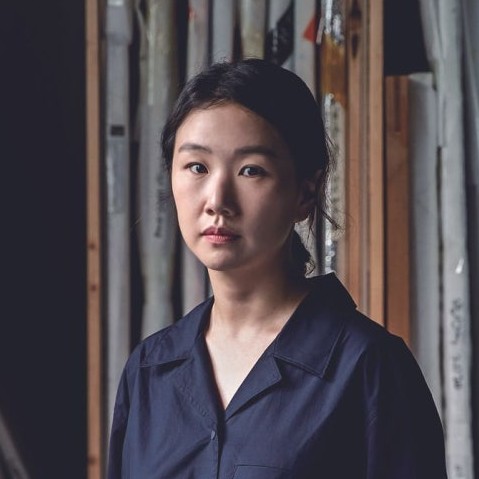
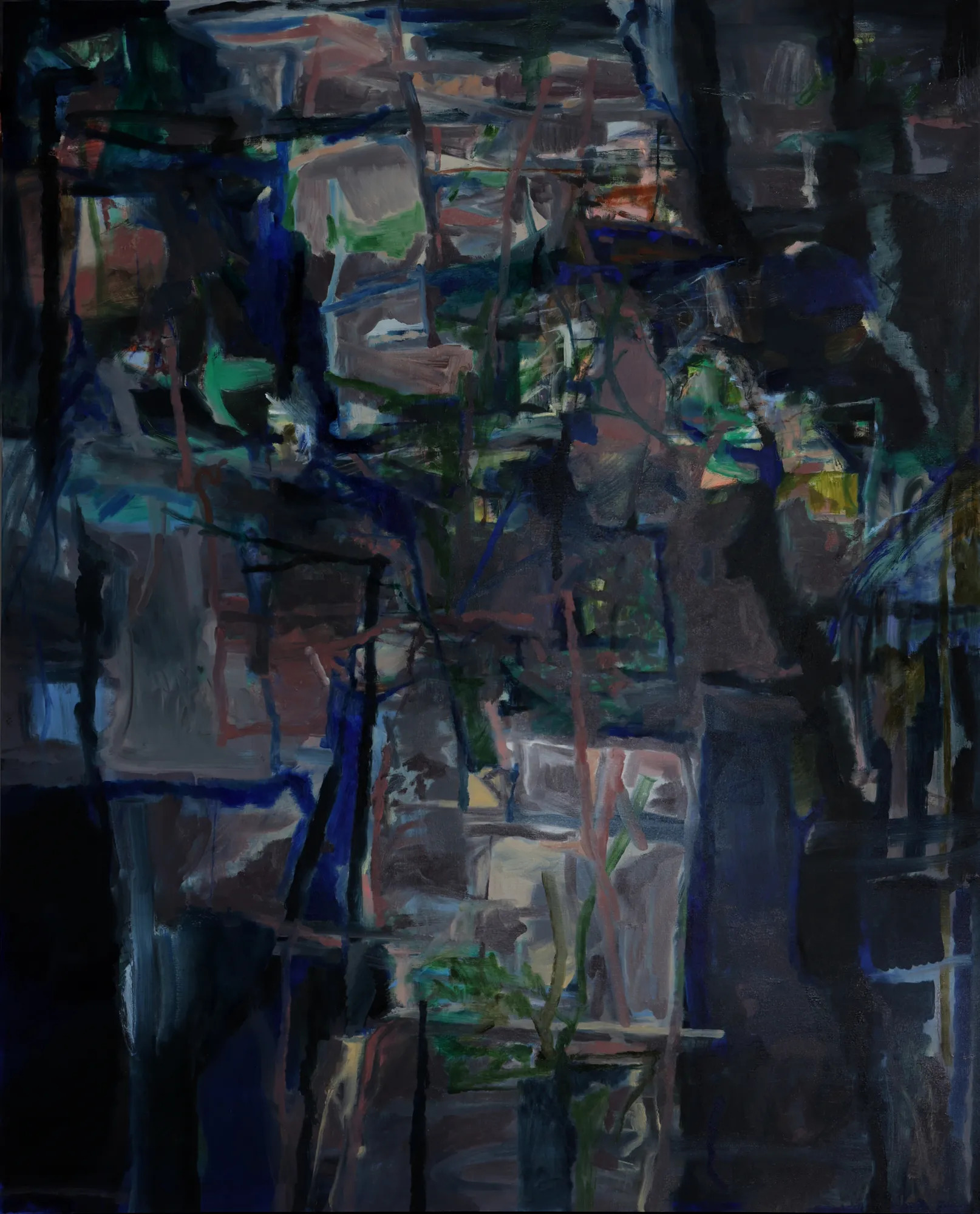
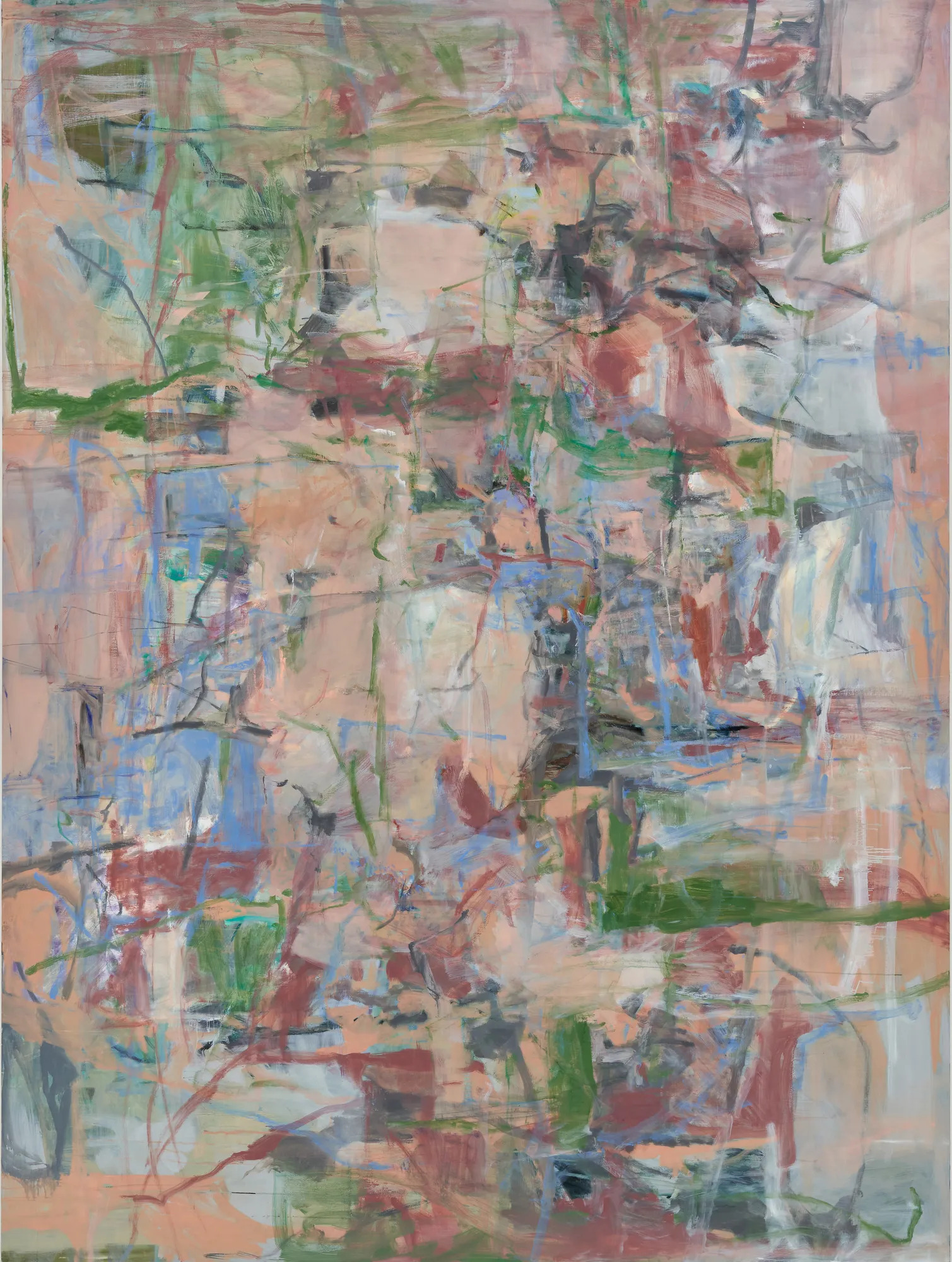
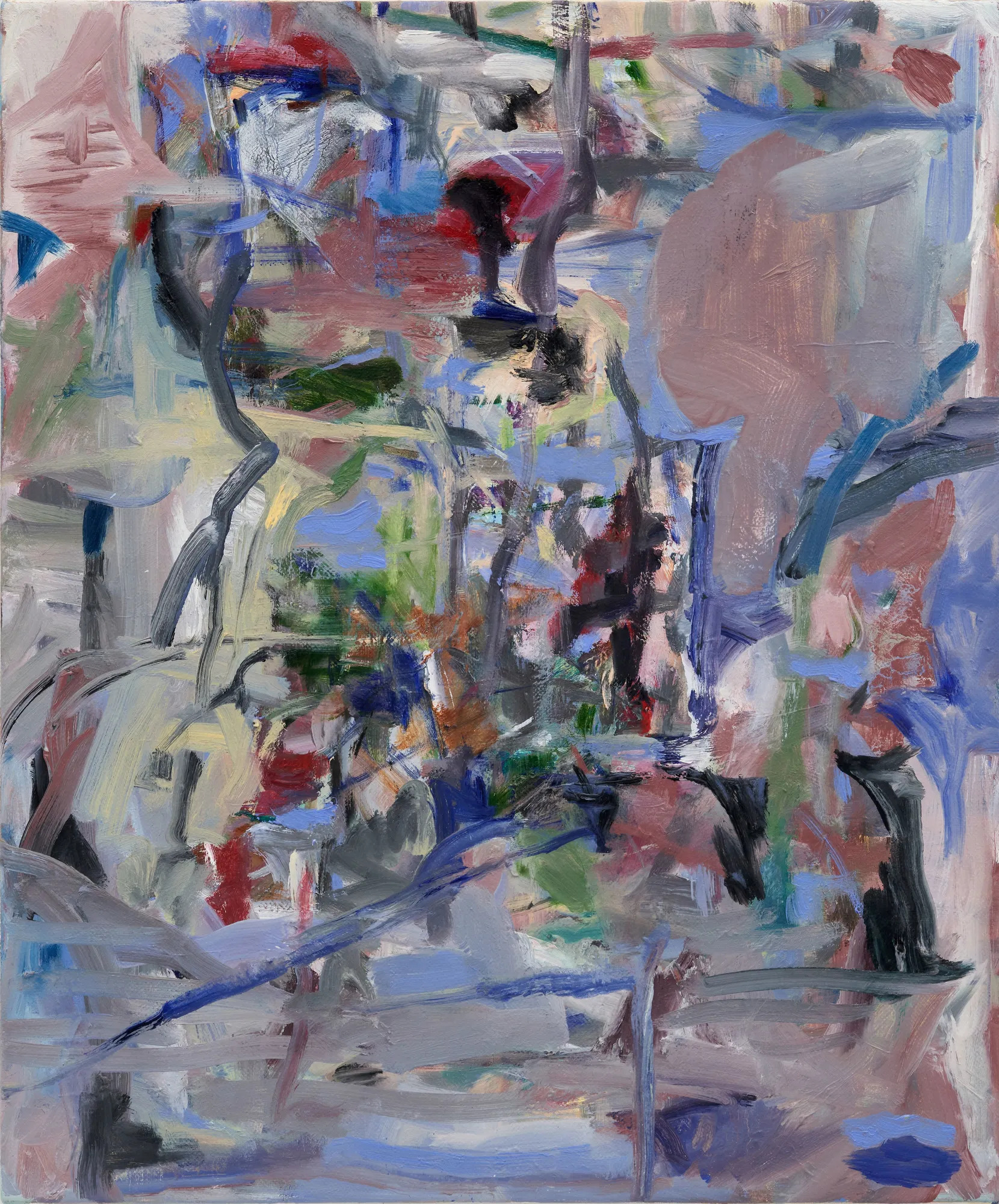
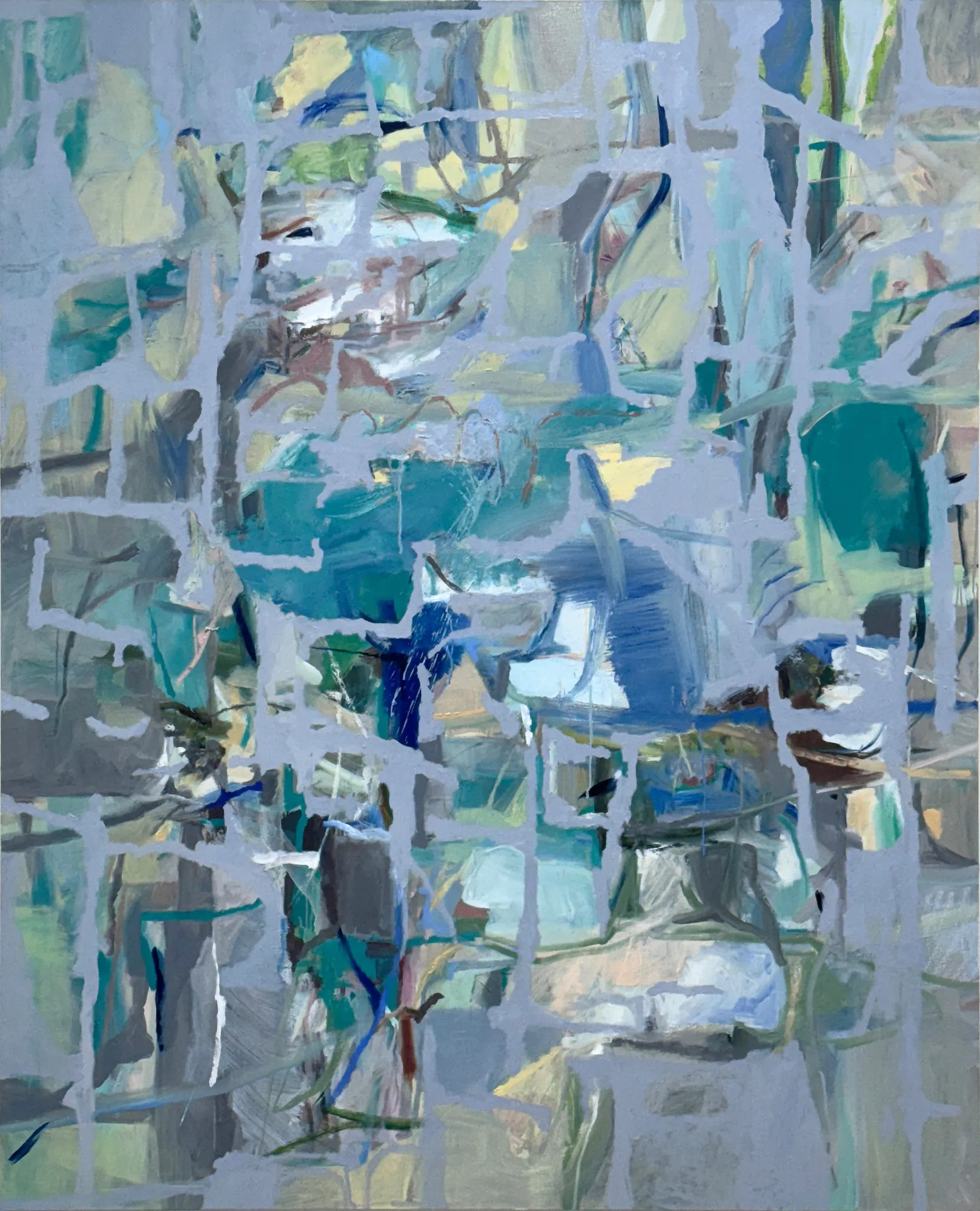
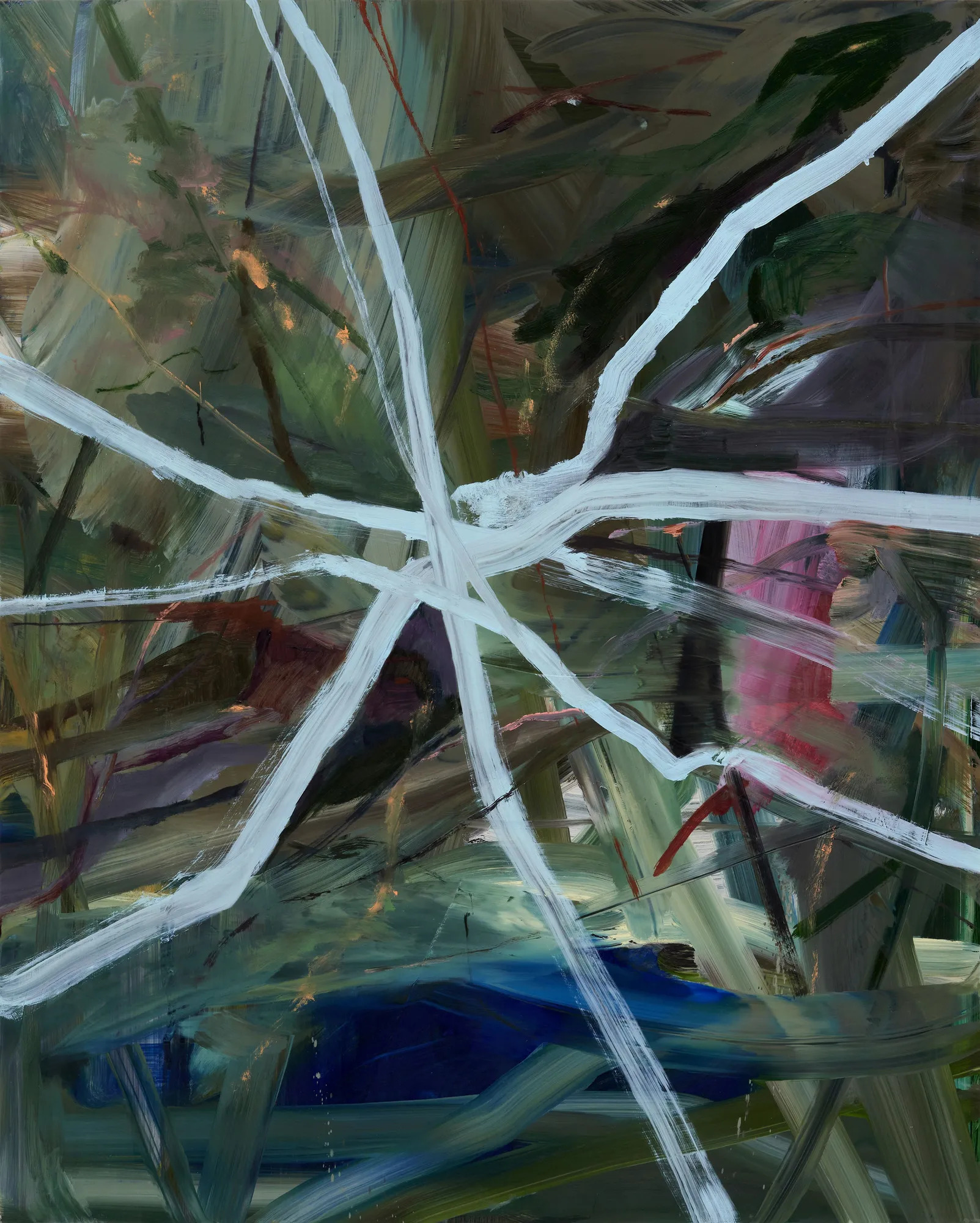
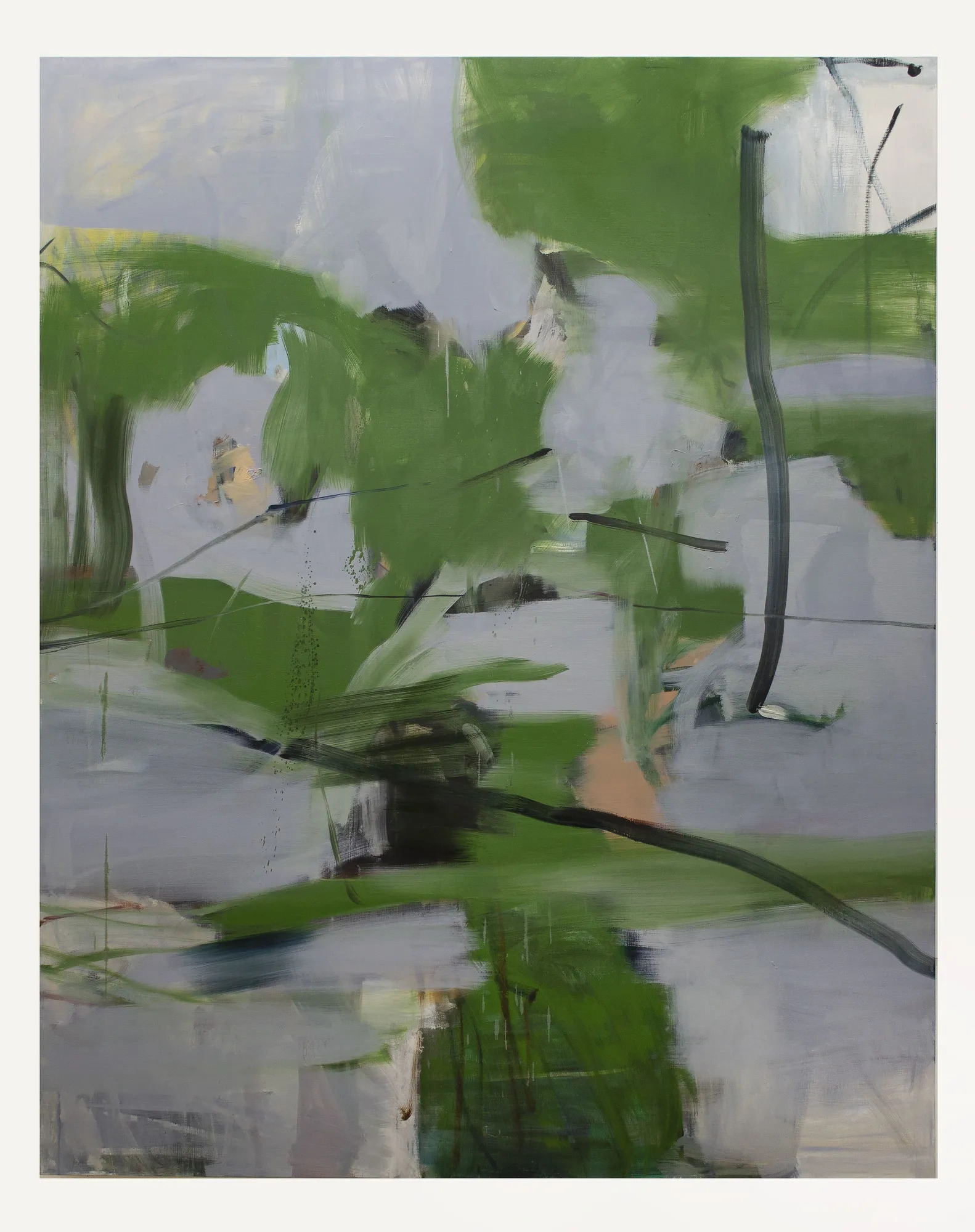
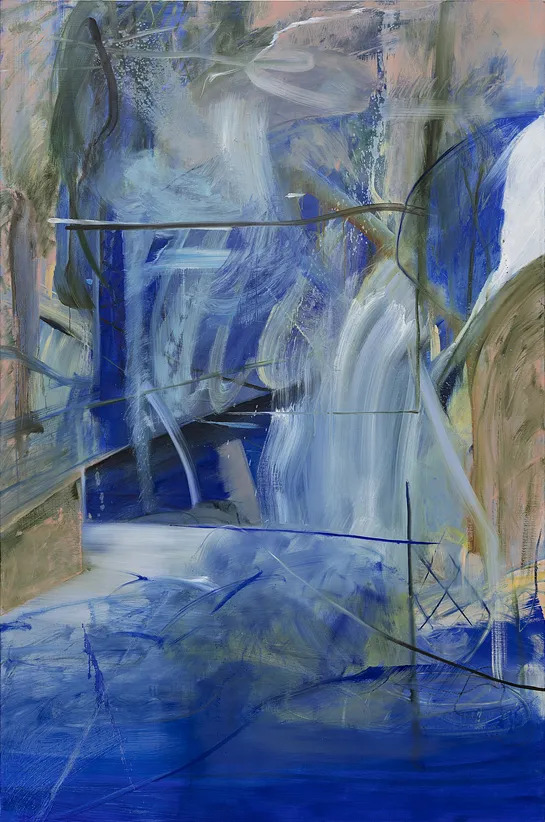
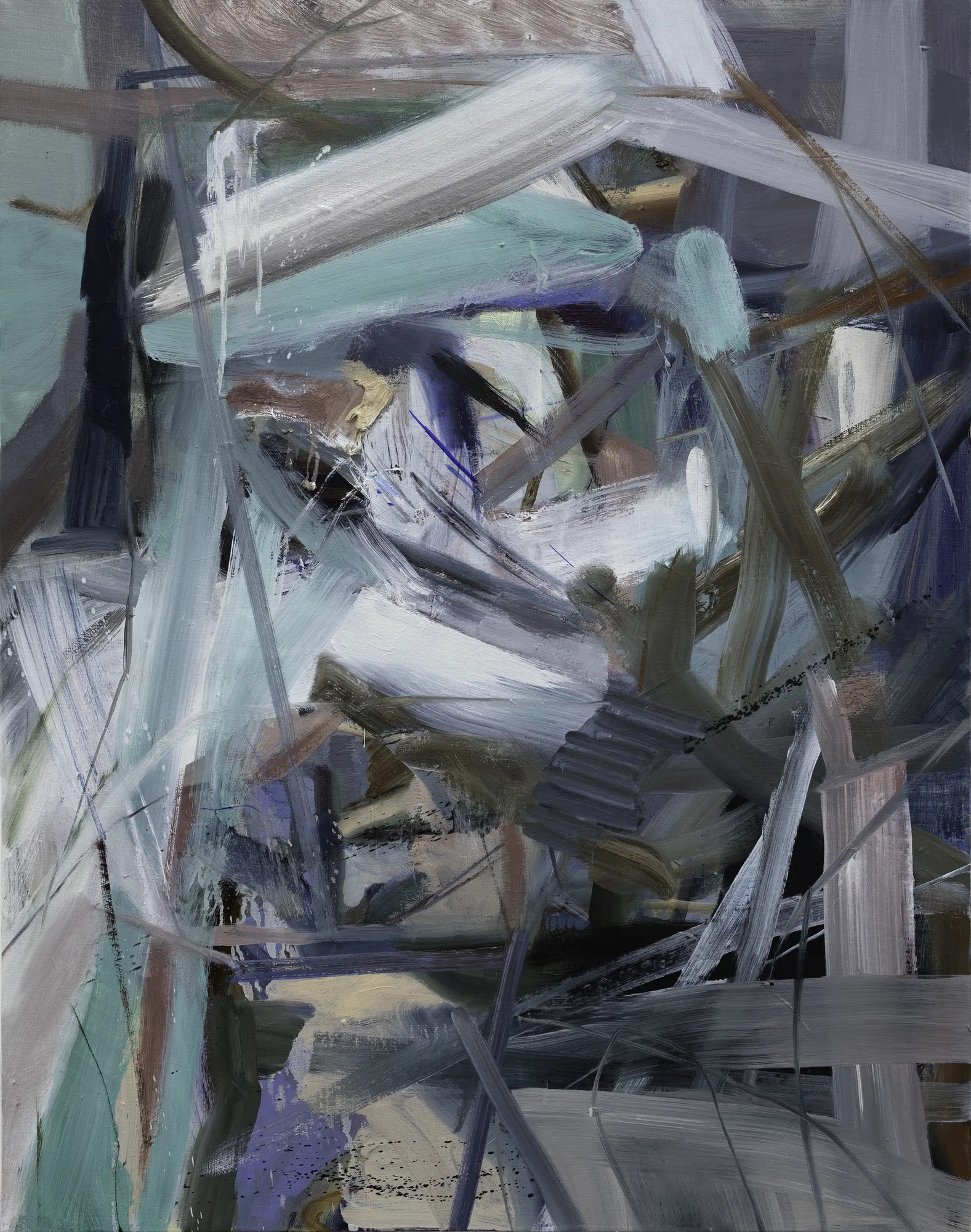
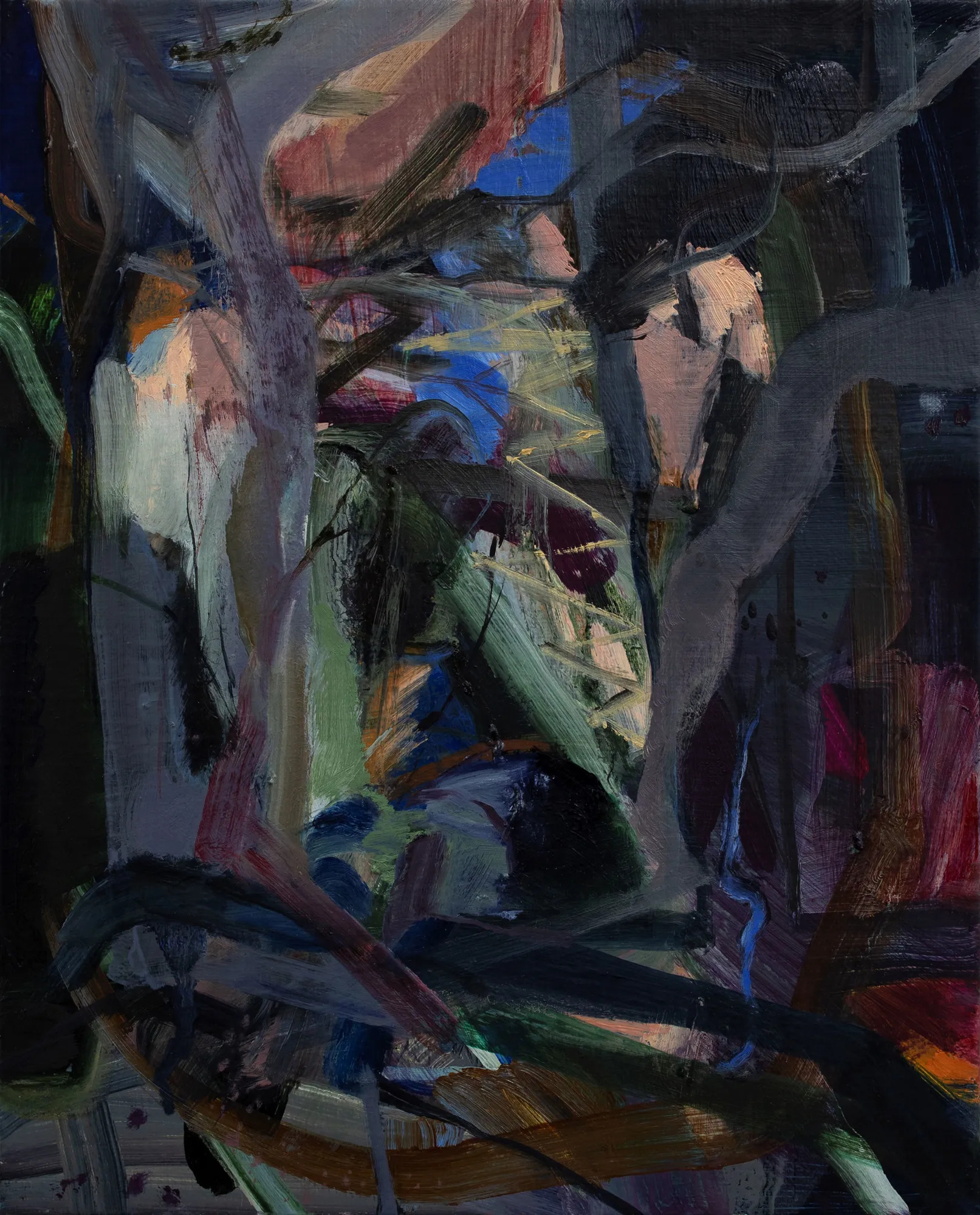
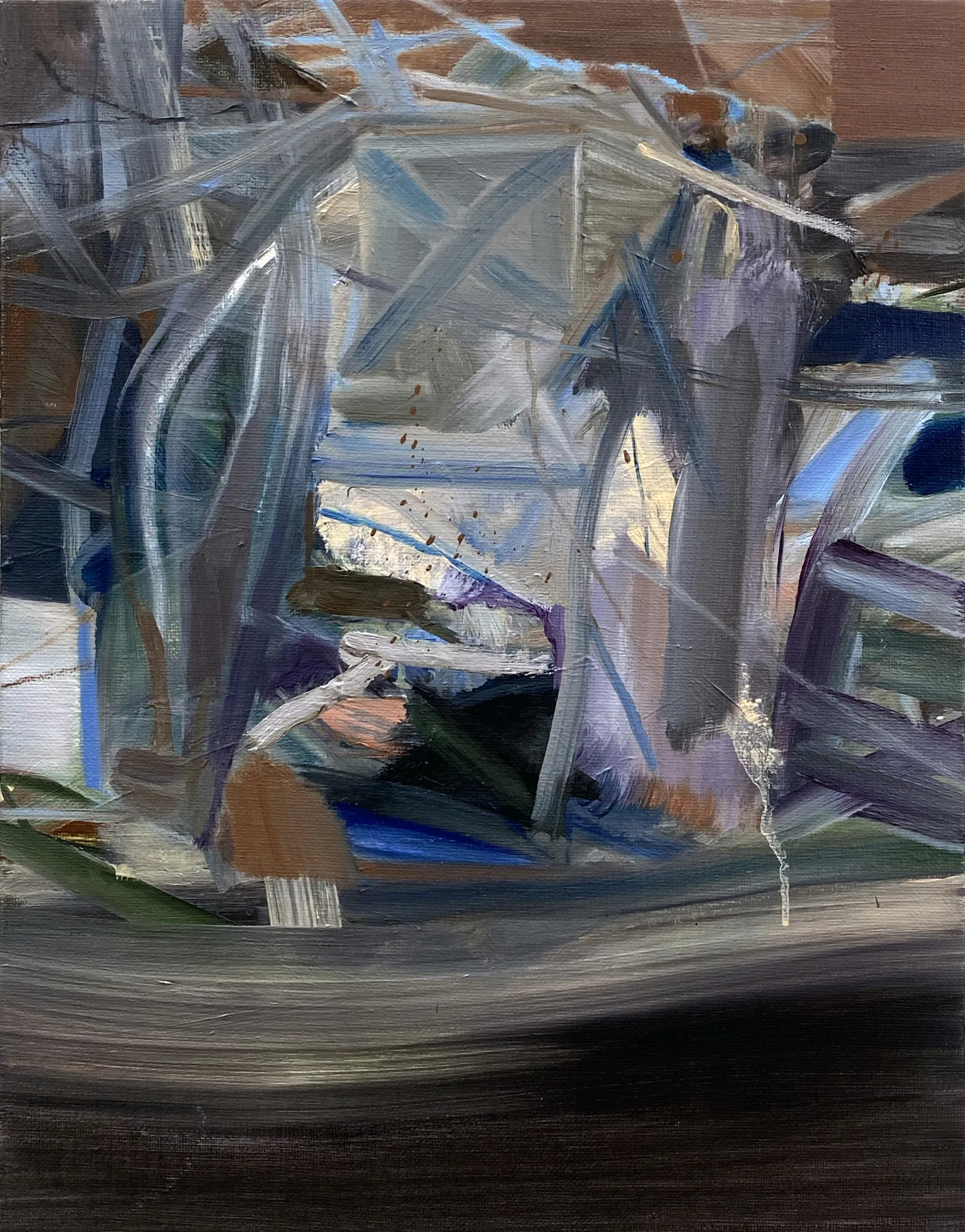
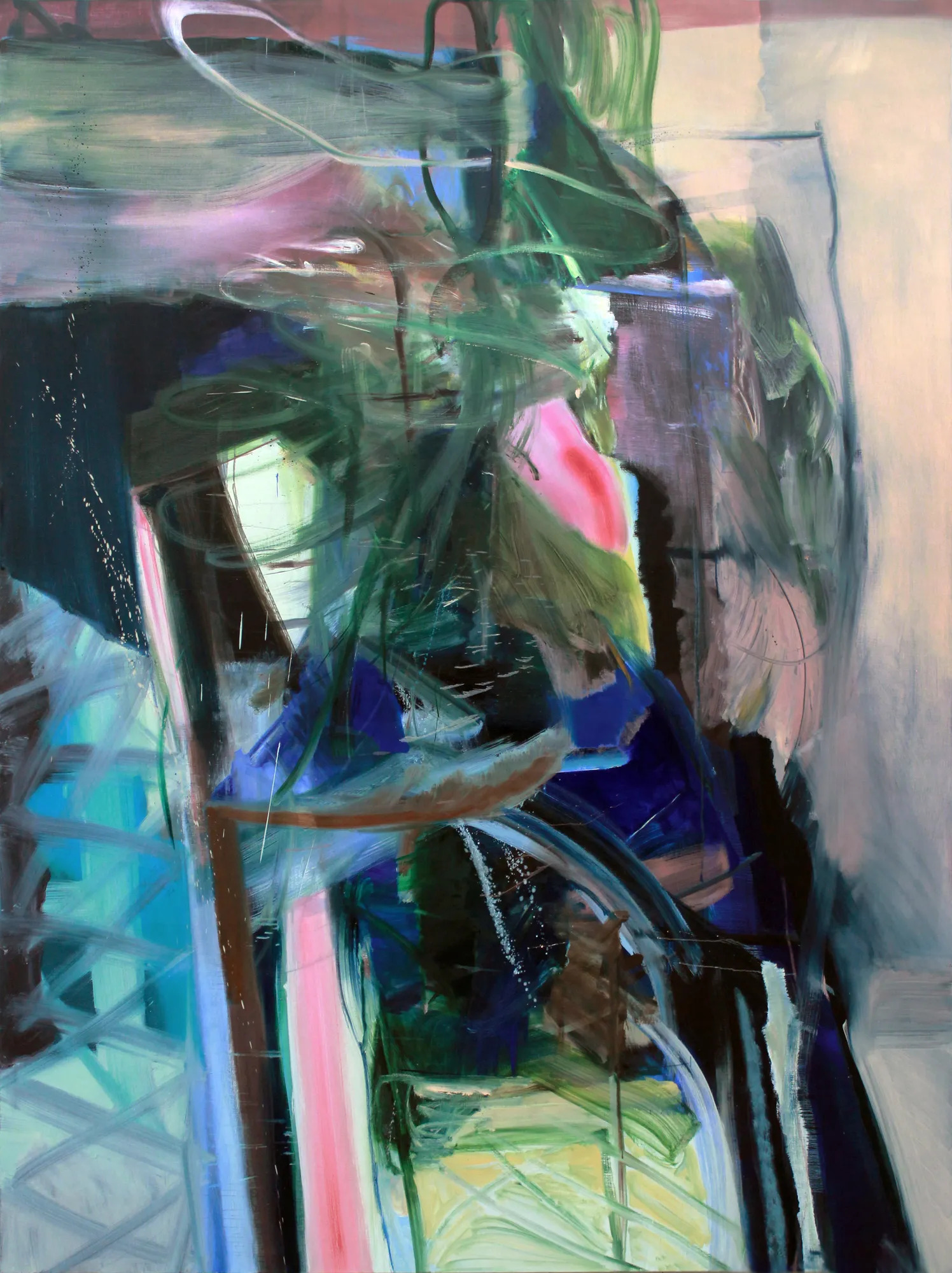
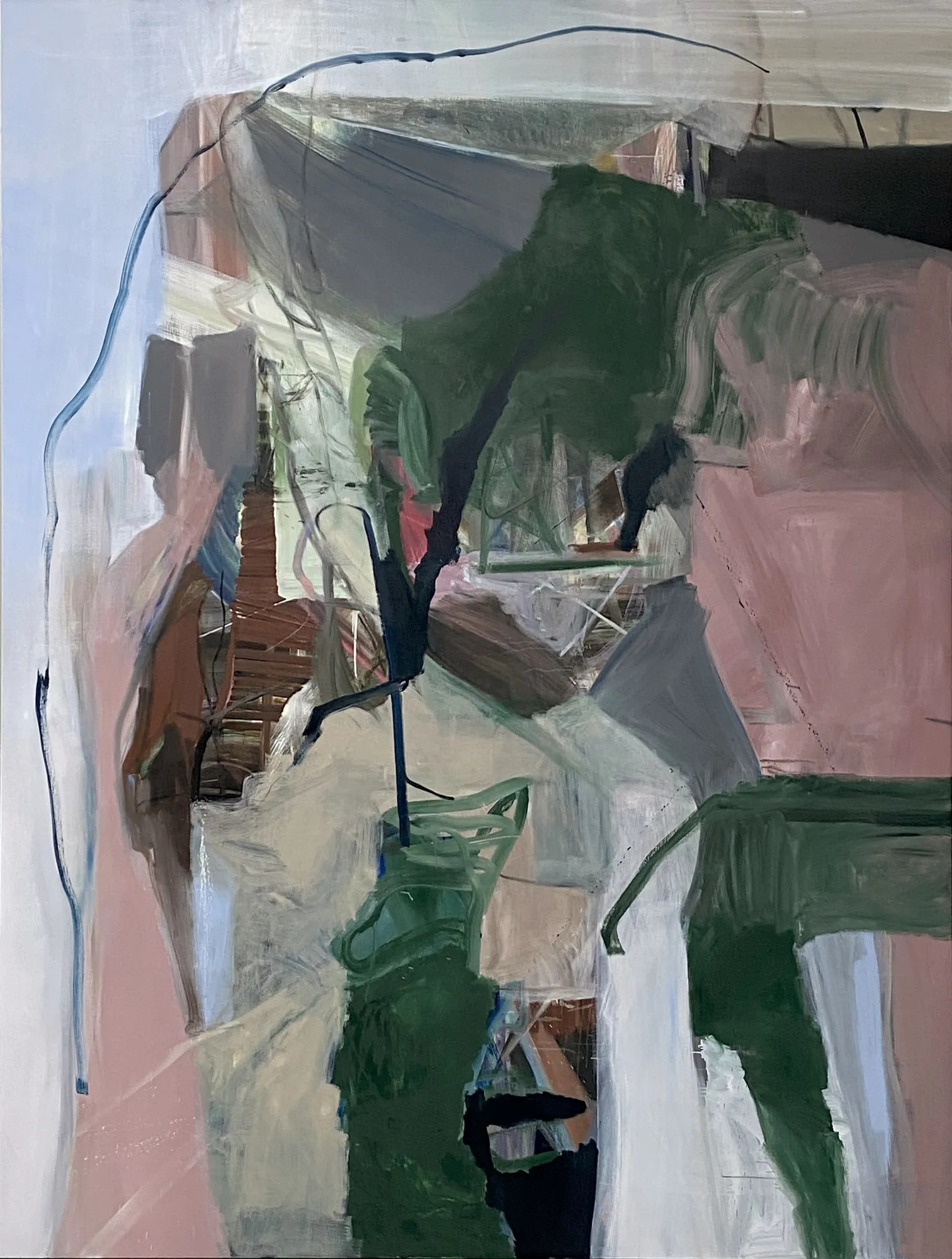
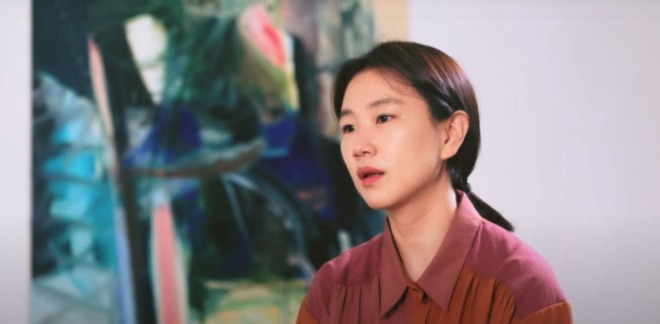
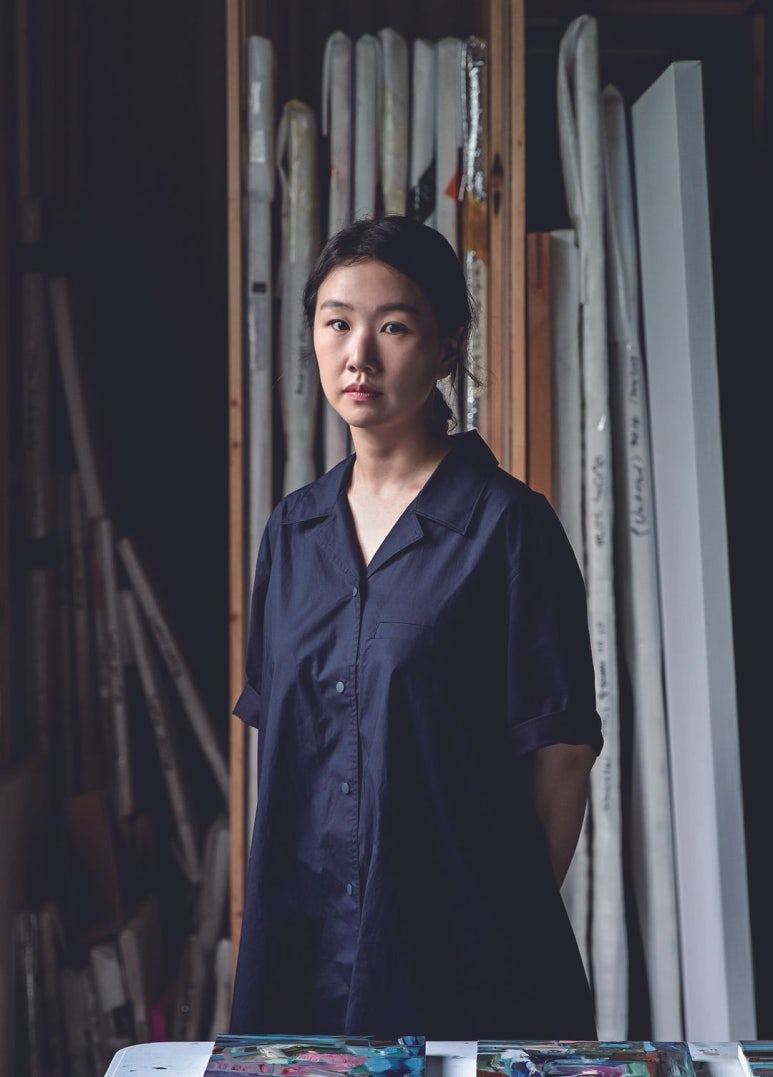
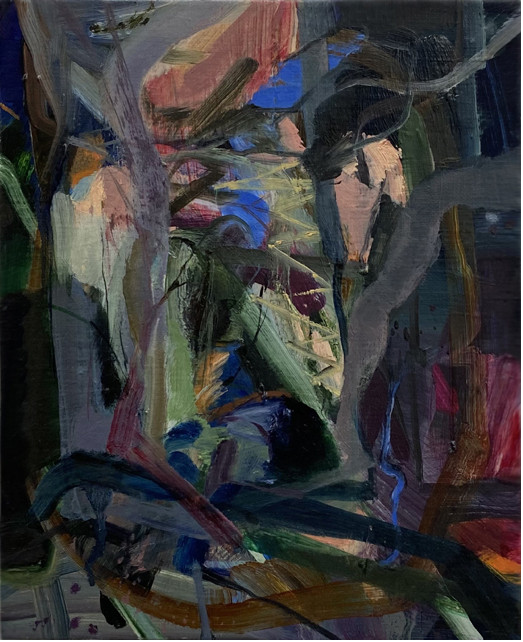
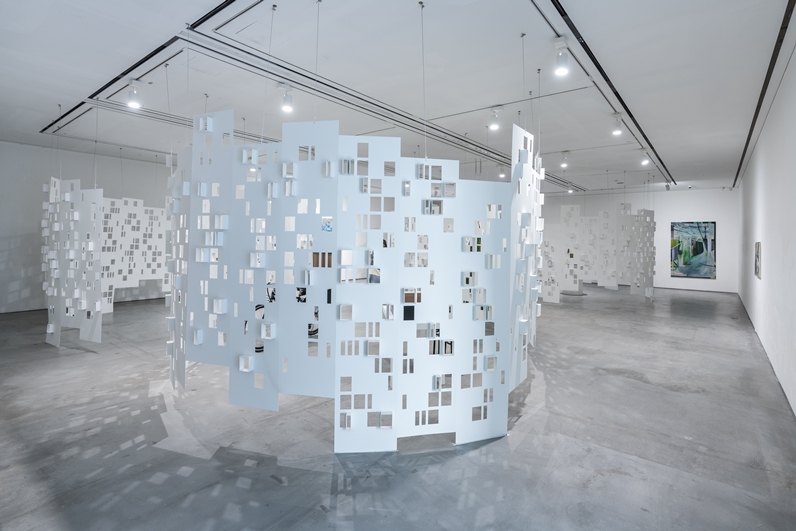
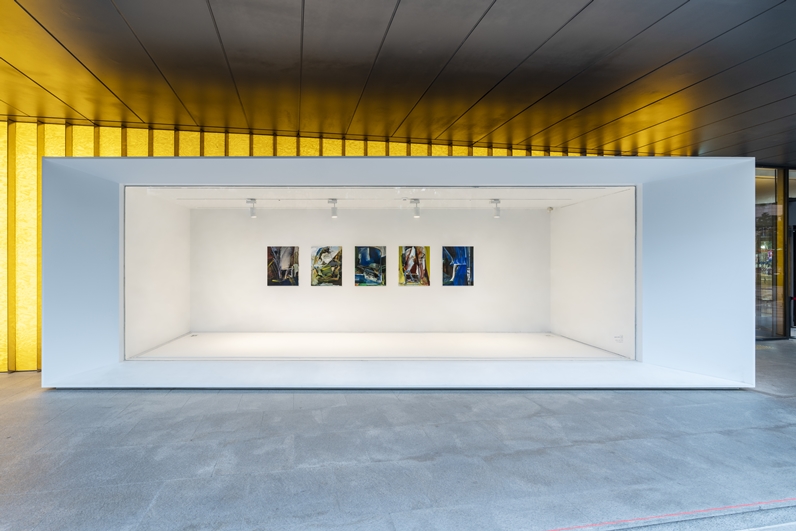
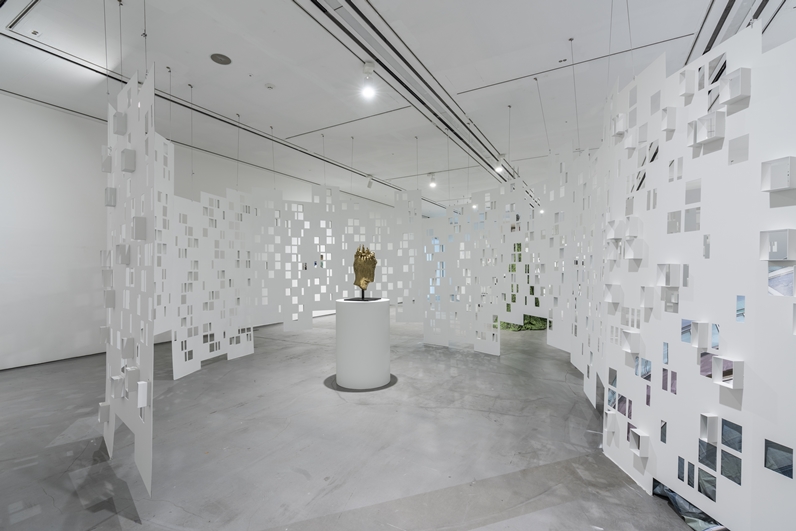
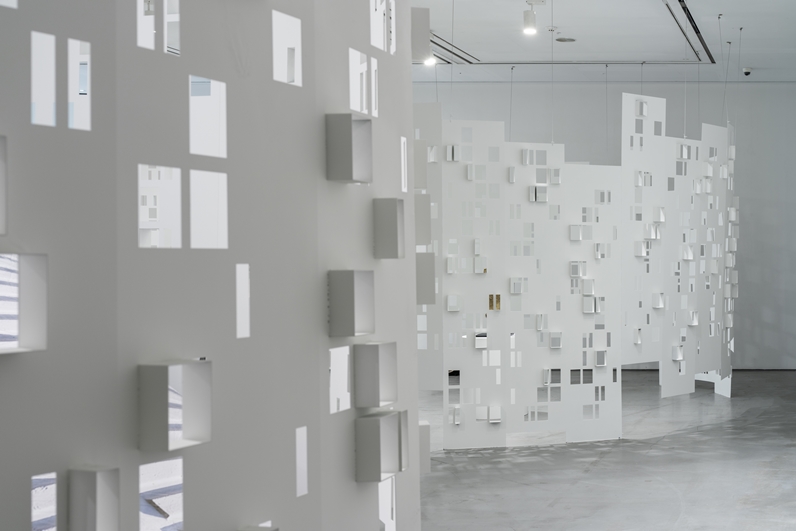
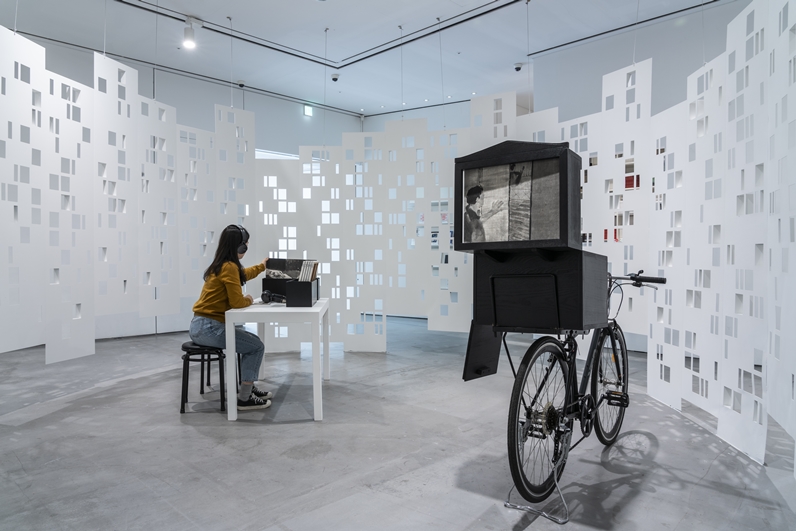
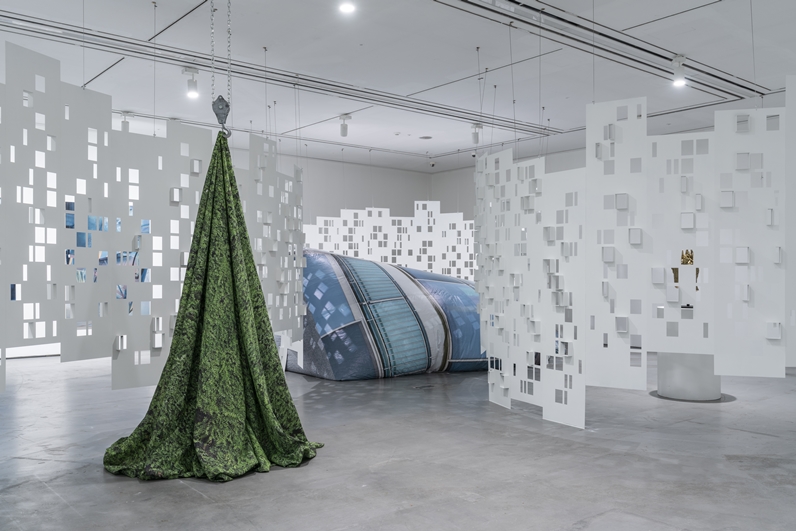
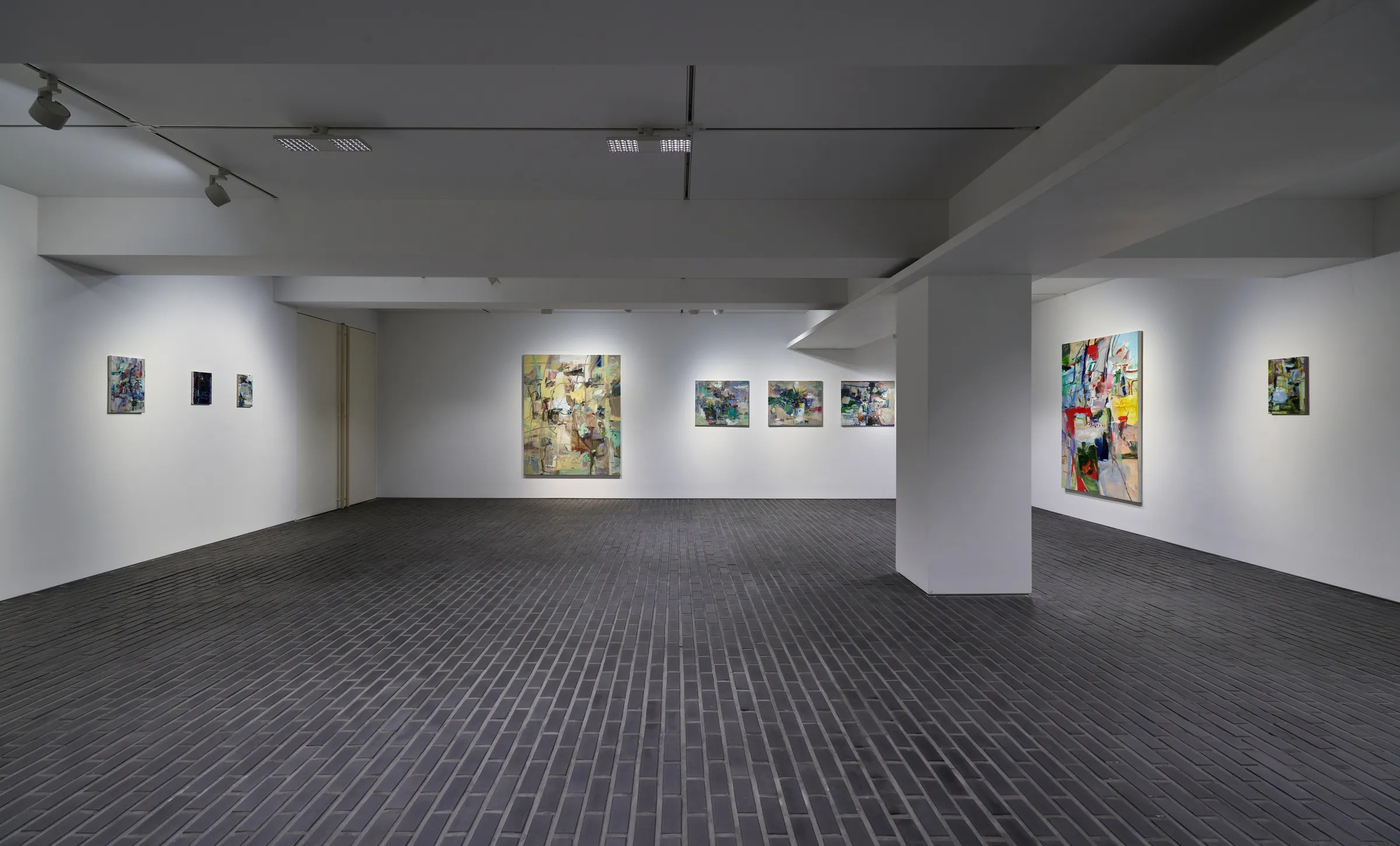
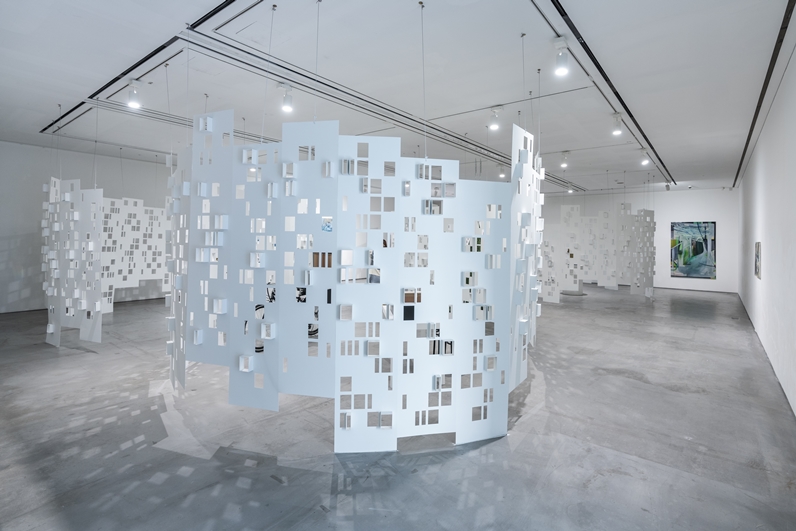
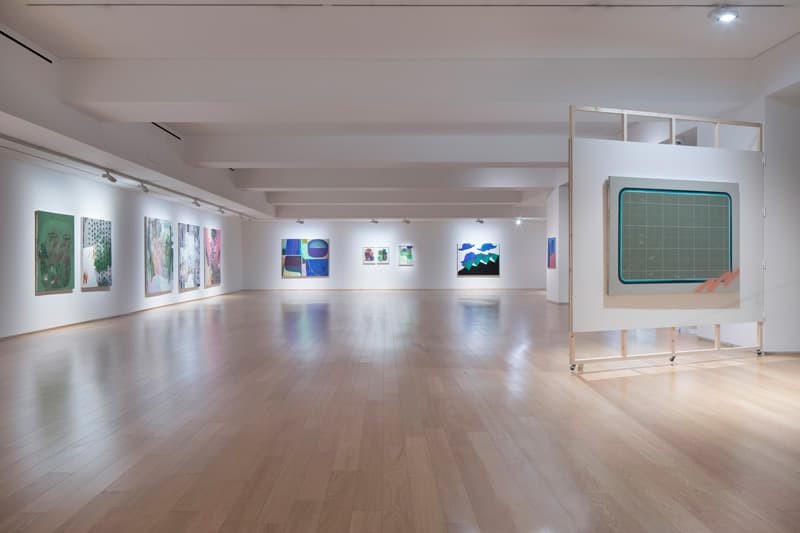
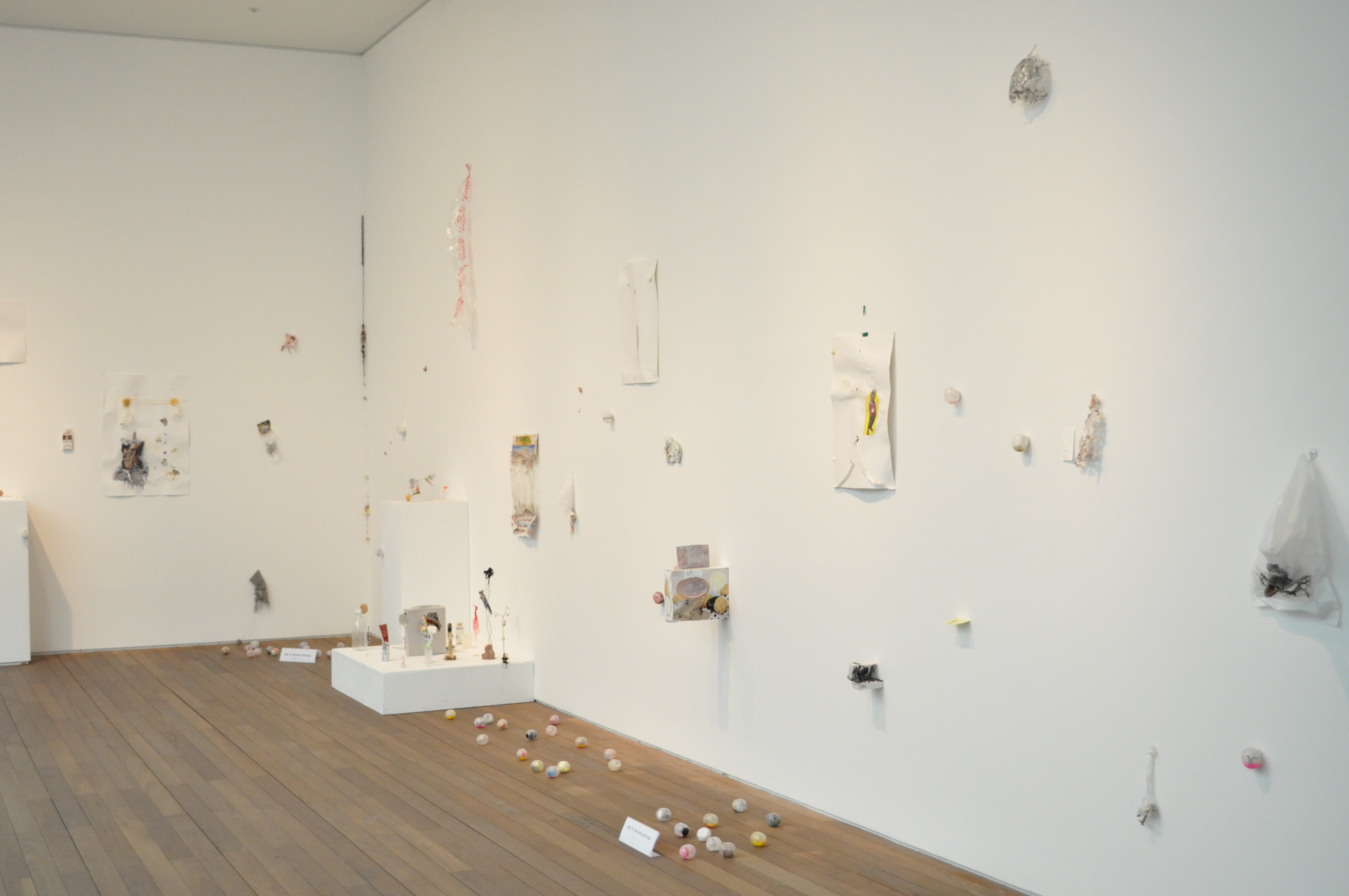
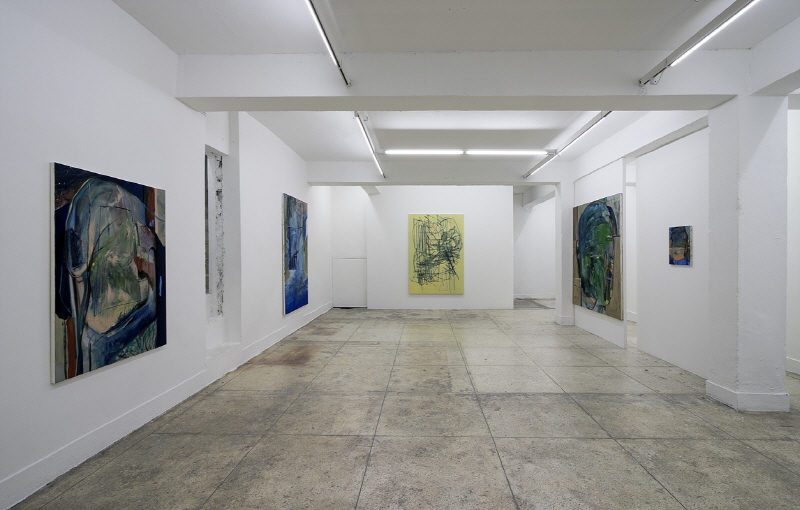
The theme of 2019 DOOSAN Humanities Theater is ‘Apartment Nation.’ DOOSAN Gallery presents the DOOSAN Humanities Theater Special Exhibition 《Our Paradise, Probably a Great Place》, from May 1st to June 22nd, 2019. Through works by Koo Jiyoon, Inbai Kim, YongJu Lee, Ikjeong Cho and Moonjeong Hwang, the exhibition takes a multifaceted stance on the unique contemporary landscapes created by apartments in Korea.
What significance lies in the fact that over 70% of the population in Korea live in apartments or desire to live in one? Koreans seem to have an exceptional assurance and yearning for ‘apartments’, one of many different forms of communal dwellings (houses, townhomes, semi-detached, multiplexes, condominiums, etc).
One can easily comprehend how such phenomenon is a specific outcome of the political, social and economical background of Korea in the context of the Korean history after the Korean War. Then, how should we look at the contemporary landscape of Korea, encroached upon by jungles of apartments that have now become so familiar to us?
In any city in the world, it’s only natural that the old vanishes and the new appears. The dwelling space is bound to go through changes, at times rapidly and at times gradually, depending on various elements such as its region and conditions of the time. Some may reject such changes at times, but they usually accept and eventually adapt to the general trends.
Having gone through a rapid economic development in a short period of time, we are where we are today without having had any discourses about the process and reflections of criticism on its outcomes. As a result, perhaps we’ve become so used to believing, without even thinking about it, that only the new has values worth pursuing and the old must be discarded, coated over and concealed for it to be worth anything.
The indiscriminate urban construction that has been steadily progressing since the Korean War destroyed old city organizations and transplanted huge jungles of apartment buildings by wiping off all old houses without leaving vacant the smallest plots of land. This would have been a new yet terrifying change never experienced by anyone.
In particular, the generation of people born in Korea in 1970s-80s spent their childhood in the midst of such transformations. And many artists of this generation ask themselves questions through meaningful and familiar mediums, in order to understand and internalize such rapid changes.
The five artists participating in this exhibition suggest the viewer to think about what lies on the other side of the landscape of apartments which we have never thought about before, ‘to see a world in a grain of sand’ as reflected by William Blake, and to think about the very place of our existence today.
As an architect, YongJu Lee presents structures that interpret the urban architectural landscape through his own perspective, while Ikjeong Cho’s installations with narratives which delicately capture how the familiar environment affects the human inner world invite us to reflect on our own lives.
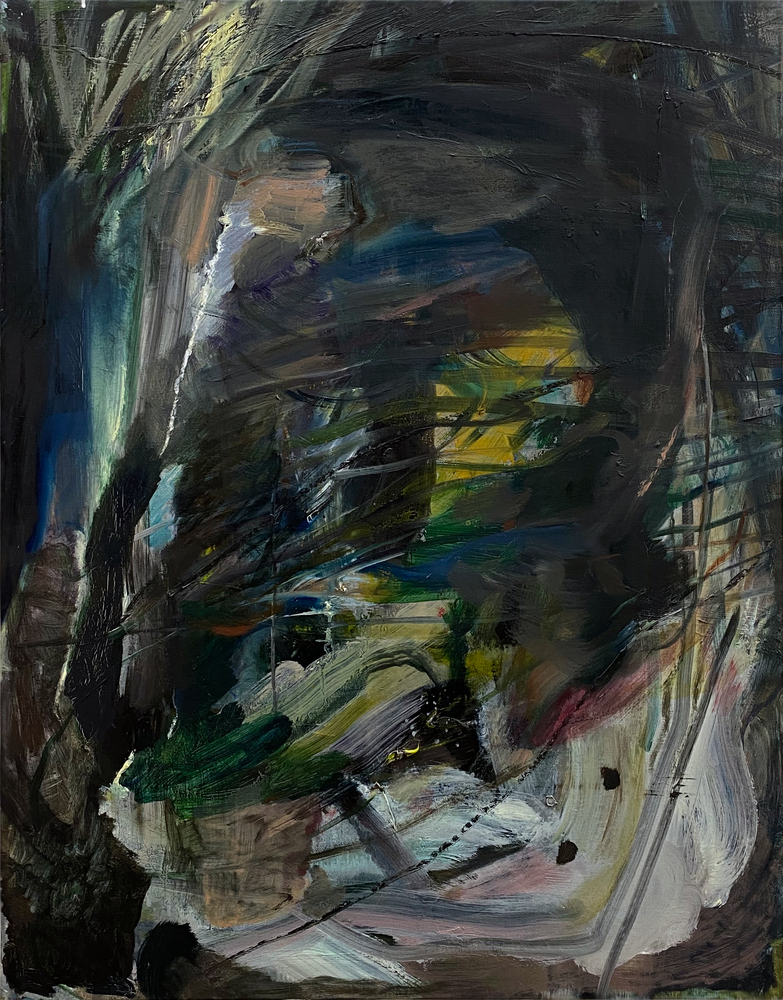
On the other hand, Koo Jiyoon expresses the violence and futility in the repetitive circulation structure that originates from the speed of urbanization, and Moonjeong Hwang’s sculptures and installations express the clashes and strangeness in the ecological process and changes in the city where creation and extinction repeat themselves. Finally, Inbai Kim challenges existing concepts and perceptions, question them, and perpetually strive to collapse boundaries and borders through his sculptures.