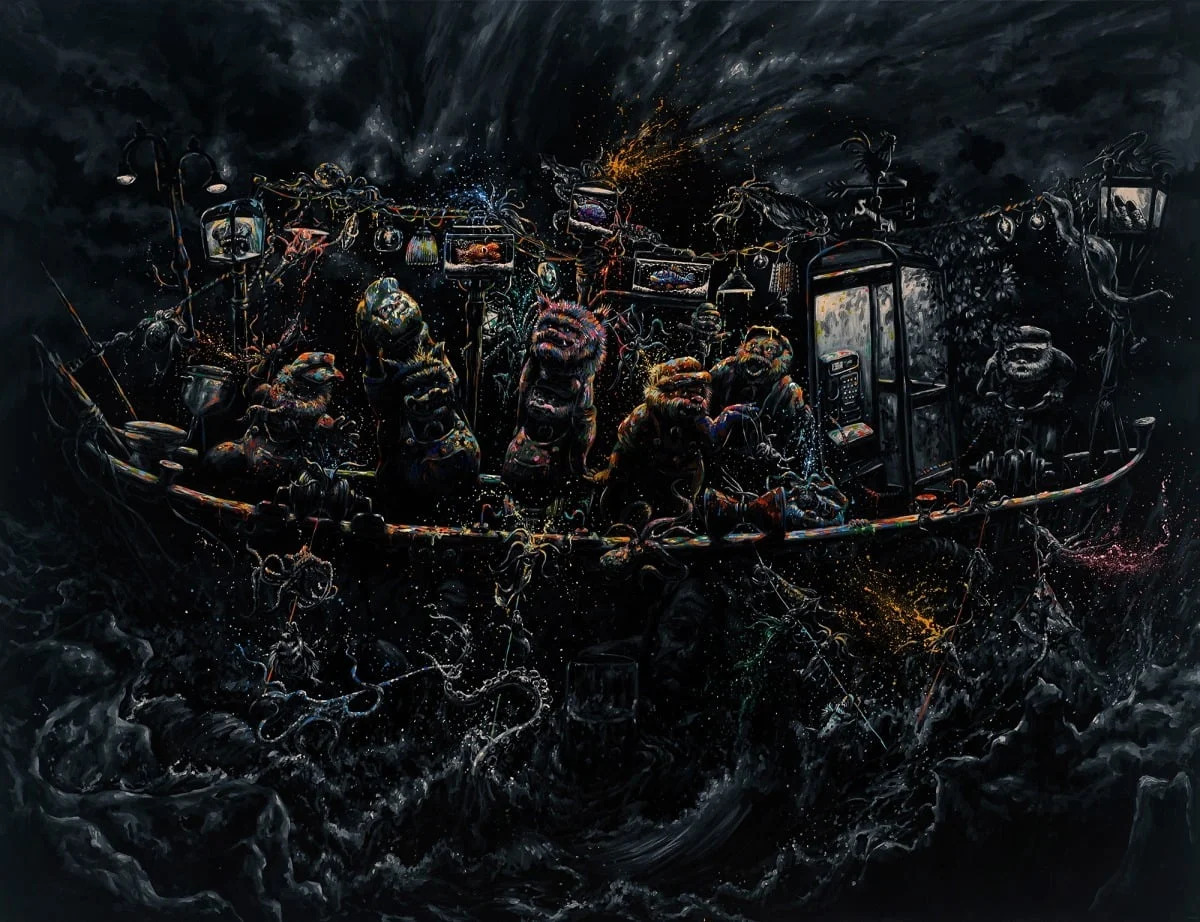
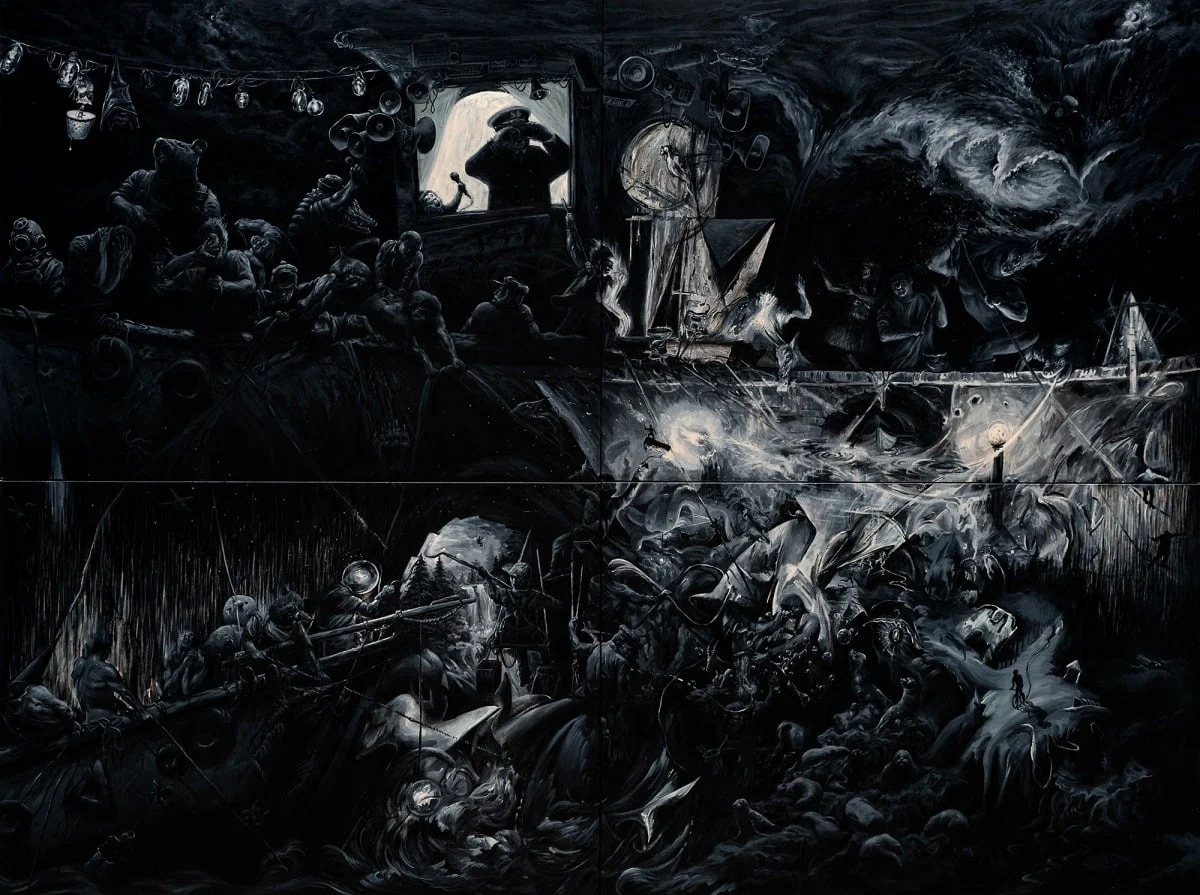
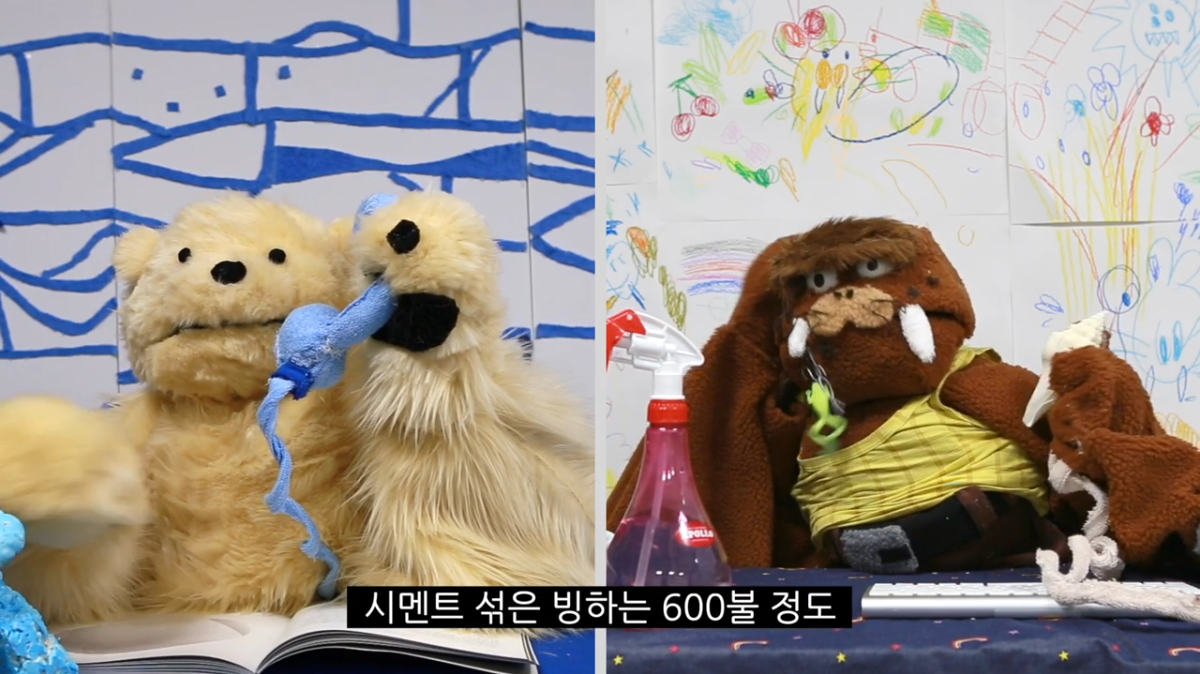
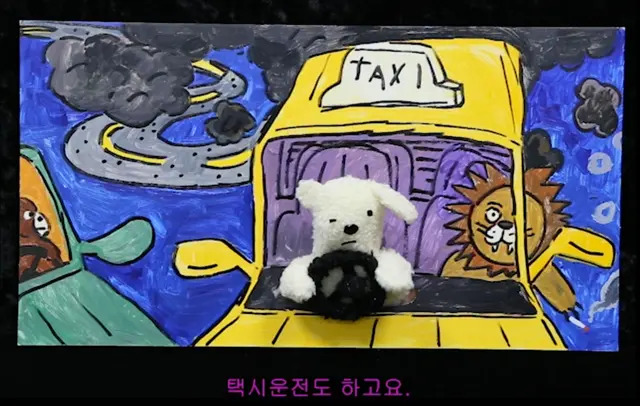
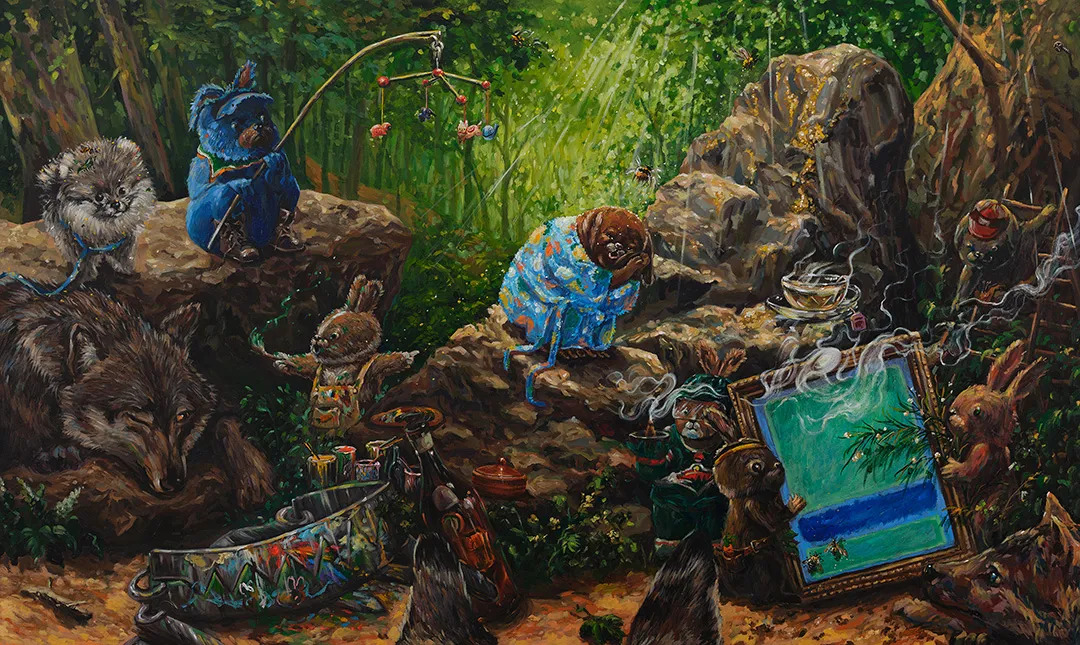
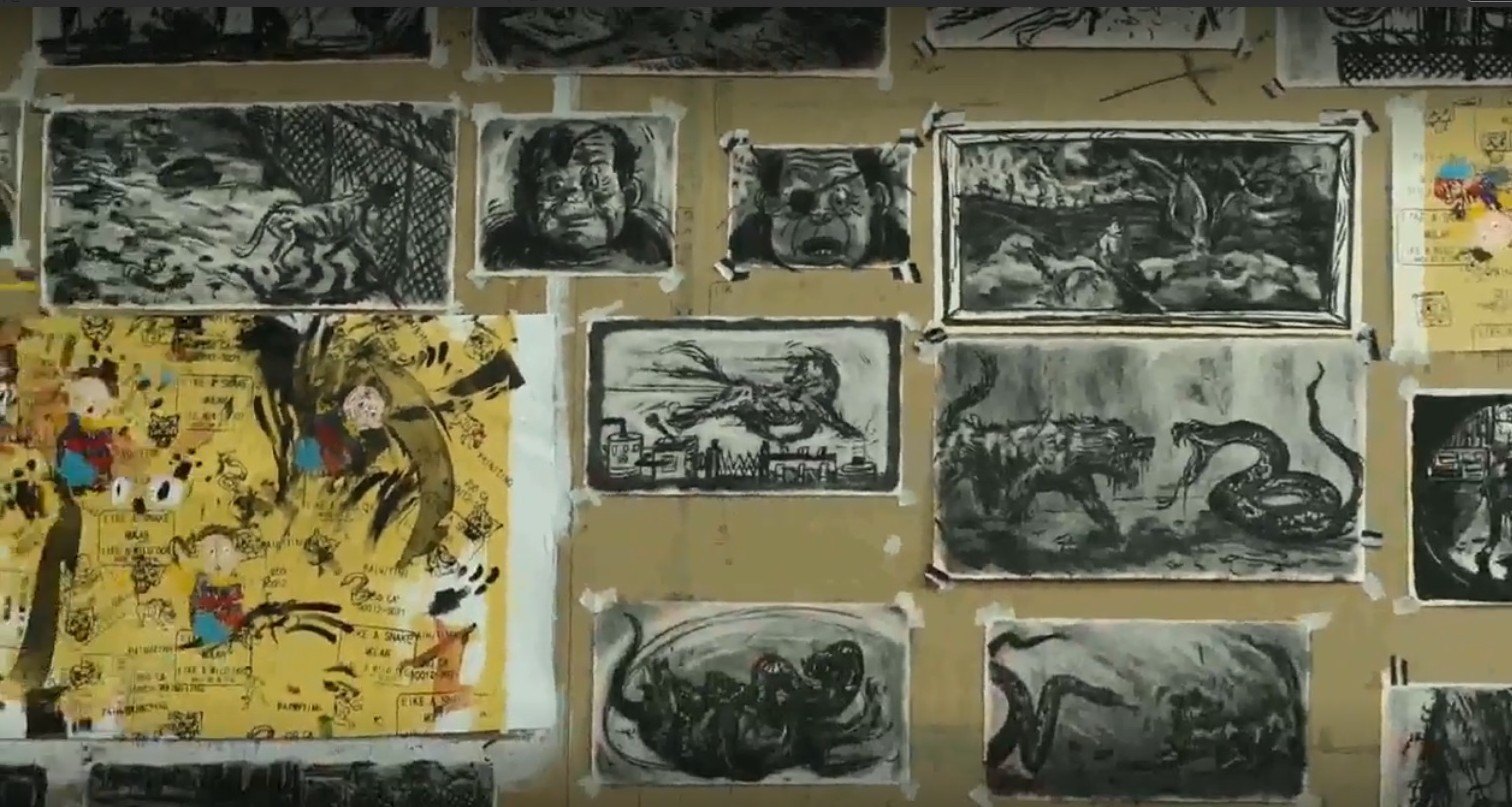
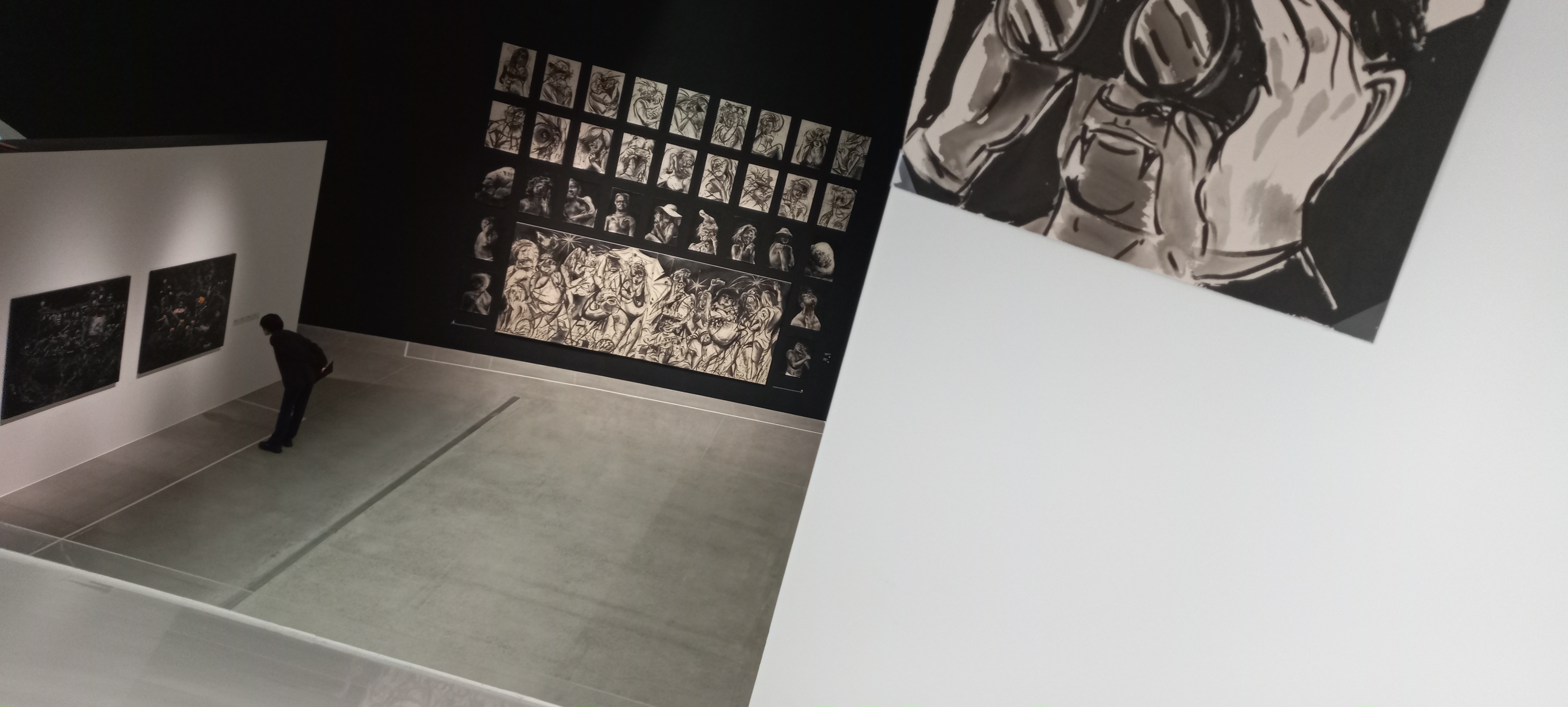
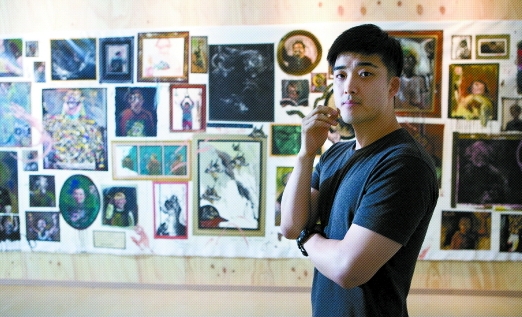
Like A Snake, Like A Wild Dog (2015) demonstrates more clearly than perhaps any other work that movement in Bae Yoon Hwan’s animations is merely a secondary effect generated through the diligent passage from one image to another. What this work effectively presents is the wall of Bae’s former studio itself—or more precisely, the drawings attached to it—which no longer exists in that form.
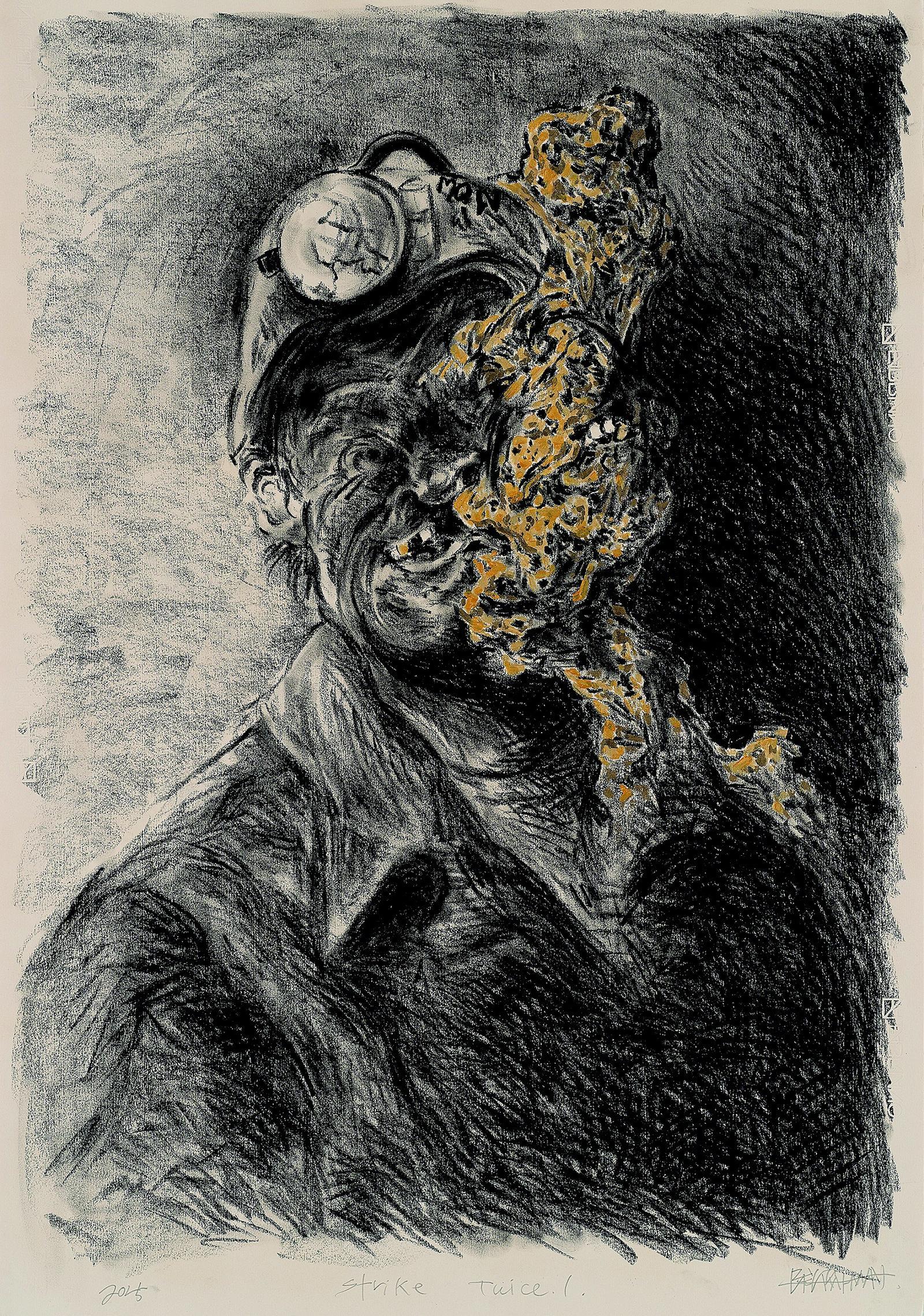
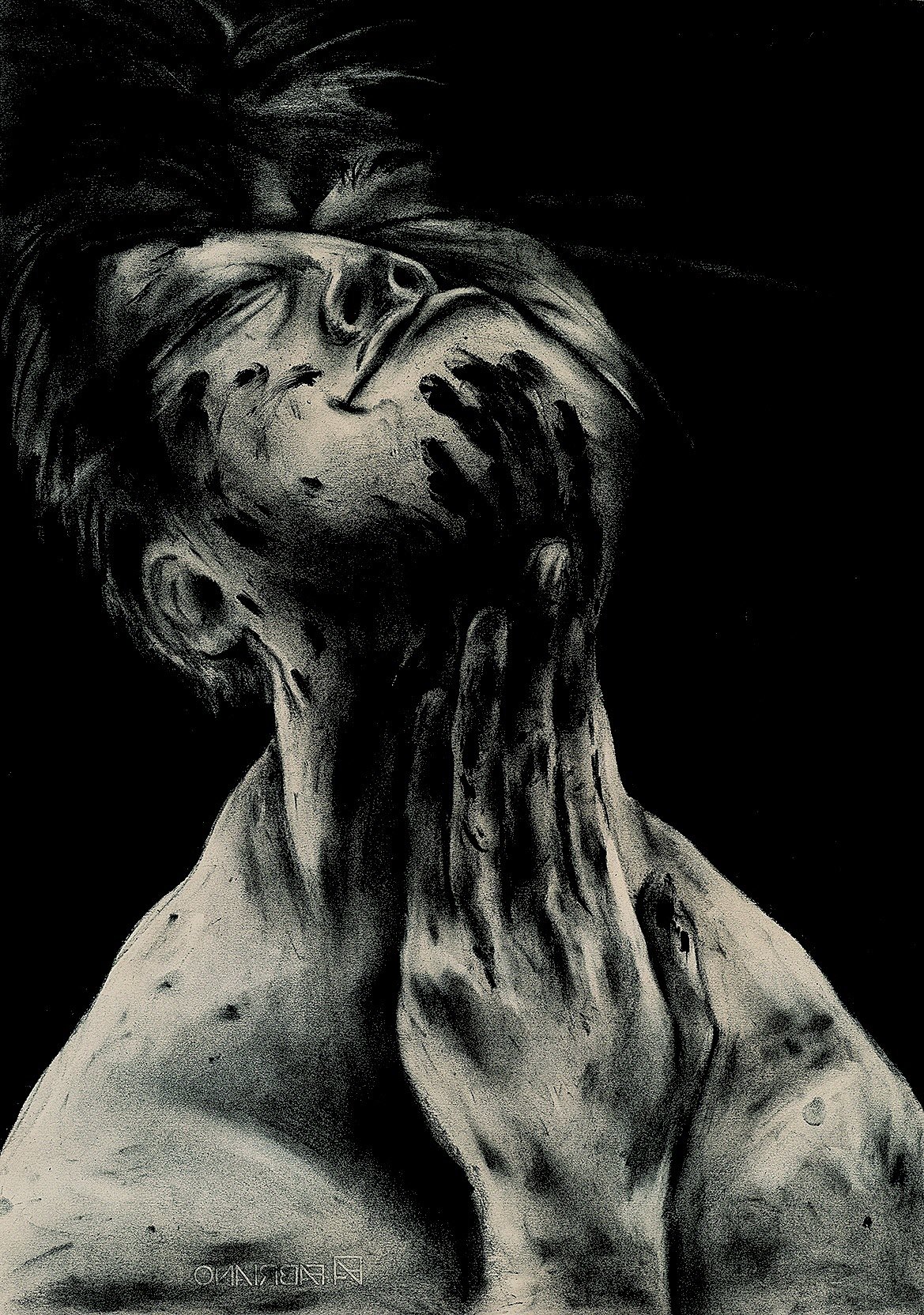
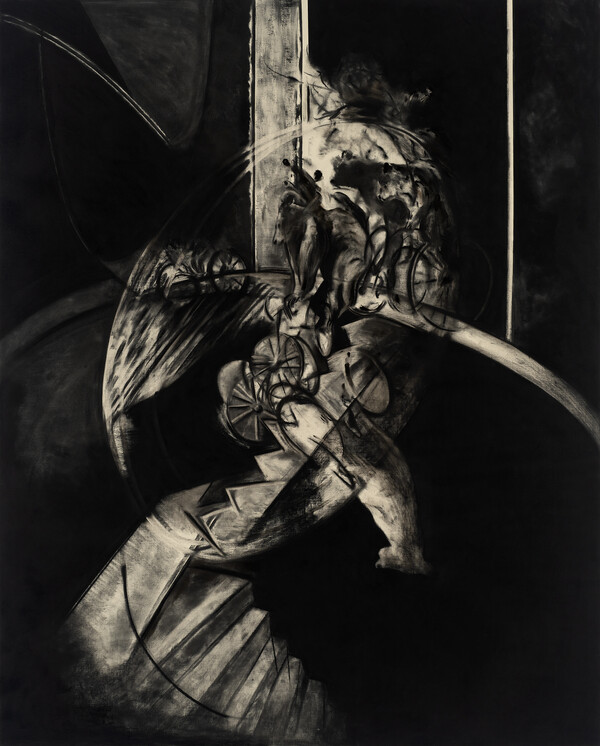
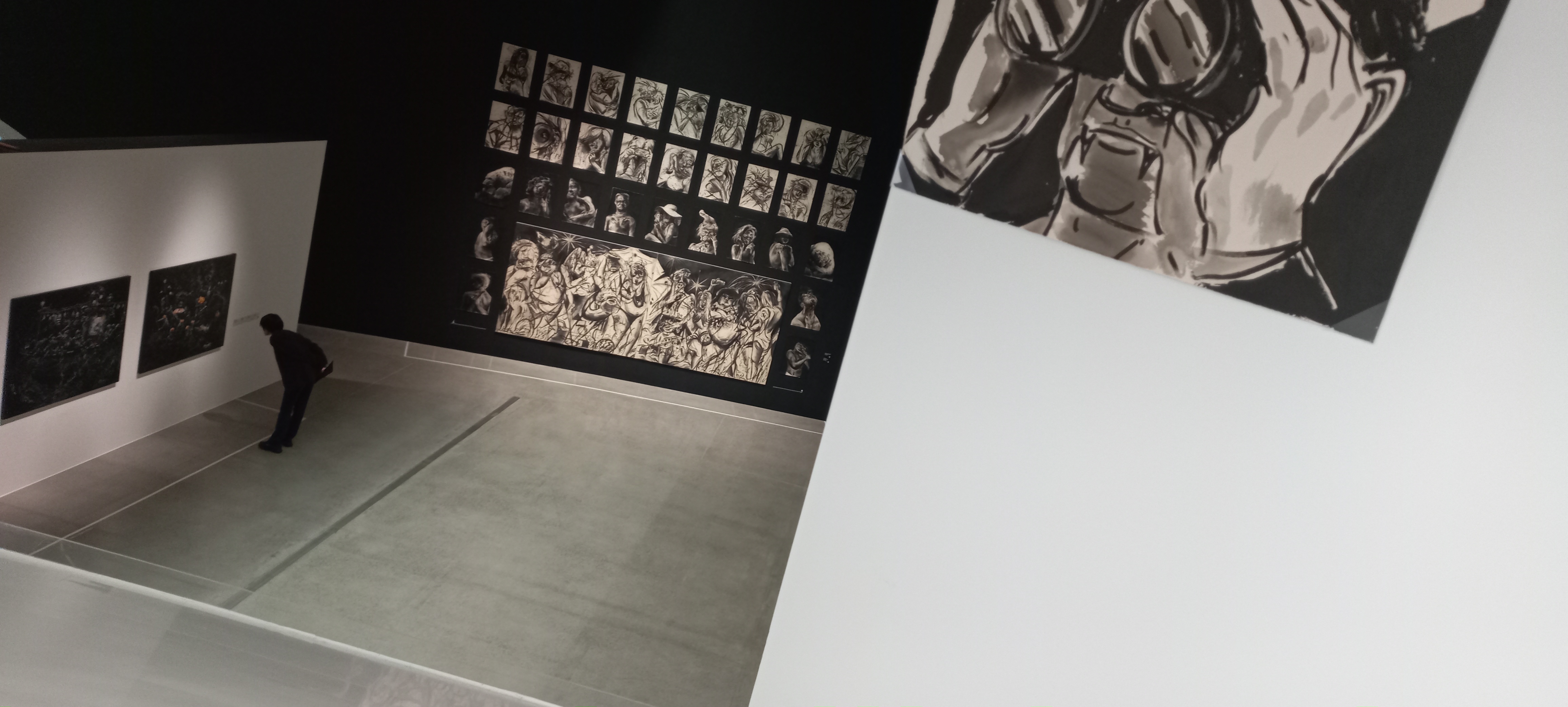
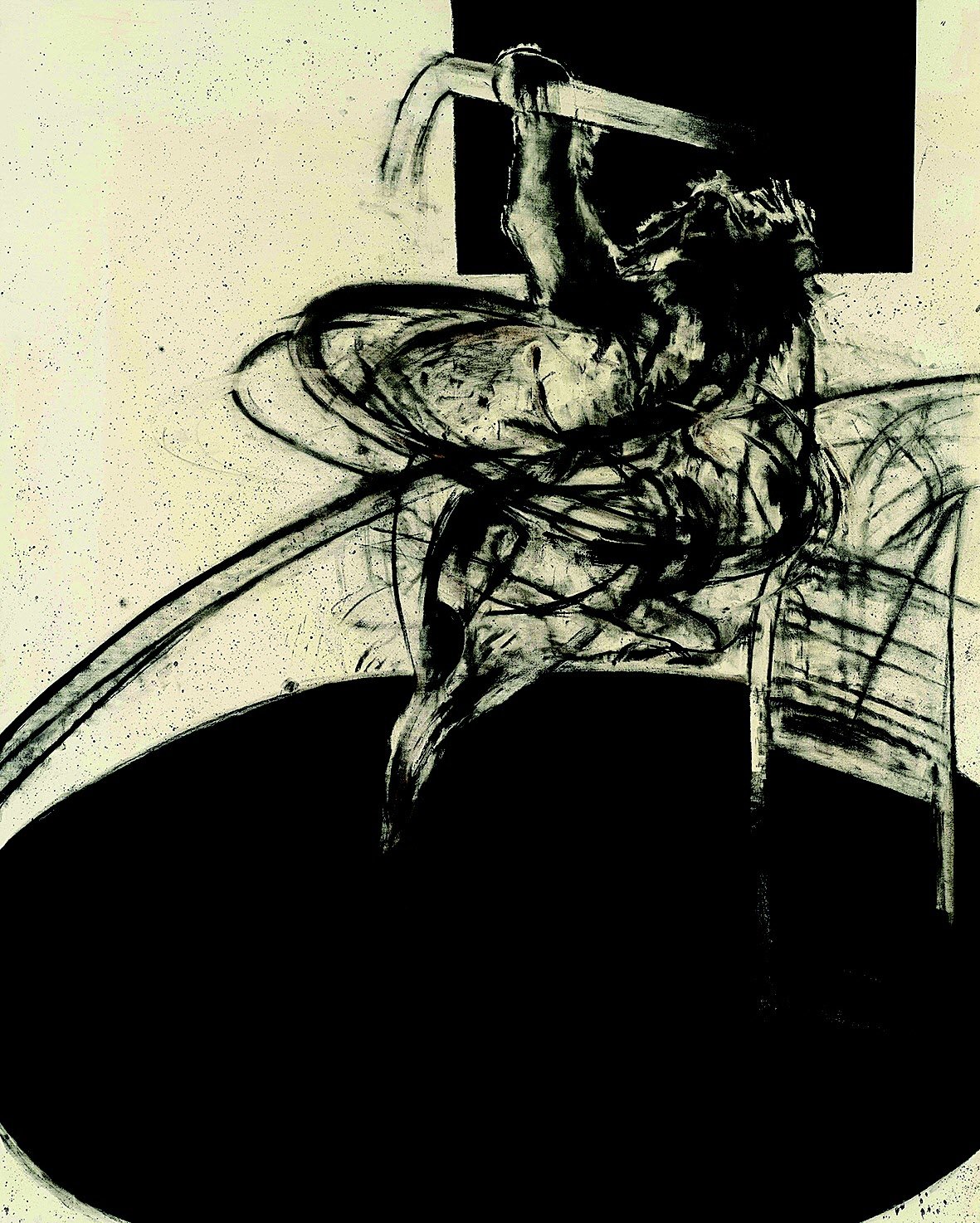
The same can be said of works such as Paint it Black (2017) and Who Owns the Field? (2015), both of which were created through the repeated process of erasing portions of charcoal drawings on paper, slightly altering them, and drawing them again. In these works, erased images survive only as traces upon the surface.
A similar observation applies to Road to Studio B (2019) and Lobster Quadrille (2020), which employ clay animation techniques. Here as well, the succession of forms repeatedly transformed by the artist’s hands is more important than the movement generated through their sequential continuity.
One might therefore describe Bae as working more like a sculptor than a painter in such works—but certainly not as an animator in any conventional sense.
Put differently, when making animations, Bae often appears less as someone who animates than as someone who records; less as a creator than as a destroyer. It may even be more appropriate to describe him as a “decreator,” insofar as he devotes himself to a practice in which acts of destruction themselves become acts of creation.
He is someone who makes things destined to be destroyed and records them before they disappear, and his animations are nothing more—and nothing less—than successive chains of such recorded images. Drawings are erased and redrawn; sculptural forms that temporarily assume a particular shape are soon distorted or transformed into something else.
In this regard, it is significant that Record of Destruction (2019), which employs doll-like characters constructed through assemblage rather than easily erasable materials such as charcoal or clay, takes as its central motif a machine that shreds documents into pieces.
Even when his animations are not developed through the continual alteration and revision of images or objects he has made himself, the work nonetheless reveals destruction as a fundamental motif running throughout his practice.
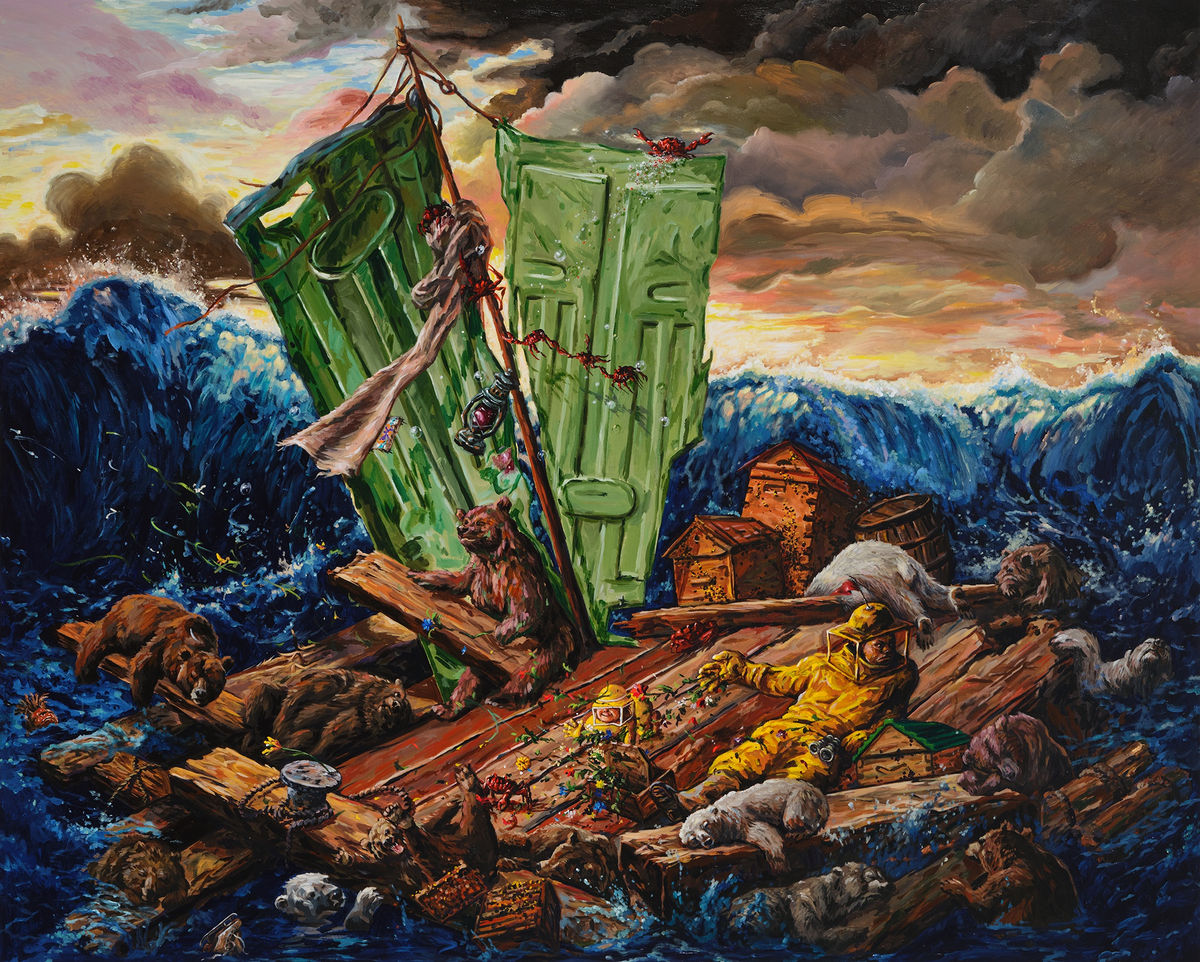
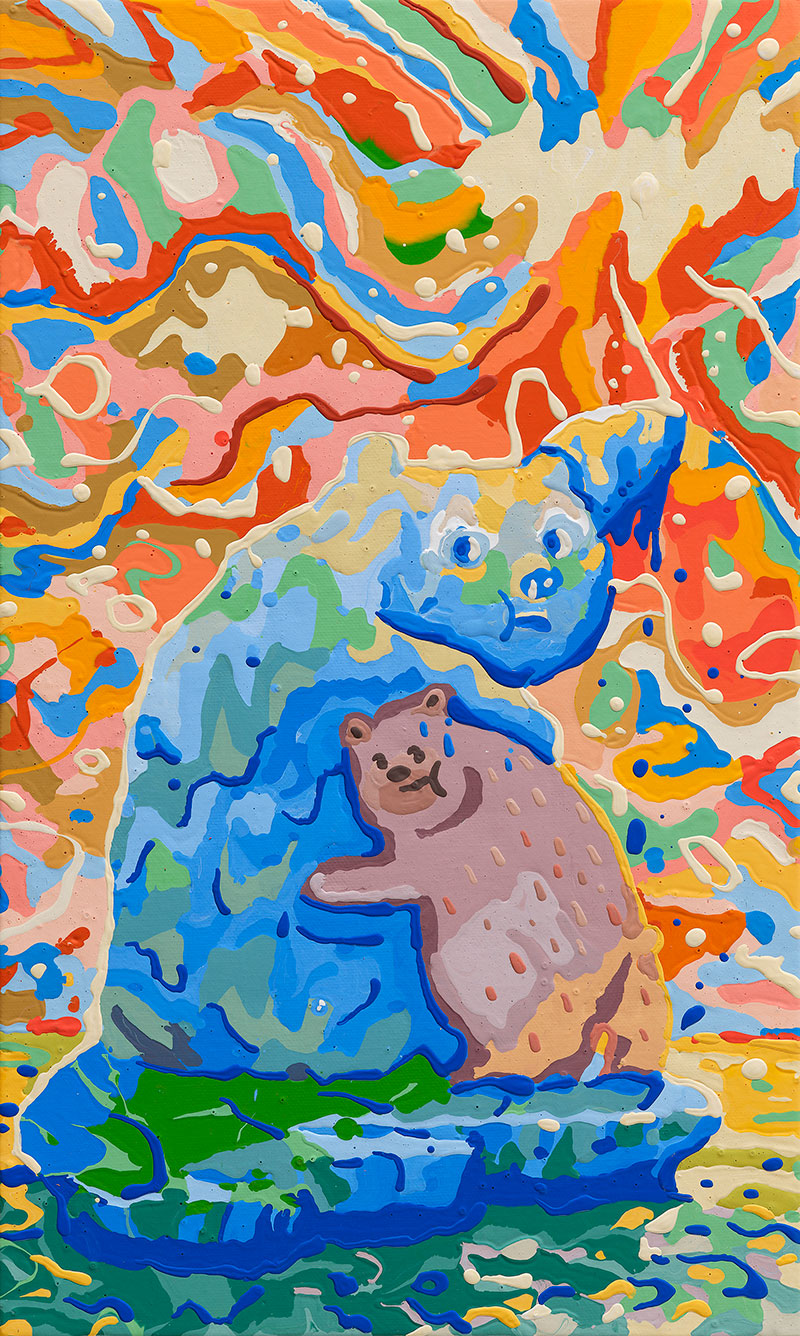
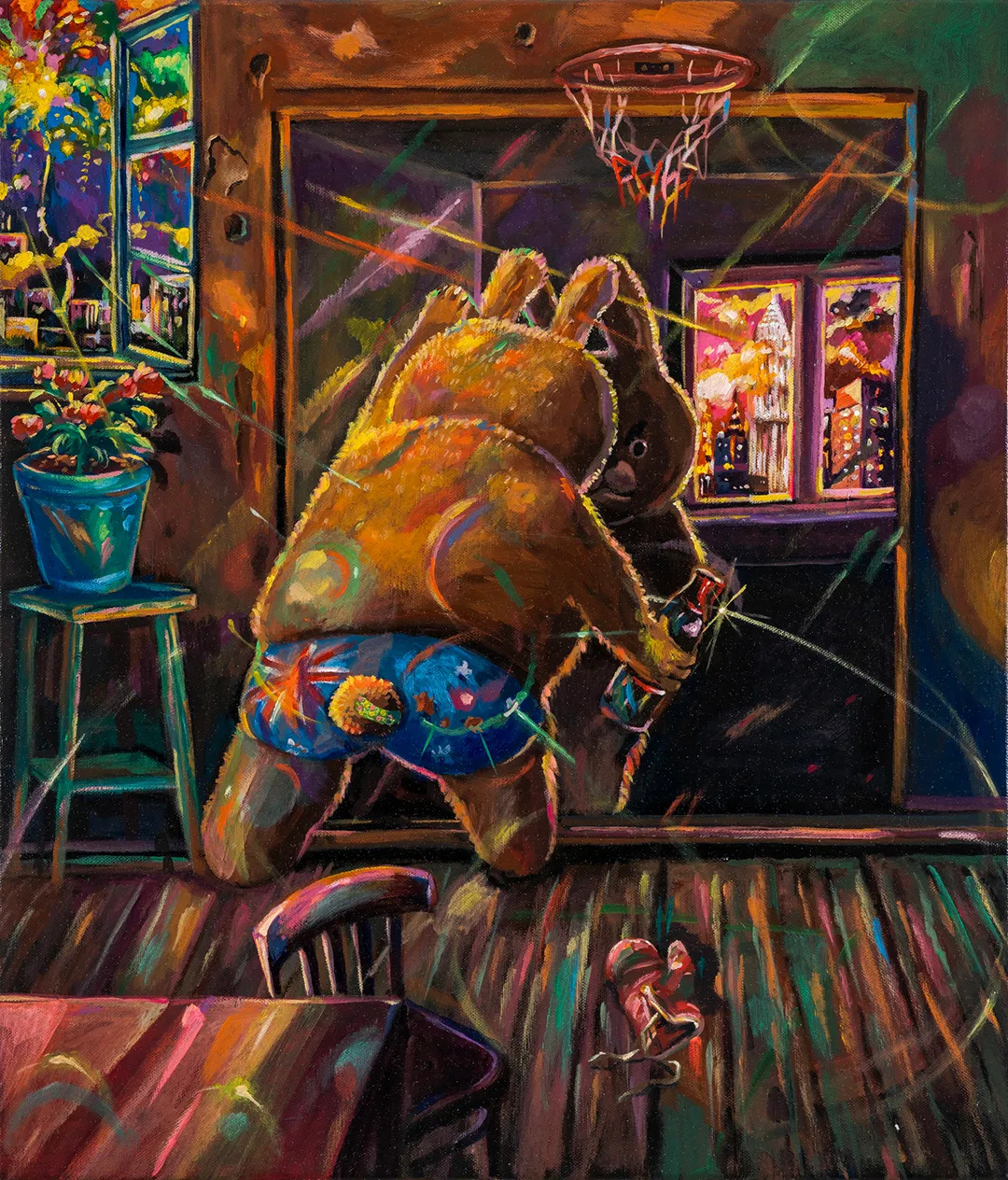
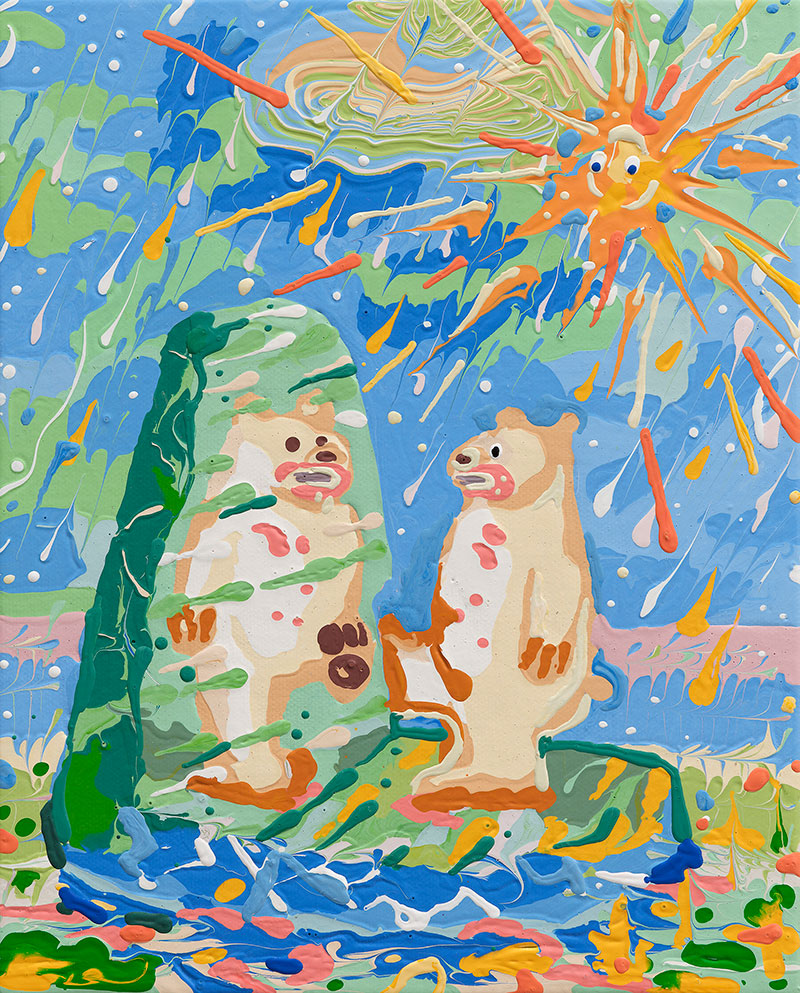
His most recent video works, Chuckle Cracking Sea Ice (2023) and Sunday New Releases (2023), also make use of doll-like figures. Yet the relationship between the motif of destruction and the plight of polar bears facing the loss of their habitat—and perhaps even their sanity—due to global warming hardly requires further explanation.
The destructive impulse that runs so clearly through Bae Yoon Hwan’s video practice emerges as an obsession powerful enough to overshadow the stated subject matter, even in works that place the urgent contemporary issue of climate crisis at their center.
A series of paper sculptural works produced during his residency at Incheon Art Platform in 2023, though not presented in video form, perhaps reveal most starkly his character as a “decreator.” Constructed by cutting, tearing, and manipulating paper boxes—materials inherently vulnerable to damage—these fragile forms stand far removed from the sculptural ideal of inscribing permanence into space.
Instead, they are closer in spirit to the protagonist of Lobster Quadrille, whose body is made from a partially eaten apple and whose face is modeled in clay.
Bae has acknowledged that his frequent moves from one studio to another have significantly influenced his artistic practice. Rather than focusing solely on content or subject matter, he increasingly finds himself considering ease of handling, transportation, and ultimately the possibility of “disposal.”
His observation points directly to a dilemma of contemporary life: when it becomes impossible to maintain the belief that any given situation will endure for long, only two options seem to remain available to us. Yet what if there were a way to embrace both possibilities at once rather than choosing between them?
It may be that the modest animation file—created by recording a succession of images and sculptural forms destined for destruction and linking them together in sequence—appeared to Bae as the ideal solution. Significantly, it was only through the Bucheon International Fantastic Film Festival that his video works were eventually converted into DCP, the substantial digital cinema format used for theatrical screenings.
Yet we should not overlook the fact that, as a painter, Bae Yoon Hwan’s ultimate obsession lies above all in superposition. This obsession, too, originates in the instability of surfaces in the present moment. Rather than arranging surfaces destined to disappear or transform in a sequential chain, superposition seeks to place them all on top of one another at once.
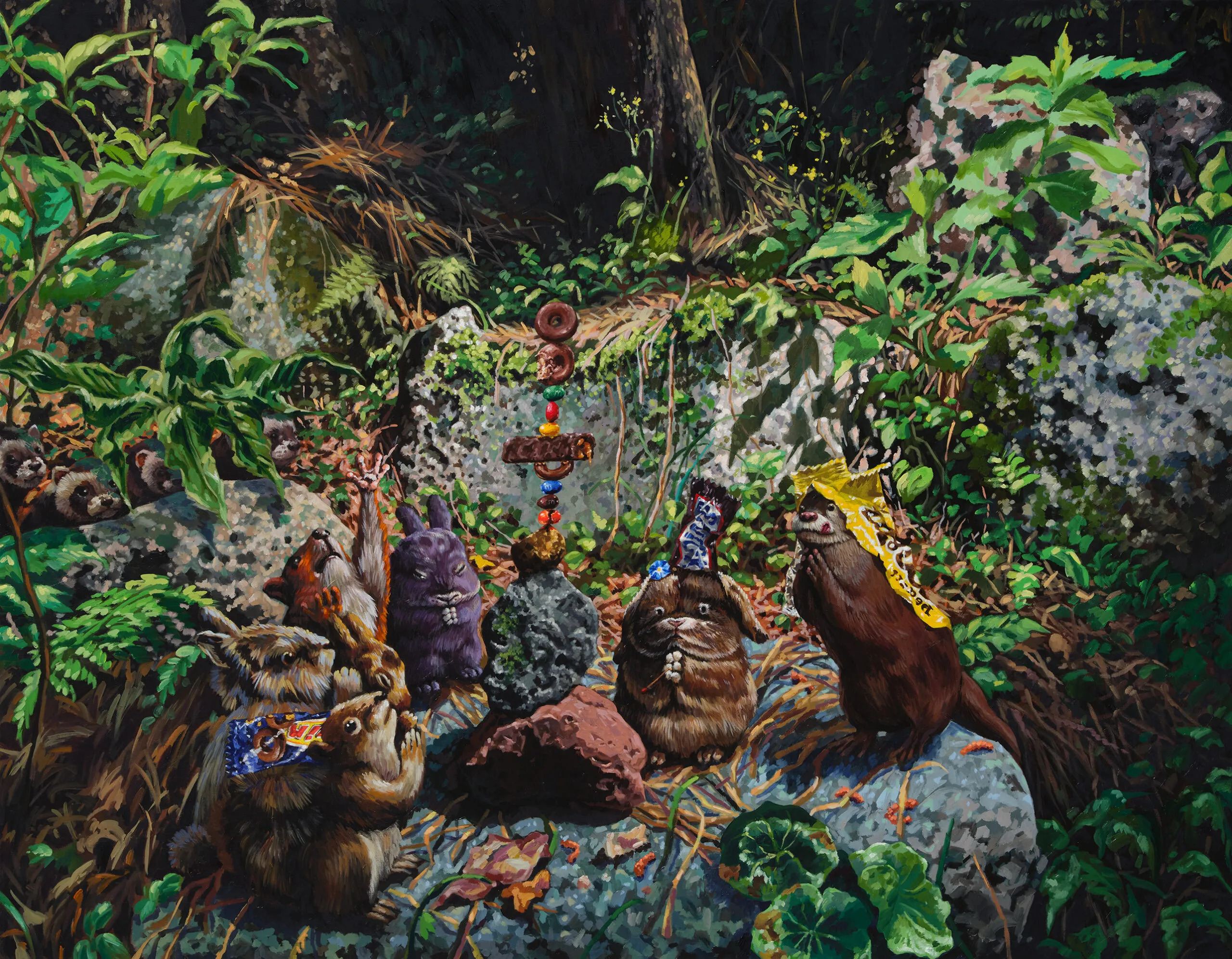
The result approaches what the artist once described as “a painting in which all paintings are kneaded together into one” (Like A Snake, Like A Wild Dog). At times, it even seems as though Bae wishes the stories evoked by his quasi-fable-like works to reach us less as narrative content or thematic meaning than as the overlapping accumulation of countless sounds.
As he suggests in Self-Portrait (2017), “stories—or rather sounds—swarm like ants.” In painting, however, such superposition can only exist as an unattainable ideal. It remains an aspiration that can never be fully realized.
Perhaps this is why Bae is repeatedly drawn to juxtaposition, a kind of intermediate stage situated between the sequentiality of animation and the ideal of superposition in painting. This method places images side by side that are not entirely random but are connected only through faint associative links.
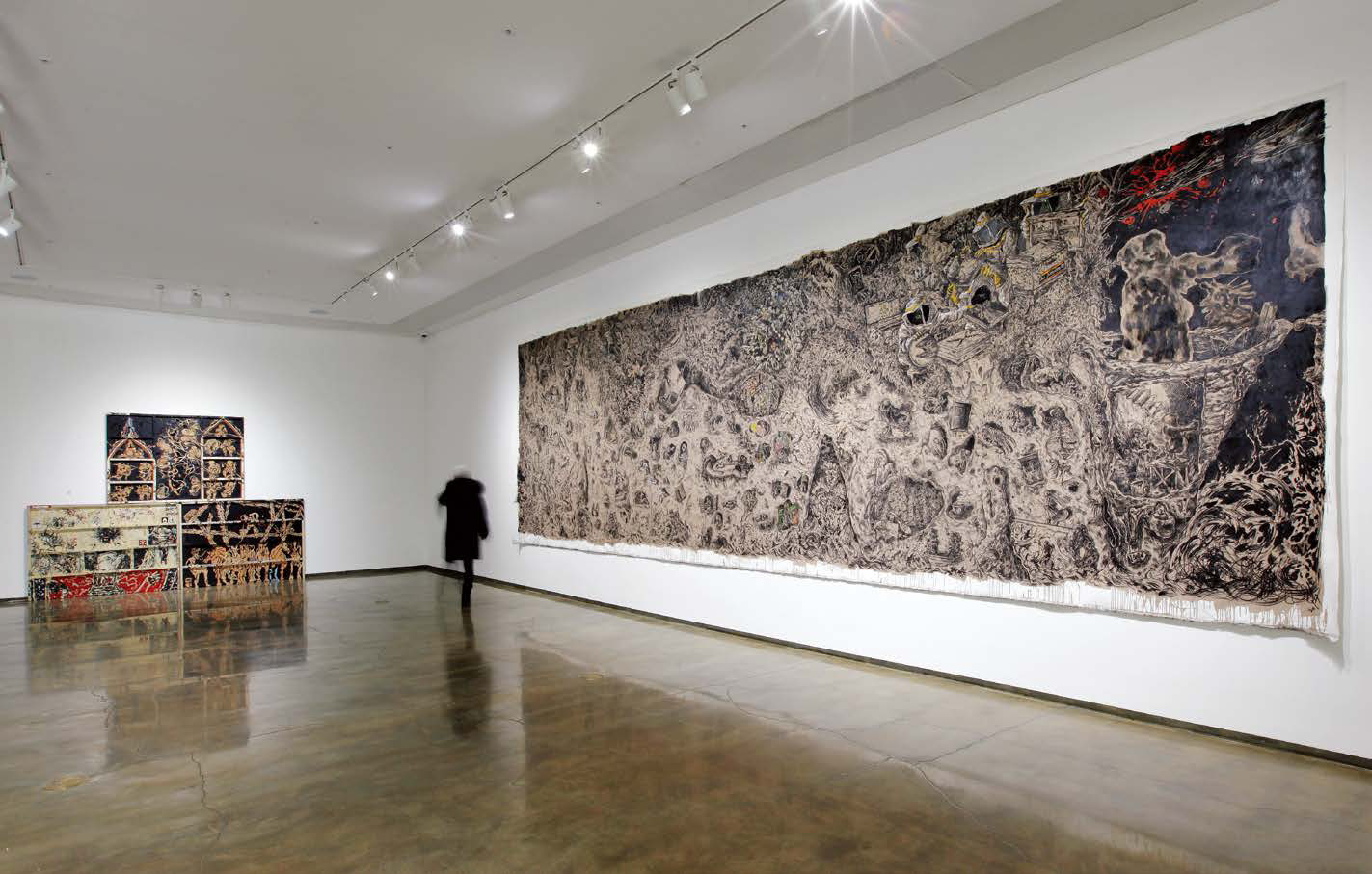
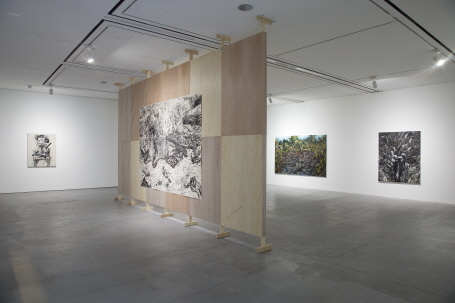
It can be traced from the fifty-meter-long scroll painting WAS IT A CAT I SAW? (2014), which was so large that even the artist himself could never view it in its entirety while making it, to the illustrations included in the publication Lobster Quadrille, where stories and sketches coexist on the same pages (particularly page 281), and further to grid-like works such as Anyway, The Line Is Short, composed of multiple carved wooden panels.
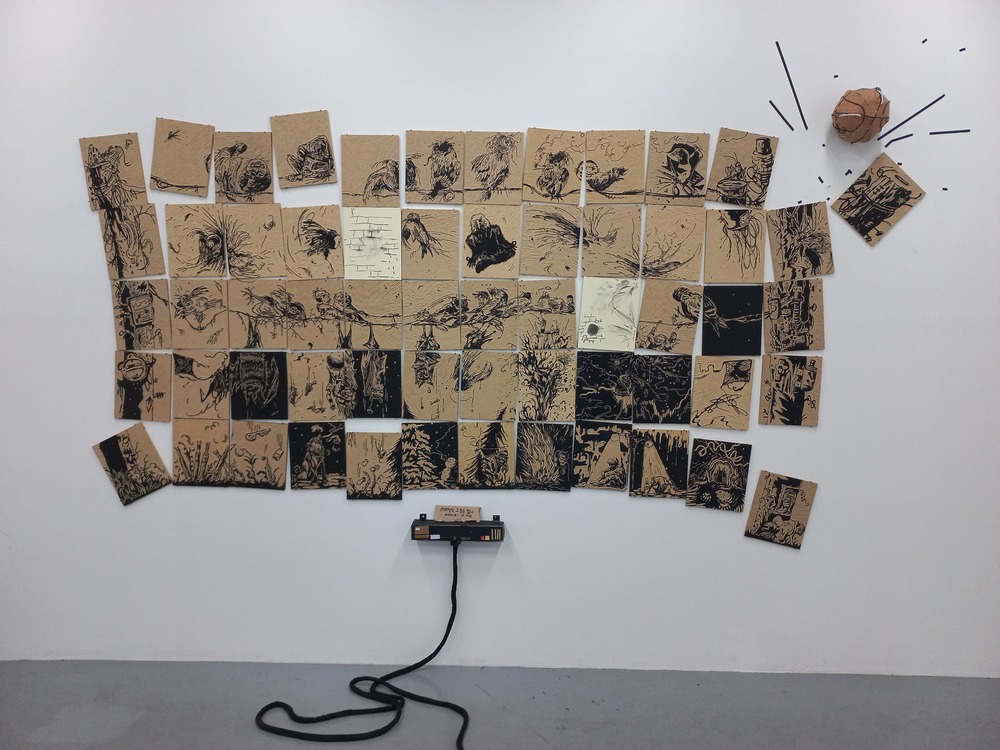
Standing before Anyway, The Line Is Short (2023), one finds oneself nodding almost involuntarily. Certain sections have been patched with paper in place of wooden panels, while corners throughout the work appear misaligned or disrupted.
Most strikingly, a paper basketball attached to the upper-right wall seems to lightly strike one of the panels, causing it to fall away. This small gesture reveals Bae Yoon Hwan’s destructive obsession in an unexpectedly gentle—or perhaps vulnerable—manner.