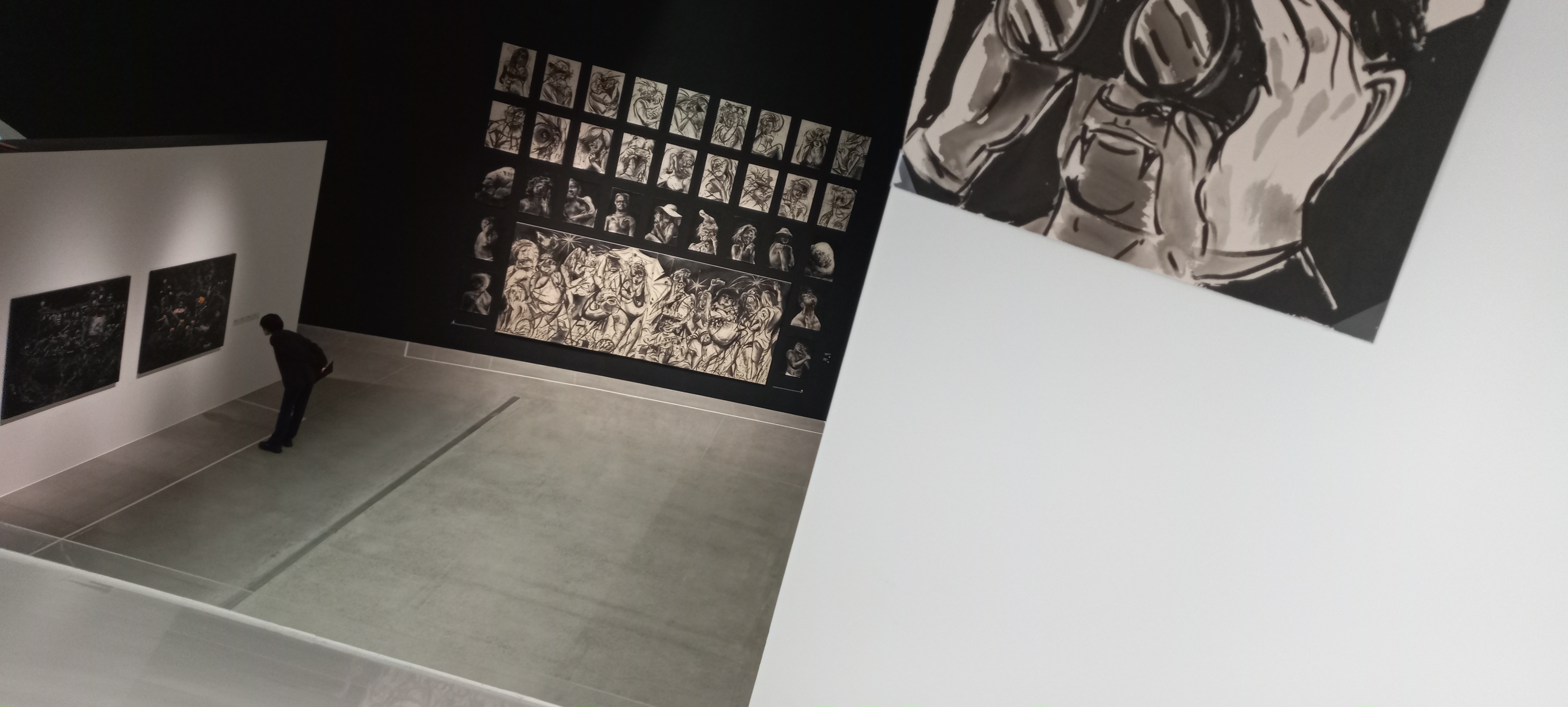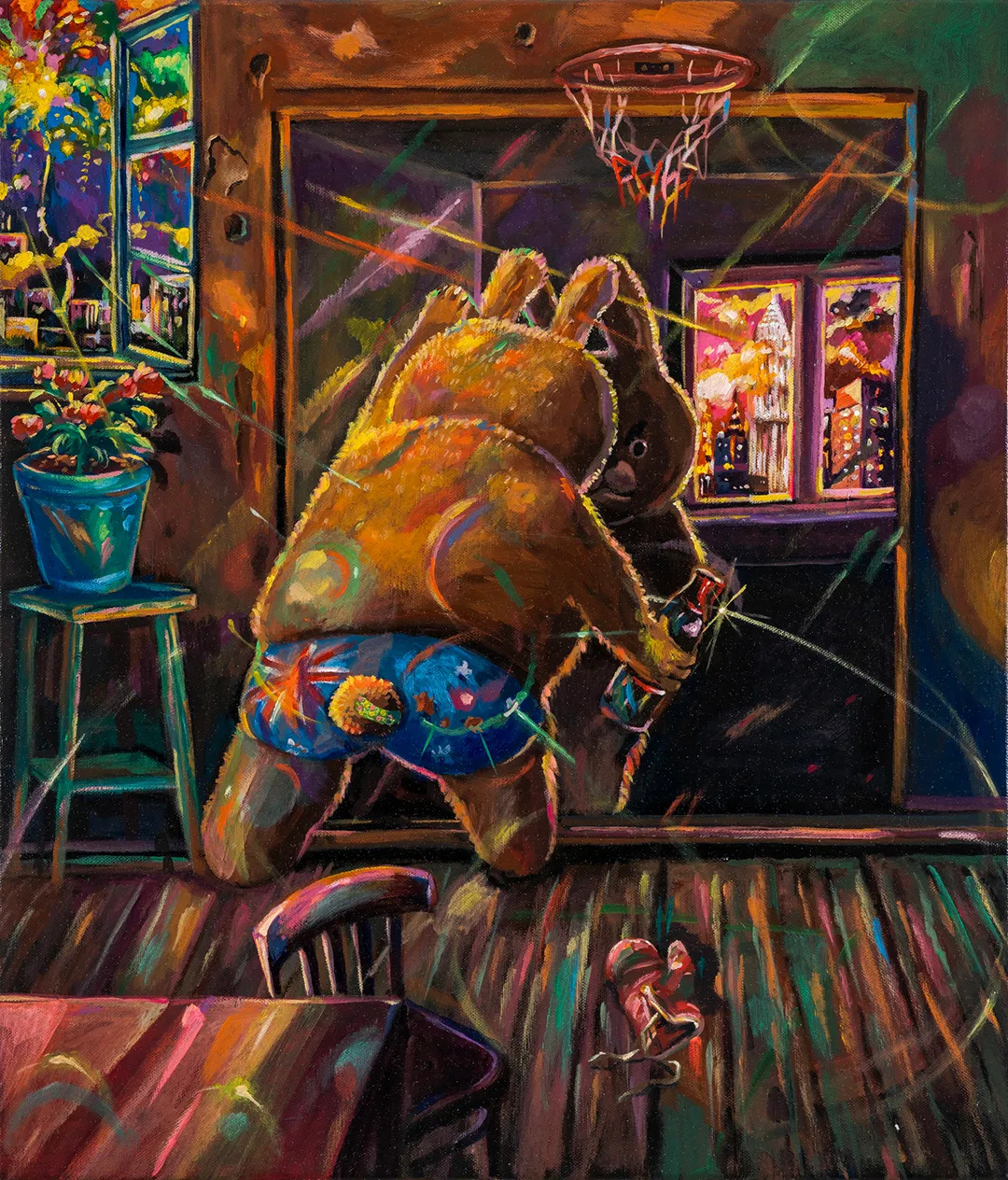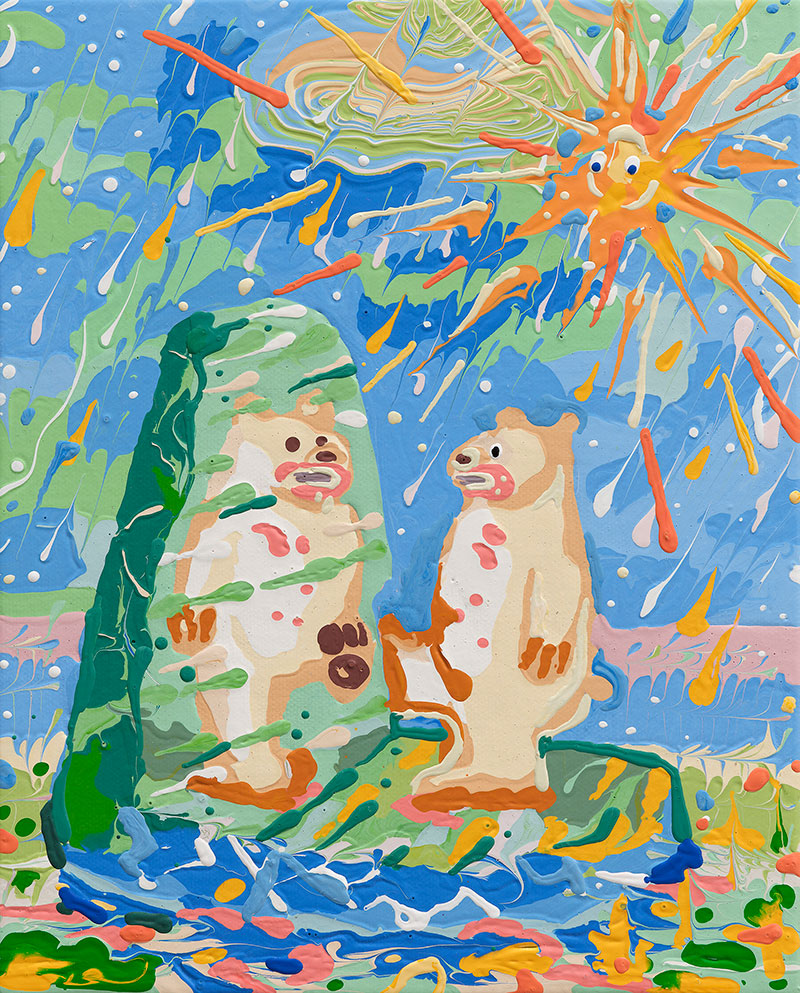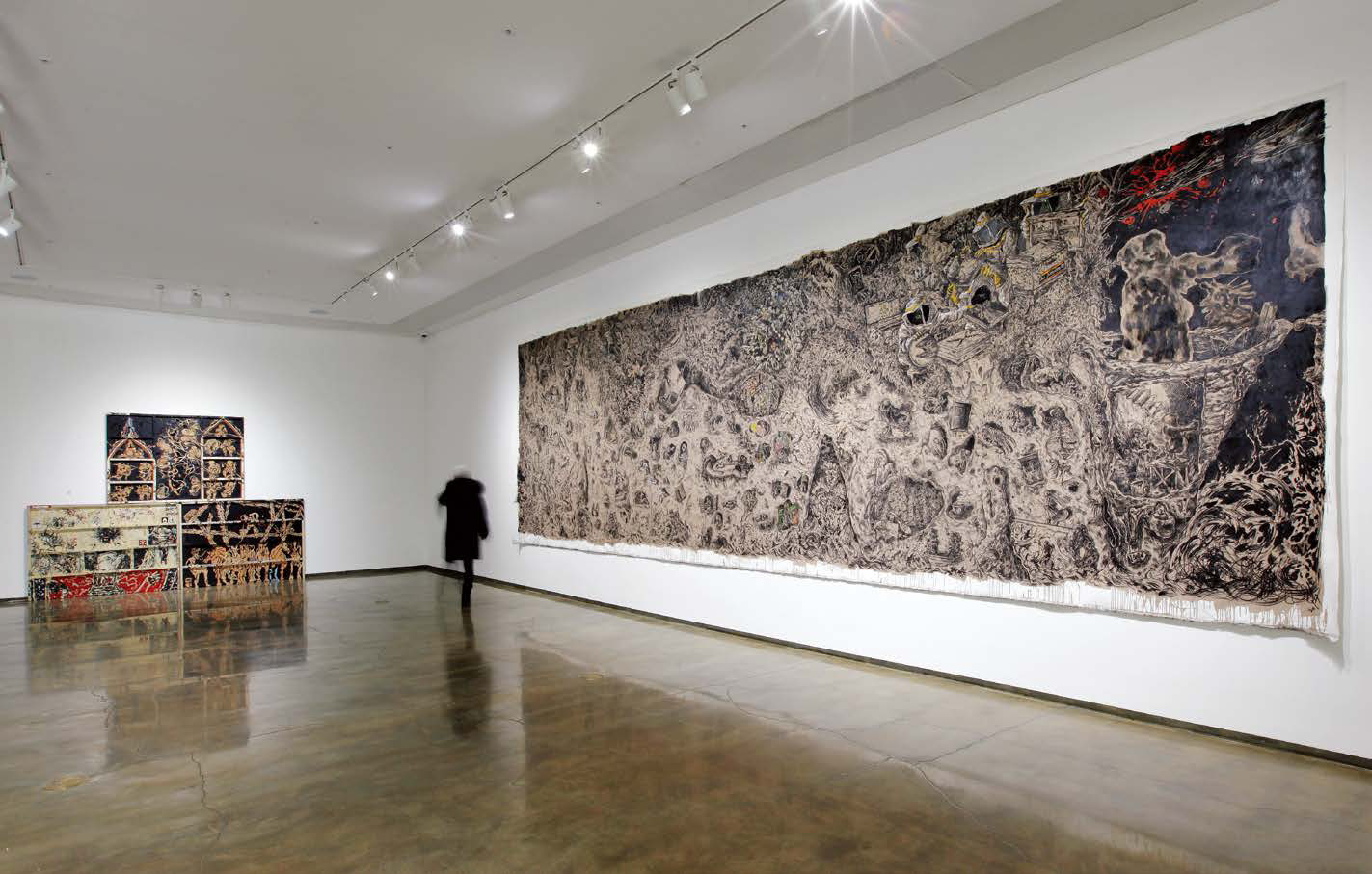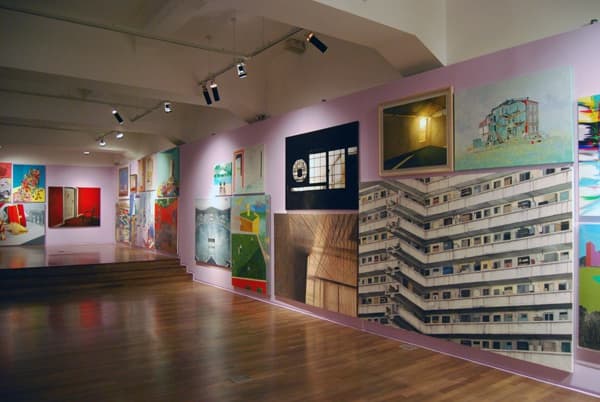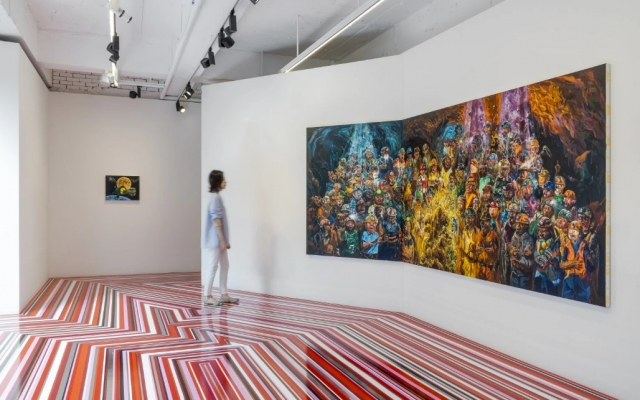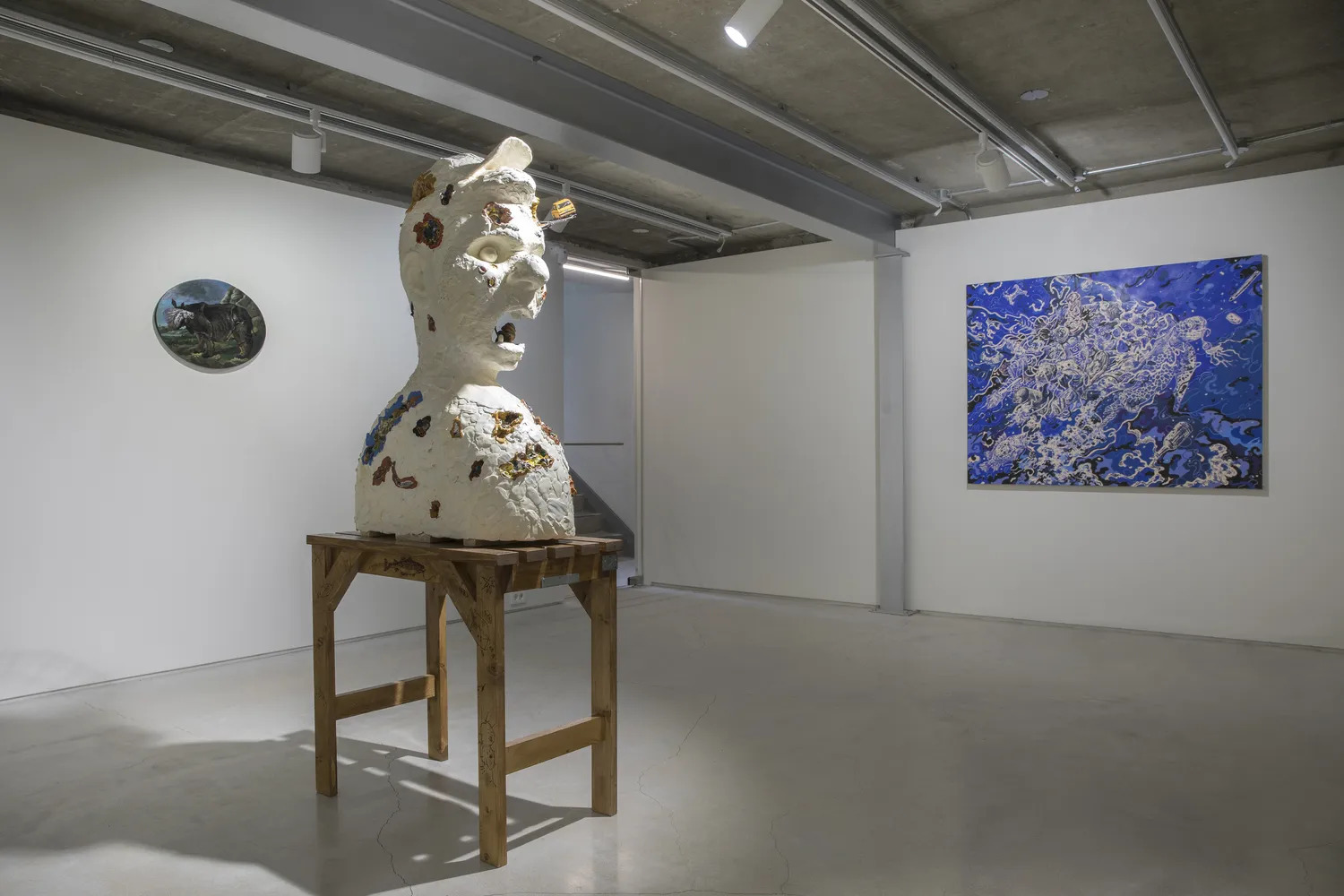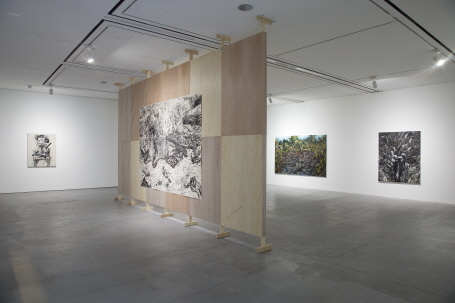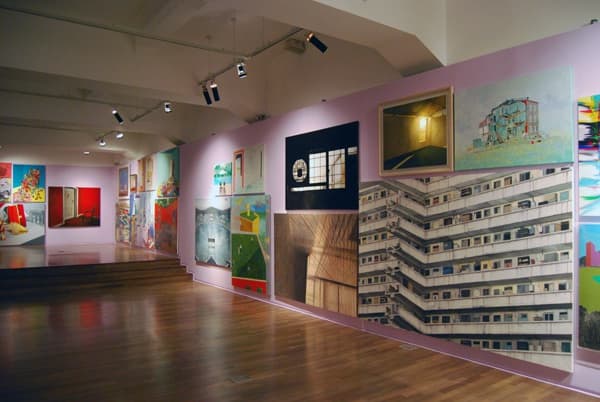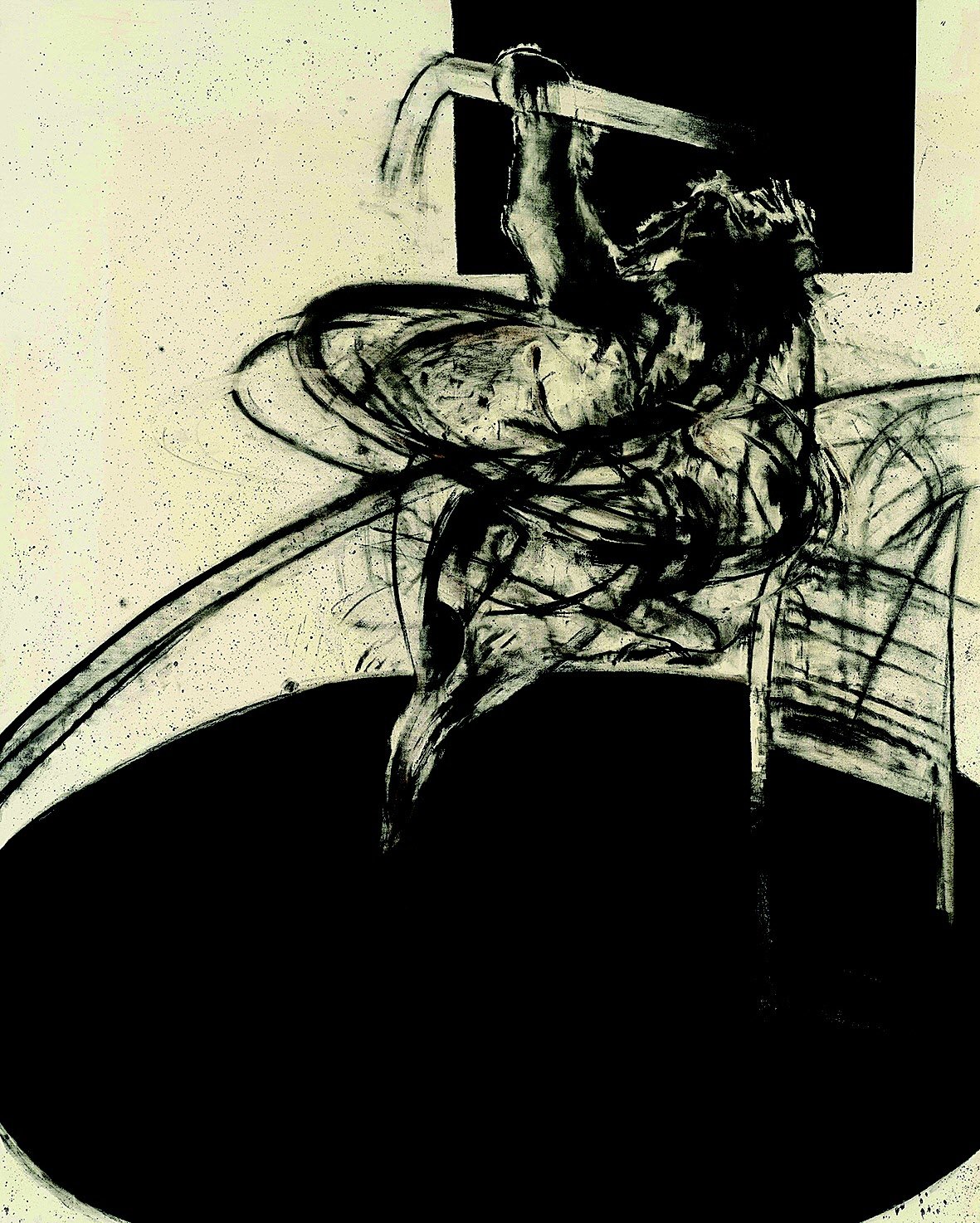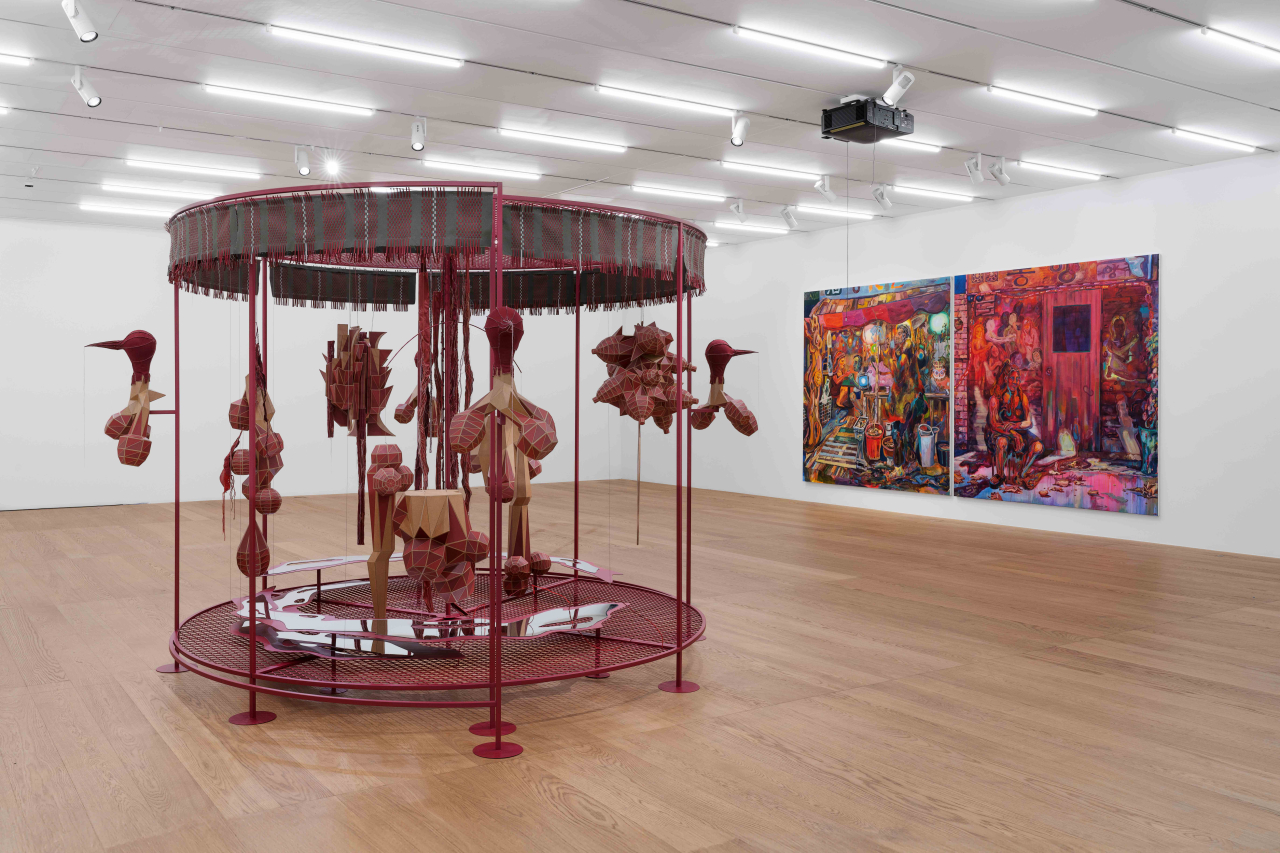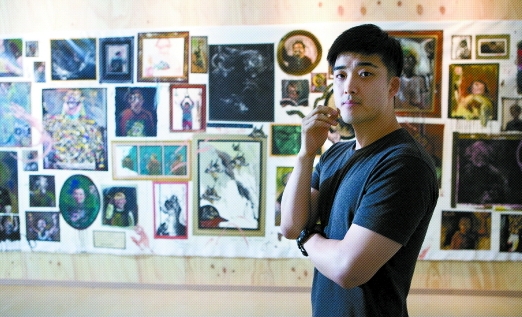


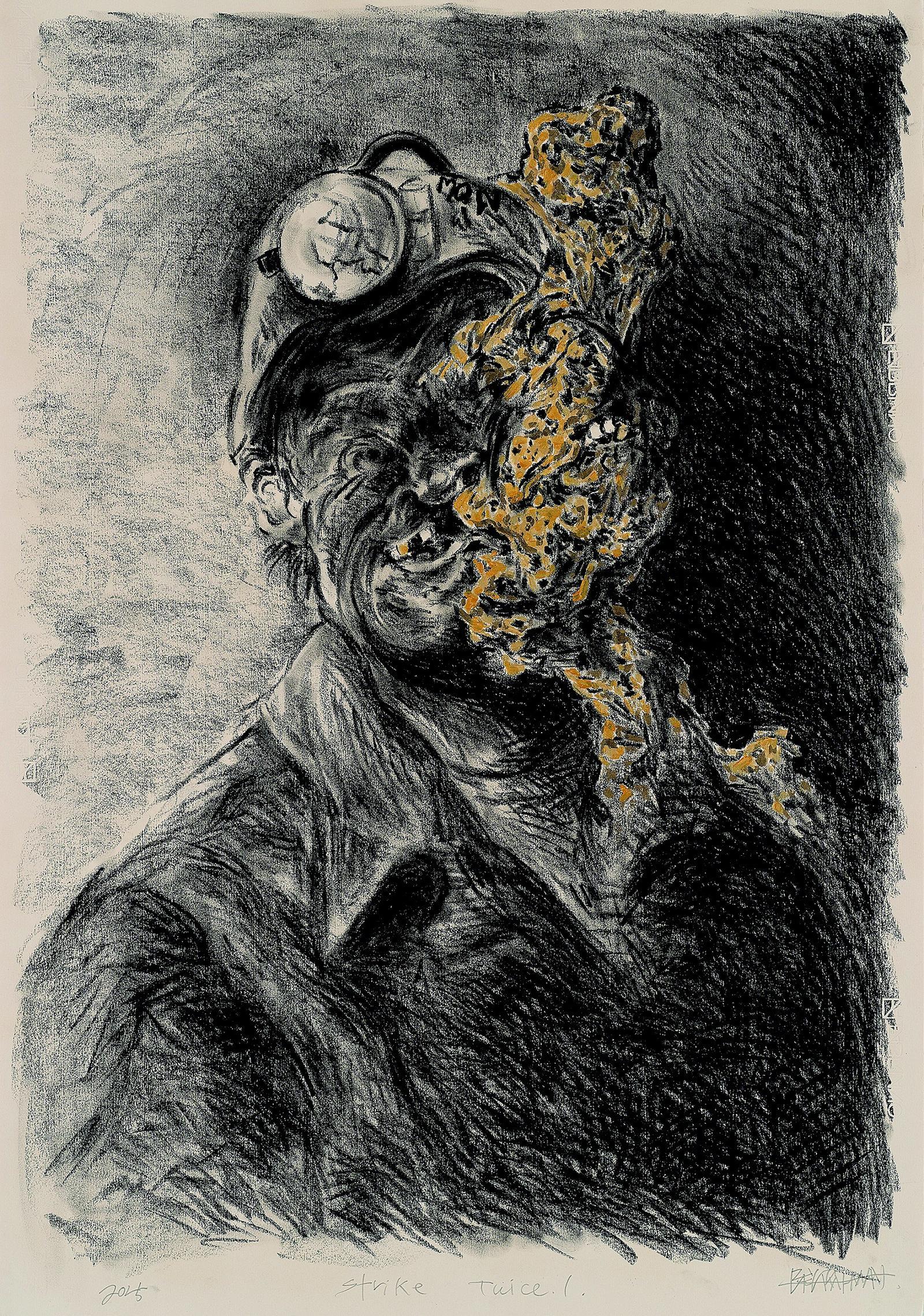
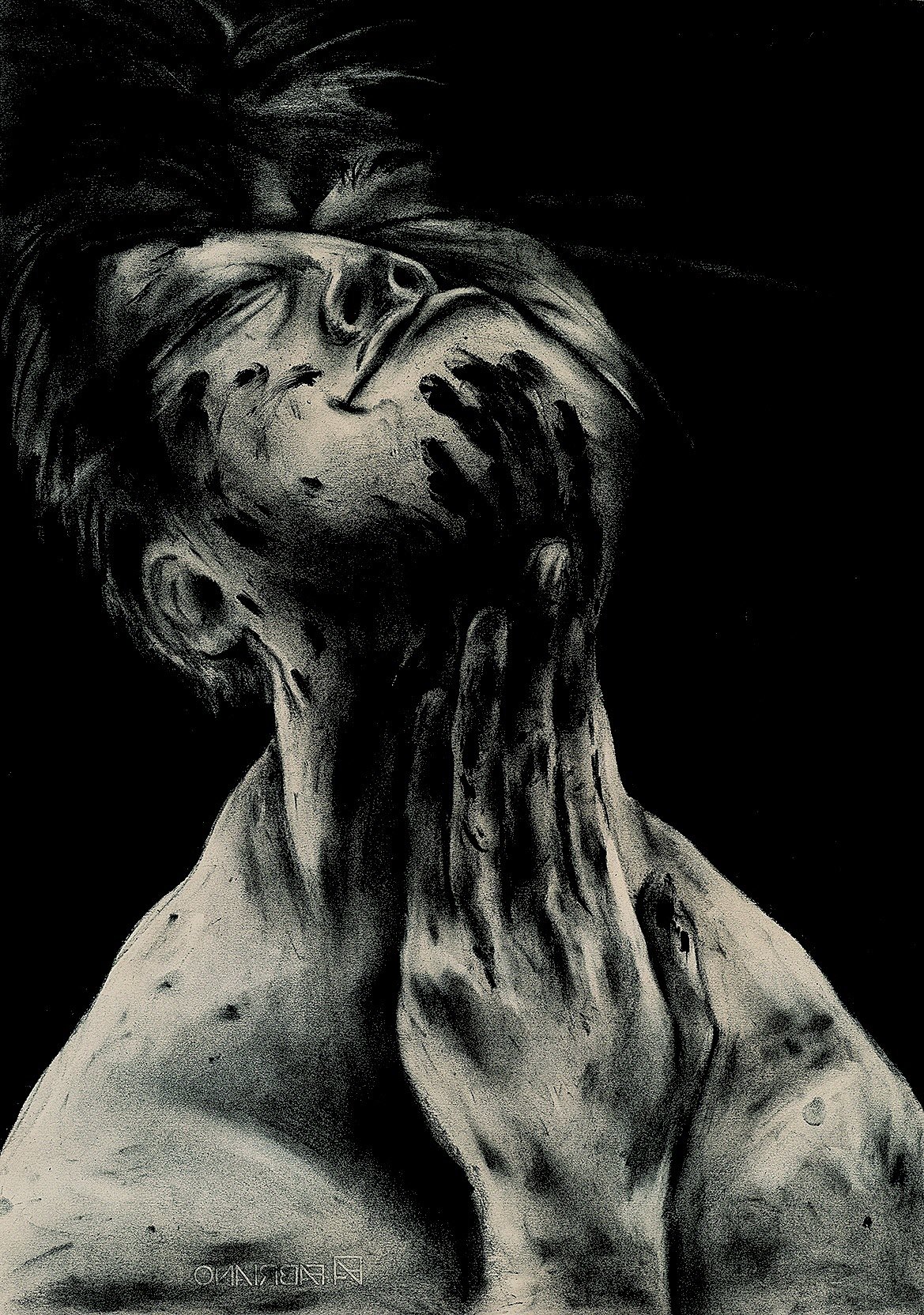
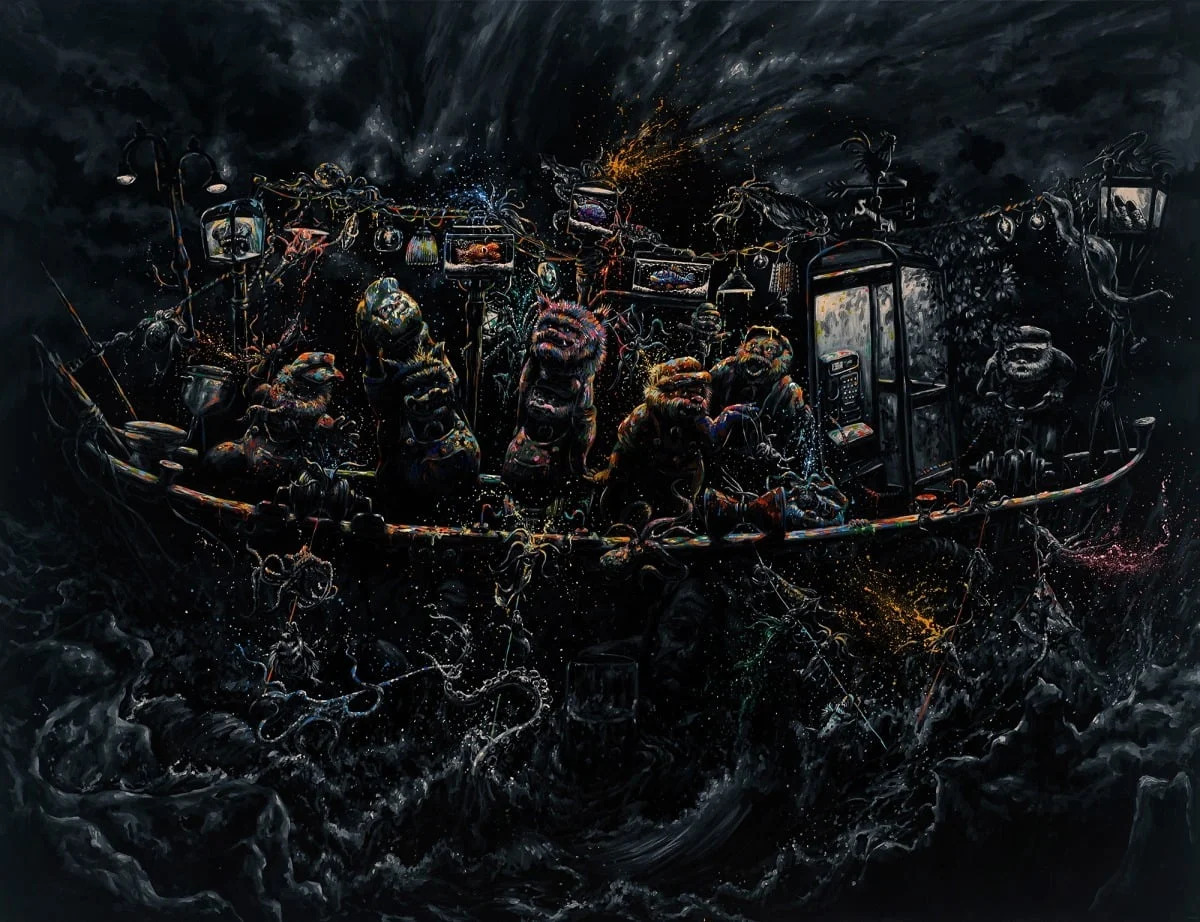
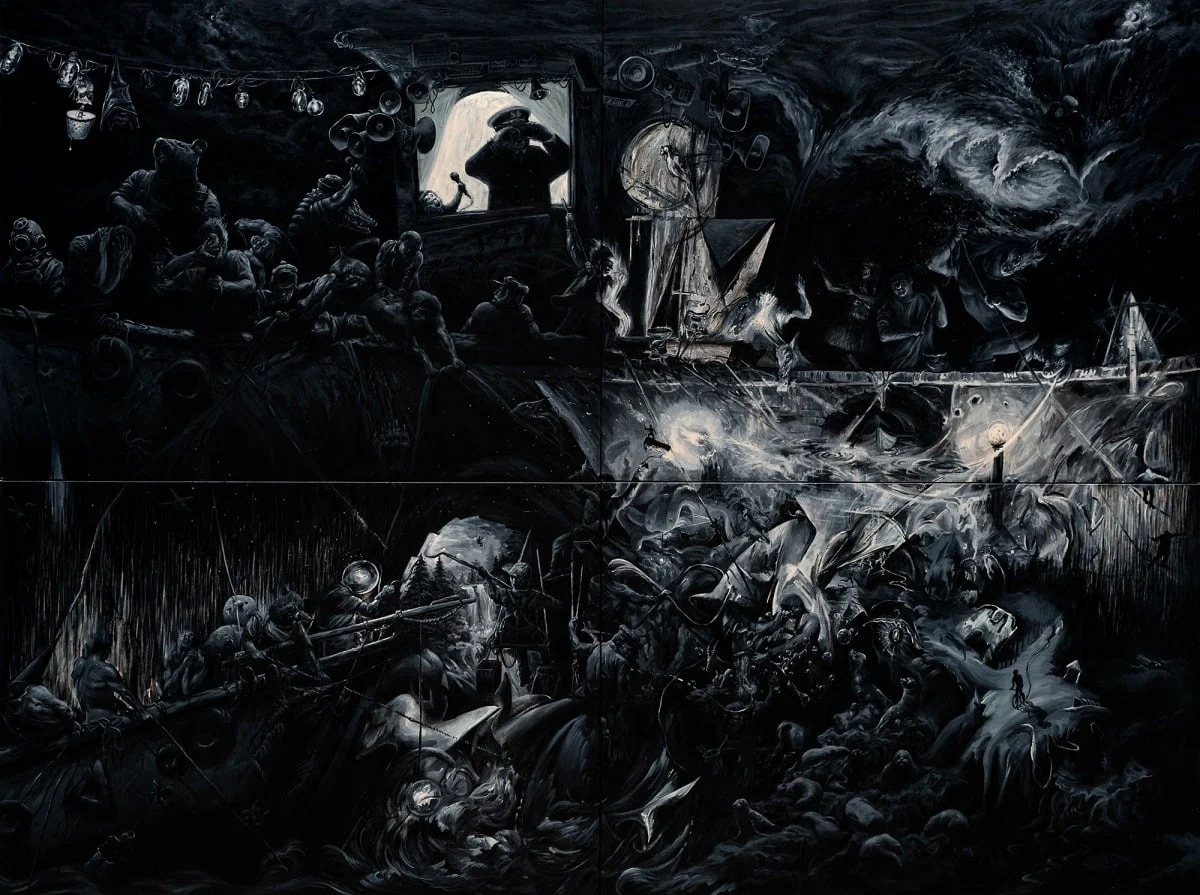
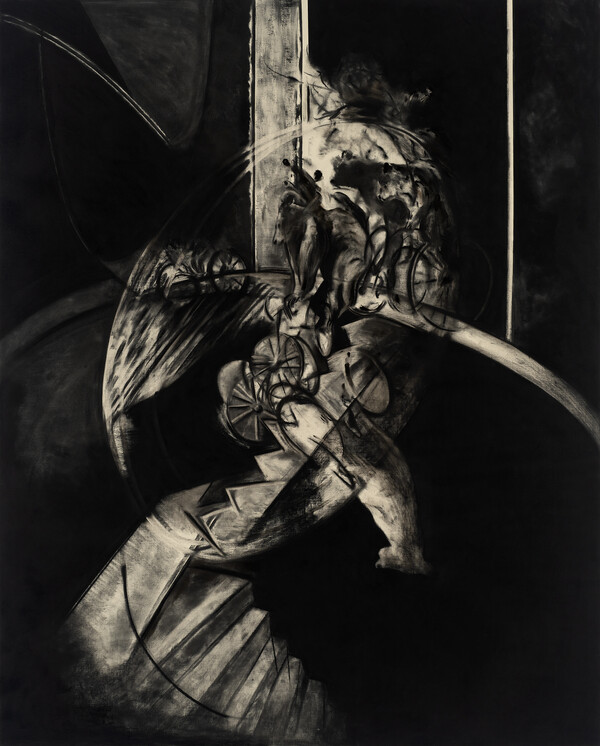
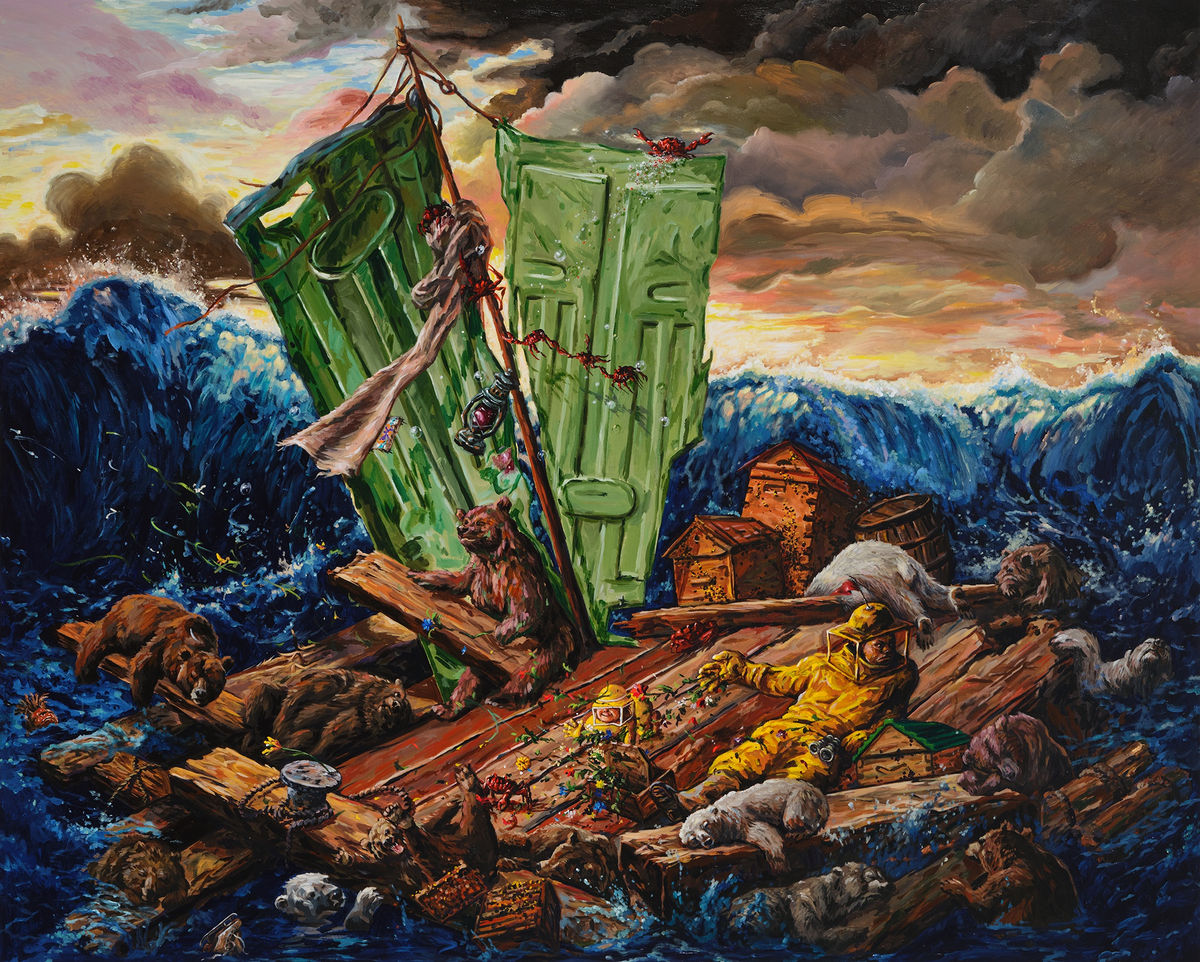
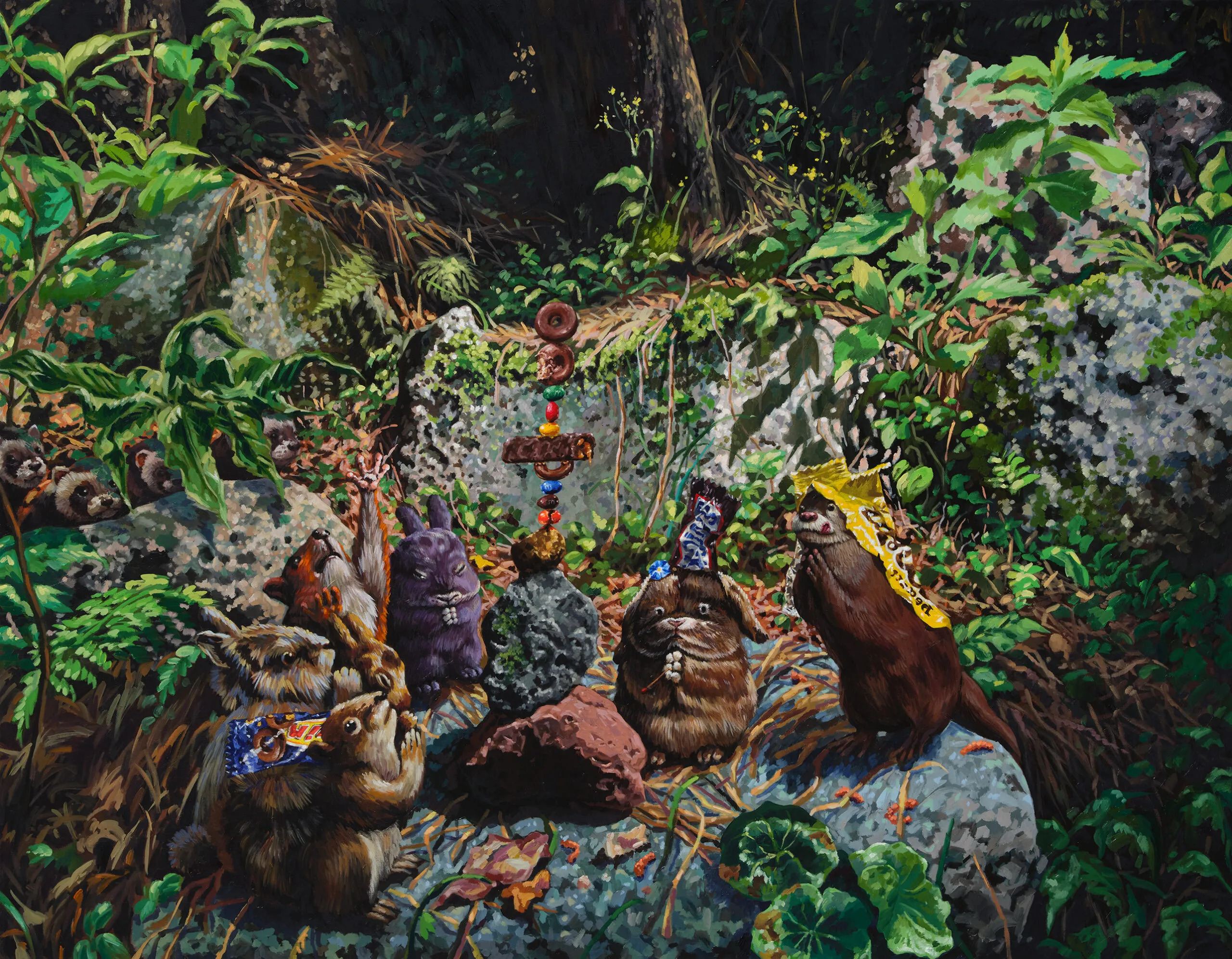
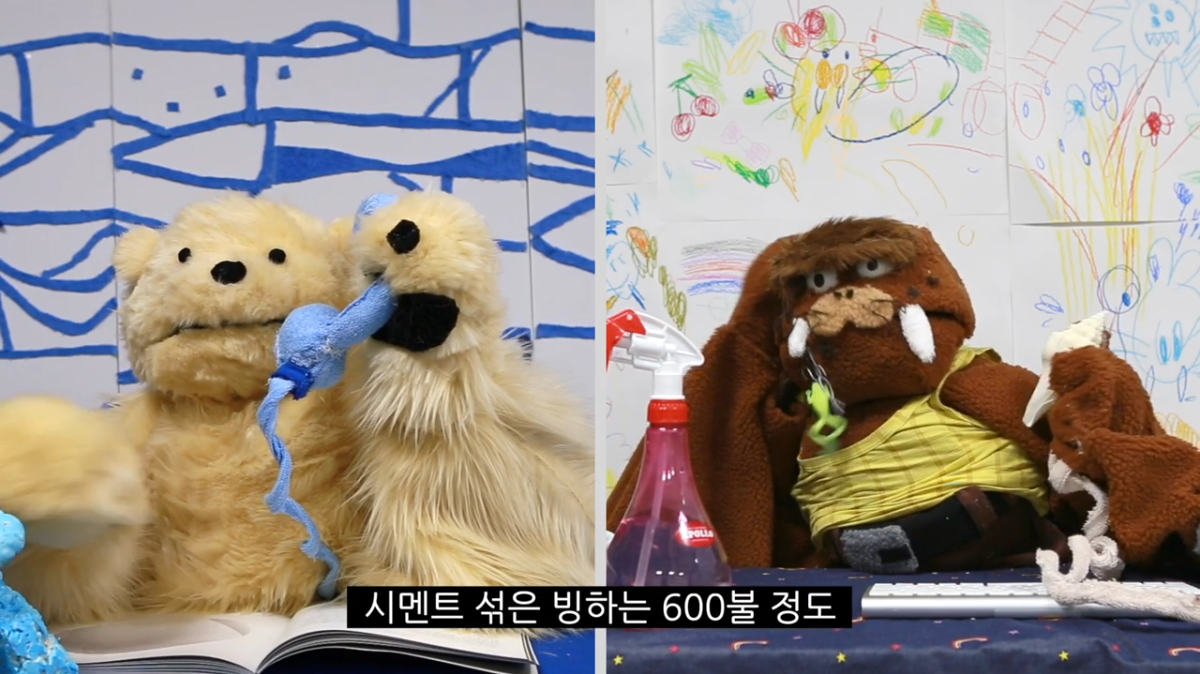
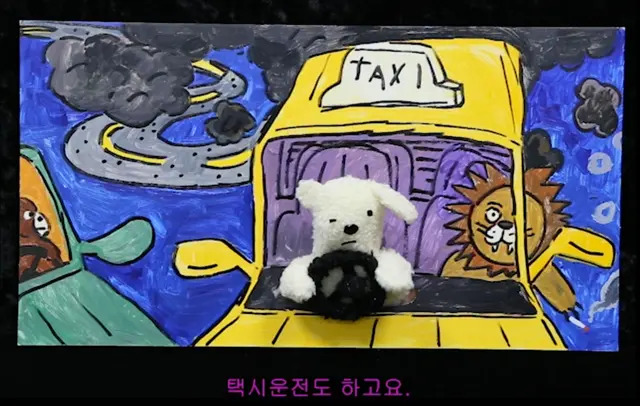
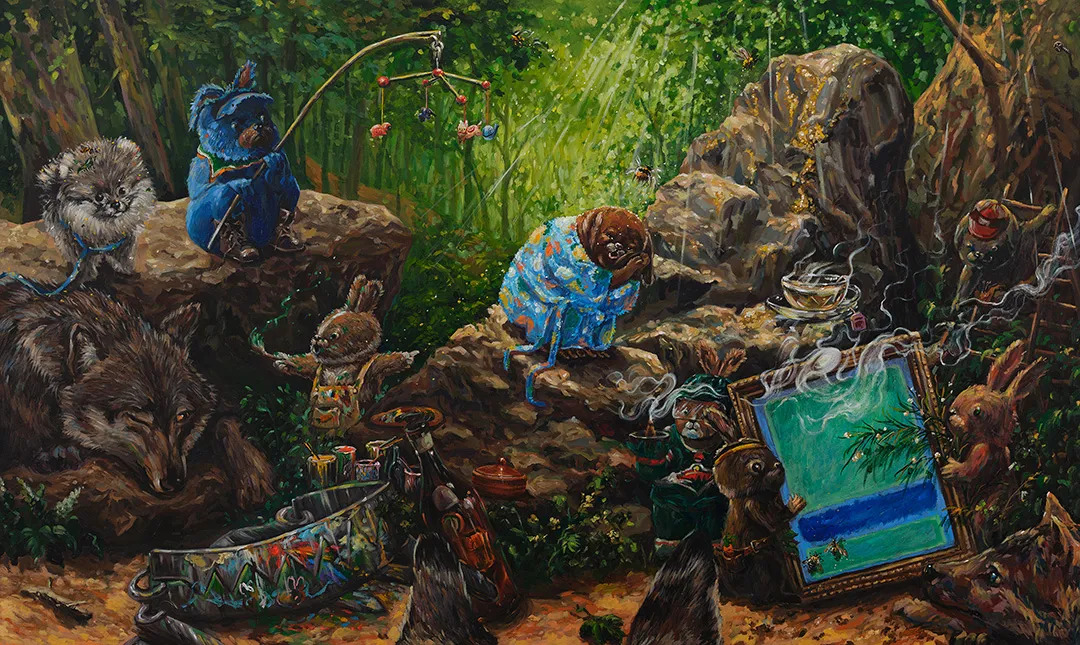
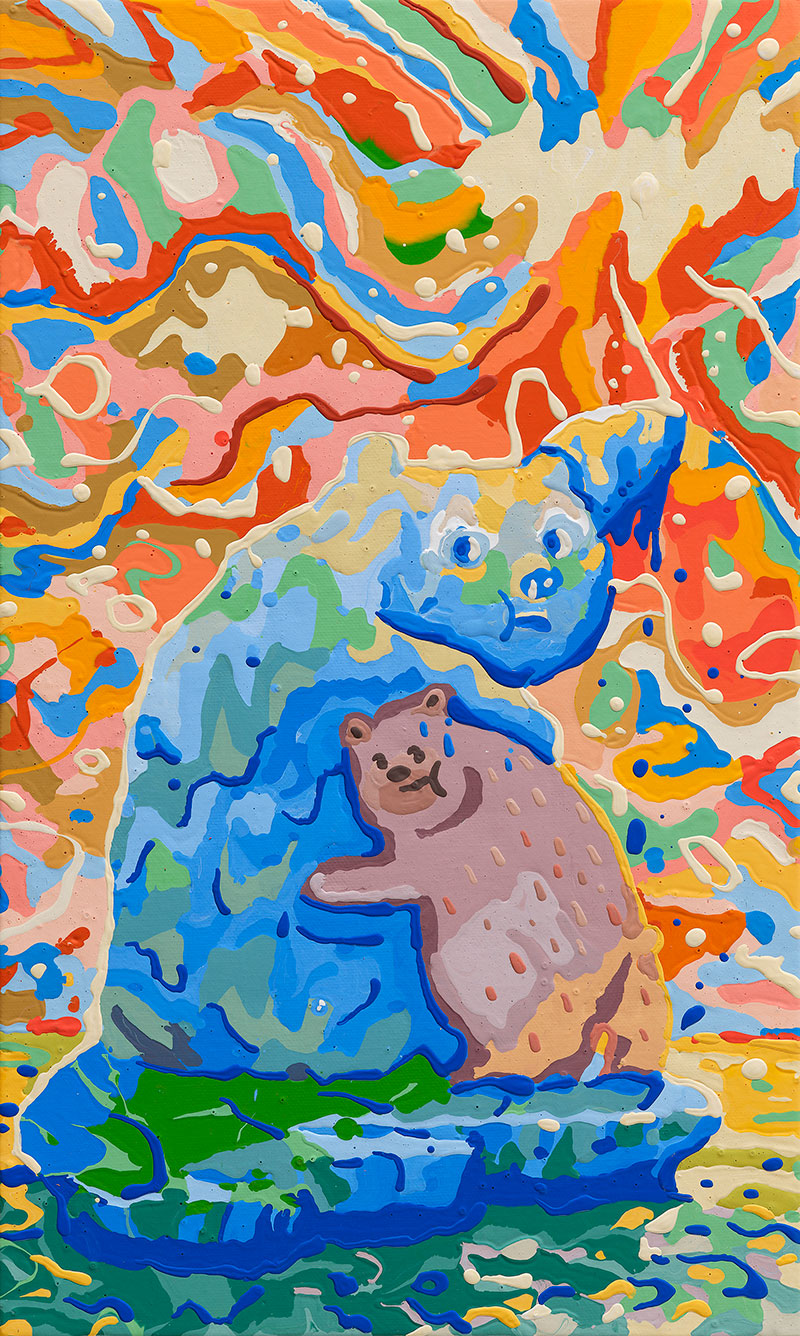
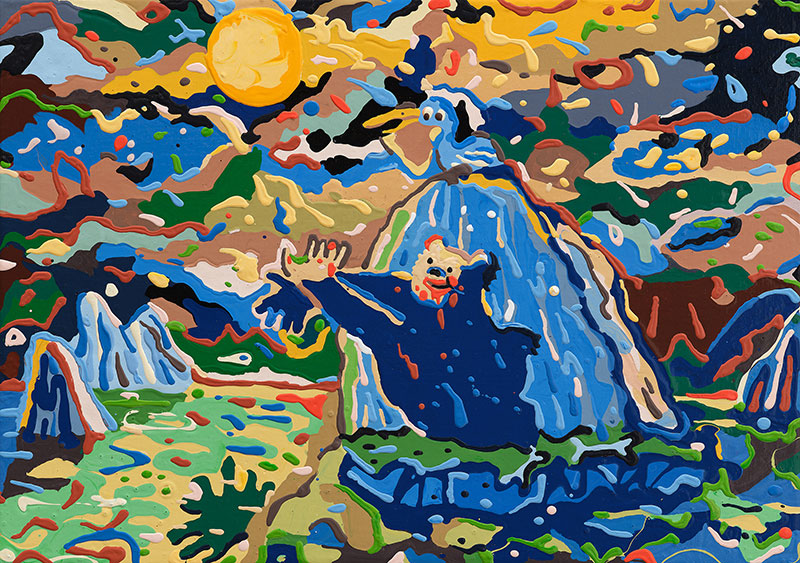
Installation view of 《Wonderful Pictures》 © Ilmin Museum of Art

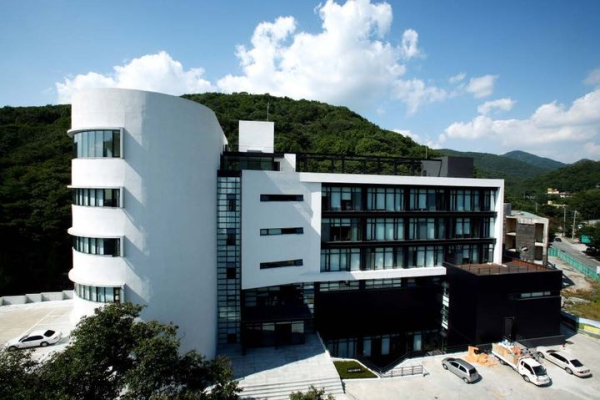
Ilmin Museum of Art has continuously engaged in discussions on the fundamental visual frameworks necessary for interpreting our contemporary culture through its publications and exhibitions. These efforts have sought to reveal questions of perspective and methodology that enable us to read the multiple layers of meaning produced by the history and culture of the “here and now.”

The exhibition 《Wonderful Pictures》 was conceived within this line of inquiry. At this moment, Ilmin Museum of Art attempts to draw a “picture” of the “paintings” being produced within the contemporary art scene. The participating artists are primarily in their 20s to 40s and are actively working within the current art world.

Through their “paintings,” the museum aims to consider, together with general audiences, what artists think about “painting,” what they seek to depict through it, why these concerns matter to them, and what has led them to regard these concerns as significant.

In assembling 174 works by 174 artists, the museum encountered, within these works, a sense of “wonder” directed toward various dimensions of reality—whether positive or negative, vulgar or material, everyday or immaterial. In an era often described as “postmodern,” the exhibition also seeks to reflect on the meaning and nature of such expressions of “wonder.”

To this end, the exhibition revisits “painting”—a medium with a long history in human civilization, possessing a remarkable representational function and having long depicted remarkable content—and attempts to view it once again “as painting.”

If these works can be seen together in a single space as one collective “picture,” the museum does not claim to know what that overall “picture” ultimately conveys. Nor does it know whether this will provide answers aligned with what we seek to understand, or offer something unexpected yet closer to a “correct” response, or even reveal an unforeseen “situation” or “condition.”

This exhibition is not intended to provide definitive answers to these questions. Rather, the process of selecting and gathering these works under such intentions has itself been a source of anticipation and pleasure for those preparing and awaiting the exhibition.

Once again, the museum does not claim to possess answers to these questions. Instead, it seeks to pose them to its audience. To this end, surveys will be made available both in the exhibition space and on the museum’s website (www.ilmin.org), and visitors will be invited to leave their own reviews, critiques, or responses—either in text or image—on blank panels within the gallery.

These collected responses will later be published on the website, and the museum hopes that this process will become a meaningful way of communicating with audiences through the medium of “painting.”

References