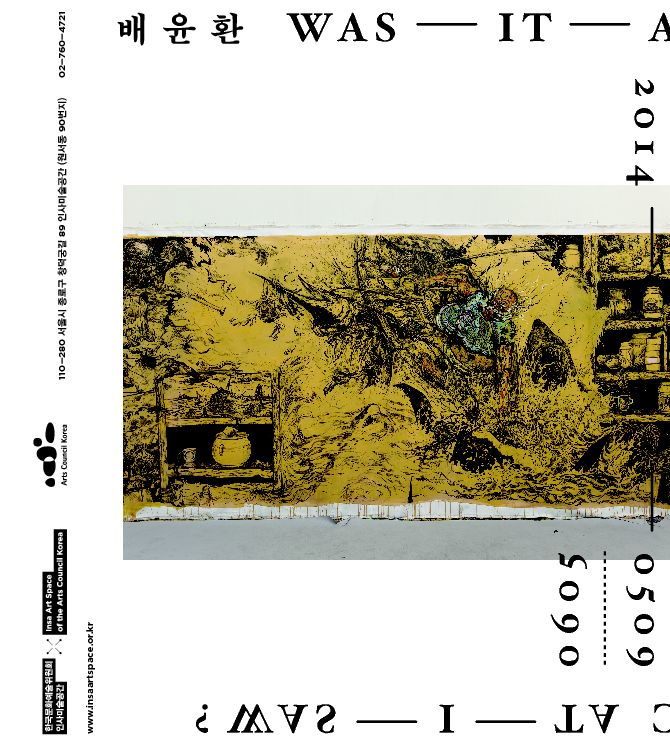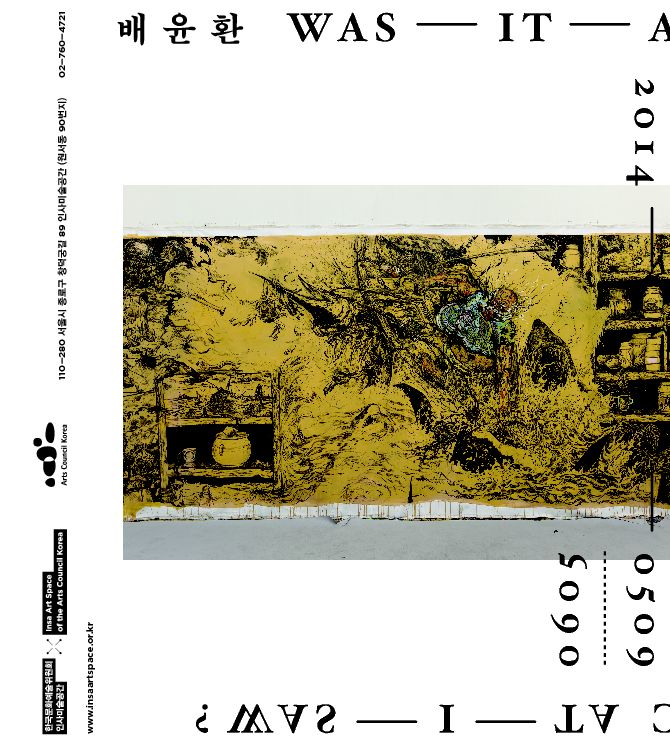


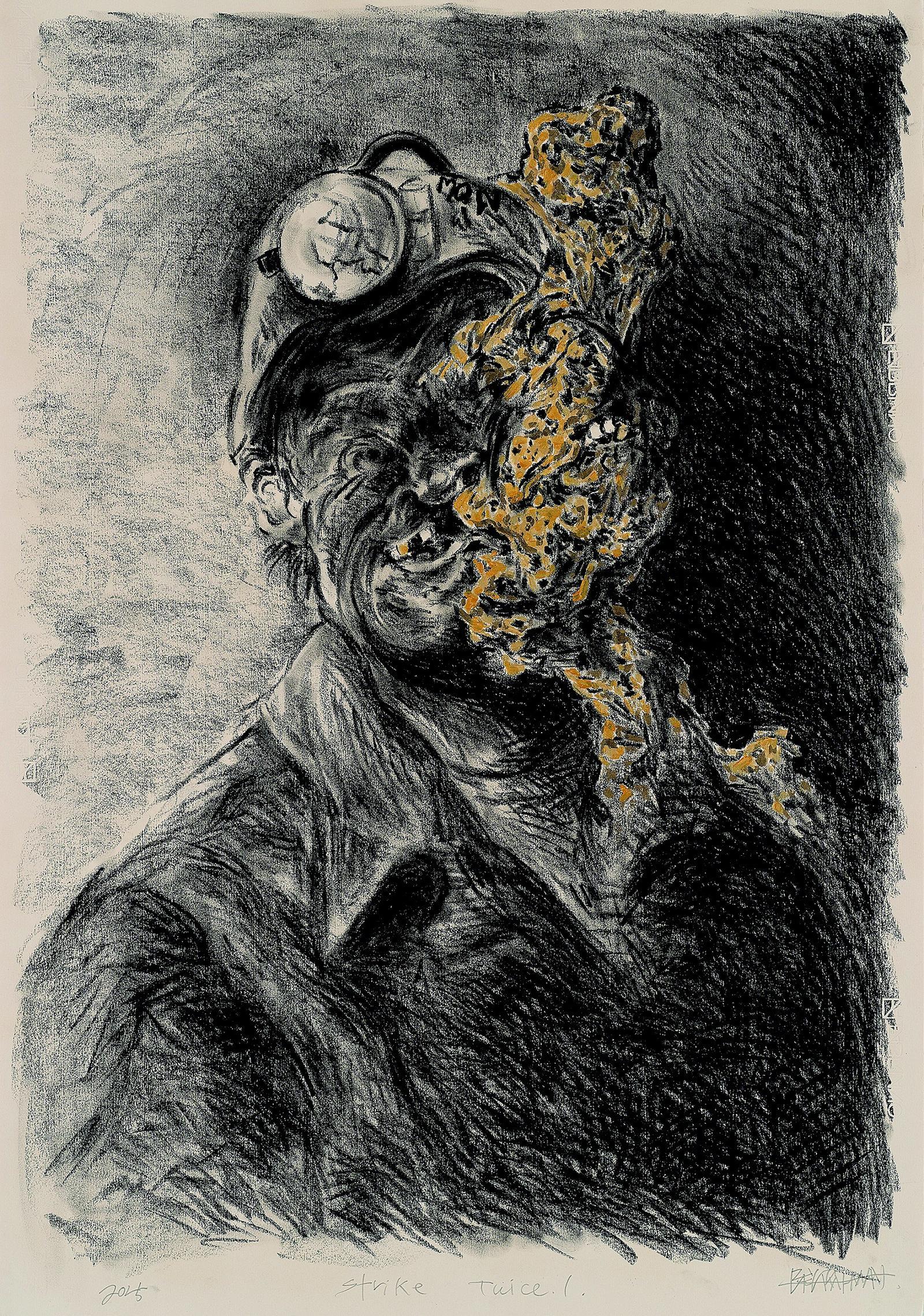
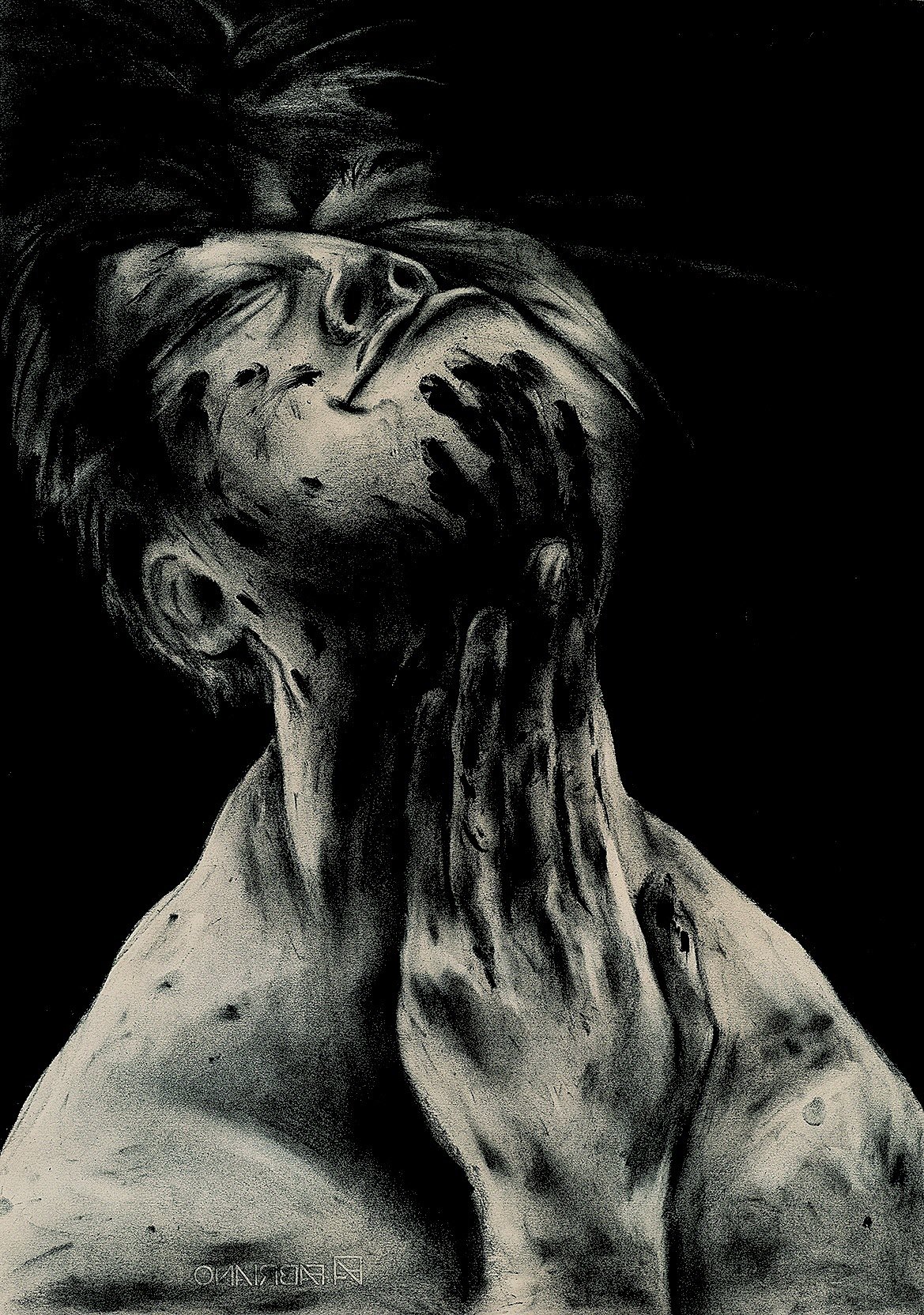
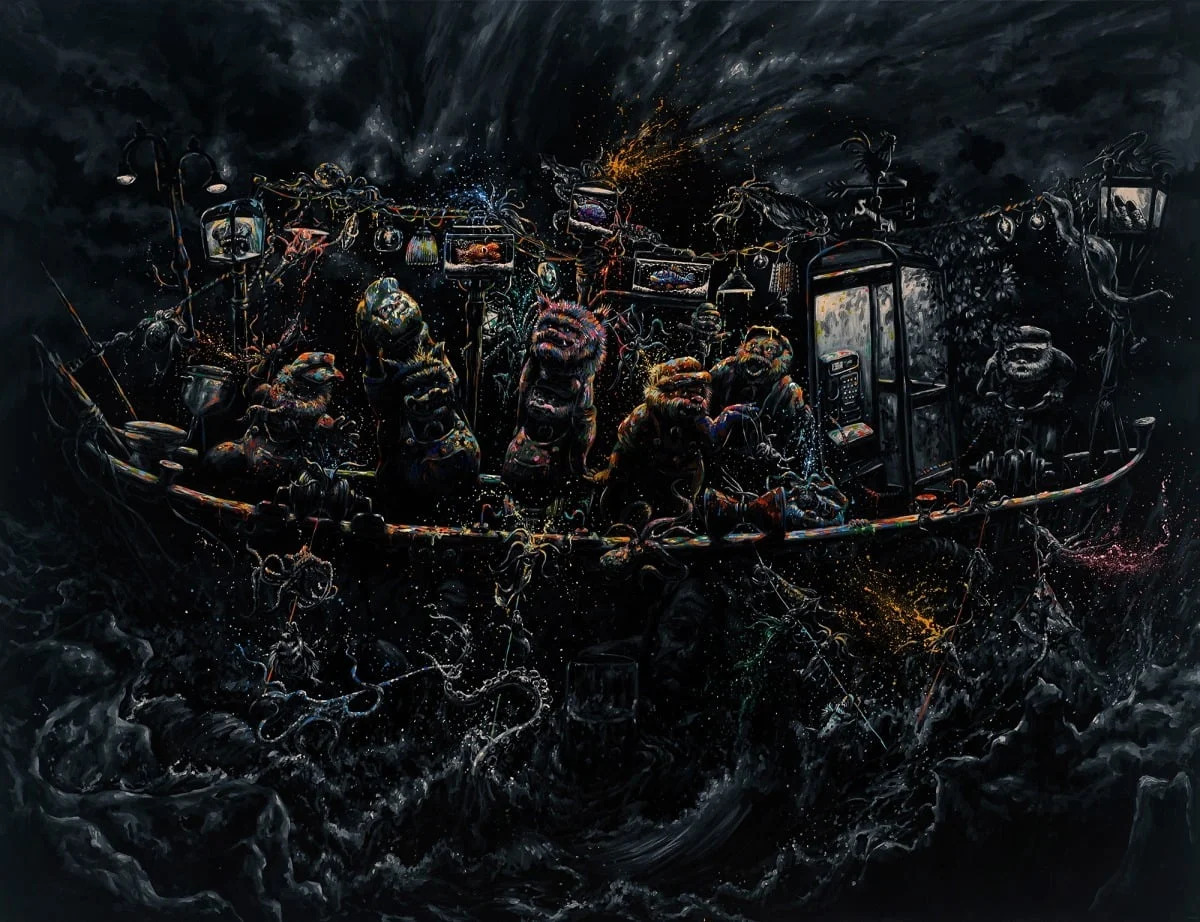
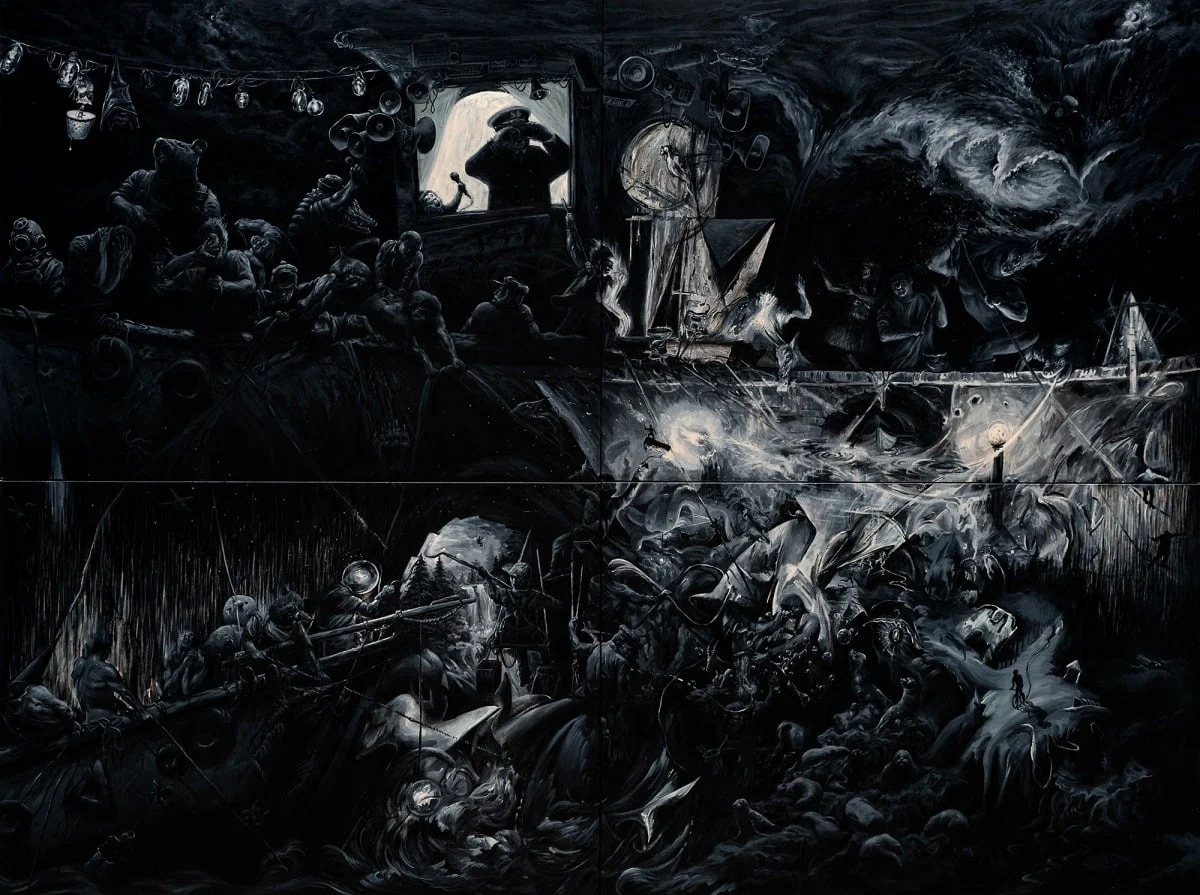
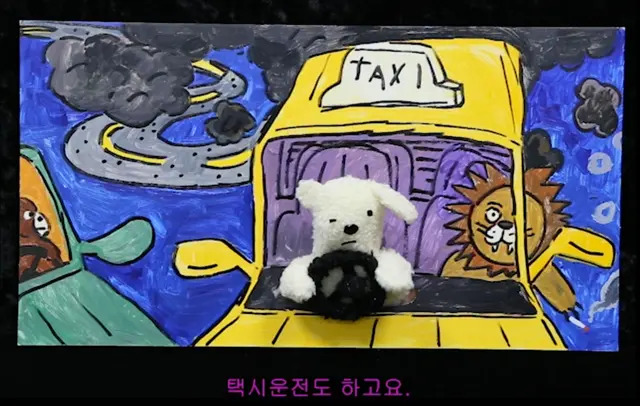
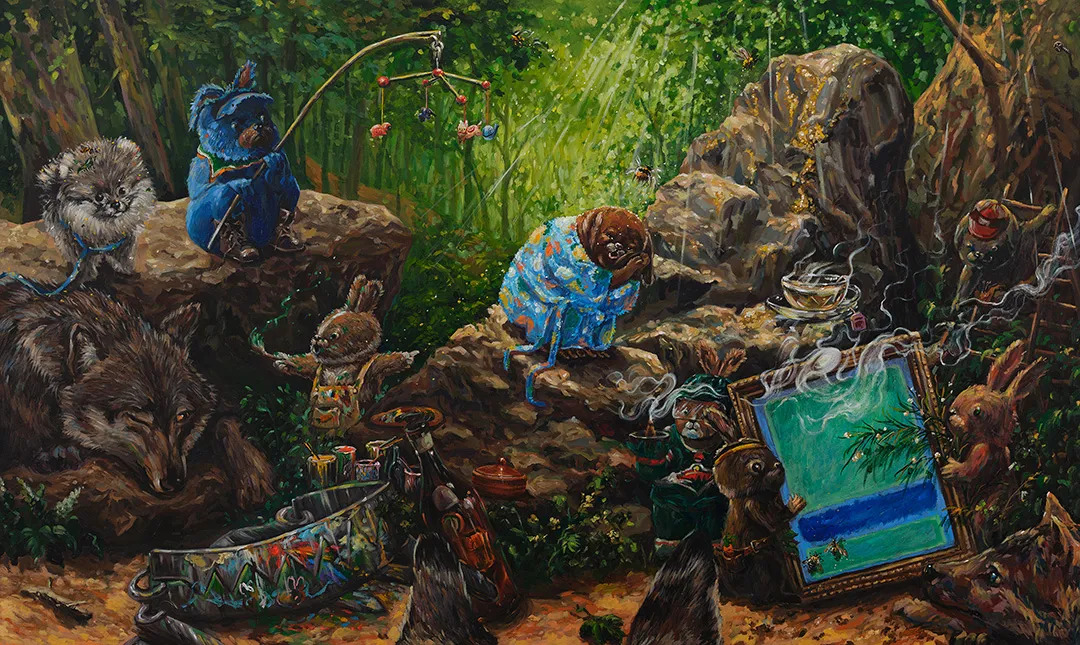
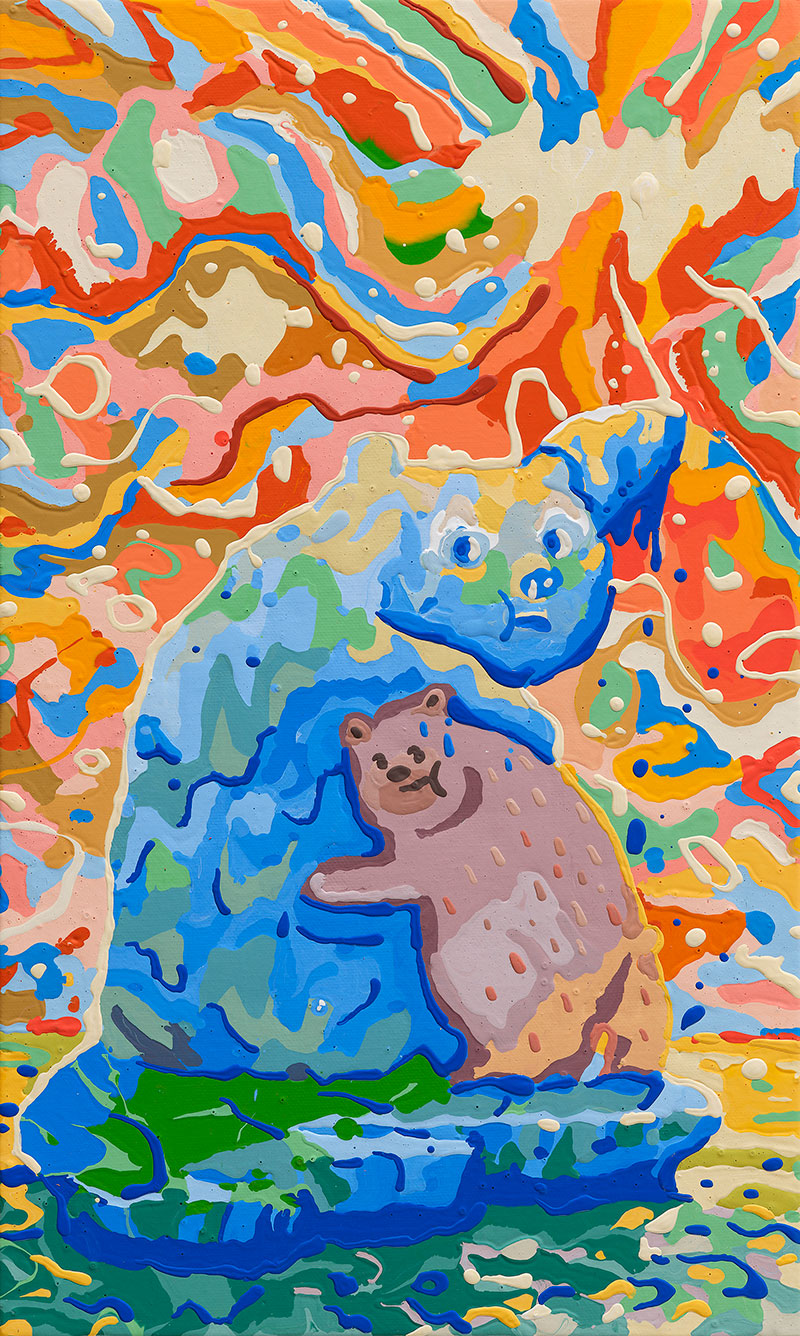
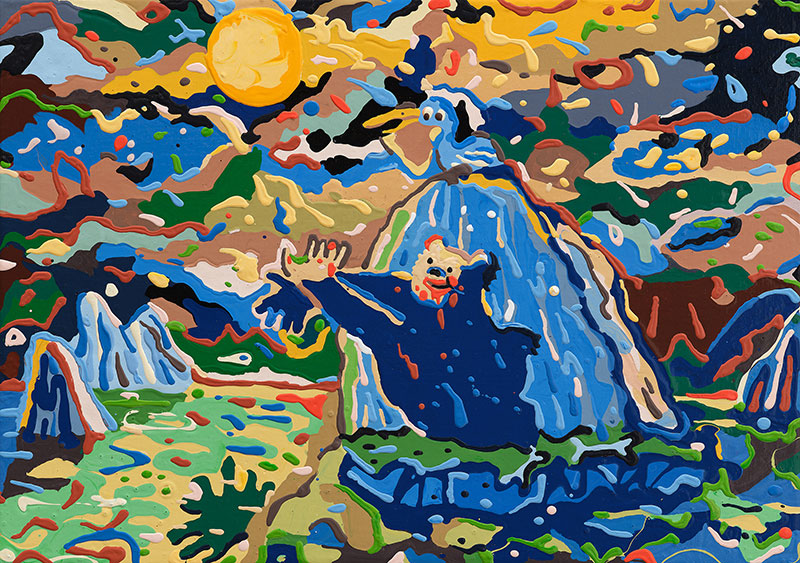
Poster image of 《WAS IT A CAT I SAW?》 © Insa Art Space

Arts Council Korea's Insa Art Space annually organizes an open-call exhibition program to discover and support emerging artists with the potential to shape the future of contemporary visual art.

Under the title ARKO Young Art Frontier (AYAF), which provides opportunities for artists under the age of thirty-five, five exhibitions are presented each year. As the first exhibition in this year's program, we are pleased to present Bae Yoon Hwan's solo exhibition 《WAS IT A CAT I SAW?》.

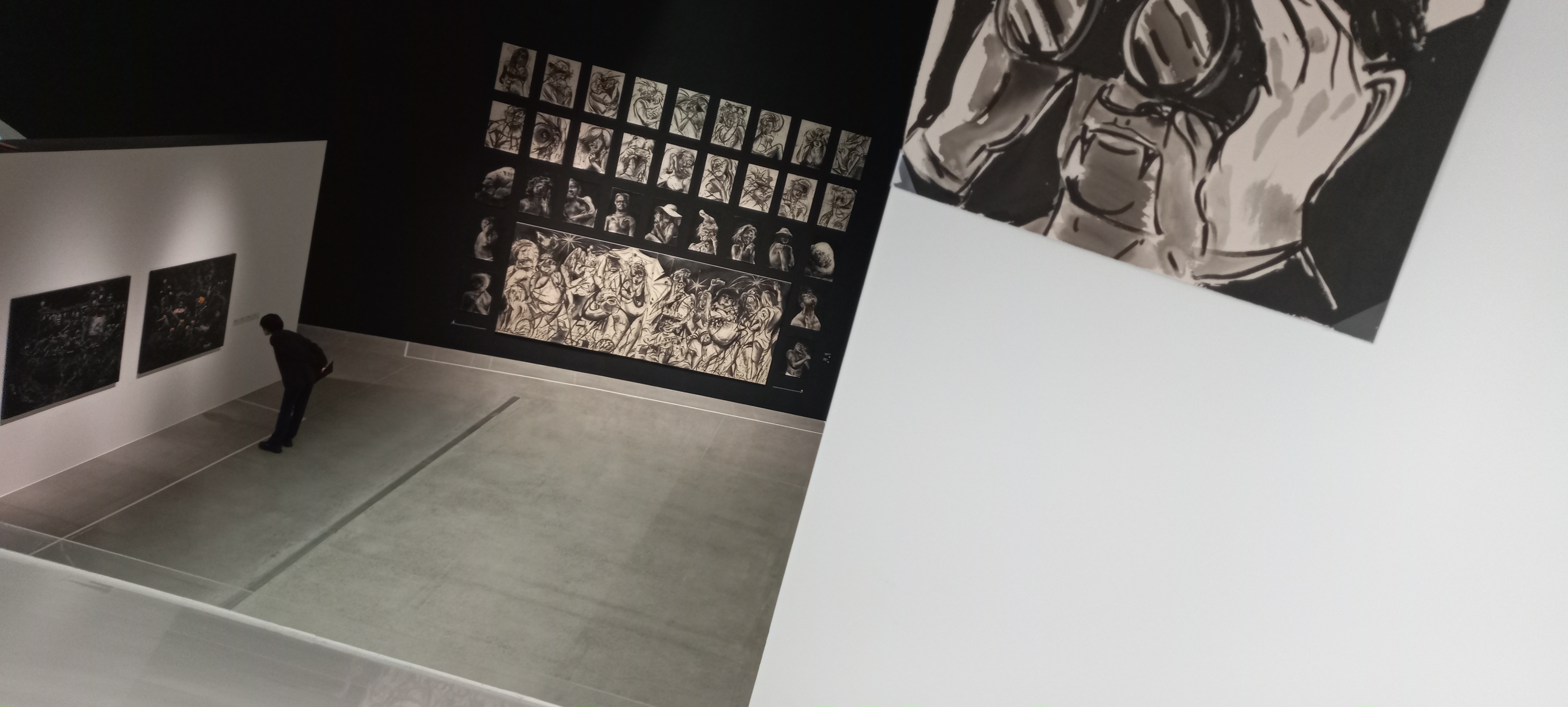
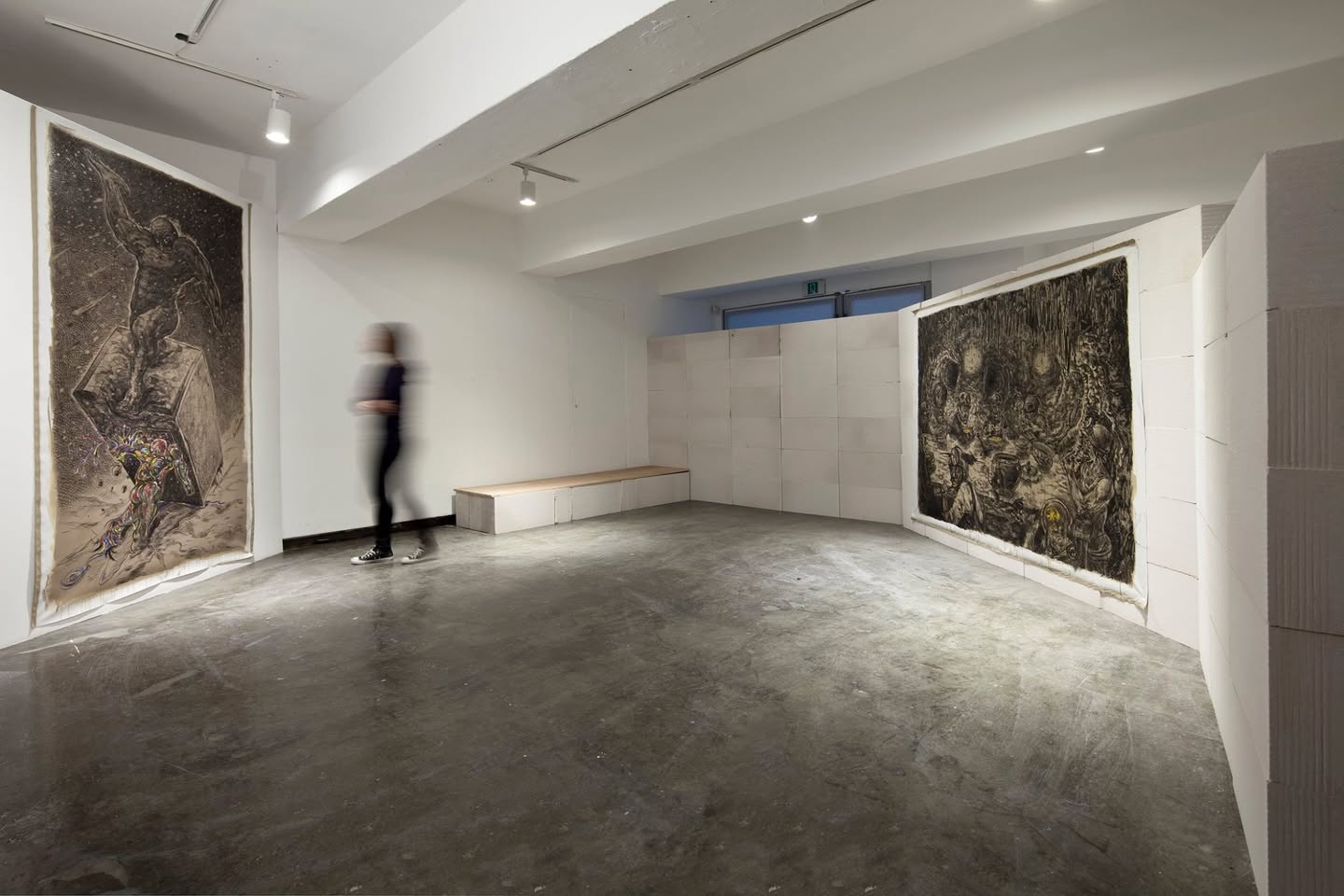
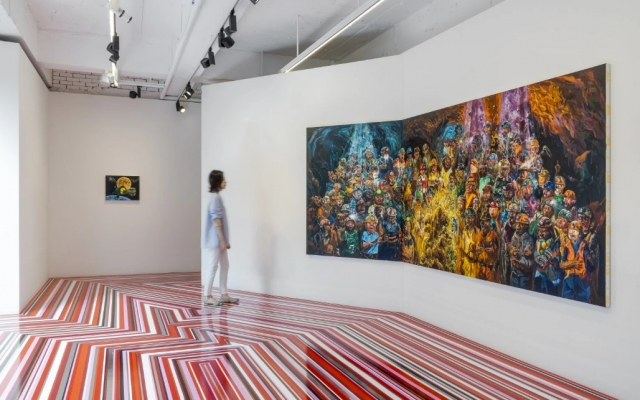
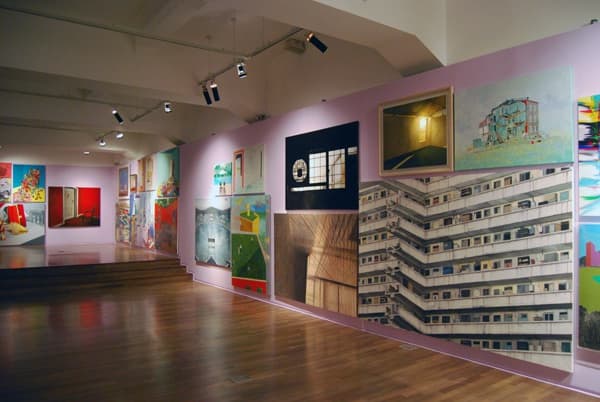
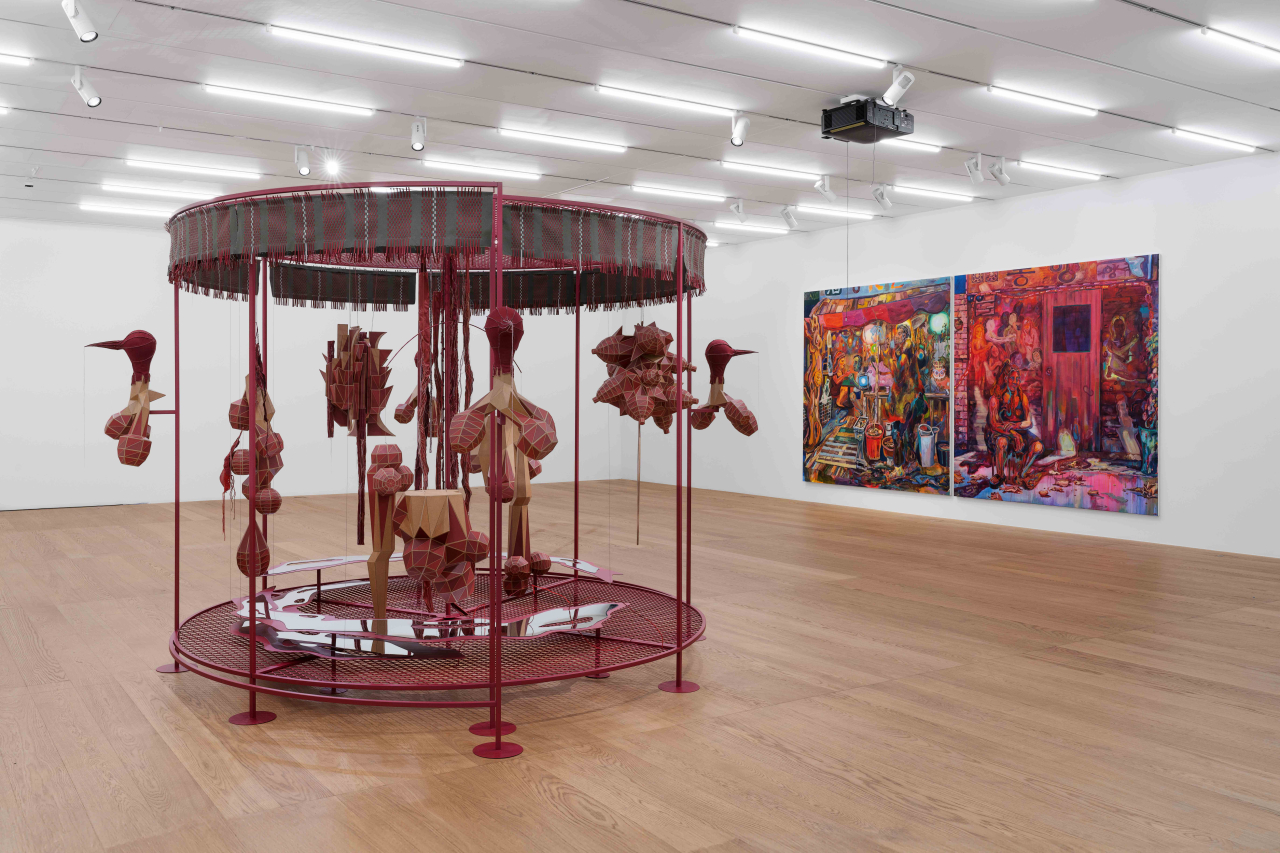
Installation view of 《WAS IT A CAT I SAW?》 © Insa Art Space

What Are the Conditions That Generate a Story?

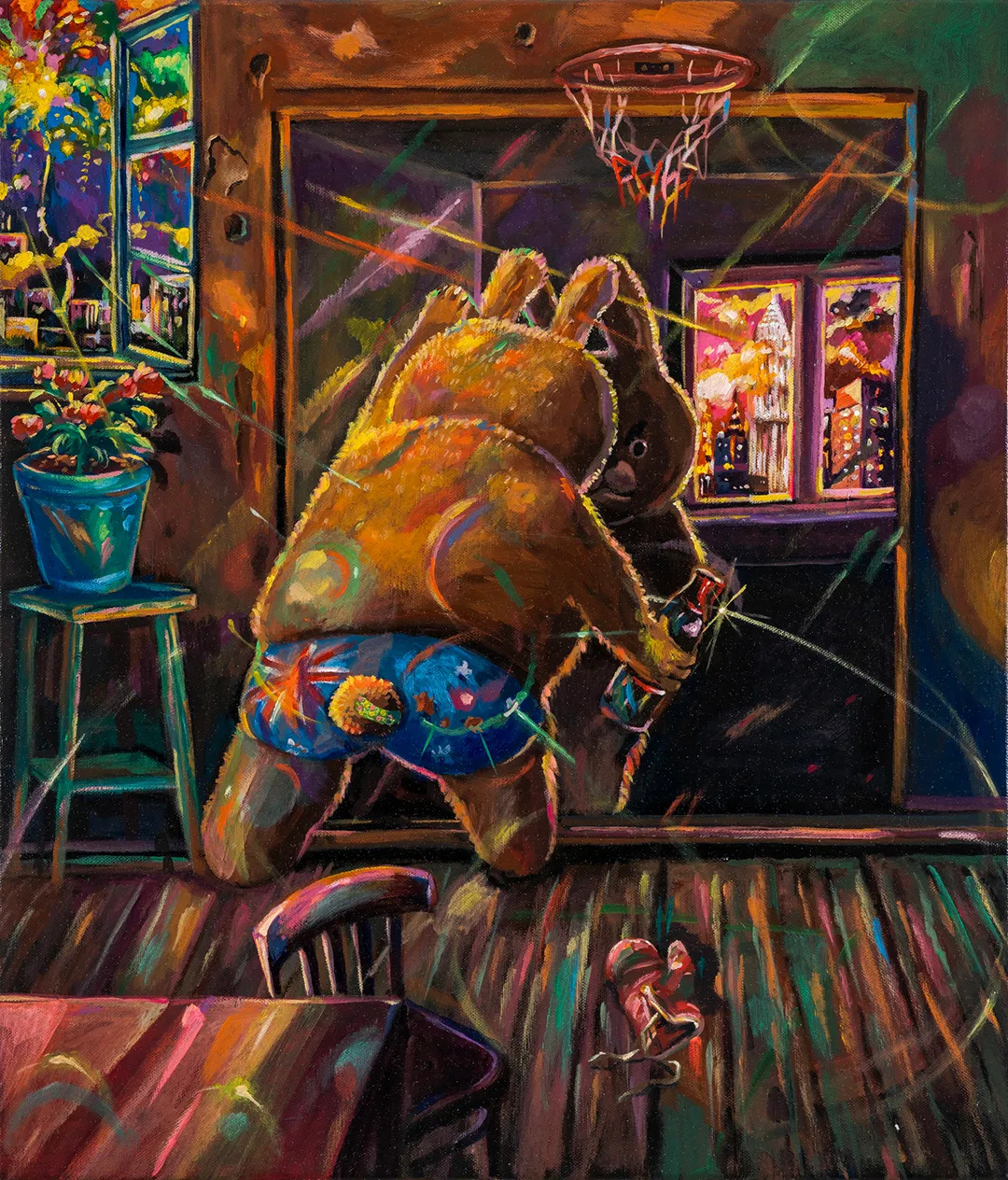
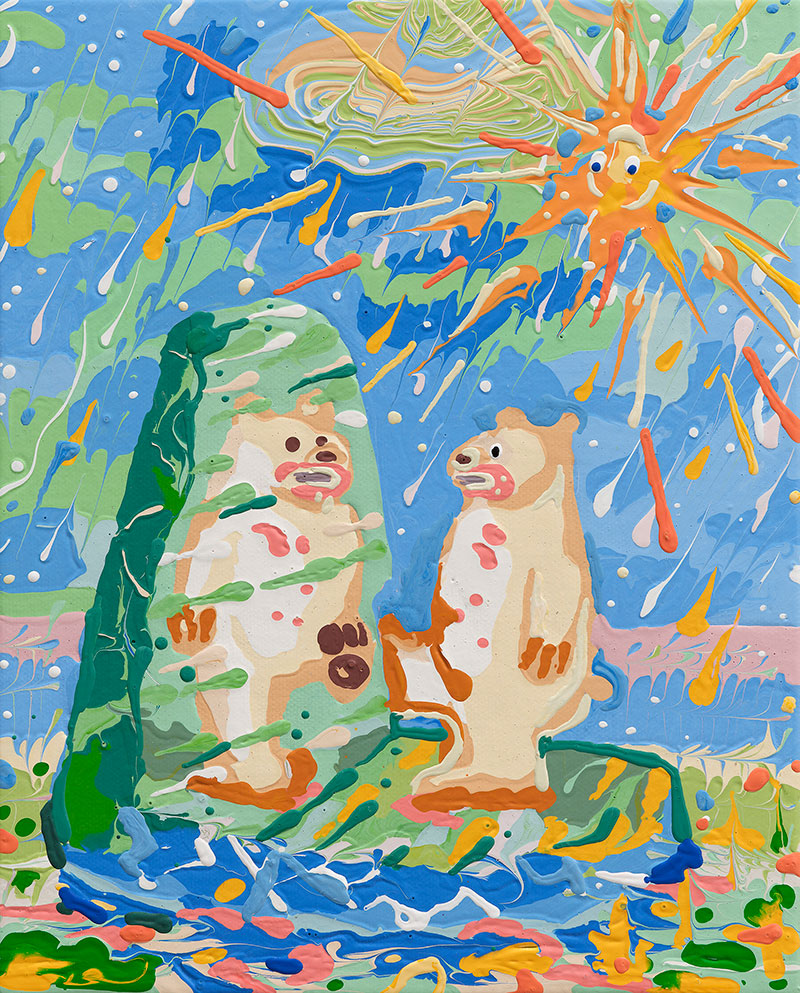
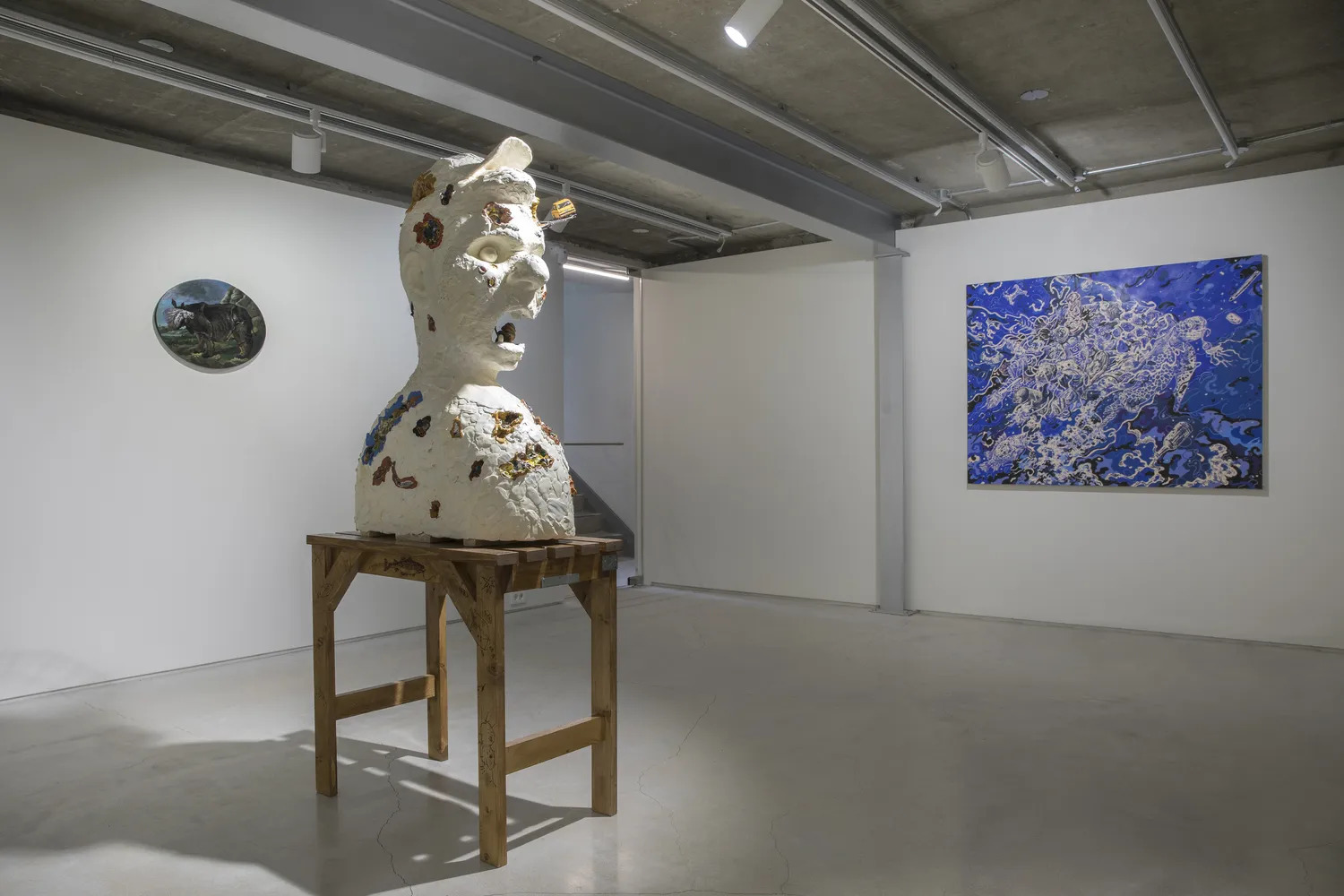
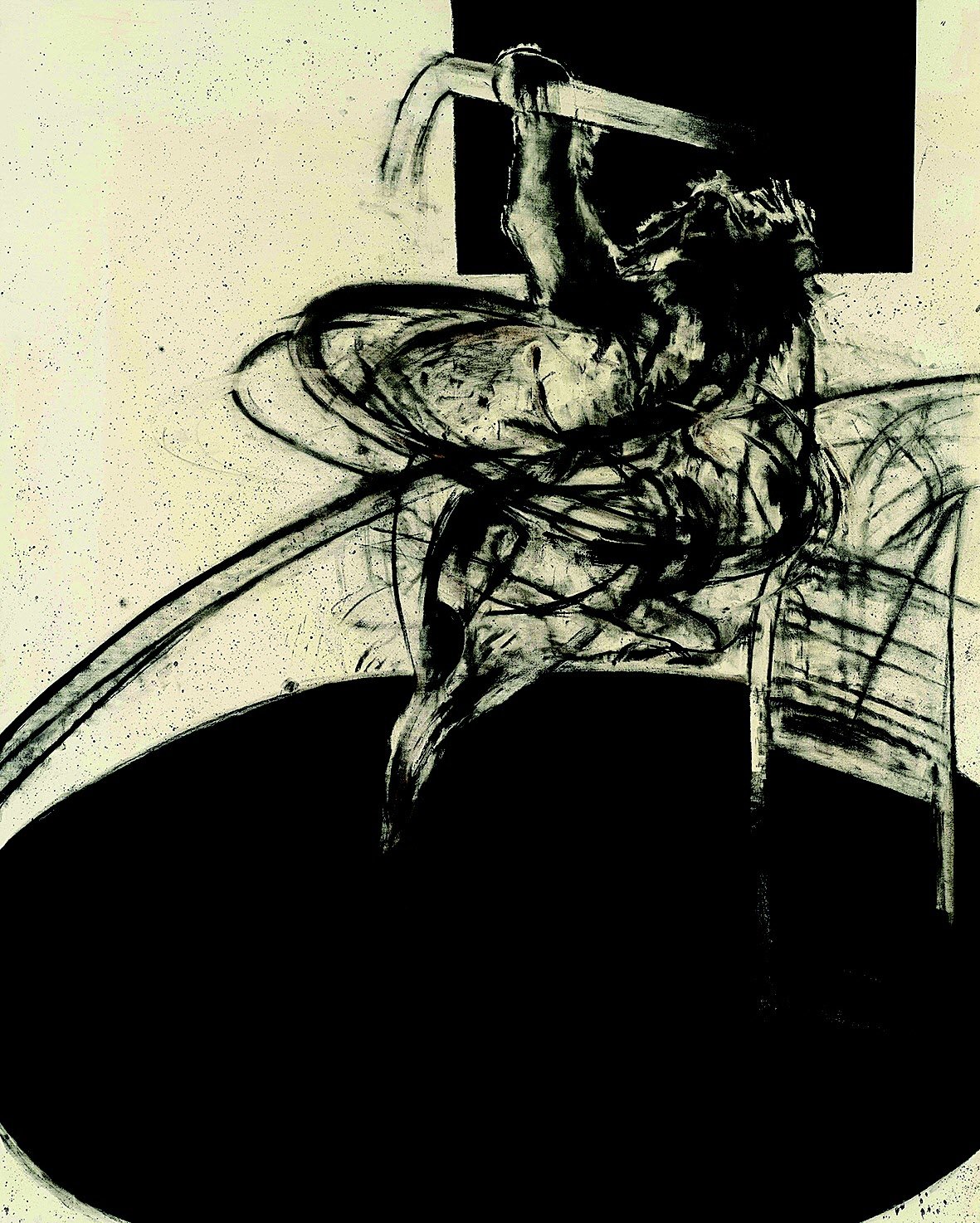
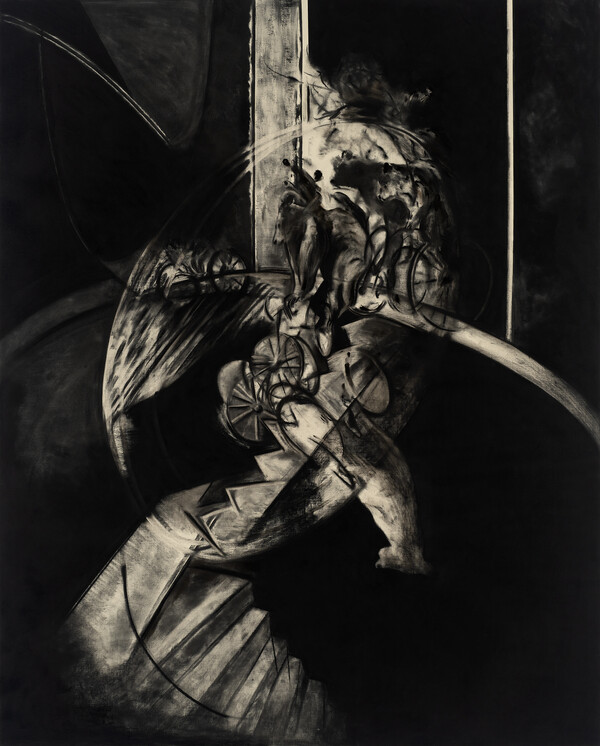
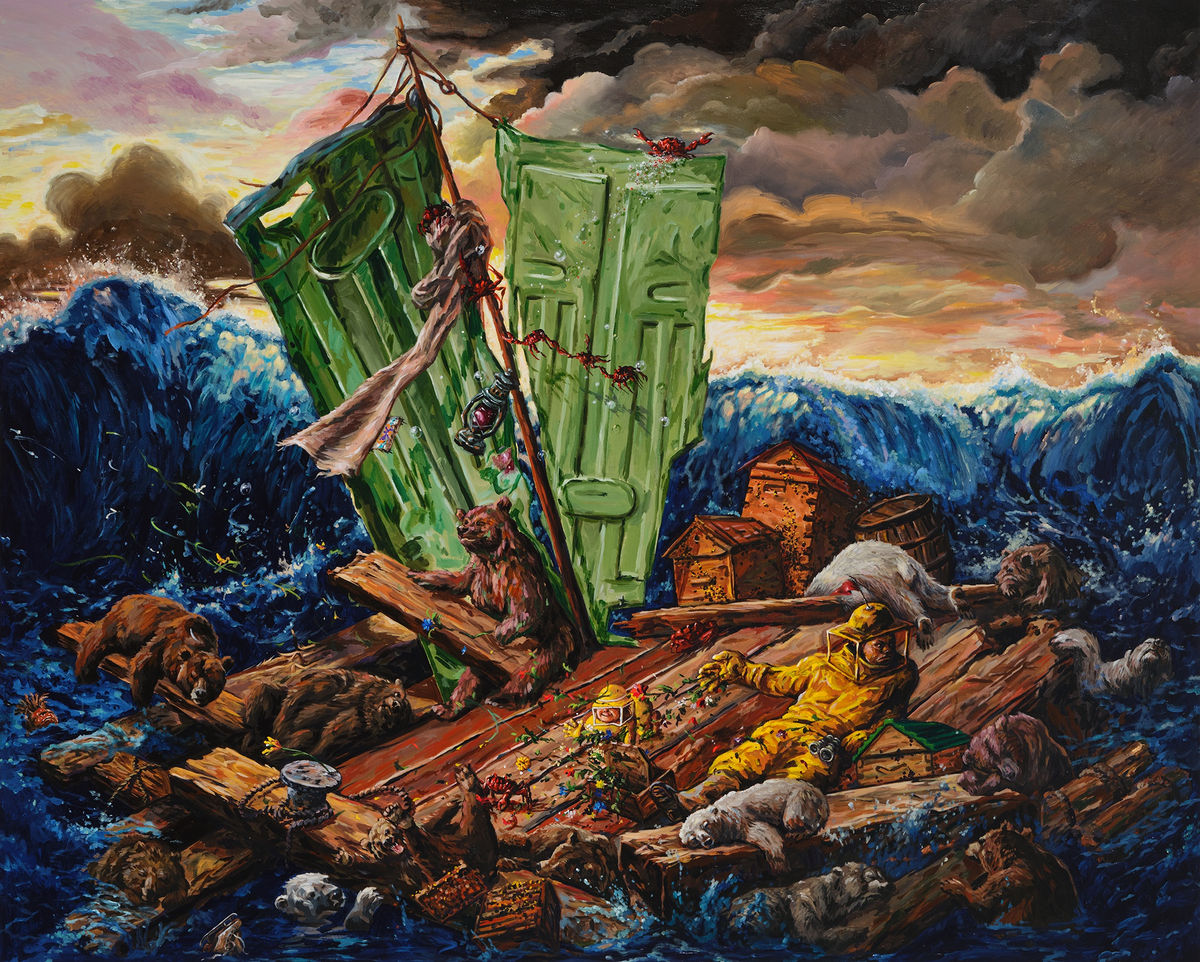
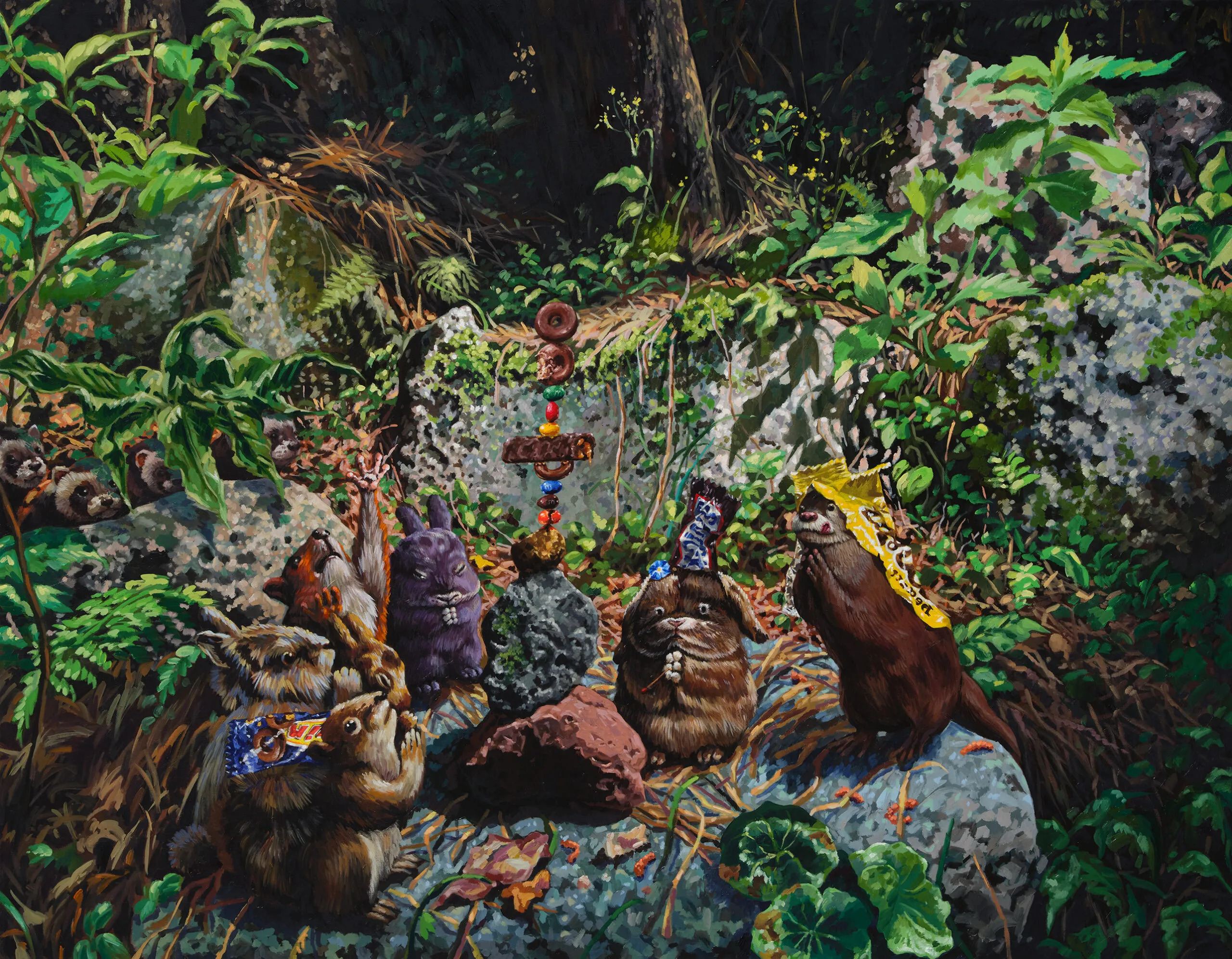
The works presented in this exhibition begin not from a desire to communicate fragmented narratives observed in images, but from an investigation into the very emergence of narrative—its conditions, mechanisms, and possible modes of construction. Bae Yoon Hwan's drawings and paintings are primarily made with oil pastel and paint on paper or canvas, often based on experiences encountered in everyday life.

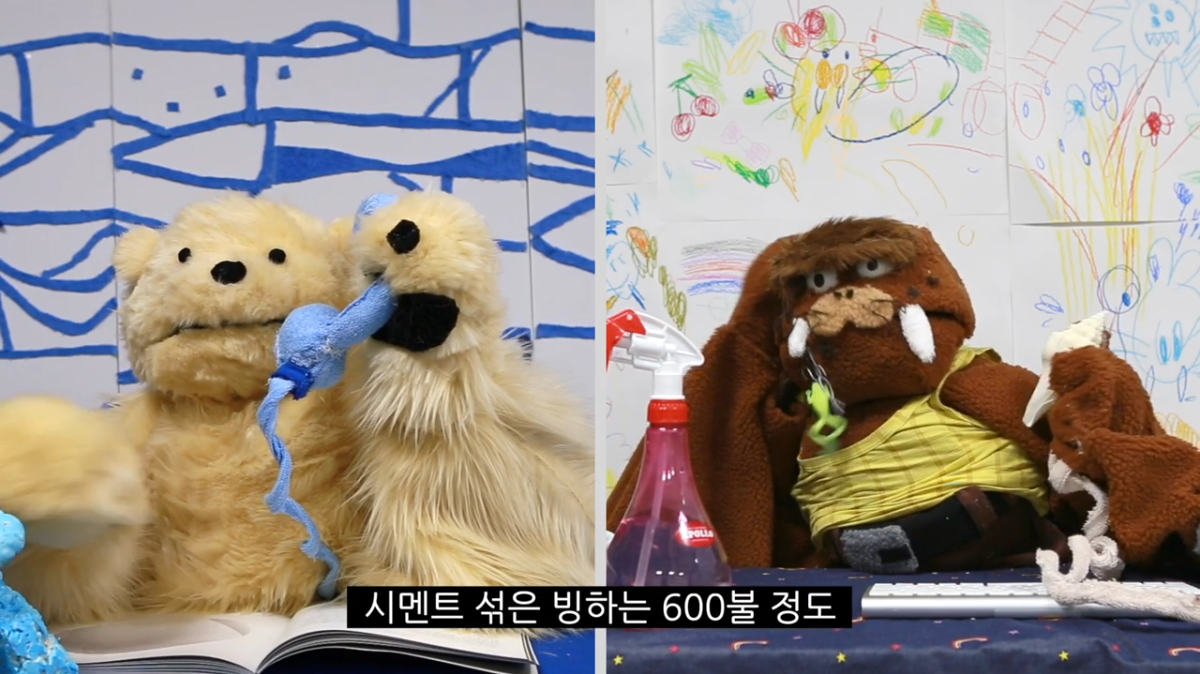
In this sense, they may be understood as a form of narrative painting. Yet the narratives that inhabit his work are far from straightforward records of personal experience. Rather, they emerge from stories that linger within the unconscious or accumulate over time without fixed form: urban legends and folklore, television dramas, political events, news reports, internet comments, and even the unsolicited text messages that arrive in the middle of the night.

Gathered and transformed, these fragments are reconfigured into metaphorical scenes that resemble episodes from a fantastical fairy tale. The proliferation of numerous small narrative paintings may risk the formal clichés often associated with socially satirical painting. The distinctive feature of this exhibition, however, lies in its refusal to reduce such imagery to a merely illustrative or subject-centered approach.

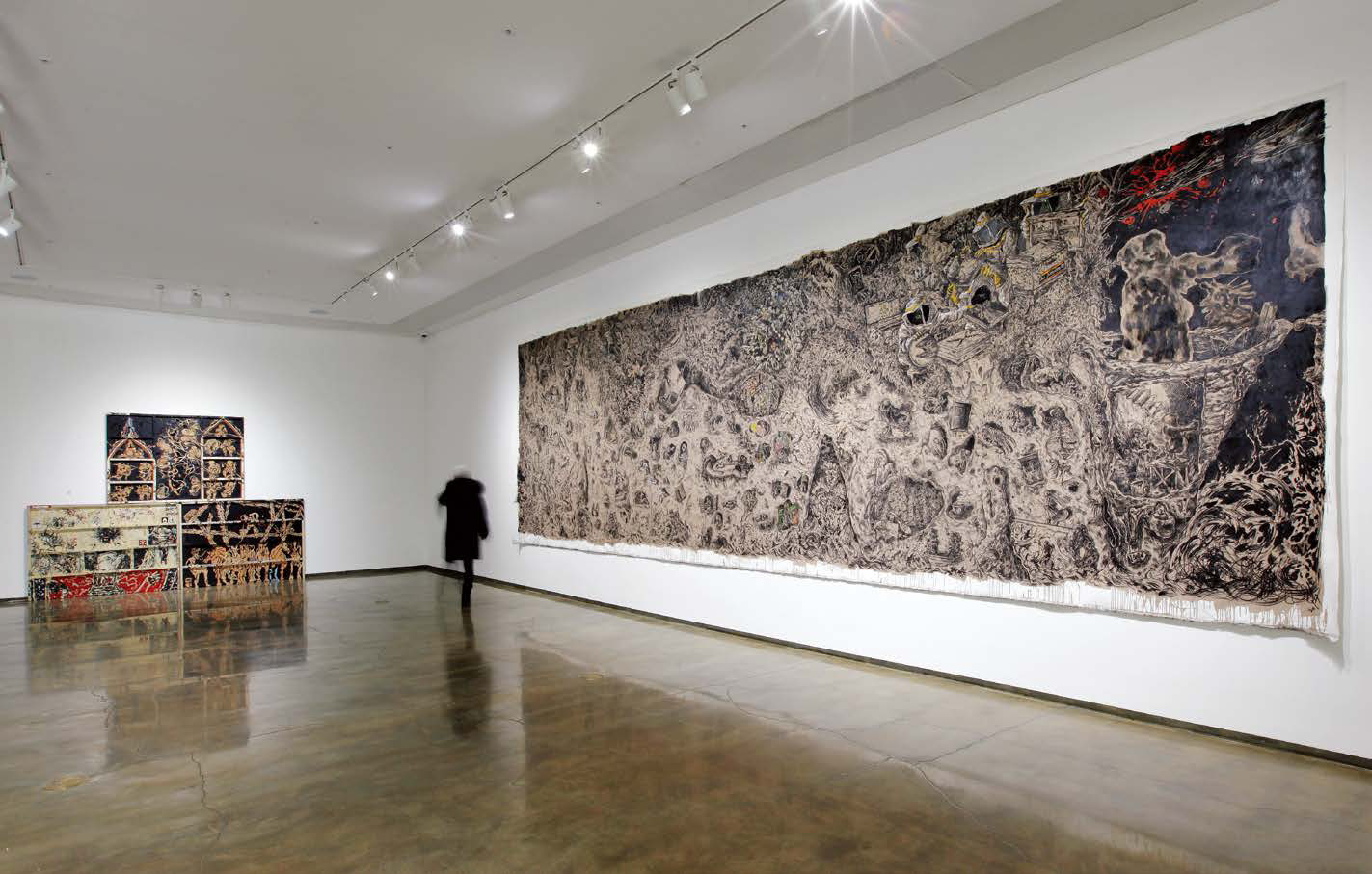
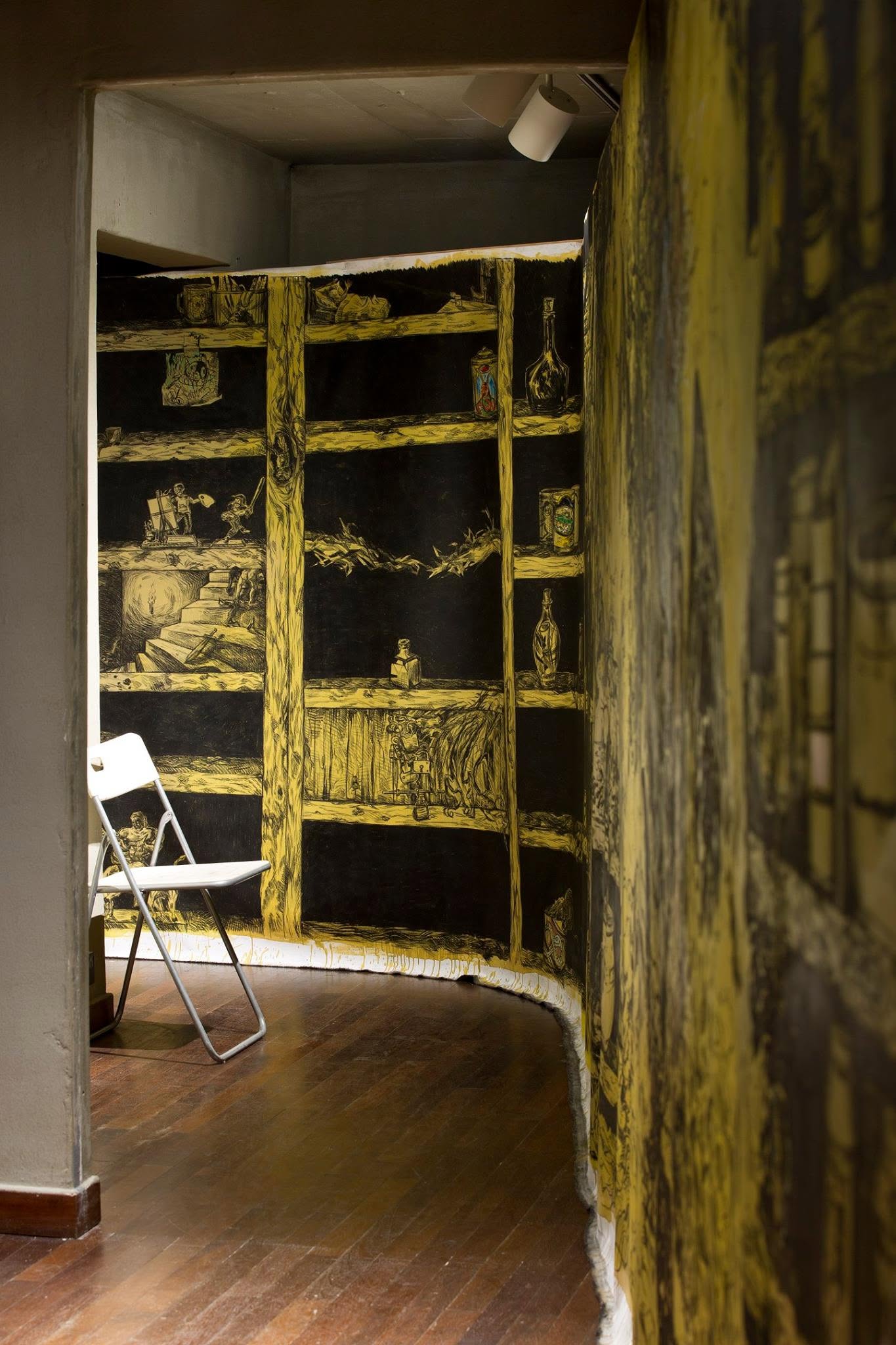
Installation view of 《WAS IT A CAT I SAW?》 © Insa Art Space

The canvas is a text that is “vast, heavy, and difficult to handle.” How might the fetish-object of narrative painting itself be made to pay homage to its own narrative desire?

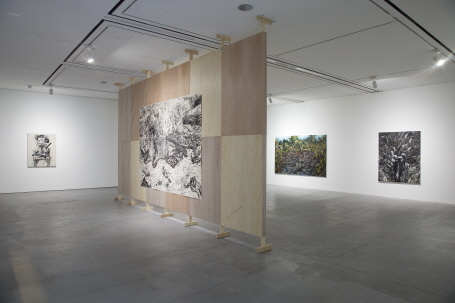
For this exhibition, the artist embarked on a continuous canvas work measuring a total of fifty meters in length. In doing so, he confronted questions surrounding the anxiety provoked by an immense pictorial field, the act of drawing itself, and the physicality inherent in mark-making.

The large-scale continuous drawing is exhibited with one half unrolled and the other remaining wound on a spool, leaving viewers to speculate about—or imagine—the unseen entirety of the image. This experiment in drawing stems from an expectation of expansion made possible by a format that remains “rolled up,” withholding the full unfolding of its narrative.

Visitors encountering the image as it extends endlessly between the walls and corridors of Insa Art Space's second floor may follow the canvas with their eyes and bodies, yet they are ultimately unable to verify the latter half of the story. Even the artist, in his own studio, has never fully unrolled the entire length of the canvas at once to view its complete narrative arc. For one side to be revealed, the other must necessarily be rolled up.

The impossibility of absorbing, in a linear manner, the story implied by an infinitely unfolding image; the persistent vitality and noise of its individual fragments, despite the absence of a complete view; and the psychological and physical layers involved in producing such a work—all of these point toward something more fundamental.

They remind us of the emergence of forms that can only be called images at a moment when the age of representation may already have come to an end, and of our enduring obsession with narrative itself.

The exhibition title 《WAS IT A CAT I SAW?》 is a palindrome—a phrase that reads identically forwards and backwards. The exhibition's structural device does not simply represent the fragmented situations depicted within the images. Rather, it points toward a non-linear narrative in which the artist's time, experience, and process are interwoven between narrative and form.

References