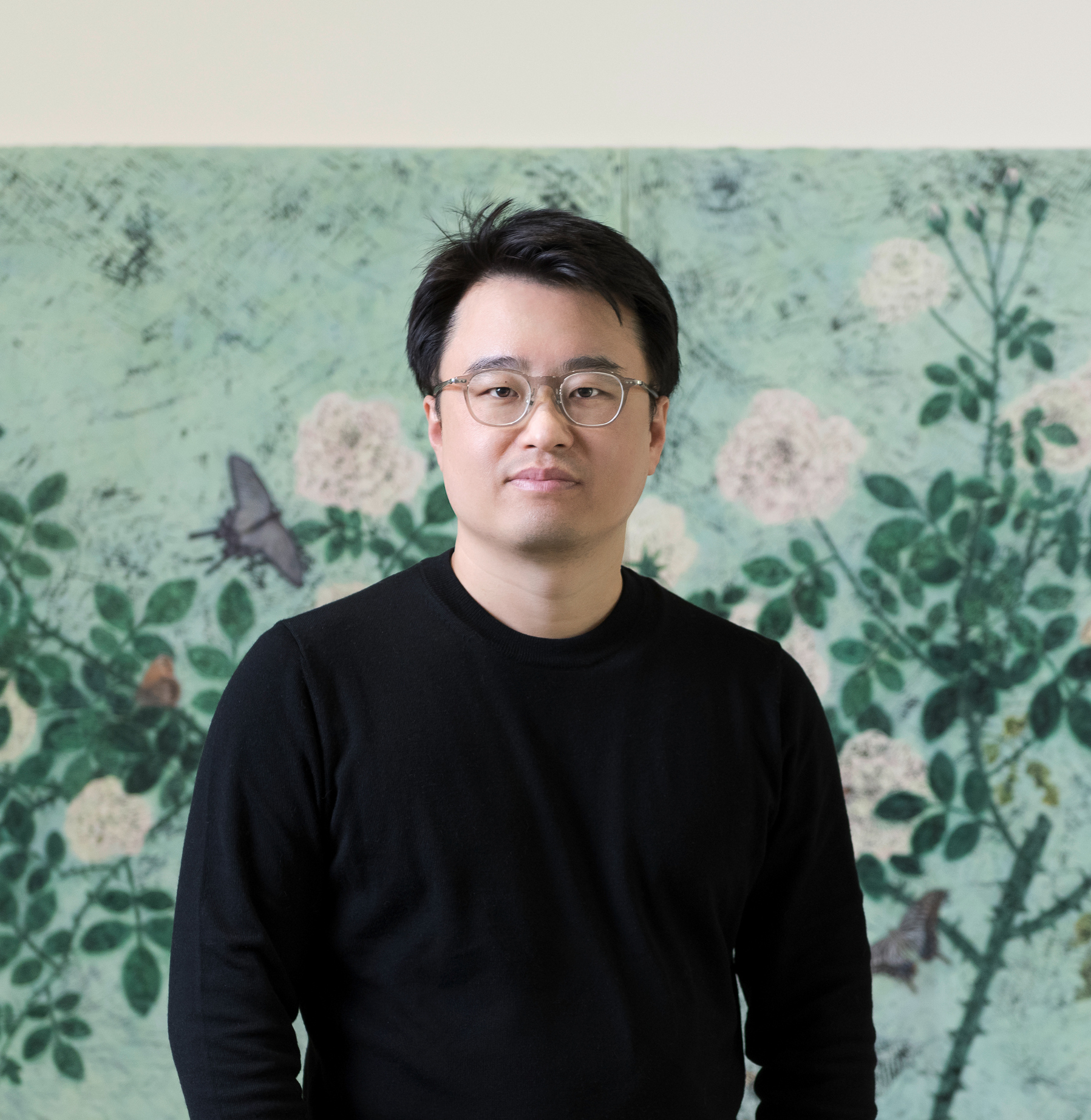
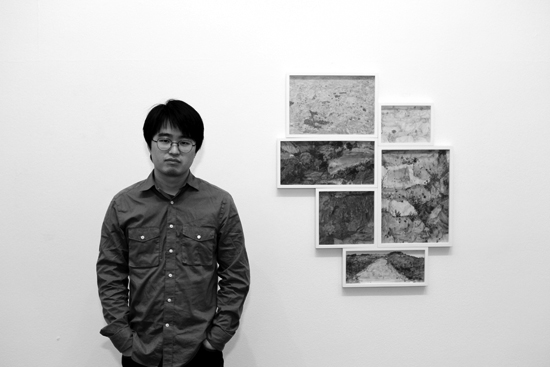
Sungsic Moon, who describes himself as an “uncanny observer” and a “storyteller,” was born and raised in Gimcheon, North Gyeongsang Province. His parents operated a vineyard, the family garden was planted with a variety of flowers including tulips, and peacocks, chickens, and dogs occupied one corner of the yard.

Every corner of the house, every part of the neighborhood, every individual neighbor—these ordinary and modest scenes constituted a world filled with fascination for him, a place where unpredictable events coexisted within everyday life. As he gradually accumulated memories of such moments, Moon grew into what he describes as “a child naturally inclined toward art.” It was not that he harbored grand ambitions of becoming an artist.

Rather, he was simply drawn to things of visual beauty and found joy in reproducing them through drawing. In particular, he often copied images from his older sister’s art books, which, in the context of rural life, represented some of the most accessible forms of culture and provided abundant subjects that an elementary school student could attempt to imitate.
When asked which artwork remained especially memorable, Moon points to Kim Chong Tai’s Yellow Top (1929), a painting distinguished by its striking contrast of yellow and red primary colors, luminous transparency, and energetic brushwork. As his interest in art steadily deepened, Moon entered Seoul Arts High School.

Life in Seoul stood in stark contrast to the world he had known in Gimcheon, and the sense of dislocation and unfamiliarity produced by that gap led him to probe more deeply into human nature and the hidden realities beneath outward appearances. These inquiries would gradually begin to manifest themselves through the meticulous and highly detailed brushwork that became a hallmark of his practice.


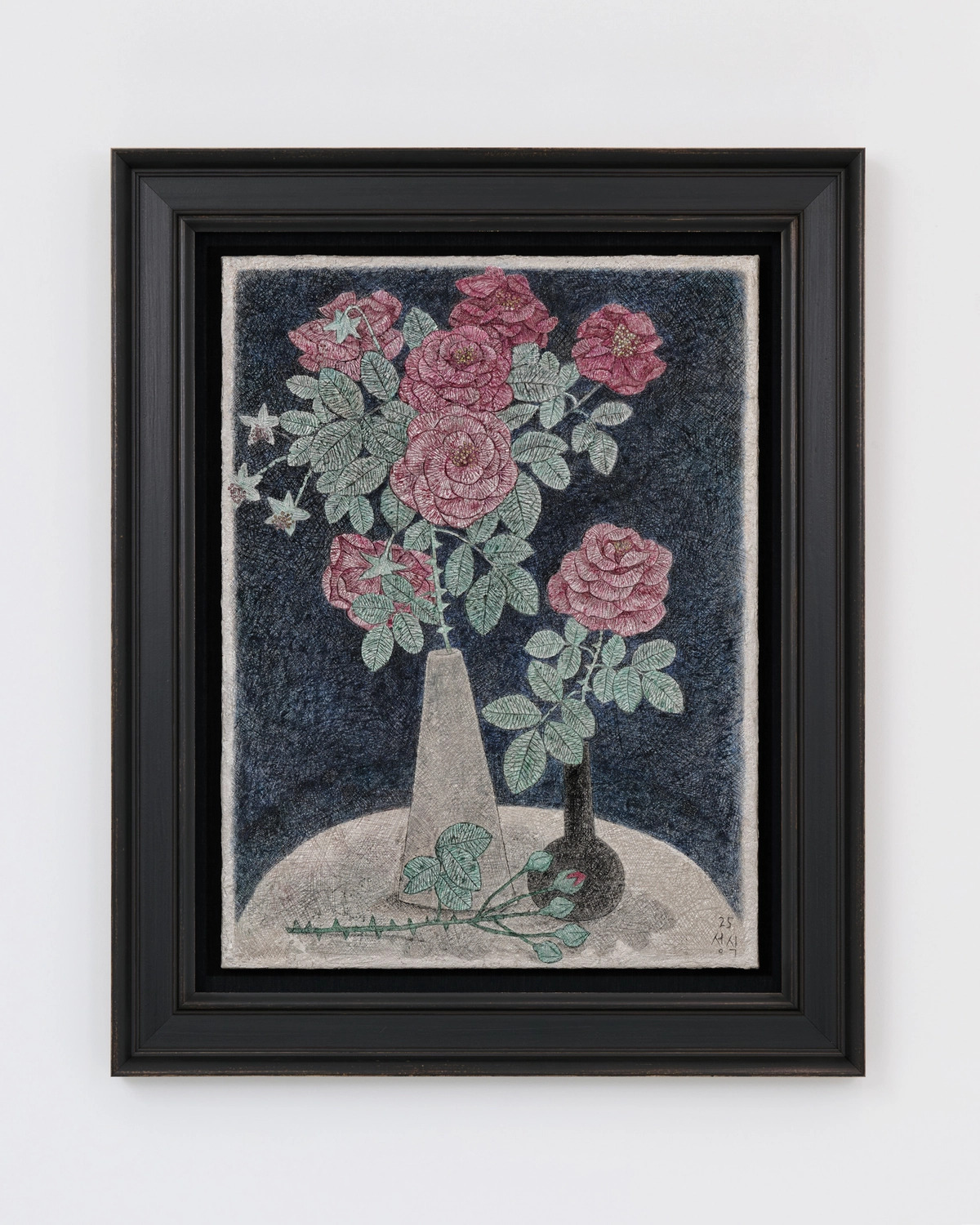
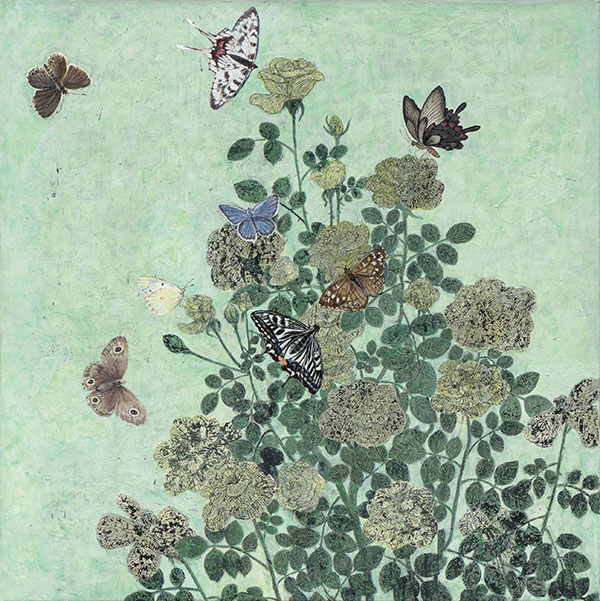
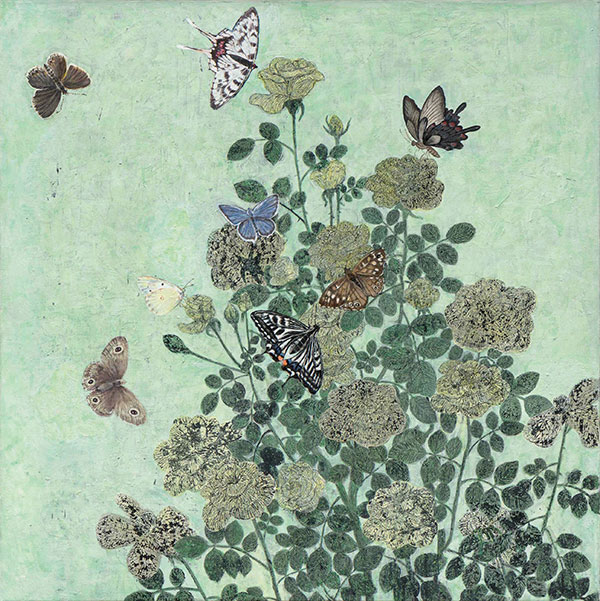
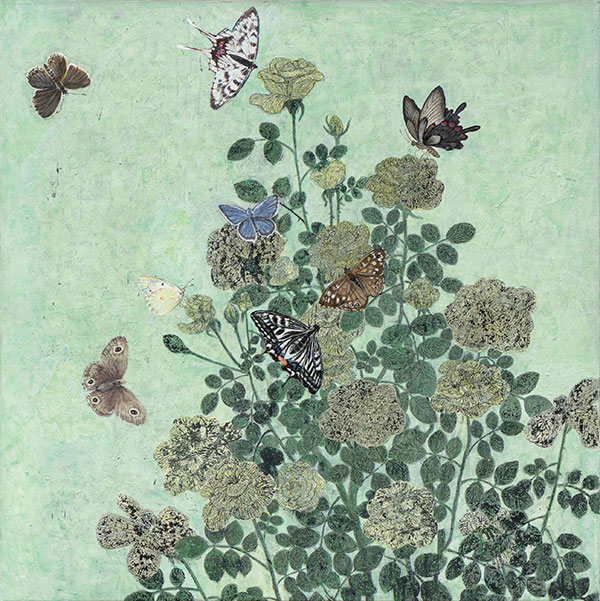
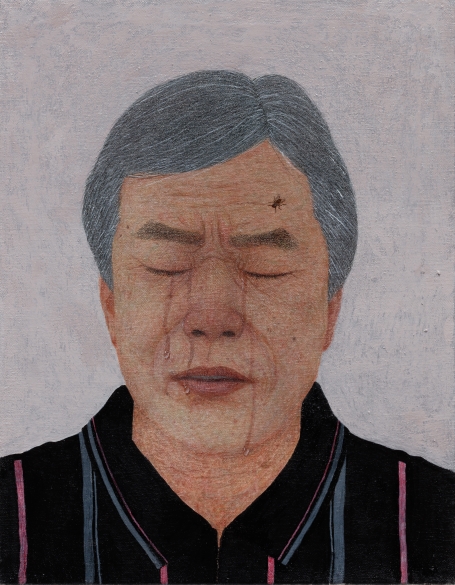
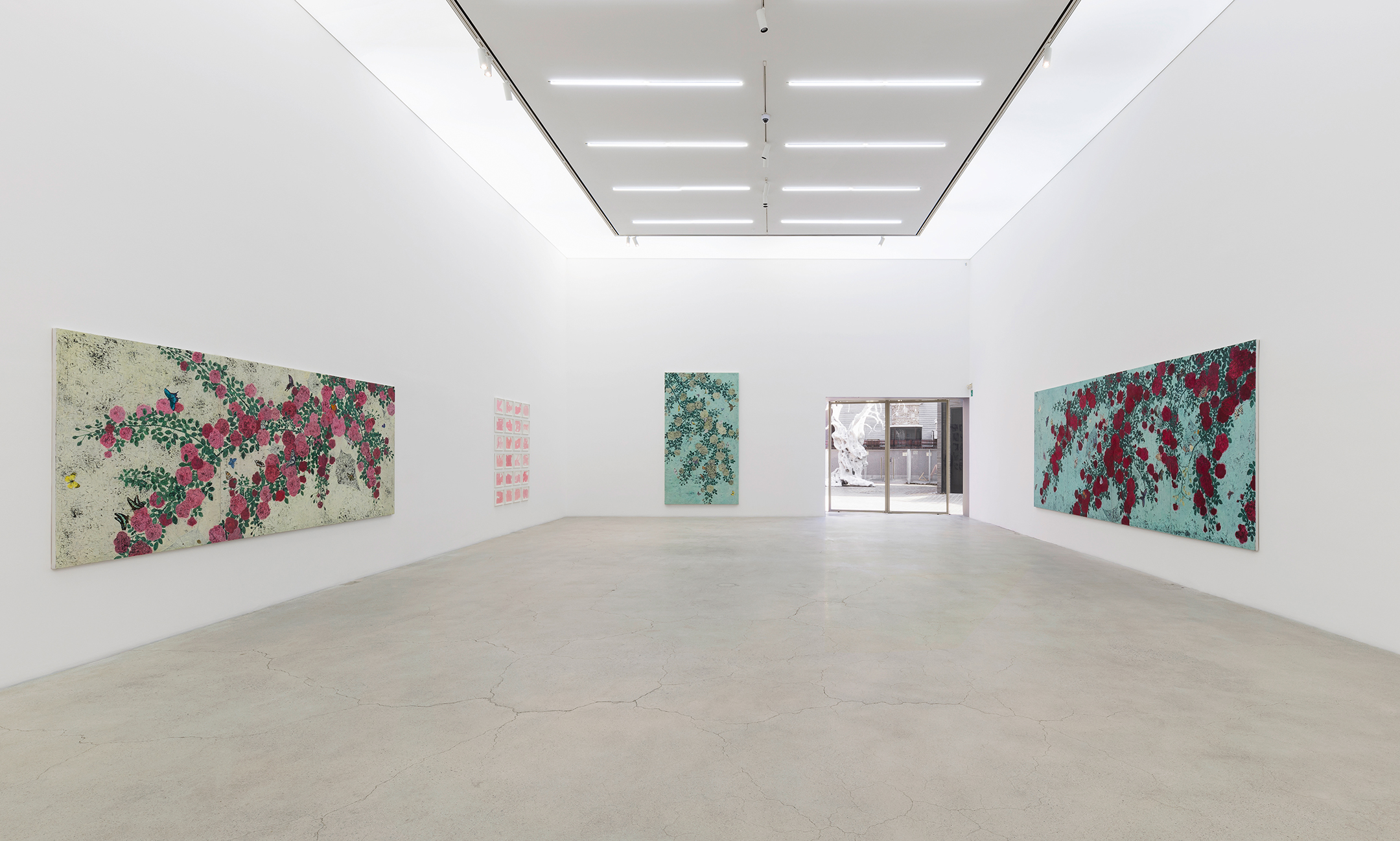
Sungsic Moon, Just Life, 2017–2019, Mixed media on canvas, 100 x 100 cm © Sungsic Moon

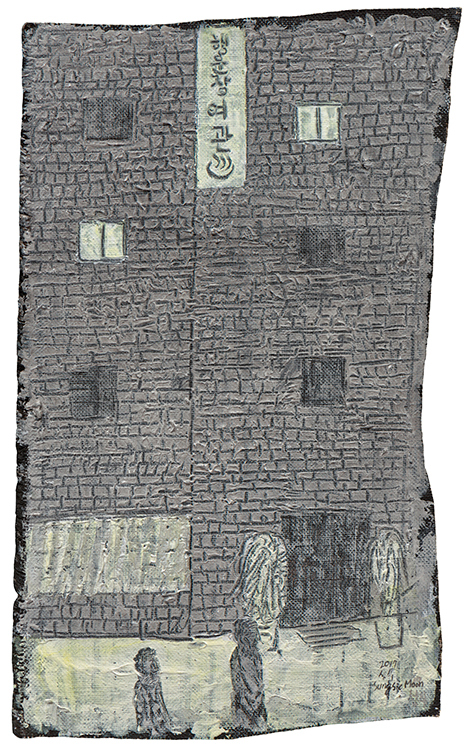
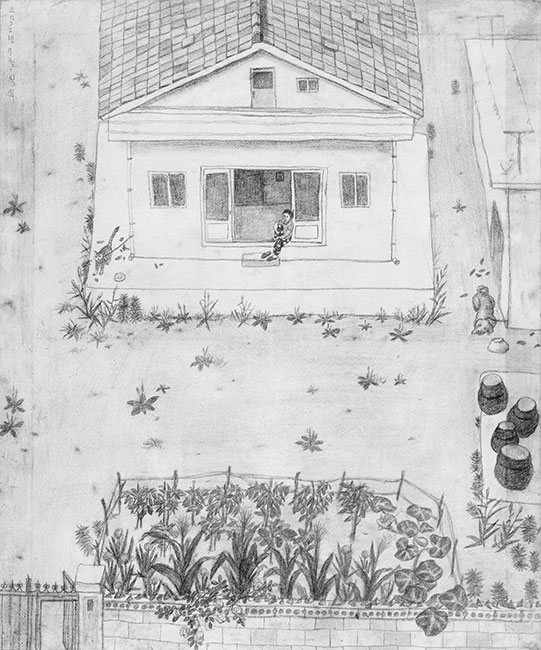
The artist’s early works, inspired by childhood memories and centered on themes of human loneliness and melancholy, convey the emotions of that period with remarkable clarity. Dusk settles gently over a quiet evening road, deserted and still. Around the house of an elderly neighbor who had lost her husband and was left to live alone, weeds have gradually grown wild.

Through a narrow opening in the door, the interior of the silent house reveals only the flickering blue glow of a television. Moon encountered this tranquil yet desolate scene by chance during a walk through the neighborhood and etched it deep into his memory. Years later, as a university student, he transformed that recollection into House of a Widow (2002).

The movement of the lines is unrestrained, while the depiction of weeds and human figures remains strikingly innocent and direct. Moon’s affection for drawing runs deep. For an artist whose practice revolves around narrating remembered moments and discoveries captured by the eye, drawing serves as an ideal means of expression.

As though keeping a daily journal, he records fragments of everyday life through concise drawings. Stars, a Scope Owl and My Grandmother (2007) reflects his experience on the day of his grandmother’s funeral, while Give Me Back My Youth (2010) was inspired by the final dance scene performed by actress Kim Hye-ja in Bong Joon Ho’s film Mother (2009).

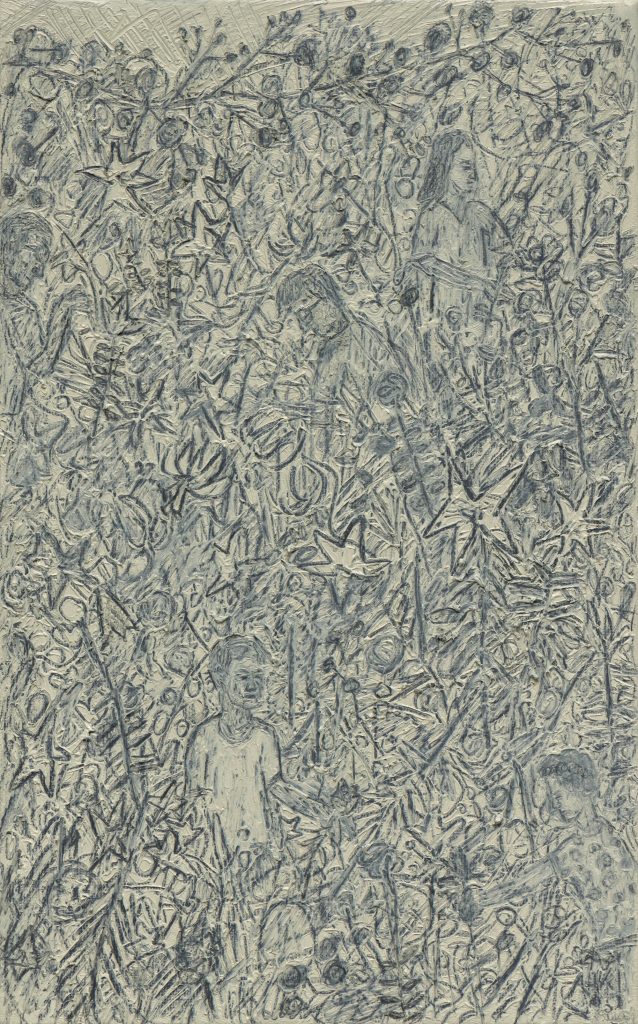
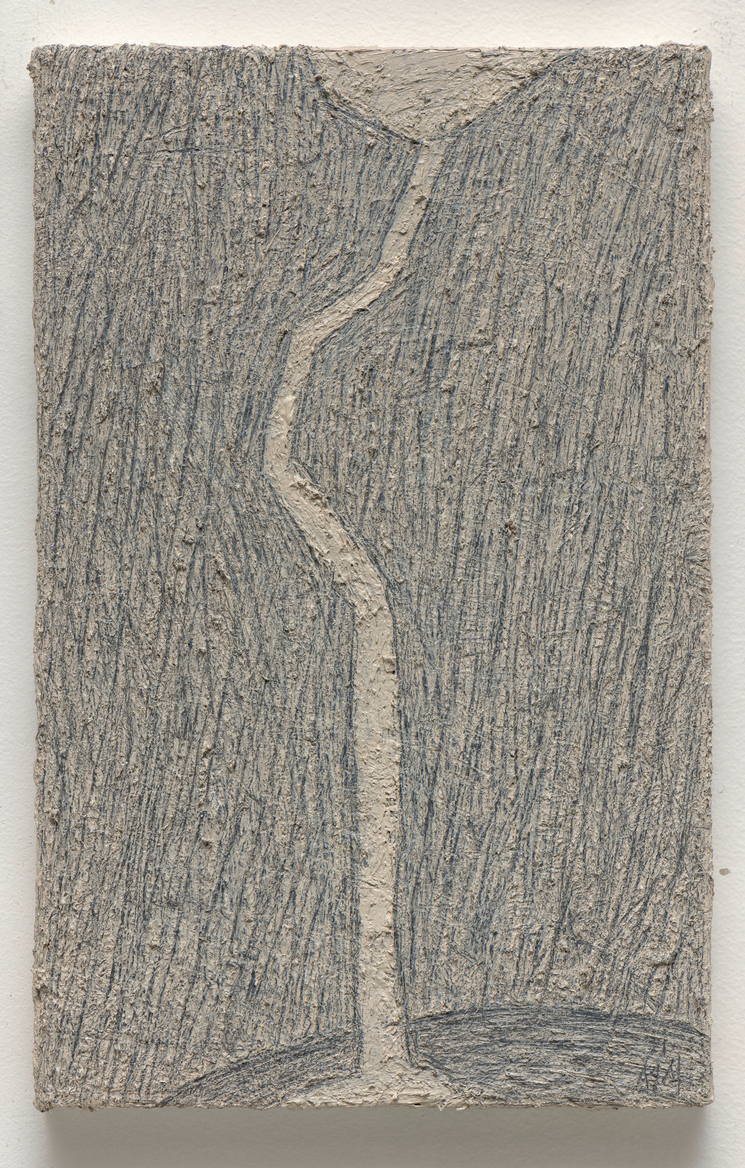
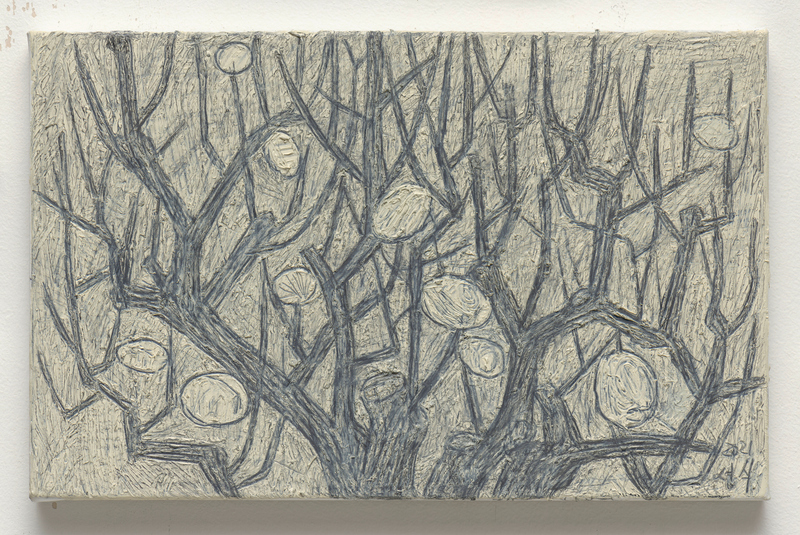
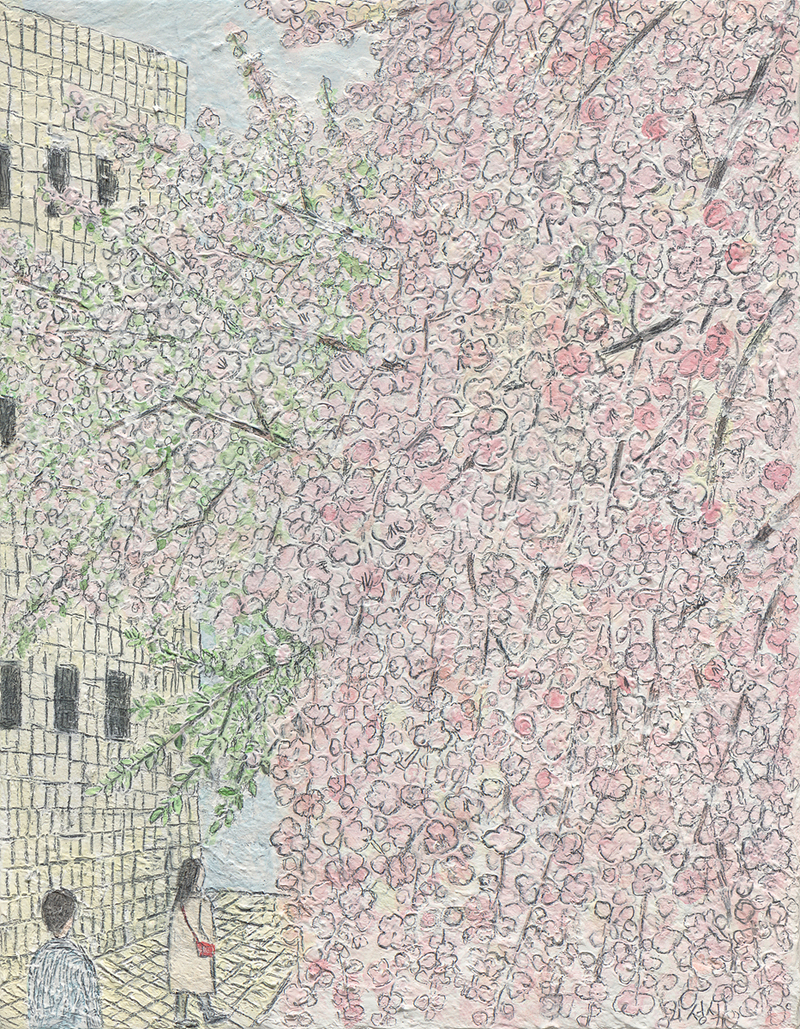
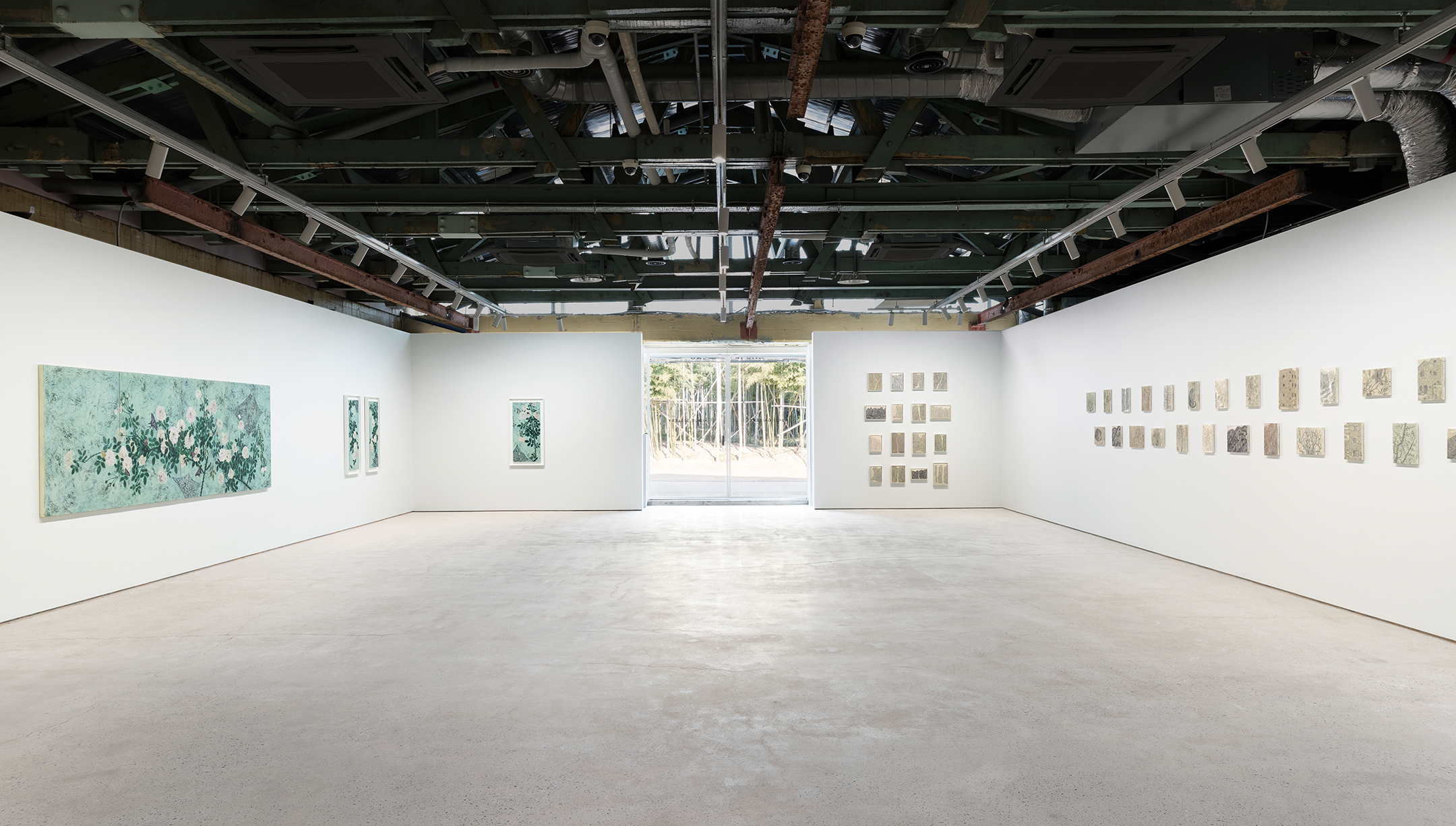
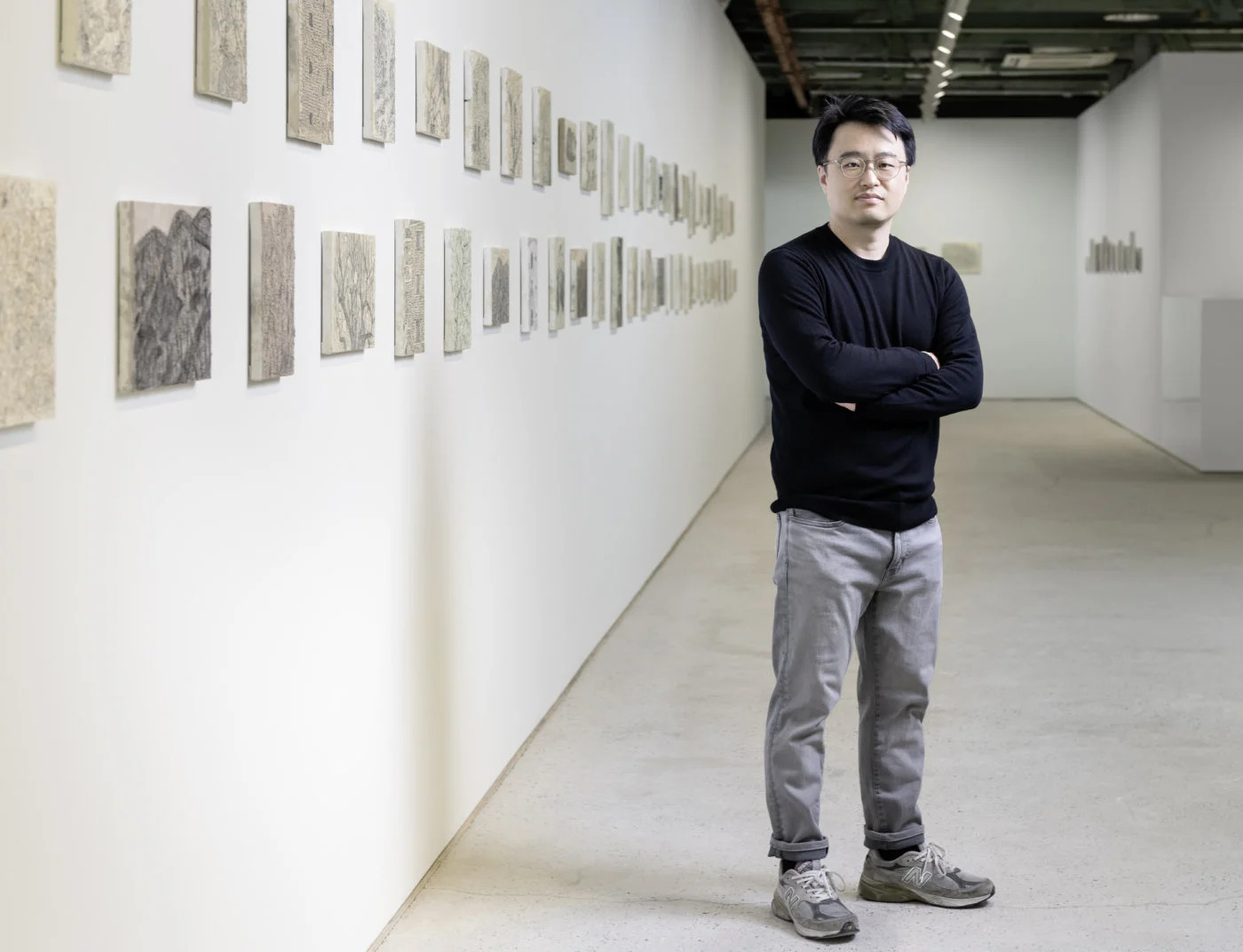
More recently, his solo exhibition featured the series ‘A Mediocre Landscape’, consisting of approximately sixty works. Created by scratching pale-toned oil paint with a pencil, these drawings capture the subtle movements of the fragile forms of life that populate everyday existence.

Moon’s drawings, which infuse commonplace scenery and personal memories with intimate and emotional sensibilities, bring to mind the words of John Berger: “For the artist, drawing is discovery. (...) A line, an area of tone, is important not because it records what one has seen, but because it will lead one to see.”


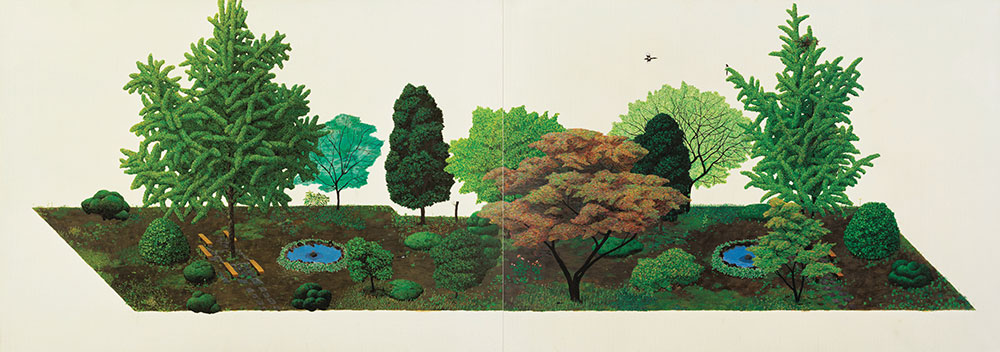
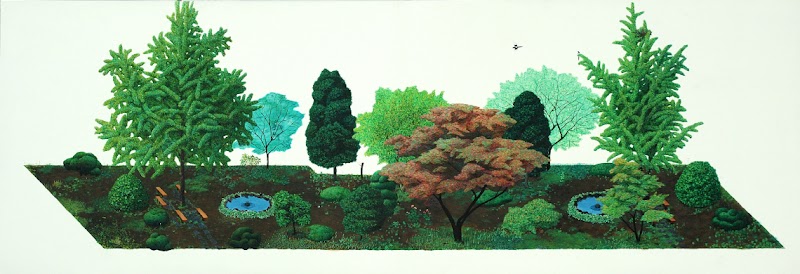
Sungsic Moon, Rectangular Garden, 2004, Acrylic on Canvas, 112 x 324 cm © Sungsic Moon

Meanwhile, Rectangular Garden (2004), one of Moon’s early paintings, brings the organic world of nature—its land, sky, and trees, all shaped by curves—into a rigid rectangular space. Carefully trimmed junipers, zelkovas, and arborvitae stand in orderly rows upon a neatly squared plot of earth, while a single bird flies between them, interrupting the stillness.

Both realistic and dreamlike, this distinctive and imaginative work quickly attracted attention within the art world. Its inclusion in the Venice Biennale the following year further elevated Moon’s profile. At the time, he was only twenty-five years old and still a student. Suddenly, an overwhelming level of attention and expectation was directed toward the emerging artist.

Before he had even determined his own path, he found himself already wearing running shoes, the starting gun having been fired. Without knowing where he was headed—or where he ought to go—he felt compelled simply to keep running. 
Looking back, Moon recalls that period as one marked by severe self-imposed pressure and considerable hardship. Yet in the decade following the Venice Biennale, as he experimented with every possibility available to him, Moon arrived at an essential realization: that what matters most is essence itself.

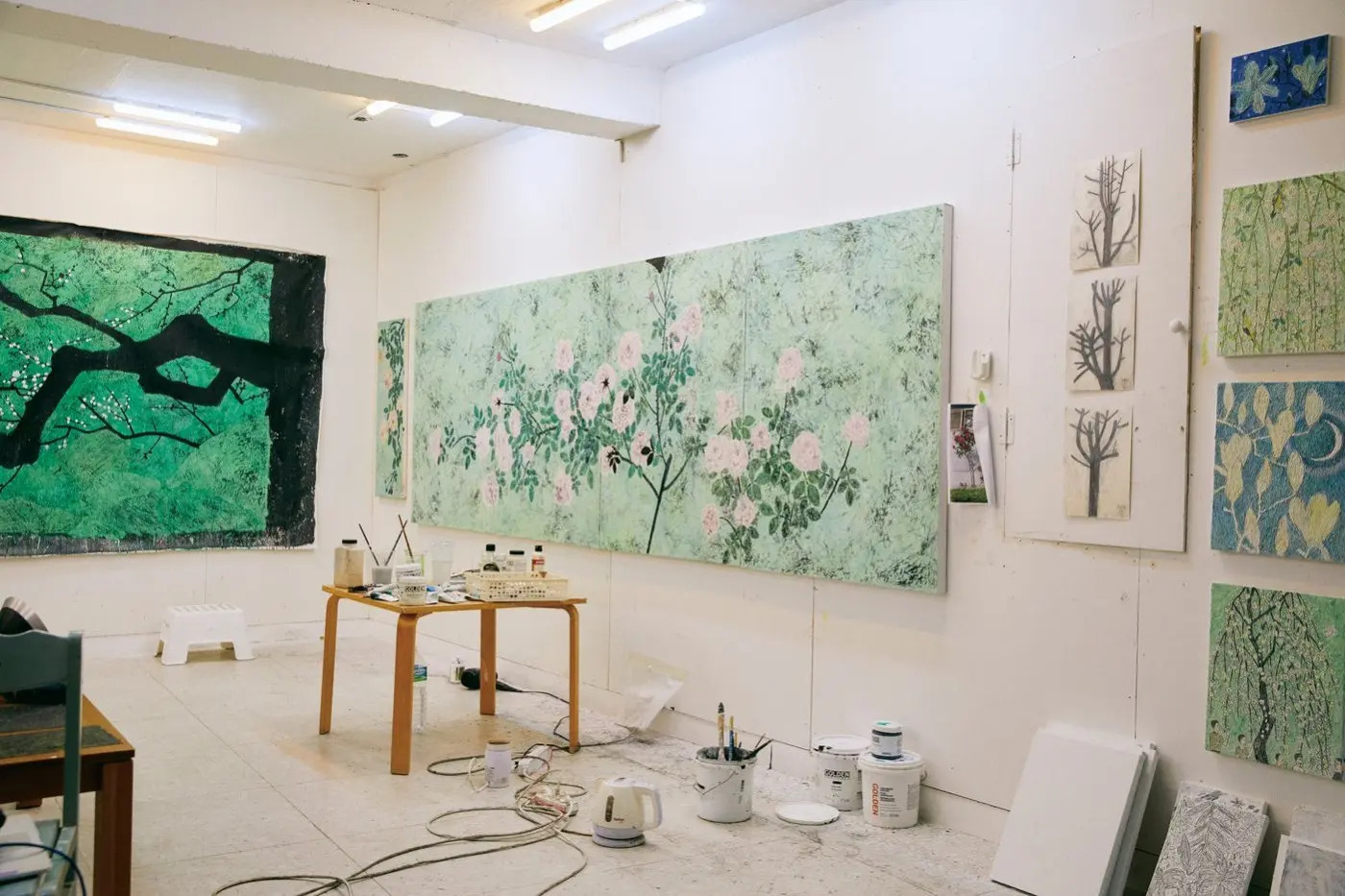
Having spent years engaged in an unending race with himself, he now speaks of learning how to pace his breathing and sustain a long, steady journey. It was during this process that Moon moved beyond the earlier compositions that framed space like a stage and depicted artificial gardens. Instead, he began producing elongated paintings on hanji paper.

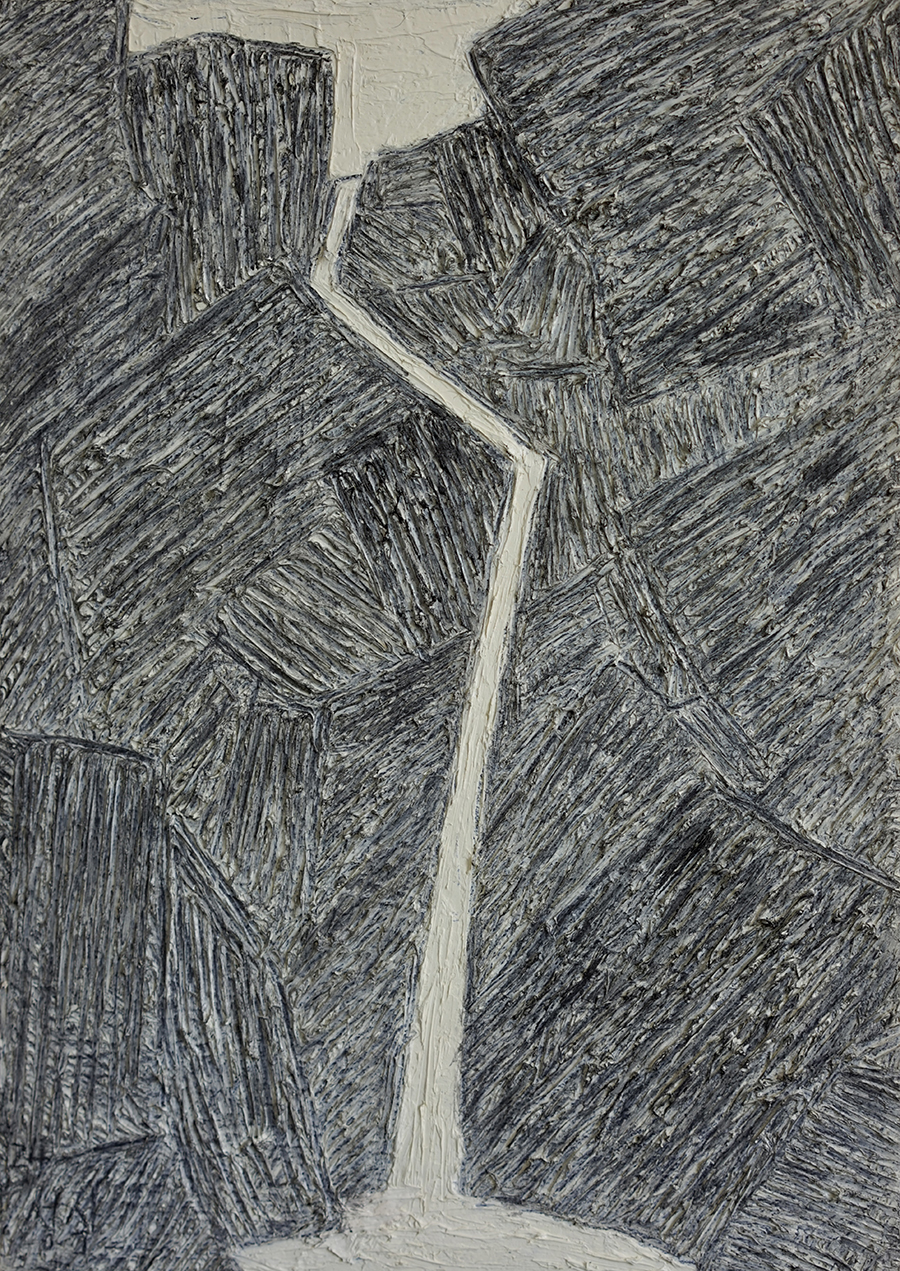
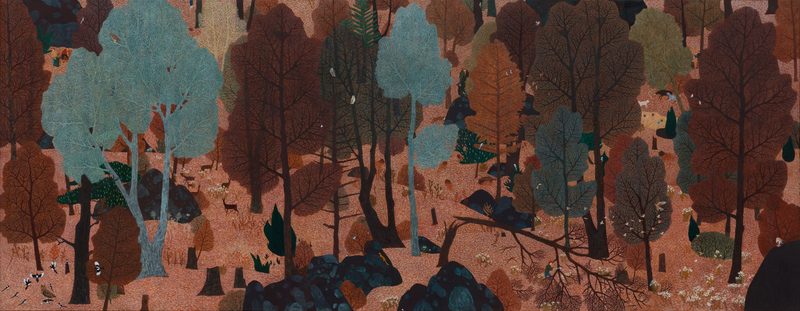
Seemingly tranquil yet filled with narrative potential, Interior of a Forest (2010–2011) reveals the artist’s determination to overlook nothing, rendering even the most inconspicuous details across a vast pictorial field without a clear beginning or end. Texture of the Night (2010–2011) emerged from Moon’s observations of Inwangsan Mountain, whose appearance changed dramatically between day and night during his daily commute between home and studio while living in Buam-dong.
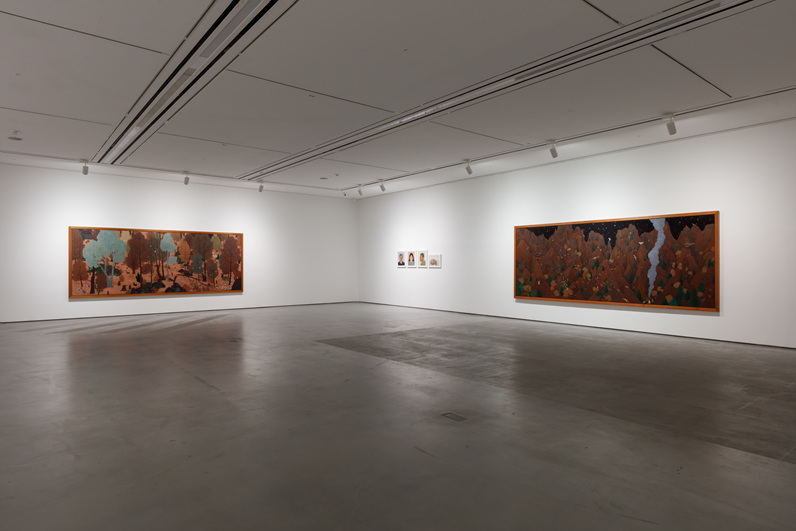
On the hanji surface, prepared with great deliberation, layer upon layer of black pigment accumulates in meticulous succession. Embedded within the work is an immense investment of unseen time and labor, all directed toward giving form to a sublime conception of darkness.

Sungsic Moon, House of a Widow, 2002, Pencil on canvas, 72 x 65 cm © Sungsic Moon

Yet the questions persisted. After completing his third solo exhibition, Moon found himself confronting a growing sense of limitation and fatigue regarding his methods of expression. Amid these deepening uncertainties, he found his thoughts returning to the pencil drawings he had made during his university years. “I began asking myself, at the most fundamental level, what truly gives me the greatest joy.

Surprisingly, the answer was line. Not something predictable, but the vitality of a line that feels fresh—one that surges upward with tremendous force from somewhere deep within me. In those moments, my will comes alive. It feels almost like a living fish.” With this realization, Moon moved to Busan to pursue line itself, to pursue drawing. There, his practice began anew.

In 《Beautiful. Strange. Dirty.》, his first solo exhibition in four years, held in 2019, he presented a diverse body of work that included painting series created through a scratch technique of his own invention, alongside colored drawings and oil-based drawings.

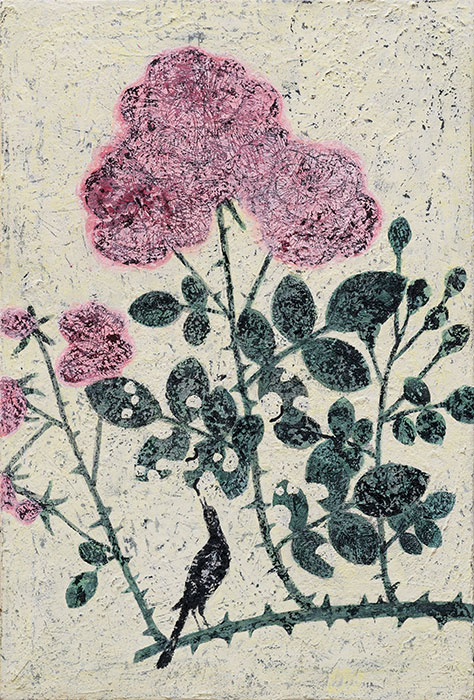
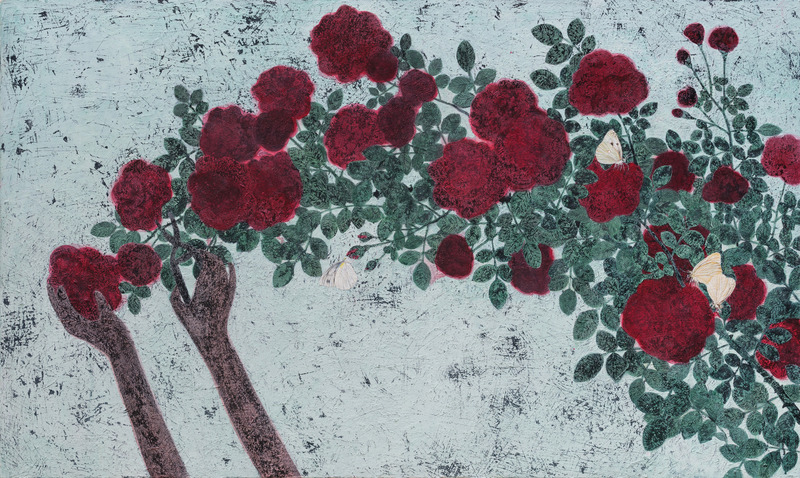
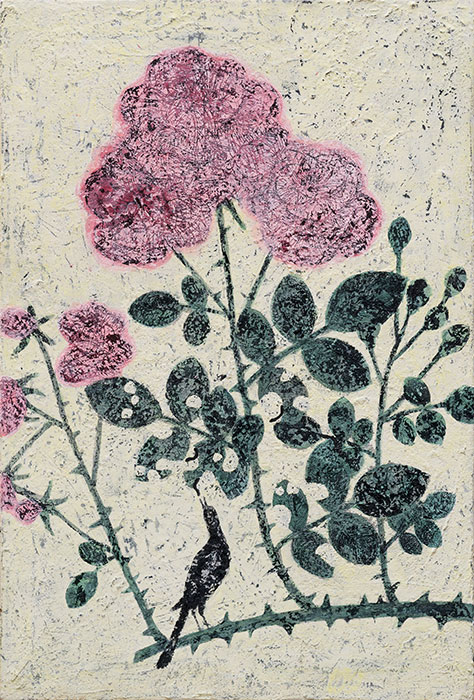
The process was far from easy. The rose series 'Just Life' (2017–2019), which served as the conceptual point of departure for the exhibition, is what Moon describes as a “thick drawing,” completed over the course of a year and a half. Here, flowers function not merely as aesthetic objects but as symbols onto which layers of desire and the complexities of the world are projected.

To create a sense of vitality and the traces of human intention embedded within the image, Moon repeatedly applied gesso over a black ground and then scraped it away with sharp tools. When he encountered lines produced through a combination of deliberate action and chance, he would complete the image with gouache.

This technique suggests that the distinction between painting and drawing has ceased to hold significance. At the same time, it reflects an artist gradually discovering his own point of equilibrium, negotiating a balance between intention and accident, image and gesture, painting and drawing.


Sungsic Moon, Just Life, 2019, Mixed media on canvas, 60.5 x 41 cm © Sungsic Moon

Sungsic Moon’s paintings do not reveal their emotions hastily. Instead, through their overall restraint, clarity, and unembellished sense of reality, they quietly invite viewers to confront the memories and sensations that reside within themselves. Rather than prescribing an interpretation, his works create a space in which personal recollections and emotional responses may emerge on their own terms.

“You came to me to learn the pleasures of life and the joys of art. Yet perhaps I was chosen to teach you something even more wonderful—the meaning of suffering and its beauty.”

Moon’s paintings may be among the finest companions one could encounter: works that grant us the courage to face pain, sorrow, and hardship for ourselves. Through their quiet persistence, they remind us that confronting such experiences is not merely an act of endurance, but also a way of recognizing the profound beauty embedded within human existence.

References