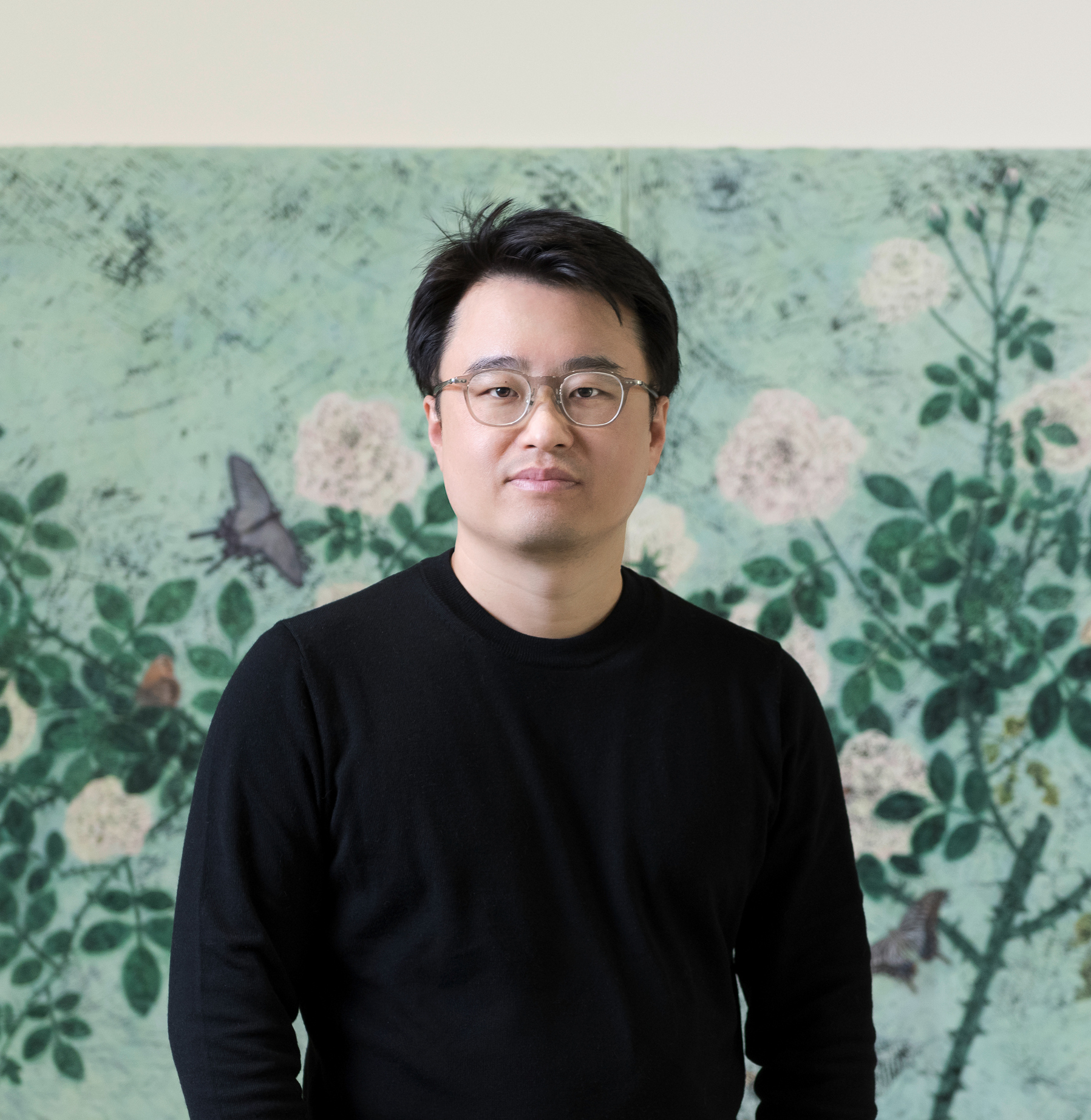
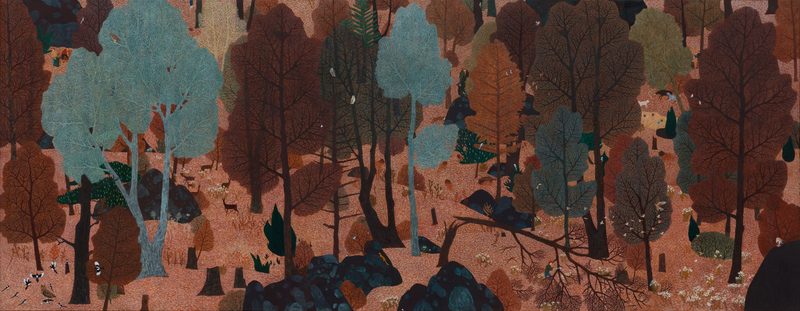
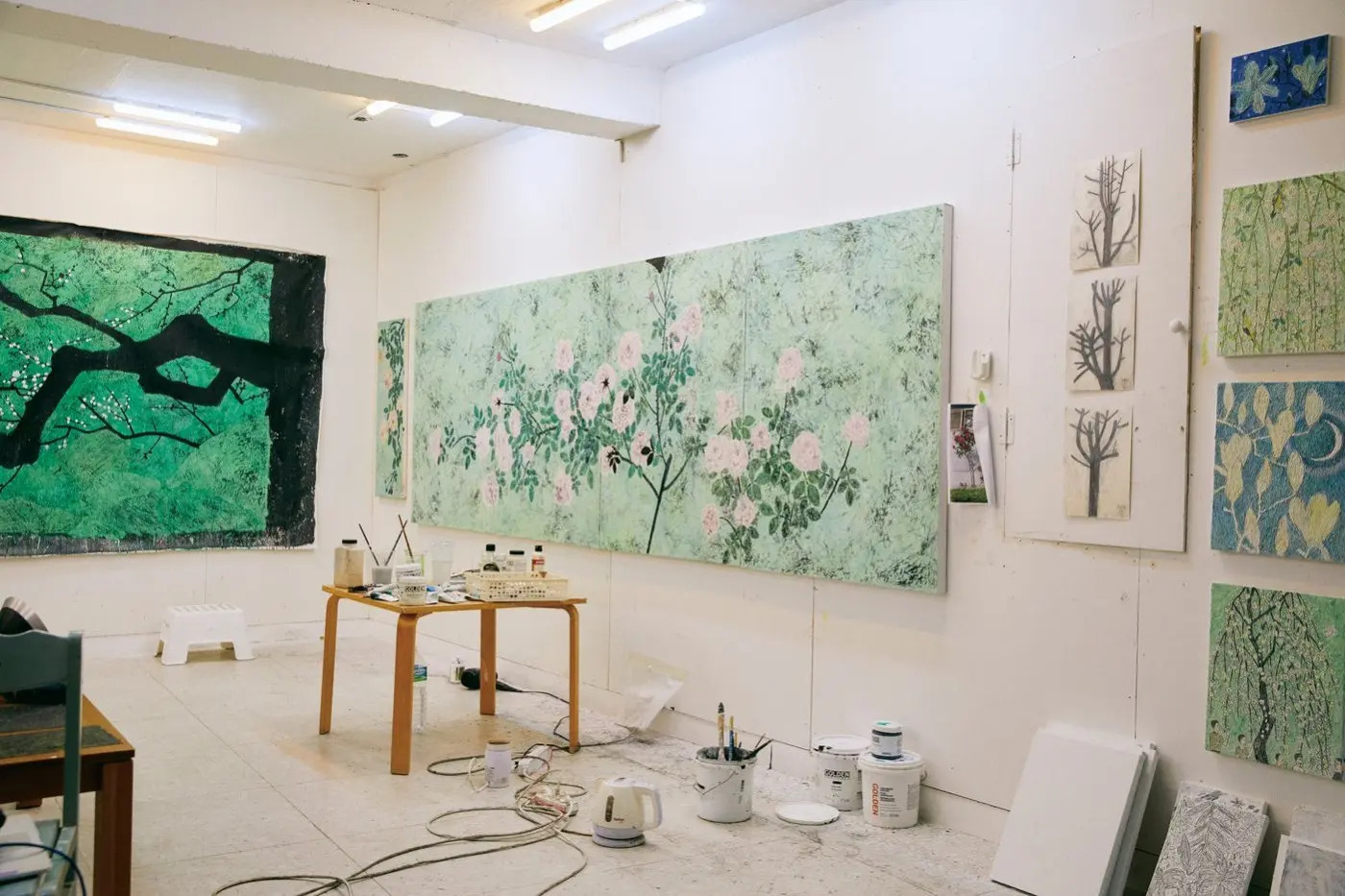
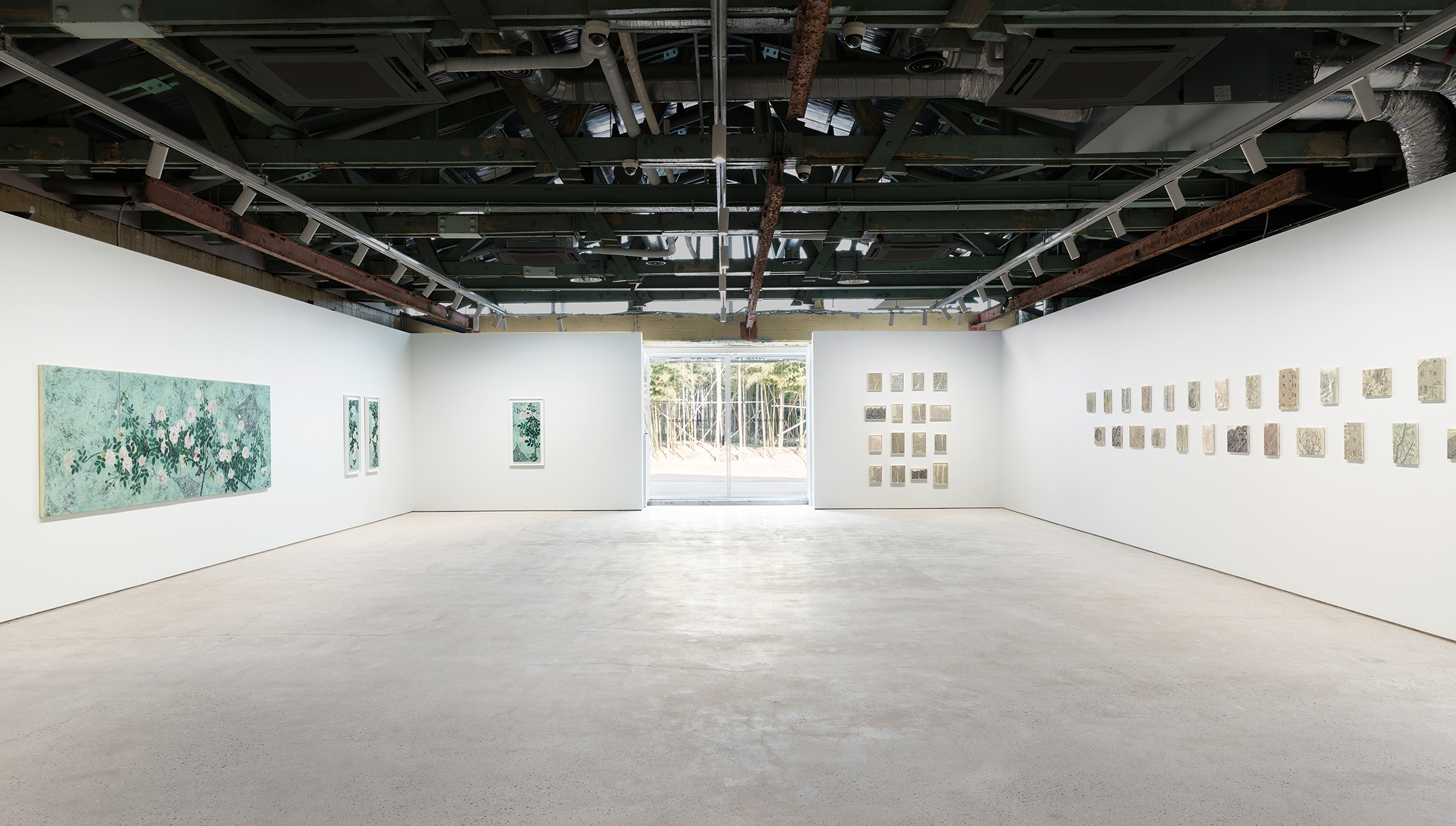
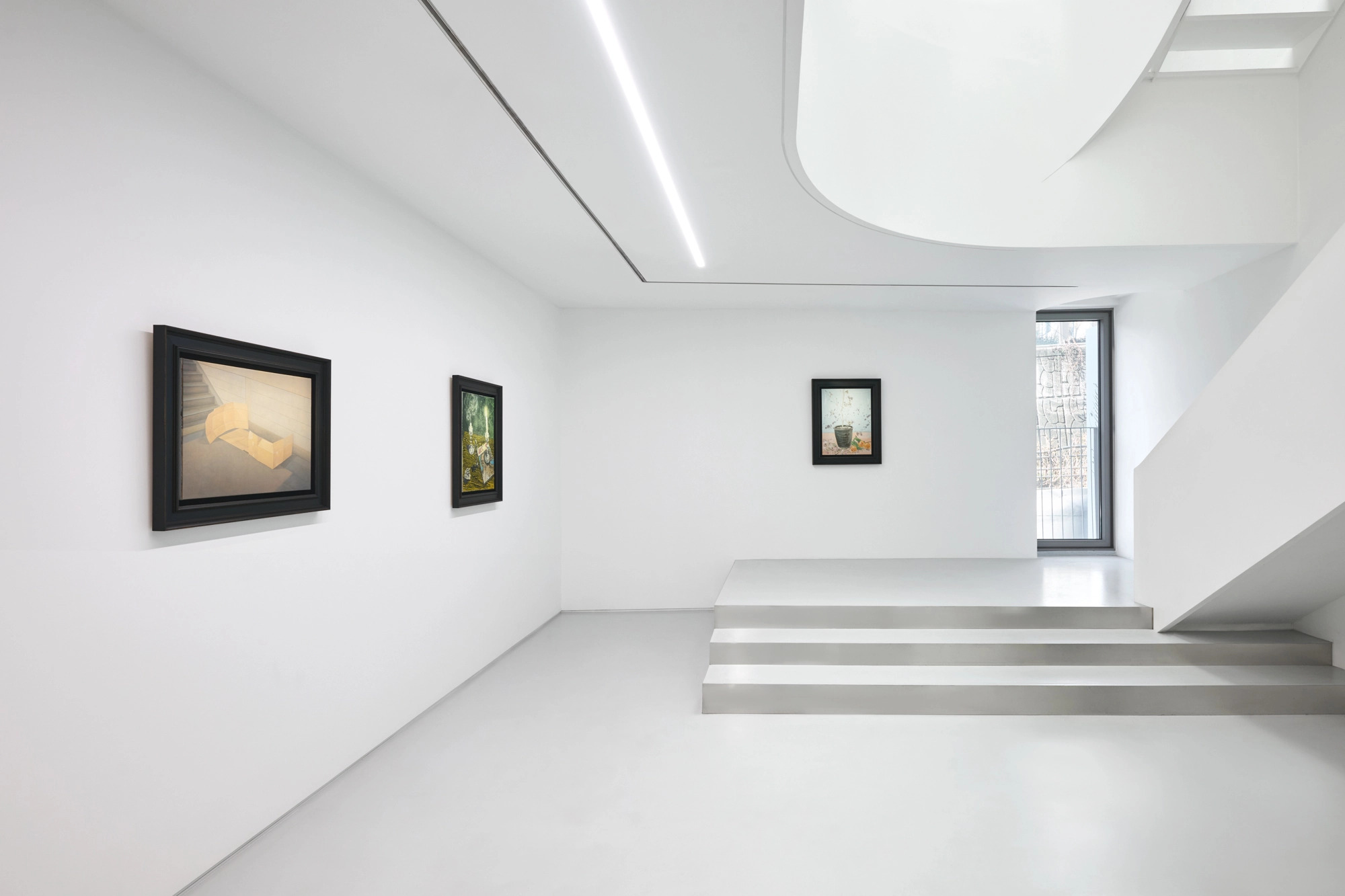
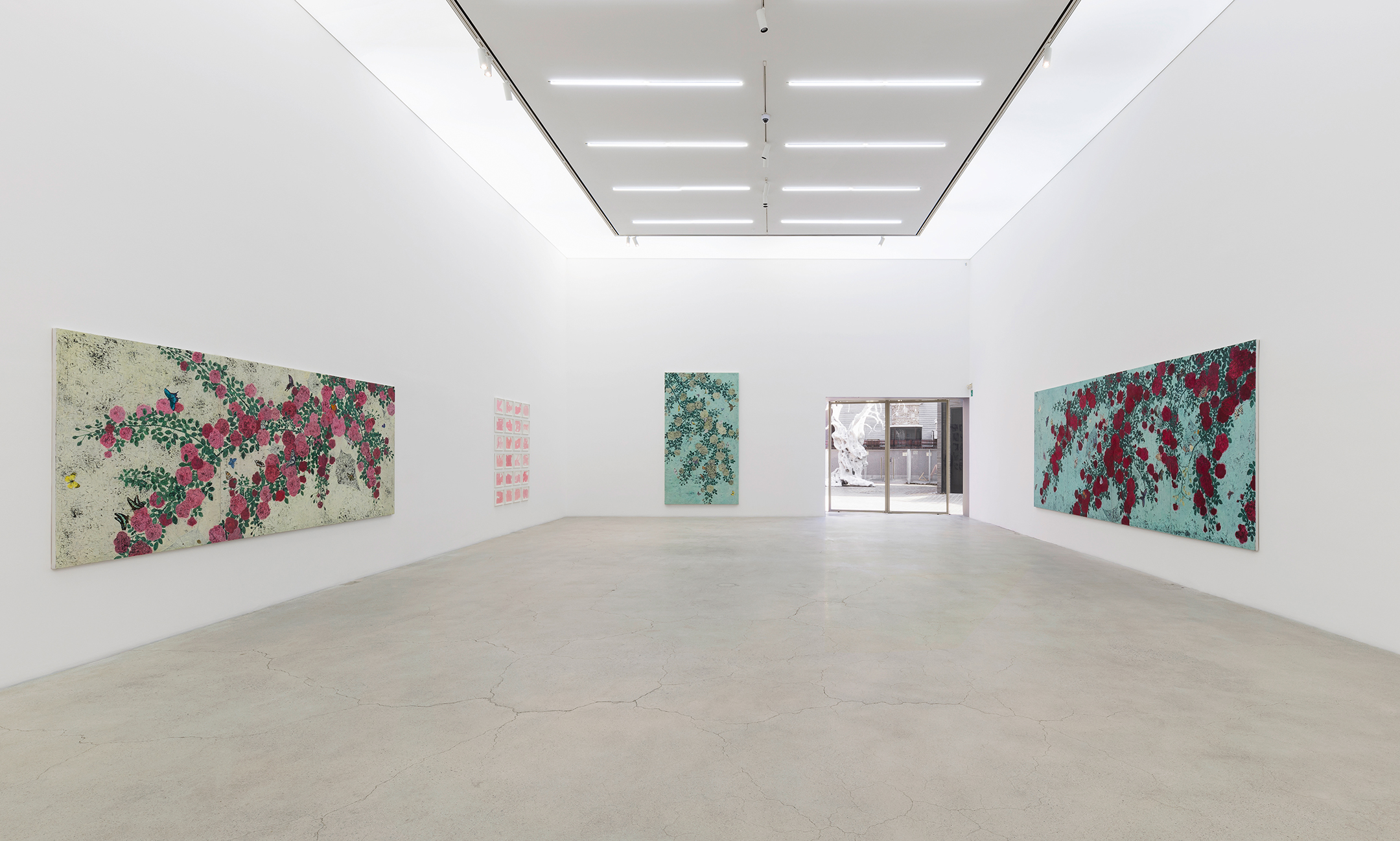
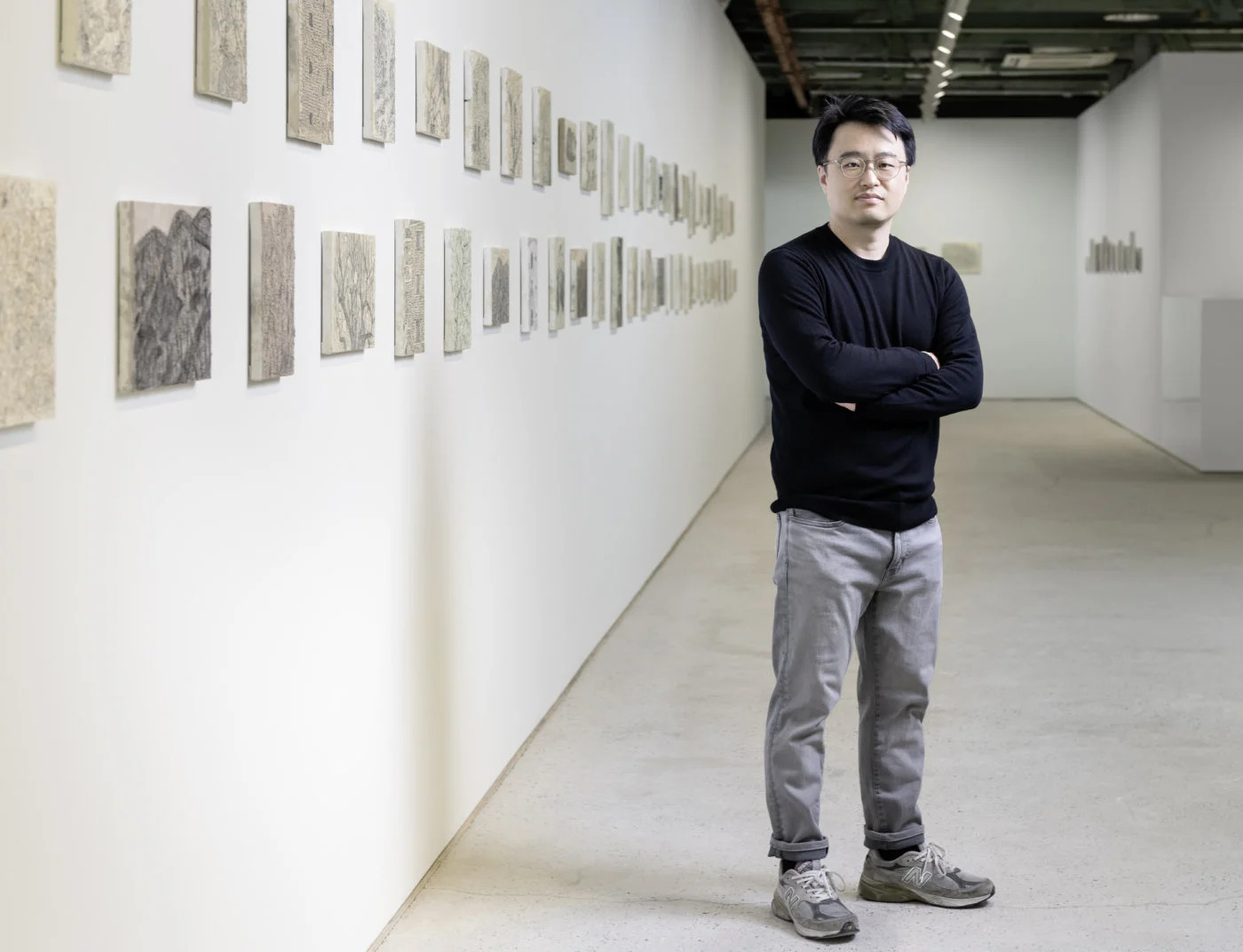
Installation view of 《Life》 © Kukje Gallery

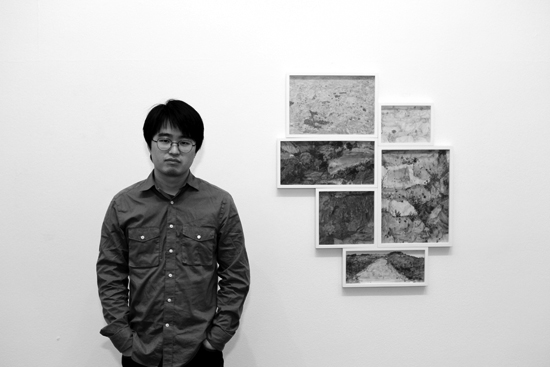
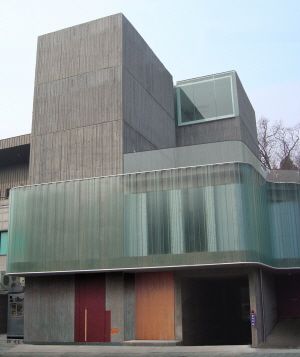
As the first exhibition of Kukje Gallery’s 2022 program, Kukje Gallery is pleased to announce 《Life》, a solo exhibition of Sungsic Moon. On view from January 21 to February 28 at the gallery’s Busan branch, Life is the artist's third solo show with Kukje Gallery following those in 2019 and 2011. In the exhibition, Moon presents small records of landscape occupied by what he refers to as “us, here, now.”

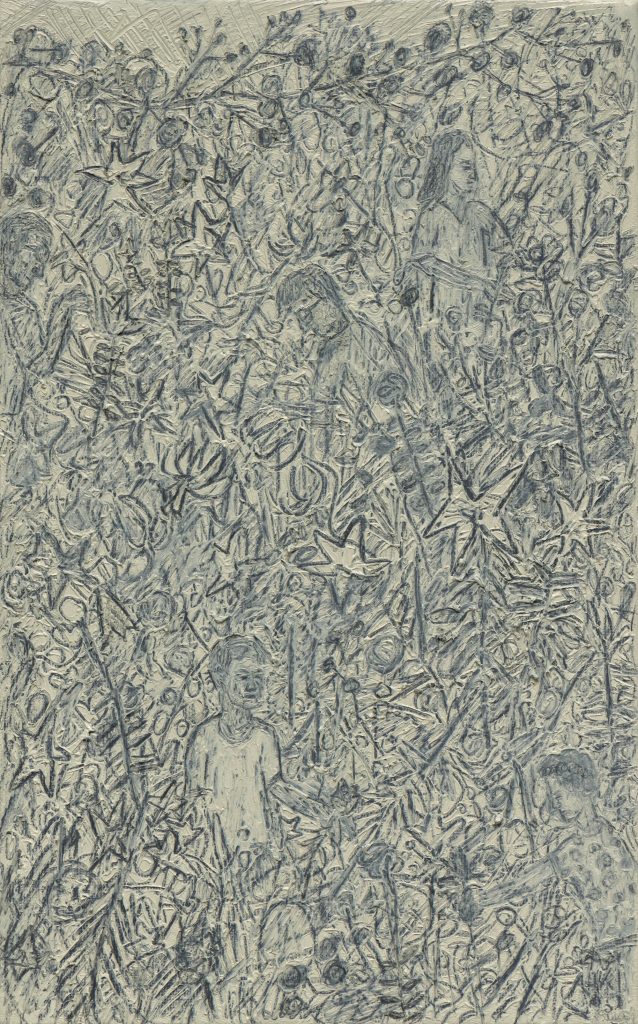
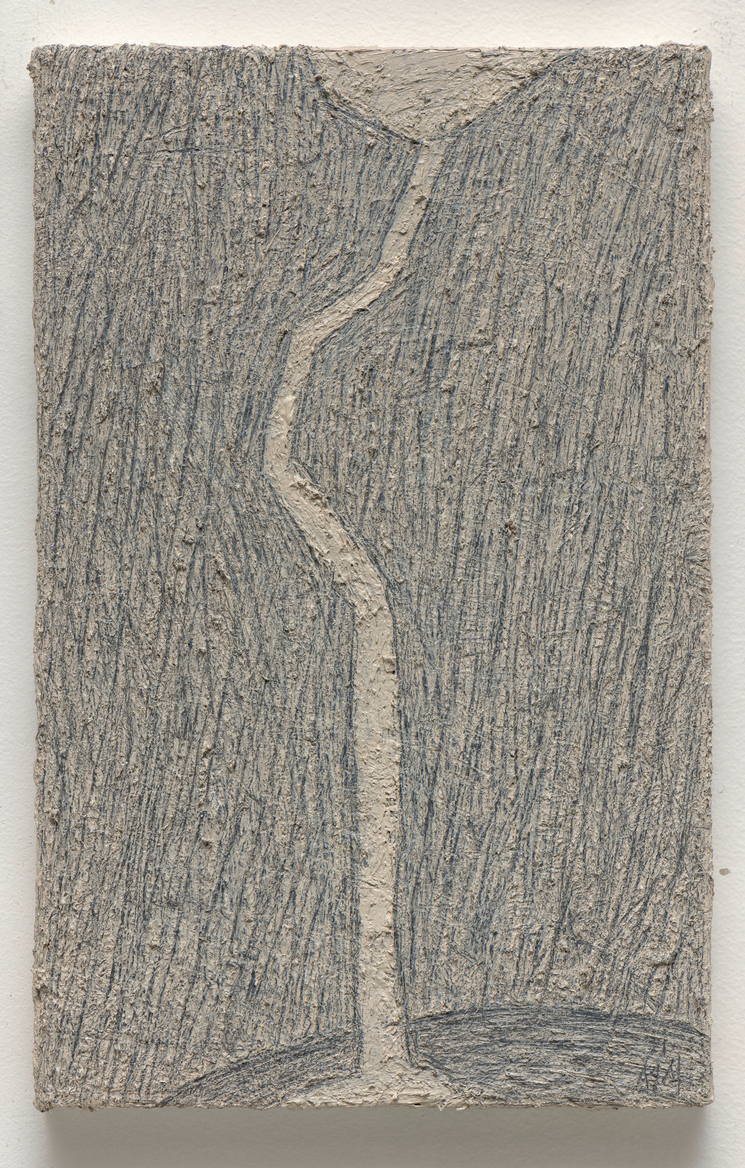
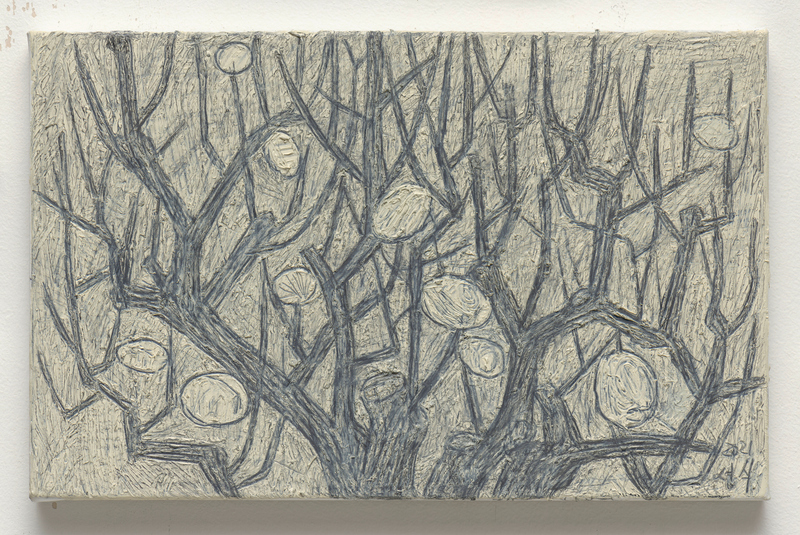
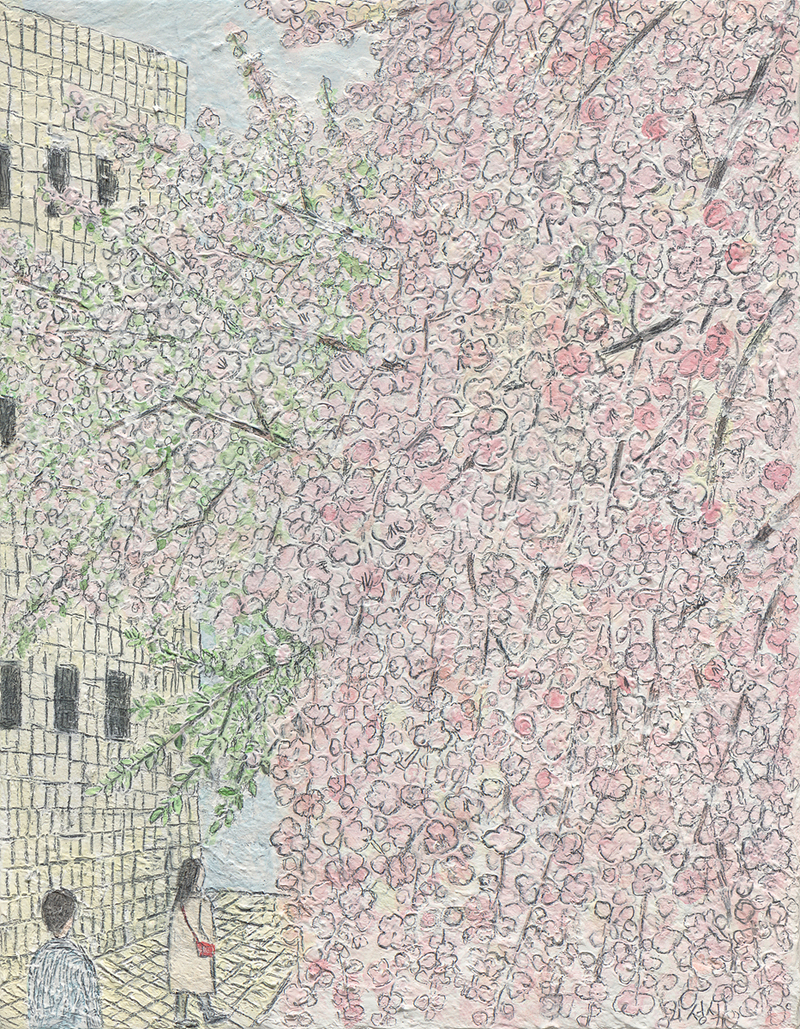
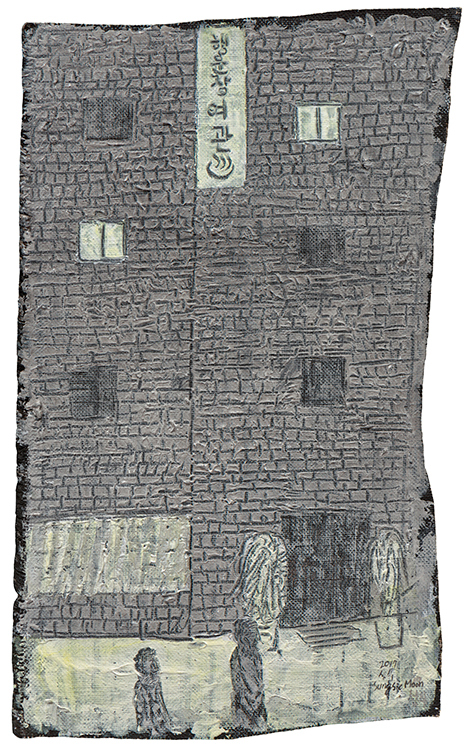
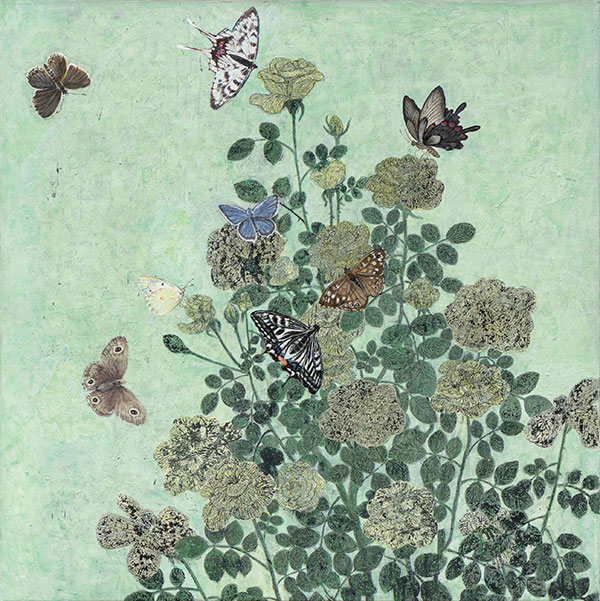
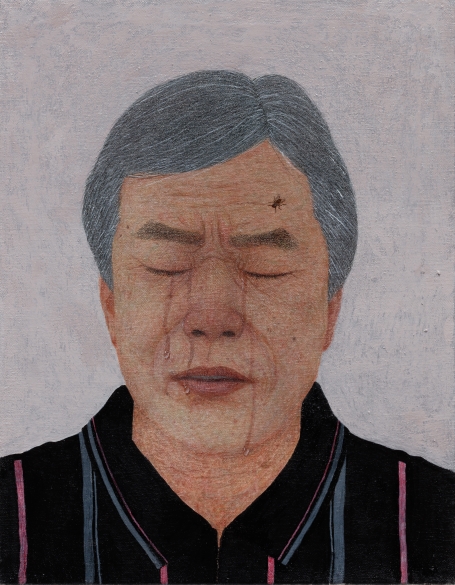
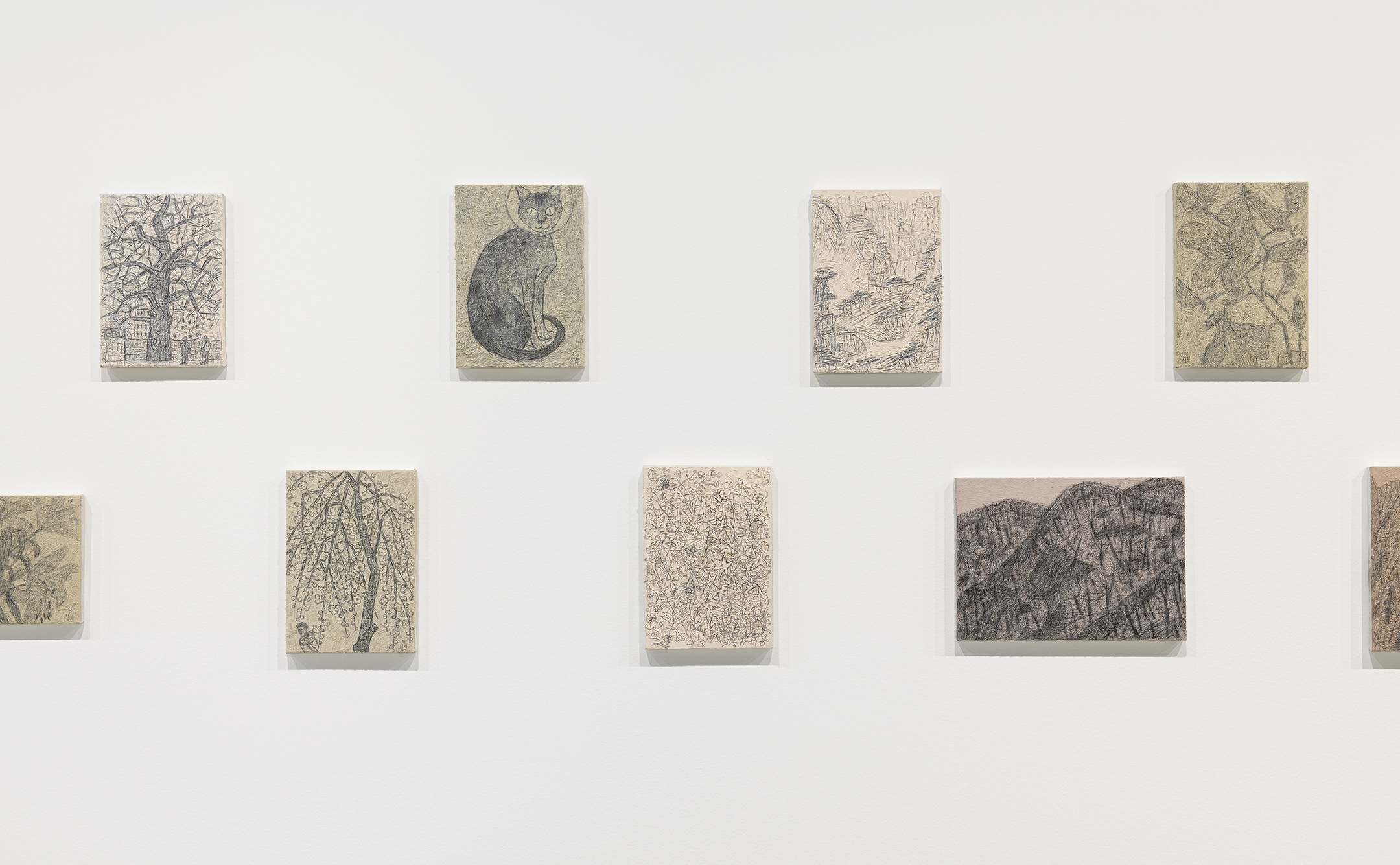
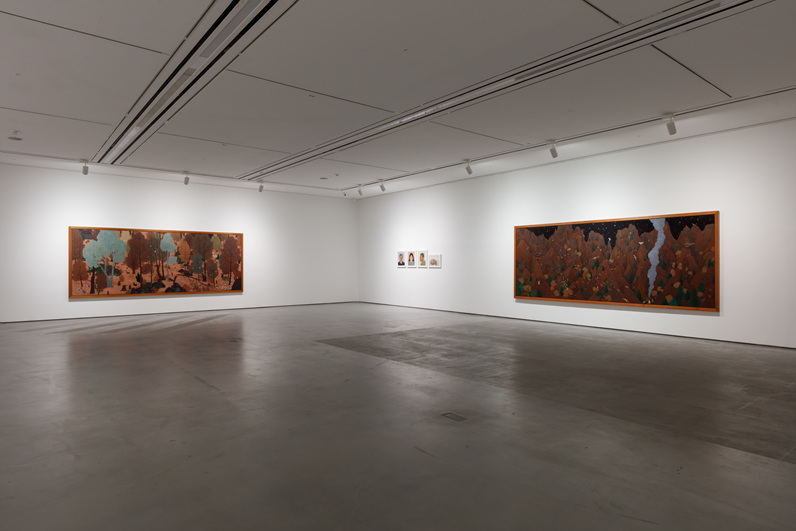
These works probe into the prosaic details of life and center around 100 new “oil drawing” works—which involve a unique process where the artist carves directly into the impasto surface, capturing intensity and depth, focusing on the minutest detail—that affectionately observe the scenes of daily life and the plant and animal lives around his home.

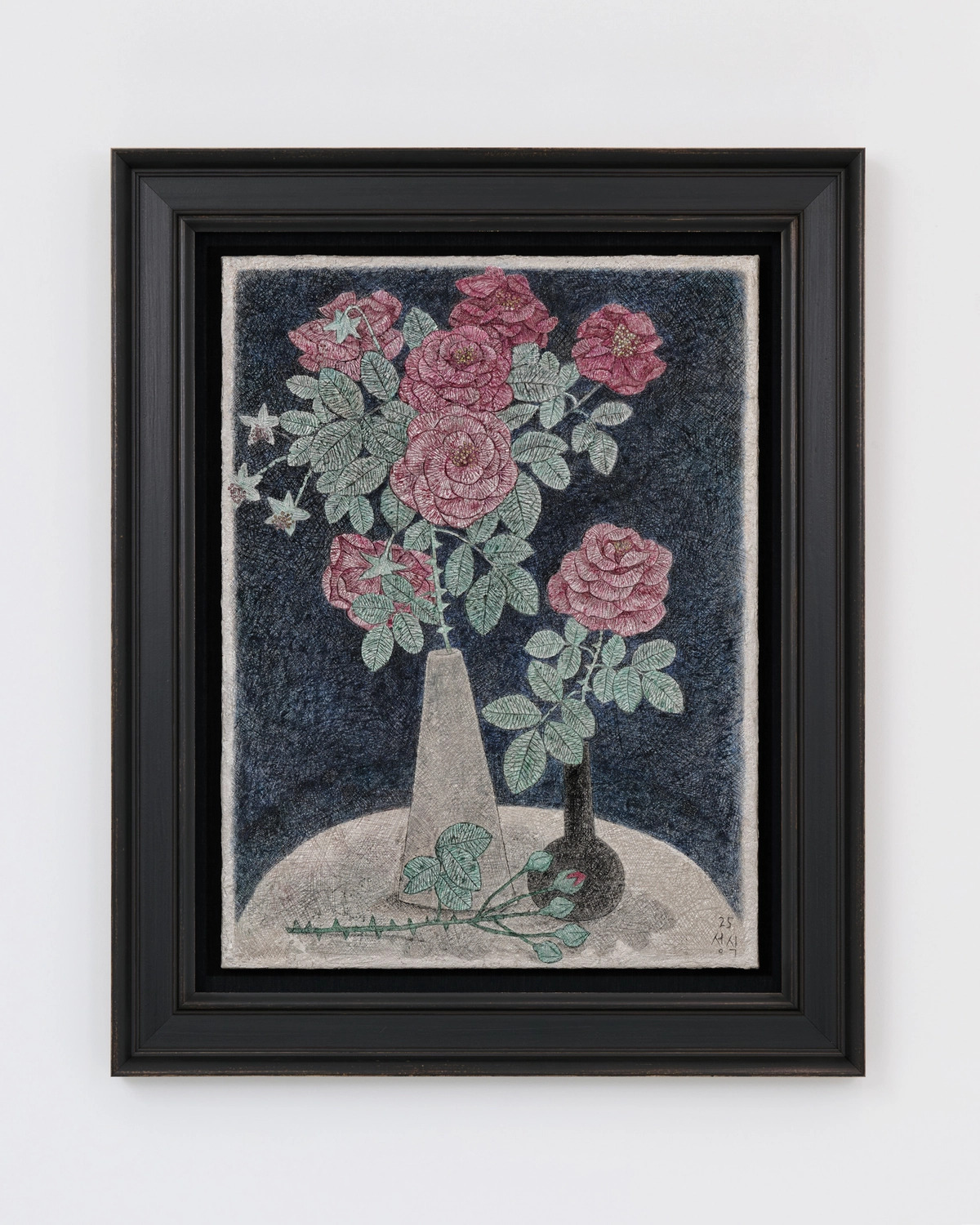
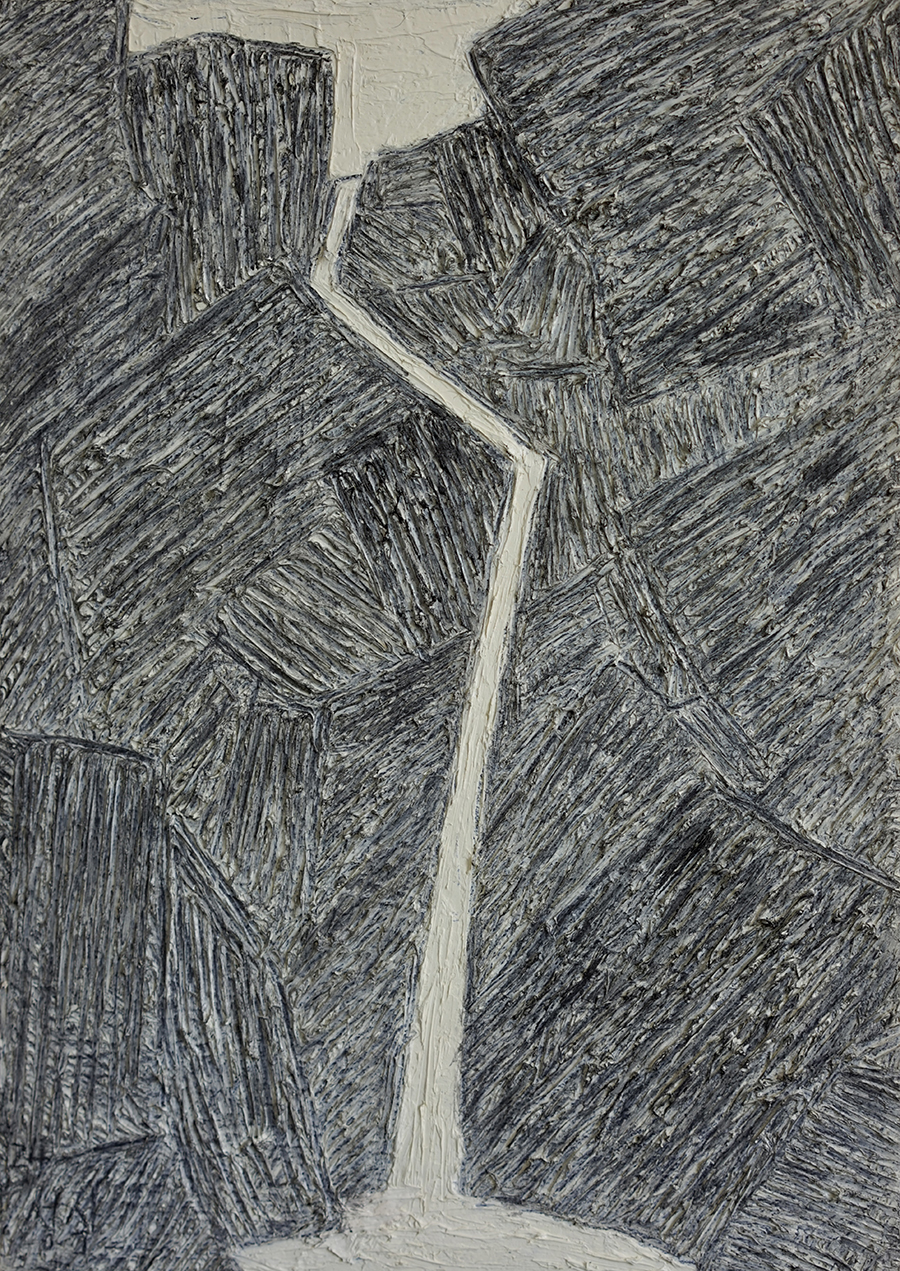
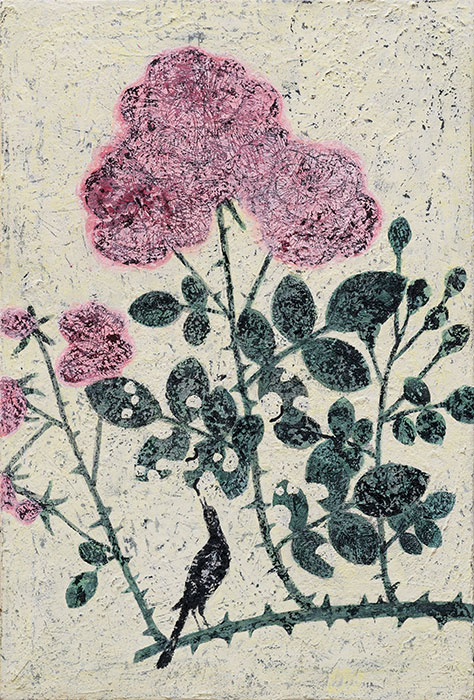
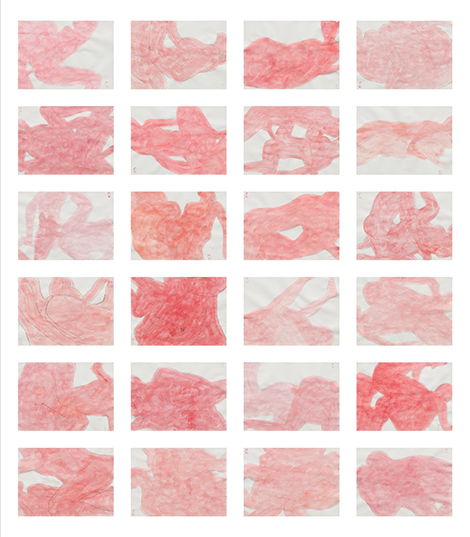
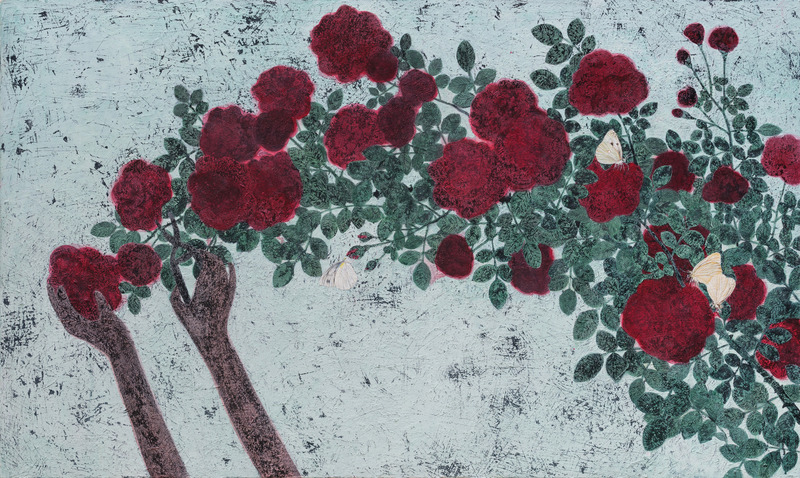
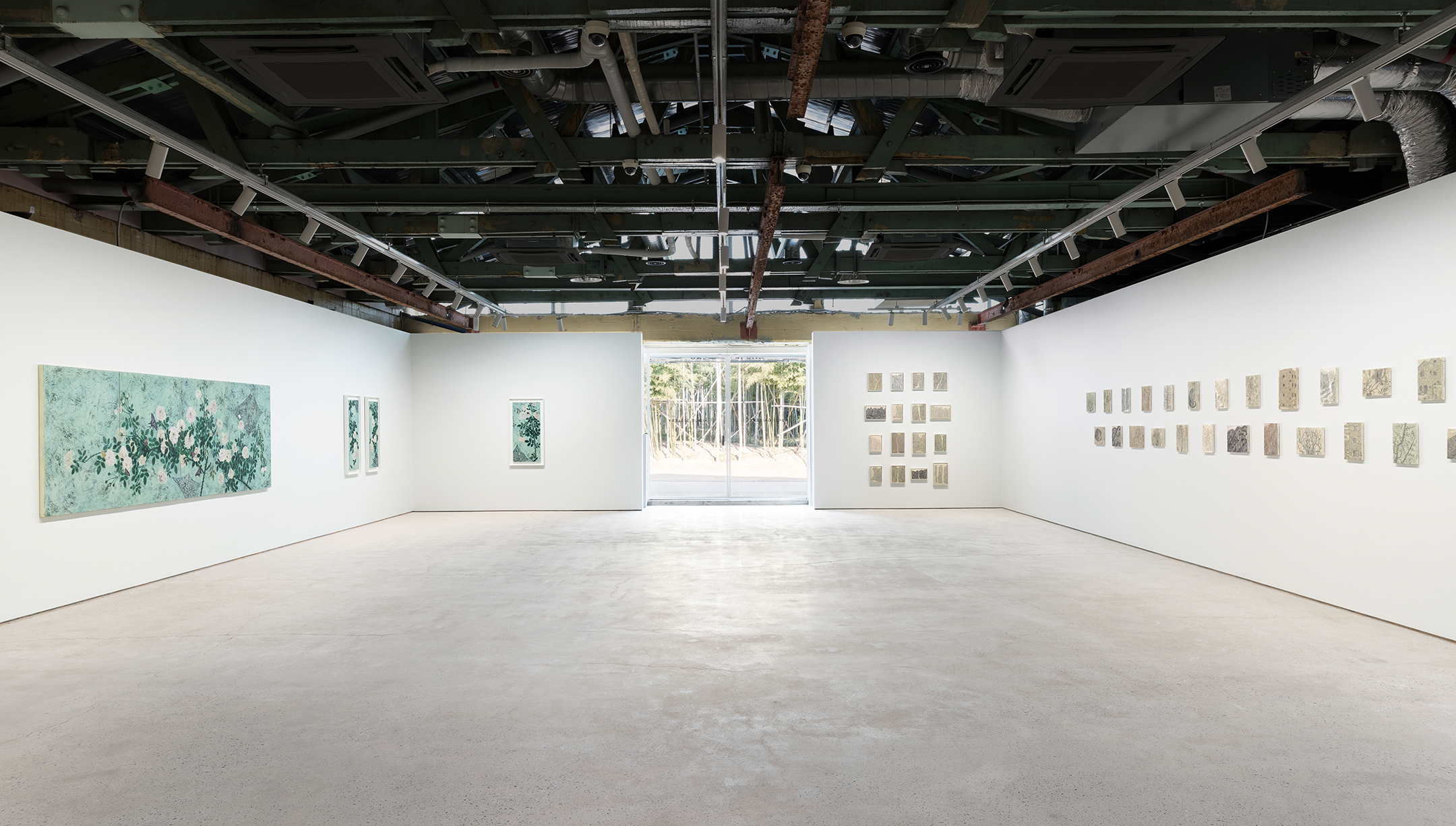
《Life》 also includes new works from his series of large-scale rose paintings titled ‘Just Life’ (ongoing since 2019), and approximately 10 drawings from his ‘A Mediocre Landscape: Earth Landscape’, which were previously presented at the 2021 Jeonnam International SUMUK Biennale.

As explicitly suggested in the title of the artist’s last solo exhibition at Kukje Gallery in 2019, 《Beautiful. Strange. Dirty.,》 Sungsic Moon's work creates a distinctive balance of pathos and beauty, capturing everyday moments in the ordinary landscape and turning them into a permanent record.

In this exhibition, Moon extends and expands upon the themes of his 2019 exhibition, refining still further his signature technique of scratching and drawing directly onto wet oil paint, while continuing to fondly frame his subjects as “us, here, now.”

What distinguishes these new works is that Moon, an artist who was often characterized by his abiding interest in visualizing the complex subtleties that lie on the obverse dimension of the world as we know it, has now shifted all of his focus to depicting the inner and external beauty of moments we encounter in our “insignificant,” ordinary, daily lives.

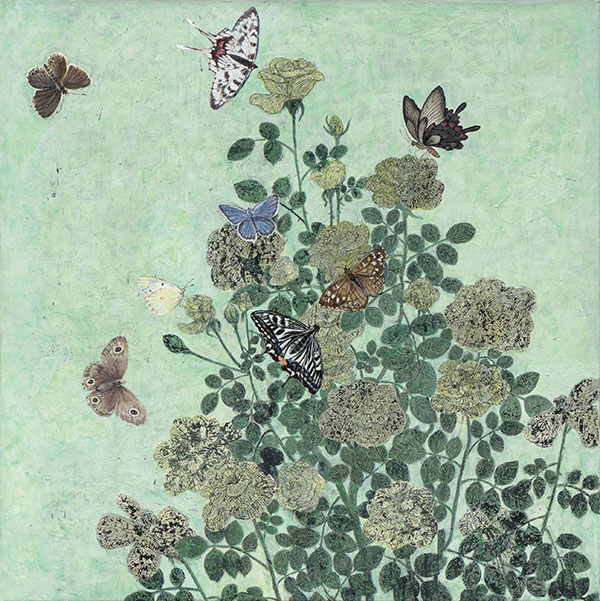
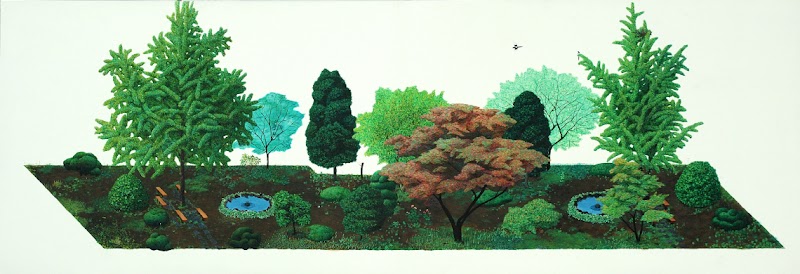
This interest in mundanity is beautifully illustrated by Moon's depictions of various plant species such as the weeping cherry tree, lily, plum blossom, magnolia, pear tree, pomegranate tree, and quince tree, all commonly found around the artist’s home in Busan as well as his hometown of Gimcheon.

The undivided exhibition space of the Busan branch gives ample room to showcase these flowers and trees that represent spring, summer, autumn, and winter, creating a small but also a wholly integrated microcosm.



Installation view of 《Life》 © Kukje Gallery

Sungsic Moon's primary tool in 《Life》 is the pencil with which he carves and draws directly into wet paint. Far surpassing its utilitarian function as a mere tool for mark making, the properties of the medium allows the artist to depict imagery that is both layered and fragmentary.
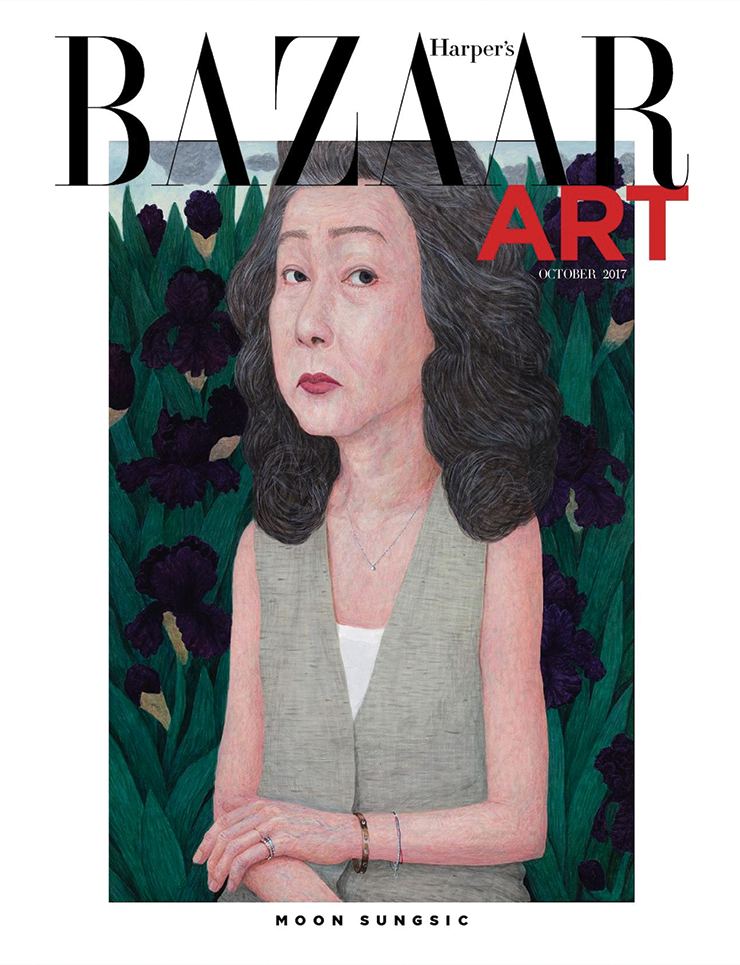
Moon, who has been actively employing the pencil since his years in college, developed this technique as part of his approach to pictorial language and it remains unique to his practice to this day. As Moon once remarked, “Pencils are the most basic materials in painting, spontaneous and simple. I think this resembles my unexaggerated and unpretentious personality.

Painting resembles the artist’s nature. The charm of a pencil as an artistic medium is that it shows the command of consciousness through the medium of the hand in an honest manner without any distortion.” Most of the new works in the exhibition are comprised of “oil drawings,” produced by scratching the thick oil paint surface with a pencil, where the artist pays close attention to the friction between the pencil and the wet ground.

Graphite and oil paint do not mix easily, so they tend to create resistance on the surface. It is this tension where Moon infuses his work with empathy, where the artist’s will against the resistance is represented by his repeated scratching on the surface with force, giving rise to a kind of repetitive performance.

In some respects, this method resembles the impasto technique¹ with the thick application of matière and thereby overcomes the resistance between the pencil and the oil painting to assert a kind of “will to draw.” It is this struggle that embodies Moon's vision of a simple but rustic “life”—in the form of a relief on the canvas.

For the artist, this romantic master narrative is composed of unremarkable landscapes inhabited by everyday people and things, a combination he calls “us, now, here.” Simple moments like that of a flower blossoming and withering, the cycle of seasons, animals in their breeding season, and the existence of life that inevitably wanes, allow the artist’s attention to highlight the small but indelible elements of life that give it meaning.

It is Moon's sensitivity that absorbs these small moments, which are then emitted and translated through his ”oil drawings.” These works, unlike pencil drawings which bear unintentional smudges and graphite fragments, are in no way fortuitous outcomes.

They require the utmost level of focus and intentionality which doesn't allow for chance gestures, meaning that the work is only complete when the artist’s pencil touches upon all parts of the canvas. Holding these competing emotions of beauty and banality, control and passion, Sungsic Moon’s paintings allow his viewers to feel the unexaggerated and pure perception of the natural world.

References