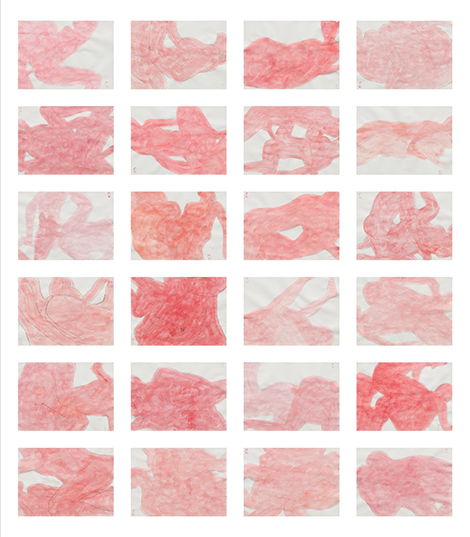
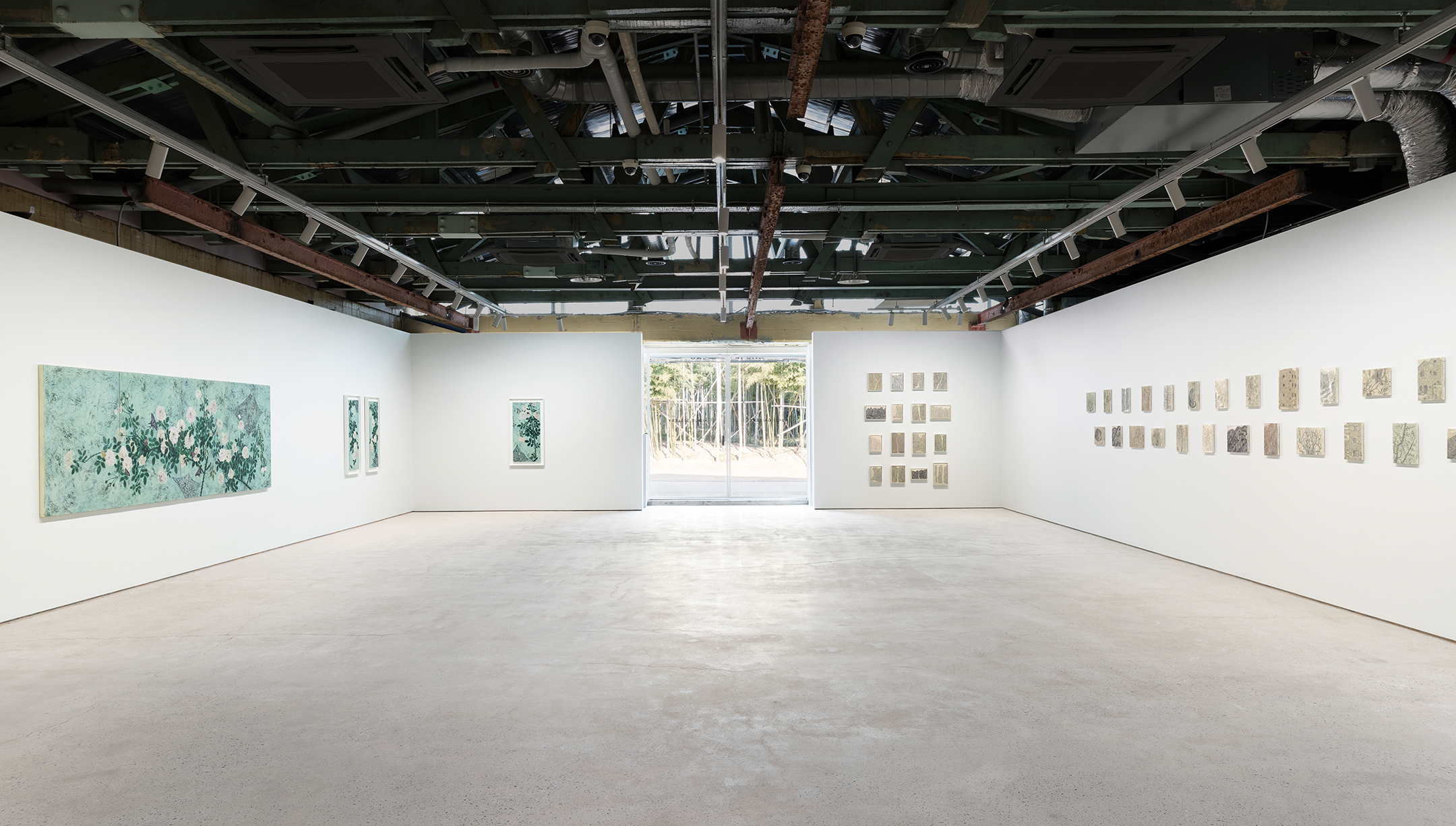
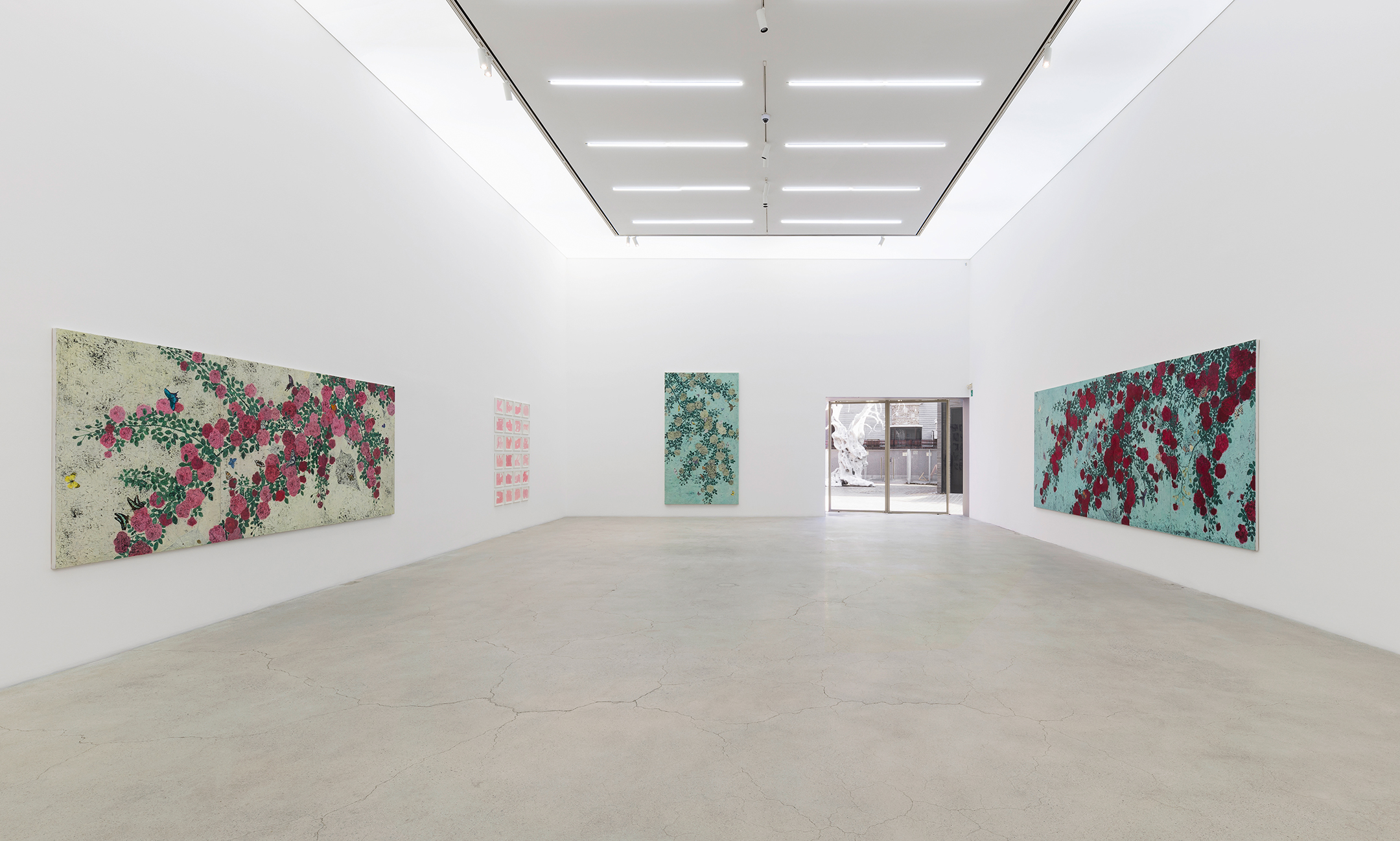
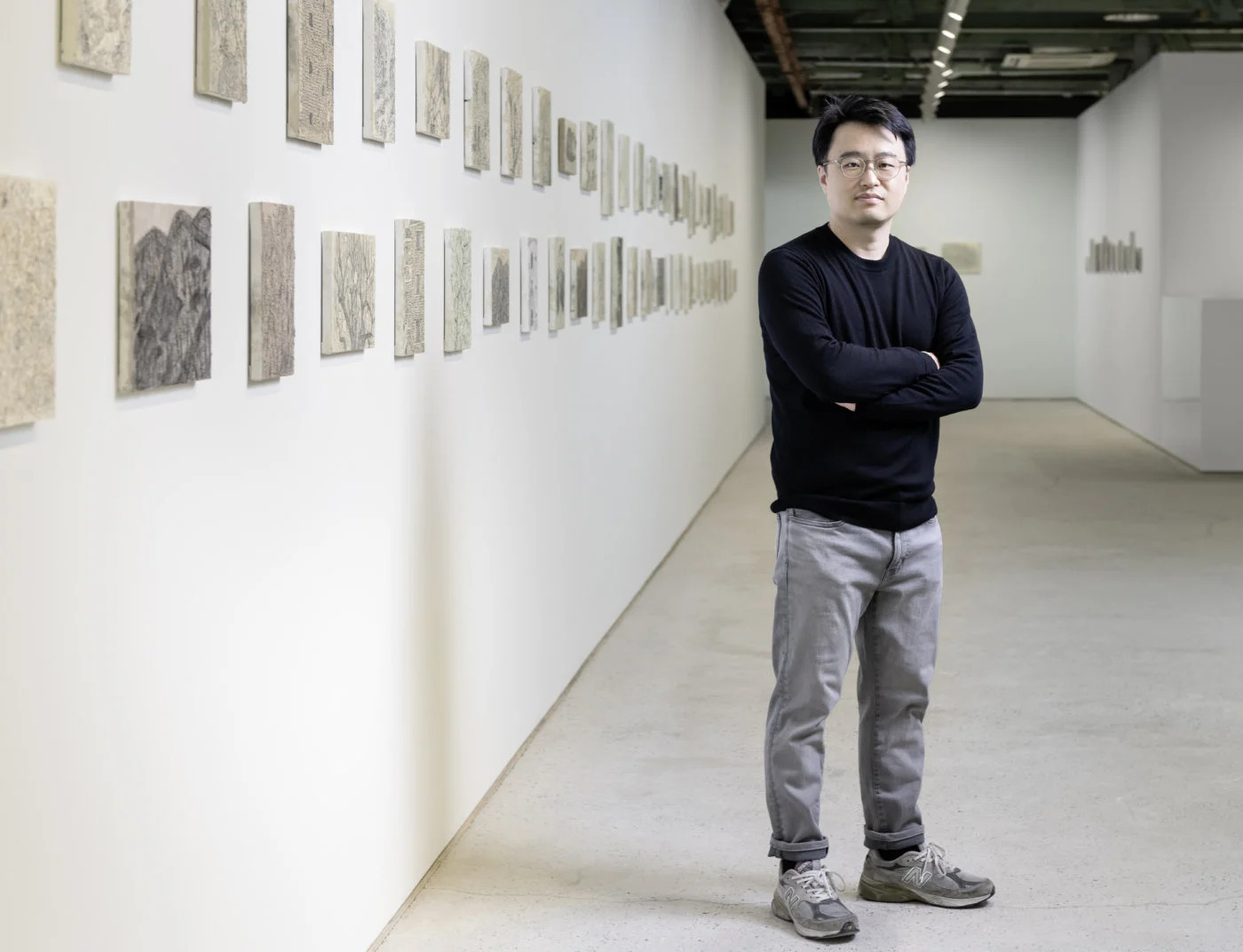
Moon’s work approaches drawing as a practice in which the line embodies the artist himself, and can instantly capture, understand, and absorb the present. This can be seen in his comment that to understand the world he must draw “as much as I understand.” Often understood as a Western tradition, drawing is typically regarded as a tool for study and process, not as a final product.
Sungsic Moon challenges this preconception, contending that the line, when intersected with the artist’s act of drawing, can capture something more fundamental. In this way, drawing should be seen as a vital component of modern art. For Moon, this is rooted in and inspired by the tradition of oriental painting, where line quality captures the mood and consciousness of the artist.
Moon’s work explores how these traditional techniques of oriental painting can evolve and become modernized. Responding to the dominant discourse of art history written by Western art historians, Moon questions how Asian painting idioms and philosophy have been ruptured by colonial history, and how the unique methods that connect these thoughts can be reanimated in today’s Korea.
For the artist, contemporary Korea embodies a unique place of cultural hybridity and Moon’s approach to drawing powerfully illustrates this aesthetic, balancing different modes and historical traditions, while challenging the strict classification of drawing versus painting. In this way, the artist has created an innovative style characterized by compositions that capture both the immediacy of the artistic gesture with the depth and emotional resonance of traditional painting, heralding his effort to create a new kind of pictorial narrative.
For the artist, this correspondence between the drawn line and emotion has been a consistent theme in his practice. In his first solo show in 2006, Moon introduced landscape paintings in a documentary style along with poetic drawings. Later, as can be seen in his first solo show at Kukje Gallery in 2011 and at DOOSAN Gallery in 2013, Moon attempted to challenge the limit of drawings.
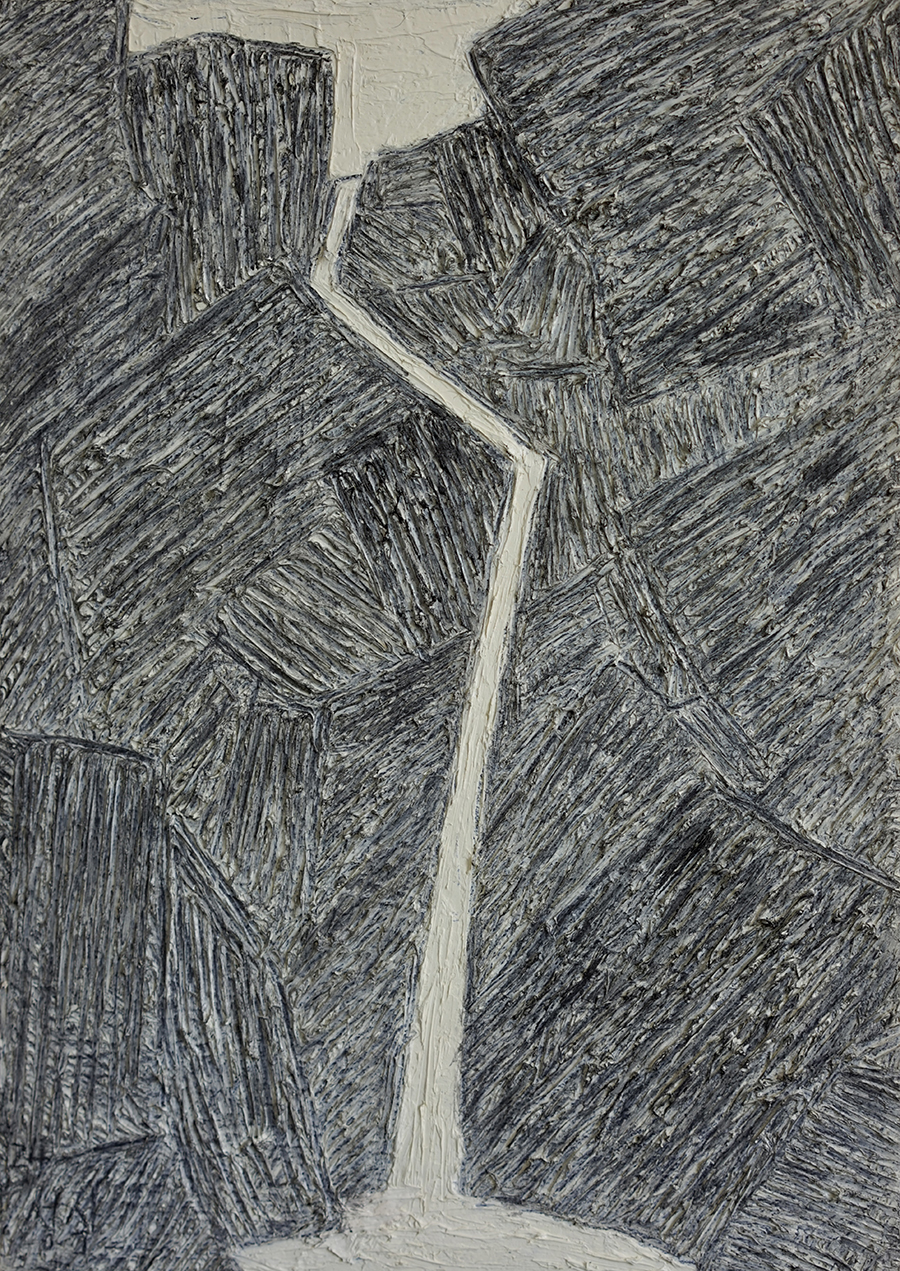
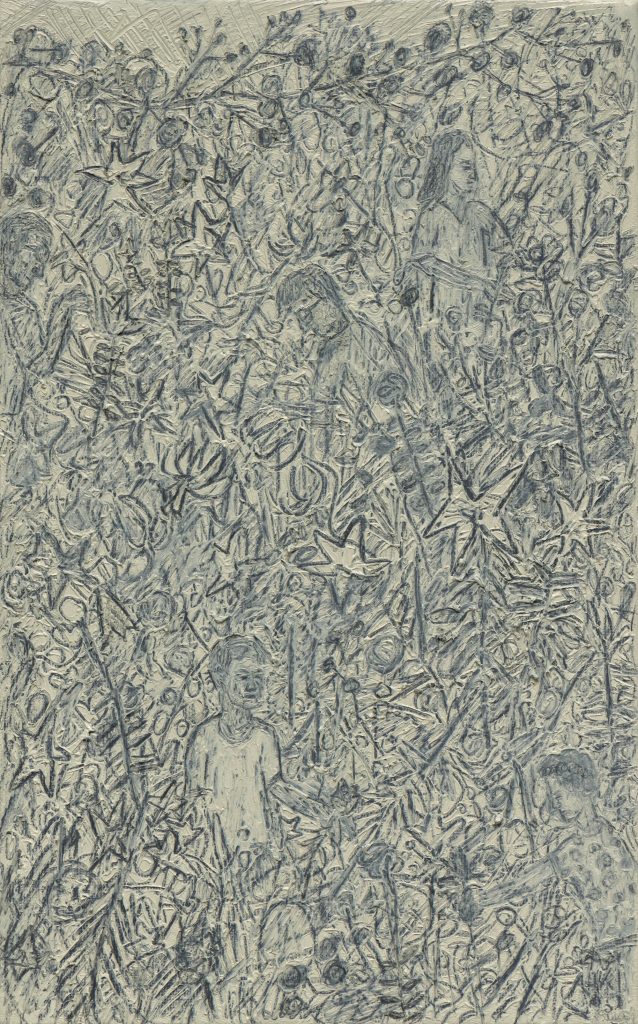
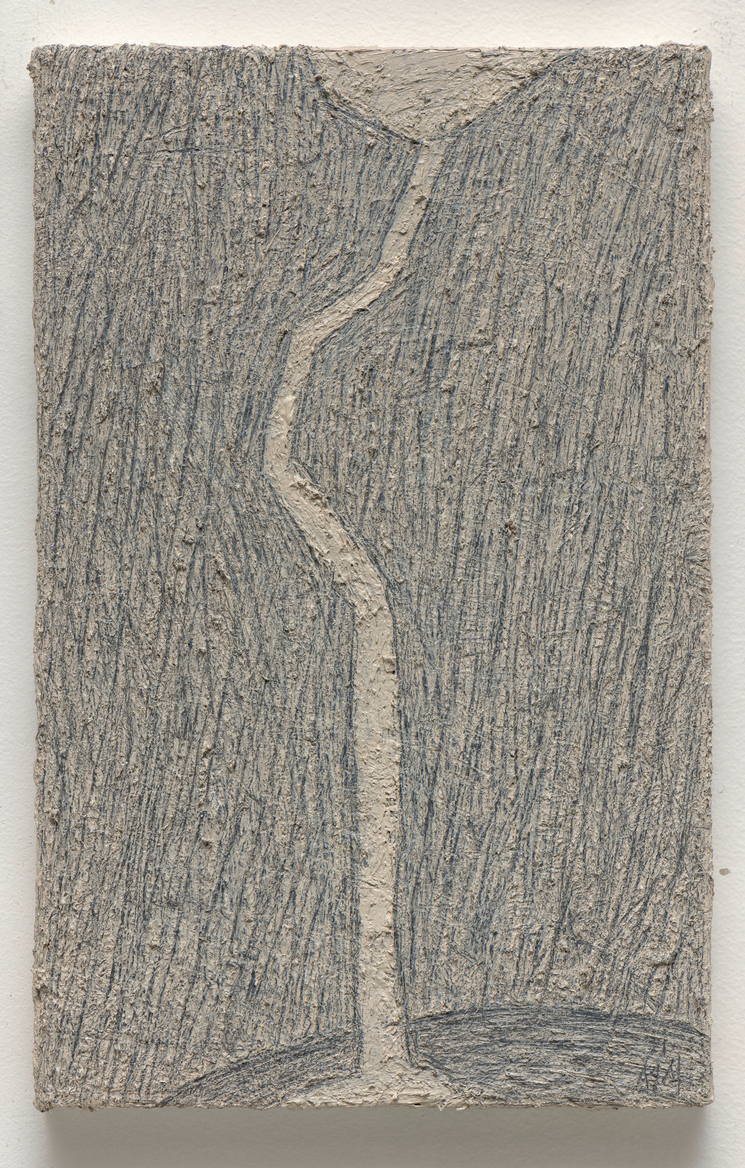
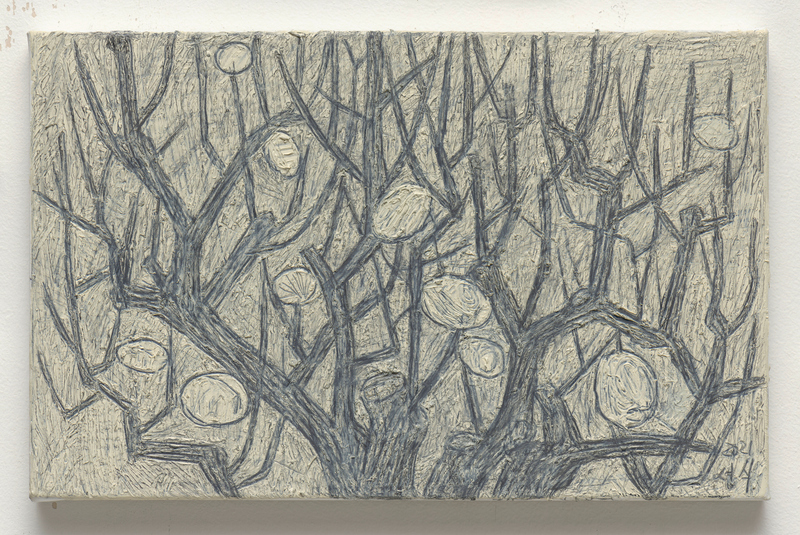
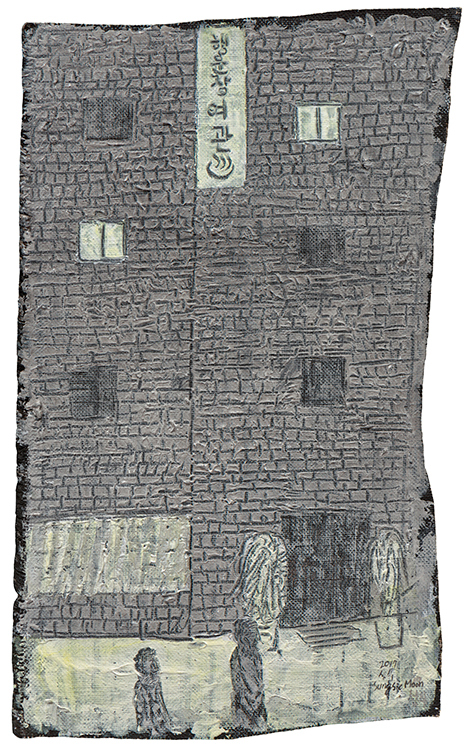
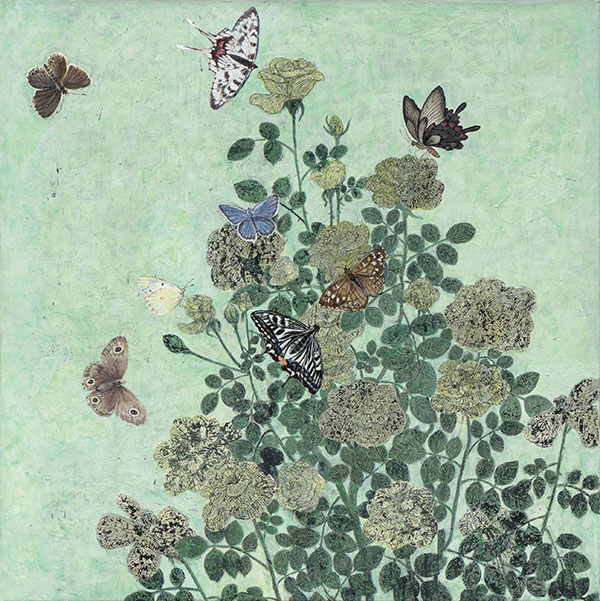
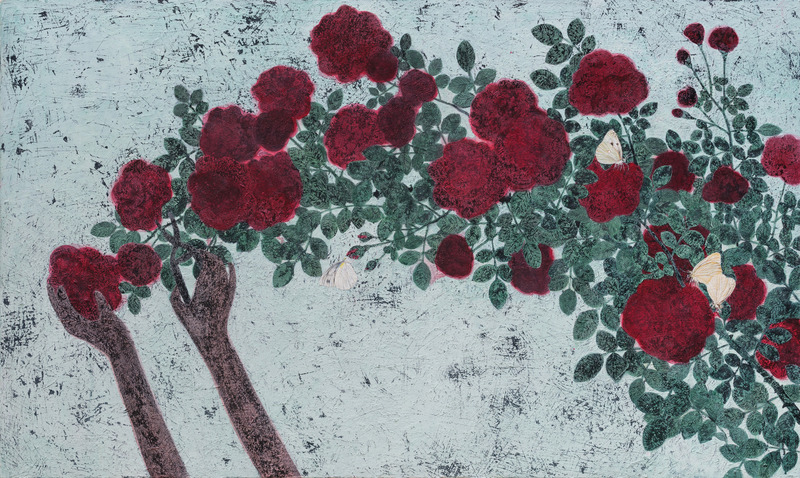
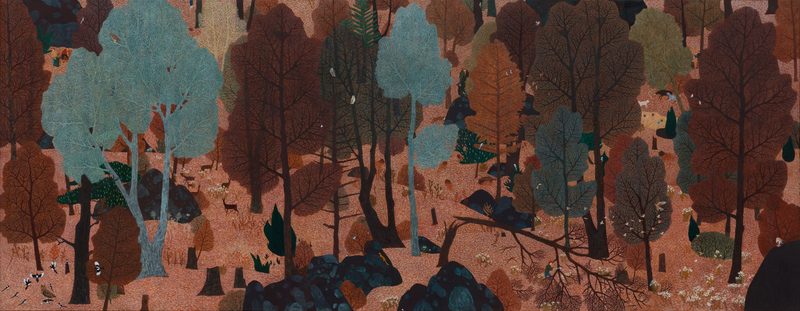
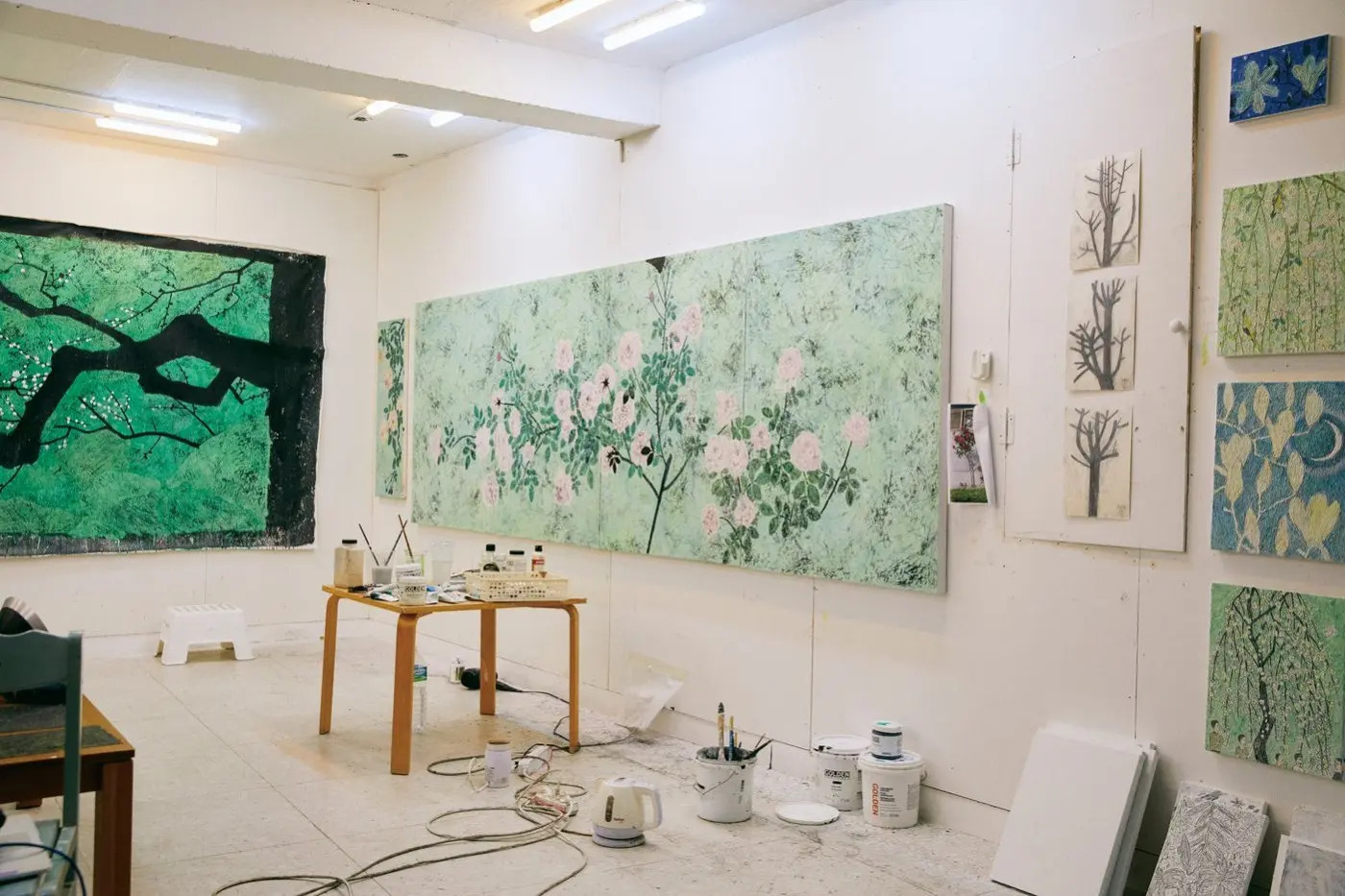
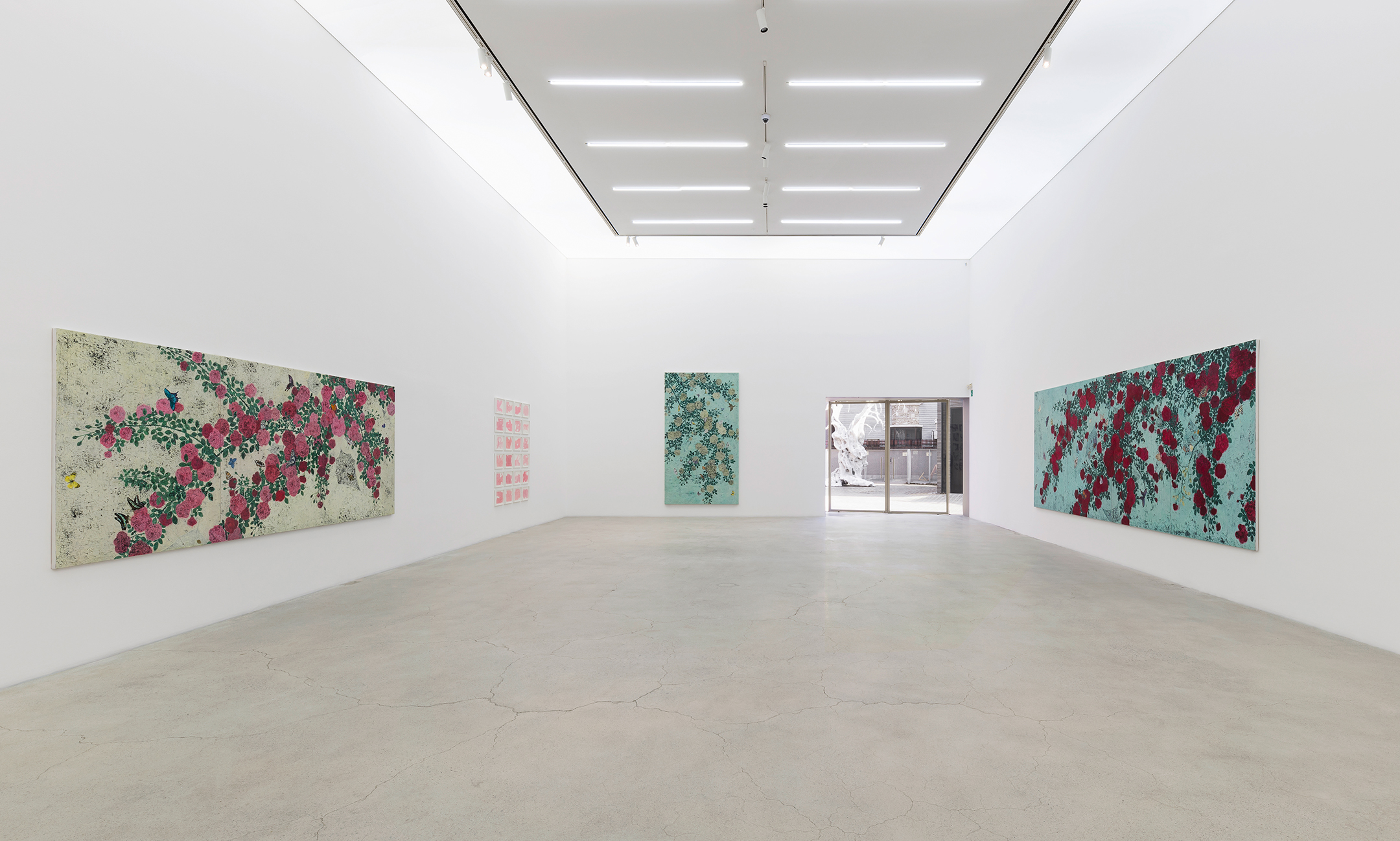
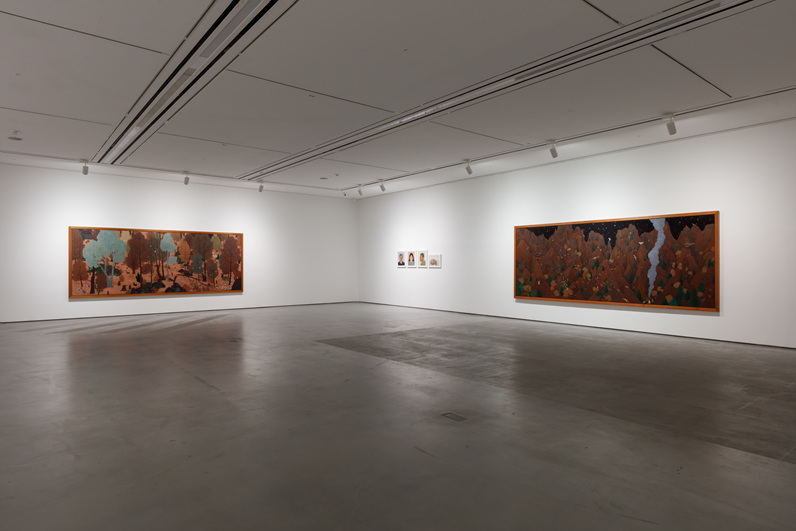
This was inspired in part by his travels in 2013 that provided the artist with an opportunity for research. Inspired in particular by frescos drawn by the 15th-century Italian artist Piero della Francesca, as well as the cave paintings in Lascaux, France, the artist began using a primitive gesture of scratching directly onto the media. This process can be seen in his Just Life series and is based, in part, on these historic methods of mark making.
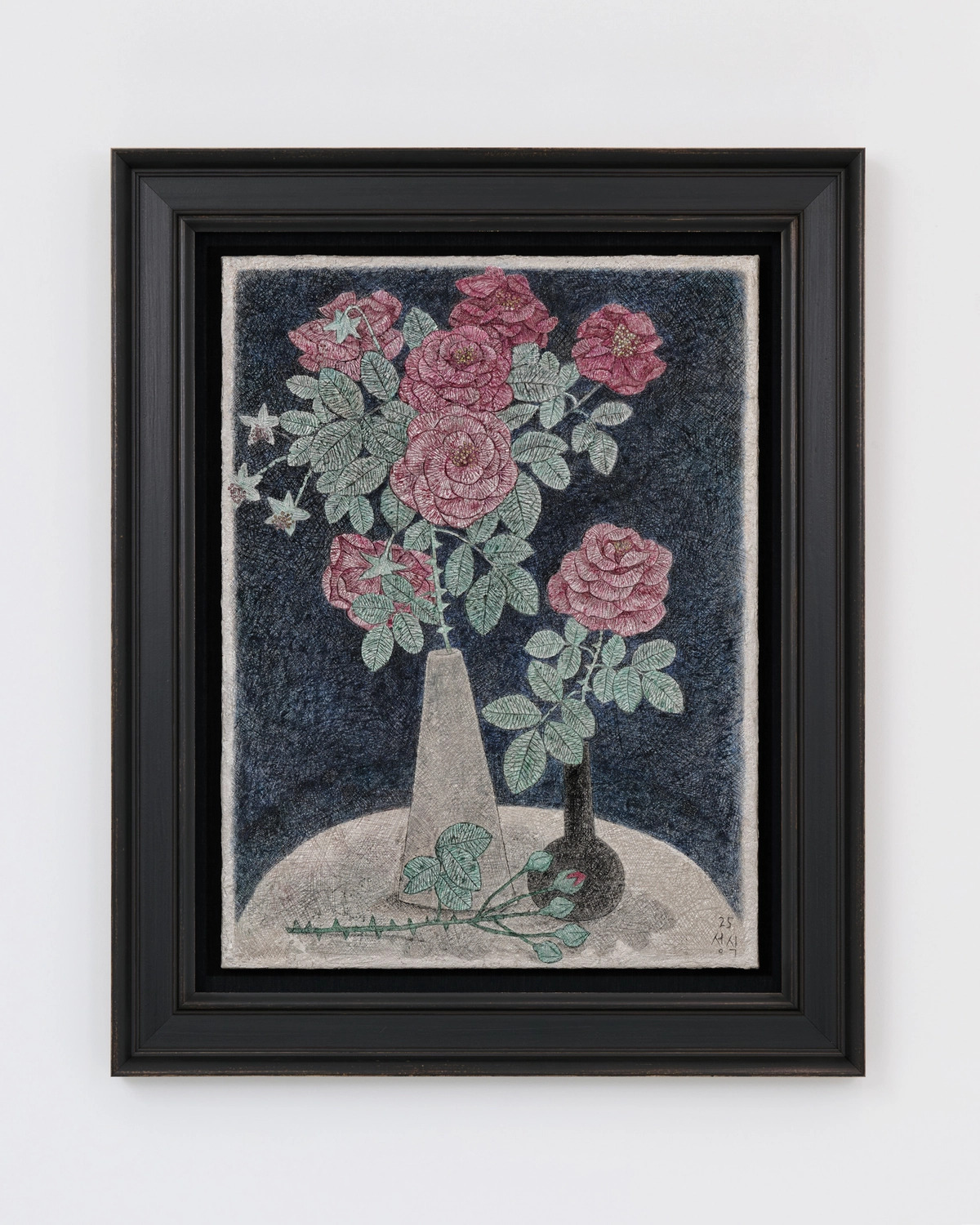
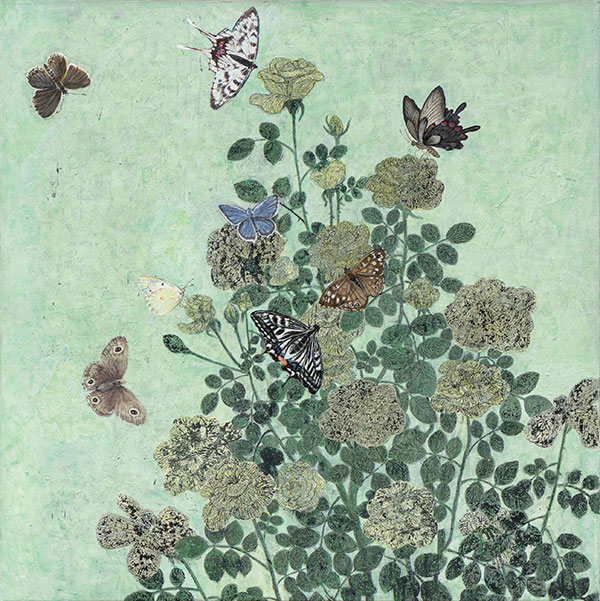
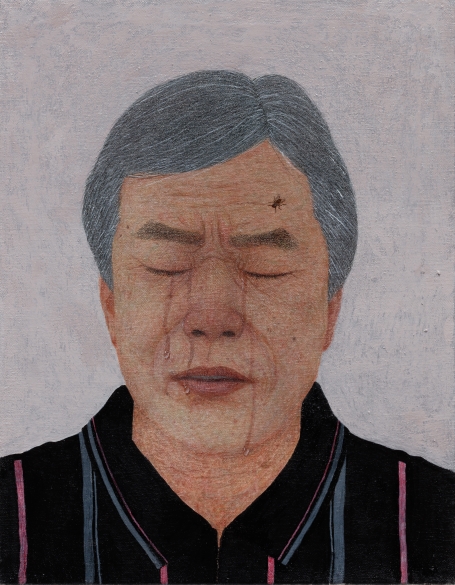
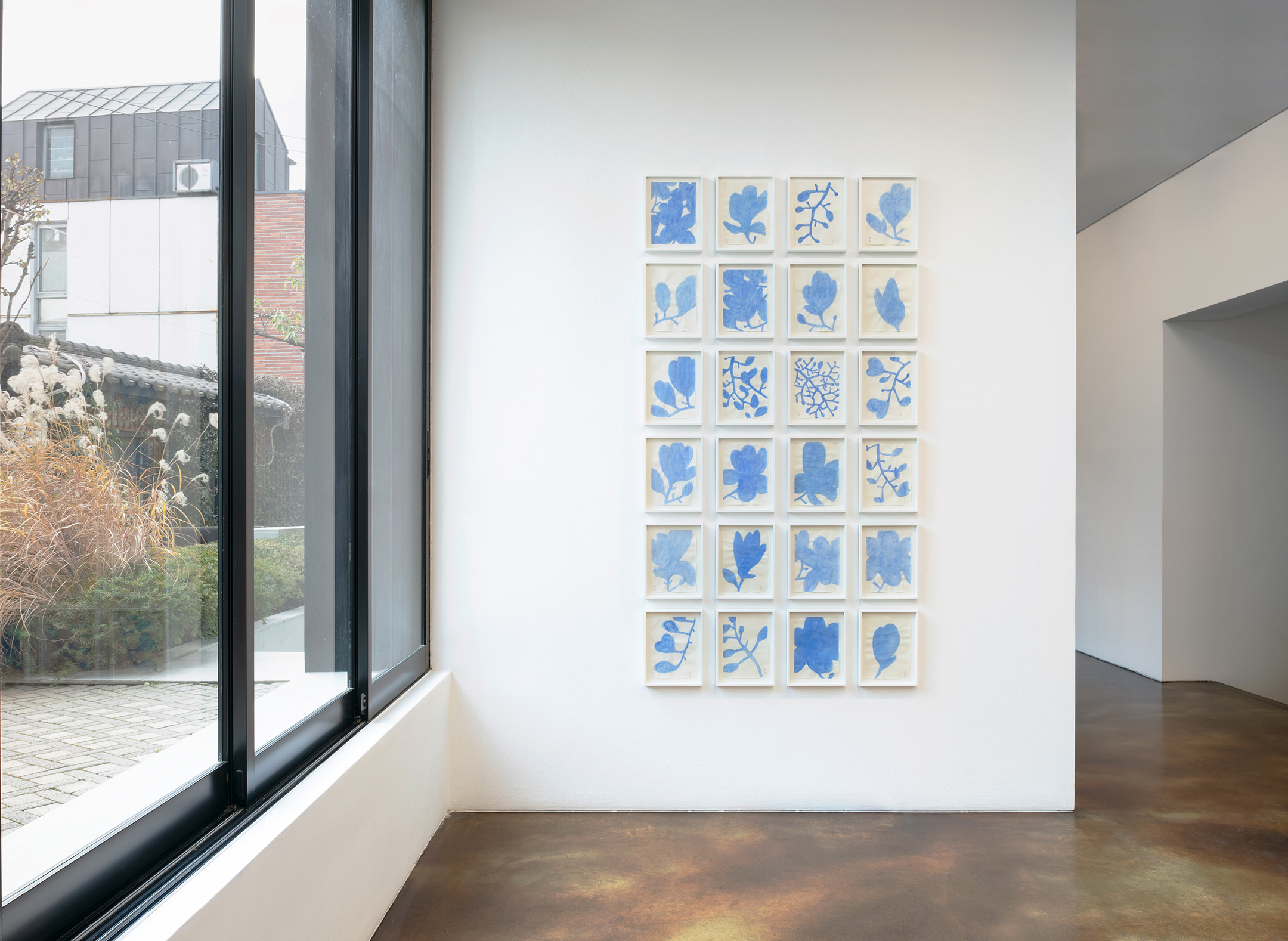
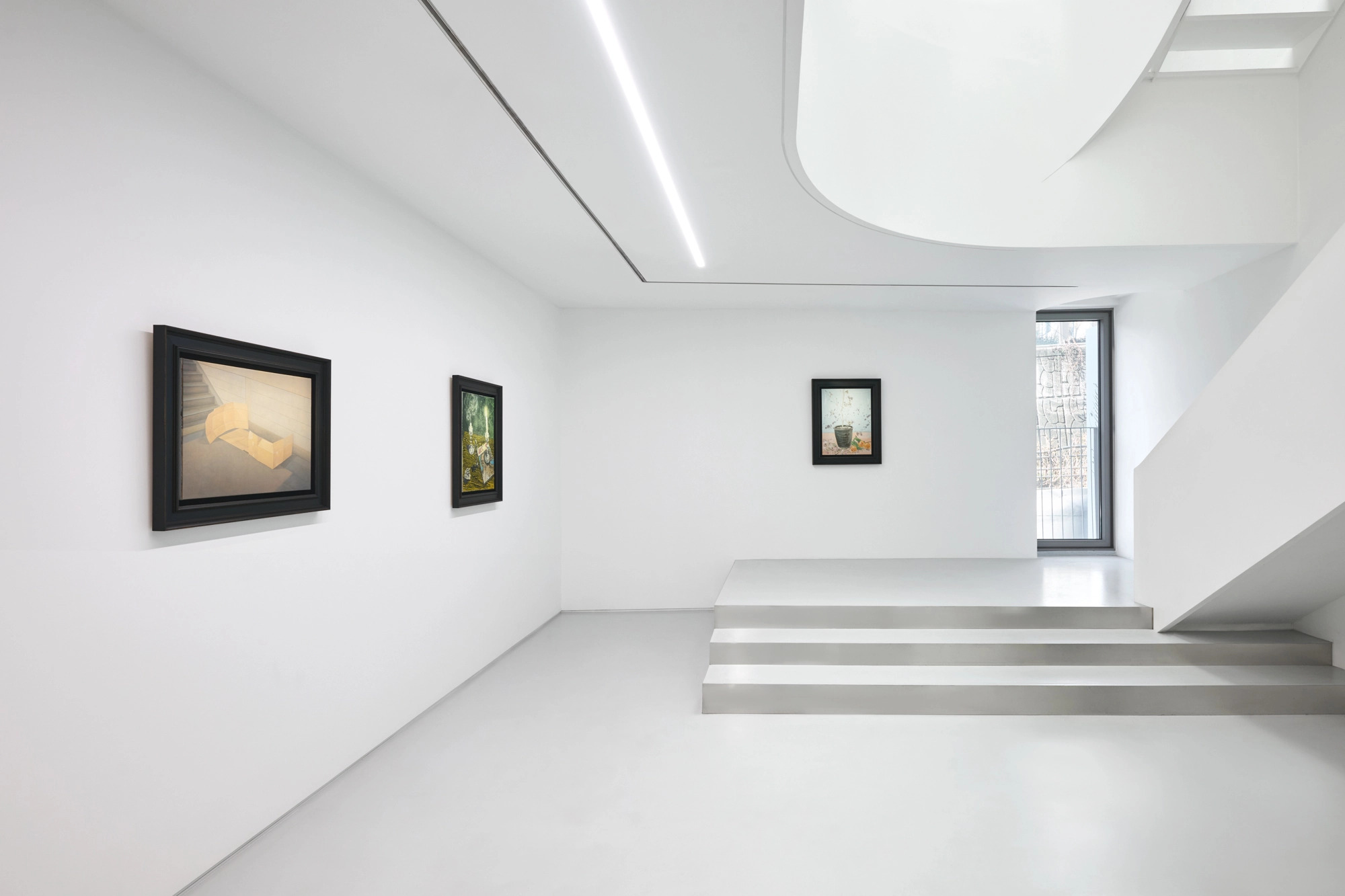
Moon uses the scratched surface in order to provide a sense of human touch traced onto the oil paint. For the artist, the physical act of defacement invests the line with both intention and chance. The artist then finishes the work with gouache, thereby infusing it with a harmonious balance of line and form. In this process―what Moon refers to as “thick drawing” works―there is no point in classifying them as either drawing or painting; instead, it is only the “will” reflecting the act of scratching and “chance” as shown through various cracks on the surface.
Allowing for this tension between intentionality and fate frames Moon’s interest in contemporary social values as they compete with traditional culture, mass media, and the Internet. In particular, Moon is fascinated by the conflict between materialism and what he calls “compassion for vulnerable beings.”
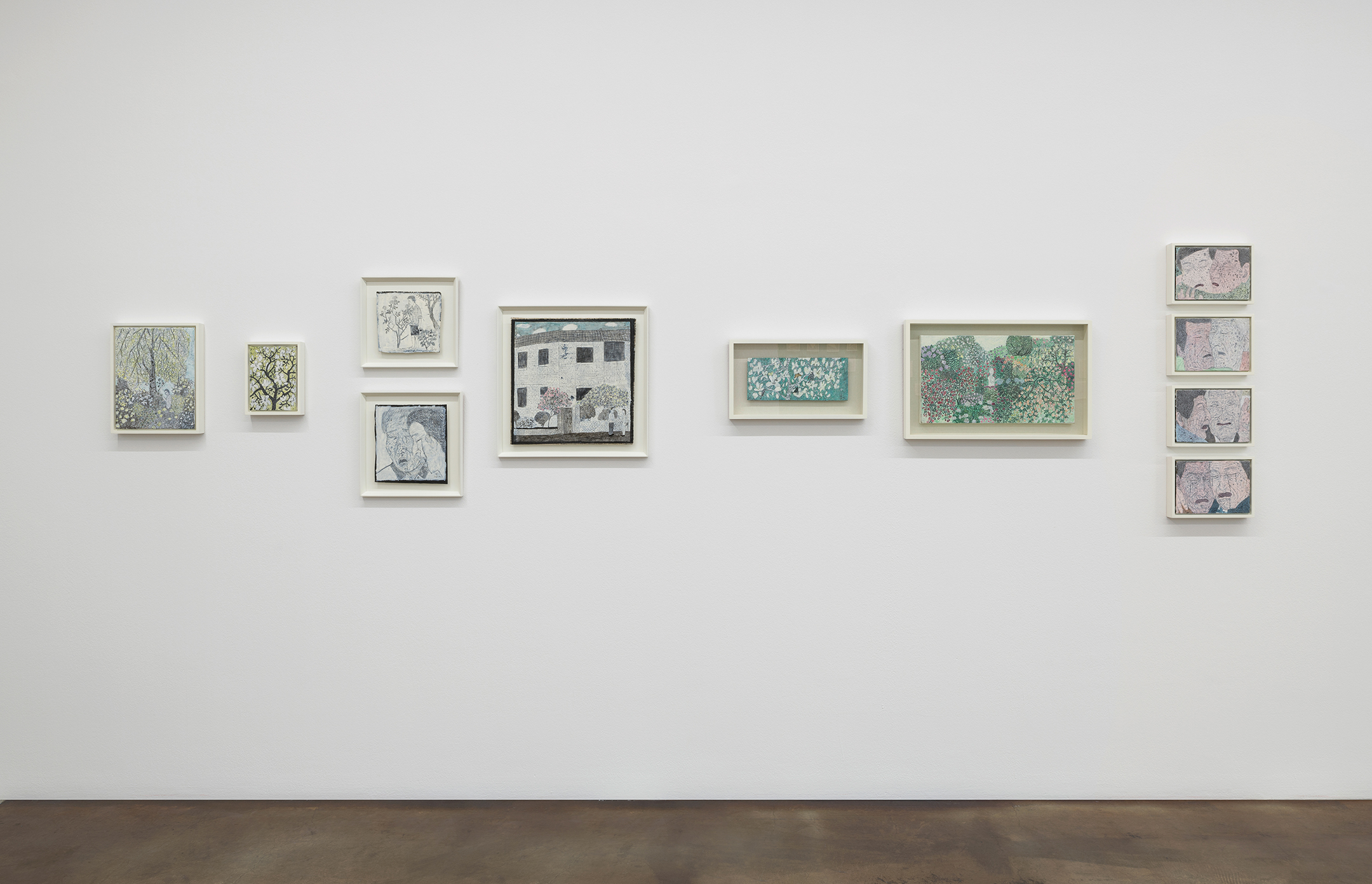
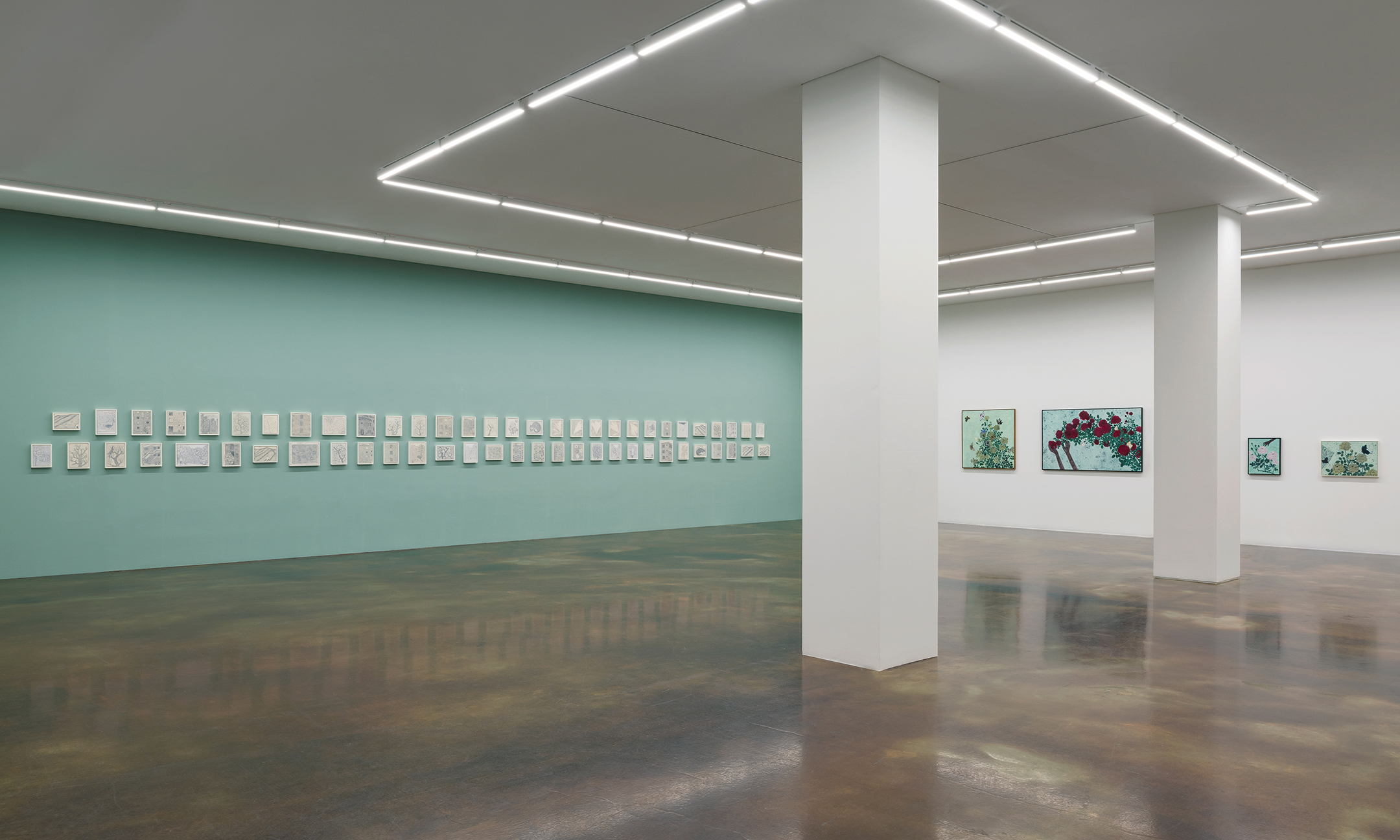
In 《Beautiful. Strange. Dirty.》, the artist’s drawings seek to capture this complexity by synthesizing his desire for a new documentary style by combining traditional genres of image-making with the ordinary everyday aspects of human life.
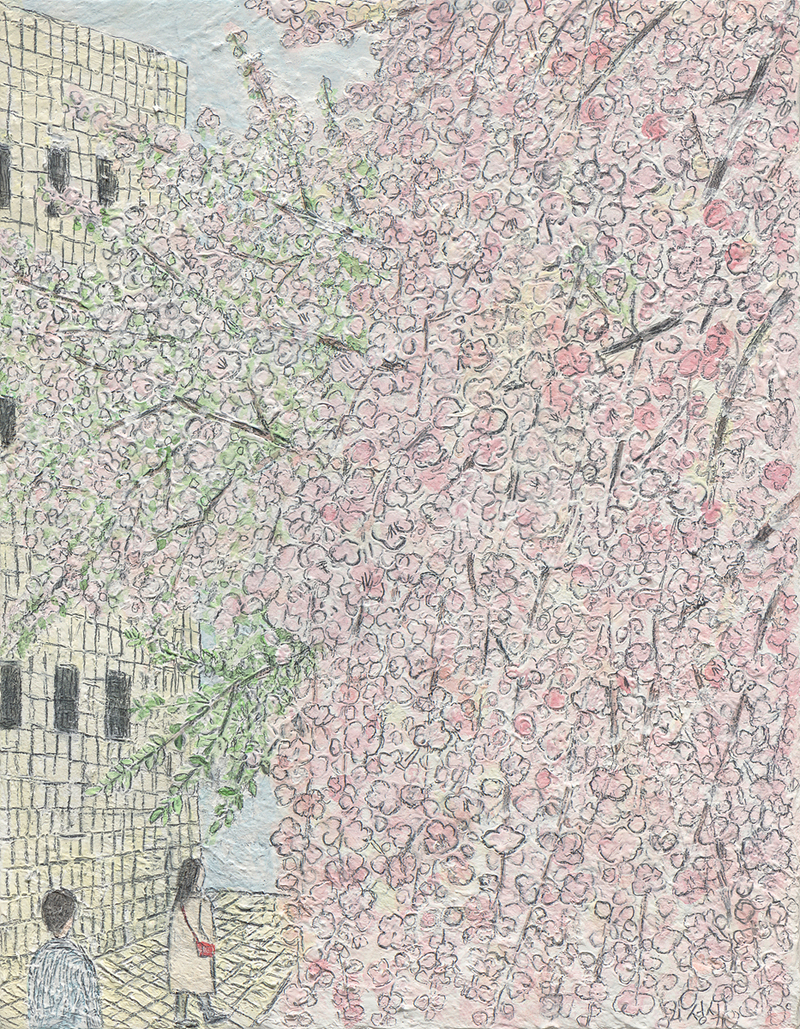
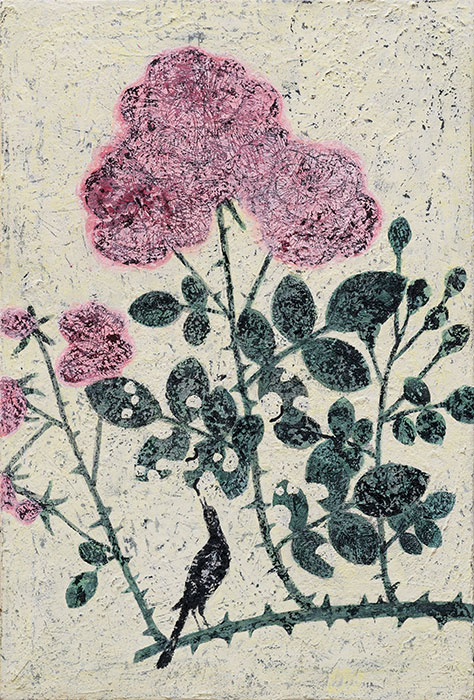
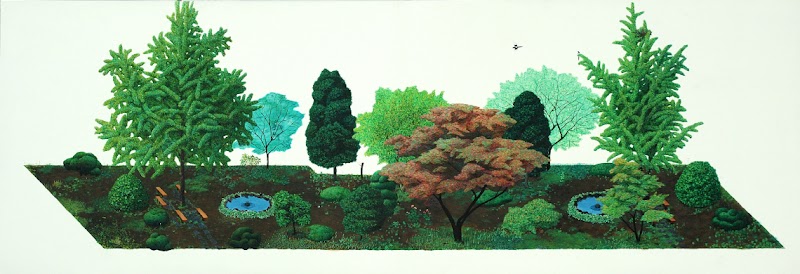
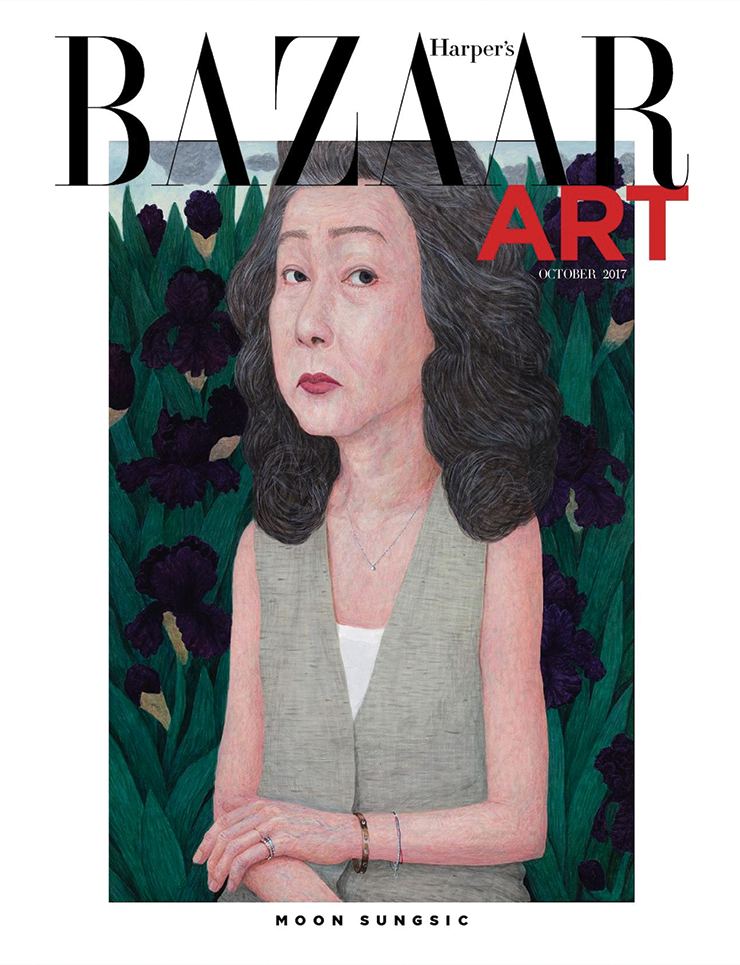
In all of Sungsic Moon’s works, the depiction of ordinary everyday life as framed by nature and landscape is explored in striking detail, depicted with the fine line of pencil or brush. Embedded in his œuvre are the artist’s own personal sensibilities. Instead of archiving personal memories, however, his practice embodies the active process of looking, showing his own pursuit for the right path as the mid-point in between “realistic things” and “pictorial things.”
If the realistic is the archive of Moon’s memory and reality, the pictorial is the artist’s continuing concern of the relationship between himself and tradition. He does this by masterfully rendering these images in a range of mediums and gestures, from pencil drawings and gouache to oil and scratching.