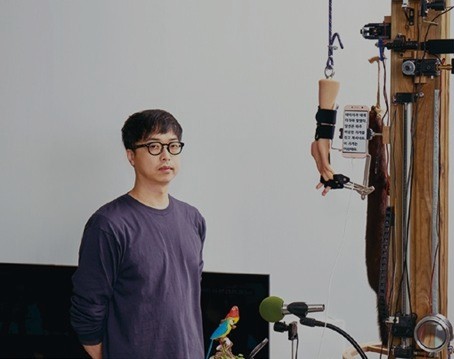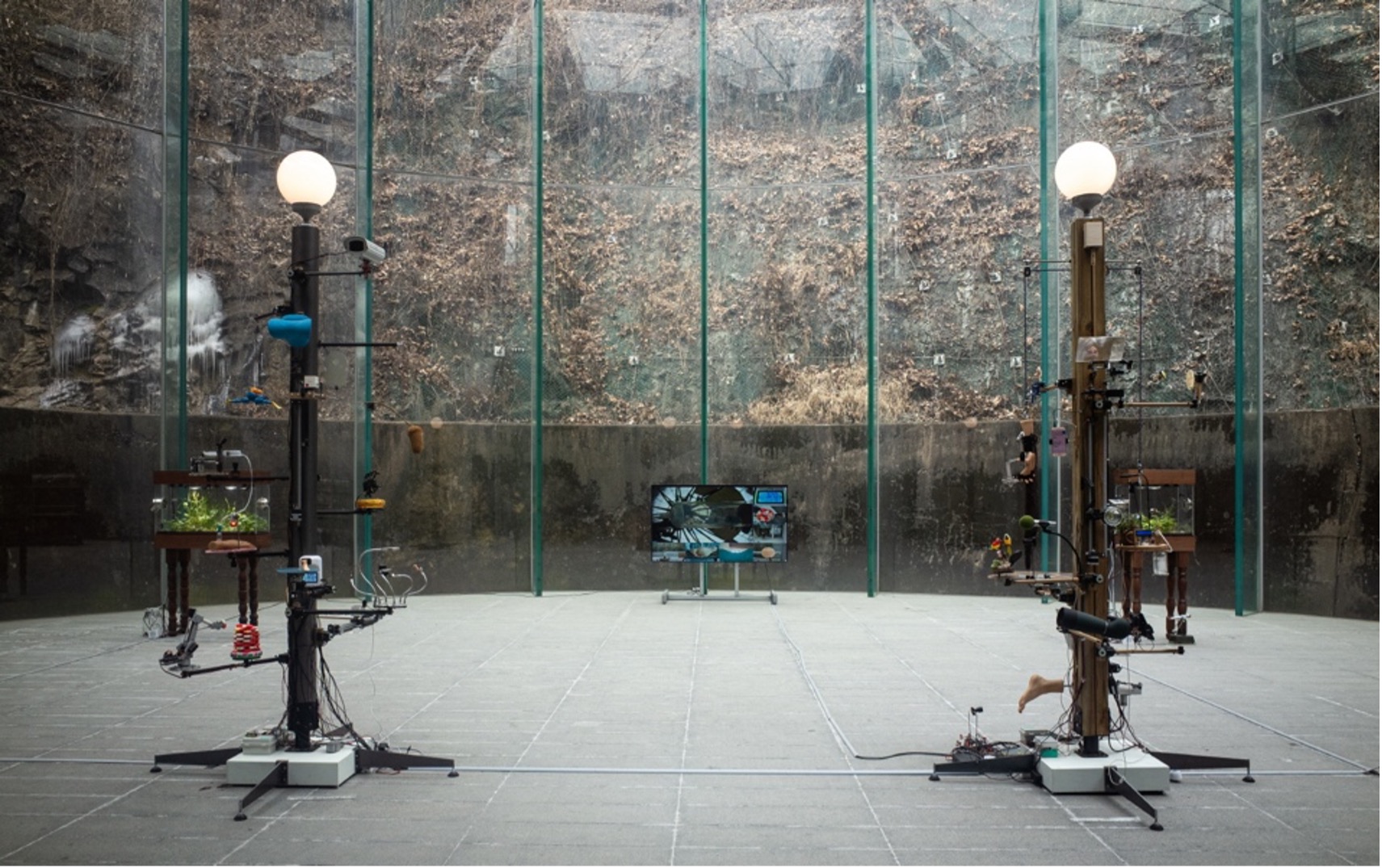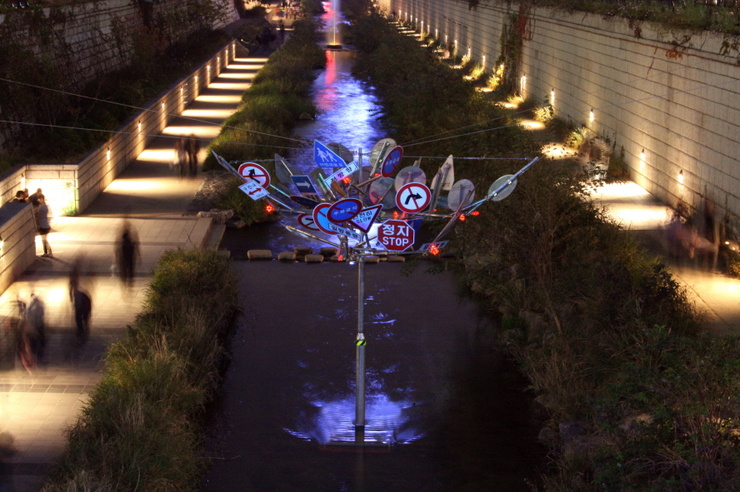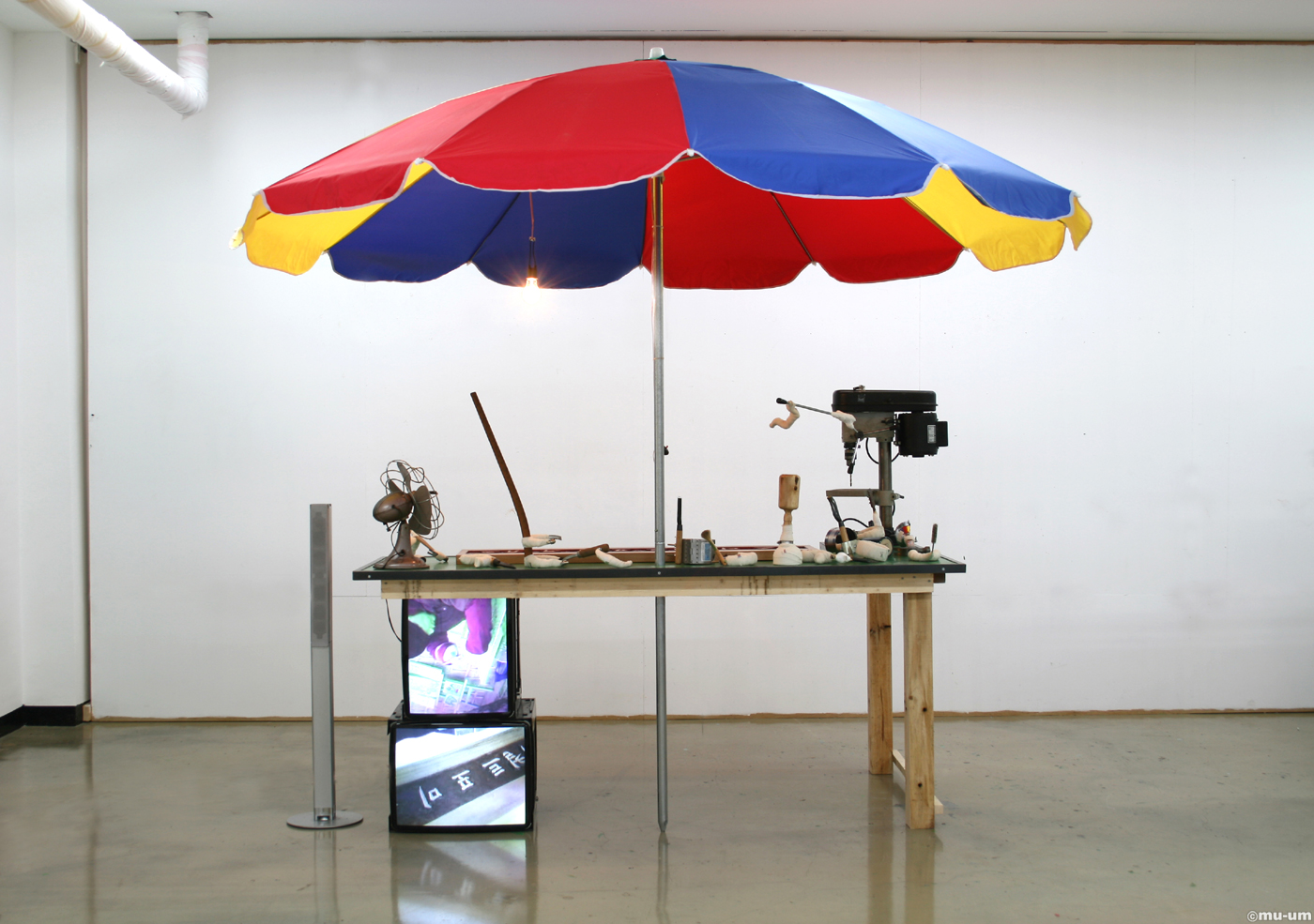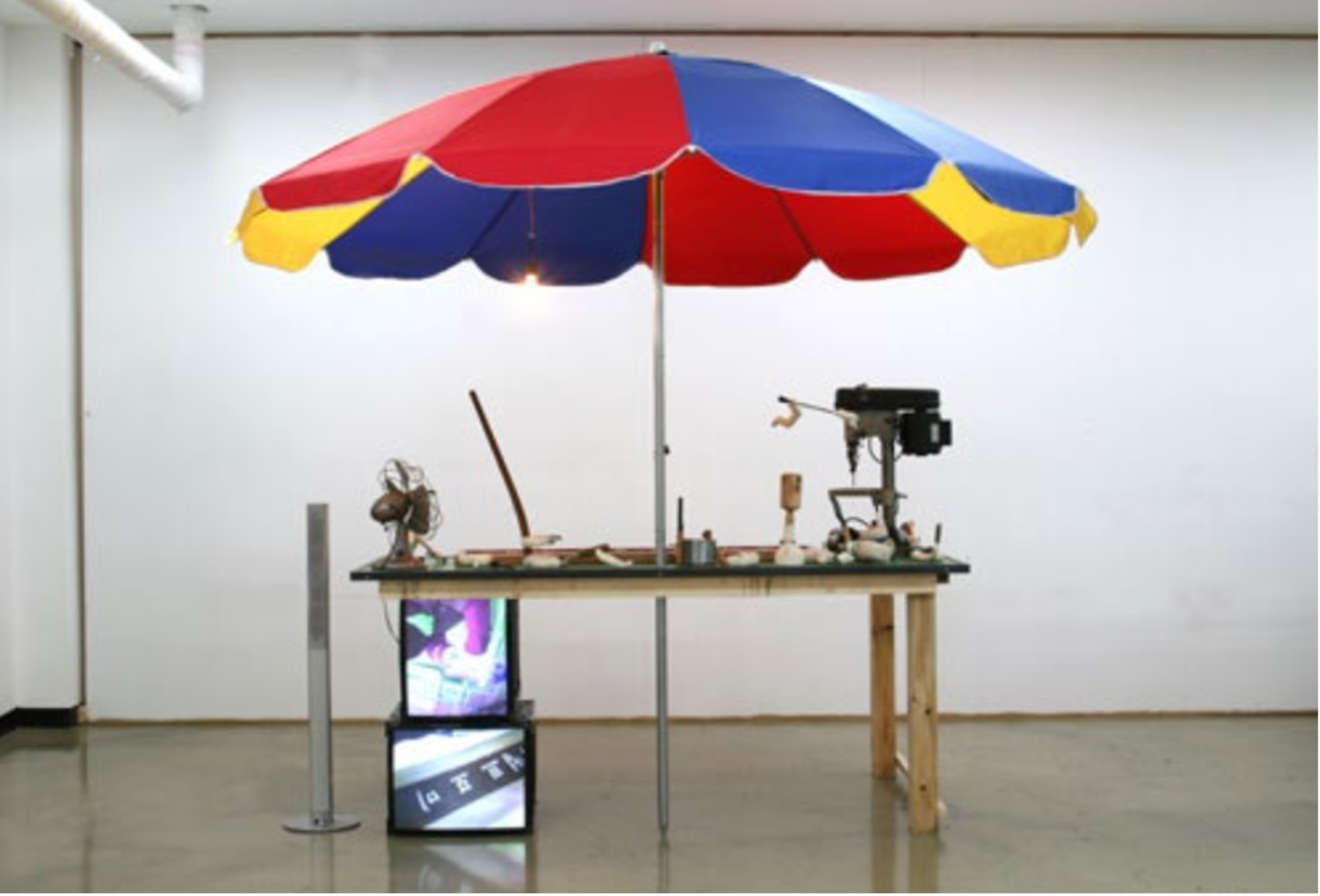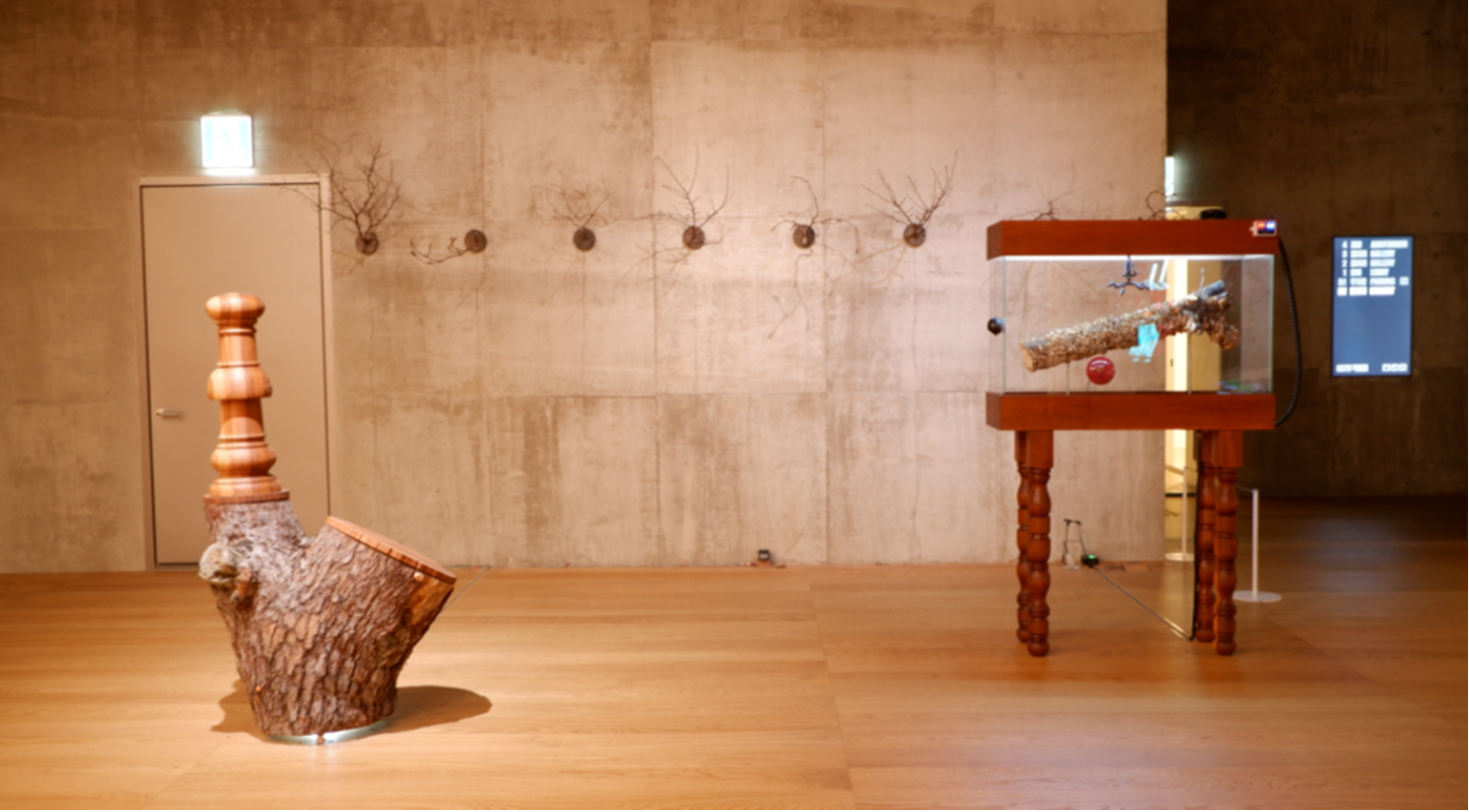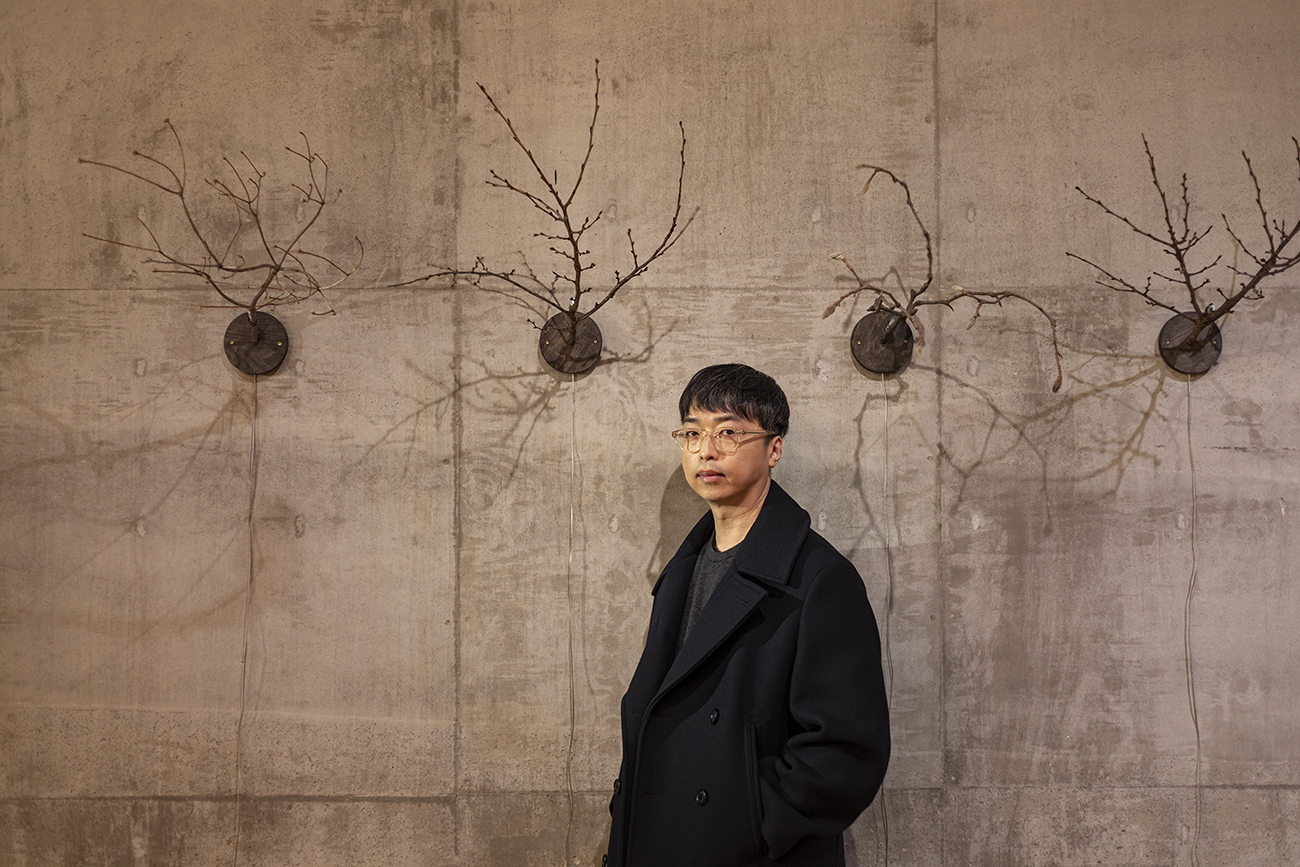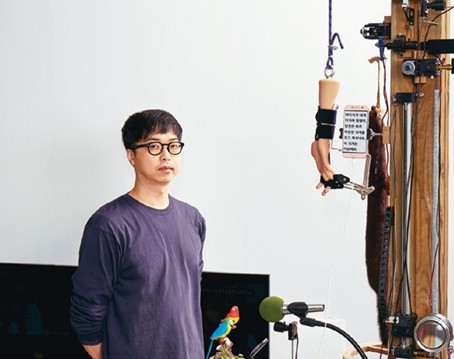

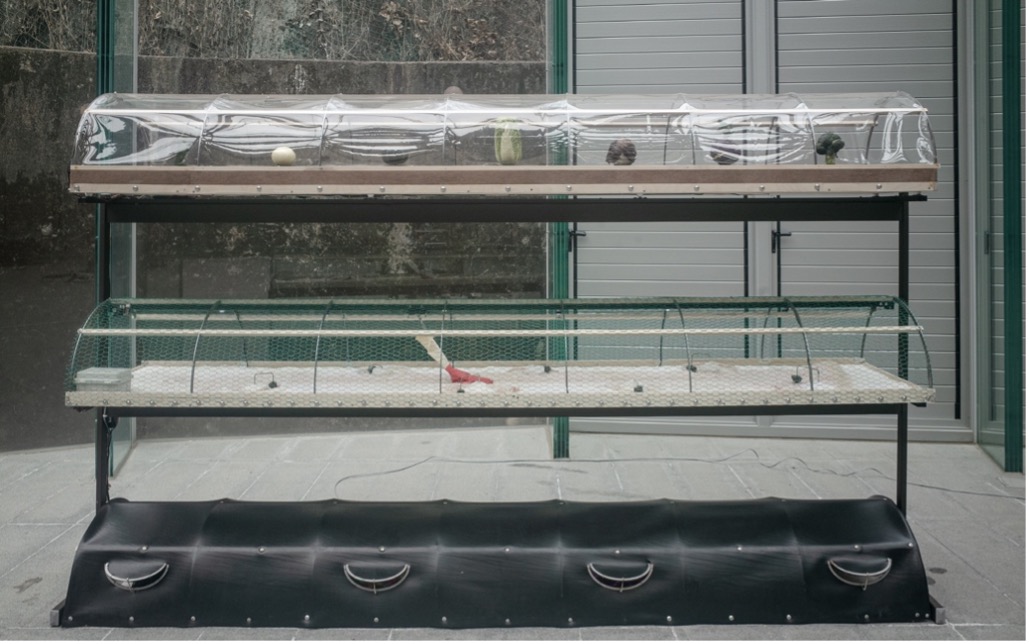
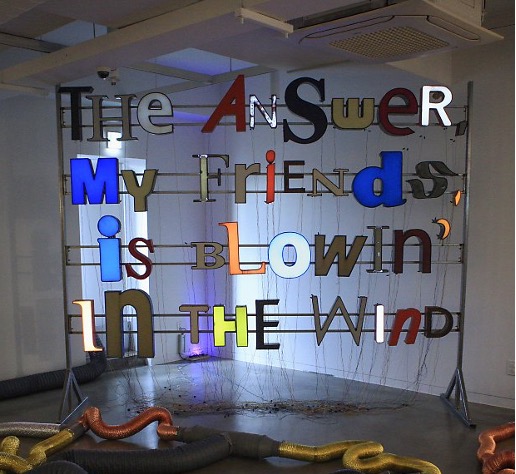
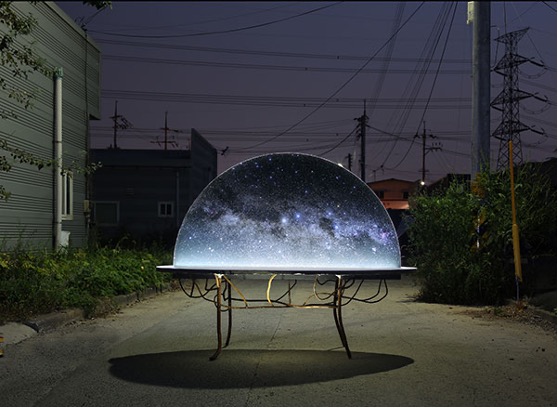
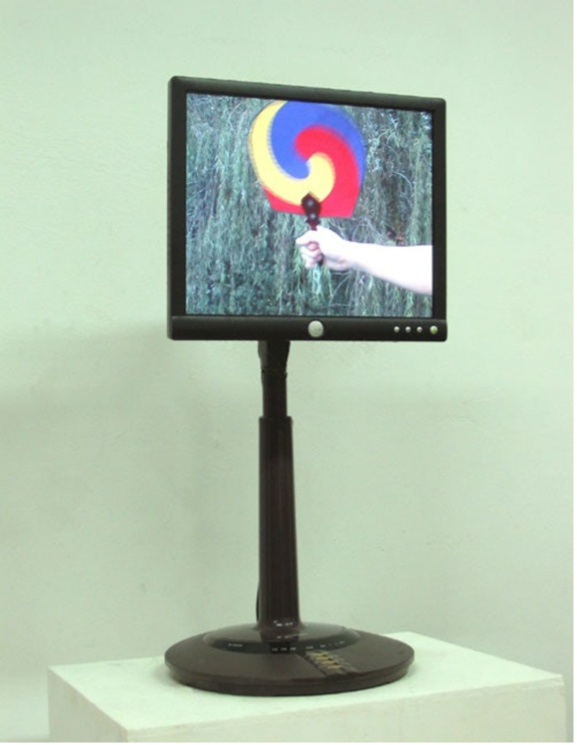
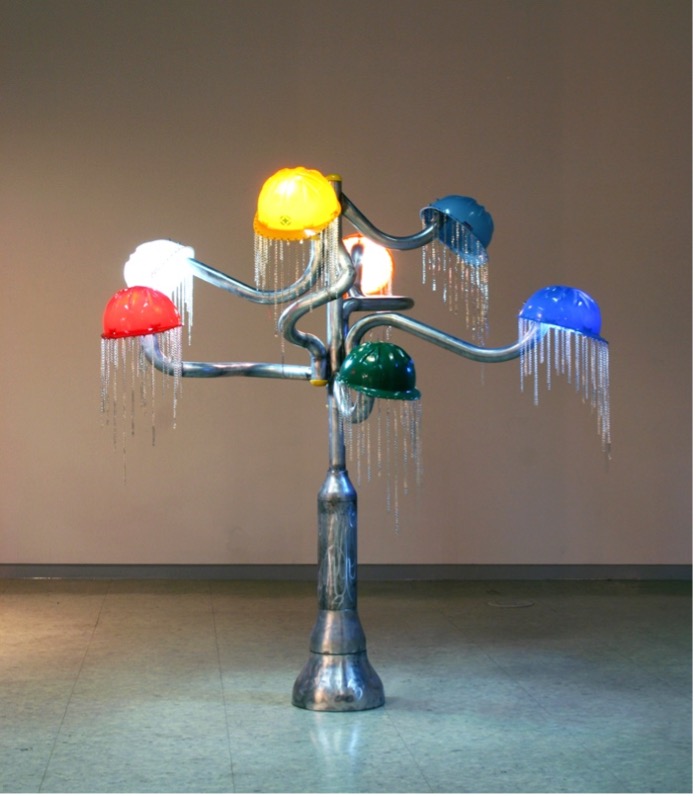
Yoo Hwasoo, It’s Difficult for me to use, 2012, 2-channels DVD, mixed media, 05:30, Dimensions variable ©Yoo Hwasoo

The Insa Art Space of the Arts Council Korea (hereafter referred to as Insa Art Space) presents the solo exhibition 《It’s difficult for me to use》 by artist Yoo Hwasoo, as the fifth exhibition selected for the 2012 Emerging Artist Exhibition Support Program. The exhibition will run from September 12 (Wednesday) to September 29 (Saturday).

Yoo Hwasoo’s meticulous gaze at ordinary objects and tools extends beyond their shapes to suggest relationships between the user’s body, society, and the individual. Yoo’s works sometimes alter the original functions and forms of objects to suit individual physical conditions or personal needs. By doing so, the works seem to challenge the standardized values of mass production, subtly protesting against the uniformity of modern consumerism. Rather than simply redefining the purpose or form of the object itself, Yoo’s experiment aims to empathize and communicate with the anonymous members of society who, in one way or another, coexist within its system.

The exhibition invites viewers to reconsider contemporary social norms through the duality of utility and uselessness, revealing the contradictions of value judgments imposed on objects.


It’s difficult for me to use
Hyeonsiwon, Art Theorist (Excerpt from Exhibition Statement)

An Homage to Labor

In this exhibition, Yoo Hwasoo’s works stretch the tension between the most useful objects for some and the seemingly most useless objects for others. Yoo's interventions in standardized objects transform them into forms and functions meant for a ‘third party,’ revealing themselves to the world with a unique presence. This approach appears to pay homage to the countless nameless laborers whose efforts shape the world. The artist's fascination with the colorful and heavily modified delivery motorcycles on the streets — reinforced and layered to the extreme for functionality — speaks volumes. Yoo collected photographs of these motorbikes in a folder labeled ‘Monster Motorcycles,’ a title that prompts a compelling question: Is it the objects that become monstrous, or the people constantly entangled with them through relentless labor?

Yoo Hwasoo remains committed to ‘making’ as a way of engaging with the tangible realities around him. Drawing inspiration from the everyday scenes he observes, the artist meticulously relates objects to people around him, refusing to create disembodied or abstract works. He designs ‘third objects’ tailored for specific individuals: a fan to cool the head of a novelist struggling to write during a hot summer, a desk for a friend who has been preparing for the TEPS (Test of English Proficiency) for three years, and even objects made explicitly for himself. These objects deviate from conventional uses and forms, refusing to take the place of mass-produced counterparts. Instead, they carry highly personal, detailed, and specific purposes (e.g., helping someone focus or cooling someone’s head) while maintaining their one-of-a-kind existence as art pieces. In doing so, they distance themselves from the mainstream consumer market, becoming 'third objects' that exist beyond mass demand.

Richard Sennett, in his book The Craftsman, identifies three ways humans connect with objects: through transformation, presence, and personification. Humans interact with objects by transforming their materials and textures, by simply acknowledging their presence, and by personifying them, thus activating emotional engagement. If ‘presence’ is the awareness that “I exist because I am making this,” then ‘personification’ is the act of imagining human traits within objects, leading to an emotional relationship with them.
Yoo Hwasoo navigates between the role of the craftsman, who creates with purpose, and the designer of the post-industrial society who facilitates mass production. Dissatisfied with merely observing the world around him, Yoo collects existing materials and tools to create objects tailored for unique purposes. Some pieces are functional desks for friends (anonymized with initials), while others are satirical reflections on himself as an artist. Yoo also engages with those who invent their own tools for survival, utilizing the only tools they possess and mastering unique, personal methods.

His approach reveals modes of use that operate without strict instructions or disciplinary constraints. Born from the liminal space between ‘the most useless’ and ‘the most useful,’ Yoo’s works resonate with those who navigate the complexities of contemporary life. In doing so, they provide solace and empathy rather than utility and competition.

References