
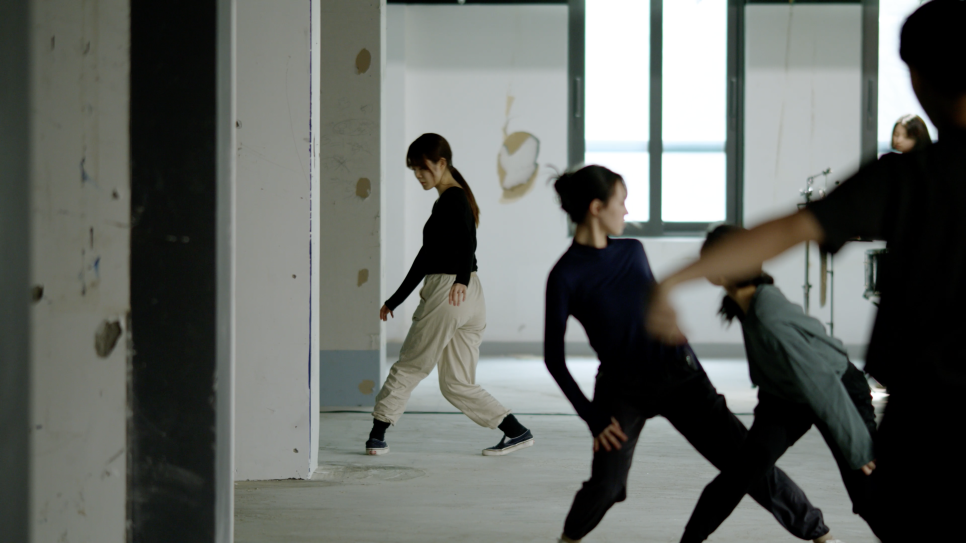
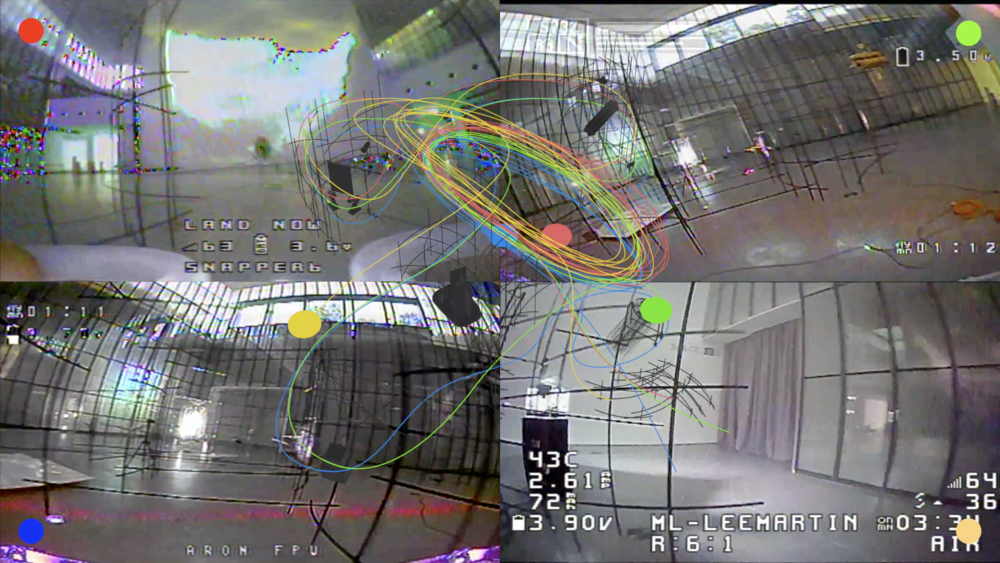
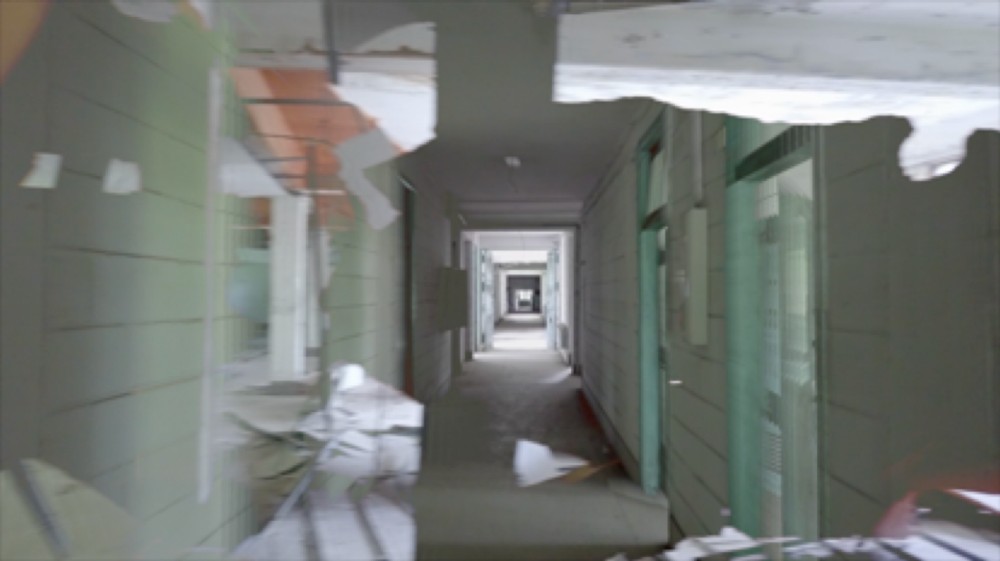
p. 2, Woman with a Movie Camera, 2015 © p. 2

The exhibition at Atelier Hermès titled 《This Rose-garland Crown》 marks the first collaborative project by An Jungju and Jun Sojung, two artists who have observed each other’s artistic processes over a considerable period of time and now bring a shared interest into a single voice.

Calling themselves p.2, the two artists invite viewers into an exhibition space composed of three rooms connected by winding corridors where darkness and light intersect, along with a hand-shaped sculpture placed in the courtyard overlooking these rooms and passageways.

Through the moving image works screened within the three rooms — works that at first appear to tell separate stories — the artists pose questions about “something” that art has long dreamed of, or something dreamed through art itself, as various situations surrounding artistic creation and differing fantasies confront, collide, reconcile, and shift across multiple perspectives and layers.

Since beginning their artistic activities in earnest in the mid-2000s, An Jungju and Jun Sojung have each continued, in their own distinct ways, to observe the world around them and record it through moving images. Although both artists begin with stories drawn from reality, their works have maintained very different emotional temperatures, reflecting the differing ways in which they manipulate and construct reality.

Perhaps for this reason, despite their long-standing mutual understanding of each other’s practices and their critical exchanges of ideas, neither artist initially held particularly high expectations regarding collaboration. However, in 2012, An Jungju composed music for a text written by Jun Sojung for use in her solo exhibition 《The Other Side of the Other Side》, leading the two artists to experiment with a form of collaboration through music.

That same year, they presented two performances of 《The Other Side of the Other Side》 as part of the exhibition 《PLAYTIME》 at Culture Station Seoul 284.

Separate from these modest collaborative activities rooted in a shared interest in music, the two artists also engaged in a residency program in Strasbourg in 2010, during which they experimented with translating philosophical questions into moving images through approaches and attitudes somewhat removed from their individual practices.

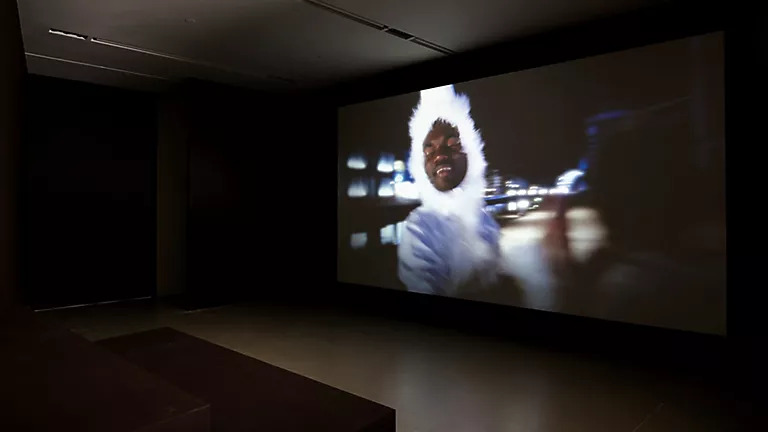
These attempts eventually culminated in Woman with a Movie Camera (2015), which became their first collaborative work and ultimately led to p.2’s exhibition 《This Rose-garland Crown》.

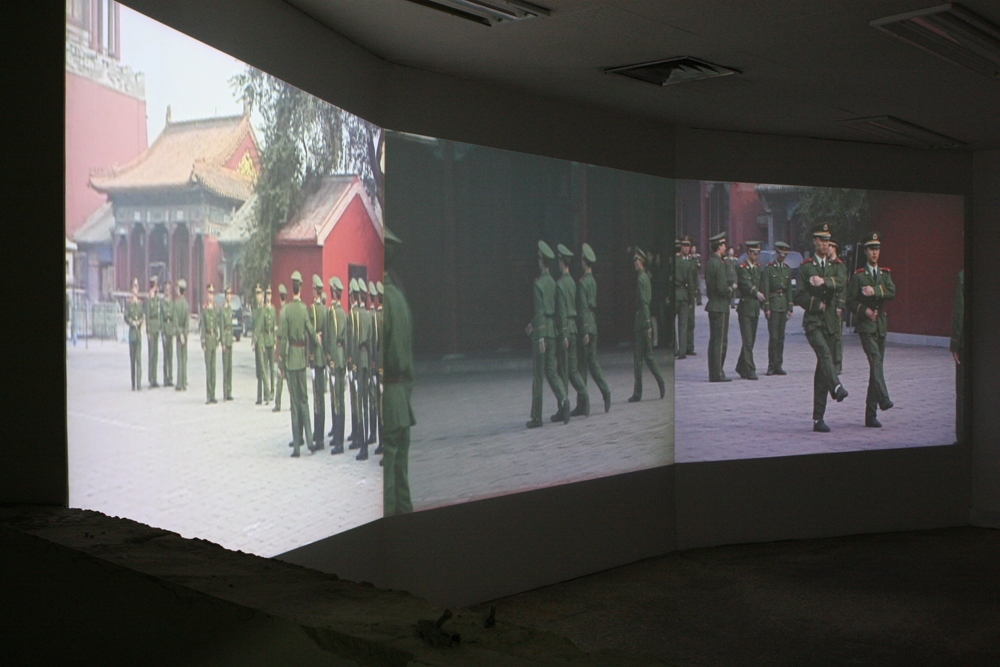
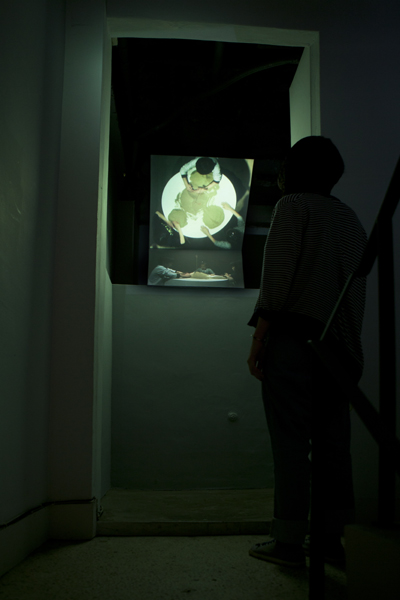
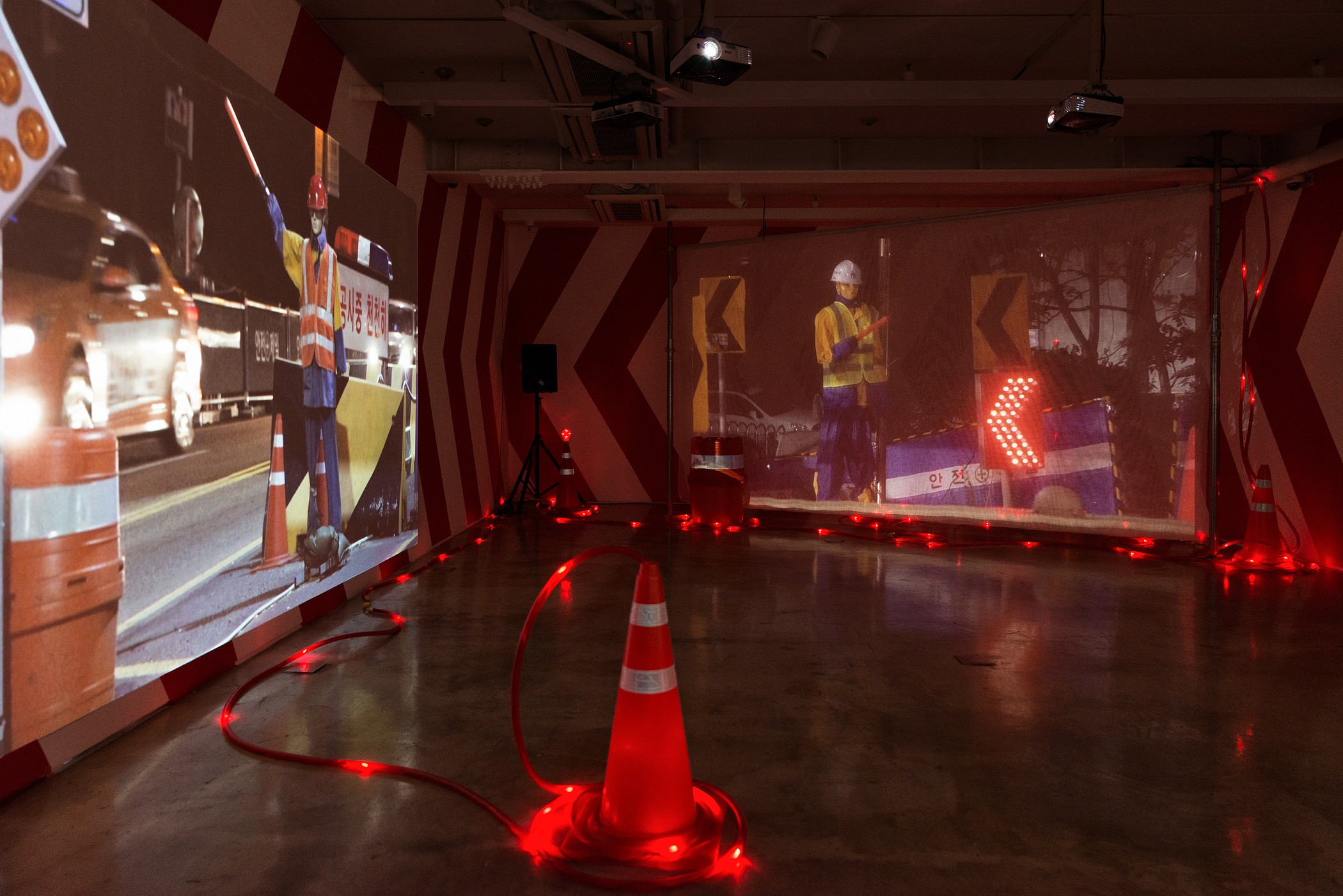
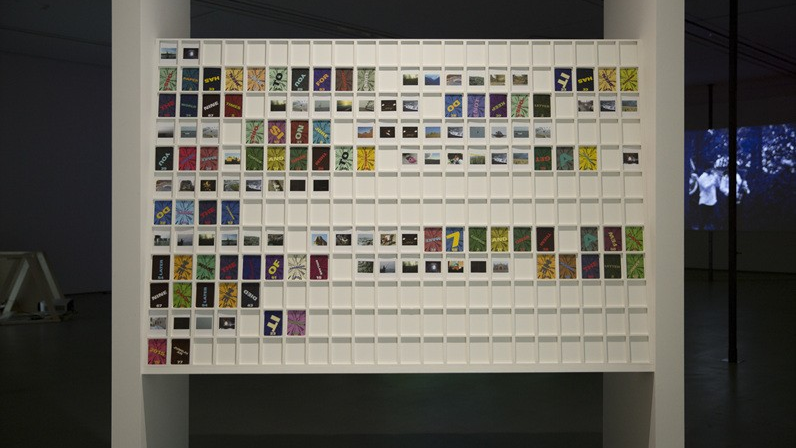
Installation view of 《This Rose-garland Crown》 © Atelier Hermès

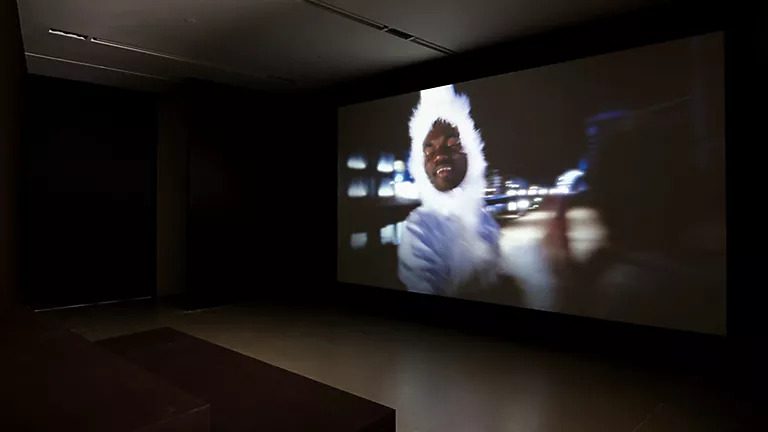
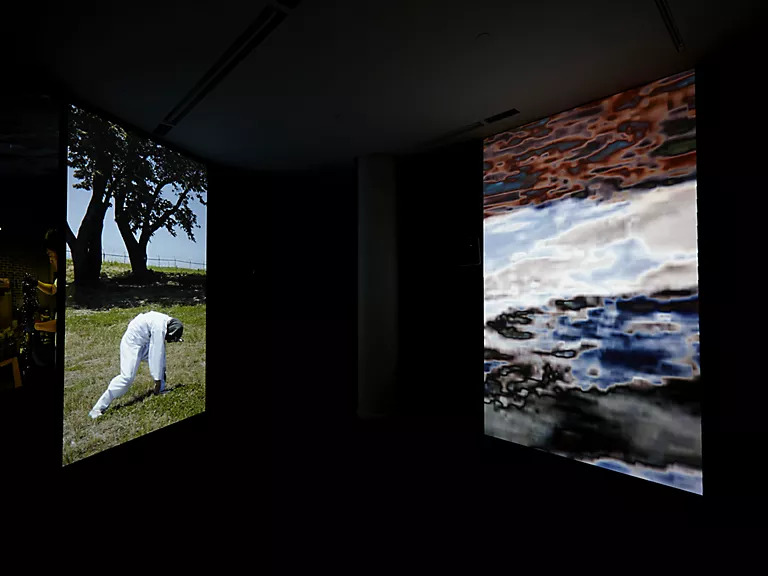
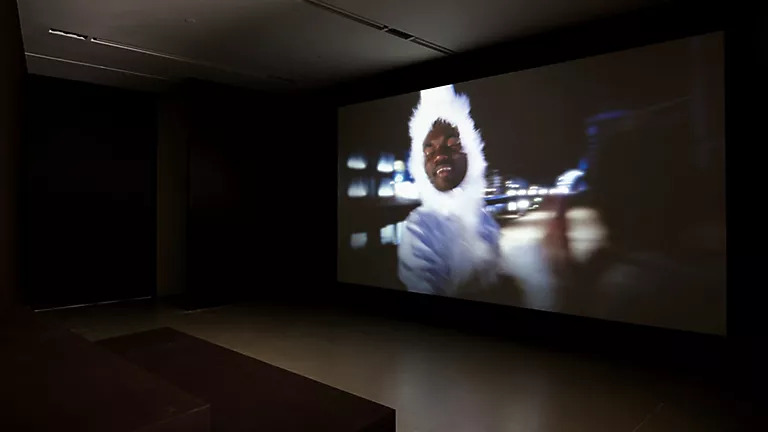
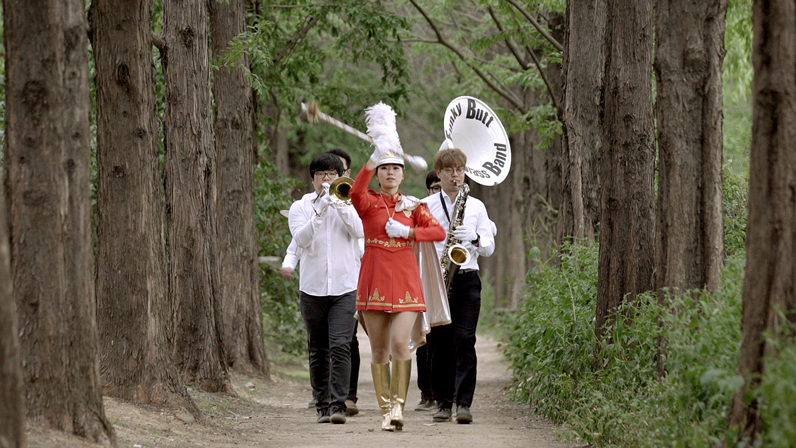
Woman with a Movie Camera, a moving image work unfolding like a dream or fantasy through the intersecting trajectories of a woman endlessly filming her surroundings and a young black swan gradually transforming into a white swan, can be read as a metaphor for the artist discovering herself through the act of recording the world around her.

Much like the protagonist, who constantly carries a camera and documents the peripheries of her own experiences, An Jungju and Jun Sojung also spent their time in Strasbourg continually carrying cameras, recording scenes they encountered by chance in unfamiliar places. From these accidentally captured fragments, Woman with a Movie Camera eventually emerged.

By foregrounding the condition of “collaboration” through their own real conversations discussing the editing process, the two artists project themselves onto the female protagonist, who silently continues her artistic journey through the act of recording. In her figure, they reflect their own ongoing movement toward “art,” which still refuses to fully reveal itself.

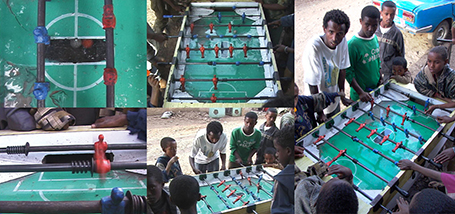
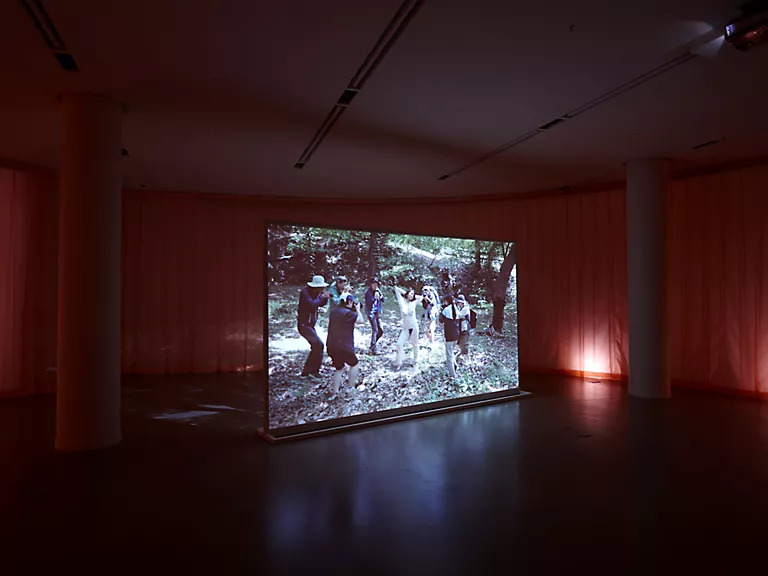
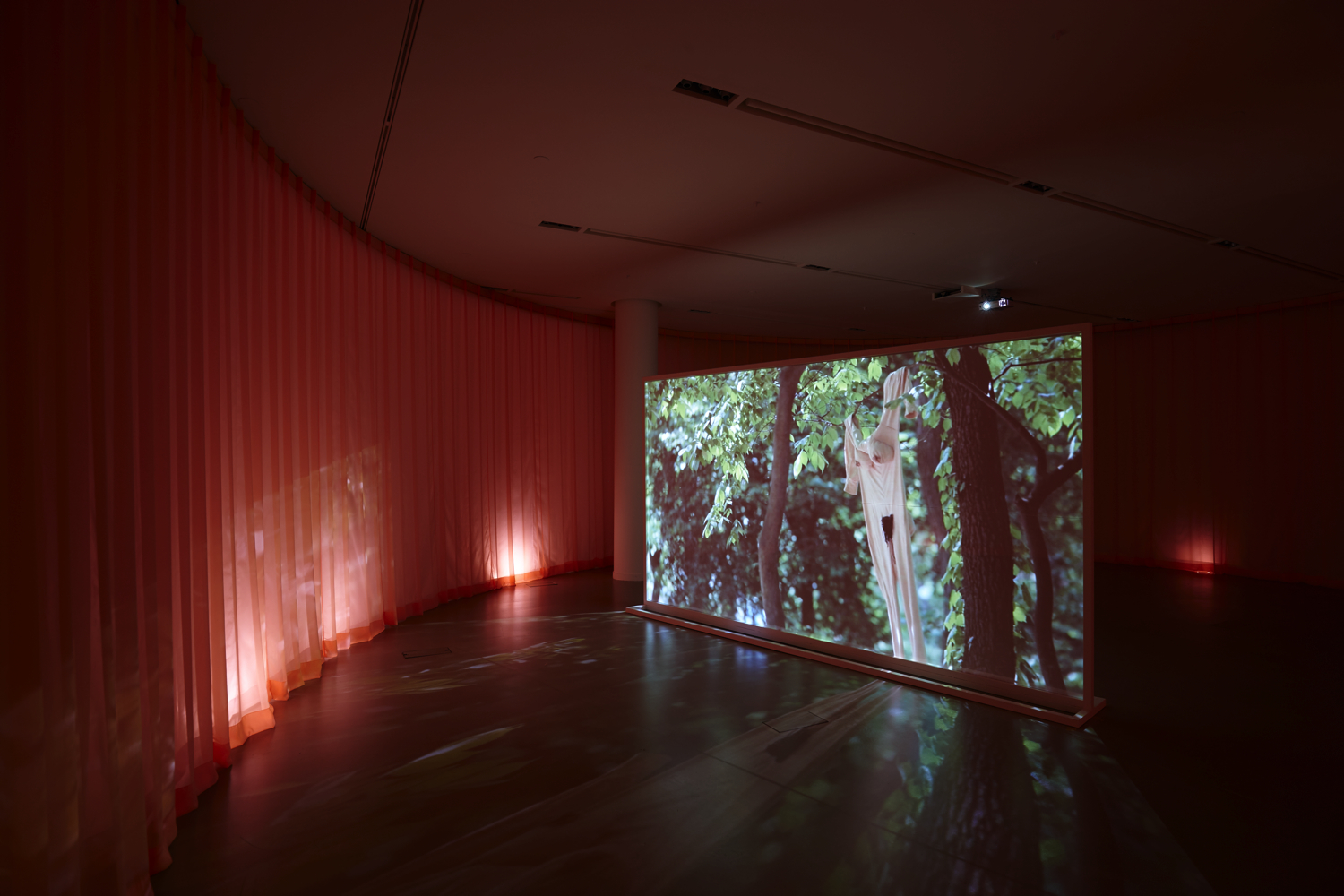
In Nude Model (2015), the artists unfold their enduring belief in “art” through a story of dreams and intoxication unfolding within systems of convention and institution. Beginning with the idea of a nude model appearing “clothed” in the concept of nudity itself, the work centers on episodes and experiences related to nude models — experiences familiar to nearly anyone who has studied fine art.

In Western art history, the nude has traditionally been regarded not simply as a “person without clothes,” but as an idealized and classical “prototype of beauty,” and traces of this pursuit of beauty still remain embedded within contemporary art education centered around live nude modeling.

Rather than expressing their perspectives on heavy themes — such as the relationship between subject and other surrounding ideals of beauty, or the issues of education and institutional systems — in a serious or solemn tone, p.2 subtly layers these concerns into the drunkenly obsessive dialogue and behavior of performers who provoke awkward laughter.

The artists’ effort to translate various figures, absorbed in their own heightened performances of being “artists,” into a romantic attitude toward art itself stems from a belief in art that has not yet faded, even in an era saturated with critical discourse surrounding the value, status, and existence of art.

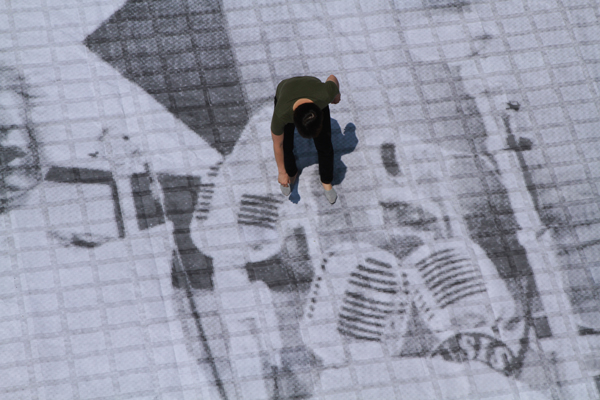
p. 2, Makers, 2015 © p. 2

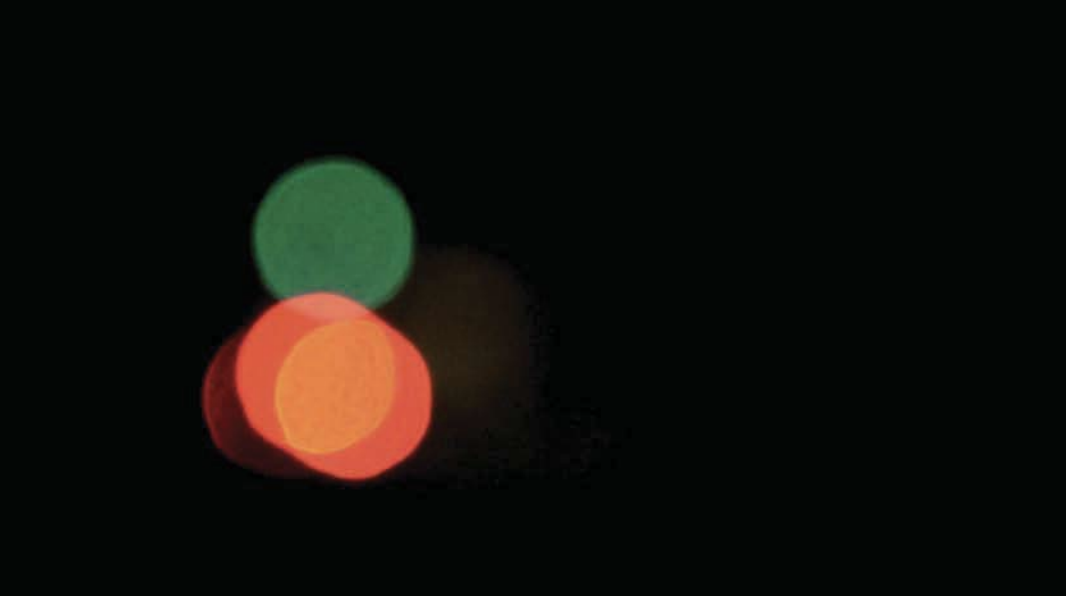
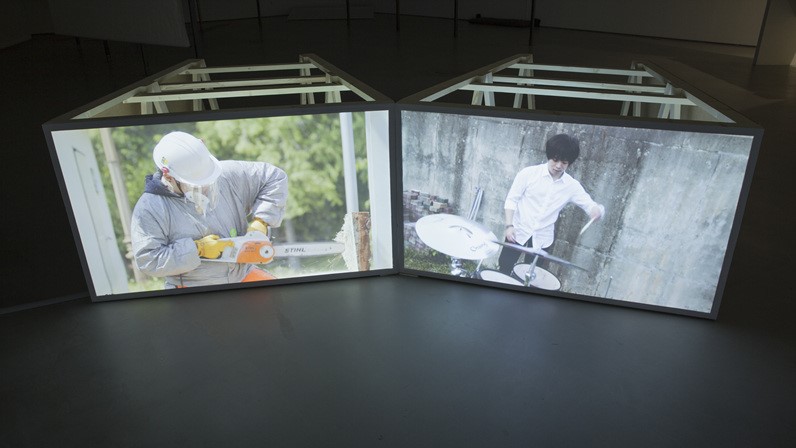
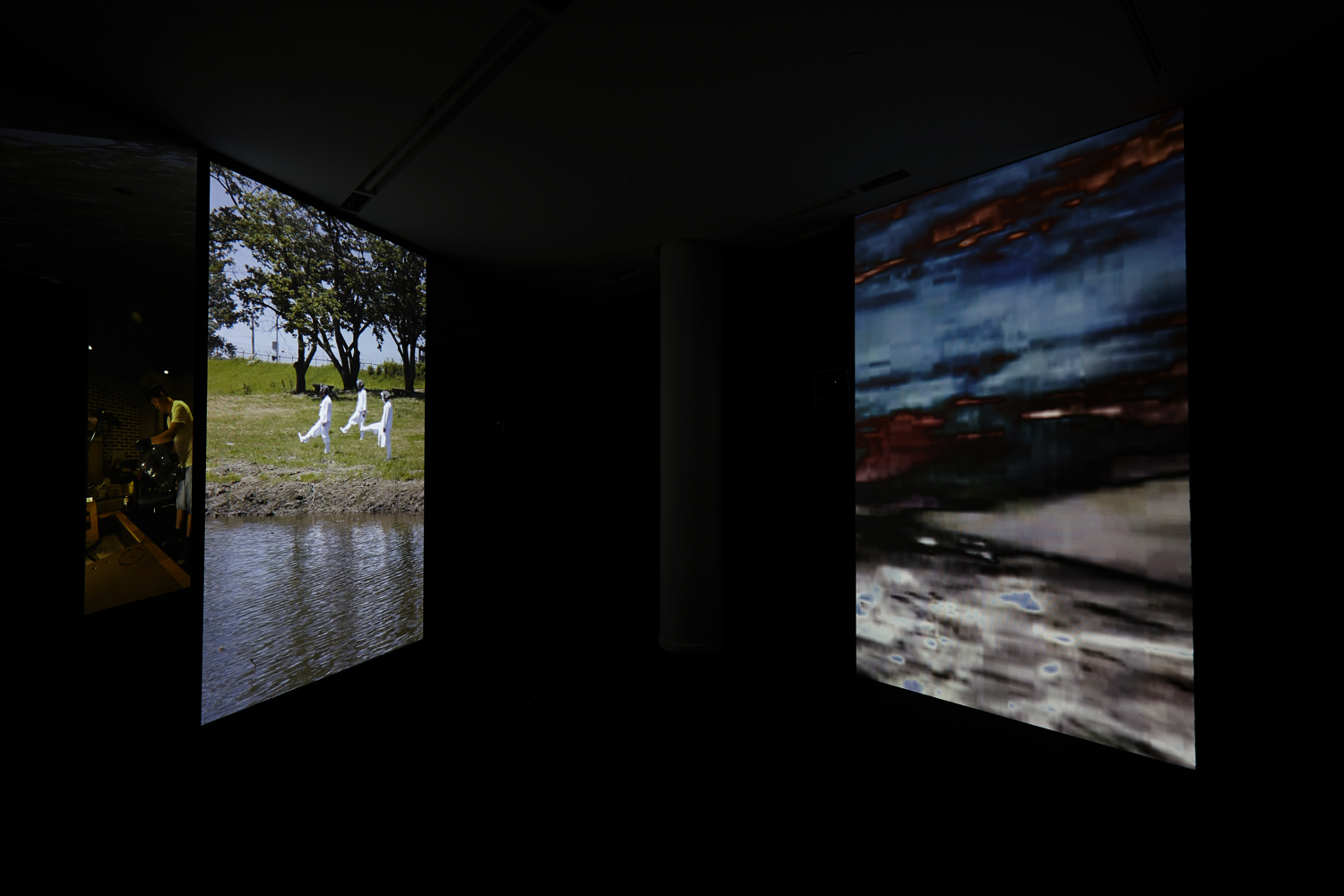
Meanwhile, Makers (2015), a work with a comparatively stronger fictional dimension, begins from the imagination that behind all the phenomena occurring in the reality we inhabit, there exist separate individuals responsible for producing their actual sounds.

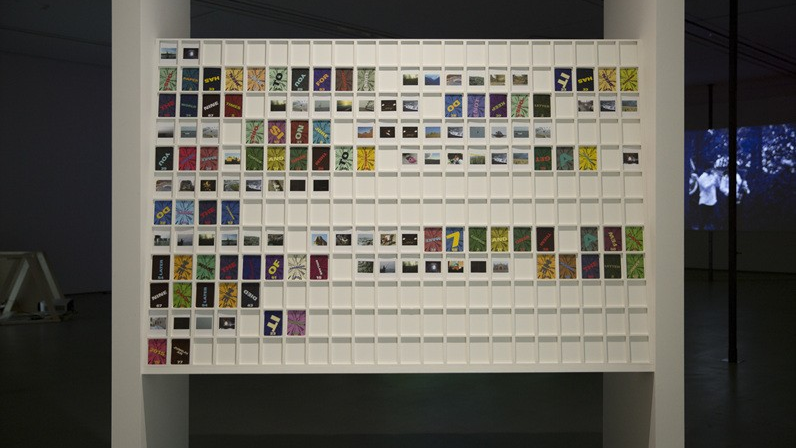
Based on archival footage documenting tragic events such as wars, disasters, and accidents — particularly incidents resulting not from natural disasters but from unavoidable consequences of concealed and irrational chains of human causality — the work connects the tragic events confronting us as visual outcomes, the thoughts that weave those outcomes together as choreographic notation, and the acts realizing those thoughts as the labor of foley sound technicians.

Through these arbitrarily constructed relationships between image and sound, the work prompts viewers to reconsider the attitudes and methods through which we perceive and overcome the reality before us — or perhaps approach the very idea of art itself.

Installation view of 《This Rose-garland Crown》 © Atelier Hermès

The title proposed by p.2 for the exhibition, 《This Rose-garland Crown》, is taken from a line spoken by one of the characters in Nude Model. Exquisitely beautiful yet lined with thorns so sharp that one cannot dare place it upon one’s head without enduring extreme pain, the crown functions as a metaphor for “the status of the artist” — something anyone may dream of, yet few can easily approach.

Their unwavering belief in art continually compels An Jungju and Jun Sojung to look back upon themselves and question their own artistic practices, ultimately leading them to dream of “this rose-garland crown.” As suggested in Makers, art for these artists is deeply connected to the act of looking at the world.

Questions concerning how one should perceive, recognize, and understand the world before one’s eyes — and how one might overcome it once again — remained central concerns even throughout the collaborative process of preparing the exhibition together. In order to place this rose-garland crown upon their own heads, the artists revisit their own ways of approaching art and looking at the world.

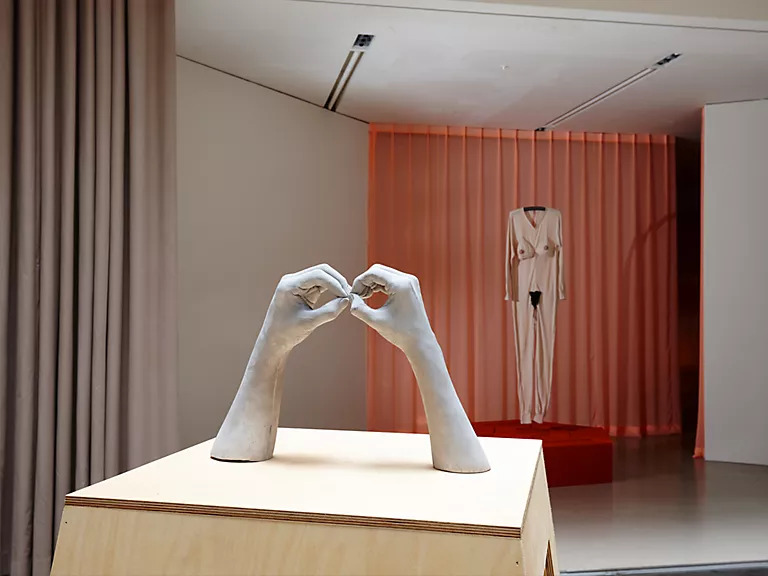
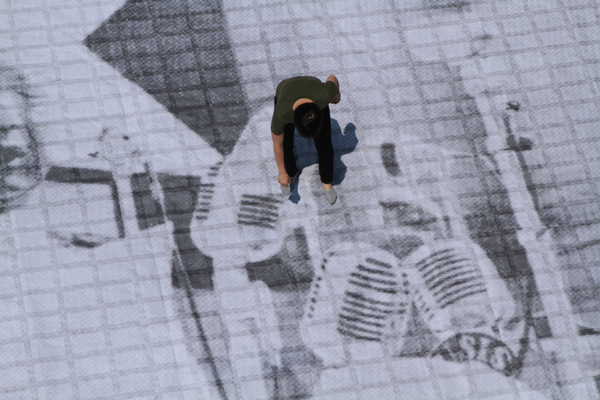
This attitude ultimately materializes in p.2 Telescope (2015), a work inspired by the image of two cupped hands forming the shape of a telescope, as proposed by Barthold Heinrich Brockes in his poem Bewährtes Mittel für die Augen. Through these circularly cupped hands, perhaps the artists hope to look more carefully and more sharply at the reality they have observed until now.

p.2 is a temporary project team formed by An Jungju and Jun Sojung in order to test methods of identifying and dismantling the intersections between their distinct interests and methodologies in moving image practice.

The significance of their collaboration does not lie in discovering common ground and developing it toward a unified direction, but rather in attempting to creatively disrupt familiarity by discovering and selecting a new “third thing” that neither artist had previously focused on, whether individually or together.

References