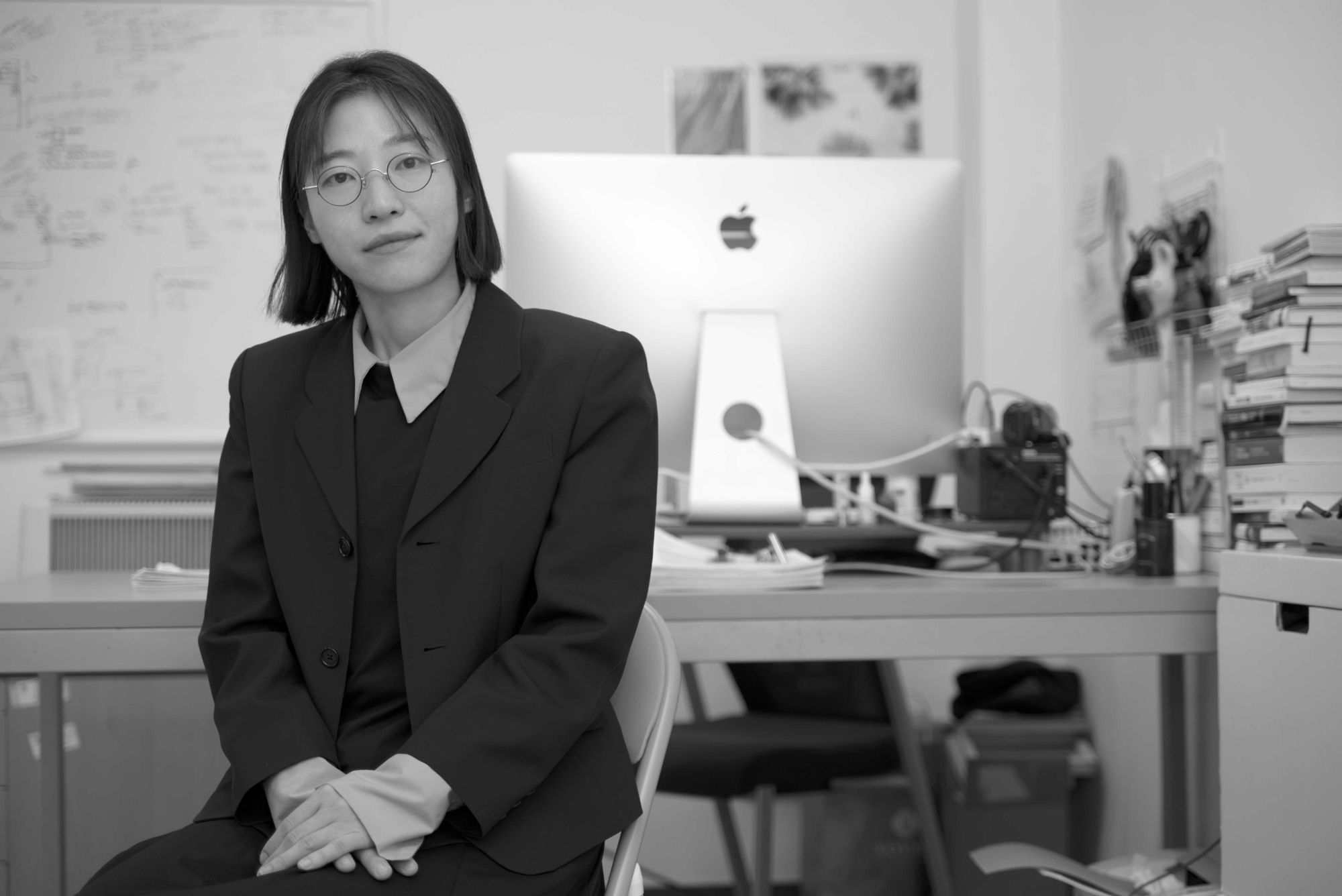
Yang
Eunkyung’s work moves across fiction film, documentary, interview,
multi-channel video, photography, installation, and projection. If 《Extending the Light》 was a work that read an
unfinished film scenario inside the exhibition space and made viewers approach
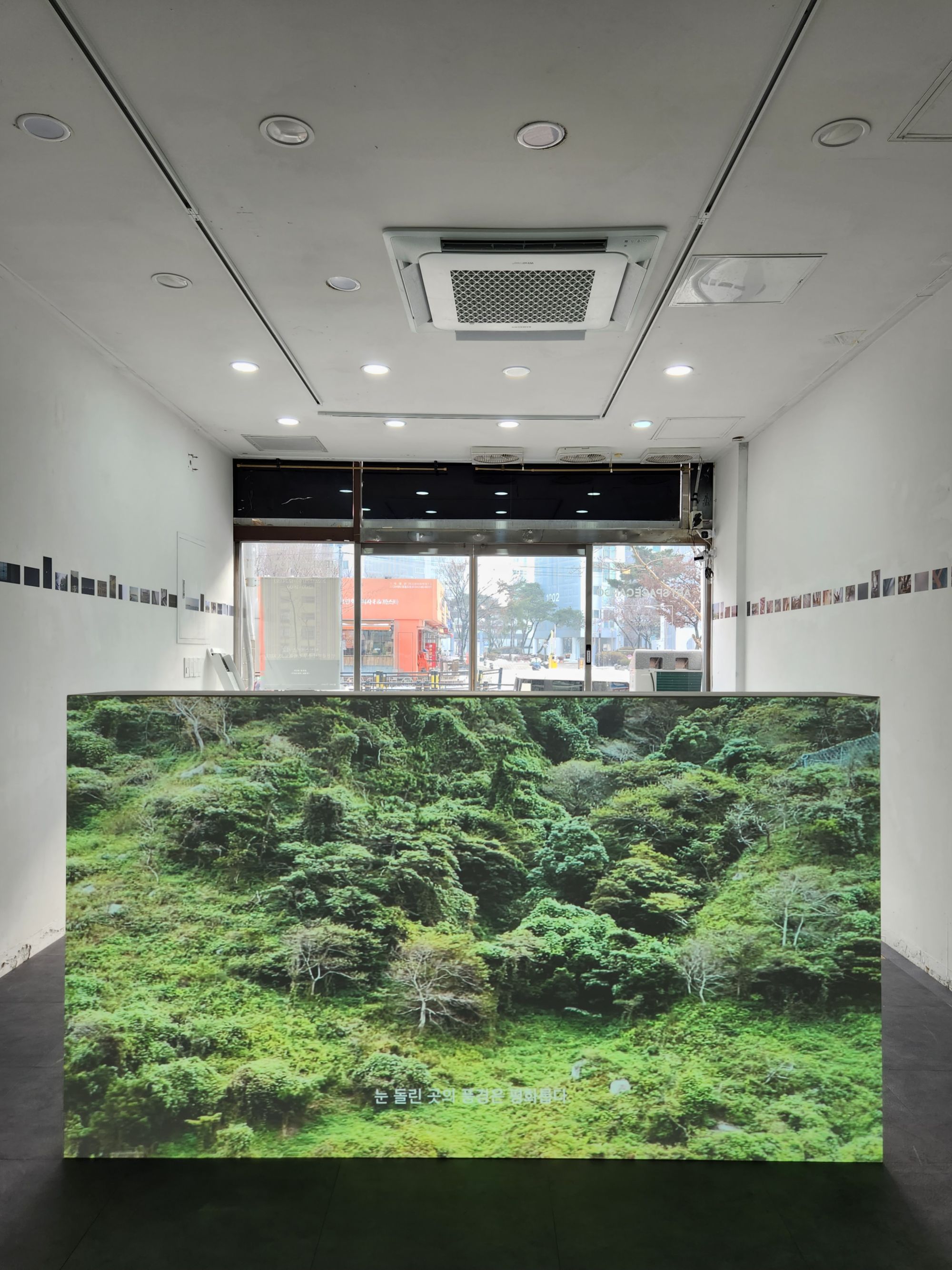
it directly through a structure of door, light, sound, and video, 《Crossing the Light》 placed photographs and
videos at a very small scale, requiring viewers to move and adjust their gaze.
Here, the exhibition space becomes less a place where images are shown at a
glance than a space where viewers reset distance and position through their own
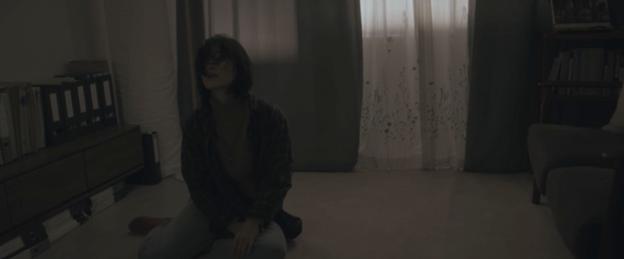
bodies and move closer to another person’s story. Rather than clearly capturing
people with mental illness, the artist reveals the violence and limits inherent
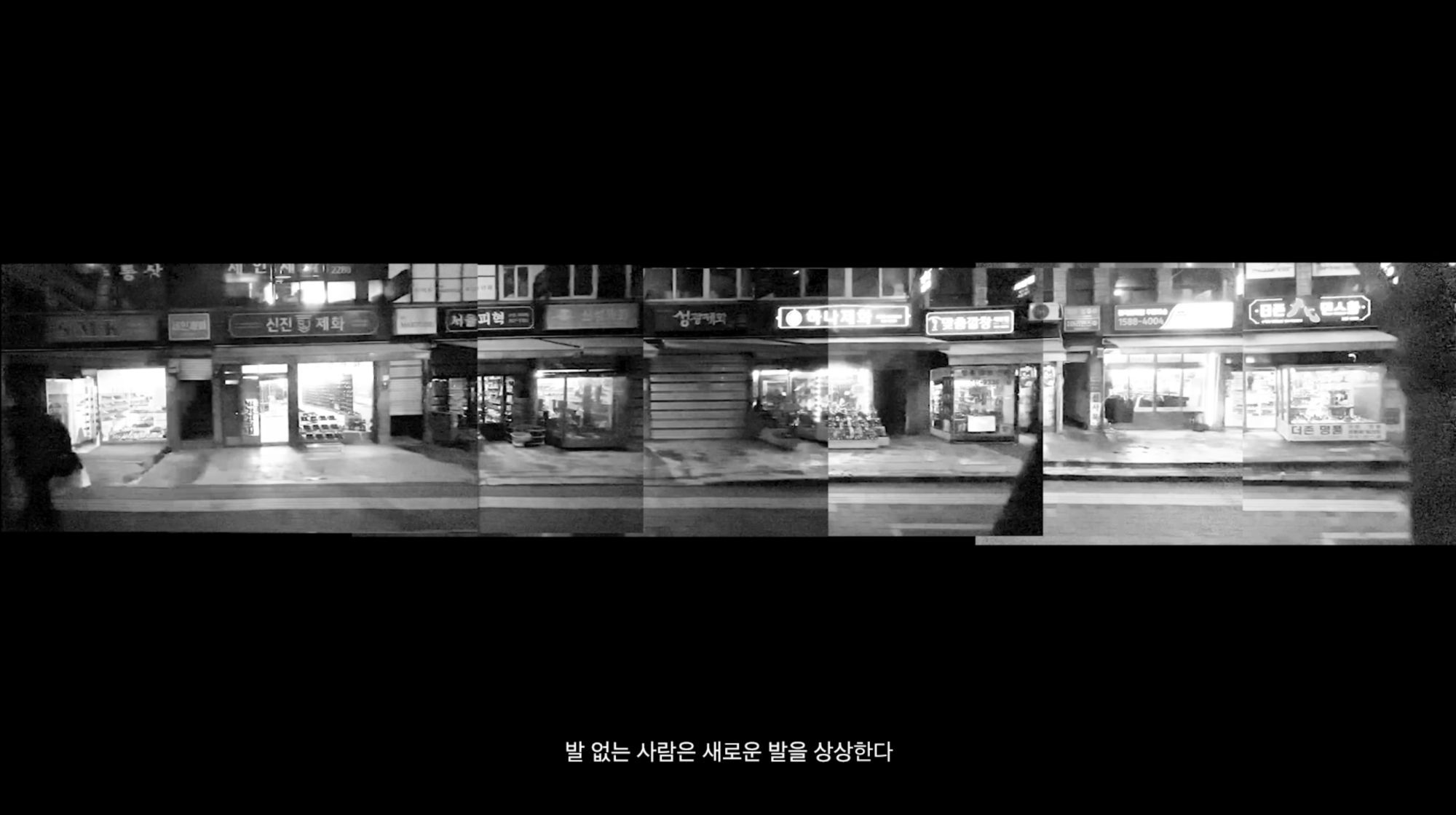
in the act of seeing through peripheral images such as hands, feet, landscapes,
and empty spaces.
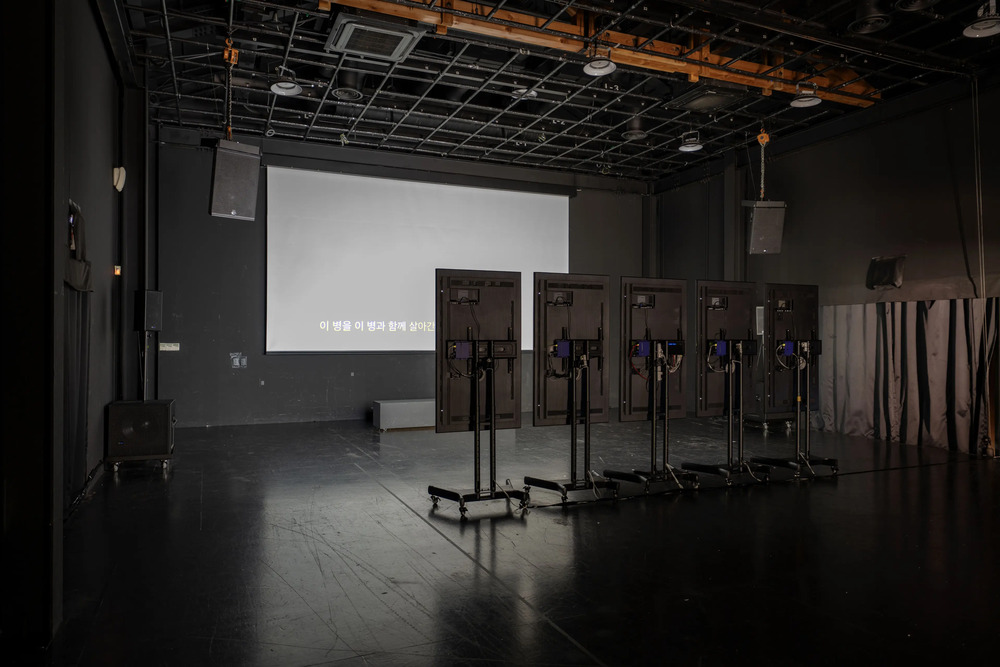
《Invisible Body, Tangible Word》 is the work
in which Yang’s formal shift becomes most clearly visible. This exhibition
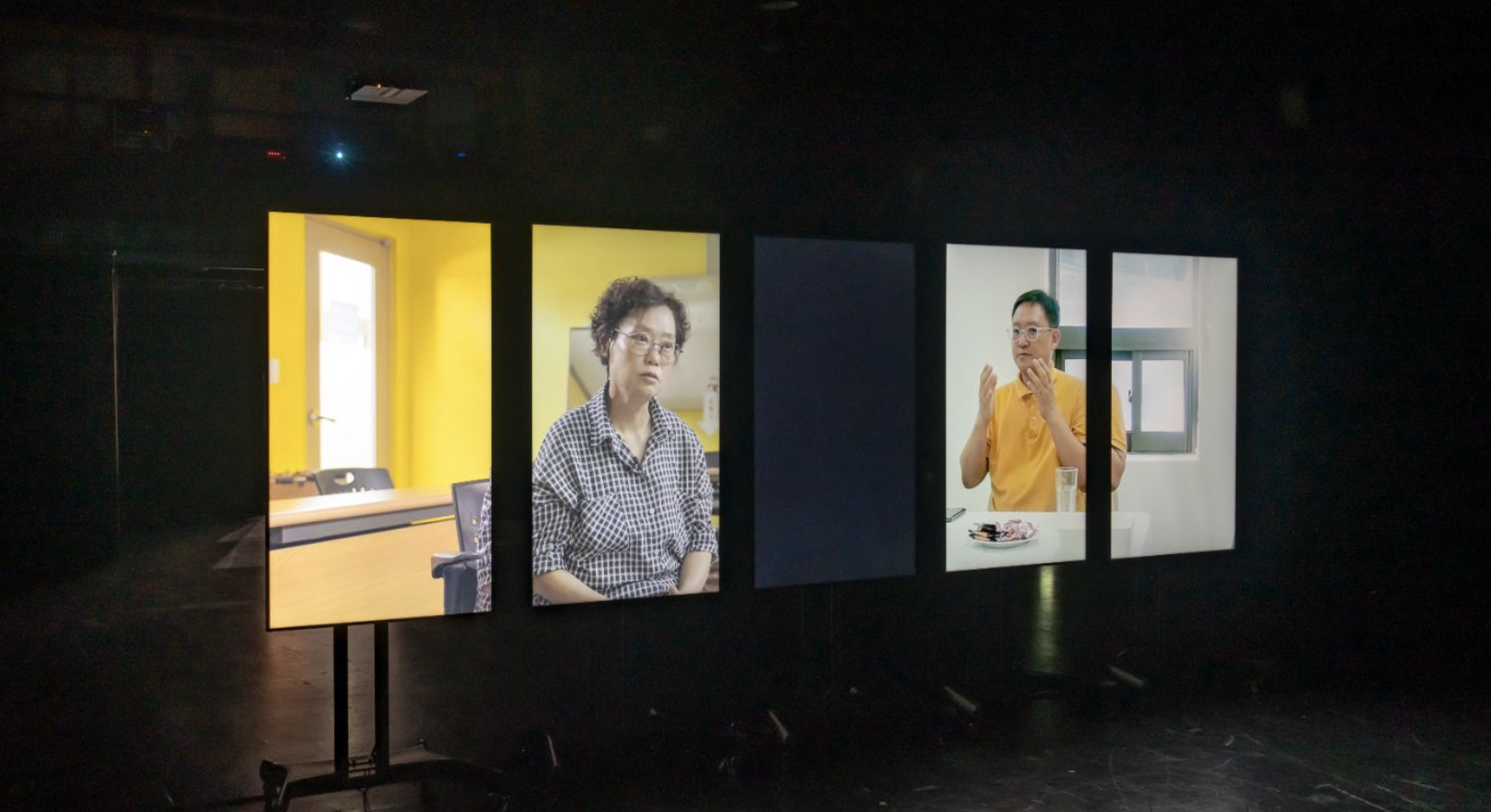
centers on the six-channel video Invisible Body, Tangible
Word(2024), based on interviews with eight people living with
schizophrenia, and places each person’s body and words within a parallel
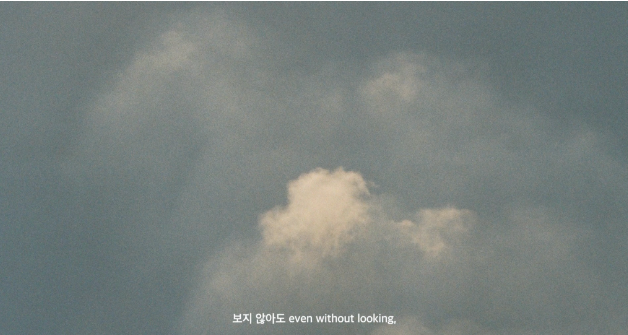
multi-channel structure. The video does not create a linear narrative that
follows a single person or event, but instead places different voices,
subtitles, blank screens, body parts, and the correspondence or discrepancy
between faces and voices side by side. Through this, the name schizophrenia is
prevented from being reduced to a single explanation, while different forms of
visibility are given according to each interviewee’s situation and degree of
possible disclosure.
In this
work, editing operates not simply as a technical process, but as a matter of
ethical judgment. For interviewees who agreed to reveal their portraits, their
faces and voices appear together; however, in cases where they feared exposing
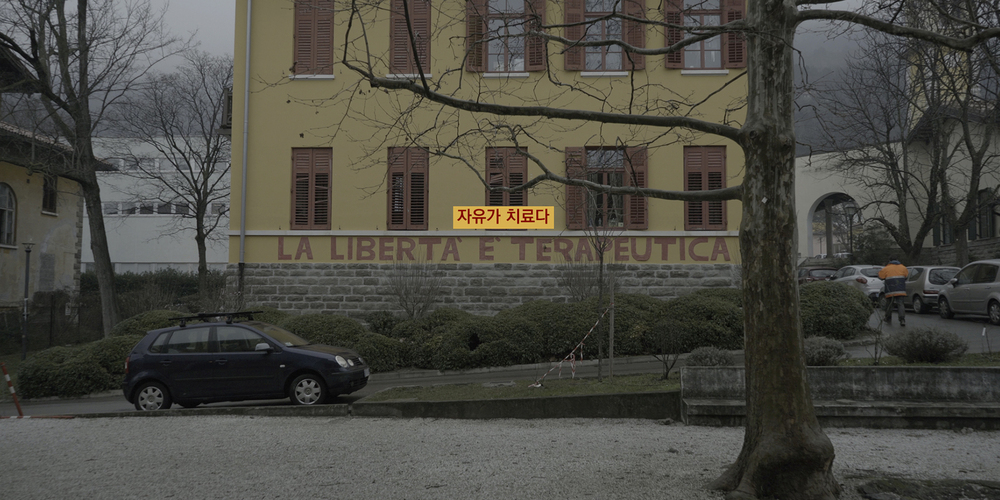
their existence, the artist uses hands, feet, cropped screens, blank spaces,
text, and the words and images of others instead of mosaic blurring. These gaps
are not signs of absence, but ways of showing the fact that “this person’s body
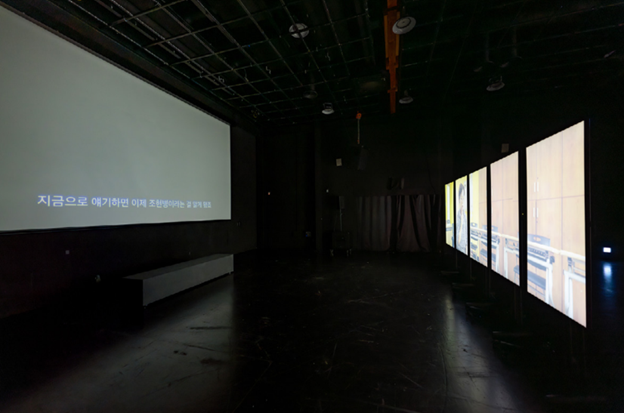
exists right here.” The exhibition space is also designed so that viewers
cannot face the screens directly from the beginning; only after adjusting to
the darkness and walking deep into the space can they finally encounter the
screens and words. This allows viewers to spatially experience how complex and
careful a process it is to listen to another person’s words and come to know
another person’s world.
In Between
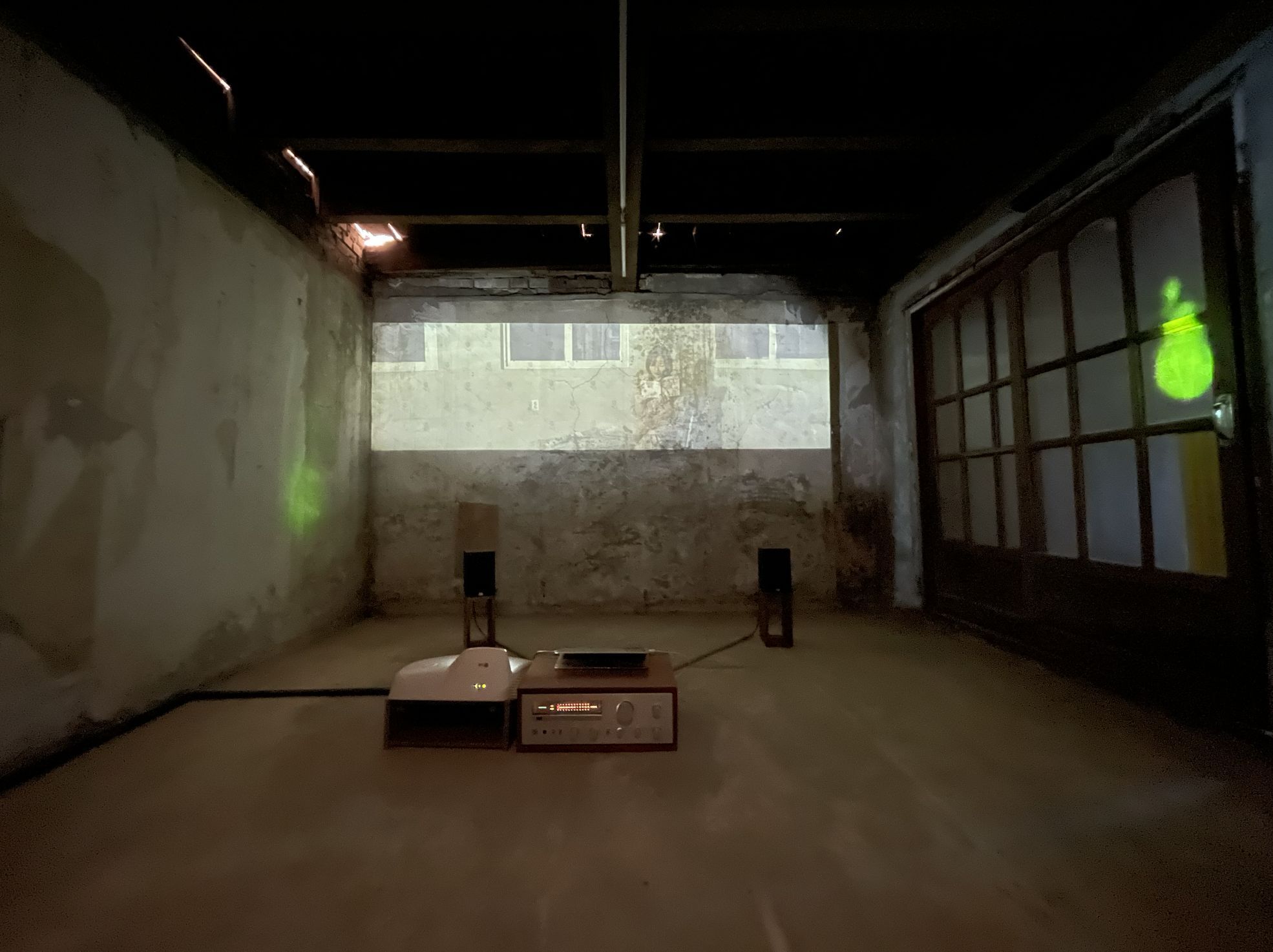
Word and Body, the physical conditions of video recording, voice
recording, and projection become central to the work. The artist explores how
blurred or overly clear images operate within space, focusing on the gaps that
arise when recorded bodies and voices are replayed inside the exhibition space.
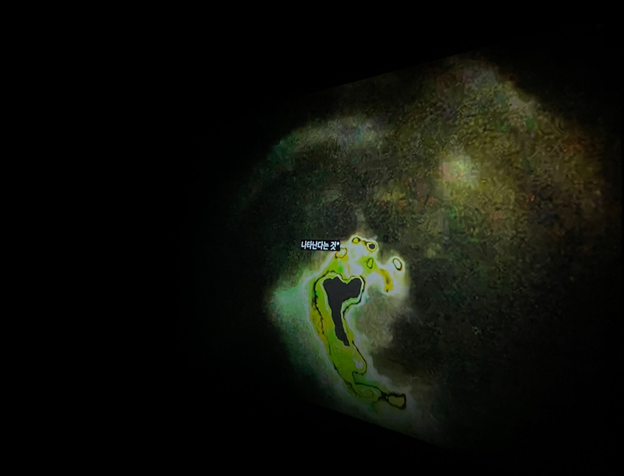
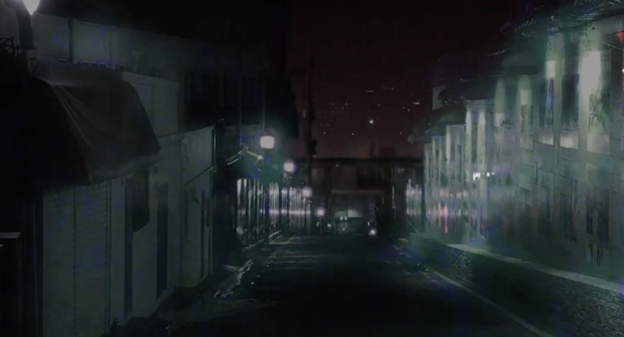
Like City Made of Lights(2025), videos projected onto
corners, views seen from the subway, empty spaces, the artist’s own sentences,
and interview videos all create structures that can be approached only by
looking back, moving, and changing one’s position, rather than through screens
that are clearly visible from the front. Yang’s video installation is therefore
both a device that conveys recorded facts and a field of sensory editing that
asks what should be shown and what should be concealed.