Yang Eunkyung (b. 1989) has worked across narrative film and documentary, focusing on the stories of people whose bodies have become unpresentable due to invisible disabilities and stigmatized identities. In the process, the artist reflects on the ways portraits and voices—those that inevitably must be included, and those that inevitably must be excluded—are edited and constructed.


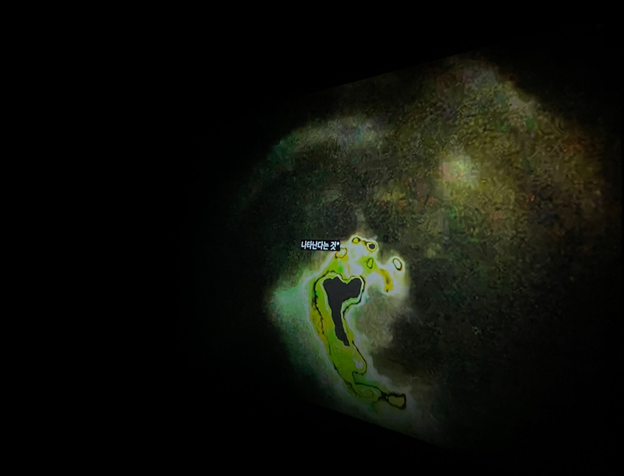
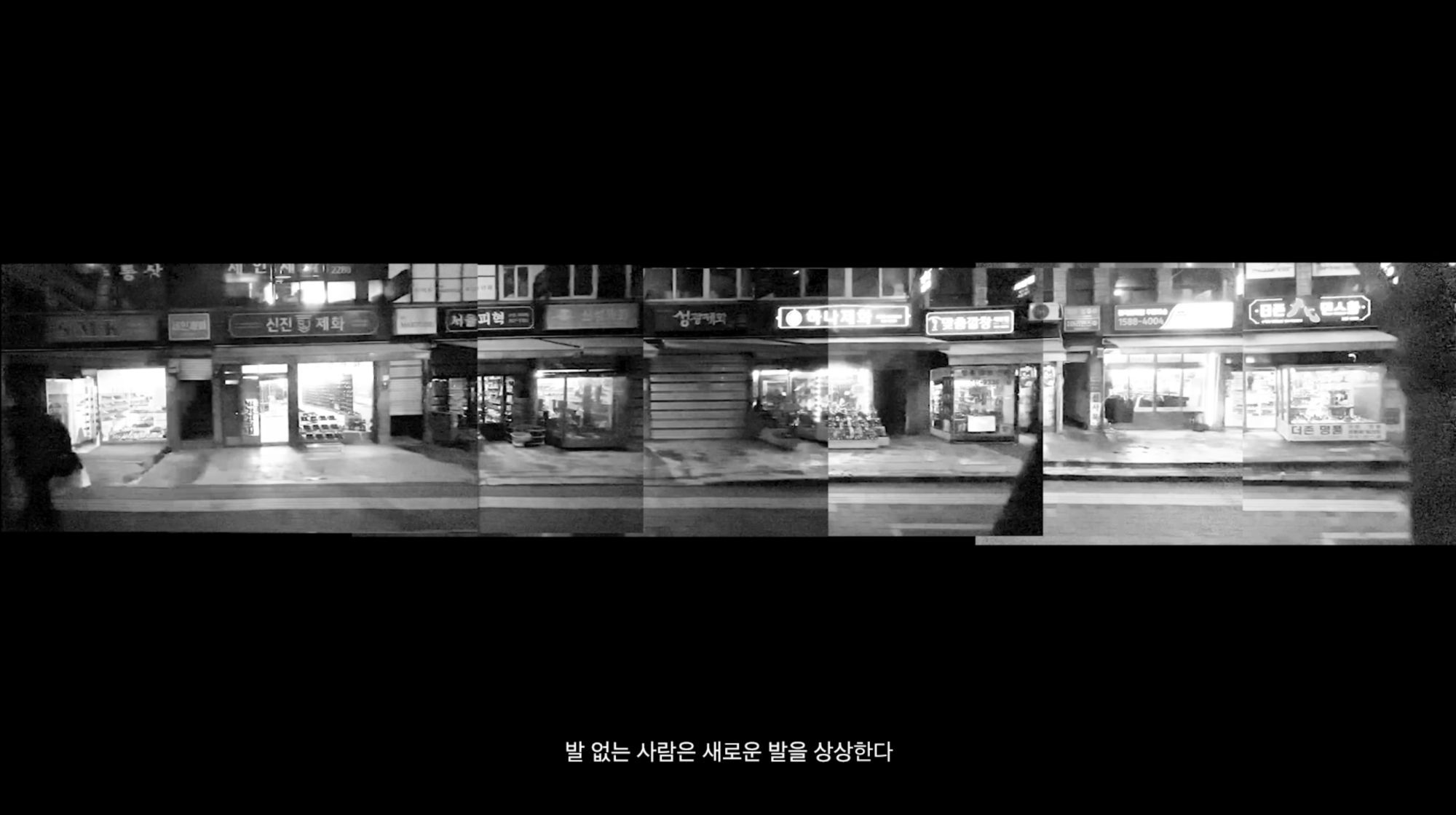
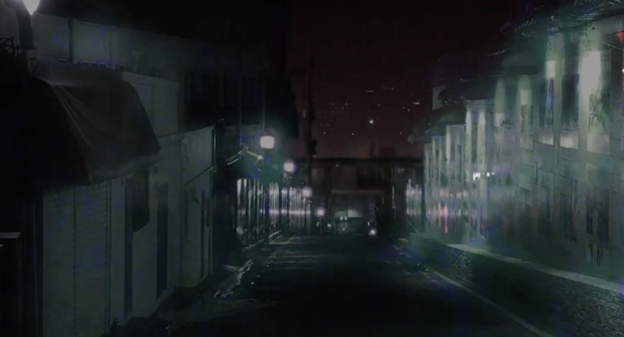
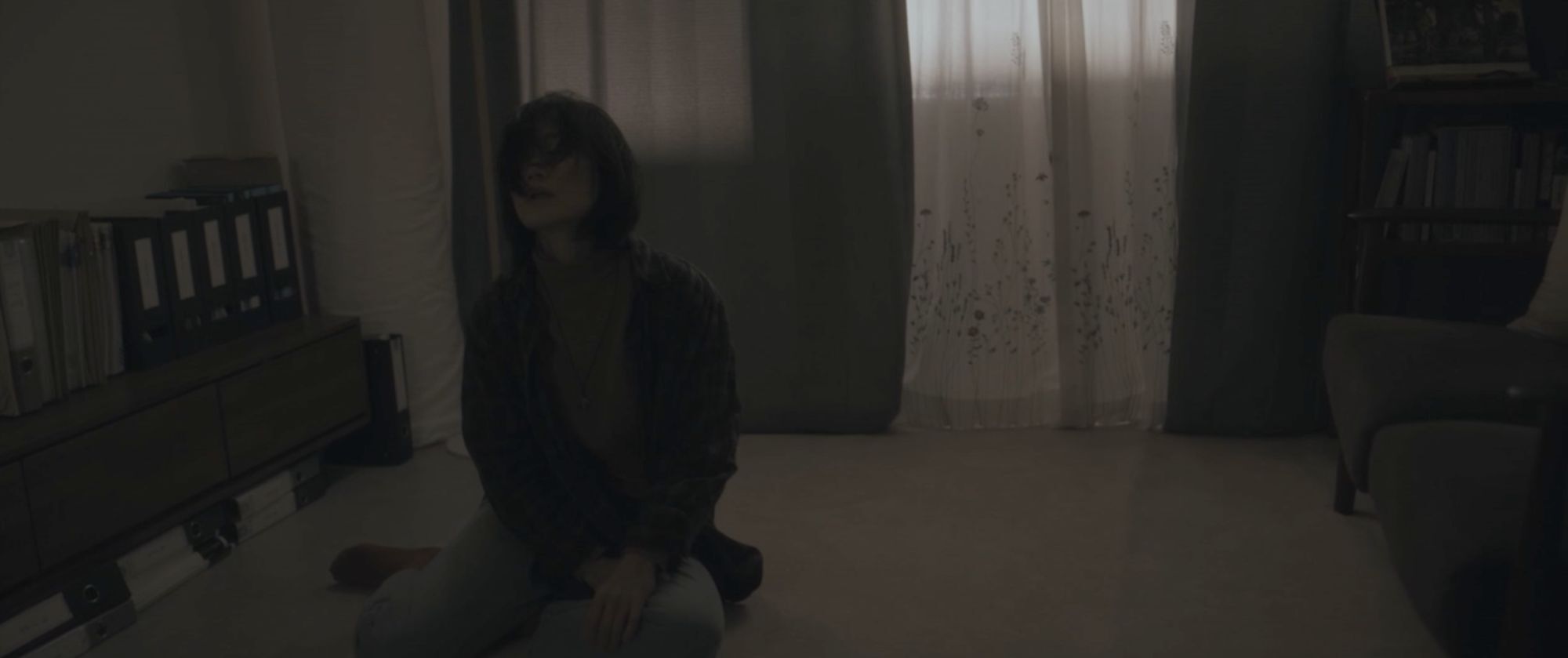
Yang Eunkyung, The story of the nameless, 2022, DCP, mov, 30min. © DMZ Docs

Yang Eunkyung’s practice primarily begins with stories surrounding people living with severe mental illnesses, particularly schizophrenia. This interest emerged after she participated in a psychiatric medical camp in Cambodia in 2017 as a photographer, and later encountered news coverage of the 2019 Jinju arson and murder case, in which the perpetrator was reported to have schizophrenia.
 
Such media coverage soon gave rise to intensified public hatred and fear toward the illness. Witnessing this, the artist became determined to create works that could challenge prejudice and contribute to changing perceptions surrounding severe mental illness and those who live with it.


Yang Eunkyung, Hug, 2023, Single-channel video, 5min 8sec. © Incheon Art Platform

To pursue this inquiry, Yang conducted a series of one-on-one interviews with individuals living with schizophrenia. Through listening to their intimate personal stories, she came to understand that the symptoms and experiences of the illness are far more complex than what can be fully conveyed through books or online information.
 
As the artist explains, the manifestations and contents of schizophrenia differ from person to person, belonging to a deeply personal realm that can only be fully understood by the individuals themselves.
 
Rather than attempting to reproduce the symptoms of mental illness or adopting an instructive tone that points to the irrationalities of social structures, Yang instead sought to immerse herself in the distinct bodies and lived experiences of each individual with schizophrenia.


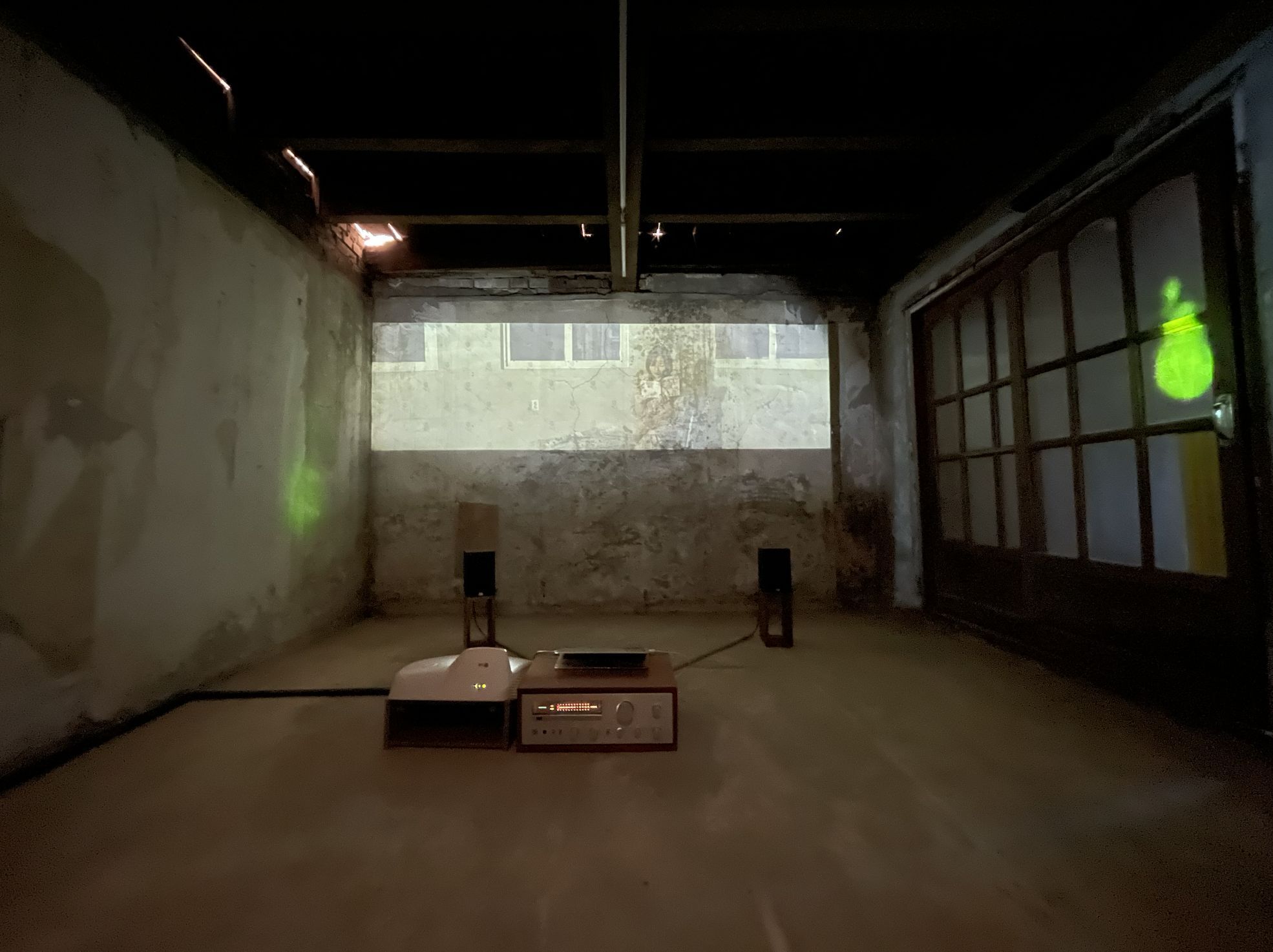
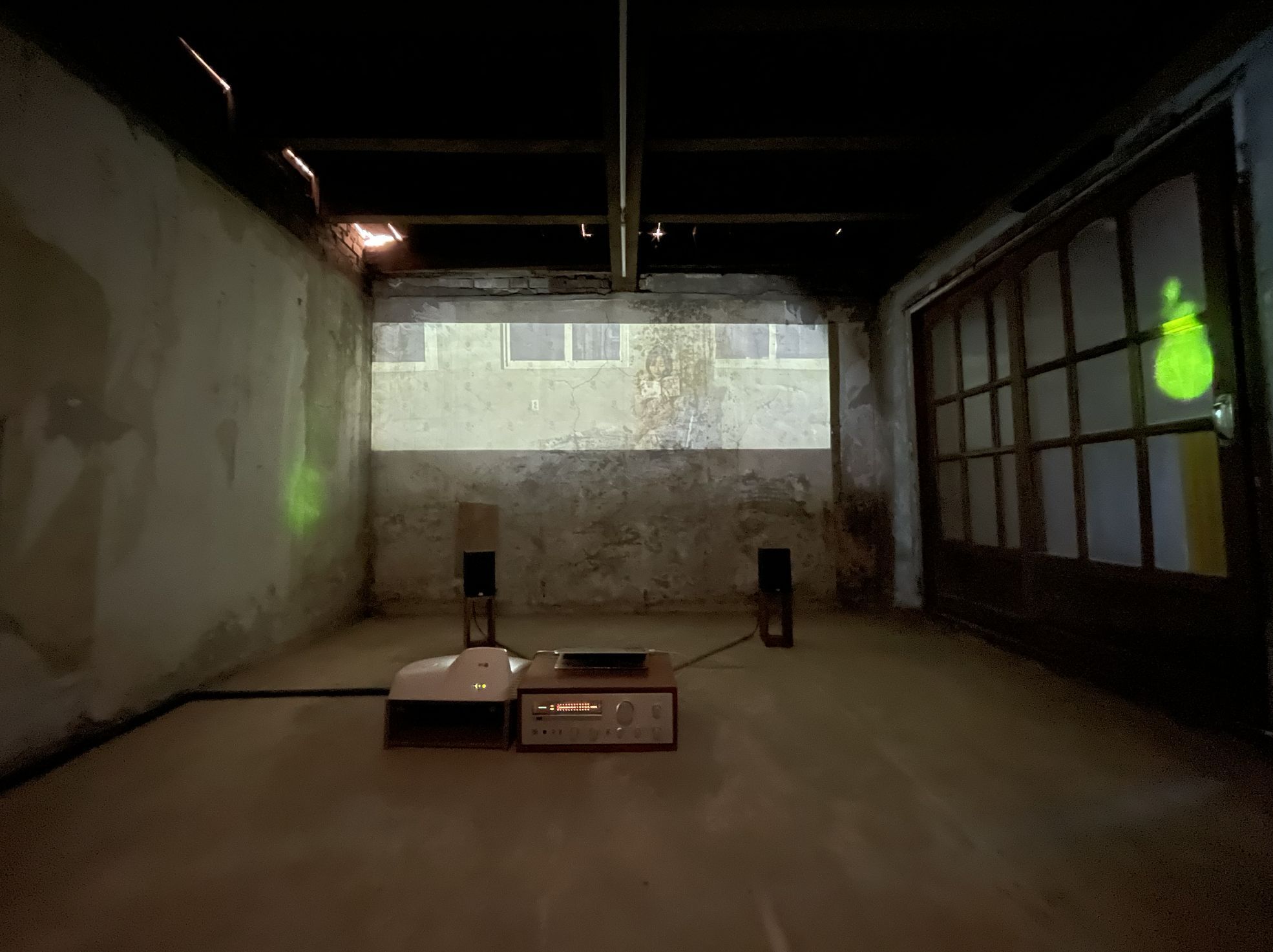
Installation view of 《Extending the Light》 (Ongno, 2021) © Yang Eunkyung

In her early work, Yang Eunkyung explored the lives of people with mental illness through the figure of the “dokkaebi,” a fantastical being that appears in Korean folktales. In these stories, the dokkaebi always approaches people and calls them by name. For the artist, the dokkaebi came to embody a spirit of “hospitality” — one that calls out to others and opens doors for them.
 
Her 2021 solo exhibition 《Extending the Light》 borrowed the welcoming gesture of the dokkaebi to invite viewers toward the stories of those living in isolated environments. The exhibition unfolded through the act of reading the screenplay of the artist’s unrealized short film Will o’ the Wisp.


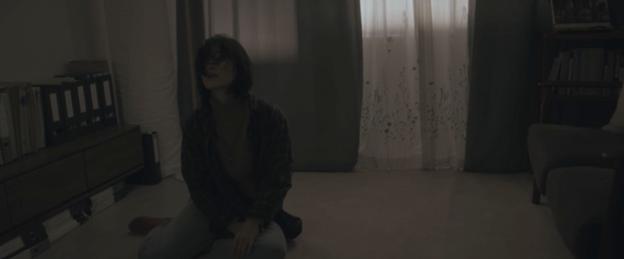
Yang Eunkyung, Will o’ the Wisp, 2024, Single-channel video, 18min 20sec. . © Incheon Art Platform

One of the protagonists in the film is a person living with schizophrenia, while the other is a homeless musician. Living in their own isolated circumstances, the two begin to listen to each other’s voices through an unexpected encounter.
 
Within the exhibition space, flickering light, video, and faint sounds were placed behind doors. By following the light and opening the doors themselves, viewers were able to encounter the moving images. Through this gesture, the artist conveyed the idea that it does not matter who first extends the hand of hospitality.


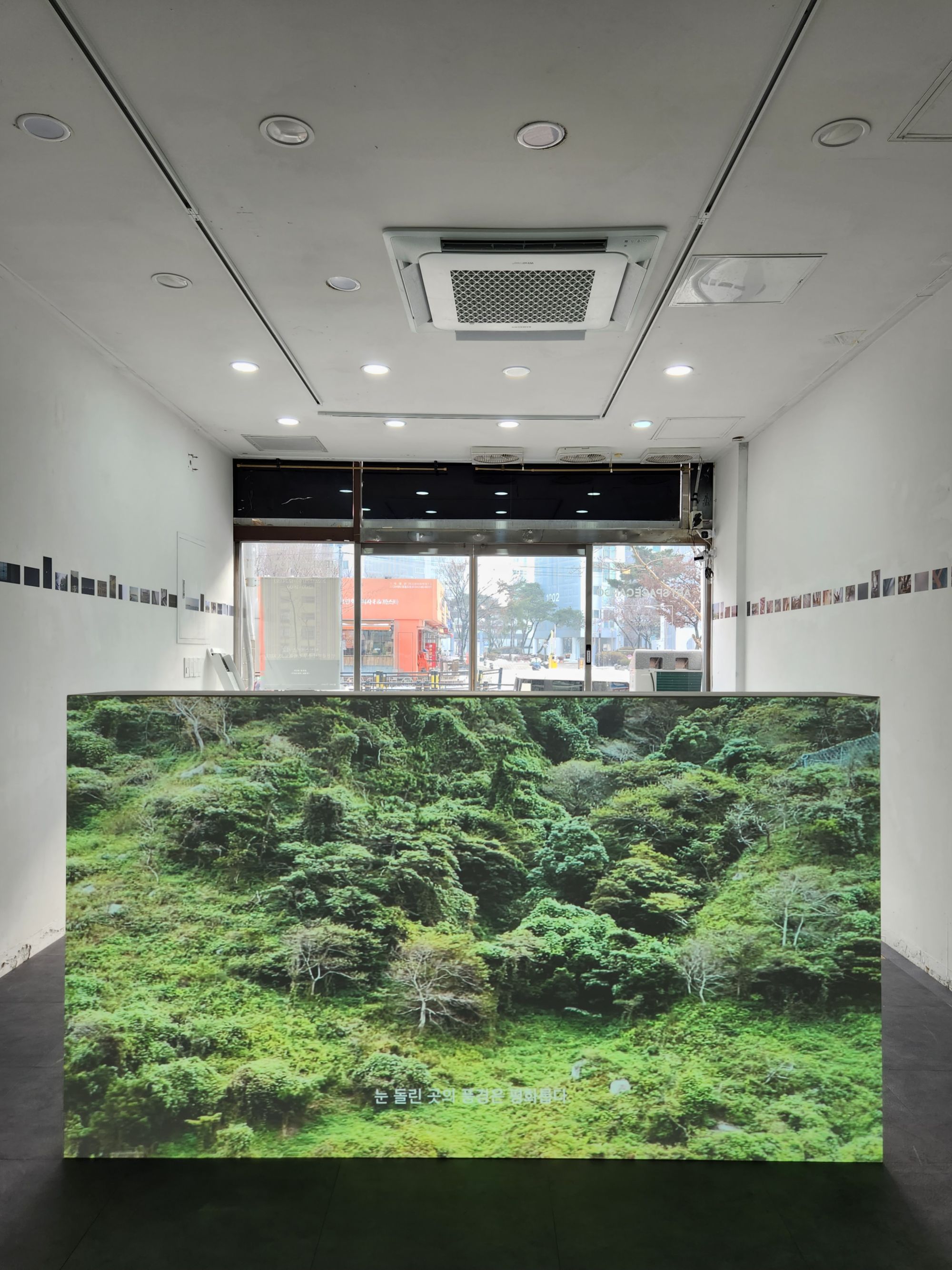
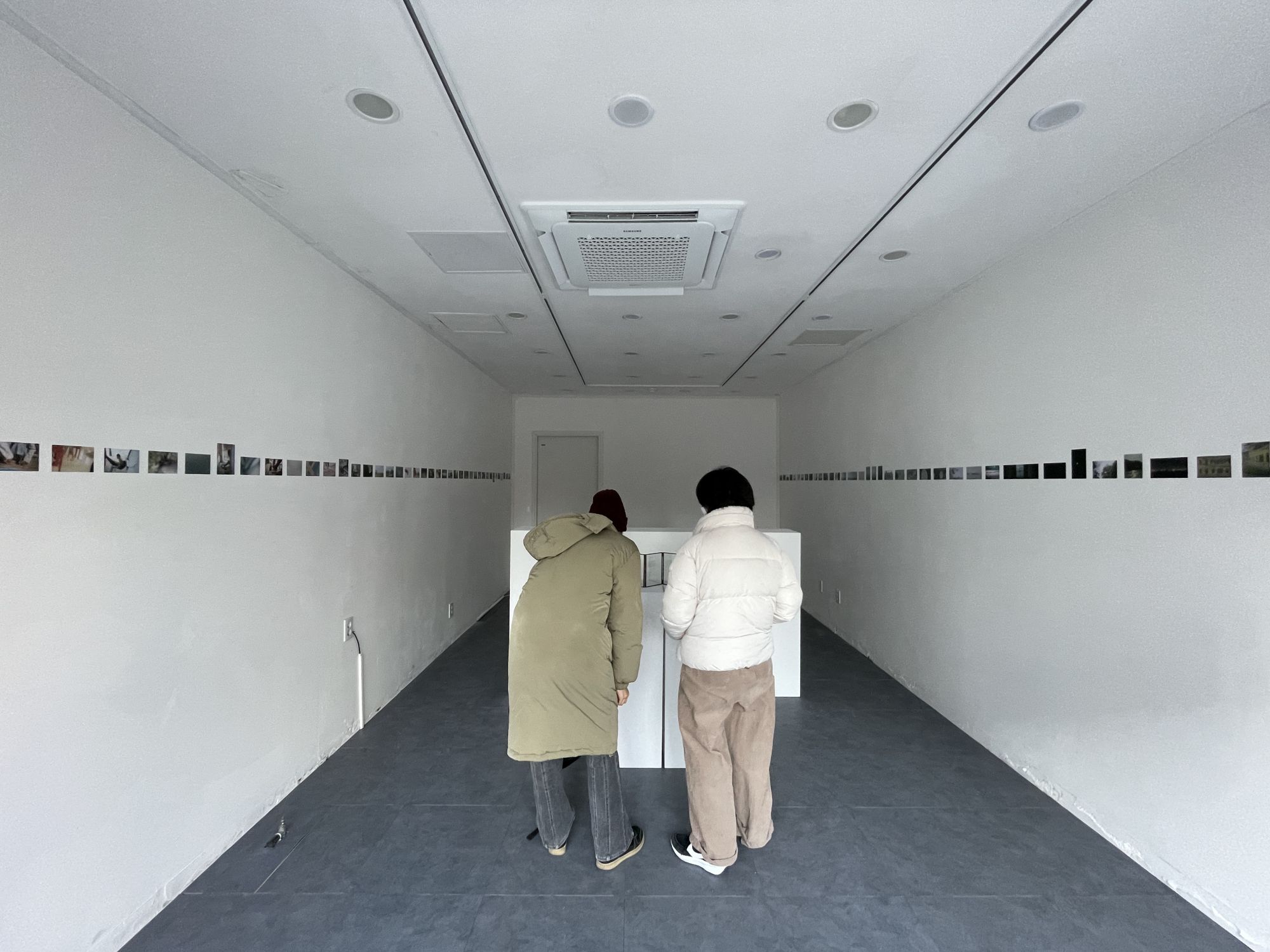
Installation view of 《Crossing the Light》 (Arts Space Cargo, 2022) © Incheon Art Platform

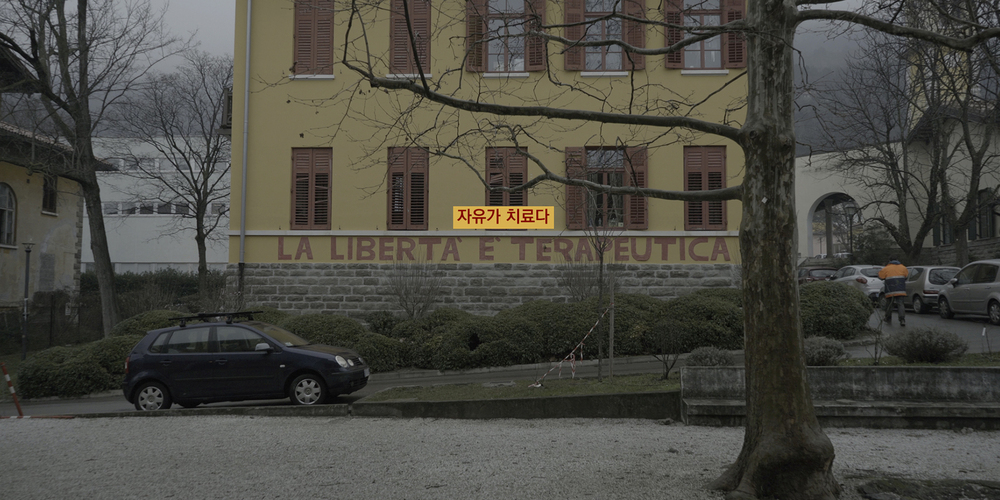
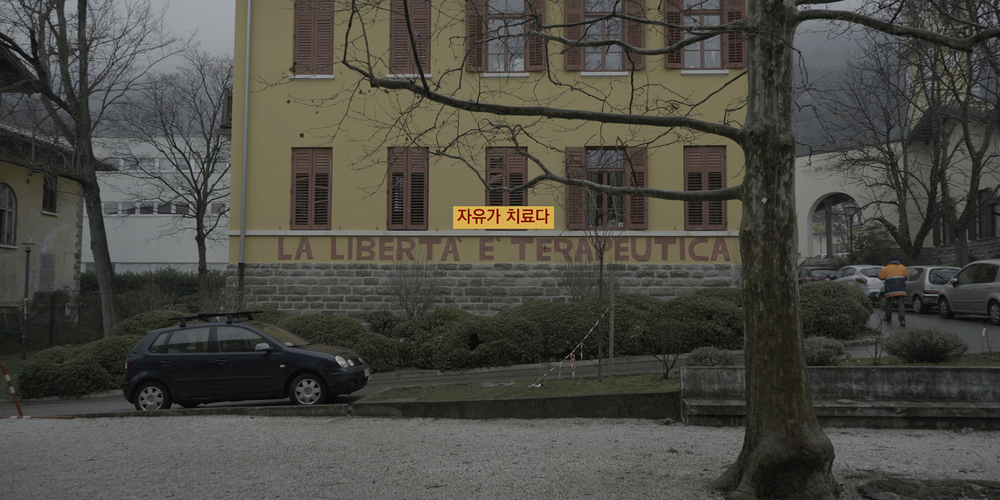
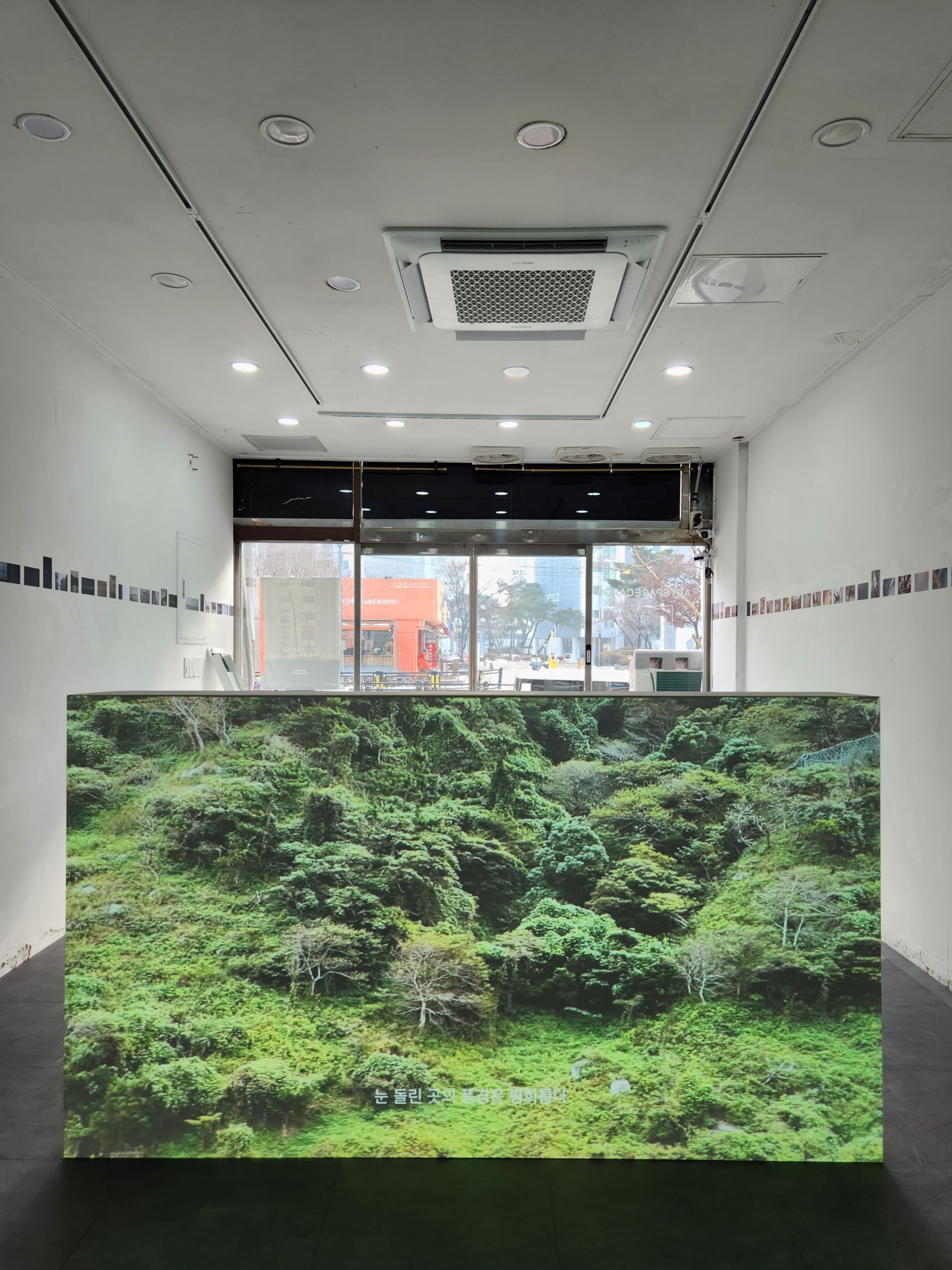
The following year, in 《Crossing the Light》 (Art Space Cargo, 2022), Yang presented photographs and videos depicting sites in Cambodia, Italy, and Korea associated with mental illness and those living with it. The photographs were installed at a very small scale, allowing viewers to examine them closely only by moving their own bodies and walking alongside the images.
 
This method of installation reflects the artist’s self-reflection on her own role in representing people with mental illness. As an outsider documenting the stories and appearances of others through photography and video, she worried that her gaze might become intrusive or even violent. For this reason, she admits that she often avoided direct eye contact within those narratives and landscapes.


Installation view of 《Crossing the Light》 (Arts Space Cargo, 2022) © Incheon Art Platform

At some point, however, the artist began to reflect on the moment of standing once again in the very place where she had once averted her gaze — on the hope contained in returning. Imagining bodies moving forward through traces left behind in the past, she constructed the exhibition around this idea.
 
Precisely because these stories and images were not easy ones, the artist hoped that viewers themselves would move their own bodies and willingly draw closer to the stories of those individuals.


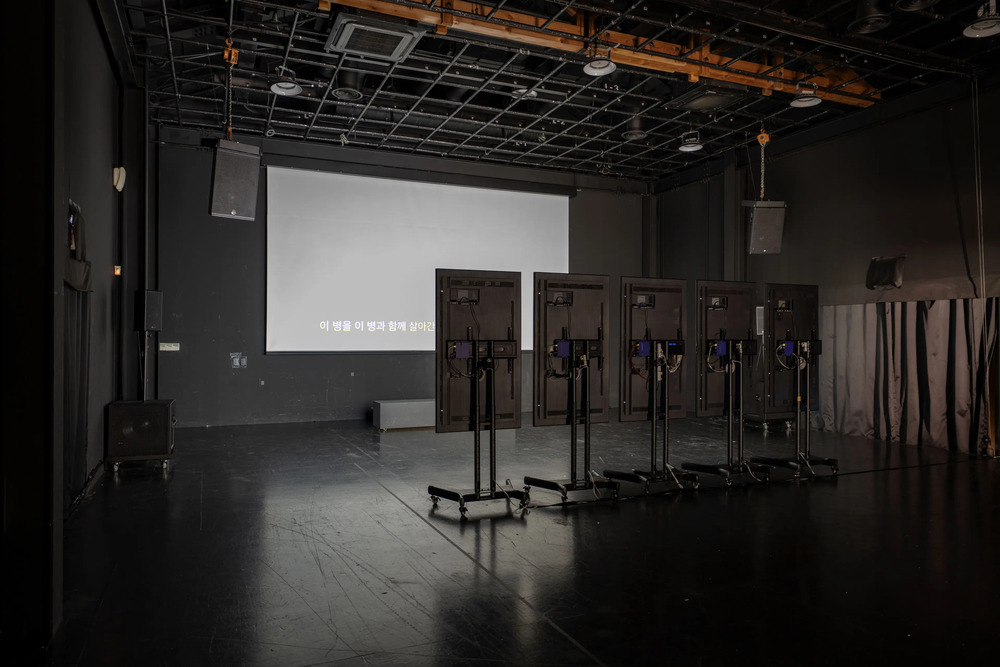
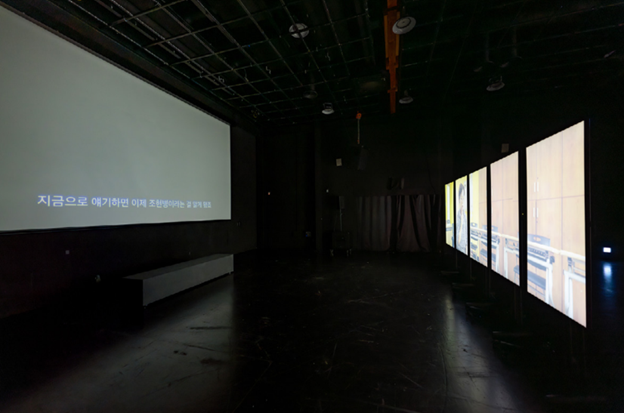
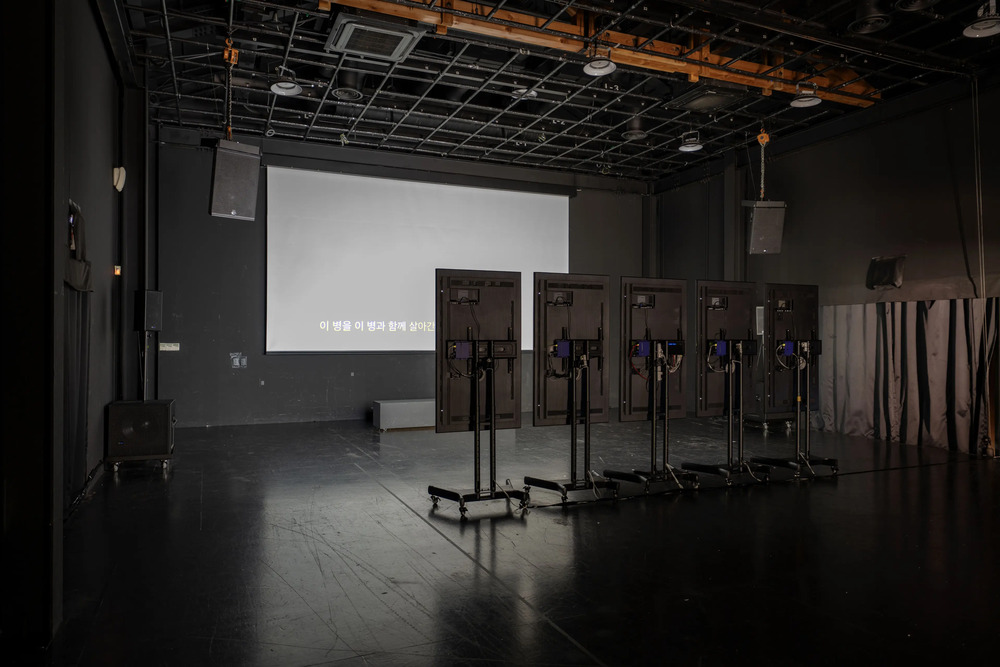
Installation view of 《Invisible Body, Tangible Word》 (Incheon Art Platform, 2024) © Yang Eunkyung

Meanwhile, in her 2024 solo exhibition 《Invisible Body, Tangible Word》 at Incheon Art Platform, Yang moved away from the symbolic figure of the “dokkaebi” and instead addressed schizophrenia and those living with it more directly. This shift emerged from the artist’s intense contemplation over how to approach and convey the stories of the individuals themselves.
 
The exhibition centered on a documentary of the same title, based on interviews with people living with schizophrenia and focused on their pathological experiences. Here, the artist did not simply relay the interviews; rather, she developed the work through an ongoing consideration of the sense of distance that prevents one from fully approaching another’s words, and of what kinds of artistic methods might bridge those gaps and ruptures.
 
The symptoms, prognosis, and characteristics of schizophrenia cannot be reduced to a single narrative. Each person’s experience belongs to a singular realm that can only ever be fully felt by the individual who lives through it. For this reason, the artist sought to come closer to an understanding of the illness by gathering as many stories as possible about both the condition and the people themselves.


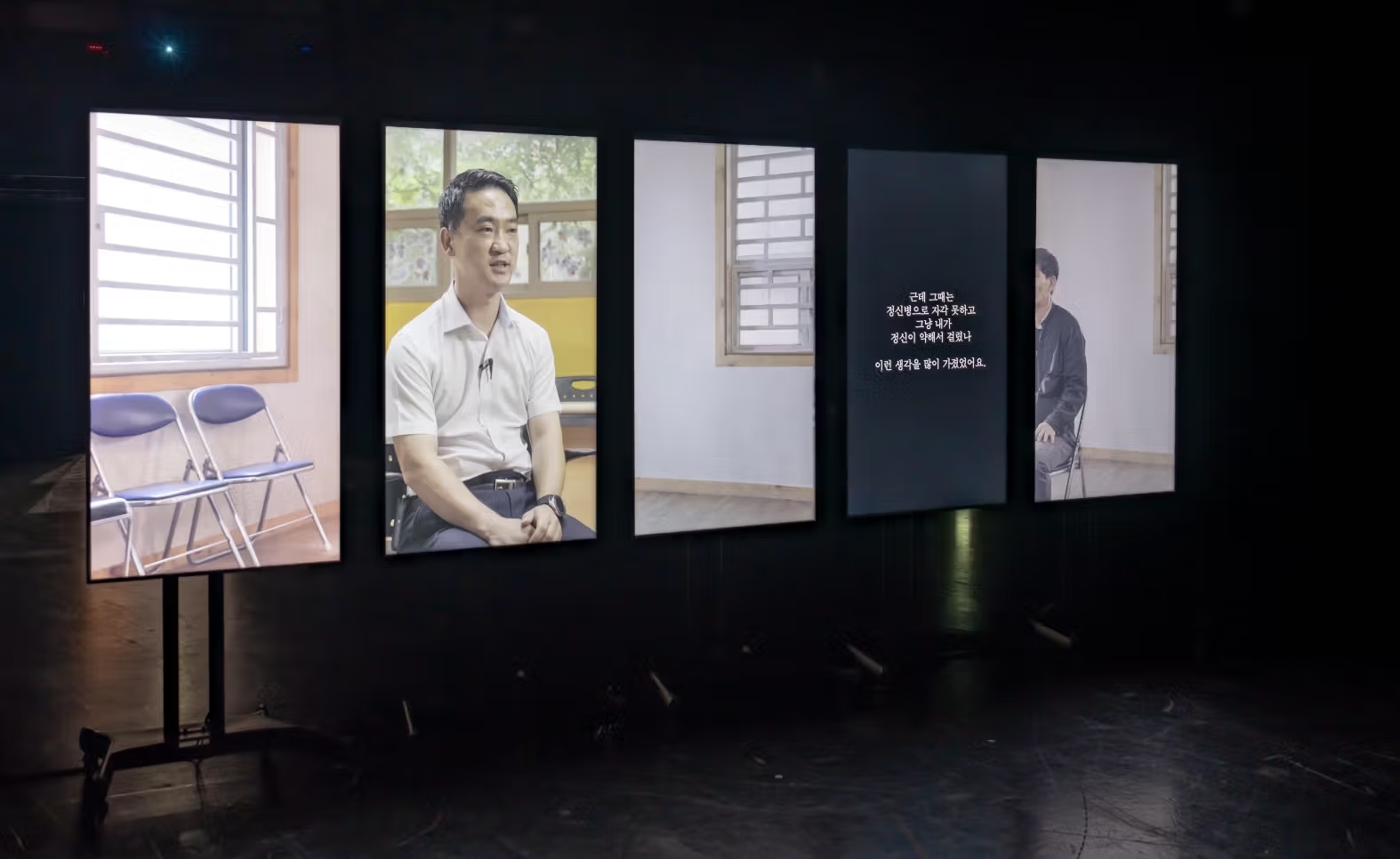
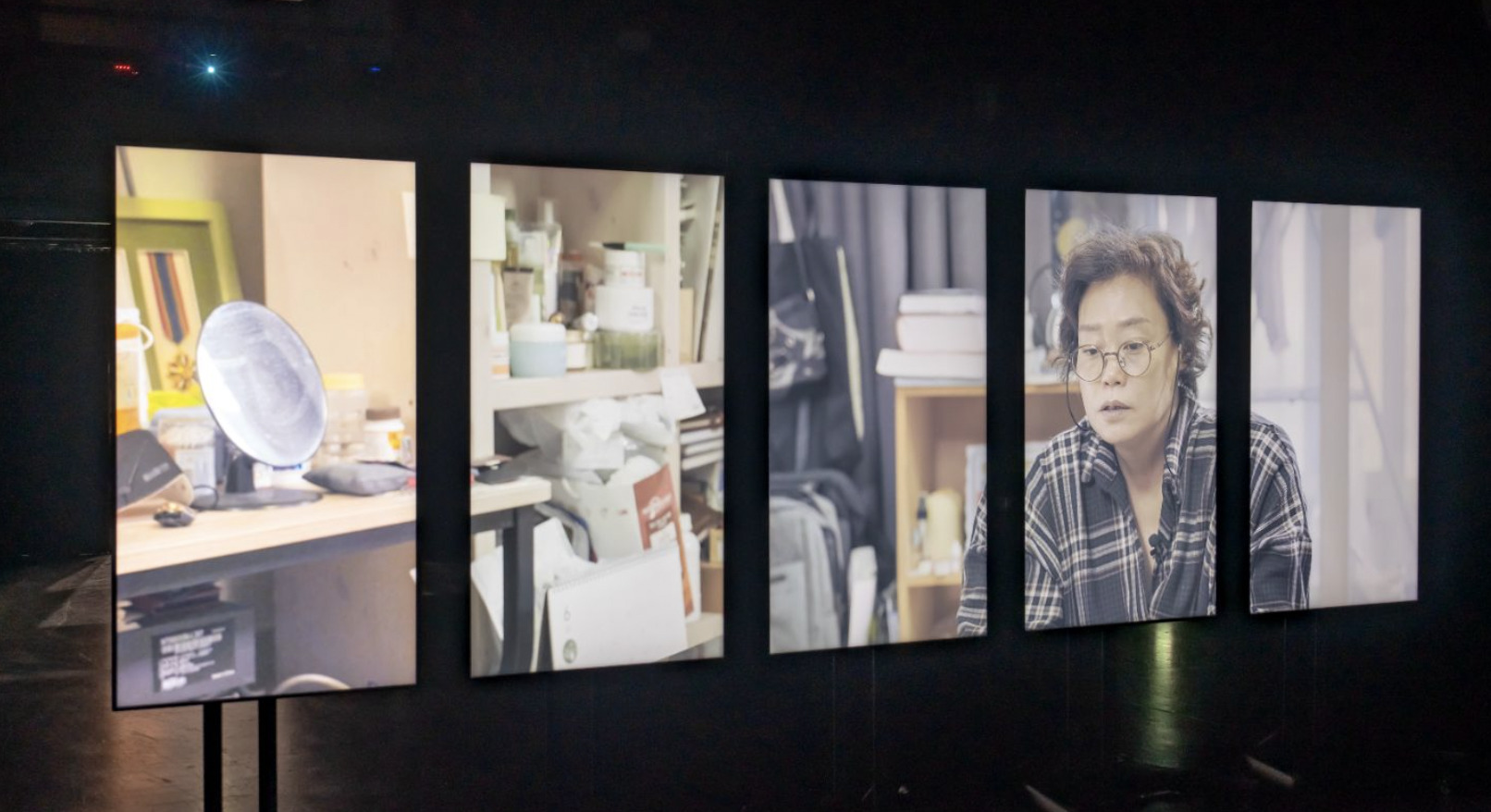
Installation view of 《Invisible Body, Tangible Word》 (Incheon Art Platform, 2024) © Yang Eunkyung

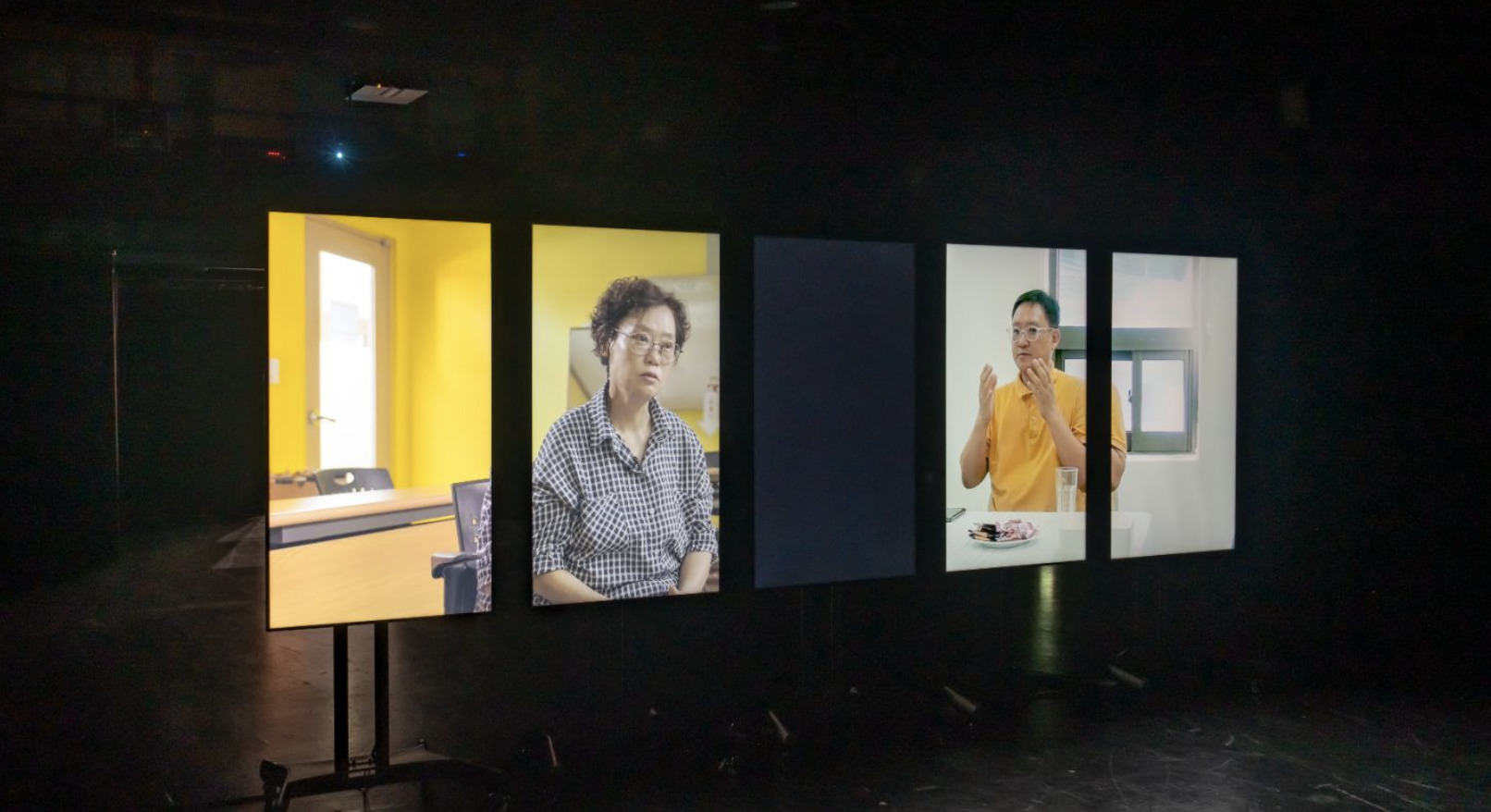
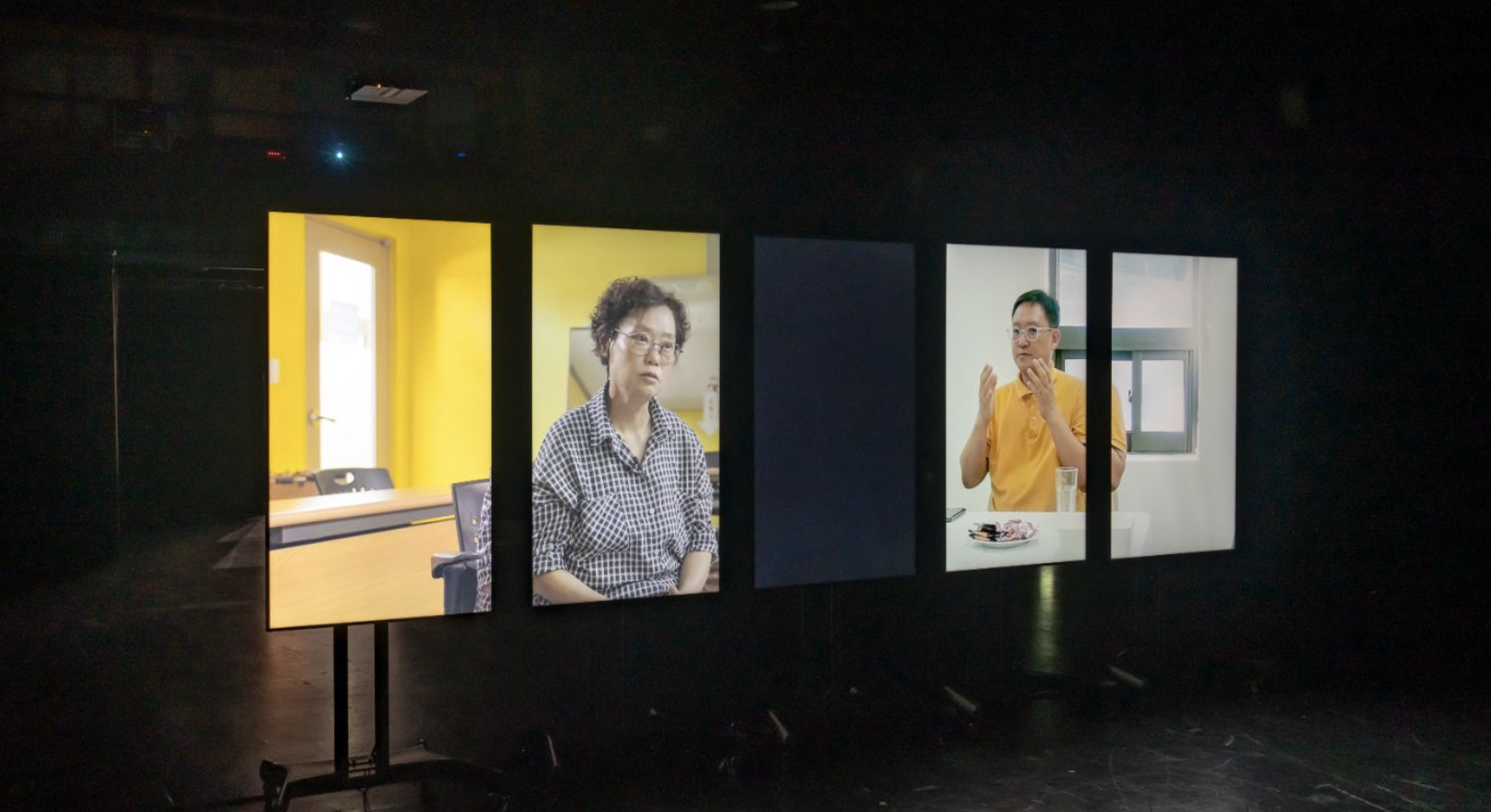
To this end, the exhibition dispersed the bodies and voices of various individuals throughout the space through the use of parallel, multi-channel media. Rather than presuming “connection” as a given, Yang installed five video works side by side, grounding them instead in similarities that emerge within diversity. Across the channels, voices and different texts appeared simultaneously; at times only text appeared on an empty screen, while at other moments the screen disappeared altogether, leaving only sound.
 
Through this approach, Yang explains that she sought to “gather bodies that had no choice but to remain hidden in one place, and allow firm words to support one another in order to create a new body.” In this sense, the work approaches viewers as a perceptible presence standing in for bodies that have been rendered invisible.


Installation view of 《Invisible Body, Tangible Word》 (Incheon Art Platform, 2024) © Yang Eunkyung

The exhibition also reflected the artist’s concerns surrounding the editing process of portraits and voices that inevitably become part of a video work. In interviews where participants consented to revealing their identities, the interviewees’ faces and voices appeared in direct correspondence and were presented openly on screen.
 
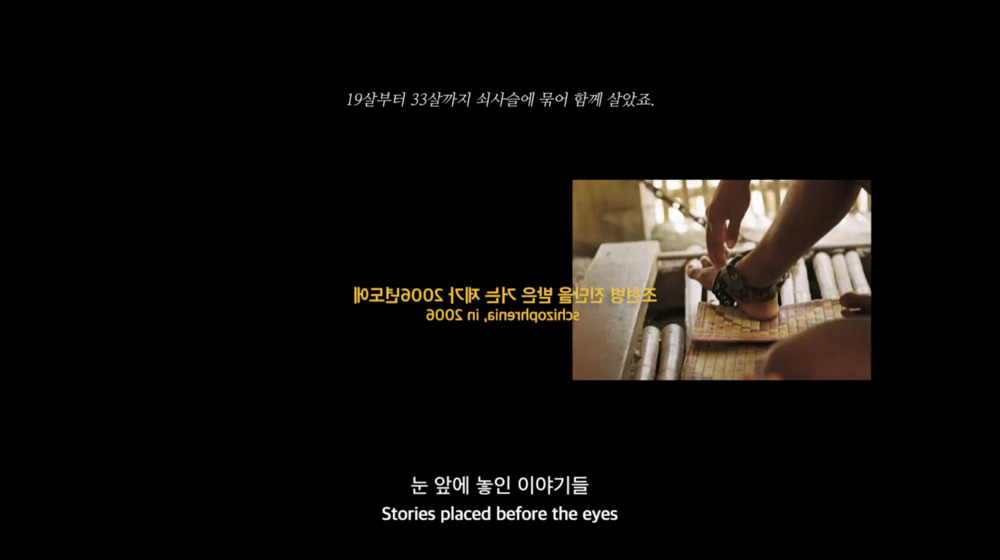
However, when participants requested that their identities remain concealed, Yang chose methods other than mosaic blurring. For instance, in the case of a person whose hands and feet trembled due to the side effects of medication, she left behind fragmented bodily details — such as hands or feet that could not identify the individual — alongside cropped empty spaces that nevertheless testified to the person’s presence in that moment and place.


Installation view of 《Invisible Body, Tangible Word》 (Incheon Art Platform, 2024) © Yang Eunkyung

Within the artificially created gaps between bodily images, Yang anchored those absent bodies through the words and images of others. This reflects the artist’s intention and desire not to erase their existence, even when circumstances prevented them from being fully revealed. In this way, the blank spaces within the videos become a means of showing that these bodies “exist right here.”

 
As in her earlier exhibitions, this exhibition was also arranged so that viewers could only fully see and hear the work by looking closely and listening carefully. Such a structure emerged from the artist’s concern that making things too readily visible might instead distance viewers from the stories and risk concealing them altogether. At the same time, it reflects her hope that audiences might attune themselves to voices that exist around us yet are not easily heard, and direct their attention toward those hidden presences.
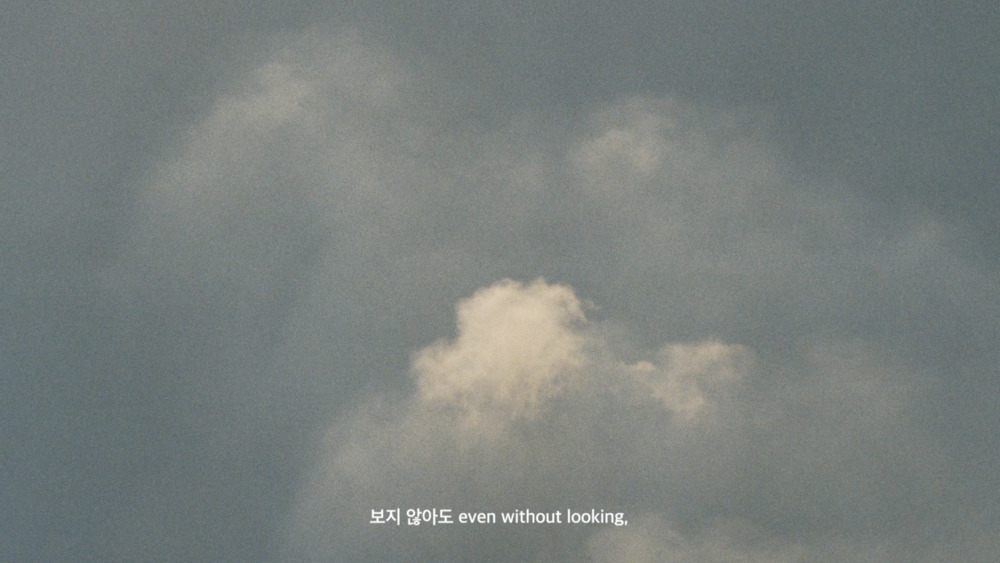

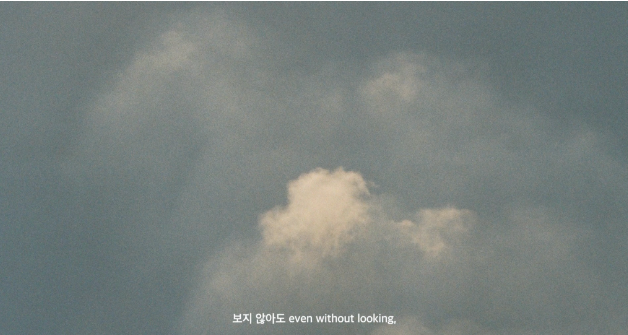
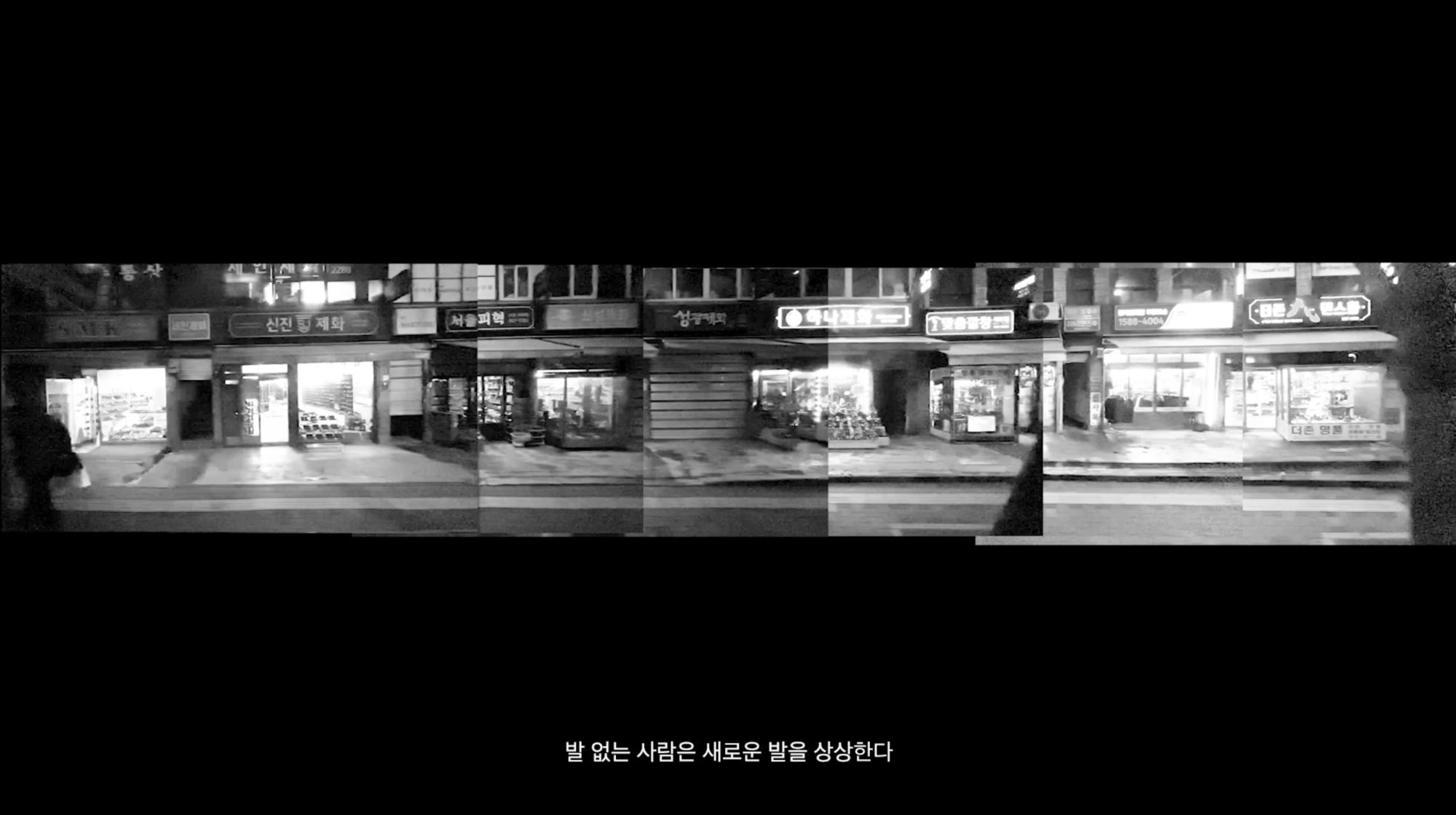
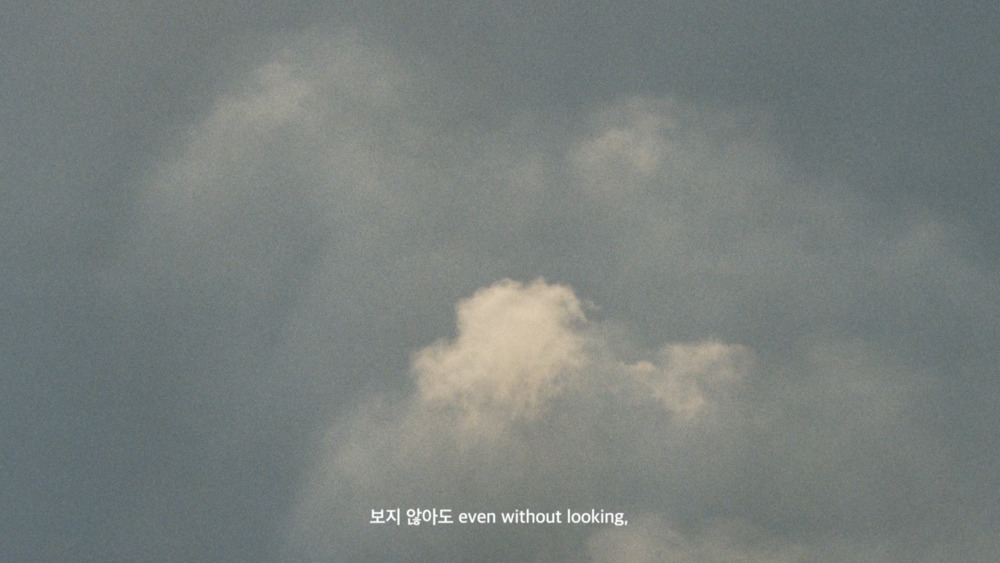
Yang Eunkyung, Between Word and Body, 2025, Single-channel video, 8min. ©NeMAF2025

Furthermore, in her 2025 video work Between Word and Body, Yang Eunkyung critically engages with the principles of projection — the spatial replay of digital technologies that capture the body through video recording and sound recording.
 
In this work, Yang explores the spaces between “seeing” and “not being seen,” as well as between “speaking” and “silence,” by moving through the gaps inherent in recording media such as video and sound — technologies that increasingly strive toward sharper visibility and clearer audibility through technological advancement — and in projection as their mode of physical realization.
 
Through this process, she sought to move beyond the simple logic of representation and to share a reflection on how we might confront beings that exist at the boundary between visibility (the body) and utterance (language).


Yang Eunkyung, Between Word and Body, 2025, Single-channel video, 8min. ©NeMAF2025

In this way, Yang Eunkyung’s work listens closely to the stories of bodies marked by invisible disabilities and social stigma — beings whose existence cannot easily be revealed — and unfolds not through simple modes of representation, but through approaches that engage the viewer’s bodily senses, ultimately encouraging viewers to approach these individuals for themselves.
 
Moreover, within her work, the bodies of those who exist around us yet remain unseen, along with the voices of those stigmatized as objects of social hatred, collide and resonate with one another, revealing their presence as palpable sensory realities.

”Their symptoms and their stories are all different. You can’t explain the illness through just one person’s story. The body has disappeared, but the words are still alive and breathing. I wanted to render those words more clearly, to make them tangible.” (Yang Eunkyung, from the artist interview for exhibition 《Invisible Body, Tangible Word》)


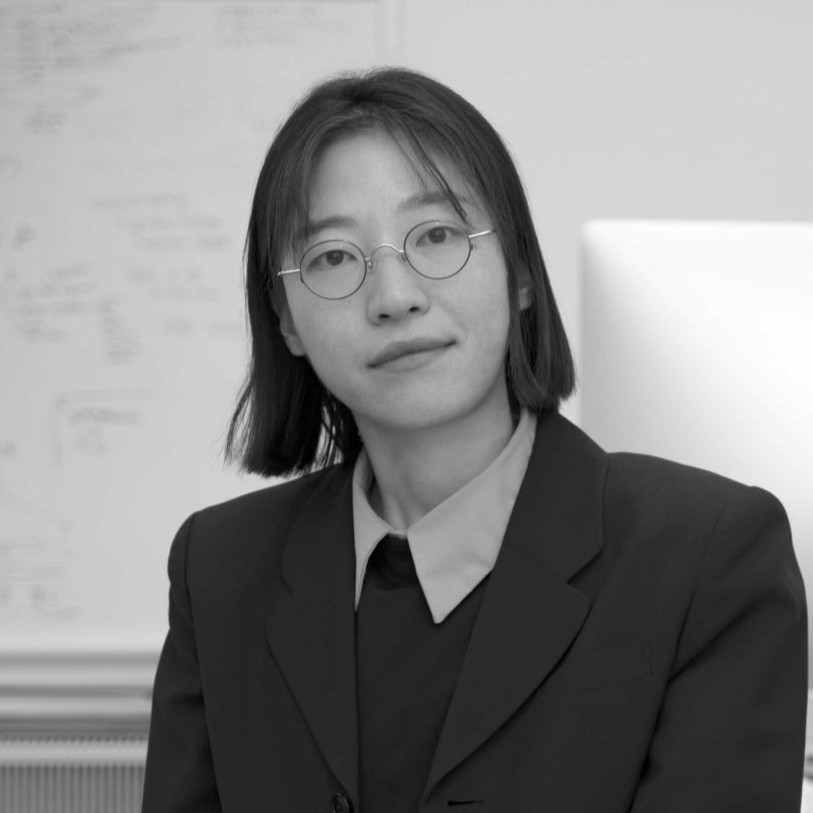
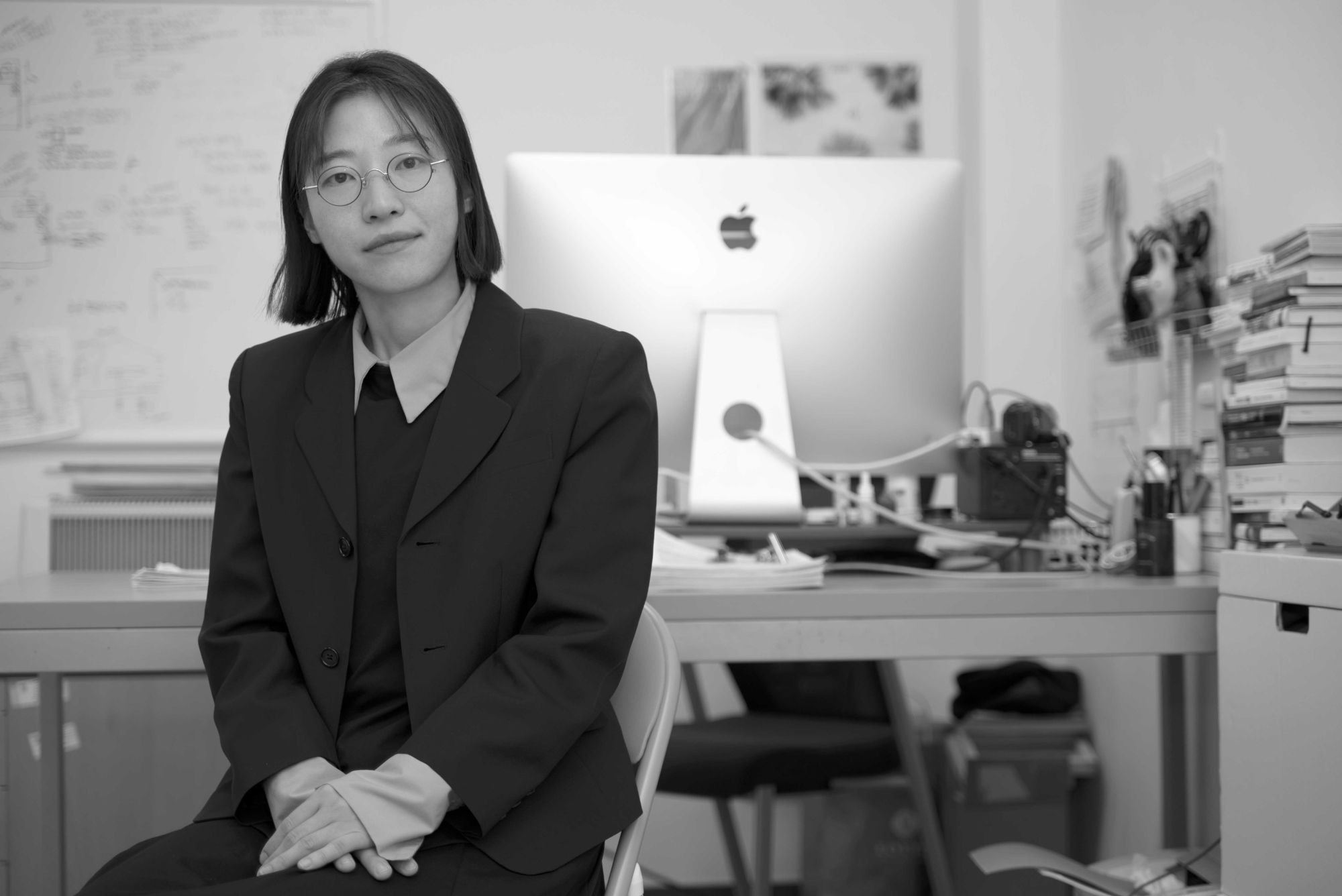
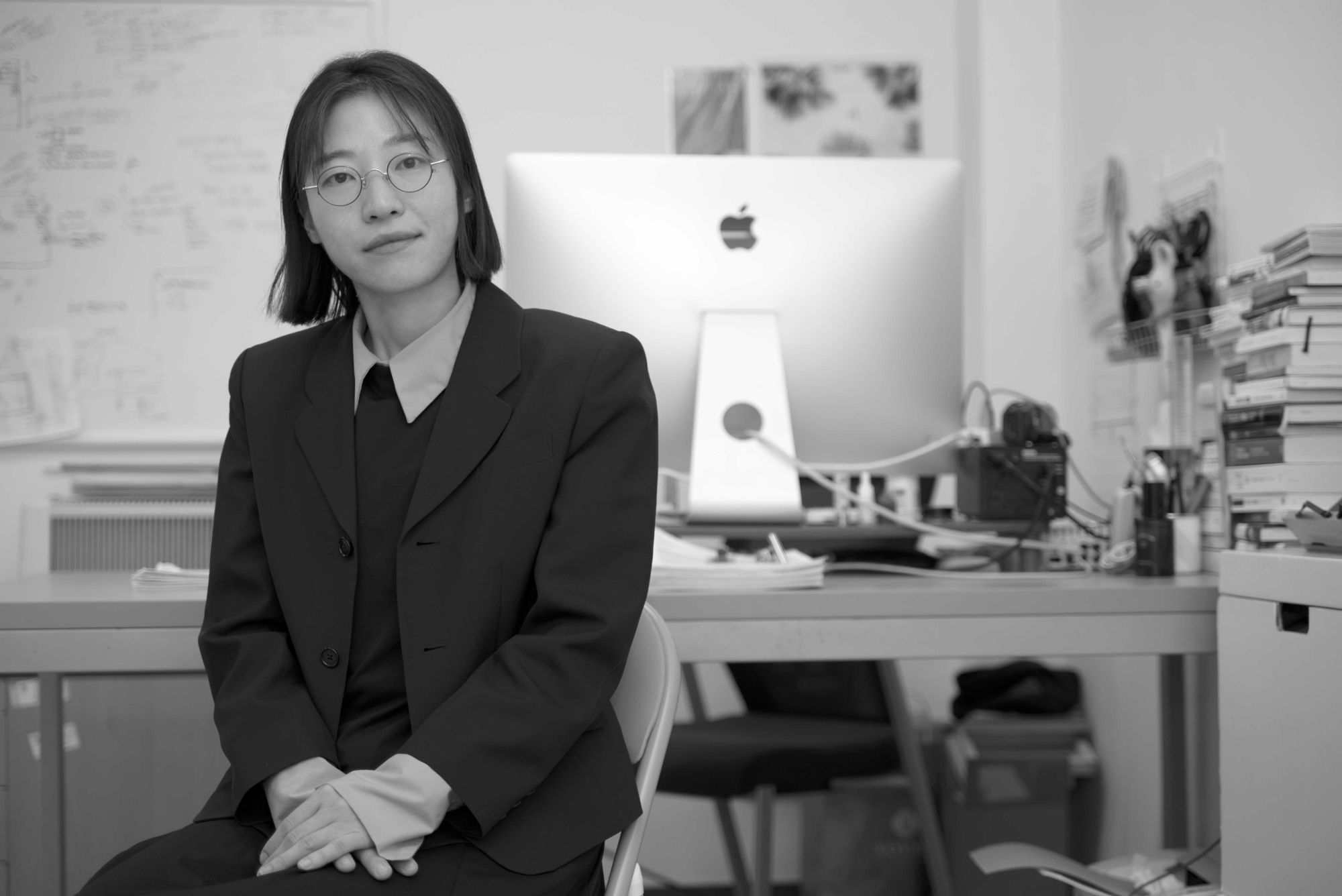
Artist Yang Eunkyung © Incheon Art Platform

Yang Eunkyung is based in Seoul and Incheon, where she produces both fiction films and documentaries. Her solo exhibitions include 《Between Word and Body》 (Incheon Art Platform, Incheon, 2025), 《Invisible Body, Tangible Word》 (Incheon Art Platform, Incheon, 2024), and 《Crossing the Light》 (Art Space Cargo, 2022).
 
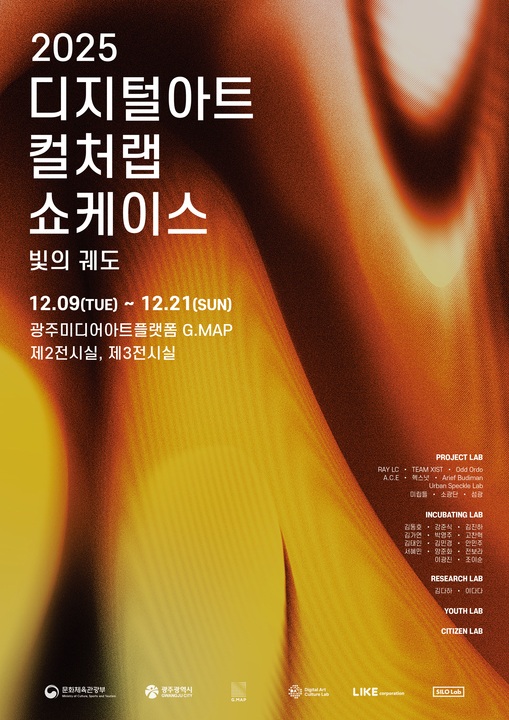
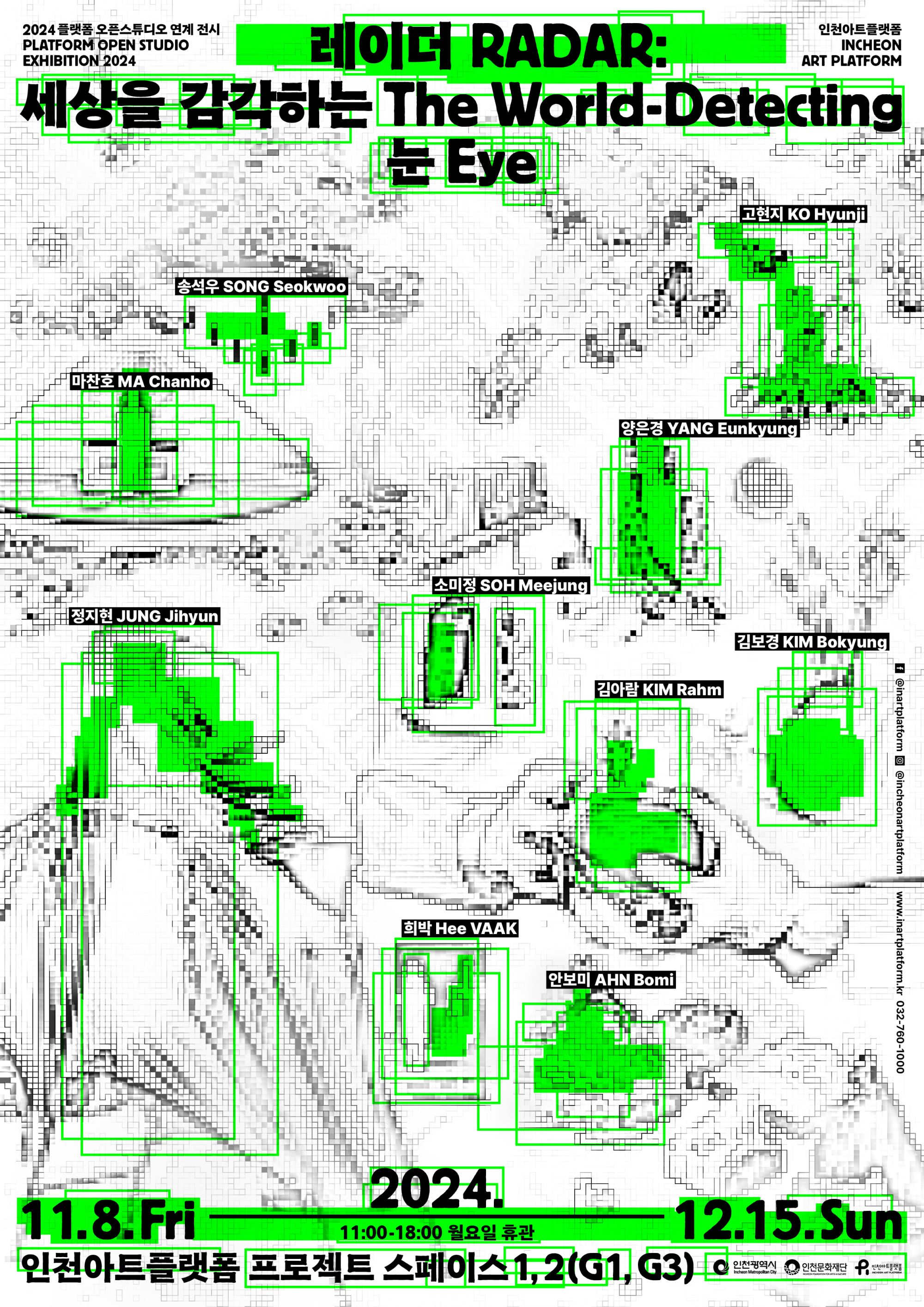
She has also participated in numerous group exhibitions, including 《Vanishing Moments, Remaining Forms》 (Factory of Contemporary Arts in Palbok, Jeonju, 2026), 《Orbit of Light》 (Gwangju Media Art Platform, Gwangju, 2025), 《NOWHERE(Nowhere, Now here)》 (Daegu Art Factory, Daegu, 2025), and 《RADAR: The World-Detecting Eye》 (Incheon Art Platform, Incheon, 2024).
 
Yang received the Excellence Prize at the “2025 Digital Art Culture Lab: Project Lab” hosted by Gwangju Media Art Platform, as well as the Excellence Prize at the “K-Doc Short Pitch 2022” of the DMZ International Documentary Film Festival. She has also participated in residency programs at the Factory of Contemporary Arts in Palbok (2025–2026) and Incheon Art Platform (2024–2025).

References