Kim
Yesul’s work moves across installation, sculpture, video, sound, performance,
and graphic design-based composition. She uses ready-made objects, industrial
objects, and everyday tools as materials, twisting their original functions or
making unfamiliar, within the exhibition space, the order of design built on
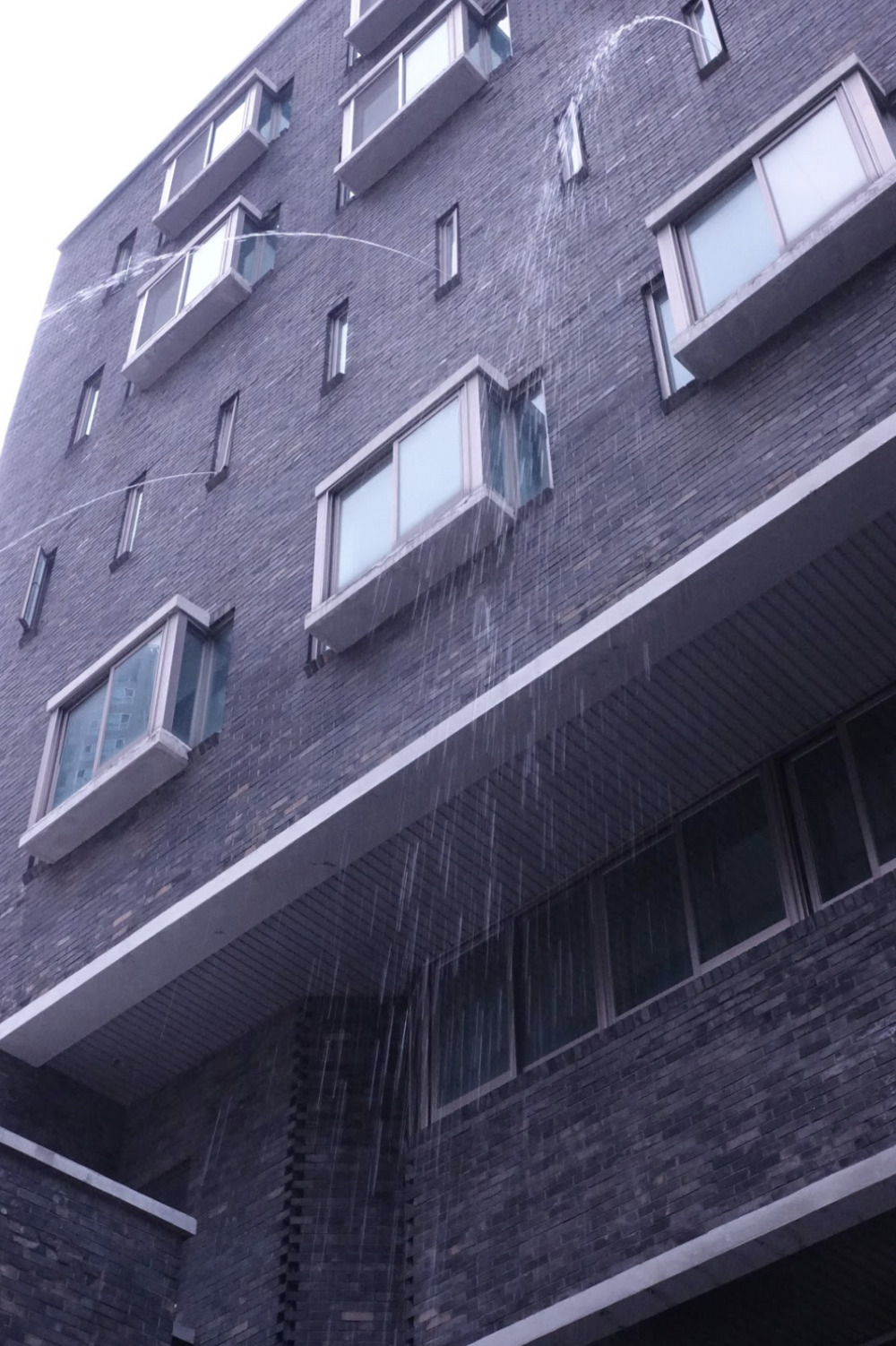
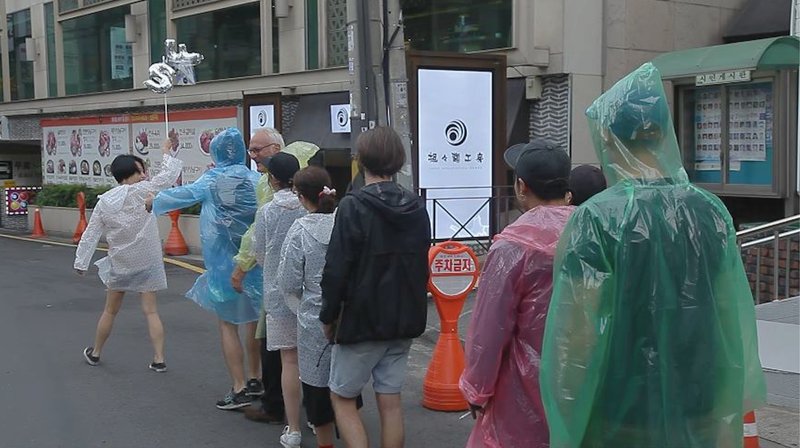
safety and efficiency. The Chambers investigates
the water supply system of the former Namyeong-dong Anti-Communist
Investigation Office, causing an actual faucet to operate and water to fall
from the site where water torture had taken place in the past, thereby
colliding the history of the place with present sensory
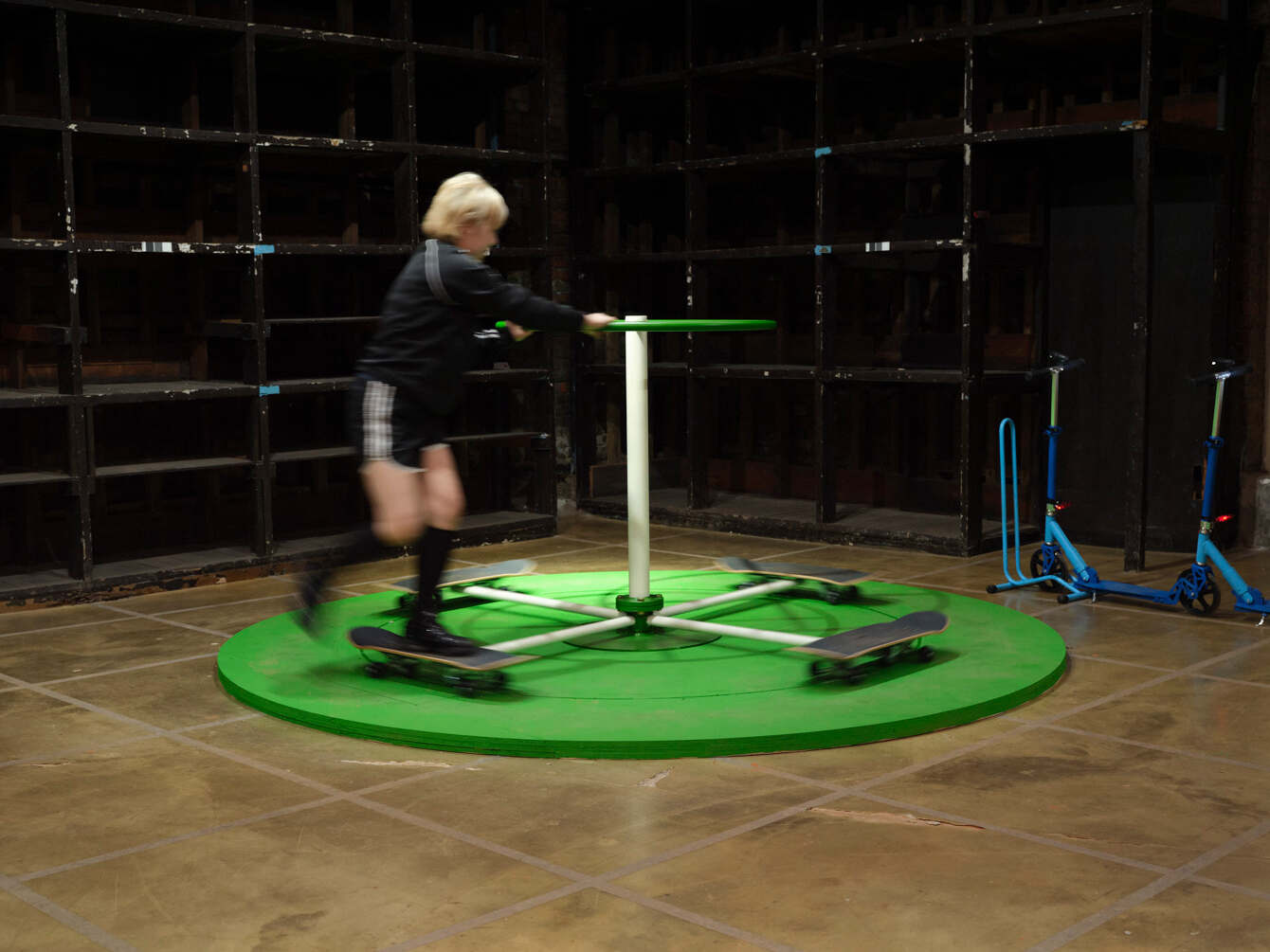
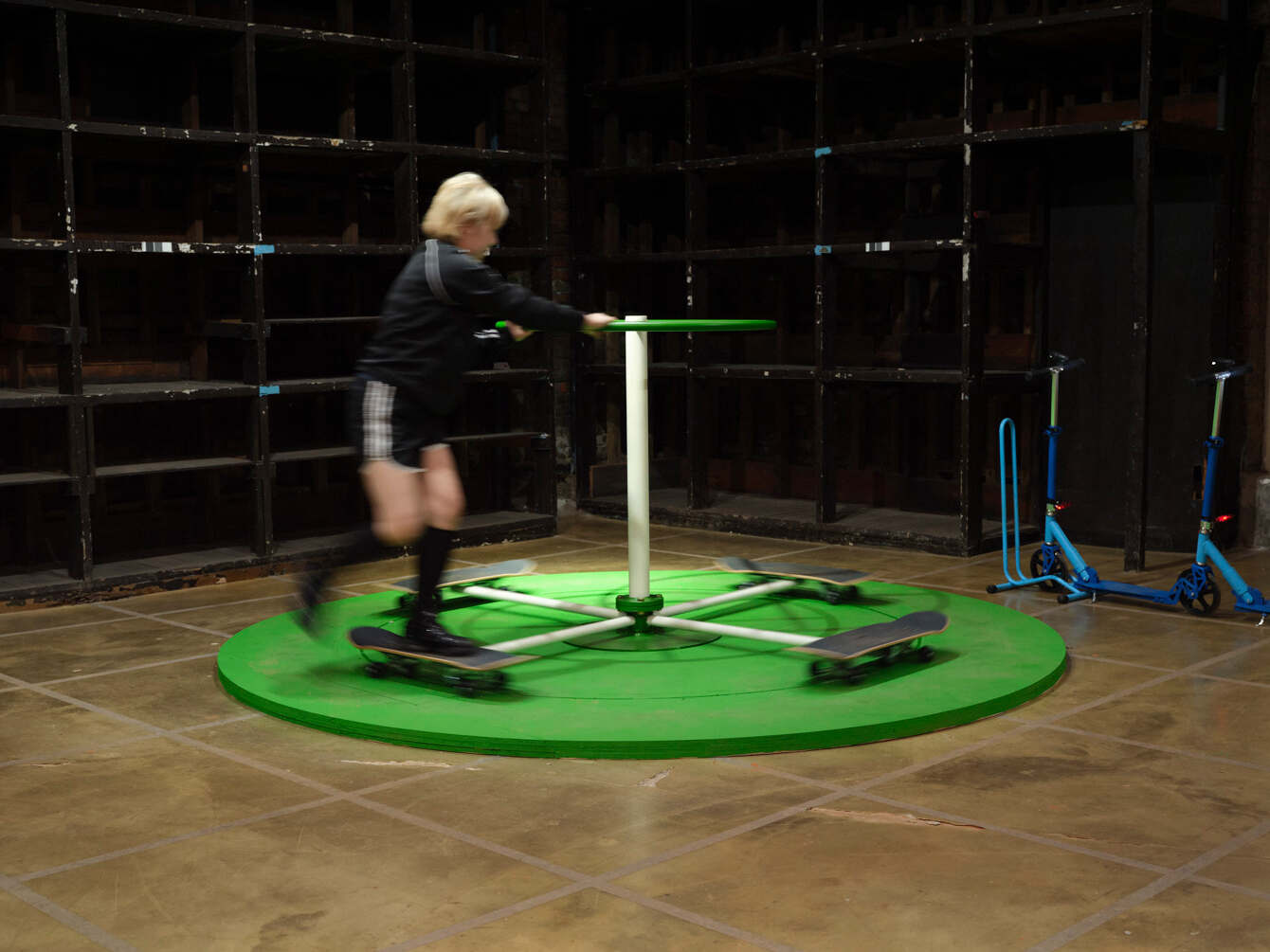
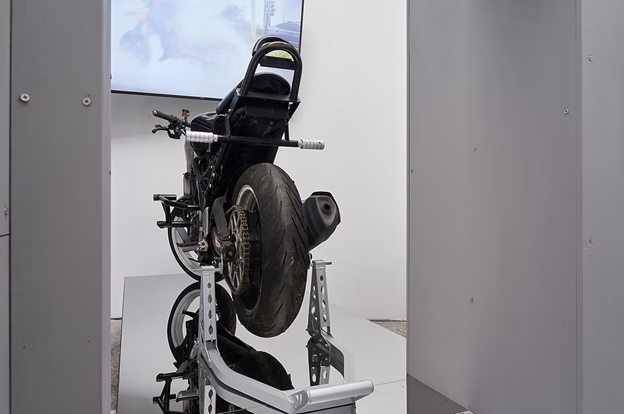
experience. Push off exercise equipment(2023)
and Sync kick exercise equipment(2023) combine objects
designed for movement, such as skateboards and kickboards, transforming them
into sculptural objects placed between usability and impossibility.
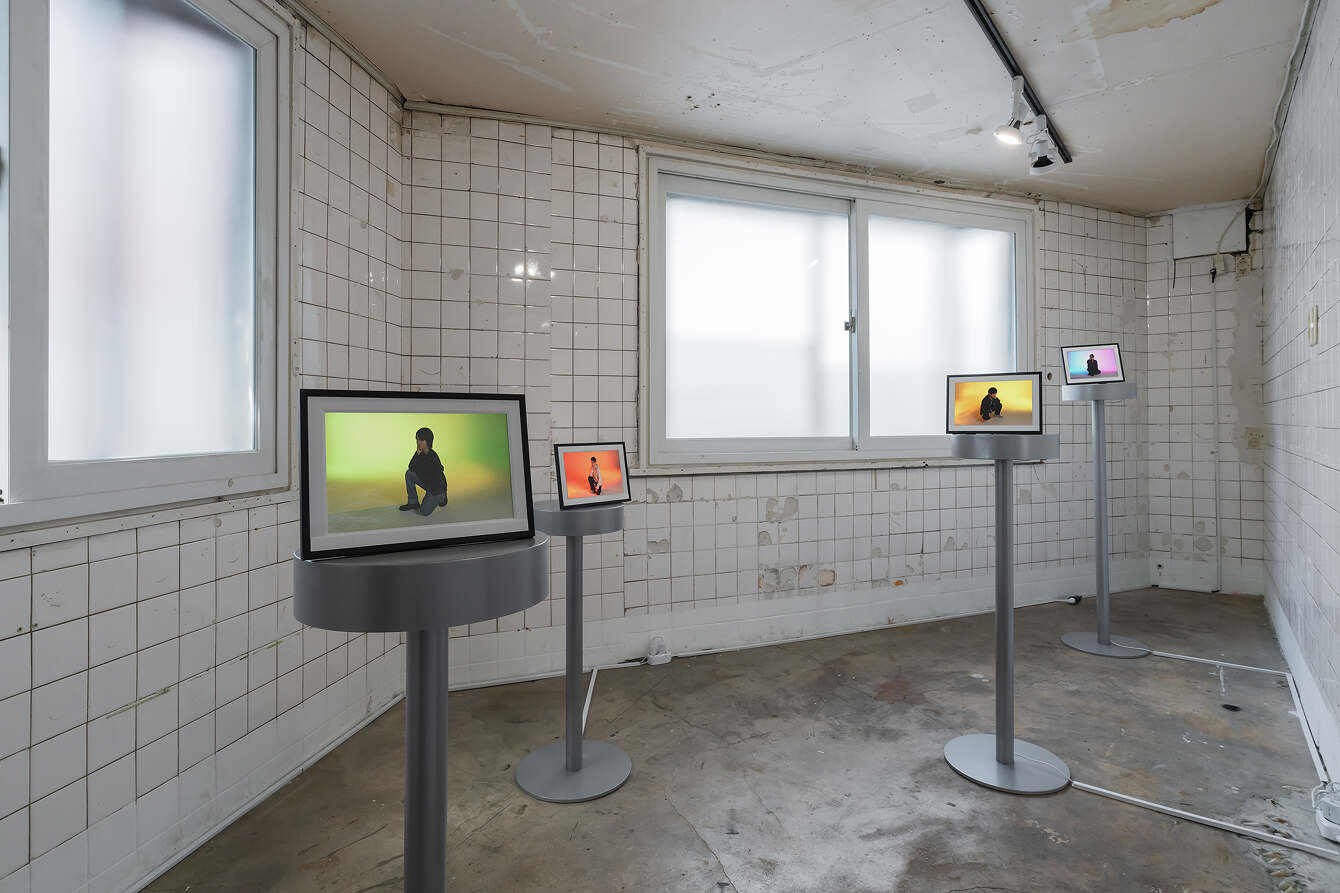
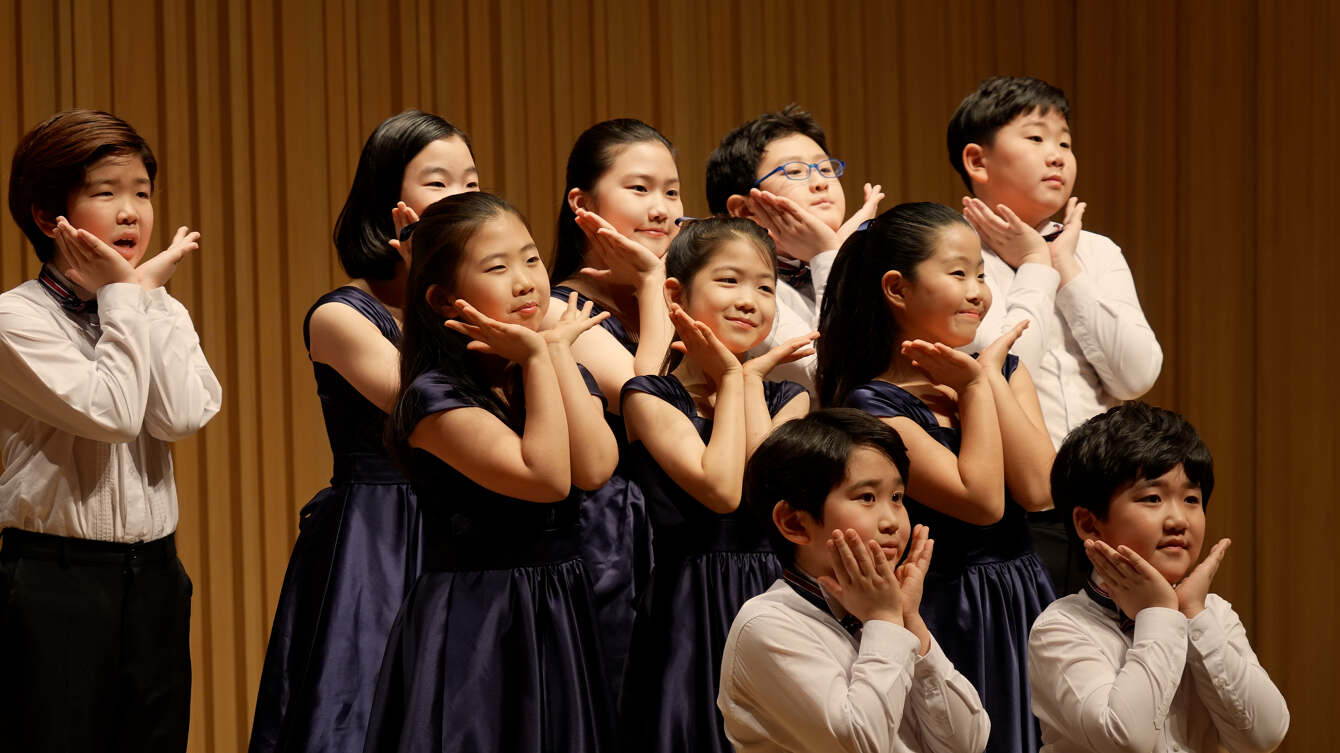
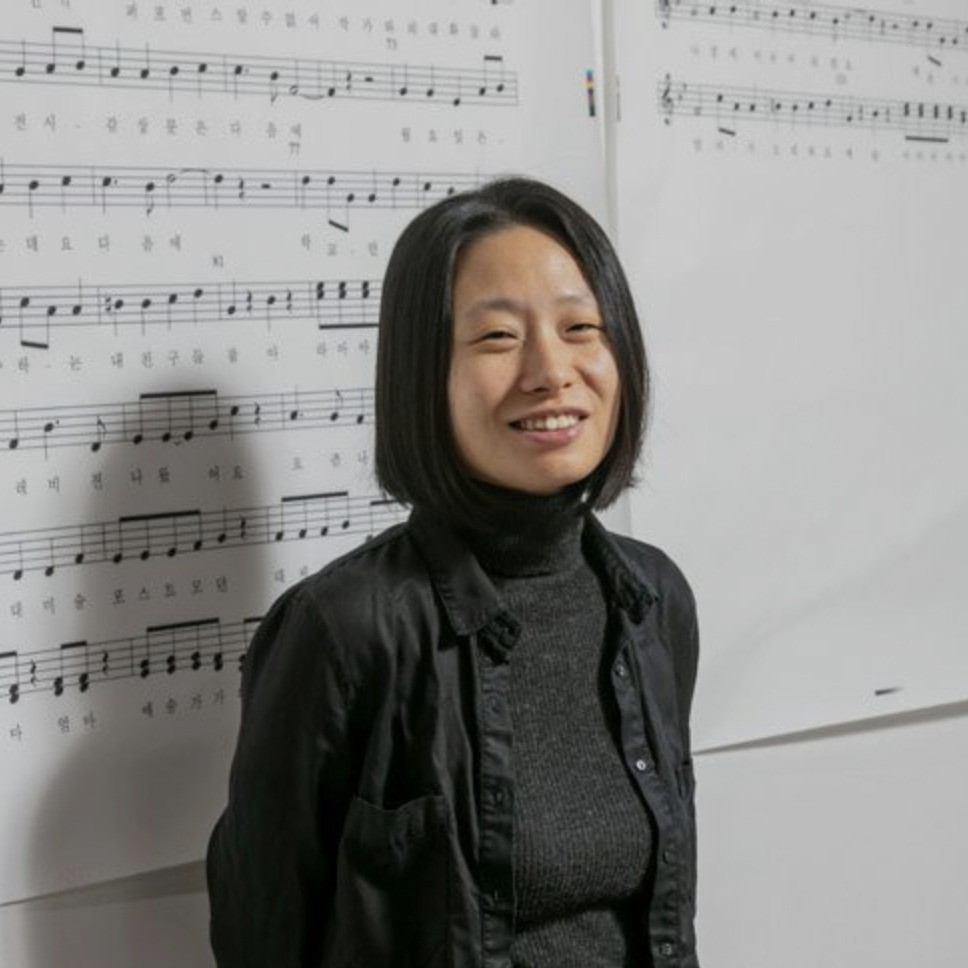
In Art
Class, the artist borrows familiar forms such as song, choir,
choreography, and stage setting to reveal the distance she feels from the art
system and the burden of becoming an artist. The scene in which children
wearing velvet dresses and tuxedos sing along to piano accompaniment may at
first resemble a school event or a children’s song performance, but terms from
the art world such as “performance,” “artist talk,” “contemporary art,”
“postmodern,” and “avant-garde” intervene in the lyrics. This mismatch creates
a gap between the pure voices of children and the institutionalized language of
art, humorously yet uncomfortably revealing the strangeness and burden one
feels when first encountering art.
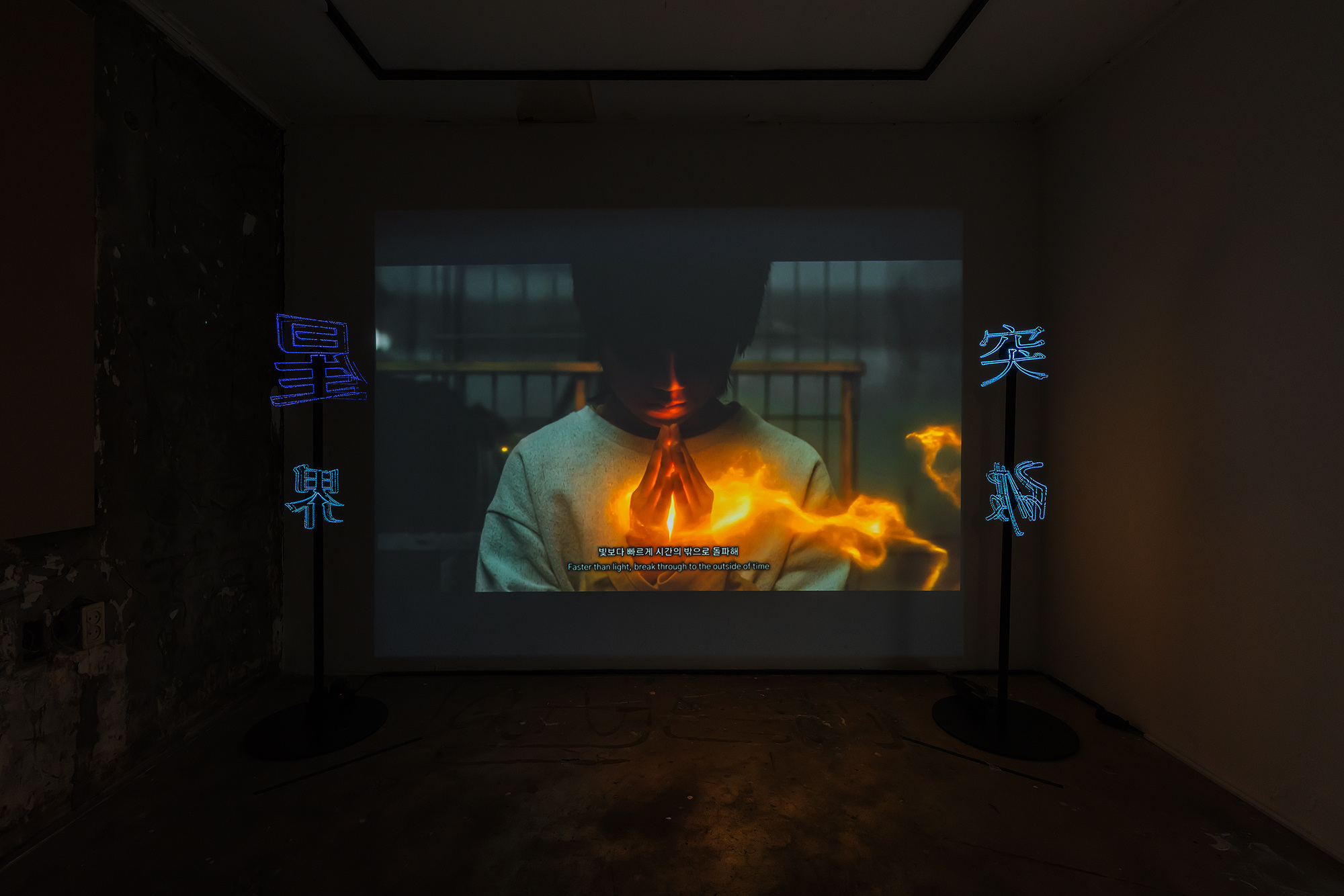
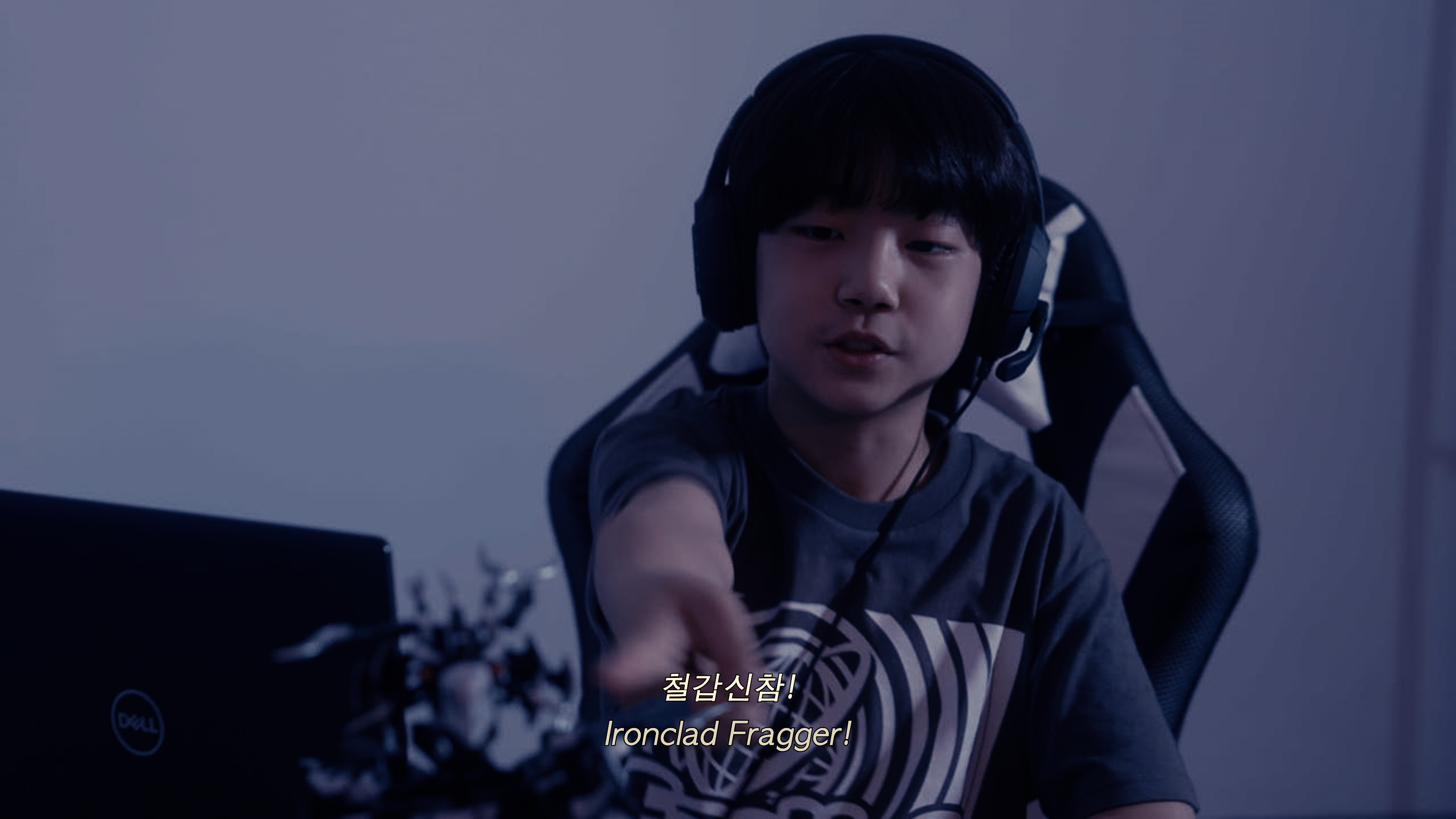
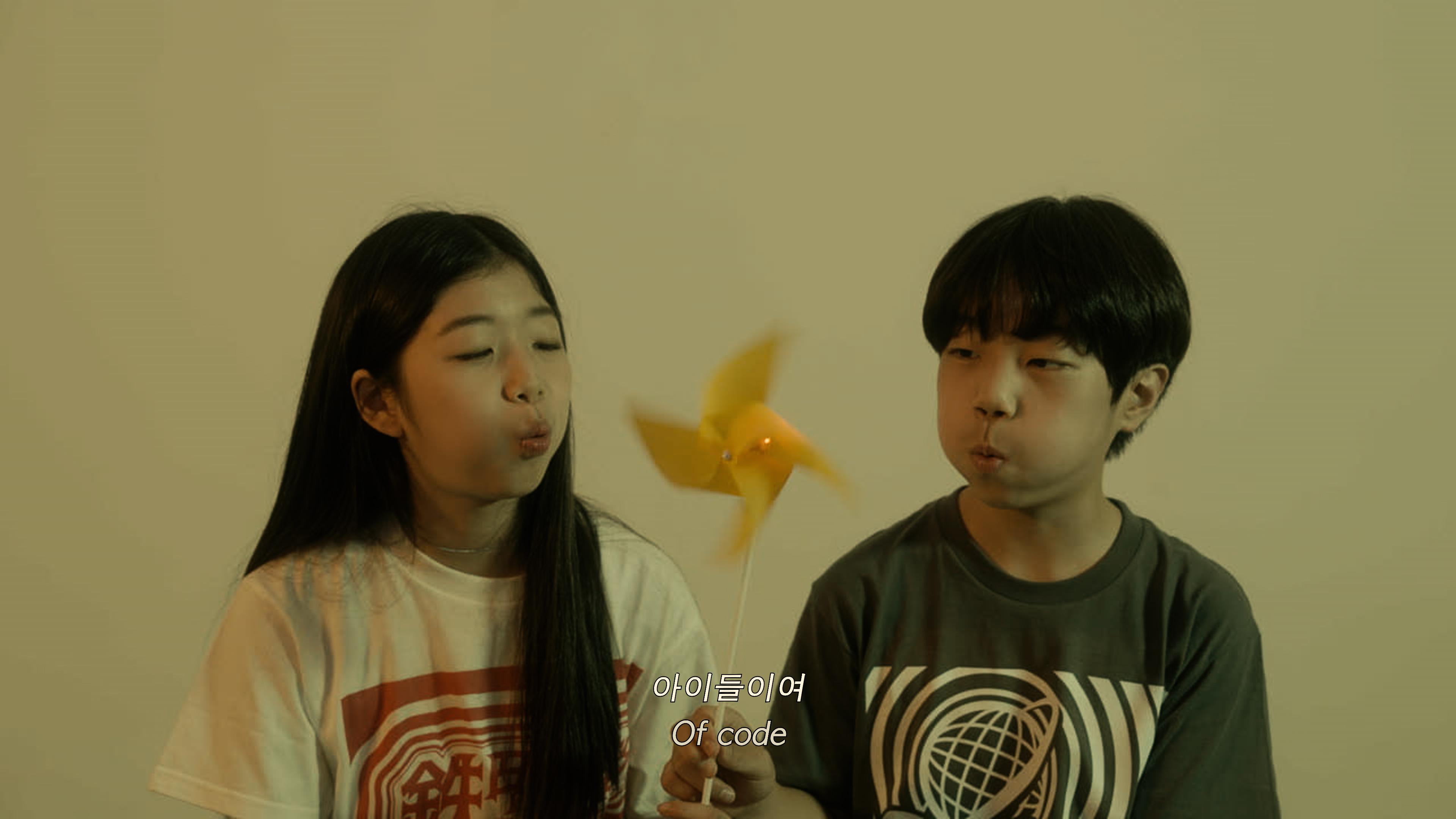
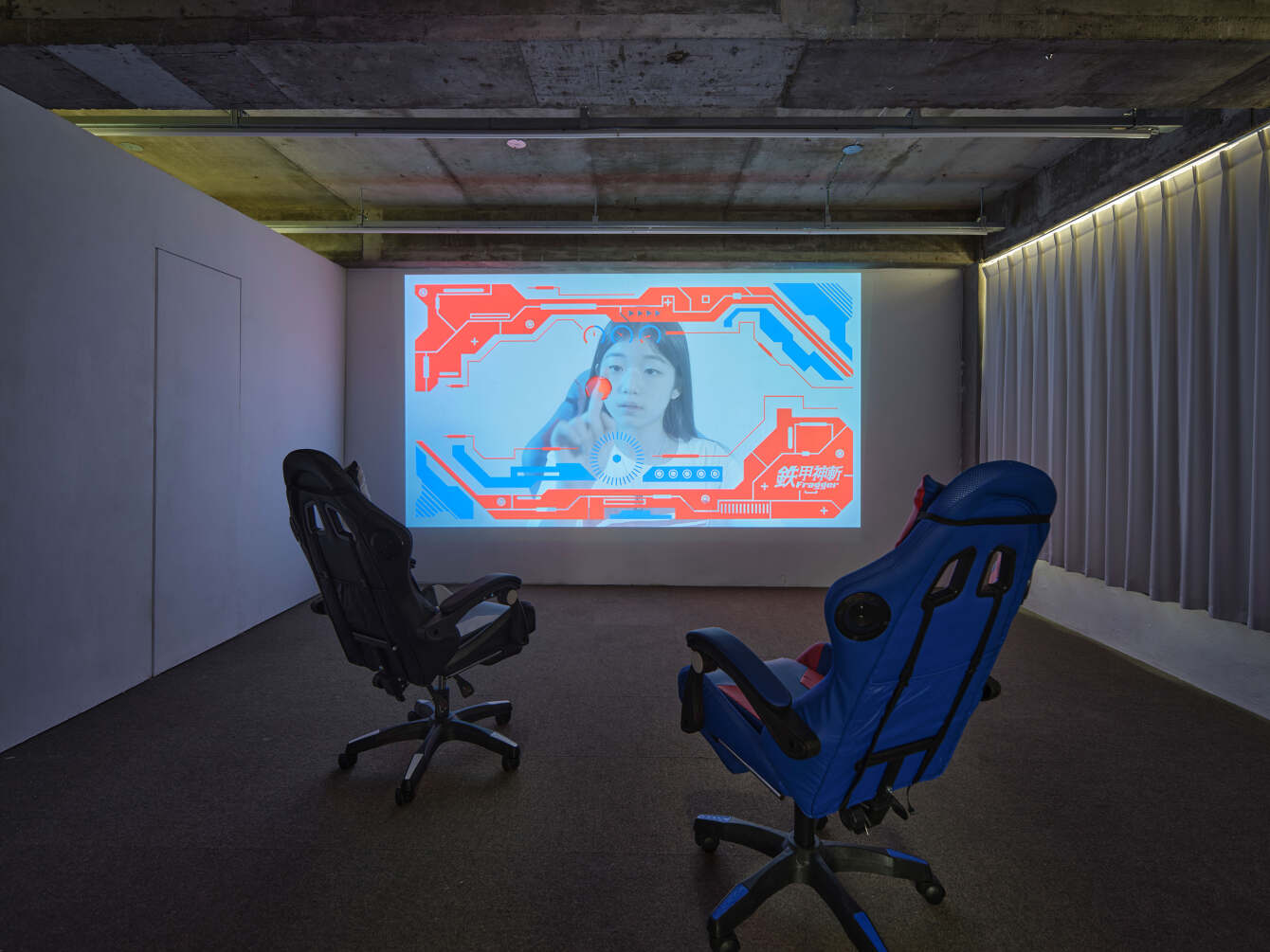
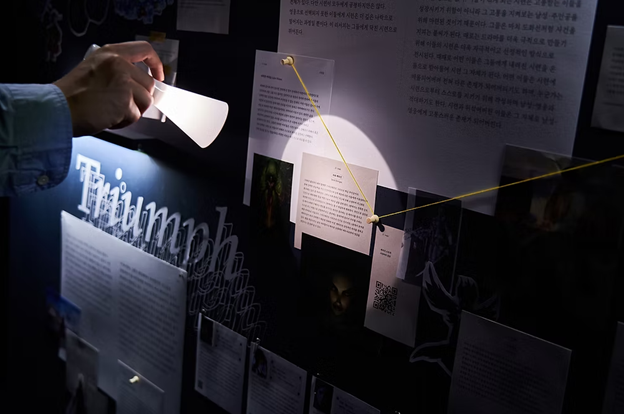
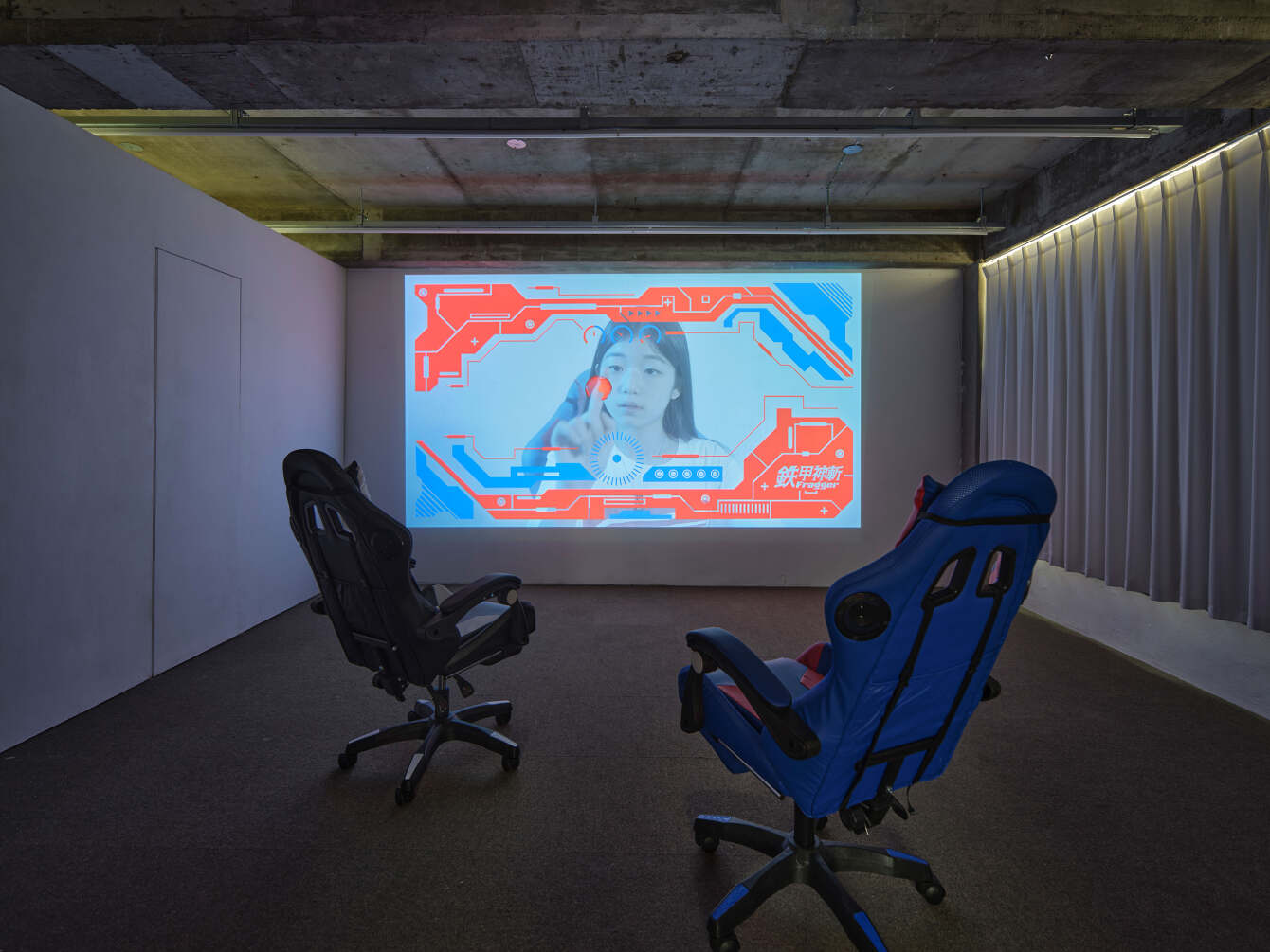
In 《Ironclad Fragger》, an animation-like opening
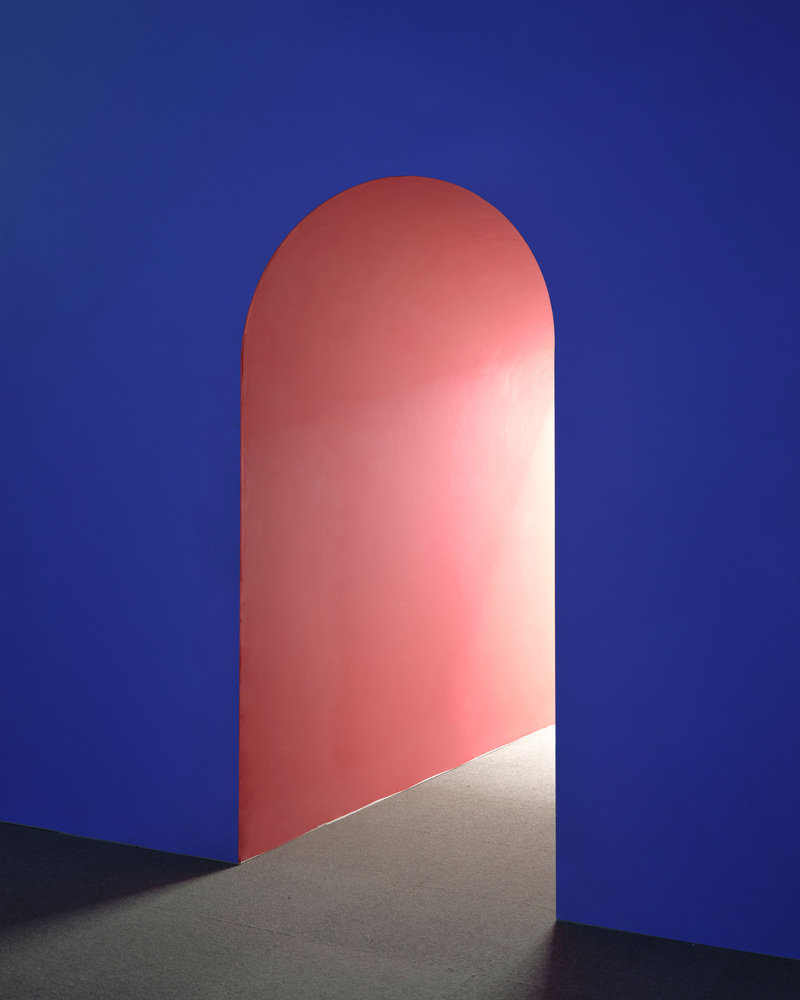
and ending, game-like spatial composition, a passageway, a projection room, and
sound work are organized like a single worldview. Sub zero
excidian borrows the boys’ manga structure of “effort, victory,
and friendship,” while Tech titan(2023) deals with the
melancholy of the moment a child becomes an adult through Santa, lies, growth,
and the sense of loss. In this exhibition, the passage functions both as an
entrance into a fictional world and as an exit back to reality, leading viewers
to move between animated immersion and the recognition of reality. Kim Yesul
deliberately leaves behind B-class sensibility, awkward acting, and unsmooth
sutures, showing not a polished reproduction of genre, but how already familiar
narrative codes operate within reality.
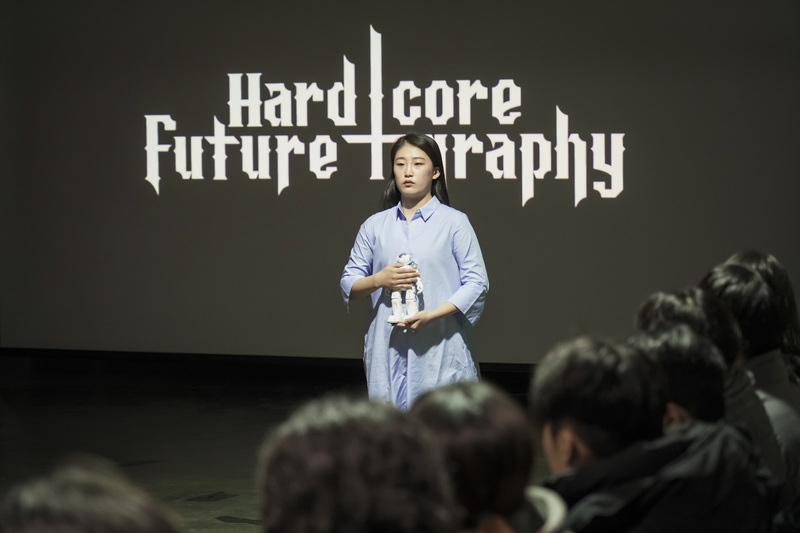
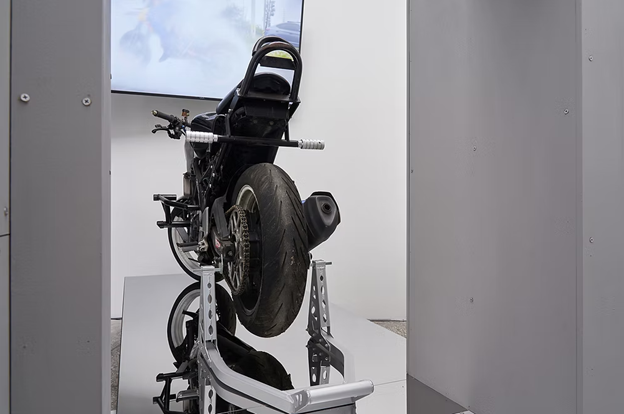
In recent
works, the artist deals more actively with the structure of time through video
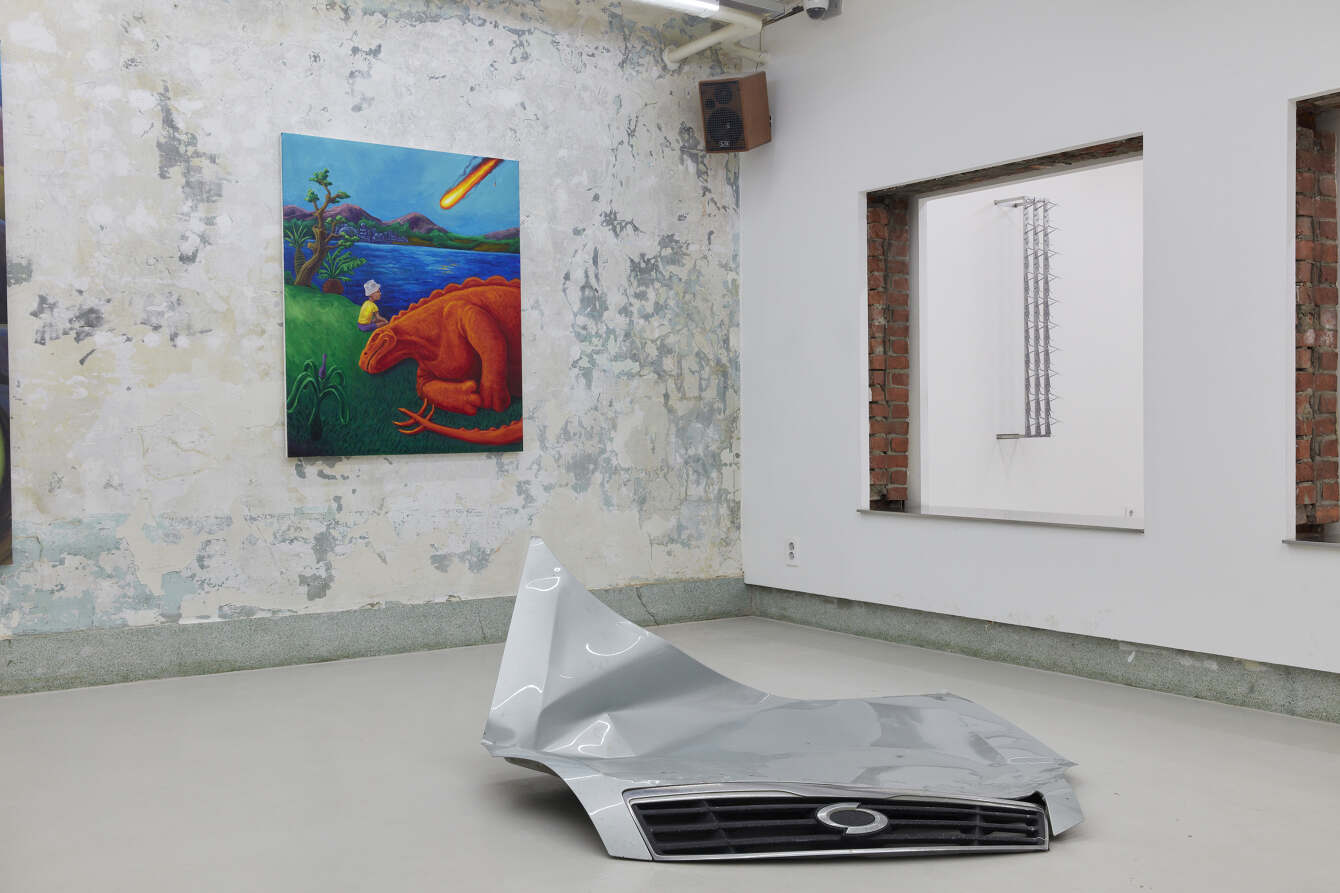
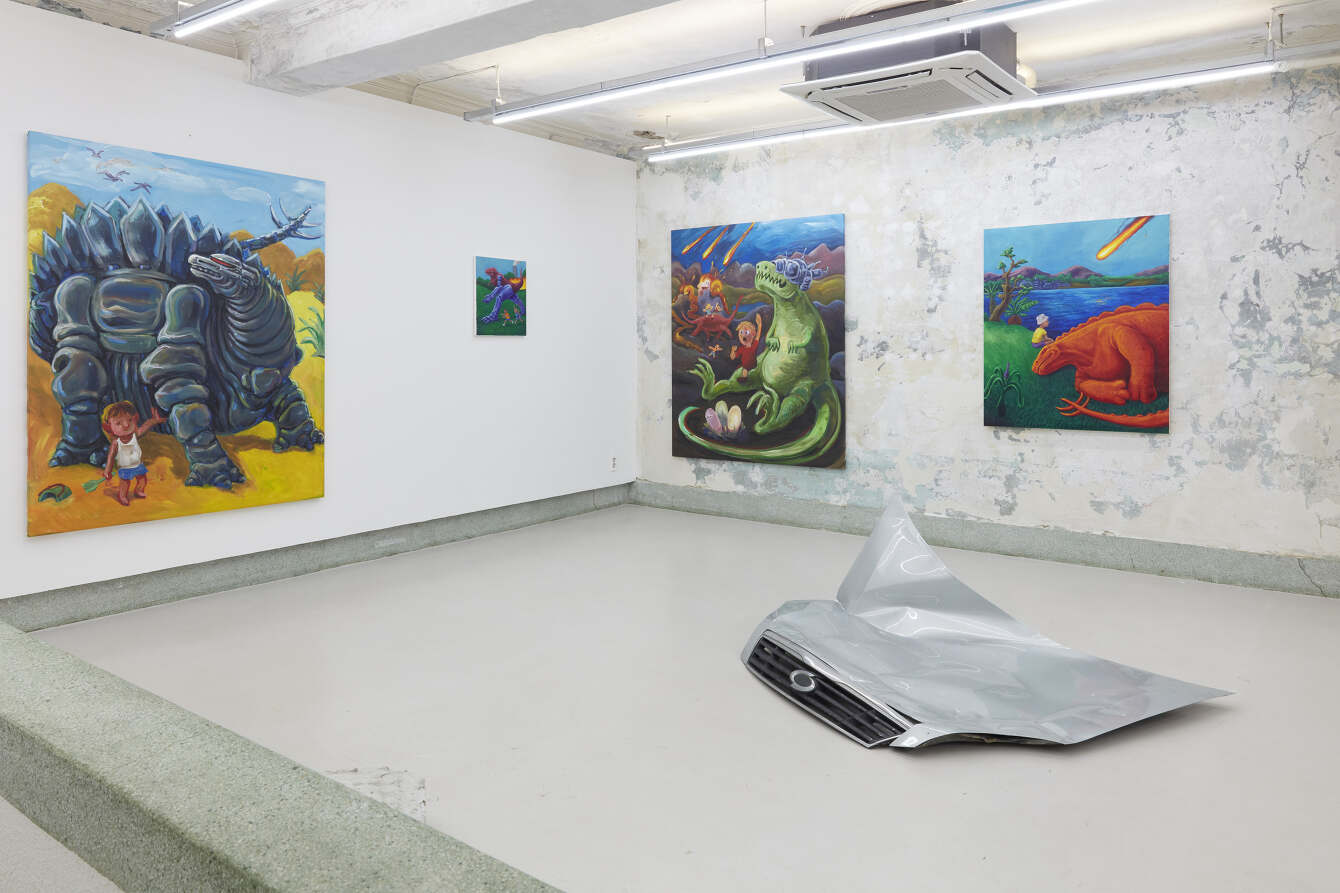
and installation. In 《Dinosavr》, dinosaurs and children are positioned as beings absent together in
the past, and the artist constructs forms close to pseudo-relics or imaginary
records, as in Crushed carbone-Renault(2024), which
uses a car bonnet. In Chrononex Overdrive, boys
exploring an abandoned space encounter an unidentified figure who seems to have
come from the future, while in Interflux Drifted,
multiple voices and misaligned senses of time overlap through a folk song
format in which call and response repeat. By choosing a mode of oral
transmission that anyone can follow and pass on, rather than precise singing or
polished vocalization, the artist presents the future not as a closed
narrative, but as a rhythm that can be transformed and continued together.