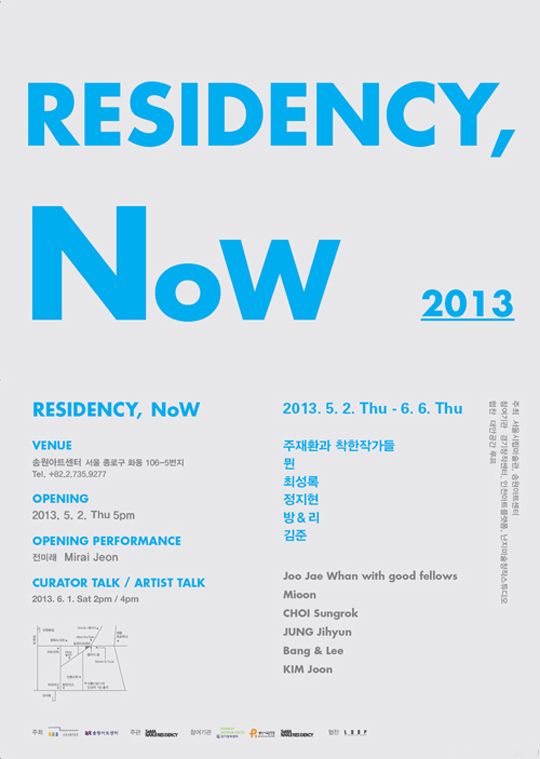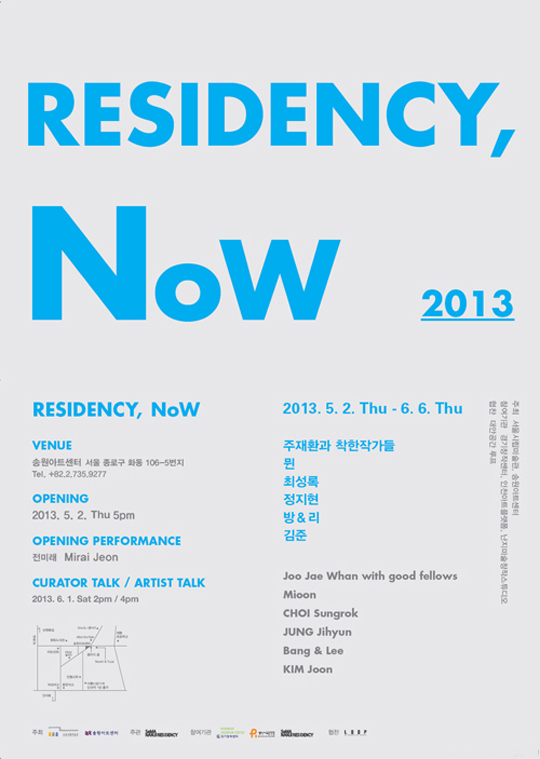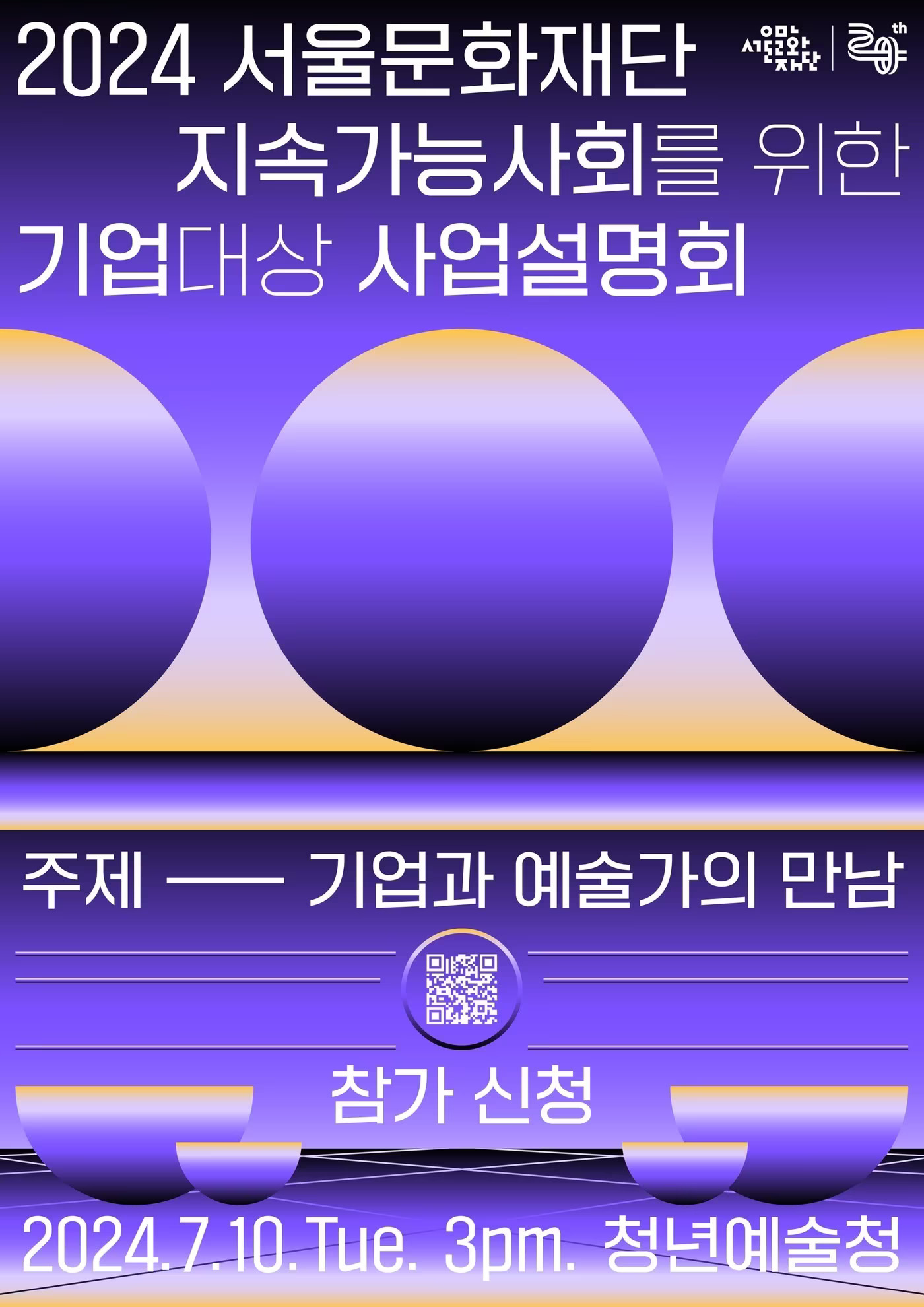


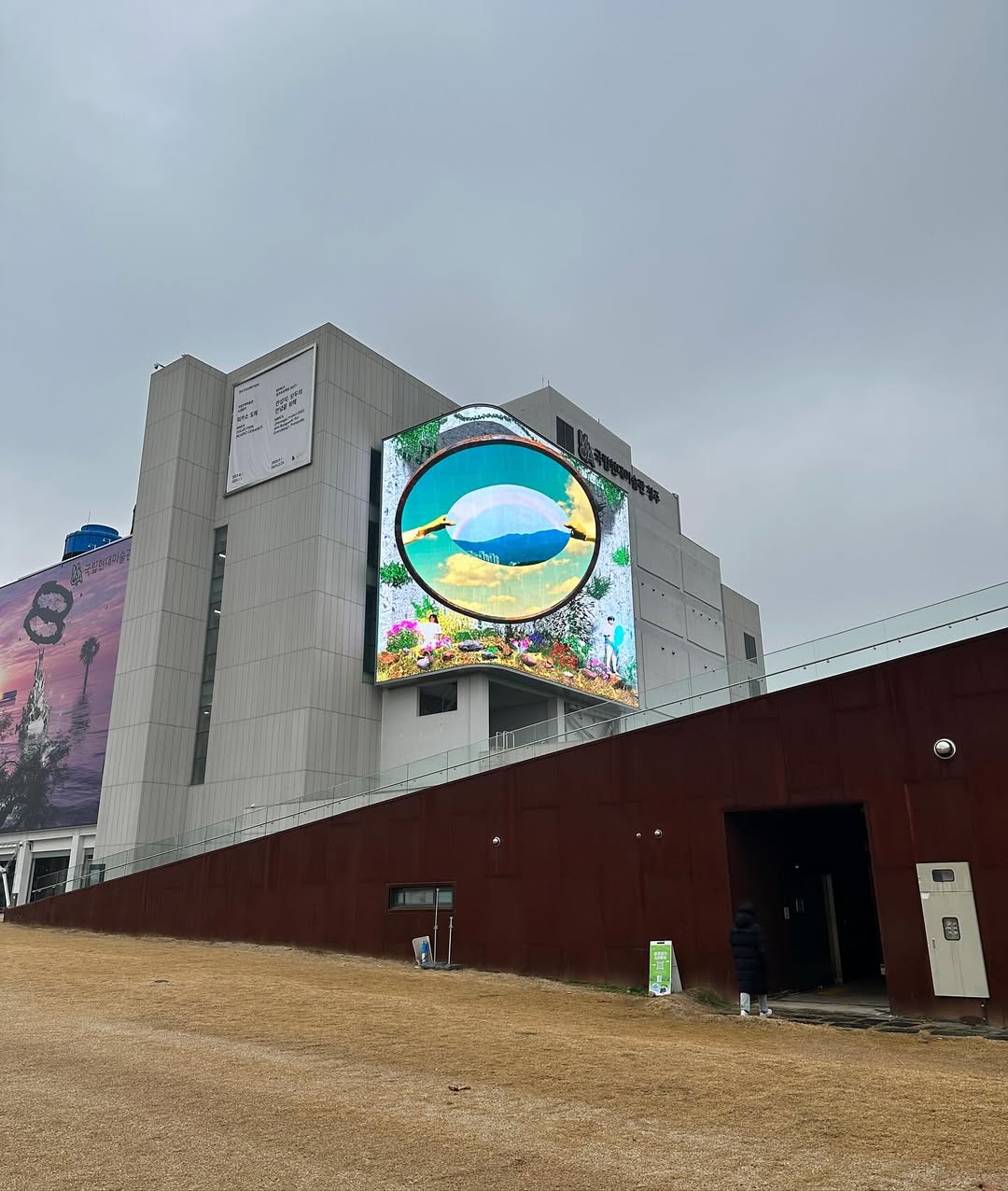
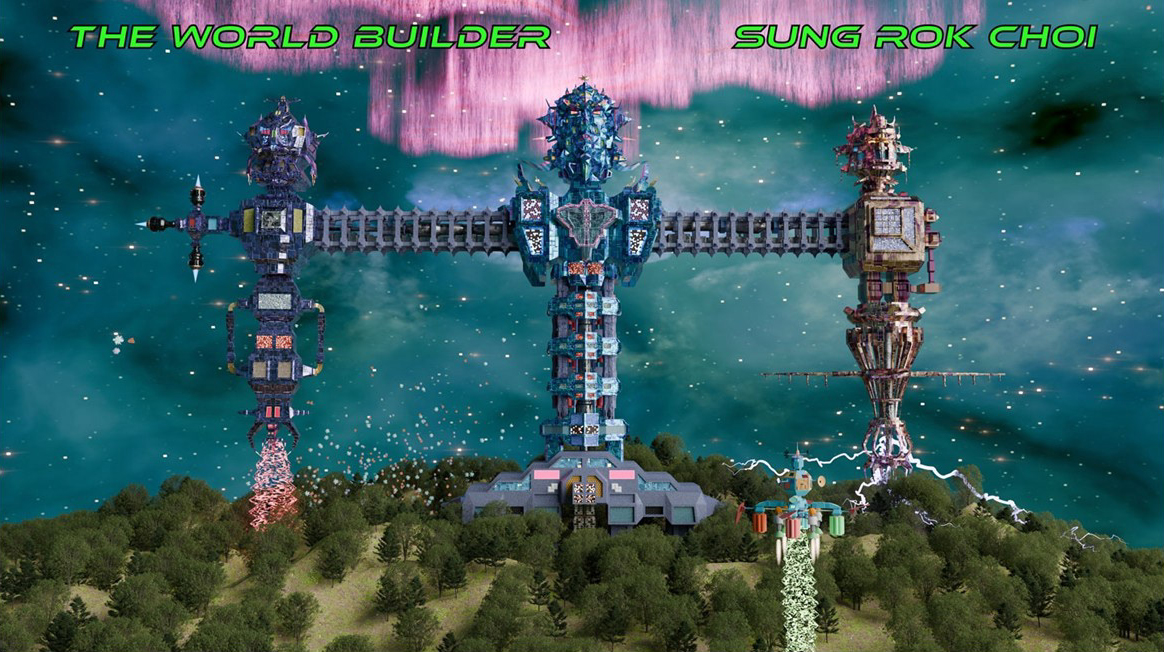
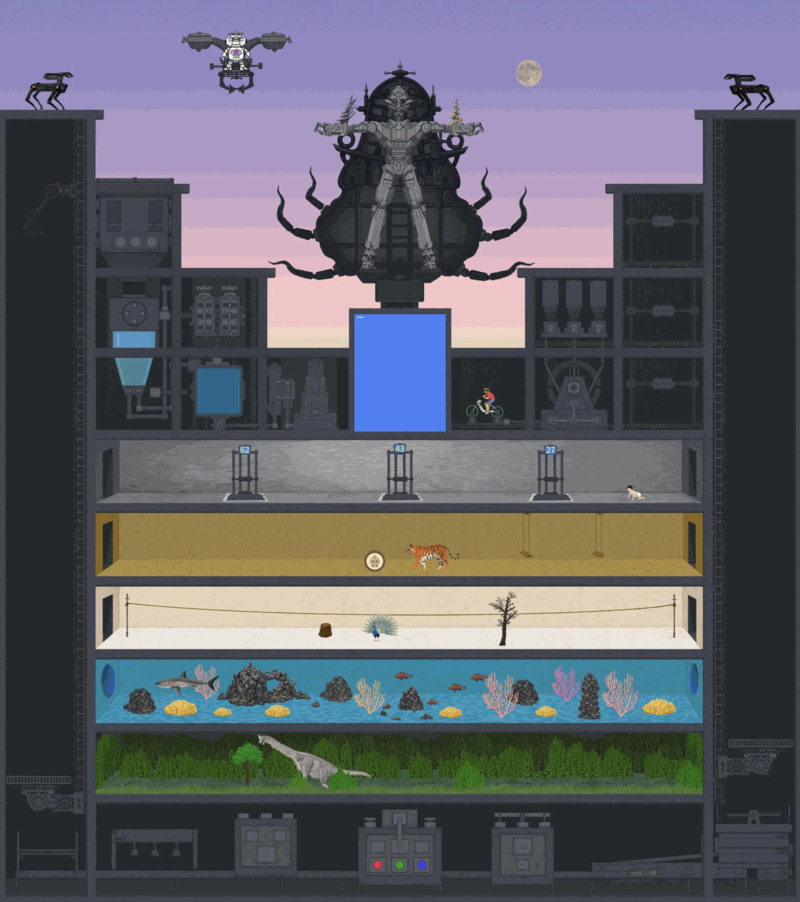
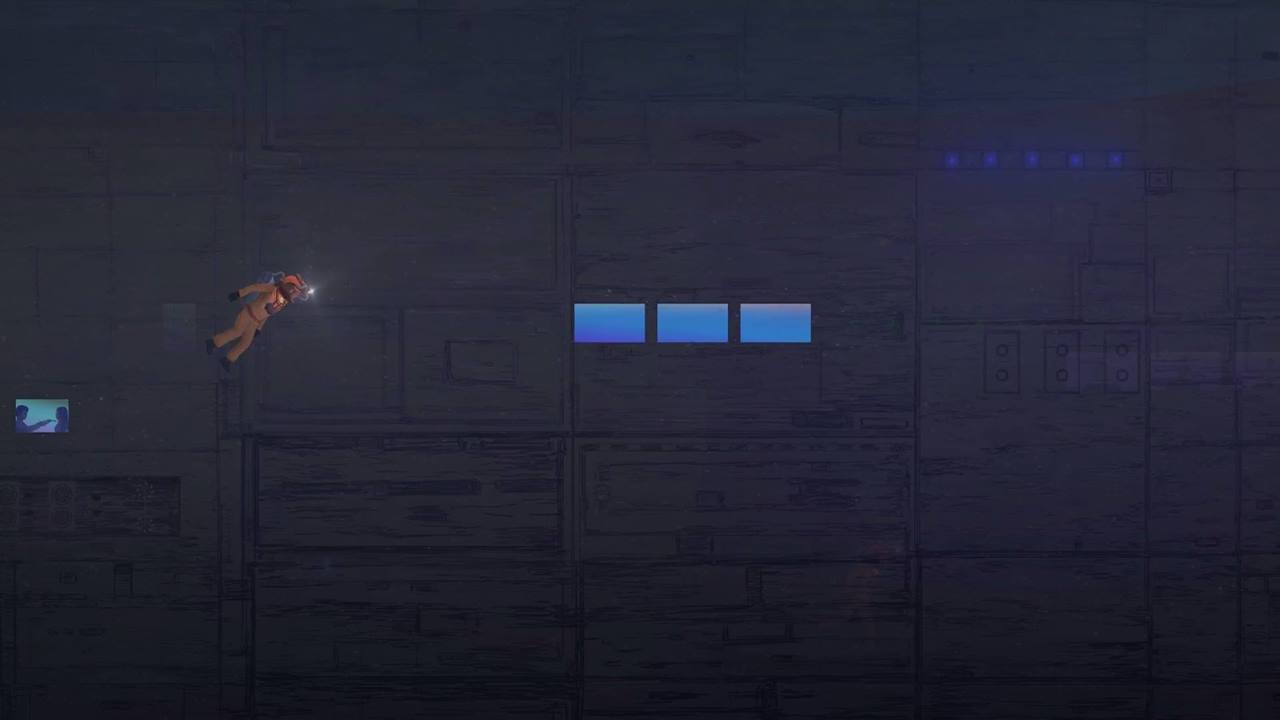
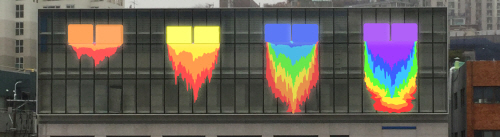
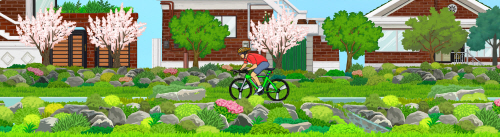
Poster image of 《RESIDENCY, NOW》 © Songwon Art Center

The residency system in Korea began to take on a structured form in the early 2000s. More than a decade has passed since then. Generations of administrators have changed, and operational models have evolved accordingly. While Europe and the United States had already activated residency programs in the 1970s as democratic platforms for accommodating diverse artists and modes of expression, Korea’s start was undeniably later.

Nevertheless, it is remarkable that through the concerns, efforts, and dedication of the early organizers, Korean residencies developed within just over a decade into institutions with clearly established identities and functions. Like residencies elsewhere, these programs initially emerged as creative workspaces. Over time, however, they began to utilize their distinctive strengths to function as intermediary platforms.

As both incubators and cultural platforms, residencies support artists while playing an essential role in forming networks within the art world. Though their history remains relatively brief, residencies in Korea have become firmly established and actively operated as significant institutions within the contemporary art ecosystem.

At this point, it becomes necessary to examine how residency practices in Korea have developed and how they continue to evolve today. 

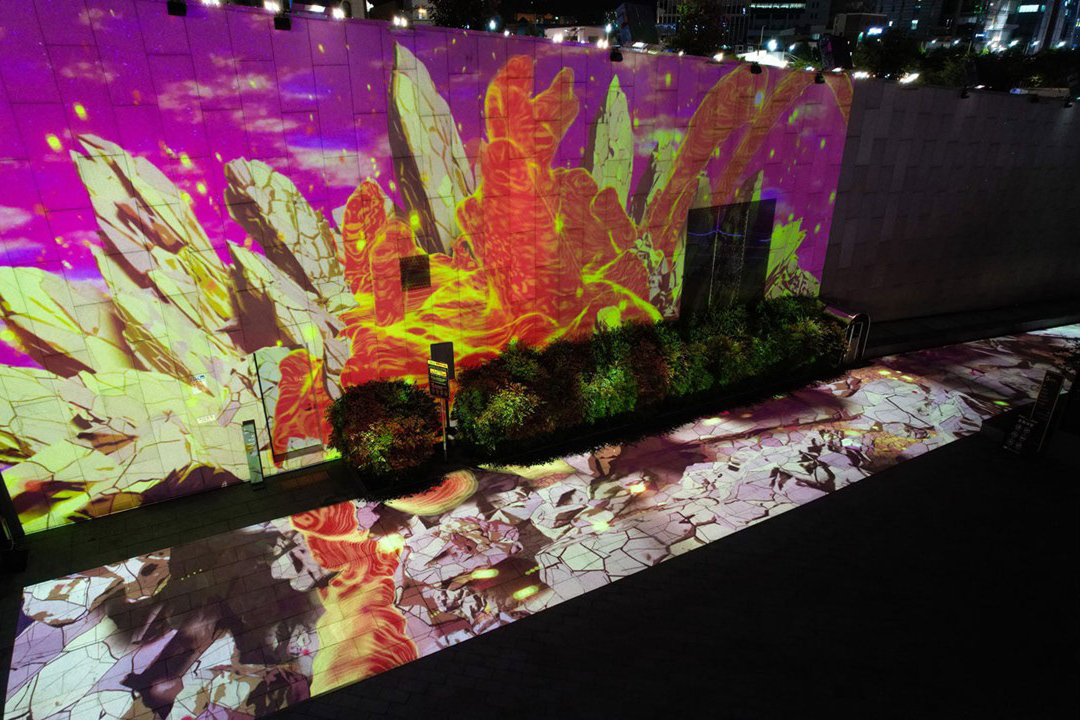
《RESIDENCY, NOW》 brings together residency programs based in Seoul, Gyeonggi, and Incheon. Although many of these institutions emerged as mid-generation or later participants within the history of Korean residencies, they have now become key centers of international exchange and are increasingly forming the structural foundation of Asia’s cultural network.

The exhibition features artists currently participating in each residency, selected as representative figures of their respective institutions through recommendations made by program directors and administrators. Alongside the exhibition, a series of dialogues among residency operators has also been organized.

Curators who have newly assumed responsibility for managing programs from previous generations will share information regarding the operational conditions and developmental transformations of each institution, while also proposing and discussing practical future strategies from a critical perspective. Such reflections on residency programs may ultimately become predictions for new cultural phenomena yet to emerge.

The scope of participating institutions in this exhibition remains relatively narrow, including the Gyeonggi Creation Center, Incheon Art Platform, and Nanji Art Studio. Yet this scope will gradually expand, and the discourse surrounding residencies will continue to grow richer. It is hoped that this exhibition may serve as the beginning of such centrifugal momentum.


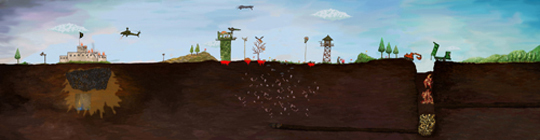
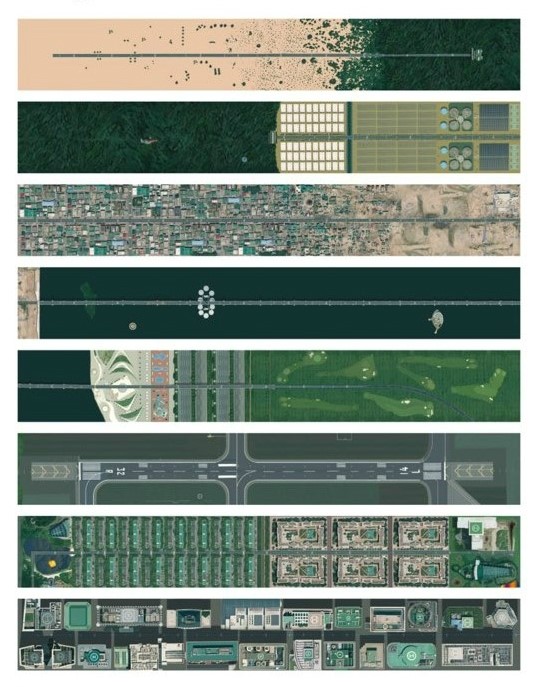
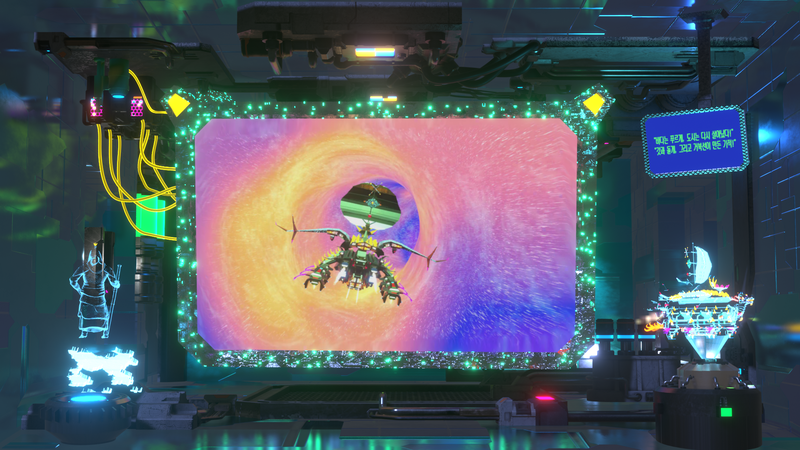
Sung Rok Choi, Operation Mole, 2012 © Sung Rok Choi

Sung Rok Choi collects and reimagines histories of violence, memory, fantasy, and technology emerging within contemporary society through various forms of media, subsequently deconstructing and reconstructing them through animation, drawing, and installation.

Through complex narrative structures and montage techniques shaped by sequences of events and temporal flows, the artist reveals the duality of violence and play. In developing these expressions, Choi closely observes social and environmental issues represented through media, with a particular focus on researching the relationship between animation and publicness.

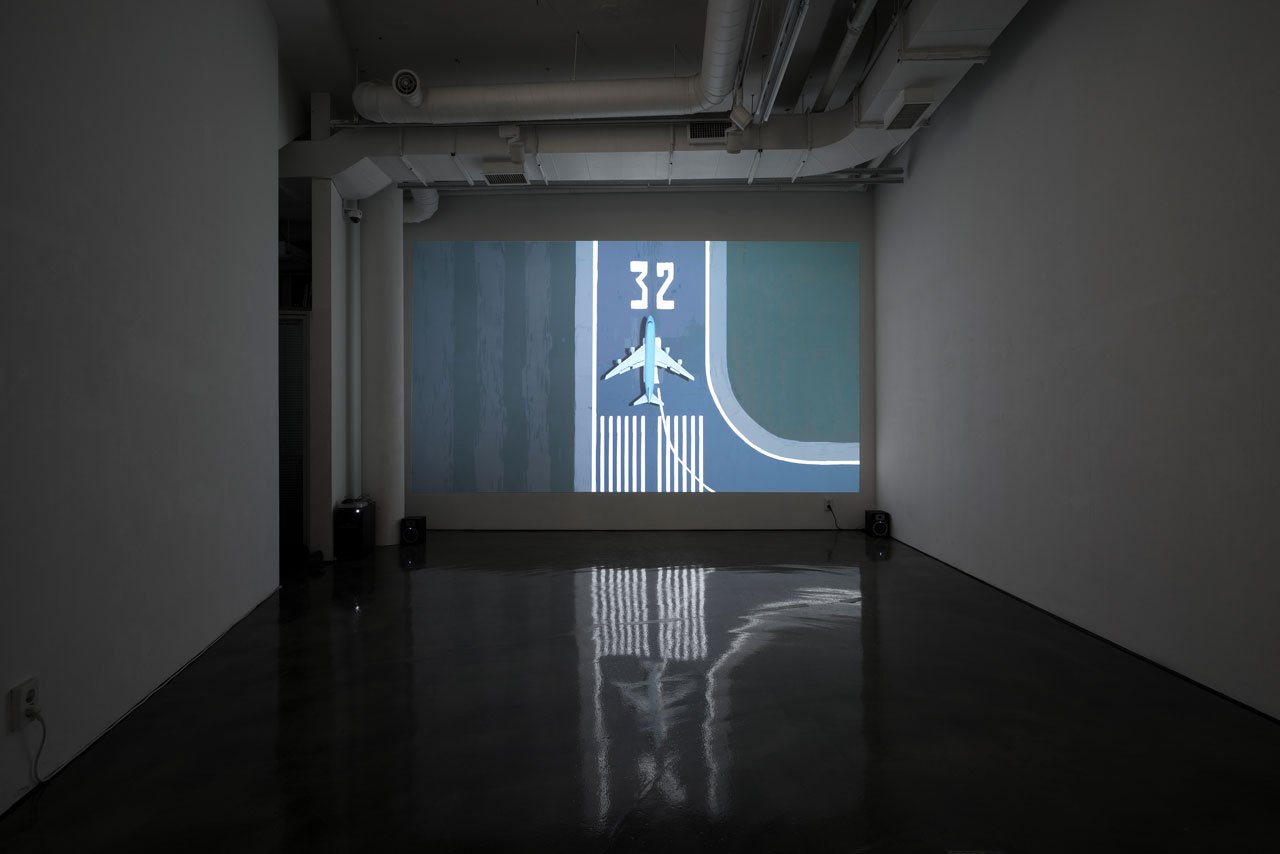
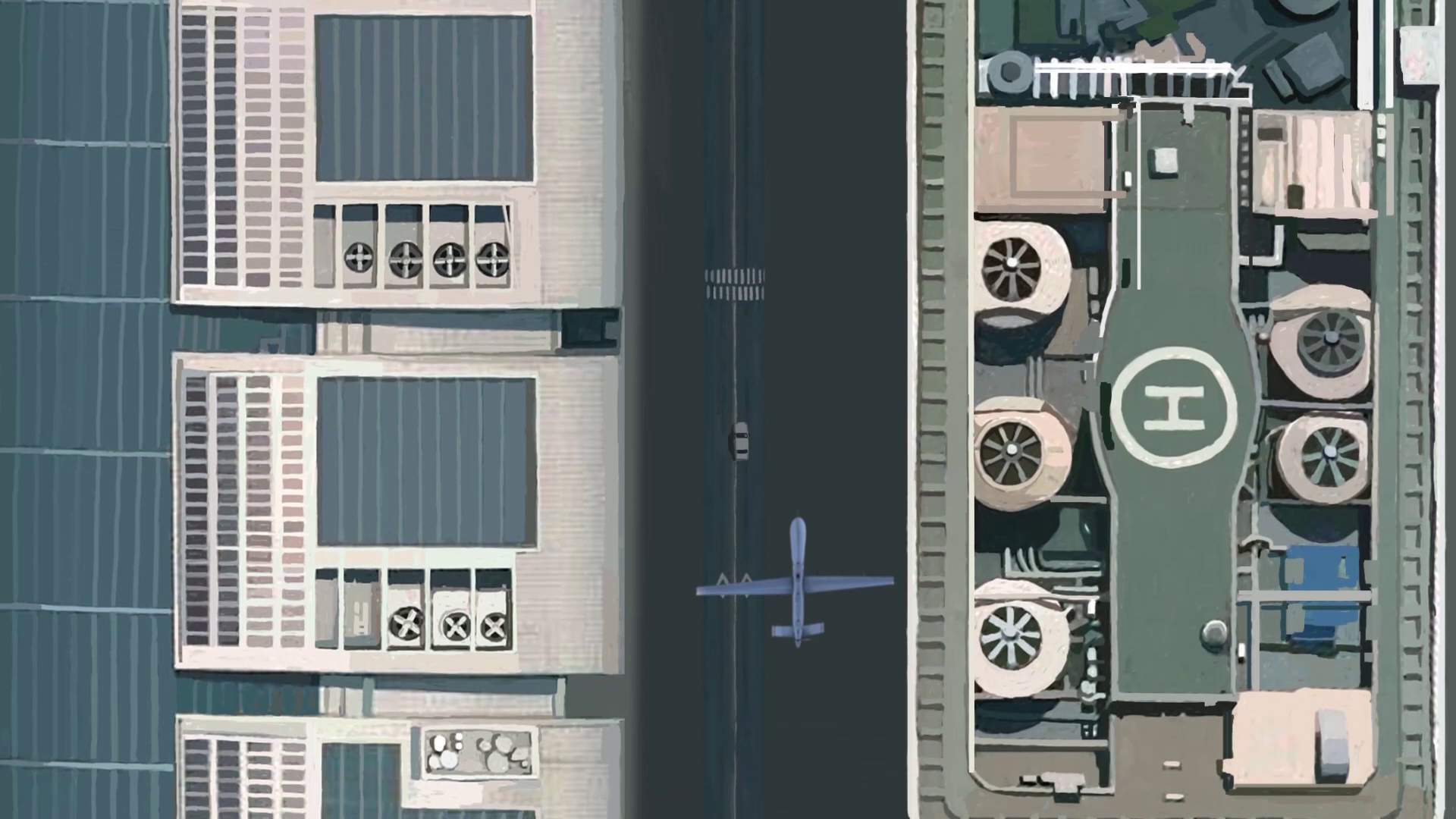
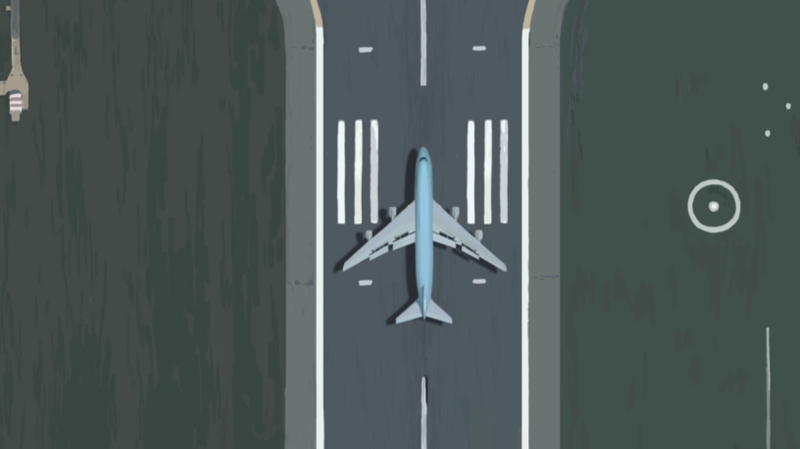
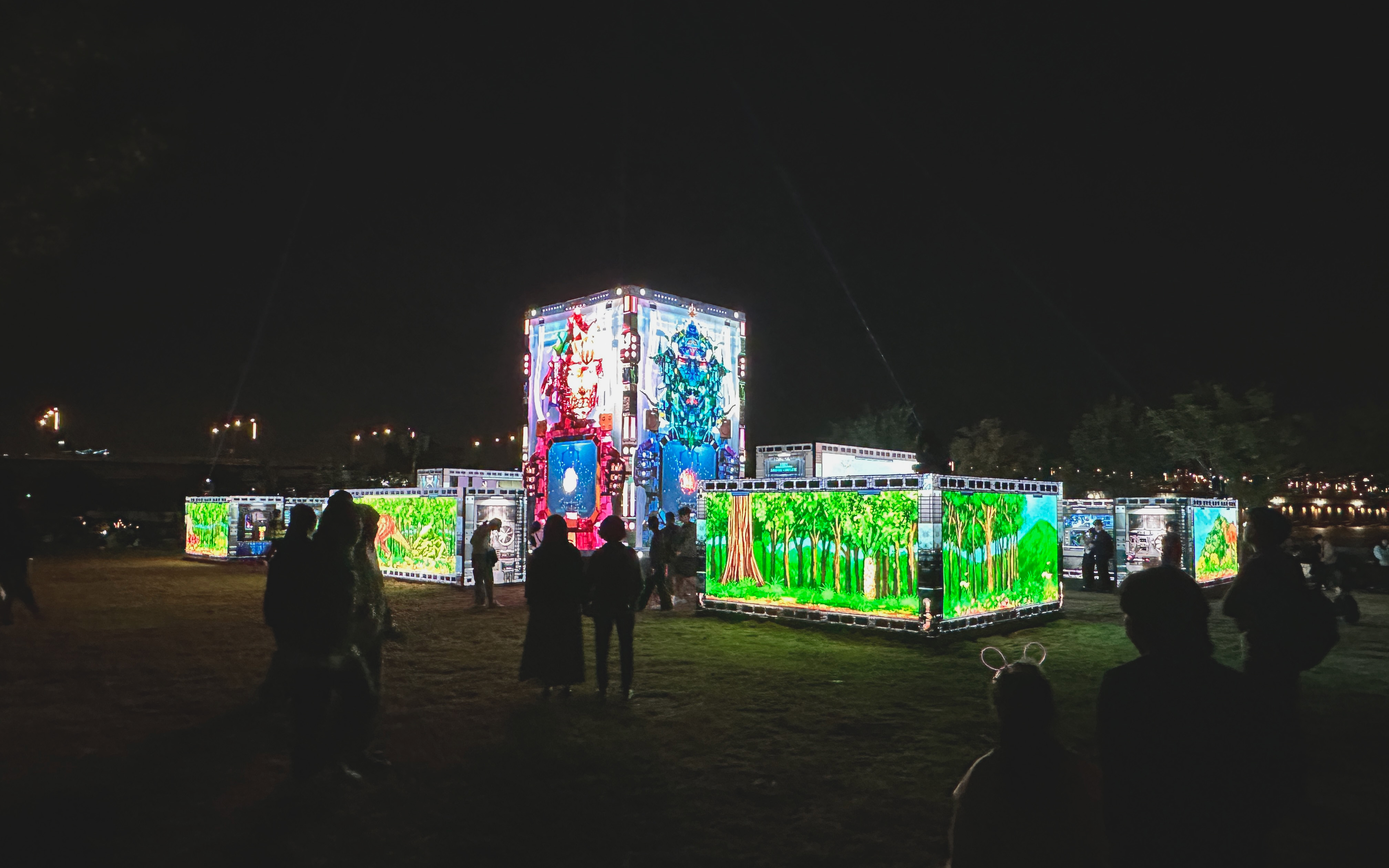
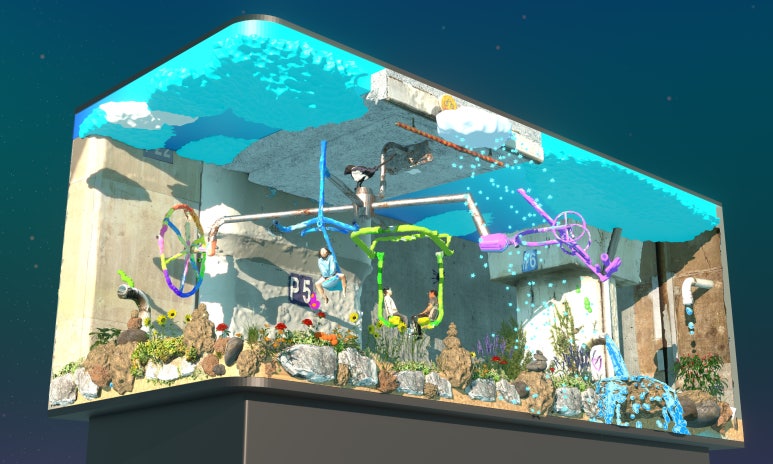
The work presented in this exhibition, Operation Mole, is a spatial montage animation installation composed of eight animated scenes that collectively construct a single interconnected narrative. The story is based on political and historical events associated with the artist’s own memories.

Structured as an underground travel narrative centered on the mission and love story of a mole-tank pilot, the work follows the pilot’s journeys across time, presenting historical events and landscapes through eight distinct scenes.

These consist of a panoramic landscape, four structural scenes depicting the underground travels of the pilot and the tank, and three landscape sequences that convey the broader background narrative of the work.

References