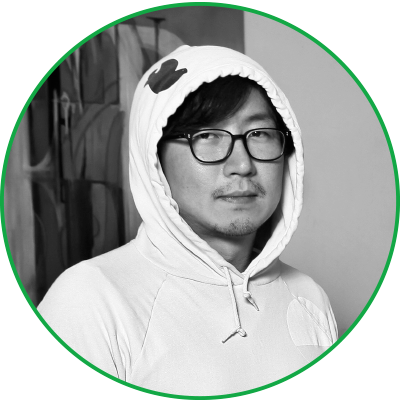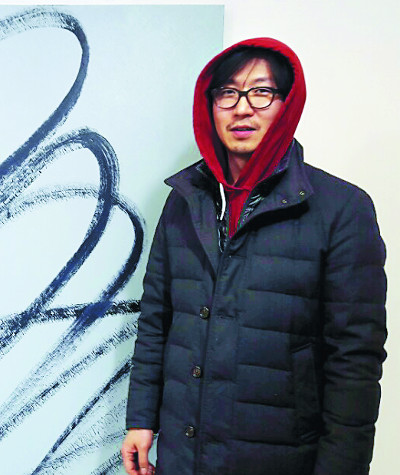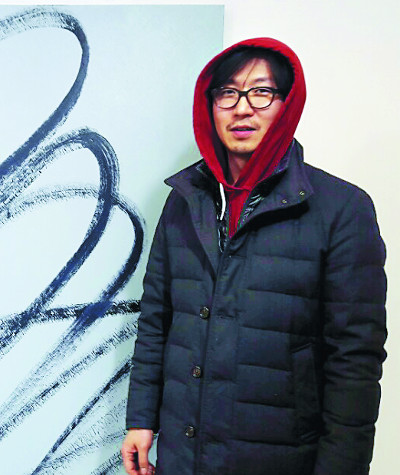


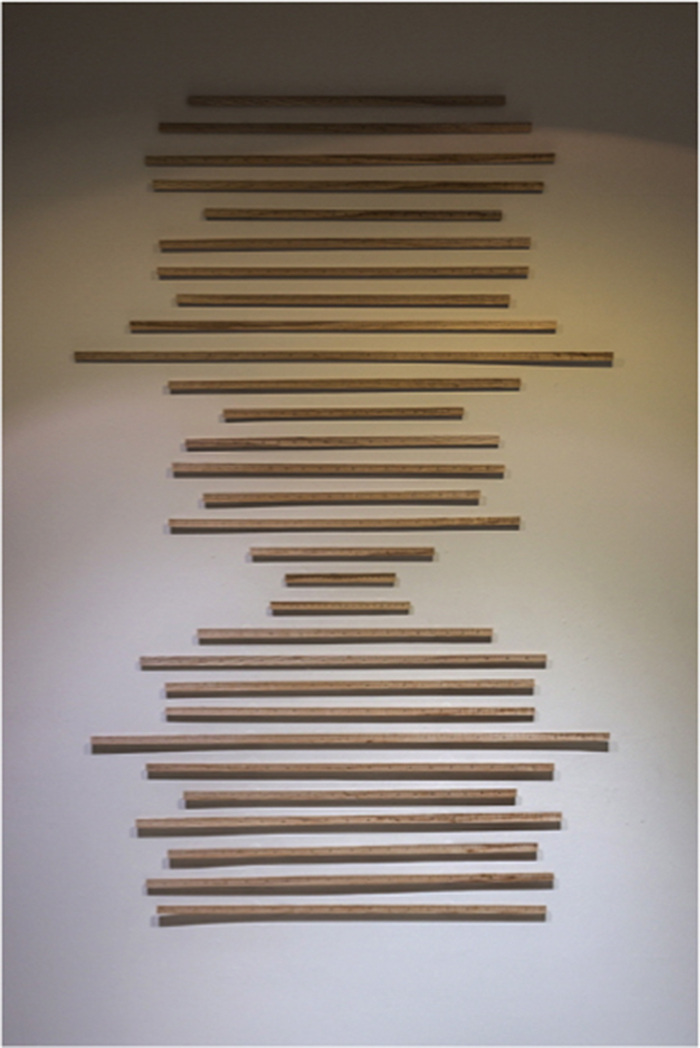
The Artist © Lee Wan

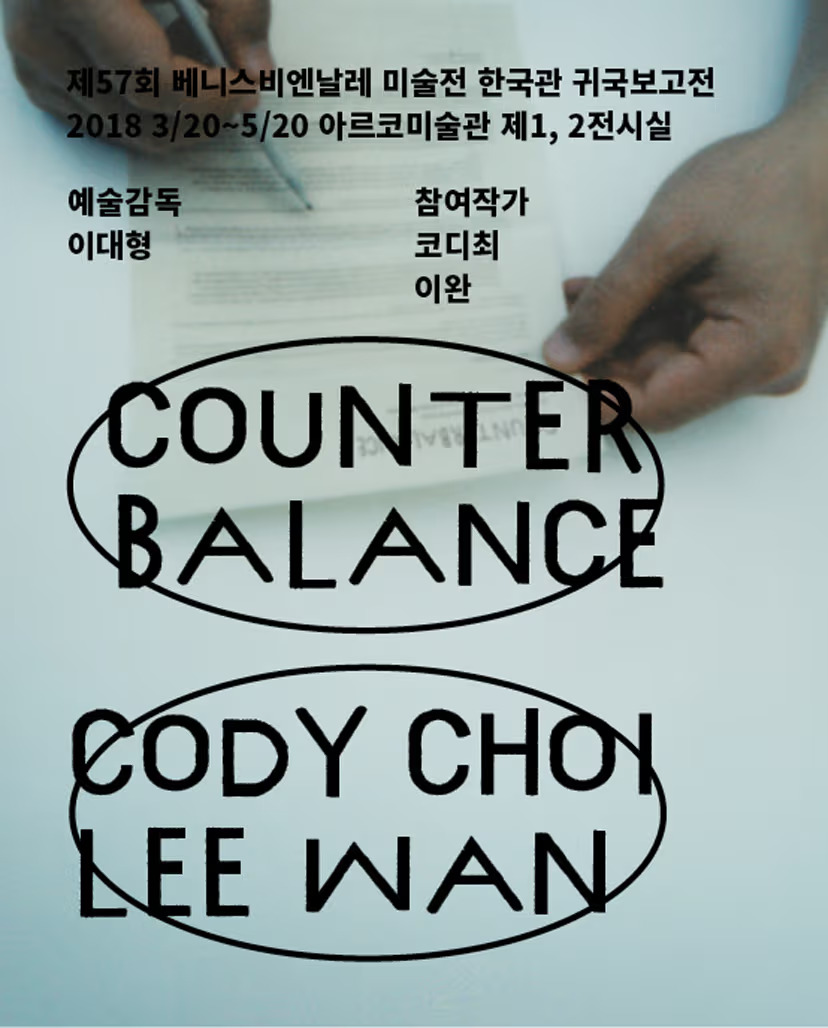
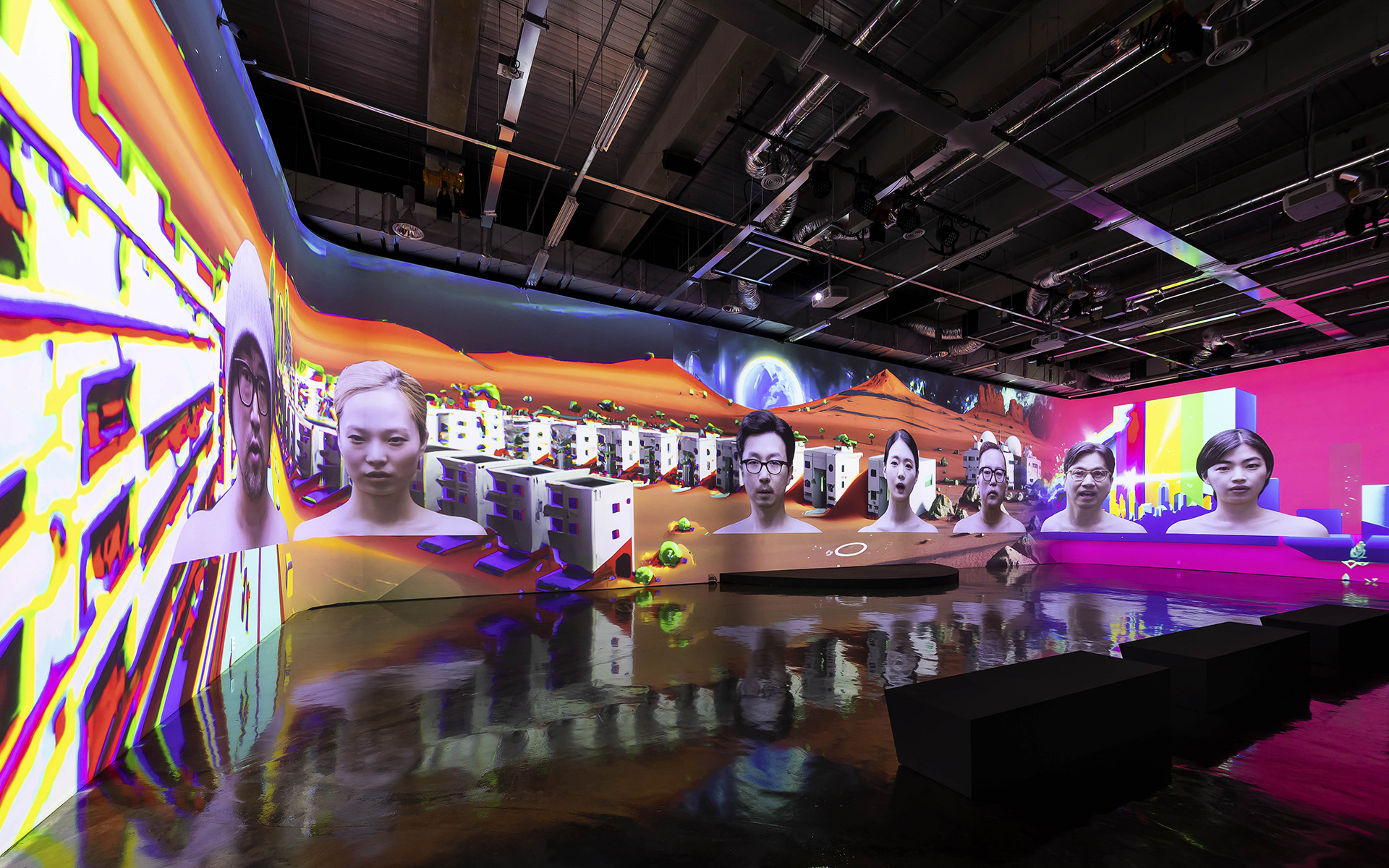
Lee Daehyung (43), artistic director of the Korean Pavilion at the 2017 Venice Biennale opening in May and art director at Hyundai Motor Company, selected Cody Choi (real name Choi Hyun-joo, 56) and Lee Wan (38) as participating artists for the pavilion. But there was said to be one more participant: a fictional figure named “Mr. K.”

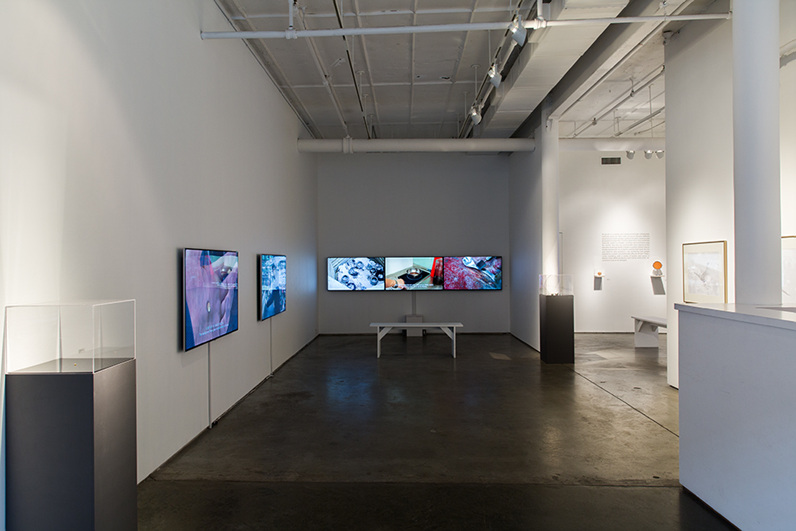
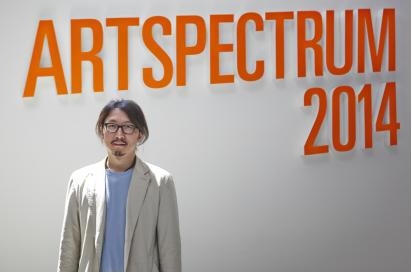
Lee Wan’s solo exhibition 《A Diligent Attitude Towards a Meaningless Thing》 is currently being held at 313 Art Project in Seongbuk-dong, Seongbuk-gu, Seoul. Meeting the artist at the exhibition on the 16th, he said, “I’m on my way back from shipping works to be installed in Venice this morning.”

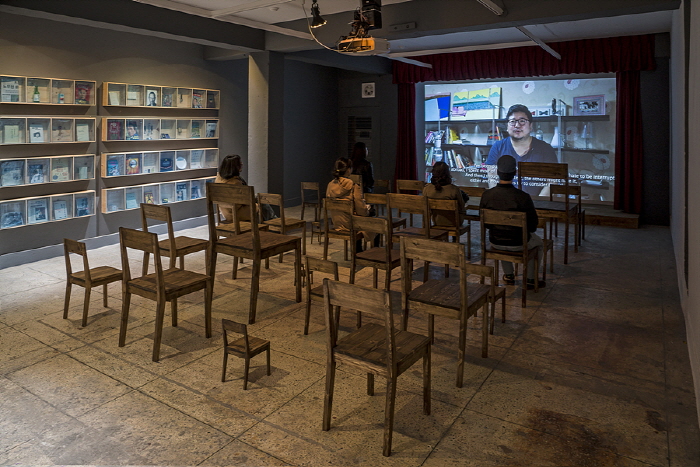
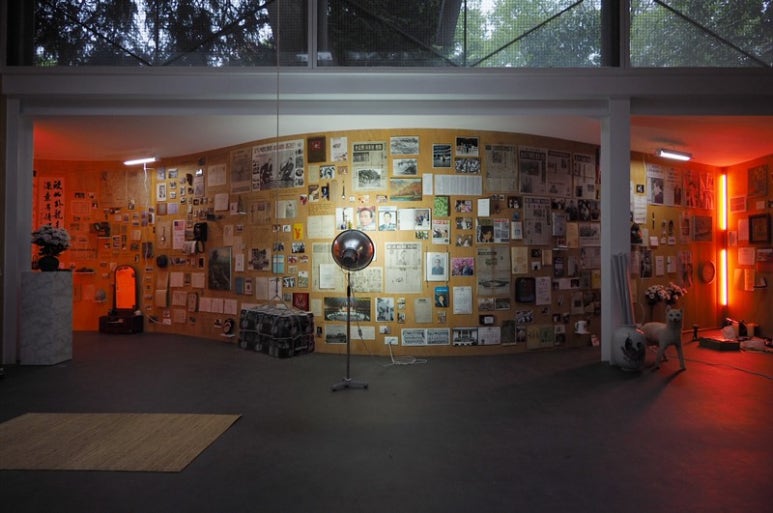
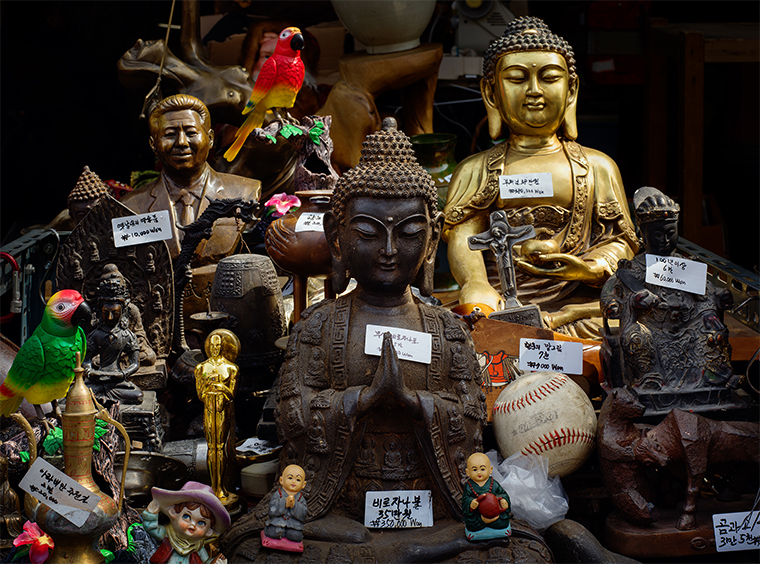
One of the exhibited works, Mr. K, originated from the flea market in Hwanghak-dong, Jung-gu, Seoul. While collecting old objects in the area, Lee Wan discovered a mother-of-pearl box in 2012. Inside were piles of photographs documenting the entire life of a man believed to have been born in the 1930s.

The photographs captured his childhood, graduation, marriage, children, and eventually the families established by those children after they had grown up. Lee Wan described Mr. K — who was born during the Japanese colonial period and lived through the eras of Syngman Rhee and Park Chung Hee — as “the first generation of Korea’s modernization that fantasized about Western modernity.”

Before submitting the pavilion proposal to the biennale, Lee Daehyung approached Lee Wan as a participating artist. After hearing about Mr. K, Lee sought another artist who could represent the generation between the fictional figure born in the 1930s and Lee Wan, an artist born in the 1980s. He ultimately selected Cody Choi, a Korean-born artist of the 1960s generation who experienced immigrant life in the United States.

Cody Choi represents the second generation, which directly encountered Western culture through overseas travel liberalization and immigration, only to experience a kind of cultural indigestion. Lee Wan, meanwhile, represents the current third generation, capable of maintaining a more critical perspective toward Western culture.

Through these three figures from different generations, the pavilion aims to present a portrait of Korea’s modern and contemporary history.

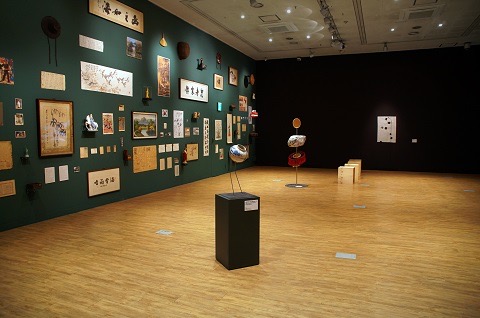
“In the case of the individual Mr. K, materials related to former presidents collected from Hwanghak-dong — including publications issued by the Japanese Government-General of Korea, presidential appointment letters and medals, handwritten calligraphy, and historical archival materials — will also be presented in parallel,” Lee Wan said.

The artist added that the exhibition space would be designed to resemble a flea market in order to convey the complexity of Korean society. “The exhibition will approach these works not only from an artistic perspective, but also from a historical, social and archival one,” he said.

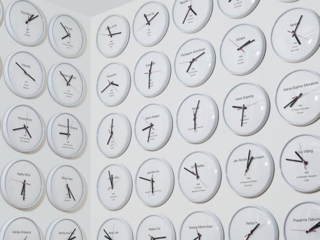
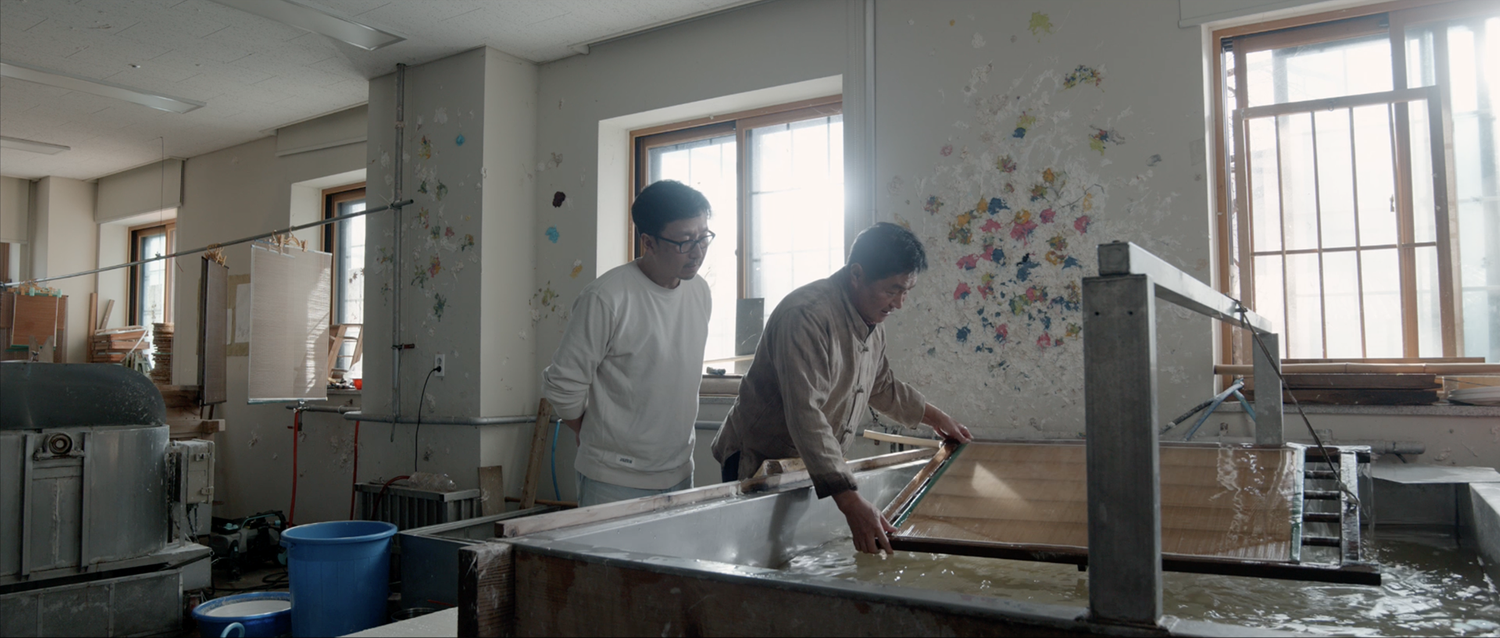
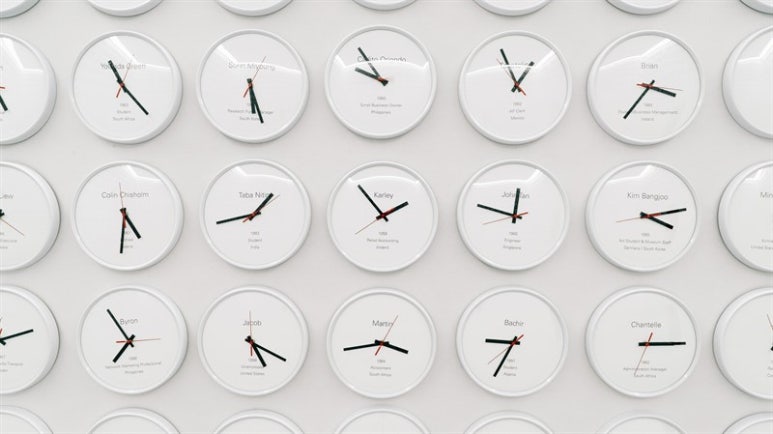
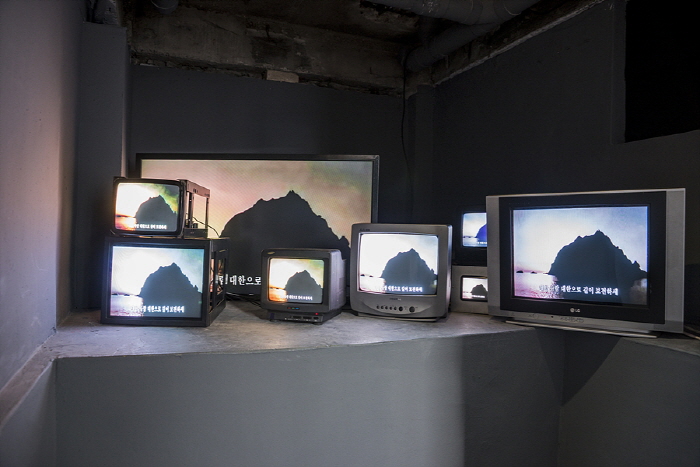
The biennale will also feature works from the ‘Made In’ series, in which the artist traveled across 12 Asian countries and documented, through video, the process of personally making the components needed for a single meal, including rice, sugar and chopsticks. Another new work draws from the concept of “proper time” in Albert Einstein’s theory of relativity.

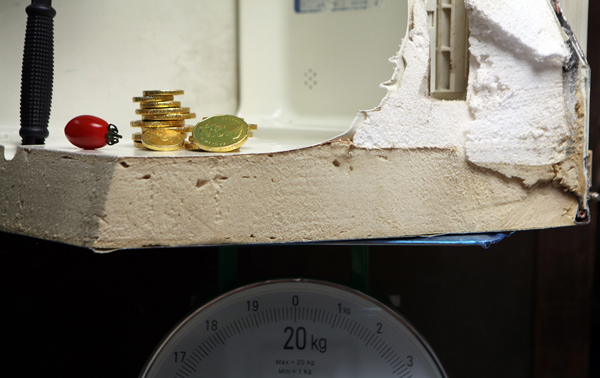
“It is similar to how people perceive time differently when they are enjoying themselves versus when they are being punished,” Lee Wan said. “I interviewed people around the world about their memories of breakfast and translated those experiences into numerical values. The work carries a message about recognizing difference.”

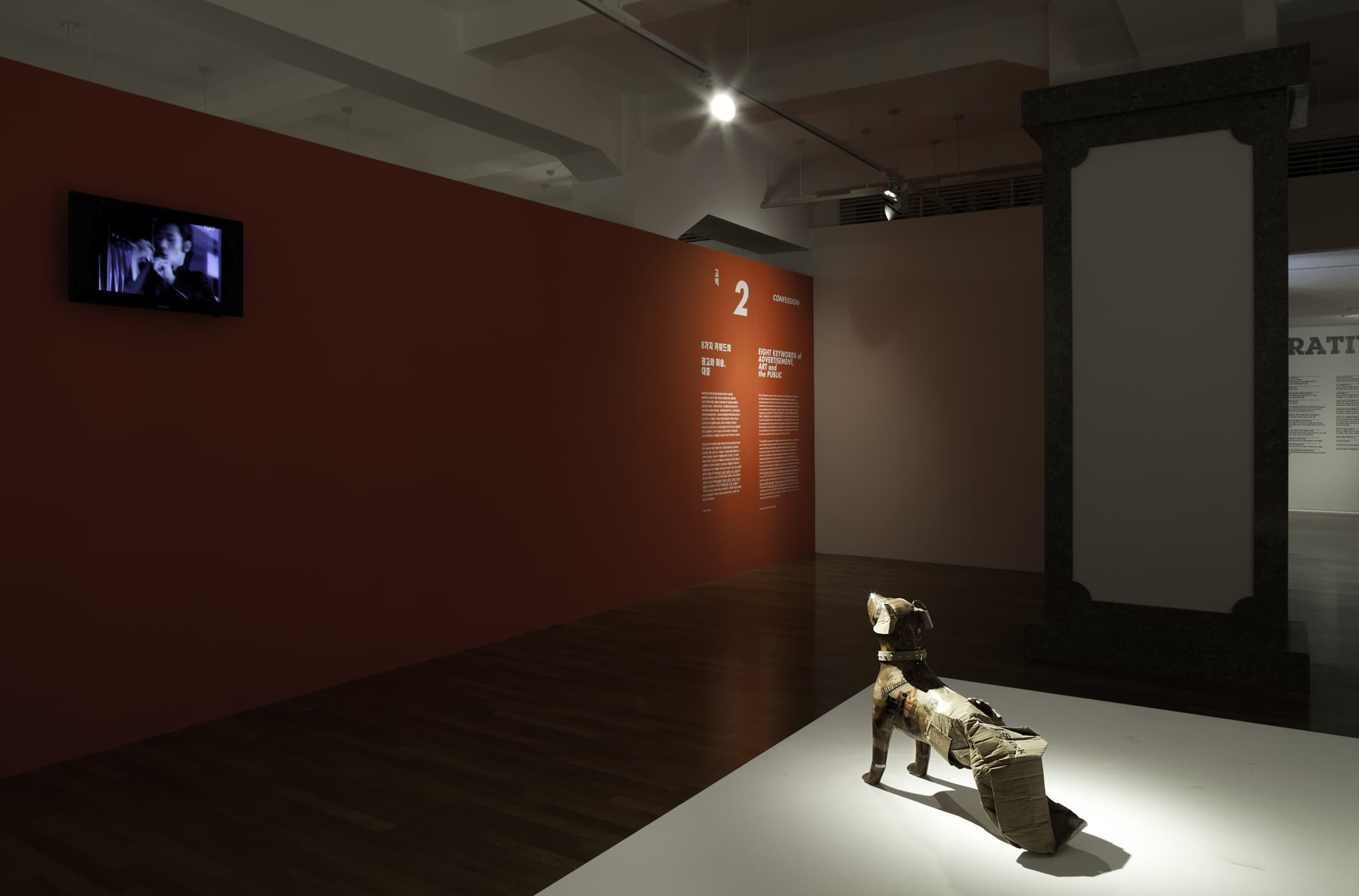
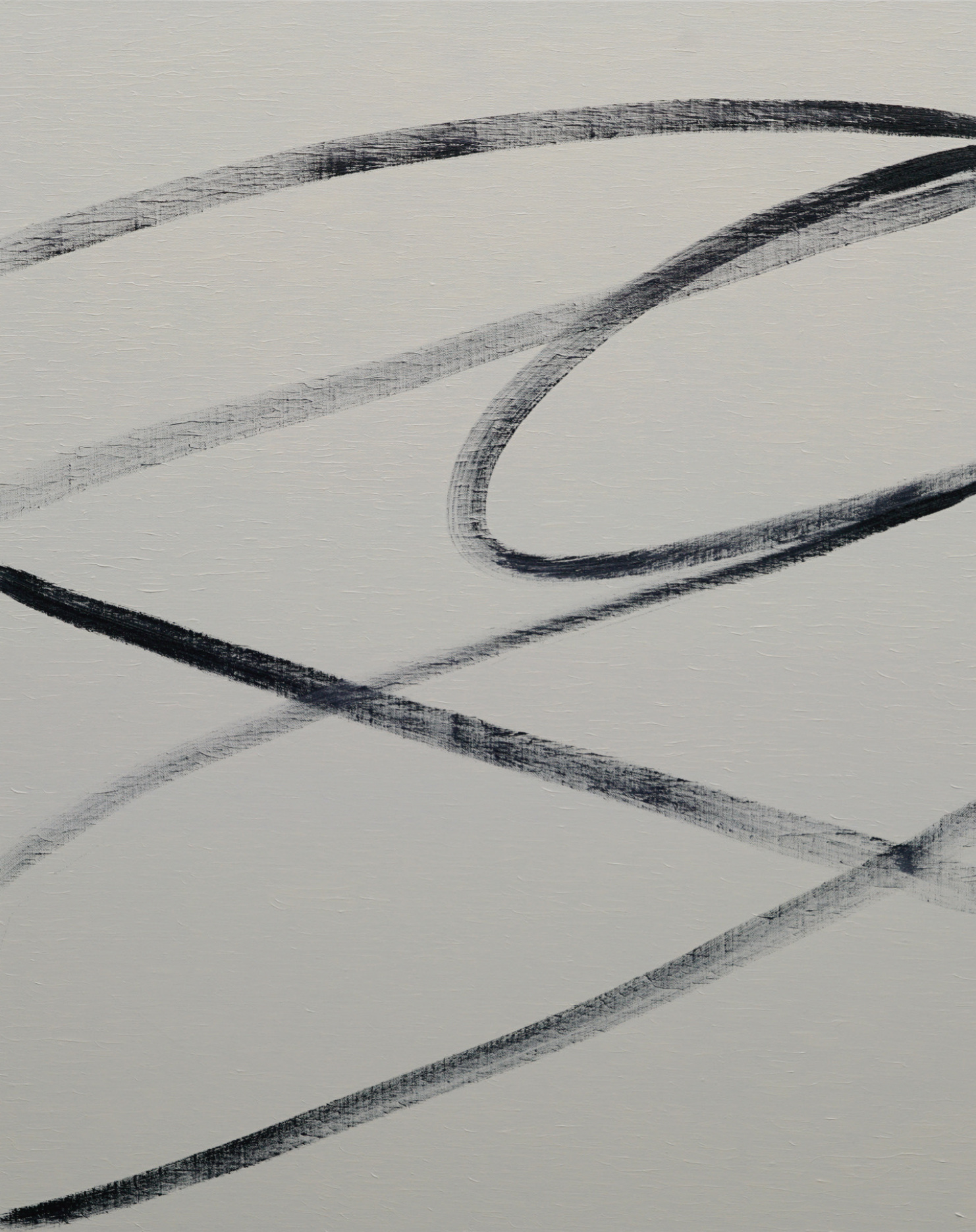
Originally trained in sculpture, Lee Wan is also presenting paintings for the first time. The artist hired laborers to apply monochromatic brushstrokes to canvases, onto which he later added graffiti-like marks.

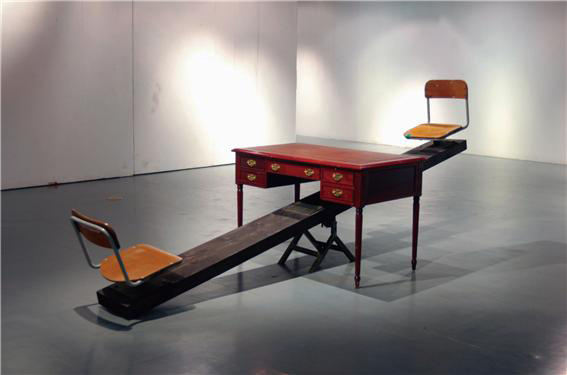
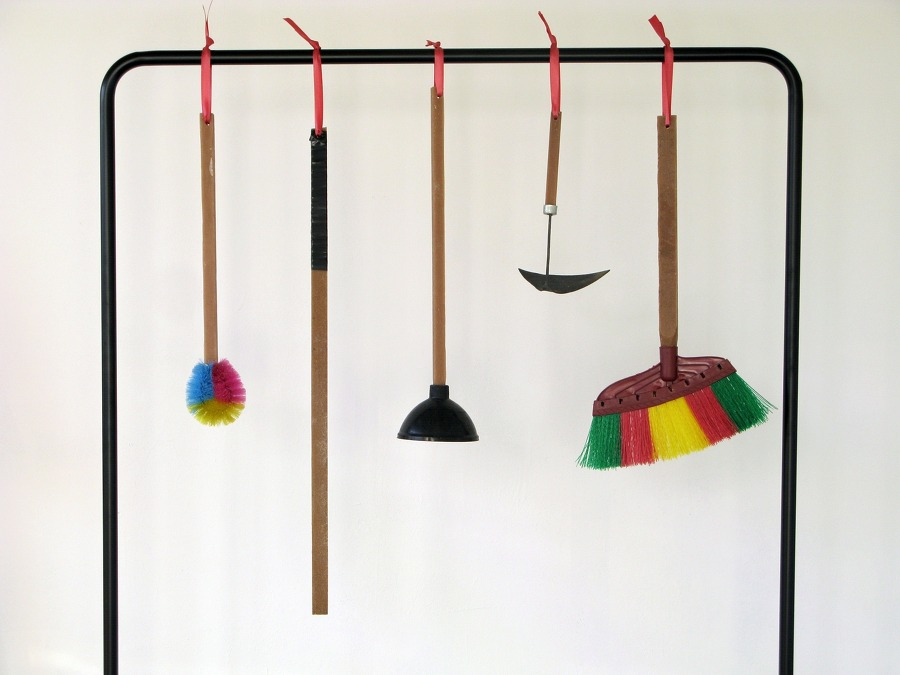
As implied by the title A Diligent Attitude Towards a Meaningless Thing, the works warn of an age of homogenization in which individuals ultimately become conditioned by the structures of labor and consumption imposed by social systems through repetitive and unquestioning diligence.

References