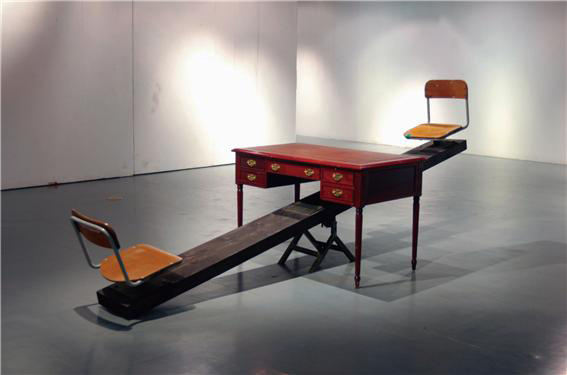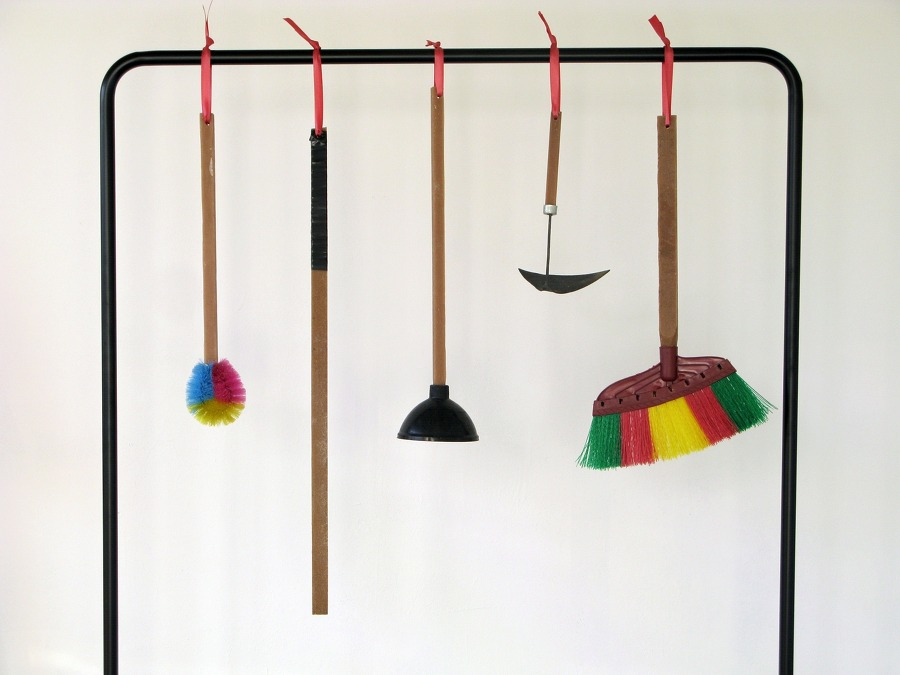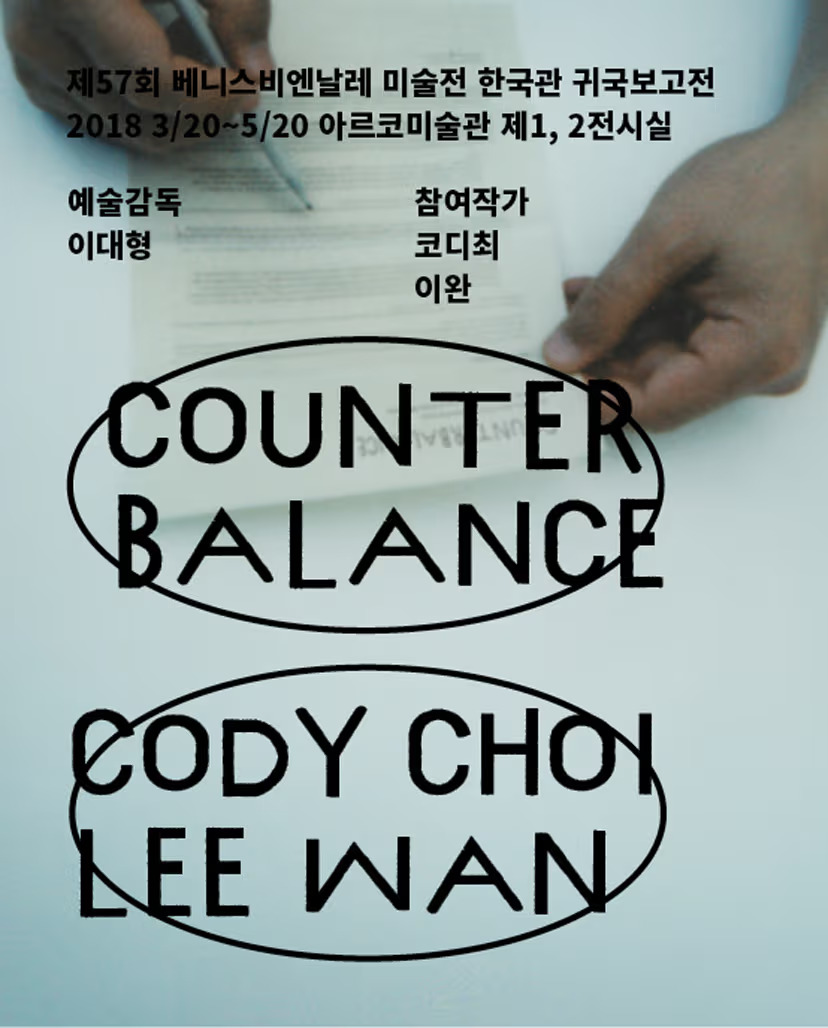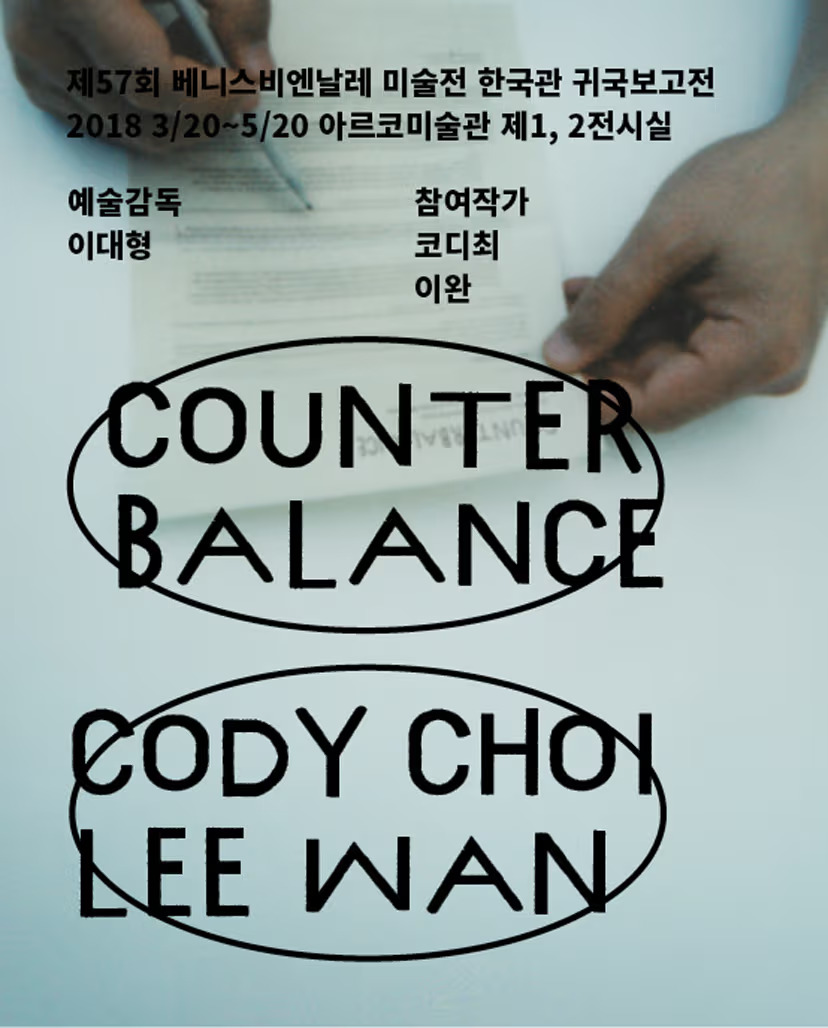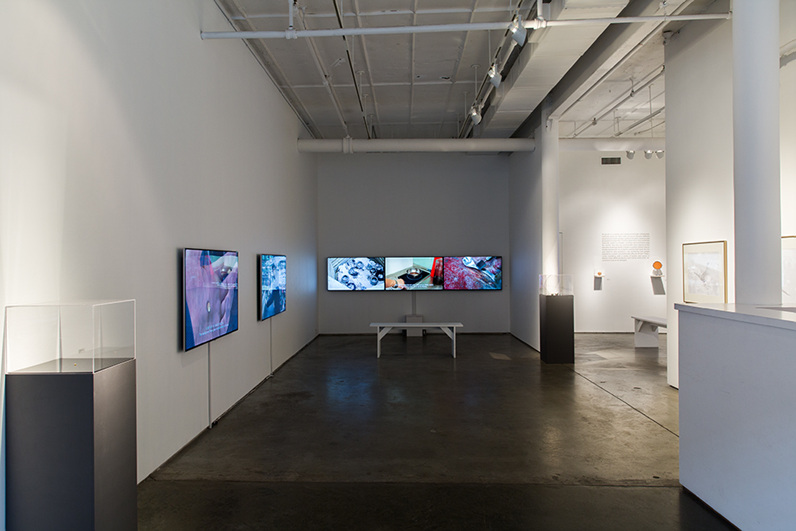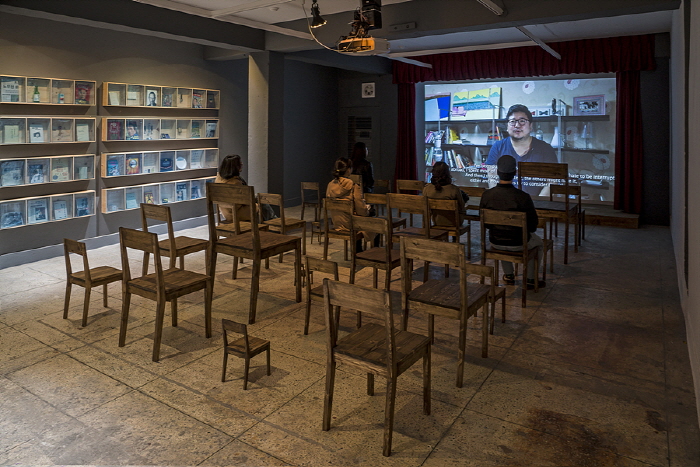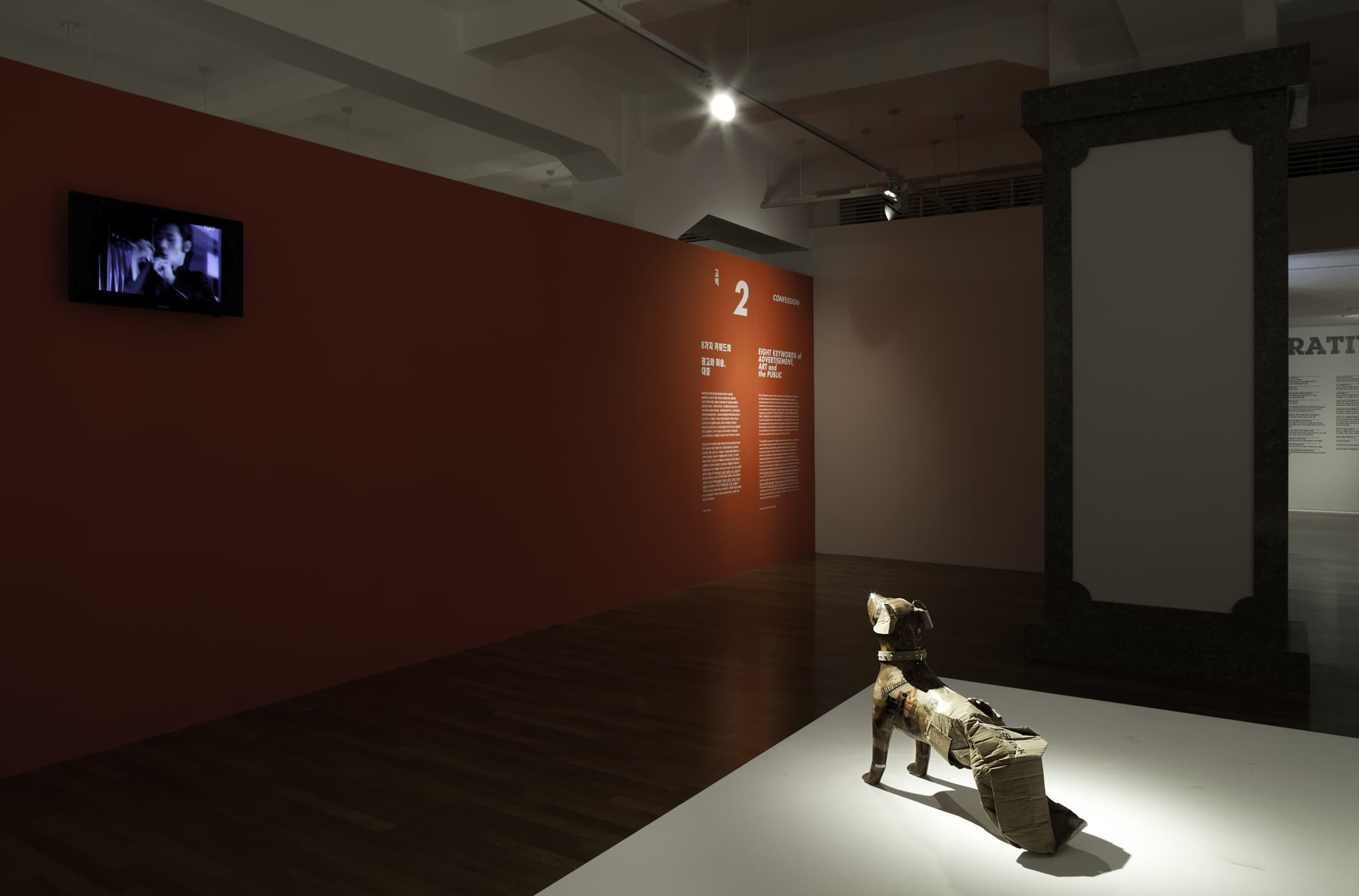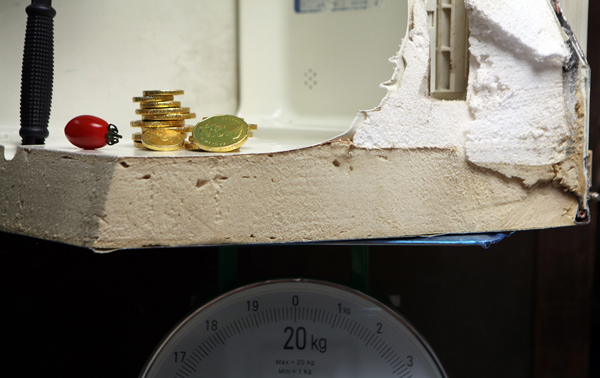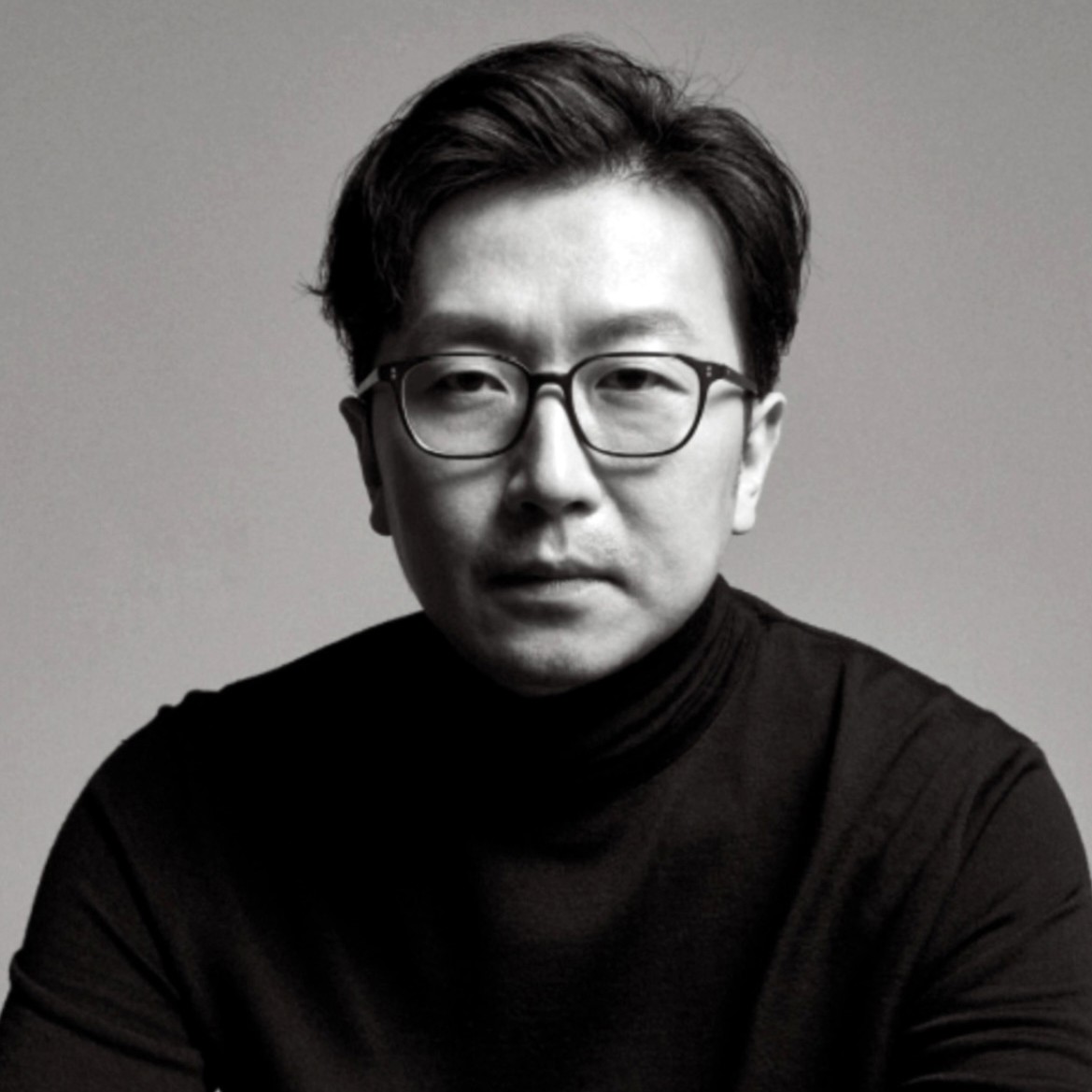


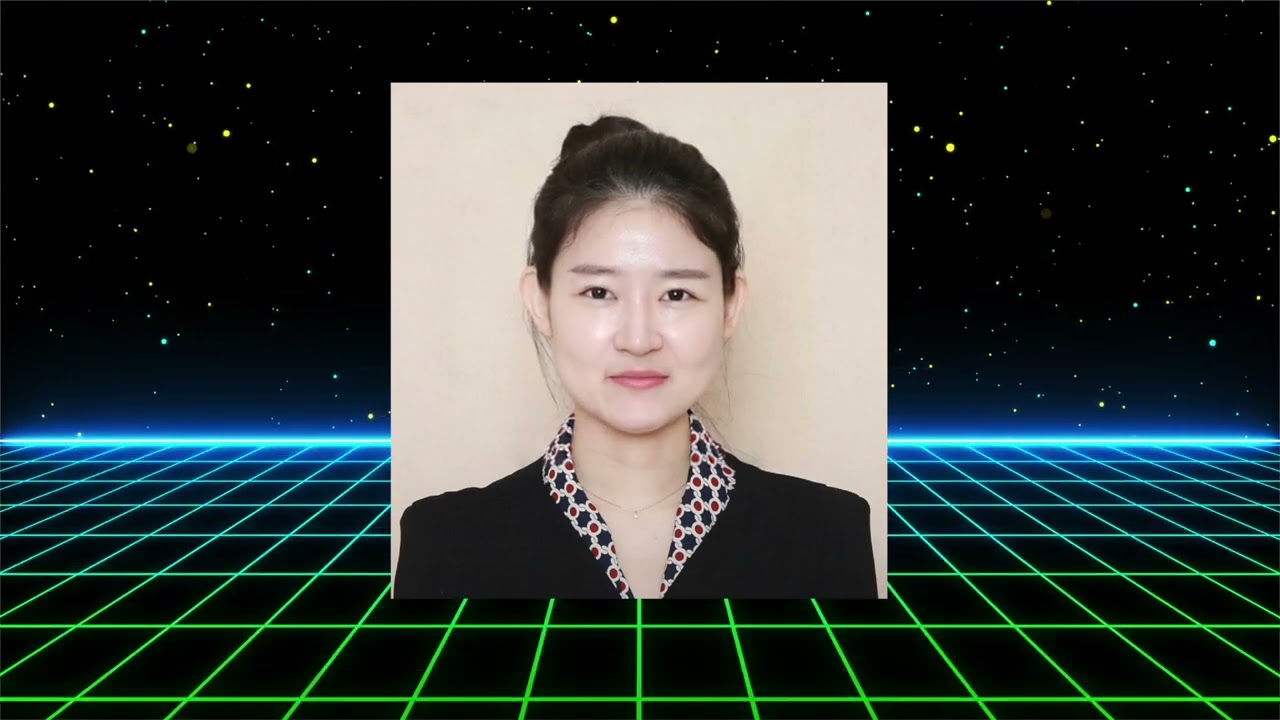
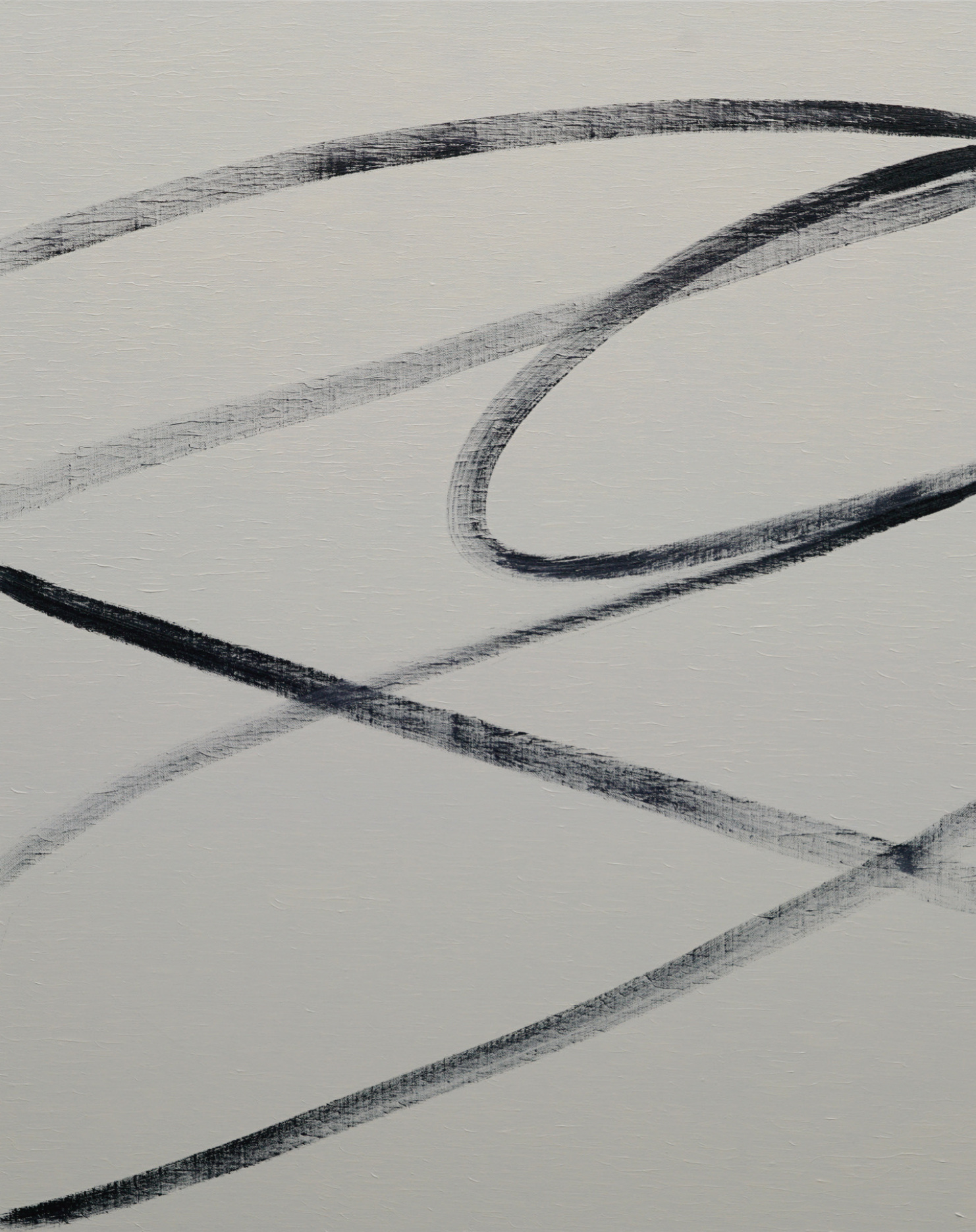
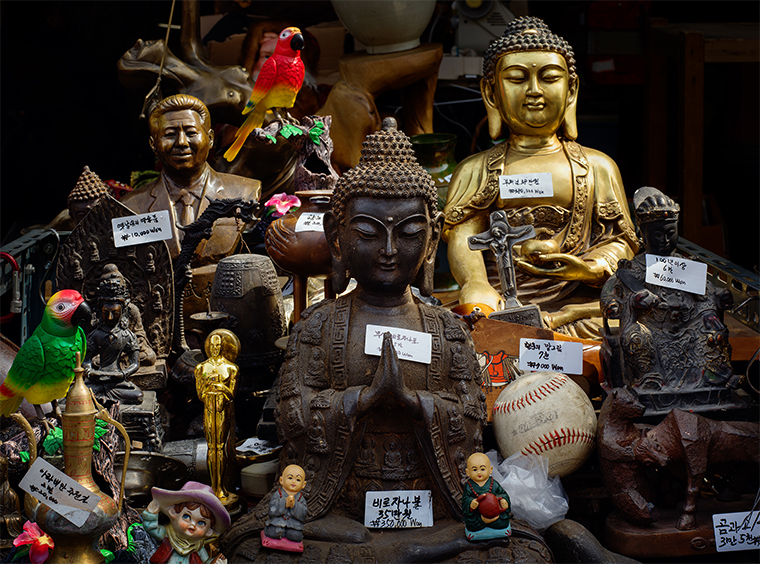
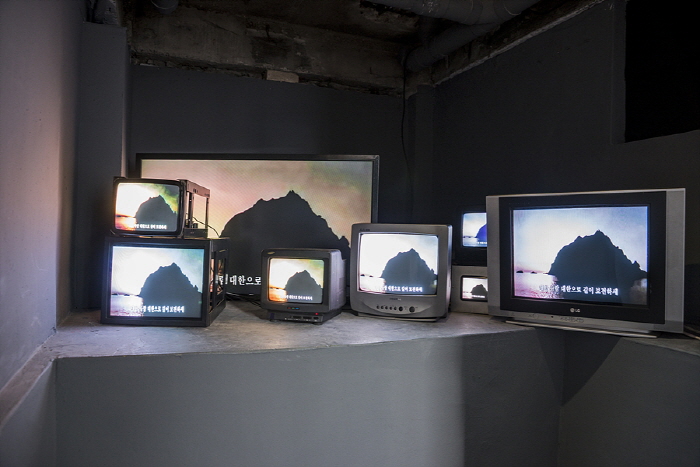
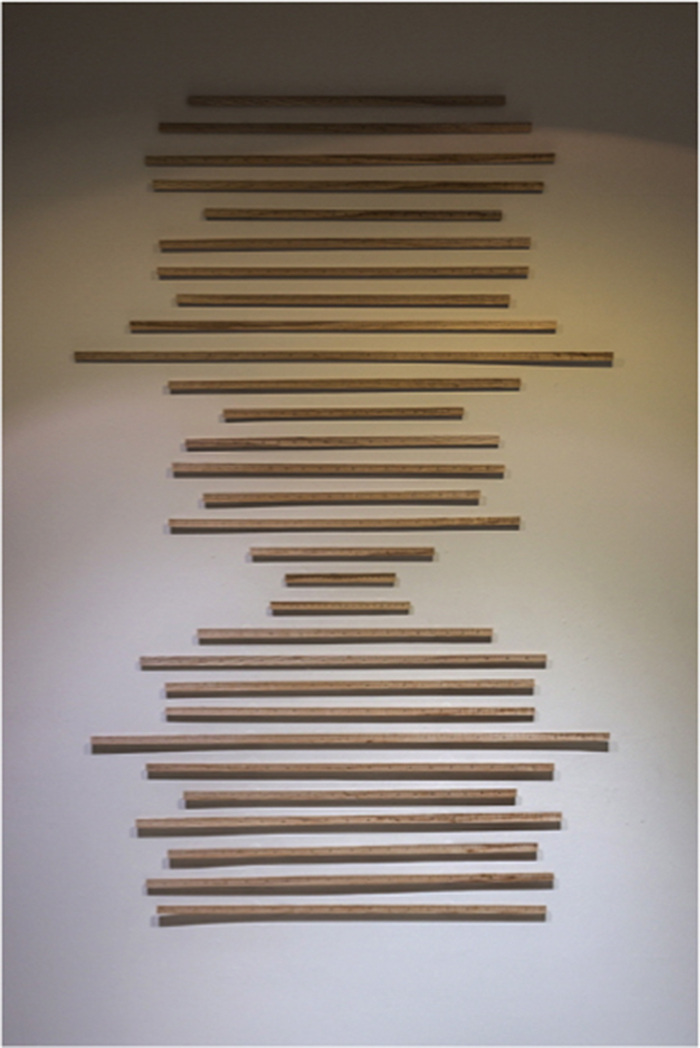
Poster image of 《Counterbalance》 © ARKO Art Center

Humanity, long captivated by the dogmas of neoliberalism and globalism, has raced forward like a blindfolded horse. Individuals drift away from their families and hometowns in pursuit of higher salaries; corporations justify the pursuit of profit above social responsibility as their highest value; and governments, differing only in degree, competitively proclaim policies prioritizing national interest — or more fundamentally, short-term populism.

Within this condition, care for humanity and values shared collectively by humankind remain confined within the boundaries of “I,” “our corporation,” and “our nation,” trapped inside exclusionary political frameworks. For this reason, the rise of new isolationist tendencies associated with the far right — including Brexit, IS terrorism, and anti-immigration policies — cannot simply be attributed to external circumstances alone.

In a reality where invisible barriers erected between people lead individuals to reject one another, what role can art play? Might it still be possible to restore values within a world that has tilted in the wrong direction?

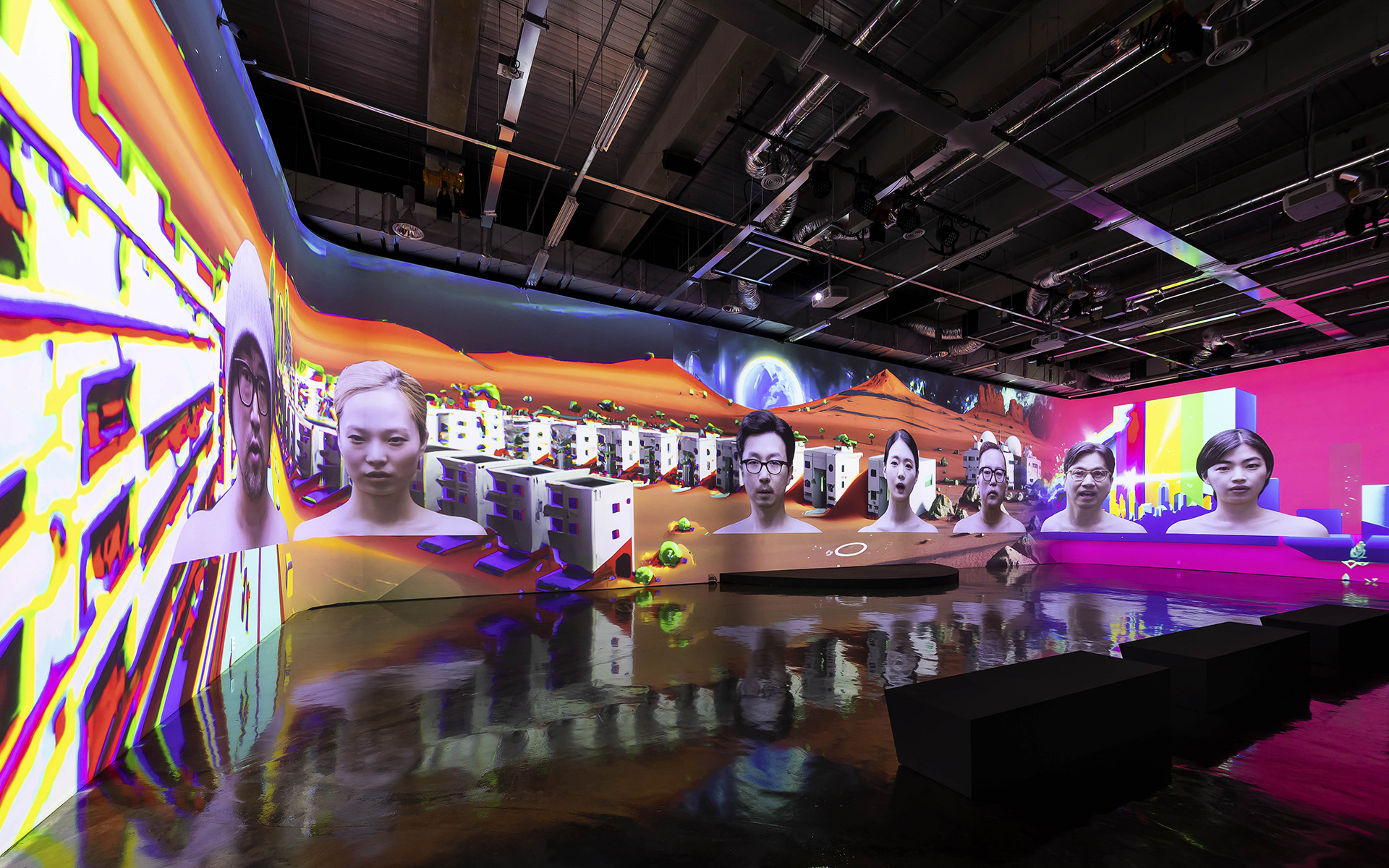
The Korean Pavilion exhibition 《Counterbalance》 at the Venice Biennale addresses the political, economic, and cultural imbalances that permeate not only Korea, but Asia and the world at large. In order to understand the roots of the distorted values and conflicts that define the present, the exhibition revisits Korea’s modern history.

To this end, the exhibition space is conceived as a stage upon which Korea’s modernization and globalization unfold, constructing a fictional familial genealogy that extends from grandfather (Mr. K) to father (Cody Choi) to son (Lee Wan).


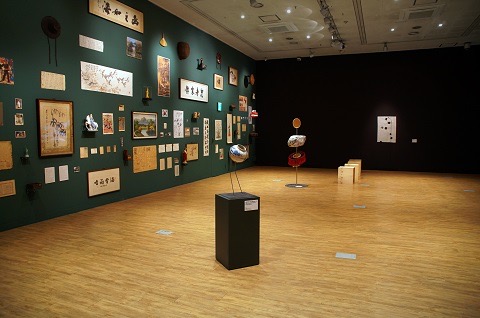
Installation view of 《Counterbalance》 © ARKO Art Center

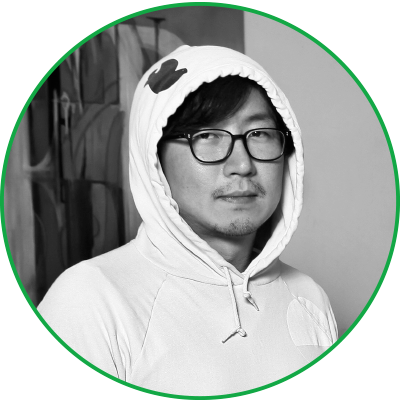
Born in 1961, Cody Choi represents the “father” generation — those who, though born in Korea, emigrated during the 1980s and came into direct confrontation with Western culture. Over the past three decades, Cody Choi has explored the cultural imbalances experienced as a Korean immigrant moving between Korea and the United States, and more broadly between East and West, through strategies of parody and appropriation.

Positioned between two distinct cultural spheres, the artist experiences conditions of double bindings and double crossings, belonging neither fully to one side nor ever entirely escaping the other. This dilemma becomes the very catalyst through which Cody Choi’s work incisively traverses both Eastern and Western philosophies.

In particular, works produced during the 1990s — in which the artist intensely grappled with the body, identity, and human nature while attempting to overcome the frustrations and wounds generated through clashes with Western culture — attracted the attention of internationally renowned artists, curators, and critics including Jeffrey Deitch, John Welchman, Peter Halley, Mark C. Taylor, and Jerry Saltz.

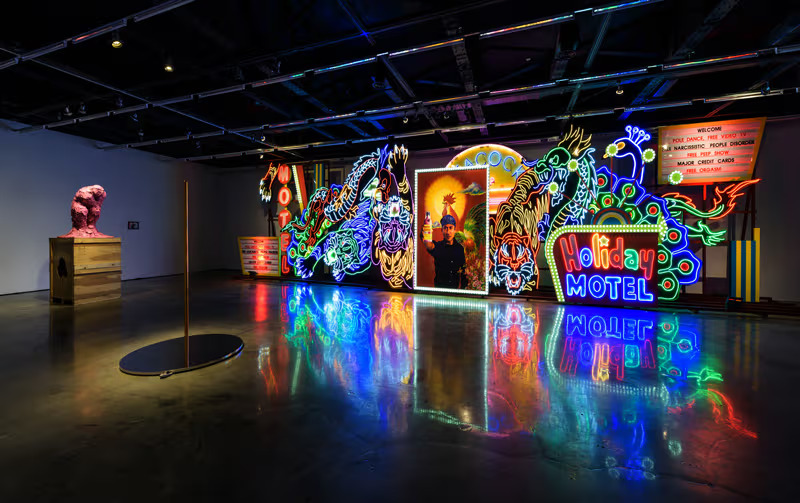
For the Korean Pavilion, Cody Choi presents ten works, including the neon installation sculpture Venetian Rhapsody, which combines imagery of casinos in Macau and Las Vegas.

Through Venetian Rhapsody, the artist critiques the shadow of “casino capitalism,” which has persisted since the 1980s, exposing both the naked desires cultivated within it and the contradictions of the Venice Biennale system itself, sustained through capital and the tourism industry.


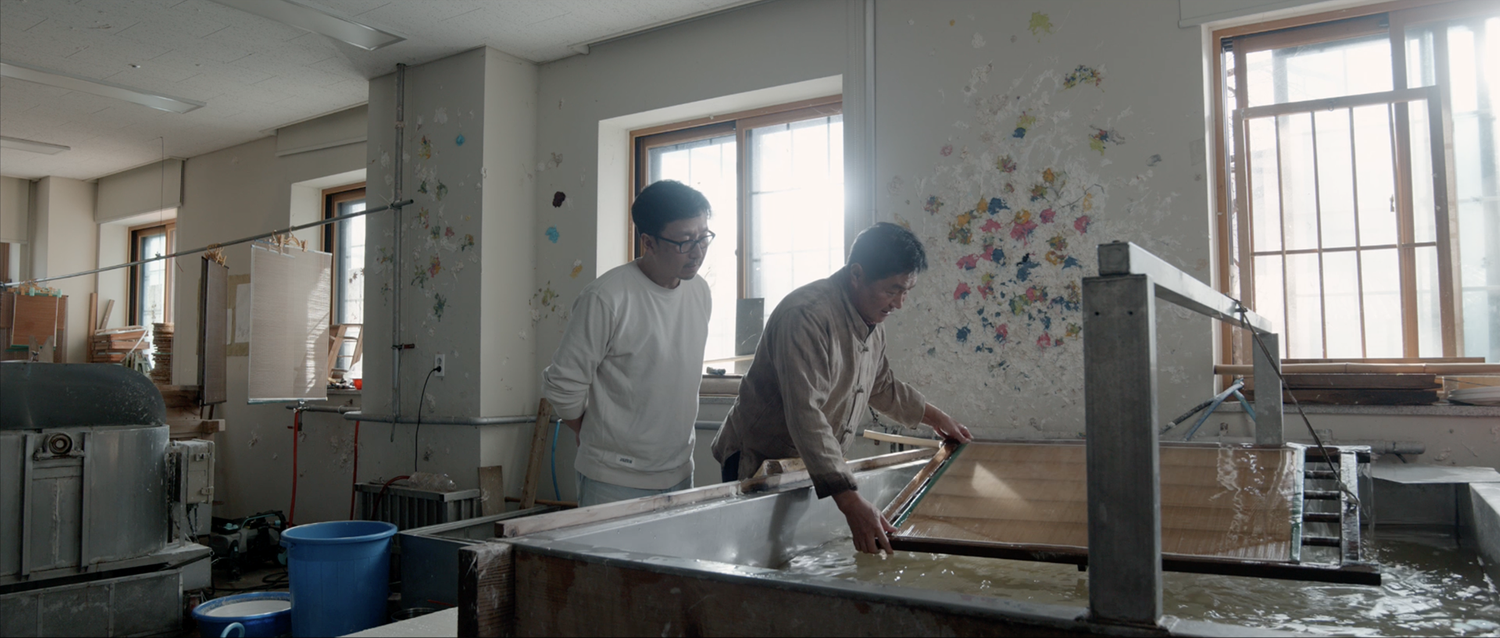
Installation view of 《Counterbalance》 © ARKO Art Center

Born in 1979, Lee Wan closely examines the structural imbalances that shape Korea, Asia, and the wider world.

In particular, his ongoing ‘Made In’ series, initiated in 2013, may be understood as a performative undertaking in which the artist devoted five years to traveling across ten Asian countries, personally cultivating rice, producing sugar, and making wooden chopsticks in order to reveal the processes through which a single breakfast meal comes into being.

There is something solemn — even sublime — in the realization that the result produced through such an immense span of time is nothing more than a humble, almost impoverished breakfast. Traveling throughout Asia, Lee Wan directly encounters local communities and inserts himself into the production systems of each country, investigating the cultural, historical, economic, political, and social problems embedded within Asia itself.

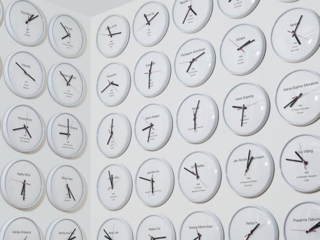
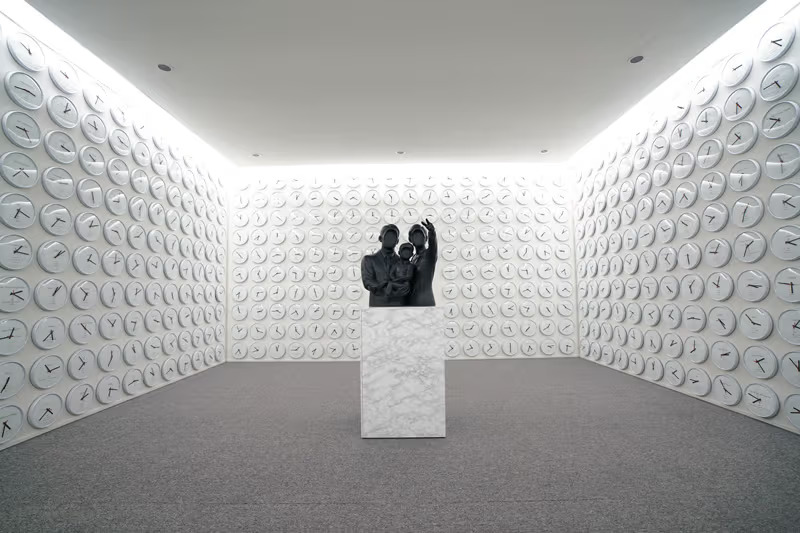
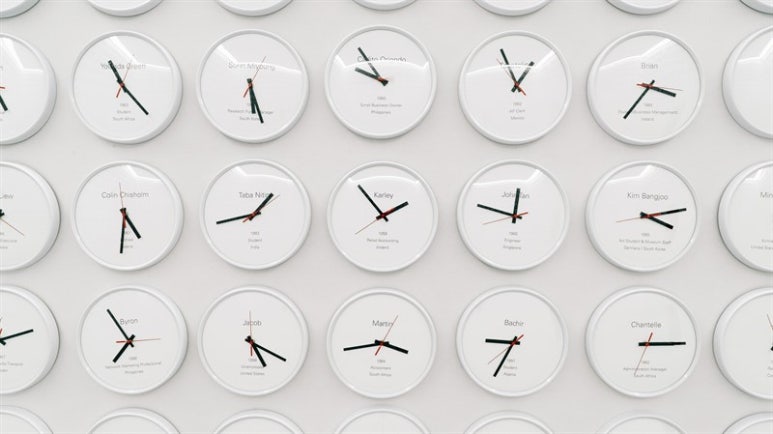
Among his representative works is Proper Time, an installation composed of 680 clocks symbolizing 680 individuals selected from interviews conducted with 1,200 people around the world. Moving at different speeds and accompanied by names, professions, ages, and nationalities, the inaccuracies of these 680 clocks perhaps reflect most precisely the realities of individuals struggling intensely within the conditions of everyday life.

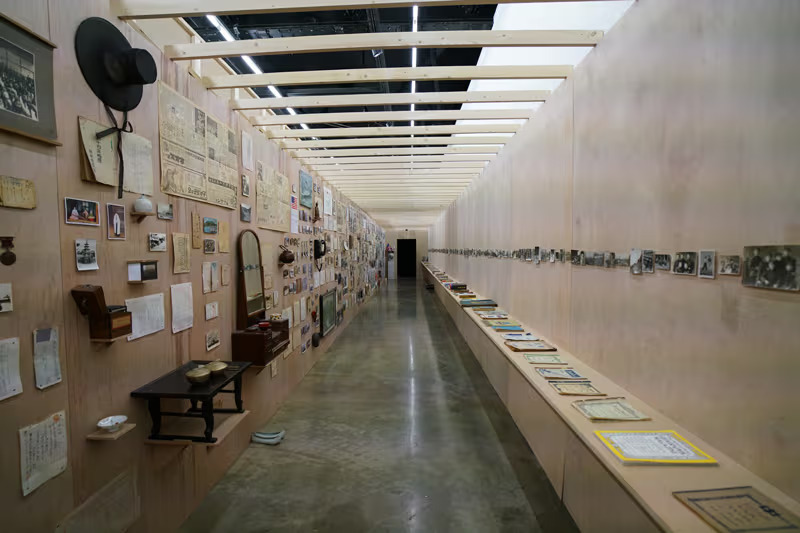
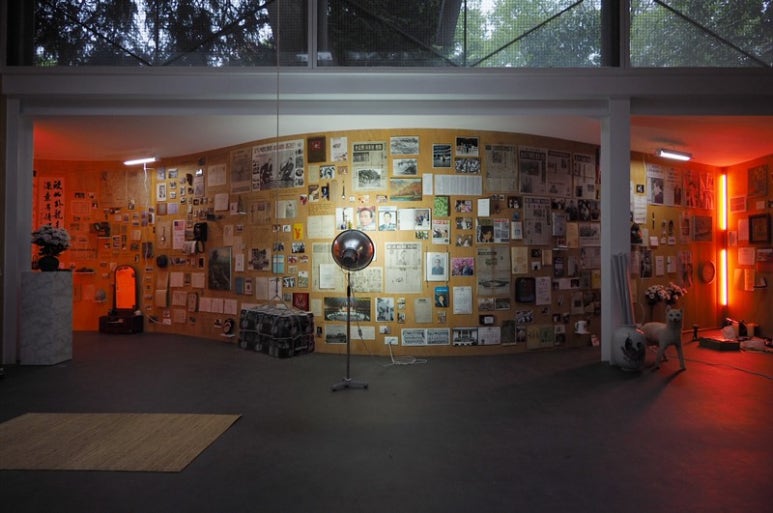
Mr. K, meanwhile, is a real figure representing the grandfather generation. Born during the Japanese colonial era, he lived through Liberation in 1945, the Korean War, the “Miracle on the Han River,” military dictatorship, and the IMF crisis of 1997. As such, he stands as an anonymous figure symbolizing not merely one individual, but the grandfathers of millions.

The episode in which 1,412 photographs documenting the entirety of his life were sold for only fifty thousand won compels reflection upon how easily the memories of an individual — and the histories surrounding them — can be forgotten.


Installation view of 《Counterbalance》 © ARKO Art Center

The subtitle of the exhibition 《Counterbalance》, “The Stone and the Mountain,” metaphorically suggests that relationships between the small and the large, the insignificant and the monumental, are ultimately relative and fluid.

If a small stone symbolizes an individual, then the mountain may be understood as the social system to which that individual belongs — while that system, in turn, becomes merely a component within an even larger system.

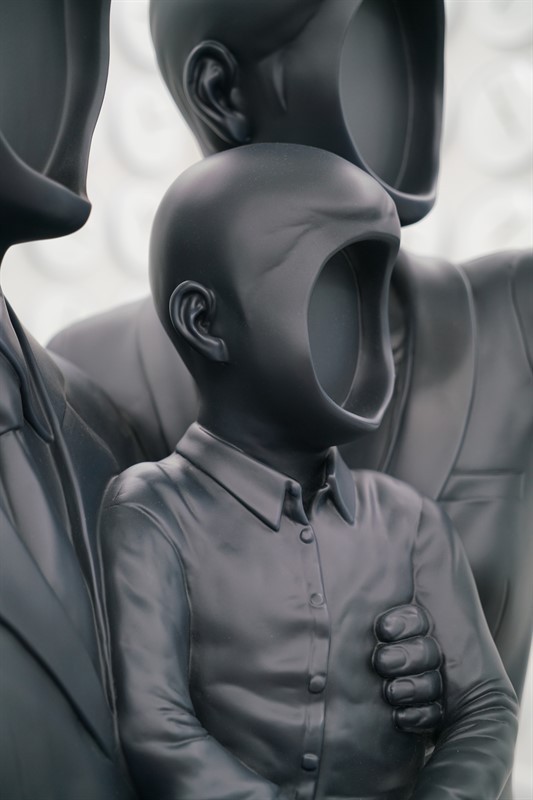
The vertical lineage extending from son and daughter to father and mother, and onward to grandfather and grandmother, has persisted throughout history, just as perspectives through which Korea, Asia, and the world are perceived have continuously evolved over time. And in the end, all of these narratives began from a single family photograph.

References