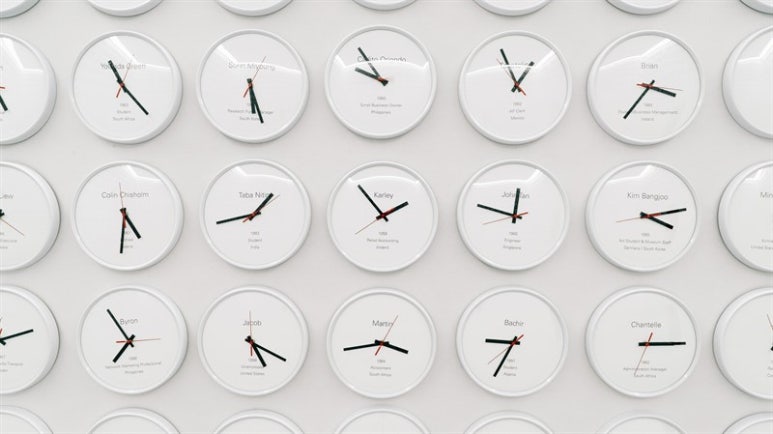
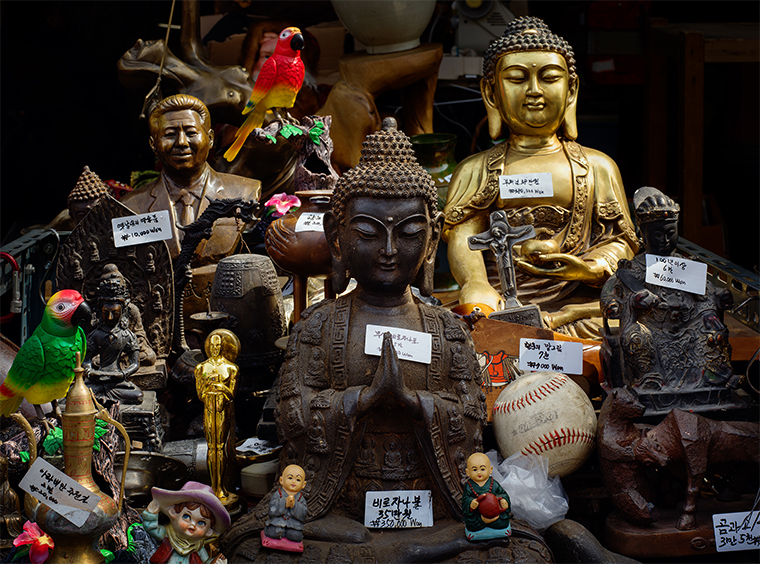
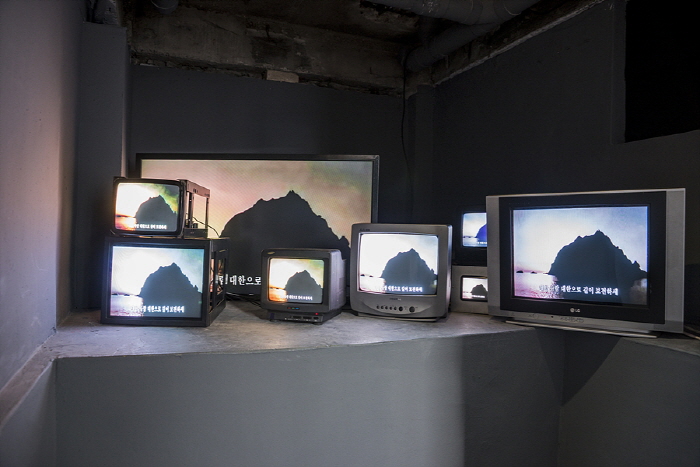
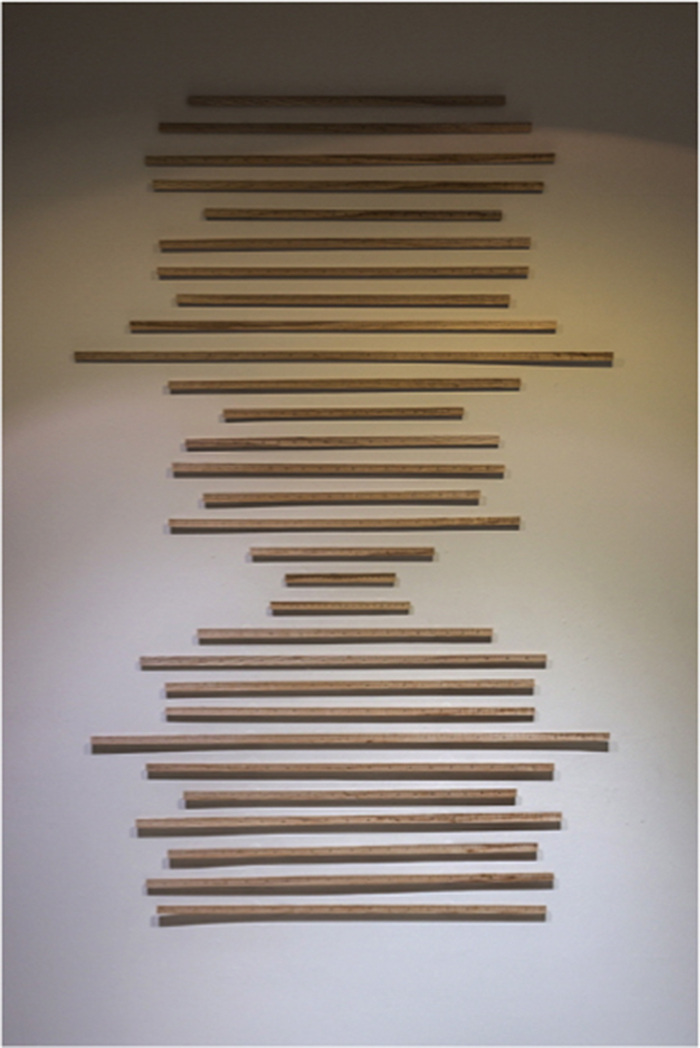
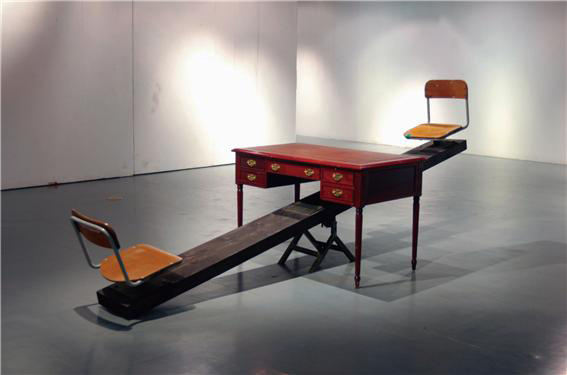
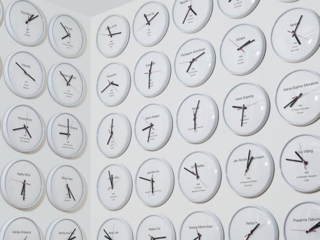
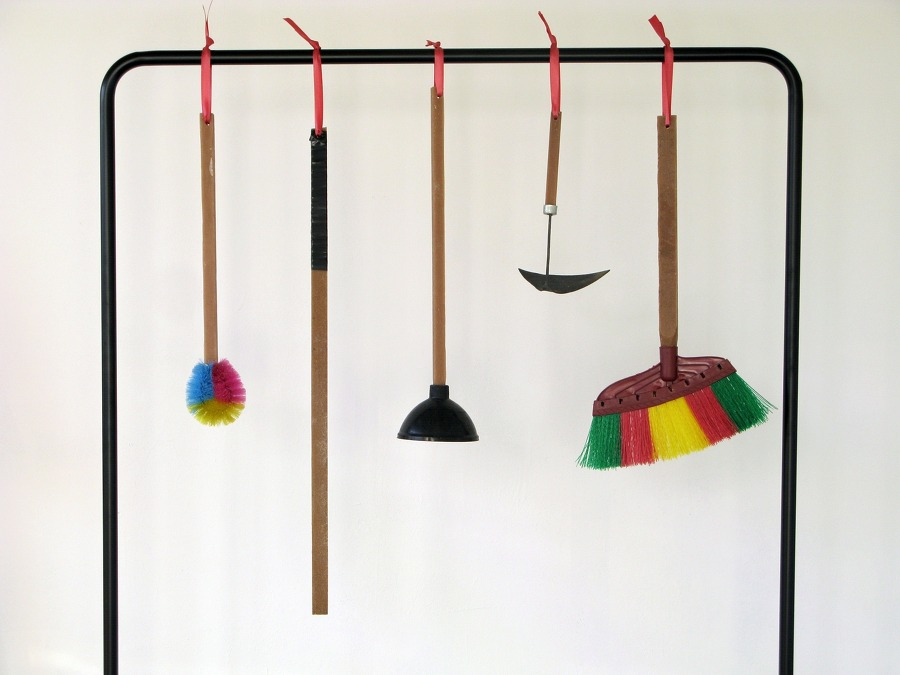
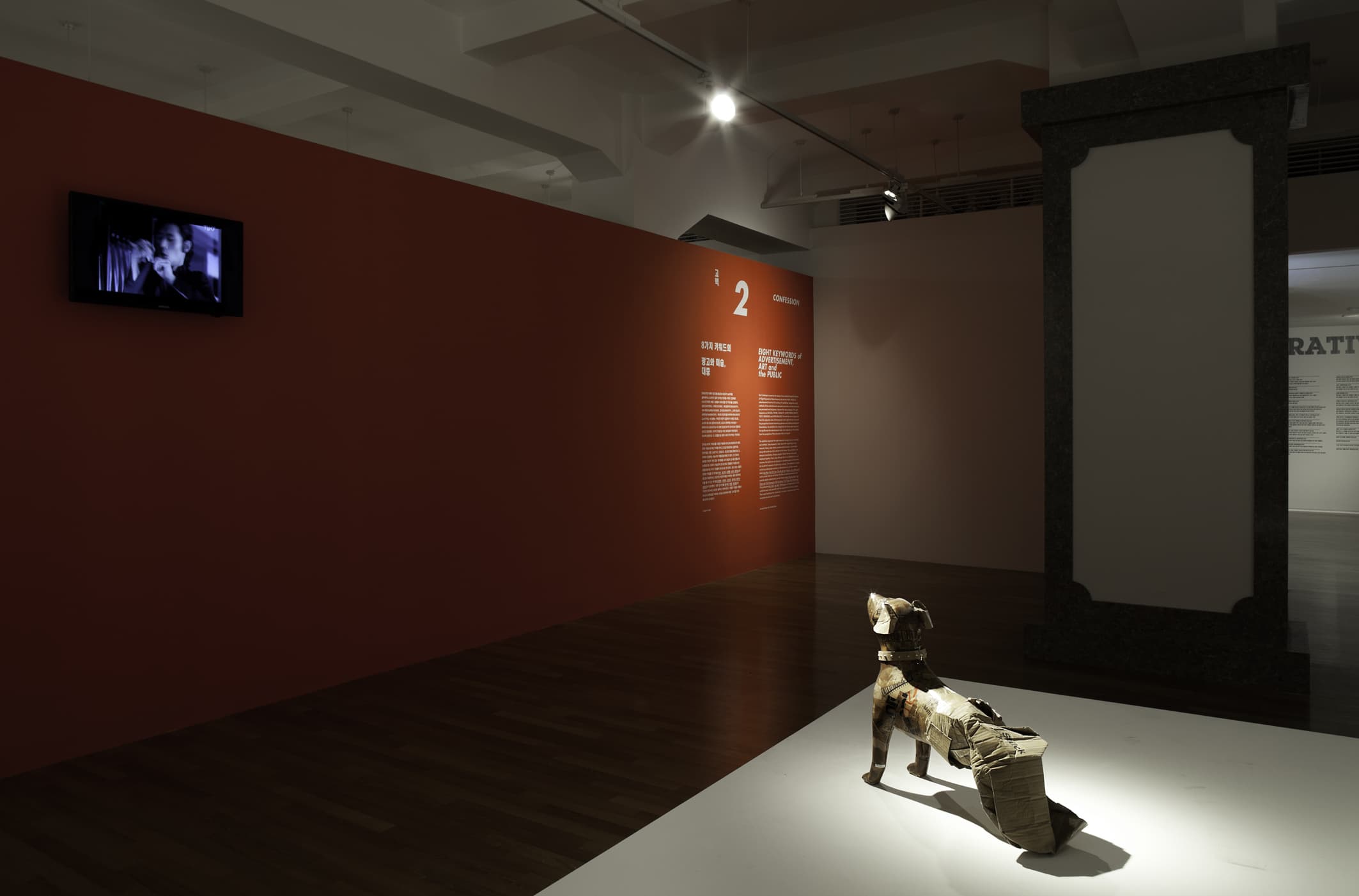
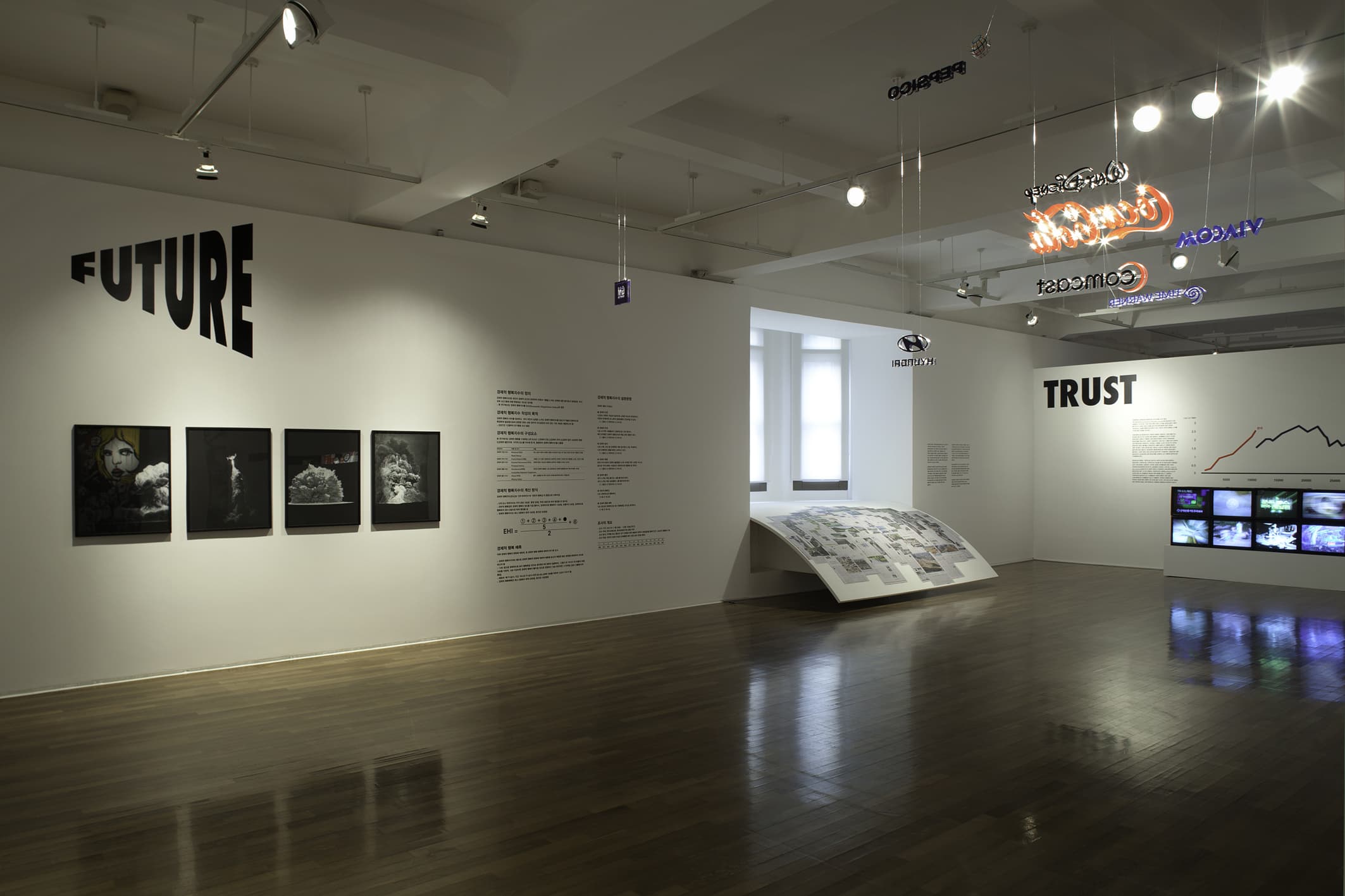
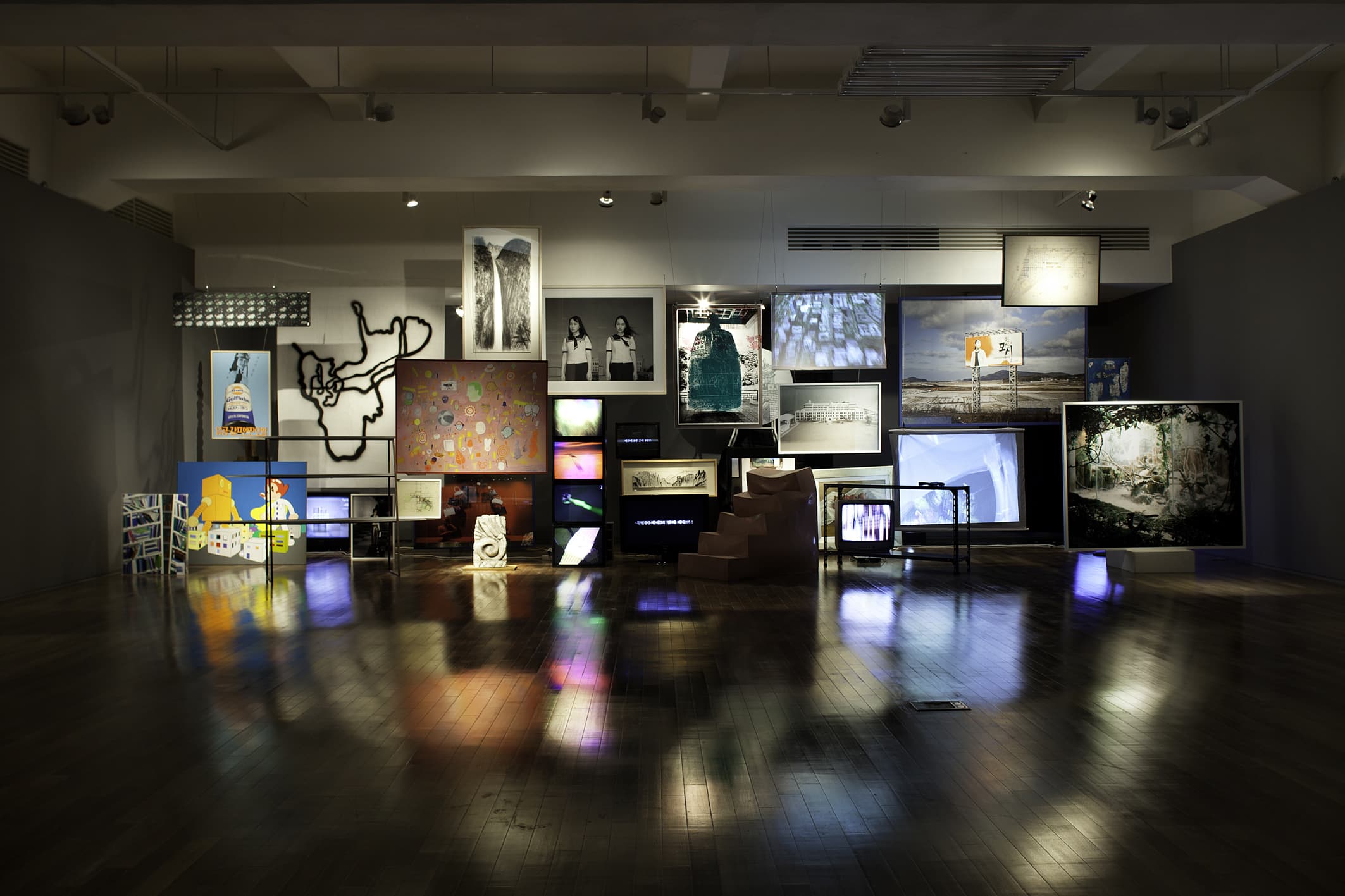
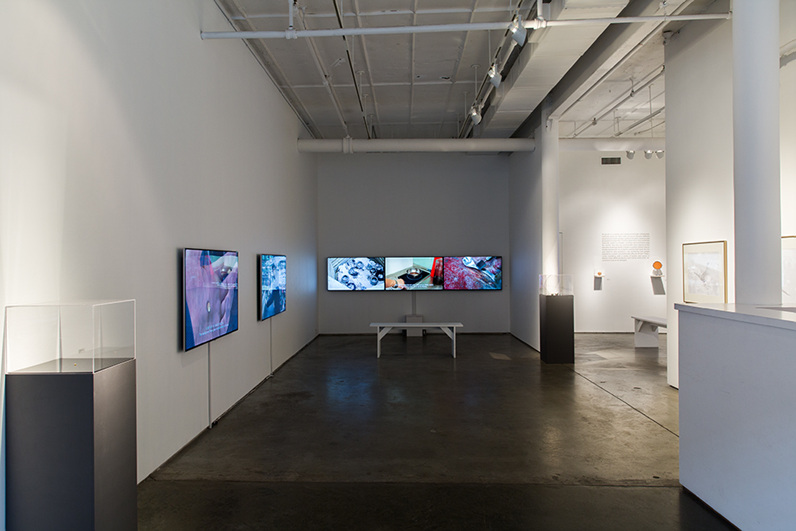
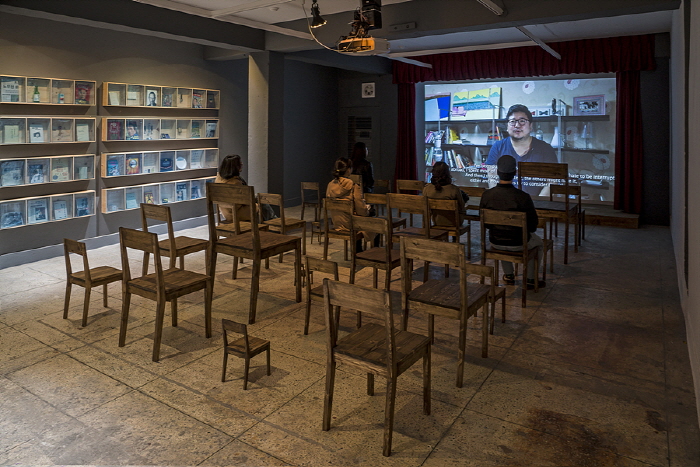
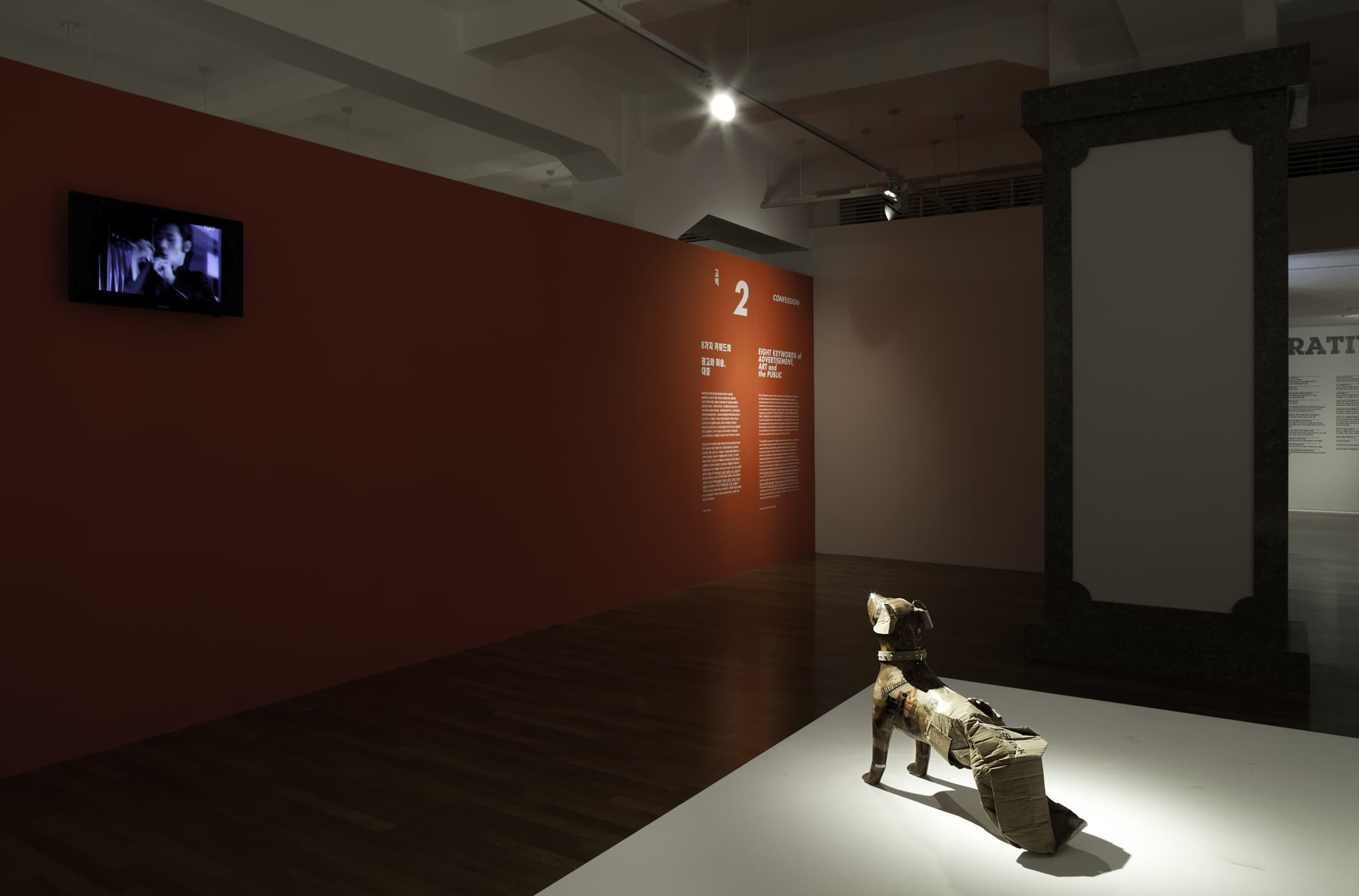
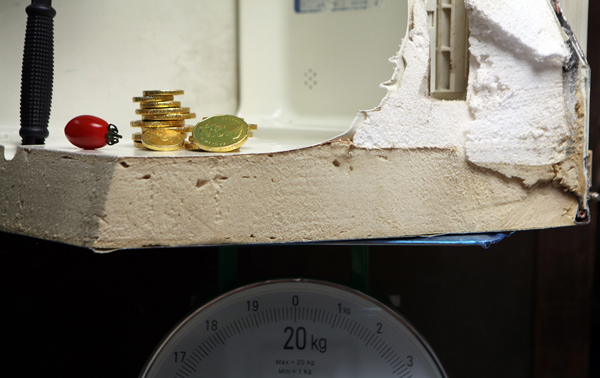
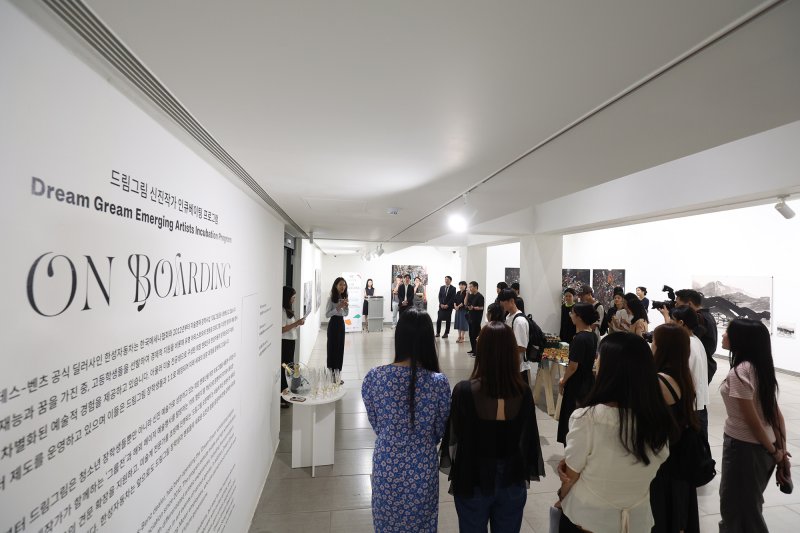
Installation view of 《Confession》 © Ilmin Museum of Art

Taking its title from an archaic term once used during Korea’s modern enlightenment period to refer to advertising, 《Confession》 may be understood as an attempt to read contemporary society and popular systems of value through the mediating framework of confession — or advertisement — in relation to contemporary consumer culture.

《Confession》 is an integrated exhibition distinct from previous exhibitions on advertising or exhibitions of artworks appropriating advertising imagery.

Although both advertising and art share the common characteristic of functioning as visual images that reflect contemporary realities, they have remained divided into the separate realms of commerce and fine art, each pursuing its own objectives while retaining only a distant fascination with the other.

Ilmin Museum of Art organized this exhibition with the expectation that bringing these two fields together — alongside various surveys, research materials, and theoretical discourses grounded in advertising and the public — could provide a means of examining the self-image of the contemporary subject within material society, namely, the image of “myself.”


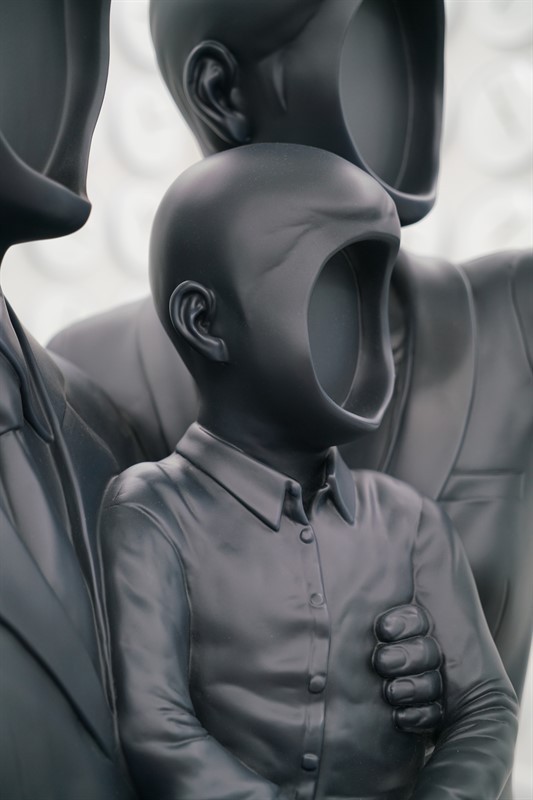
Installation view of 《Confession》 © Ilmin Museum of Art

Modernity and Advertising

Modernity remains one of the primary points of departure for understanding the present moment, the here, and the self. Yet despite its constant invocation in discussions of culture, the term “modernity” resists easy definition; it is something whose boundaries remain elusive and indeterminate.

Whether addressing history, the city, culture, society, or the public, one inevitably encounters the question of modernity. In this sense, modernity places an unavoidable debt upon all those who begin with it in order to speak about the present.

The same may be said of advertising. The process of industrialization gave rise to the modern city, while the expansion of urban communication through print media further consolidated modernity itself. Print media functioned as a kind of seesaw game between those who wished to disseminate information and those who sought to receive it — whether in the form of power, education, or commerce.

Mass-produced goods emerging from factories were able to exploit the mechanisms of this game. Through newspapers, magazines, and other print media, the commodities of modernity advertised not only information but also systems of value to the public, thereby constructing new relationships between commodities and consumers. By purchasing these products, the public effectively became participants in the modern.

Today, however, the public of contemporary consumer society no longer simply “buys” products, but instead wanders among brands in an endless act of shopping. Consumers no longer purchase clothing merely to protect themselves from the cold; rather, they seek to construct and express their identities through the branded images attached to what they wear and consume.

Jackets emblazoned with corporate logos become symbols of youth culture, while apartment names designed to be difficult to memorize promise reassurance through associations with social prestige. Coffee cups bearing café logos and branded mobile phones — now indispensable objects of contemporary life — serve as markers through which personal taste, inclination, and identity are judged.

Within contemporary society, consumption has become an act through which existence itself is affirmed. Advertising stimulates and amplifies the modern individual’s desire to confirm one’s own presence through consumption, deploying an array of persuasive languages to do so.


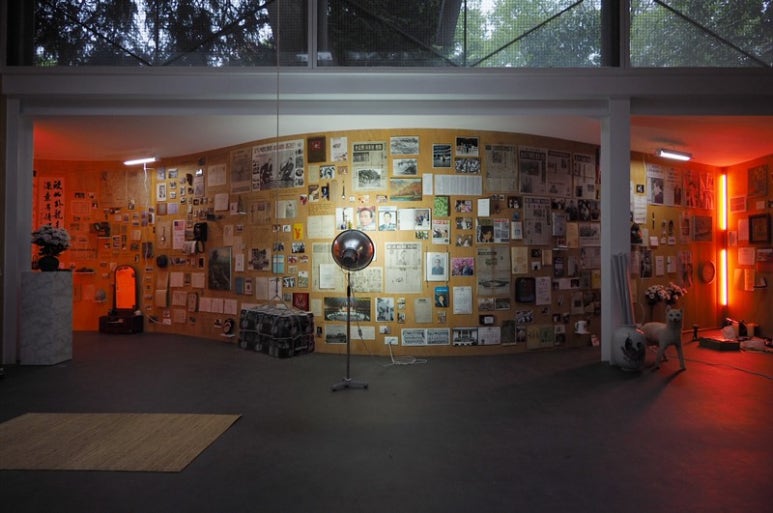
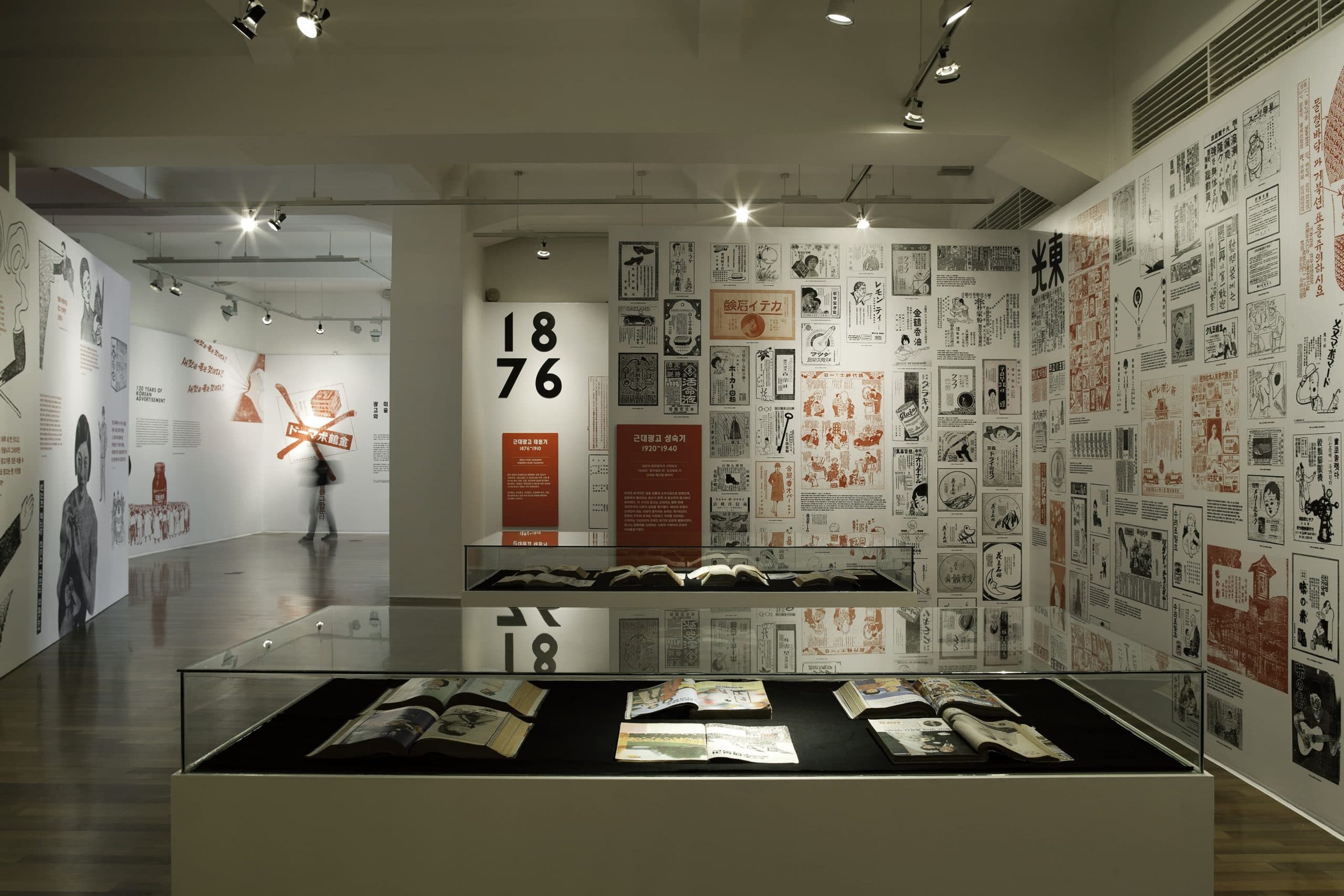
Installation view of 《Confession》 © Ilmin Museum of Art

120 Years of Korean Advertising

Organized by Ilmin Museum of Art, 《Confession》 examines the ways in which advertising intersects with everyday life through themes such as advertising and the public, advertising and daily life, and advertising and consumer psychology.

The exhibition is divided into two sections: Part 1 on the first floor presents “120 Years of Korean Advertising,” while Part 2 on the second and third floors explores “Advertising, Art, and the Public Through Eight Keywords.”

Part 1, “120 Years of Korean Advertising,” traces the history of Korean advertising chronologically, beginning with Korea’s first newspaper advertisement, Deoksang Sechang Trading Company Confession, and continuing through the enlightenment period, the Japanese colonial era, the period of rapid economic growth, and the present day.

As mentioned earlier, it is particularly intriguing that the earliest Korean term for advertising was “confession” (gobaek). One may speculate that the term was chosen to reflect both the consumer’s desire to know truthful and honest facts, and the producer’s intention not to deceive consumers through exaggeration.

The later shift from “confession” to “advertising” perhaps suggests a transition toward prioritizing broad dissemination over sincerity.

This chronological collection of advertisements drawn from newspapers and other print media simultaneously functions as a history of Korea viewed through advertising. It reveals how advertising evolved alongside shifts in political authority and social conditions, offering a broader view of the relationship between advertising, historical periods, and everyday culture.

Visual culture functions as one of the key codes through which an era may be read. Not only the visual imagery of advertisements themselves, but also advertising copy, the arrangement of typography, and even printing technologies operate collectively as elements through which the character of a period can be interpreted.

One can also observe how diverse cultural codes come to function as icons of their time, later reappearing as forms of retro culture or being appropriated through new visual languages. Ultimately, the exhibition invites viewers to reconsider the significance of popular visual imagery and archival records as means through which we may understand the present moment, the present place, and the self.


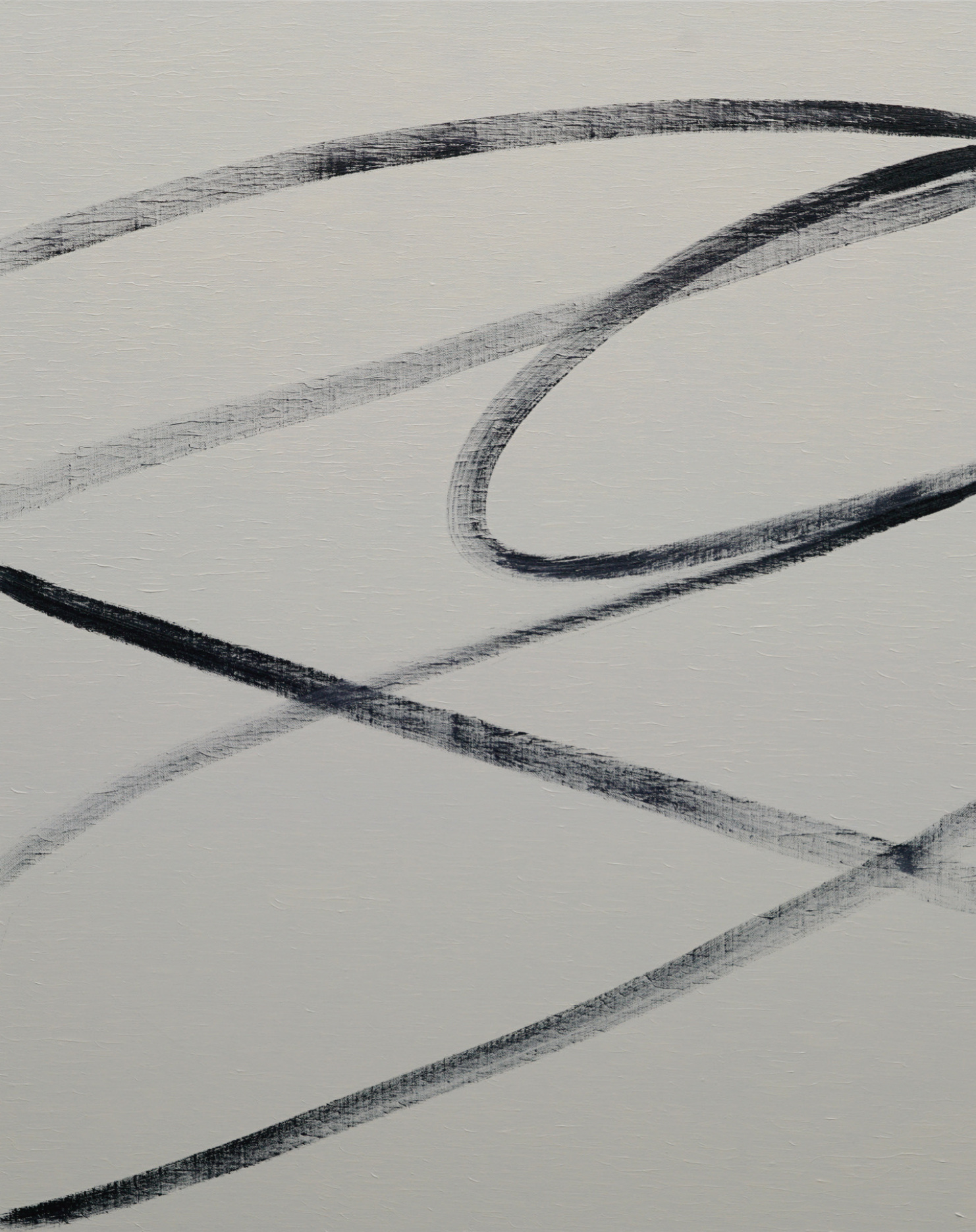
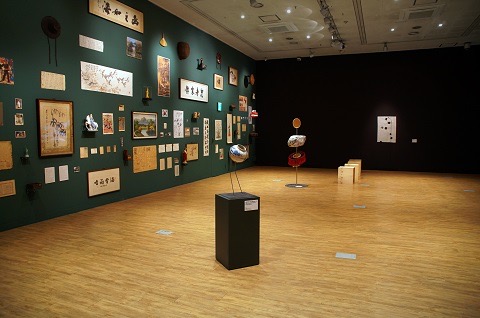
Installation view of 《Confession》 © Ilmin Museum of Art

Contemporary Advertising and Eight Keywords

Part 2 attempts to explore the systems of value operating within contemporary society through the theme of “Advertising, Art, and the Public Through Eight Keywords.” Focusing primarily on advertisements produced after the 2000s, the exhibition categorizes the ways in which advertising persuades consumers — or consumers are persuaded by advertising — into eight conceptual groupings, selecting representative keywords for each category.

These eight keywords are Success, Future, Sexuality, Super-power, Identity, Trust, Narrative, and Hyper-realism. This classification emerges from the subjective perspective of the curatorial framework. From the standpoint of the consumer — namely, the self — the exhibition proposes that the production of meaning pursued by advertising, whether in terms of purpose or strategy, is communicated through these eight modes.

Each keyword encompasses a range of subsidiary codes. “Success” includes wealth, possession, happiness, ambition, respect, and the gaze of others. “Future” incorporates health, nature, environment, and assets, while also grouping together anxiety and stimulation as corresponding conditions. “Sexuality” extends beyond sex appeal and metrosexuality to include broader notions of gender.

“Super-power” encompasses functionality, high technology, excess, exaggeration, and the logic of the “smart.” “Trust” is approached through themes such as environment, industry, labor, campaigns, and participation, while “Identity” is understood as something made possible only when freedom and equality are guaranteed.

“Narrative” functions as another expression of personal storytelling, emotional realism, sentiment, and empathy, revealing the psychology through which the subject of consumption ultimately becomes the self. “Hyper-realism” refers to the coexistence of fantasy, fiction, illusion, and the mixed conditions of media itself.

The eight keywords do not function as dominant concepts governing their subordinate codes, but rather as symbolic structures — symbols that ultimately reflect the values pursued by contemporary society.

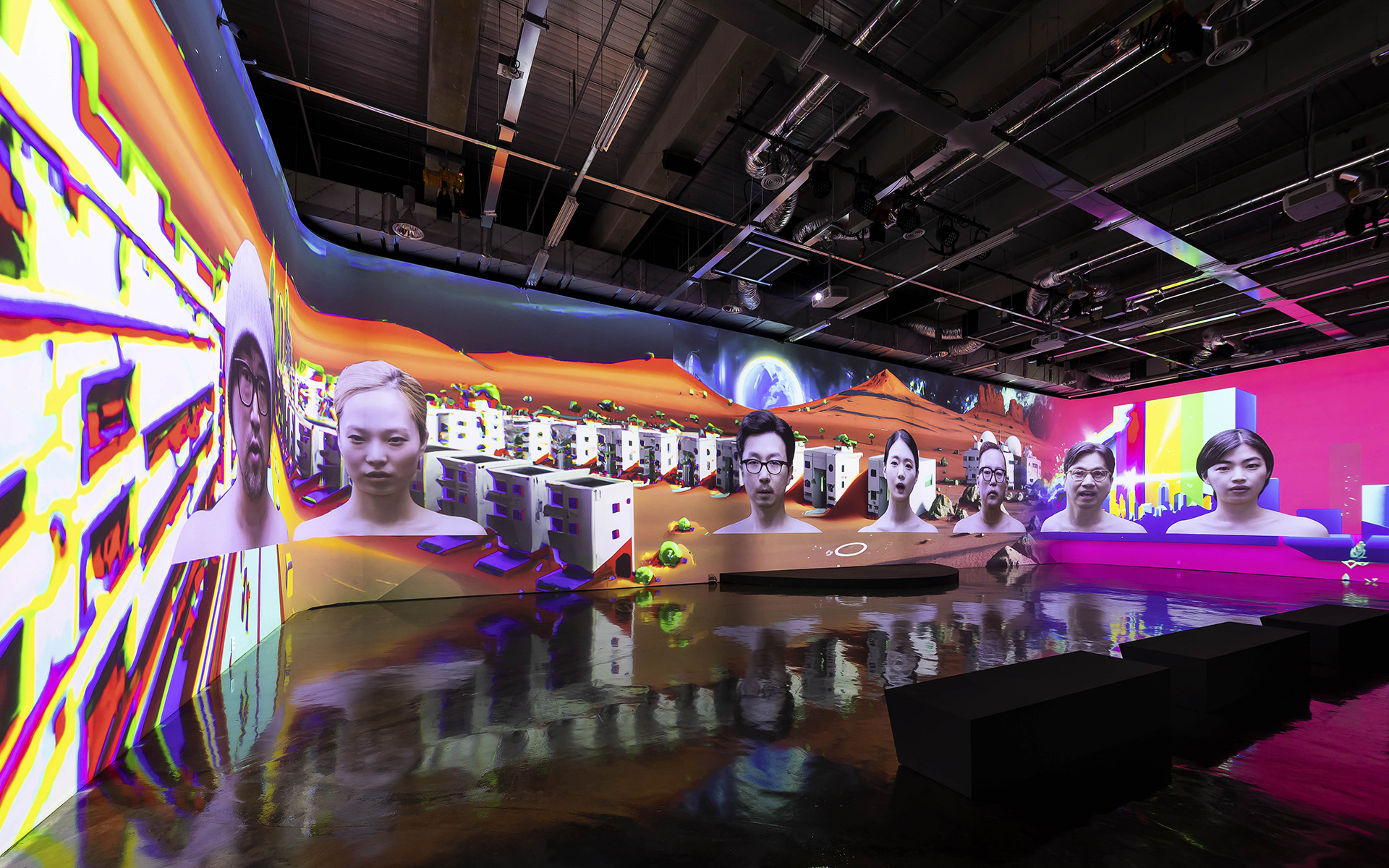
The exhibition attempts to articulate these eight keywords through a range of materials and methodologies. Each keyword is organized around a central theme, accompanied by surveys, research materials, theoretical texts, news articles, print advertisements, and video commercials that support or expand upon it. These materials are presented alongside artworks that resonate with the corresponding themes.

The exhibition seeks to create an interdisciplinary space by bringing together fields that rarely coexist within a single context. As a result, despite taking place within an art museum, the artworks are presented less as autonomous and self-contained objects than as interpretive propositions unfolding within a broader conceptual framework.

Participating artists include those whose practices directly engage with advertising or commodities — Lee Wan, Kim Sinhye, Cho Kyungran, Nanda, and Kwon Wooyeol — as well as artists whose works, while not directly appropriating advertising, provide rich frameworks for understanding the exhibition’s themes, including Kwon Kyung hwan, Seo Chanseok, Gyung Jin Shin, Kim Suyoung, Choi Dusu, and Kim Hyuen Jun.

Various forms of collaboration also informed the exhibition design and installation process, including contributions by Yunsabi, Lee Wan, and Workroom. Together, these works facilitate a more nuanced “confession” of contemporary consumer culture, in which individuals purchase not products themselves but the brands attached to them.

Advertising — the domain of making things widely known — is vast and seemingly limitless. Although the advertisements addressed in this exhibition are confined primarily to product advertising circulated through media channels, one may ask whether anything in contemporary society exists outside the logic of advertising.

From flyers and signboards to social media, countless forms of advertising circulate continuously, while individuals and groups alike promote their own positions through fashion, style, slogans, and campaigns. Culture itself may be understood as a provisional order emerging from the chaos produced by the coexistence of heterogeneous elements.

《Confession》, organized by Ilmin Museum of Art, ultimately seeks to provide an opportunity to reflect upon the systems of value and cultural consciousness embedded within contemporary visual culture.


References