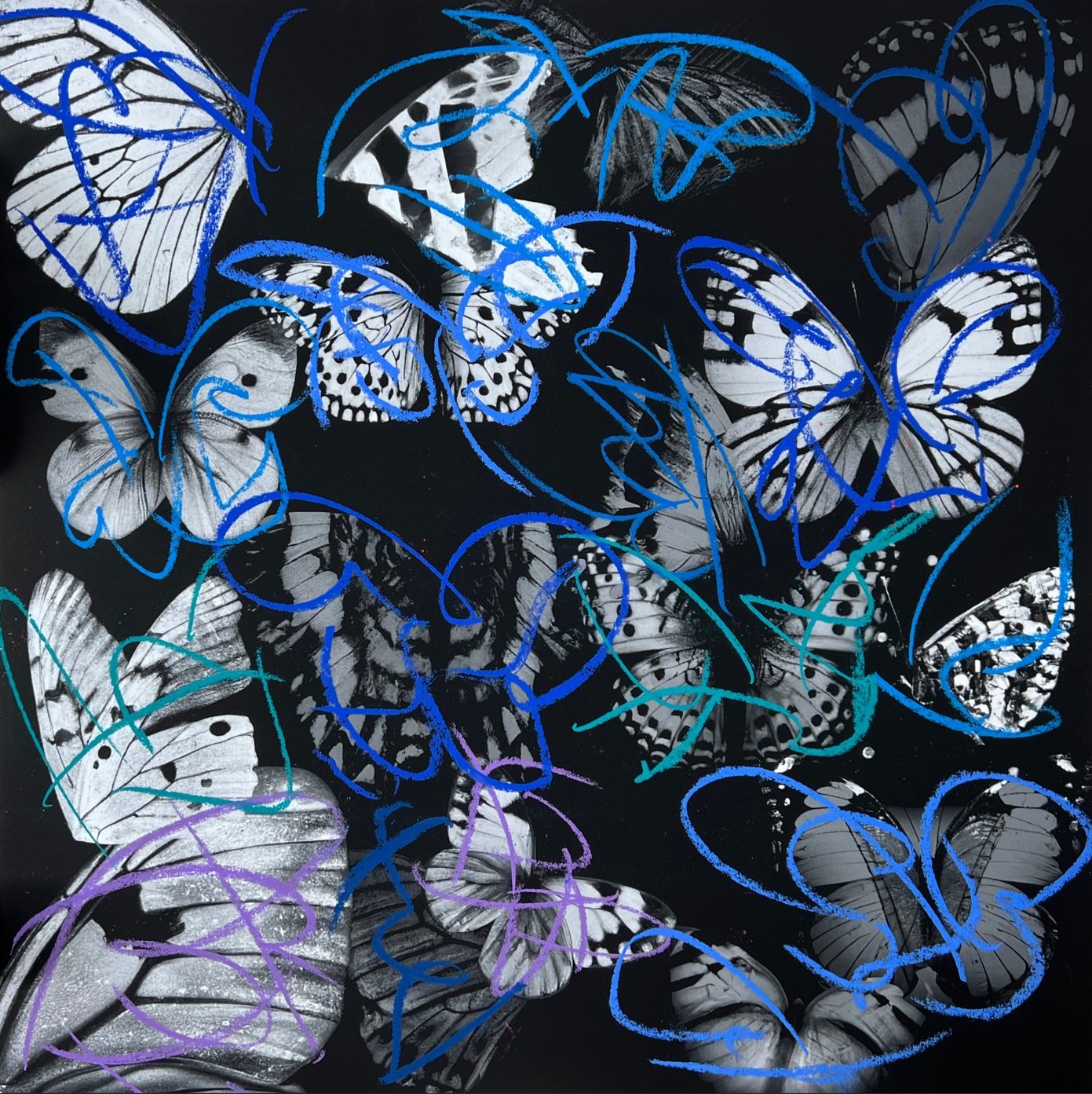
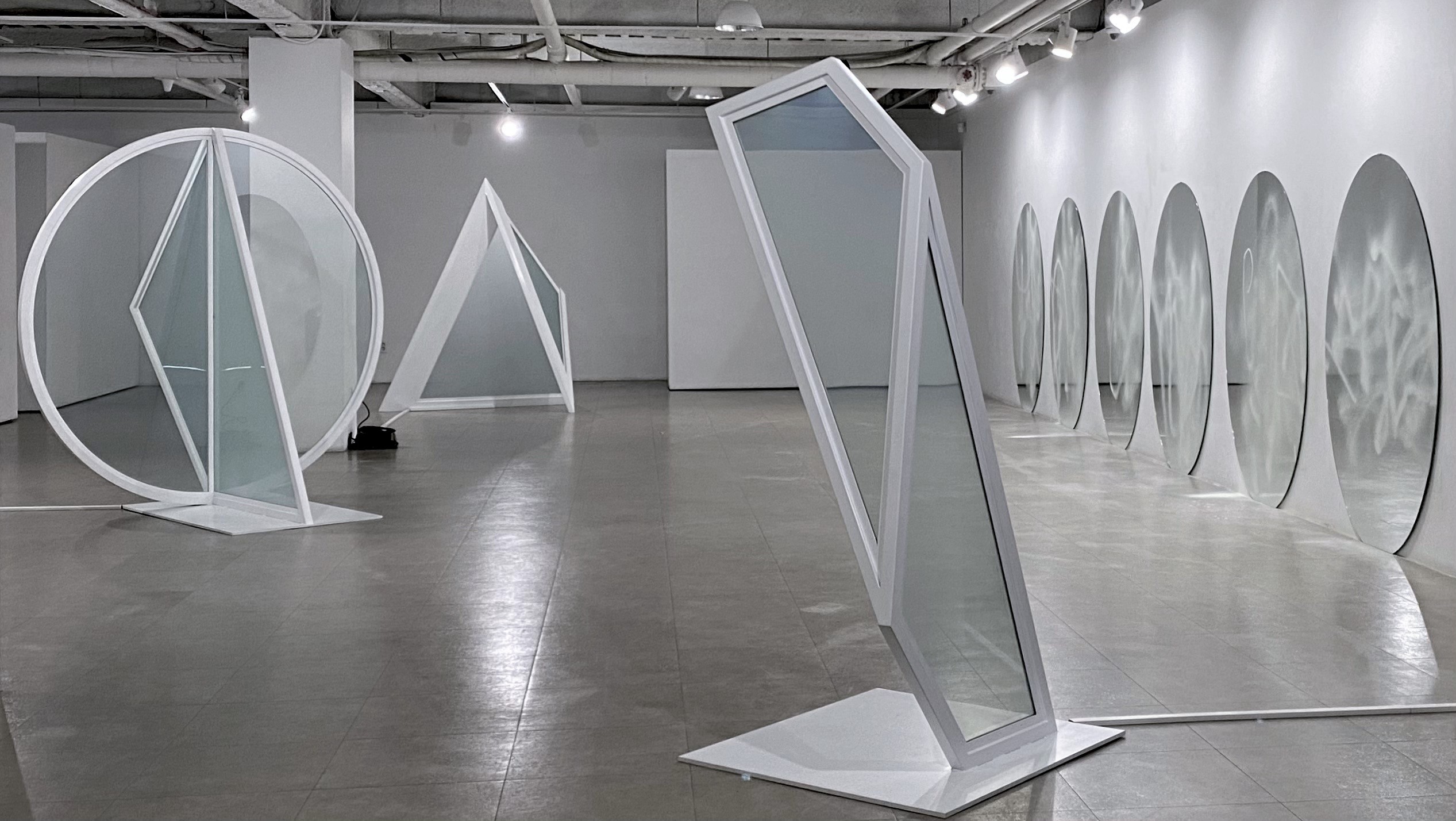
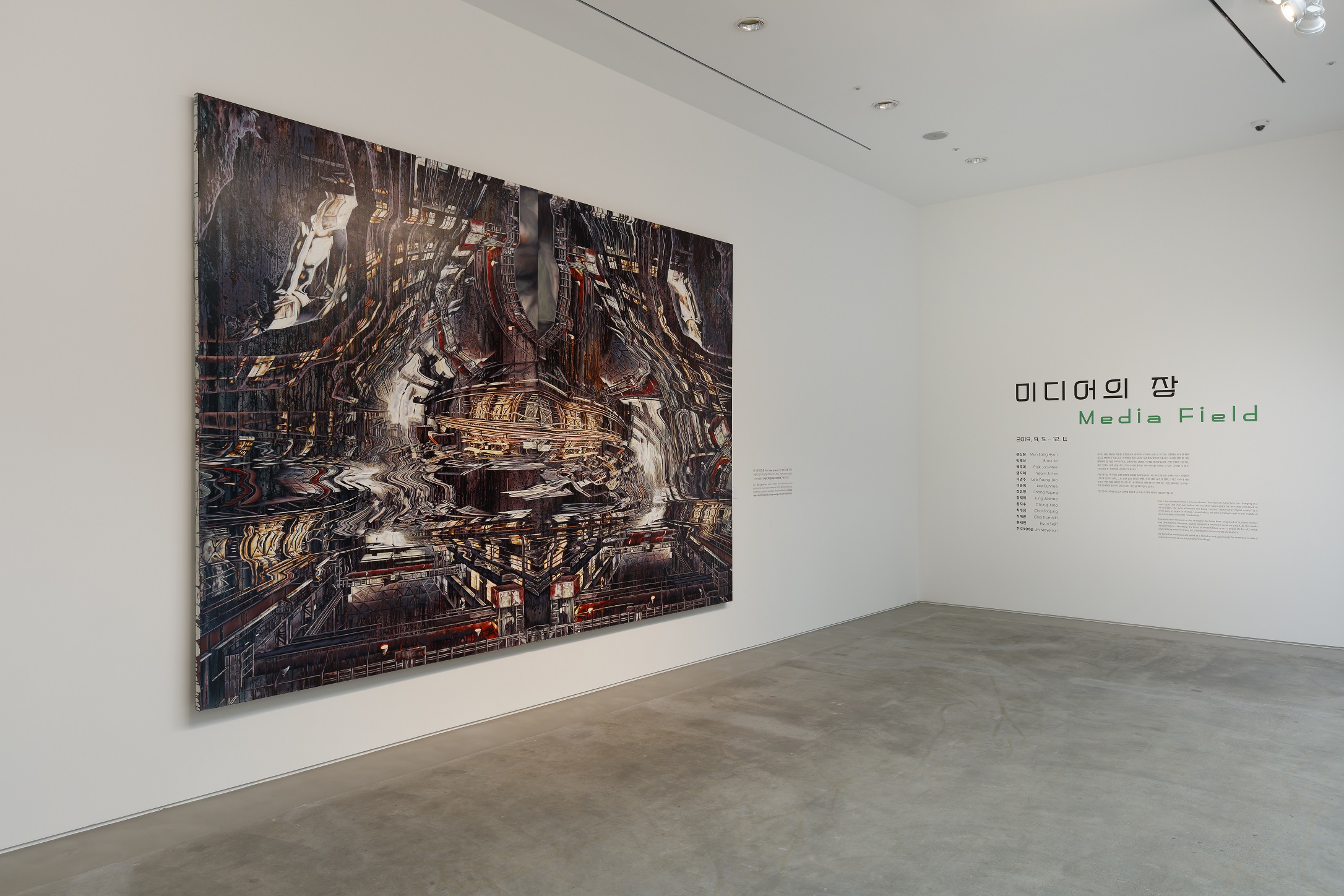
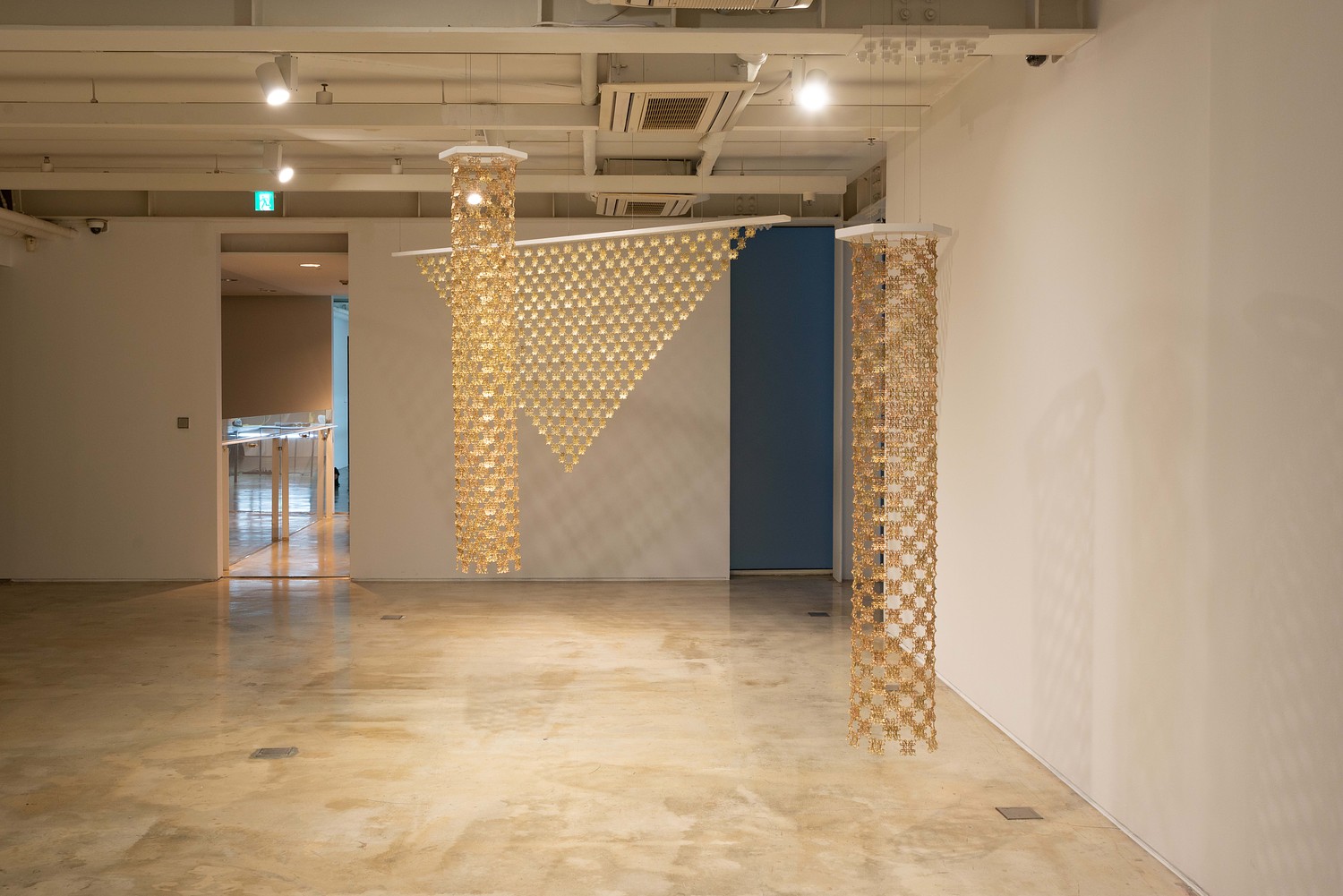
“Now more than ever, individuals must resist algorithms. If we only consume what we already like, those things will eventually begin to confine us. Artists, too, must avoid being swept away by technology and continue asking questions themselves.”
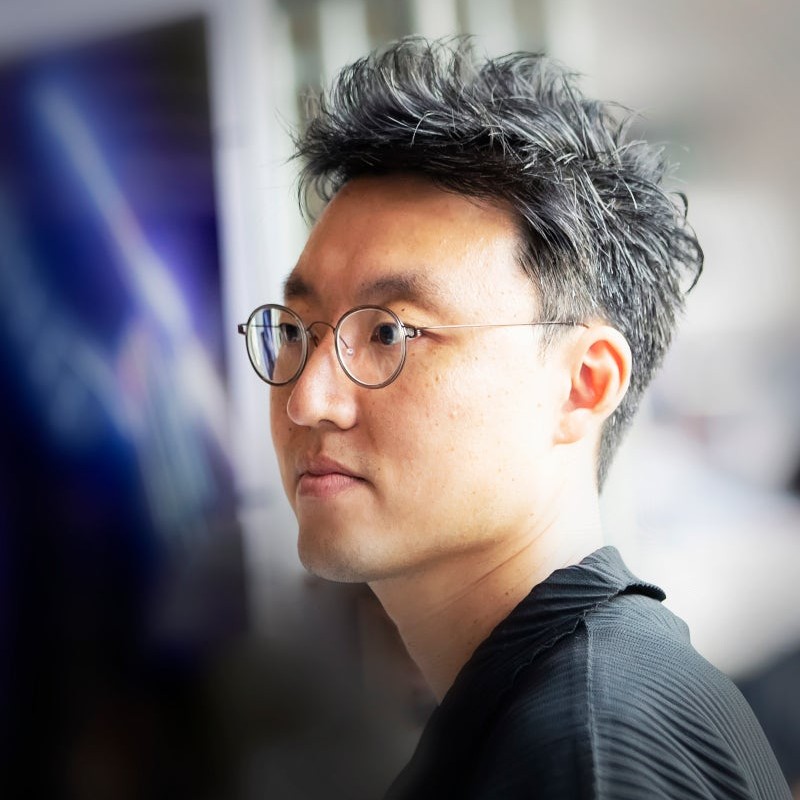
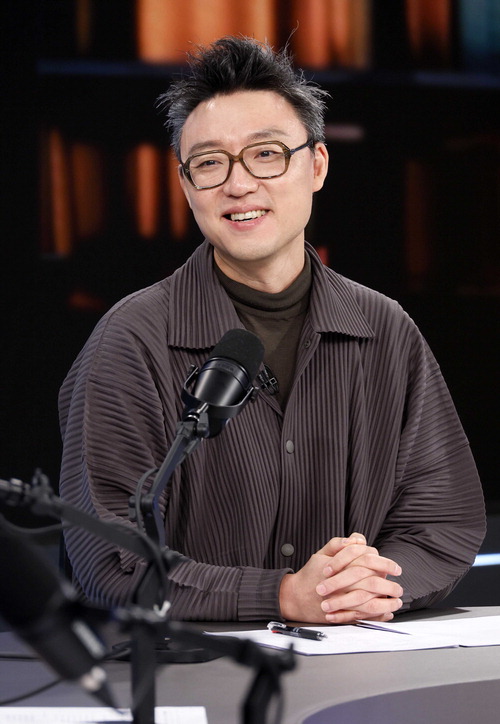
Je Baak, professor at Seoul National University’s College of Fine Arts and an artist known for creating works in collaboration with artificial intelligence (AI), recently appeared on the YouTube channel ‘Knowledge Spreader’ and shared these thoughts. He emphasized that in the era of generative AI, artists must above all become people who ask questions and offer insight.
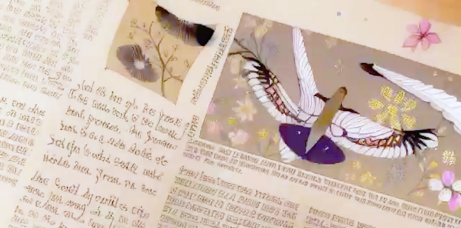
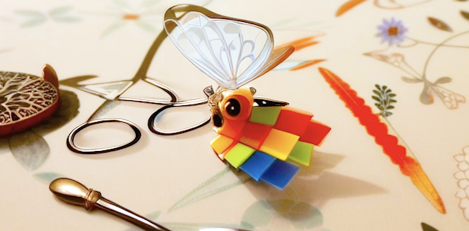
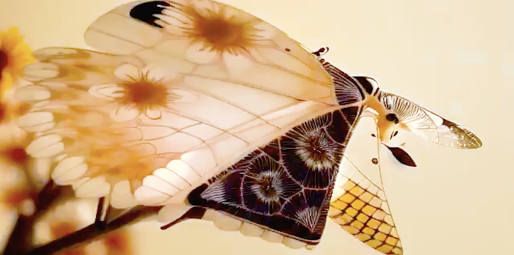
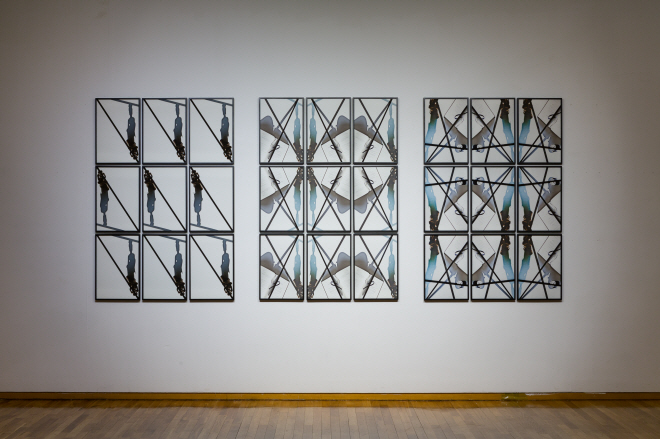
Since 2018, Je Baak has carried out experimental projects using early versions of generative AI by inputting text and poetry to generate images. Through this process, he came to view AI as a collaborator. Describing the experience, he said, “It felt like communicating with a child.”
He explained, “When I read bedtime stories to my child, they would tell me the next day about dreams inspired by those stories. Working with AI by inputting poetry and generating images felt like a similar form of communication.”
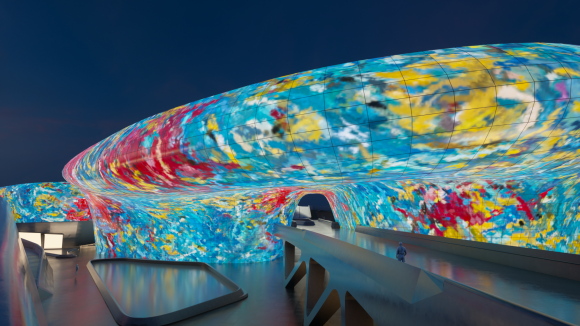
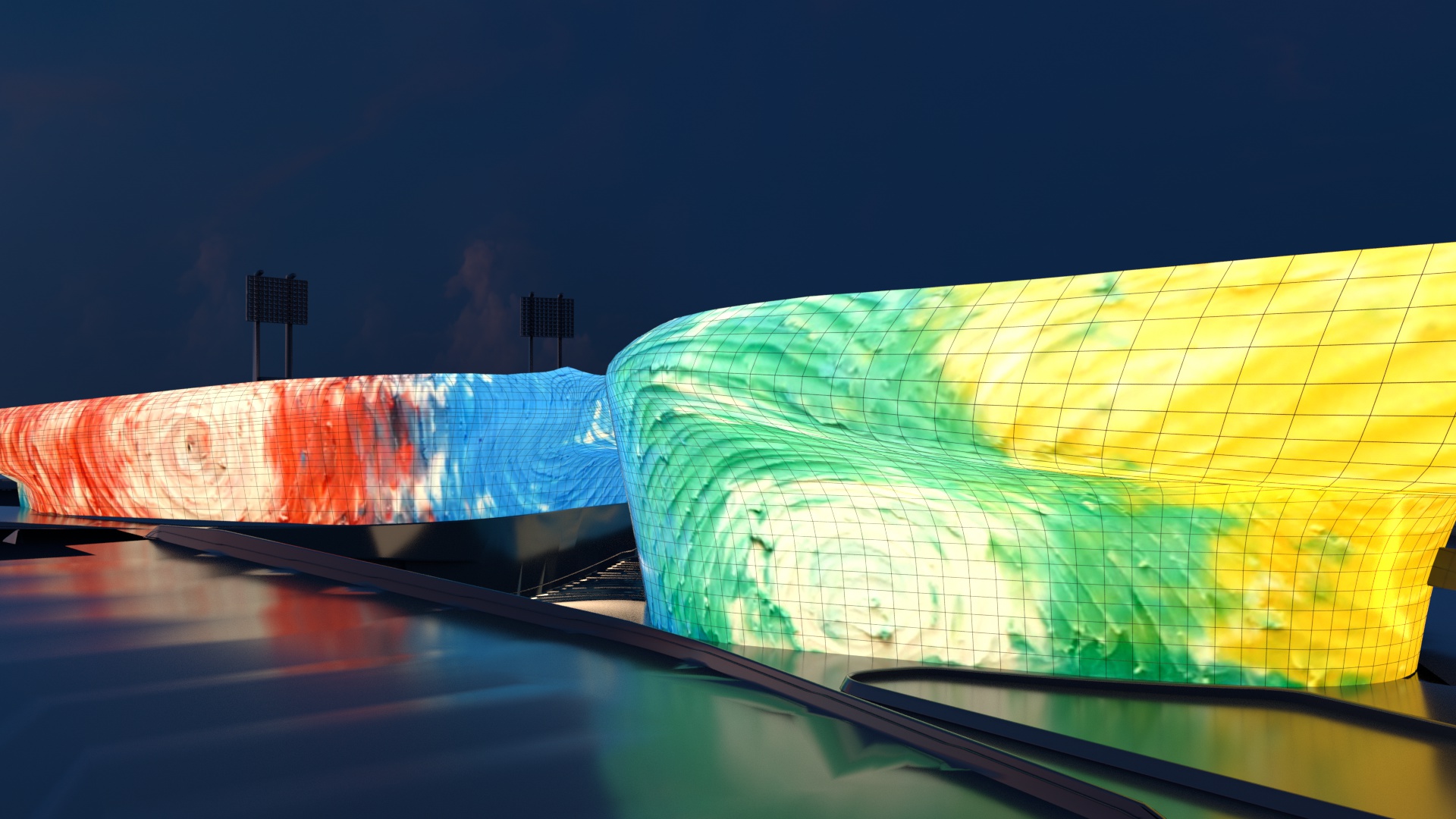
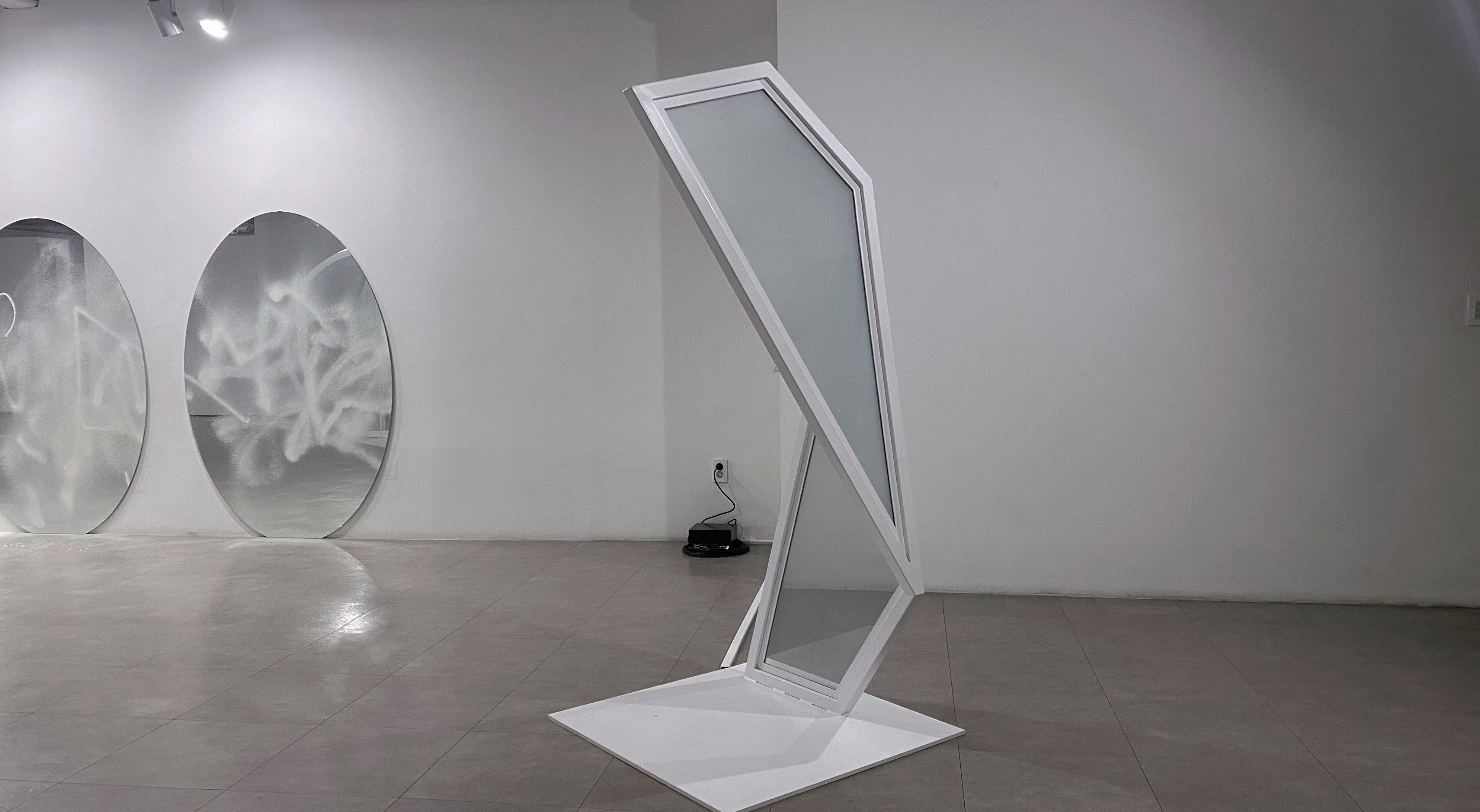
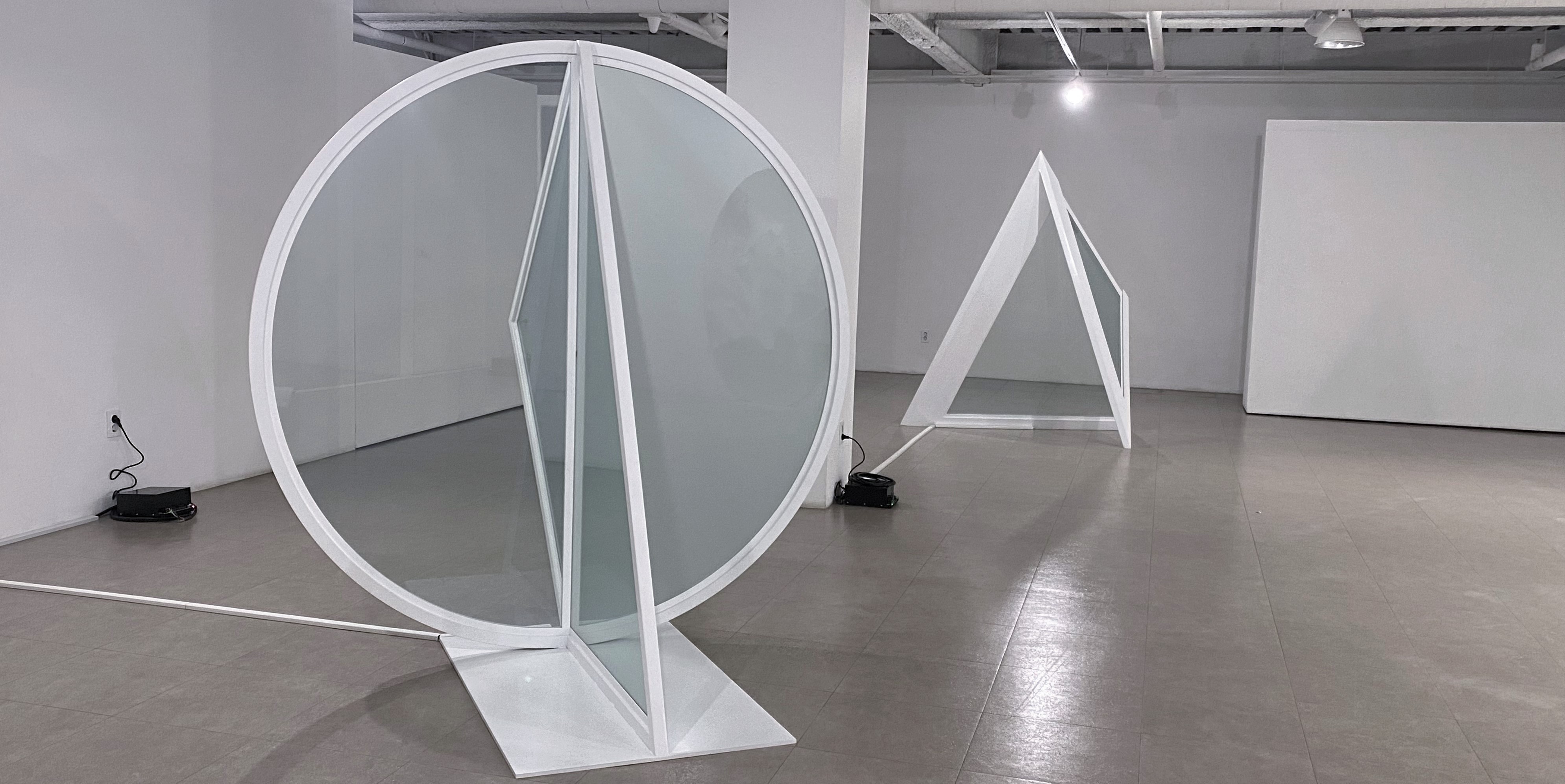
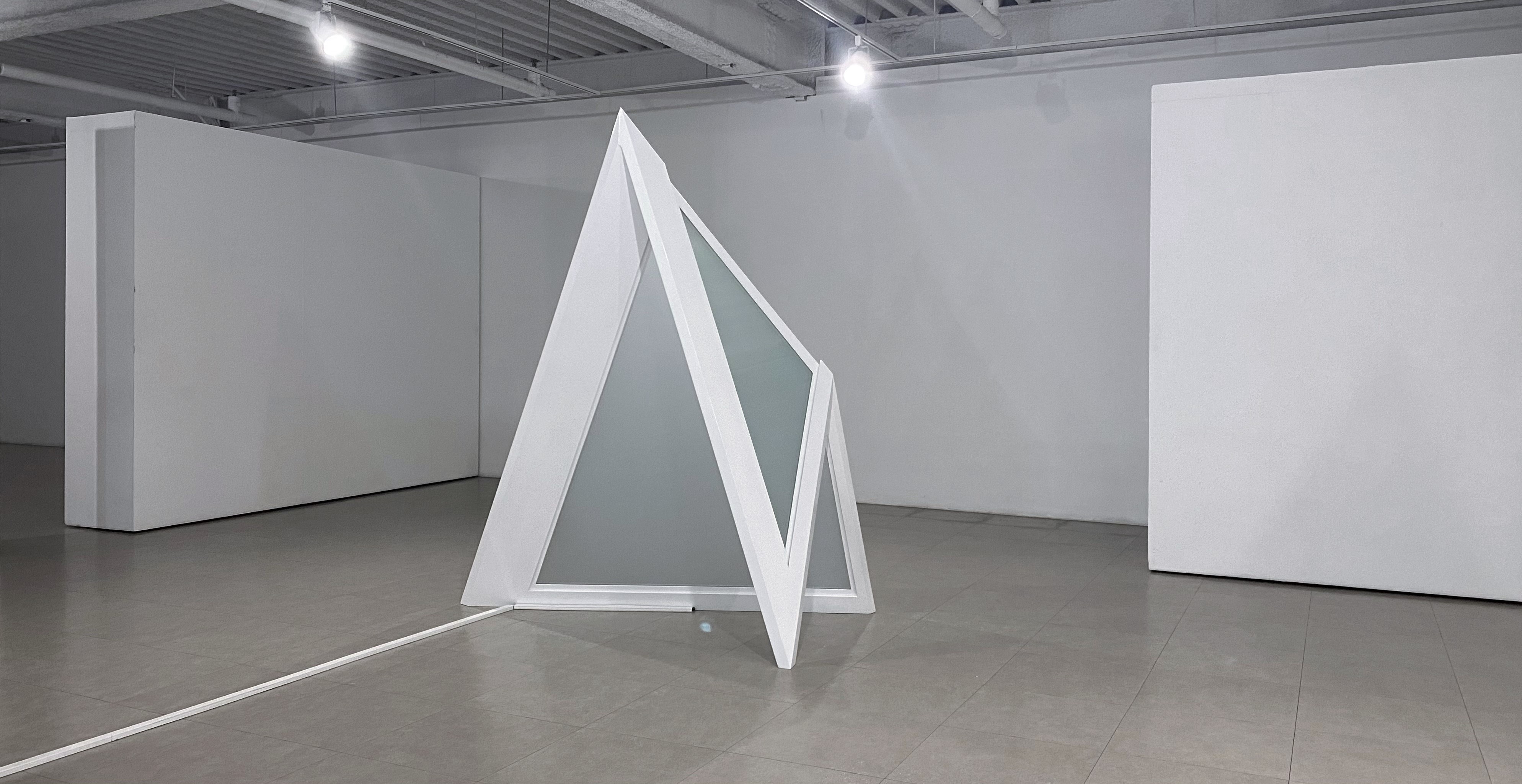
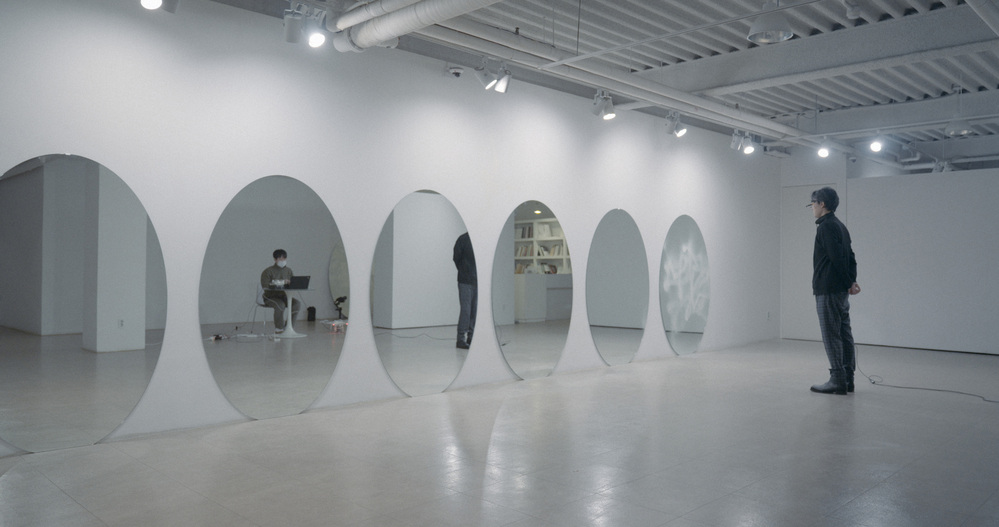
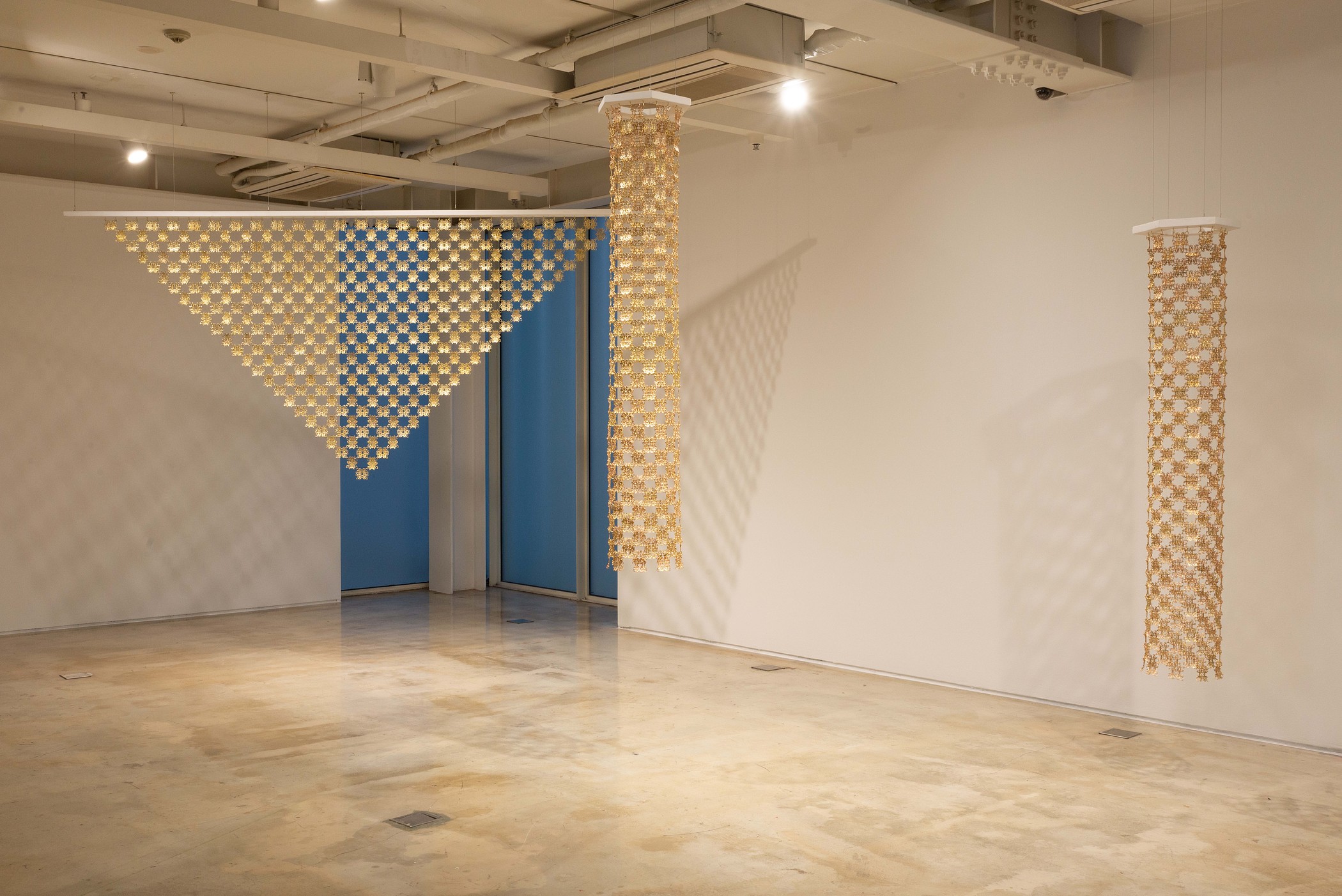
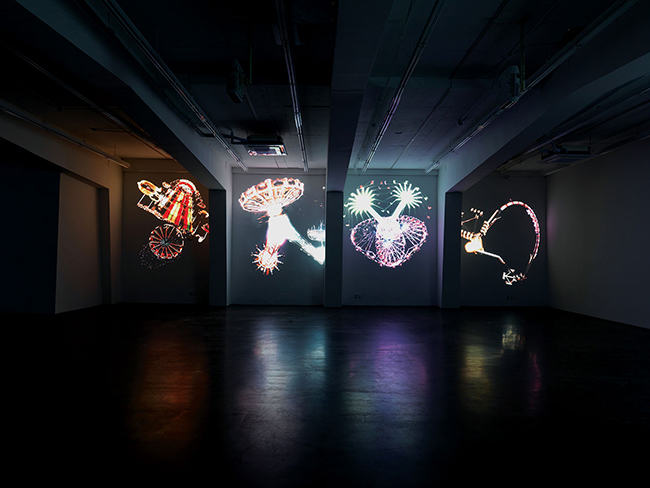
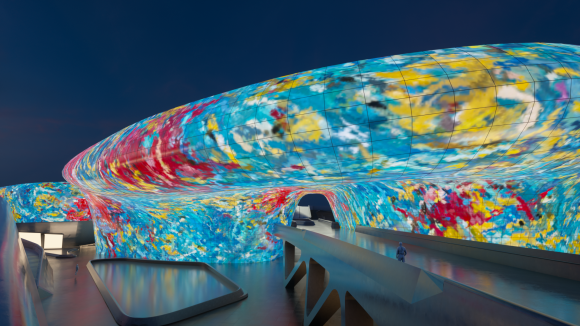
This attitude of treating AI not merely as a tool but as a fellow collaborator is also evident in his projects. At Frieze Seoul last September, Je Baak presented a media art project that reinterpreted the monochrome paintings of Park Seo-Bo through AI. At the time, he even gave the AI the name ‘(___)’ so that it could be perceived as an entity possessing its own subjectivity.
While discussing the relationship between AI and art, Je Baak pointed out how artistic paradigms have shifted alongside technological developments. “The invention of new paints allowed artists to go outdoors and capture light and air, while the emergence of photography led painting beyond representation toward abstraction and conceptual art,” he explained. “Likewise, AI will become an opportunity to reconsider and redefine the very reason art exists.”
He also highlighted a paradox within the development of today’s generative AI. “As AI models become more advanced, they become increasingly capable of producing images closer to the ‘correct answer,’ but paradoxically, it becomes harder for them to create ambiguous and abstract images,” he observed.
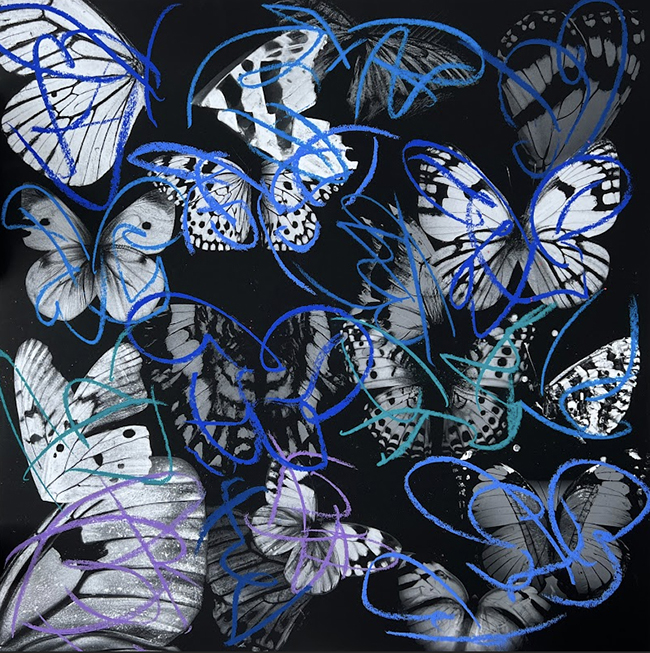
According to Je Baak, as AI converges toward increasingly accurate answers, the interpretive openness of images diminishes. For this reason, he intentionally guides AI toward generating fragmented or indeterminate imagery in order to create works that remain open-ended and imaginative.
Addressing the controversy surrounding ChatGPT-generated images in the style of Studio Ghibli, he remarked, “The ways people enjoy art will continue to evolve,” adding that “the pursuit of more original forms of expression will lead to meaningful change.”
Je Baak also identified understanding technology as a central educational challenge. “The way we build relationships with AI ultimately reflects the way we relate to people,” he stated. “More important than the technology itself are our attitudes and sensitivities toward it.”
He added, “Just as communication through KakaoTalk or social media has changed the way people converse, increasing communication with AI will gradually shape the way we treat others as well. How we engage with AI is not merely a technological issue but something deeply connected to the way we live.”
At the same time, he stressed the importance of maintaining artistic subjectivity. “This is also an era in which it has become dangerously easy to lose one’s sense of agency while respecting AI,” he said. “Artists need to think carefully about how to sustain a productive tension with AI.”
He further remarked, “The era in which works are considered fresh or innovative simply because they were created with AI will soon come to an end. What will matter more is not how one uses the technology, but what kind of relationship one forms with it and what kind of critical perspective one brings to it.”
Je Baak ultimately defined the role of artists today as asking questions. “Artists must sensitively perceive the currents of their time and identify questions about both the present and the future,” he said. “As artists reflect on AI and create works, collaborating with AI will naturally become part of that process.” He also described AI as “a gigantic question” — one that compels people to consider what kind of future they desire and what kind of life they regard as beautiful and meaningful.
“Ultimately, the questions posed by AI are the same questions that philosophy and art have grappled with for centuries,” he concluded. “The difference is simply that these questions have now become more urgent and far closer to our everyday lives.”