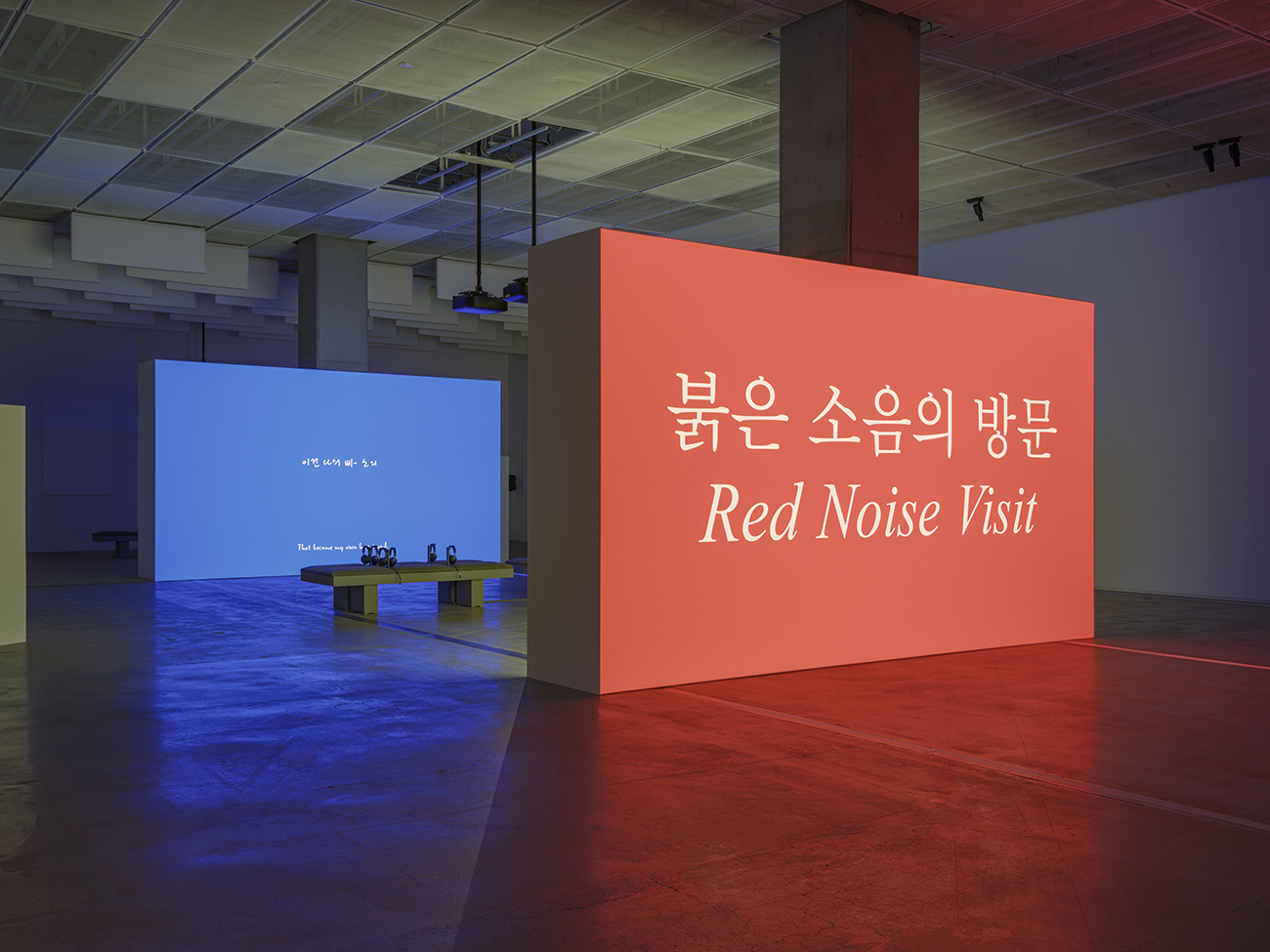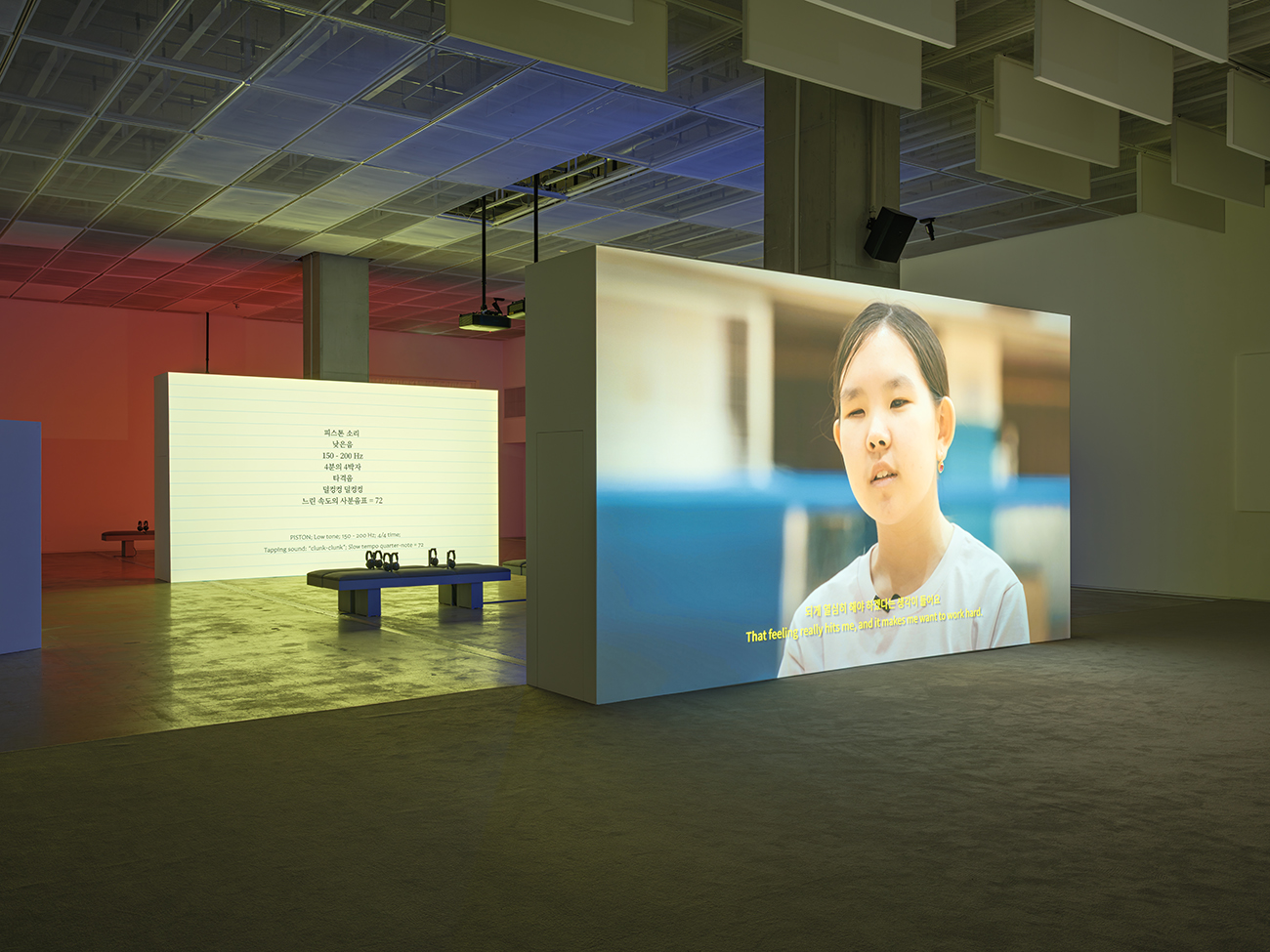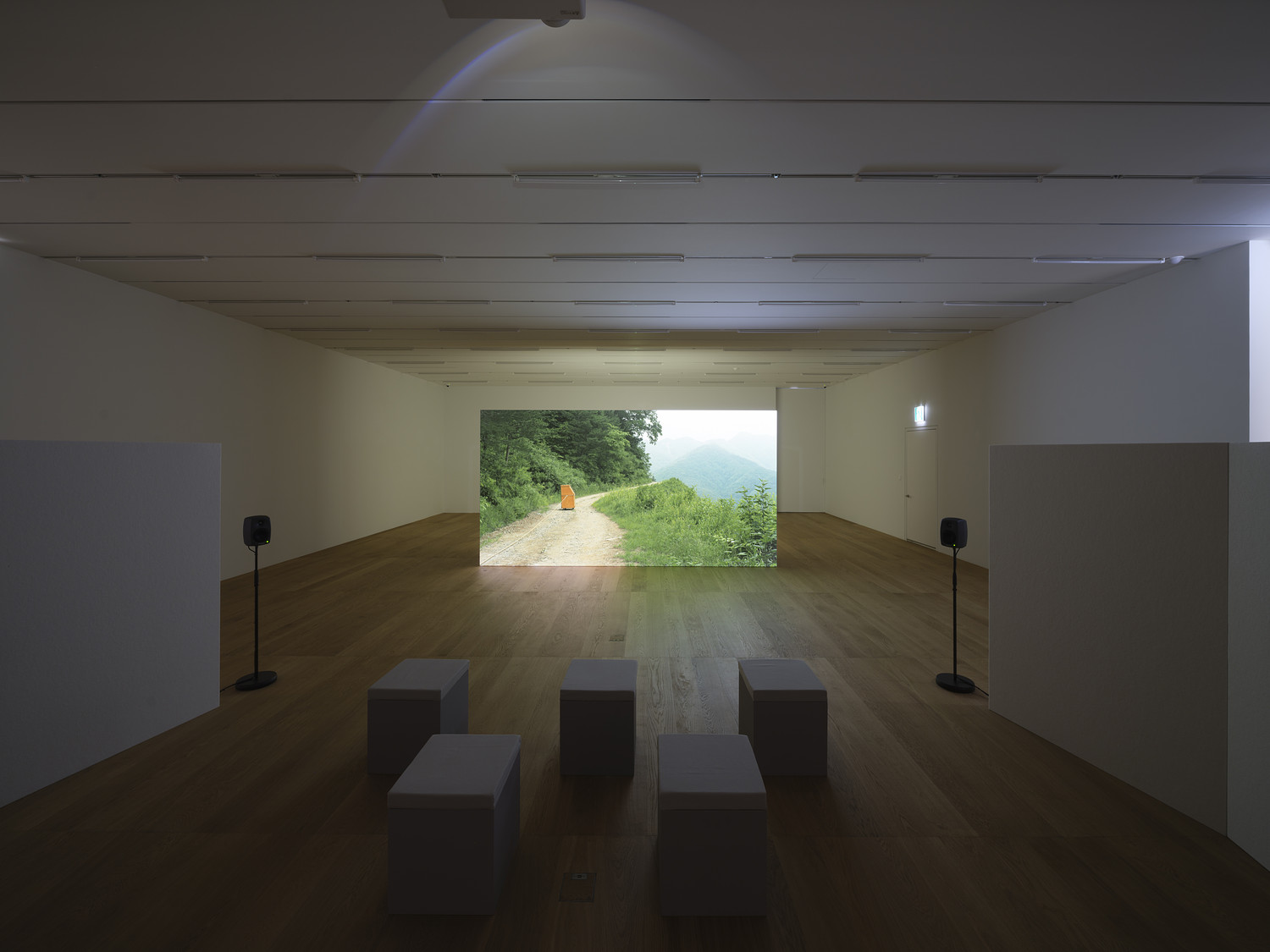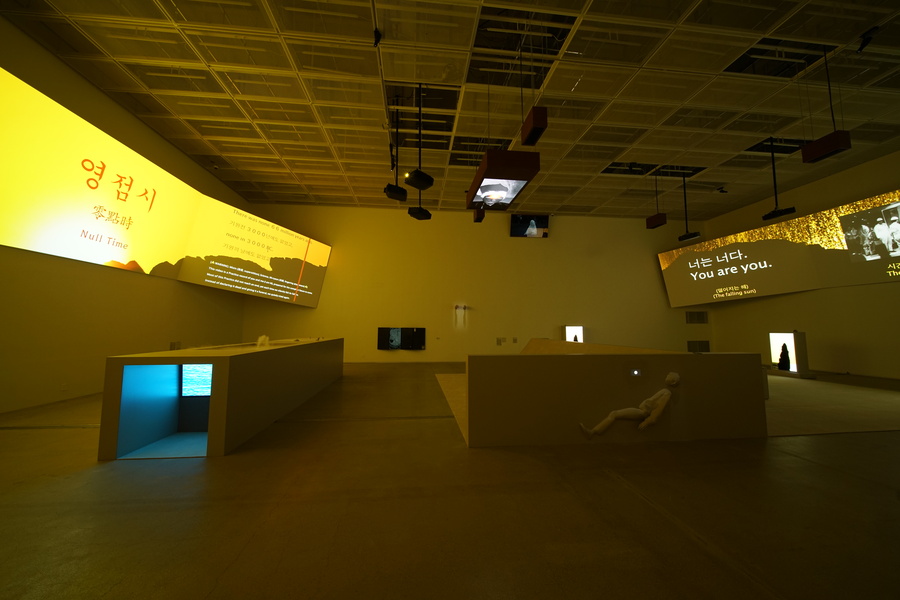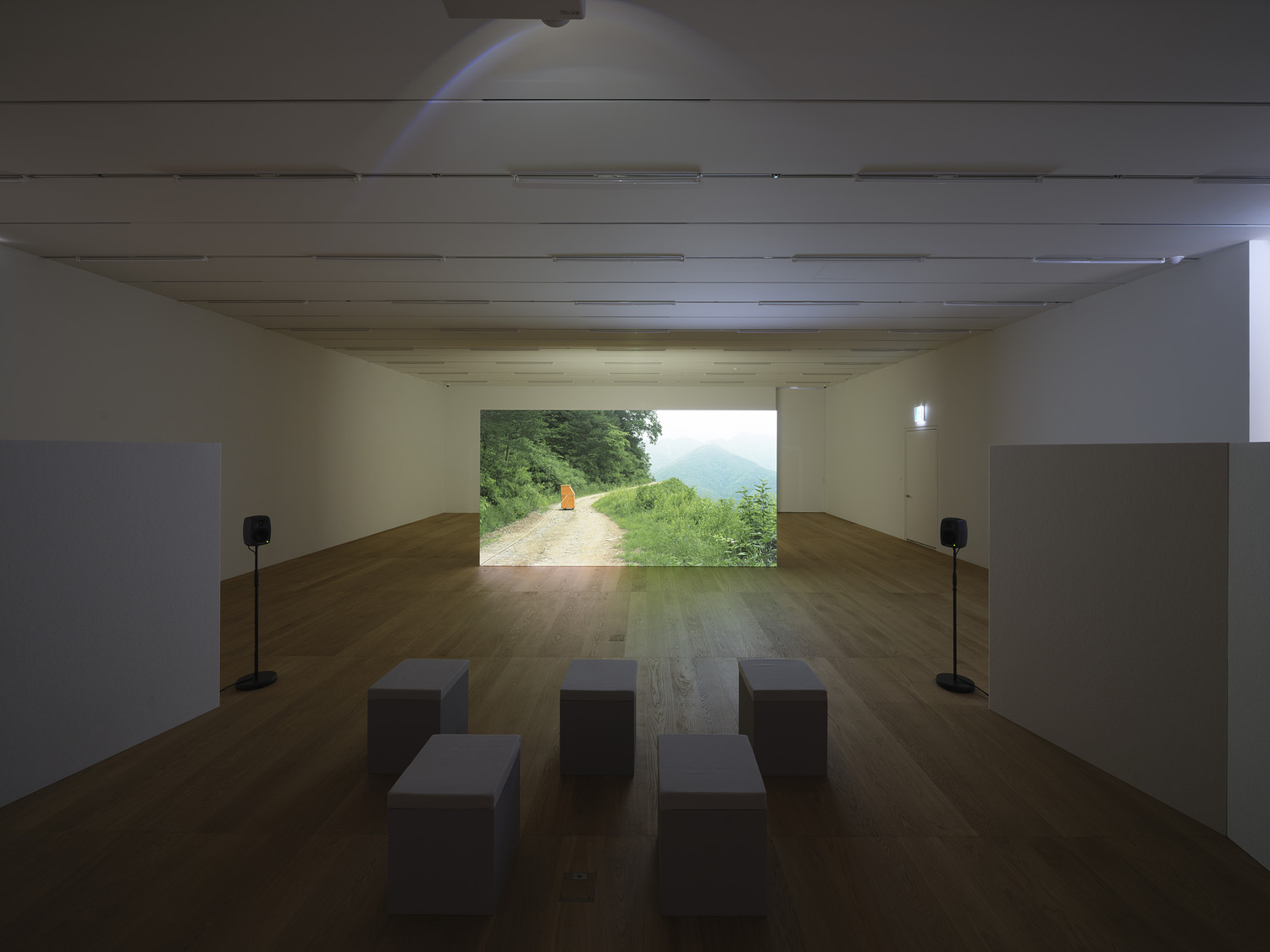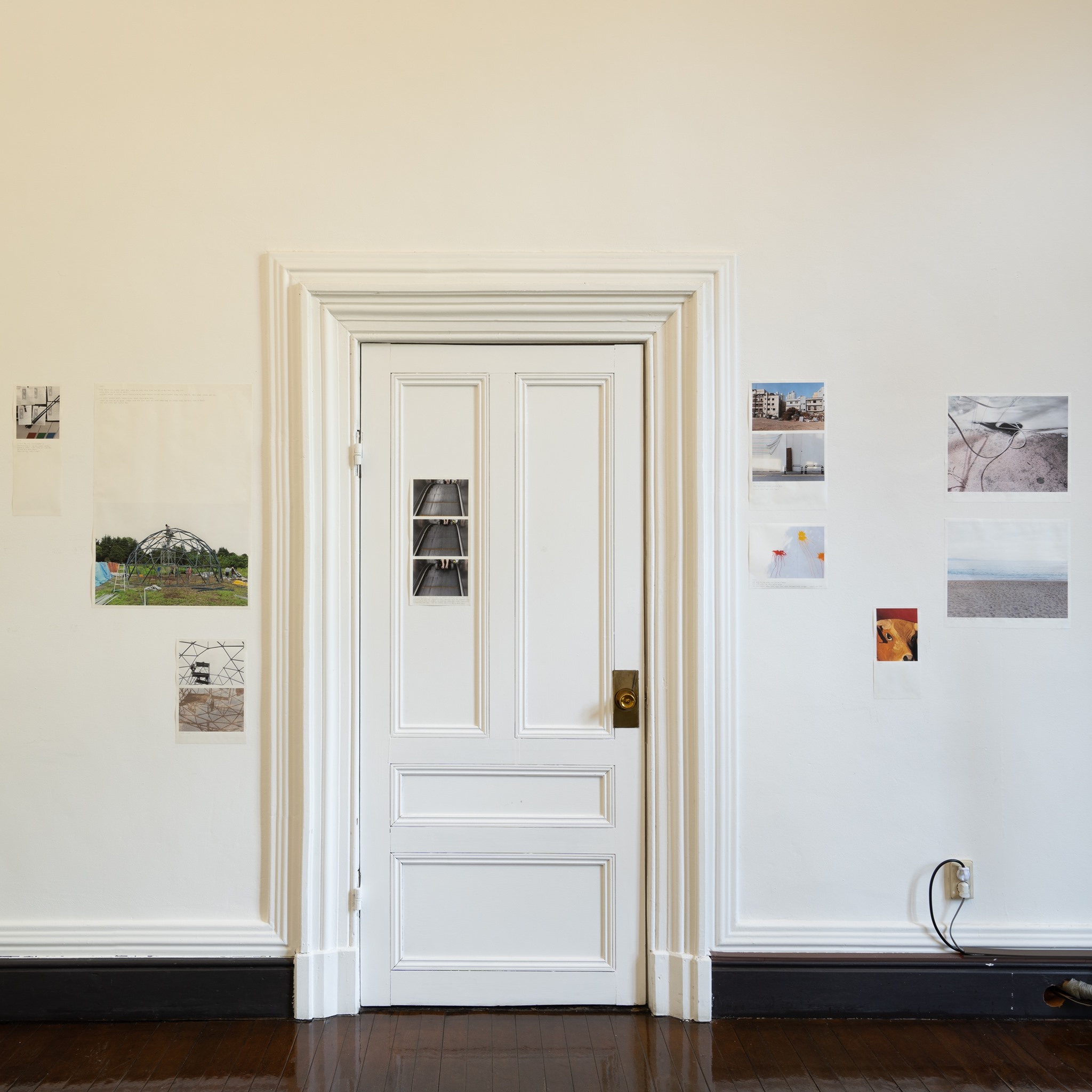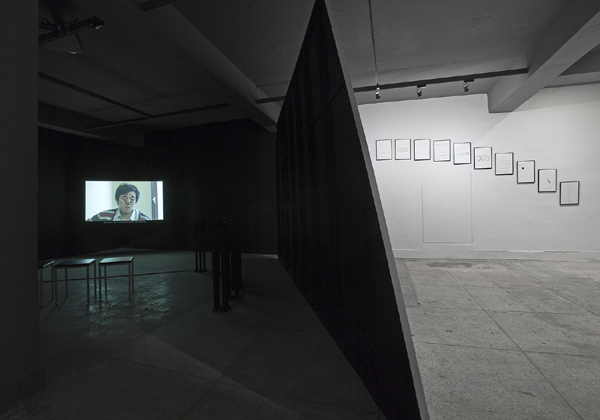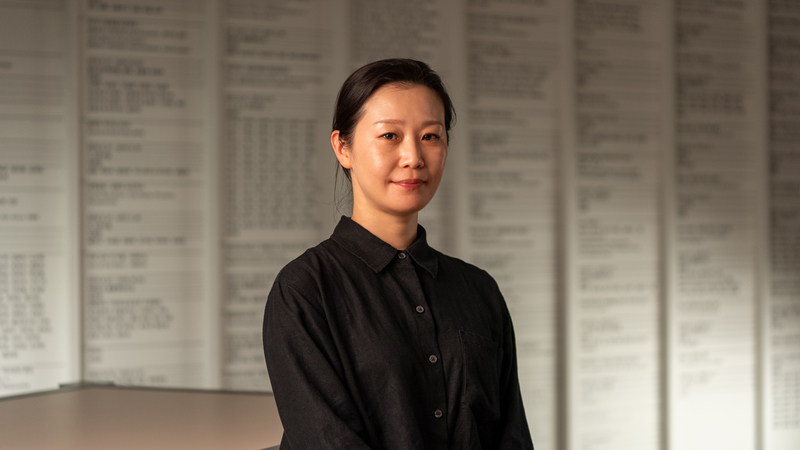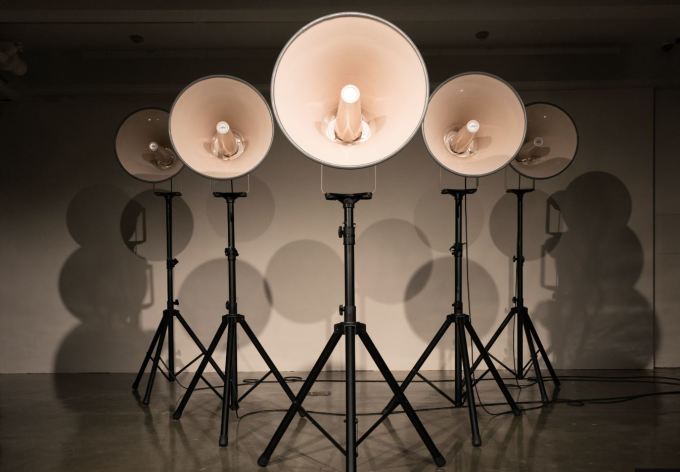


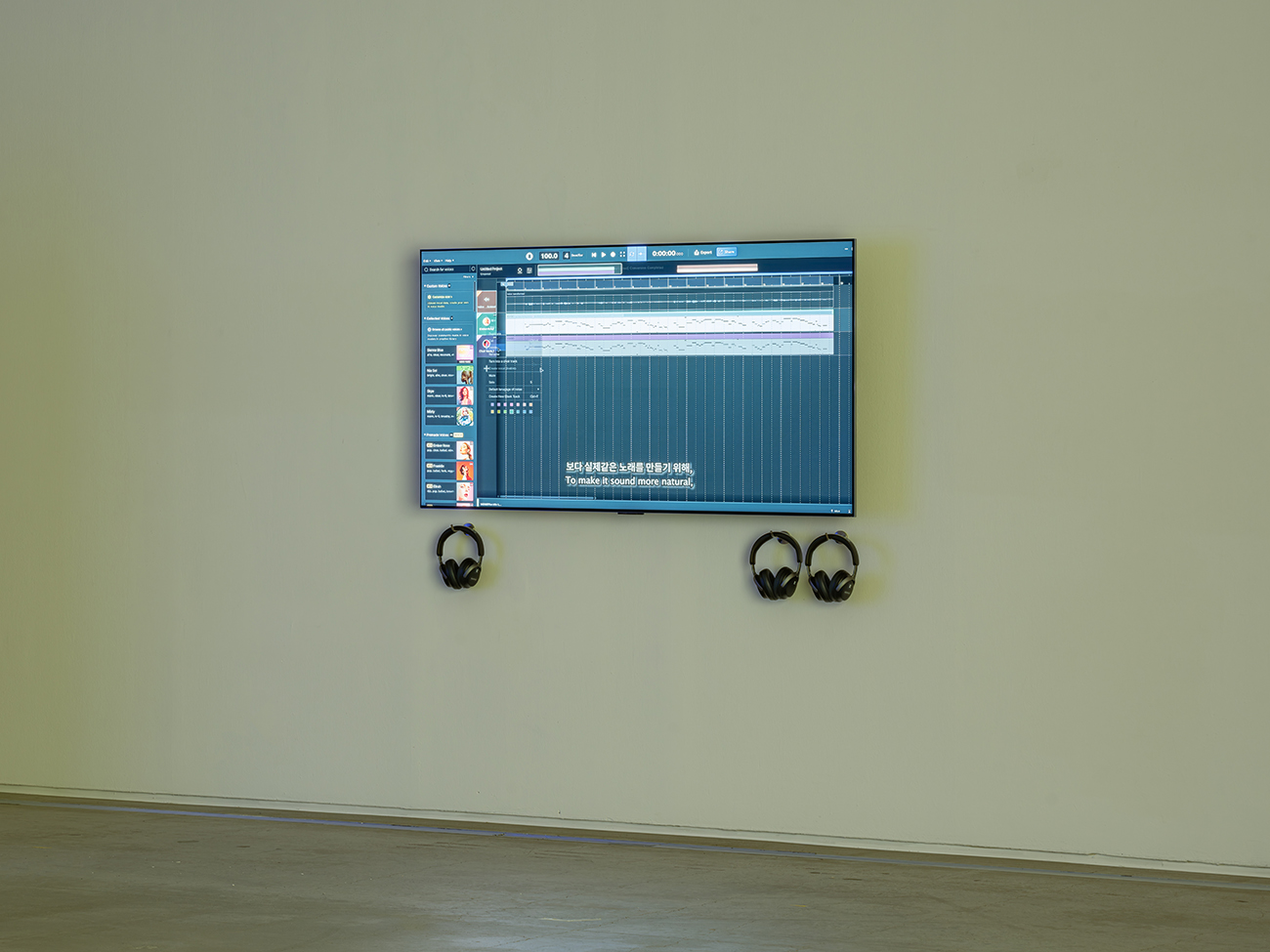

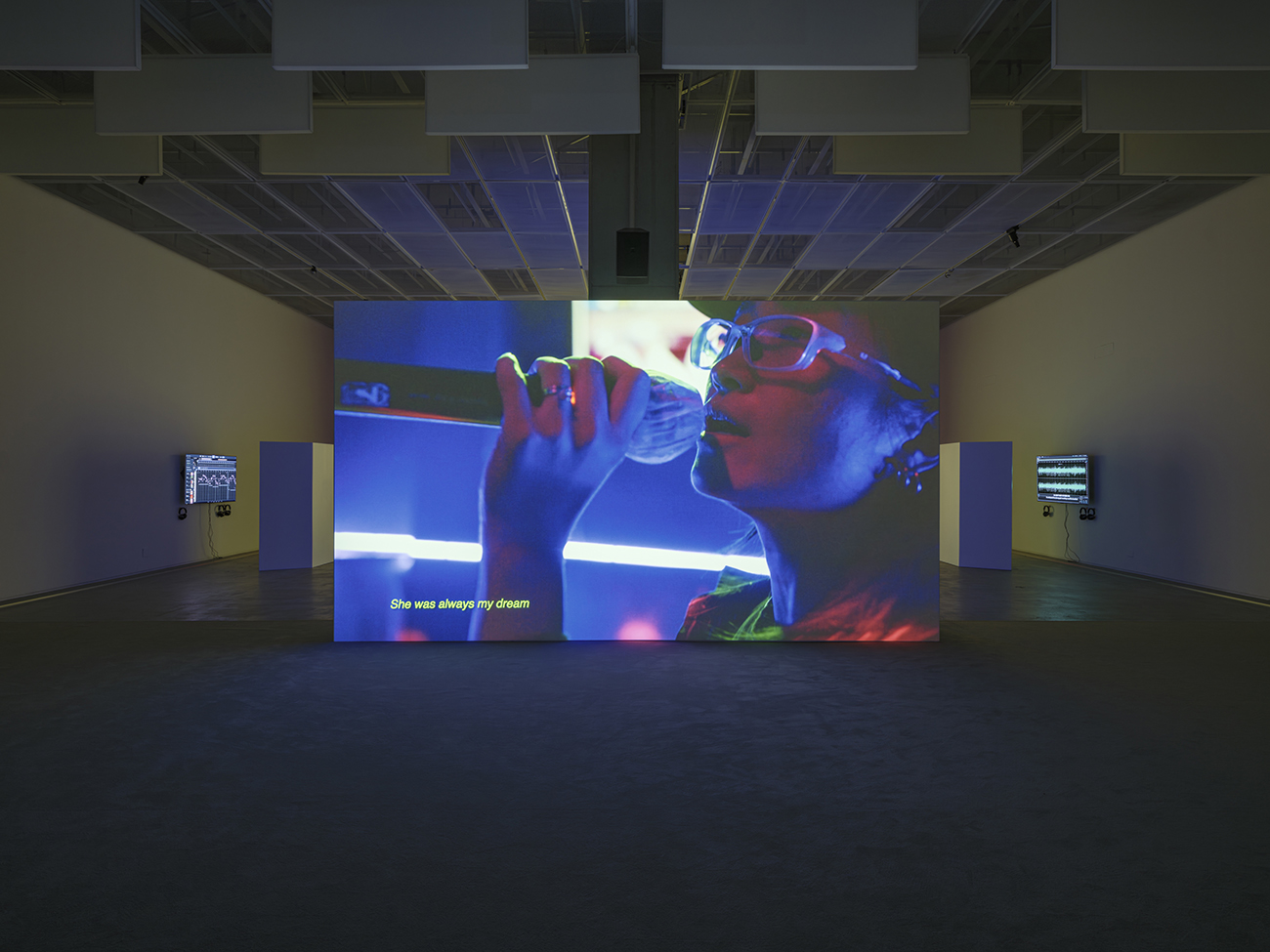
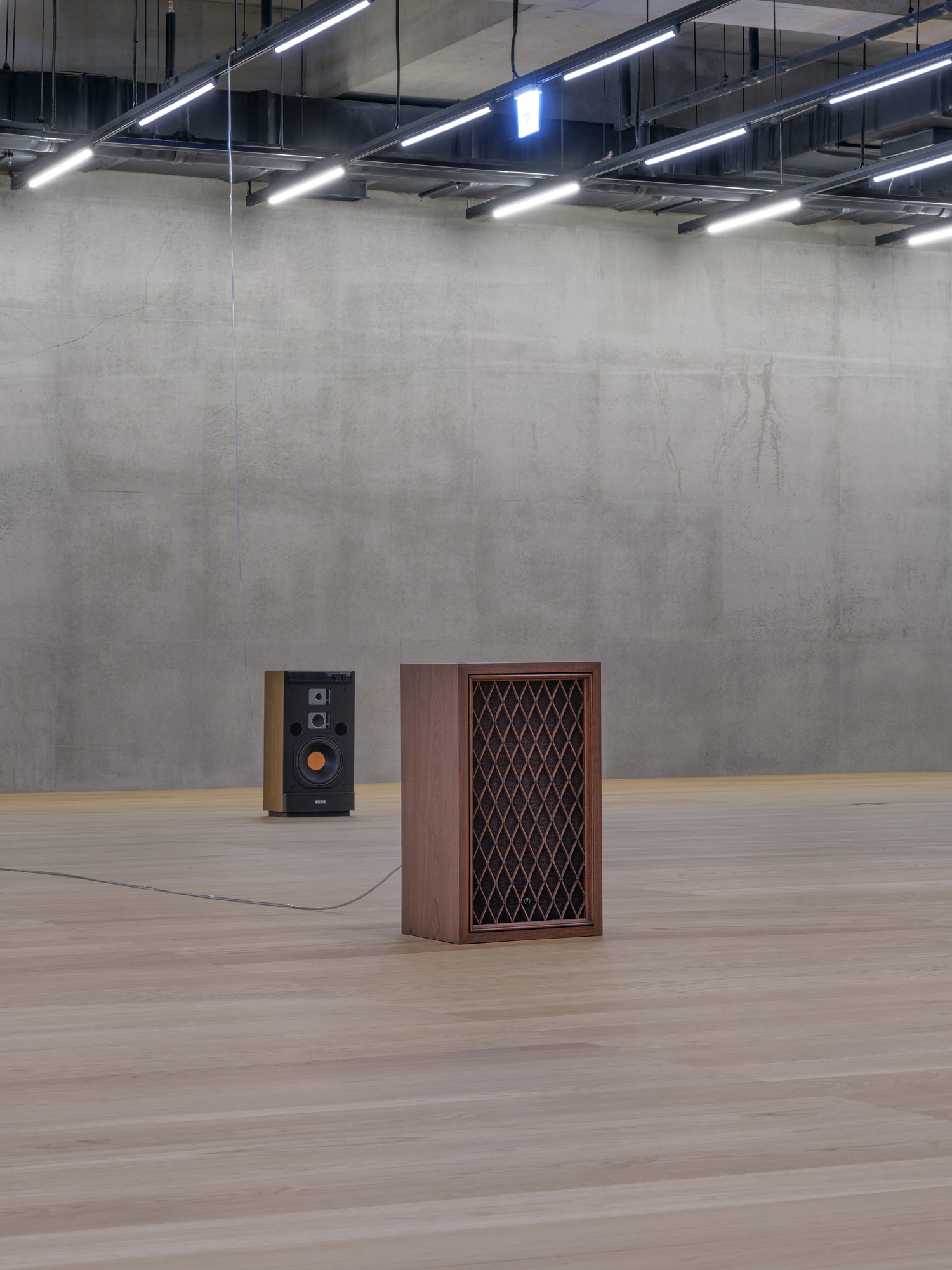

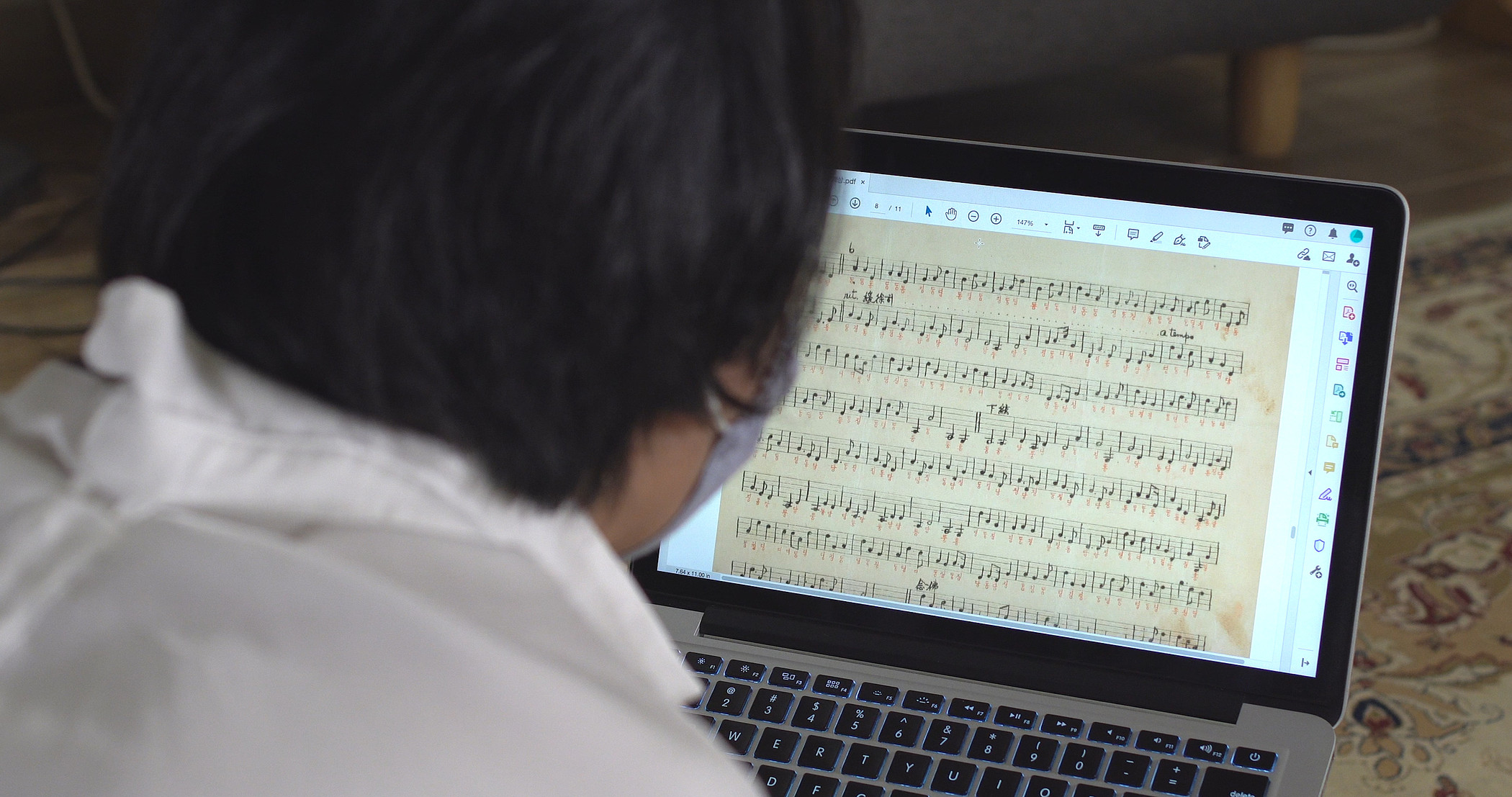
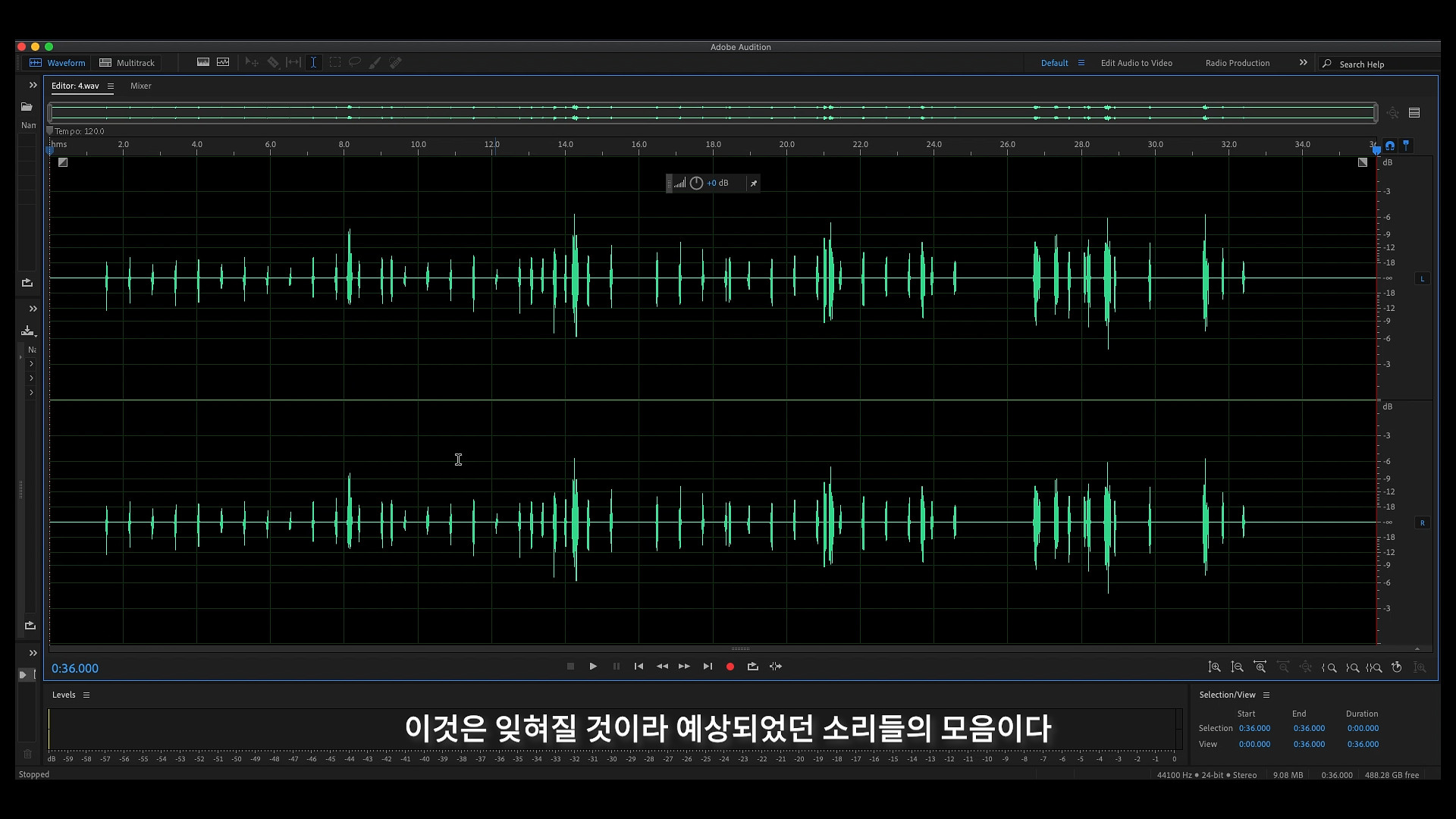
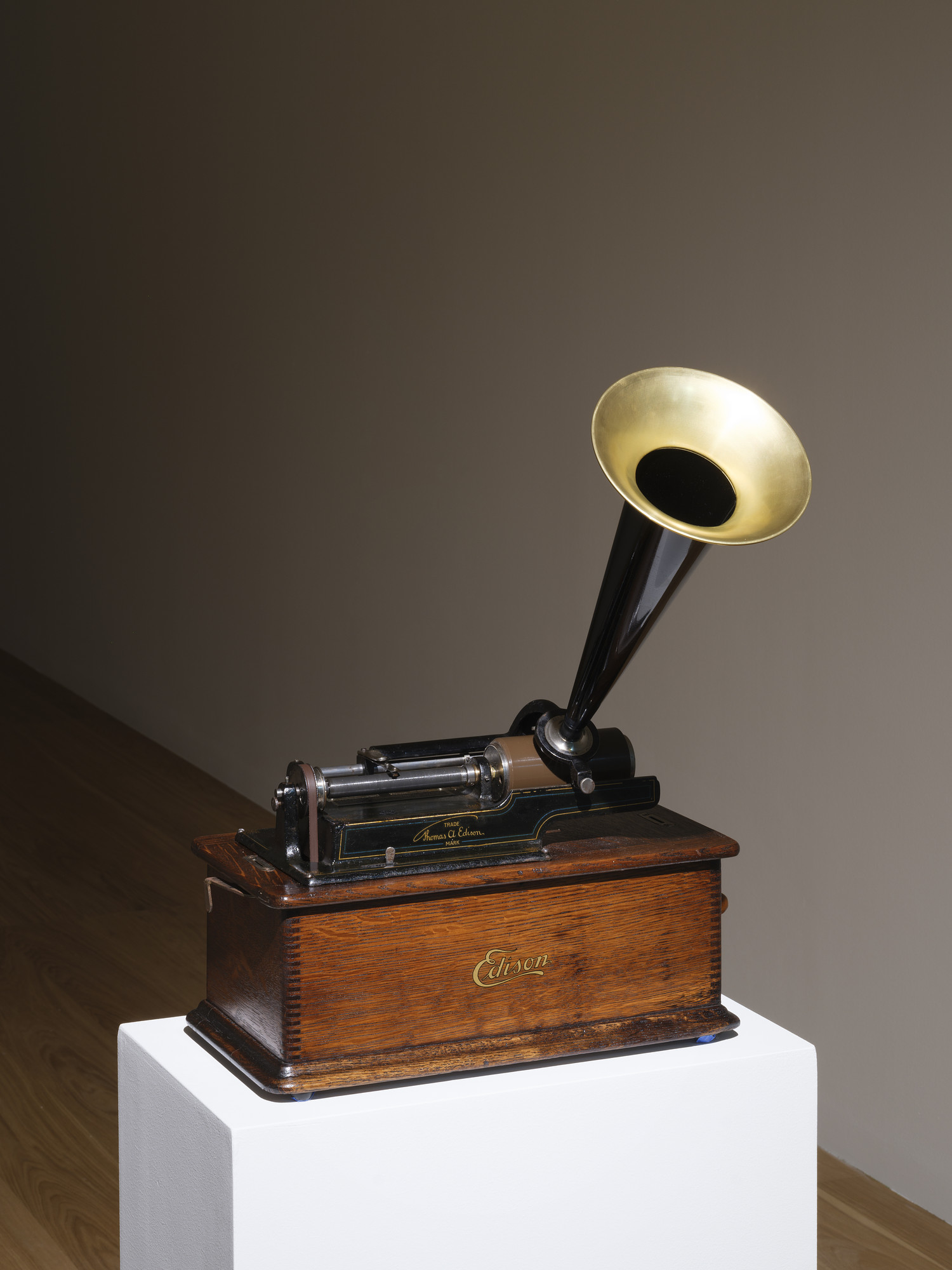
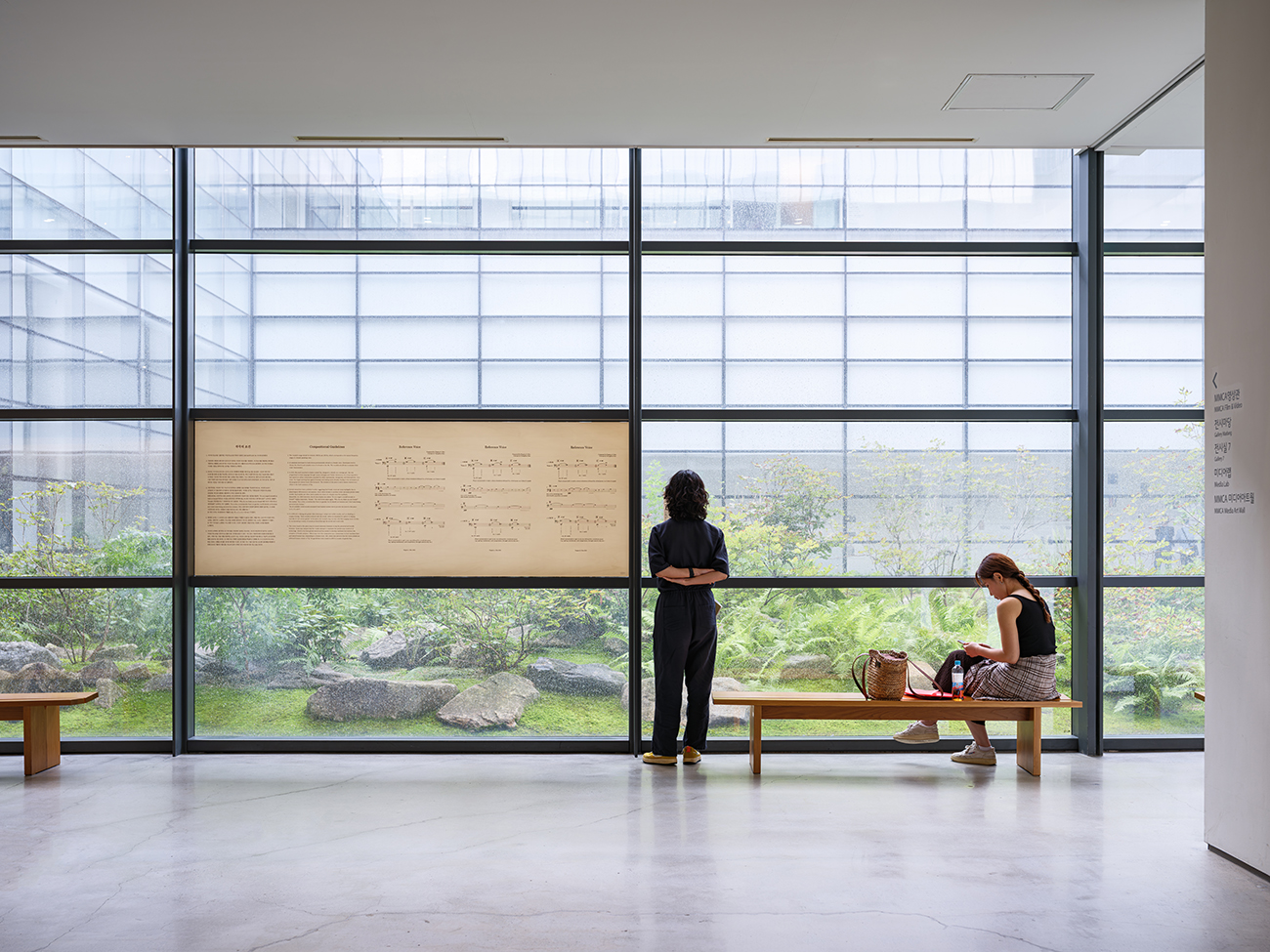
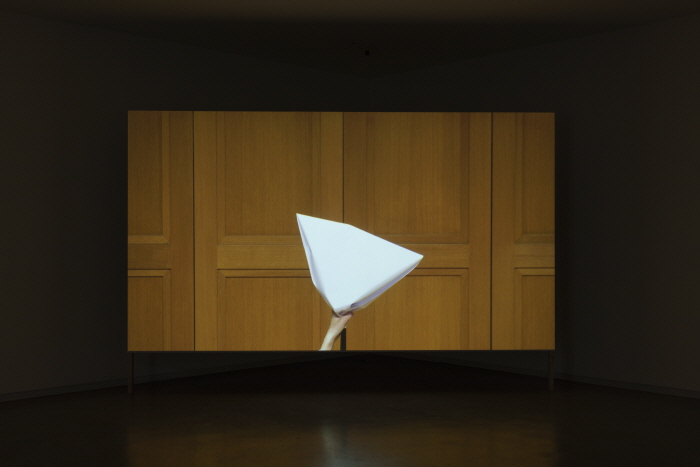
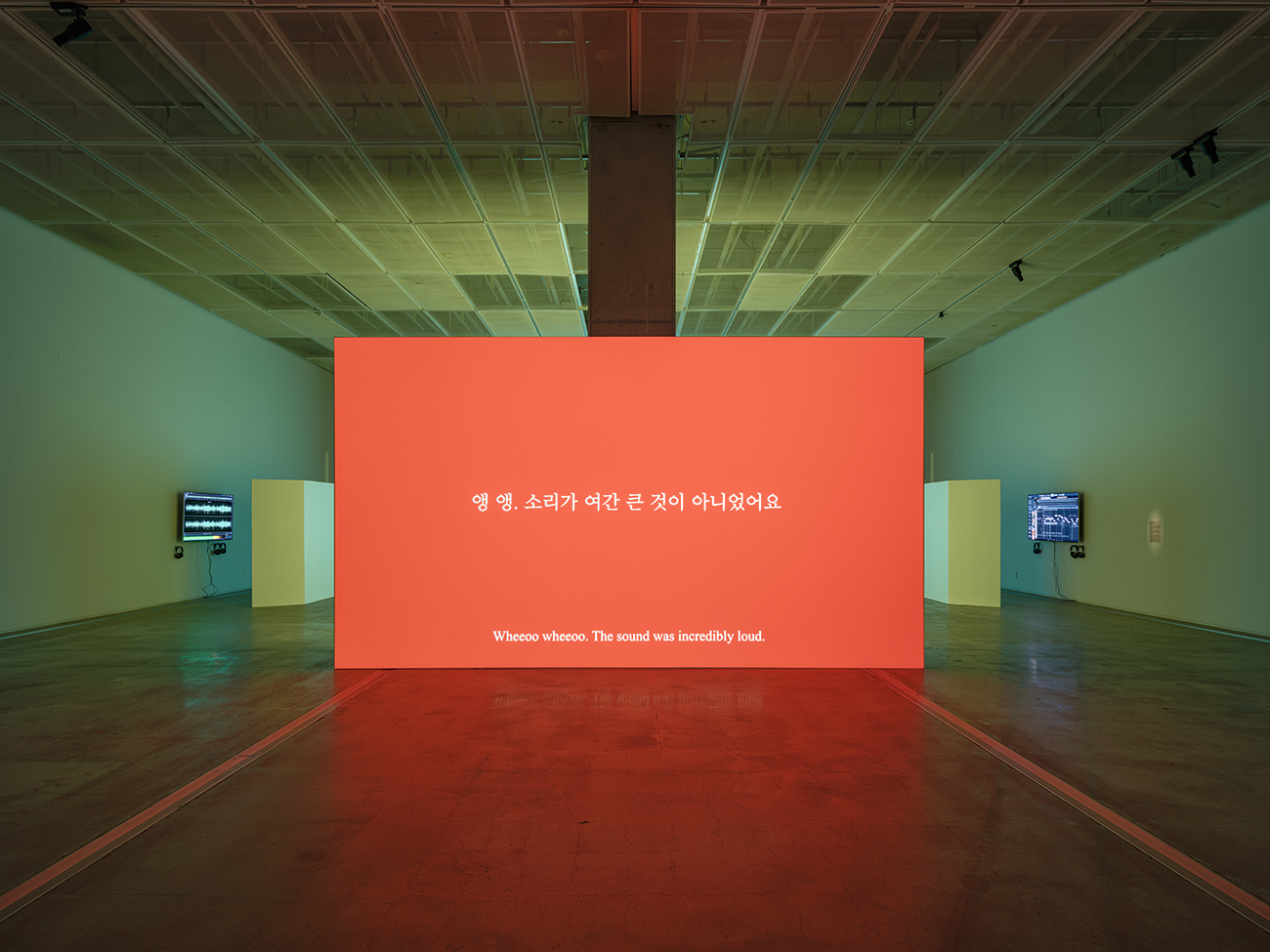
Installation view of 《Frames of Sound》 © SONGEUN

The SONGEUN ArtAward was established in 2001 to support and award Korean contemporary artists through a fair and transparent evaluation process every year. After the 10th SONGEUN ArtAward, and in accordance with the opening of the new SONGEUN ArtSpace in 2010, the SONGEUN ArtAward was greatly modified in 2011 with the purpose of better supporting and promoting emerging Korean artists. Under the new selection process then, four finalists were selected each year based on a preliminary and main review.

Before the end of the group exhibition, one artist was selected as the grand prize winner and awarded the opportunity and funds for a solo exhibition within two years at SONGEUN. To mark the inauguration of SONGEUN’s new landmark venue and celebrate the award’s 20th anniversary, the Art Award is expanding its objective, offering a wider range of benefits for the artists and over a longer period of time.

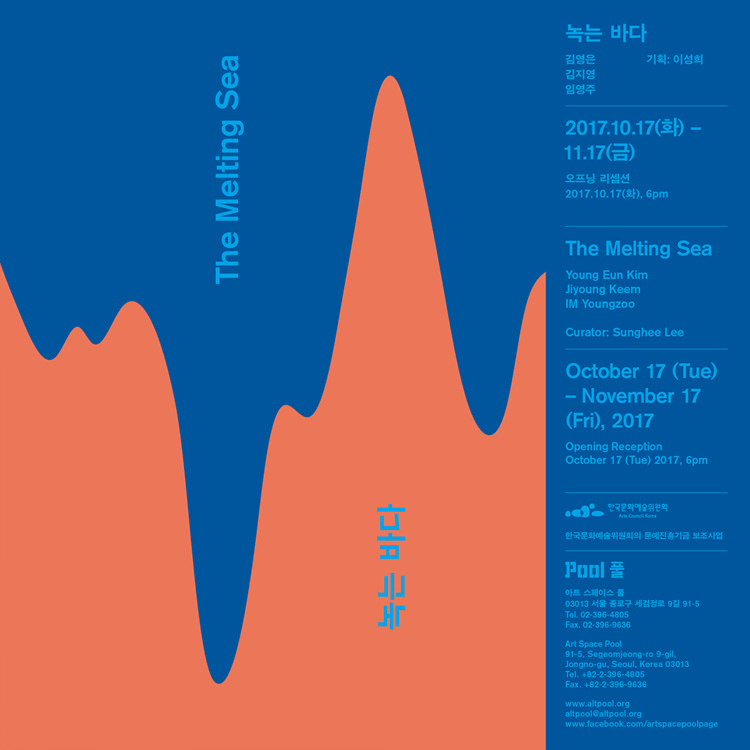
This year’s solo exhibition is 《Frames of Sound》 by YoungEun Kim, who won the grand prize at the 17th SONGEUN ArtAward in 2017.

Kim focuses on the relationship between one’s surroundings and the auditory experience as a basic perception prone to being overlooked. Viewing sound as a realm that can be interpreted from physical, psychological, and historical perspectives, she questions individual standards for perceiving sound in examining the processes behind the formation of established systems for musical creation.

Through reconstructions of historical events based on records, Kim turns her attention to the collisions in meaning arising within existing musical “frames,” as well as the creation of a new sonic realism.

In the works presented at 《The 17th SONGEUN ArtAward》 exhibition, Kim adopted several approaches to show how the medium of sound operates in a cognitive and social sense. In Ballad (2017), she uses the Vocoder, a former piece of military equipment now used as a musical instrument, to share the distorted voice of a singer singing a song that soldiers sung in battles between Germany and Britain in World War I.

In the process, she examines how the contexts behind sound and music change with cultural and historical circumstances, and how this is reflected in the social functions of sound. Guns and Flowers (2017) examines the relationship between sound and violence, centered on how love songs are used as propaganda tools in loudspeaker broadcasts from South Korea directed at North Korea.

As an exploration of Kim’s long- term interest in the principles of listening and components of sound, the works in this exhibition present a broader perspective taking the research method of “sound studies.”

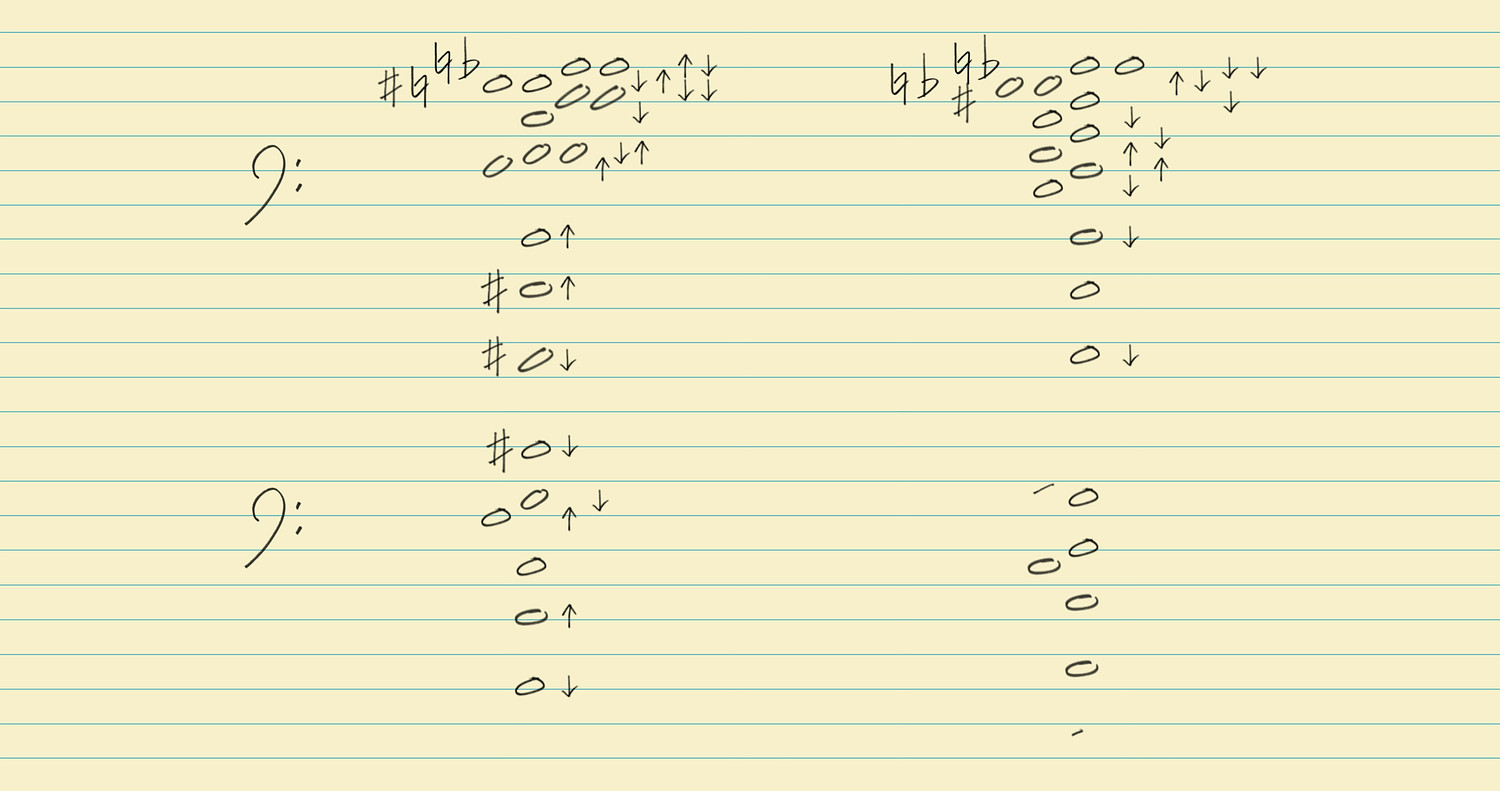
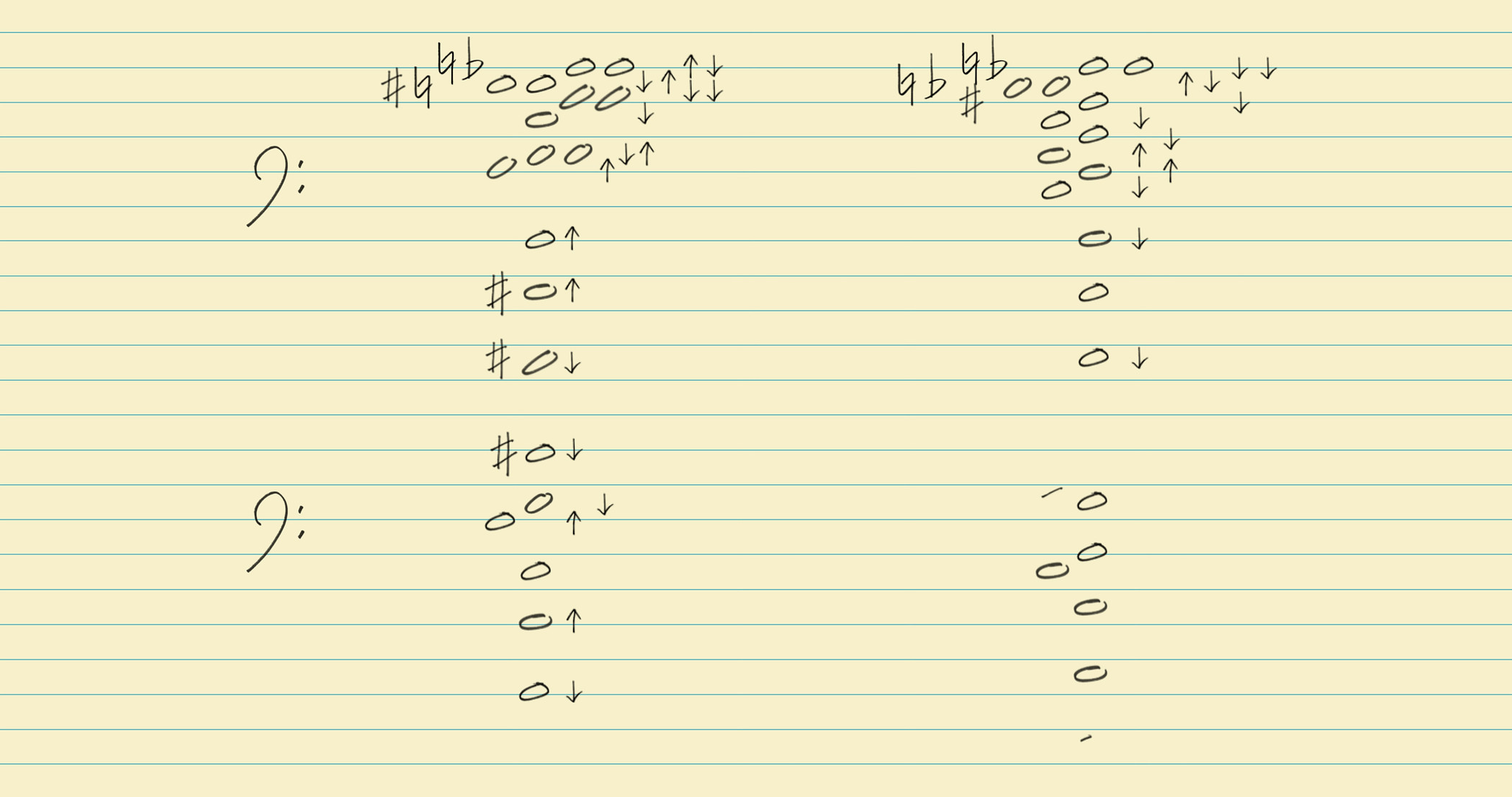
《Frames of Sound》 captures the moments in which Korean music comes into contact with elements of Western music (including the international standard pitch “A,” ear training, and staff notation) and anthropological efforts such as ethnographic audio recordings.

Starting from questions on her own musical preferences and how history and culture have shaped the human aural perception, the artist spotlights the modernization process in which the Korean ear shifted from traditional music to Western music. She examines the process in which “frames” are created for the composition of music, while asking where our ears are situated within the organically shaped grid of contemporary aural culture.

References