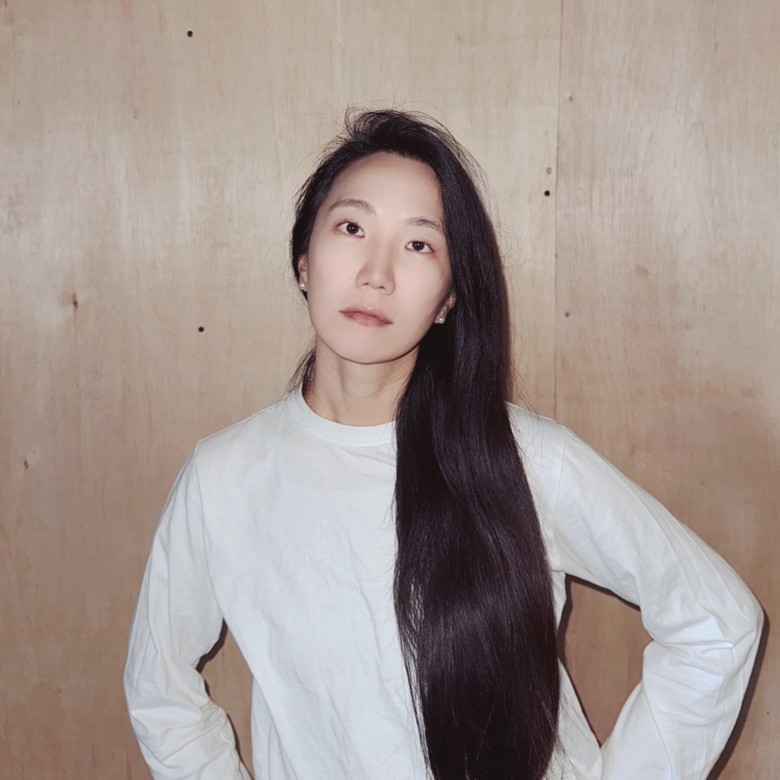
Yo-E Ryou
works across video, sound installation, performance, drawing, workshops, and
artist books. In her practice, medium is less a tool for producing a completed
object than a method for sharing sensations and knowledge transmitted from body
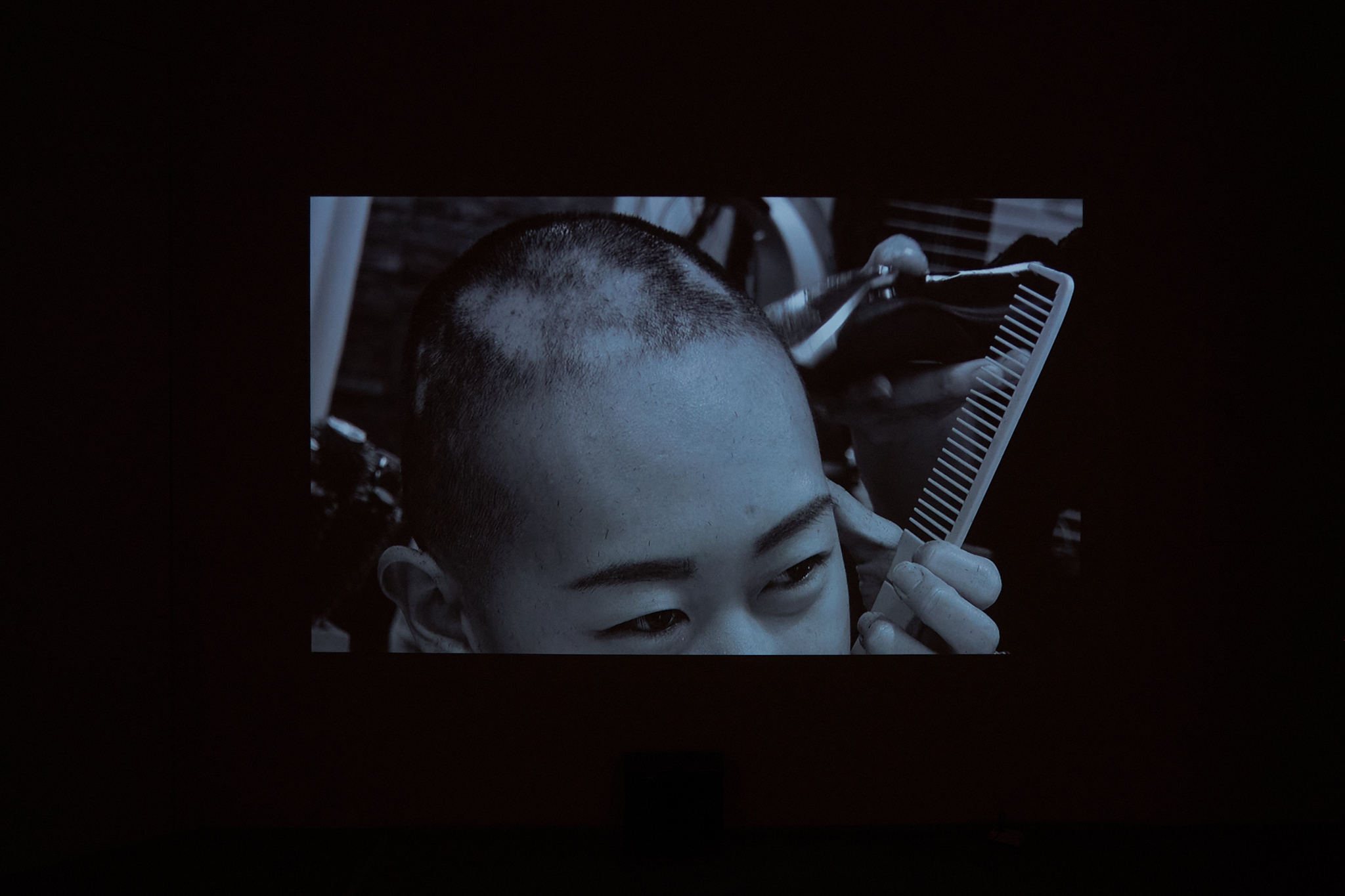
to body. Her early works Double Gaze(2018)
and Auspicious Practice(2020) address the experience of
a woman suffering from hair loss caused by a stress-induced autoimmune disease,
exploring through video questions of bodily fatigue, social gaze, healing, and
identity. In these works, the body becomes both a site where personal symptoms
are revealed and a starting point for reexamining one’s position within family,
society, culture, and the ecological environment.
After 《Why I Swim》, Yo-E’s practice shifts toward a
more relational and polyphonic form through her encounter with the sea of Jeju
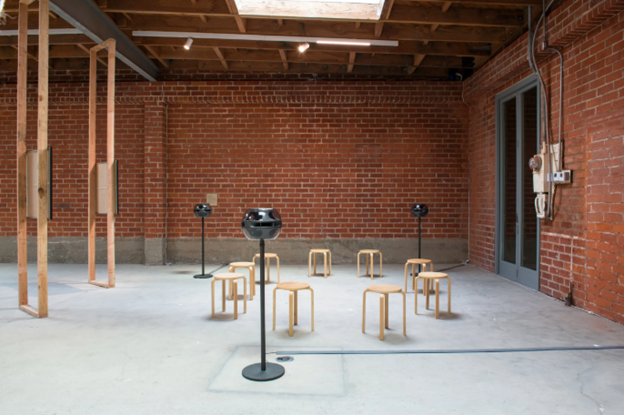
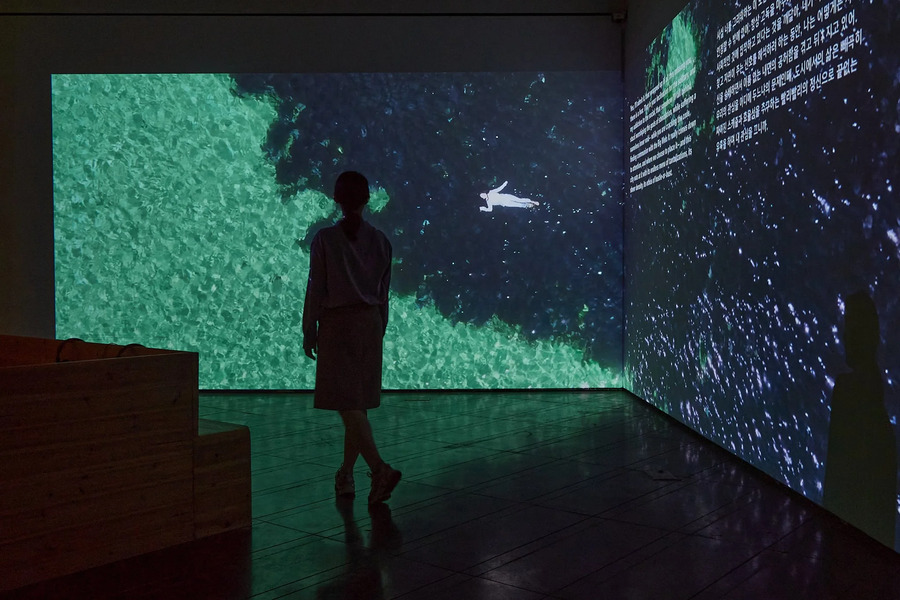
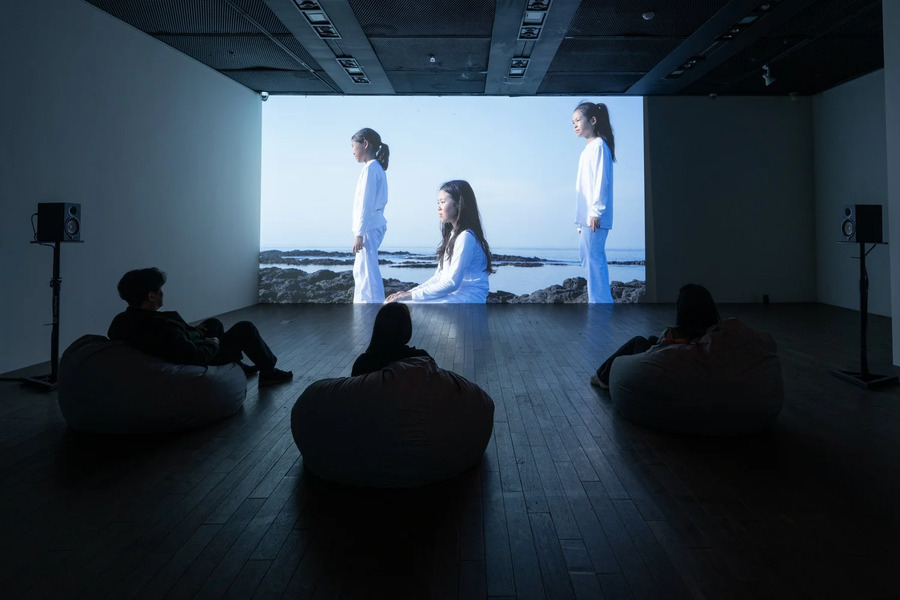
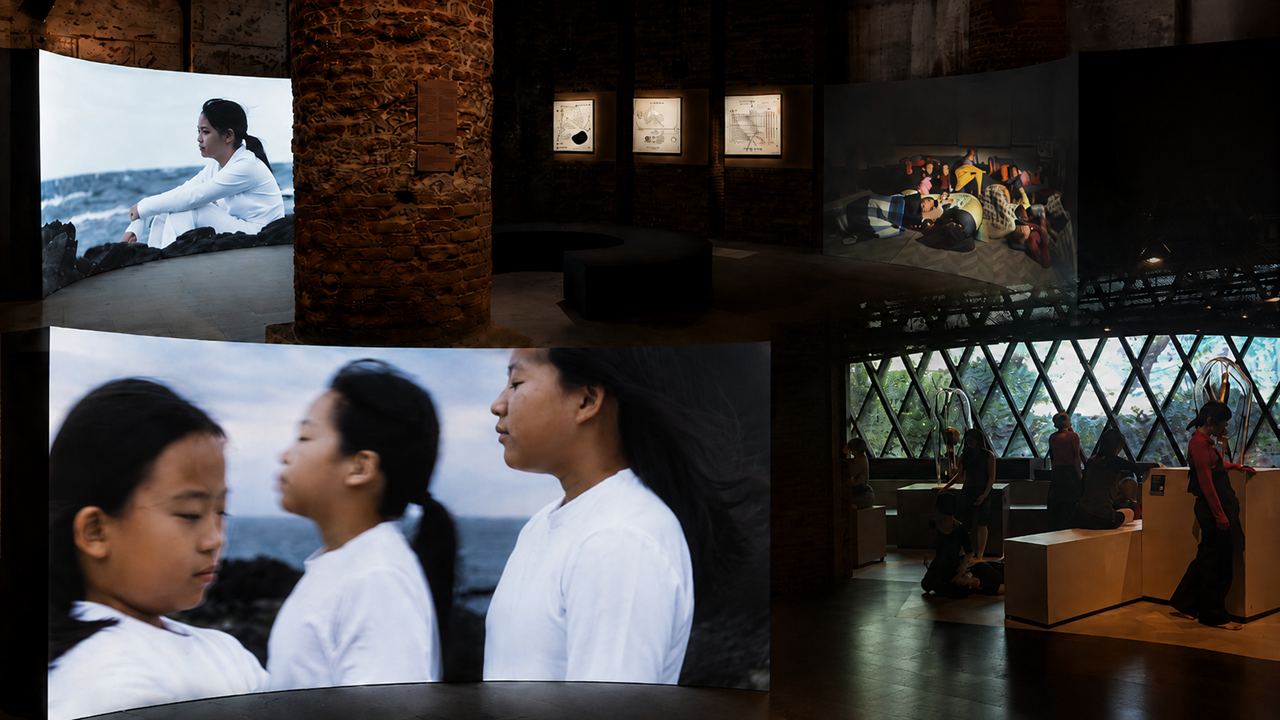
and the haenyeo community. Water Remembers layers
the memories of Ko Ihwa and neighboring haenyeo through four-channel sound. The
sound of a single drop of rain expands into waves and storms, the sound of a
body plunging into water is followed by the voices of haenyeo, and individual
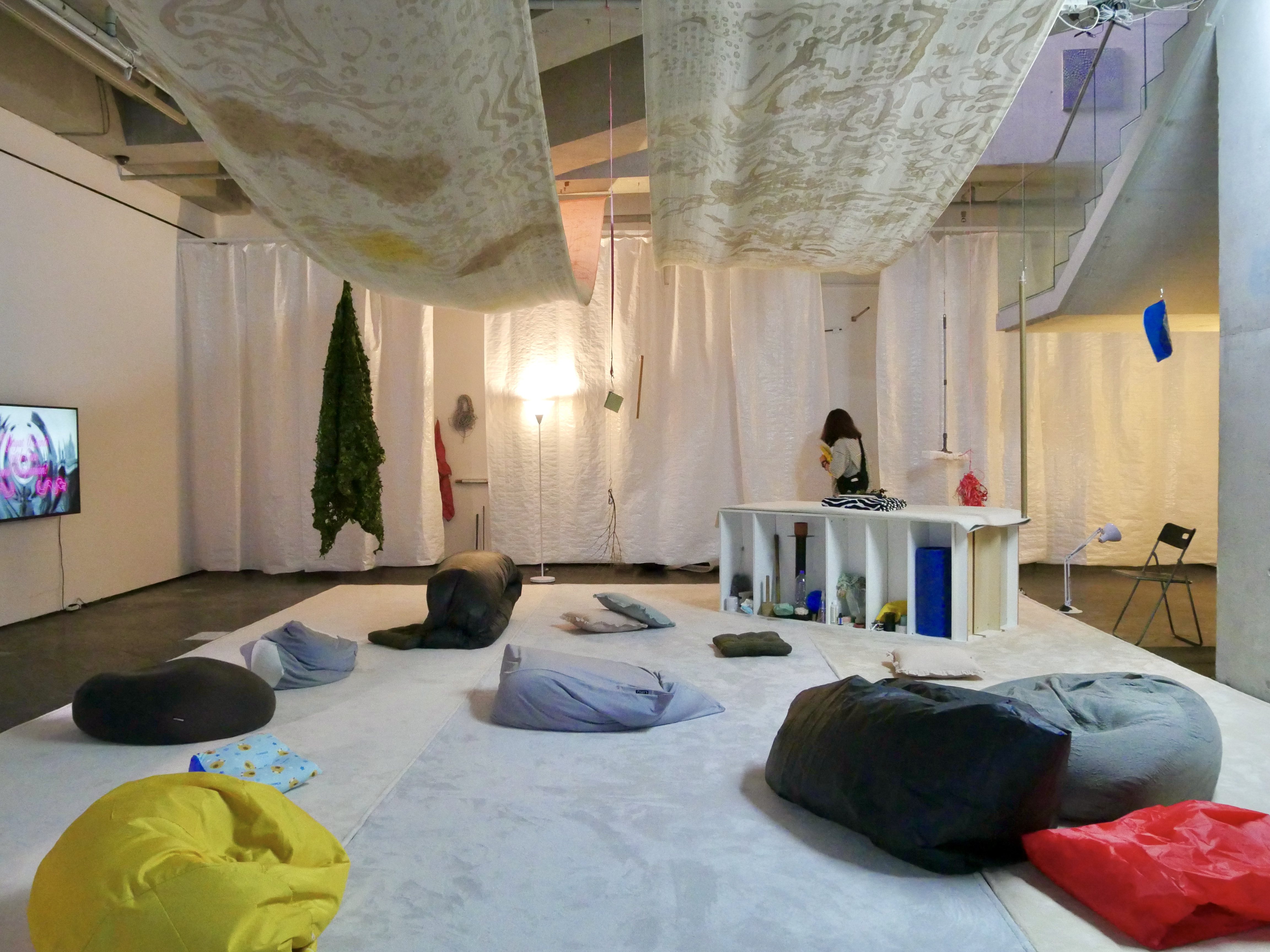
memory opens into a communal soundscape. The installation Bulteok(2023)
brings into the exhibition space the communal seaside place in Jeju where
haenyeo change clothes, warm themselves, and exchange information. The work
proposes another form of bulteok where viewers can reflect together on water,
the body, women’s writing, and the possibility of solidarity.
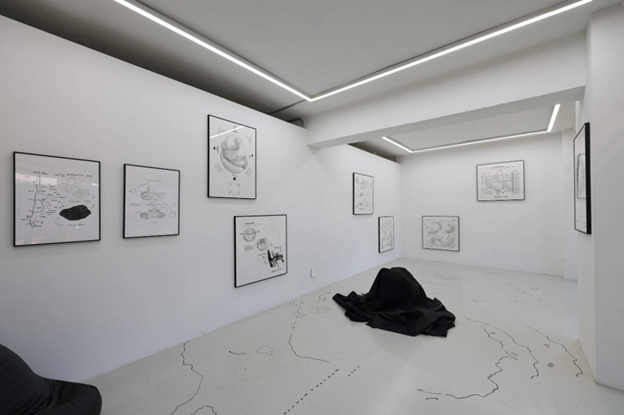
The 2025
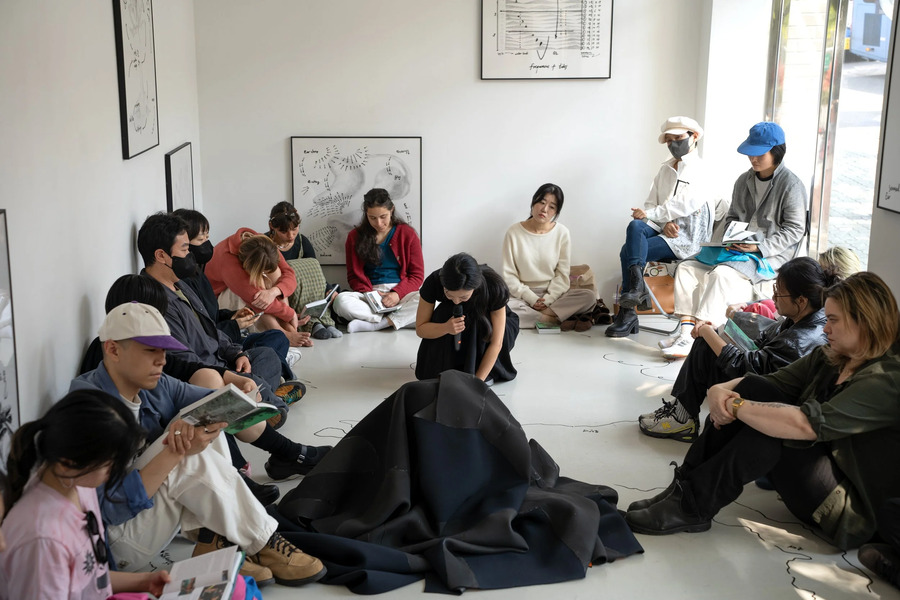
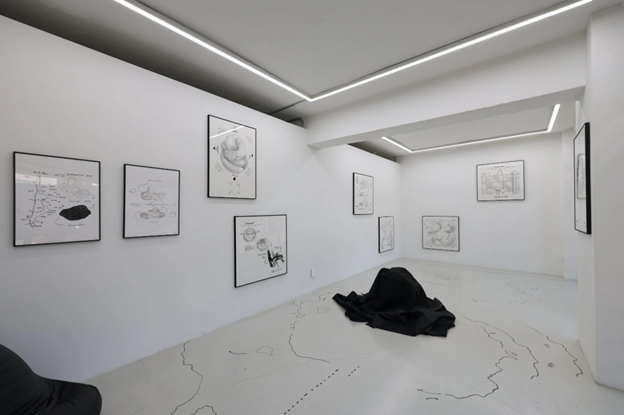
solo exhibition 《Breath Pause》(Forever Gallery, Seoul, 2025) expands the sensation of water into
the rhythm of breath. The exhibition is structured as a space for listening to,
reading, and sensing the language of breath learned from the sea and haenyeo,
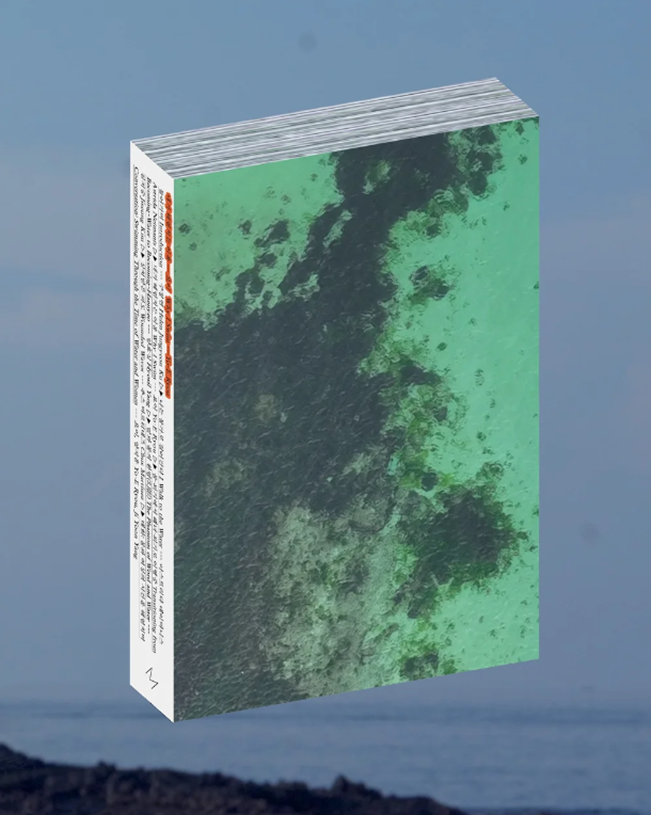
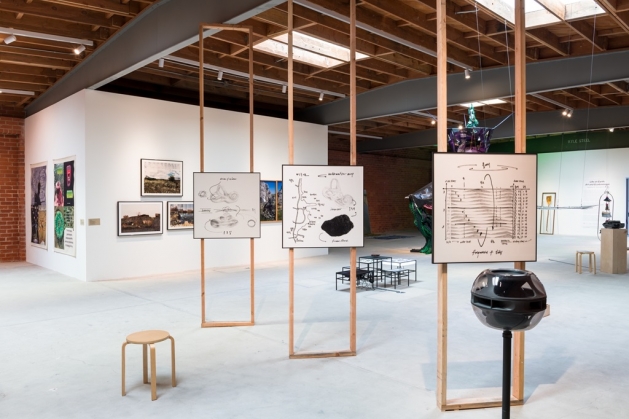
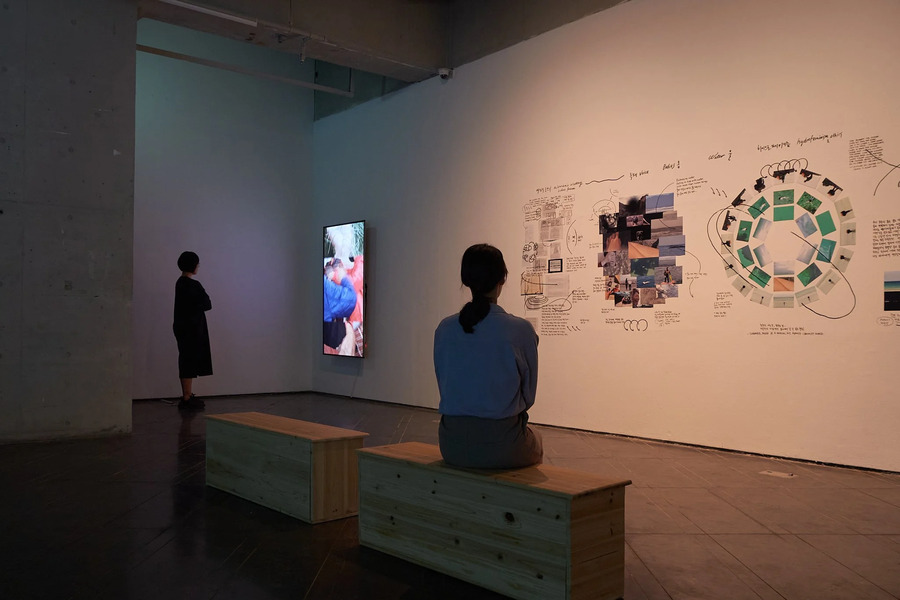
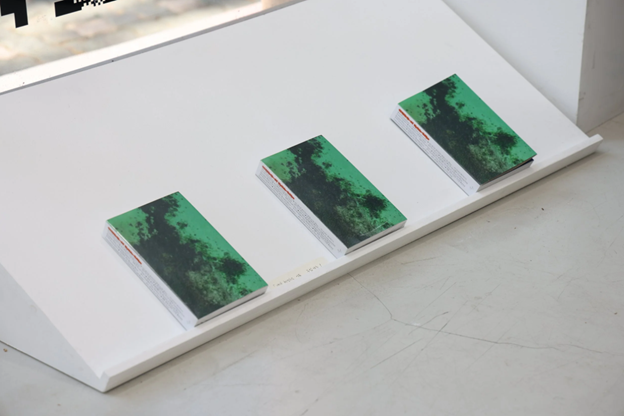
through the artist book 『Yo-E Ryou: Why I Swim』, the research drawing series ‘Talking Water, Writing Body, 04-13’,
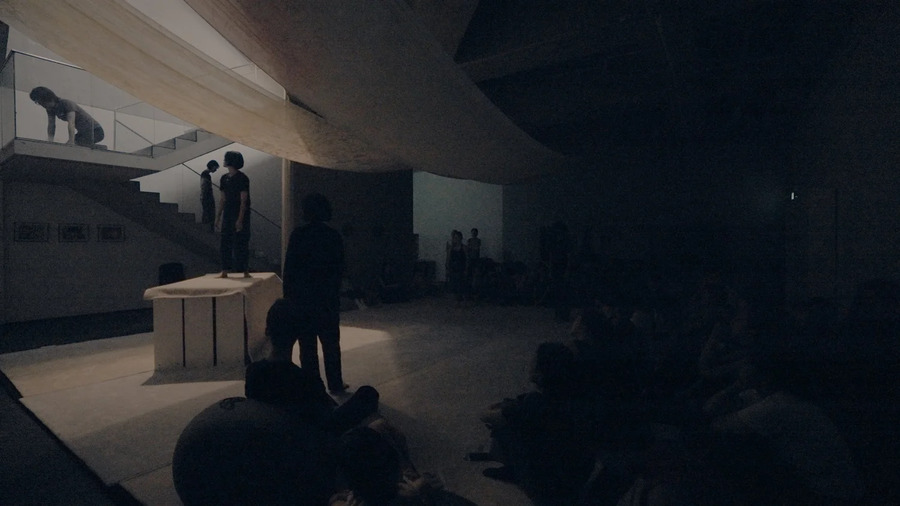
the installation Water Current 1-2, and the
performance Breath Orchestra Act 3. The artist
juxtaposes reading, performance, drawing, and installation, showing how
sensations learned underwater are translated again into sound, writing,
gesture, and space. Here, the exhibition becomes not simply a site of viewing,
but an experimental space that slowly narrows the distance between record and
memory, body and speech.
The
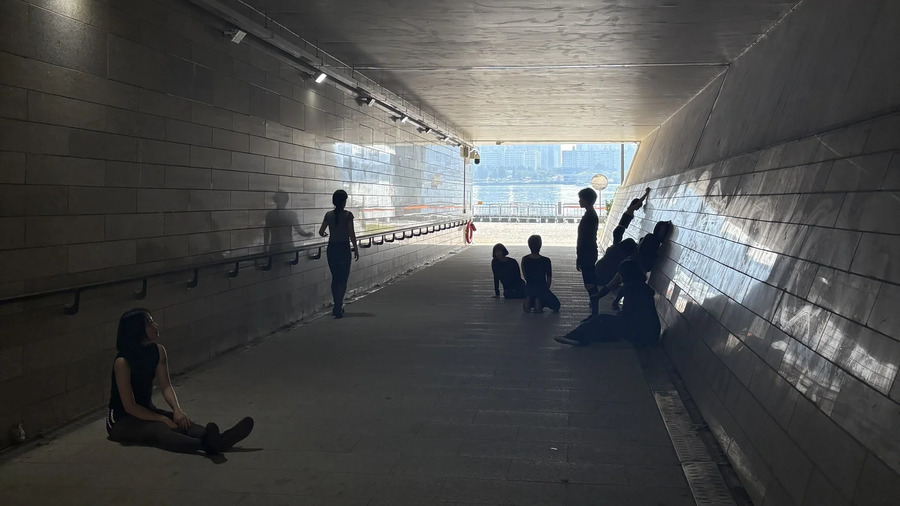
‘Breath Orchestra’ series and Ellipses II(2025) make
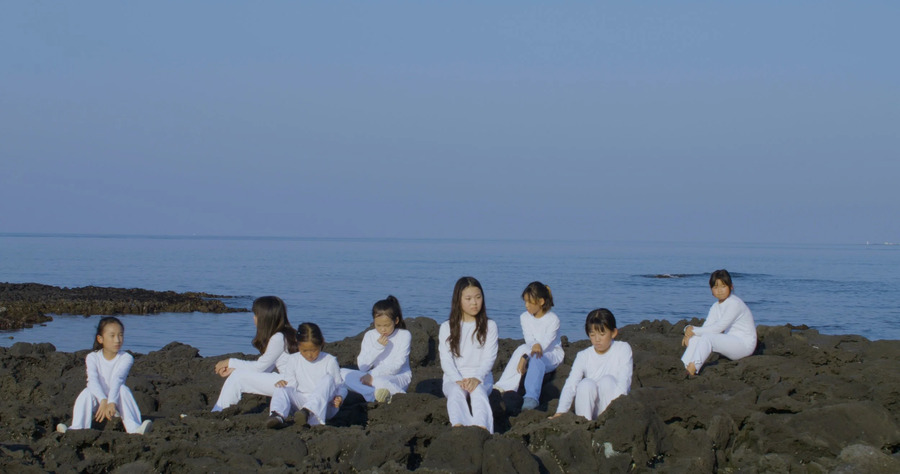
this formal expansion even clearer. ‘Breath Orchestra’ treats breath as living
knowledge, repeating workshops, rehearsals, collective listening, and
performances based on the oral traditions and breathing techniques of haenyeo.
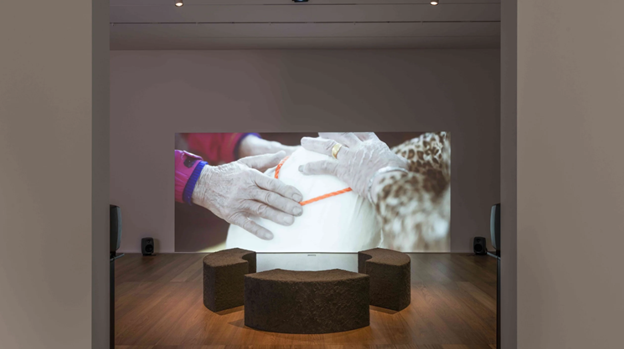
Presented at 《The 25th SONGEUN Art Award
Exhibition》(SONGEUN, Seoul,
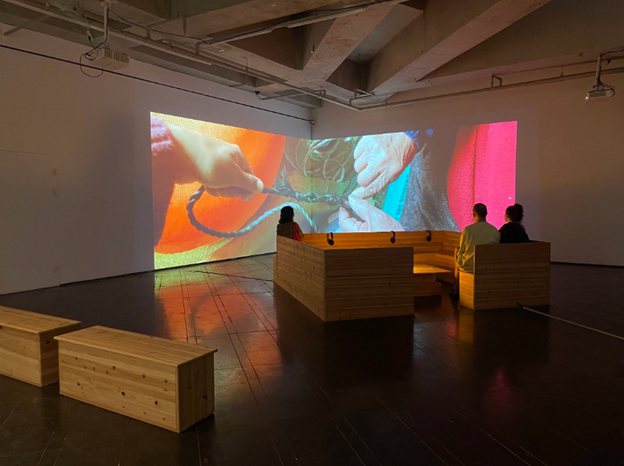
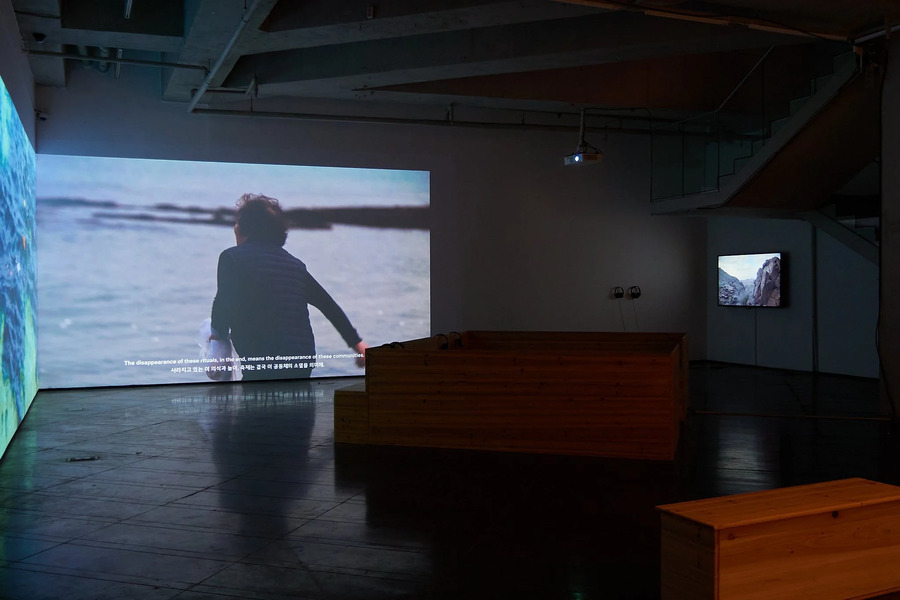
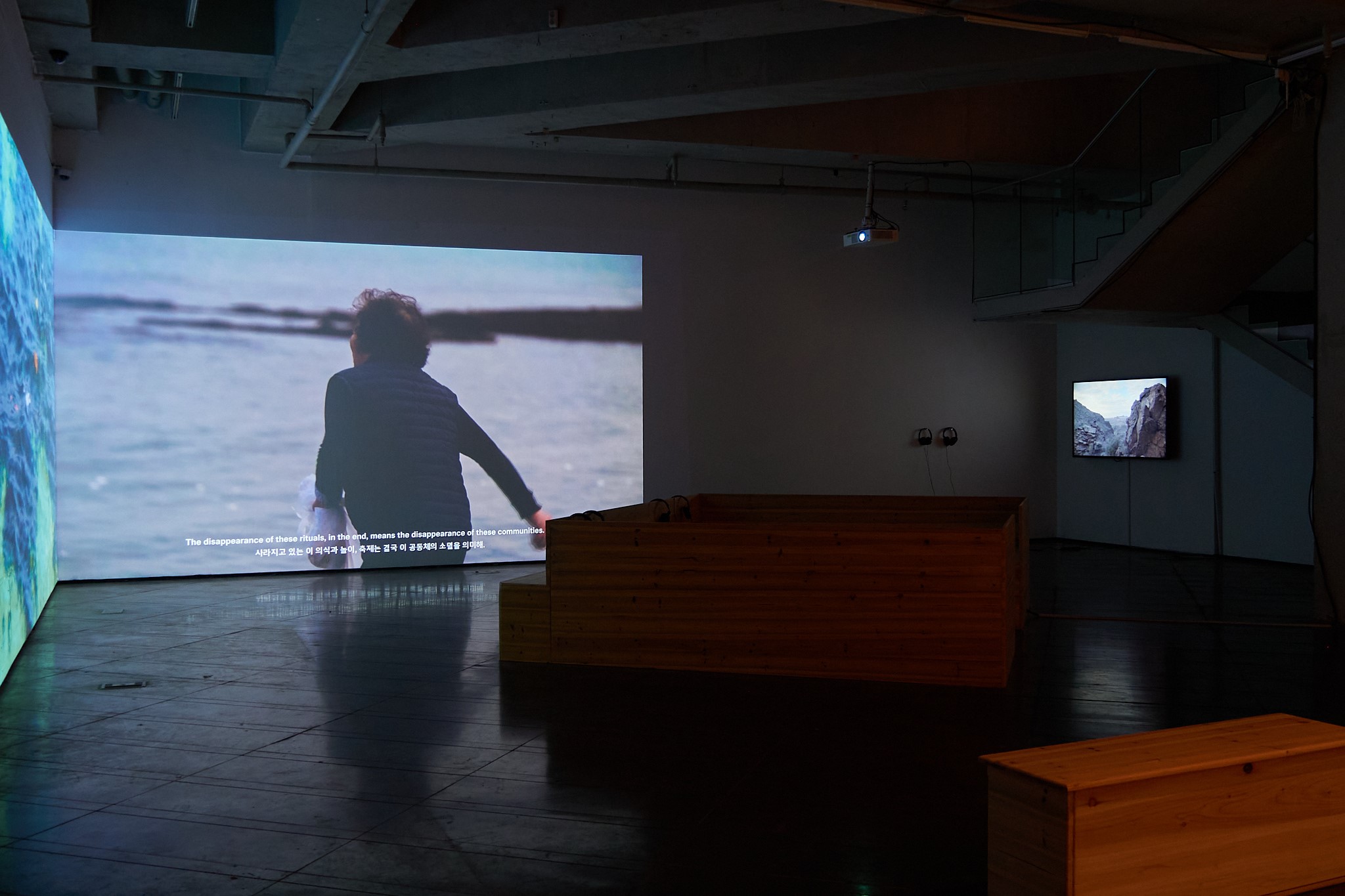
2026), Ellipses II is a multimedia installation
that records through video, sound, and image the sensations of the disappearing
haenyeo community at the threshold between water and land. In this work, the
ellipse and ellipsis symbolize not a completed circle or closed narrative, but
a process of hesitation, repetition, and incomplete transmission. The act of
making and handling tewak, the flotation devices used by haenyeo, becomes a way
of recalling memories and sensations that cannot be fully contained in words,
through tools that function as extensions and companions of the imperfect body.