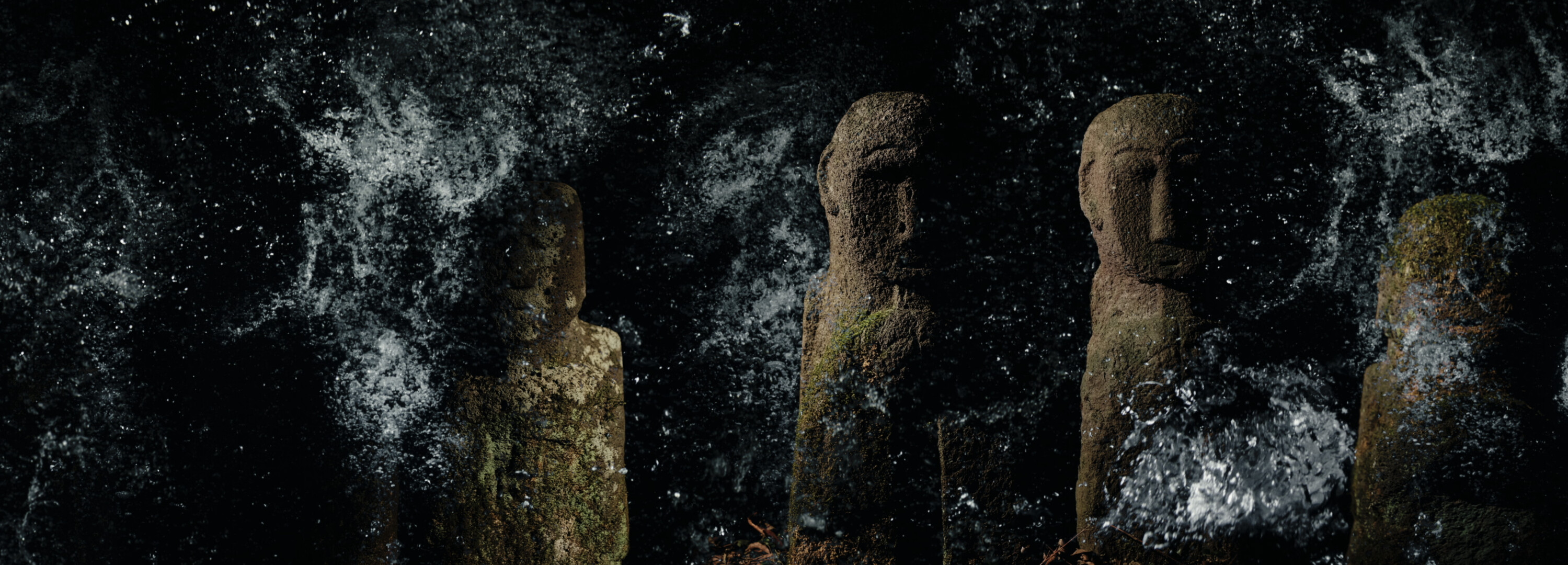
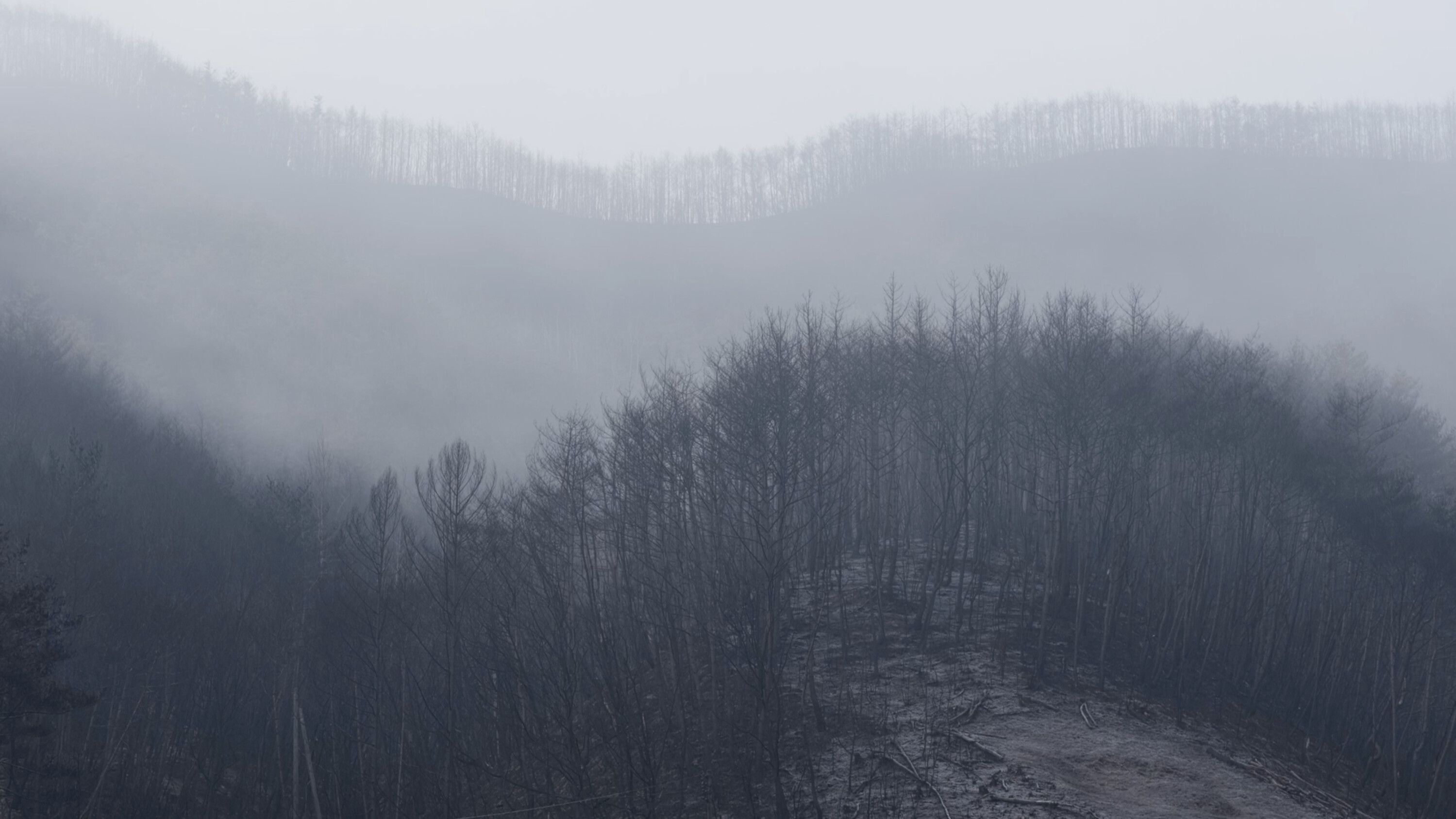
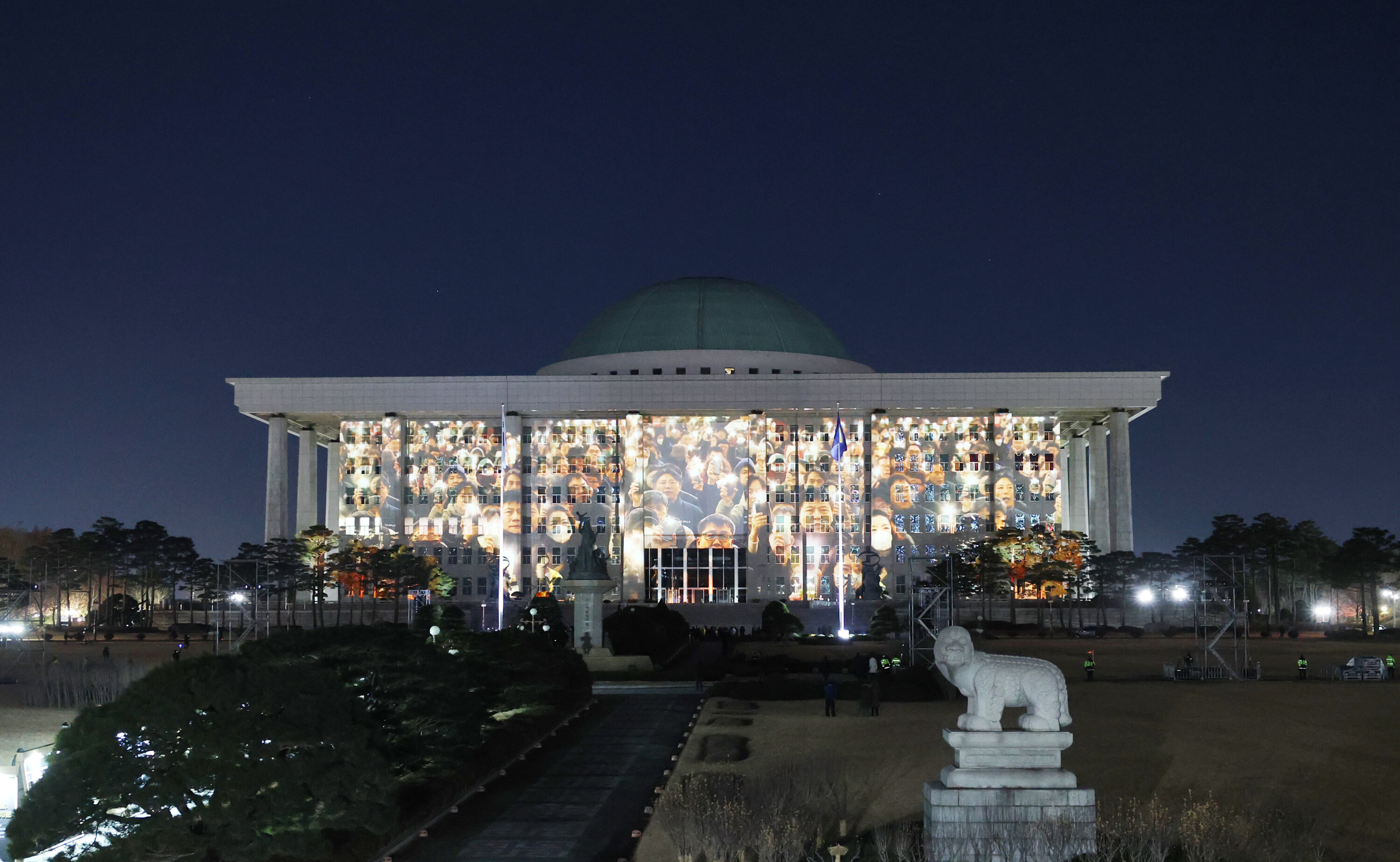
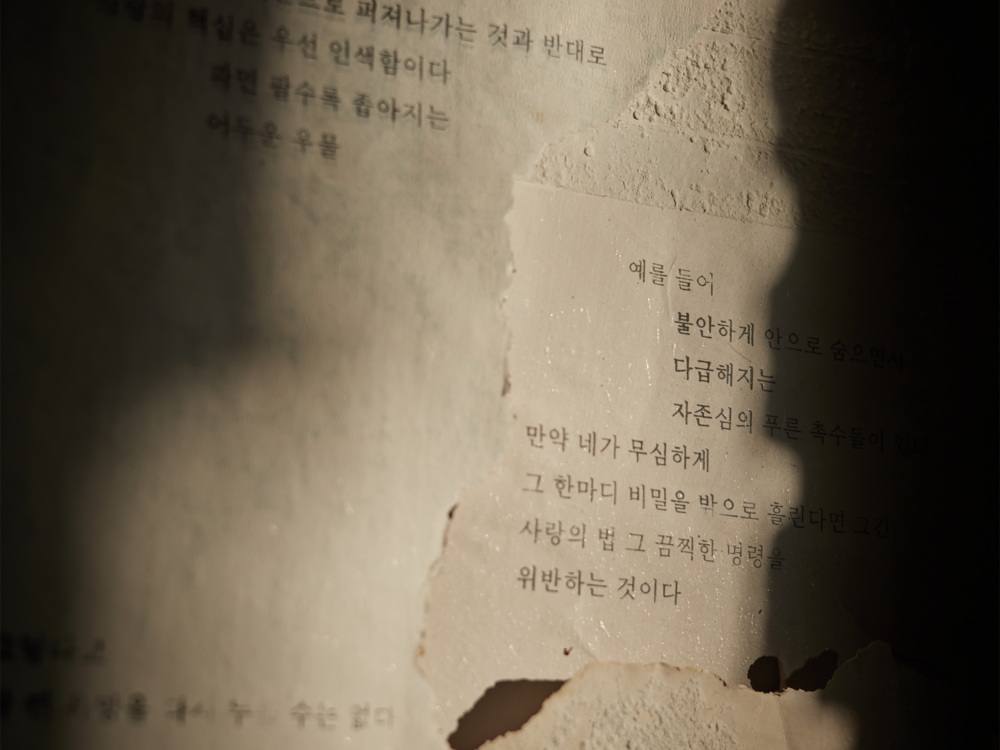
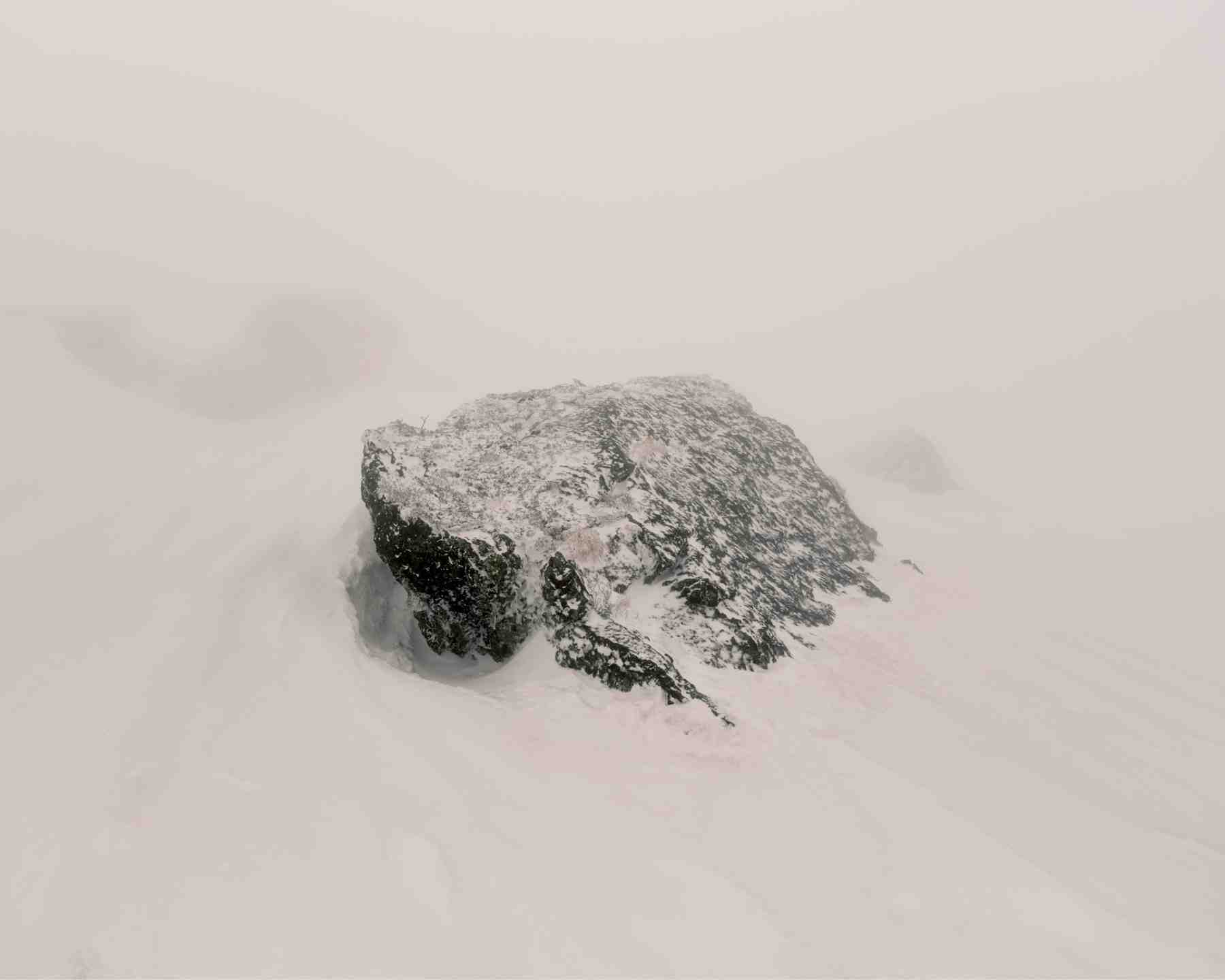
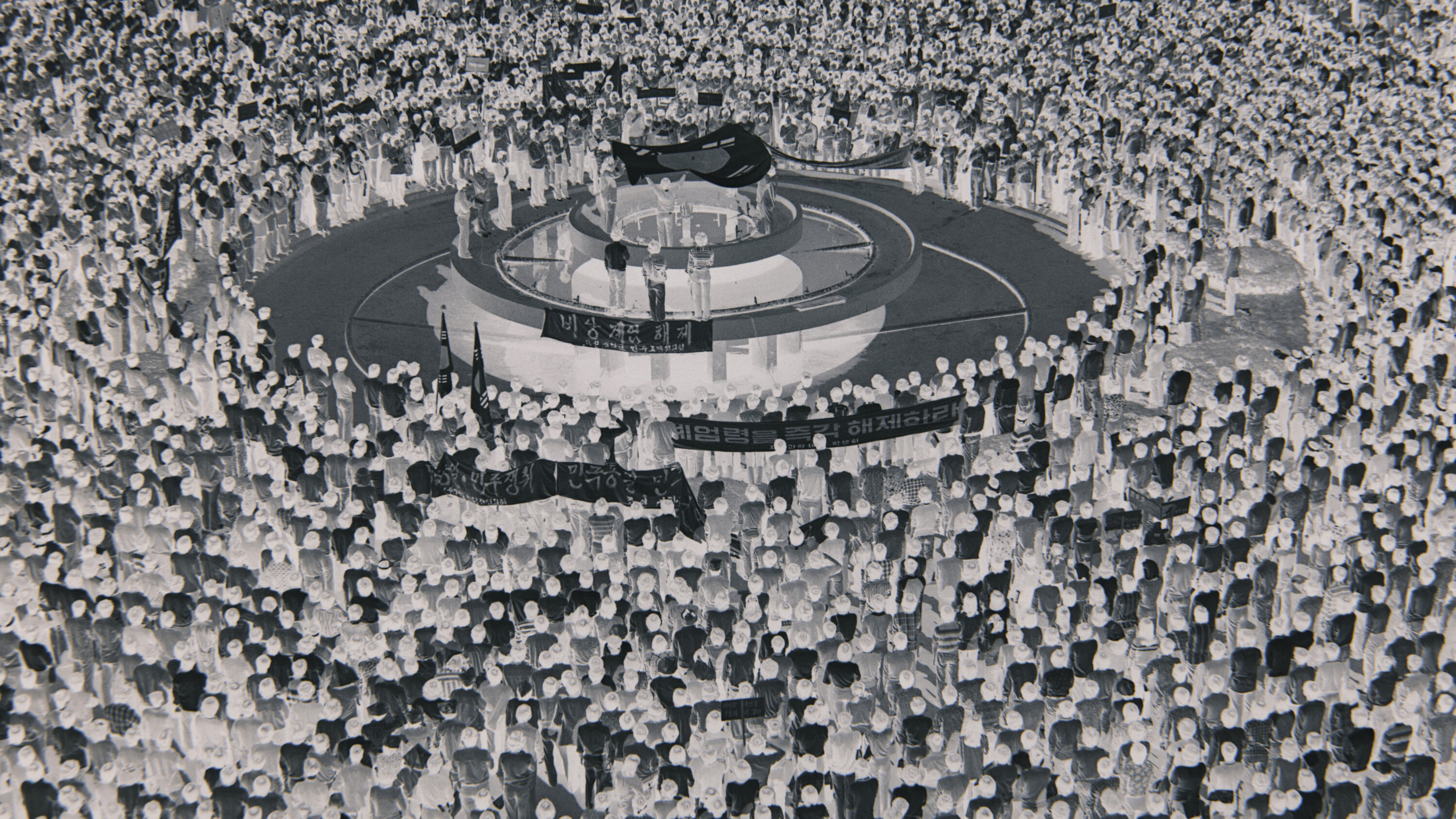
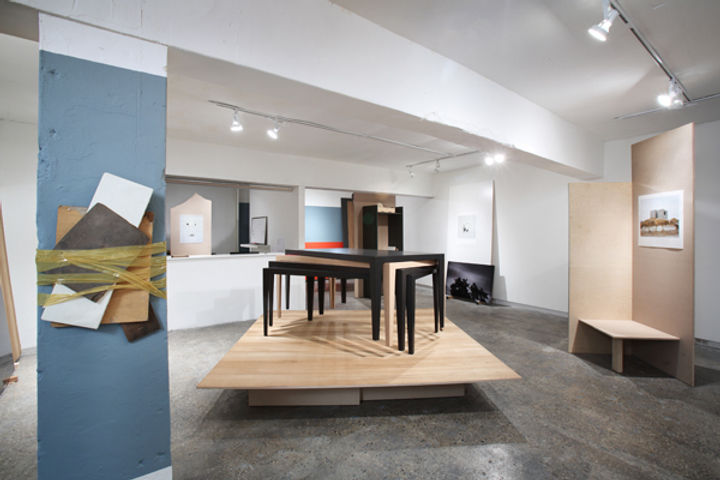
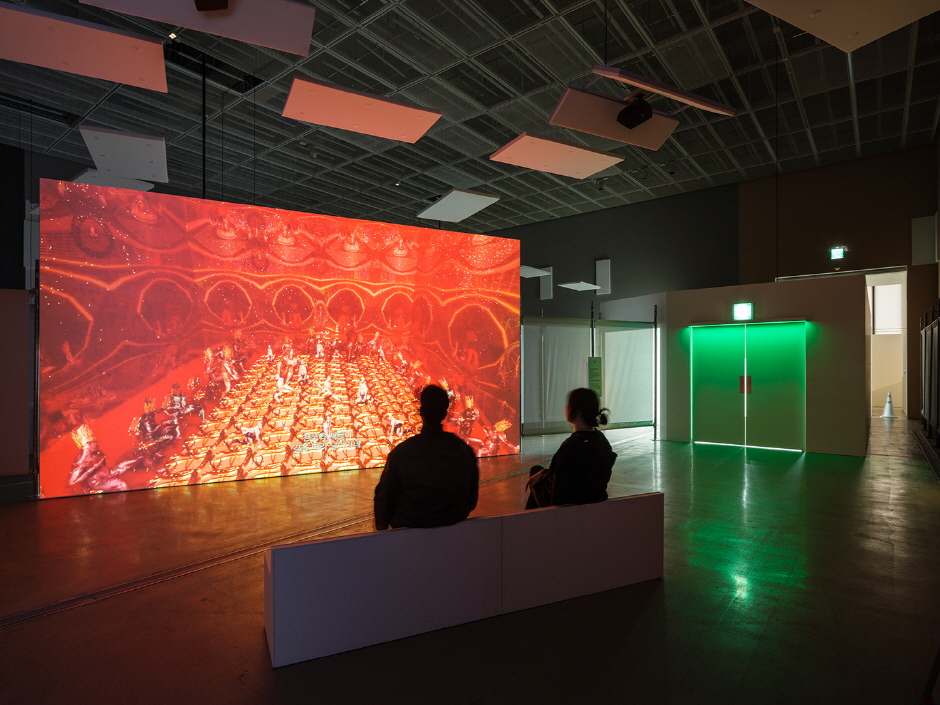
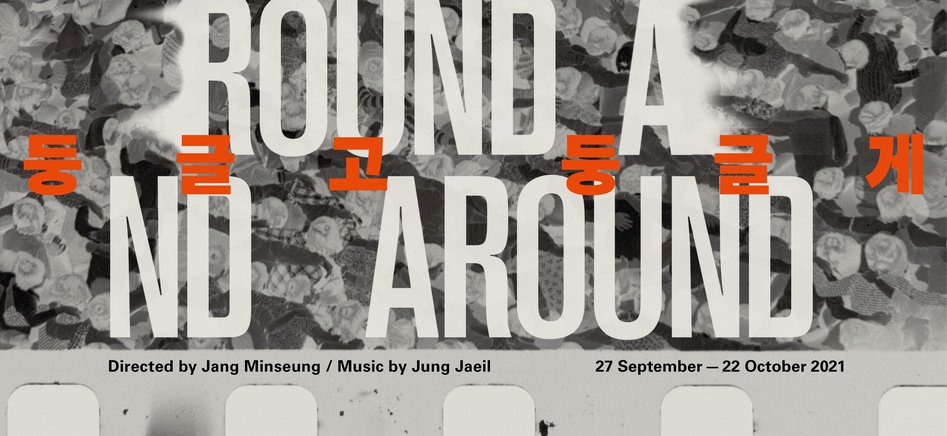
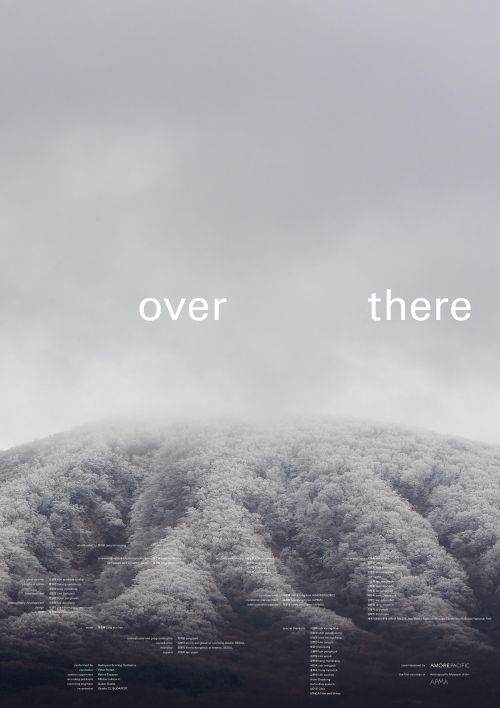
Round And Around (2020) is an audio-visual project that surveys the 1980s while centering on the Gwangju Uprising. Conceived by the Korean Film Archive, the project takes the form of a found-footage film edited from historical moving images, moving beyond a simple commemoration of the Gwangju Democratization Movement to evoke an ontological reflection on historical images themselves. Through a close collaboration with music director Jaeil Jung—as in earlier works such as Void (2016), voiceless (2019), and over there (2019)—media artist Jang Minseung once again creates a distinctive spatiotemporal experience of “light and sound.”
Here, “light” refers not only to Gwangju, whose name literally means “City of Light,” but also to the traces left behind by its historical subjects, and by extension to cinema itself and its capacity to enable travel across dimensions and through time. “Sound,” much like prayer and religious music have long done, forms a ritualistic space in which historical beings and present-day audiences encounter one another, lament suffering before a higher power, and offer consolation to the dead.
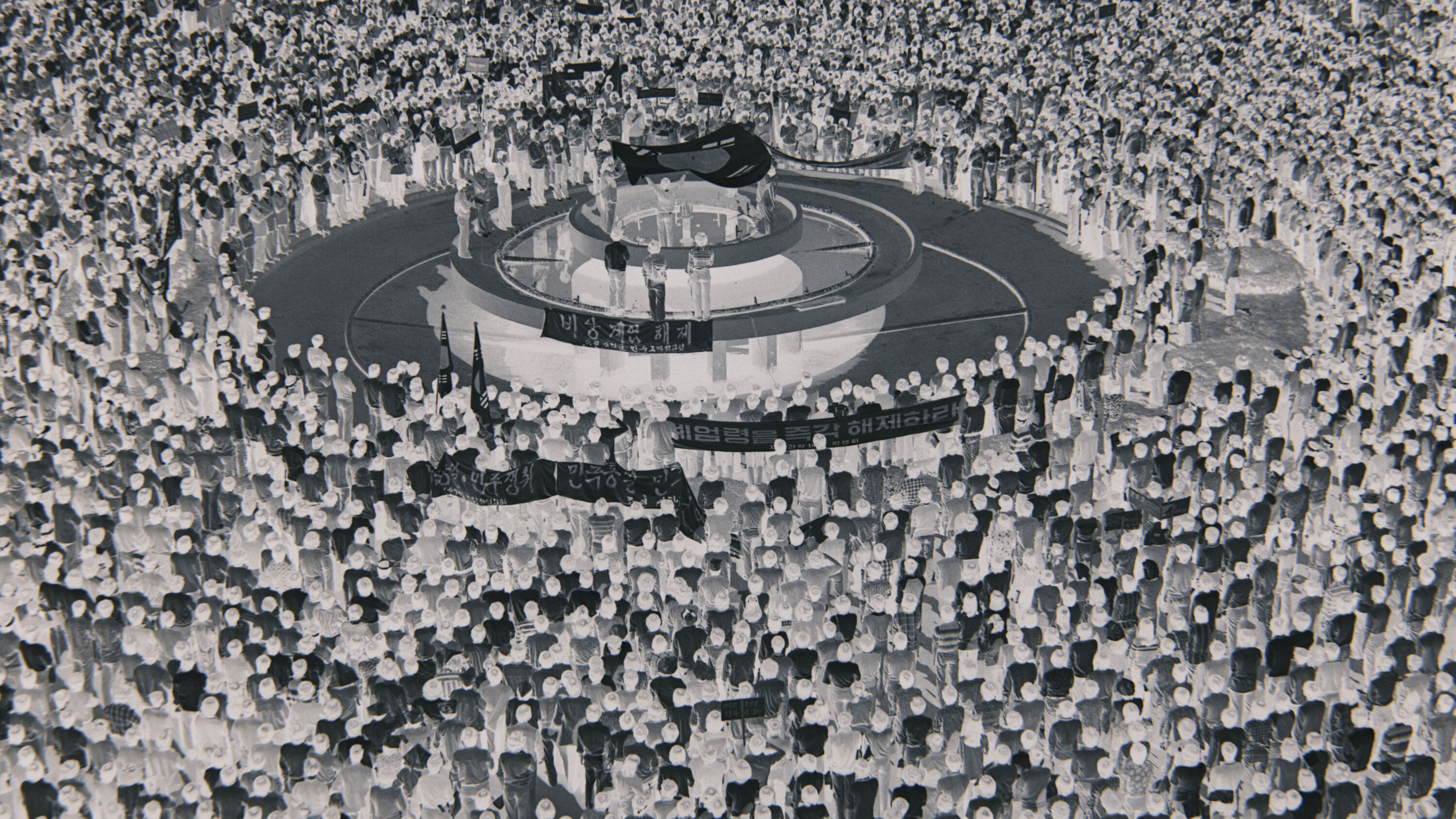
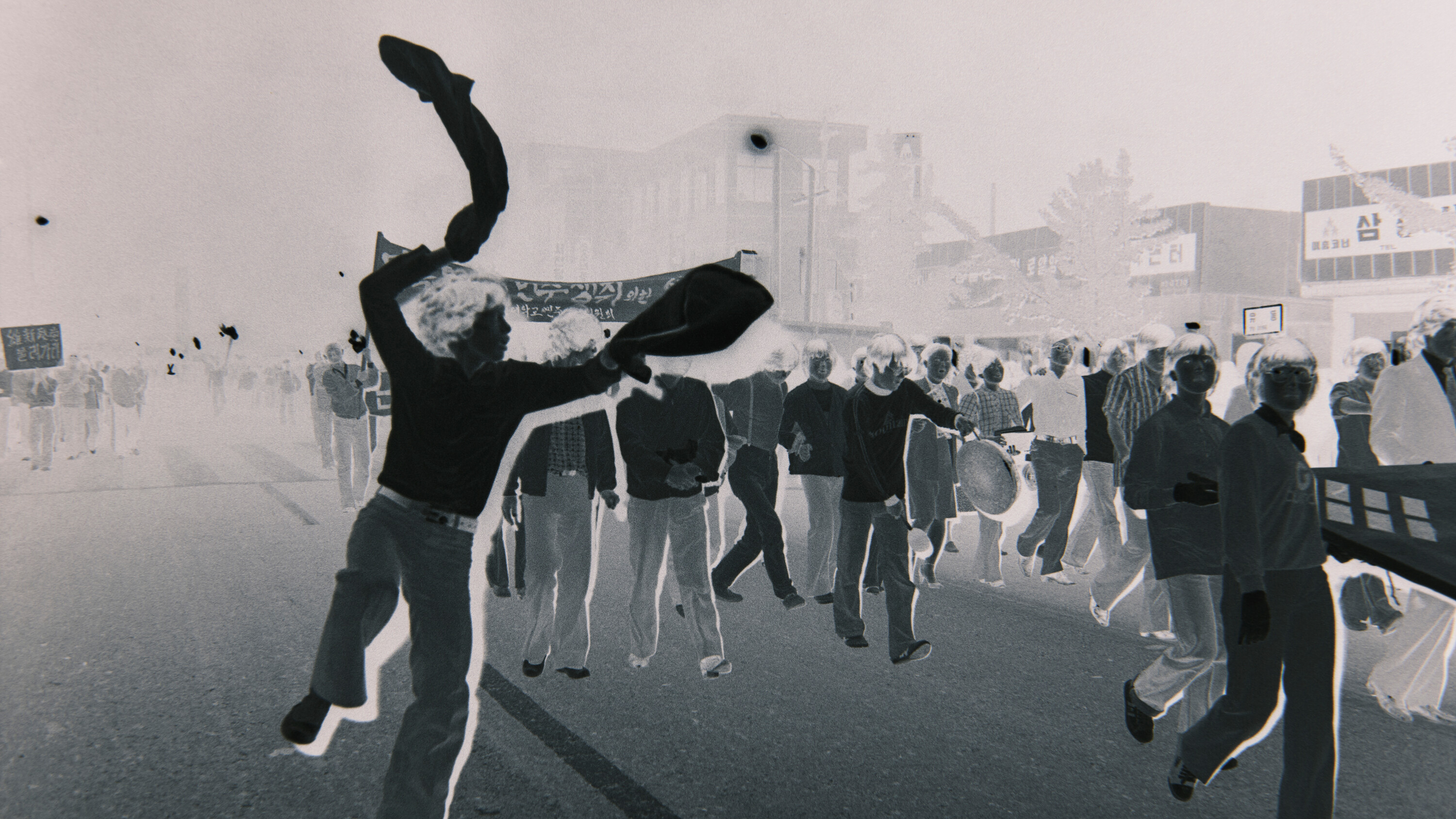
Like Peppermint Candy, which traveled back in time to the moment just before the Gwangju Uprising in search of the purest version of the self, Round And Around also journeys backward in order to once again question the potentiality of audiovisual images and history, and to console those who suffered and were marginalized by that history-cinema. Yet the work does not isolate Gwangju as either the singular origin of Korean modern history or an abruptly detached historical event. Beginning with the 1988 Seoul Olympics and tracing backward to the Bu-Ma Democratic Protests of October 1979, Round And Around gradually rewinds history through cross-editing photographs taken by citizens and journalists, newsreels produced by the Chun Doo-hwan regime for state propaganda, television news footage, and images filmed in the present.
The work focuses not only on the “boy rolling the hoop,” the iconic symbol of the 1988 Olympics, but also on the now-empty Olympic stadiums; not only on the demonstrators who led the June Democratic Uprising of 1987, but also on laborers working in factories and coal mines. It seeks to remember that the everyday emotions, labor conditions, and small political movements of anonymous individuals—those unrecorded in official history—interacted with one another to give rise to the historical event of Gwangju, and that Gwangju did not end in 1980 but continued to exert influence upon subsequent histories. Indeed, toward the latter part of the film, a choral repetition of the word “Memorare” (“Remember”) resonates throughout. “Memorare” signifies not simply what has already been remembered, but a will and longing to continue remembering beyond established memory itself. It is much like the eighty-eight piano keys appearing in the final sequence, each emphasizing the existence and significance of its own distinct sound.
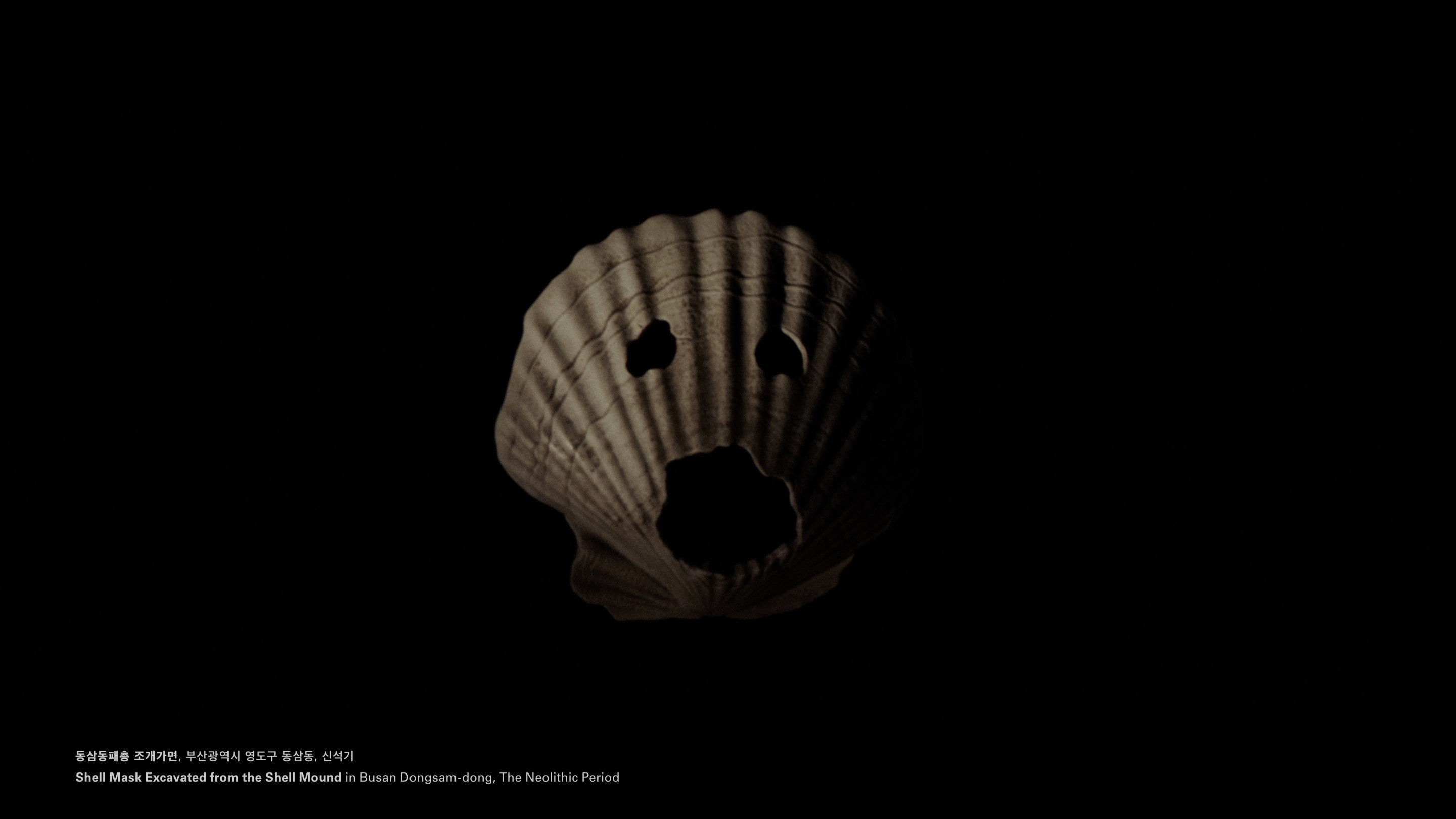
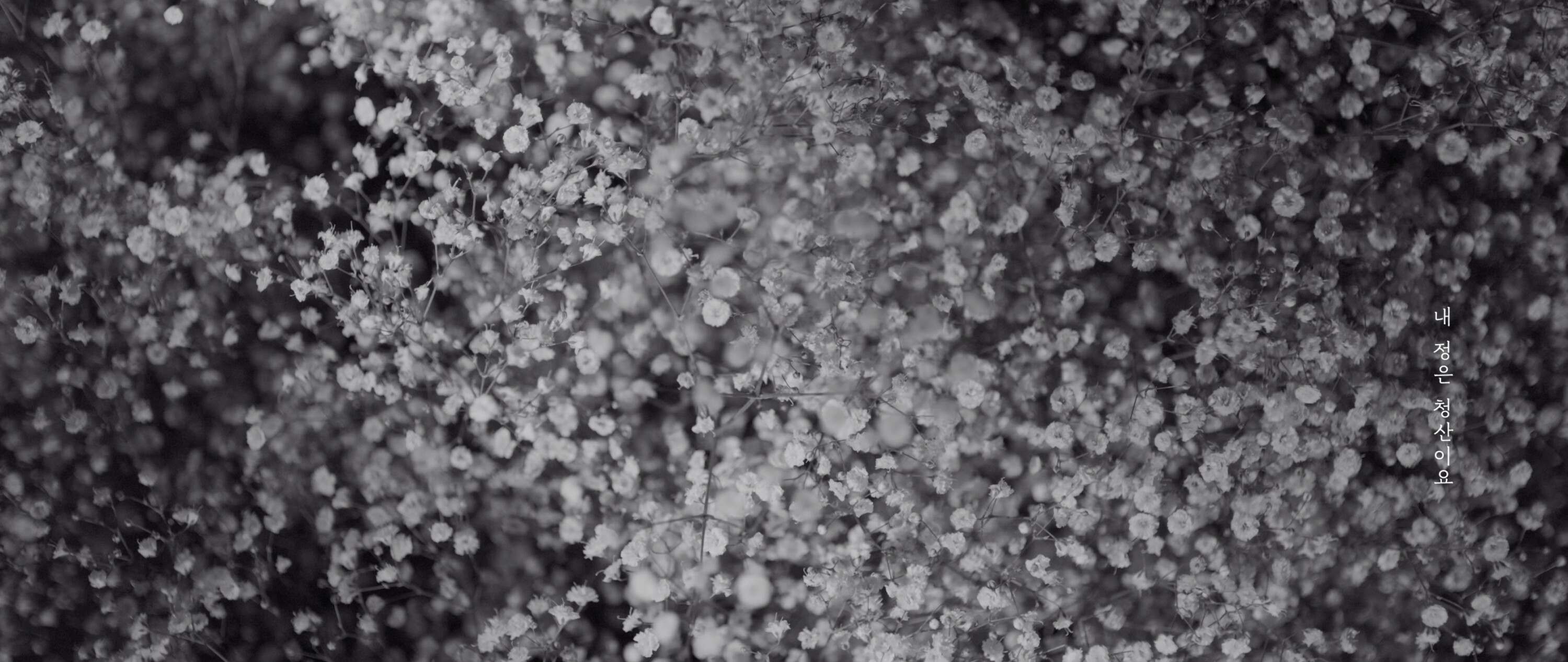
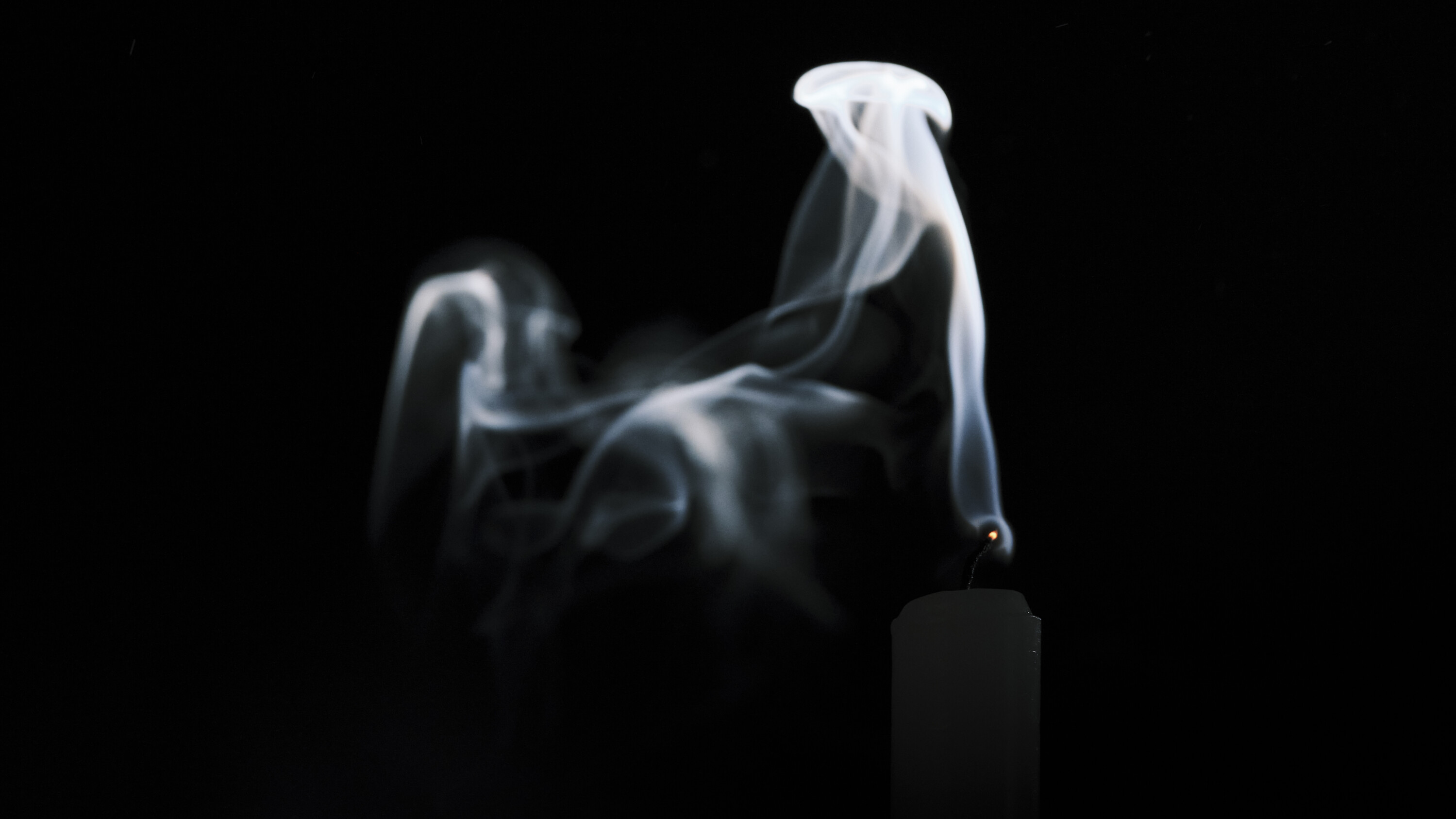
In order to convey this historical perspective, what Round And Around continually inscribes is the essence of existence itself, or the fundamental elements of matter. From the opening sequence onward, tiny particles of light, fading smoke, and waves of sound—including piano keys and the mechanical noises of factories—are rendered as distinctly and individually as possible. To maximize such expression, Jang Minseung abandons conventional cinematic methods. Instead of using projectors that cast light onto a screen, he adopts OLED displays, which generate their own illumination through organic solid materials capable of conducting electrical current. Because OLED technology transmits light at extremely high speed and produces almost no afterimage, it provides remarkably sharp image quality. This not only accentuates even the smallest particles, but also allows light to be experienced as light and darkness as darkness, prompting reflection upon a new ontological mode of cinema expressed through images of electrical movement.
Light has not only enabled time travel and illuminated historical subjects, but has also functioned as a medium connecting entirely different dimensions of time and space. In this sense, one particularly science-fiction-like moment appears in footage from the 1987 democratic protests, in which demonstrators climb an overpass and reflect light with mirrors in order to obstruct the riot police positioned below. From the perspective of the protesters, the audience is placed in a position analogous to that of the police situated at the bottom of the frame, causing the reflected light from the mirrors to extend beyond the screen and directly illuminate the viewers themselves.
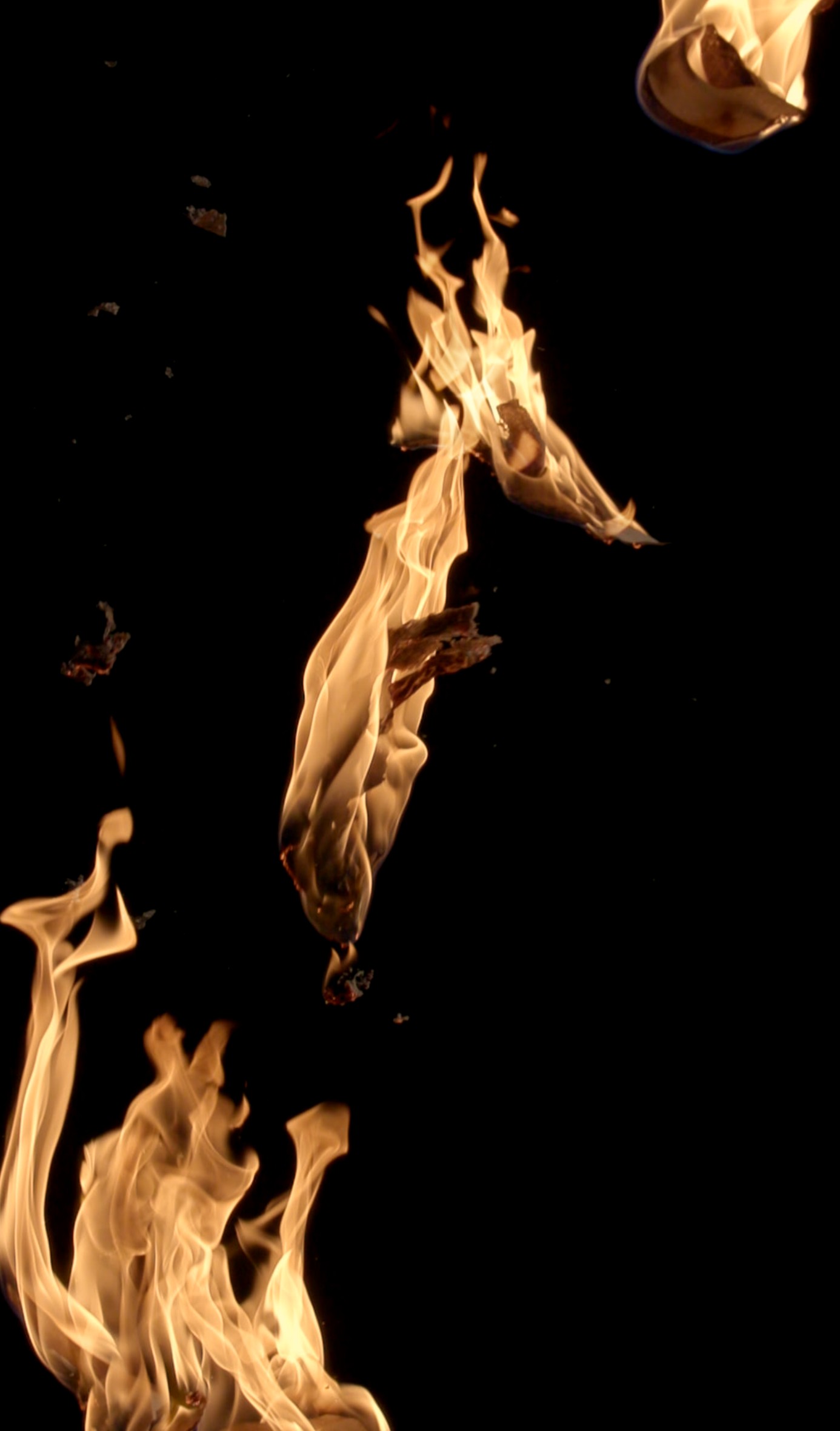
The reflected light, connecting two-dimensional and three-dimensional spaces, as well as past and present, appears like a distress signal transmitting the message: “Remember.” Likewise, the opening sequence—showing for nearly five minutes a single candle burning and extinguishing—and the scene in which images of the watchtower from the Yongsan Tragedy during the Lee Myung-bak administration are projected onto a wrinkled translucent screen and burned away like soji (燒紙), the ritual paper used in ancestral rites to console the dead, both foreground forms of light that connect there and here.
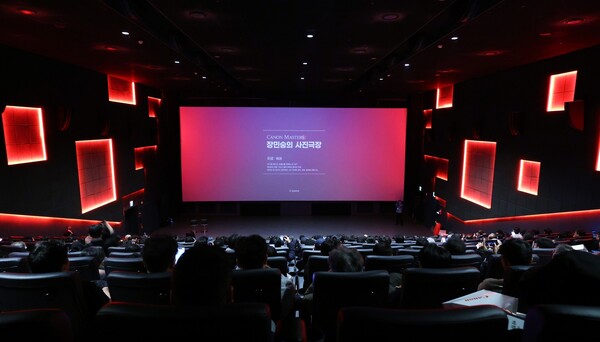
These cinematic moments become even more dramatic when presented not as theatrical screenings but as performances incorporating a live stage format, as in the presentation at the Asia Culture Center in Gwangju on November 28, 2020. During scenes depicting tear gas explosions from the 1987 democratic protests, smoke is released onto the stage positioned between the screen and the audience. When black-and-white footage from the Gwangju Uprising is cross-edited with present-day images of Gwangju, multiple pin lights descend upon the stage, collapsing the boundary between the two-dimensional screen and the three-dimensional space inhabited by the audience. Historical subjects represented through images and contemporary viewers become enveloped together within a shared atmosphere of an in-between space, much like the title Round And Around itself suggests.
The latter part of the film, in which found-footage images of Gwangju appear in earnest, resembles a ssitgimgut ritual that speaks on behalf of the dead and consoles them. By incorporating passages from the Psalms filled with lamentation, desires for suffering to be recognized, and resentment toward fate, the work seeks not to monumentalize the citizens of Gwangju as heroic fighters, but rather to console them. At the same time, because this latter section begins with newsreels produced by the National Film Production Center that label the citizens of Gwangju as “rioters” and the uprising itself as “disturbance and unrest,” the work ultimately raises questions concerning the ethical responsibility of cinema as a medium. What has cinema shown, and what has it failed to show? What responsibility does cinema bear toward historical tragedies such as Gwangju?