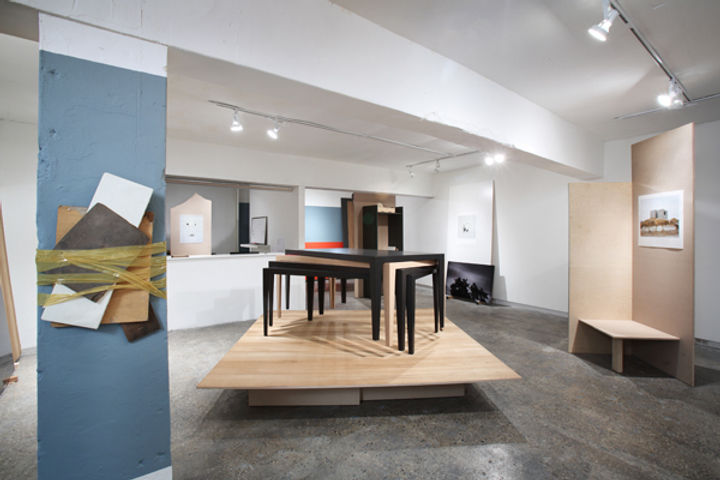
Atelier Hermès presents 《2014 Hermès Foundation Missulsang》 from December 19 through February 15, 2015.


Installation view of 《2014 Hermès Foundation Missulsang》 © Atelier Hermès

Jang Minseung

Only later did we come to realize that the breaking news footage we watched on April 16, believing that everyone would be rescued, was in fact a live broadcast of countless lives sinking beneath the sea in broad daylight. This profound psychological trauma left upon our generation has rendered the ordinary modulation of emotion impossible, confronting us instead with waves of irreversible change.
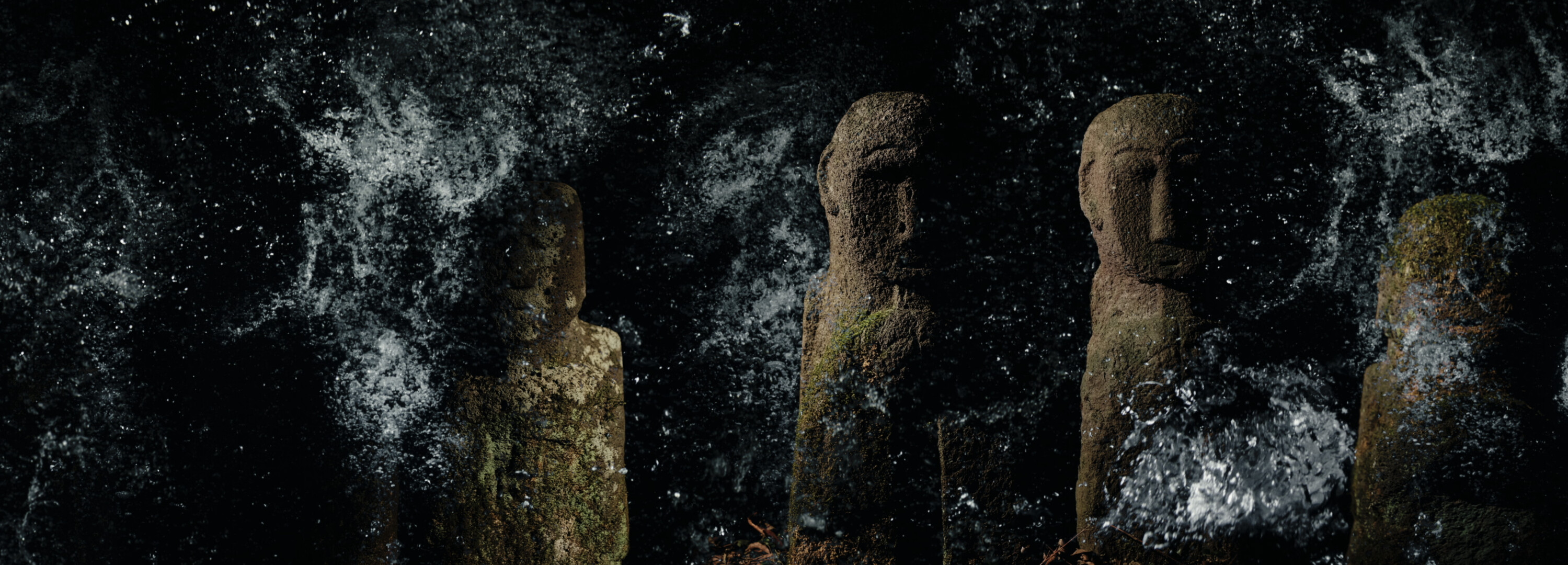
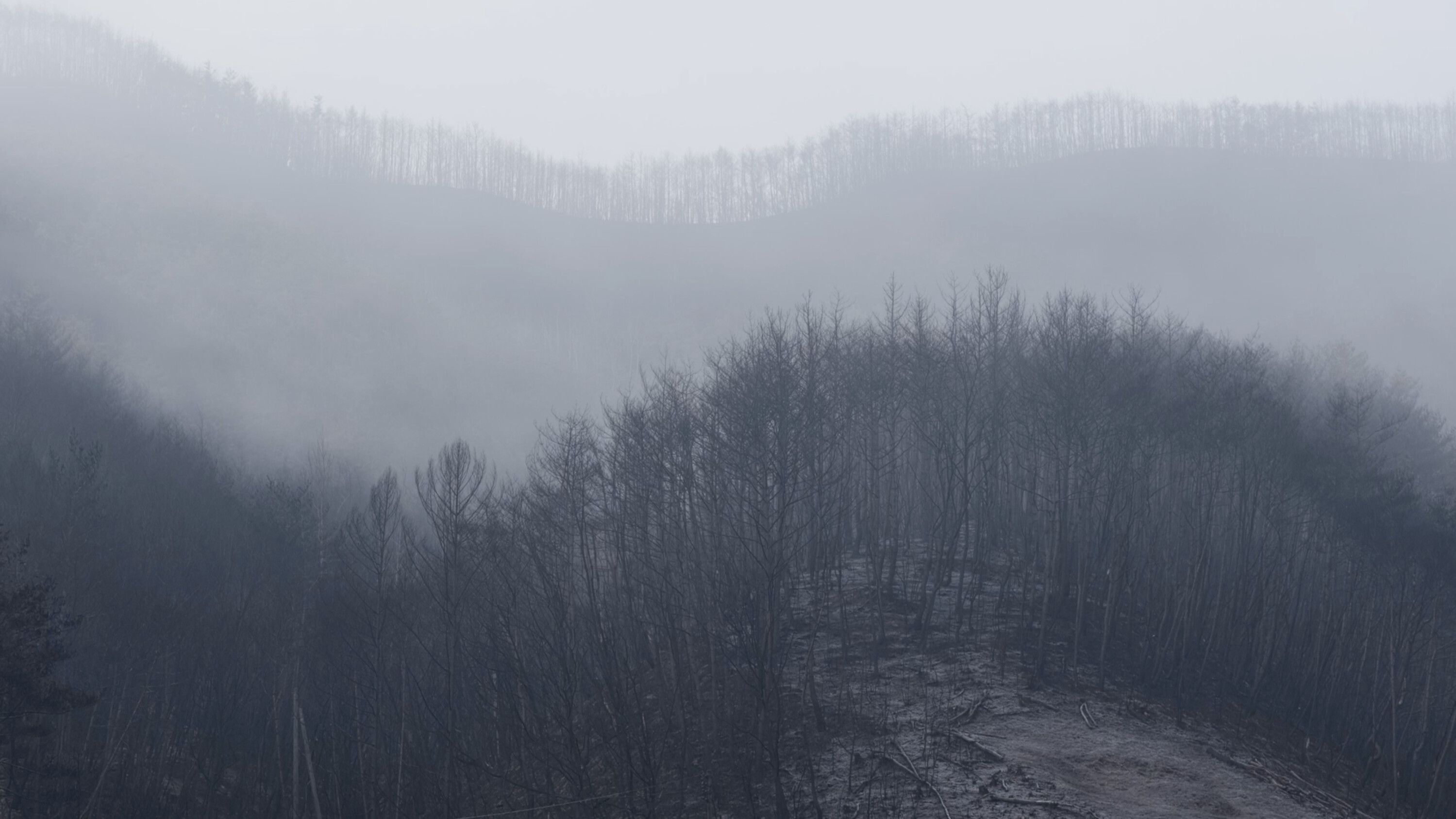
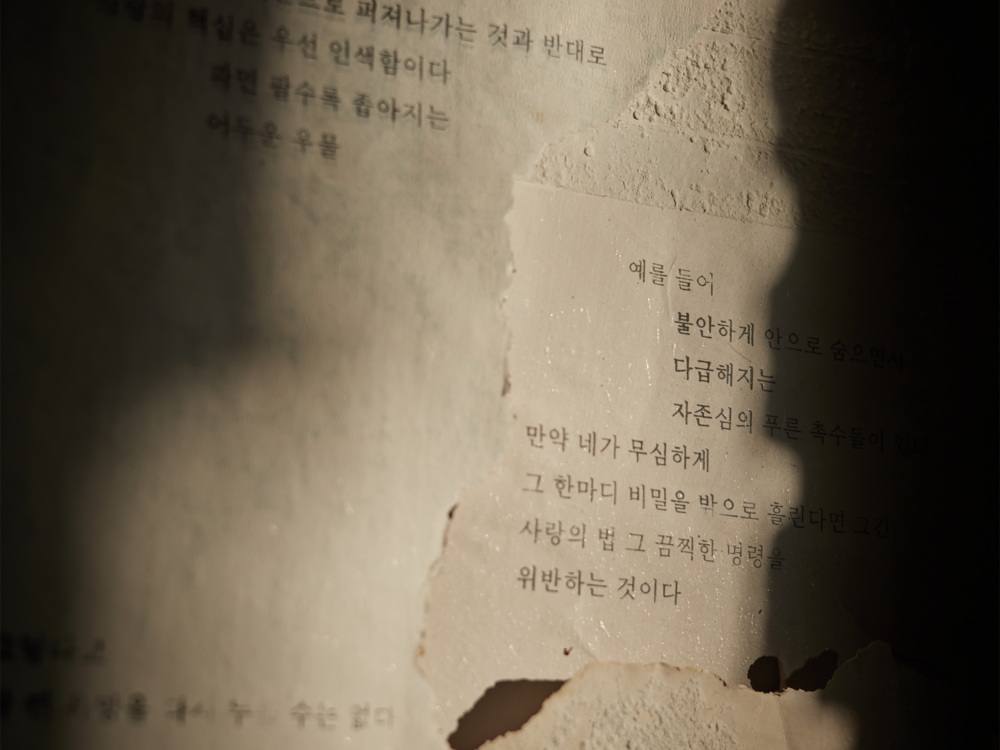
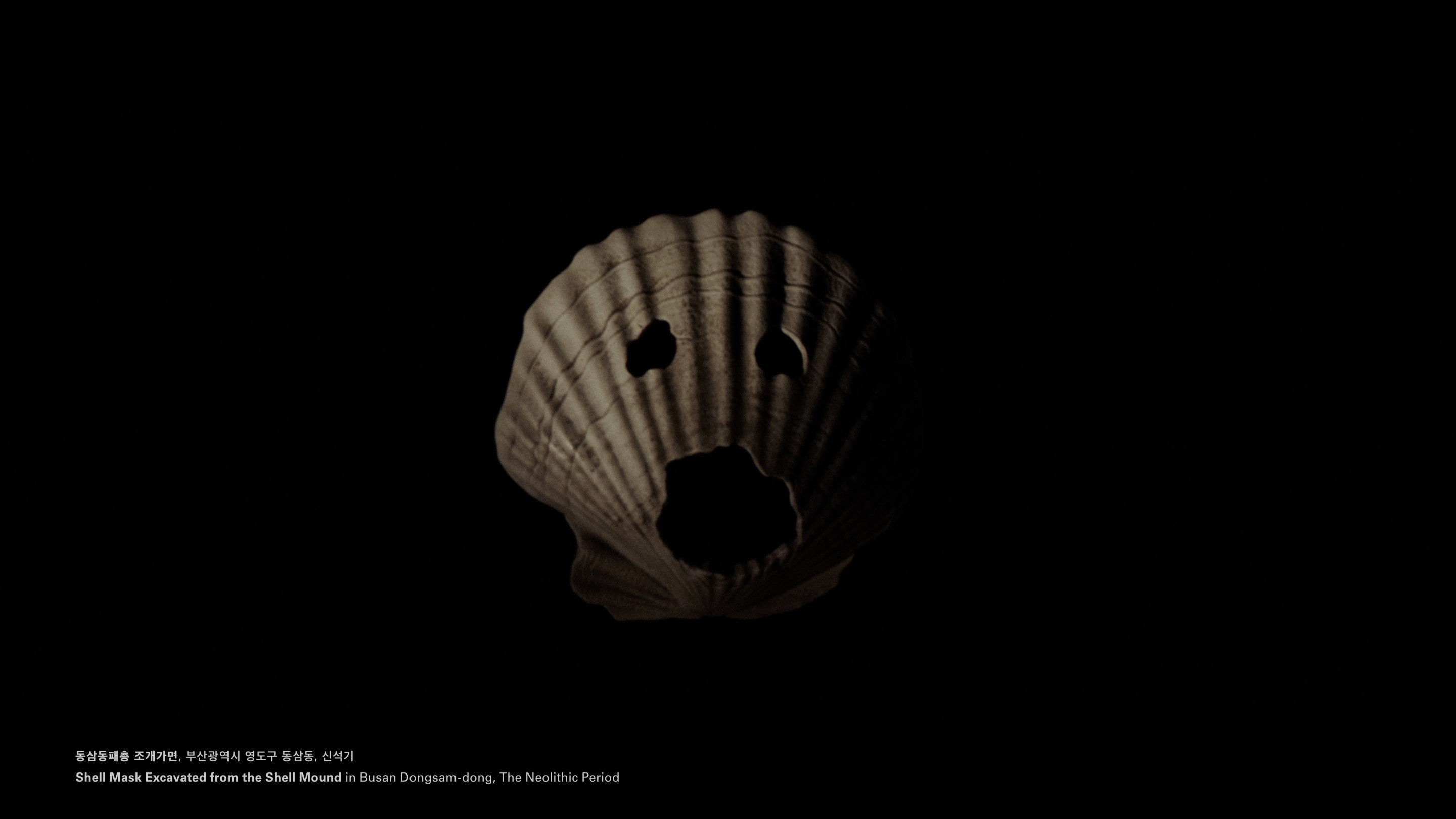
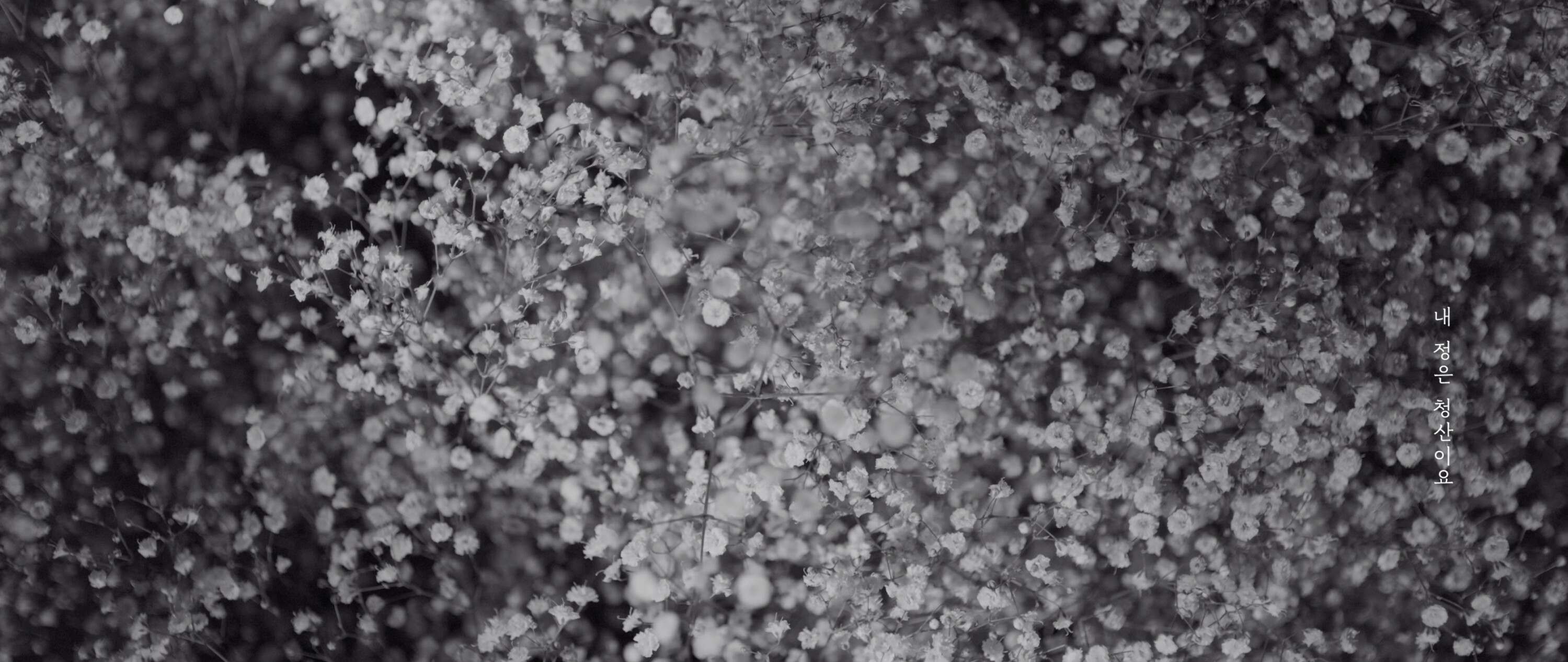
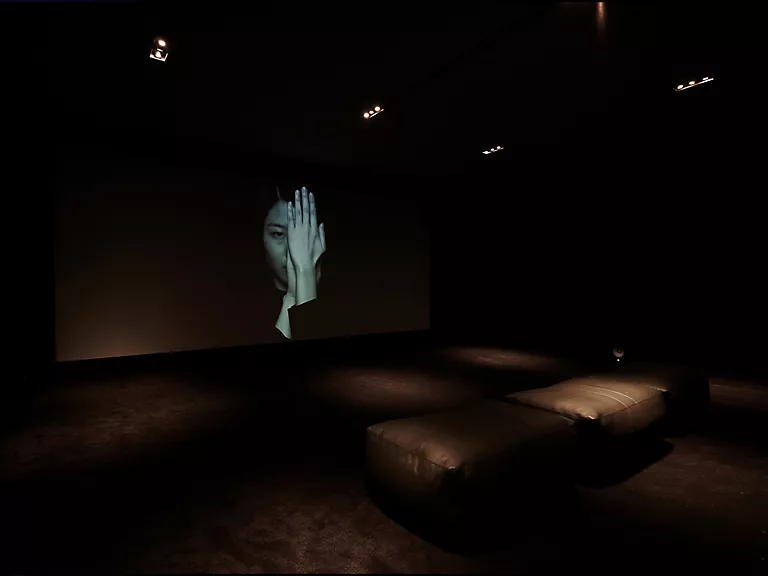
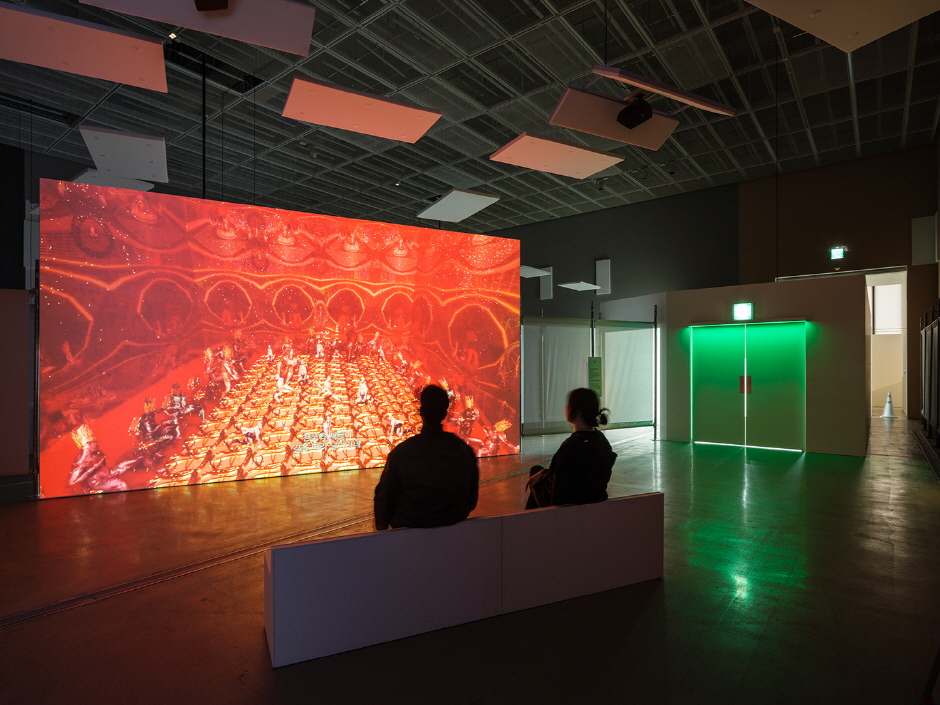
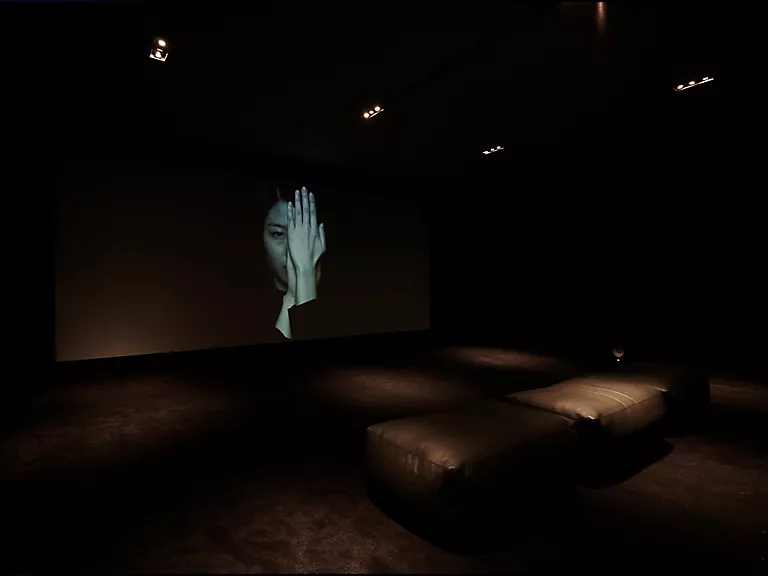
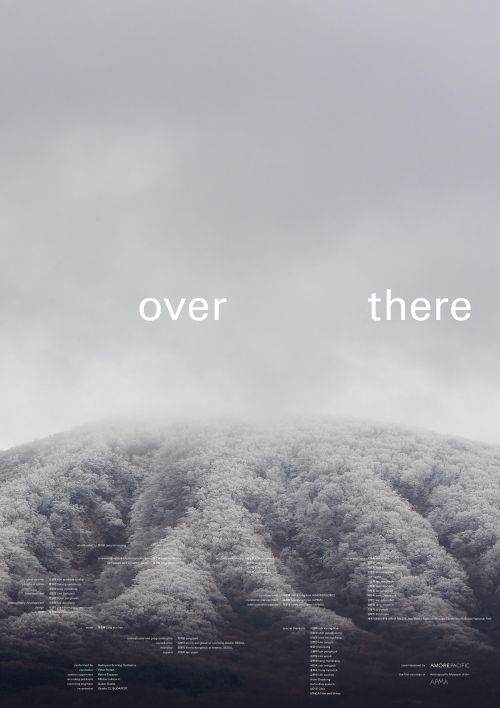
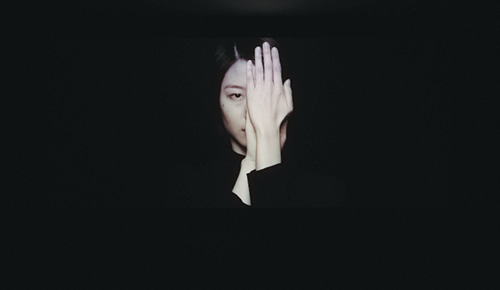
pitch-dark embodies the artist’s will to hope for the healing of the trauma of loss, to remember clearly without forgetting, and to empathize with and mourn sorrow. The work is fundamentally based on texts excerpted from several haiku poems. Haiku, a traditional Japanese short poetic form composed of 17 syllables arranged in a 5-7-5 structure, is a literary form that condenses and suggests profound meaning through a highly limited number of words. These brief poems can be read as cold elegies of mourning possessing the timeless power unique to classical literature, while when read aloud, their rigorous formal beauty generates a distinctly musical resonance in itself.

The restrained emotional register achieved through this minimal composition of words, together with the openness through which the reader’s own emotions permeate the empty spaces of the text, allowing diverse inner landscapes and experiences to unfold each time, is precisely what Jang Minseung adopts in his work. In this piece, however, the text does not exist as visualized language, but is transformed from the linguistic into an abstract performance through its re-presentation as sign language—a silent (voiceless/deaf) form of communication—and is organically separated from, connected to, and repeated alongside music as sound (voice/blind).

pitch-dark consists of a performance based on an overture and excerpts from six haiku poems, together with an approximately 25-minute single-channel black-and-white video and multi-channel musical composition based on sounds recorded at Paengmok Port and accompanying program music. The title of the work derives from the phrase “burnt charcoal,” which could not be directly expressed through sign language and was instead paraphrased as “black tree,” a phrase the artist subsequently adopted as the title of the work itself.

Burnt charcoal—
once it must have been
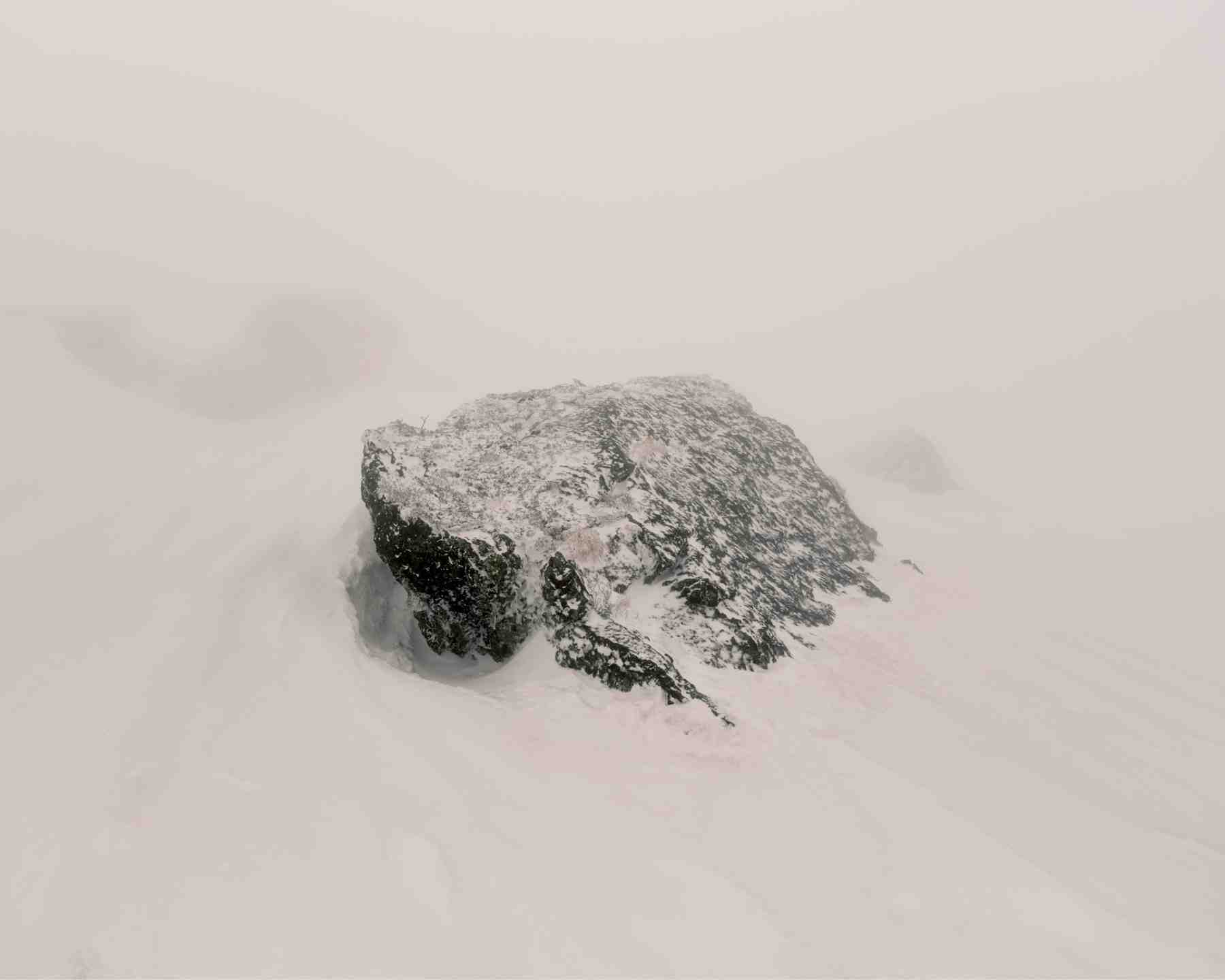
snow-covered branches.
白炭や燒かぬ昔の雪の枝
— Jinno Tadatomo (1624–1676)

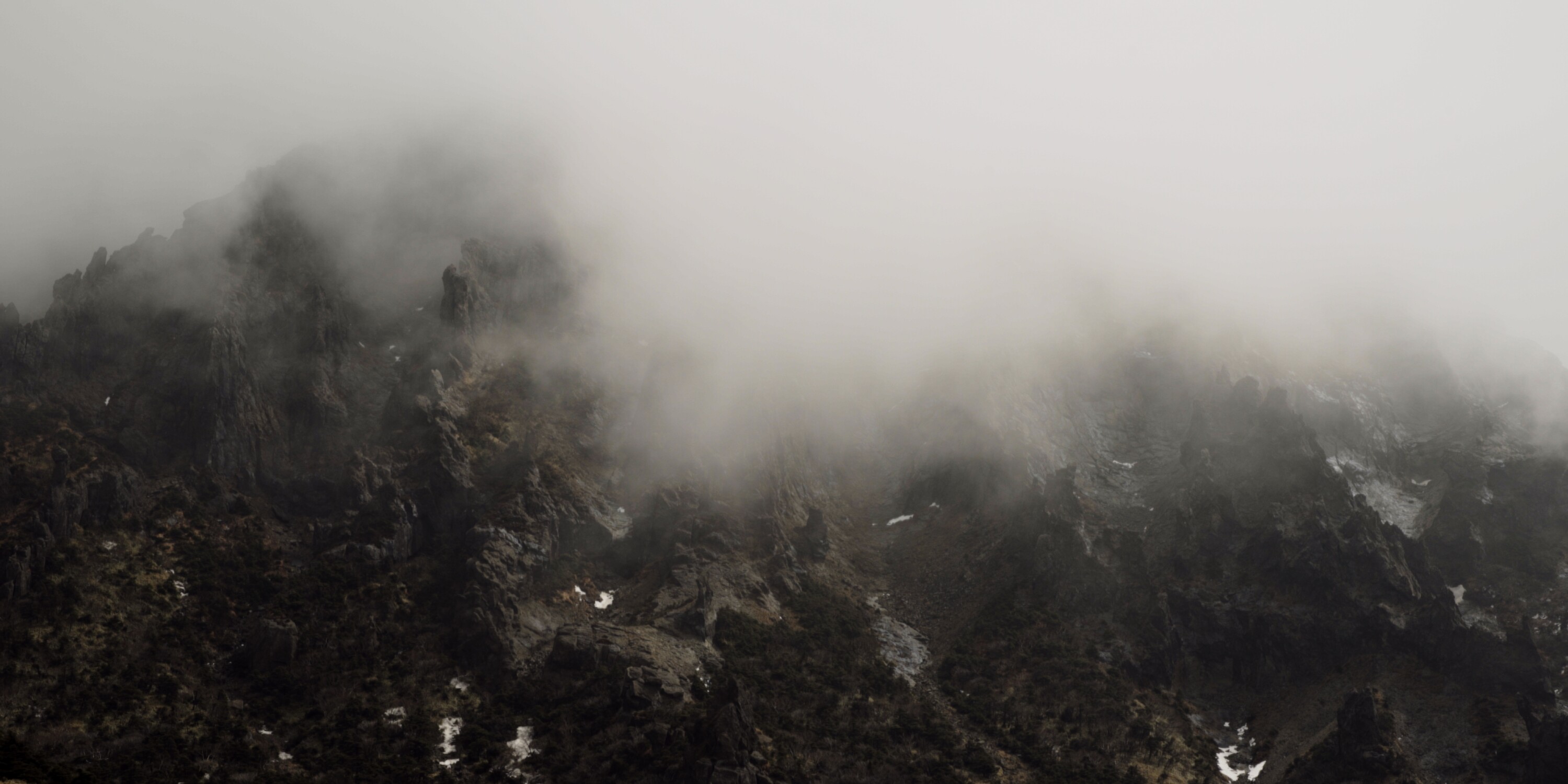
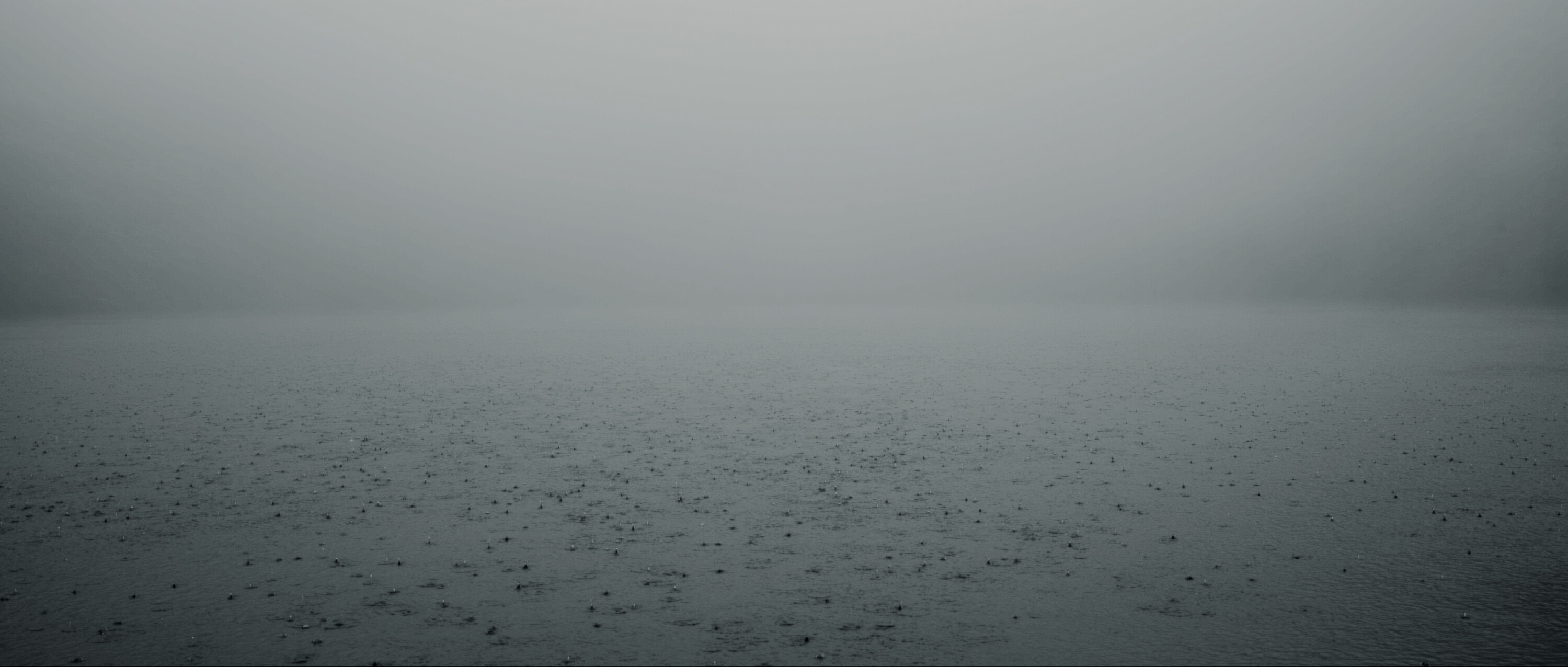
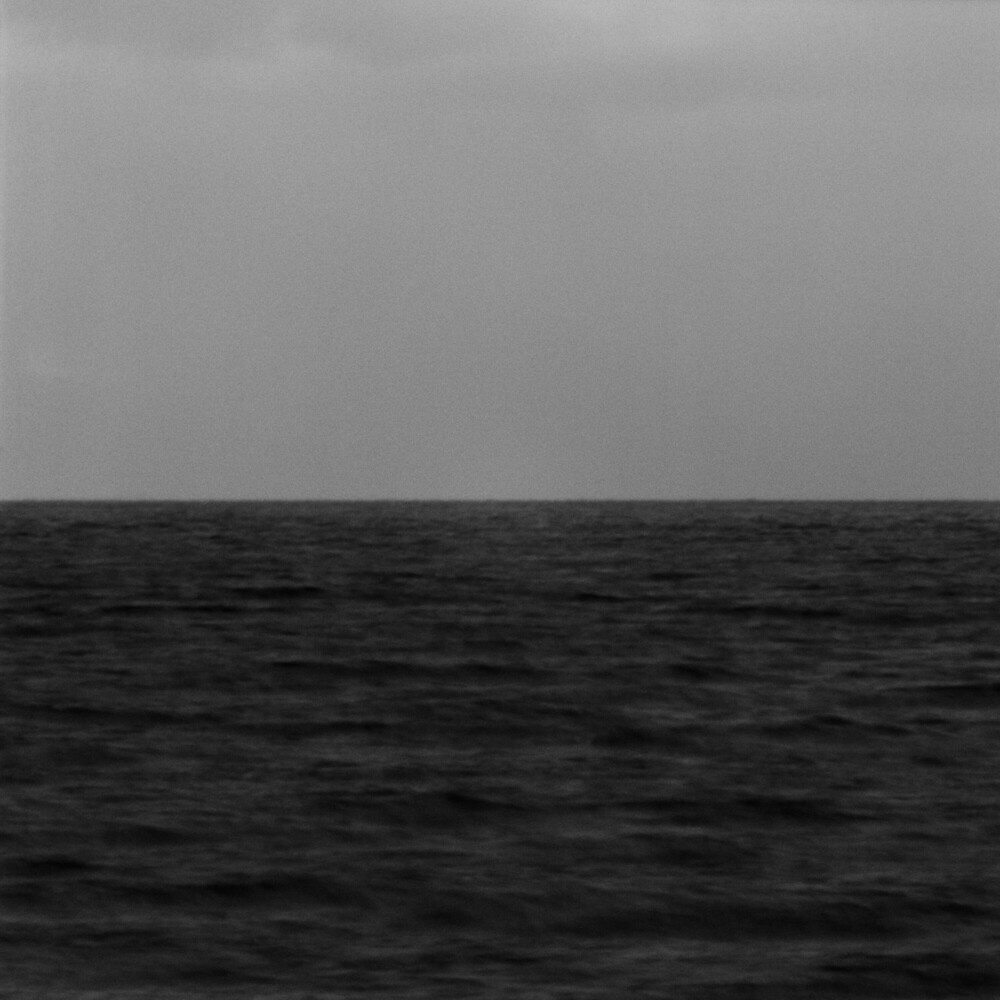
snow we saw consists of seascapes filmed in 2013 together with multi-track sound recorded at Paengmok Port on the 201st day following the Sewol Ferry Disaster. Can we still look upon the sea as a landscape of beautiful memories carrying the uniqueness of personal recollection? Though unquestionably sublime and beautiful, since that day we have also come to witness fragmented traces of hell within it, a place that exists close to us. The beauty and tranquility once felt while gazing at the sea can no longer be experienced in the same way. The sea now seems to have transformed into a different kind of social landscape.


Installation view of 《2014 Hermès Foundation Missulsang》 © Atelier Hermès

Yo Daham

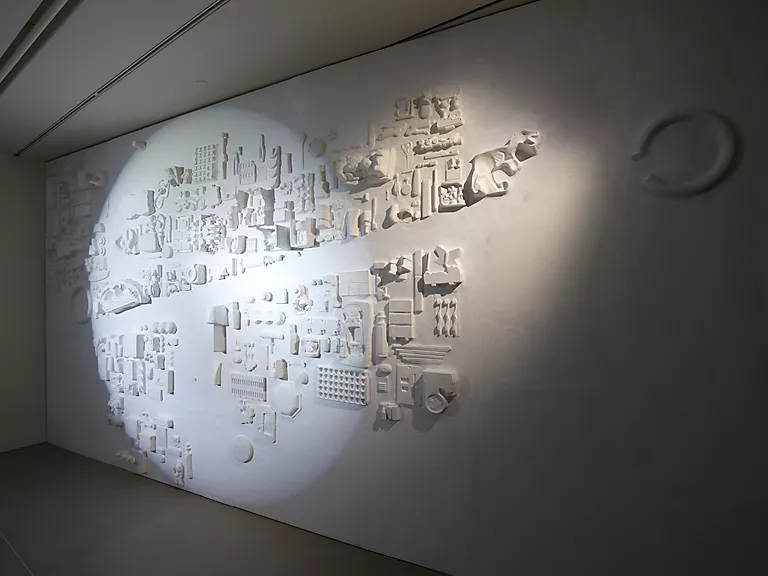
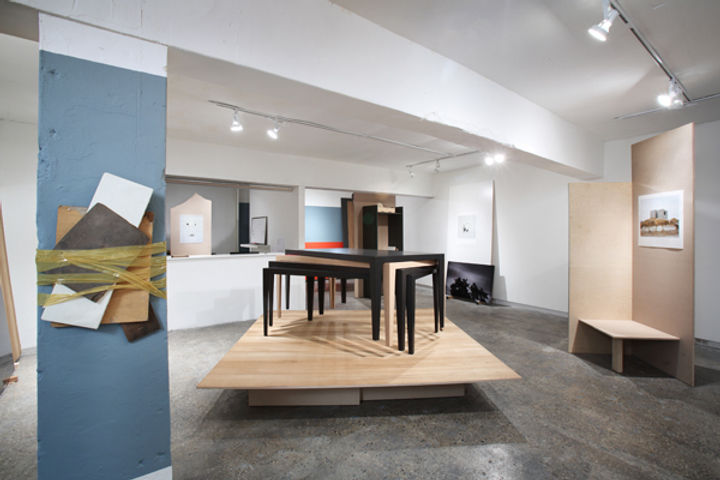
This work is an experimental piece in which Yo Daham reconstructs and interweaves objects collected through different circumstances and encounters. These objects are both the byproducts gathered while following the sites and speeds at which value circulates in contemporary society, and the objects or symbols that all of us consume and exhaust in everyday life. Yo Daham collects two contrasting categories of objects. On one hand, he gathers plastic packaging materials from mass-produced goods; on the other, he scraps images of sculptures from around the world. Both types of collected materials enter lived space like ghostly presences.

Plastic packaging materials (more precisely, PET) reflect the silhouettes of their contents three-dimensionally while displayed on shelves, yet they exist only as byproducts of commodities. Once consumed, they are torn away with ghostlike speed, leaving only the contents behind as they themselves disappear. Yet paradoxically, it is only after being discarded that they recover their true form. From the moment they are sentenced to become trash until just before they are melted down for recycling, they finally maintain their original state.

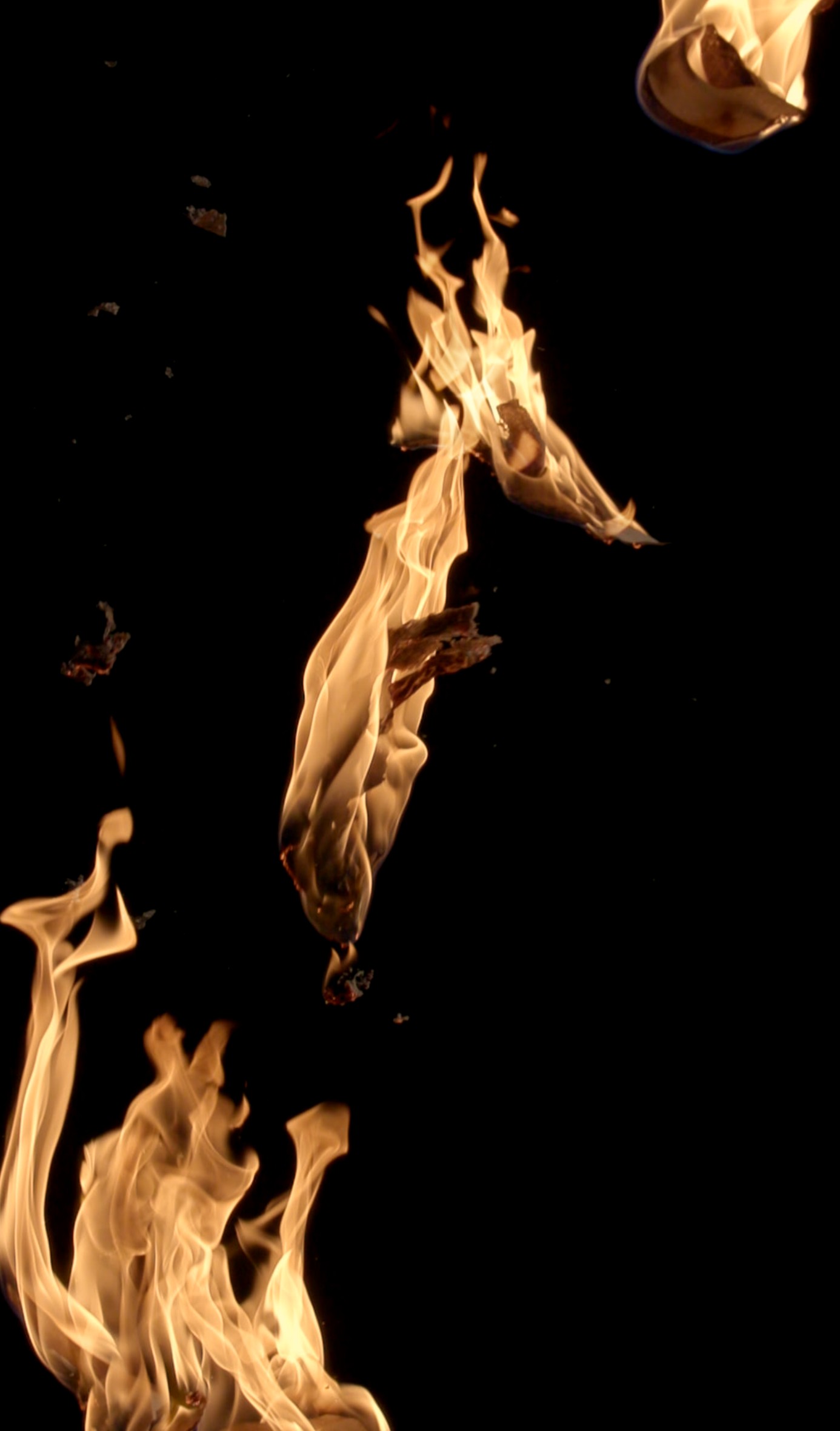
Meaningless yet undeniably existent, they become autonomous entities. The Dead Fire salvages such meaningless—or perhaps unnecessary-to-know—beings from cycles of consumption, reproducing and casting their forms. Existing at the very center of contemporary society’s voracious consumer desire while simultaneously having completely escaped from it, the work resembles a primitive terrain solidified around the edge of a volcanic crater.

Will to Be a Bastard is a work composed as a dance by connecting the poses commonly assumed by sculptures found throughout the world, such as Liberty Enlightening the World in New York City, Christ the Redeemer in Rio de Janeiro, Buddhist statues, or statues of school presidents. By detaching the artificial poses fixed upon these sculptures and making them sway or flail, the work attempts to dismantle the authority of sculpture itself. The artist came to suspect that sculptures, carefully produced to commemorate the spirit of an era, political systems, religious figures, and historical scenes, are less embodiments of justice than stylized forms of the interests of their time.

In Buenos Aires, which the artist visited during the summer, statues of the current Pope Pope Francis, a native of the country, and football hero Diego Maradona stood throughout the city. These figures belong to the same lineage as the statues of saints erected by the Spanish during the colonial era. Those saints did not resemble the faces of the people living on that land, and even the Virgin Mary appeared to bear the face of a ruler. A sculpture wandering in search of a desirable location may ultimately be a monument of conquest that expels other values in order to occupy its place. Once erected, such sculptures also become like infants demanding love and devotion.

Will to Be a Bastard
features both a skilled hip-hop dancer and another figure dancing awkwardly and uninhibitedly. Through their movements, the two dancers carefully dismantle the authority of sculpture. They dance as a way of refusing the coercive demand for love and as a means of disregarding power. As long as sculptures continue to smile in order to sustain social systems rather than serve humanity, those smiles will be perceived as acts of violence. Above all, the artist rejects through the “will to be a bastard” the condition of becoming an idol worshipper who believes that, regardless of right or wrong, there can be no alternative to the values established by the figures immortalized in monuments.

Through the forms of things people revere as meaningful and those they discard as meaningless, the artist seeks to convey that what an era believes to be truth may also constitute that era’s error. Lighthouse is a lighting device that rotates 360 degrees. Moving through space as though taking a walk, it acts as a search party seeking out cracks and points of breakthrough within the safety structures imposed by the world.


Installation view of 《2014 Hermès Foundation Missulsang》 © Atelier Hermès

Sulki & Min

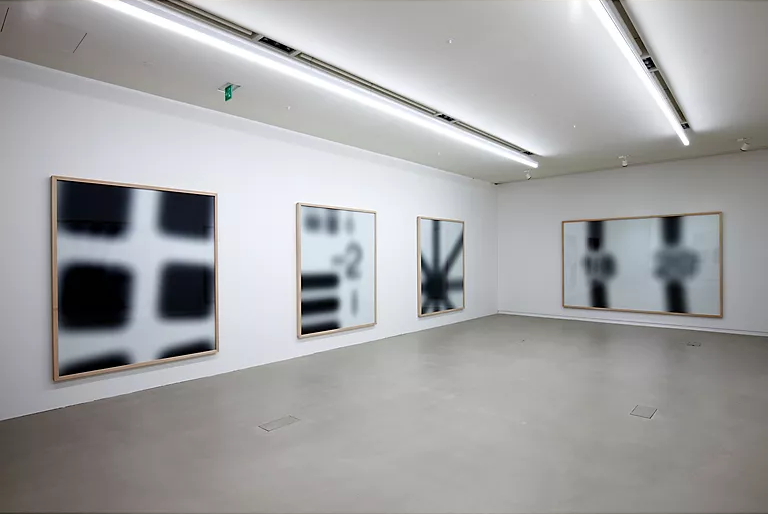
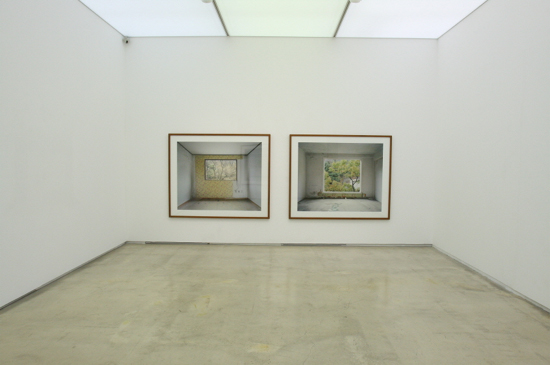
Whenever possible, Sulki & Min attempt, however vaguely, to leave behind a kind of shadow—something that cannot be fully decomposed into communication. At times, they also seek out and foreground clues in their surroundings that seem to suggest what little mystery remains in the world. As its title implies, Technical Drawing is a print series that enlarges details of images used for various technical purposes into blurred and monumental forms, viewed “from an excessively close distance—or rather, as though glimpsed while passing by.”

The artists never disclose the identity of the “original” drawings used in the series, stating only that they are “extremely small fragments of preexisting diagrams that are far more complex and meaningful.” “Technical Drawing is not a record of anything. Rather, it is closer to a fabricated image. It is not particularly interested in what objectively exists in the world. It does not express much expectation. In that sense, it is a less optimistic work.”

While conceiving this project, Sulki & Min developed the concept of the “infra-flat.” Whereas Marcel Duchamp’s notion of the “infra-thin” refers to a difference so subtle that it is almost imperceptible, the infra-flat points to a situation in which the force compressing the world into flatness becomes so excessive that it paradoxically produces a reversed sense of depth. “To use an exaggerated metaphor, it resembles a black hole whose gravity is so immense that it absorbs light. But in reality, it is merely a false depth produced by an intensified way of perceiving the real world as a ‘2D version of 3D.’ Today, the world has become as flat as the distance between a selfie stick and its owner.

The infra-flat is related to the perspective of a selfie stick whose distance has collapsed to the point of penetrating the subject and generating negative depth.” Yet Technical Drawing is not an imaginative depiction of a world captured through such an abstract selfie stick. Rather, it is closer to an image that recognizes the possible existence of such a perspective and vaguely suggests its properties. Sulki & Min ask: “Can one imagine a perspectival painting of a dimensionless world? We do not know what that would look like either, but wouldn’t it be fascinating?”

15th Hermès Foundation Missulsang Winner: Jang Minseung

References