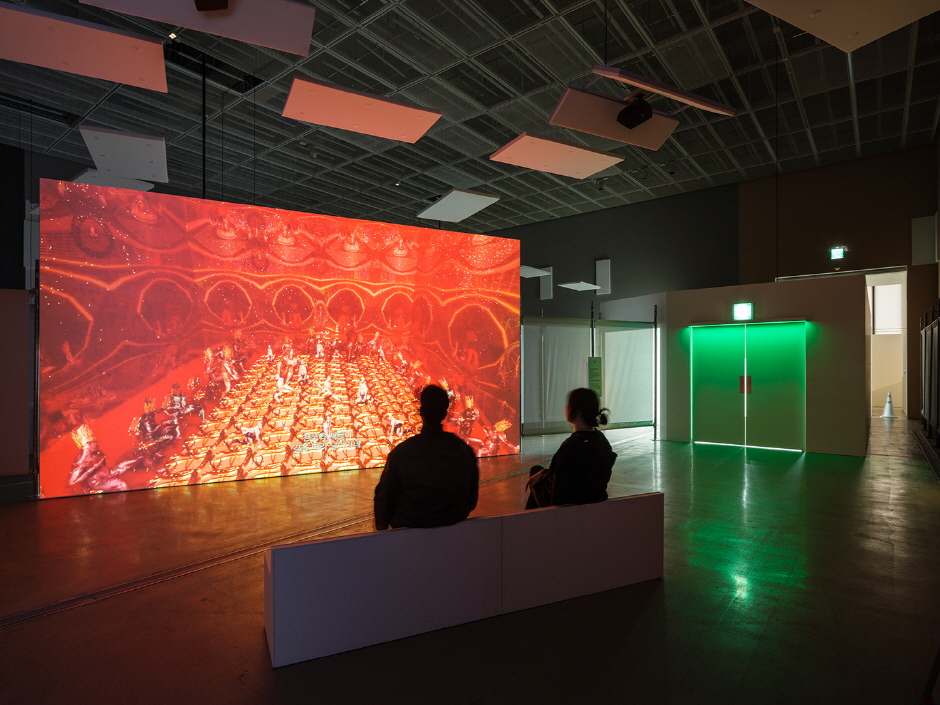
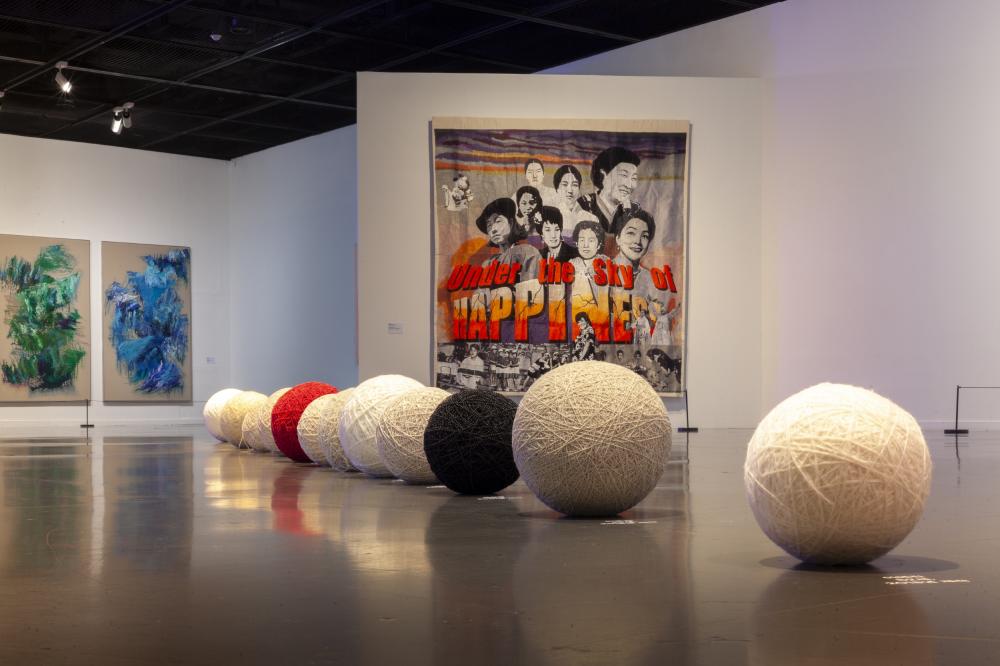
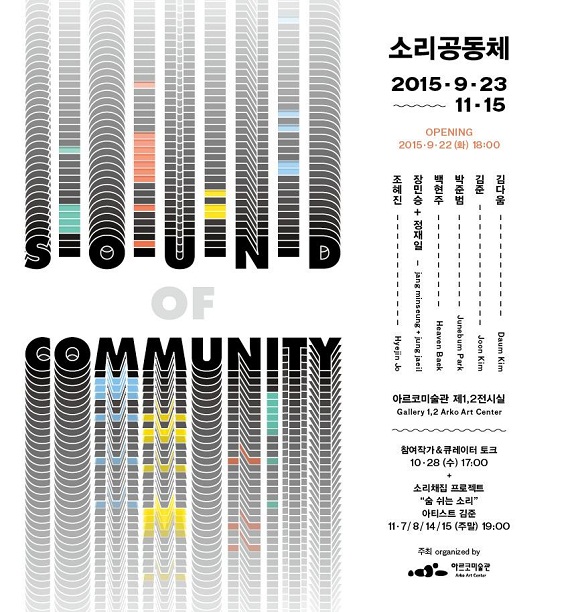
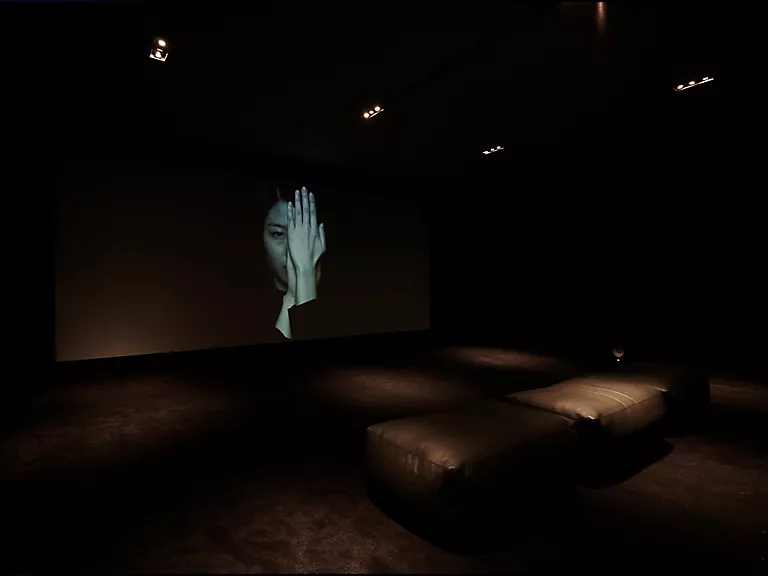
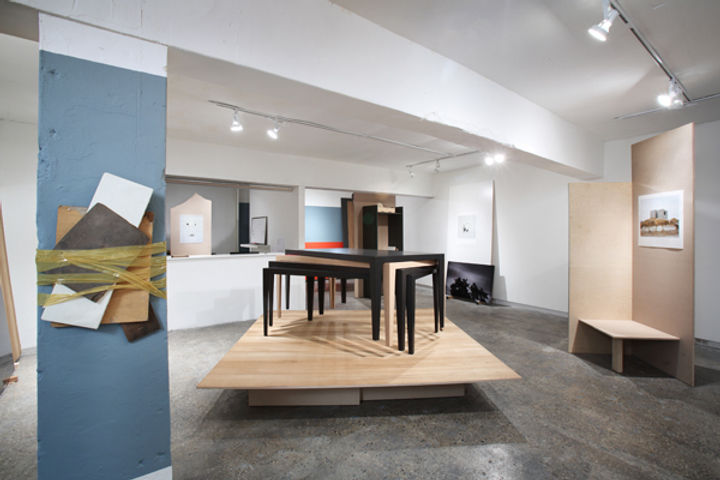
Although Jang Minseung’s practice has continuously expanded across media and forms over the past two decades, it maintains a strong sense of continuity through its persistent exploration of the sensory layers accumulated within specific places and moments in time. From his early photographic works, installations, and sound-based projects to his recent moving-image works and large-scale photographic series, he has consistently centered his practice around the question of “how vanished things continue to remain.” This is not simply an attempt to preserve or document traces of the past, but rather a performative practice that recalls invisible presences and sensations back into contemporary space. While repeatedly returning to particular events and sites, Jang’s work does not reduce them to fixed memories, but continually renews them as ongoing sensory experiences in the present.
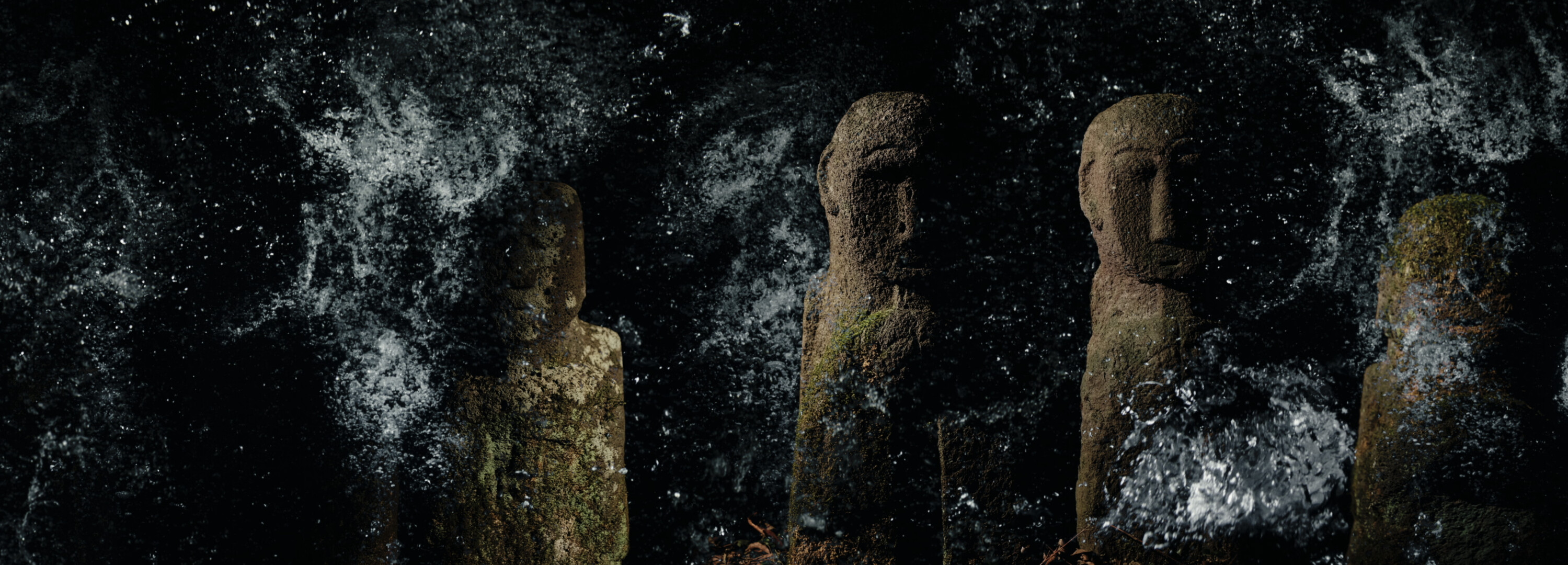
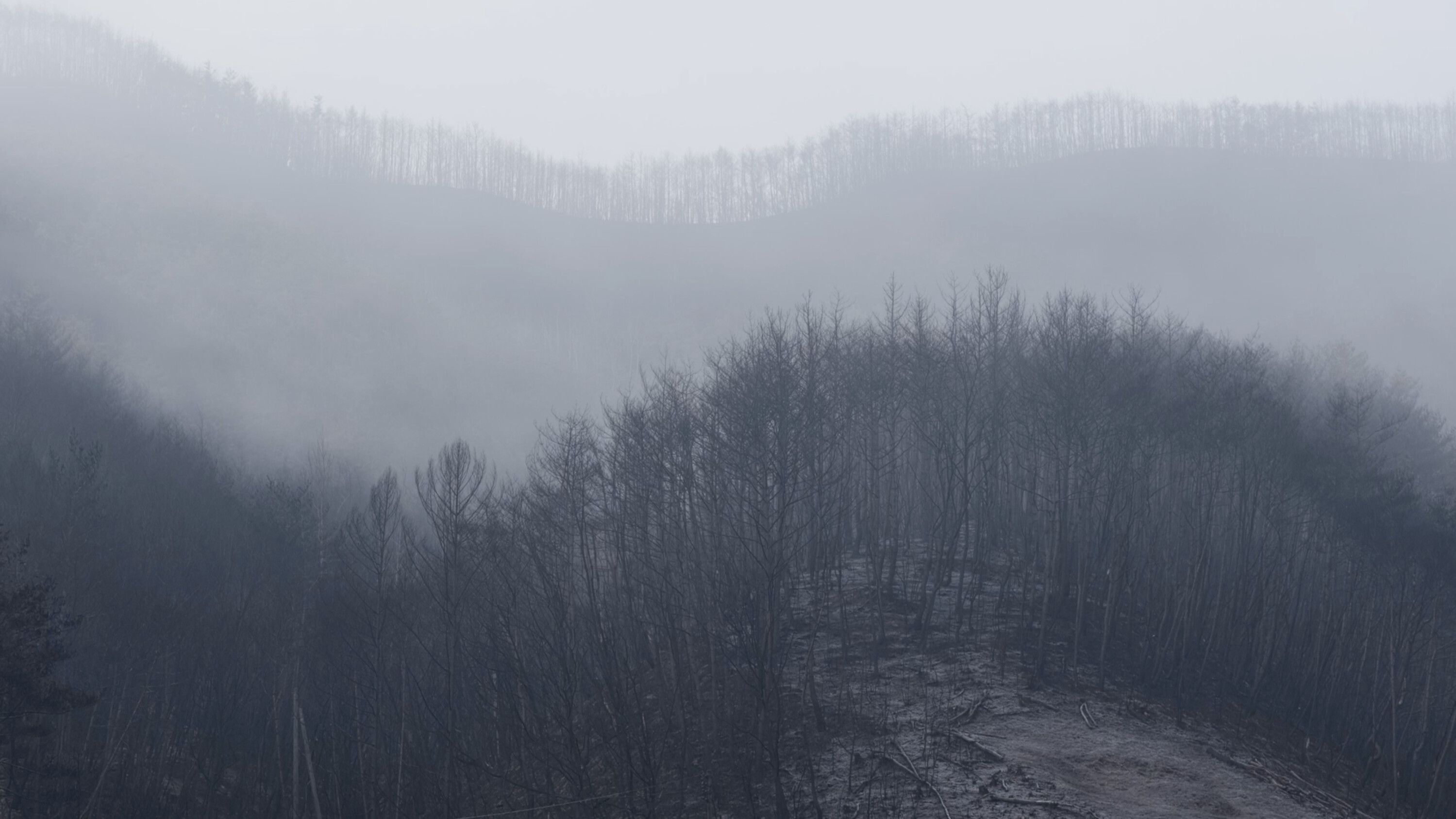
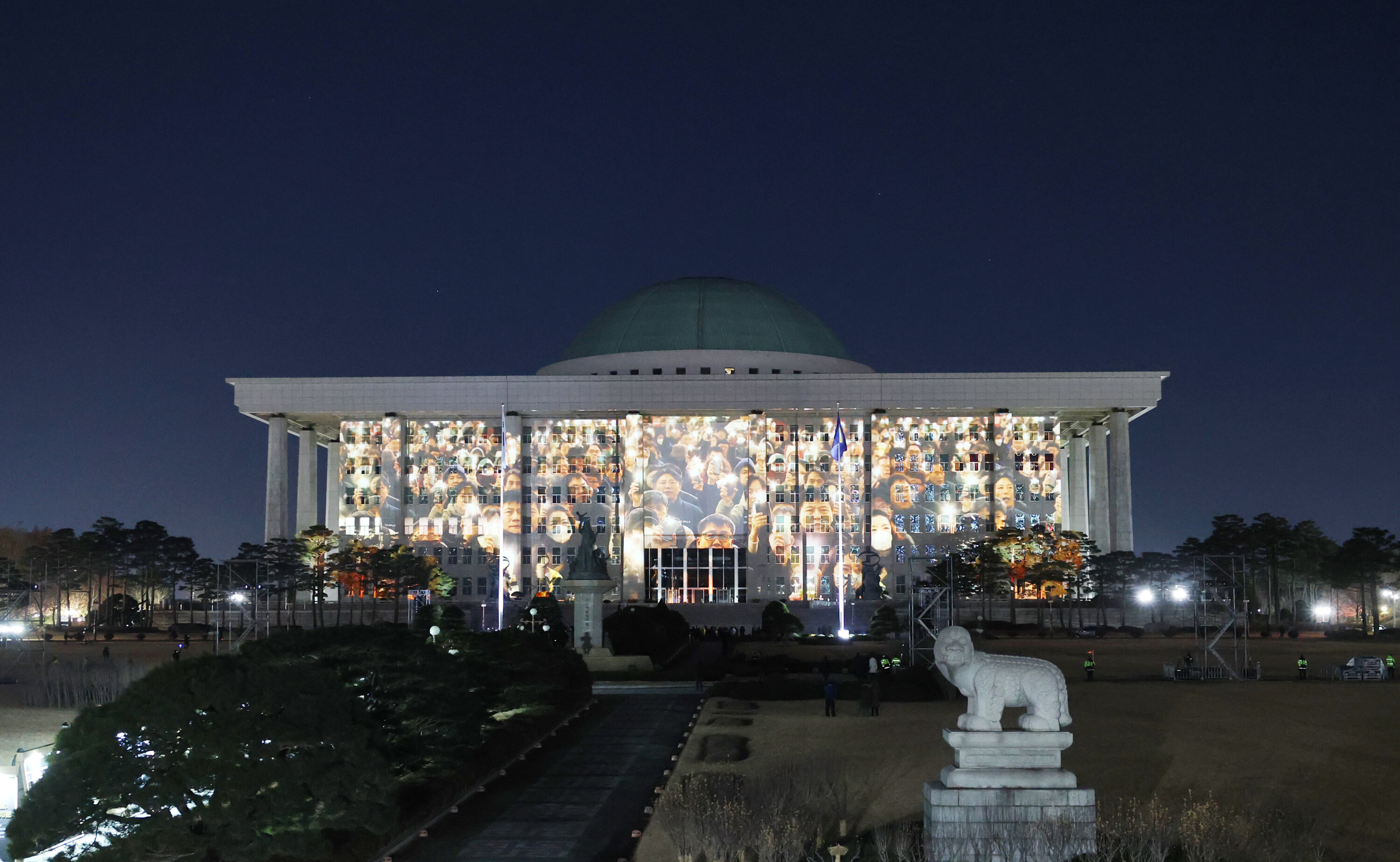
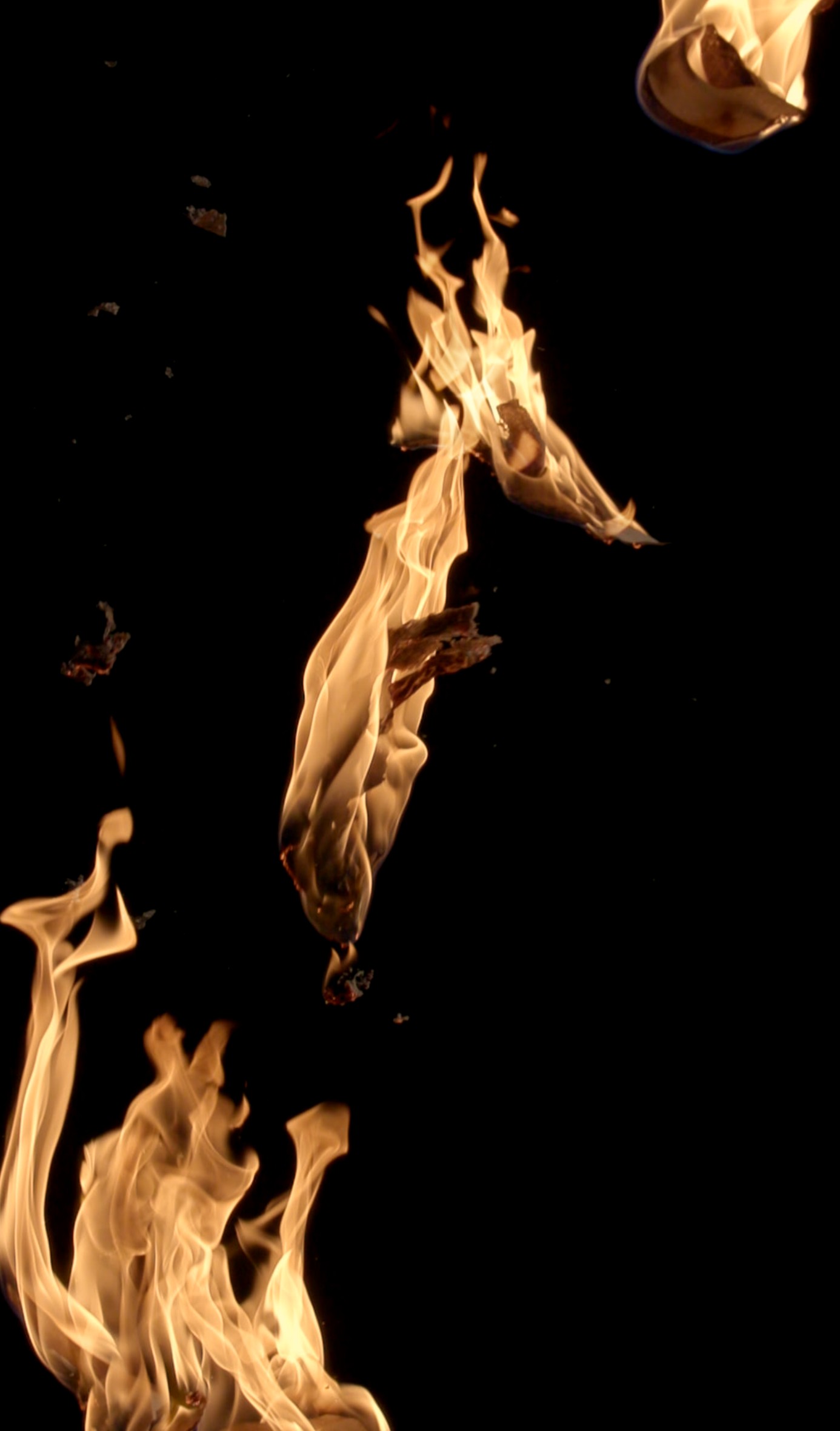
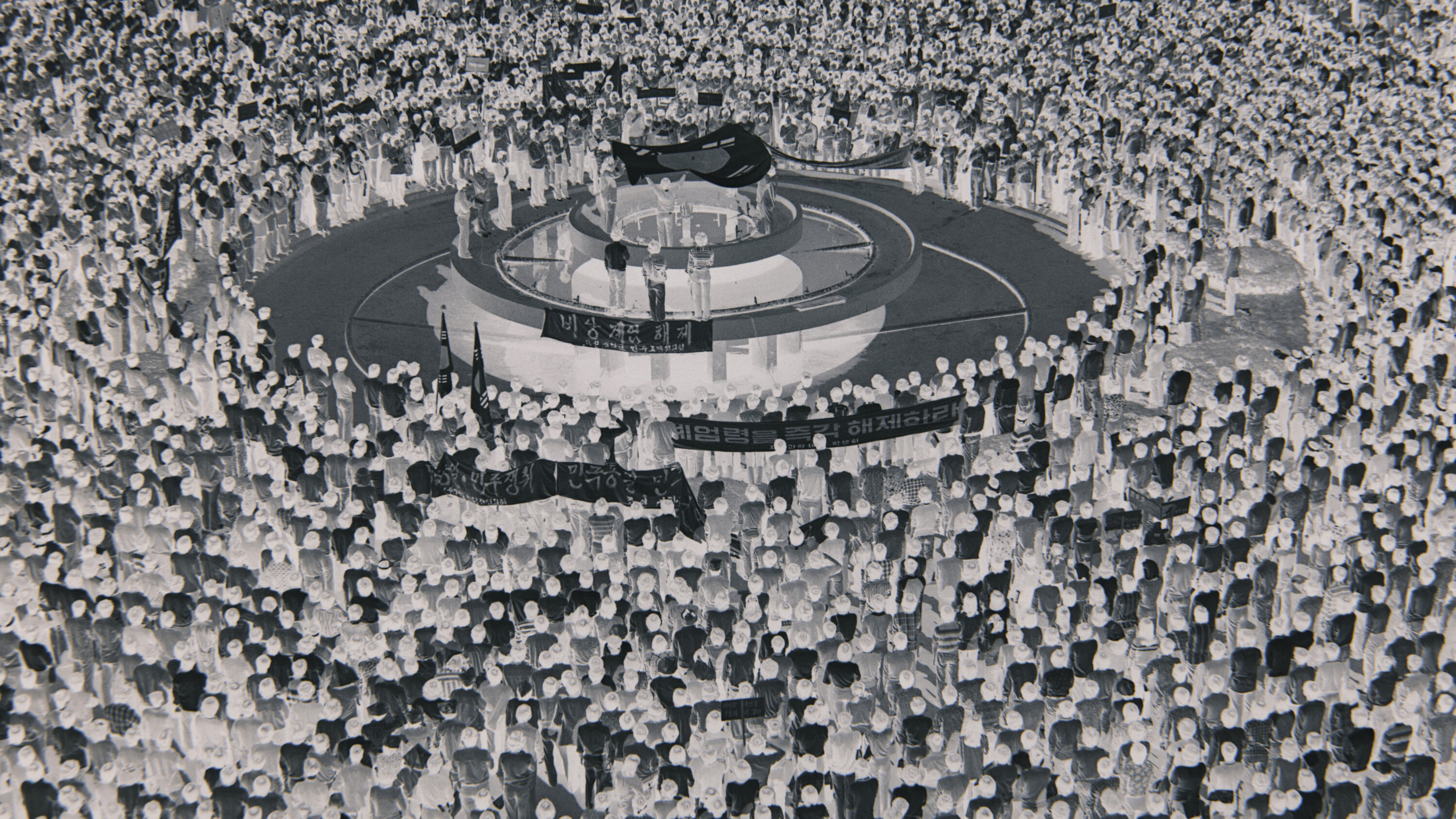
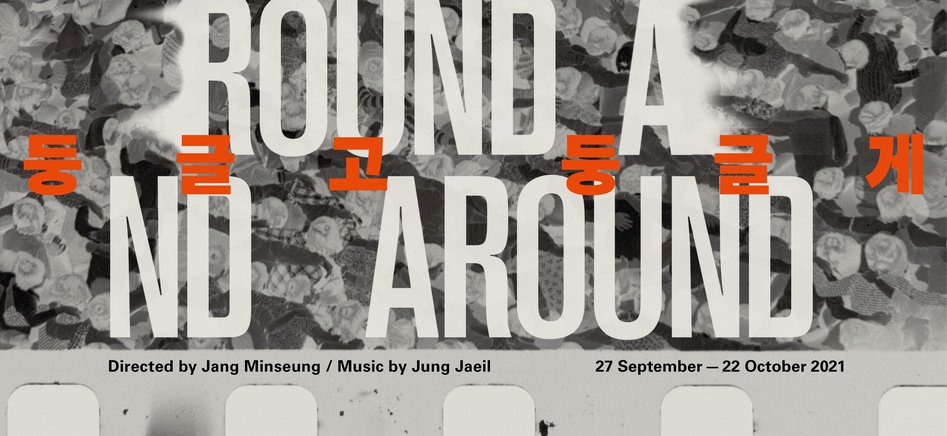
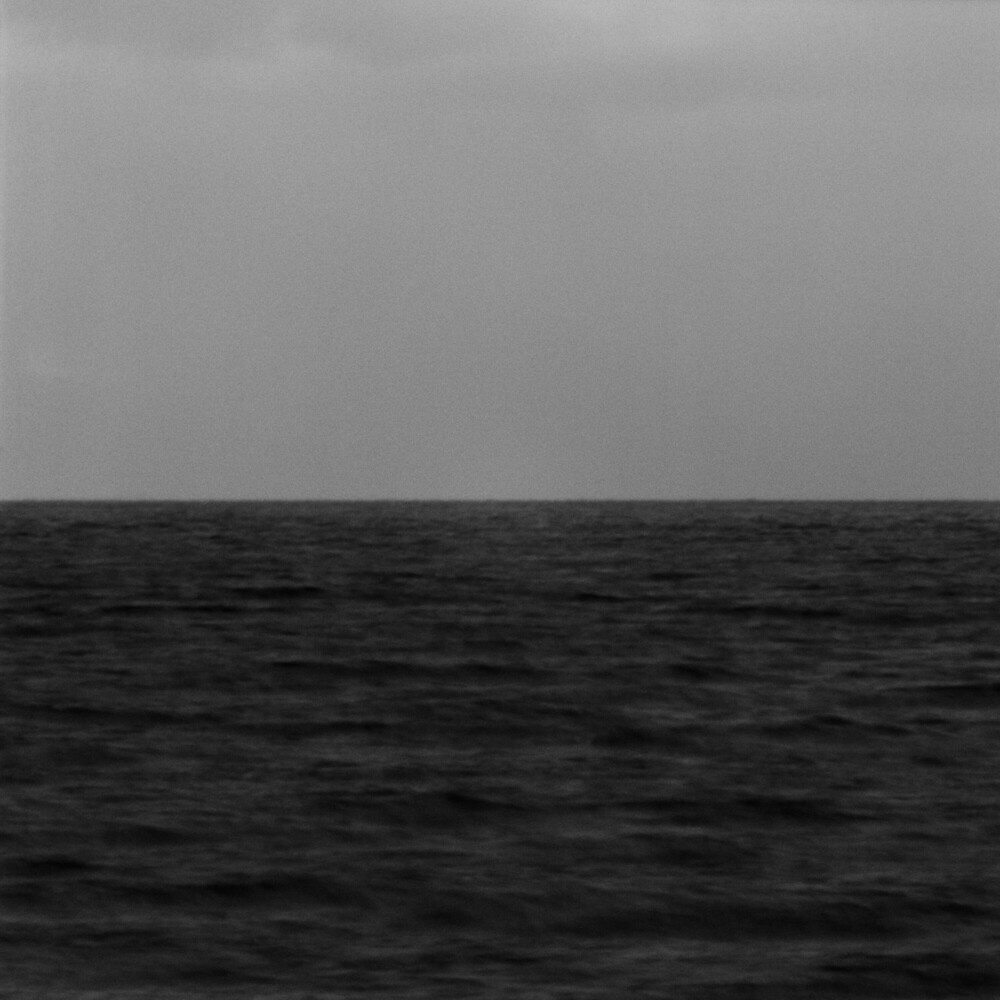
One of the central axes within his artistic terrain lies at the intersection of the tragedies of modern Korean history and the materiality of nature. Works such as voiceless, which addresses the Sewol Ferry Disaster, Round And Around, which reconsiders the Gwangju Uprising, and his recent photographic works centered on Hallasan Mountain and the sea all take different formal approaches while consistently contemplating landscapes after loss. Rather than reducing state violence or social catastrophe to direct representation or political declaration, he transforms them into sensations of light, air, sound, and silence permeating particular places. In this way, Jang’s practice moves beyond merely recording historical tragedy, tracing instead how such events persist and transform within contemporary sensory systems.
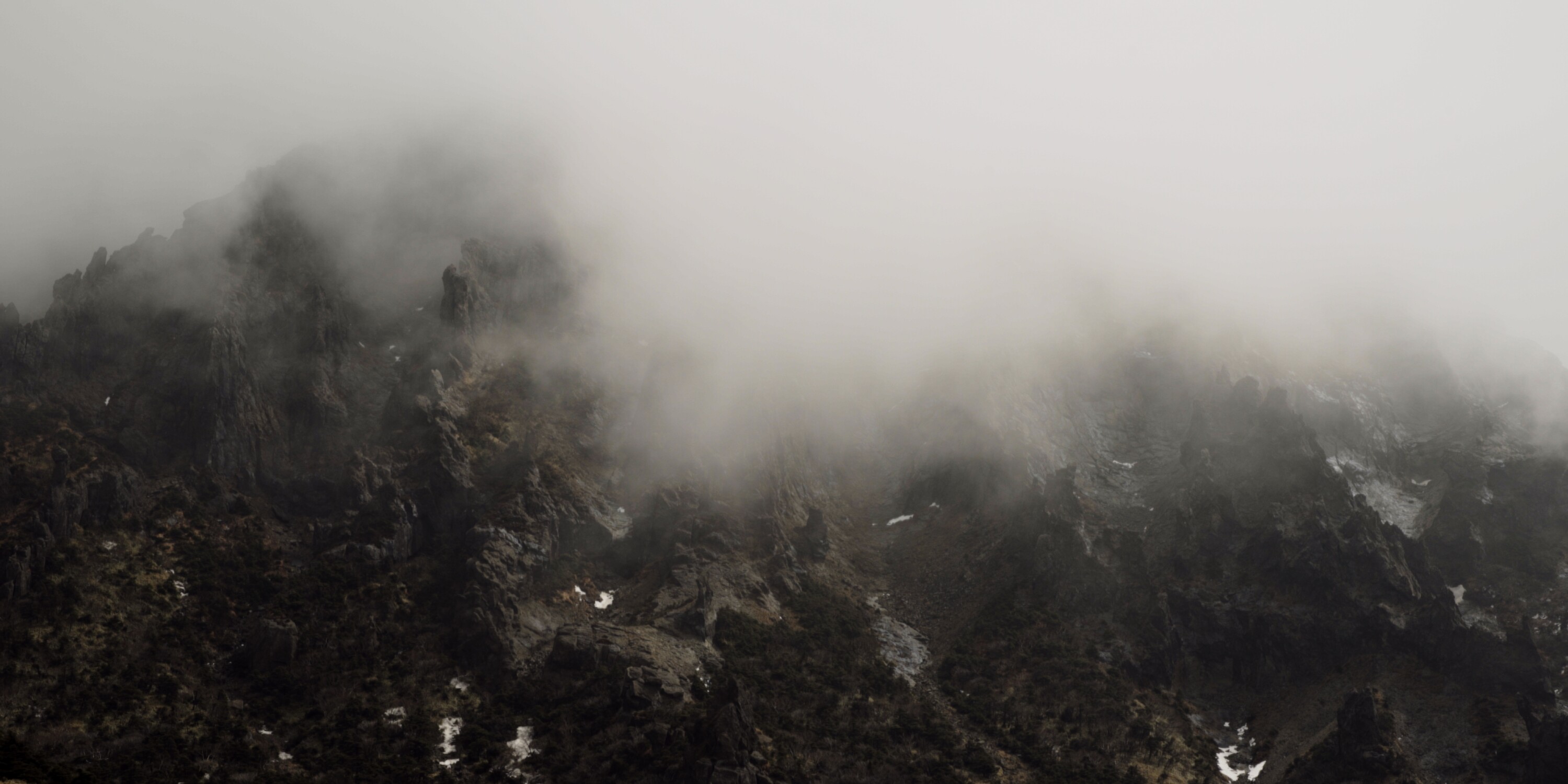
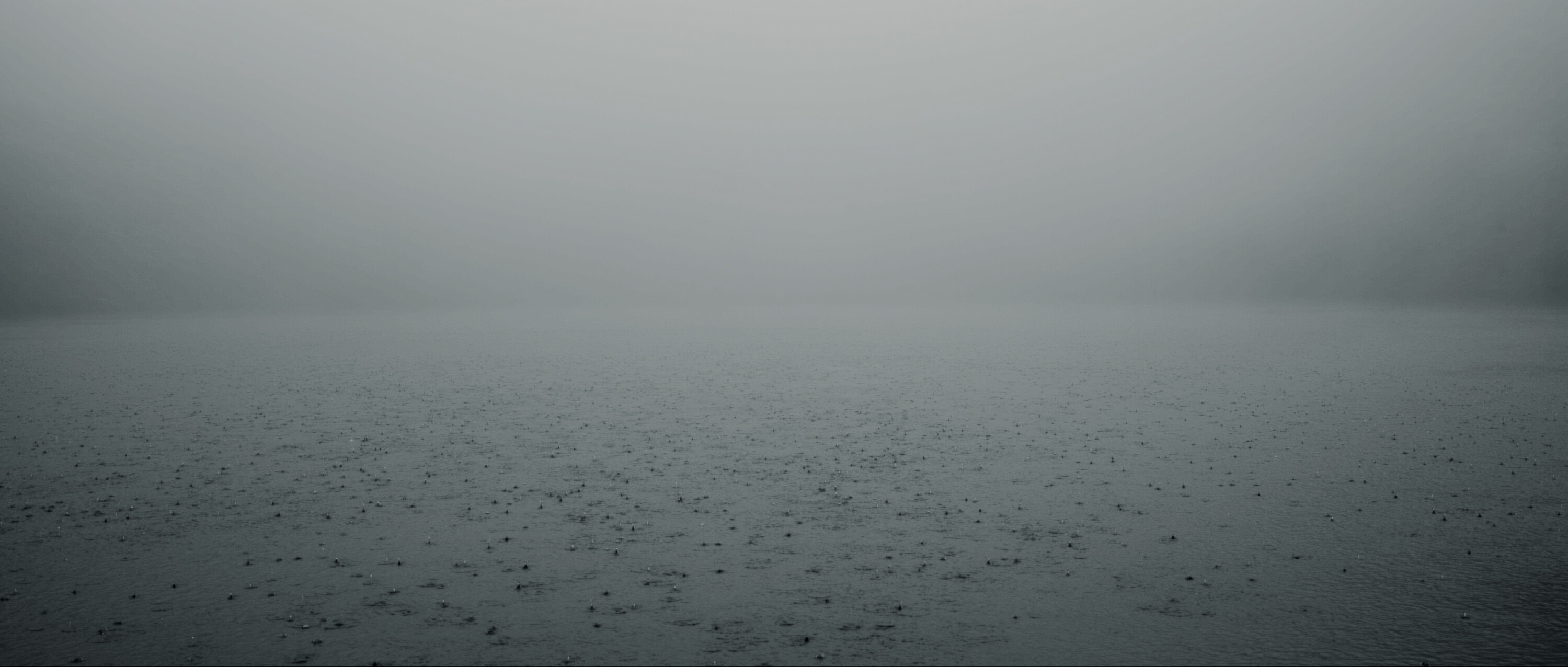
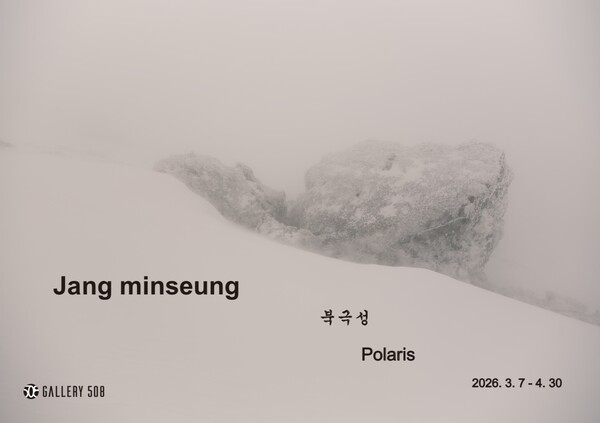
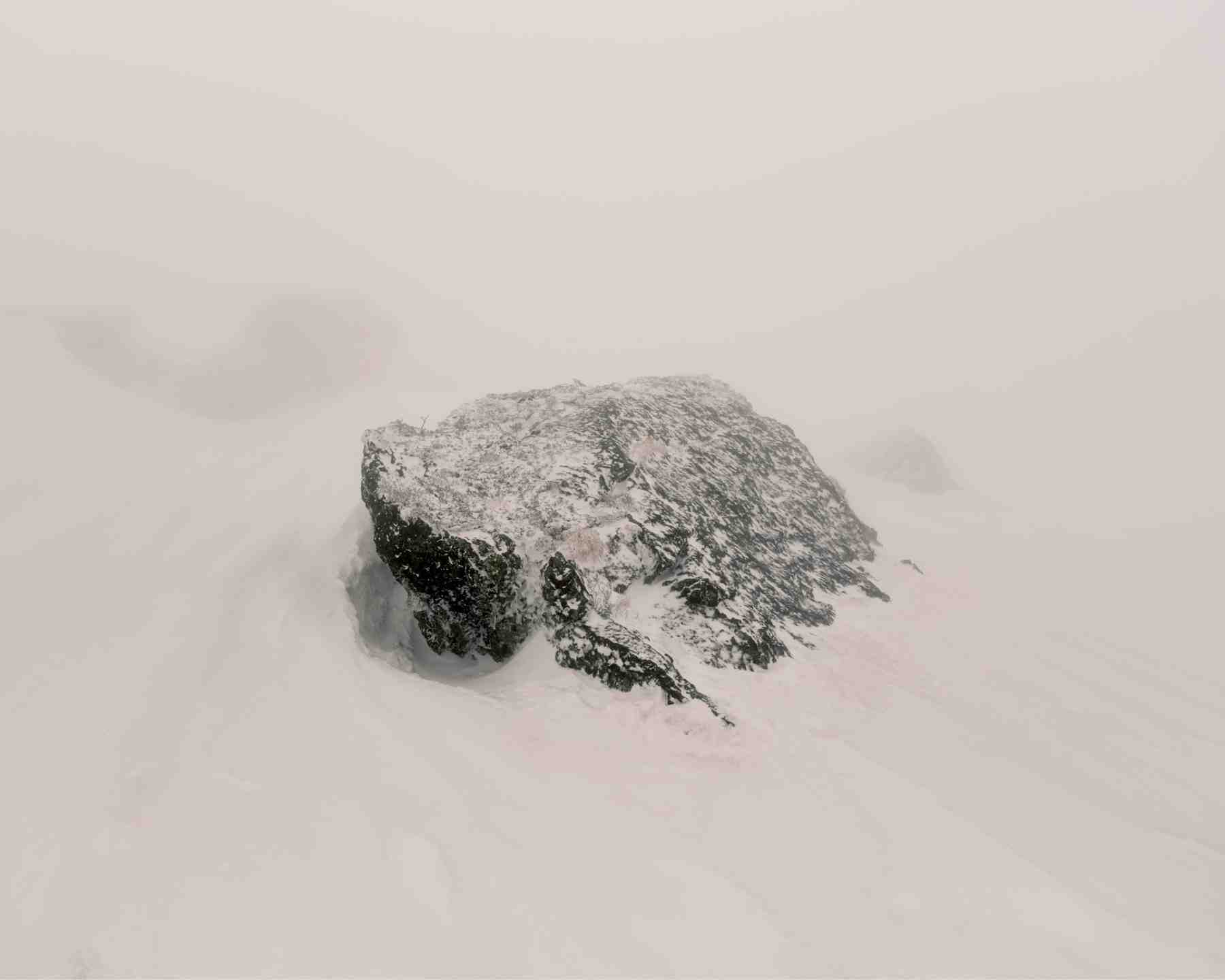
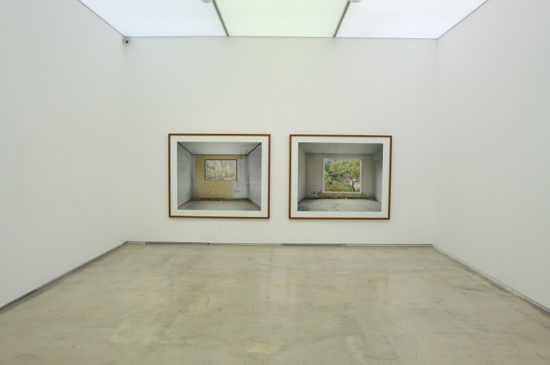
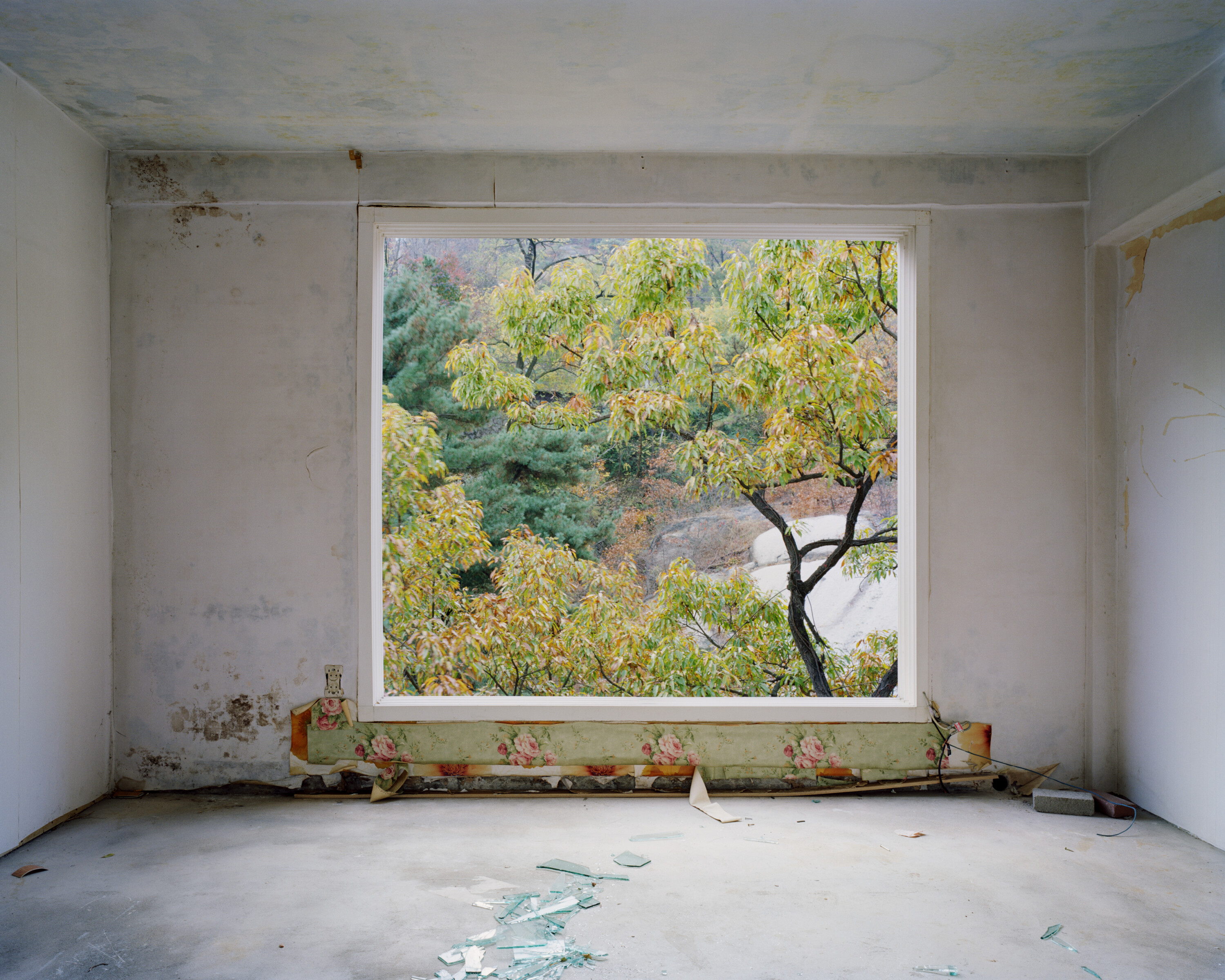
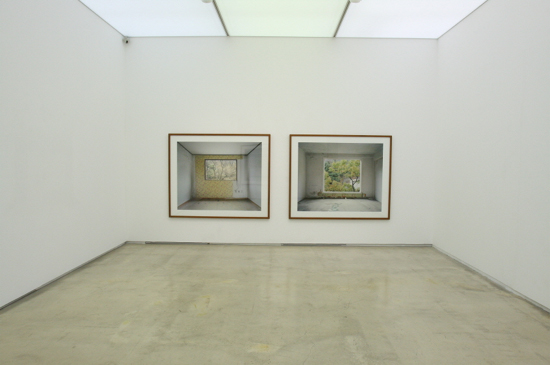
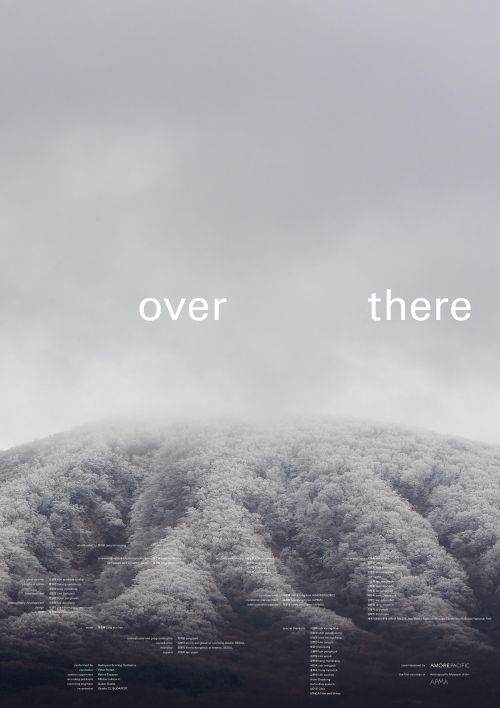
At the same time, his work forms a unique sensory topography by traversing the boundaries between city and nature, human and nonhuman, reality and unreality. In 《In between times》, filmed within the Ogin Citizen Apartment complex shortly before its demolition, natural landscapes seep into urban spaces emptied of human life. In works such as over there and Arcadia, fog, sea, light, and darkness blur the boundaries between reality and the unreal. More recently, the ‘Polaris’ series reveals the instability of human existence through whiteout conditions in extreme snowy landscapes, where orientation and vision collapse. These landscapes are not mere representations of nature, but psychological and philosophical spaces that question the very ways in which human beings perceive and remember.
Above all, the continuity of Jang Minseung’s practice derives from his attitude toward slow time. Even within an environment saturated by rapidly consumed images, he forms relationships with places through prolonged filming, movement, repetitive contemplation, and sustained dwelling. The ‘Polaris’ series, produced through countless ascents and descents across the snowy slopes of Hallasan, and over there, completed over approximately one thousand days of travel between Jeju and the mainland, stand as representative examples of this performative temporality. Within his work, time is not merely a backdrop, but a material force that generates landscapes and transforms perception. Through this slow and persistent approach, Jang has accumulated relationships between place and history, nature and humanity, constructing a singular sensory topography within contemporary Korean art.