“People live for the sake of living,
not for the sake of anything else.”
After finishing my interview with the artist, the first thing that came to mind was To Live by Yu Hua. Structured as a framed narrative in which an old man named Fugui encounters a young collector of folk songs and recounts a life marked by relentless misfortune and suffering, the novel traces the story of an individual who survived through the turbulent modern history of China, including the Chinese Revolution and the Cultural Revolution. Combining the perspective of the protagonist Fugui with that of the external figure who frames the narrative—the young man—the novel allows readers, like the young listener within the story, to be affected by the tale unfolding within the frame.
By virtue of the novel’s structure, the narrator (Fugui) occupies a position from which he can mobilize various devices in addressing the listener (the young man, and by extension the reader) in order to convey his story. Yet Yu Hua portrays Fugui’s almost unbelievable life of devastation in a calm, restrained, and matter-of-fact tone.
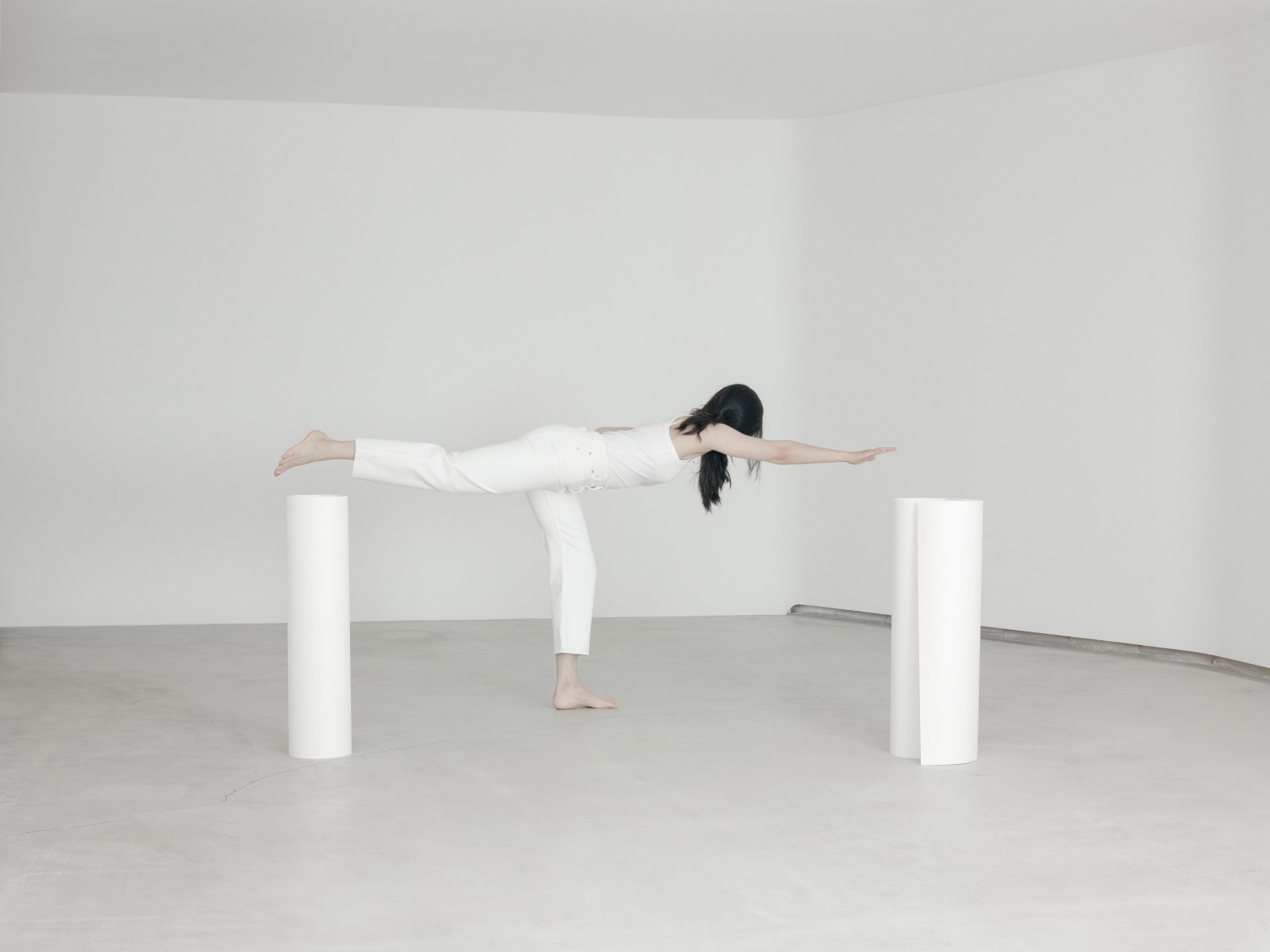
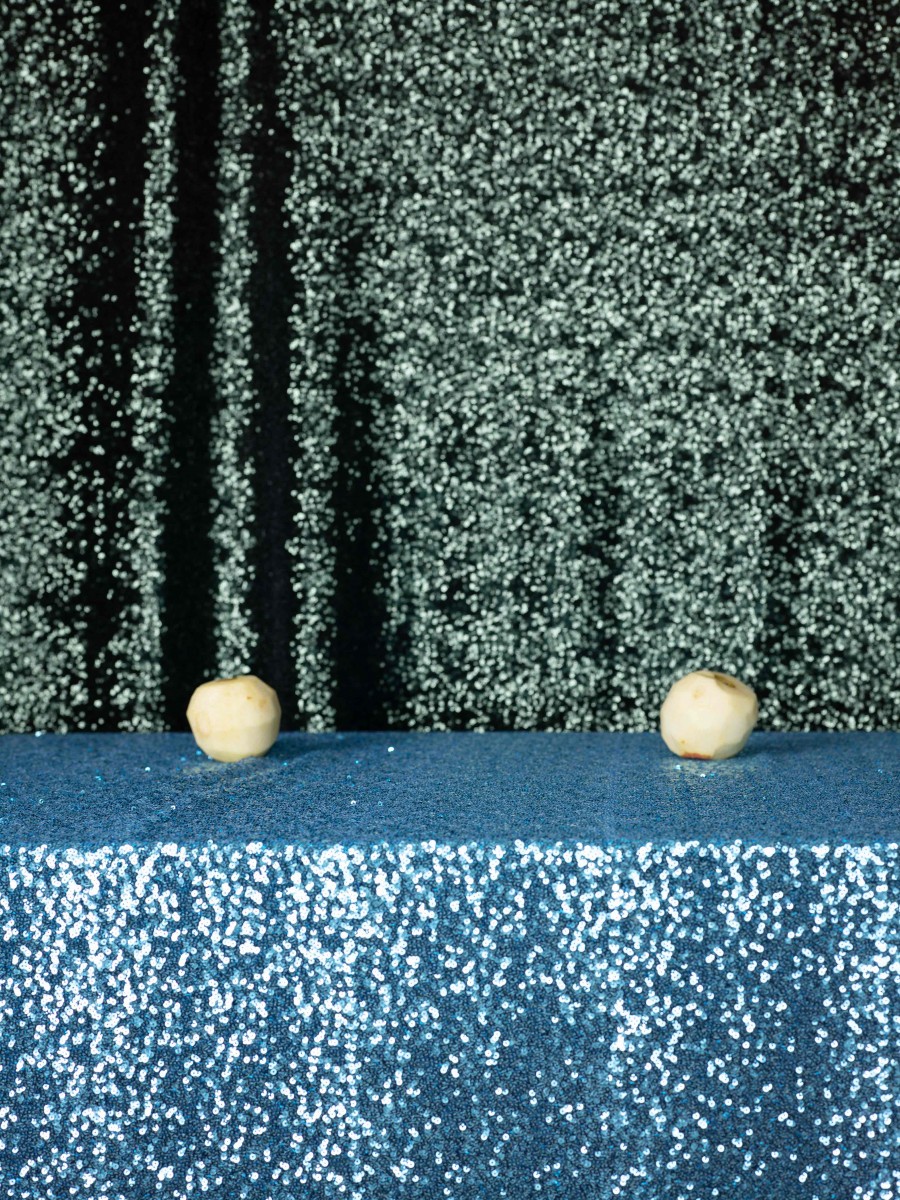
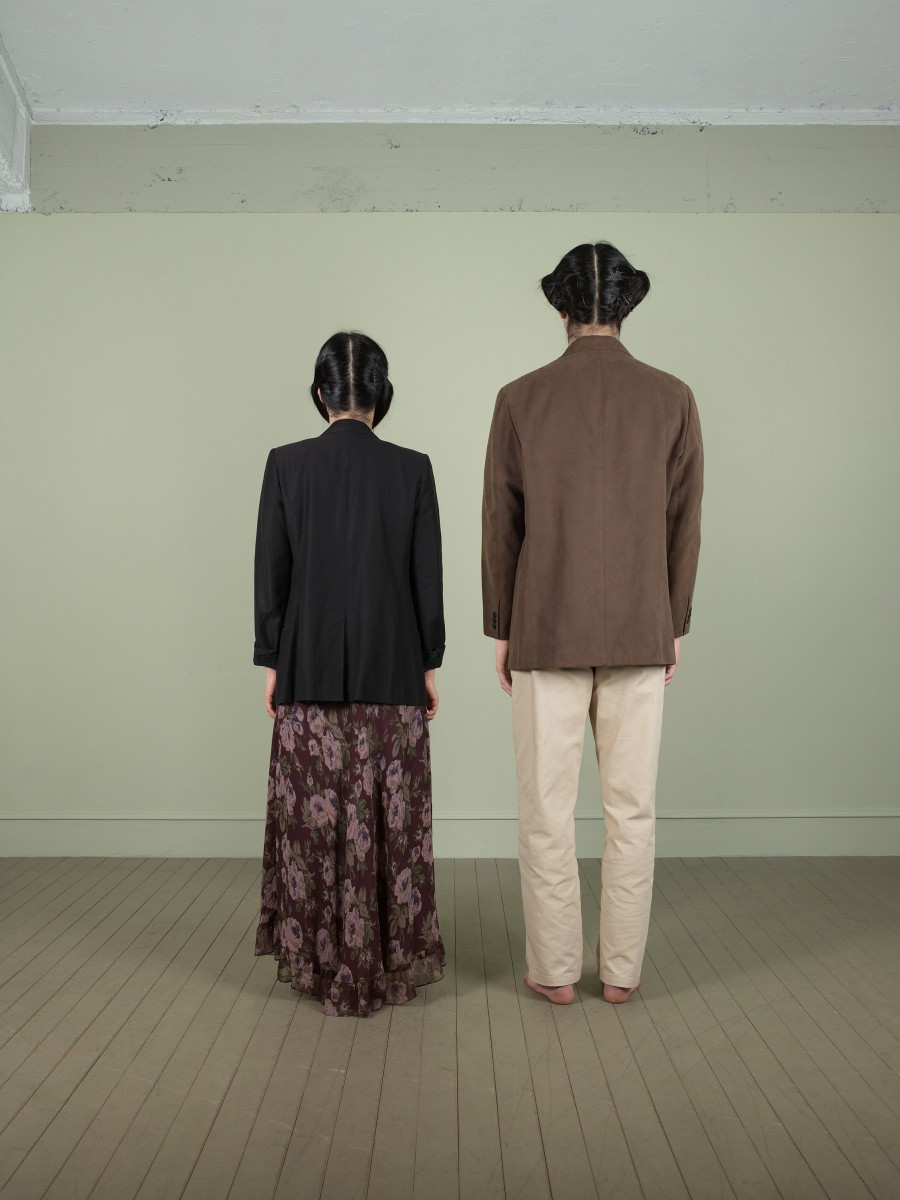
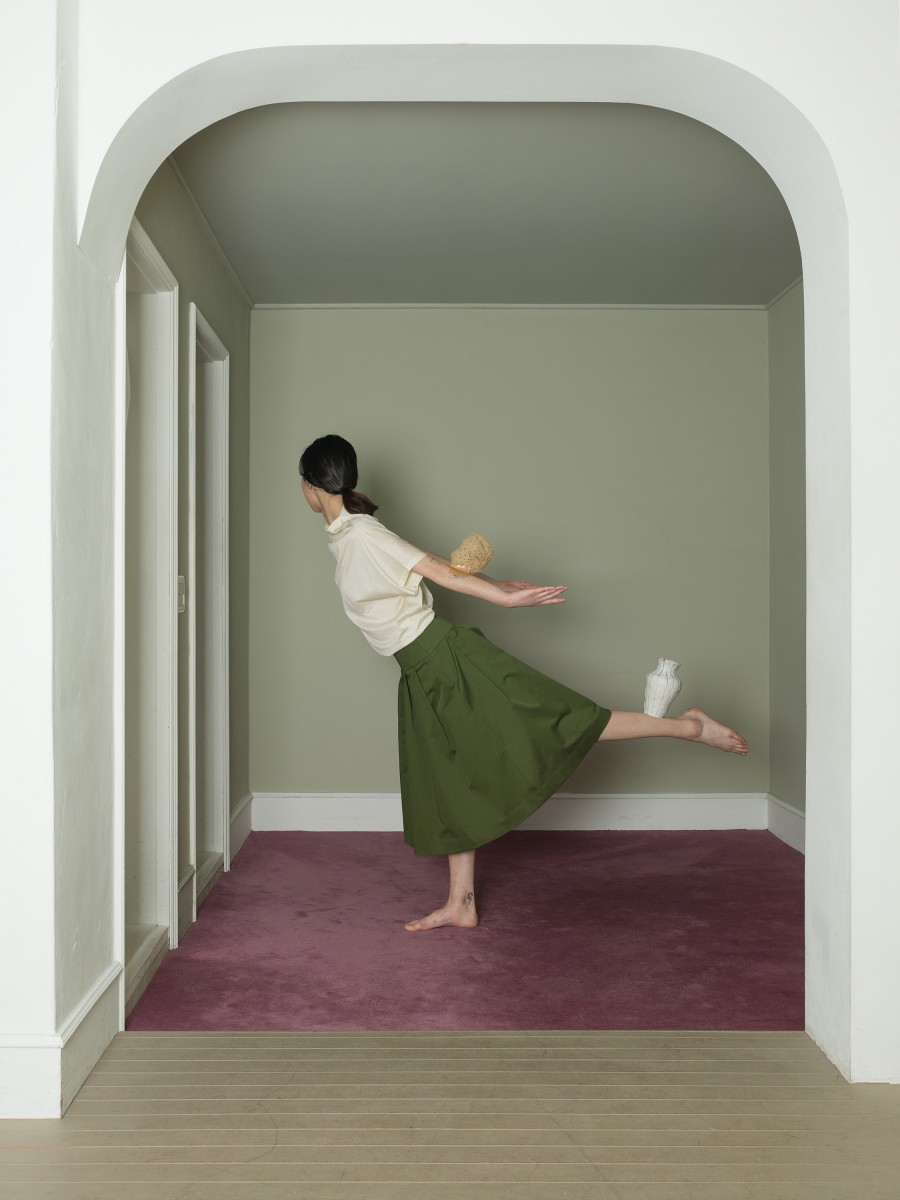
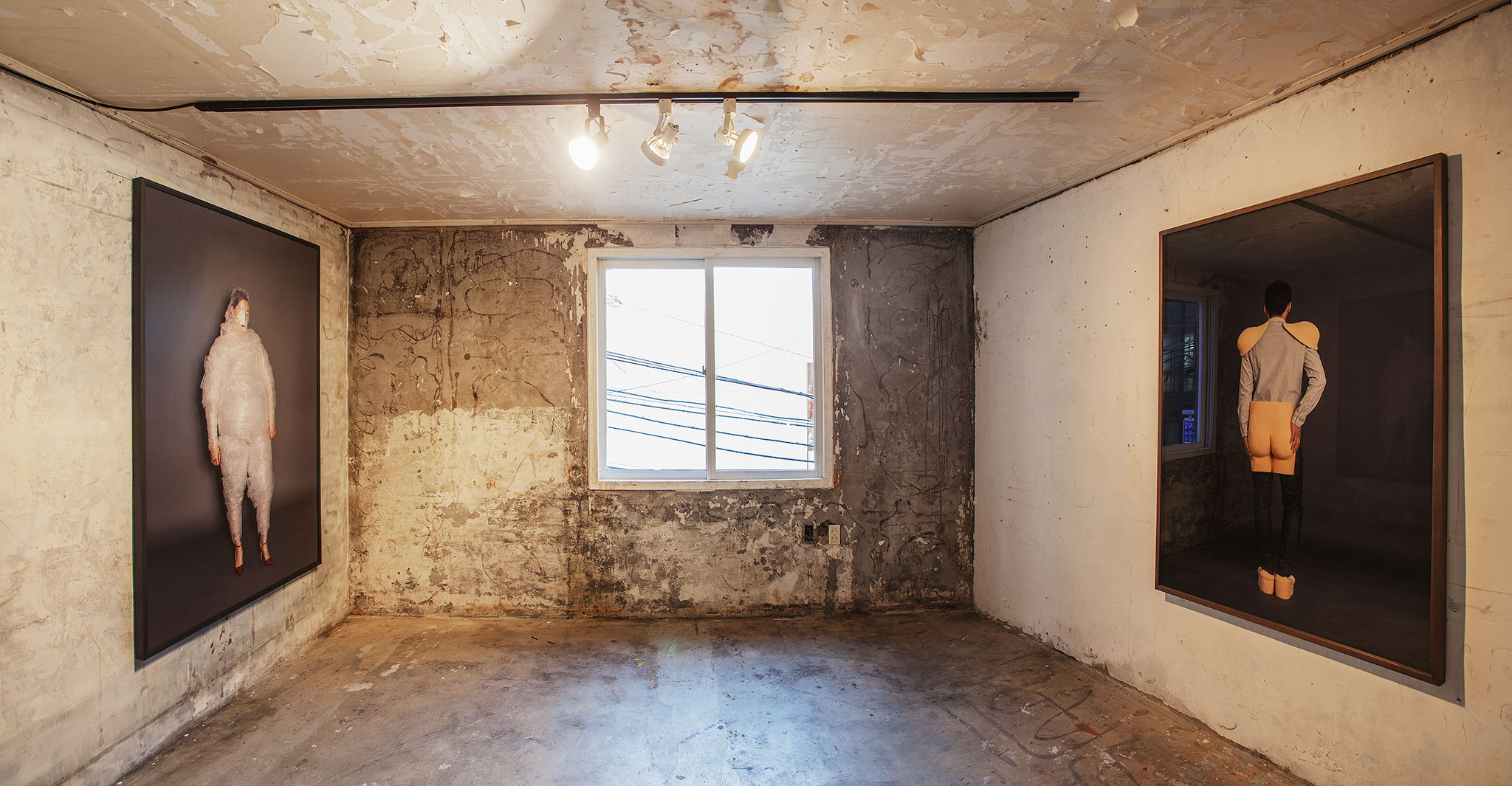
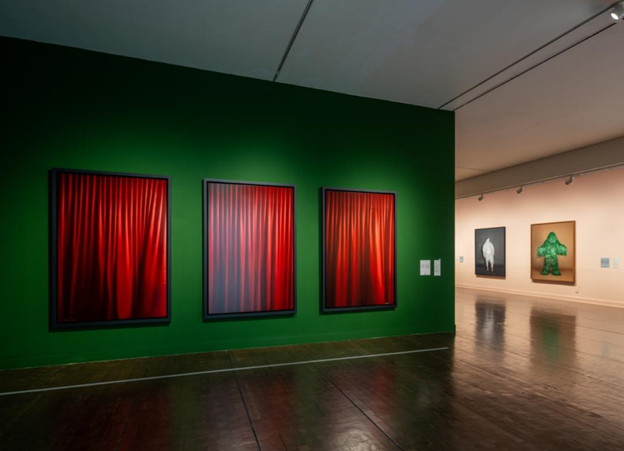
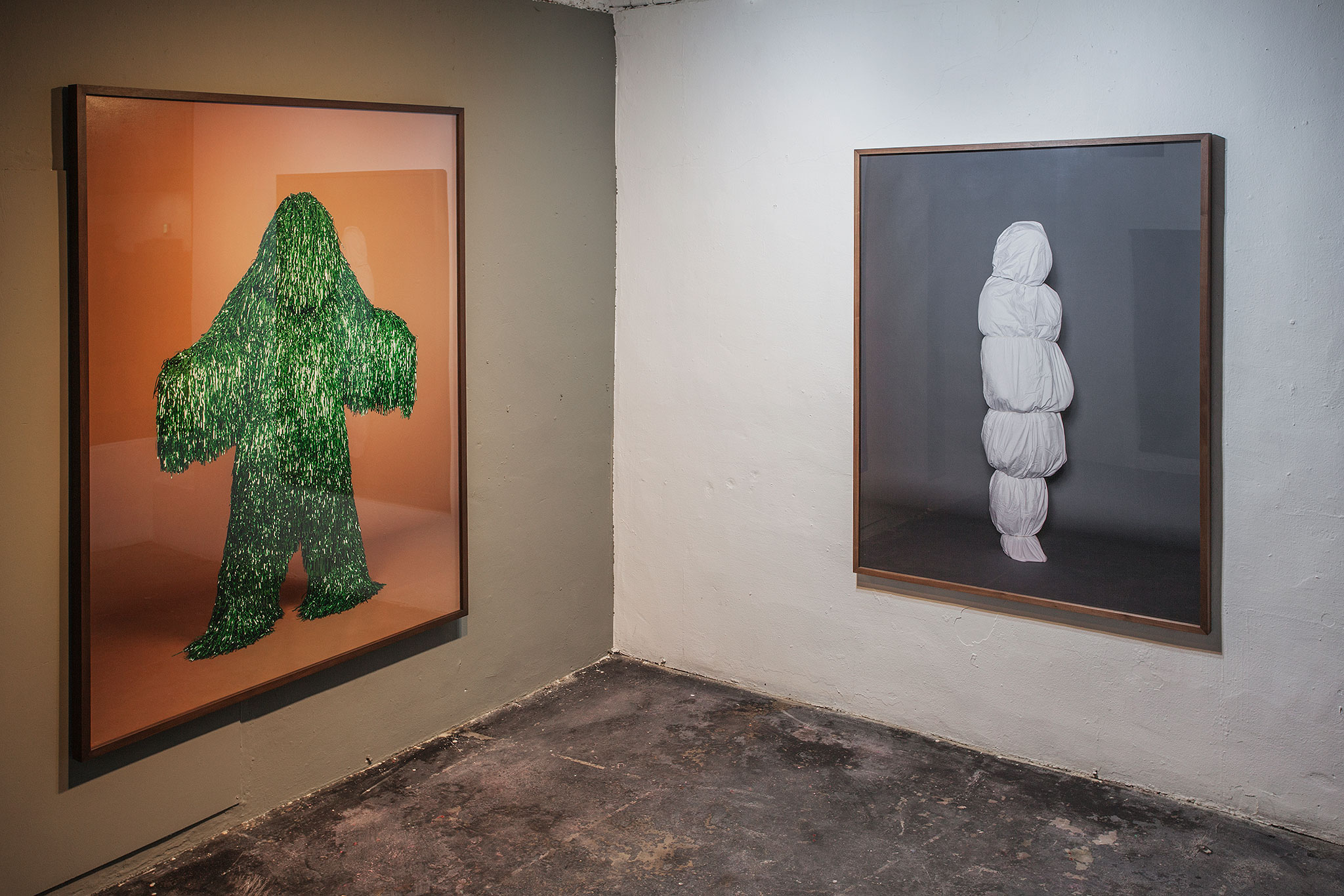
Encountering Chang Sungeun’s photographs, I found my gaze drawn toward a kind of emptiness difficult to name, and I wanted to expand this emptiness into my own emotional terrain. It became a stimulus that compelled me to reexamine the textures of everyday life that I had long taken for granted. To avoid misunderstanding, however, it should first be clarified that I do not intend to hastily connect his works either to the catharsis of healing one’s inner sadness through witnessing tragic situations and misery, or conversely to sentimental notions such as the beauty of everyday life or the preciousness of fleeting moments. His photographs contain no artificial devices designed to provoke reactions through dynamic exchanges with the viewer.
Rather than foregrounding a subject outright, they focus on the artist’s own psychological narratives. But it does not end there. Once someone’s gaze becomes fixed, the work swiftly shifts frequencies and modes of communication according to that individual, much like an inbox that automatically labels received emails, attempting a kind of communion attuned to each viewer. In other words, much like Yu Hua’s method of writing, the artist emits affective energy to construct a spatiotemporal field in which her own internal desires may unfold, while simultaneously presenting a kind of utopian space capable of resonating differently with each individual who encounters the work. The artist neither explains where the emotions she experienced originate, nor even appears to question them.
“Looking at those words that have become worn out through overuse, I try to search for new words or turn my attention elsewhere, yet I continue to live a life no different from before. (…) My work can be understood as transforming the minute differences observed within an entirely ordinary ‘everyday life’ into artworks.”
(From an interview for the Amado Art Prize, 2016)
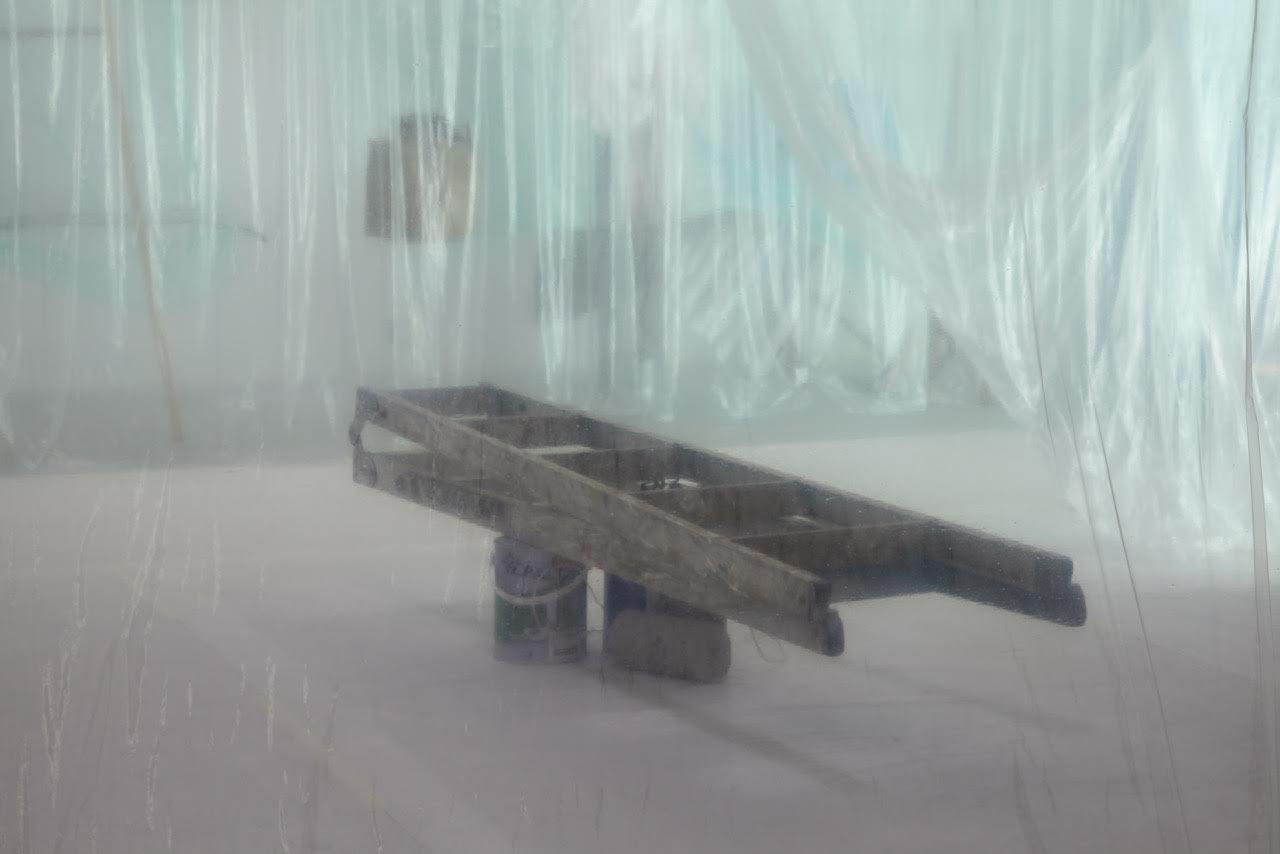
Looking across Chang Sungeun’s works from 2008 to the present, one can discern a recurring concern: the small and seemingly insignificant fragmentary emotions scattered throughout everyday life. “Space Hamilton (2010) sought to expand its meaning by embracing not only the human body but also familiar objects from everyday life, presenting a new and poetic unit through which to speak about the scale of space” (excerpt from the artist introduction for 《The Lost World》 at the Buk-Seoul Museum of Art, 2018). Likewise, “Some may find the word loneliness, the theme of this exhibition, somewhat unexpected. As contemporary art has become increasingly conceptualized, ontological concerns such as loneliness, death, and depression have become relatively marginalized themes. (…)
In this regard, Chang Sungeun’s attempt to draw loneliness into the foreground represents a rare effort to unravel the problems of life through artistic practice” (Moon Hyejin, “The Position of Loneliness,” in In the still is a fierce creature no one sees, Willing N Dealing, 2019, p. 22). Critic Hong Jiseok further writes, “Chang Sungeun’s work is closer not to an exploration of tension or space unfolding on a formal level, but rather to an exploration of tension or space unfolding on the level of life itself. (…) One remains, encounters others, and forms relationships. One departs. Within this process, one touches the ‘stagnation’ of one another and constructs one another’s ‘true form.’
Through the exquisite operations of all these elements, something comes into being. Yet from the very moment of its birth, it simultaneously prepares for its own ending. It is sensation, emotion, and life.” As Chang herself remarked in an interview, she has continually attempted to “rethink and present everyday life through another form of abstraction.” Yet what is it that has led her so insistently in this direction?
“Why are you so obsessed with cakes (birthdays)?”
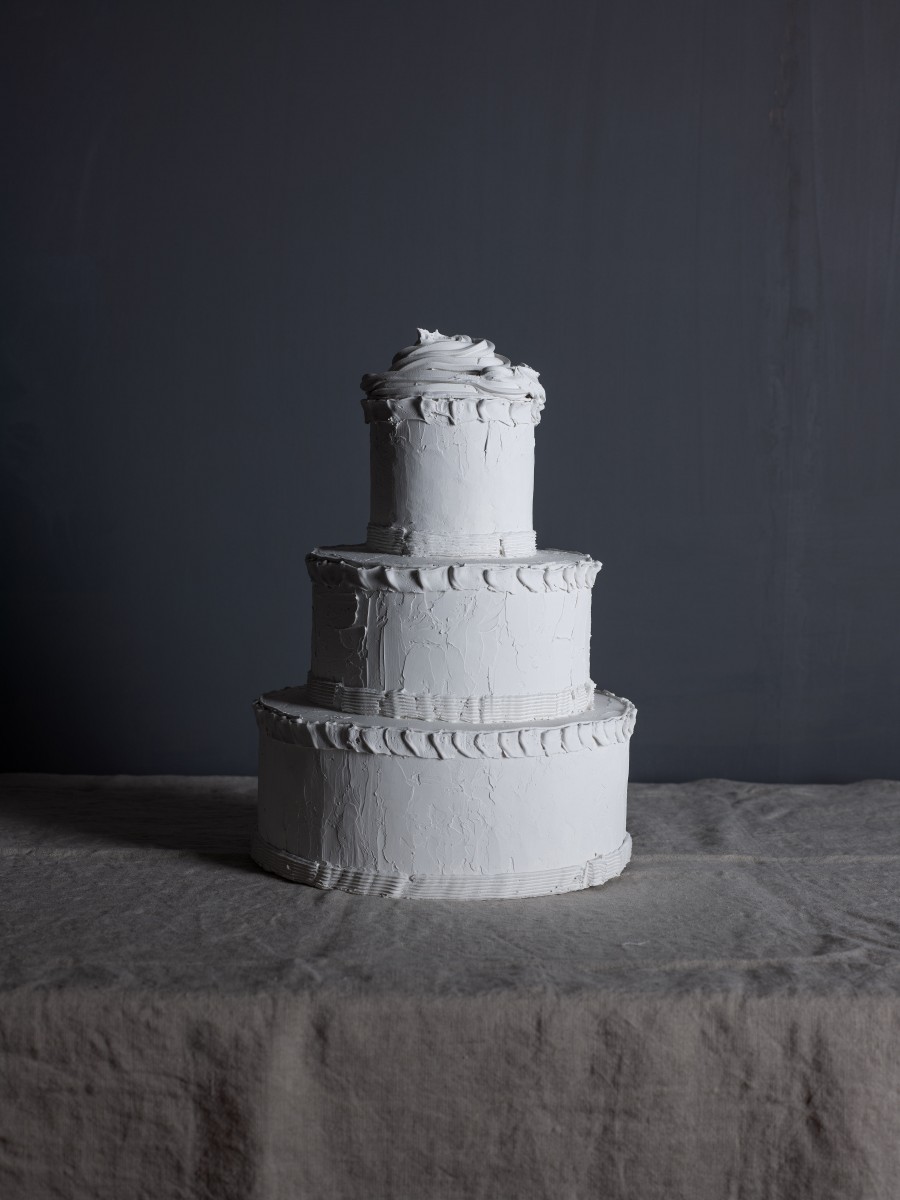
Birthdays are something every human being possesses and recognizes. Across all times and cultures, systems of divination that interpret one’s birth date through astrology, fate calculation, or the Four Pillars of Destiny have existed and exerted influence throughout society. Though the degree of importance may differ from person to person, birthdays belong to everyone. As I wondered why the exhibition’s narrative begins with the motif of the “birthday,” the artist suddenly posed a single question to me: “Why are you so obsessed with cakes (birthdays)?” Put bluntly, the sentence leaves absolutely no room for interpretation.
Without affirmation or negation, it exists “simply” as it is—as plain text without context, in its dictionary definition alone. One thing, however, is certain: the “attitude of revealing certain aspects of everyday life” mentioned earlier—that is, the artist’s desire and action to reveal something—reacts only within the artist’s interior before disappearing again. In this way, even through the erasure of the artist from the work, one can observe the consistent attitude that prompts reflection upon the latent potential of her photographs to perform a kind of social function.
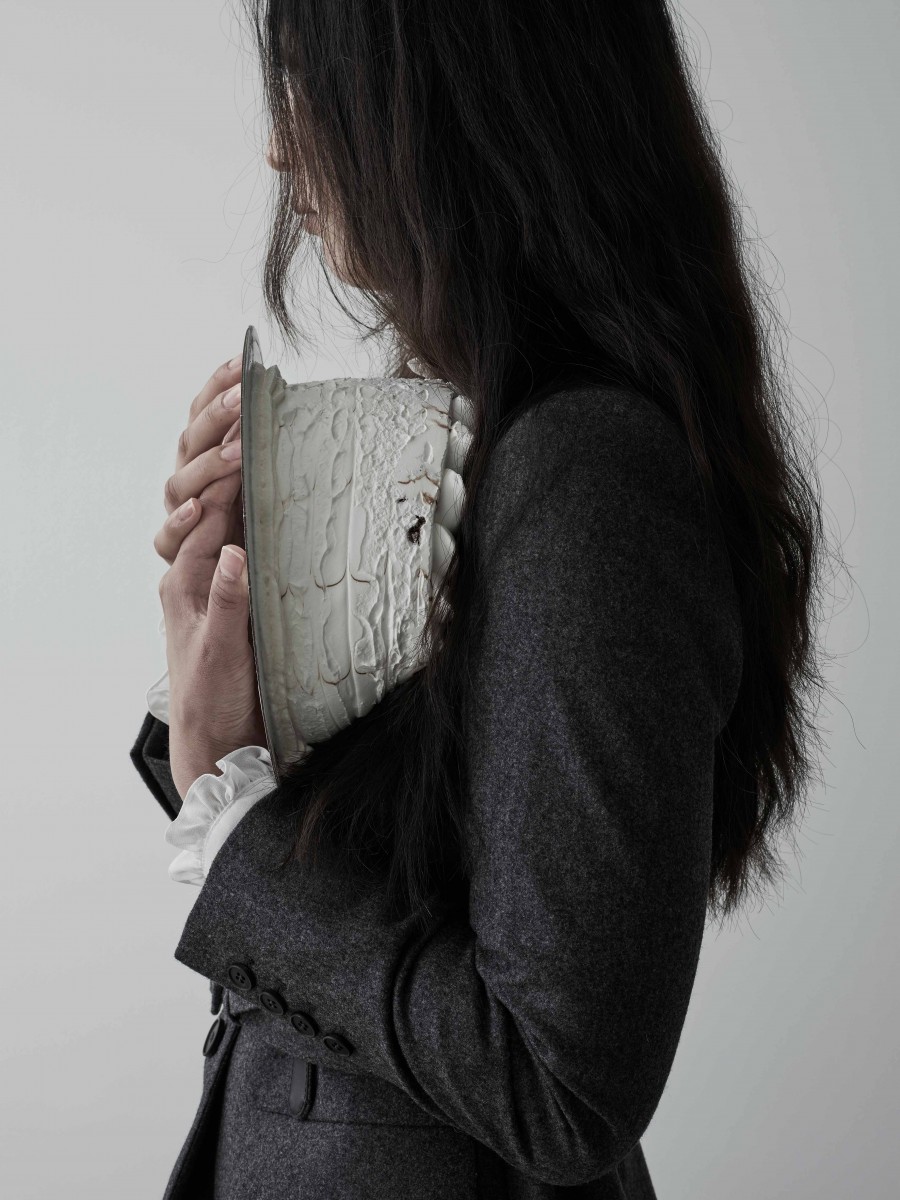
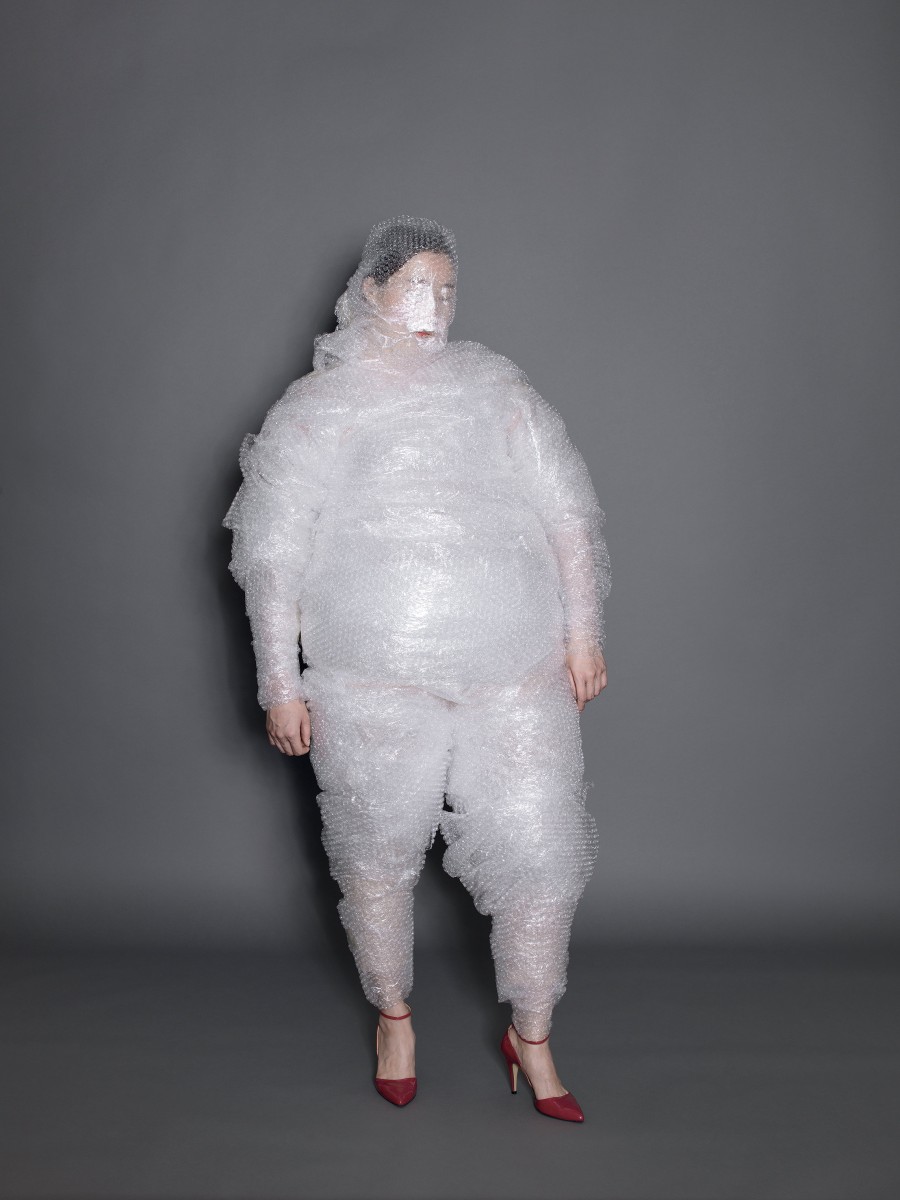
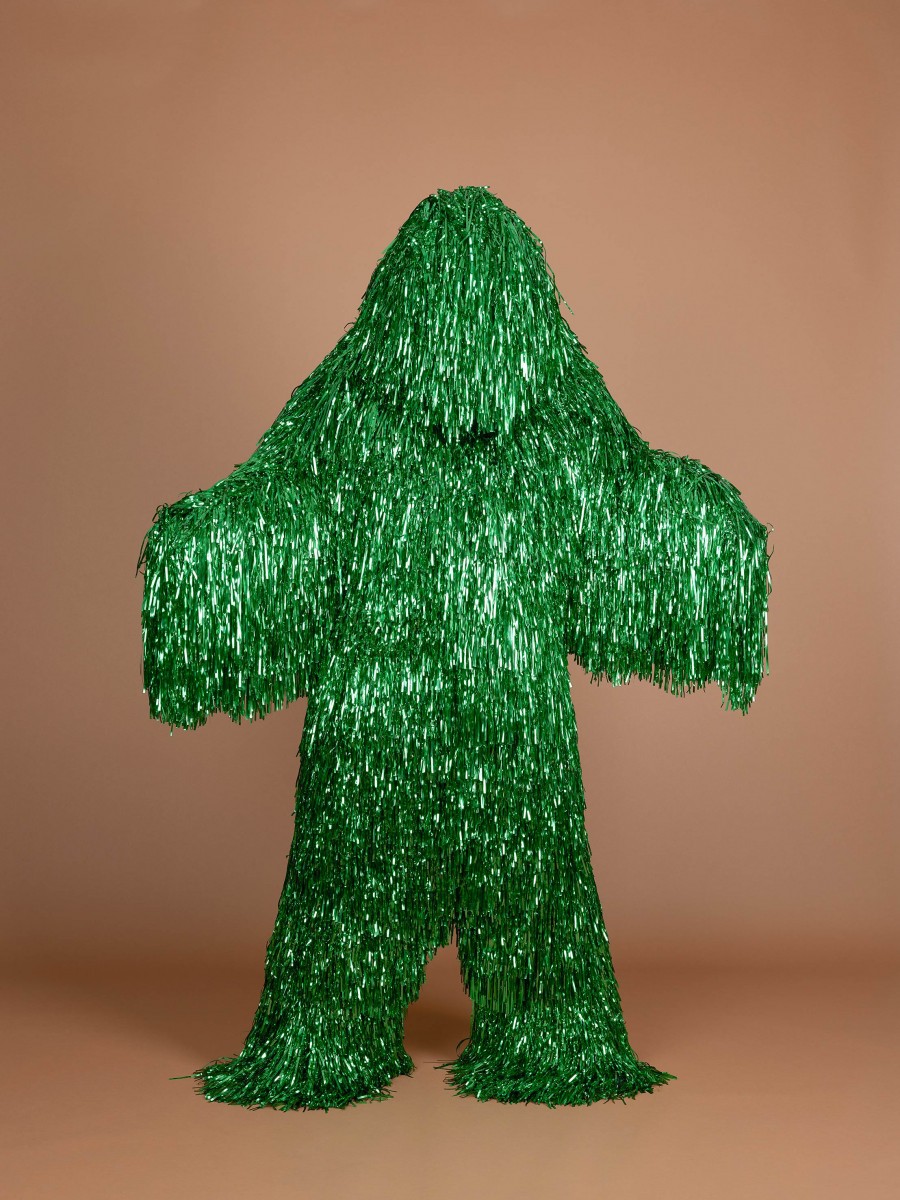
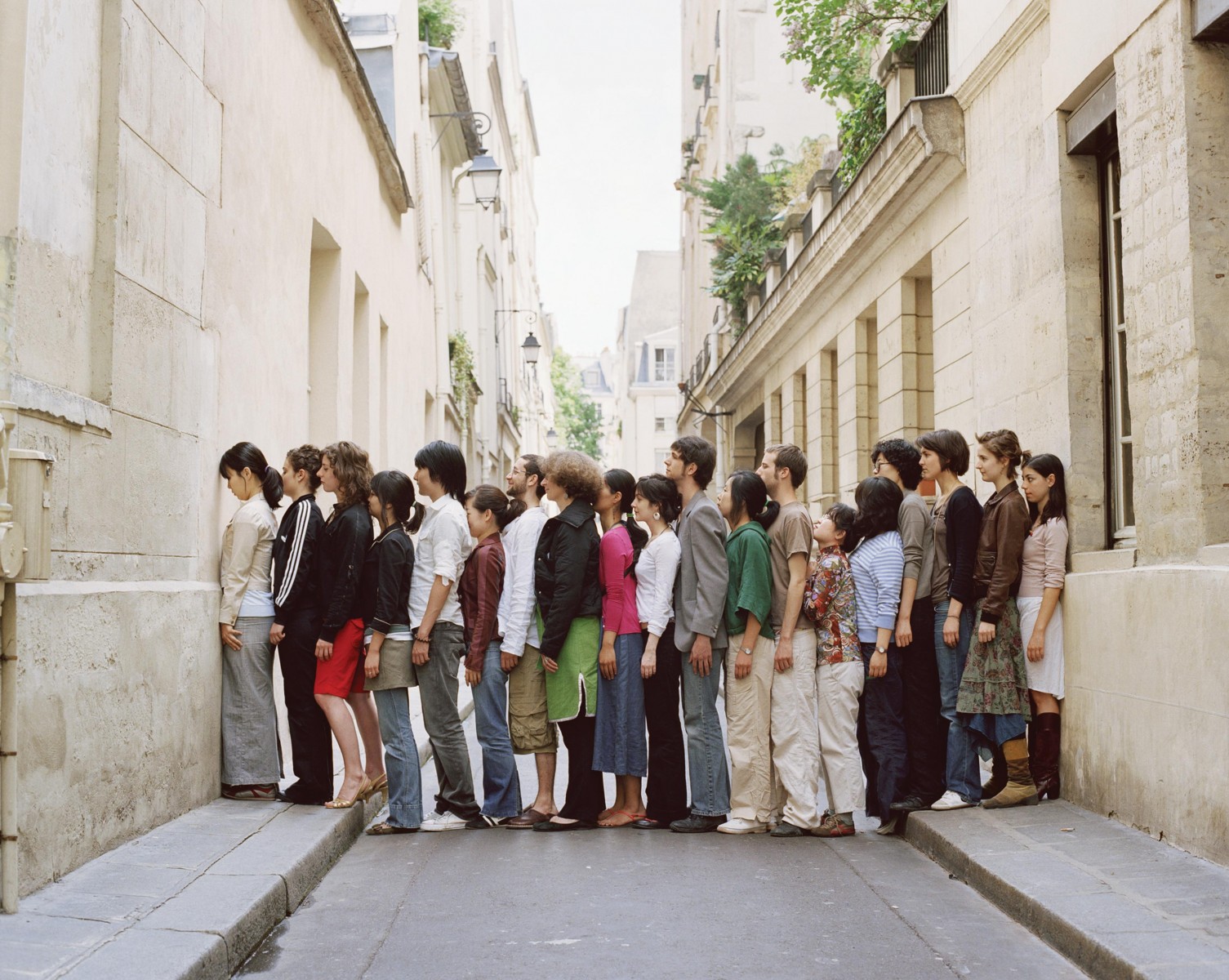
Although she seeks to reveal hidden emotions embedded within everyday life, she does not photograph reality itself. Works such as Wounded cake (2022) and Nude apple (2022) are rigorously calculated staged photographs, yet they allow the concrete reality before our eyes to be perceived and expressed more intensely. Through precise direction according to the artist’s instructions and extensive post-production processes, these photographs become fantastical surfaces. They combine multiple incompatible movements and elements, layering various photographs together so that their temporal structures become complex and multi-layered. Within these works—where coexistence, juxtaposition, and substitution between disparate elements constantly occur—ordinary objects and subjects seem perpetually caught between the artist’s intention and the final result due to these intricate spatiotemporal structures, thereby becoming a kind of fantastical reality.
Although Chang Sungeun may initially appear logical, she is ultimately an artist who dreams of transformation through leaps and ruptures that generate vitality. Her photographs reveal fantasy while simultaneously compelling viewers to reflect upon their own realities. Likewise, magical realism does not attempt to explain the motives that either provoke or suppress the actions of its characters. Writers of magical realism do not create imaginary worlds into which we may escape from reality. Fantasy is not something opposed to reality; rather, it secures its reality as one of reality’s own constitutive elements. As the magical realist writer Gabriel García Márquez once suggested, reality in its truest sense refers to a comprehensive whole surrounded by invisible worlds.
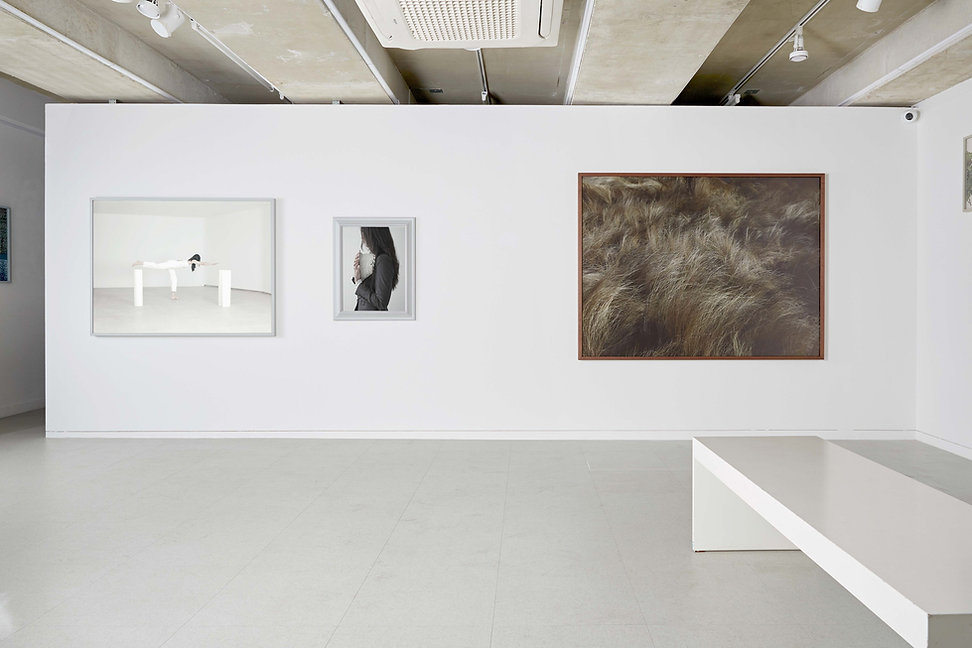
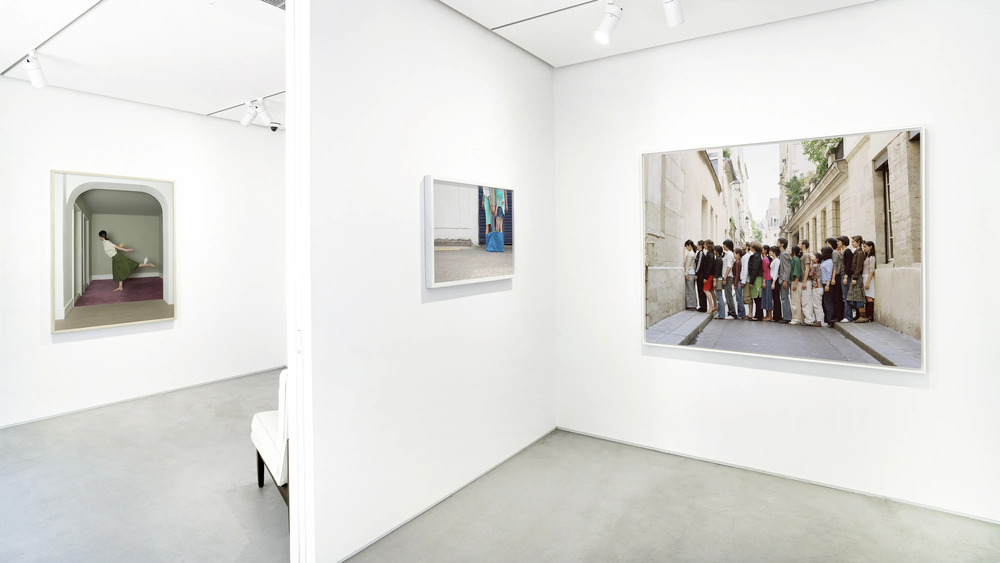
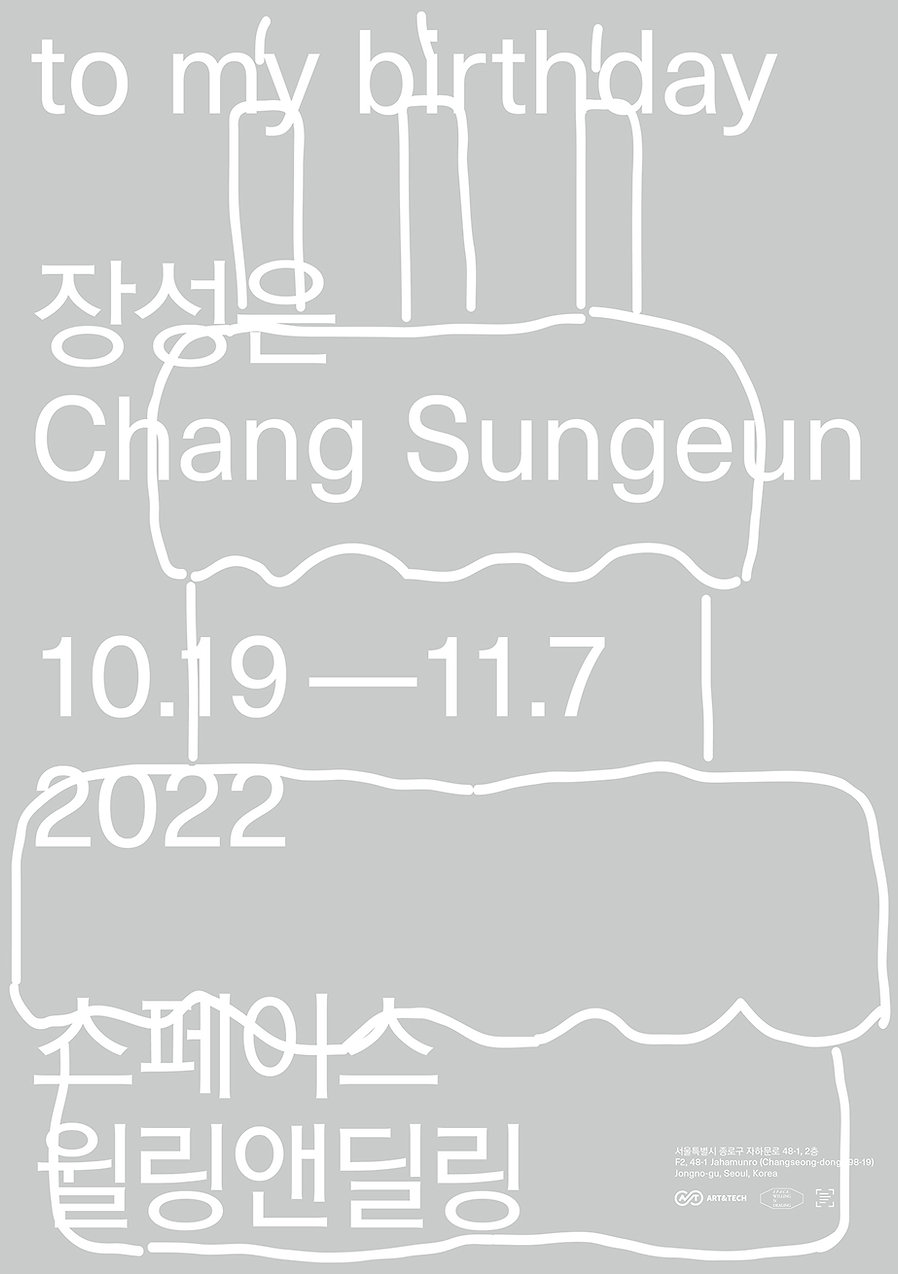
This exhibition is a project that intersects and combines two methodologies: “making work”—online, through virtual spaces and NFT-based digital images—and “exhibiting work”—offline, through physical spaces and photography as material object. Within the exhibition space, viewers encounter photographs produced through the artist’s original working methods alongside mobile monitors. The photographs “exhibited” offline appear both within the gallery space and within online virtual environments implemented by developers. Likewise, the process of “making” operates simultaneously through printed photographs, digital images of photographs displayed within online exhibition spaces, and moving images produced on the basis of those photographs.
The eight photographs that appropriate and expand the exhibition in this manner do not seek to compare or contrast the two systems in order to argue for advantages or disadvantages, nor to determine which is superior. Instead, they aim to become intimately interconnected across different layers in order to construct a single narrative. By juxtaposing these two methodologies—which may initially appear fundamentally different—the exhibition ultimately draws attention to the fact that they share the same perceptual framework when photography functions as image. At the same time, it examines the environments in which these systems operate, seeking to give form to the massive process of transformation experienced in the contemporary moment as an object of reflection.
《to my birthday》 cannot fully encompass everything involved in “making” and “exhibiting” within online environments, and one might even say that its answers are deliberately postponed into the future. This is because the topography of the metaverse—including Augmented Reality, Life Logging, Mirror Worlds, Virtual Worlds, and NFTs—is far too fluid, mutable, and complex to be resolved within a single exhibition. Nevertheless, the exhibition remains meaningful as the result of intense consideration and collaborative negotiation among an artist long devoted to material photography, alongside 3D developers, video technicians, and web developers, each respecting one another while carefully coordinating their ideas.
Within this context, after remaining with her work for a long time, I found myself carrying one additional question: does a single image inherently contain the destiny of representing someone’s—or something’s—entire life? Yu Hua once remarked that “the mission of the writer is not disclosure, accusation, or exposure.” Chang Sungeun’s mission, perhaps, lies in “her own attitude” toward existence and toward the world itself.