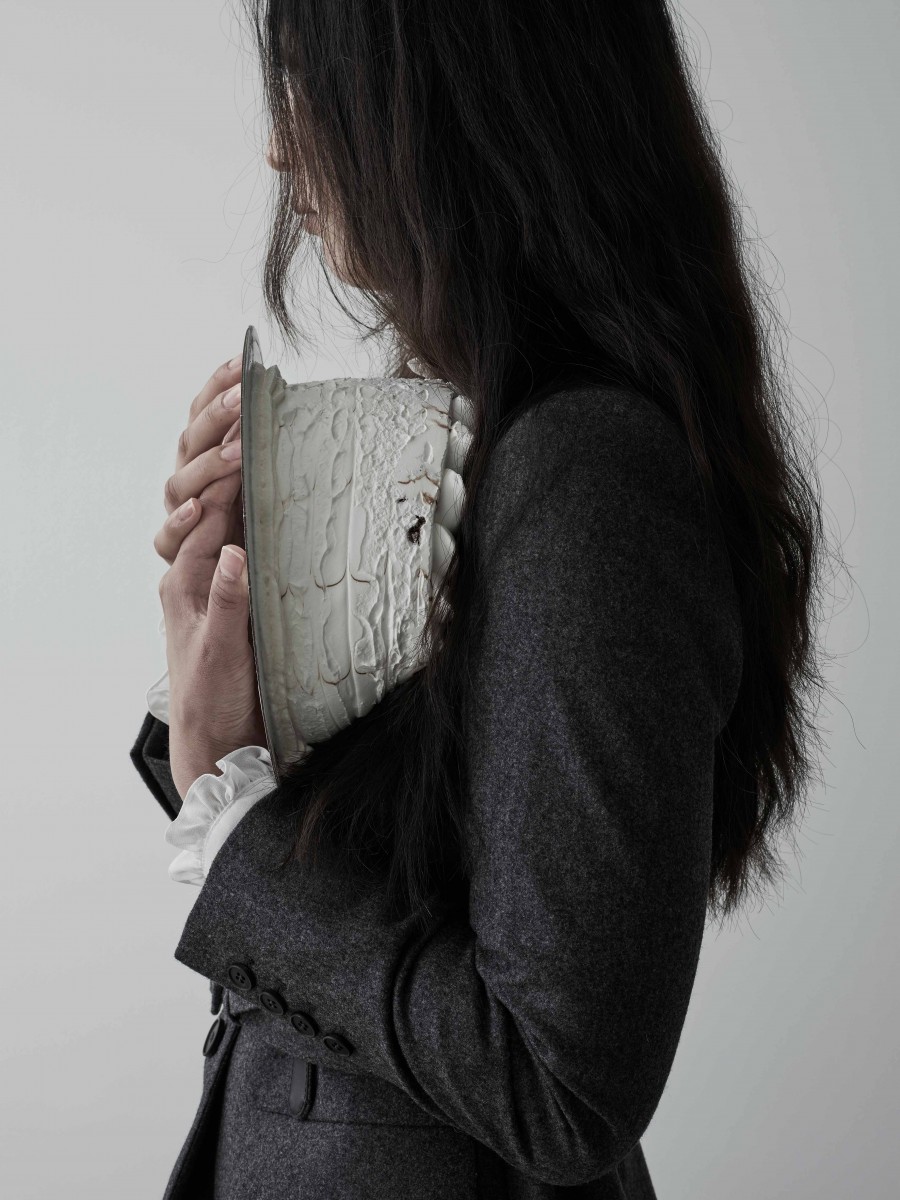
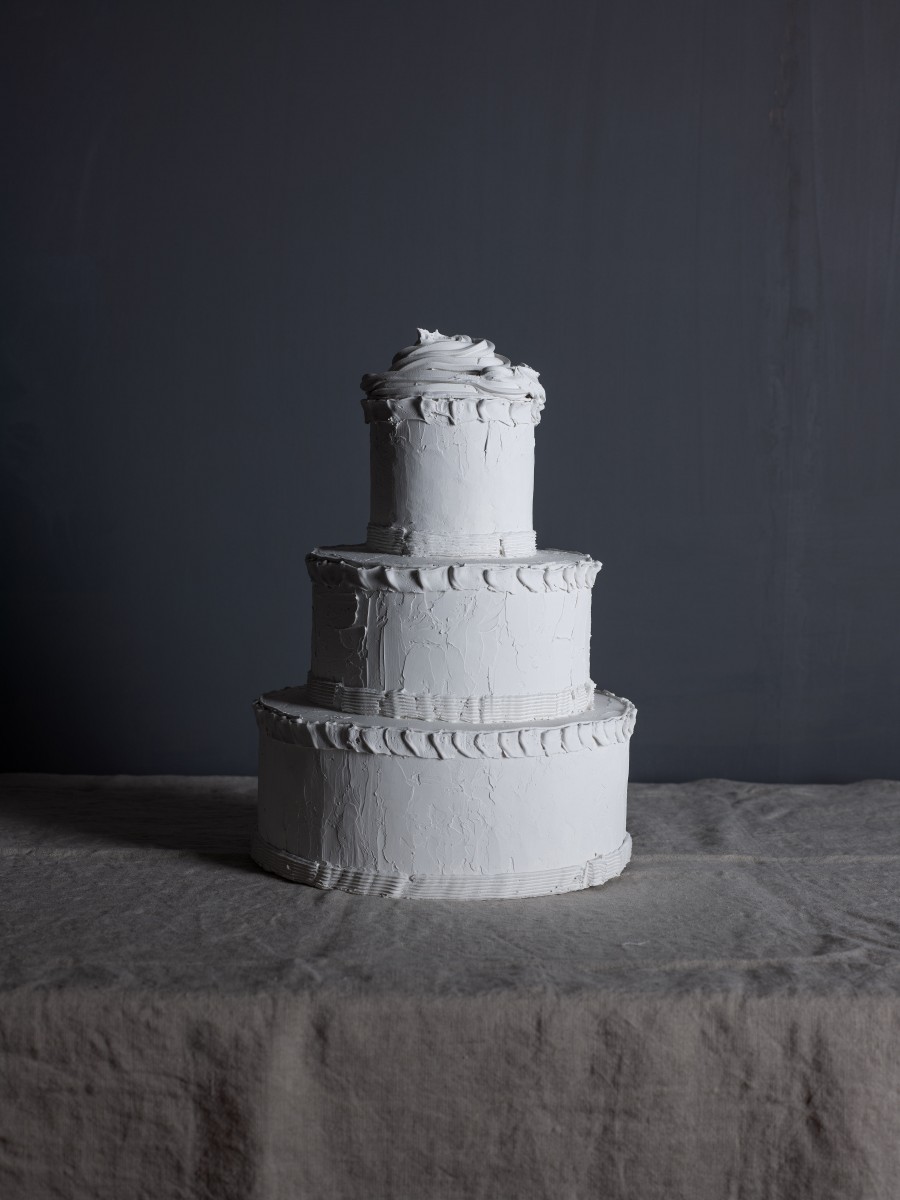
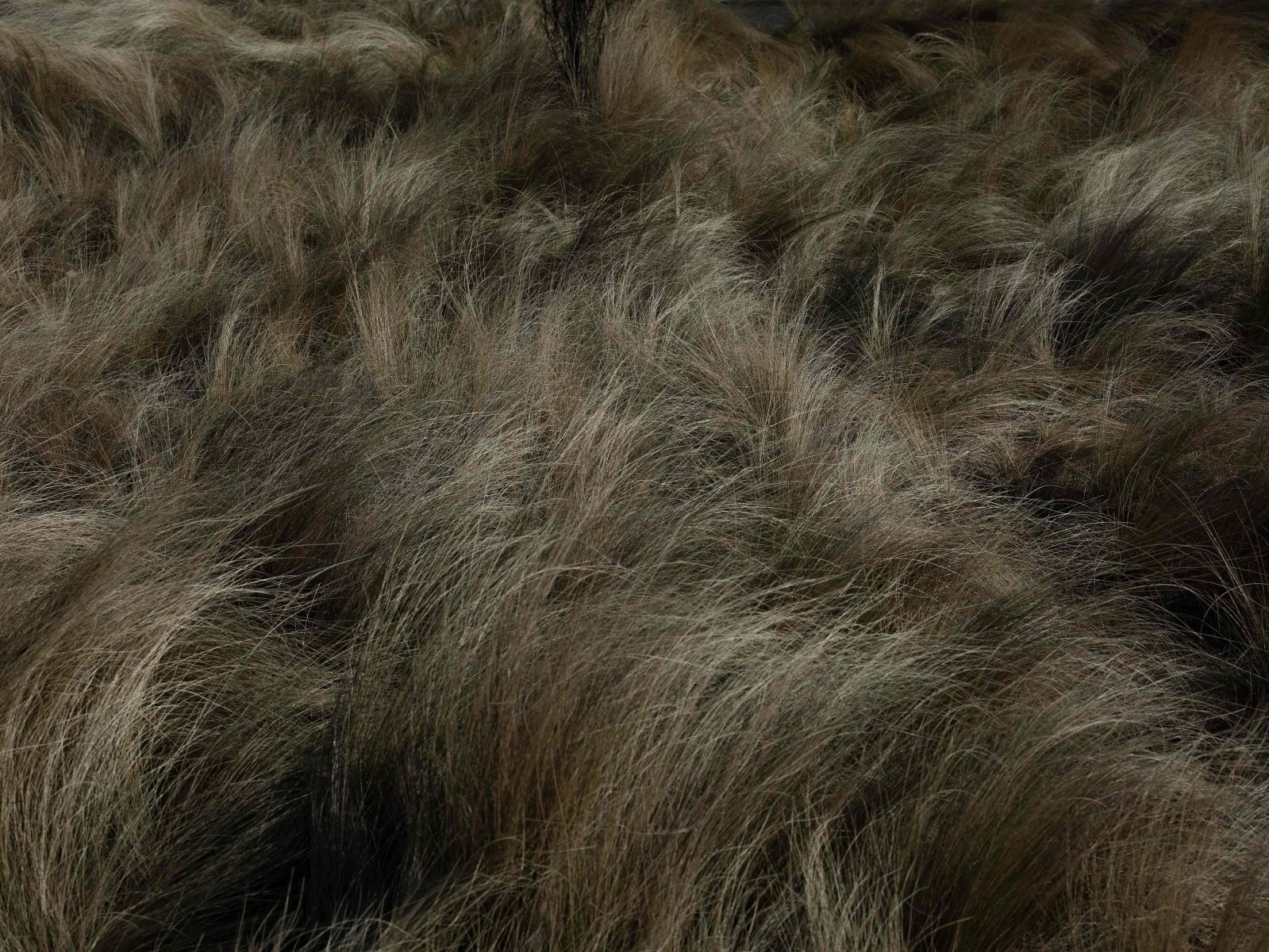
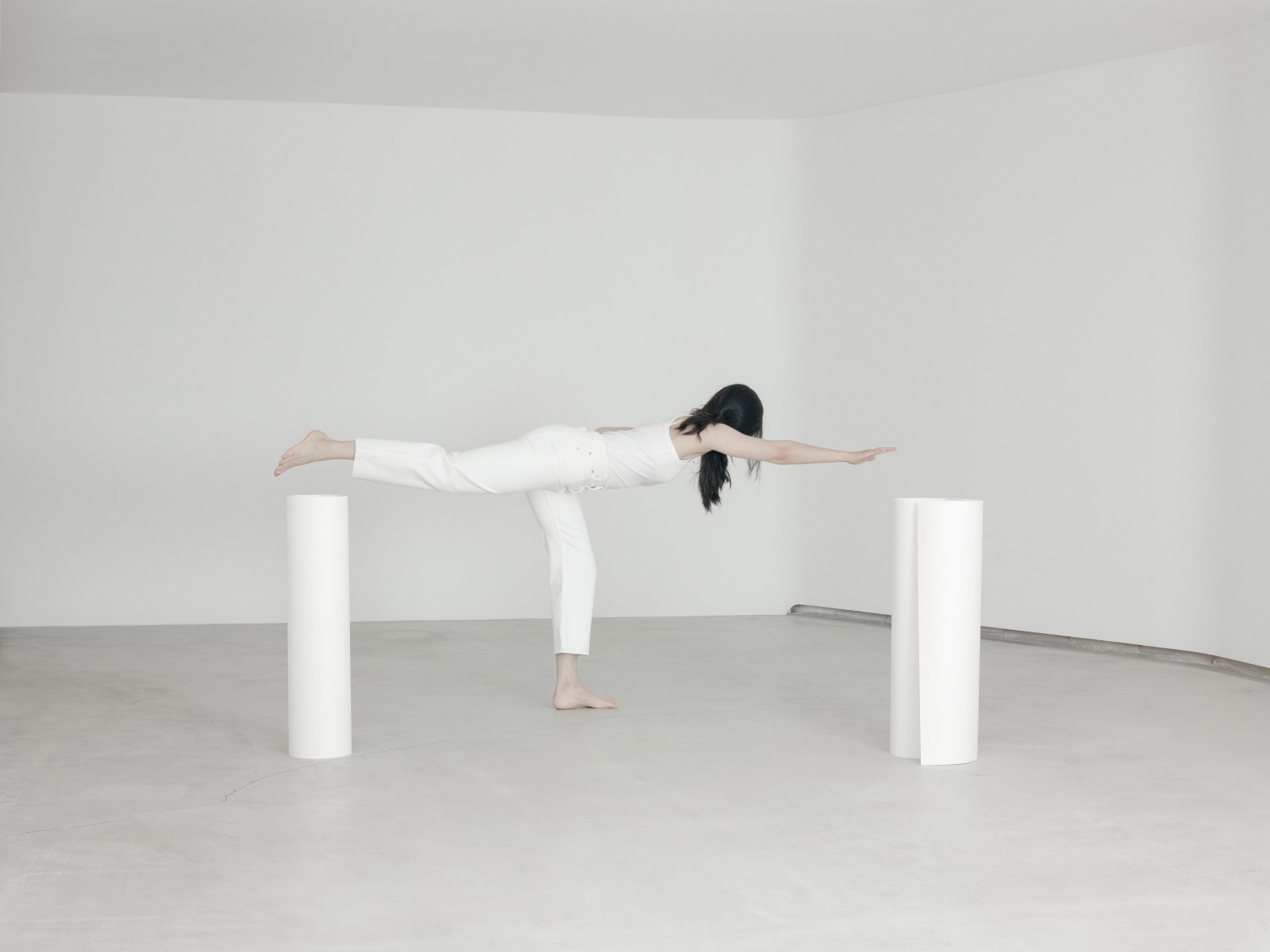
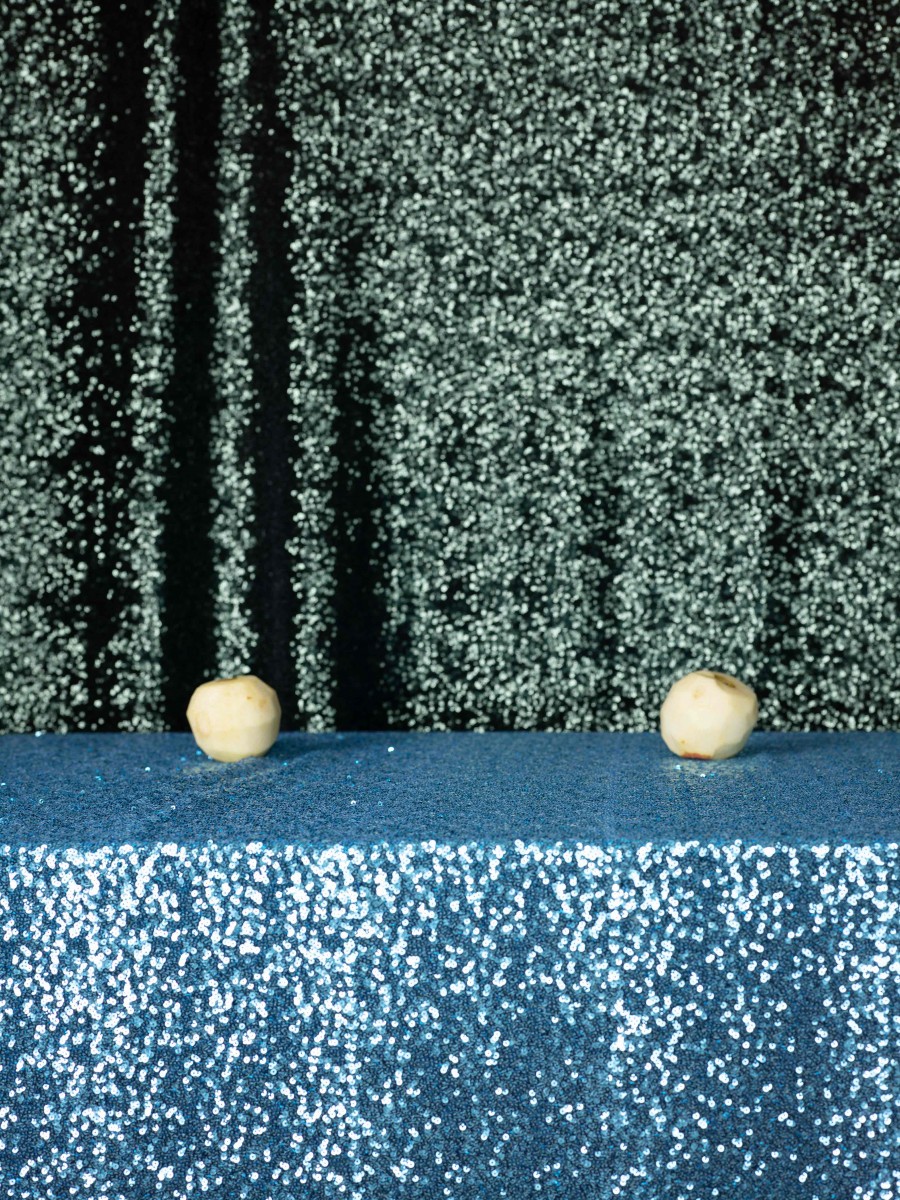
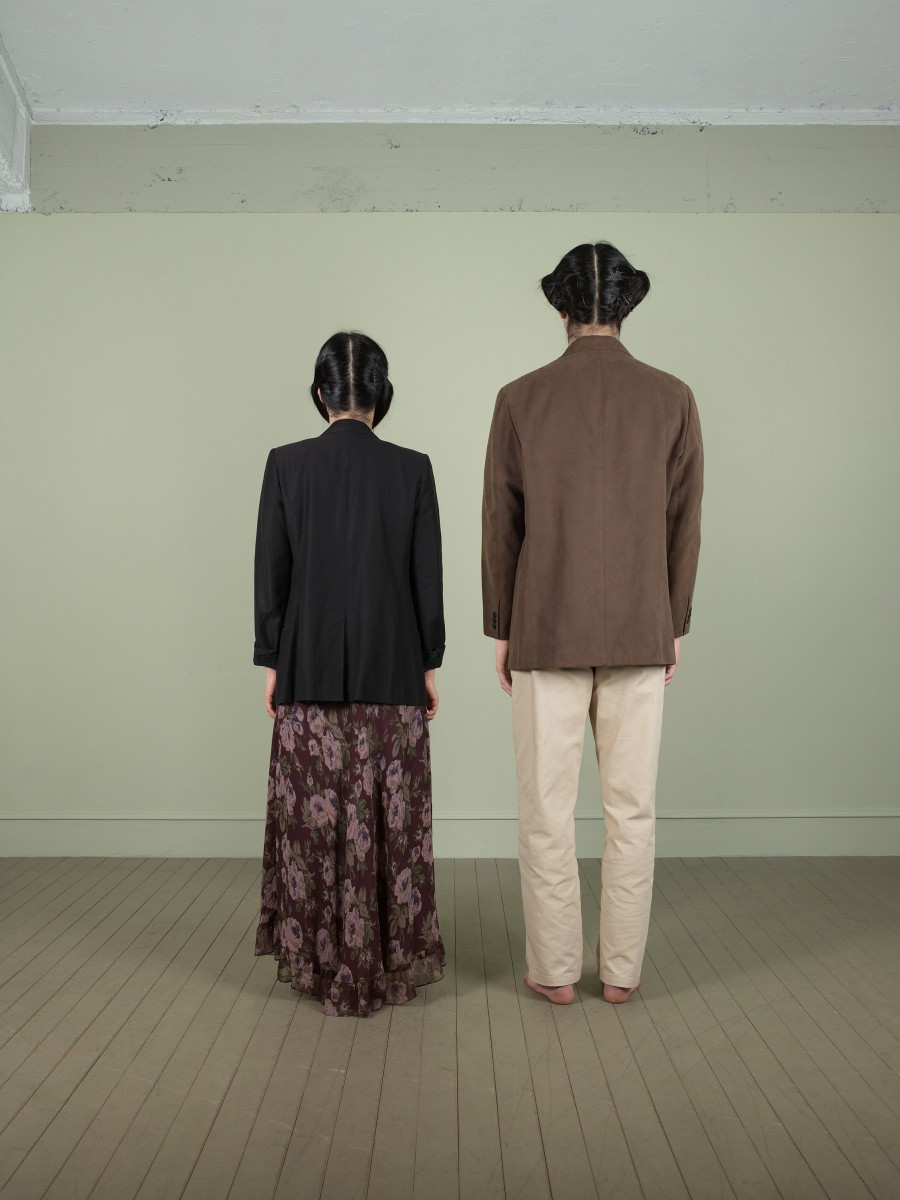
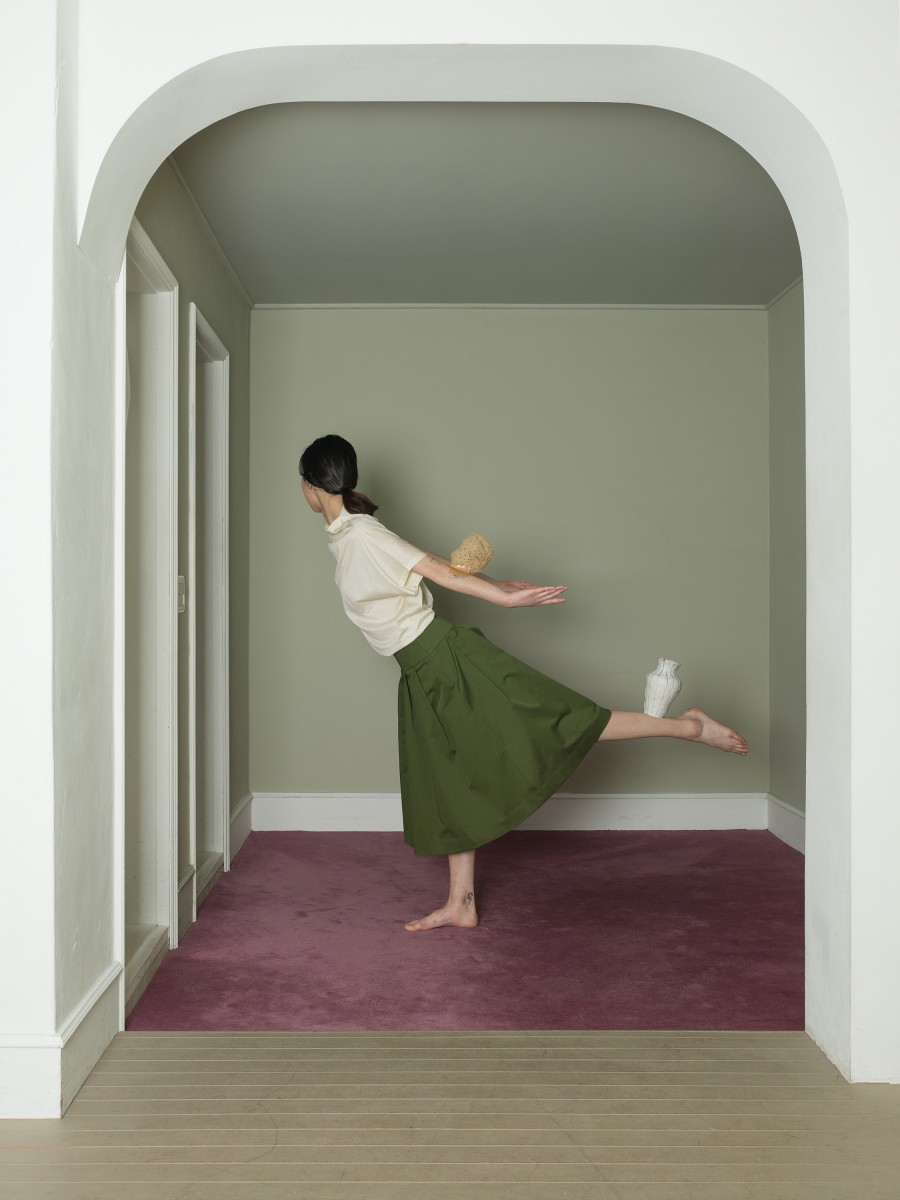
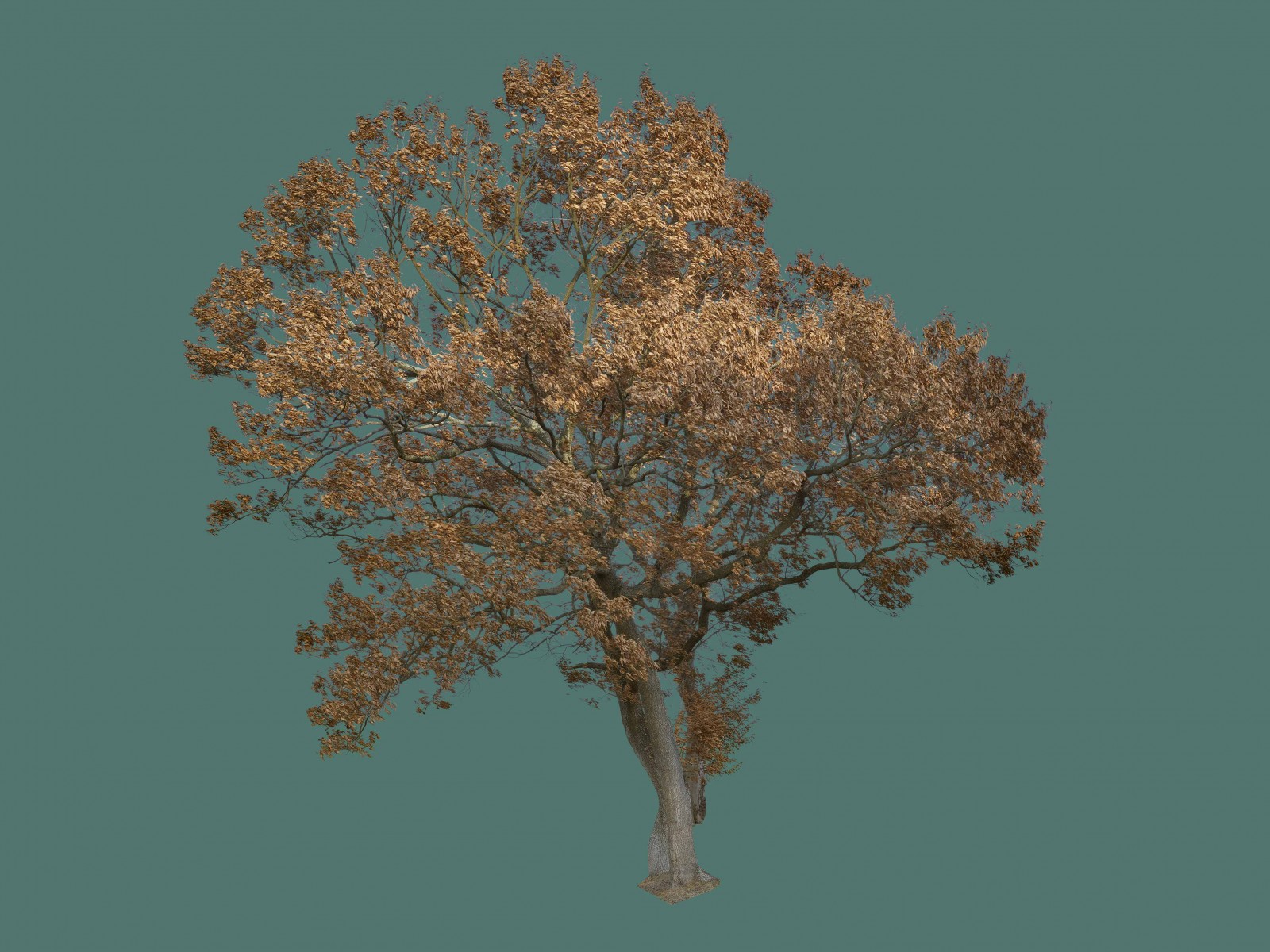
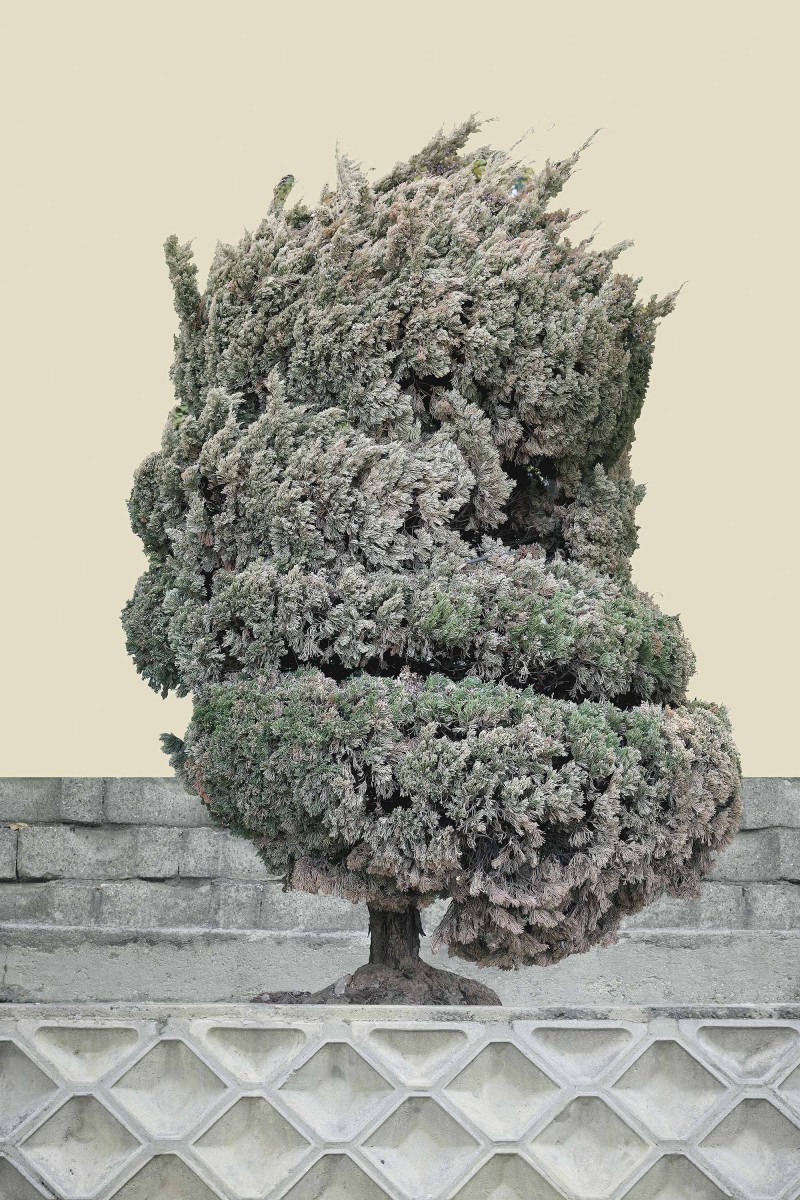
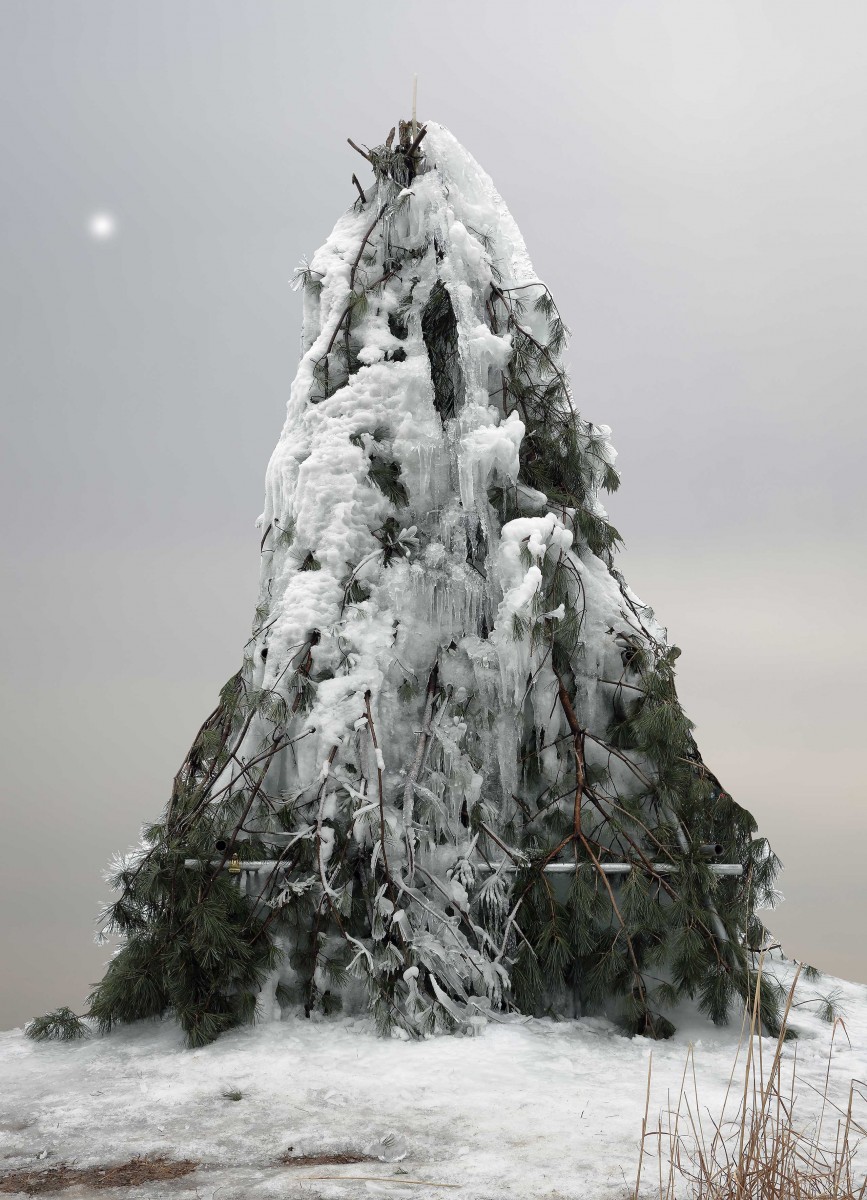
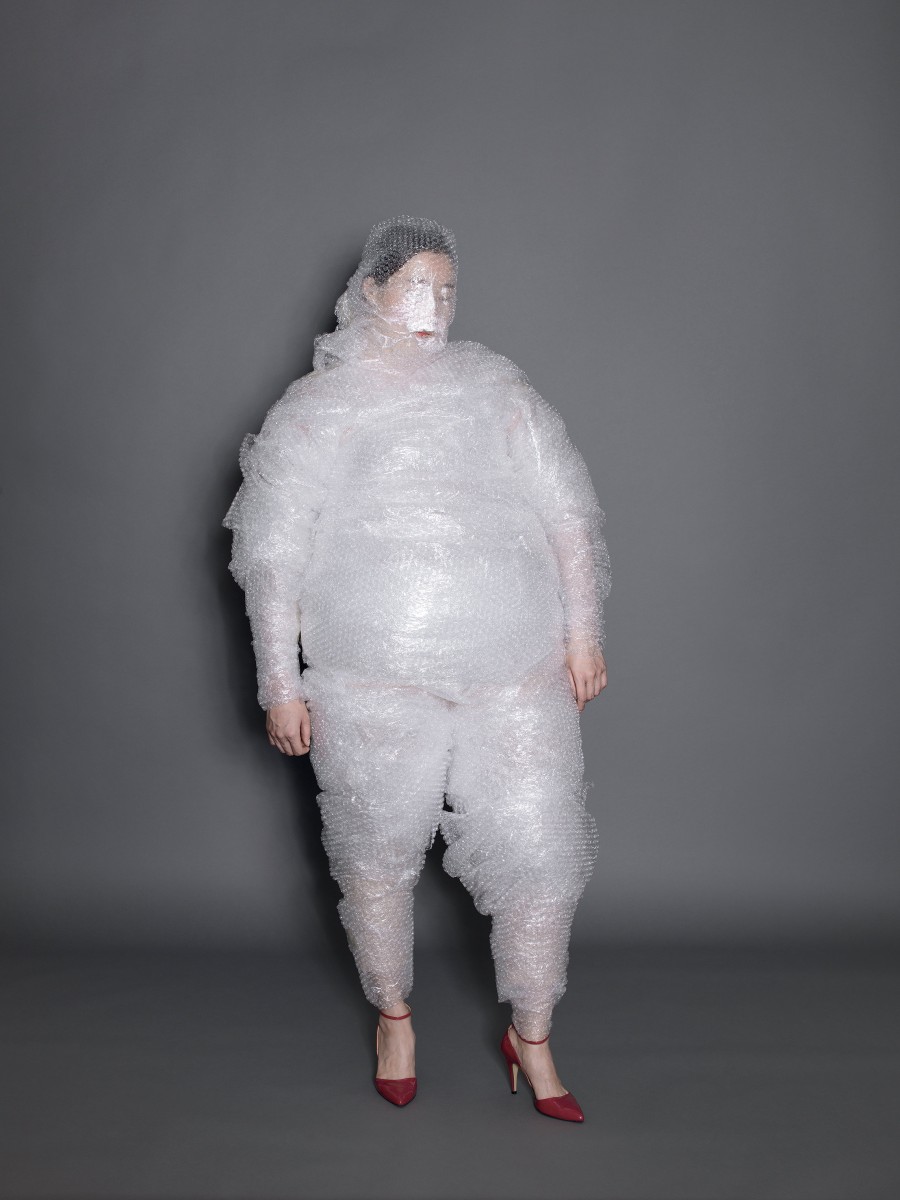
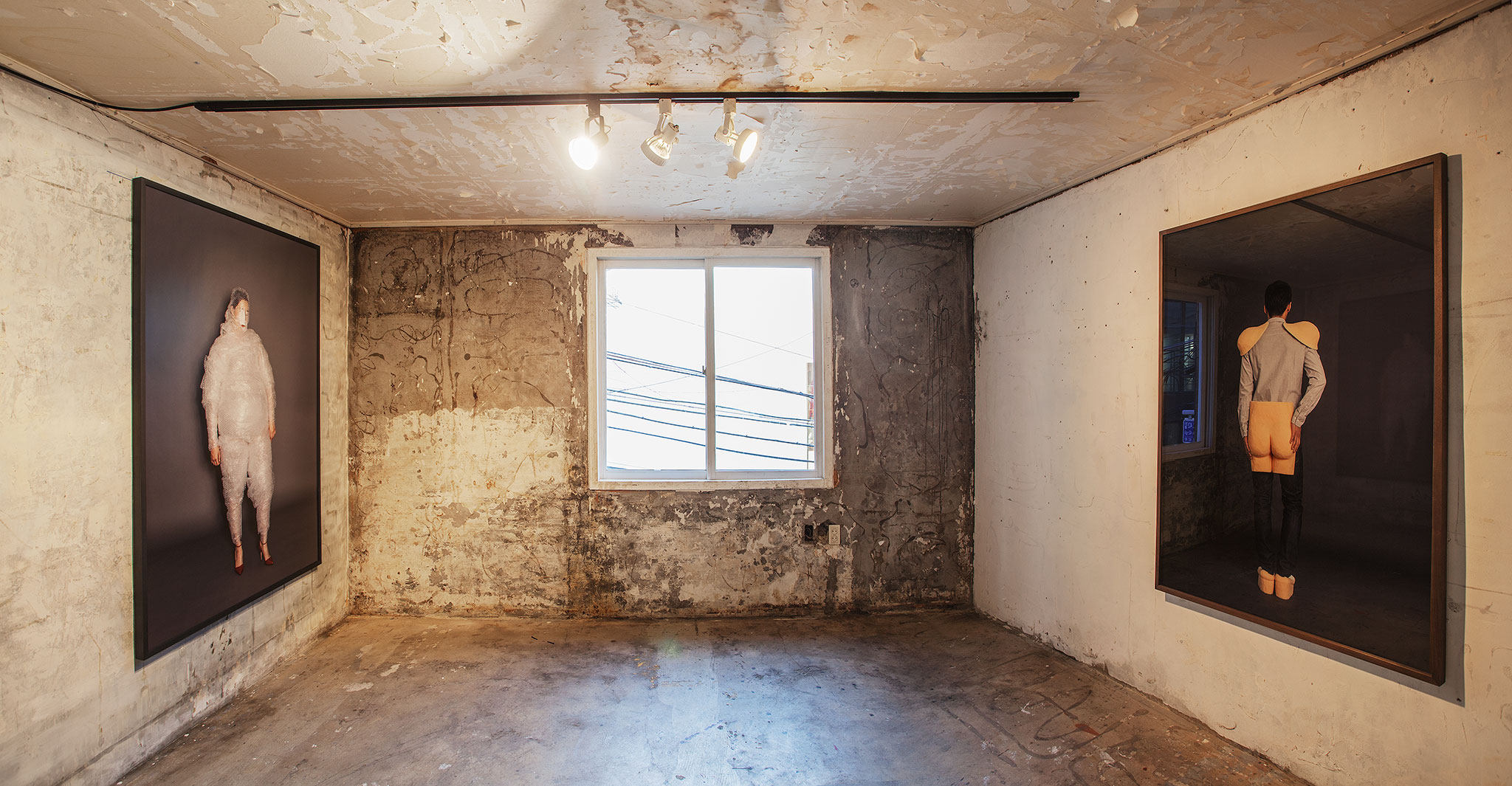
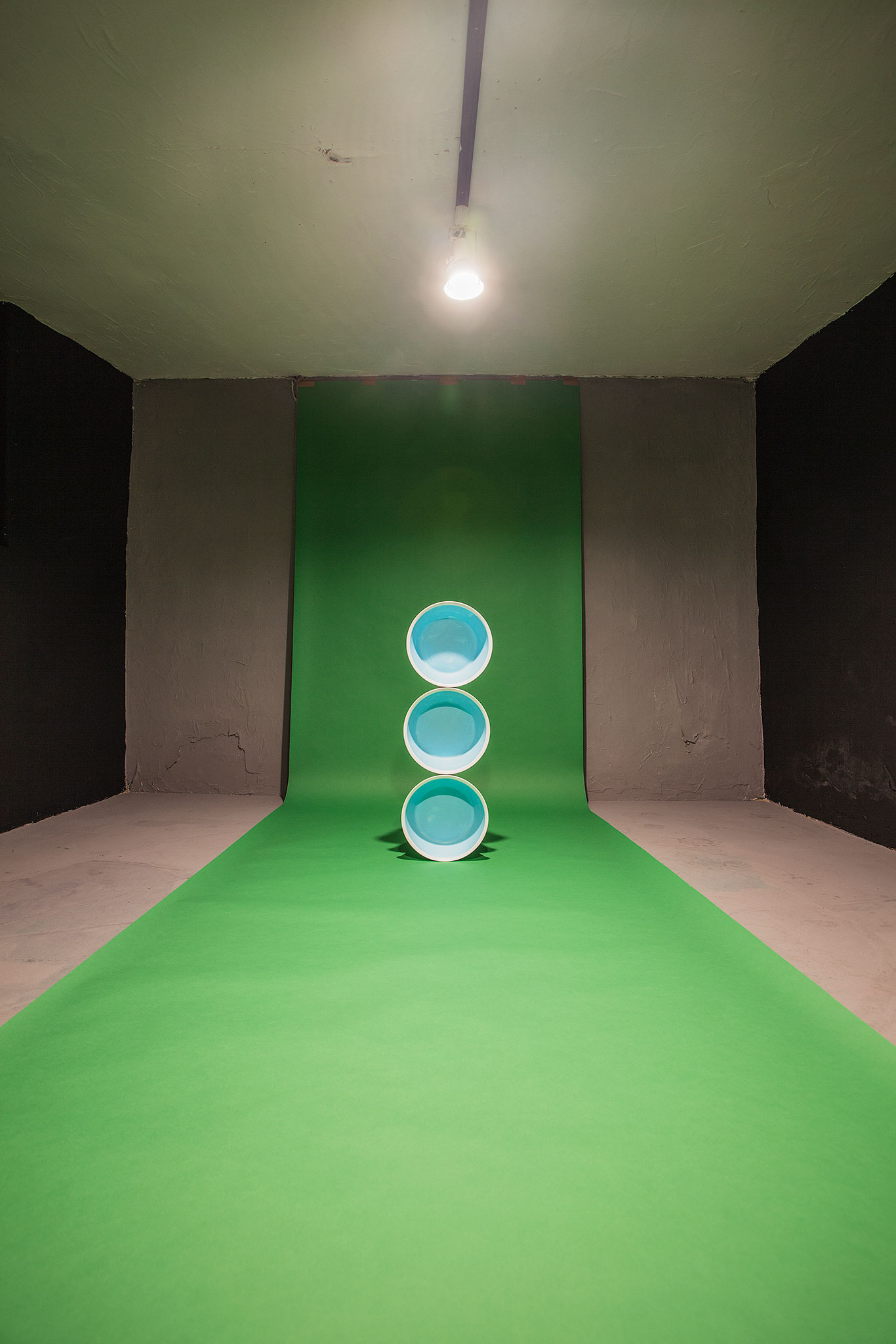
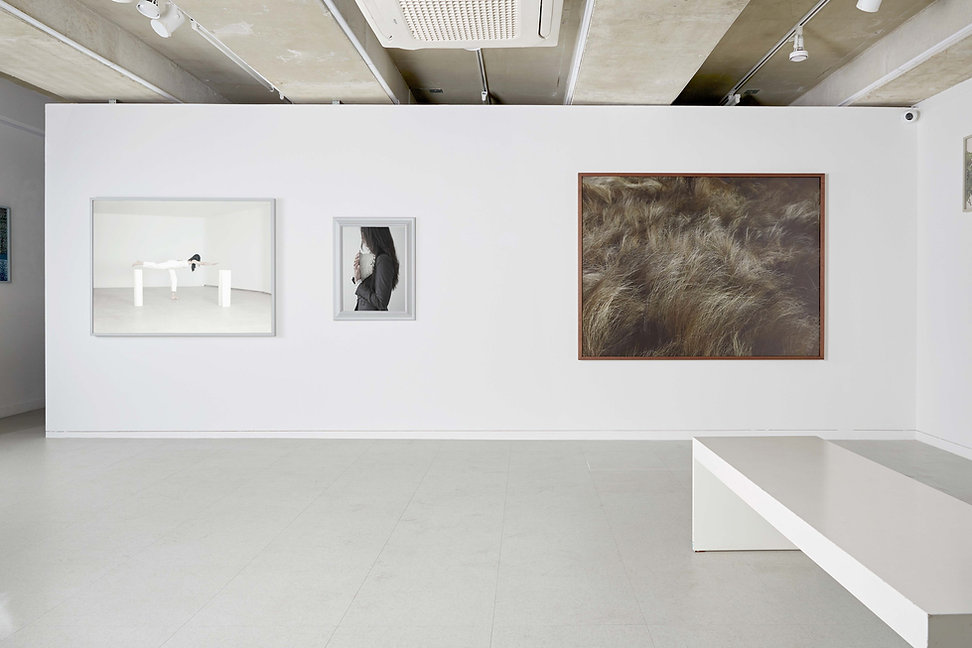
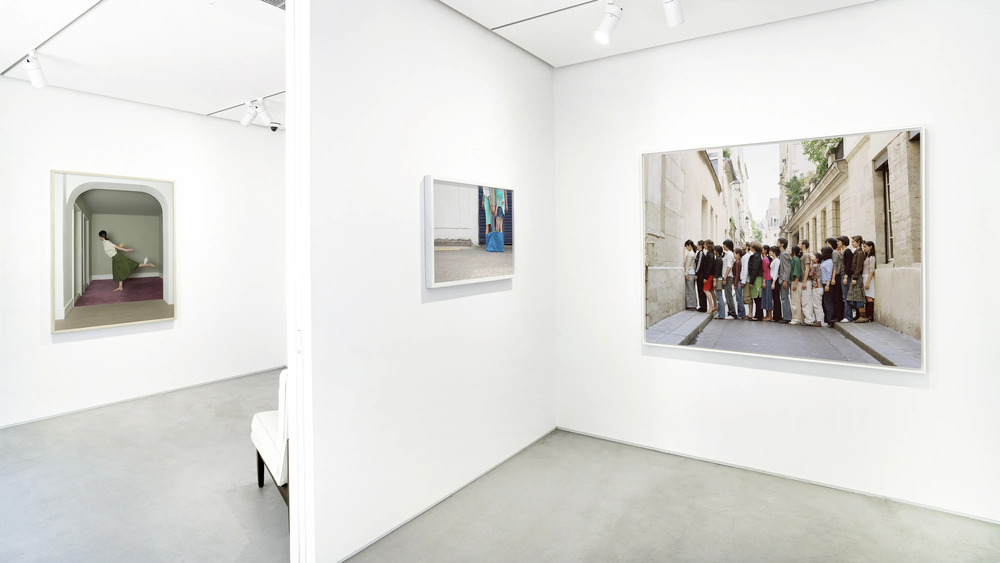
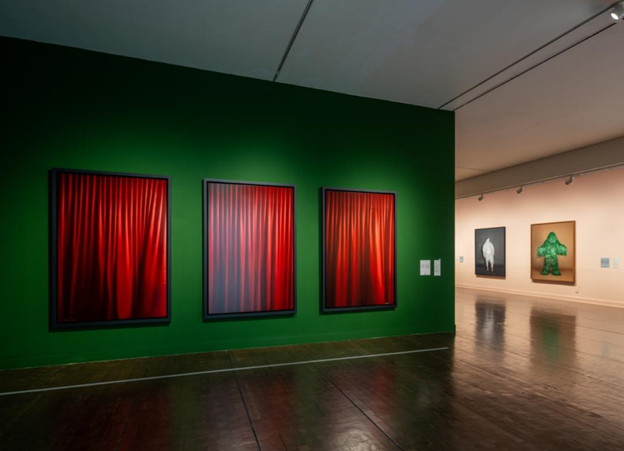
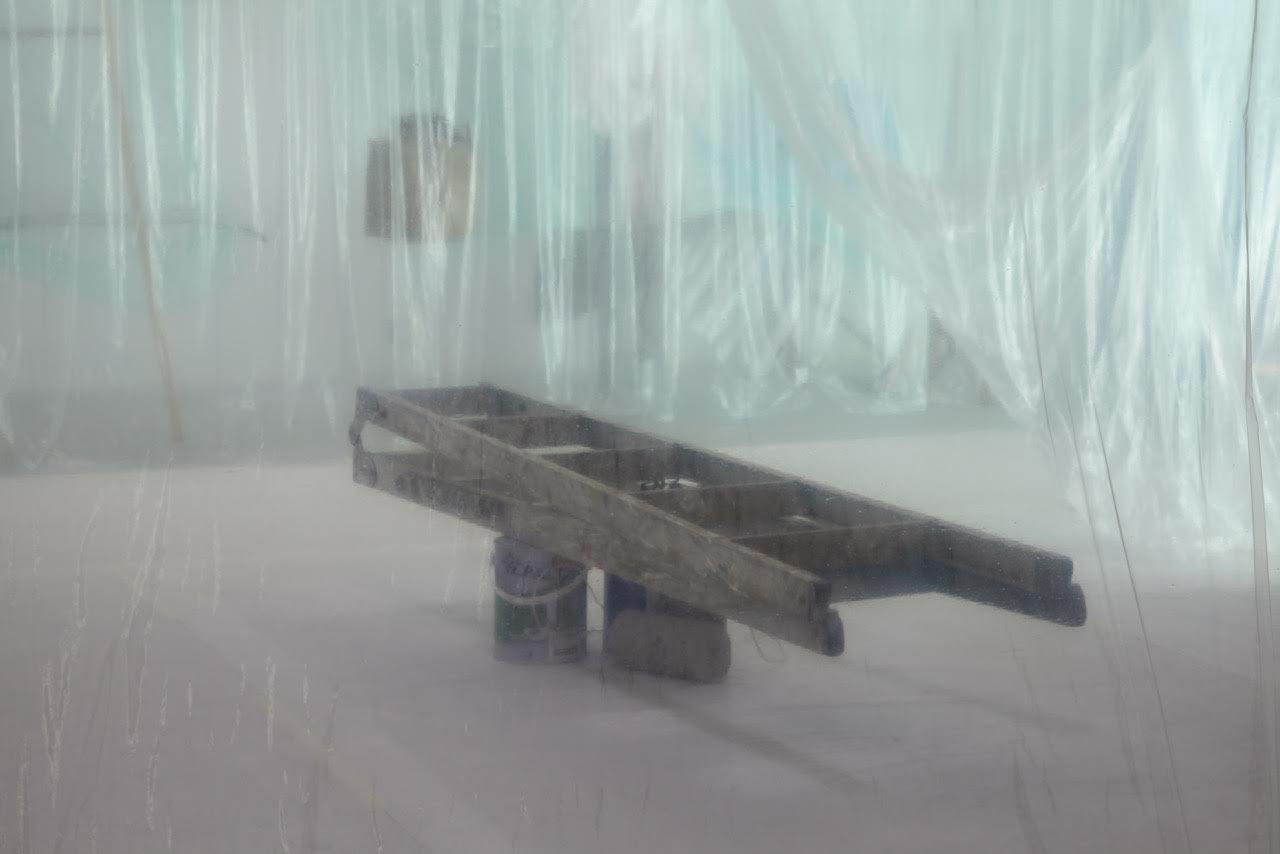
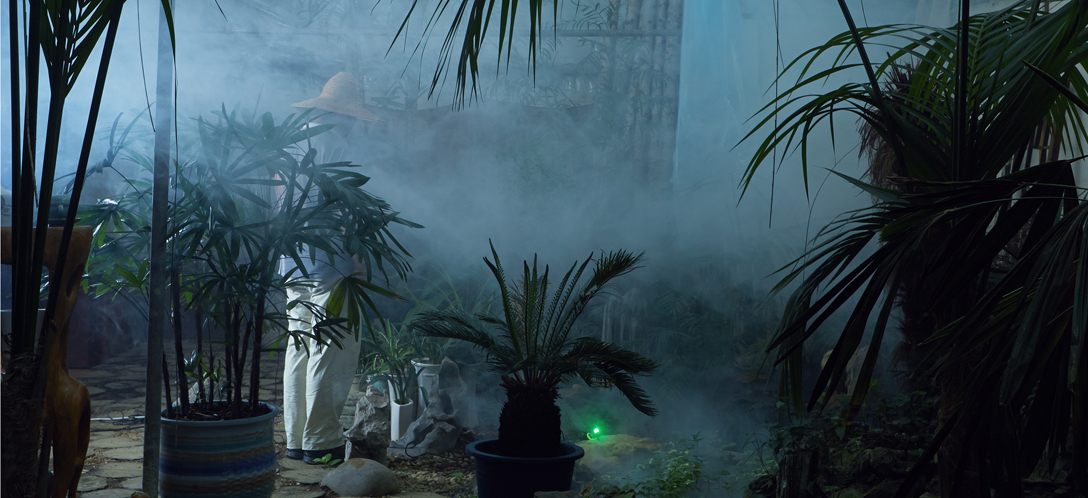
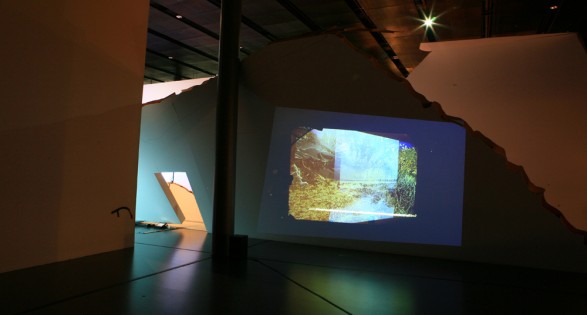
Installation view of 《Writing Play》 © Amado Art Space

KIM: Hello. To begin with, could you briefly introduce your work?

CHANG: I imagine that most people’s actions and the emotions they experience within the category of everyday life are largely similar. Of course, there are margins of difference, but aside from extraordinary or exceptional experiences, people unconsciously repeat actions similar to those of the previous day—sleeping, eating, dressing, cleaning, working—and spend days that resemble one another so closely that they are difficult to remember distinctly. I think everyone has experienced the difficulty of trying to recall something they did and being unable to remember whether it happened last Tuesday or much earlier. In that sense, we live by minimizing memory.

Yet in reality, we are always making subtly different movements and experiencing subtly different emotions. These are precisely the aspects that interest me. My work seeks to uncover the light yet precious things that should not be forgotten within those aspects of life we pass over without question simply because they are continuous, repetitive, and seem entirely natural.

KIM: To begin, I would like to start with your earlier works. Perhaps we should begin with the ‘space measurement’ (2006–2011) series, which among your body of work became one of the most publicly exposed and consequently consumed through a particularly fixed and powerful image. Although I am beginning with a specific series from the past, this is also a question about a certain perspective that continues consistently into your current work.

Particularly evident in the ‘space measurement’ series is the conceptual approach of revealing experiences of place and space through relationships with the body—through objectified or sculptural bodies—and then documenting those experiences again through photography. In this way, space and placeness are continually re-recognized through their relationship with figures, a method that has remained consistent from your earlier works to the present. I would like to hear your thoughts on why you continue to focus on this subject.

CHANG: If we think about why the word “everyday life” was used to the point of exhaustion within the art world for such a long time, I believe much of my answer is connected to that context. Looking at that worn-out word, frayed through overuse, I try to search for new words or shift my attention elsewhere, yet my life itself remains no different from before. At the same time, however, we continue to live while hoping for something different, something new. My work can be understood as observing ordinary everyday life and transforming its minute differences into artworks. Of course, personal experiences serve as the foundation, but I also believe the work contains aspects that cannot exclude objective and social dimensions. For example, the ‘space measurement’ series visualized the irony whereby things become accepted as clear precisely through the use of abstract language.

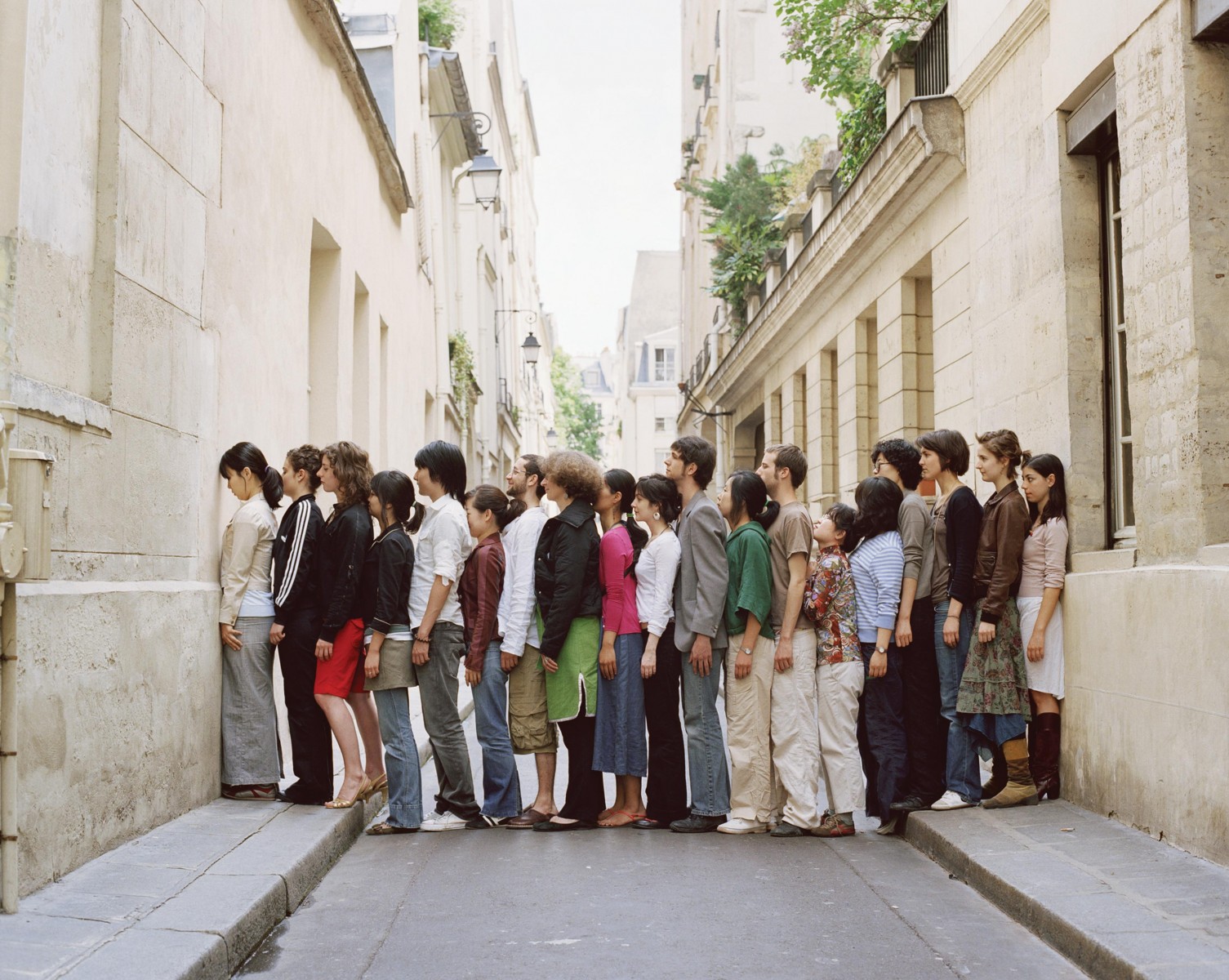
When we use expressions such as “a small room,” “a wide road,” or “bluish,” we understand one another remarkably well. Yet we rarely think deeply about, or even properly understand ourselves, according to what “standard” something can be called a small room. Through the ‘space measurement’ series, I questioned the criteria behind such abstractions. For instance, Rue Visconti (2006) visualized the statement, “The width of that road is nineteen people.” Rather than presenting the road’s “width” through mathematical units of measurement, it was an attempt to rethink and represent it through another abstraction: “nineteen people.” As the title suggests, the ‘force-form’ (2012) series attempted to reproduce the appearance of force itself. I wanted to depict the form of forces that are mutable and invisible—to reveal the unseen forces occurring between space and the human body, things that could never be concretely drawn but had existed only as predictions or assumptions.

‘LOST FORM’ (2013) designated the swimming pool as a place and expressed associations with it through photography. I wanted to represent the actual space of the swimming pool indirectly rather than revealing it directly. These photographs contain the imaginations and thoughts I had long held internally about swimming pools. At the moment when an everyday space overlaps with another space deeply infused with a fantastical atmosphere, I perceived from that space what I call “the height of life.” It is similar to the experience of diving to the bottom of a swimming pool and looking upward toward the surface of the water, perceiving its height. In this way, I have consistently explored moments in which abstract language becomes paradoxically clearer through reinterpretation as abstract images.

The ‘Writing Play’ series (2016, Amado Art Space), presented this year, can also be understood as a branch growing from the same root. Or perhaps it would be more accurate to say that ‘Writing Play’ functions not as a branch but as the trunk of the tree itself. If previous works developed through roots and branches, then ‘Writing Play’ corresponds to the thick trunk from which many more branches may extend in the future. There was a period during which I became deeply interested in the body appearing almost sculpturally. Looking back from a broader perspective, considering both my attitude toward photography and my overarching themes of space and body, I think this was perhaps an inevitable result.


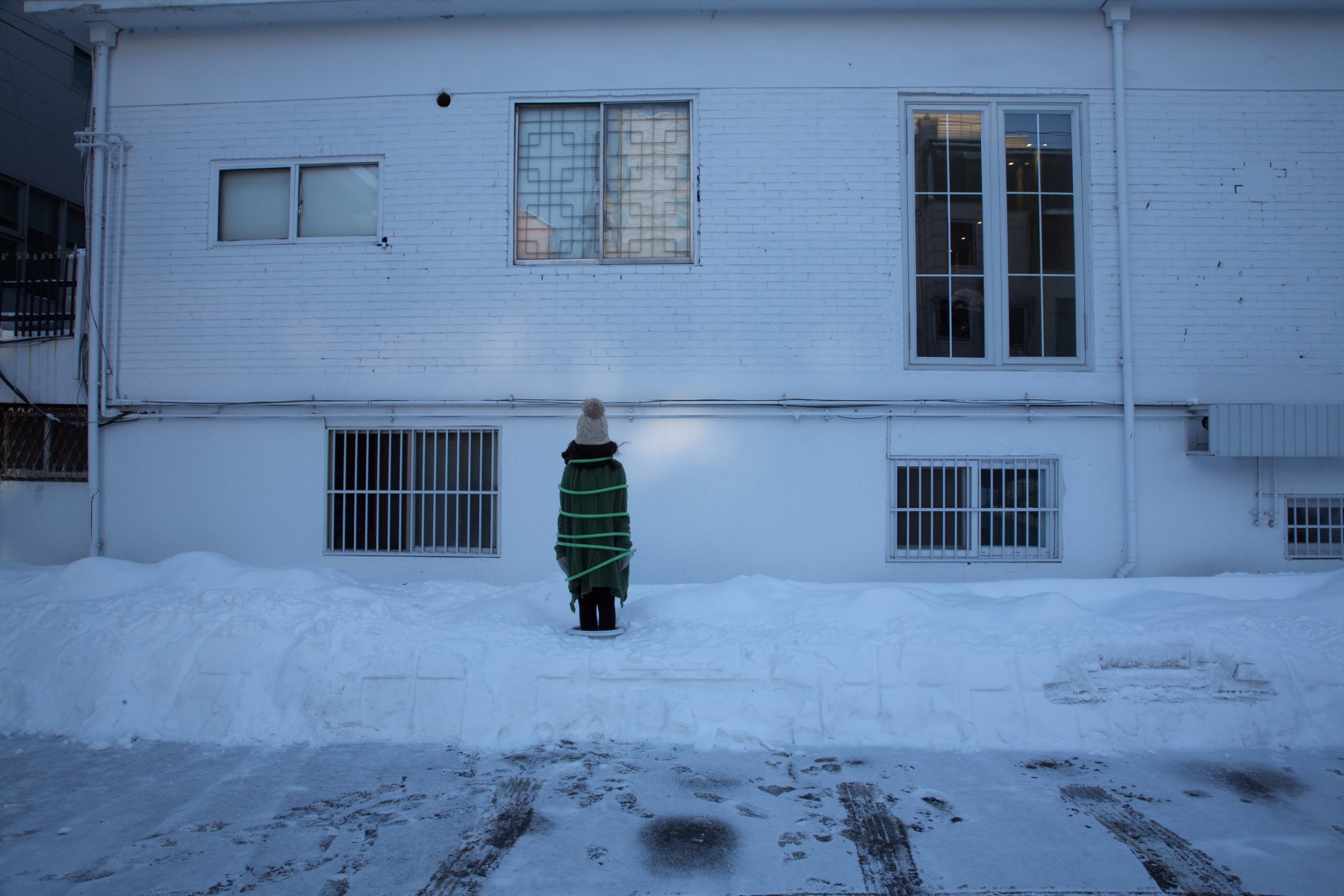
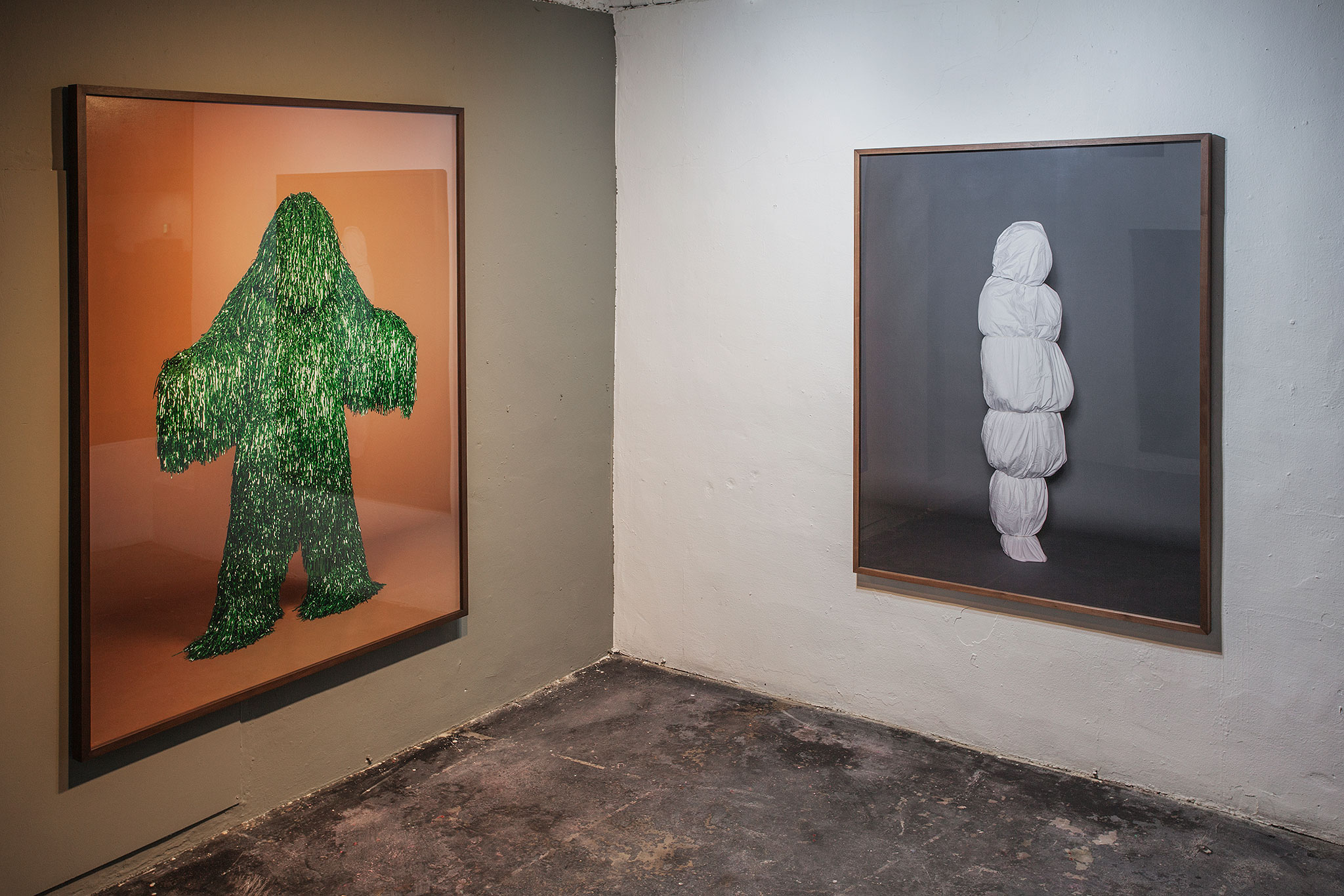
Chang Sungeun, green hose, Light jet print, 140 x 93 cm © Chang Sungeun

KIM: In your earlier works such as the ‘space measurement’ series, the ‘force-form’ series, and the ‘LOST FORM’ series, I become particularly curious about the relationship between the bodies of the figures in your images and the spaces in which those bodies are situated. What do places signify for you, how do you select them, and what are the main considerations in constructing the bodies placed within them and the theatrical situations surrounding those bodies?

CHANG: I think I can answer this question by first explaining my working process. Broadly speaking, it can be divided into two approaches. The first begins when an idea comes to mind: I think about the overall atmosphere and then search for the optimal location capable of revealing that concept most effectively. I have a habit of collecting images of certain places either through direct observation or by photographing them with my phone, and I often make use of this archive. Sometimes I also ask acquaintances for help. For specific spaces—public institutions or privately owned locations—I send official requests and inquire about the possibility of photographing there. For exterior locations, I also make use of online map services. The second approach begins when a particular place or space itself sparks an idea.

For example, green hose (2012) was photographed in a place I discovered while walking around Hapjeong-dong in Mapo-gu. I often intentionally wander around, and on that occasion I was strangely captivated by a building whose windows mixed European-style and Korean-style forms together. I first discovered the location in early spring, when I saw it covered in piled snow. I did not photograph it immediately; instead, I waited until the following winter for snow to fall again. Then, on a day of heavy snowfall, I photographed the exact image I had preserved in my mind since spring. The well-known Rue Visconti was created in much the same way. For two and a half years I passed by that street every day on my way to school, and I remember consistently liking it. Around the third year, a particular image suddenly came to mind, and I photographed the place while trying to reflect that imagined scene as faithfully as possible.

As I mentioned earlier, because of my working process, theatrical situations inevitably emerge. These situations are imaginations deeply rooted in reality itself, which means they necessarily involve spaces inhabited by people, actual human bodies existing within those spaces, and objects generated by human presence. In the process of recreating these elements, a paradoxical situation inevitably arises: although the images are grounded in truth, they still require performance. It is precisely through this process that theatrical situations come into being.

KIM: I think this question is also closely connected to the main reason why Amado Art Space decided to present an exhibition with you. Rather than focusing on photography for photography’s sake, or photography as material object, you seem to approach photography as a tool—that is, as a primary means of producing your own artistic language within the broader framework of contemporary art. How would you describe your thoughts on and attitude toward photography?

CHANG: Somehow, I simply ended up here. It may sound like an overly casual answer, but I mean it sincerely and without embellishment. To put it quite directly in Korean terms, because I came from a school of fine arts, I was naturally exposed to the trends and tendencies of the time and experienced many different media quite freely. I worked in a way that was almost like being left to roam freely. In other words, I was not constrained by any specific medium. Ironically, it was after my artistic debut that I became deeply immersed in a particular medium, and I think that period was necessary for me. Still, if circumstances and opportunities arise, I would like to continue leaving possibilities open with a freer and more mature attitude.

KIM: I asked the previous question because of the medium-specific nature of photography itself. In a sense, it was also a question about your artistic position regarding photography as an artist working primarily with the photographic medium in Korea.

Now, from another perspective, I would like to ask something else. This exhibition, 《Writing Play》, presents theatrical images that substitute for things that are idealized or abstract, things that do not exist or are difficult to define through language, rather than raw scenes or phenomena existing directly in reality. Major photographers such as William Klein and Daido Moriyama often recorded through photography the raw reality lying beneath the idealized images produced by the media. This tendency has also remained a persistent attitude among many contemporary photographers. Yet your work appears to maintain some distance from either critiquing the media’s function of manipulating and implanting idealized images or producing accusatory images exposing reality. If so, what is it that you think about, seek to contain, and ultimately aim toward through your work?

CHANG: I think that most medium-specific experiments and reflections concerning photography had already been extensively carried out after the 1960s. Since then, the meaning of digitized photography has continued to renew itself alongside the steady development of digital technology, while simultaneously presenting new challenges. Ultimately, this is a moment in which new concepts and understandings of photography are urgently needed, and in this context the earlier medium-specific experiments can sometimes feel as though they already belong to the past. Because I have approached photography only within the categories of art or fine art, I never really had doubts about it. As technology in the world evolved, I simply regarded video work, installation, performance, and other forms as expanded tools—like brushes—within the field of art, without attaching any particular significance to them.

However, because video and photography are developing much more rapidly and being utilized more actively in other fields, I believe that fine art can no longer avoid incorporating reflections arising from those areas as well. From the standpoint that such diversity should be embraced more broadly, I do not think my attitude is necessarily “correct,” but rather something natural. I believe the role of art is to expand its scope and engage in larger forms of thinking, and more importantly, even if only temporarily, to propose directions. Considering the current situation in which everyone can create high-quality images and videos using smartphones equipped with advanced cameras, I think this is precisely the moment when artists need a more active and deeper attitude.

In contrast to these broader shifts, photography as a medium often appears somewhat rigid, and because the photographic field remains strongly separated from the broader domain of art, I actually feel pleased that there is still work for me to do within this situation. Accepting something that did not previously exist always involves conflict, and I think such conflict is part of healthy development. I am grateful to be positioned within that tension, and I hope I can become an example of someone capable of navigating these conflicts flexibly. Listening to myself speak, I worry I may sound somewhat biased toward one side, but personally I think even negative criticism is better than silence, and I rather hope for many opposing opinions.

I believe I may have mentioned this before. When you further questioned my statement that I wanted to photograph “ideal things” or “things that do not exist,” those words suddenly began to sound enormous to me. I would like to revise them into different terms, but since I have already spoken them aloud, I will try to resolve the statement as it stands. I do not mean those words in some grand metaphysical sense. The reason I have continuously worked with photography from the beginning until now is because I have always regarded photography as “a vessel for containing thought.”

That idea will continue for a long time, and this year it may also be appropriate to describe it as “a vessel for containing emotion.” Speaking of the artists you mentioned, another artist comes to mind: Alfred Stieglitz’s ‘Equivalent’ series (1925–1931). I think this series can represent my intentions quite well. In other words, what I referred to as “ideal things” was simply an expression of my somewhat ambitious desire to fully convey an emotion within a single photograph.

And fundamentally, because I create staged photographs, my position is not one of witnessing and documenting situations as they unfold in reality, but rather one of “reconstructing” situations in order to place concepts at the forefront and communicate their messages. Living both as an individual and as an artist, I have tried to visualize the subtle differences between individuals by feeling and observing the experiences available to human beings somewhat more sensitively than others. Within those gaps, I believe I am proposing, in my own way, how anonymous individuals acquire names and how spaces become places.

KIM: Could you elaborate on the keyword “theater” that becomes central in this exhibition, 《Writing Play》? It seems to function not merely as a matter of visually reproducing theatrical situations, but rather as a key concept running throughout the works themselves. For example, it appears connected to the theatrical attitudes we adopt within particular situations and environments, and to the emotions and affects that emerge from them. How does this reveal itself within the works?

CHANG: At a certain point in the recent past, I was able to look at my own works objectively and from another perspective. In that process, I discovered several recurring elements within the works, and among them, a particular aspect that could be gathered together under the word “theater” newly began to stand out to me. Perhaps this is an obvious realization for someone like me who mainly works with staged photography, but it nevertheless felt somehow different from before. That realization became a clue through which a frustrating thought that had long circled only inside my mouth finally burst outward into the world. Until then, there had been no linguistic keyword capable of connecting one work to another or properly referring to that linkage, but at last I discovered a small thread. That thread was “theater.” As you mentioned, I do not mean the word in its literal theatrical sense.

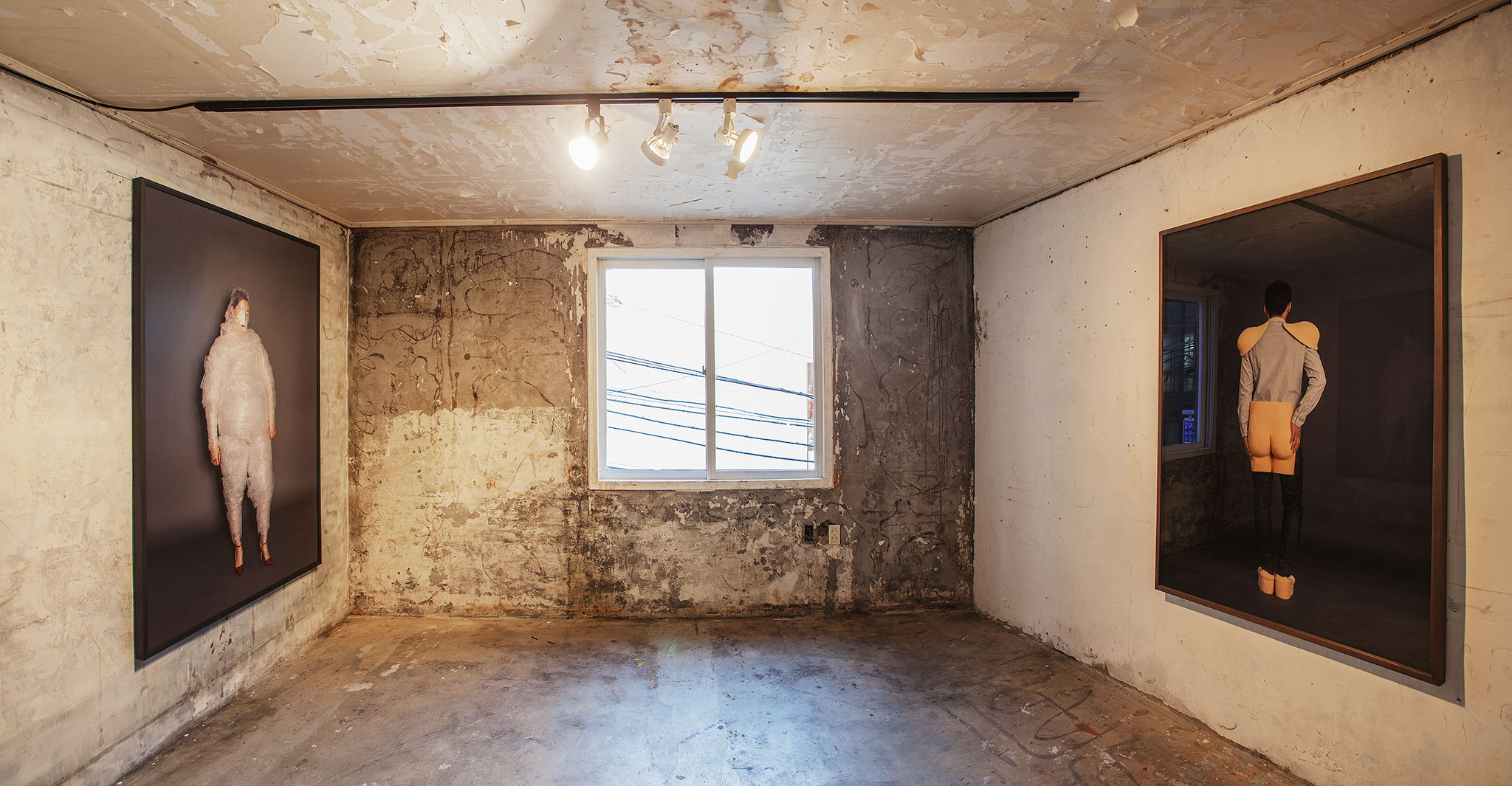
Rather, I think of it as something closer to the minimum forms of etiquette or manners people maintain while living, and I place importance on the fundamental conditions through which human relationships are formed and sustained. For example, in Witching hour (2016), there appear devices such as height-enhancing insoles or shoulder pads designed to broaden the body—what people casually call “lifts.” I thought that the intentions of those who use such accessories are not primarily deceptive or malicious, but rather stem from a positive desire to present themselves well to others—in other words, a positive theatrical attitude. Nor is this limited merely to visible appearances.

Tone of voice, posture, facial expression, makeup, hairstyle—all of these outwardly visible things, together with the various nuances emerging from their complex relationships, reveal that theater has always existed within the relationship between myself and myself, and between myself and others. Seen from this perspective, human beings spend their entire lives performing theater, and perhaps what we call reality is simply our desire to believe in the images created through those performances. Therefore, I think that ultimately, to reveal the human beauty one can perceive in another person is itself something fundamentally “theatrical.”



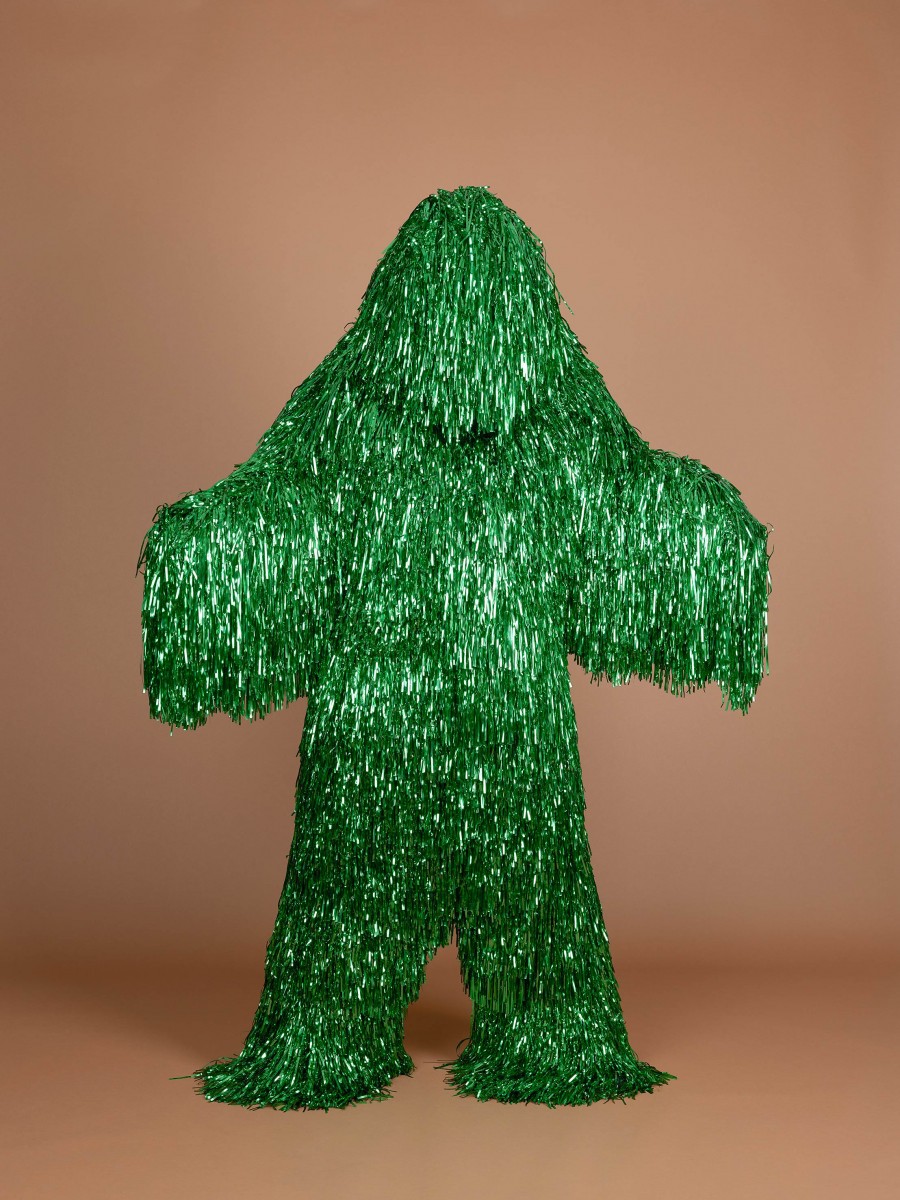
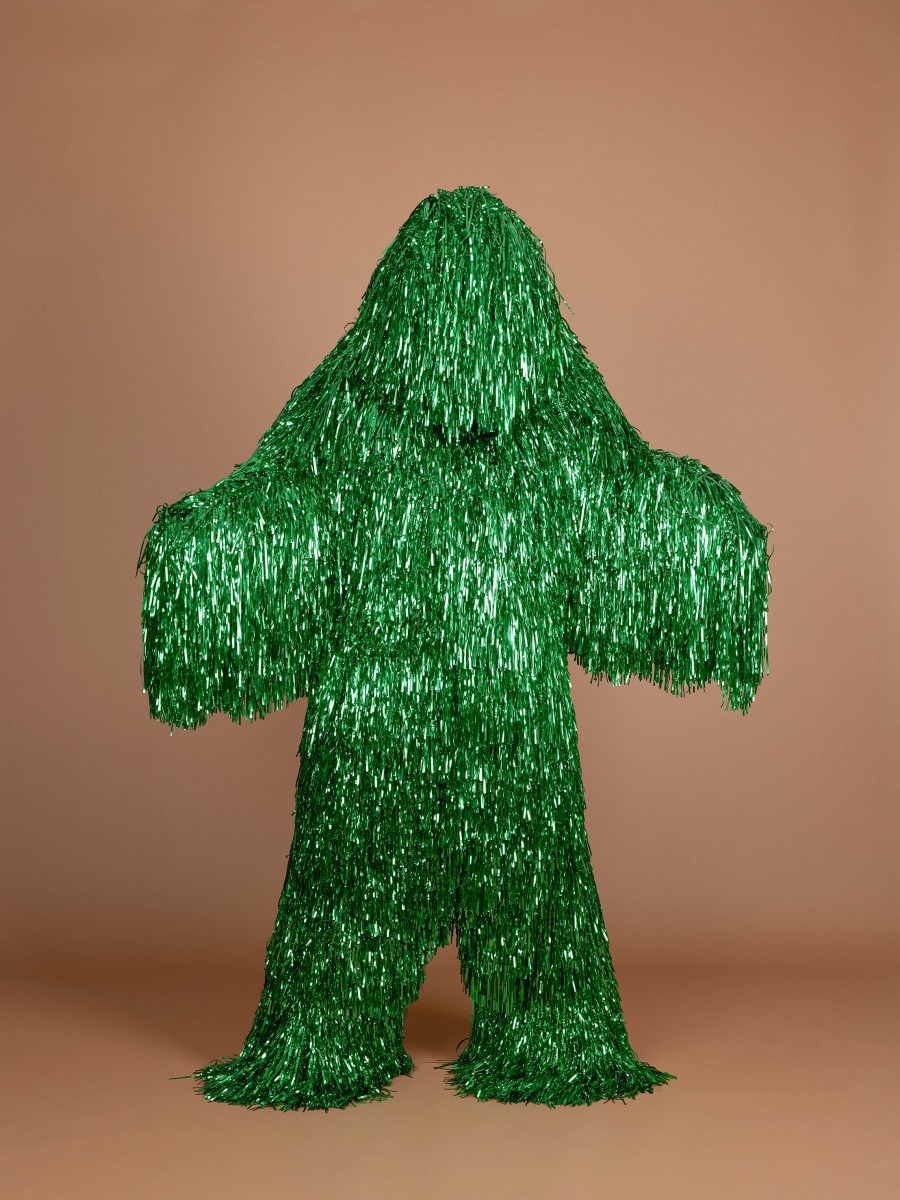
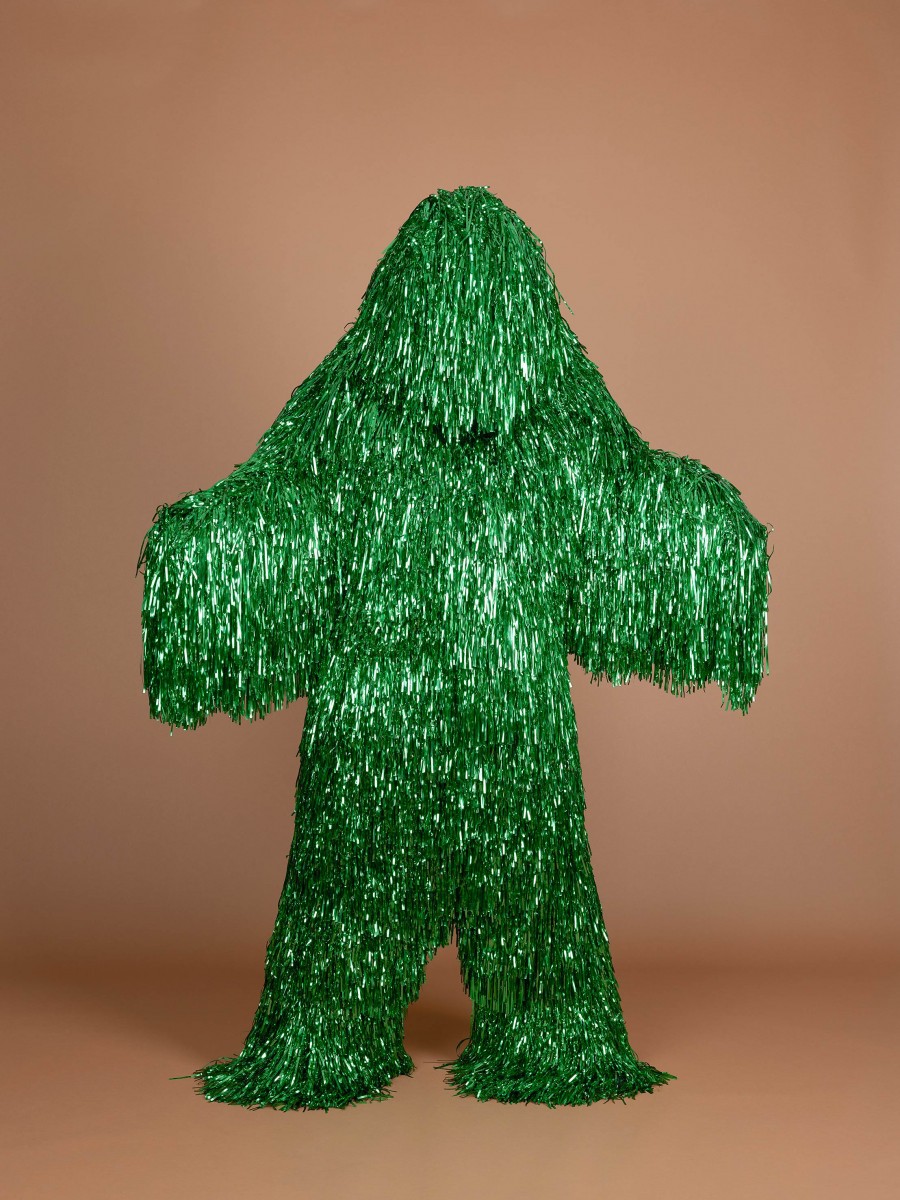
Chang Sungeun, Pompom, 2016, Archival Pigment Print, 170 x 127.5 cm © Chang Sungeun

KIM: Looking at the figures in the ‘Writing Play’ series, they wear somewhat exaggerated costumes that conceal their original appearances. How do you understand the relationship between the body and costume, and what kind of “theatrical” situation do you have in mind when approaching these works?

CHANG: In actual theater, it is said that the moment an actor takes on a role and steps onto the stage, they immerse themselves in that role and become someone other than their original self. The object-costumes that envelop or adorn the body can be said to reflect a single emotion. For example, if the name of that emotion were “joy,” then the costume would point toward the emotion of joy itself. It performs the role of that emotion. In this way, the body and costume become a single body acting out an emotion together. Looking at Pompom (2016), although the body itself is concealed, a certain emotional state paradoxically appears even more exposed, almost as if it truly exists there in physical form. The materials seem light, like emotions themselves, yet the body strangely appears heavier because of them.

To explain Pompom a little further, for me it is also a tree, and a Christmas tree as well. But it is perfectly fine if others see it differently. After all, I call this work a “portrait of emotion,” so it does not matter if viewers experience emotions different from mine and imagine something entirely different from them. Perhaps even I myself will think differently about it a few years from now. In any case, as you may already have sensed, this strange green mass is, for me, “joy.” This “joy” is green like a Christmas tree, sparkling, and seems to encourage happiness with its entire body. The reason it appears somewhat heavy may partly come from the sheer mass of the material-costume covering the body, but more than a matter of physical weight, it is because something emotional—a heavy feeling of the heart—is simultaneously conveyed through it.
While making this work, I repeatedly recalled a line I had once written down from a poetry collection: “The distance to the Christmas tree is thousands of kilometers.” I tried to insert as much as possible of the feeling that line gave me. Among commemorative days, Christmas in particular often feels like a holiday on which one is forced to be happy. I have consistently made works that contain these contrasting shades of emotion, and I intend to continue doing so. The reason one interest continually gives rise to another in this endless chain is perhaps because, just like the line I noted down, we endlessly become discouraged, yet endlessly continue encouraging ourselves again, unable to stop repeating that cycle.

KIM: To extend the previous question further, rather than revealing the theatrical through the expressive dynamism of the model’s body, skin, or facial expressions, you instead conceal those elements with costumes and present figures turned away from the viewer’s gaze. Could you explain this approach to revealing “theater”?

CHANG: This is something I mentioned once while explaining my work in the past: the more people there are in a photograph, the noisier the image becomes. The human body contains that many readable elements and possesses a strong power to draw the viewer’s attention. Among those elements, the human face in particular carries countless symbols. But precisely because so many meanings are revealed and transmitted so directly through the face, I wanted instead to express emotion through bodies whose faces are hidden. Unless it is a genuinely real situation, I think all facial expressions resemble drama, and it becomes difficult to feel moved by or empathize with false expressions. Rather than emotions that are directly revealed and communicated one-sidedly through the face, I wanted to create a language through the body into which many thoughts from the outside could intervene.

If you look at Whitened Floor (2014), the cloth spread across the floor symbolizes a canvas, while the woman seated upon it is treated as a brush. This work, deeply filled with emptiness and open space, is completed through the perspective and thoughts of the person facing it. In other words, this theater is an unfinished painting whose ending changes depending on what kind of facial expression the viewer assigns to the woman seated with her back turned. Rather than revealing a single, complete emotion, I would describe my approach as presenting broader emotional categories such as sadness or happiness objectively while leaving the detailed descriptions unresolved. In that sense, although I may have intended to express the emotion of happiness, viewers may feel something entirely different. Even when looking at the same work repeatedly, they may experience different emotions and emotional temperatures from moment to moment.


Chang Sungeun, Scenery 1_4, 2016, Mixed media, Dimensions variable © Chang Sungeun

KIM: Ultimately, it seems that this notion of “theater” may extend beyond the frame of individual works to create another theatrical stage within actual space itself. This would presumably emerge from your understanding of space, your site-specific approach to exhibition flow and spatial composition, and your own methodology for expanding your core concepts beyond the photographic frame. Could you elaborate on this?

CHANG: The ‘Writing Play’ series can be divided into two aspects. In photographic exhibitions, the conventional method is to produce frames and hang photographs on the wall. Alongside this traditional format, however, I have been planning photographic installation works in order to present photographs through new kinds of “frames,” or rather through entirely different methods of display. At some point, many artists began to think about how photography could be shown differently, and I think countless experiments emerged from that shift. I, too, had been contemplating this issue for quite a long time, and around three years ago I even had what could be called a failure while attempting something similar.

While preparing this exhibition, those questions resurfaced once again, and I think the physical particularities of Amado Art Space—its unique spatiality outside the conventional white cube—played a major role in that process. After the exhibition was confirmed, I made countless sketches regarding the exhibition direction, and my thoughts became increasingly complex. In the end, the goal was both to overcome the distinctive visual and physical conditions of the space and to use this opportunity to once again attempt challenges I had long wanted to pursue. There are four photographic installations in total. These works are photographic installations conceived in relation to the physical space itself and exist beyond the conventional framework of framed photographs.

Among them, Scenery 1_3 (2016) treats the outdoor ground-floor area once nicknamed the “greenhouse” as though it were one enormous frame. By locking the doors of this strange temporary structure surrounded by glass on all four sides and pressing a small photograph tightly against the inner glass surface, the installation evokes a situation in which the depth of the space behind the frame becomes enormously inflated. Normally, the side depth of a picture frame is around four or five centimeters, but here the entire room itself becomes the frame of the photograph. I believe this is a work that could only be attempted specifically within Amado Art Space.

To give another example, Scenery 1_4 (2016) is installed within a so-called “attic” space—a space within another space—located beside the ground-floor office. Standing directly in front of it, one notices that the attic floor is positioned almost exactly at eye level. I conceived this work by focusing on that spatial characteristic. Anyone who has taken photographs can understand this sensation: photographing a subject becomes easiest when the subject aligns with one’s eye level. The structure of this room possessed what felt like the ideal visual height for photography. Within this space, I recreated a staged photographic set centered on objects that I produced myself, so that visitors photographing it with their phones or cameras could obtain an image containing a broad white margin.

Yet the point from which the room can actually be viewed—the position from which the photograph can be taken—is shifted toward the right side, making it impossible to photograph the scene from the center. Nevertheless, I intentionally arranged the set as though it were meant to be photographed head-on. The reason for this was to ensure that no one could ever fully complete the scene I had imagined, leaving it permanently unfinished.

KIM: In your earlier works, specific places that once entered into relationships with the body served to reactivate concepts through the exaggerated theatrical gestures of those bodies. This time, however, those places have shifted into the neutral backdrop of the studio. Nevertheless, the unique awareness you have continuously maintained regarding relationships with space—and the perceptions that emerge from them—still seem clearly present both inside and outside the frame in the ‘Writing Play’ series. In this series, how can the problem of “space/place” be connected to the figure-body performing within the studio setting inside the frame?

CHANG: In the case of the “portraits of emotion,” I adopted the basic method of portrait photography. The reason is that the simpler the background becomes, the more effectively the viewer can concentrate on the figure itself. Until now, place and body coexisted together within a single photograph—or a single scene. However, in these six photographs, I wanted viewers within the frame to focus on the emotions generated through the relationships among the figures, their bodies, gestures, and costumes themselves. At the same time, I intended the actual exhibition space outside the frame—the real background against which the photographs are displayed—to function much like the background-place in my earlier works. Put simply, the image-body within the frame will inevitably be affected by the space in which the work is installed, along with that space’s spatiality and atmosphere.

Whereas in the past I attempted to address all those relationships within the frame itself, this time I sought to draw the background outside the frame into the frame, while simultaneously reconnecting the image within the frame to the broader space beyond it, allowing new relationships and emotional states to emerge. As with all artworks, these are photographs containing emotion, and for that reason I expect their effects to be more fluid than those of other works. To explain more concretely, in the case of Empty Room (2016), within Amado Art Space it will likely converge toward a cool and chilling emotional atmosphere. However, if the surrounding space were warm and intimate, the work would be conveyed through an entirely different emotional tone than the cold impression it currently evokes. Furthermore, depending on the placement and arrangement of each work, they will acquire new relational meanings, and the flow of emotion among them will continue to shift in different ways.

KIM: Ultimately, it seems that your work seeks to contain abstract emotions and the ambivalence those emotions may hold. You approach or penetrate abstraction through another form of abstraction—through symbolic and metaphorical language—and record it as images of suspended space and time through the medium of photography. If that is the case, before viewers begin freely articulating their own emotions through the works and the exhibition, what is the particular emotion you yourself are most focused on in this exhibition? And when you speak of connecting and expressing various emotions through photographic images, what kind of emotional trajectory or flow might that involve?

CHANG: I placed at the center the phrase “心鏡”—the character for “mind” and the character for “mirror,” meaning “the mirror of the mind.” These are the things one can still see even with closed eyes. Whether reality or imagination, thought or distraction, conscious or unconscious, it refers to a state in which the mind becomes wholly visible. And through making work, I came to realize something: what I am looking toward is the moment after an emotion passes its peak, when only the faintest afterimage remains at its edge and begins to enter a state of permeation—in other words, the moment when rational judgment starts to intervene. The state of total immersion in a single emotion does not last very long; one quickly emerges from it and moves toward another emotion. What interests me is how the lingering traces of emotion become stored within the body, and how one physically senses the warmth as it gradually begins to cool.

KIM: Lastly, I am curious about your future plans as an artist who approaches and reflects upon abstract concepts through the medium of photography.

CHANG: Rather than saying that I approach abstract concepts through photography as a medium, I would prefer to say that I simply like abstraction itself. For me, abstraction is a kind of totality in which the possibilities of beauty are condensed. To imagine—which is the essence of art—is a joyful thing, and because works that have not yet emerged into the world still exist within the realm of abstraction, they can feel something like excitement. My work questions things that seem precise but are in fact abstract, and rather than completely dismantling that abstraction, I try to move a little closer to it, to make it slightly clearer. Rather than speaking about absurd illusions or abstractions that can only be vaguely sensed, I approach abstraction through my intuition and through the possibility that something might become distinctly clear once certain elements come together. I would like to call this “everyday abstraction.”

Take the phrase “warm black stone.” None of the individual words—warm, black, stone—are abstract on their own. Yet the moment they are combined, a strange abstract emotion begins to circulate. A black stone can immediately be pictured in one’s mind. But the moment one asks, “How could a black stone appear warm?” the image no longer comes so easily. This example has existed as an idea in my “pocket of thoughts” since last year. I had not yet taken it out, but now it is being introduced here through language. What I do through my work is precisely to contemplate and think through such moments in my own way, and then to realize them visually. In the process of visualization, photography has been my primary medium, and I will probably continue using photography as a principal tool in the future. But if, at some point, photography can no longer fully reveal the answer I seek, then perhaps I may choose to present it through other methods as well.

References