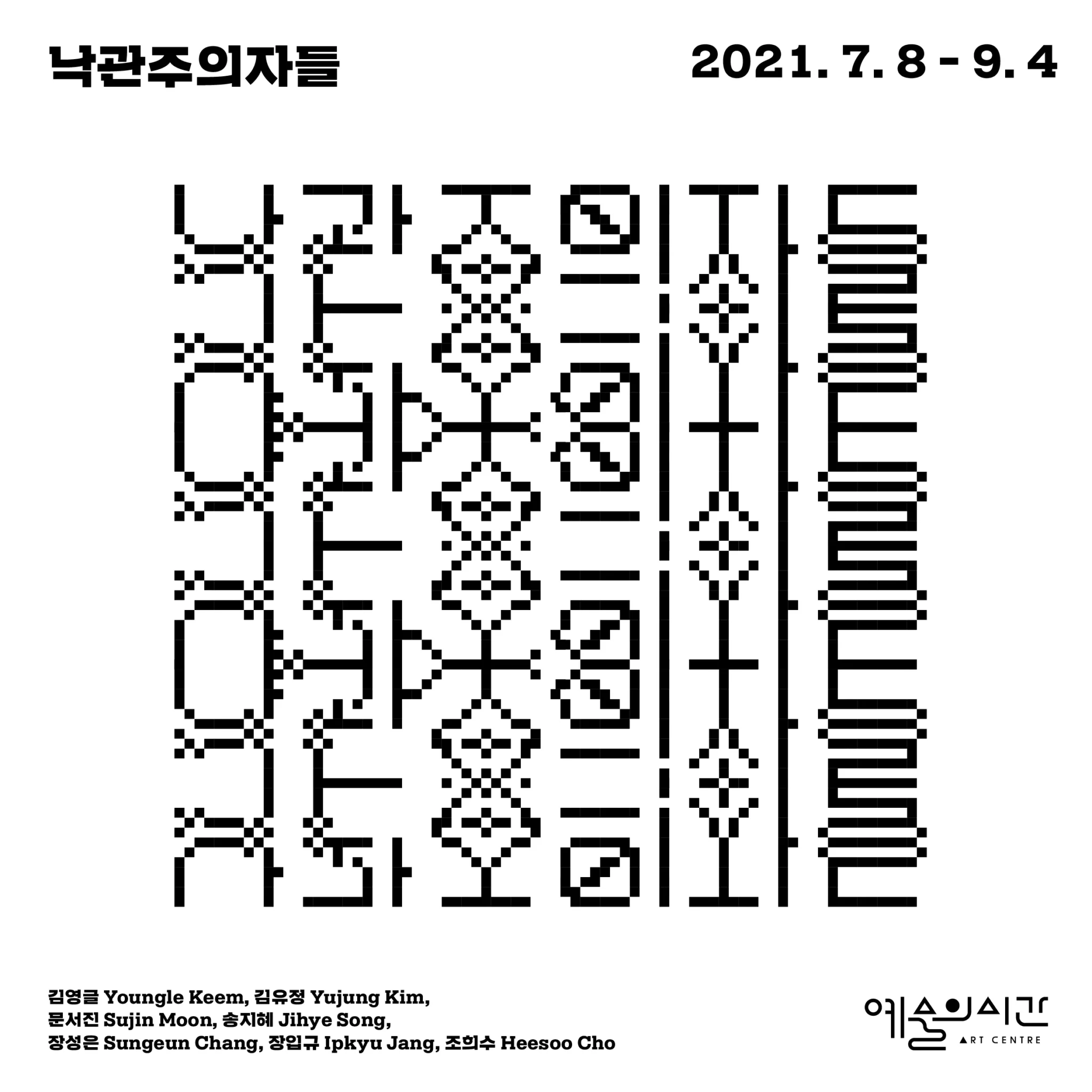
Aldous Leonard Huxley, William Ford Gibson, Ted Chiang, and Kazuo Ishiguro are writers who have presented narratives exploring the possible consequences that advances in future science and technology may bring to society and individual lives. Through remarkable imagination and insight, they connect the future with the present, continuously communicating with readers across generations and centuries through their works. Each of these four novelists envisioned the future in their own distinct way.
Predicting the future is only possible because it is intrinsically connected to the present, and speaking about the future presupposes the interconnectedness of history, in which the present originates from the past. For this reason, although the novelists’ visions are fictional, they nevertheless reflect aspects of reality to a certain degree. 《The 21st-century optimists》 seeks to listen closely to the messages these writers convey through their realistic visions of future societies.
The term “optimist” may be interpreted as referring to a person who overcomes present difficulties through the power of hope and a belief in a brighter future, but it may also describe someone who remains passive, holding only rosy expectations about the future. The kind of future an optimist dreams of determines that person’s attitude and posture toward life, and in turn influences every network of relationships they encounter. Our attitudes toward life, together with the web of relationships we form with others, ultimately shape the spirit of the age, the Zeitgeist.
《The 21st-century optimists》 contemplates the complex grid created by individuals and the conditions of the contemporary era. In particular, it questions how the terrain of the relationships we form with others is changing through the development of science and technology, and within the dense networks of a hyperconnected society, what we continue to place our hopes in and what we resist. The modern people of the twentieth century, who may once have anticipated the coming twenty-first century with the excitement of “Wow! What an amazing future!”, seem to have lost the will to envision the distant future after encountering a twenty-first century far more mundane than imagined, choosing instead to live with vague optimism directed only toward the near future.
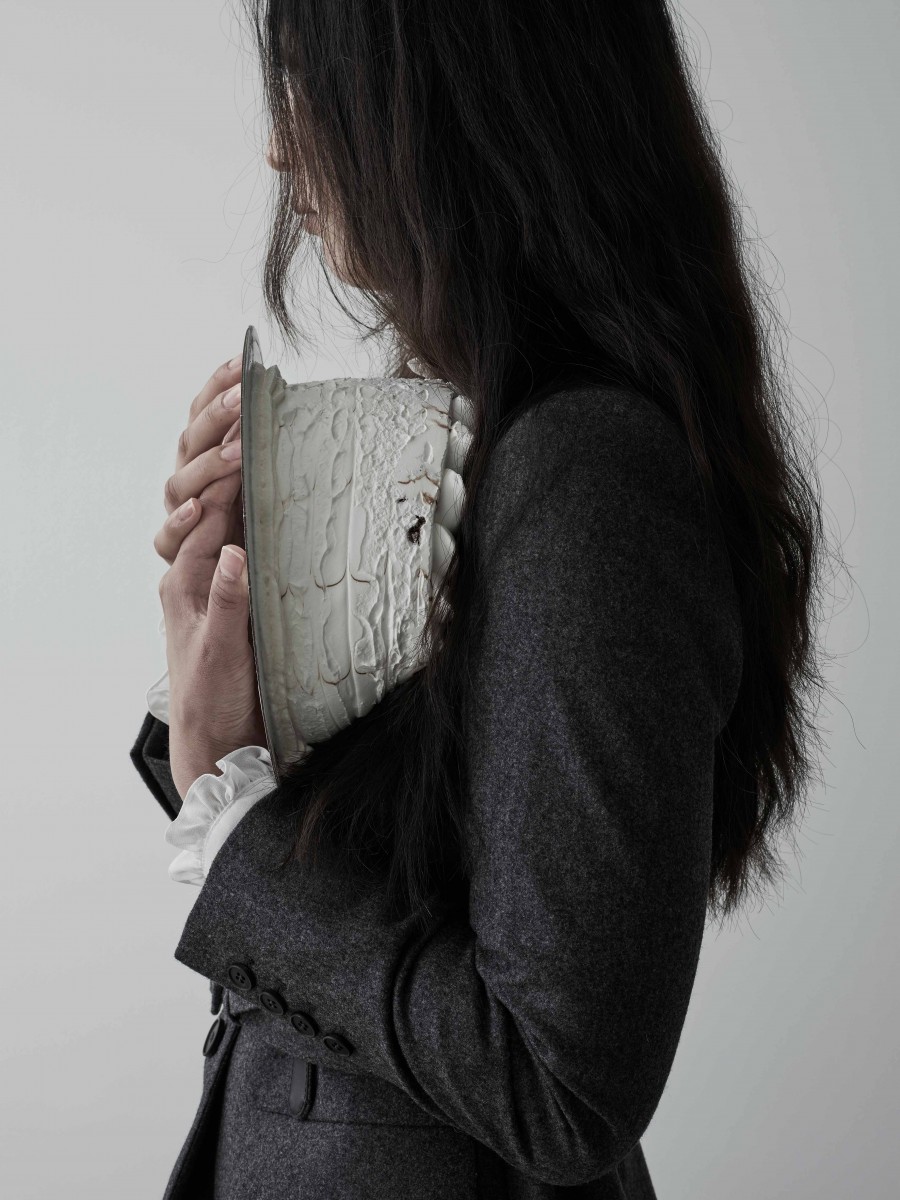
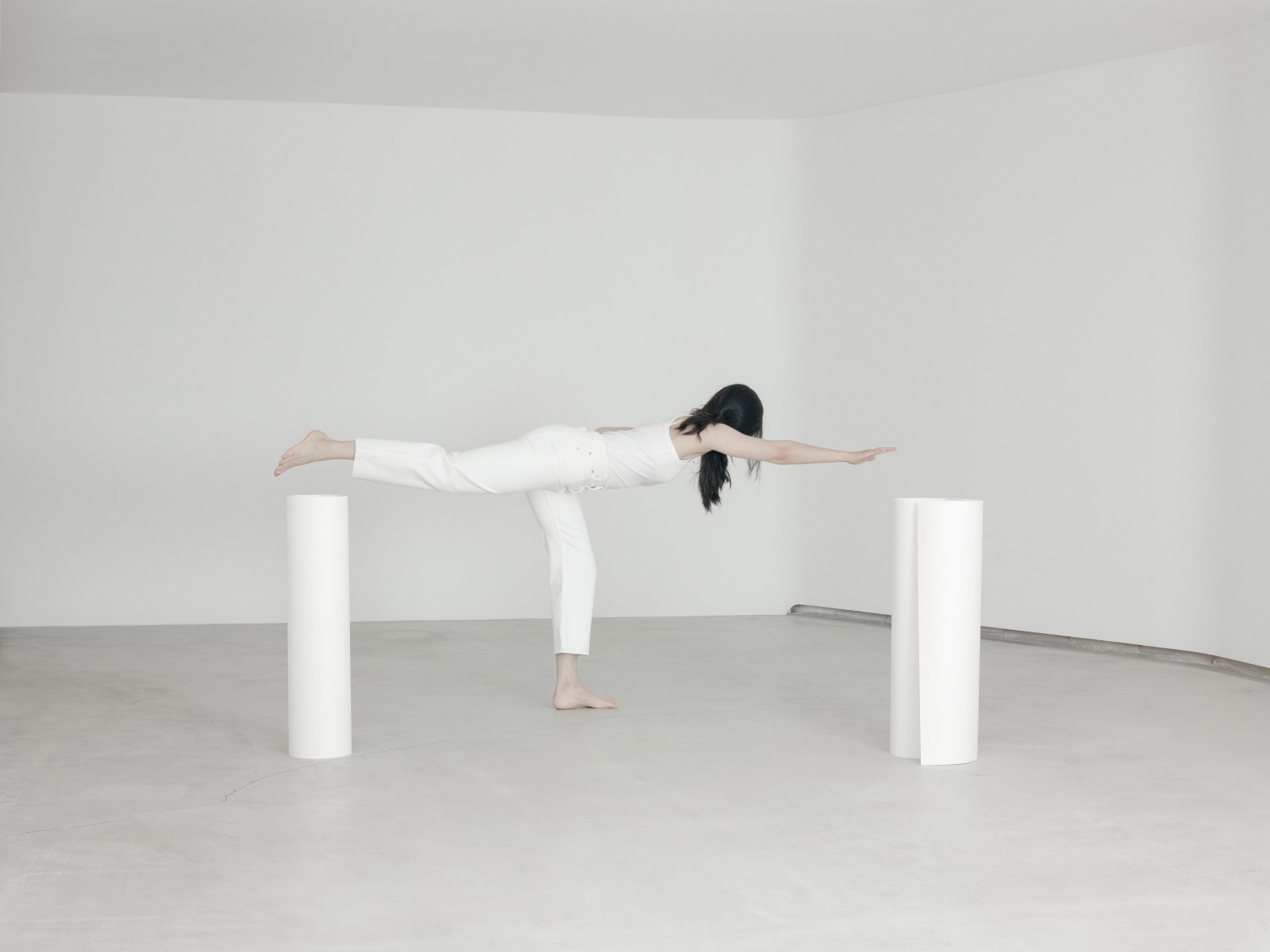
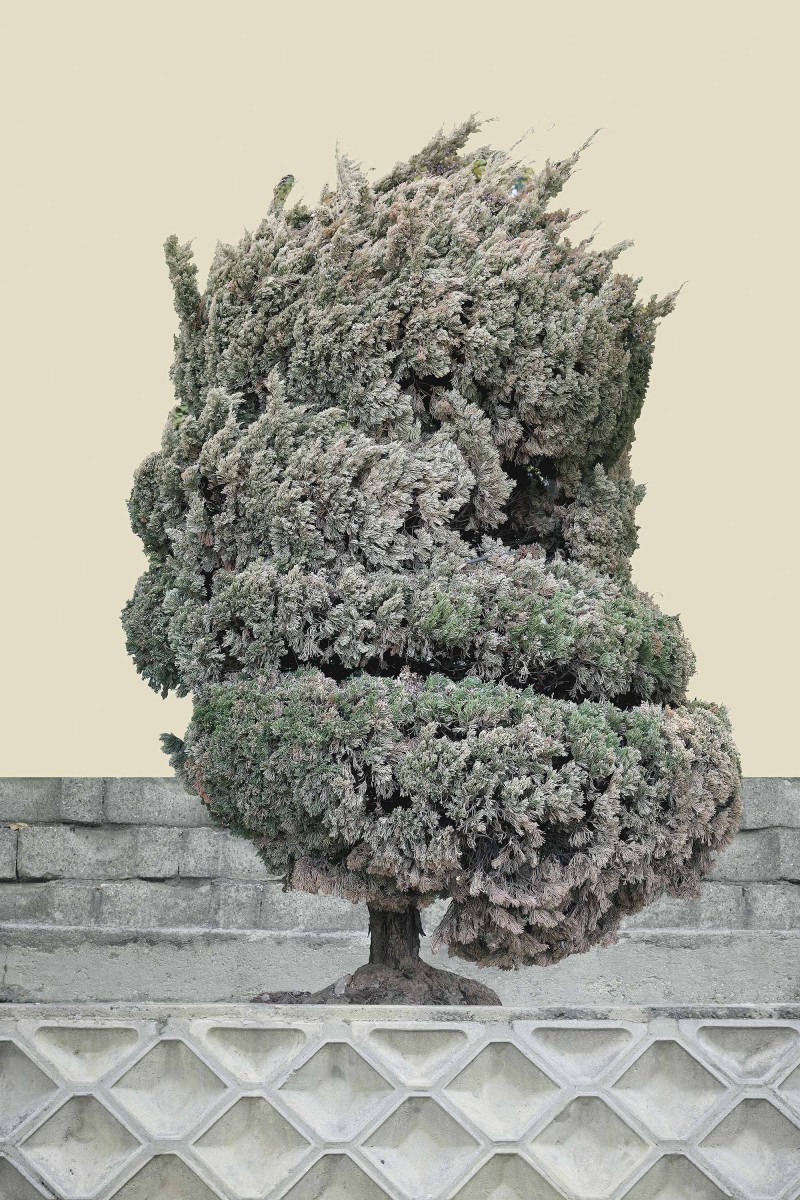
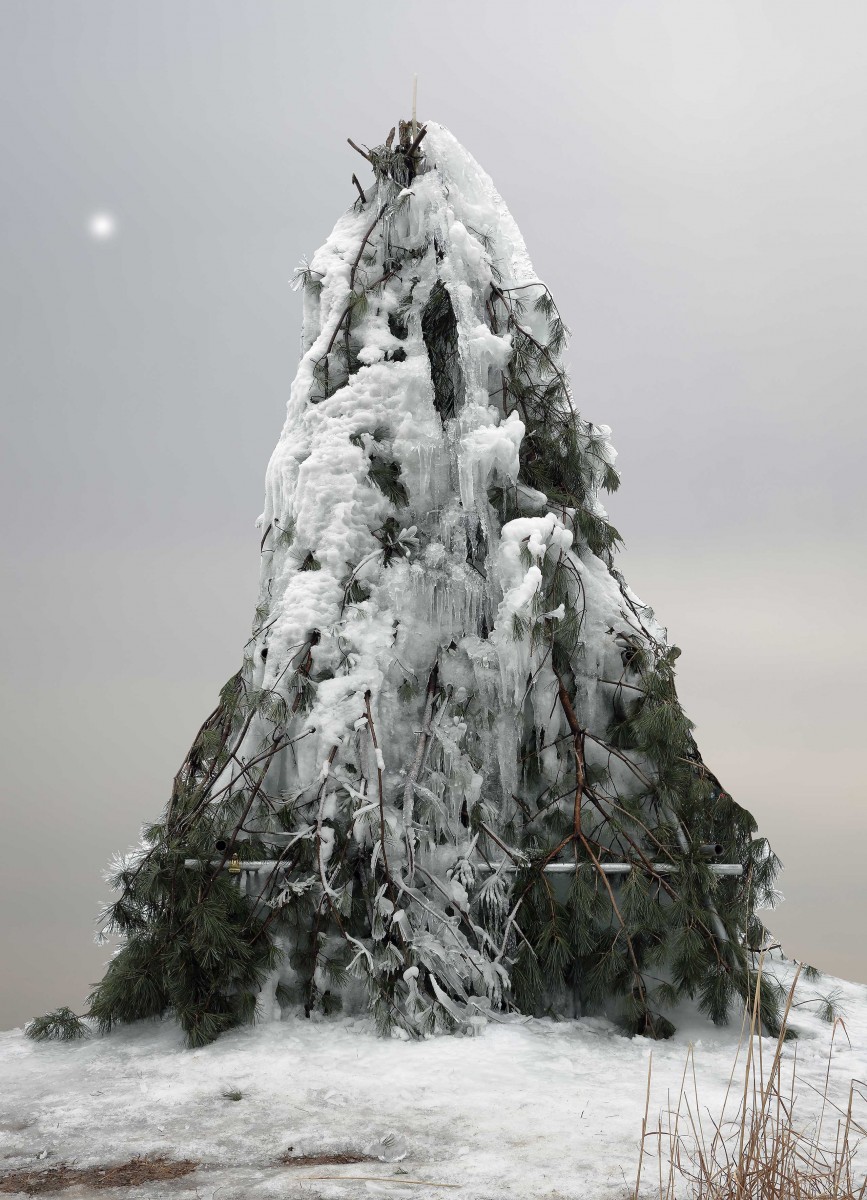
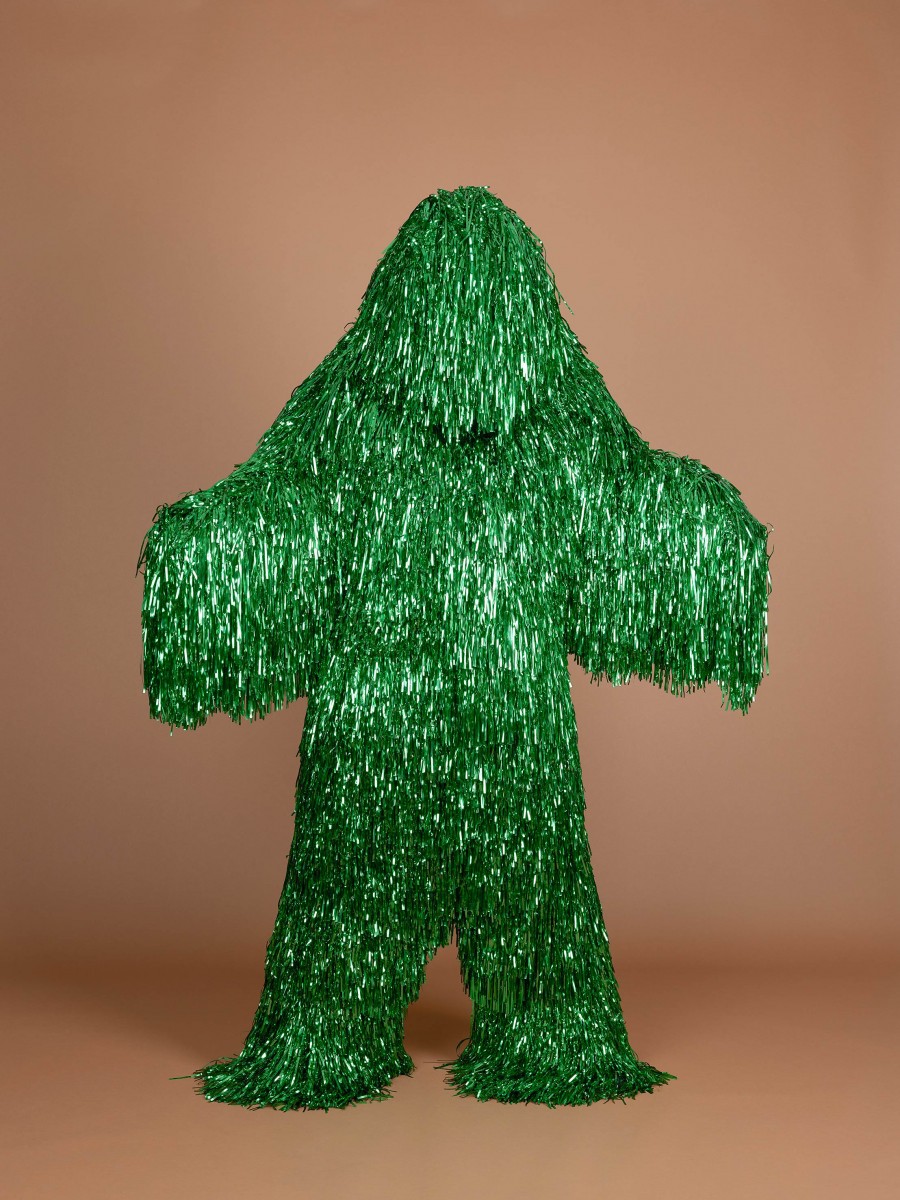
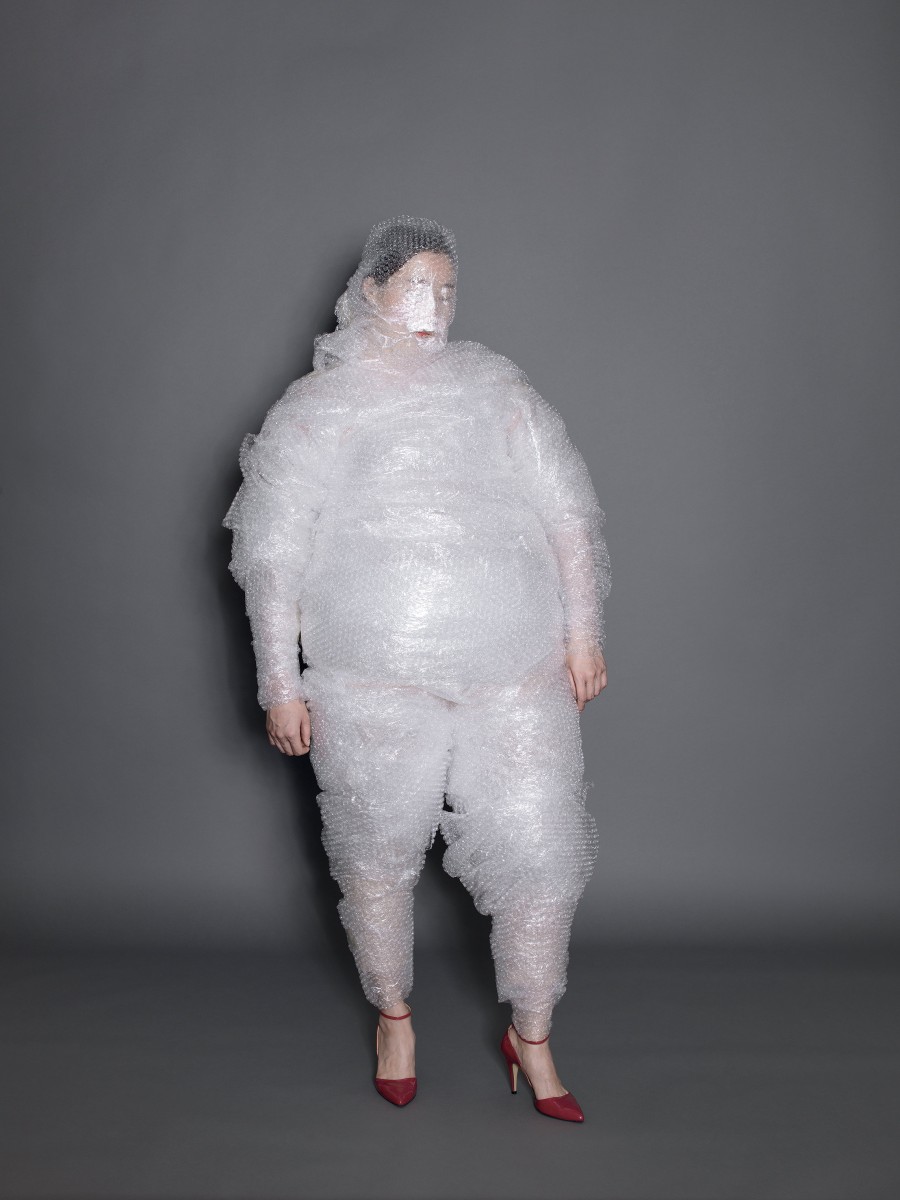
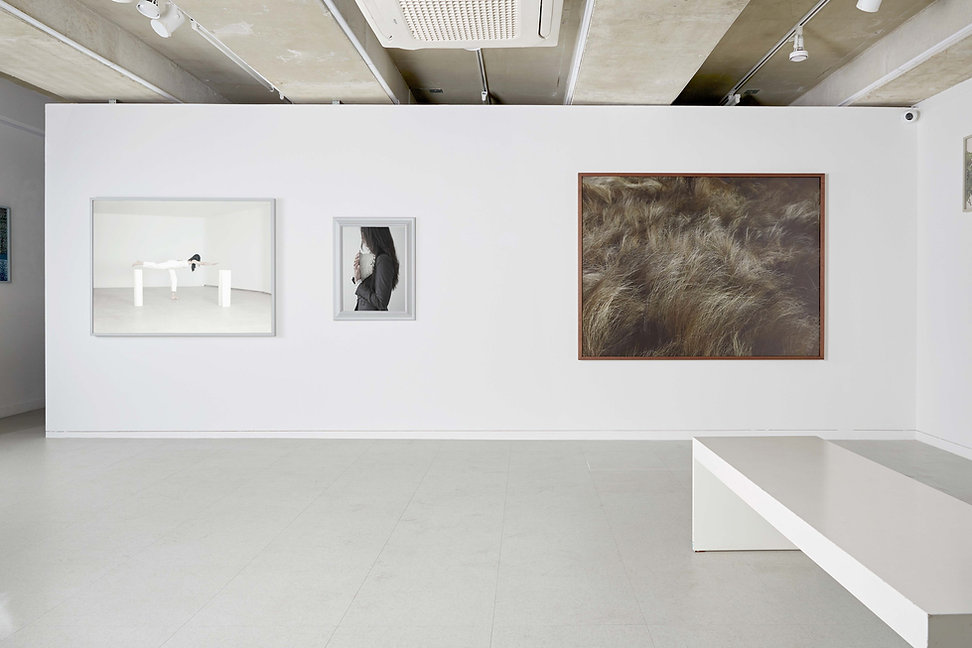
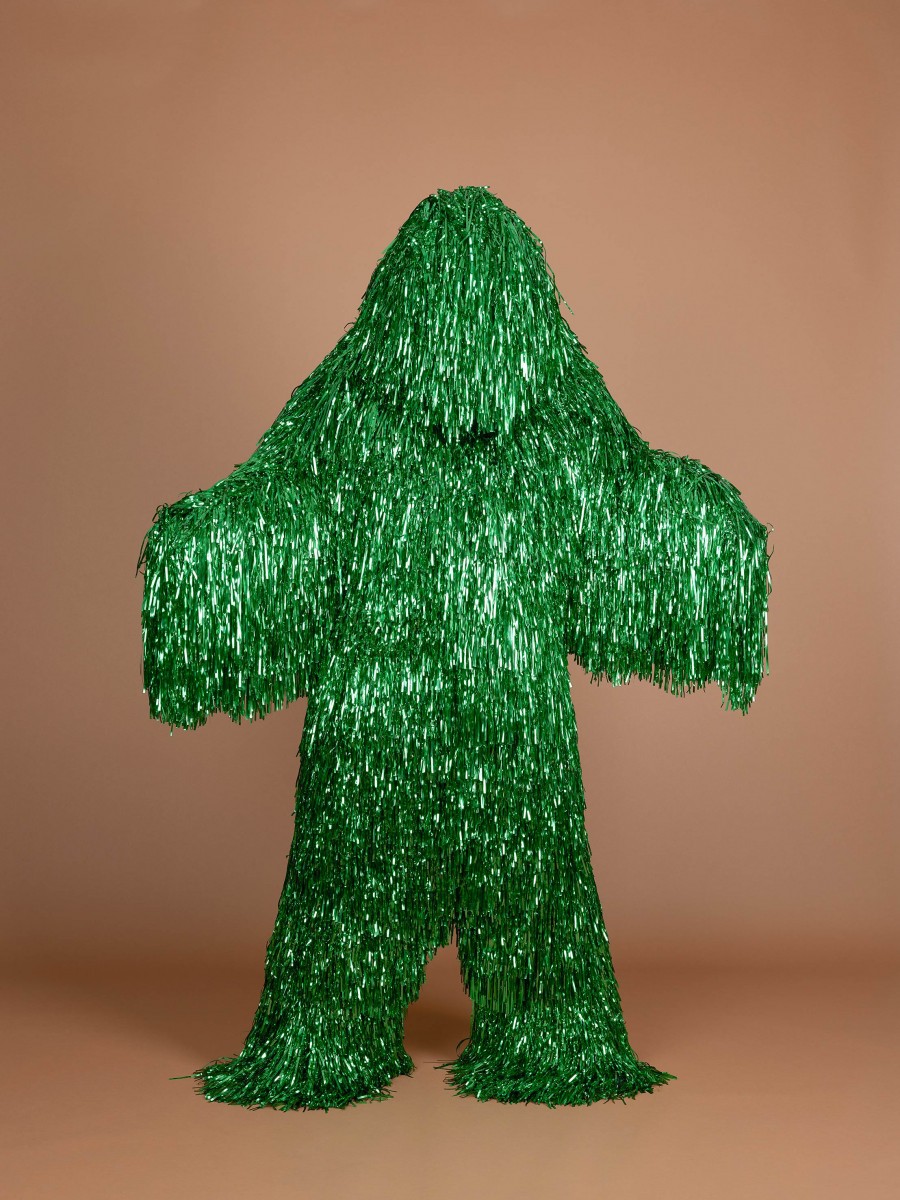
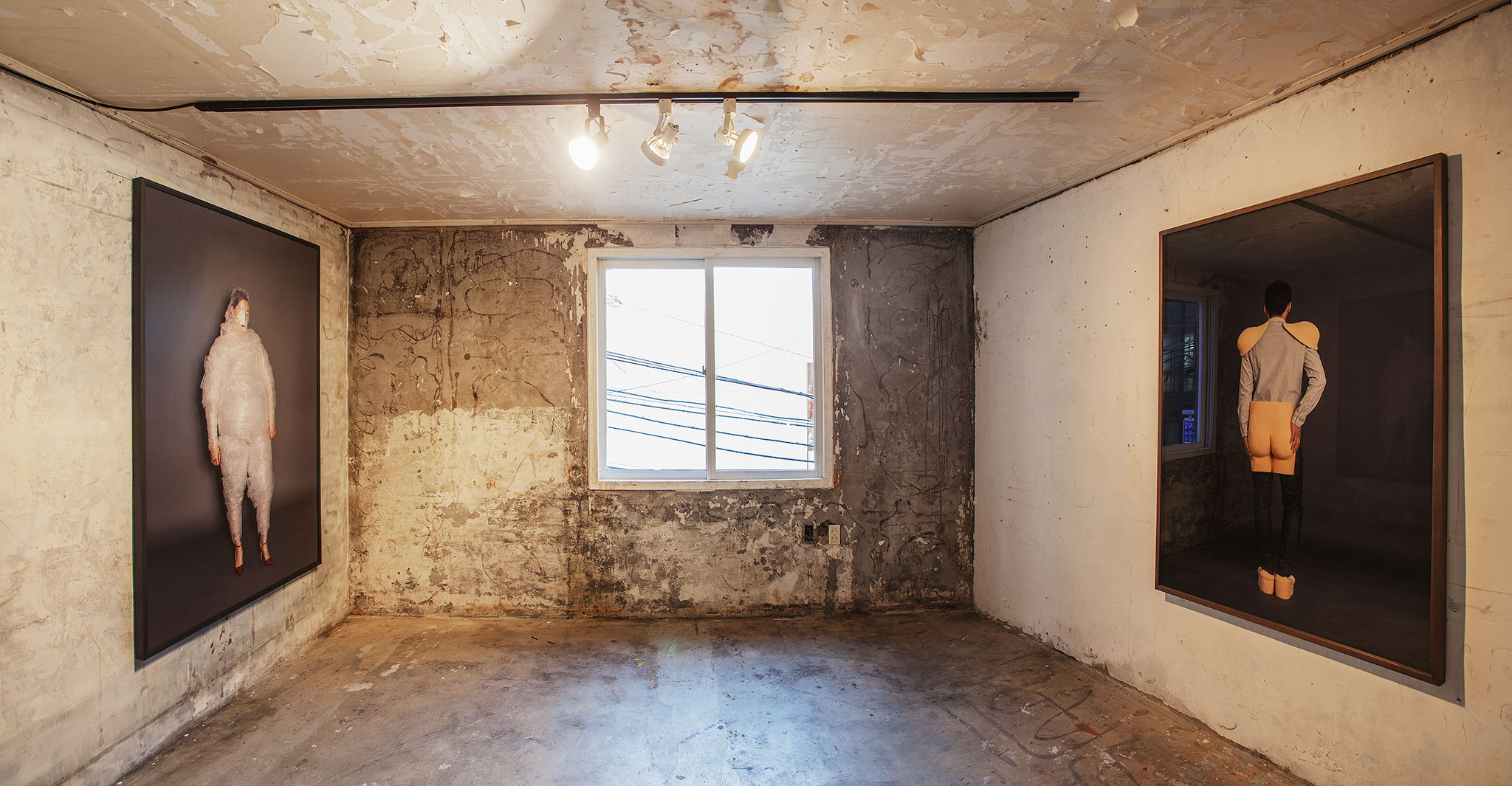
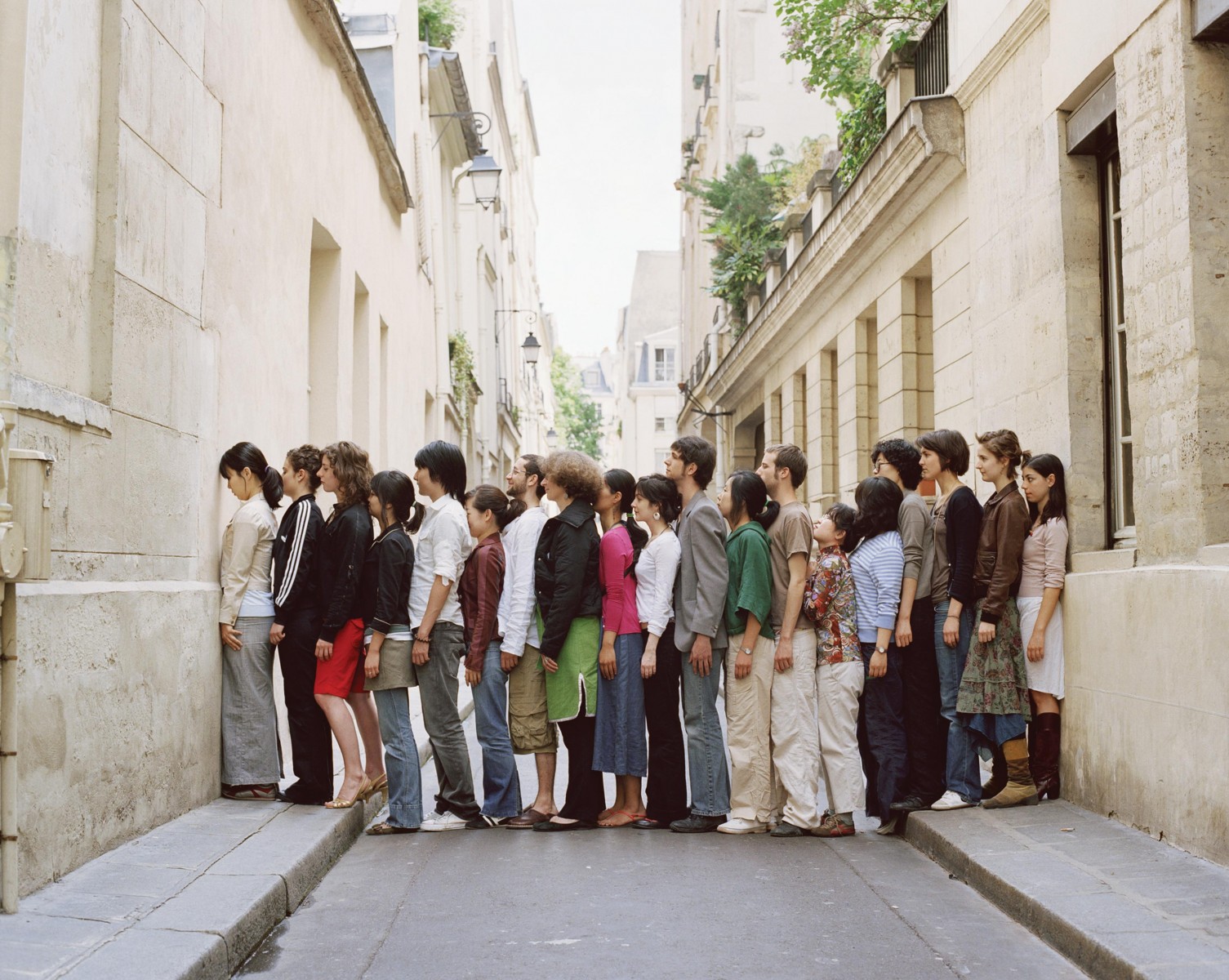
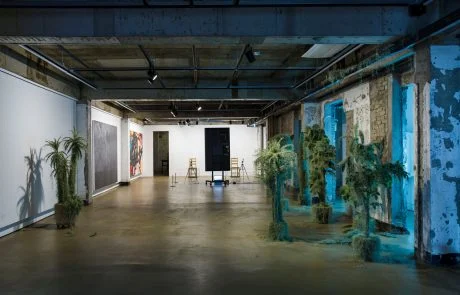
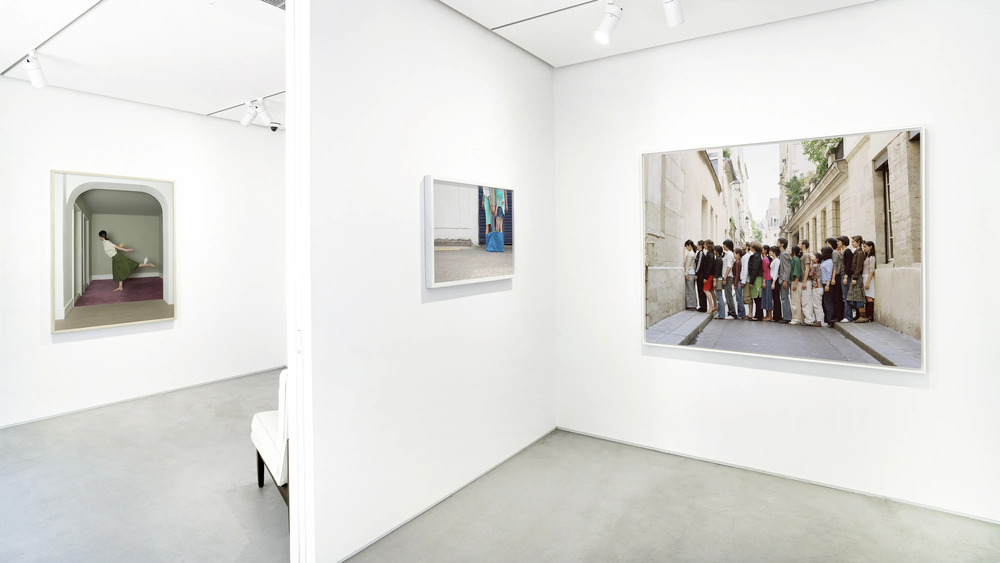
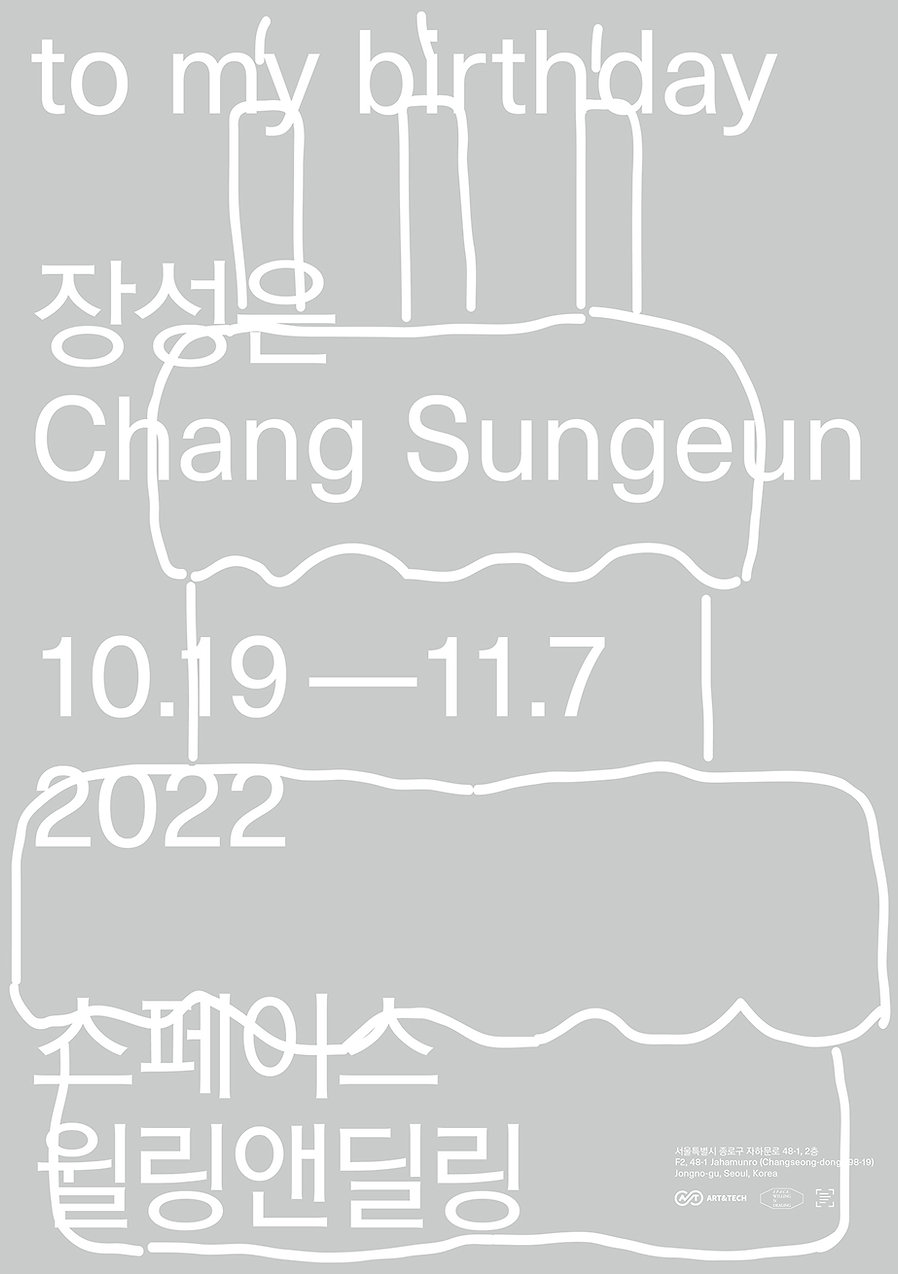
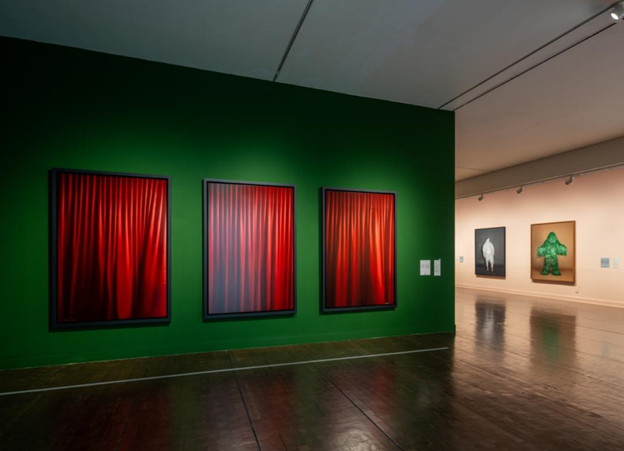
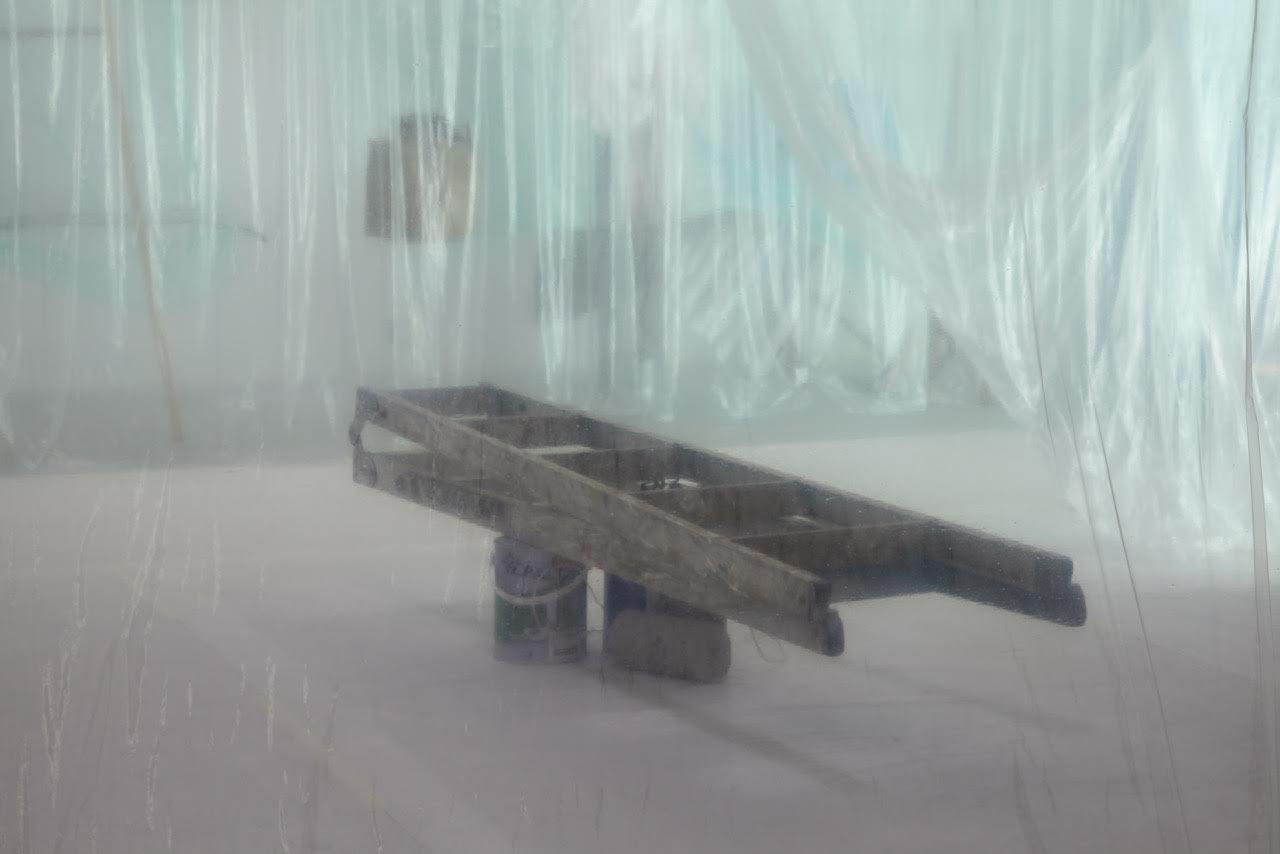
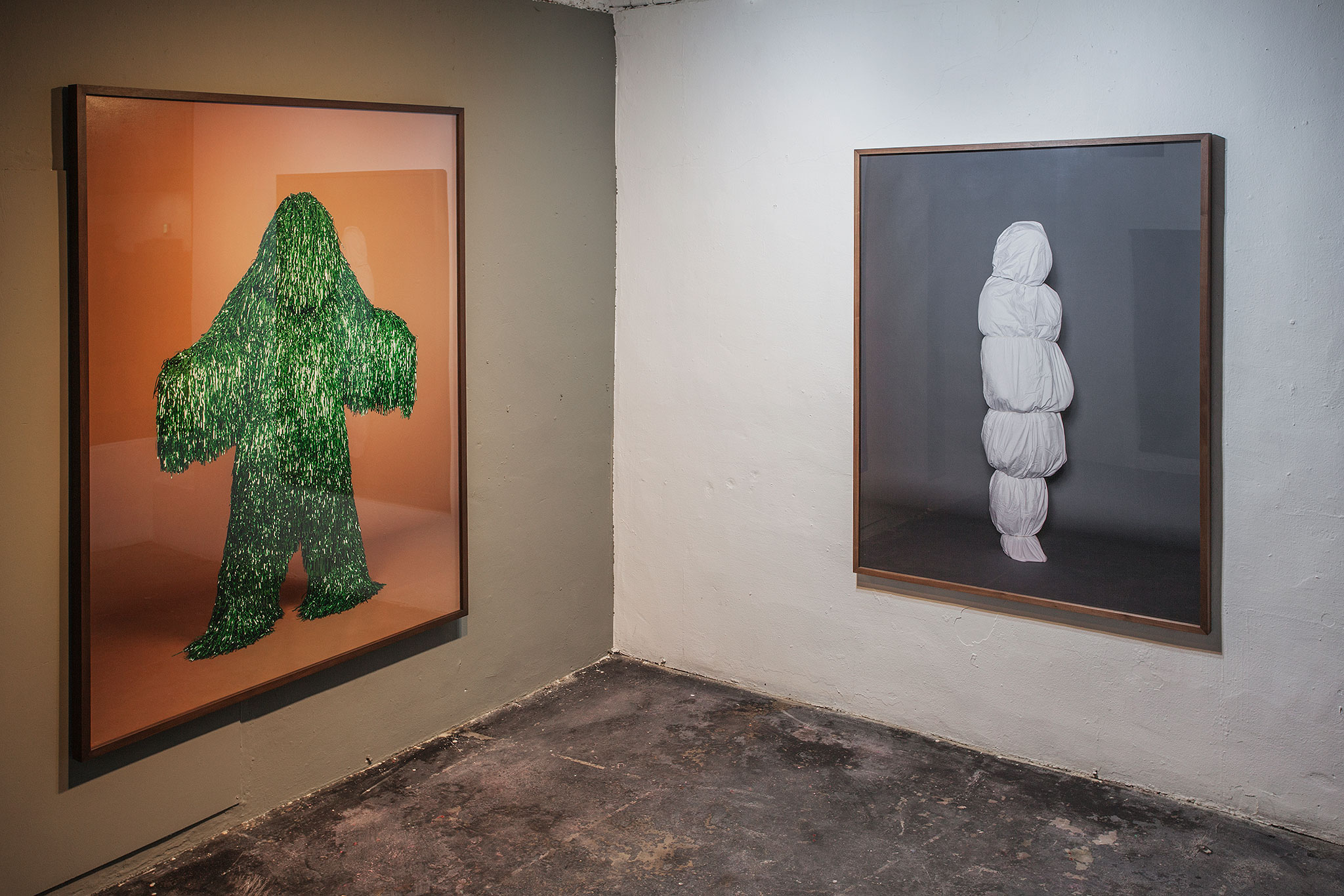
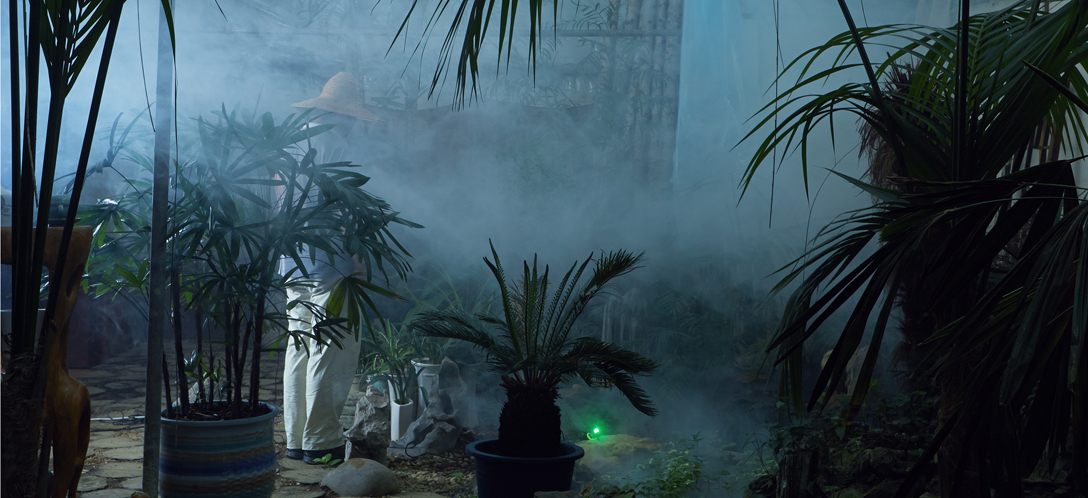
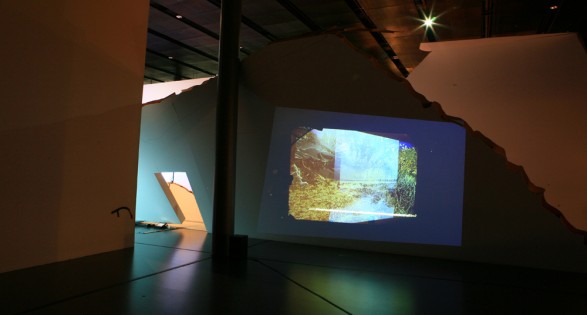
《The 21st-century optimists》 seeks to observe our attitudes toward the future today and to create a time and space for reflecting on how the condition of our era intersects with our own condition. Participating artists Youngle Keem, Kim Yujung, Sujin Moon, Daria Song, Chang Sungeun, Ipkyu Jang, and Heesoo Cho, together with four science fiction writers—Aldous Leonard Huxley, William Ford Gibson, Ted Chiang, and Kazuo Ishiguro—meet upon this complex grid for that very purpose.
The interviews below were composed and edited around the speculative premise: “What if these artists were to appear together in a documentary discussing their perspectives and visions of future society?” The interviews with the science fiction writers were based on their published books, while the interviews with the participating artists were reconstructed and edited from conversations conducted in person. Since these meetings were not originally intended as interviews, the format itself is fictional; however, in terms of content, they remain grounded in the artists’ attitudes and thoughts concerning life and their work.
At the same time, it should be noted that the texts are not direct transcriptions of the artists’ words and therefore leave room for reinterpretation. Whether 《The 21st-century optimists》 speaks of a future that is ominous yet hopeful, or hopeful yet ominous, will depend on where one locates the core of its interpretation. At the end of the interviews that follow, we imagine your own interview joining the conversation as well.