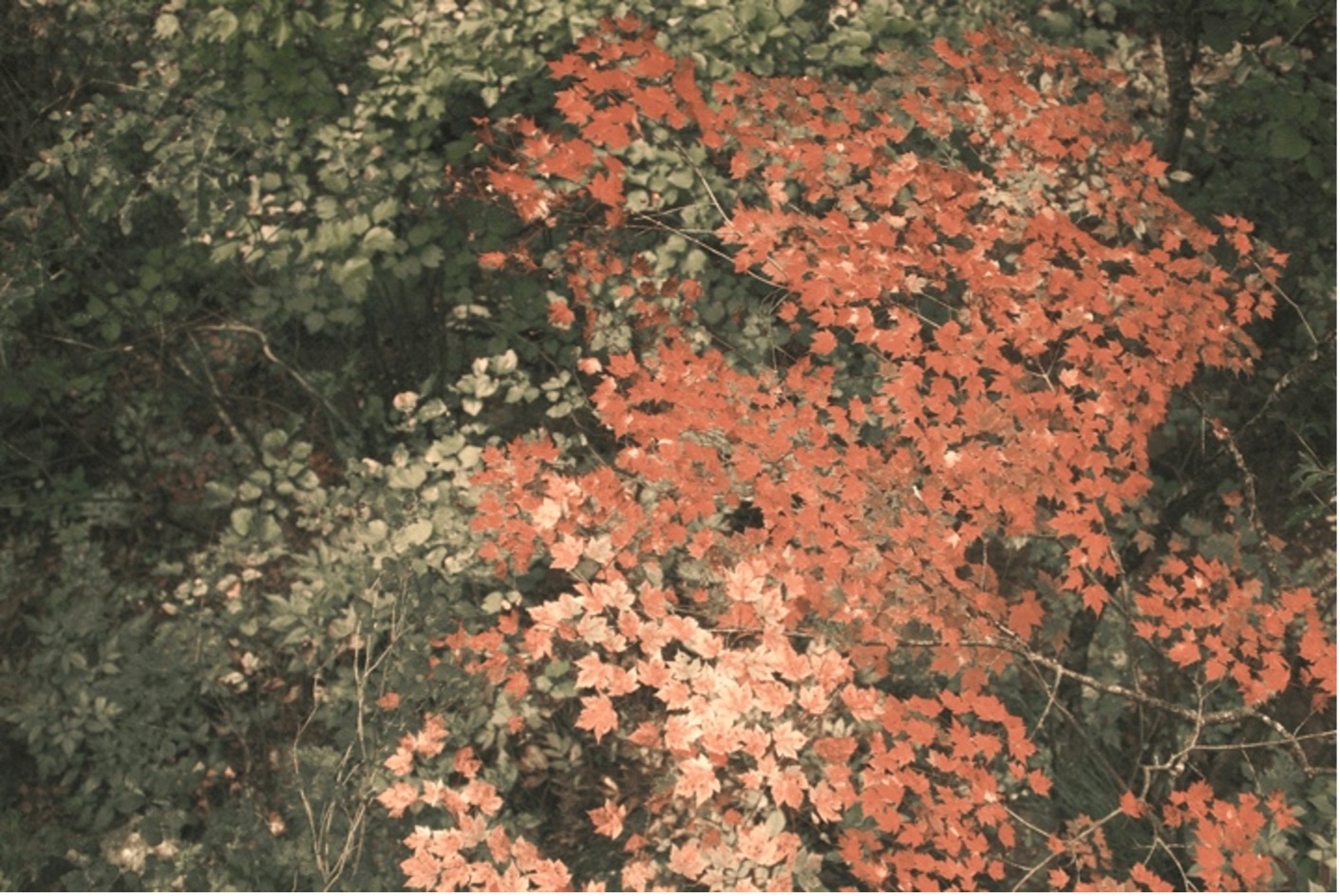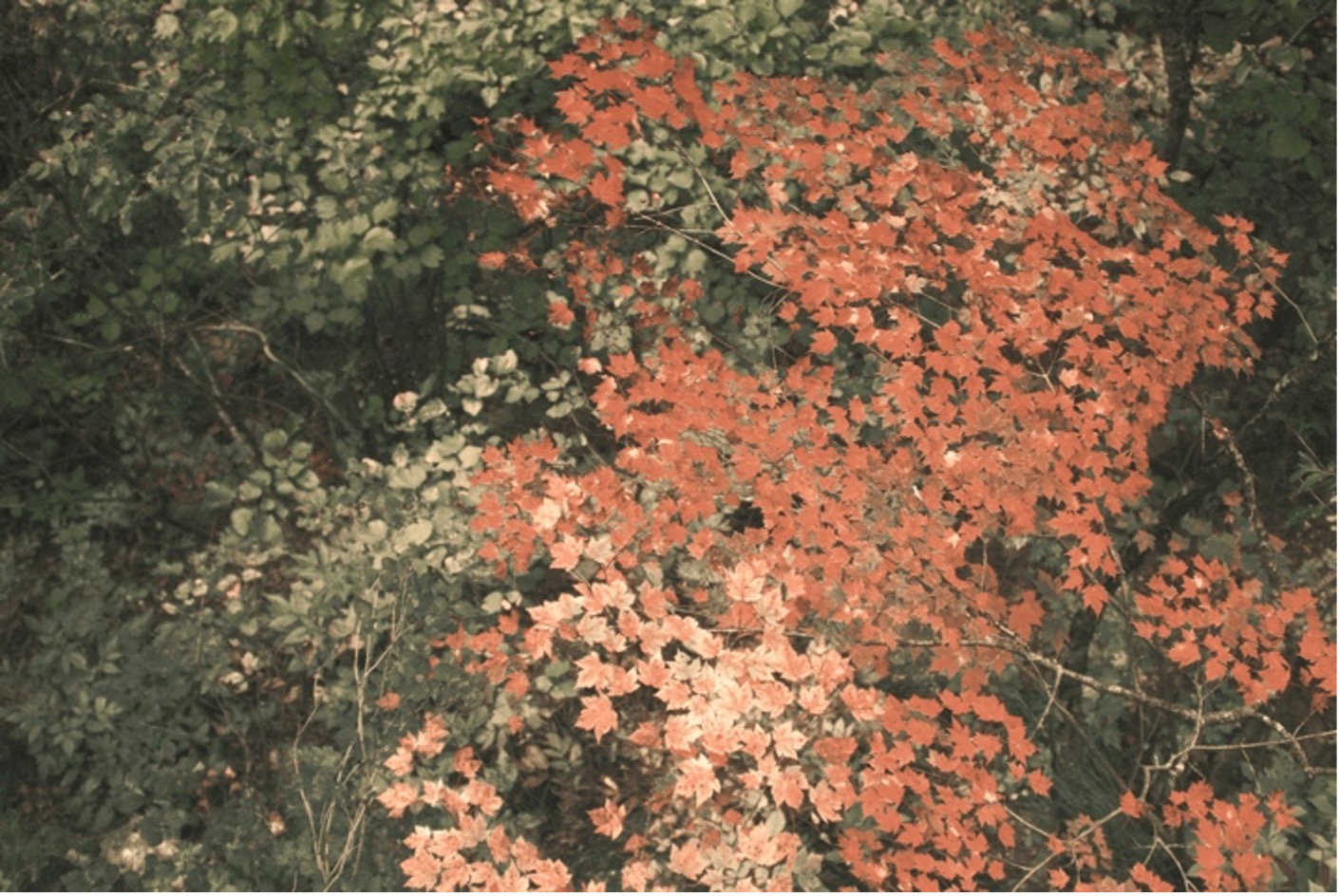


Beak Jungki, Is of Mt.Seorak in Autumn #1, 2012, Printed with pigments extracted from fall foliage, 90 x 60 cm ©Beak Jungki

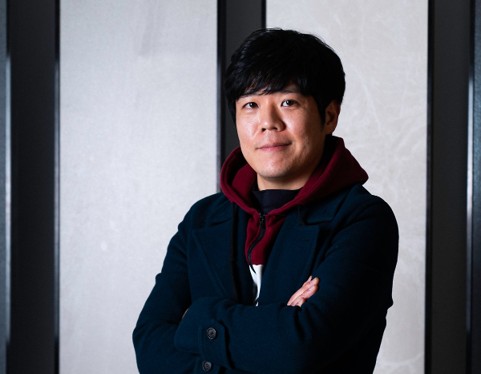
Beak Jungki’s work can be succinctly defined as an inquiry into the contemplation of existence through the deepening process of self-awareness. His practice extends into the realm of rational thought, following a scientific process. However, its essential nature is significantly mythical. The harmonious fusion of the antithetical concepts of science and mythology into an aesthetic form may seem trivial at first glance, but upon closer inspection, it presents a profound significance to us.

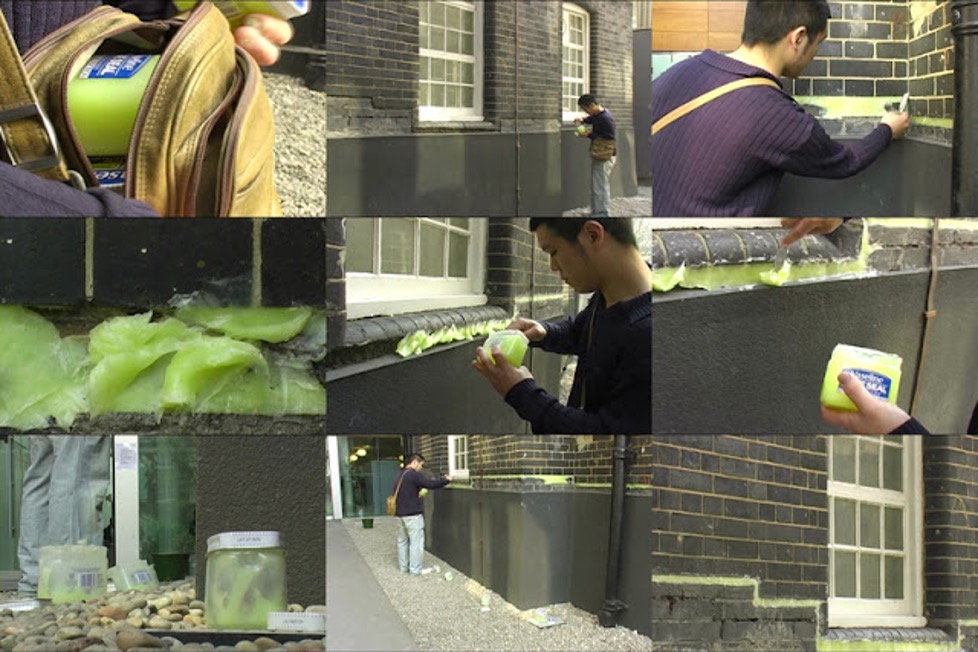
His work is intellectual. However, it is not merely the product of intelligence through planning and calculation. Rather, it is intimately connected with the existential circumstances he has faced. The first time his artistic world gained attention was through the 2007 piece titled Vaseline Armor & Helmet, in which he applied Vaseline to random individuals and had them wear helmets, armor, or even Vaseline gloves. Vaseline, originally discovered by workers in 19th-century Pennsylvania oil fields who applied the white residue from oil pipes onto wounds and witnessed its remarkable healing and coagulation effects, became a globally distributed chemical substance. The word "Vaseline" itself is derived from the Latin "wassor" (water) and the Greek "oleon" (oil). Its healing mechanism lies in preventing moisture from evaporating from wounds, thereby accelerating recovery. The key point here is moisture.

As a child, the artist suffered a critical injury. The first form of emergency treatment he likely received was Vaseline. His trauma associated with that injury may have imprinted Vaseline onto his consciousness, leading him to repeatedly meditate on the healing properties of moisture. This meditation on moisture eventually expanded into an inquiry into the material nature of water.


The metaphor of water is deeply connected to religion. Observing the cultural belt divided eastward and southwestward around the Pamir Plateau, the east consists of the Confucian civilization centered around the Yellow River. The core of Confucian civilization lies in its rejection of the dualism of body and soul, embracing a rational worldview without such divisions. Here, "rational" does not refer to scientific rationalism but rather to a common-sense rationality that repudiates supernatural forces and ghosts. In contrast, the vast expanse west and south of the Pamir Plateau—including Greece, Egypt, Asia Minor, Palestine, Persia, Babylonia, and India—is dominated by dualistic beliefs distinguishing between body and soul, heaven and earth, and thus shaped by a religiously irrational culture.

Abundant water resources and consistent sunlight form the foundation of productive capacity. As early as the Xia Dynasty, King Yu tamed the Yellow River, creating a harmonious agrarian society free from extremes. This proactive flood control eliminated the foundation for supernatural religious invasions. The west of the Pamir Plateau, however, gave rise to Gnosticism, Judaism, Islam, Orphism, Hermetica, Zoroastrianism, and Hinduism, all of which are steeped in strict dualism between spirit and flesh. This dualism, envisioning heaven as an escape from the suffering of the earthly realm, is ultimately a remedy for the hardships originating from water scarcity. The instability of productivity triggered cycles of invasion and oppression, which, in turn, fostered messianic expectations. The Messiah is essentially a symbolic figure representing the hope for stable productivity. Water, in this context, is the Messiah, the ultimate good.

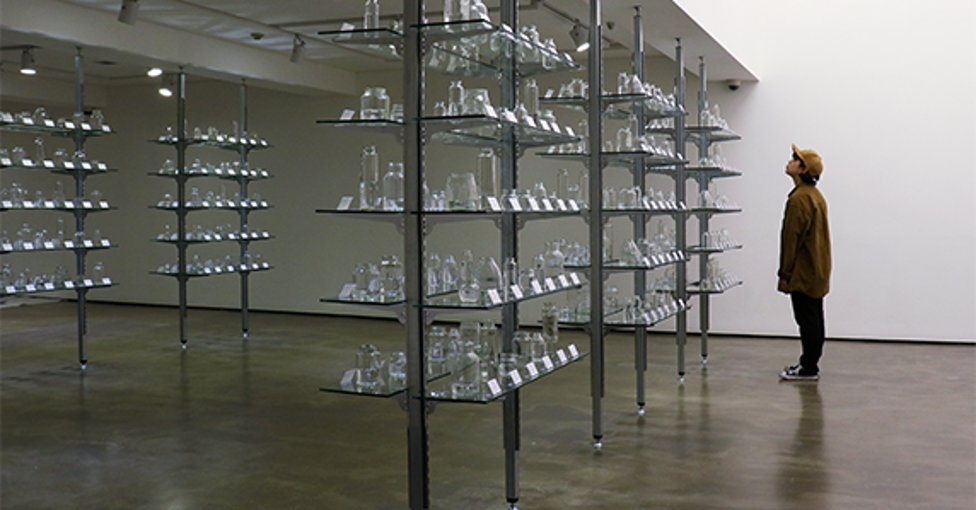
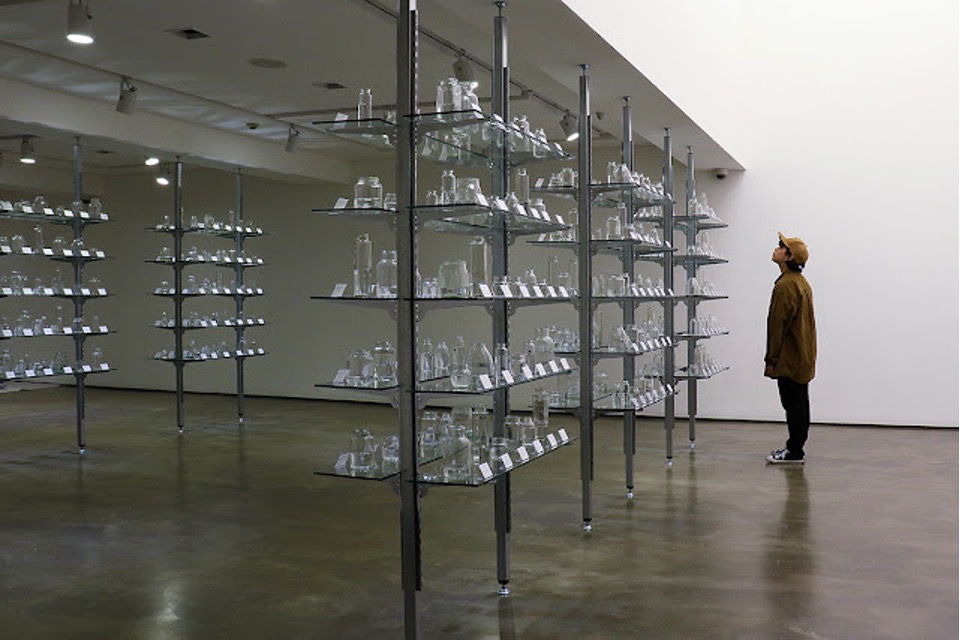
In 2008, Beak Jungki traveled extensively through Egypt, Morocco, and Europe, during which he focused on the works Pray for Rain and Read River. In Pray for Rain, he addressed the subtle rifts emerging between accumulated local civilizations and modern life in Egypt and Morocco, attempting to heal these divides through the ritualistic form of a rain prayer. Meanwhile, in Read River, he collected river water samples and captured microscopic photographs, creating a form of visual dexterity.

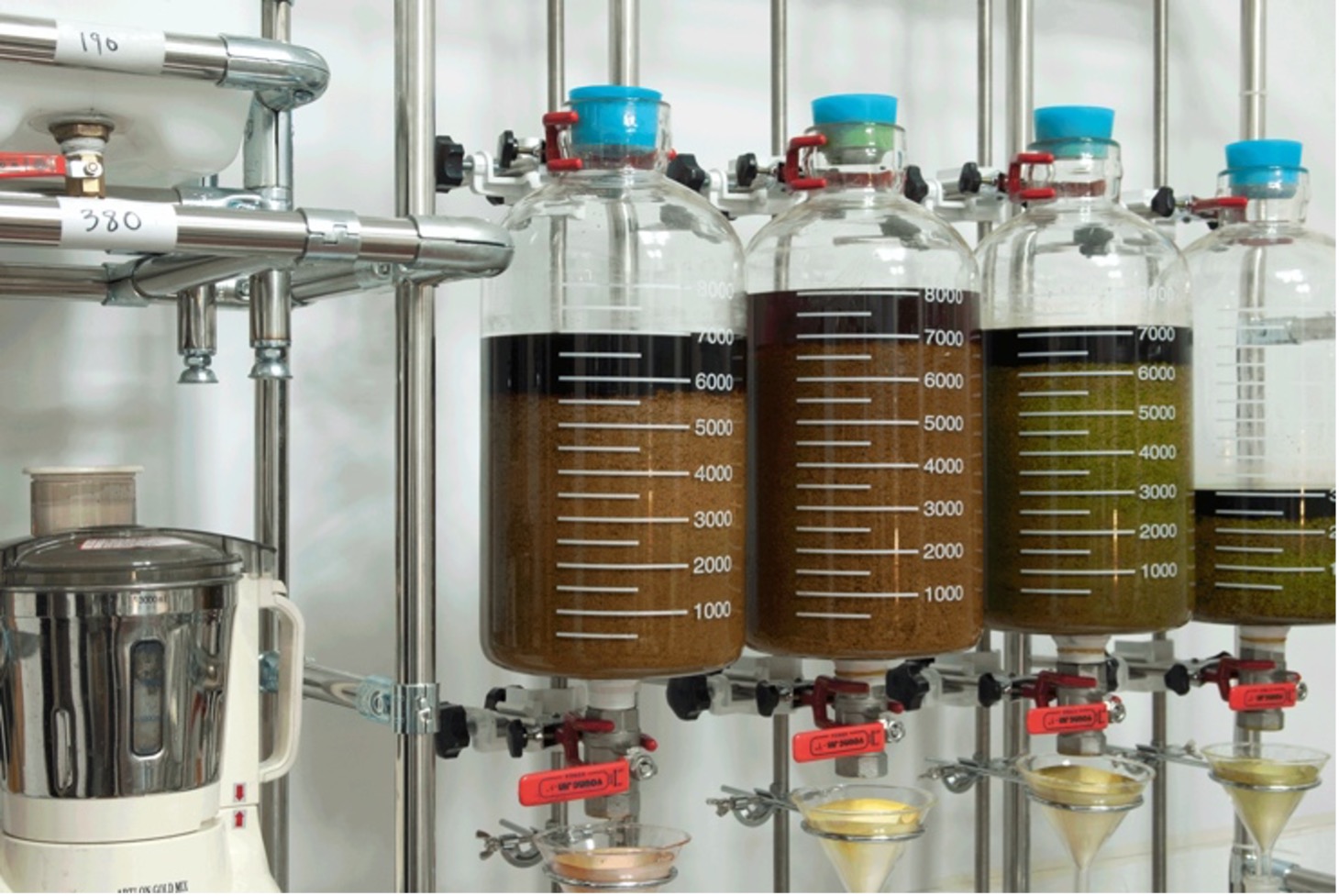
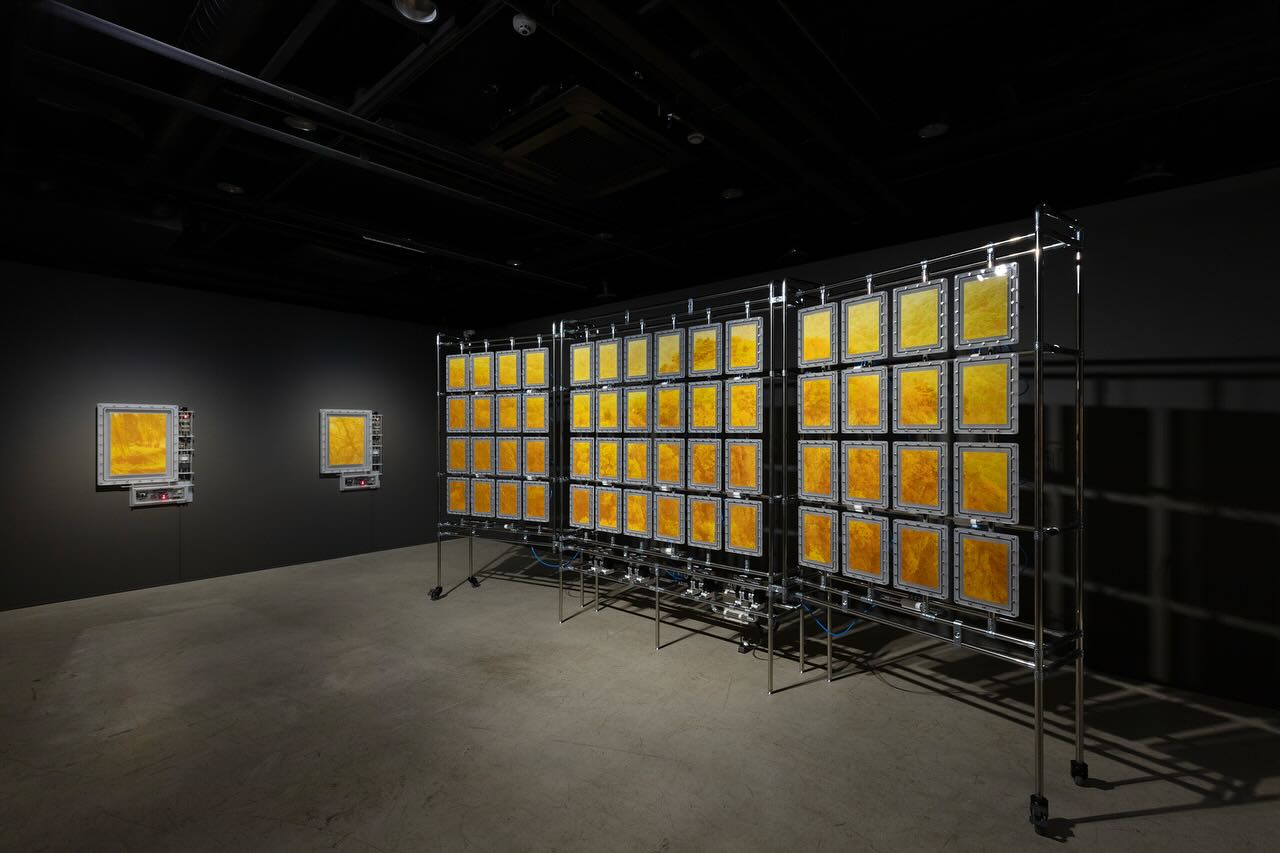
Beak Jungki, Untitled, 2012, 분쇄된 단풍잎, 분쇄기, 추출기, 농축기, 혼합재료, 가변크기 ©Beak Jungki

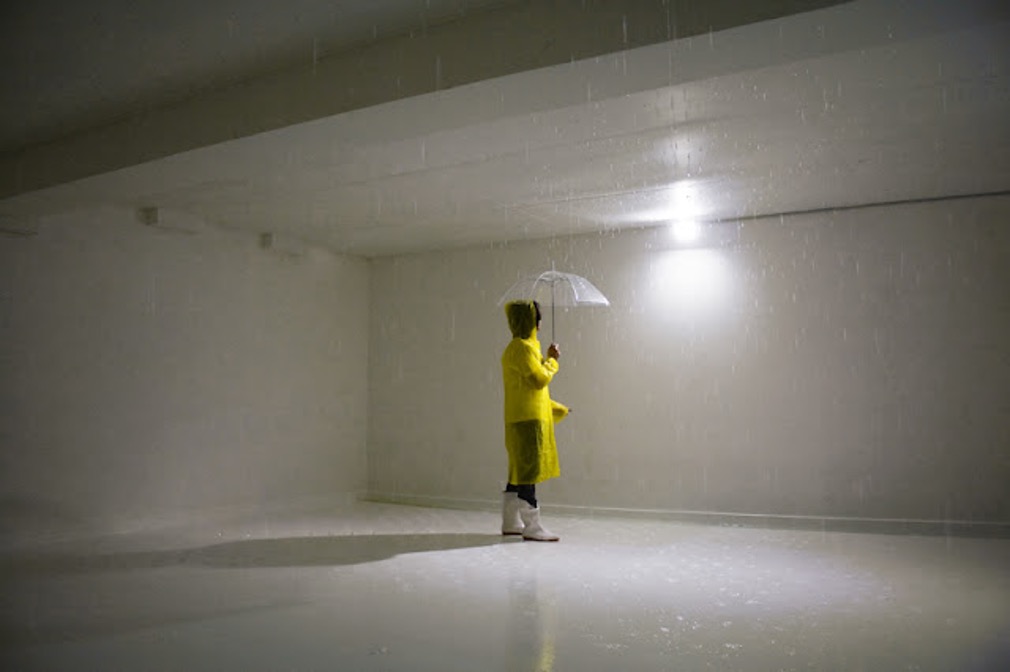
The moment when his meditation on water transformed into a spectacle that could be physically experienced by audiences was in the exhibition 《Sweet Rain》. This exhibition mobilized engineering technologies such as mixers, waterproofing, motors, water spray nozzles, and drainage systems to cover an entire exhibition space. The artist orchestrated a grand scene where a saccharine liquid—water mixed with saccharin—poured down like rain from the ceiling. This sweet rain served as a metaphor for the pinnacle of civilization. It is impossible for those living in a scientific age to experience the same exhilaration that agrarian societies felt when it rained. The achievement of 《Sweet Rain》 lies in its successful reconstruction of this euphoria through a combination of modern mechanisms and poetic metaphor.

What did five years of meditation on water offer to the artist? He elevated the metaphor of water from its role in personal healing—stemming from trauma, survival instincts, and the presence of moisture in wounds—to a broader metaphor addressing civilization's rise and fall. Additionally, through his work, he materialized the sentiment of a rain ritual into a holistic, embodied experience. Throughout this process, he may have gained an acute awareness of unseen causal relationships that connect people to one another—what Buddhism refers to as "Dependent Arising."

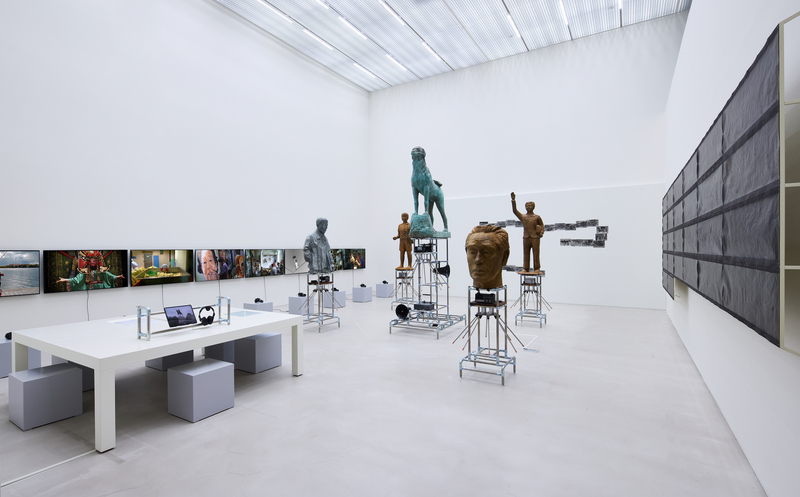
In 2011, the artist temporarily set aside the metaphor of water and began working on Historical Antenna. He viewed historical monuments and bridges of historical significance as the best antennas. However, without an understanding of the biographies behind the statues, they become meaningless, and historically significant bridges lose their function over time due to increased traffic and evolving urban landscapes. His work "Historical Antenna" breathes new life into these fading relics. By attaching a receiver to statues and bridges while deliberately removing the frequency tuner, he allows each structure to capture only the frequencies most suited to them. Given the exceptional sensitivity of these monumental antennas, signals from unexpected nations on the other side of the globe may be received. Occasionally, completely unforeseen songs or news broadcasts emerge from these receivers, revealing to the audience that fixed objects of specific regions and eras are, in fact, communicating with unpredictable entities across the world.

Following this, the artist embarked on works that transform matter into visual forms. Drawing from his residency experience in Slovakia, he visualized the landscapes of Sturvo and Esztergom. The notable aspect of his process was the method of printing these landscapes: he used the acidity of the region’s river water to develop images on litmus paper. The acidity of the local rivers serves as an ecological indicator directly tied to the lives of the residents, thereby linking civilization’s landscapes with its environmental byproducts. This methodological extension continued in the 2012 exhibition 《Is Of》 at Alternative Space Loop.

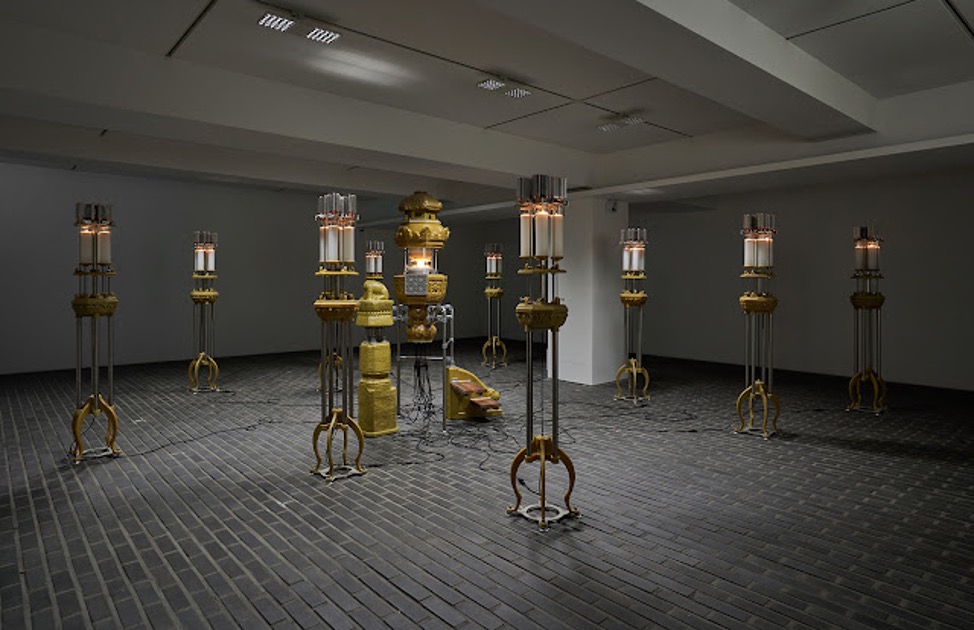
For this project, he gathered autumn leaves from Seoraksan, dissolved them in methanol, and extracted only their pigments. These extracted natural pigments were then linked to an inkjet printer to print landscape photographs. This exhibition posed fundamental questions about vision itself. The artist does not attempt to revive the antiquated debate on whether light is a particle or a wave, nor is he concerned with the transformation of visual objects into materiality or vice versa. In Western philosophy, objects are often described as mere projections of subjective consciousness. However, Beak Jungki reveals that objects are not beautiful or ugly based on their inherent "significant form" but rather become meaningful through their unseen network of interdependent conditions—Dependent Arising. For a leaf to turn red in autumn, countless conditions and probabilities must align. Only when these conditions and probabilities meet specific artistic intentions does the visual subject attain meaningfulness. He argues that the very web of interconnected causality is what imbues visual objects with power.

Modern Man was a keyword of modern society, in which human beings were considered ends in themselves. The formation of such individuals was supported by enlightened reason. However, Western rationalism has now reached a crisis: humans, once an end, have become mere means. Max Horkheimer warned of this crisis by naming it instrumental reason. Although discussions on critical reason have attempted to accommodate diversified rationalities, no compelling discourse has emerged. In Western history, revealed reason dominated during the peak of religious art, enlightened reason flourished during humanist art, modernism arose during the era of instrumental reason, and postmodernism floundered under critical reason. What comes next? Rather than merely pondering this question, it is necessary to embrace an all-encompassing reason that integrates mythic imagination, humanistic knowledge, and advancing scientific power in harmony. Beak Jungki’s work, imagination, and scale embody the virtues of this all-encompassing human.

 
[1] The Analects (Chapter "Shu Er"): “The Master said, ‘The superior man does not speak of ghosts, spirits, extraordinary feats, violence, or chaos(子不語怪力亂神).’”
[2] Tao Te Ching (Chapter 8): “The highest virtue is like water(上善若水).”