1. Art Historical Model: Anachronistic or Clever

The "artist as shaman" was one of the most popular artistic models of the 20th century, favored by both art professionals and the general public. It is ironic that at a time when avant-garde art—destructive and iconoclastic in nature—was gaining momentum under the name of subversion, a deeply mystical and esoteric conception of the artist was simultaneously gaining attention. The targets of this subversion and iconoclasm ranged broadly, from the conventional notions and established systems of art itself to the traditions, ideologies, institutions, and power structures of society at large. However, within this irony, one can discern how the notion of the artist as shaman and the avant-garde movement could thrive in parallel as a reaction to the era’s paradigm, which had been restructured around science and industry, emphasizing objectivity, efficiency, and rationality in regulating both collective and individual life. In short, the artist and their work represented something unfamiliar that disrupted the rigidity and insularity embedded within the era’s mentality, circumstances, currents, attitudes, and atmosphere. Or, it was an act of aesthetic mediation between the real and the supernatural worlds, an execution of perceptual desire aimed at exposing the invisible and mystical aspects of the world by exaggerating situations and amplifying their essence.

A similar tendency can be found in Beak Jungki’s art, which has been in full swing since 2007. However, in the case of this young artist, this tendency appears as an anachronism, much like the shamanistic art of the 20th century, which positioned itself within an era dominated by science. Beak, for instance, consciously adopts rudimentary magical rituals infused with artistic aspirations, placebo-like folk remedies, reckless physical labor, and handcrafted expressions, even in a time when digital technology meticulously manages and reorganizes not only science and industry but also natural climates, medical advancements, and cultural foundations.

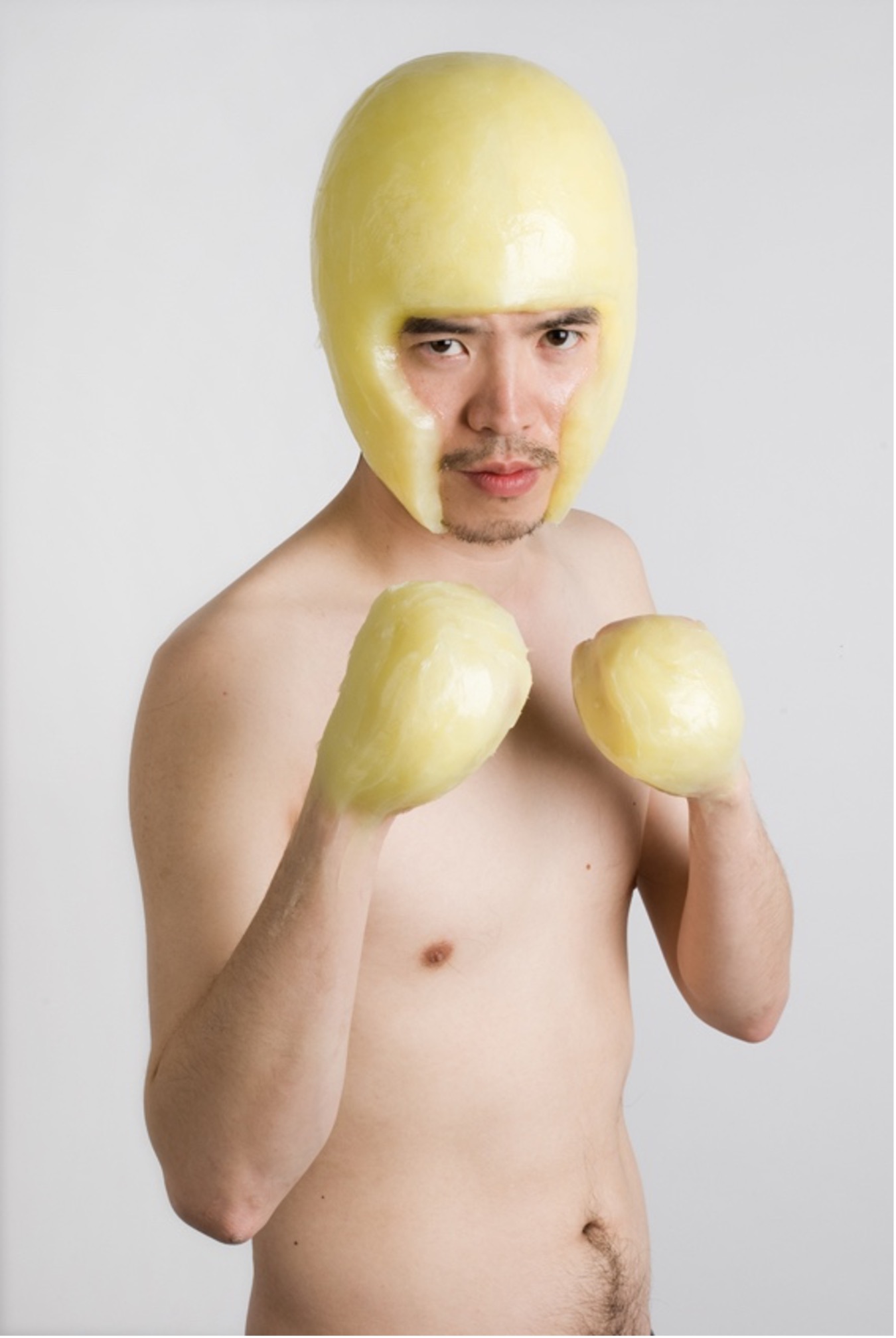
Beak Jungki, Untitled: Vaseline Helmet and Gloves, 2007 ©Beak Jungki

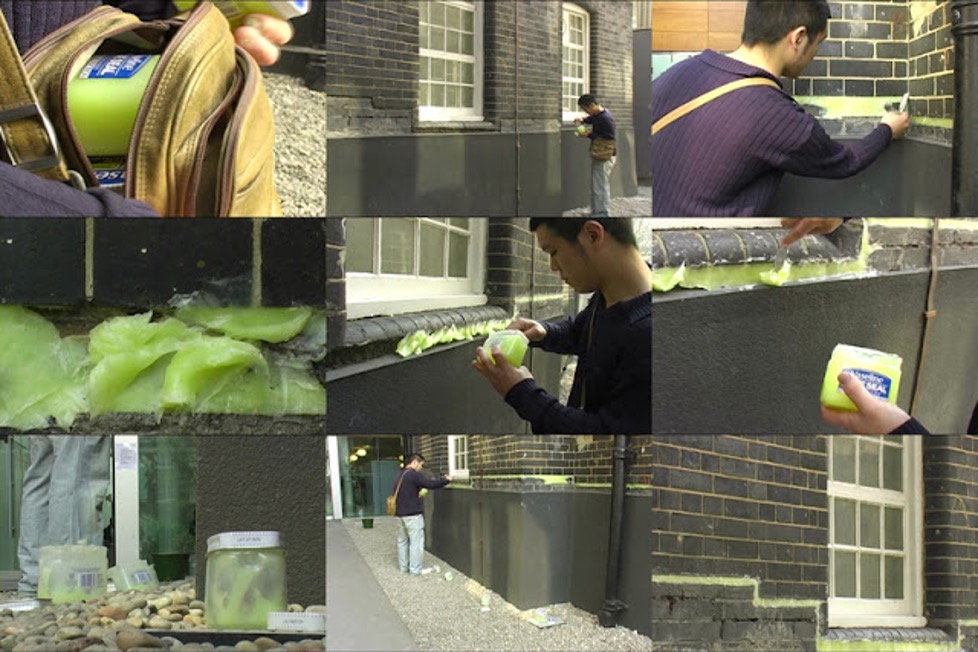
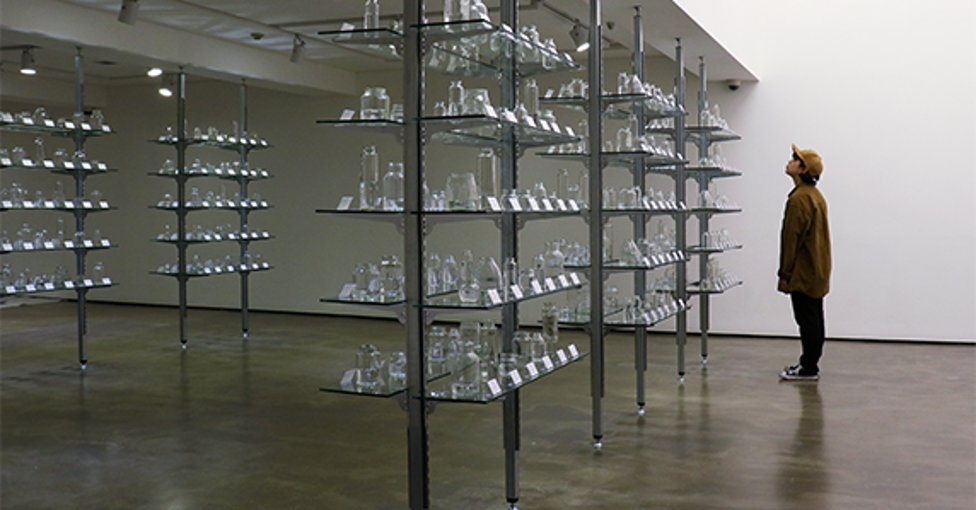
The ‘Vaseline’ (2007) series, which appears to stem from Beak’s childhood experiences—such as a fire-related finger injury and its subsequent medical treatment, as well as the trauma linked to his father’s punishment and love—is not based on Vaseline’s actual therapeutic purpose and efficacy. Rather, ‘Vaseline’ represents what people want to believe about the substance, reinforcing psychological reward mechanisms and illogical beliefs instead of confronting objective facts. The series features large quantities of Vaseline applied thickly onto heads, hands, and even the indentations of walls, sculpted into specific forms such as helmets, gloves, or patches. The work grants the viewer an unfounded belief that the art itself can heal the weak, the injured, wounds, deficiencies, and voids, despite the fact that Vaseline’s softness makes it completely ineffective as protective gear.

Next, Pray for Rain-Morocco (2008) is even more explicitly magical than ‘Vaseline.’ In the Sahara Desert, where rain is virtually nonexistent, Beak melted a Vaseline sculpture of a lizard*, re-sculpted it into a compass, and ultimately let it evaporate into the sky—equating this entire process to a "rain ritual." Through this work, he took on the role of a shaman attempting to resolve the socio-political conflicts historically and ethnographically experienced by water-scarce regions. What about the perspective of the audience? In this work, which can now only be viewed through archival video recordings, the audience might, like the artist, believe in art’s magical ability to alter the climate and thereby solve the chronic problems of a community. However, conversely, they may also recognize the anachronistic aspects of the act when viewed through the lens of objective reality or compared with art historical precedents, realizing that it is nothing more than a metaphor.

One could examine the anachronism and the limitations of this metaphor in a broader historical and conceptual framework. Joseph Beuys, a quintessential example of the artist-as-shaman, used animal fat and felt in the 1960s-80s to mediate between the worlds of life and death, subject and other, and the agony of annihilation and the ecstasy of rebirth. However, Beak Jungki, as a contemporary young artist, attempts to mediate the gap between natural order and human desire, as well as the fractures of social conflict, through aesthetic symbolic acts reminiscent of past art forms, despite the technological and ideological realities of the 21st century. At a time when artificial rain can be generated anywhere through technological means and when coexistence and mutual prosperity under globalization are believed to be achievable solely through capital, Beak seeks to demonstrate the magical power of art.

In fact, not long after executing Pray for Rain-Morocco, Beak himself arrived at such critical awareness. He began to reflect on whether his art was “nothing more than a performative gesture (...) whether, as an artist, he was always performing certain actions that ultimately remained mere artistic concepts or aesthetics.” As will soon be discussed, this self-examination led him to move away from shamanistic attitudes and methodologies, instead embracing a more scientific consciousness and framework. He began to center his work on the fundamentals of science: observing and analyzing objects, engaging with subjects empirically (through use, interpretation, and composition), and actively incorporating experimentation and mechanical processes into artistic creation.

At this point, what initially seemed anachronistic in Beak’s work can be reinterpreted as cleverness. This cleverness is not merely about recognizing the limitations and contradictions within his own work. More significantly, whether by deliberate planning or incidental serendipity, Beak initiated his practice from an artistic model, discourse, technique, and mode of expression that diverged from contemporary conditions, thereby naturally engaging with precedents in art history. Consequently, his work aligns with the transitional and evolutionary nature of contemporary art.

2. Aesthetic Effects: Semi-Scientific and Semi-Artistic

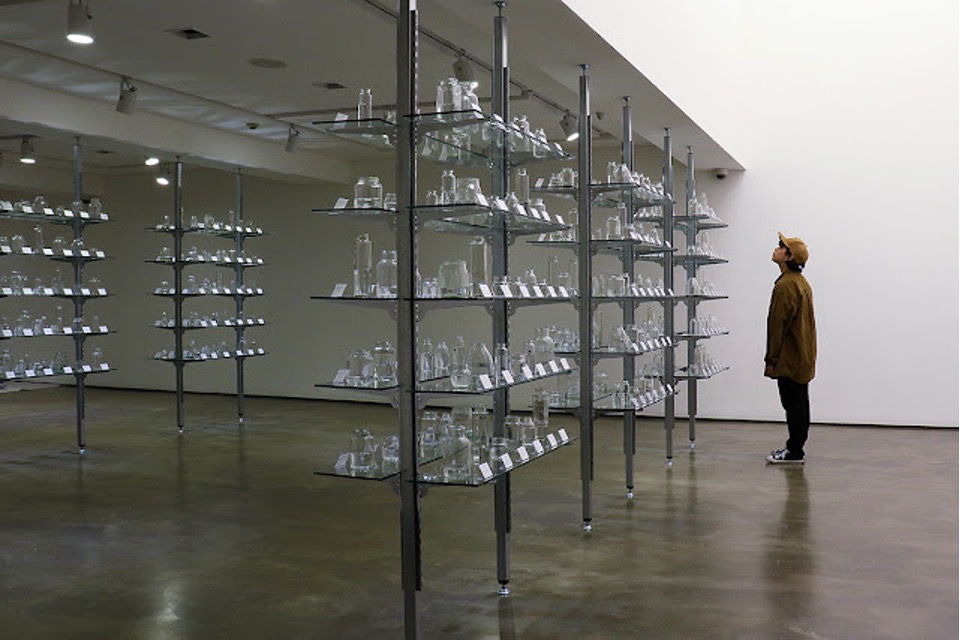
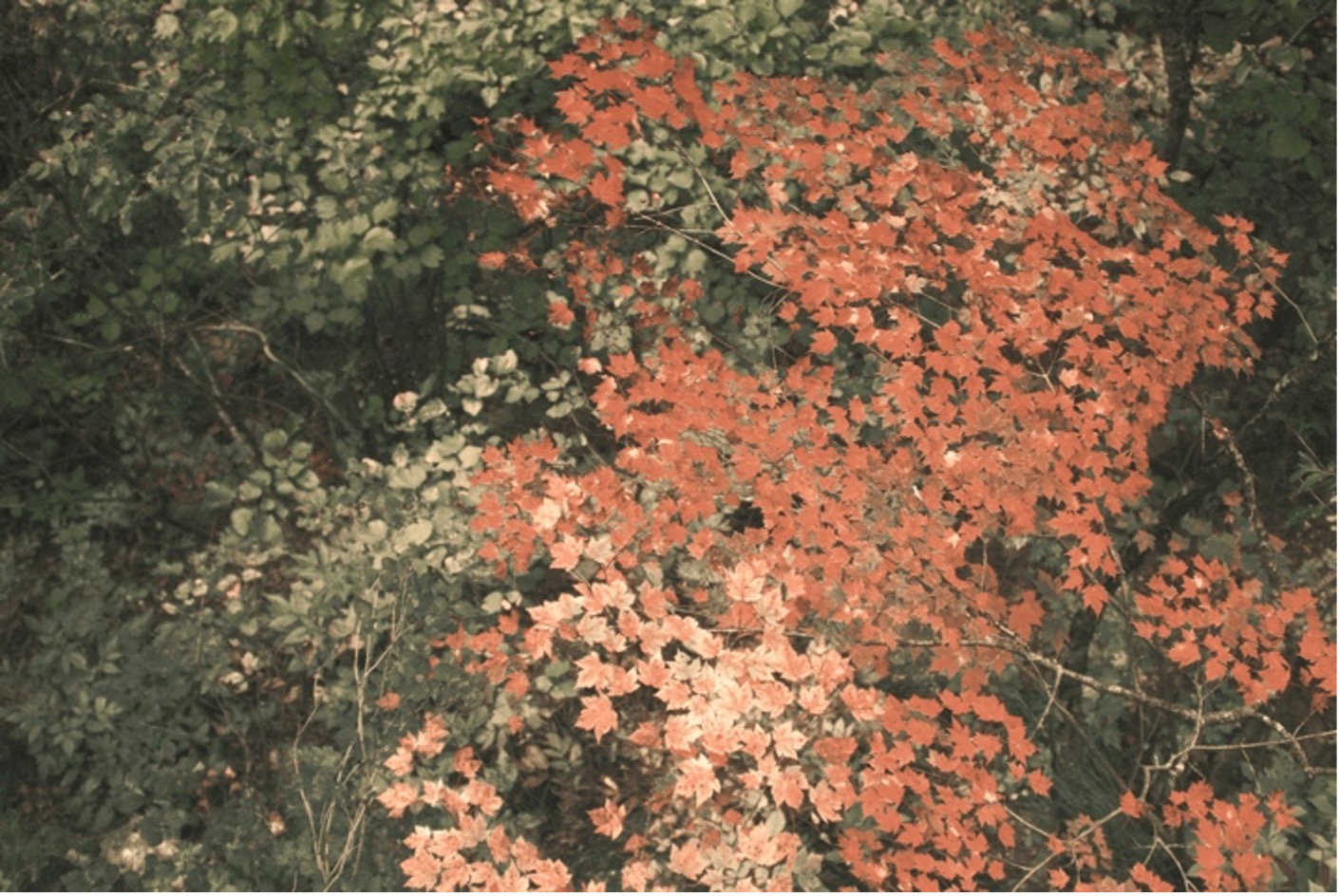
If one were to select the most empirically grounded work by Beak Jungki, it would undoubtedly be the Is of series. The final result of this series is photography, yet the images in these photographs were astonishingly printed using pigments extracted from the very objects depicted in them. For instance, a photograph of autumn leaves in Seoraksan was created by collecting the yellow, red, and green leaves from the mountain, grinding, pressing, and extracting their pigments using various devices, and then printing the image with those very pigments. Similar to how people mistakenly believe that banana-flavored milk is yellow or that flesh-colored crayons originate from actual skin tones, this paradoxically logical Is of series seems to prove that such misconceptions are not necessarily erroneous. The decisive factor that made this series possible was the artist’s repeated experimentation. Beak tested solvents and separators to extract colors, modified a printer to print using raw plant extracts, and even developed specific components to facilitate this process. Therefore, the scientific aspect of Is of is not merely a conceptual influence but rather an engagement with engineering—more specifically, the theoretical and practical development of mechanical devices. However, since the ultimate destination of these theories and practices is art—more precisely, a singular artwork—the scientific nature of the work remains only partial.

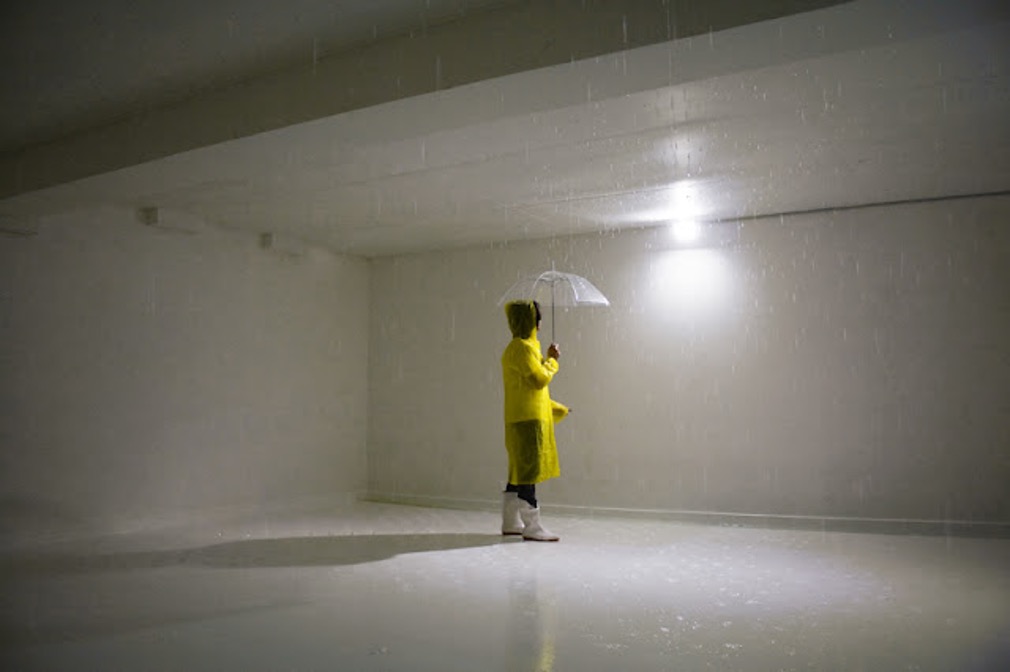
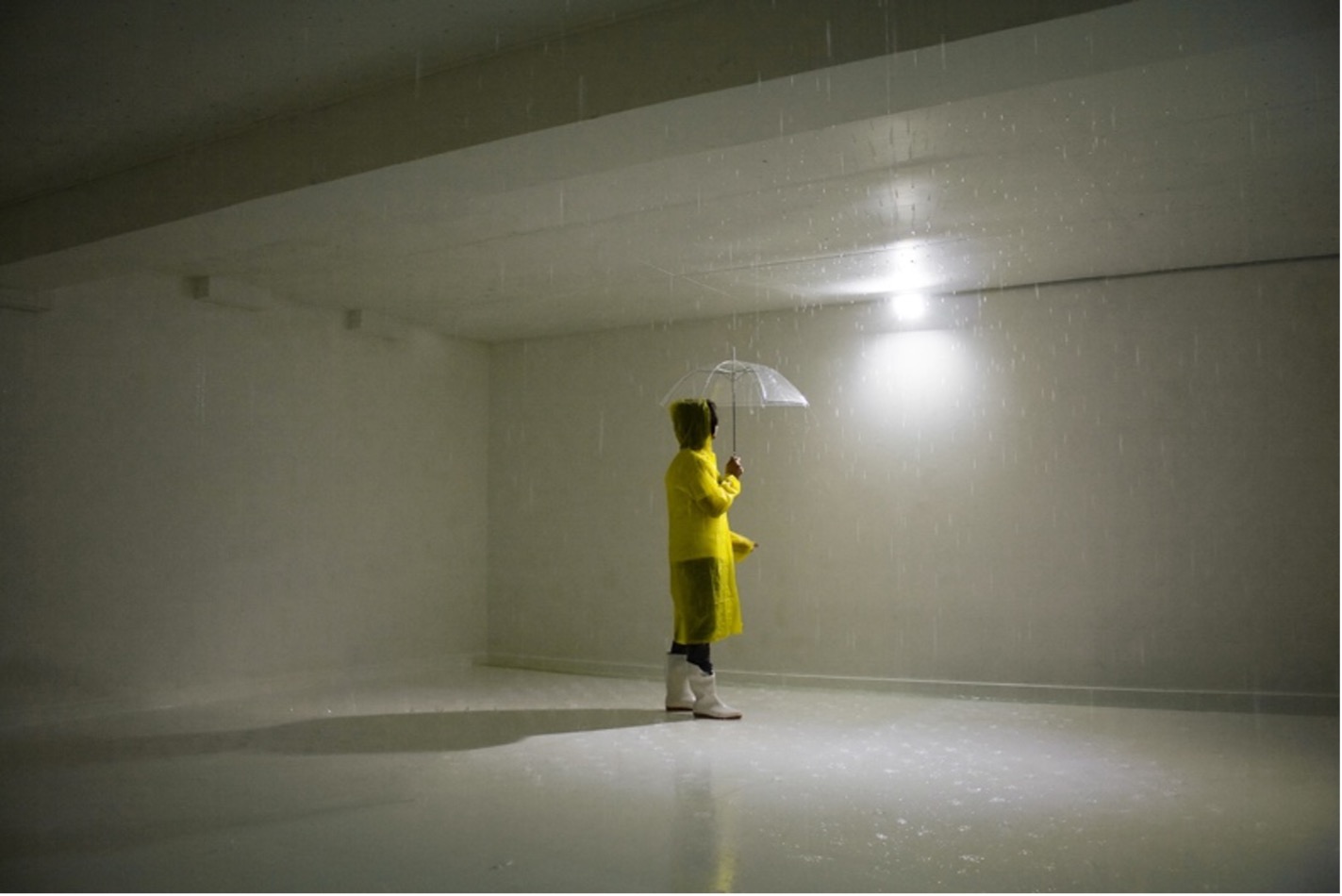
Beak Jungki, Sweet Rain, 2010 ©Beak Jungki

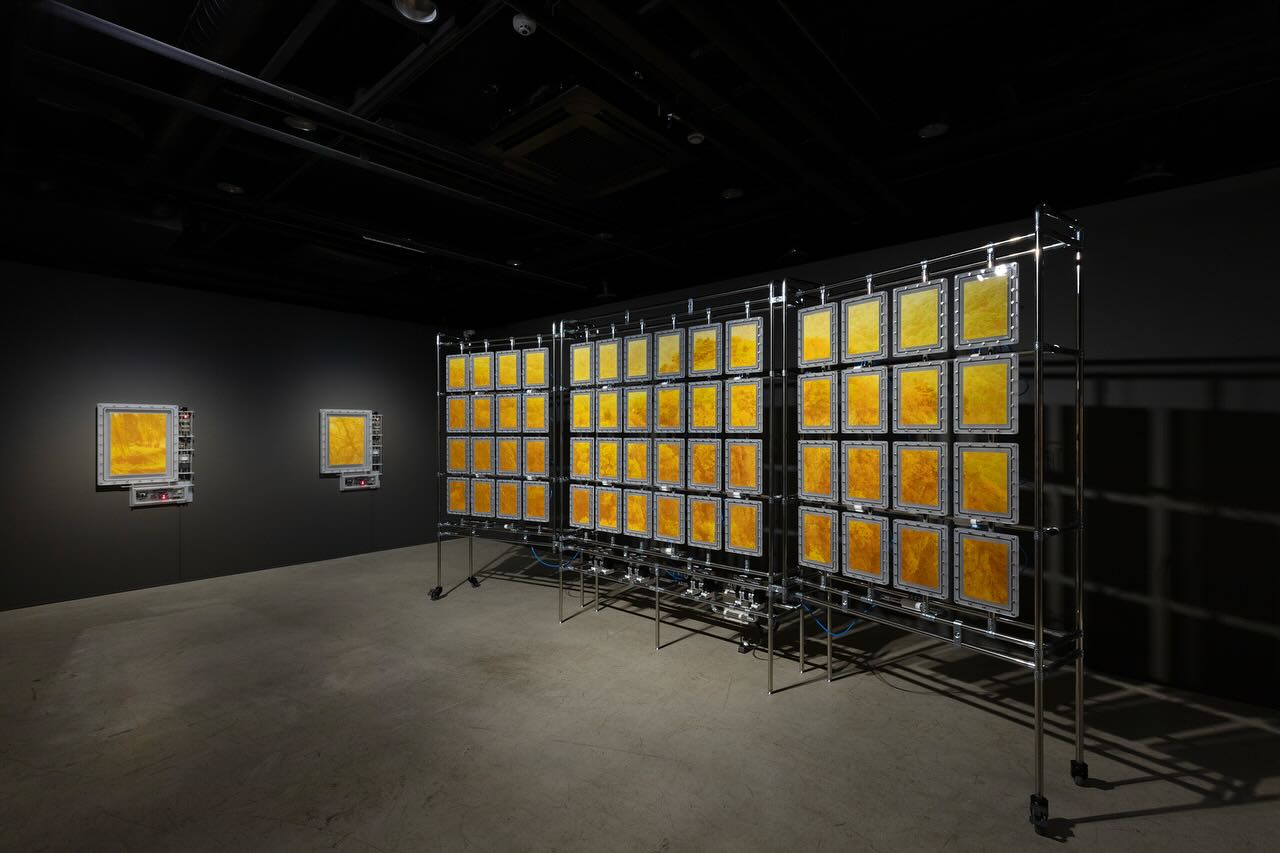
Another work, Sweet Rain (2010), was an architectural installation at Insa Art Space that transformed the entire exhibition hall into a space where artificial rain would fall. This work exemplifies Beak’s synthesis of semi-scientific methodologies. This installation featured artificial rain falling from the ceiling of an underground exhibition space—rain that, due to the addition of saccharin, was literally sweet. This system was made possible by a complex engineering structure: water from a reservoir on the second floor of the building was mixed with saccharin in an intermediary device, pumped through a piping system, then transported underground, where it was released as raindrops from nozzles on the ceiling. Finally, the accumulated water was collected from the floor and drained outside via an automated system. Without any of these components properly installed, Sweet Rain could not have functioned as an artwork. However, at the same time, what allowed Sweet Rain to be considered an installation artwork and a participatory performance rather than just an engineering experiment was Beak’s artistic intervention—the way he modified and reconfigured existing architectural and plumbing structures in a manner that remained firmly within the framework of contemporary art. This realization aligns with the artistic direction Beak reached after his self-reflection following Pray for Rain-Morocco: moving beyond metaphor into tangible reality, and shifting from artistic concepts or aesthetics toward more empirical and experiential works that integrate both engineering and art in distinct ways.

Thus, as previously noted, his approach is both semi-scientific and, in another sense, semi-artistic. The reason Beak Jungki’s work is considered only semi-artistic—rather than fully autonomous and independent as an art form—is that his ideas and artistic methodologies still operate within the established parameters of contemporary art. While the specific details and formal elements of his works introduce differences, their various aspects remain grounded in site-specific art, participatory and interventionist art, conceptual art, and socio-political critique.

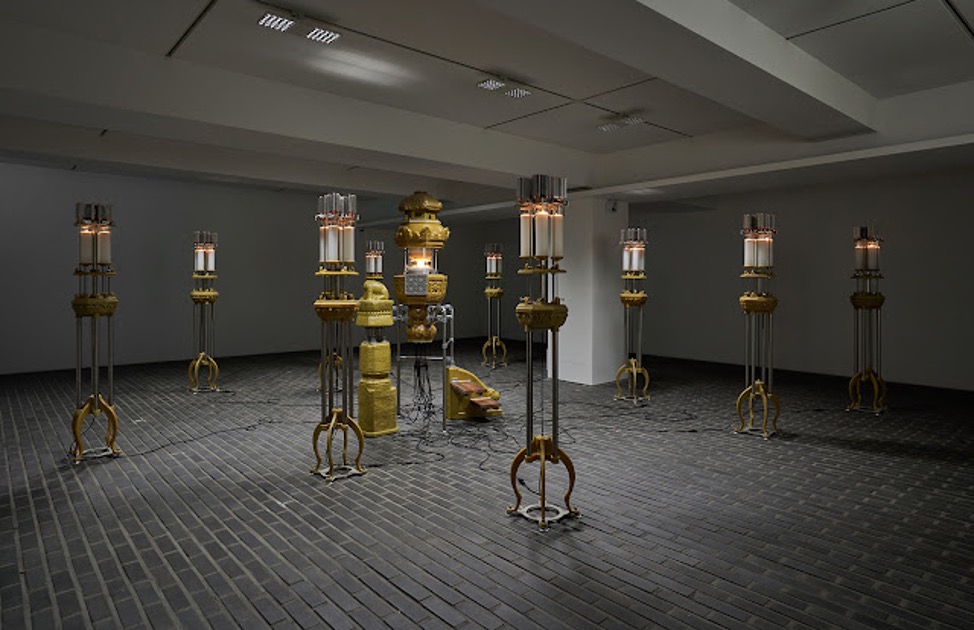
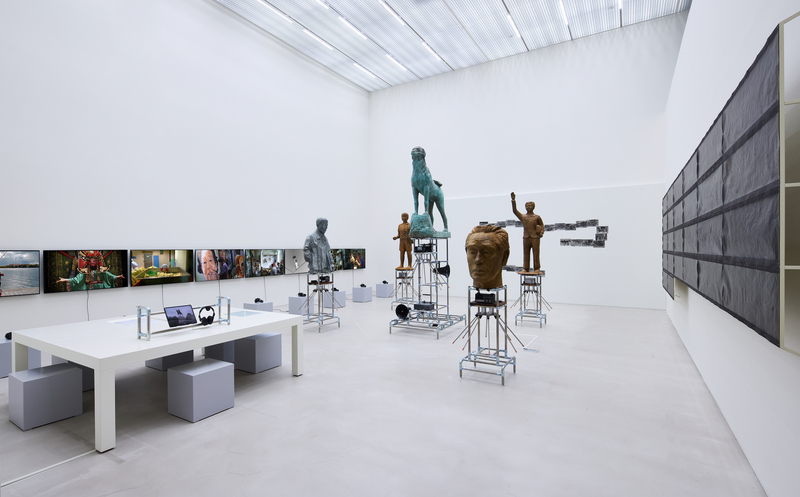
A project that most explicitly exemplifies this tendency is the Historical Antenna series. Conceived during Beak’s participation in a European residency program, this project involved repurposing public monuments into shortwave radio antennas. One such example is the Maria Valéria Bridge, which connects Slovakia and Hungary and was originally built in the 19th century. In this project, Beak researched the site’s history and its present-day context, critically conceptualized the historical and situational framework, identified points of artistic intervention, and then physically or conceptually altered existing monuments through various transformations. This process results in works that could be described as “site-specific, intervention-based, conceptual installations.” In this way, Beak’s practice effectively engages with the dominant languages, methodologies, and perspectives of contemporary art.

However, this is not necessarily a flaw or limitation in Beak Jungki’s work, nor does it imply an obstacle to his future success and development. On the contrary, in the process of categorization within the art world and the curation of various art events, the multifaceted nature of Beak’s work—straddling different facets of contemporary art—makes it an appealing choice. Furthermore, because his works are presented with clarity and sophistication in terms of logic and execution, they attract attention and stimulate understanding among viewers. Nonetheless, it is important to recognize that Beak’s practice is still in a transitional phase. He has not yet invented a distinct and fully autonomous artistic language of his own. Or, as Beak himself realized, he continues to pursue something beyond “mere artistic gestures,” seeking to create works that stand independently as a whole rather than remaining semi-scientific or semi-artistic. Whether he refines this trajectory, diverges onto an entirely different path, or devises an entirely new approach remains his decision to make.
 

* In 1407 (the 7th year of King Taejong’s reign), the Joseon Dynasty conducted a rain ritual called "seokcheok giuje" (蜥蜴祈雨祭), based on the proposal of Kim Gyeom, a senior official. It is said that 20 young boys in blue robes, holding willow branches, would sing to a lizard placed in an earthen jar: "Lizard! Lizard! If you summon clouds, exhale mist, and bring pouring rain, we will set you free." Beak Jungki appears to have adopted this ceremonial format in his work.