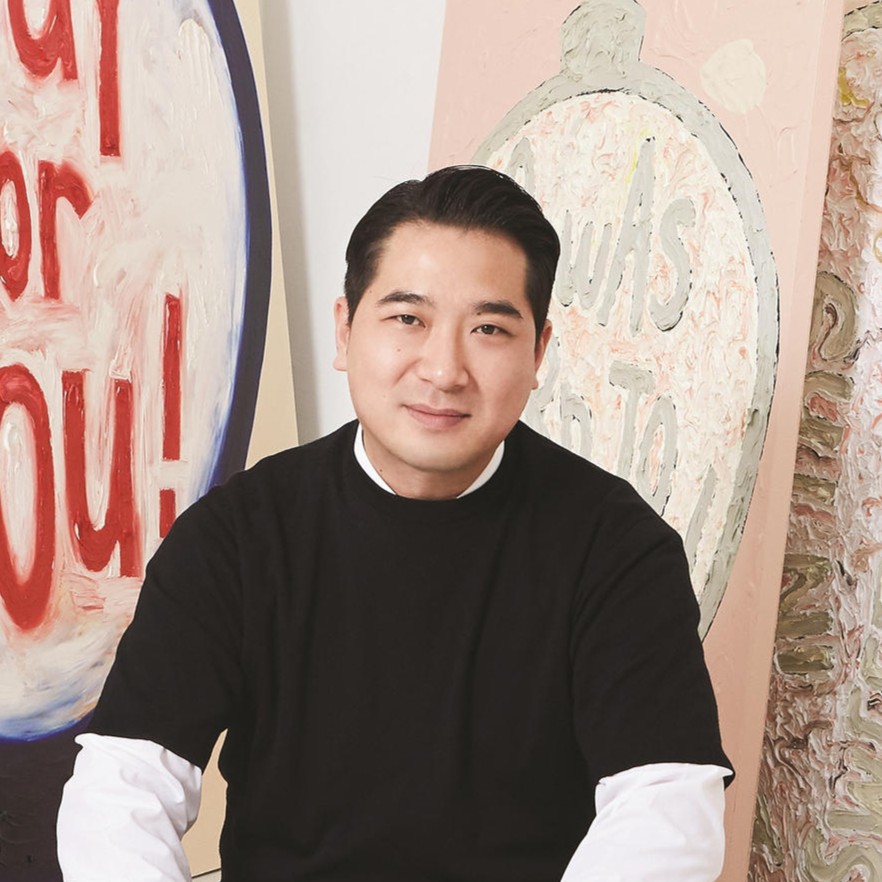
Junyoung
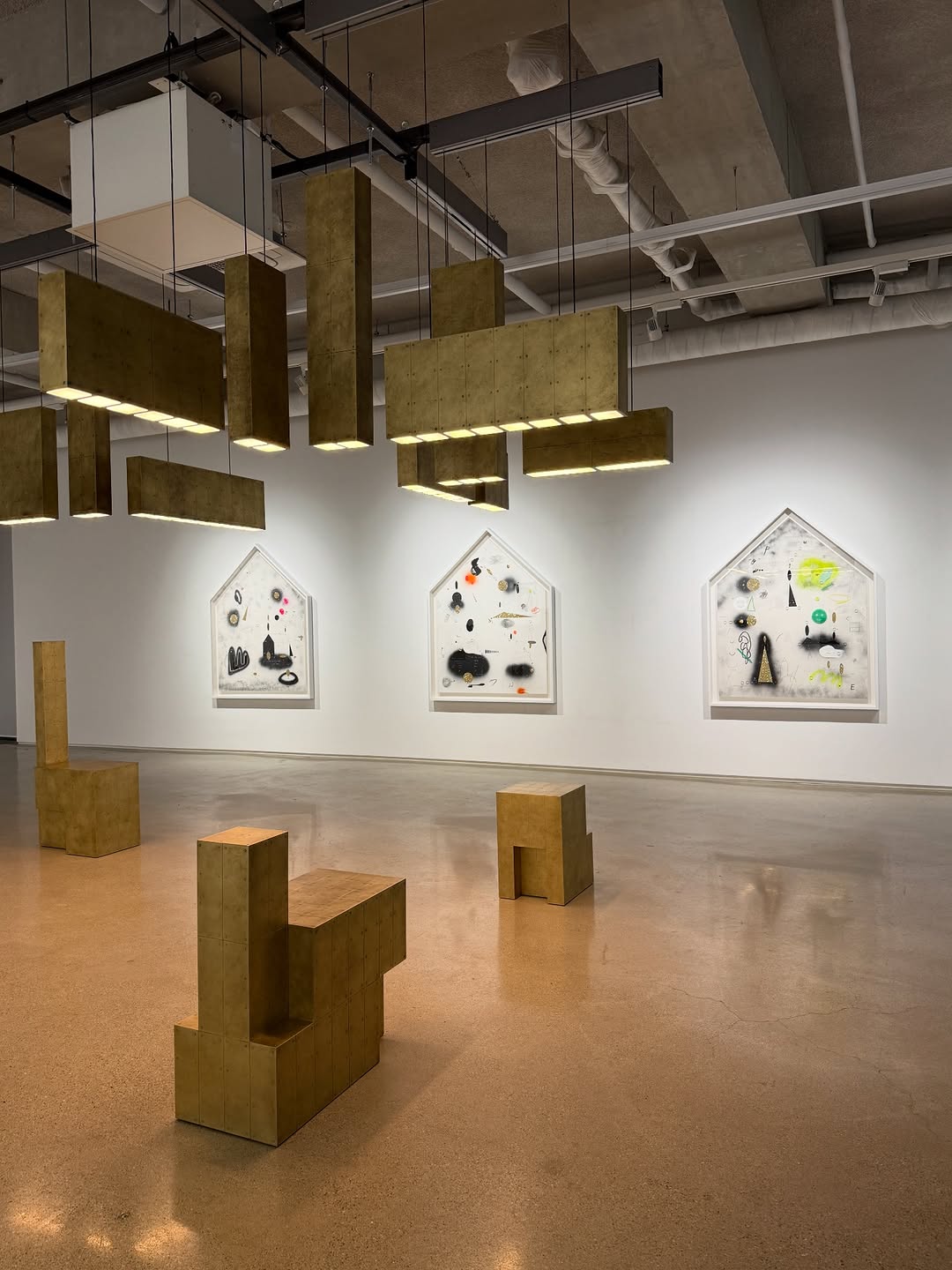
Kang’s work centers on “home” and “family,” giving sculptural form to the
layers of memory and emotion accumulated within them. For the artist, home is
not simply a place to stay, but an emotional structure where generations
continue, relationships are formed, and love and responsibility, longing and
loss accumulate together. The sense of movement he experienced while traveling
between Korea and overseas in childhood, the memory of the house where three
generations lived together, his grandmother’s jars, and the presence of his
father, who was an architect, become important points of departure that
repeatedly return in his work. This background continues in recent solo
exhibitions such as 《The Language of
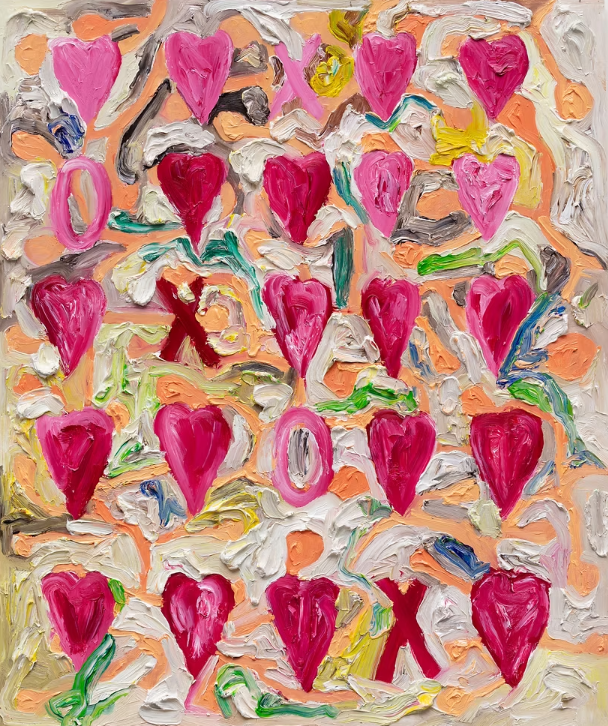
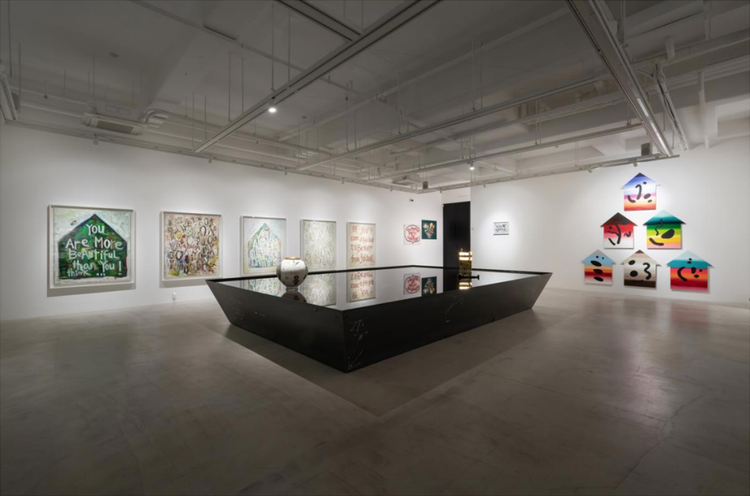
Home(Fluidity and Things)》(Atelier Aki, Seoul, 2021), 《“O” & “X” and Us》(2GIL29 GALLERY, Seoul,
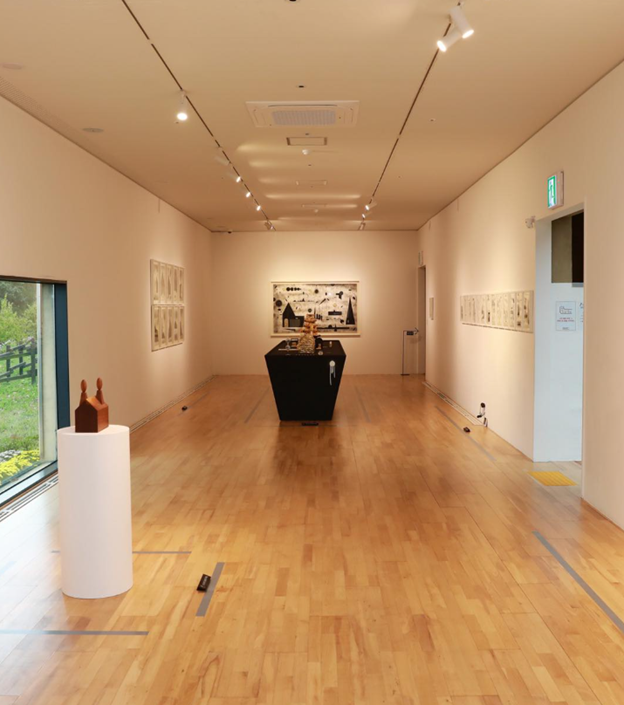
2022), 《Process of Processing》(Solgeo
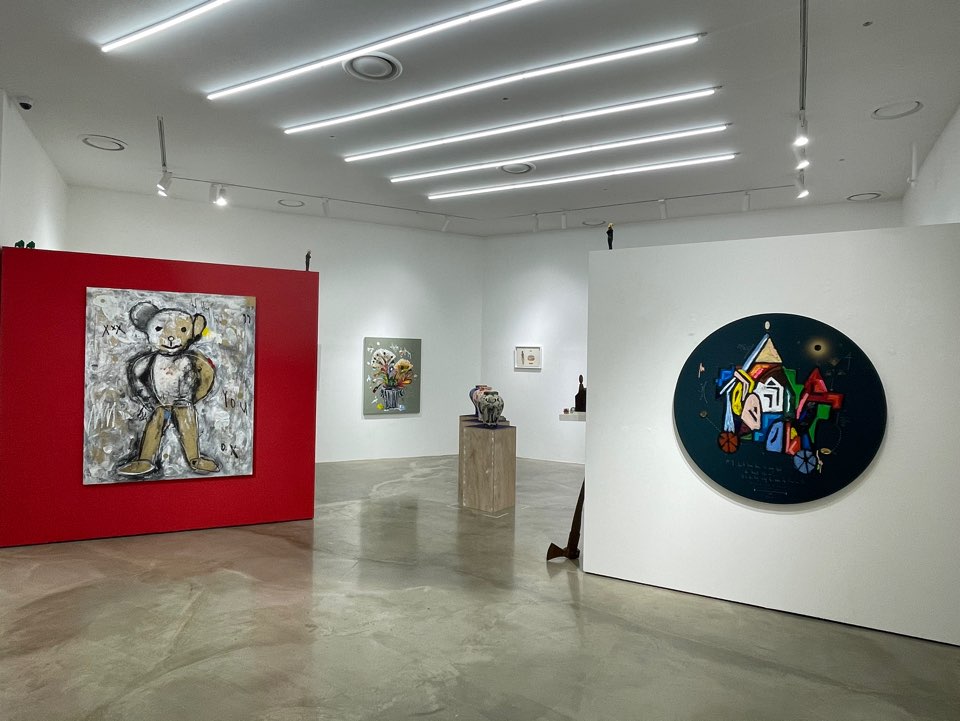
Art Museum, Gyeongju, 2024), and 《Let’s Meet Again When
It Snows》(Hakgojae Art Center, Seoul, 2024), expanding
home into a site of personal memory and a symbolic space for thinking about
family and society.
From early
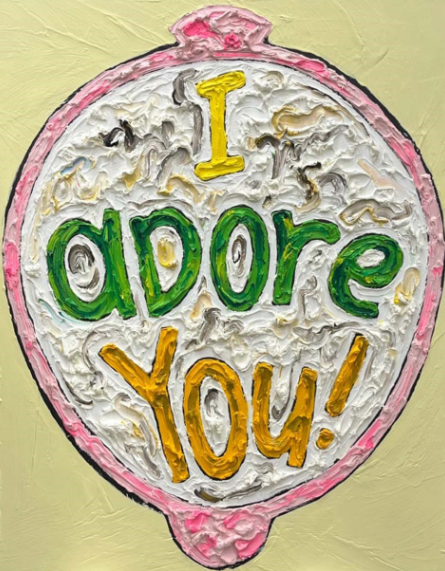
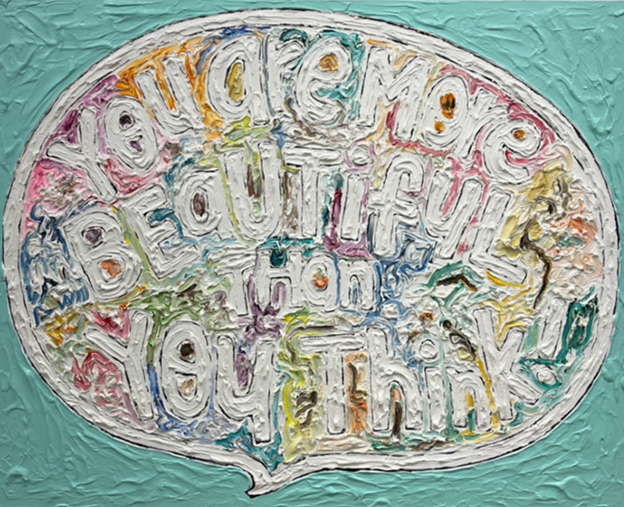
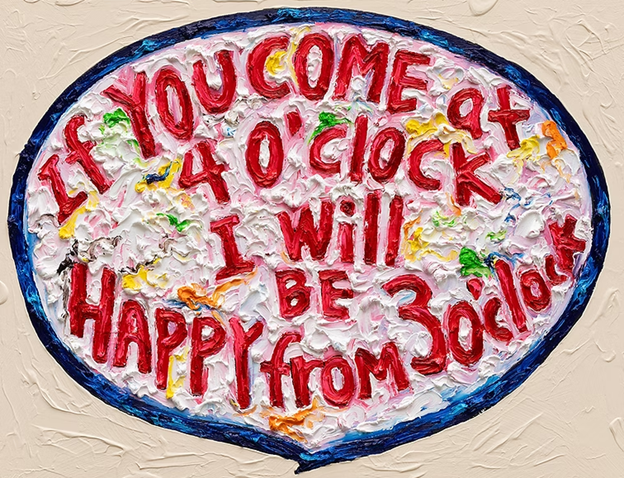
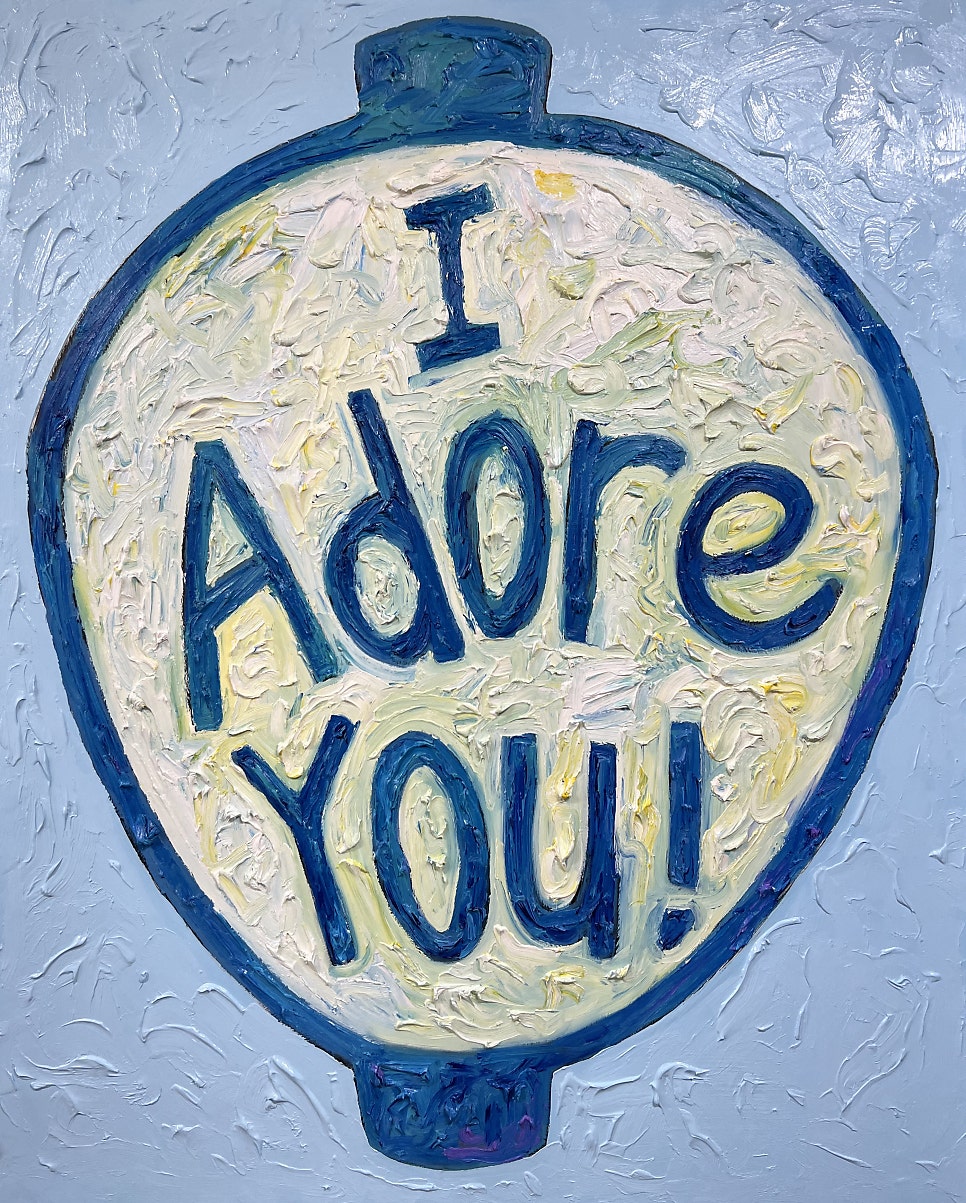
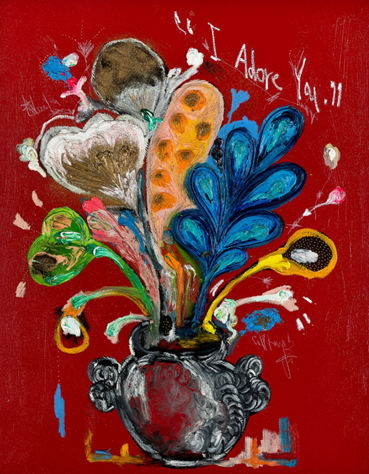
on, Kang has dealt with love and memory through direct language and images.
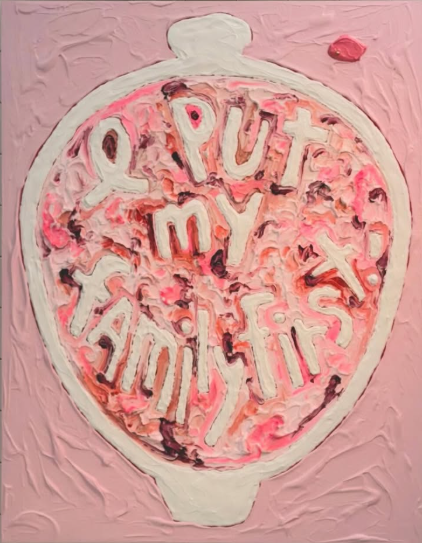
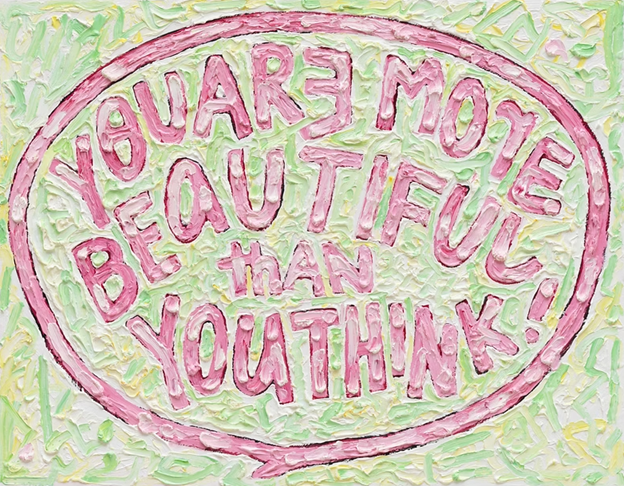
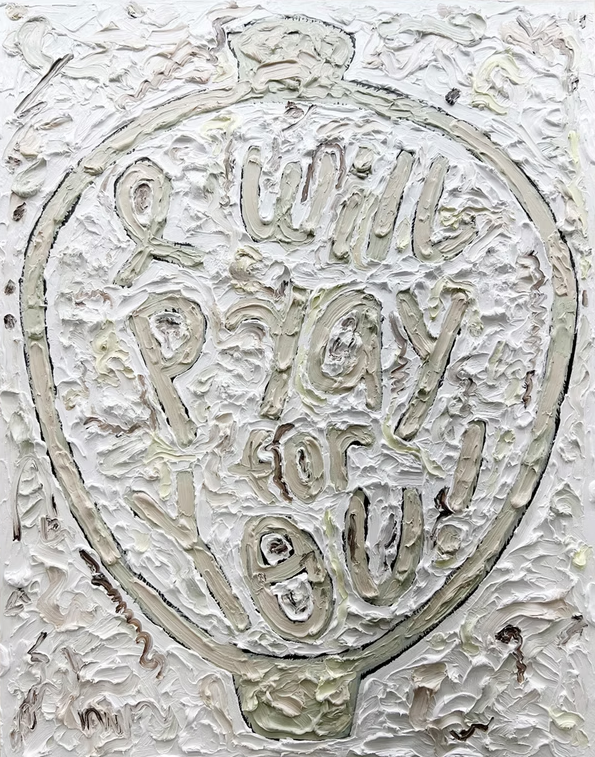
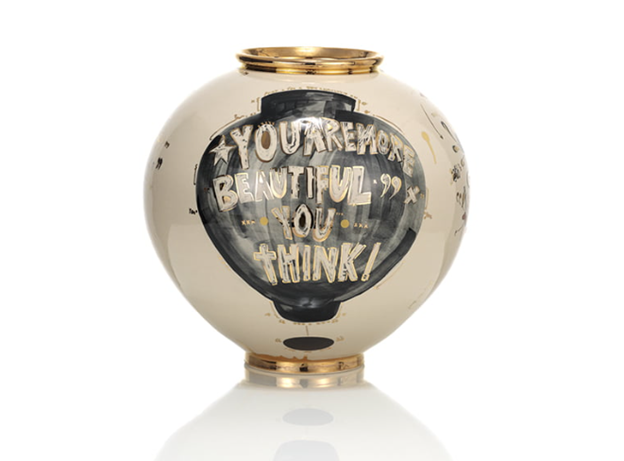
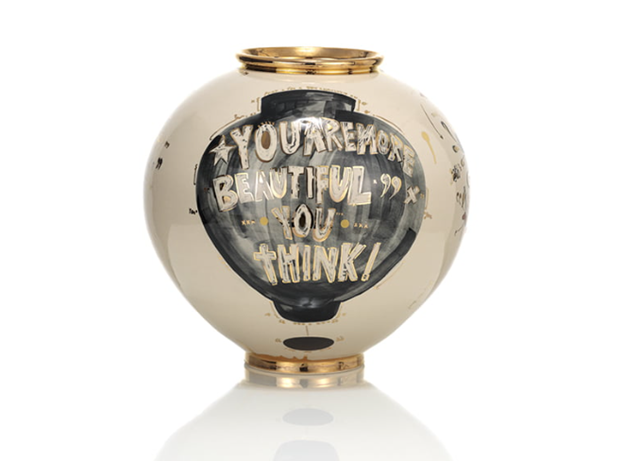
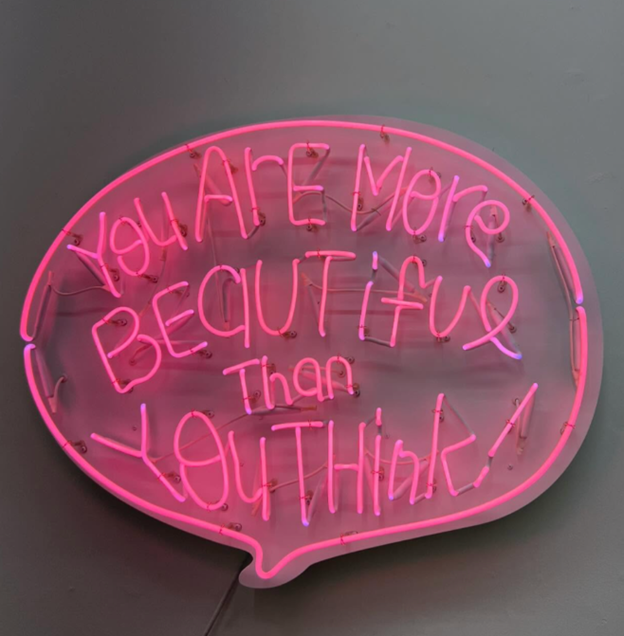
Phrases such as “I love you,” “Pray for you,” “You are more beautiful than you
think,” and “I put my family first” are not simply words in his work, but
function as forms of wish and prayer that seek to hold onto and restore
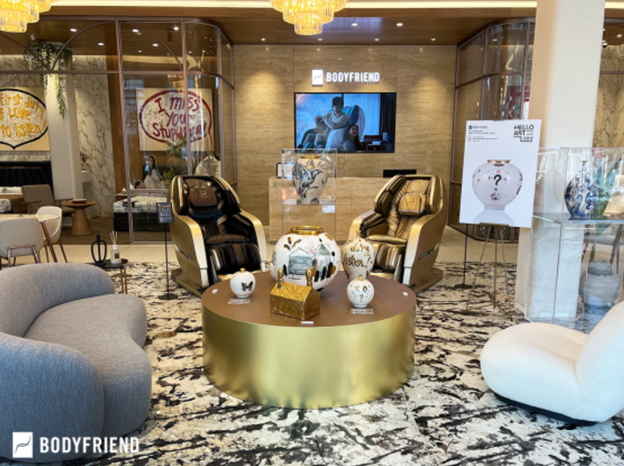
relationships. These phrases are placed on speech bubbles, jars, the outlines
of houses, and ceramic surfaces, visually conveying emotions related to family
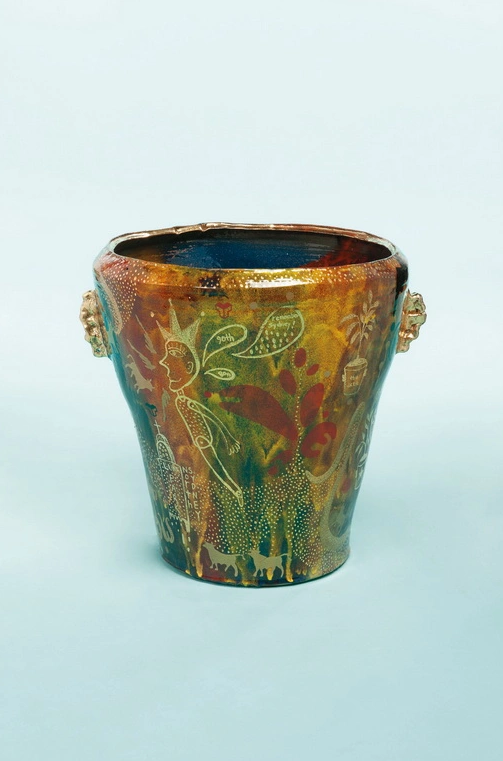
and love. If people in the past wished for wealth, fertility, harmony, and
success through the symbolic meanings of ceramics, folk paintings, peonies,
grapes, fish, and bird patterns, Kang prays for the well-being of family, love,
and the positivity of life through today’s letters, colors, and graphic signs.
In his
work, “home” acquires increasingly complex meanings over time. In 《The Language of Home(Fluidity and Things)》,
home is presented both as architecture and as a language through which emotion
and memory operate. Home does not only signify comfort and stability for the
family. Within it coexist different emotions such as expectation and
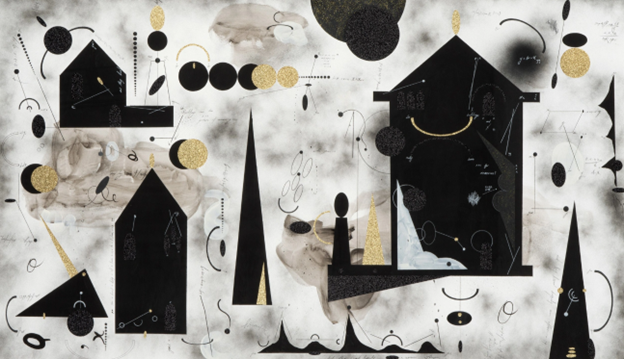
disappointment, affection and conflict, protection and burden. The drawing
series ‘Do Buildings Really Have Memories?’(2019) borrows the form of
architectural drawings to ask whether contemporary buildings and spaces can
truly contain the memories and emotions of a family. Here, drawing is not a
preliminary sketch for making a form, but a method of thinking that explores
how emotions are structured.
In recent
works, his interest in family and home leads to questions of “process” and
“construction.” In 《Process of
Processing》, the artist focuses not on the completed
result, but on the time, failure, repetition, and reflection required to arrive
at that result. He overlaps the act of building a house with the act of making
an artwork, unfolding through drawing, painting, and installation the invisible
effort and judgment accumulated before a form comes into being. In the recent
solo exhibition 《Building + Dwelling》(Gallery Dooin, Seoul, 2026), he also shows the process through
which form is created through organic flows and traces of relationships. In
this way, Kang’s work begins from warm messages about family, but has gradually
expanded toward the space where those messages reside, the structure that forms
that space, and the time through which that structure is generated.